

Japanese Society for Cancer of the Colon and Rectum (JSCCR) guidelines 2016 for the treatment of colorectal cancer
Open accessThe DOI matches its Crossref record; 286 of the 286 references it cites were found in a registry or an index; 27 of the 131 sources its claims cite were checked for support.
Abstract
Guideline article describing standard treatment strategies for colorectal cancer and summarizing evidence-based recommendations.
Overview
CoChat Summary
TL;DR
The JSCCR Guidelines 2016 present consensus-based standard treatment strategies for colorectal cancer in Japan, covering endoscopic and surgical treatment, chemotherapy, radiotherapy, palliative care, and surveillance. They use literature review, GRADE-style evidence assessment, and Delphi consensus to issue recommendations for clinical questions.
Key findings
- Colorectal cancer mortality in Japan surpassed 49,000 in 2015, and deaths per unit population increased approximately tenfold over the past 50 years.
- After curative resection of pStage 0–III colorectal cancer, 5-year survival rates by site were: all sites 82.2%, colon 83.8%, rectosigmoid 81.7%, and Ra–Rb rectum 79.3% (patients treated 2000–2004).
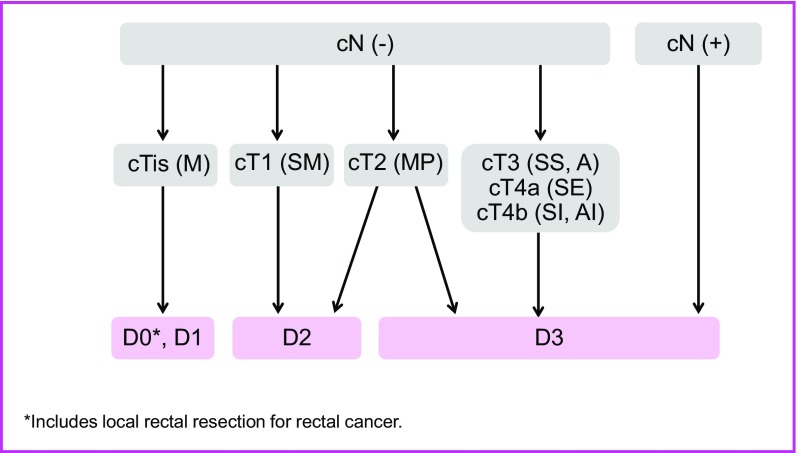
- For rectal cancer with the lower tumor border distal to the peritoneal reflection and invasion beyond the muscularis propria, lateral lymph node metastasis rate was 20.1%; lateral lymph node dissection was expected to reduce intrapelvic recurrence risk by 50% and improve 5-year survival by 8–9%.
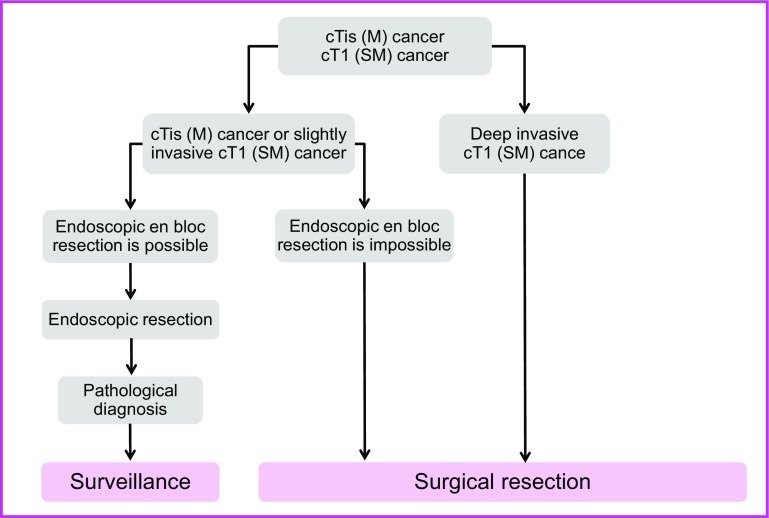
- For pT1 (SM) colorectal cancer, the lymph node metastasis rate was 12.5% when submucosal invasion depth was ≥1000 μm; Stage II postoperative adjuvant chemotherapy was not recommended routinely (recommendation/evidence level 1A), while 6 months was the standard duration for 5-FU-based adjuvant chemotherapy (1A).
Methods
- These guidelines were prepared by the JSCCR Guideline Committee by consensus, based on literature searches and consideration of the Japanese health insurance system and clinical practice.
- Literature searches used PubMed and Ichushi-Web from January 2008 to March 2012, with the search period extended to July 2016 for adjuvant chemotherapy and chemotherapy for advanced or recurrent colorectal cancer; 12,000 documents were retrieved (PubMed 7909, Ichushi 4091), and 2320 were selected and critically reviewed.
- Evidence levels and strength of recommendations were assessed with reference to the GRADE system; recommendation strength was determined by Delphi-method voting, with ≥70% committee consensus required.
Limitations
- Stated: the guidelines provide only general recommendations and do not control or limit treatment strategies or methods not described; responsibility for treatment outcomes rests with the personnel directly in charge, not the JSCCR or Guideline Committee.
- Stated: no strength of recommendation was presented in clinical questions, and for several interventions the efficacy and safety were not established, with calls for appropriately planned clinical trials.
- Evident from the text: recommendations are explicitly framed around the Japanese medical insurance system and actual clinical practice in Japan, and the literature search periods ended in 2012 or 2016, so applicability outside Japan or to later evidence is limited.
Model-written summary. Check it against the paper before relying on it.
Integrity signals
Registry
Cites
Statistics
Figures
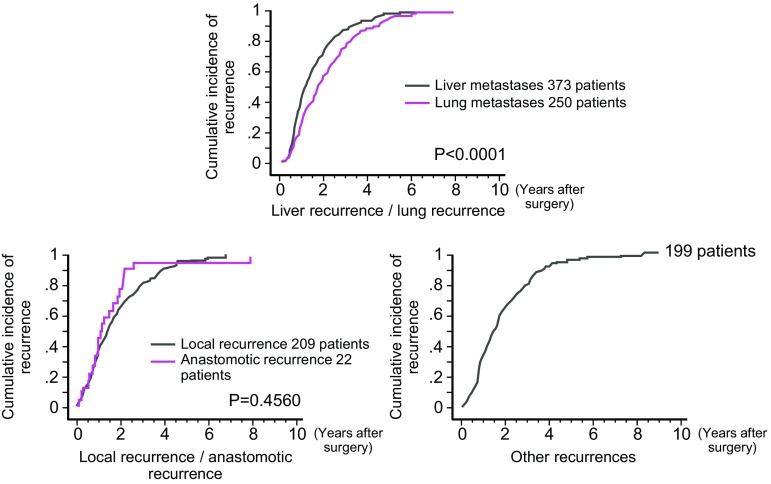
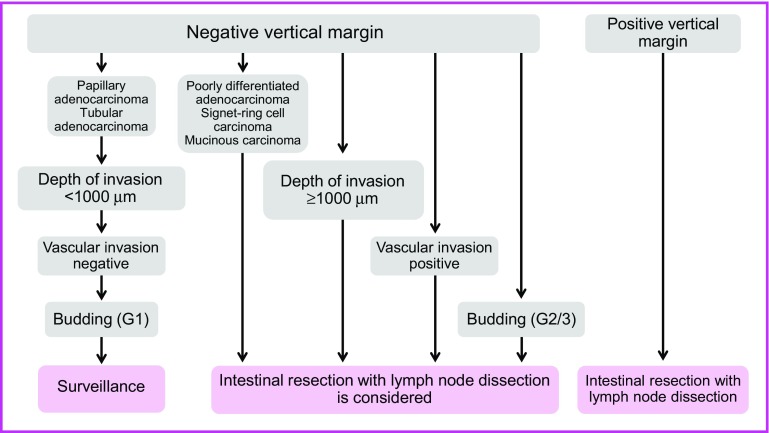
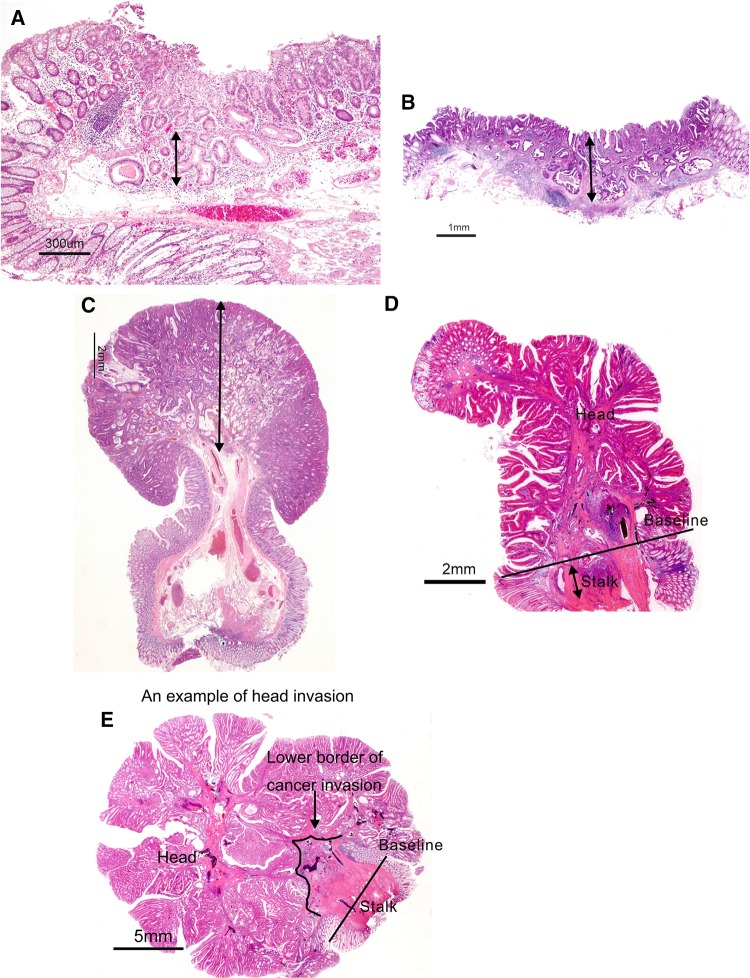
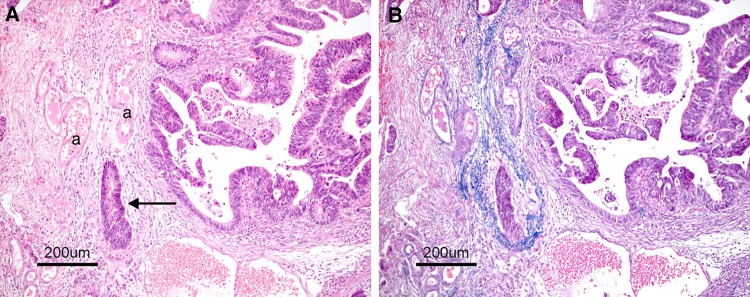
Verification
Claims the paper makes
14 Valid · 15 Not valid · 52 Not checked · 49 Own results and interpretations
The cited sources support only part of this claim — read each source’s verdict below.
In the paper
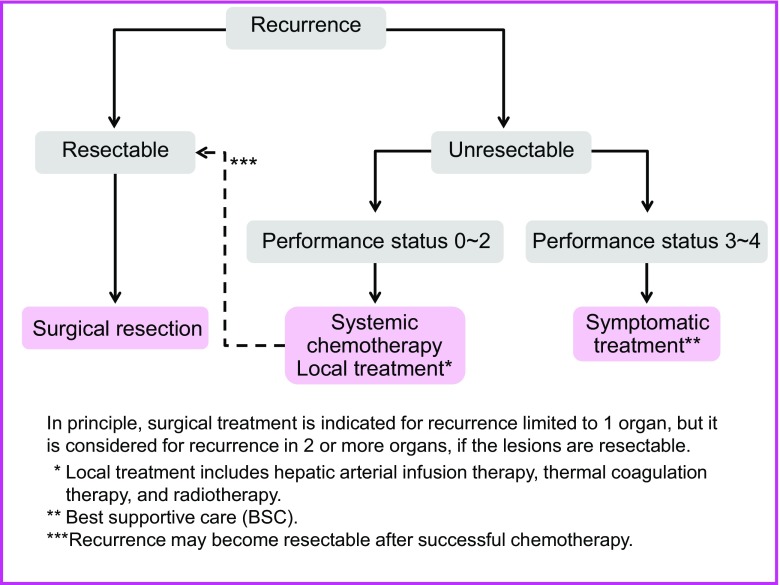
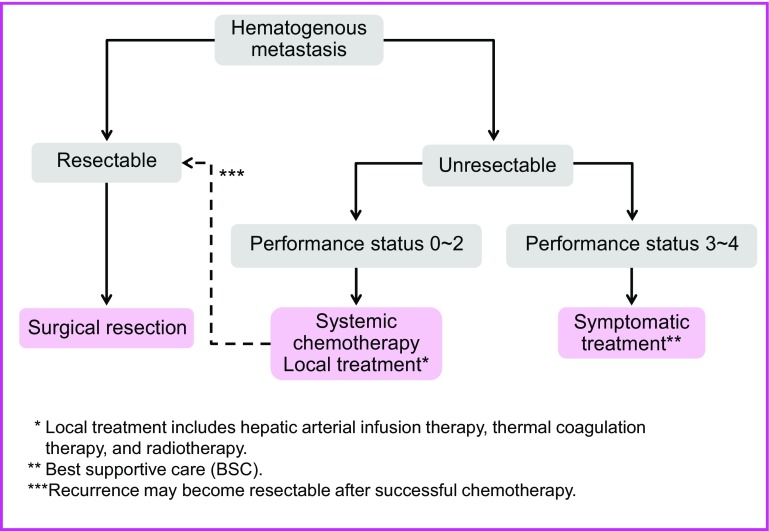
“Randomized controlled trials involving PS 0 to PS 2 patients have shown that chemotherapy groups have a significantly longer survival time than BSC groups that did not receive anticancer drugs [54–56].”
§ Japanese Society for Cancer of the Colon and Rectum (JSCCR) guidelines 2016 for the treatment of colorectal cancer > Abstract
What the sources say
- Partly supportedcites [54] Scheithauer W Rosen H Kornek GV Randomised comparison of combination chemotherapy plus supportive care with supportive care alone in patients with metastatic colorectal cancer BMJ 1993 306 752 755 10.1136/bmj.306.6880.752 7683942 PMC1677246 sourceExperimental — accuracy not yet measured
The Results report significantly longer survival in the chemotherapy arm than in the supportive-care arm (median 11 versus 5 months; p=0.006). However, Table I groups some participants as PS 2–3, so this trial cannot establish that all participants had PS 0–2. The Results also state that two participants assigned to supportive care later received an anticancer drug. (LLM, conf=0.88)
- Partly supportedcites [55] Simmonds PC Palliative chemotherapy for advanced colorectal cancer: systematic review and meta-analysis. Colorectal Cancer Collaborative Group BMJ 2000 321 531 535 10.1136/bmj.321.7260.531 10968812 PMC27466 sourceExperimental — accuracy not yet measured
The Survival section reports significantly longer survival for the chemotherapy group in a pooled analysis of randomized trials. However, the paper does not establish that the patients were restricted to PS 0–2, and the Description of studies and Discussion note that some supportive-care patients subsequently received chemotherapy. The claim’s absolute description of the control groups is therefore not supported. (LLM, conf=0.88)
- Not checked — no full text of the sourcecites [56] Cunningham D Pyrhonen S James RD Randomised trial of irinotecan plus supportive care versus supportive care alone after fluorouracil failure for patients with metastatic colorectal cancer Lancet 1998 352 1413 1418 10.1016/S0140-6736(98)02309-5 9807987 source
plainstates a cause- Asserted: passes — The authors put it forward as true.
- Checkable: passes — It can be checked against evidence.
- Load-bearing: passes — The paper’s conclusions depend on it.
- Based: passes — The paper gives a reason why it holds.
- Partly supported
The sources with a verdict support this claim; the rest weren’t checked yet, have no full text we could read, or their verdicts aren’t rated yet.
In the paper
“There are reports showing the efficacy of hepatectomy in patients who have controllable extrahepatic metastases (mainly lung metastases) in addition to liver metastases [35, 36, 39, 43] (CQ-7).”
§ Japanese Society for Cancer of the Colon and Rectum (JSCCR) guidelines 2016 for the treatment of colorectal cancer > Abstract
What the sources say
- Not checked — no full text of the sourcecites [35] Murata S Moriya Y Akasu T Resection of both hepatic and pulmonary metastases in patients with colorectal carcinoma Cancer 1998 83 1086 1093 10.1002/(SICI)1097-0142(19980915)83:6<1086::AID-CNCR6>3.0.CO;2-6 9740072 doi:10.1002/(sici)1097-0142(19980915)83:6
- Supportedcites [36] Kobayashi K Kawamura M Ishihara T Surgical treatment for both pulmonary and hepatic metastases from colorectal cancer J Thorac Cardiovasc Surg 1999 118 1090 1096 10.1016/S0022-5223(99)70106-6 10595983 source
The Discussion says that synchronous pulmonary metastases should not necessarily be considered a poor prognostic factor for hepatectomy. The paper reports 31% five-year survival after both pulmonary and hepatic resection and concludes that surgery may be appropriate when the metastases are resectable, particularly with a solitary pulmonary metastasis. (LLM, conf=0.90)
- Supportedcites [39] Robinson BJ, Rice TW, Strong SA et al (1999) Is resection of pulmonary and hepatic metastases warranted in patients with colorectal cancer? J Thorac Cardiovasc Surg 117:66–75 (discussion 75–76) 9869759 source
The Conclusions report improved survival after resection of both liver and lung metastases in selected patients with colorectal cancer. This supports the citing sentence’s characterization of the paper as a report of benefit from hepatectomy when lung metastases are also amenable to resection; the finding is limited to selected patients, particularly those with metachronous solitary metastases. (LLM, conf=0.88)
- Not checked — no full text of the sourcecites [43] Regnard JF, Grunenwald D, Spaggiari L et al (1998) Surgical treatment of hepatic and pulmonary metastases from colorectal cancers. Ann Thorac Surg 66:214–8 (discussion 218–219) 9692467 source
- Not matchedcites CQ-7
This doesn’t read as a citation we can look up.
hedgedstates a possible cause- Asserted: passes — The authors put it forward as true.
- Checkable: passes — It can be checked against evidence.
- Load-bearing: passes — The paper’s conclusions depend on it.
- Based: passes — The paper gives a reason why it holds.
The sources with a verdict support this claim; the rest weren’t checked yet, have no full text we could read, or their verdicts aren’t rated yet.
In the paper
“The incidences of sexual dysfunction and bowel dysfunction were higher in the preoperative radiation combination therapy group than in the surgery-alone group [113, 114].”
§ Japanese Society for Cancer of the Colon and Rectum (JSCCR) guidelines 2016 for the treatment of colorectal cancer > Abstract
What the sources say
- Not checked — no full text of the sourcecites [113] Marijnen CA van de Velde CJ Putter H Impact of short-term preoperative radiotherapy on health-related quality of life and sexual functioning in primary rectal cancer: report of a multicenter randomized trial J Clin Oncol 2005 23 1847 1858 10.1200/JCO.2005.05.256 15774778 source
- Supportedcites [114] Peeters KC van de Velde CJ Leer JW Late side effects of short-course preoperative radiotherapy combined with total mesorectal excision for rectal cancer: increased bowel dysfunction in irradiated patients–a Dutch colorectal cancer group study J Clin Oncol 2005 23 6199 6206 10.1200/JCO.2005.14.779 16135487 source
The Patients section reports more bowel dysfunction after preoperative radiotherapy plus surgery than after surgery alone. The Discussion also reports significantly more sexual dysfunction in irradiated patients, citing a concomitant study by the same group. Page numbers are not available in our copy. (LLM, conf=0.90)
plainstates an association- Asserted: passes — The authors put it forward as true.
- Checkable: passes — It can be checked against evidence.
- Load-bearing: passes — The paper’s conclusions depend on it.
- Based: passes — The paper gives a reason why it holds.
The cited sources support only part of this claim — read each source’s verdict below.
In the paper
“OX increased harmful phenomena in three tests”
§ Japanese Society for Cancer of the Colon and Rectum (JSCCR) guidelines 2016 for the treatment of colorectal cancer > Abstract
What the sources say
- Not checked — no full text of the sourcecites [120] Hofheinz RD Wenz F Post S Chemoradiotherapy with capecitabine versus fluorouracil for locally advanced rectal cancer: a randomised, multicentre, non-inferiority, phase 3 trial Lancet Oncol 2012 13 579 588 10.1016/S1470-2045(12)70116-X 22503032 source
- Partly supportedcites [122] Aschele C Cionini L Lonardi S Primary tumor response to preoperative chemoradiation with or without oxaliplatin in locally advanced rectal cancer: pathologic results of the STAR-01 randomized phase III trial J Clin Oncol 2011 29 2773 2780 10.1200/JCO.2010.34.4911 21606427 sourceExperimental — accuracy not yet measured
The Compliance and Acute Toxicity section reports more grade 3–4 adverse events when oxaliplatin was added to preoperative fluorouracil and radiotherapy (24% versus 8%). The Discussion says increased acute toxicity was seen in two randomized phase III trials, not three; the claimed number of tests is unsupported. (LLM, conf=0.87)
- Not checked — no full text of the sourcecites [123] Gerard JP Azria D Gourgou-Bourgade S Comparison of two neoadjuvant chemoradiotherapy regimens for locally advanced rectal cancer: results of the phase III trial ACCORD 12/0405-Prodige 2 J Clin Oncol 2010 28 1638 1644 10.1200/JCO.2009.25.8376 20194850 source
- Supportedcites [124] Gérard JPAD Gourgou-Bourgade S Clinical outcome of the ACCORD 12/0405 PRODIGE 2 randomized trial in rectal cancer J Clin Oncol 2012 30 4558 4565 10.1200/JCO.2012.42.8771 23109696 sourceExperimental — accuracy not yet measured
The Discussion reports increased grade 3–4 acute toxicity with oxaliplatin in the ACCORD 12, STAR-01, and NSABP R04 randomized trials. It also notes that the CAO/ARO 04 trial did not show an overall toxicity increase, although one subgroup did. The claim is supported when “harmful phenomena” refers to acute toxicity. (LLM, conf=0.88)
plainstates a cause- Asserted: passes — The authors put it forward as true.
- Checkable: passes — It can be checked against evidence.
- Load-bearing: passes — The paper’s conclusions depend on it.
- Based: passes — The paper gives a reason why it holds.
The sources with a verdict support this claim; the rest weren’t checked yet, have no full text we could read, or their verdicts aren’t rated yet.
In the paper
“The incidence of acute-phase adverse events was significantly higher in the preoperative chemoradiotherapy groups”
§ Japanese Society for Cancer of the Colon and Rectum (JSCCR) guidelines 2016 for the treatment of colorectal cancer > Abstract
What the sources say
- Not checked — no full text of the sourcecites [111] Peeters KC Marijnen CA Nagtegaal ID The TME trial after a median follow-up of 6 years: increased local control but no survival benefit in irradiated patients with resectable rectal carcinoma Ann Surg 2007 246 693 701 10.1097/01.sla.0000257358.56863.ce 17968156 source
- Not checked — no full text of the sourcecites [112] van Gijn W Marijnen CA Nagtegaal ID Preoperative radiotherapy combined with total mesorectal excision for resectable rectal cancer: 12-year follow-up of the multicentre, randomised controlled TME trial Lancet Oncol 2011 12 575 582 10.1016/S1470-2045(11)70097-3 21596621 source
- Not checked — no full text of the sourcecites [113] Marijnen CA van de Velde CJ Putter H Impact of short-term preoperative radiotherapy on health-related quality of life and sexual functioning in primary rectal cancer: report of a multicenter randomized trial J Clin Oncol 2005 23 1847 1858 10.1200/JCO.2005.05.256 15774778 source
- Could not verifycites [114] Peeters KC van de Velde CJ Leer JW Late side effects of short-course preoperative radiotherapy combined with total mesorectal excision for rectal cancer: increased bowel dysfunction in irradiated patients–a Dutch colorectal cancer group study J Clin Oncol 2005 23 6199 6206 10.1200/JCO.2005.14.779 16135487 sourceExperimental — accuracy not yet measured
The Introduction and Discussion (page unavailable) discuss acute toxicity after preoperative radiotherapy, but the study compares radiotherapy plus surgery with surgery alone and focuses on late side effects. A search for chemoradiotherapy and acute adverse events found no comparison of preoperative chemoradiotherapy with radiotherapy alone in our copy. (LLM, conf=0.76)
- Not checked — no full text of the sourcecites [115] Francois Y Nemoz CJ Baulieux J Influence of the interval between preoperative radiation therapy and surgery on downstaging and on the rate of sphincter-sparing surgery for rectal cancer: the Lyon R90-01 randomized trial J Clin Oncol 1999 17 2396 10.1200/JCO.1999.17.8.2396 10561302 source
- Supportedcites [116] Bosset JF Collette L Calais G Chemotherapy with preoperative radiotherapy in rectal cancer N Engl J Med 2006 355 1114 1123 10.1056/NEJMoa060829 16971718 source
The Preoperative treatment section reports higher rates of grade 2 and grade 3-or-higher acute toxic effects with preoperative chemoradiotherapy than with radiotherapy alone, with a significant difference (P for trend <0.001). The Discussion likewise says that adding chemotherapy increased acute toxic effects. (LLM, conf=0.94)
- Not checked — no full text of the sourcecites [117] Bujko K Nowacki MP Nasierowska-Guttmejer A Long-term results of a randomized trial comparing preoperative short-course radiotherapy with preoperative conventionally fractionated chemoradiation for rectal cancer Br J Surg 2006 93 1215 1223 10.1002/bjs.5506 16983741 source
- Not checked — no full text of the sourcecites [118] Gerard JP Conroy T Bonnetain F Preoperative radiotherapy with or without concurrent fluorouracil and leucovorin in T3-4 rectal cancers: results of FFCD 9203 J Clin Oncol 2006 24 4620 4625 10.1200/JCO.2006.06.7629 17008704 source
plainstates a cause- Asserted: passes — The authors put it forward as true.
- Checkable: passes — It can be checked against evidence.
- Load-bearing: passes — The paper’s conclusions depend on it.
- Based: passes — The paper gives a reason why it holds.
81 more claims · 9 with their cited sources checked
Create a free account to see all 130 claims and to verify the 1 reference still open.
- It may state two separate claims as one. 25
- Probably not a substantial claim. 21
- The quote only partly states this claim. 3
Self-check
Percentages, sums and reported differences re-computed from the paper’s own numbers.
Each contradiction between two passages listed here was confirmed by an independent check.
Rated minor: it would not touch a result — a value no result rests on, a p-value that stays on the same side of the significance level, or a conflict that is clerical, resolved elsewhere in the paper, or outside its own findings.
In the paper
§ Japanese Society for Cancer of the Colon and Rectum (JSCCR) guidelines 2016 for the treatment of colorectal cancer > Abstract
“No strength of recommendation was presented in CQs.”
§ Japanese Society for Cancer of the Colon and Rectum (JSCCR) guidelines 2016 for the treatment of colorectal cancer > Abstract
“Surgical resection is preferable when the vertical margin is positive (recommendation/evidence level 1C).”
Rated minor: it would not touch a result — a value no result rests on, a p-value that stays on the same side of the significance level, or a conflict that is clerical, resolved elsewhere in the paper, or outside its own findings.
In the paper
§ Japanese Society for Cancer of the Colon and Rectum (JSCCR) guidelines 2016 for the treatment of colorectal cancer > Abstract
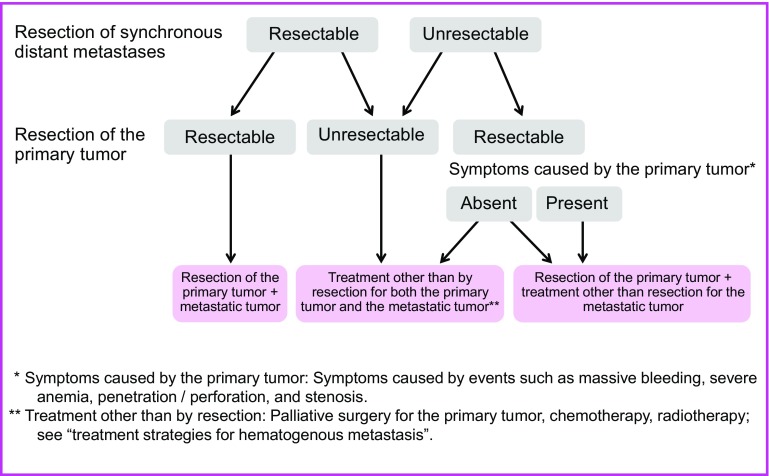
“If the distant metastases are unresectable, but the primary tumor is resectable, the indication for the resection of the primary tumor is determined, based on the clinical symptoms of the primary tumor and the impact on the prognosis (CQ-4).”
§ Japanese Society for Cancer of the Colon and Rectum (JSCCR) guidelines 2016 for the treatment of colorectal cancer > Abstract
“CQ-5: resection of the primary tumor in patients with unresectable distant metastases”
Rated minor: it would not touch a result — a value no result rests on, a p-value that stays on the same side of the significance level, or a conflict that is clerical, resolved elsewhere in the paper, or outside its own findings.
In the paper
§ Japanese Society for Cancer of the Colon and Rectum (JSCCR) guidelines 2016 for the treatment of colorectal cancer > Abstract
““JSCCR Guidelines 2016 for the Clinical Practice of Hereditary Colorectal Cancer.” [105].”
§ Japanese Society for Cancer of the Colon and Rectum (JSCCR) guidelines 2016 for the treatment of colorectal cancer > References
“105. Japanese Society for Cancer of the Colon and Rectum (2016) JSCCR guidelines 2012 for the clinical practice of hereditary colorectal cancer.”
Rated minor: it would not touch a result — a value no result rests on, a p-value that stays on the same side of the significance level, or a conflict that is clerical, resolved elsewhere in the paper, or outside its own findings.
In the paper
§ Japanese Society for Cancer of the Colon and Rectum (JSCCR) guidelines 2016 for the treatment of colorectal cancer > Abstract
“no randomized controlled trials have been implemented regarding whether or not it extends survival [37, 38].”
§ Japanese Society for Cancer of the Colon and Rectum (JSCCR) guidelines 2016 for the treatment of colorectal cancer > References
“37. Portier G Elias D Bouche O Multicenter randomized trial of adjuvant fluorouracil and folinic acid compared with surgery alone after resection of colorectal liver metastases: FFCD ACHBTH AURC 9002 trial”
Citations
Cites
Dermyshi, E., Wang, Y., Yan, C., Hong, W., Qiu, G., Gong, X., & Zhang, T. (2017) · Neonatology · doi:10.1159/000454668 · Cited by 24,451
GRADE: an emerging consensus on rating quality of evidence and strength of recommendations
Guyatt, G. H., Oxman, A. D., Vist, G. E., Kunz, R., Falck-Ytter, Y., Alonso-Coello, P., & Schünemann, H. J. (2008) · BMJ · doi:10.1136/bmj.39489.470347.ad · Cited by 23,305
GRADE guidelines: 1. Introduction—GRADE evidence profiles and summary of findings tables
Guyatt, G., Oxman, A. D., Akl, E. A., Kunz, R., Vist, G., Brozek, J., Norris, S., Falck-Ytter, Y., Glasziou, P., & deBeer, H. (2011) · Journal of Clinical Epidemiology · doi:10.1016/j.jclinepi.2010.04.026 · Cited by 10,681
PD-1 Blockade in Tumors with Mismatch-Repair Deficiency
Le, D. T., Uram, J. N., Wang, H., Bartlett, B. R., Kemberling, H., Eyring, A. D., Skora, A. D., Luber, B. S., Azad, N. S., Laheru, D., et al. (2015) · New England Journal of Medicine · doi:10.1056/nejmoa1500596 · Cited by 9,377
Cancer: Principles and Practice of Oncology.
(1991) · Annals of Internal Medicine · doi:10.7326/0003-4819-114-9-819_4 · Cited by 8,516
GRADE guidelines: 3. Rating the quality of evidence
Balshem, H., Helfand, M., Schünemann, H. J., Oxman, A. D., Kunz, R., Brozek, J., Vist, G. E., Falck-Ytter, Y., Meerpohl, J., & Norris, S. (2011) · Journal of Clinical Epidemiology · doi:10.1016/j.jclinepi.2010.07.015 · Cited by 8,285 · cited 1×
“(CQ-1) Table 2 Definition of levels of evidence (Reference [13])”
BackgroundPreoperative versus Postoperative Chemoradiotherapy for Rectal Cancer
Sauer, R., Becker, H., Hohenberger, W., Rödel, C., Wittekind, C., Fietkau, R., Martus, P., Tschmelitsch, J., Hager, E., Hess, C. F., et al. (2004) · New England Journal of Medicine · doi:10.1056/nejmoa040694 · Cited by 6,050 · cited 1×
“1 3 cantly higher in the preoperative chemoradiotherapy group [119].”
BackgroundCunningham, D., Humblet, Y., Siena, S., Khayat, D., Bleiberg, H., Santoro, A., Bets, D., Mueser, M., Harstrick, A., Verslype, C., et al. (2004) · New England Journal of Medicine · doi:10.1056/nejmoa033025 · Cited by 5,035 · cited 5×
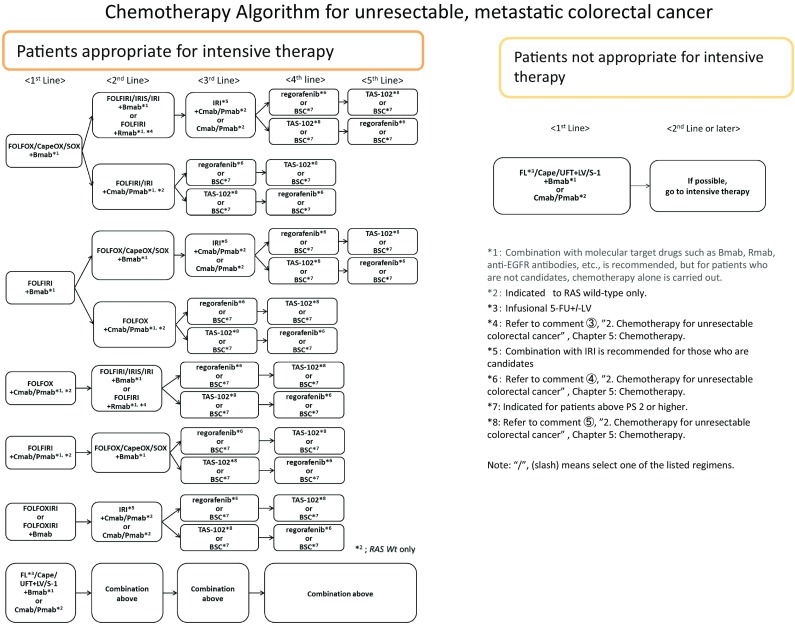
“Patients not appropriate for intensive therapy • BSC • If possible, consider the optimal regimen Third-line and subsequent therapies • The following regimens should be considered for their-line and subsequent therapies • IRI + Cmab/Pmab [93] • Cmab/Pmab [94–97] • Regorafenib [98] ▪ TAS-102 [99, 100].”
BackgroundInfluentialPreoperative Radiotherapy Combined with Total Mesorectal Excision for Resectable Rectal Cancer
Kapiteijn, E., Marijnen, C. A. M., Nagtegaal, I. D., Putter, H., Steup, W. H., Wiggers, T., Rutten, H. J. T., Pahlman, L., Glimelius, B., van Krieken, J. H. J. M., et al. (2001) · New England Journal of Medicine · doi:10.1056/nejmoa010580 · Cited by 4,205 · cited 6×
“• In the USA and Europe, although preoperative chemoradiotherapy has lowered local recurrence rates in comparison with TME-only, reports suggest that it has not contributed to improved survival rates.”
BackgroundInfluentialCetuximab and Chemotherapy as Initial Treatment for Metastatic Colorectal Cancer
Van Cutsem, E., Köhne, C.-H., Hitre, E., Zaluski, J., Chang Chien, C.-R., Makhson, A., D'Haens, G., Pintér, T., Lim, R., Bodoky, G., et al. (2009) · New England Journal of Medicine · doi:10.1056/nejmoa0805019 · Cited by 3,877 · cited 4×
“(1) Patients appropriate for intensive therapy (a) When the patient has become refractory or intolerant to the first-line therapy, including OX • FOLFIRI [62] + Bmab [85] ▪ FOLFIRI + Rmab [86] • IRIS (note 6) [87] + Bmab • IRI [88] + Bmab • FOLFIRI (or IRI) + Cmab/Pmab [88, 89] (b) When the patient has become refracto…”
Influential
Research works printed but not linked: 1
- Beppu TMT Maeda K Microwave coagulation therapy for metastatic liver tumor Surg Ther 2000 83 237 242
Cited by
Items 1,101–1,200 of 2,466
Masaki, T., Matsuoka, H., Kishiki, T., et al. (2020) · Langenbeck s Archives of Surgery · doi:10.1007/s00423-020-01875-2 · Cited by 10
“However, in the latter half of the study period, oxaliplatin containing regimens (FOLFOX or XELOX) were approved as adjuvant chemotherapy regimens [21].”
BackgroundIncidence and treatment of positive pelvic sidewall lymph nodes in patients with rectal cancer
Jones, H. G., Radwan, R. W., Sams, E., et al. (2020) · Colorectal Disease · doi:10.1111/codi.15176 · Cited by 10
Ishibe, A., Watanabe, J., Suwa, Y., Suzuki, S., Nakagawa, K., Suwa, H., Ozawa, M., Ota, M., Fujii, S., Ike, H., et al. (2020) · International Journal of Colorectal Disease · doi:10.1007/s00384-020-03760-2 · Cited by 11
“In Eastern countries, especially Japan, LLND has been accepted as the gold standard procedure for the surgery of locally advanced lower rectal cancer [5].”
BackgroundOshio, H., Oshima, Y., Yunome, G., Yano, M., Okazaki, S., Ashitomi, Y., Musha, H., Kamio, Y., & Motoi, F. (2021) · Journal of Robotic Surgery · doi:10.1007/s11701-021-01216-5 · Cited by 11
Zheng, Z., Wang, X., Huang, Y., Lu, X., Zhao, X., & Chi, P. (2021) · Frontiers in Oncology · doi:10.3389/fonc.2021.694059 · Cited by 10
“Rectum (JSCCR) guidelines (27), lymph node dissection of the root of the IMA, namely, D3 lymph node dissection, is recommended for patients with preoperative clinical stage T2 disease or higher and rectal cancer with lymph node metastasis.”
BackgroundYamashina, T., Hanaoka, N., Setoyama, T., Watanabe, J., Banno, M., & Marusawa, H. (2021) · Cureus · doi:10.7759/cureus.17261 · Cited by 14
Liu, J., Su, Y., Liu, X., et al. (2021) · World Journal of Surgical Oncology · doi:10.1186/s12957-021-02414-z · Cited by 10
Hishida, A., Yamada, H., Ando, Y., Okugawa, Y., Shiozawa, M., Miyagi, Y., Daigo, Y., Toiyama, Y., Shirai, Y., Tanaka, K., et al. (2022) · Oncology Letters · doi:10.3892/ol.2022.13207 · Cited by 11
Li, T., Liu, W., Chun, W., Wang, M., Hui, W., Lu, J., & Gao, F. (2022) · Journal of Immunology Research · doi:10.1155/2022/5164265 · Cited by 11
“While considerable progress has been made in the development of therapeutic strategies, in most patients, cancer remains undetected until it progresses to an advanced stage, and the 5-year survival rate is merely 14% [4].”
Nomura, H., Tsuji, S., Utsunomiya, M., et al. (2022) · Endoscopy International Open · doi:10.1055/a-1864-6452 · Cited by 10
Zwager, L. W., Moons, L. M. G., Sarasqueta, A. F., et al. (2022) · BMC Gastroenterology · doi:10.1186/s12876-022-02591-5 · Cited by 10
Machado, I., Valera‐Alberni, M., de Juan, F. M., López‐Guerrero, J. A., Fadrique, A. G., Cruz, J., Lapiedra, C. M., de Alcántara, F. M., Yayá, R., Campos, J., et al. (2015) · Gastroenterología y Hepatología · doi:10.1016/j.gastrohep.2015.04.006 · Cited by 11
Tsuchiya, T., Sadahiro, S., Sasaki, K., et al. (2014) · Cancer Chemotherapy and Pharmacology · doi:10.1007/s00280-014-2461-5 · Cited by 10
Self-citationAnalysis of treatment that includes both hepatic and pulmonary resections for colorectal metastases
Matsui, T., Kitamura, T., Ozawa, H., Matsuguma, H., & Kotake, K. (2013) · Surgery Today · doi:10.1007/s00595-013-0769-0 · Cited by 11
Self-citationShibata, J., Kawai, K., Nishikawa, T., et al. (2015) · Annals of Surgical Oncology · doi:10.1245/s10434-015-4846-z · Cited by 10
Self-citationInoue, Y., Ishida, H., Ueno, H., et al. (2016) · Japanese Journal of Clinical Oncology · doi:10.1093/jjco/hyw086 · Cited by 10
Self-citationSurveillance after endoscopic and surgical resection of colorectal cancer
Sekiguchi, M., Matsuda, T., & Saito, Y. (2016) · Best Practice & Research Clinical Gastroenterology · doi:10.1016/j.bpg.2016.09.002 · Cited by 12
Self-citationPhenotypic heterogeneity of 2D organoid reflects clinical tumor characteristics
Fujino, S., Ito, A., Ohue, M., Yasui, M., Mizushima, T., Doki, Y., Mori, M., & Miyoshi, N. (2019) · Biochemical and Biophysical Research Communications · doi:10.1016/j.bbrc.2019.03.173 · Cited by 11
Ohnita, K., Isomoto, H., Akashi, T., et al. (2015) · BMC Gastroenterology · doi:10.1186/s12876-015-0317-z · Cited by 10
Self-citationFukuoka, H., Tourlousse, D. M., Ohashi, A., Suzuki, S., Nakagawa, K., Ozawa, M., Ishibe, A., Endo, I., & Sekiguchi, Y. (2023) · Frontiers in Cellular and Infection Microbiology · doi:10.3389/fcimb.2023.1216024 · Cited by 10
Li, J. W., Wang, L. M., Ichimasa, K., Lin, K. W., Ngu, J. C., & Ang, T. L. (2023) · Clinical Endoscopy · doi:10.5946/ce.2023.036 · Cited by 10
Tamai, K., Hirose, H., Okamura, S., Akazawa, Y., Koh, M., Hayashi, K., Katsura, Y., Tanaka, N., Ebisui, C., & Yano, M. (2023) · Journal of the Anus Rectum and Colon · doi:10.23922/jarc.2023-016 · Cited by 10
Role of tumor budding and fibrotic cancer stroma in head and neck squamous cell carcinoma
Mitha, M., Aden, D., Zaheer, S., Alvi, Y., & Chintamani, C. (2023) · Pathology - Research and Practice · doi:10.1016/j.prp.2023.155052 · Cited by 9
A new clinical model for predicting lymph node metastasis in T1 colorectal cancer
Wang, K., He, H., Lin, Y., Zhang, Y., Chen, J., Hu, J., & He, X. (2024) · International Journal of Colorectal Disease · doi:10.1007/s00384-024-04621-y · Cited by 11
Imaging in the era of risk-adapted treatment in colon cancer
Lahaye, M. J., Lambregts, D. M. J., Aalbers, A. G. J., Snæbjörnsson, P., Beets‐Tan, R. G. H., & Kok, N. F. M. (2024) · British Journal of Radiology · doi:10.1093/bjr/tqae061 · Cited by 12
Song, J. H., Kim, E. R., Hong, Y., Sohn, I., Ahn, S., Kim, S., & Jang, K. (2024) · Cancers · doi:10.3390/cancers16101900 · Cited by 9
Use of 3D-CT-derived psoas major muscle volume in defining sarcopenia in colorectal cancer
Takahashi, M., Sakamoto, K., Kogure, Y., Nojiri, S., Tsuchiya, Y., Honjo, K., Kawai, M., Ishiyama, S., Sugimoto, K., Nagakari, K., et al. (2024) · BMC Cancer · doi:10.1186/s12885-024-12524-y · Cited by 9
Horino, T., Tokunaga, R., Miyamoto, Y., & Baba, H. (2024) · Journal of the Anus Rectum and Colon · doi:10.23922/jarc.2023-077 · Cited by 9
Chen, K., Okamura, Y., Hatakeyama, K., Shiomi, A., Kagawa, H., Hino, H., Manabe, S., Yamaoka, Y., Sugiura, T., Sugino, T., et al. (2024) · Surgery Today · doi:10.1007/s00595-024-02900-3 · Cited by 9
Yadegarazari, R., Hassanzadeh, T., Majlesi, A., Keshvari, A., Esfahani, A. M., Tootoonchi, A. S., Shabab, N., & Saidijam, M. (1996) · Europe PMC (PubMed Central) · doi:10.6091/ibj.1104.2012 · Cited by 9
Ho, M., Chong, C. S., Yeo, S., & Ng, C. (2019) · Singapore Medical Journal · doi:10.11622/smedj.2019008 · Cited by 11
Wang, X., Qiao, J., Zou, C., et al. (2021) · Anti-Cancer Drugs · doi:10.1097/cad.0000000000001031 · Cited by 9
Geng, J., Zhang, Y.-Z., Li, Y., Li, S., Wang, L., Wang, Z., Zhu, X., Bu, Z., Li, Z., Su, X., et al. (2021) · Annals of Translational Medicine · doi:10.21037/atm-20-4040 · Cited by 9
Yamazaki, K., Yuki, S., Oki, E., Sano, F., Makishima, M., Aoki, K., Hamano, T., & Yamanaka, T. (2021) · Clinical Colorectal Cancer · doi:10.1016/j.clcc.2021.03.001 · Cited by 11
Self-citationCurrent Status and Prospects of Endoscopic Resection Technique for Colorectal Tumors
Suzuki, K., Saito, S., & Fukunaga, Y. (2021) · Journal of the Anus Rectum and Colon · doi:10.23922/jarc.2020-085 · Cited by 9
Valadão, M., Cesar, D. S., Véo, C. A. R., Araújo, R. O., Santo, G. F. D. E., de Souza, R. O., Aguiar, S., Ribeiro, R., Ribeiro, H. S. D. C., Fernandes, P. H. D. S., et al. (2021) · Journal of Surgical Oncology · doi:10.1002/jso.26676 · Cited by 10
“Thus, in addition to aTME, the Japanese guidelines recommend performing a systematic lateral lymphadenectomy when the lateral lymph nodes are suspected to be involved or in cases of stages II–III disease.(101,102)”
Magnifying endoscopy is useful for tumor border diagnosis in ulcerative colitis patients
Nishio, M., Hirasawa, K., Ozeki, Y., Sawada, A., Ikeda, R., Fukuchi, T., Kobayashi, R., Sato, C., Ogashiwa, T., Inayama, Y., et al. (2022) · Digestive and Liver Disease · doi:10.1016/j.dld.2022.03.003 · Cited by 9
Yamanashi, T., Miura, H., Tanaka, T., et al. (2022) · Asian Journal of Endoscopic Surgery · doi:10.1111/ases.13095 · Cited by 9
“In contrast, the distal rectum was divided more than 2 cm below the lower border of the tumor when performing TME for tumors of the lower rectum.(26) The distal rectum was intracorporeally divided with a linear articulated endostapler loaded with a 45 mm or 60 mm cartridge in the patients who underwent anterior resect…”
MethodSelf-citationMasunaga, T., Kato, M., Sasaki, M., et al. (2022) · Endoscopy International Open · doi:10.1055/a-1961-1800 · Cited by 9
“Pathological diagnoses were made using the World Health Organization and the Japanese Society for Cancer of the Colon and Rectum criteria [9, 10].”
Chang, C.-Y., Lin, C.-C., Lin, H., Lan, Y., Chang, S., Wang, H., Yang, S., Chen, W., Lin, J.-K., & Jiang, J. (2022) · Diseases of the Colon & Rectum · doi:10.1097/dcr.0000000000002383 · Cited by 11
Feng, F., Liu, Y., Bao, J., Hong, R., Hu, S., & Hu, C. (2023) · Abdominal Radiology · doi:10.1007/s00261-023-04013-w · Cited by 10
Duan, K., Chow, B., Tsui, W., et al. (2023) · Histopathology · doi:10.1111/his.15030 · Cited by 9
Otsu, S., & Hironaka, S. (2023) · Cancers · doi:10.3390/cancers15184564 · Cited by 13
Mihara, Y., Hirasaki, M., Horita, Y., Fujino, T., Fukushima, H., Kamakura, Y., Uranishi, K., Hirano, Y., Ryozawa, S., Yasuda, M., et al. (2023) · BMC Gastroenterology · doi:10.1186/s12876-023-02975-1 · Cited by 9
Self-citationChallenges in Implementing Endoscopic Resection for T2 Colorectal Cancer
Ichimasa, K., Kudo, S., Tan, K., et al. (2023) · Gut and Liver · doi:10.5009/gnl230125 · Cited by 9
Piao, Z. H., Ge, R., & Lu, L. (2023) · Frontiers in Oncology · doi:10.3389/fonc.2023.1229998 · Cited by 10
Lei, Y.-P., Song, Q.-Z., Liu, S., Xie, J., & Lv, G. (2023) · World Journal of Gastrointestinal Surgery · doi:10.4240/wjgs.v15.i10.2234 · Cited by 9
Chang, T. P., Ali, O., Tsimogiannis, K. E., et al. (2023) · Journal of Clinical Medicine · doi:10.3390/jcm13010090 · Cited by 9
“Approximately 10–25% of patients with rectal cancer will have lateral pelvic nodal disease (LPND), whereby TME alone is insufficient to achieve disease control [2,3].”
BackgroundWatanabe, J., Ichimasa, K., Kudo, S., Mochizuki, K., Tan, K., Kataoka, Y., Tahara, M., Kubota, T., Takashina, Y., & Yeoh, K. G. (2024) · International Journal of Clinical Oncology · doi:10.1007/s10147-024-02547-7 · Cited by 13
Asayama, N., Nagata, S., Shigita, K., et al. (2024) · International Journal of Colorectal Disease · doi:10.1007/s00384-024-04765-x · Cited by 9
Zinicola, R., Hill, J., & Fiocca, R. (2014) · Colorectal Disease · doi:10.1111/codi.12822 · Cited by 9
Sueda, T., Ohue, M., Noura, S., Shingai, T., Nakanishi, K., & Yano, M. (2016) · Surgery Today · doi:10.1007/s00595-015-1303-3 · Cited by 9
Japanese Study Group for Postoperative Follow-up of Colorectal Cancer, Sato, H., Maeda, K., Morise, Z., Takahashi, H., & Sugihara, K. (2016) · International Journal of Clinical Oncology · doi:10.1007/s10147-016-1043-4 · Cited by 9
Self-citationInfluence of microRNA-34a on proliferation, invasion and metastasis of HCT116 cells
Li, C., Lu, S., Wang, Y., Guo, S.-B., Zhao, T., Wang, X., & Song, B. (2016) · Molecular Medicine Reports · doi:10.3892/mmr.2016.6088 · Cited by 11
Hokonohara, K., Nishida, N., Miyoshi, N., Takahashi, H., Haraguchi, N., Hata, T., Matsuda, C., Mizushima, T., Doki, Y., & Mori, M. (2019) · International Journal of Oncology · doi:10.3892/ijo.2019.4678 · Cited by 10
Yamashita, K., Oka, S., Tanaka, S., Nagata, S., Kuwai, T., Furudoi, A., Tamura, T., Kunihiro, M., Okanobu, H., Nakadoi, K., et al. (2019) · International Journal of Colorectal Disease · doi:10.1007/s00384-018-3203-7 · Cited by 9
Self-citationAbe, Y., Sakuyama, N., Sato, T., Kishine, K., Nagayasu, K., Nakatani, A., Kitajima, M., Watanabe, T., Nishimura, K., Ochiai, T., et al. (2019) · Molecular and Clinical Oncology · doi:10.3892/mco.2019.1893 · Cited by 14
Self-citationYoshii, S., Kubo, M., Matsumoto, M., et al. (2020) · Clinical Endoscopy · doi:10.5946/ce.2019.117 · Cited by 9
Ouchi, A., Toriyama, K., Kinoshita, T., Tanaka, T., Shimizu, Y., Niwa, Y., Tajika, M., & Komori, K. (2020) · International Journal of Clinical Oncology · doi:10.1007/s10147-020-01642-9 · Cited by 9
Self-citationOptimal timing for the resection of pulmonary metastases in patients with colorectal cancer
Yamada, K., Ozawa, D., Onozato, R., et al. (2020) · Medicine · doi:10.1097/md.0000000000019144 · Cited by 9
“The cut off values of the interval period was set at 3, 6, and 9 months according to the surveillance of post curative resection in patients with stage IV CRC in Japan([14]) to clarify the appropriate timing of pulmonary metastasectomy, and the prognosis was examined and compared between groups (Fig.”
BackgroundMethodInfluentialSako, T., Toyonaga, T., Nakano, Y., et al. (2020) · Surgical Endoscopy · doi:10.1007/s00464-020-07508-5 · Cited by 9
“A curative resection was defined according to the Japanese Society for Cancer of the Colon and Rectum guidelines [32] as follows: intra-mucosal or submucosal carcinoma (submucosal invasion depth < 1000 μm) with negative lateral and vertical margins, no lymphovascular infiltration, tubular or papillary adenocarcinoma,…”
MethodSelf-citationNakanishi, R., Fukunaga, Y., Mukai, T., et al. (2020) · Surgical Endoscopy · doi:10.1007/s00464-020-07686-2 · Cited by 9
Self-citationRoy, M. K., Pipara, A., & Kumar, A. (2020) · Annals of Gastroenterological Surgery · doi:10.1002/ags3.12380 · Cited by 9
Colonic clear cell adenocarcinoma with enteroblastic differentiation
Shiratori, Y., Suzuki, K., & Ikeya, T. (2020) · Clinical Journal of Gastroenterology · doi:10.1007/s12328-020-01209-1 · Cited by 9
Huang, S.-L., Tan, W., Peng, Q., et al. (2020) · Surgical Endoscopy · doi:10.1007/s00464-020-08027-z · Cited by 9
Hiroi, S., Miguchi, M., Ikeda, S., et al. (2020) · In Vivo · doi:10.21873/invivo.12180 · Cited by 9
Chen, Z., Dou, L., Zhang, Y., et al. (2020) · Annals of Translational Medicine · doi:10.21037/atm-20-2064 · Cited by 9
Raffele, E. D., Mirarchi, M., Cuicchi, D., Lecce, F., Casadei, R., Ricci, C., Selva, S., & Minni, F. (2020) · World Journal of Gastroenterology · doi:10.3748/wjg.v26.i42.6529 · Cited by 9
Okada, M., Kawai, K., Sonoda, H., Shiratori, H., Kishikawa, J., Nagata, H., Nozawa, H., Sasaki, K., Kaneko, M., Murono, K., et al. (2020) · Oncology Letters · doi:10.3892/ol.2020.12280 · Cited by 10
Self-citationAccurate nomograms with excellent clinical value for locally advanced rectal cancer
Li, Y., Liu, D., Zhao, L., et al. (2021) · Annals of Translational Medicine · doi:10.21037/atm-20-4144 · Cited by 9
Palisade technique as an effective endoscopic submucosal dissection tool for large colorectal tumors
Suzuki, Y., Ohata, K., Sakai, E., et al. (2021) · Endoscopy International Open · doi:10.1055/a-1313-7026 · Cited by 9
“All ESDs were planned according to Japanese guidelines for ESD and endoscopic mucosal resection of colorectal cancer [3].”
MethodTakeshita, E., Ishibashi, K., Koda, K., Oda, N., Yoshimatsu, K., Sato, Y., Oya, M., Yamaguchi, S., Nakajima, H., Momma, T., et al. (2021) · Surgery Today · doi:10.1007/s00595-021-02230-8 · Cited by 10
Self-citationKim, J., Baek, S. J., Kwak, J., et al. (2021) · Asian Journal of Surgery · doi:10.1016/j.asjsur.2021.02.011 · Cited by 9
Krul, M. F., Elfrink, A. K. E., Buis, C. I., et al. (2021) · HPB · doi:10.1016/j.hpb.2021.06.422 · Cited by 9
Ochiai, K., Kawai, K., Nozawa, H., et al. (2021) · Digestion · doi:10.1159/000517271 · Cited by 9
Self-citationPrognostic Value of Lateral Pelvic Lymph Node Dissection for Rectal Cancer: A Meta-Analysis
Liu, Y., Shang, L., Zhou, C., et al. (2021) · Journal of Surgical Research · doi:10.1016/j.jss.2021.06.002 · Cited by 9
Wang, L., Zhong, X., Lin, H., Shao, L., Chen, G., & Wu, J. (2021) · Frontiers in Oncology · doi:10.3389/fonc.2021.735882 · Cited by 9
“Patients were excluded from this study if they met one of the following criteria: (1) receipt of postoperative radiotherapy, (2) multiple cancers, (3) survival month ≤1 month, or (4) unknown clinical data.”
BackgroundMethodInfluentialKazama, K., Shiozawa, M., Numata, M., Sugano, N., Sato, S., UCHIYAMA, M., Sato, M., Aoyama, T., Tamagawa, H., Oshima, T., et al. (2021) · International Journal of Colorectal Disease · doi:10.1007/s00384-021-04064-9 · Cited by 9
Clinical Utility and Characteristics of the LARS Score Compared to the CCIS
Akizuki, E., Okita, K., Noda, A., et al. (2022) · World Journal of Surgery · doi:10.1007/s00268-021-06405-9 · Cited by 9
“The surgical procedures for rectal cancer are determined by the tumour’s depth and distance from the anal verge [2].”
BackgroundNa, J.-E., Lee, Y. C., Kim, T. J., et al. (2022) · Cancers · doi:10.3390/cancers14051121 · Cited by 9
Chen, J., Zhang, Z., Ni, J., et al. (2022) · Frontiers in Oncology · doi:10.3389/fonc.2022.809277 · Cited by 9
Role of one-step nucleic acid amplification in colorectal cancer lymph node metastases detection
Crafa, F., Vanella, S., Catalano, O. A., Pomykala, K. L., & Baiamonte, M. (2022) · World Journal of Gastroenterology · doi:10.3748/wjg.v28.i30.4019 · Cited by 10
Prognostic impact of conversion hepatectomy for initially unresectable colorectal liver metastasis
Takamizawa, Y., Inoue, M., Moritani, K., Tsukamoto, S., Esaki, M., Shimada, K., & Kanemitsu, Y. (2022) · Langenbeck s Archives of Surgery · doi:10.1007/s00423-022-02666-7 · Cited by 10
Self-citationPredicting lymph node metastasis and recurrence in patients with early stage colorectal cancer
Chen, L., Yang, F., Qi, Z., & Tai, J. (2022) · Frontiers in Medicine · doi:10.3389/fmed.2022.991785 · Cited by 10
“Previous studies have presented guidelines and proposed specific indicators for recommending completion surgery after endoscopic excision to prevent LNM or recurrence (2, 3).”
BackgroundIto, T., Takayanagi, D., Sekine, S., Hashimoto, T., Shimada, Y., Matsuda, M., Yamada, M., Hamamoto, R., Kato, T., Shida, D., et al. (2023) · Scientific Reports · doi:10.1038/s41598-023-30624-w · Cited by 10
Self-citationDiagnostic and therapeutic strategies for colorectal tumor with positive muscle‐retracting sign
Tanaka, H., Takehara, Y., Morimoto, S., et al. (2023) · DEN Open · doi:10.1002/deo2.278 · Cited by 9
Self-citationTumor Diameter Is an Easy and Useful Predictor of Recurrence in Stage II Colorectal Cancer
Maeda, C., Hidaka, E., Mori, Y., et al. (2015) · Digestive Surgery · doi:10.1159/000431188 · Cited by 9
Tanaka, K., Maeda, N., Osuga, K., et al. (2014) · Journal of Vascular and Interventional Radiology · doi:10.1016/j.jvir.2014.07.012 · Cited by 9
The Nagoya Surgical Oncology Group, Kato, T., Uehara, K., Maeda, A., Sakamoto, E., Hiramatsu, K., Takeuchi, E., Goto, H., Tojima, Y., Yatsuya, H., et al. (2015) · Cancer Chemotherapy and Pharmacology · doi:10.1007/s00280-015-2752-5 · Cited by 9
“The Japanese guidelines for colorectal cancer equally recommend oral FU, such as uracil and tegafur (UFT)/leucovorin (LV) and capecitabine, and FOLFOX as adjuvant chemotherapy for stage III colorectal cancer [10].”
MethodSelf-citationKataoka, K., Kanazawa, A., Nakajima, A., et al. (2012) · Surgery Today · doi:10.1007/s00595-012-0410-7 · Cited by 9
Fujino, S., Miyoshi, N., Ohue, M., et al. (2015) · International Journal of Surgery Case Reports · doi:10.1016/j.ijscr.2015.11.003 · Cited by 9
Akerman, P., & Ferreira, J. D. (2015) · Clinics in Colon and Rectal Surgery · doi:10.1055/s-0035-1555006 · Cited by 9
Matsui, T., Nagata, N., Hirata, K., Okazaki, S., Sato, S., Nakamura, M., Kim, H., Oba, K., Sakamoto, J., & Mishima, H. (2016) · PubMed · Cited by 8
Endoscopic Approach for Superficial Colorectal Neoplasms
Xu, J., Yang, L., Jin, P., & Sheng, J. (2016) · Gastrointestinal Tumors · doi:10.1159/000447128 · Cited by 10
Endoscopic mucosal resection in elderly patients
Pontone, S., Palma, R., Panetta, C., et al. (2016) · Aging Clinical and Experimental Research · doi:10.1007/s40520-016-0661-z · Cited by 9
Permana, S., Pearlindah, Sholihah, Z., Iskandar, A., Susanti, H., & Endharti, A. T. (2018) · Journal of Applied Pharmaceutical Science · doi:10.7324/japs.2018.81104 · Cited by 9
Kitagawa, Y., Osumi, H., Shinozaki, E., Ota, Y., Nakayama, I., Suzuki, T., Wakatsuki, T., Ogura, M., Ooki, A., Takahari, D., et al. (2020) · BMC Cancer · doi:10.1186/s12885-020-06864-8 · Cited by 10
Arimoto, J., Ohata, K., Chiba, H., et al. (2020) · Gastrointestinal Endoscopy · doi:10.1016/j.gie.2020.09.019 · Cited by 9
Yang, X., Wu, Q., Jin, C., et al. (2017) · Trials · doi:10.1186/s13063-017-2084-3 · Cited by 9
Endo, Y., Noda, H., Watanabe, F., et al. (2019) · Indian Journal of Surgical Oncology · doi:10.1007/s13193-019-00905-w · Cited by 9
“On the other hand, the median survival time of patients with unresectable CRC has been prolonged to approximately 30 months with chemotherapy [30].”
Background
Metadata
- Authors
- Japanese Society for Cancer of the Colon and Rectum, Watanabe, T., Muro, K., Ajioka, Y., Hashiguchi, Y., Ito, Y., Saito, Y., Hamaguchi, T., Ishida, H., Ishiguro, M., Ishihara, S., Kanemitsu, Y., Kawano, H., Kinugasa, Y., Kokudo, N., Murofushi, K., Nakajima, T., Oka, S., Sakai, Y., Tsuji, A., Uehara, K., Ueno, H., Yamazaki, K., Yoshida, M., Yoshino, T., Boku, N., Fujimori, T., Itabashi, M., Koinuma, N., Morita, T., Nishimura, G., Sakata, Y., Shimada, Y., Takahashi, K., Tanaka, S., Tsuruta, O., Yamaguchi, T., Yamaguchi, N., Tanaka, T., Kotake, K., & Sugihara, K.
- Affiliations
- The University of Tokyo (JP)
- Aichi Cancer Center (JP)
- Niigata University (JP)
- National Cancer Center Hospital (JP)
- Saitama Medical Center, Saitama Medical University (JP)
- Tokyo Medical and Dental University (JP)
- St Mary's Hospital (JP)
- Shizuoka Cancer Center (JP)
- The Cancer Institute Hospital (JP)
- St. Marianna University School of Medicine (JP)
- Kyoto University (JP)
- Kagawa University (JP)
- National Defense Medical College (JP)
- National Cancer Center Hospital East (JP)
- Shinko Hospital (JP)
- Tokyo Women's Medical University (JP)
- Aomori Prefectural Central Hospital (JP)
- Misawa City Hospital (JP)
- Tokyo Metropolitan Komagome Hospital (JP)
- Kurume University (JP)
- Seirei Sakura Citizen Hospital (JP)
- Tochigi Cancer Center (JP)
- Corresponding author
- Watanabe, Toshiaki
- ORCID
- Watanabe, Toshiaki
- Muro, Kei
- Ajioka, Yoichi
- Hashiguchi, Yojiro
- Saito, Yutaka
- Hamaguchi, Tetsuya
- Ishiguro, Megumi
- Ishihara, Soichiro
- Kanemitsu, Yukihide
- Kinugasa, Yusuke
- Murofushi, Keiko
- Nakajima, Takako
- Oka, Shiro
- Sakai, Yoshiharu
- Uehara, Keisuke
- Ueno, Hideki
- Yamazaki, Kentaro
- Yoshida, Masahiro
- Yoshino, Takayuki
- Boku, Narikazu
- Itabashi, Michio
- Morita, Takayuki
- Shimada, Yasuhiro
- Takahashi, Keiichi
- Tanaka, Shinji
- Tanaka, Toshiaki
- Kotake, Kenjiro
- Sugihara, Kenichi
- Venue
- International Journal of Clinical Oncology
- Published
- 2017-03-27
- Volume
- 23
- Issue
- 1
- Pages
- 1-34
- ISSN
- 1341-9625 (ISSN-L)
- 1437-7772
- PMC
- PMC5809573
- OpenAlex
- W1990423062
- Cited by
- 2,467
- References
- 285
- Citations by year
- 2026: 15 · 2025: 106 · 2024: 243 · 2023: 256 · 2022: 270 · 2021: 343 · 2020: 322 · 2019: 234 · 2018: 144 · 2017: 116
- FWCI
- 98.39
- Type
- journal article
- Language
- en
- Open access
- hybrid
- doi.org
- Locations
- International Journal of Clinical Oncology (publishedVersion, cc-by)
- PubMed Central (publishedVersion, cc-by)
- PubMed (publishedVersion)
- Funders
- Japan Society for the Promotion of Science (17K08691, 15K10150, 17K10655)
- Topics
- Health Sciences › Medicine › Oncology › Colorectal Cancer Surgical Treatments
- Health Sciences › Medicine › Oncology › Colorectal Cancer Treatments and Studies
- Health Sciences › Medicine › Public Health, Environmental and Occupational Health › Clinical practice guidelines implementation
- Keywords
- colorectal cancer, treatment guidelines, clinical practice variation, informed consent, classification of evidence, clinical questions, health insurance system, Japan
- MeSH terms
- Antineoplastic Combined Chemotherapy Protocols, Colonic Neoplasms, Humans, Japan, Liver Neoplasms, Lymph Node Excision, Laparoscopy, Rectal Neoplasms, Colorectal Neoplasms, Chemotherapy, Adjuvant, Dose Fractionation, Radiation
About these checks
Registry, retraction, Cites and statistics results are computed, not judged, with one exception: a printed reference that no index lists is read once by a model before it counts as a citation error. Claims are extracted by a model and kept only when their quote appears verbatim in the text; each cited source is then checked, with a model’s help, for whether it says what the claim relies on. Those verdicts can be wrong — read the claim’s quote and the cited source before relying on one.
The claim verdicts this report counts are experimental: their accuracy is not yet measured.
A language model drew the claims from the paper on 2026-09-30, under version 3 of the claim definition (model deepseek-v4.1-flash, prompt extract-v3).
A second model labelled each claim on 2026-09-30 (model jev-1.13-20260917, definition revision gold-guideline-v0.2).
Cited sources are checked with a language model’s help (gpt-6-sol).
Statistics and arithmetic are recomputed, not judged.
Confidence bands are shown only for fields calibrated on our annotated test set. None is calibrated yet, so no band is shown.
What counts as a claim ›How we measure confidence ›How we check this ›
Are you an author, or do you see a problem with this page? Request a review
Data sources
Bibliographic data: Semantic Scholar, OpenAlex, Crossref.
Contains information from the Semantic Scholar Academic Graph Datasets, made available under the ODC Attribution License (ODC-BY 1.0).
Semantic Scholar’s data is described in: Kinney, R., et al. (2023). The Semantic Scholar Open Data Platform. arXiv:2301.10140.
