

Acetyl Phosphate as a Primordial Energy Currency at the Origin of Life
Open accessThe DOI matches its Crossref record; 124 of the 124 references it cites were found in a registry or an index.
Abstract
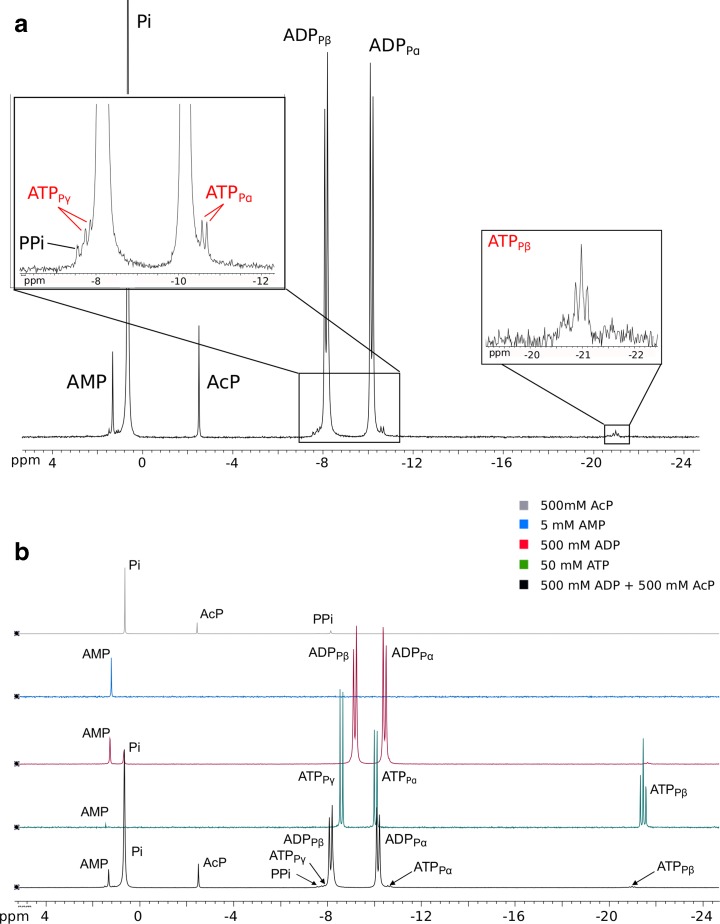
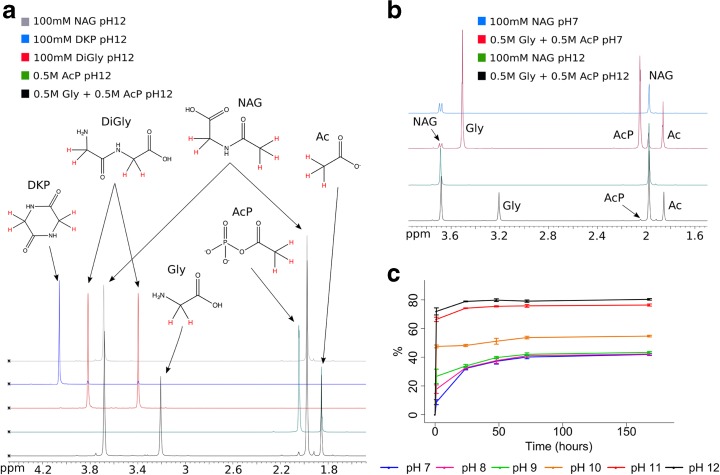
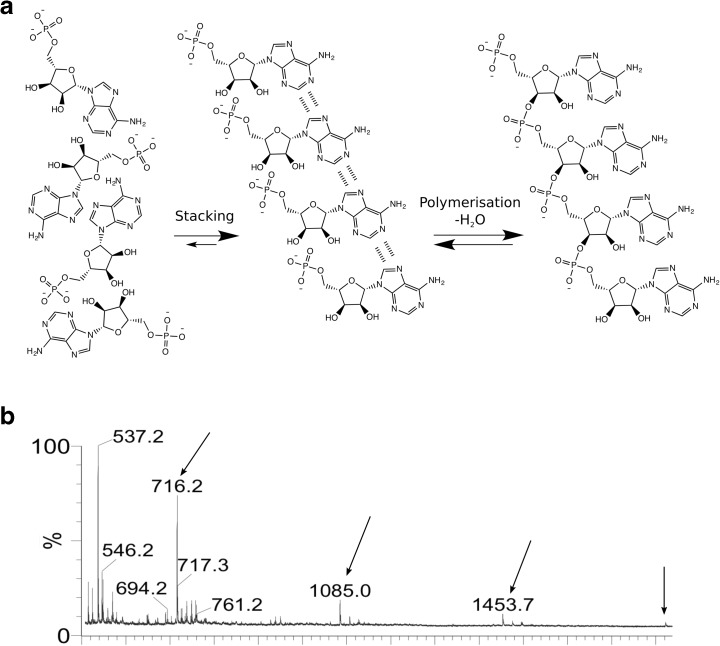
Metabolism is primed through the formation of thioesters via acetyl CoA and the phosphorylation of substrates by ATP. Prebiotic equivalents such as methyl thioacetate and acetyl phosphate have been proposed to catalyse analogous reactions at the origin of life, but their propensity to hydrolyse challenges this view. Here we show that acetyl phosphate (AcP) can be synthesised in water within minutes from thioacetate (but not methyl thioacetate) under ambient conditions. AcP is stable over hours, depending on temperature, pH and cation content, giving it an ideal poise between stability and reactivity. We show that AcP can phosphorylate nucleotide precursors such as ribose to ribose-5-phosphate and adenosine to adenosine monophosphate, at modest (~2%) yield in water, and at a range of pH. AcP can also phosphorylate ADP to ATP in water over several hours at 50 °C. But AcP did not promote polymerization of either glycine or AMP. The amino group of glycine was preferentially acetylated by AcP, especially at alkaline pH, hindering the formation of polypeptides. AMP formed small stacks of up to 7 monomers, but these did not polymerise in the presence of AcP in aqueous solution. We conclude that AcP can phosphorylate biologically meaningful substrates in a manner analogous to ATP, promoting the origins of metabolism, but is unlikely to have driven polymerization of macromolecules such as polypeptides or RNA in free solution. This is consistent with the idea that a period of monomer (cofactor) catalysis preceded the emergence of polymeric enzymes or ribozymes at the origin of life.
Overview
The claims and statistics of this paper haven’t been checked yet.
Free: it reads the open-access text and checks the first 5 claims that cite a source we can check. Create a free account to check every claim.
Integrity signals
Registry
Cites
Statistics
Figures
Verification
Claims the paper makes
The claims and statistics of this paper haven’t been checked yet.
Free: it reads the open-access text and checks the first 5 claims that cite a source we can check. Create a free account to check every claim.
Claims other papers make about this one
Each is checked against this paper’s own text: does it say what the citing paper says it does?
The source backs part of the claim, not all of it — or backs it for a different population, condition or comparison.
In the citing paper
“More recently, Whicher et al. (2018) have shown that thioacetate can readily react with Pi to form acyl phosphates without enzymes, although thioacids are not known in central carbon or energy metabolism.”
From Serpentinization as the source of energy, electrons, organics, catalysts, nutrients and pH gradients for the origin of LUCA and life (2023) · cites this paper as Whicher et al., 2018
Experimental — accuracy not yet measuredThe cited source says what the claim attributes to it.
In the citing paper
“However, in the prebiotic microchambers simpler molecules probably functioned as vehicles for intermediate energy storage, for example, thioesters [159], reduced ferredoxins [160,161], or perhaps acyl or amino acyl phosphate [135,162] (Figure 4, step 2a).”
From ‘Whole Organism’, Systems Biology, and Top-Down Criteria for Evaluating Scenarios for the Origin of Life (2021) · cites this paper as [162]
Self-check
Percentages, sums and reported differences re-computed from the paper’s own numbers.
The self-check needs the paper’s full text.
Citations
Cites
Energy conservation in chemotrophic anaerobic bacteria
Thauer, R. K., Jungermann, K., & Decker, K. (1977) · Bacteriological Reviews · doi:10.1128/br.41.1.100-180.1977 · Cited by 4,146
Methanogenic archaea: ecologically relevant differences in energy conservation
Thauer, R. K., Kaster, A.-K., Seedorf, H., Buckel, W., & Hedderich, R. (2008) · Nature Reviews Microbiology · doi:10.1038/nrmicro1931 · Cited by 2,184 · cited 1×
“Specifically, methanogens use flavin-based electron bifurcation to generate a membrane potential (Kaster et al. 2011; Wagner et al. 2017) which is then used to reduce ferredoxin via the energyconverting [NiFe] hydrogenase Ech (Hedderich 2004; Thauer et al. 2008; Buckel and Thauer 2013).”
Westheimer, F. H. (1987) · Science · doi:10.1126/science.2434996 · Cited by 1,711
Hydrothermal vents and the origin of life
Martin, W., Baross, J., Kelley, D., & Russell, M. J. (2008) · Nature Reviews Microbiology · doi:10.1038/nrmicro1991 · Cited by 1,608 · cited 1×
“We have considered temperatures from 20 to 60 °C and pH values from 6 to 12, equivalent to the ranges found in alkaline hydrothermal vents (Russell et al. 1994, 2014; Martin et al. 2008; Nitschke and Russell 2009; Lane and Martin 2012).”
Synthesis of activated pyrimidine ribonucleotides in prebiotically plausible conditions.
Powner, M. W., Gerland, B., & Sutherland, J. D. (2009) · Nature · doi:10.1038/nature08013 · Cited by 1,383 · cited 1×
“…such as activated nucleotides have been successful when starting from relatively reactive substrates such as cyanide, cyanoacetylene or formamide, typically energized by UV radiation (Powner et al. 2009; Saladino et al. 2012; Patel et al. 2015) or even proton irradiation (Saladino et al. 2015).”
A Serpentinite-Hosted Ecosystem: The Lost City Hydrothermal Field
Kelley, D. S., Karson, J. A., Früh-Green, G. L., Yoerger, D. R., Shank, T. M., Butterfield, D. A., Hayes, J. M., Schrenk, M. O., Olson, E. J., Proskurowski, G., et al. (2005) · Science · doi:10.1126/science.1102556 · Cited by 1,288 · cited 2×
“Earlier work showed that AcP is hydrolysed muchmore rapidly above pH 11 (Koshland 1952; Etaix and Buvet 1975), but those conditions would be rare even in alkaline hydrothermal systems (Kelley et al. 2001; 2005) and we did not study them here.”
An off-axis hydrothermal vent field near the Mid-Atlantic Ridge at 30° N
Party, T. A.-6. S., Kelley, D. S., Karson, J. A., Blackman, D. K., Früh-Green, G. L., Butterfield, D. A., Lilley, M. D., Olson, E. J., Schrenk, M. O., Roe, K. K., et al. (2001) · Nature · doi:10.1038/35084000 · Cited by 1,168 · cited 1×
“Earlier work showed that AcP is hydrolysed muchmore rapidly above pH 11 (Koshland 1952; Etaix and Buvet 1975), but those conditions would be rare even in alkaline hydrothermal systems (Kelley et al. 2001; 2005) and we did not study them here.”
Inorganic Polyphosphate: A Molecule of Many Functions
Kornberg, A., Rao, N. N., & Ault-Riché, D. (1999) · Annual Review of Biochemistry · doi:10.1146/annurev.biochem.68.1.89 · Cited by 1,095 · cited 1×
“AcP has long been overlooked experimentally as a prebiotic precursor to ATP, except in the synthesis of more stable (but less reactive) products such as pyrophosphate (Baltscheffsy and Baltscheffsky 1995; Kornberg et al. 1999; de Zwart et al. 2004; Barge et al. 2014).”
The physiology and habitat of the last universal common ancestor
Weiss, M. C., Sousa, F. L., Mrnjavac, N., Neukirchen, S., Roettger, M., Nelson-Sathi, S., & Martin, W. F. (2016) · Nature Microbiology · doi:10.1038/nmicrobiol.2016.116 · Cited by 1,049 · cited 1×
“…Baross and Hoffman 1985; Morowitz et al. 2000; Martin and Russell 2003; Smith and Morowitz 2004; Russell and Martin 2004; Braakman and Smith 2012; Weiss et al. 2016), living from relatively unreactive gases such as H2 and CO2, arguably via the acetyl CoA pathway (Russell and Martin 2004; Martin…”
Common origins of RNA, protein and lipid precursors in a cyanosulfidic protometabolism
Patel, B. H., Percivalle, C., Ritson, D. J., Duffy, C. D., & Sutherland, J. D. (2015) · Nature Chemistry · doi:10.1038/nchem.2202 · Cited by 949 · cited 2×
“…to prebiotic chemistry: stable organics are assumed to accumulate in a primordial soup or warm geothermal pond, perhaps with different precursors formed under distinct conditions before being brought together by some circumstance (Patel et al. 2015), all of which demands long-term stability.”
Research works printed but not linked: 1
- Mellersh A Smith P The alkaline world and the origin of life J Cosmol 2010 10 3230 3242
Cited by
Nonenzymatic Metabolic Reactions and Life’s Origins
Muchowska, K. B., Varma, S. J., & Moran, J. (2020) · Chemical Reviews · doi:10.1021/acs.chemrev.0c00191 · Cited by 317
The Future of Origin of Life Research: Bridging Decades-Old Divisions
Preiner, M., Asche, S., Becker, S., Betts, H. C., Boniface, A., Camprubi, E., Chandru, K., Erastova, V., Garg, S. G., Khawaja, N., et al. (2020) · Life · doi:10.3390/life10030020 · Cited by 140
“In order to find out if energy coupling was necessary for life’s first steps (still a subject of debate) several alternative energy currencies have been proposed and tested, for instance high-energy phosphates [86] or thioesters [87]—as it is known that cells use both, often sequentially (e.”
BackgroundOlder than genes: the acetyl CoA pathway and origins
Martin, W. F. (2020) · Frontiers in Microbiology · doi:10.3389/fmicb.2020.00817 · Cited by 132
An appeal to magic? The discovery of a non-enzymatic metabolism and its role in the origins of life
Ralser, M. (2018) · Biochemical Journal · doi:10.1042/bcj20160866 · Cited by 117
A prebiotic basis for ATP as the universal energy currency
Pinna, S., Kunz, C., Halpern, A., Harrison, S. A., Jordan, S. F., Ward, J., Werner, F., & Lane, N. (2022) · PLOS Biology · doi:10.1371/journal.pbio.3001437 · Cited by 103
“The fact that ATP yield declined over time with AcP indicates that ATP was hydrolysed over hours at 50 ̊C; it was not replenished because AcP also hydrolysed at that temperature [15].”
BackgroundMethodInfluentialSelf-citationThermodynamics of Prebiotic Phosphorylation
Pasek, M. A. (2019) · Chemical Reviews · doi:10.1021/acs.chemrev.9b00492 · Cited by 114
Green Rust: The Simple Organizing ‘Seed’ of All Life?
Russell, M. J. (2018) · Life · doi:10.3390/life8030035 · Cited by 101
“However, the endergonic reduction of carbon dioxide through formate to a formyl group is achieved in biology by coupling it to any one of three types of exergonic driving reactions: (1) the relaxation of a proton gradient, (2) the hydrolysis of polyphosphates, or (3) relaxing a redox gradient via electron bifurcation…”
BackgroundCamprubí, E., de Leeuw, J. W., House, C. H., Raulin, F., Russell, M. J., Spang, A., Tirumalai, M. R., & Westall, F. (2019) · Space Science Reviews · doi:10.1007/s11214-019-0624-8 · Cited by 84
How Prebiotic Chemistry and Early Life Chose Phosphate
Liu, Z., Rossi, J.-C., & Pascal, R. (2019) · Life · doi:10.3390/life9010026 · Cited by 66
“A similar reaction of thioacetate has recently been reported to occur in limited yields in a hydrothermal context [43] without mention of the possibility of photo-oxidation [42].”
BackgroundSchwander, L., Brabender, M., Mrnjavac, N., Wimmer, J. L. E., Preiner, M., & Martin, W. F. (2023) · Frontiers in Microbiology · doi:10.3389/fmicb.2023.1257597 · Cited by 65
“More recently, Whicher et al. (2018) have shown that thioacetate can readily react with P i to form acyl phosphates without enzymes, although thioacids are not known in central carbon or energy metabolism.”
BackgroundWimmer, J. L. E., Xavier, J. C., Vieira, A. D. N., Pereira, D. P. H., Leidner, J., Sousa, F. L., Kleinermanns, K., Preiner, M., & Martin, W. F. (2021) · Frontiers in Microbiology · doi:10.3389/fmicb.2021.793664 · Cited by 62
On the potential roles of phosphorus in the early evolution of energy metabolism
Nicholls, J., Chin, J. P., Williams, T. A., Lenton, T. M., O’Flaherty, V., & McGrath, J. W. (2023) · Frontiers in Microbiology · doi:10.3389/fmicb.2023.1239189 · Cited by 74
“Acetyl phosphate has been demonstrated to be interchangeable with ATP in certain biochemical reactions (Whicher et al., 2018) and, along with being heavily involved in the Wood-Ljungdahl pathway as an intermediate in the generation of ATP from acetyl thioesters, could illustrate the direct evolution of energy metaboli…”
BackgroundLife as a guide to prebiotic nucleotide synthesis
Harrison, S. A., & Lane, N. (2018) · Nature Communications · doi:10.1038/s41467-018-07220-y · Cited by 63
Self-citationMicrofluidic Production of Pyrophosphate Catalyzed by Mineral Membranes with Steep pH Gradients
Wang, Q., Barge, L. M., & Steinbock, O. (2019) · Chemistry - A European Journal · doi:10.1002/chem.201805950 · Cited by 46
Life as a Guide to Its Own Origins
Harrison, S. A., Rammu, H., Liu, F., Halpern, A., Palmeira, R. N., & Lane, N. J. (2023) · Annual Review of Ecology Evolution and Systematics · doi:10.1146/annurev-ecolsys-110421-101509 · Cited by 52
Self-citationThioester synthesis through geoelectrochemical CO2 fixation on Ni sulfides
Kitadai, N., Nakamura, R., Yamamoto, M., Okada, S., Takahagi, W., Nakano, Y., Takahashi, Y., Takai, K., & Oono, Y. (2021) · Communications Chemistry · doi:10.1038/s42004-021-00475-5 · Cited by 43
Factoring Origin of Life Hypotheses into the Search for Life in the Solar System and Beyond
Longo, A., & Damer, B. (2020) · Life · doi:10.3390/life10050052 · Cited by 45
“This process could have been powered by acetyl phosphate (AcP), an energy storage molecule similar to adenosine triphosphate (ATP) which is readily synthesized in seawater [39].”
BackgroundZimmermann, J., Werner, E., Sodei, S., & Moran, J. (2024) · Accounts of Chemical Research · doi:10.1021/acs.accounts.4c00423 · Cited by 42
Prebiotically plausible chemoselective pantetheine synthesis in water
Fairchild, J., Islam, S., Singh, J., Bučar, D., & Powner, M. W. (2024) · Science · doi:10.1126/science.adk4432 · Cited by 37
“The multistep biosynthesis and structural complexity of pantetheine 1 have led to speculation that “ simpler ” thiols may have fulfilled its essential role on the early Earth ( 4 , 5 , 9 , 10 , 33 , 34 ).”
InfluentialGTP before ATP: The energy currency at the origin of genes
Mrnjavac, N., & Martin, W. F. (2024) · Biochimica et Biophysica Acta (BBA) - Bioenergetics · doi:10.1016/j.bbabio.2024.149514 · Cited by 35
“The foregoing context, admittedly long but perhaps necessary, brings us to our first question: What was that energy currency at the origin of translation?”
Metal/ADP Complexes Promote Phosphorylation of Ribonucleotides
Werner, E., Pinna, S., Mayer, R. J., & Moran, J. (2023) · Journal of the American Chemical Society · doi:10.1021/jacs.3c08047 · Cited by 34
Self-citationPrimordial bioenergy sources: The two facets of adenosine triphosphate
Fontecilla-Camps, J. C. (2020) · Journal of Inorganic Biochemistry · doi:10.1016/j.jinorgbio.2020.111347 · Cited by 30
Possible mechanisms of CO 2 reduction by H 2 via prebiotic vectorial electrochemistry
Vasiliadou, R., Dimov, N., Szita, N., Jordan, S. F., & Lane, N. (2019) · Interface Focus · doi:10.1098/rsfs.2019.0073 · Cited by 27
Self-citationThe Grayness of the Origin of Life
Smith, H. H., Hyde, A. S., Simkus, D. N., Libby, E., Maurer, S., Graham, H. V., Kempes, C. P., Lollar, B. S., Chou, L., Ellington, A. D., et al. (2021) · Life · doi:10.3390/life11060498 · Cited by 37
“Acetyl phosphate (or other mixed anhydrides) could potentially represent the earliest form of phosphate-based energy currencies [96,97] and an end-member on the abiotic-to-biotic spectrum.”
BackgroundHuang, M., Zhao, Q., Yin, J., Cao, S., Chen, H., & Duan, R. (2022) · Journal of Hazardous Materials · doi:10.1016/j.jhazmat.2022.129817 · Cited by 29
Acylphosphates as versatile transient species in reaction networks and optical catalyst screenings
Englert, A., Majer, F., Schiessl, J., Kuehne, A. J. C., & von Delius, M. (2023) · Chem · doi:10.1016/j.chempr.2023.11.015 · Cited by 28
Prebiotic Synthesis of Aspartate Using Life’s Metabolism as a Guide
Harrison, S. A., Webb, W. L., Rammu, H., & Lane, N. (2023) · Life · doi:10.3390/life13051177 · Cited by 25
Self-citationQin, C., Graf, L. G., Striska, K., Janetzky, M., Geist, N., Specht, R., Schulze, S., Palm, G. J., Girbardt, B., Dörre, B., et al. (2024) · Nature Communications · doi:10.1038/s41467-024-49952-0 · Cited by 28
“Evolutionary, acetyl-phosphate is a primordialmoleculethatcan actto phosphorylate and acetylate proteins 97,98,125 .”
BackgroundReconstructing Early Microbial Life
Kaçar, B. (2024) · Annual Review of Microbiology · doi:10.1146/annurev-micro-041522-103400 · Cited by 27
“As just one example of how this progression may have occurred, acetyl phosphate is hypothesized to be a bridge between predecessor thioester and phosphate metabolisms (237).”
Wen, J., Ma, X., Niu, M., Niu, M., Huang, Y., 郝俊杰, Wang, R., Li, R., Zhao, Y., & Wang, J. (2020) · Chinese Medicine · doi:10.1186/s13020-020-00403-0 · Cited by 24
Brunk, C. F., & Marshall, C. R. (2021) · Life · doi:10.3390/life11070690 · Cited by 23
The limits of metabolic heredity in protocells
Nunes Palmeira, R., Colnaghi, M., Harrison, S. A., Pomiankowski, A., & Lane, N. (2022) · Proceedings of the Royal Society B: Biological Sciences · doi:10.1098/rspb.2022.1469 · Cited by 23
“15 that acetyl phosphate can phosphorylate molecules in a similar fashion to ATP (again demonstrated experimentally (48, 49)) for example in nucleotide synthesis, after which the acetate is lost as waste.”
BackgroundInfluentialSelf-citationKremer, M., Schulze, S., Eisenbruch, N., Nagel, F., Vogt, R., Berndt, L., Dörre, B., Palm, G. J., Hoppen, J., Girbardt, B., et al. (2024) · Nature Communications · doi:10.1038/s41467-024-46039-8 · Cited by 24
“Acetyl-phosphate emerged very early during evolution enabling non-enzymatic acetylation as well as phosphorylation of molecules 119 .”
Russell, M. J. (2023) · Frontiers in Microbiology · doi:10.3389/fmicb.2023.1145915 · Cited by 25
“Glaringly obvious is the requirement for the coupled hydrolysis of adenosine triphosphate, ATP, in present-day life—and thereby the need for its synthesis (Whicher et al., 2018; Pinna et al., 2022).”
BackgroundChapter 4: A Geological and Chemical Context for the Origins of Life on Early Earth
Rodriguez, L. E., Altair, T., Hermis, N. Y., Jia, T. Z., Roche, T. P., Steller, L. H., & Weber, J. M. (2024) · Astrobiology · doi:10.1089/ast.2021.0139 · Cited by 24
“Alternative molecules have been proposed as potential precursors to ATP, including thioesters (de Duve, 1998; Goldford et al., 2017; Sanden et al., 2020), pyrophosphate (Lipmann, 1984; Holm and Baltscheffsky, 2011), and acetyl phosphate (Whicher et al., 2018).”
Meteorite‐Assisted Phosphorylation of Adenosine Under Proton Irradiation Conditions
Bizzarri, B. M., Šponer, J. E., Šponer, J., Cassone, G., Kapralov, M. I., Тимошенко, Г. Н., Krasavin, E. A., Fanelli, G., Timperio, A. M., Mauro, E. D., et al. (2019) · ChemSystemsChem · doi:10.1002/syst.201900039 · Cited by 21
Do Soluble Phosphates Direct the Formose Reaction towards Pentose Sugars?
Camprubí, E., Harrison, S. A., Jordan, S. F., Bonnel, J., Pinna, S., & Lane, N. J. (2022) · Astrobiology · doi:10.1089/ast.2021.0125 · Cited by 20
“Recent work by Whicher et al. (2018) has shown that the prebiotic phosphorylating agent acetyl phosphate (AcP) can be formed under alkaline hydrothermal conditions and is capable of phosphorylating ribose under those same conditions.”
Self-citationThe Moon‐Forming Impact and the Autotrophic Origin of Life
Mrnjavac, N., Wimmer, J. L. E., Brabender, M., Schwander, L., & Martin, W. F. (2023) · ChemPlusChem · doi:10.1002/cplu.202300270 · Cited by 13
Biophysical Interactions Underpin the Emergence of Information in the Genetic Code
Halpern, A., Bartsch, L. R., Ibrahim, K., Harrison, S. A., Ahn, M., Christodoulou, J., & Lane, N. J. (2023) · Life · doi:10.3390/life13051129 · Cited by 15
“From these universal precursors, α -amino acids [70–73], acetyl phosphate [74], sugars [75–78], and some nucleobases [79] have been formed via pathways that prefigure metabolism in the absence of genes and enzymes.”
BackgroundSelf-citationEvolutionary Steps in the Analytics of Primordial Metabolic Evolution
Geisberger, T., Diederich, P., Steiner, T. M., Eisenreich, W., Schmitt‐Kopplin, P., & Huber, C. (2019) · Life · doi:10.3390/life9020050 · Cited by 14
“phosphorylated compounds such as acetyl phosphate, AMP, ADP, and ATP [70], which are often problematic in mass spectrometric measurements due to sensibility and properties in derivatization.”
MethodInfluentialPapineau, D., Devine, K. G., & Nogueira, B. A. (2023) · Life · doi:10.3390/life13020551 · Cited by 12
“What is the origin of biochemical metabolisms on the primordial Earth? How did abiotic carbon cycling give rise to complex and structured biological entities with cellular patterns? Most models of prebiotic chemistry have addressed the critical aspects of the abiotic origin of key biochemical building blocks and macro…”
BackgroundIntermediate stages in the origin of metabolism at a phosphorylating hydrothermal vent
Mrnjavac, N., Hoffmann, N. K., Schlikker, M. L., Burmeister, M., Schwander, L., García, C. G., Brabender, M., Steel, M., Huson, D. H., Metzger, S. U., et al. (2026) · Science Advances · doi:10.1126/sciadv.aef3128 · Cited by 14
“Acetyl phosphate, a possible primordial currency of high energy bonds ( 39 ), spontaneously forms from reactions of thioace-tate and phosphate in water ( 74 ), although no continuous environmental source of thioacids is known.”
Primitive purine biosynthesis connects ancient geochemistry to modern metabolism
Goldford, J. E., Smith, H. B., Longo, L. M., Wing, B. A., & McGlynn, S. E. (2024) · Nature Ecology & Evolution · doi:10.1038/s41559-024-02361-4 · Cited by 14
Phosphorylation and acylation transfer reactions: Clues to a dual origin of metabolism
Freire, M. Á. (2020) · Biosystems · doi:10.1016/j.biosystems.2020.104260 · Cited by 9
Li, K., Abdelsattar, M. M., Gu, M., Zhao, W., Liu, H., Li, Y., Guo, P., Huang, C., Fang, S., & Gan, Q. (2023) · Animals · doi:10.3390/ani13121971 · Cited by 10
“Besides, environmental variables like pH and temperature seem to have an impact on the condition of the AcP pool [77].”
BackgroundWang, X.-N., Hong, L.-L., & Kong, J. (2021) · Journal of Agricultural and Food Chemistry · doi:10.1021/acs.jafc.1c01779 · Cited by 8
Bioenergetics evolution: the link between Earth’s and Life’s history
Padalko, A., Karavaeva, V., Beas, J. Z., Neukirchen, S., & Sousa, F. L. (2025) · Philosophical Transactions of the Royal Society B Biological Sciences · doi:10.1098/rstb.2024.0102 · Cited by 7
“Even if at the onset of life other energetic currencies might have been used [3–5], it is generally accepted that by the first emergence of microbial lineages, ATP had already obtained its central role in microbial bioenergetics [6,7], because both ATP as an energy currency and the rotor-stator…”
Šponer, J. E., Šponer, J., Kovařík, A., Šedo, O., Zdráhal, Z., Costanzo, G., & Mauro, E. D. (2021) · Life · doi:10.3390/life11080800 · Cited by 8
Kitadai, N., Shibuya, T., Ueda, H., Tasumi, E., Okada, S., & Takai, K. (2024) · Communications Earth & Environment · doi:10.1038/s43247-024-01689-w · Cited by 6
“Thioesters may have played central roles in protometabolism not only as carbon sources but also as energy currencies in a manner analogous to adenosine triphosphate (ATP) 40 – 42 , serving as an entry point of phosphate into metabolism 43,44 .”
Acyl Phosphates as Chemically Fueled Building Blocks for Self‐Sustaining Protocells
Zozulia, O., Kriebisch, C. M. E., Kriebisch, B. A. K., Soria‐Carrera, H., Ryadi, K. R., Steck, J., & Boekhoven, J. (2024) · Angewandte Chemie · doi:10.1002/ange.202406094 · Cited by 6
Roth, S., Gandomkar, S., Rossi, F., & Hall, M. (2024) · Green Chemistry · doi:10.1039/d3gc04434c · Cited by 5
Keller, M. A., Driscoll, P. C., Messner, C. B., & Ralser, M. (2018) · Wellcome Open Research · doi:10.12688/wellcomeopenres.12103.2 · Cited by 5
Reply to ‘Do sulfate radicals really enable a non-enzymatic Krebs cycle precursor?’
Keller, M. A., Kampjut, D., Harrison, S. A., Driscoll, P. C., & Ralser, M. (2019) · Nature Ecology & Evolution · doi:10.1038/s41559-018-0792-z · Cited by 5
Kitadai, N., Shimamura, S., Takahagi, W., Miyazaki, M., Tasumi, E., & Okada, S. (2023) · Geochimica et Cosmochimica Acta · doi:10.1016/j.gca.2023.03.033 · Cited by 4
Chu, X., Chen, S.-M., Zhao, K., Tian, T., Gao, J., & Zhang, H. (2021) · Life · doi:10.3390/life11080738 · Cited by 4
“In prim tive metabolism, othe phosphorus-conta ning compounds w th simple structures may be more prevalent than ATP, and played simil r roles t it in these reactions [32].”
BackgroundSanden, S., Butch, C. J., Bartlett, S., Virgo, N., Sekine, Y., & McGlynn, S. E. (2024) · iScience · doi:10.1016/j.isci.2024.111088 · Cited by 3
Thuan, J. C., Koirala, A., Pirez, J., & Ohata, J. (2025) · ACS Bio & Med Chem Au · doi:10.1021/acsbiomedchemau.5c00167 · Cited by 2
“Thioacetate was chosen as a prebiotically relevant nucleophile for the proof-of-concept examination, 95,96 as its reaction with dehydroalanine derivatives should afford acetylated cysteine that would be readily converted to cysteine due to hydrolytic instability of thioester groups.”
Cinquemani, S., & Lutz, R. A. (2026) · Journal of Marine Science and Engineering · doi:10.3390/jmse14050486 · Cited by 2
Bordewick, S., Berger, R. G., & Ersoy, F. (2022) · Molecules · doi:10.3390/molecules27144352 · Cited by 2
“Phosphate is produced during the reaction both through the desired hydrolysis of ATP to ADP catalyzed by the L-amino acid ligase [6], but also over time by the inevitable hydrolysis of ATP and AcP by water [42,43], thus leading to the accumulation of inorganic phosphate.”
BackgroundZhou, J.-P., Tan, Y., Chen, Z., Zhao, W., & Liu, T. (2022) · Microbiological Research · doi:10.1016/j.micres.2022.127296 · Cited by 2
The Origin and Early Evolution of Life: Prebiotic Chemistry of Biomolecules
Fiore, M. (2019) · MDPI eBooks · doi:10.3390/books978-3-03921-607-9 · Cited by 2
Kalapos, M. P., & Lidia de, B. A. R. I. (2024) · Biosystems · doi:10.1016/j.biosystems.2024.105288 · Cited by 2
Sukhoverkhov, A. V., & Melkikh, A. V. (2025) · Biosystems · doi:10.1016/j.biosystems.2025.105611 · Cited by 1
Hydrothermal origin of metabolic phosphorylation
Schlikker, M. L., Hoffmann, N. K., Metzger, S. U., Moral-Pombo, J., Tüysüz, H., & Martin, W. F. (2026) · FEBS Journal · doi:10.64898/2025.12.19.695421 · Cited by 3
“Whicher et al. [95] also obtained acetyl phosphate, but from reactions of thioacetate with phosphate, whereby (i) thioacetate itself is typically synthesized from the reaction of H 2 S with organic anhydrides [96] and (ii) a convincing prebiotic synthesis of thioacetate is yet to be reported.”
Progress toward a Nonenzymatic Gluconeogenesis: One-Pot Reactions and Model Systems
Zimmermann, J., Dherbassy, Q., Nogal, N., Yahaya, S., & Moran, J. (2026) · JACS Au · doi:10.1021/jacsau.6c00312 · Cited by 1
Camprubí, E., Pearce, B. K. D., & Preiner, M. (2026) · Astrobiology · doi:10.1177/15311074261454245 · Cited by 2
“Prebiotic thioesters such as methyl thioacetate are readily formed under simulated alkaline hydrothermal conditions (Whicher et al., 2018; Kitadai et al., 2021).”
Prebiotic chemistry: From dust to molecules and beyond
Camprubí, E., Markovitch, O., Muchowska, K. B., Otto, S., & ten Kate, I. L. (2022) · Elsevier eBooks · doi:10.1016/b978-0-12-824162-2.00005-1 · Cited by 1
Bizzarri, B. M. (2022) · Encyclopedia of Astrobiology · doi:10.1007/978-3-642-27833-4_5457-1 · Cited by 1
Green Rust: The Simple Organizing ‘Seed’ of All Life?Preprint
Russell, M. J. (2018) · Preprints.org · doi:10.20944/preprints201808.0096.v1
Biocatalytic Production of Bioactive Dipeptides
Bordewick, S., & Berger, R. G. (2023) · Lebensmittelchemie · doi:10.1002/lemi.202352218
Bizzarri, B. M. (2023) · Encyclopedia of Astrobiology · doi:10.1007/978-3-662-65093-6_5457
Ogawa, D., Rozas, E. E., Alves, R. M. B., & do Nascimento, C. A. O. (2024) · Preprints.org · doi:10.20944/preprints202402.0036.v1
A Survey of the Battlefield for the Origin of Life
Gordon, R. (2024) · Wiley eBooks · doi:10.1002/9781119901228.ch11
Origin of Complex Biomolecules on the Dawn of Lifeforms
Stowe, D. F. (2025) · Springer eBooks · doi:10.1007/978-3-031-76668-8_3
Amino acid metabolism of the thermophilic acetogen Thermacetogenium phaeum
Cai, Y., Marquardt, A., Schleheck, D., & Müller, N. (2025) · PLoS ONE · doi:10.1371/journal.pone.0336914
“In vitro studies have quantified the abiotic degradation of acetyl-phosphate, where 300 mM of this metabolic intermediate was completely hydrolyzed within 90 min at 60°C, while only 20% of the same amount of acetyl-phosphate was degraded within 5 hours at 20°C [35].”
The origin of genetic coding and translation in protocells
Halpern, A. (2024) · UCL Discovery (University College London)
Sun, W., Zhu, S., Dong, Q., Tang, S., Liu, Q., Sha, Y., Chen, T., Wang, R., Chen, Y., & Ying, H. (2026) · Bioresource Technology · doi:10.1016/j.biortech.2026.134267
Puiu, D. M., Bradu, C., Bumbac, C., Constantin, L. A., Kim, L., Tiron, O., & Postolache, C. (2026) · Journal of Contaminant Hydrology · doi:10.1016/j.jconhyd.2026.104903
Protease-triggered self-immolative acyl phosphates for controlled phosphate release
Clark, H. J., Chun, Y., & Nitz, M. (2026) · Organic & Biomolecular Chemistry · doi:10.1039/d6ob00405a
Wang, L., Zhang, Z., Wei, W., Zhang, S., Liu, Z., & Zheng, Y. (2026) · Biotechnology and Bioengineering · doi:10.1002/bit.70327
Phosphorus Chemistry and the Origin of Life: From N -Phosphoryl Amino Acid to Protocell
Ying, J., Liu, Y., Fu, S., Gao, X., & Zhao, Y. (2026) · Accounts of Chemical Research · doi:10.1021/acs.accounts.6c00206
The Role of Pyrophosphate in the Origin of Life: An Energy-Based Hypothesis
Villa‐Bellosta, R. (2026) · Biology · doi:10.3390/biology15181592
“Thioacetate reacts with orthophosphate in water to form acetyl phosphate within minutes at pH 6–8 and 20–50 ◦ C, under both oxic and anoxic conditions [84].”
InfluentialMetal-catalyzed phosphorylation by phosphite and energy at origins
Hoffmann, N. K., Schlikker, M. L., & Martin, W. F. (2026) · Biochimica et Biophysica Acta (BBA) - Bioenergetics · doi:10.1016/j.bbabio.2026.149610 · Cited by 2
Metadata
- Authors
- Whicher, A., Camprubi, E., Pinna, S., Herschy, B., & Lane, N.
- Affiliations
- University College London (GB)
- Corresponding author
- Lane, Nick
- Venue
- Origins of Life and Evolution of Biospheres
- Published
- 2018-03-03
- Volume
- 48
- Issue
- 2
- Pages
- 159-179
- ISSN
- 0169-6149 (ISSN-L)
- 1573-0875
- PMC
- PMC6061221
- OpenAlex
- W2792451237
- Cited by
- 81
- References
- 123
- Citations by year
- 2026: 12 · 2025: 5 · 2024: 13 · 2023: 15 · 2022: 8 · 2021: 7 · 2020: 7 · 2019: 9 · 2018: 5
- FWCI
- 3.77
- Type
- journal article
- Language
- en
- Open access
- hybrid
- doi.org
- Licence
- cc-by
- creativecommons.org/licenses/by/4.0 (tdm)
- Locations
- Origins of Life and Evolution of Biospheres (publishedVersion, cc-by)
- Europe PMC (PubMed Central) (publishedVersion, cc-by)
- PubMed Central (publishedVersion, cc-by)
- PubMed (publishedVersion)
- UCL Discovery (University College London) (submittedVersion)
- Funders
- Leverhulme Trust (RPG-425)
- Topics
- Physical Sciences › Physics and Astronomy › Astronomy and Astrophysics › Origins and Evolution of Life
- Life Sciences › Biochemistry, Genetics and Molecular Biology › Molecular Biology › RNA and protein synthesis mechanisms
- Physical Sciences › Chemistry › Organic Chemistry › Physical Organic Chemistry and Reaction Kinetics
- Keywords
- acetyl phosphate, origin of life, prebiotic chemistry, thioacetates, phosphorylation, nucleotide precursors, ribose-5-phosphate, adenosine monophosphate
- MeSH terms
- Origin of Life, Hot Temperature, Hydrogen-Ion Concentration, Organophosphates, Water, Hydrothermal Vents
About these checks
Registry, retraction, Cites and statistics results are computed, not judged, with one exception: a printed reference that no index lists is read once by a model before it counts as a citation error. Claims are extracted by a model and kept only when their quote appears verbatim in the text; each cited source is then checked, with a model’s help, for whether it says what the claim relies on. Those verdicts can be wrong — read the claim’s quote and the cited source before relying on one.
Statistics and arithmetic are recomputed, not judged.
Confidence bands are shown only for fields calibrated on our annotated test set. None is calibrated yet, so no band is shown.
What counts as a claim ›How we measure confidence ›How we check this ›
Are you an author, or do you see a problem with this page? Request a review
Data sources
Bibliographic data: Semantic Scholar, OpenAlex, Crossref.
Contains information from the Semantic Scholar Academic Graph Datasets, made available under the ODC Attribution License (ODC-BY 1.0).
Semantic Scholar’s data is described in: Kinney, R., et al. (2023). The Semantic Scholar Open Data Platform. arXiv:2301.10140.
