

A brief history of arterial wave mechanics
Open accessThe DOI matches its Crossref record; 45 of the 46 references it cites were found in a registry or an index; 8 of the 107 sources its claims cite were checked for support.
Abstract
Galen (129-210 AD) wrote a book On Prognosis from the Pulse in which he describes 27 varieties of pulses and their meaning. He reports experiments from which he concludes correctly that the arteries are filled with blood, not air or spirits as others had asserted.
Overview
CoChat Summary
TL;DR
This review traces arterial wave mechanics from ancient pulse diagnosis through Euler, Young, Weber, Moens–Korteweg, Frank, and 20th-century impedance and method-of-characteristics approaches. It argues the modern era began with McDonald’s 1960 *Blood Flow in Arteries* and highlights the unresolved Windkessel-versus-wave dichotomy.
Key findings
- Arterial pulse diagnosis is ancient: palpation of the radial pulse was central in traditional Chinese medicine for more than 3,000 years, and the *Mai Jing* was written by Wang Shu-he circa 220 AD; Galen described 27 varieties of pulses and concluded correctly that arteries are filled with blood.
- Quantitative milestones include Euler’s 1755 one-dimensional conservation equations for a distensible tube, Young’s 1808 correct wave-speed formula, Weber’s 1866 linearised derivation, and the Moens–Korteweg wave-speed relationship.
- Hales’ 1733 *Haemastaticks* included the first in vivo blood pressure measurements and estimated blood velocity in a 10-year-old mare at 5204.7 feet per hour, i.e. 0.98 of a mile per hour or 86.7 feet per minute [0.44 m/s], while describing the elastic arteries’ smoothing effect.
- Frank formulated the Windkessel effect mathematically in 1899 and developed wave theory in 1905, 1920, and 1926, including reflection/transmission at a bifurcation; the review states Frank was aware of but did not resolve the conflict between Windkessel and wave models.
Methods
- Historical review essay covering arterial wave mechanics from ancient pulse diagnosis to 1960, with an afterword and note added in proof.
- Compiled mainly from secondary sources; the author consulted original works where possible but relied on translations and others’ comments because his Latin, French, German, and Russian were rudimentary.
- No formal systematic review, dataset, or quantitative synthesis is described; the narrative draws heavily on Boulanger, Sutera and Skalak, Truesdell, and the translated Frank work.
Limitations
- The author states that his more than 20 years working on the method of characteristics inevitably coloured the content and comments, so the review may reflect his prejudices.
- The author states that he relied on secondary sources and others’ comments for much of the work because of limited language skills.
- The text makes evident that the review is selective and ends in 1960 by choice; a note added in proof acknowledges Johannes von Kries as a serious omission.
Model-written summary. Check it against the paper before relying on it.
Integrity signals
Registry
Cites
Statistics
Figures
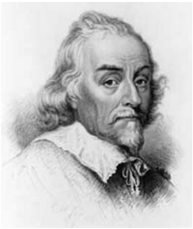
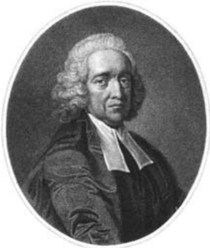
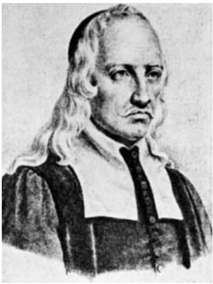
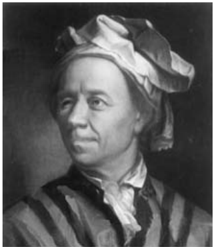
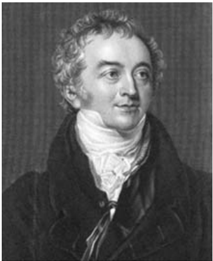
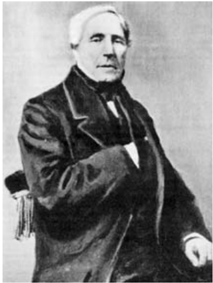
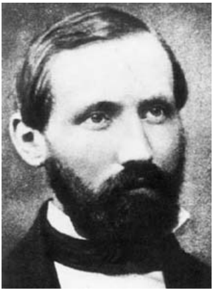
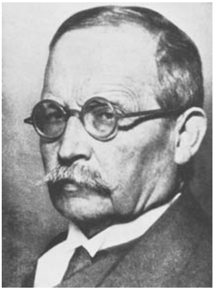
Verification
Claims the paper makes
7 Valid · 3 Not valid · 80 Not checked · 22 Own results and interpretations
The cited sources support only part of this claim — read each source’s verdict below.
In the paper
“This meant that Fourier transforms that previously took hours to compute could be calculated in seconds.”
What the sources say
- Partly supportedcites [6] 6. Cooley JW, Tukey JW (1965) An algorithm for the machine calculation of complex Fourier series. Math Comput 19:297-301 sourceExperimental — accuracy not yet measured
The paper reports IBM 7094 computing times of 0.02–0.13 minutes—about 1–8 seconds—for three-dimensional Fourier sums (Abstract and Additional information; page not provided). It also shows that the algorithm requires fewer operations than straightforward calculation, but it does not report that comparable transforms previously took hours. (LLM, conf=0.85)
plainstates a cause- Asserted: passes — The authors put it forward as true.
- Checkable: passes — It can be checked against evidence.
- Load-bearing: unclear — It is unclear whether the paper’s conclusions depend on it.
- Based: passes — The paper gives a reason why it holds.
- Partly supported
The cited sources support only part of this claim — read each source’s verdict below.
In the paper
“who mounted a systematic study of the different elements of the vascular system with the goal of synthesising a complete description of the arterial system using the method of characteristics [1, 22, 43, 44].”
What the sources say
- Not checked — no full text of the sourcecites [1] 1. Anliker M, Rockwell RL, Ogden E (1971) Nonlinear analysis of flow pulses and shock waves in arteries, Part I: Derivation and properties of mathematical model. Z ang Math Phys 22:217-246 source
- Partly supportedcites [22] 22. Histand MB, Anliker M (1973) Influence of flow and pressure on wave propagation in the canine aorta. Circ Res 32:524-529 sourceExperimental — accuracy not yet measured
The Methods and Theoretical Considerations describe an experimental study of wave propagation in the canine aorta, and the introduction says it was intended to provide a quantitative basis for studying nonlinear arterial phenomena. These passages support one element of the attributed research, but do not state a goal of describing the complete arterial system or say that this study used the method of characteristics. Page numbers are unavailable in our copy. (LLM, conf=0.78)
- Not matchedcites [43] 43. Stettler JC, Niederer P, Anliker M (1981) Theoretical analysis of arterial hemodynamics including the influence of bifurcations. Part I: mathematical model and prediction of normal pulse patterns. Ann Biomed Eng 9:145-164
More than one paper fits this citation.
- Not checked — no full text of the sourcecites [44] 44. Stettler JC, Niederer P, Anliker M, Casty M (1981) Theoretical analysis of arterial hemodynamics including the influence of bifurcations. Part II: critical evaluation of theoretical model and comparison with noninvasive measurements of flow patterns in normal and pathological cases. Ann Biomed Eng 9:165-175 source
plain- Asserted: passes — The authors put it forward as true.
- Checkable: passes — It can be checked against evidence.
- Load-bearing: unclear — It is unclear whether the paper’s conclusions depend on it.
- Based: passes — The paper gives a reason why it holds.
Every source the paper cites for this claim was checked and supports it.
In the paper
“It is probably not a coincidence that the rapid growth in the application of Fourier analysis to arterial mechanics coincides with the development of the digital computer and the publication of the fast Fourier transform [6]”
What the sources say
- Supportedcites [6] 6. Cooley JW, Tukey JW (1965) An algorithm for the machine calculation of complex Fourier series. Math Comput 19:297-301 source
The citation identifies the publication of the fast Fourier transform, rather than attributing the observation about arterial mechanics to Cooley and Tukey. In the paper’s algorithm description (labeled Abstract in our copy), the authors present an efficient method for calculating complex Fourier series on a binary computer. (LLM, conf=0.88)
hedgedstates an association- Asserted: passes — The authors put it forward as true.
- Checkable: passes — It can be checked against evidence.
- Load-bearing: unclear — It is unclear whether the paper’s conclusions depend on it.
- Based: passes — The paper gives a reason why it holds.
- Supported
In the paper
“In the 1905 paper, he introduces the theory of waves in arteries.”
What the sources say
- Not matchedcites [12] 12. Frank O (1905) Der Puls in den Arterien. Z Biol 46:441-553
We searched by its title and found no matching paper.
plainstates a cause- Asserted: passes — The authors put it forward as true.
- Checkable: passes — It can be checked against evidence.
- Load-bearing: unclear — It is unclear whether the paper’s conclusions depend on it.
- Based: passes — The paper gives a reason why it holds.
- Not matched
In the paper
“It is these works that inspired the development of wave intensity analysis [38].”
What the sources say
- Not checked — no full text of the sourcecites [38] 38. Parker KH (2009) An introduction to wave intensity analysis. Med Biol Eng Comput (this issue) source
plainstates a cause- Asserted: passes — The authors put it forward as true.
- Checkable: passes — It can be checked against evidence.
- Load-bearing: unclear — It is unclear whether the paper’s conclusions depend on it.
- Based: passes — The paper gives a reason why it holds.
23 more claims
Create a free account to see all 112 claims and to verify the 26 references still open.
- It may state two separate claims as one. 32
- Probably not a substantial claim. 77
Self-check
Percentages, sums and reported differences re-computed from the paper’s own numbers.
Each contradiction between two passages listed here was confirmed by an independent check.
Rated minor: it would not touch a result — a value no result rests on, a p-value that stays on the same side of the significance level, or a conflict that is clerical, resolved elsewhere in the paper, or outside its own findings.
In the paper
§ A brief history of arterial wave mechanics · p. 6
“The problem was further developed by Lamb in his definitive book Hydrodynamics (1879) who formulated the problem in very general terms [45].”
§ References · p. 8
“45. Stokes GG (1845) On the theories of the internal friction of fluids in motion, and of the equilibrium and motions of elastic solids. Trans Cambridge Phil Soc 8:287-341”
Rated minor: it would not touch a result — a value no result rests on, a p-value that stays on the same side of the significance level, or a conflict that is clerical, resolved elsewhere in the paper, or outside its own findings.
In the paper
§ A brief history of arterial wave mechanics · p. 6
“Much of the theory was derived by Gomelka in 1883, including the effects of wall inertia on the wave speed.”
§ References · p. 8
“17. Gromeka I (1883) U ¨ ber die Geschwindigkeit der Fortplanzung der Wellenbewegung der Flu ¨ssigkeit in elastischen Rohren.”
Citations
Cites
An algorithm for the machine calculation of complex Fourier series
Cooley, J. W., & Tukey, J. W. (1965) · Mathematics of Computation · doi:10.1090/s0025-5718-1965-0178586-1 · Cited by 13,154 · cited 1×
“It is probably not a coincidence that the rapid growth in the application of Fourier analysis to arterial mechanics coincides with the development of the digital computer and the publication of the fast Fourier transform [6] (actually a rediscovery of an algorithm known to Gauss).”
BackgroundMcDonald's blood flow in arteries; theoretical, experimental and clinical principles
(1992) · General Pharmacology: The Vascular System · doi:10.1016/0306-3623(92)90079-y · Cited by 2,388
Womersley, J. R. (1955) · The Journal of Physiology · doi:10.1113/jphysiol.1955.sp005276 · Cited by 1,835
McDonald, D. A. (1963) · The American Journal of the Medical Sciences · doi:10.1097/00000441-196301000-00017 · Cited by 1,565
Westerhof, N., Lankhaar, J.-W., & Westerhof, B. E. (2009) · Medical & Biological Engineering & Computing · doi:10.1007/s11517-008-0359-2 · Cited by 1,181 · cited 1×
“It has been very successful and is now, by far, the most common approach to arterial mechanics [3, 31, 37, 54].”
BackgroundThe History of Poiseuille's Law
Sutera, S. P., & Skalak, R. (1993) · Annual Review of Fluid Mechanics · doi:10.1146/annurev.fl.25.010193.000245 · Cited by 957 · cited 3×
“where l is the coefficient of viscosity, is usually attributed to Hagenbach [19] who generously suggested that the formula be named after Poiseuille, although there are claims of prior publication on behalf of Jacobson, Neumann, Helmholtz, Stephan and Mathieu [46].”
BackgroundStokes, G. G. (2010) · Mathematical and Physical Papers vol.1 · doi:10.1017/cbo9780511702242.005 · Cited by 686
Analog studies of the human systemic arterial tree
Westerhof, N., Bosman, F., De Vries, C. J., & Noordergraaf, A. (1969) · Journal of Biomechanics · doi:10.1016/0021-9290(69)90024-4 · Cited by 684 · cited 1×
“The success of the impedance method quickly lead to an explosion of work using it: D. A. McDonald and his students (notably W. W. Nichols); M. G. Taylor, who provided much of the theoretical basis, and his students (notably M. F. O’Rourke); Noordergraaf [ 52 ] (also see his influential review [36]) and his group (nota…”
MethodWollaston, W. H. (1810) · Philosophical Transactions of the Royal Society of London · doi:10.1098/rstl.1810.0002 · Cited by 621
Utsunomiya, T. (1970) · The Journal of the Institute of Television Engineers of Japan · doi:10.3169/itej1954.24.687 · Cited by 493
Research works printed but not linked: 17
- 2. Ape ´ria A (1940) Haemodynamical Studies. Skand Arch Physiol 83(suppl):1-230
- 4. Borelli GA (1680) De Motu Animalium (translated as On the Movement of Animals , translated by Paul Maquet. Springer, Berlin, 1989)
- 7. Dirichlet JPGL (1829) Sur la convegence des se ´ries trigonome ´ triques qui servent a repre ´senter une function rbitraire entre ces limites donne ´es. Mathematik 4:157-169
- 10. Fourier JBJ (1822) Theorie Analytique de la Chaleur (translated by A. Freeman as The Analytical Theory of Heat . Cambridge University Press, Cambridge, 1878)
- 12. Frank O (1905) Der Puls in den Arterien. Z Biol 46:441-553
- 13. Frank O (1920) Die Elastizita ¨t der Blutegefa ¨sse. Z Biol 71:255272
- 14. Frank O (1926) Die Theorie der Pulswellen. Z Biol 85:91-130
- 15. Frank O (1930) Scha ¨tzung des Schlagvolumens des menschlichen Herzens auf Grund der Wellen und windkesseltheorie. Z Biol 90:405-409
- 27. Marey EJ (1881) Le circulation du sang a ´ l'e ´tat physiologique et dans des maladies. Masson, Paris
- 30. Milnor WR (1989) Hemodynamics, 2nd edn. Williams & Wilkins, Baltimore
- 34. Navier CLMH (1823) Me ´moire sur les lois du mouvement des fluides. Me ´m Acad R Sci 6:389-441
- 39. Poiseuille JLM (1846) Recherches expe ´rimentales sur le mouvement des liquides dans les tubes de tre `s-petits diame `tres. Me `moires pre ´sentes par divers savanta a ` l'Acad Sci de l'Institut de France 9:433-544
- 40. Porje ´ IG (1946) Studies of the arterial pulse wave, particularly in the aorta. Acta physiol scand 13(suppl 42):1-68
- 42. Skalak R (1972) The synthesis of a complete circulation. Chap. 19. In: Bergel D (ed) Cardiovascular fluid dynamics, vol 2. Academic Press, London, pp 341-376
- 49. Wang Shu-He (circa 220 AD) he Pulse Classic: a translation of the Mai Jing. Yang shou-Zhong (transl.) Blue Poppy Press, Boulder CO, 1997
- 50. Weber EH, Weber WE (1825) Wellenlehre auf Experimente gegru ¨ndet, oder u ¨ ber die Wellen tropbarer Flu ¨ssigkeiten mit Andwendung auf die Schall- und Lichtwellen. Fleischer, Leipzig
- 51. Weber WE (1866) Theorie der durch Wasser oder andere incompressibele Flu ¨ssigkeiten in elastischen Ro ¨hren fortgeplanzten Wellen. Berichte der Gesellschaft der Wissenschaften zu Leipzig: Math phys Kl 18:353-357
Cited by
Pulse Wave Propagation in the Arterial Tree
van de Vosse, F. N., & Stergiopulos, N. (2011) · Annual Review of Fluid Mechanics · doi:10.1146/annurev-fluid-122109-160730 · Cited by 387
Elastin, arterial mechanics, and cardiovascular disease
Cocciolone, A. J., Hawes, J. Z., Staiculescu, M. C., Johnson, E. O., Murshed, M., & Wagenseil, J. E. (2018) · American Journal of Physiology-Heart and Circulatory Physiology · doi:10.1152/ajpheart.00087.2018 · Cited by 341
“Stephen Hales in 1733 recognized the importance of arterial elasticity in cardiovascular function and Otto Frank in 1895 formalized Hales’ ideas into a mathematical model of the Windkessel effect (132).”
BackgroundA benchmark study of numerical schemes for one‐dimensional arterial blood flow modelling
Boileau, E., Nithiarasu, P., Blanco, P. J., Müller, L. O., Fossan, F. E., Hellevik, L. R., Donders, W. P., Huberts, W., Willemet, M., & Alastruey, J. (2015) · International Journal for Numerical Methods in Biomedical Engineering · doi:10.1002/cnm.2732 · Cited by 209
“For a historical overview of this field of research, see [25] and the introductions in [4, 11, 23].”
BackgroundThe 2023 wearable photoplethysmography roadmap
Charlton, P. H., Allen, J., Bailón, R., Baker, S., Behar, J. A., Chen, F., Clifford, G. D., Clifton, D. A., Davies, H. J., Ding, C., et al. (2023) · Physiological Measurement · doi:10.1088/1361-6579/acead2 · Cited by 187
Secomb, T. W. (2016) · Comprehensive Physiology · doi:10.1002/cphy.c150038 · Cited by 151
“As early as 1755, the great Swiss mathe-matician Leonhard Euler formulated the key equations needed for an analysis of this problem (19), although he was apparently frustrated by the difficulty of solving these equations (72).”
InfluentialArterial Waveform Analysis for the Anesthesiologist: Past, Present, and Future Concepts
Thiele, R. H., & Durieux, M. E. (2011) · Anesthesia & Analgesia · doi:10.1213/ane.0b013e31822773ec · Cited by 164
“analyze both reflected pressure waves and the spectral composition of blood pressure waveforms.(3)”
BackgroundInfluentialBlood Pressure Monitoring for the Anesthesiologist: A Practical Review
Bartels, K., Esper, S. A., & Thiele, R. H. (2016) · Anesthesia & Analgesia · doi:10.1213/ane.0000000000001340 · Cited by 161
Arterial stiffness, central hemodynamics, and cardiovascular risk in hypertension
Palatini, P., Casiglia, E., Gąsowski, J., Głuszek, J., Jankowski, P., Narkiewicz, K., Saladini, F., Stolarz-Skrzypek, Tikhonoff, V., Bortel, V., et al. (2011) · Vascular Health and Risk Management · doi:10.2147/vhrm.s25270 · Cited by 143
Arterial pulse wave haemodynamics
Alastruey, J., Parker, K. H., & Sherwin, S. J. (2012) · Research Portal (King's College London) · Cited by 207
Self-citationA Brief Journey into the History of the Arterial Pulse
Ghasemzadeh, N., & Zafari, A. M. (2011) · Cardiology Research and Practice · doi:10.4061/2011/164832 · Cited by 105
“However, he was quite unsuccessful in proposing a formula that could simply show the relationship between the mechanical forces and the dynamic measures of the arterial pulse wave [77].”
BackgroundArterial pulse wave modeling and analysis for vascular-age studies: a review from VascAgeNet
Alastruey, J., Charlton, P. H., Bikia, V., Paliakaitė, B., Hametner, B., Bruno, R. M., Mulder, M. P., Vennin, S., Pişkin, Ş., Khir, A. W., et al. (2023) · American Journal of Physiology-Heart and Circulatory Physiology · doi:10.1152/ajpheart.00705.2022 · Cited by 112
Matsumura, K., Rolfe, P., Lee, J., & Yamakoshi, T. (2014) · PLoS ONE · doi:10.1371/journal.pone.0091205 · Cited by 72
“The measurement of heart rate (HR) and the recording of the peripheral pulse (PP) have long been established as fundamental components of both research and clinical investigation [1,2].”
BackgroundA ‘well‐balanced’ finite volume scheme for blood flow simulation
Delestre, O., & Lagrée, P. (2012) · International Journal for Numerical Methods in Fluids · doi:10.1002/fld.3736 · Cited by 74
Bendjelid, K., Marx, G., Kiefer, N., Simon, T. P., Geisen, M., Hoeft, A., Siegenthaler, N., & Hofer, C. K. (2013) · British Journal of Anaesthesia · doi:10.1093/bja/aet116 · Cited by 60
Advances in photoplethysmography: beyond arterial oxygen saturation
Bartels, K., & Thiele, R. H. (2015) · Canadian Journal of Anesthesia/Journal canadien d anesthésie · doi:10.1007/s12630-015-0458-0 · Cited by 49
AN IMPROVED MODEL FOR REDUCED-ORDER PHYSIOLOGICAL FLUID FLOWS
San, O., & Staples, A. (2011) · Journal of Mechanics in Medicine and Biology · doi:10.1142/s0219519411004666 · Cited by 52
Role of elastic fiber degradation in disease pathogenesis
Halsey, G., Sinha, D., Dhital, S., Wang, X., & Vyavahare, N. R. (2023) · Biochimica et Biophysica Acta (BBA) - Molecular Basis of Disease · doi:10.1016/j.bbadis.2023.166706 · Cited by 50
Pulse Waveform Analysis: Is It Ready for Prime Time?
Hametner, B., & Wassertheurer, S. (2017) · Current Hypertension Reports · doi:10.1007/s11906-017-0769-3 · Cited by 42
“A quantification of methodological deviation and a potential need for correction of methods needs to be determined [32]. With this regard, it is also important to notice that the amount of reflections being present at a certain point in time depends also on the location of the measurement. This has to be incorporated…”
The Dicrotic Notch: Mechanisms, Characteristics, and Clinical Correlations
Abushouk, A. I., Kansara, T. M., Abdelfattah, O., Badwan, O. Z., Hariri, E. H., Chaudhury, P., & Kapadia, S. R. (2023) · Current Cardiology Reports · doi:10.1007/s11886-023-01901-x · Cited by 33
The Contribution of Vascular Smooth Muscle to Aortic Stiffness Across Length Scales
Saphirstein, R. J., & Morgan, K. G. (2014) · Microcirculation · doi:10.1111/micc.12101 · Cited by 31
Fluid mechanics of Windkessel effect
Mei, C. C., Zhang, J., & Jing, H. (2018) · Medical & Biological Engineering & Computing · doi:10.1007/s11517-017-1775-y · Cited by 40
“Comprehensive review and historical survey of the literature on this and related to phenomenon has been given in [10, 22].”
Mechanics of the dicrotic notch: An acceleration hypothesis
Gamrah, M. A., Xu, J., Sawy, A. E., et al. (2020) · Proceedings of the Institution of Mechanical Engineers Part H Journal of Engineering in Medicine · doi:10.1177/0954411920921628 · Cited by 26
“The history of the dicrotic notch is difficult to untangle but palpation of the arterial pulse has been part of medical diagnostics from the beginning.(9,10) Medical interest in the arterial pulse predates the written record, and variants of the three pulse method are found in the earliest texts in both India and Chin…”
Self-citationRolandi, M. C., Silva, K. D., Lumley, M., et al. (2014) · Basic Research in Cardiology · doi:10.1007/s00395-014-0405-1 · Cited by 24
“Wave intensity analysis (WIA) has been developed as a time-domain method to investigate cardiovascular dynamics and derives from the local summation of individual upstream and downstream traveling wavefronts [21].”
BackgroundMethodSaugel, B., Heeschen, J., Hapfelmeier, A., et al. (2019) · Journal of Clinical Monitoring and Computing · doi:10.1007/s10877-019-00375-z · Cited by 24
100 years of women members: The Society’s centenary of women’s admission
Burgess, H. (2015) · Physiology News · doi:10.36866/pn.98.34 · Cited by 24
Shock Loading and Failure of Fluid-filled Tubular Structures
Shepherd, J. E., & Inaba, K. (2009) · Springer eBooks · doi:10.1007/978-1-4419-0446-1_6 · Cited by 22
“In the field of arterial wave mechanics (Parker, 2009), relationship (52) is generally known as the Moen-Korteweg equation.”
BackgroundInfluentialAvolio, A. P., Westerhof, B. E., Siebes, M., & Tyberg, J. V. (2009) · Medical & Biological Engineering & Computing · doi:10.1007/s11517-009-0455-y · Cited by 27
“The development of arterial wave mechanics is comprehensively summarized in a historical overview by Kim Parker in this issue [9].”
BackgroundWang, Z., Li, G., & Delestre, O. (2016) · International Journal for Numerical Methods in Fluids · doi:10.1002/fld.4232 · Cited by 23
“However, the model is too difficult to solve [4].”
iPhysioMeter: A Smartphone Photoplethysmograph for Measuring Various Physiological Indices
Matsumura, K., Rolfe, P. J., & Yamakoshi, T. (2014) · Methods in molecular biology · doi:10.1007/978-1-4939-2172-0_21 · Cited by 21
Wang, Y. L., Sze, W. K., Lin, C.-C., et al. (2015) · Journal of Biomechanics · doi:10.1016/j.jbiomech.2015.02.026 · Cited by 15
“Most researchers of hemodynamic took the axial blood motion as the major momentum equation in arteries (Milnor, 1989; Li, 2000; Parker, 2009) and due to the high dissipation in the blood flow, those resonance models were neglected after the challenge by McDonald and Taylor (1959).”
BackgroundA Isebree Moens and DJ Korteweg: on the speed of propagation of waves in elastic tubes
Tijsseling, A. S., & Anderson, A. (2012) · TU/e Research Portal · doi:10.25405/ncl.34195242 · Cited by 17
A hybrid neural ordinary differential equation model of the cardiovascular system
Grigorian, G. A., George, S. V., Lishak, S., Shipley, R. J., & Arridge, S. (2024) · Journal of The Royal Society Interface · doi:10.1098/rsif.2023.0710 · Cited by 26
“We restrict our ongoing discussion to temporal ODE models of the CVS, early examples of which are inspired by electrical circuits [5,6].”
MethodInfluentialHypertension, Aortic Valve Stenosis, and the Aorta
Laskey, W. K., & Kussmaul, W. G. (2015) · Journal of the American College of Cardiology · doi:10.1016/j.jacc.2014.11.029 · Cited by 13
Wang, Y. L. (2019) · Acta Physiologica · doi:10.1111/apha.13260 · Cited by 12
“The arterial pulse was known as a vital sign to the ancient Chinese, Greeks, Romans and Indians, who employed its diagnostic value for thousands of years.(1) Traditional Chinese medicine described the pulse feeling in term of conditions of different meridians.”
BackgroundChuang, C.-Y., Chang, T., Li, D., Chiu, C.-M., Fang, C.-W., Ng, H.-P., Huang, C.-M., & Chen, J. J. (2020) · European Journal of Integrative Medicine · doi:10.1016/j.eujim.2020.101067 · Cited by 14
The Arterial Pulse: Vascular Biology, Vascular Function Testing, and Therapies
Zafari, A. M., Quyyumi, A. A., Halcox, J., & Rajagopalan, S. (2011) · Cardiology Research and Practice · doi:10.4061/2011/151428 · Cited by 12
The simulation of magnetic resonance elastography through atherosclerosis
Thomas-Seale, L. E. J., Hollis, L., Klatt, D., Sack, I., Roberts, N., Pankaj, P., & Hoskins, P. R. (2016) · Journal of Biomechanics · doi:10.1016/j.jbiomech.2016.04.013 · Cited by 12
“Measuring arterial stiffness is well established (Parker, 2009), however the term ‘stiffness’ is used as an overarching term for arterial characteristics that change with response to age or disease (Hamilton et al., 2007).”
BackgroundDynamics in natural and designed elastins and their relation to elastic fiber structure and recoil
Carvajal, M. F. C., Preston, J. M., Jamhawi, N. M., Sabo, T. M., Bhattacharya, S., Aramini, J. M., Wittebort, R. J., & Koder, R. L. (2021) · Biophysical Journal · doi:10.1016/j.bpj.2021.06.043 · Cited by 13
A fast computational model for circulatory dynamics: effects of left ventricle–aorta coupling
Moulton, M. J., & Secomb, T. W. (2023) · Biomechanics and Modeling in Mechanobiology · doi:10.1007/s10237-023-01690-w · Cited by 12
“In recent decades, wave theories for the aorta have been further developed (Parker 2009; Wang and Parker 2004; Pagoulatou and Stergiopulos 2017; Mynard and Smolich 2014), including wave separation analysis, which allows forward and backward wave components of the pulse wave to be deduced from pressure and flow wavefor…”
MethodNolte, F., Hyde, E., Rolandi, C., Lee, J., van Horssen, P., Asrress, K., van den Wijngaard, J. P. H. M., Cookson, A. N., van de Hoef, T. P., Chabiniok, R., et al. (2013) · Medical & Biological Engineering & Computing · doi:10.1007/s11517-013-1088-8 · Cited by 11
“WIA is a time domain analysis of traveling wavefronts, which distinguishes between contributions originating from upstream and downstream events [8, 71].”
BackgroundSchaafs, L.-A., Schrank, F., Warmuth, C., Steffen, I. G., Braun, J., Hamm, B., Sack, I., & Elgeti, T. (2020) · Investigative Radiology · doi:10.1097/rli.0000000000000654 · Cited by 9
Harnessing Nonlinear Mechanics to Transform Medical Diagnostics
Nataraj, C., & Hemmati, S. (2025) · Applied Mechanics Reviews · doi:10.1115/1.4070319 · Cited by 10
“Pulsatility, turbulence, wave reflections, wall compliance (including neural modulation), interindividual variability, and aging effects all complicate modeling [62–64].”
Breckler, J. L., Christensen, T., & Sun, W. (2013) · CBE—Life Sciences Education · doi:10.1187/cbe.12-08-0129 · Cited by 12
“262 with earlier and later contributions by other 18th- and 19th-century European scientists and engineers (Badeer and Synolakis, 1989; Sutera and Skalak, 1993; Parker, 2009).”
BackgroundInfluentialReservoir and reservoir-less pressure effects on arterial waves in the canine aorta
Borlotti, A., Park, C. M., Parker, K. H., & Khir, A. W. (2014) · Journal of Hypertension · doi:10.1097/hjh.0000000000000425 · Cited by 9
Self-citationWave potential: A unified model of arterial waves, reservoir phenomena and their interaction☆
Mynard, J. P., & Smolich, J. J. (2017) · Artery Research · doi:10.1016/j.artres.2017.04.002 · Cited by 7
“…approach 1) substantially un-derestimates or entirely misses reflected compression waves, 2) overestimates decompression (expansion) waves, 3) may introduce spurious decompression waves that have no correspondence with impedance mismatching in the network, 4) displays physically…”
Thiele, R. H., Colquhoun, D. A., Tucker-Schwartz, J. M., et al. (2012) · Journal of Clinical Monitoring and Computing · doi:10.1007/s10877-012-9390-9 · Cited by 7
Sugawara, J., & Tanaka, H. (2025) · Experimental Physiology · doi:10.1113/ep092672 · Cited by 7
“Frank later formalised these mechanical principles in his two-element Windkessel model, which describes the elastic and resistive properties of the arterial system (Frank, 1899; Parker, 2009; Sagawa et al., 1990).”
Origin of the forward-going “backward” wave
Tyberg, J. V., Burrowes, L. M., Shrive, N. G., et al. (2017) · Journal of Applied Physiology · doi:10.1152/japplphysiol.00350.2017 · Cited by 6
“[Parker showed that such an increase in area provides the anatomical substrate for negative reflection (4)].”
BackgroundImpact of body tilt on the central aortic pressure pulse
Rotaru, C., Liaudet, L., Waeber, B., & Feihl, F. (2015) · Physiological Reports · doi:10.14814/phy2.12360 · Cited by 6
“…1977) to solve this issue, providing a consistent framework for explaining the oscillatory behavior of the arterial system, both in the time and frequency domain, across age groups, genders, health conditions, and species (reviewed in Nichols et al. 2011a; O’Rourke and Yaginuma 1984; Parker 2009).”
BackgroundInfluentialBistafa, S. R. (2018) · Advances in Historical Studies · doi:10.4236/ahs.2018.72007 · Cited by 5
“A historical review on the subject (Parker, 2009) indicates that before Euler, other investigators had already been concerned with blood circulation.”
BackgroundMethodInfluentialExamination of non-Newtonian flow through stenosed arteries using an analytical model
Ata, E. K., & Kandemir, İ. (2022) · Archive of Applied Mechanics · doi:10.1007/s00419-022-02230-1 · Cited by 6
The effect of arterial wall shear stress on the incremental elasticity of a conduit artery
Kelly-Laubscher, R. F., & Snow, H. M. (2011) · Acta Physiologica · doi:10.1111/j.1748-1716.2010.02245.x · Cited by 5
“Estimates of both Einc and changes in arterial diameter have also been inferred from measurements of arterial PWV (McDonald et al. 1997, Wilkinson et al. 2002, Wilkinson & McEniery 2004, McEniery et al. 2006, Naka et al. 2006, Parker 2009).”
BackgroundSone, S., Hayase, T., Funamoto, K., & SHIRAI, A. (2016) · Medical & Biological Engineering & Computing · doi:10.1007/s11517-016-1543-4 · Cited by 6
Evaluating cardiac function in ex vivo heart perfusion using lumped parameter models
Roig, R. C., Li, S. S., Asheghan, M., et al. (2025) · Computers in Biology and Medicine · doi:10.1016/j.compbiomed.2025.109922 · Cited by 4
Utz, M., Begley, M. R., & Haj‐Hariri, H. (2011) · Lab on a Chip · doi:10.1039/c0lc00426j · Cited by 4
Liberson, A. S., Vahedein, Y. S., & Borkholder, D. A. (2017) · Proceedings of the World Congress on Momentum, Heat and Mass Transfer · doi:10.11159/enfht17.103 · Cited by 3
“A historical review of arterial fluid mechanics models was presented by Parker – 2009 [1].”
BackgroundLiberson, A. S., Vahedein, Y. S., & Borkholder, D. A. (2017) · Journal of Fluid Flow Heat and Mass Transfer · doi:10.11159/jffhmt.2017.001 · Cited by 3
“Parker – 2009 [6], presents a historical review of arterial fluid mechanics models.”
BackgroundEX VIVOEQUINE HEART AND LUNG PERFUSION SYSTEM
Guest, B. B., Arroyo, L. G., Viel, L., Kerr, C. L., & Runciman, J. (2015) · Biomedical Engineering Applications Basis and Communications · doi:10.4015/s1016237215500453 · Cited by 3
Sohani, V., Zahedi, E., Chellappan, K., et al. (2012) · IEEE-EMBS Conference on Biomedical Engineering and Sciences · doi:10.1109/iecbes.2012.6498140 · Cited by 3
“systole as tricuspid valve is closured [11].”
BackgroundInfluentialPulse: Revived in ‘The Pulse of Asia'
Park, J. B., O’Rourke, M. F., & Suzuki, H. (2013) · Pulse · doi:10.1159/000348614 · Cited by 3
Intrinsic Frequency Analysis and Fast Algorithms
Tavallali, P., Koorehdavoudi, H., & Krupa, J. (2017) · Scientific Reports · doi:10.1038/s41598-018-22907-4 · Cited by 3
Furst, B. (2013) · Springer eBooks · doi:10.1007/978-1-4471-5277-4_14 · Cited by 3
Analysis of blood flow in one dimensional elastic artery using Navier-Stokes conservation lawsPreprint
Rodero, C. (2017) · arXiv (Cornell University) · doi:10.48550/arxiv.1710.06258 · Cited by 6
“Many clinical cardiologists in the early twentieth century contributed to our understanding of the form and function of the cardiovascular system, but relatively few contributed significantly to our understanding of arterial mechanics (see [85] and the references therein).”
BackgroundHoskins, P. R., & Bradbury, A. W. (2011) · Springer eBooks · doi:10.1007/978-1-84882-688-5_19 · Cited by 2
Eynden, F. V., Oumeiri, B. E., Bové, T., Nooten, G. V., & Segers, P. (2019) · American Journal of Physiology-Heart and Circulatory Physiology · doi:10.1152/ajpheart.00635.2018 · Cited by 2
Continuing the Debate: Branko Furst's Alternative Model And the Role of the Heart.
Dalmau, R. (2017) · PubMed · Cited by 2
Furst, B. (2019) · Springer eBooks · doi:10.1007/978-3-030-25062-1_14 · Cited by 2
Furst, B. (2019) · Springer eBooks · doi:10.1007/978-3-030-25062-1_22 · Cited by 2
Sherif, H. M. F. (2015) · Aorta · doi:10.12945/j.aorta.2015.14.060 · Cited by 2
Narayan, R. J. (2018) · Elsevier eBooks · doi:10.1016/b978-0-12-804829-0.05001-x · Cited by 2
Pressure and Force Transducers
Button, V. L. D. S. N. (2015) · Elsevier eBooks · doi:10.1016/b978-0-12-800774-7.00006-4 · Cited by 1
Revisiting the Windkessel Function: Toward Accessible Assessment of Central Arterial Health
Sugawara, J. (2026) · Journal of Clinical Medicine · doi:10.3390/jcm15010342 · Cited by 2
Sohani, V., Zahedi, E., Ali, M. A. M., et al. (2014) · International Conference on Intelligent and Advanced Systems · doi:10.1109/icias.2014.6869541 · Cited by 1
“Due to their crucial role in maintaining adequate nutrition, oxygenation and waste removal, it is natural that blood pressure (BP) and flow have always been the two most studied significant variables [2].”
BackgroundReduced Modeling Framework of Circulatory System Revisited
Vahedein, Y. S., & Liberson, A. S. (2017) · Proceedings of the ... International Conference on Fluid Flow, Heat and Mass Transfer · doi:10.11159/ffhmt17.174 · Cited by 1
Five Cases of an Inverted Tooth in the Nasal Cavity
Ohtsuka, Y., Hisamitsu, M., Nemoto, T., et al. (2021) · Nihon Bika Gakkai Kaishi (Japanese Journal of Rhinology) · doi:10.7248/jjrhi.60.36 · Cited by 1
Blood in Motion, or the Physics of Blood Flow
Pedley, T. J. (2022) · Cambridge University Press eBooks · doi:10.1017/9781009205528.004 · Cited by 22
Lishak, S., Grigorian, G. A., George, S. V., Ovenden, N., Shipley, R. J., & Arridge, S. (2023) · Journal of The Royal Society Interface · doi:10.1098/rsif.2023.0339 · Cited by 2
“Early examples of these models are the mono-compartment Windkessel [8,9] and Westkessel [10,11] models, employing electrical circuit analogies.”
From sucking worms to Windkessel: The physics of an early eighteenth century firefighting device
Lemons, D. S., & Lipscombe, T. D. (2024) · American Journal of Physics · doi:10.1119/5.0147573 · Cited by 1
Beeckman, S., Badhwar, S., Li, Y., Aasmul, S., Madhu, N., Khettab, H., Mousseaux, É., Gencer, U., Boutouyrie, P., Bruno, R. M., et al. (2025) · Physiological Measurement · doi:10.1088/1361-6579/adcb85 · Cited by 1
“Their structure allows the vessel wall to distend during cardiac contraction, storing elastic energy, which is used during the consequent relaxation to drive blood flow after the pressure wave has passed (Wolinsky and Glagov 1967, Parker 2009, Westerhof et al 2009).”
Ali, M., Haq, S. U., & Rahman, A. U. (2018) · City university international journal of computational analysis. · doi:10.33959/cuijca.v2i1.2 · Cited by 1
Numerical approximation of blood flow in arteries using kinetic flux-vector splitting (KFVS) scheme
Zia, S., Rabbani, O., Ahmed, S., & Rehman, A. (2020) · The European Physical Journal Plus · doi:10.1140/epjp/s13360-020-00281-3 · Cited by 1
Sedov type solution of the equations of hydraulic longitudinal waves
Meleshko, S. V., Moyo, S., & Sukhinin, S. V. (2021) · International Journal of Non-Linear Mechanics · doi:10.1016/j.ijnonlinmec.2021.103674 · Cited by 1
Singh, A., Khan, R. A., Kushwaha, S., et al. (2022) · International Journal of Mathematics and Mathematical Sciences · doi:10.1155/2022/7388096 · Cited by 1
“In 1899, the first mathematical model of propagation of arterial pulse waves is given by Frank [13].”
BackgroundThe Nightingale Prize 2010 for best MBEC paper in 2009 awarded
Spaan, J. A. E. (2010) · Medical & Biological Engineering & Computing · doi:10.1007/s11517-010-0710-2 · Cited by 1
“[9] compared to methods for studying arterial wave propagation based on the more classical method of characteristic impedance and the novel developed method of wave intensity [13].”
MethodAssessing mechanical properties of the cardiovascular system
Al-Toki, M. H. Z. (2020) · MOspace Institutional Repository (University of Missouri) · doi:10.32469/10355/88822 · Cited by 2
Reduced-order models for blood flow in networks of large arteries
Ghigo, A. (2017) · theses.fr (ABES) · doi:10.70675/38341dd7zfbe2z4bd5z986fz3edf5fb9cc19 · Cited by 3
“In the following, we present a brief literature and historical review on the different blood flow models, inspired from the work presented in [Parker 2009].”
MethodHypergravity and multiple reflections in wave propagation in the aorta
Kroot, J., & Giannopapa, C. (2013) · Journal of Pressure Vessel Technology · doi:10.1115/1.4007187
Chapter 6 Shock Loading and Failure of Fluid-filled Tubular Structures
Shepherd, J. E., & Inaba, K. (2010)
Chen, Y. (2012) · DR-NTU (Nanyang Technological University) · doi:10.32657/10356/50792
“It had been applied in the diagnosis of disease by physicians from many ancient countries, such as Chinese, Greek, Roman and Indian [39, 40].”
BackgroundDevelopment of an Equine Ex Vivo Pulmonary Arterial Perfusion System
Guest, B. B. (2013) · The Atrium (University of Guelph)
Dalmau, R. (2017) · Revista Argentina de Anestesiología · doi:10.1016/j.raa.2017.09.003 · Cited by 2
“Esta serie de ecuaciones resulta de la combinación de las ecuaciones (1) y (3), para ambos compartimentos vasculares, y resolviendo para las presiones, las cuales son función del flujo sistémico.”
BackgroundElefteriades, J. A. (2017) · Elsevier eBooks · doi:10.1016/b978-0-12-801238-3.99690-9
Book Review: Pioneers of Neurobiology: My Brilliant Eccentric Heroes by John G Nicholls
Miller, D. (2015) · Physiology News · doi:10.36866/pn.98.39
Planting the physiology family tree
Miller, D. (2015) · Physiology News · doi:10.36866/pn.98.37
The Biophysical Society’s 59th annual meeting
Howells, S. (2015) · Physiology News · doi:10.36866/pn.98.14
Report from an undergraduate research placement
Lister, S. (2015) · Physiology News · doi:10.36866/pn.98.38
What on Earth is Charcot-Marie-Tooth (CMT) disease?
Laurá, M., & Ramdharry, G. M. (2015) · Physiology News · doi:10.36866/pn.98.30
A man is as old as his arteries: a scientific journey of ageing and aortic function
Maskari, R. A. (2015) · Physiology News · doi:10.36866/pn.98.22
Oral history interviews – lives in physiology
Miller, D. L. (2015) · Physiology News · doi:10.36866/pn.98.36
The Society’s ageing outreach activities
Tailor, A. (2015) · Physiology News · doi:10.36866/pn.98.11
Metadata
- Authors
- Parker, K. H.
- Affiliations
- Imperial College London (GB)
- Corresponding author
- Parker, Kim H.
- ORCID
- Parker, Kim H.
- Venue
- Medical & Biological Engineering & Computing
- Published
- 2009-02
- Volume
- 47
- Issue
- 2
- Pages
- 111-118
- ISSN
- 0140-0118 (ISSN-L)
- 1741-0444
- PMC
- PMC2644374
- OpenAlex
- W1969715021
- Cited by
- 137
- References
- 46
- Citations by year
- 2026: 9 · 2025: 8 · 2024: 3 · 2023: 7 · 2022: 3 · 2021: 4 · 2020: 8 · 2019: 8 · 2018: 7 · 2017: 12 · 2016: 7 · 2015: 28 · 2014: 6 · 2013: 7 · 2012: 7
- FWCI
- 160.55
- Type
- journal article
- Language
- en
- Open access
- hybrid
- doi.org
- Licence
- cc-by-nc
- creativecommons.org/licenses/by-nc/2.0 (tdm)
- creativecommons.org/licenses/by-nc/2.0 (vor, 6 d)
- Locations
- Medical & Biological Engineering & Computing (publishedVersion, cc-by-nc)
- Europe PMC (PubMed Central) (publishedVersion)
- PubMed Central (publishedVersion)
- PubMed (publishedVersion)
- Topics
- Social Sciences › Arts and Humanities › History › History of Medicine Studies
- Social Sciences › Arts and Humanities › History and Philosophy of Science › History of Science and Medicine
- Health Sciences › Medicine › Cardiology and Cardiovascular Medicine › Cardiovascular Health and Disease Prevention
- Keywords
- arterial pulse, pulse diagnosis, traditional Chinese medicine, Galen, arterial hemodynamics, radial pulse
- MeSH terms
- Arteries, Cardiology, Hemodynamics, Humans, Models, Cardiovascular, Portraits as Topic, Pulse, History, 17th Century, History, 18th Century, History, 19th Century, History, 20th Century
About these checks
Registry, retraction, Cites and statistics results are computed, not judged, with one exception: a printed reference that no index lists is read once by a model before it counts as a citation error. Claims are extracted by a model and kept only when their quote appears verbatim in the text; each cited source is then checked, with a model’s help, for whether it says what the claim relies on. Those verdicts can be wrong — read the claim’s quote and the cited source before relying on one.
The claim verdicts this report counts are experimental: their accuracy is not yet measured.
A language model drew the claims from the paper on 2026-10-10, under version 3 of the claim definition (model deepseek-v4.1-flash, prompt extract-v3).
A second model labelled each claim on 2026-10-10 (model jev-1.13-20260917, definition revision gold-guideline-v0.2).
Cited sources are checked with a language model’s help (gpt-6-sol).
Statistics and arithmetic are recomputed, not judged.
Confidence bands are shown only for fields calibrated on our annotated test set. None is calibrated yet, so no band is shown.
What counts as a claim ›How we measure confidence ›How we check this ›
Are you an author, or do you see a problem with this page? Request a review
Data sources
Bibliographic data: Semantic Scholar, OpenAlex, Crossref.
Contains information from the Semantic Scholar Academic Graph Datasets, made available under the ODC Attribution License (ODC-BY 1.0).
Semantic Scholar’s data is described in: Kinney, R., et al. (2023). The Semantic Scholar Open Data Platform. arXiv:2301.10140.
