

The DOI matches its Crossref record; 22 of the 22 references it cites were found in a registry or an index.
Assessment of pain, acceptance of illness, adjustment to life with cancer and coping strategies in breast cancer patients
Open accessAbstract
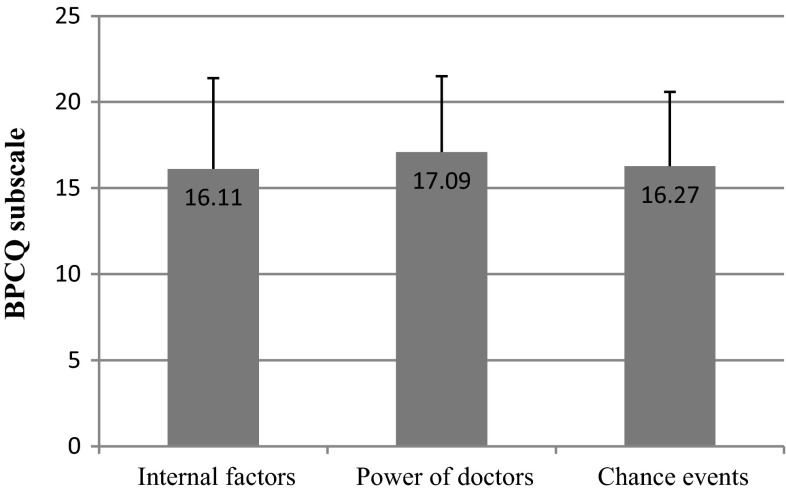
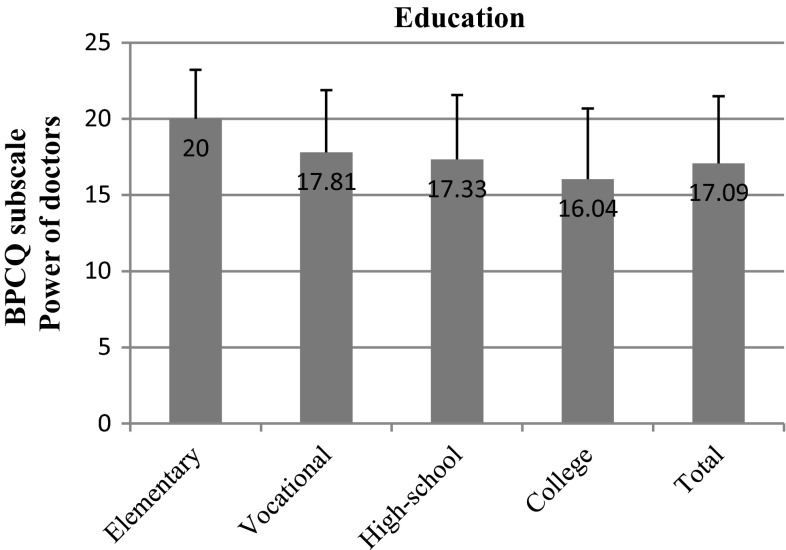
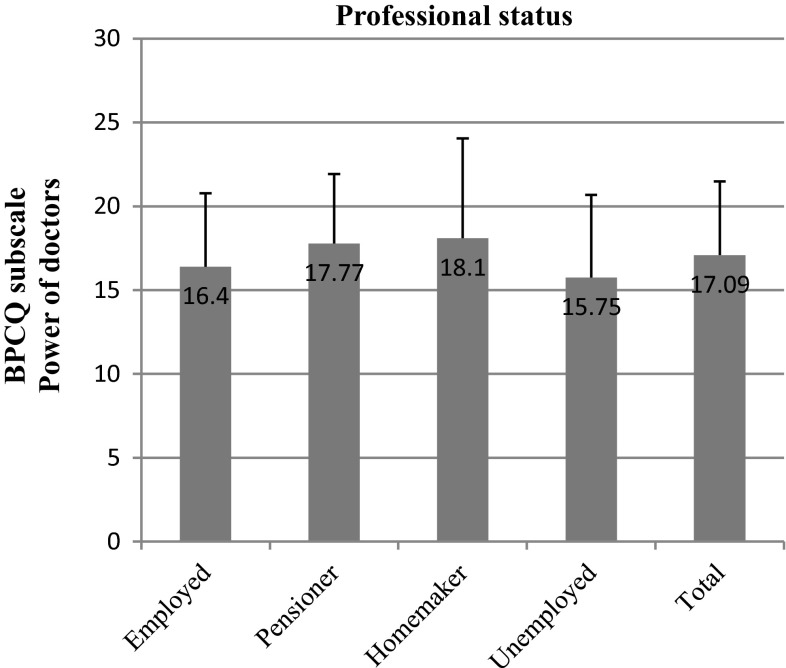
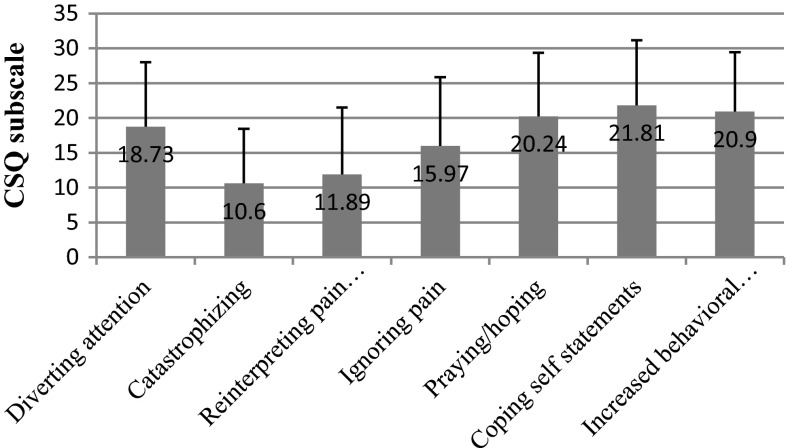
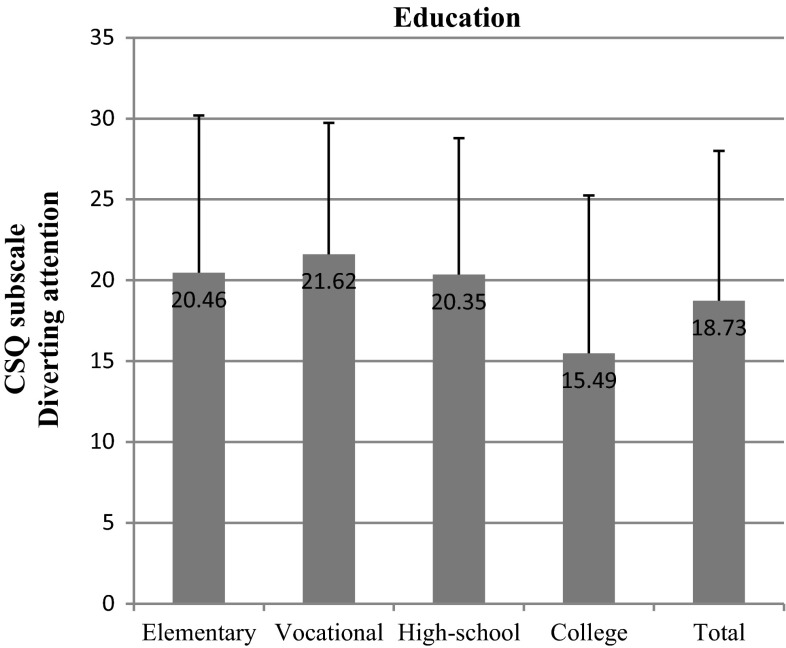
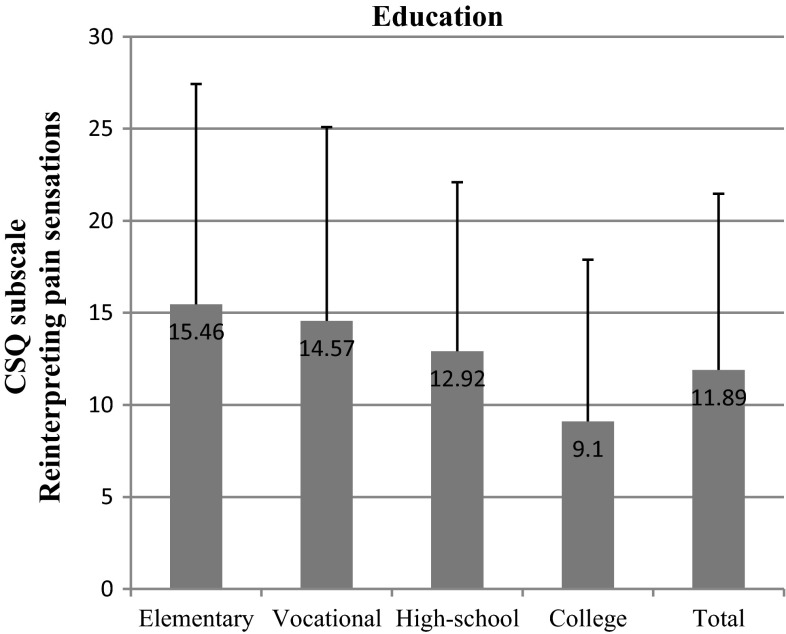
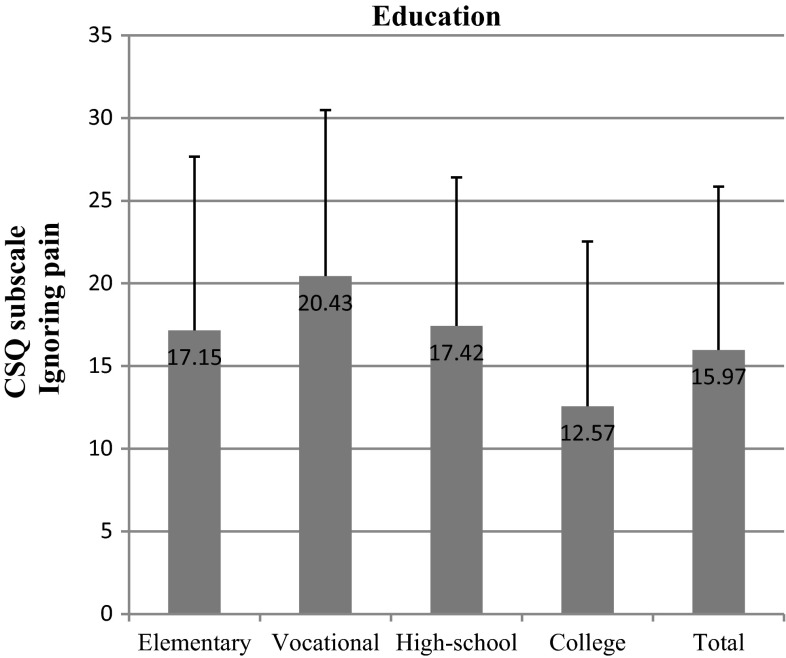
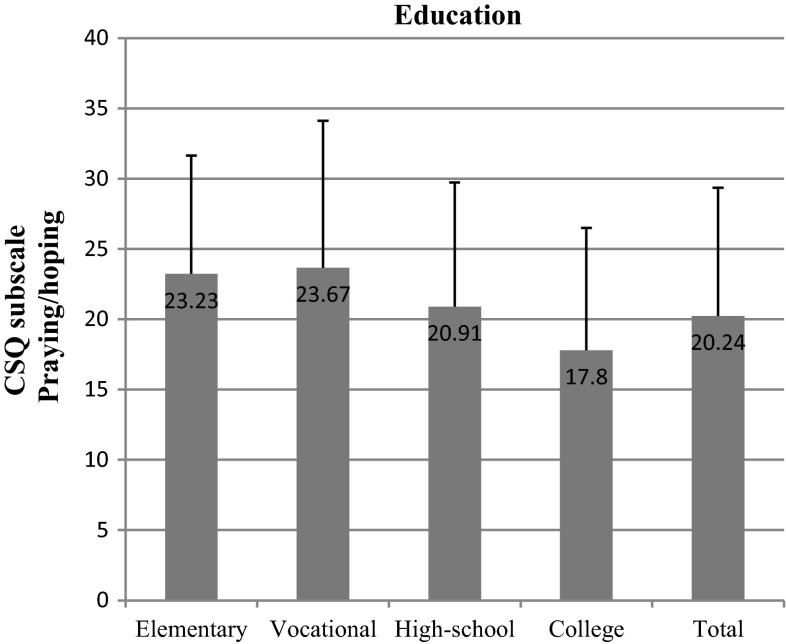
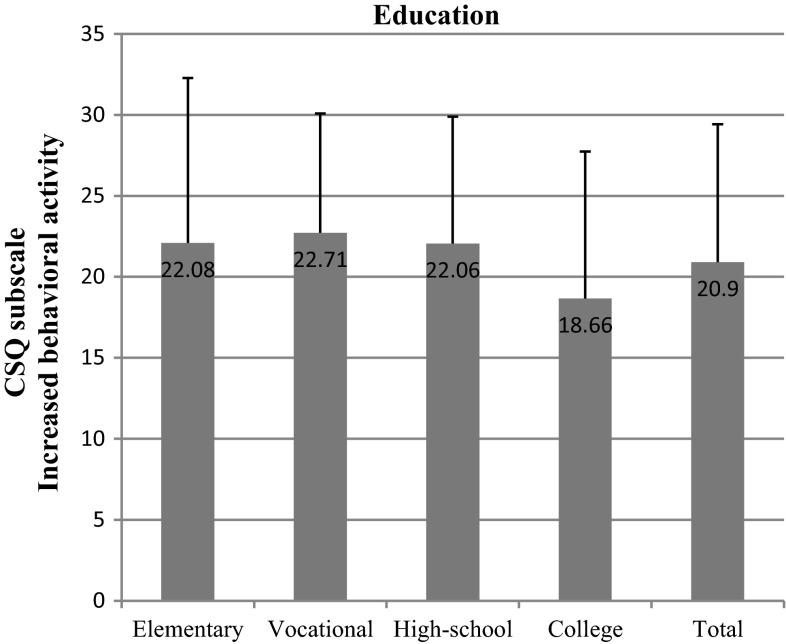
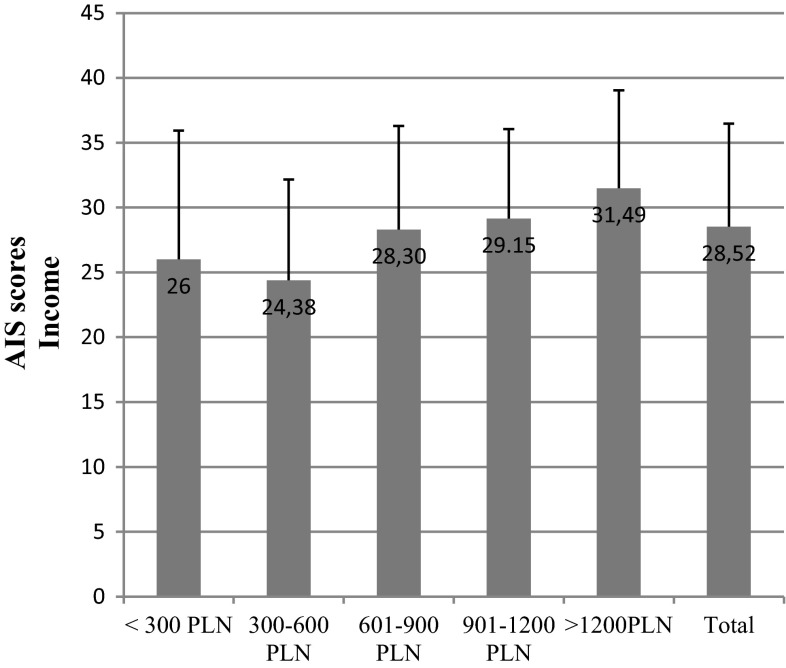
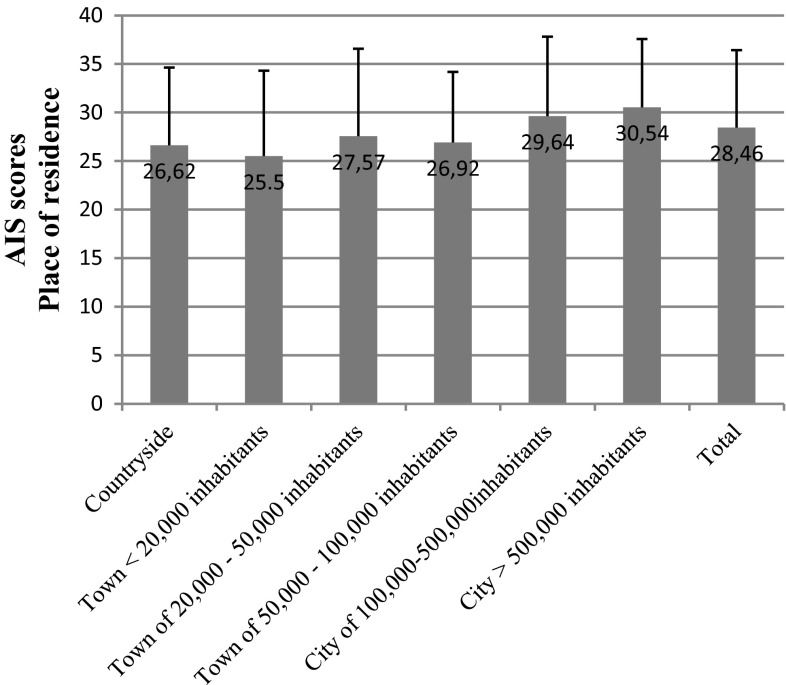
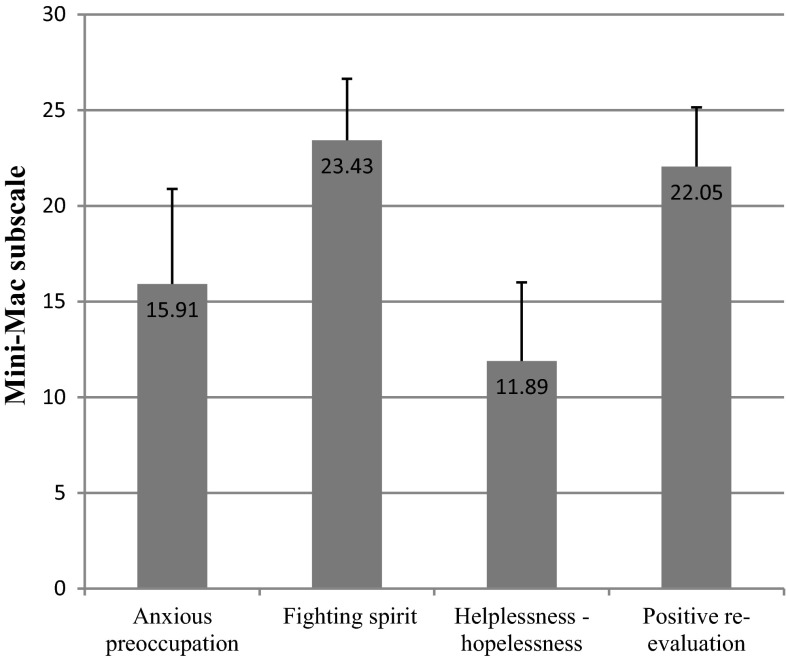
INTRODUCTION: Breast cancer is the most common malignant neoplasm in women. Over the past 40 years, the number of patients diagnosed with breast cancer quadrupled. Breast cancer is one of the most frequent causes of death in women aged 65 and more in Poland. PURPOSE: The purpose of the study was to evaluate coping strategies, pain management, disease acceptance and adjustment to cancer in patients diagnosed with breast cancer and to assess the effect of socioeconomic variables on the above mentioned issues. METHODS: The study included 193 patients diagnosed with breast cancer during outpatient chemotherapy (classical chemotherapy, hormone therapy, molecularly targeted therapies) at the Center of Oncology, Maria Skłodowska-Curie Institute in Warsaw. We applied the Paper and Pencil Interview (PAPI) technique. The questionnaire interview consisted of demographic questions (socioeconomic variables) and the following four psychometric tests: BPCQ (Beliefs about Pain Control Questionnaire), measuring the influence of factors affecting pain management in patients, CSQ (Coping Strategies Questionnaire), designed to evaluate pain coping strategies, AIS (Acceptance of Illness Scale) questionnaire, measuring disease acceptance, and the mini-MAC (Mental Adjustment to Cancer) scale. RESULTS: The results of BPCQ show that breast cancer patients mostly believe that doctors control pain; the mean result for the group was 17.09 and test values were differentiated by education and professional status. The top average score in the pain coping strategies questionnaire was recorded in the positive coping self-statement subscale (mean score = 21.81), whereas the lowest, in the catastrophizing subscale (mean score = 10.60). Here, education and income proved most significant in accounting for the differences recorded. The mean score on the AIS was 28.45, and the key factor differentiating the results was income. As far as the mini-MAC is concerned, we reported the highest score in the fighting spirit subscale (23.43). The average results in the scale were slightly differentiated by socioeconomic variables. CONCLUSIONS: Breast cancer patients mostly believe that those who control pain are doctors. Amongst the strategies of coping with pain, the top average score was recorded in the positive coping self-statement subscale. We found out that the level of disease acceptance depends on respondent's income. The higher the income, the greater the acceptance of illness.
Overview
The claims and statistics of this paper haven’t been checked yet.
Run the check — free, no account needed. It reads the open-access text and checks the sources it cites.
Integrity signals
Registry
Cites
Statistics
Figures
Verification
Claims the paper makes
The claims and statistics of this paper haven’t been checked yet.
Run the check — free, no account needed. It reads the open-access text and checks the sources it cites.
Claims other papers make about this one
Each is checked against this paper’s own text: does it say what the citing paper says it does?
The source backs part of the claim, not all of it — or backs it for a different population, condition or comparison.
In the citing paper
“A few confounding factors that may affect disease acceptance in cancer will be taken into account and controlled by using mixed ANCOVA, such as the level of pain and fatigue and monthly income [42, 43]. Age is also included as a covariance.”
From Effectiveness of Acceptance and Commitment Therapy (ACT) on disease acceptance for breast cancer patients: Study protocol of a randomized controlled trial (2024) · cites this paper as [42]
Experimental — accuracy not yet measured
Self-check
Percentages, sums and reported differences re-computed from the paper’s own numbers.
The self-check needs the paper’s full text.
Citations
Cites
Rosenstiel, A. K., & Keefe, F. J. (1983) · Pain · doi:10.1016/0304-3959(83)90125-2 · Cited by 2,314
Sears, S. R., Stanton, A. L., & Danoff-Burg, S. (2003) · Health Psychology · doi:10.1037/0278-6133.22.5.487 · Cited by 803
Stress and coping in the explanation of psychological adjustment among chronically ill adults
Felton, B. J., Revenson, T. A., & Hinrichsen, G. A. (1984) · Social Science & Medicine · doi:10.1016/0277-9536(84)90158-8 · Cited by 636
The measurement of pain; prototype for the quantitative study of subjective responses.
Beecher, H. K. (1957) · PubMed · Cited by 490
Watson, M., Law, M. G., dos Santos, M., Greer, S., Baruch, J., & Bliss, J. M. (1994) · Journal of Psychosocial Oncology · doi:10.1300/j077v12n03_03 · Cited by 390
An Explanatory Model of Health Promotion and Quality of Life in Chronic Disabling Conditions
Stuifbergen, A. M., Seraphine, A. E., & Roberts, G. J. (2000) · Nursing Research · doi:10.1097/00006199-200005000-00002 · Cited by 253
Pinto, B. M., Trunzo, J. J., Reiss, P. T., & Shiu, S. (2002) · Psycho-Oncology · doi:10.1002/pon.594 · Cited by 199
Prevalence and psychosocial factors of anxiety and depression in breast cancer patients.
Lueboonthavatchai, P. (2007) · PubMed · Cited by 184
Nersesyan, H., & Slavin, K. V. (2007) · PubMed Central · Cited by 169
A Longitudinal Investigation of Coping and Posttraumatic Growth in Breast Cancer Survivors
Bussell, V. A., & Naus, M. J. (2010) · Journal of Psychosocial Oncology · doi:10.1080/07347330903438958 · Cited by 168
McCracken, L. M., & Eccleston, C. (2006) · European Journal of Pain · doi:10.1016/j.ejpain.2005.01.004 · Cited by 164
The measurement of pain, 1945–2000
Noble, B., Clark, D., Meldrum, M. L., ten Have, H., Seymour, J. E., Winslow, M., & Paz, S. (2005) · Journal of Pain and Symptom Management · doi:10.1016/j.jpainsymman.2004.08.007 · Cited by 115
Factors Related to the Quality of Life in Adolescents With Chronic Pain
Merlijn, V. P. B. M., Hunfeld, J. A. M., van der Wouden, J. C., Hazebroek-Kampschreur, A. A. J. M., Passchier, J., & Koes, B. W. (2006) · Clinical Journal of Pain · doi:10.1097/01.ajp.0000177509.93523.68 · Cited by 104
A standardised scale to measure beliefs about controlling pain (B.P.C.Q.): A preliminary study
Skevington, S. M. (1990) · Psychology and Health · doi:10.1080/08870449008400392 · Cited by 89
Pettingale, K. W. (1984) · Journal of Psychosomatic Research · doi:10.1016/0022-3999(84)90066-7 · Cited by 81
Marriage, Impairment, and Acceptance in Persons With Multiple Sclerosis
Harrison, T. C., Stuifbergen, A. M., Adachi, E., et al. (2004) · Western Journal of Nursing Research · doi:10.1177/0193945903260188 · Cited by 52
Głowacki, M. (2013) · Medical Science Monitor · doi:10.12659/msm.889729 · Cited by 31
Malicka, I., Szczepańska-Gieracha, J., Jankowska, E., Woźniewski, M., & Rymaszewska, J. (2011) · Współczesna Onkologia · doi:10.5114/wo.2011.23011 · Cited by 19
Strategie radzenia sobie z bólem u pacjentów ze zmianami zwyrodnieniowymi stawu biodrowego
Andruszkiewicz, A., Wróbel, B., Marzec, A., et al. (2008) · Via Medica Journals · Cited by 8
Psychological adjustment of women after oncological surgery and at the end of treatment
Szczepańska-Gieracha, J., Malicka, I., Rymaszewska, J., et al. (2010) · Współczesna Onkologia · doi:10.5114/wo.2010.19166 · Cited by 7
Nowicki, A., Kwasińska, E., Rzepka, K., et al. (2009) · PubMed · Cited by 6
Epidemiologia nowotworów złośliwych narządów płciowych u kobiet w Polsce
Didkowska, J. A., & Wojciechowska, U. E. (2012) · Ginekologia Onkologiczna/Current Gynecologic Oncology · Cited by 3
Research works printed but not linked: 15
- Didkowska J, Wojciechowska U. Nowotwory piersi w Polsce i Europie—populacyjny punkt widzenia. J Oncol. 2013;2(63):111–8.
- Deptała A, Frączek M. Rak piersi. Rozdział w książce Podstawy diagnostyki i terapii nowotworów. In: Frączek M, editor. Alfa-Medica Press, Bielsko-Biała; 2008. p. 158–164.
- Nowcki A, Kwasińska E, Rzepka K. Wpływ choroby na życie emocjonalne kobiet po operacji raka piersi zrzeszonych w klubach „Amazonka”. Ann Acad Med Stetin. 2009;55(3):81–5.
- Barnaś E, Skręt A, Skręt-Magierło J. Jakość życia kobiet z chorobą nowotworową piersi. Prz Menopauzalny. 2009;1:15–9.
- Juczyński J. Narzędzia pomiaru w promocji i psychologii zdrowia. Warszawa: Pracownia testów psychologicznych; 2009. p. 159.
- Juczyński Z. Narzędzia pomiaru w promocji i psychologii zdrowia. Warszawa: Pracownia Testów Psychologicznych Polskiego Towarzystwa Psychologicznego; 2001. p. 167–74.
- Juczyński Z. Psychologiczne wyznaczniki przystosowania się do choroby nowotworowej. Psychoonkologia. 1997;1:1–10.
- Wiśniewska A, Szewczyk MT, Cwajda-Białasik J, et al. Przekonania na temat kontroli bólu u chorych z przewlekłym niedokrwieniem kończyn dolnych. Pielęgniarstwo Chirurgiczne i Angiologiczne. 2009;3:113–21.
- Suchocka L. Psychologia bólu. Warszawa: Wydawnictwo Difin, Centrum Doradztwa i Informacji Difin Sp. z o.o.; 2008.
- European Observatory on Health Systems and Policies Series, Health Systems, Health, Wealth and Societal Well-being. Assessing the case for investing in health systems. In: Figueras J, McKee M, editors. New York: Open University Press; 2012.
- Juczyński Z. Narzędzia pomiaru w promocji i psychologii zdrowia. Warszawa: Pracownia Testów Psychologicznych Polskiego Towarzystwa Psychologicznego; 2001. p. 164.
- Wiraszka G, Lelonek B. Funkcjonowanie chorego z białaczką a akceptacja choroby nowotworowej. Studi Med. 2008;10:21–6.
- Martin LG. Adjusting to type 2 diabetes: the impact of illness cognitions on self management behavior and biological outcomes. Dissertation Abstracts International: Section B: The Sciences and Engineering 2012;72(9-B):5594.
- Kozak G. Zróżnicowanie strategii radzenia sobie z nowotworem chorych w przebiegu wybranych nowotworów złośliwych. Anestezjologia i Ratownictwo. 2012;6:162–70.
- Taylor S. Przystosowanie do zagrażających wydarzeń. Now Psychol. 1984;6:15–37.
Cited by
Song, W., Shari, N. I., Song, J., Zhang, R., Mansor, N. S., Leong Bin Abdullah, M. F. I., & Zhang, Z. (2024) · PLoS ONE · doi:10.1371/journal.pone.0312669 · Cited by 9
Metadata
- Authors
- Czerw, A., Religioni, U., & Deptała, A.
- Affiliations
- Medical University of Warsaw (PL)
- Corresponding author
- Czerw, Aleksandra
- Venue
- Breast Cancer
- Published
- 2015-06-02
- Volume
- 23
- Issue
- 4
- Pages
- 654-661
- ISSN
- 1340-6868 (ISSN-L)
- 1880-4233
- PMC
- PMC4911383
- OpenAlex
- W605364663
- Cited by
- 70
- References
- 22
- Citations by year
- 2026: 3 · 2025: 7 · 2024: 6 · 2023: 9 · 2022: 9 · 2021: 11 · 2020: 4 · 2019: 3 · 2018: 5 · 2017: 6 · 2016: 6
- FWCI
- 2.47
- Type
- journal article
- Language
- en
- Open access
- hybrid
- doi.org
- Locations
- Breast Cancer (publishedVersion, cc-by)
- PubMed Central (publishedVersion, cc-by)
- PubMed (publishedVersion)
- Topics
- Health Sciences › Medicine › Oncology › Cancer survivorship and care
- Health Sciences › Medicine › Anesthesiology and Pain Medicine › Pain Management and Opioid Use
- Health Sciences › Medicine › Public Health, Environmental and Occupational Health › Women's cancer prevention and management
- Keywords
- cancer pain, pain coping, acceptance of illness, adjustment to cancer, mental adjustment to cancer, socioeconomic factors, income, pain beliefs, catastrophizing, chemotherapy patients
- MeSH terms
- Adaptation, Psychological, Breast Neoplasms, Educational Status, Female, Humans, Income, Physicians, Poland, Psychometrics, Quality of Life, Surveys and Questionnaires, Socioeconomic Factors, Pain Management
About these checks
Registry, retraction, Cites and statistics results are computed, not judged, with one exception: a printed reference that no index lists is read once by a model before it counts as a citation error. Claims are extracted by a model and kept only when their quote appears verbatim in the text; each cited source is then checked, with a model’s help, for whether it says what the claim relies on. Those verdicts can be wrong — read the claim’s quote and the cited source before relying on one.
Statistics and arithmetic are recomputed, not judged.
Confidence bands are shown only for fields calibrated on our annotated test set. None is calibrated yet, so no band is shown.
What counts as a claim ›How we measure confidence ›How we check this ›
Are you an author, or do you see a problem with this page? Request a review
Data sources
Bibliographic data: Semantic Scholar, OpenAlex, Crossref.
Contains information from the Semantic Scholar Academic Graph Datasets, made available under the ODC Attribution License (ODC-BY 1.0).
Semantic Scholar’s data is described in: Kinney, R., et al. (2023). The Semantic Scholar Open Data Platform. arXiv:2301.10140.
