

An objective analysis of quality and readability of online information on COVID-19
Open accessThe DOI matches its Crossref record; 32 of the 32 references it cites were found in a registry or an index.
Abstract
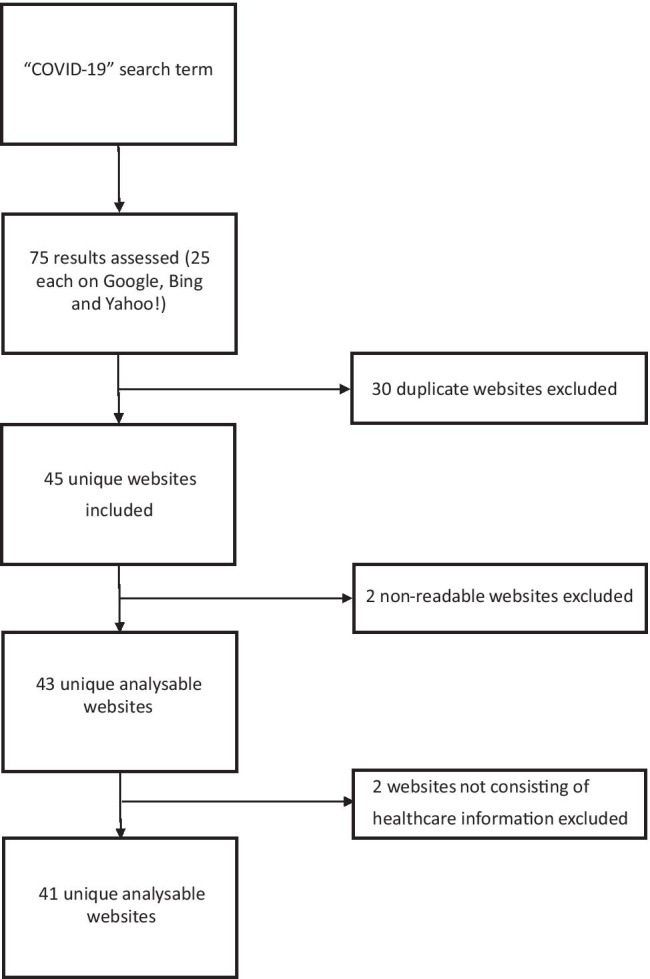
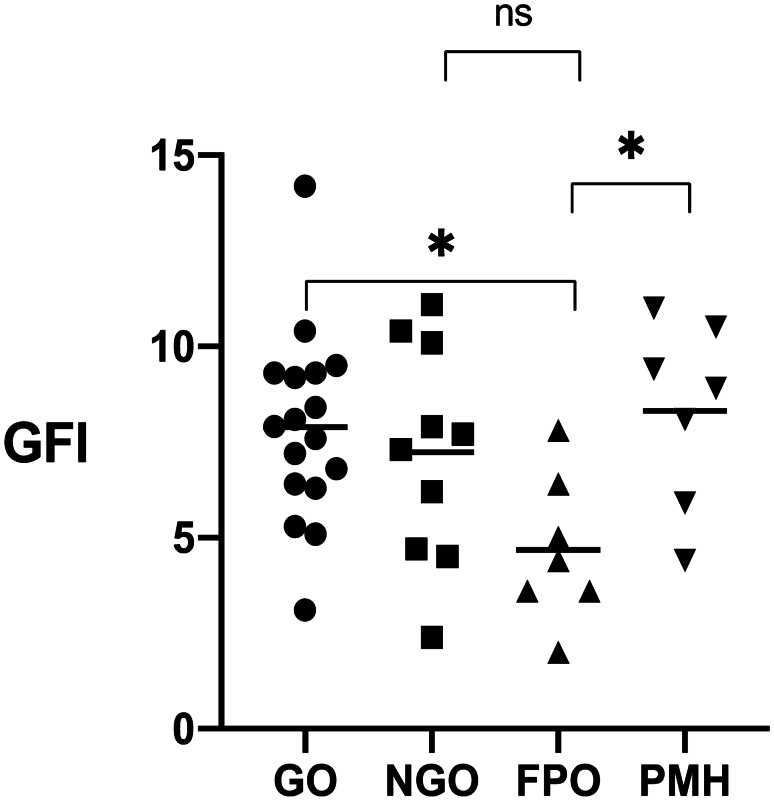
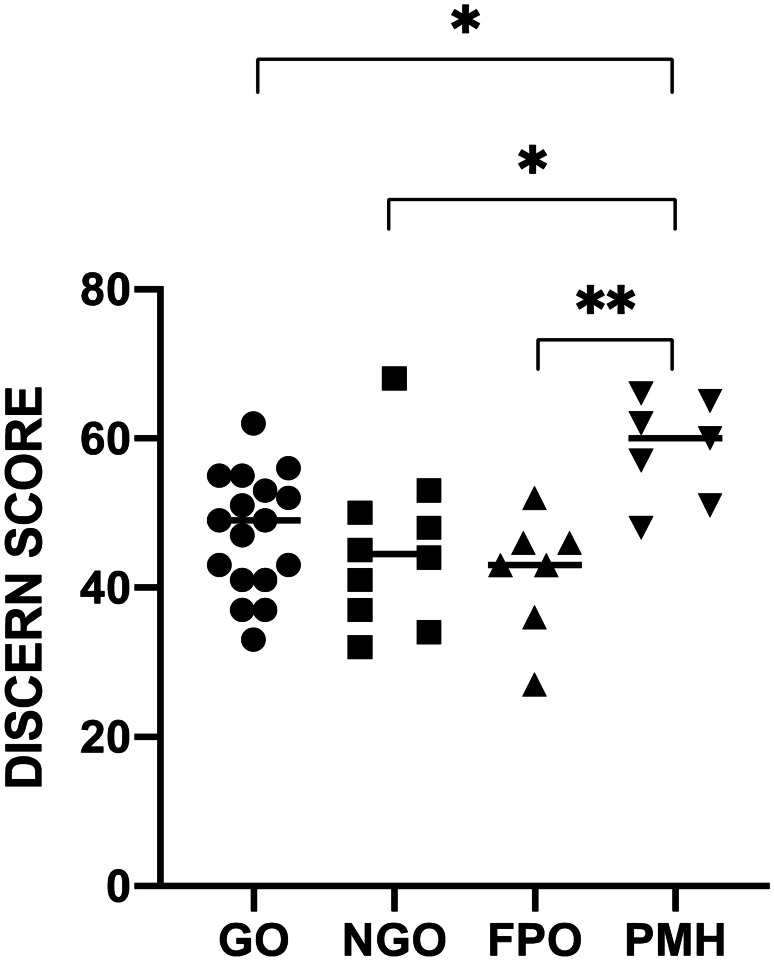
High quality, readable health information is vital to mitigate the impact of the COVID-19 pandemic. The aim of this study was to assess the quality and readability of online COVID-19 information using 6 validated tools. This is a cross-sectional study. “COVID-19” was searched across the three most popular English language search engines. Quality was evaluated using the DISCERN score, Journal of the American Medical Association benchmark criteria and Health On the Net Foundation Code of Conduct. Readability was assessed using the Flesch Reading Ease Score, Flesch-Kincaid Grade Level and Gunning-Fog Index. 41 websites were suitable for analysis. 9.8% fulfilled all JAMA criteria. Only one website was HONCode certified. Mean DISCERN score was 47.8/80 (“fair”). This was highest in websites published by a professional society/medical journal/healthcare provider. Readability varied from an 8th to 12th grade level. The overall quality of online COVID-19 information was “fair”. Much of this information was above the recommended 5th to 6th grade level, impeding access for many.
Overview
The claims and statistics of this paper haven’t been checked yet.
Free: it reads the open-access text and checks the first 5 claims that cite a source we can check. Create a free account to check every claim.
Integrity signals
Registry
Cites
Statistics
Figures
Verification
Claims the paper makes
The claims and statistics of this paper haven’t been checked yet.
Free: it reads the open-access text and checks the first 5 claims that cite a source we can check. Create a free account to check every claim.
Claims other papers make about this one
Each is checked against this paper’s own text: does it say what the citing paper says it does?
The cited source says what the claim attributes to it.
In the citing paper
“No scoring system has been widely accepted as the gold standard for evaluating the ease of readability.”
From Are paid tools worth the cost? A prospective cross-over study to find the right tool for plagiarism detection (2023) · cites this paper as [19]
Self-check
Percentages, sums and reported differences re-computed from the paper’s own numbers.
The self-check needs the paper’s full text.
Citations
Cites
Lazer, D. M. J., Baum, M. A., Benkler, Y., Berinsky, A. J., Greenhill, K. M., Menczer, F., Metzger, M. J., Nyhan, B., Pennycook, G., Rothschild, D., et al. (2018) · Science · doi:10.1126/science.aao2998 · Cited by 4,160
Kincaid, J. P., Fishburne, Jr., Robert P., R., Richard L., C., & Brad, S. (1975) · doi:10.21236/ada006655 · Cited by 3,497 · cited 1×
“Higher scores indicate easier readability [25].”
Charnock, D., Shepperd, S., Needham, G., & Gann, R. (1999) · Journal of Epidemiology and Community Health · doi:10.1136/jech.53.2.105 · Cited by 3,329 · cited 1×
“Websites are scored from 16 to 80, with a higher score indicating better-quality information [20].”
BackgroundConsumer health information seeking on the internet: the state of the art
Cline, R. J. W. (2001) · Health Education Research · doi:10.1093/her/16.6.671 · Cited by 1,708 · cited 1×
“There has been an increase in internet usage worldwide, as well as an increase in the depth and breadth of online content [3, 4].”
BackgroundHealth Information on the Internet: Accessibility, Quality, and Readability in English and Spanish
Berland, G. K., Elliott, M. N., Morales, L. S., Algazy, J. I., Kravitz, R. L., Broder, M. S., Kanouse, D. E., Muñoz, J. A., Puyol, J.-A., Lara, M., et al. (2001) · JAMA · doi:10.1001/jama.285.20.2612 · Cited by 1,208 · cited 1×
“While the availability and usage of online health information has expanded, the quality and readability of that online health information varies considerably [8].”
BackgroundSilberg, W. M. (1997) · JAMA · doi:10.1001/jama.277.15.1244 · Cited by 1,151
Readability Standards for Informed-Consent Forms as Compared with Actual Readability
Paasche-Orlow, M. K., Taylor, H. A., & Brancati, F. L. (2003) · New England Journal of Medicine · doi:10.1056/nejmsa021212 · Cited by 754 · cited 2×
“These readability scores were chosen as they are validated systems which have been shown to be consistent in terms of their results [29, 30], while also being easy for content makers to use.”
BackgroundMethodKincaid, J. P., Robert, P. F. L., Richard, L. R., & Brad, S. (1975) · Cited by 739
Wang, L.-W., Miller, M. J., Schmitt, M. R., & Wen, F. K. (2013) · Research in Social and Administrative Pharmacy · doi:10.1016/j.sapharm.2012.05.009 · Cited by 445 · cited 1×
“FRES and FKGL are the most widely used readability scoring systems, therefore allowing for broad comparability and generalizability of results [30, 31].”
Background
Research works printed but not linked: 3
- Silberg WM. Assessing, Controlling, and Assuring the Quality of Medical Information on the Internet. Jama. 1997;277(15). 9103351 · DOI · Paper page
- Janan D, Wray D. Readability: The limitations of an approach through formulae. in British Educational Research Association Annual Conference. 2012. University of Manchester: Education Line.
- Communicating risk in public health emergencies a WHO guideline for emergency risk communication (ERC) policy and practice 2017 Geneva World Health Organization 31059213
Cited by
People Overtrust AI-Generated Medical Advice despite Low Accuracy
Shekar, S., Pataranutaporn, P., Sarabu, C. R., Cecchi, G., & Maes, P. (2025) · NEJM AI · doi:10.1056/aioa2300015 · Cited by 139
The utility of ChatGPT in generating patient-facing and clinical responses for melanoma
Young, J. N., O’Hagan, R., Poplausky, D., Levoska, M. A., Gulati, N., Ungar, B., & Ungar, J. P. (2023) · Journal of the American Academy of Dermatology · doi:10.1016/j.jaad.2023.05.024 · Cited by 53
Shekar, S., Pataranutaporn, P., Sarabu, C. R., Cecchi, G., & Maes, P. (2024) · arXiv (Cornell University) · doi:10.48550/arxiv.2408.15266 · Cited by 54
Readability Metrics in Patient Education: Where Do We Innovate?
Singh, S. P., Jamal, A., & Qureshi, F. (2024) · Clinics and Practice · doi:10.3390/clinpract14060183 · Cited by 35
Erkin, Y., Hancı, V., & Özduran, E. (2023) · Medicine · doi:10.1097/md.0000000000033529 · Cited by 28
“Wrigley et al[34] and Killip et al[35] reported median DISCERN scores with fair quality (43 and 43.”
BackgroundQuality and readability of online information on plantar fasciitis and calcaneal spur
Kaya, E., & Görmez, S. (2022) · Rheumatology International · doi:10.1007/s00296-022-05165-6 · Cited by 24
Tan, D. J. Y., Ko, T. K., & Fan, K. S. (2023) · JMIR Formative Research · doi:10.2196/47762 · Cited by 24
“FRES and FKG were selected for these studies as they are widely used in education and research settings and are therefore easily interpretable, allowing for broader comparability and consistency [31].”
BackgroundMethodHancı, V., Otlu, B., & Bıyıkoğlu, A. S. (2023) · Critical Care Medicine · doi:10.1097/ccm.0000000000006121 · Cited by 23
Anil, A., Saravanan, A., Singh, S., Shamim, M. A., Tiwari, K., Lal, H., Seshatri, S., Gomaz, S. B., Karat, T. P., Dwivedi, P., et al. (2023) · Heliyon · doi:10.1016/j.heliyon.2023.e19194 · Cited by 18
Shamil, E., Ko, T. K., Fan, K. S., Schuster‐Bruce, J., Jaafar, M., Khwaja, S., Eynon‐Lewis, N., D'Souza, A. R., & Andrews, P. J. (2024) · Facial Plastic Surgery · doi:10.1055/a-2413-3675 · Cited by 18
Improving access to COVID ‐19 information by ensuring the readability of government websites
Serry, T. A., Stebbins, T. N., Martchenko, A., Araújo, N., & McCarthy, B. (2022) · Health Promotion Journal of Australia · doi:10.1002/hpja.610 · Cited by 18
Spina, A., Andalib, S., Flores, D., Vermani, R., Halaseh, F. F., & Nelson, A. M. (2024) · JMIR AI · doi:10.2196/54371 · Cited by 16
Dalal, A. J., Ranjan, S., Bopaiah, Y., Chembachere, D., Steiger, N., Burns, C., & Daswani, V. (2024) · Scientific Reports · doi:10.1038/s41598-024-70618-w · Cited by 15
Tripathi, S., Mutter, L., Muppuri, M., Dheer, S., Garza-Frias, E., Awan, K., Jha, A., Dezube, M., Tabari, A., Bizzo, B. C., et al. (2025) · European Journal of Radiology · doi:10.1016/j.ejrad.2025.112124 · Cited by 15
Information quality of conversational agents in healthcare
Liu, C., Zowghi, D., Peng, G., & Kong, S. (2023) · Information Development · doi:10.1177/02666669231172434 · Cited by 15
“Prior studies have used IQ dimensions to assess the quality of online healthcare information in an automatic (e.g., Ölçer and Tas ̧ kaya Temizel (2022)) or manual way (e.g., Wrigley Kelly et al. (2021)).”
Lauck, K. C., Cho, S. W., DaCunha, M., Wuennenberg, J., Aasi, S. Z., Alam, M., Arron, S. T., Bar, A., Brodland, D. G., Cerci, F. B., et al. (2024) · International Journal of Dermatology · doi:10.1111/ijd.17382 · Cited by 14
Georgsson, S., & Carlsson, T. (2022) · BMC Medical Informatics and Decision Making · doi:10.1186/s12911-022-01873-y · Cited by 13
#misinformation: The perils of using social media for medical advice regarding infertility
Dhanoya, T., O’Marcaigh, K., Sambare, T., Sarris, I., & Vigneswaran, K. (2025) · Human Fertility · doi:10.1080/14647273.2025.2506787 · Cited by 10
“Higher scores indicate easier readability (Wrigley Kelly et al., 2021).”
Hanci, S. Y. (2023) · Medicine · doi:10.1097/md.0000000000035543 · Cited by 10
Guirguis, P. G., Youssef, M. P., Punreddy, A., Botros, M., Raiford, M. E., & McDowell, S. (2024) · Clinical Orthopaedics and Related Research · doi:10.1097/corr.0000000000003263 · Cited by 10
Large language model chatbots for patient education in kidney stones: a scoping review
Goudrar, R., Zekraoui, O., Moussa, I., Nguyen, D., Bouhadana, D., Li, T., Gauhar, V., Yuen, S. K. K., & Bhojani, N. (2025) · World Journal of Urology · doi:10.1007/s00345-025-06019-z · Cited by 7
Silva, E., CAMARGOS, C. R., Pordeus, I. A., de Abreu, M. H. N. G., Vargas‐Ferreira, F., & Mattos, F. D. F. (2024) · Brazilian Oral Research · doi:10.1590/1807-3107bor-2024.vol38.0099 · Cited by 7
Gummesson, K., Forsell, K., Johansson, S., & Gustavsson, C. (2024) · Scandinavian Journal of Disability Research · doi:10.16993/sjdr.1129 · Cited by 6
Parental education in pediatric dysphagia: A comparative analysis of three large language models
Alyanak, B., Dede, B. T., Bağcıer, F., & Akaltun, M. S. (2025) · Journal of Pediatric Gastroenterology and Nutrition · doi:10.1002/jpn3.70069 · Cited by 6
Wang, Y., Wang, T., Yue-wu, L., & Li, J. J. (2025) · International Journal of Accounting Information Systems · doi:10.1016/j.accinf.2025.100741 · Cited by 5
Chatbots versus retina specialists in answering real-world retina questions
Bulla, M. C., Scocco, C. A., Spadoni, V. S., Hüning, G. M., Grandinetti, A. A., Freitas, A. M. D., Rosa, A. A. M., & Carricondo, P. C. (2025) · International Journal of Retina and Vitreous · doi:10.1186/s40942-025-00737-7 · Cited by 4
“These tests estimate the average educational level required to understand a text and its ease of reading; such indices have already been validated for use in Portuguese [17], and their methodology is explained elsewhere [18].”
Distinguishing Human Journalists from Artificial Storytellers Through Stylistic Fingerprints
Tran, V. H., Sebastian, Y., Karim, A., & Azam, S. (2024) · Computers · doi:10.3390/computers13120328 · Cited by 4
IVC filter – assessing the readability and quality of patient information on the Internet
Ko, T. K., Tan, D. J. Y., & Hadeed, S. (2023) · Journal of Vascular Surgery Venous and Lymphatic Disorders · doi:10.1016/j.jvsv.2023.101695 · Cited by 4
Ekinci, O., & Koyuncu, A. N. (2024) · The Journal of Nervous and Mental Disease · doi:10.1097/nmd.0000000000001763 · Cited by 4
Shaari, A. L., Bhalla, S. R., & Salehi, P. P. (2025) · Facial Plastic Surgery & Aesthetic Medicine · doi:10.1089/fpsam.2024.0376 · Cited by 4
Assessment of online patient education material for eye cancers: A cross-sectional study
van Ballegooie, C., & Wen, J. (2023) · PLOS Global Public Health · doi:10.1371/journal.pgph.0001967 · Cited by 4
“Many eye cancers are classified as rare, with an estimated 3,360 new cases of eye cancers in the United States in 2022 [14, 15].”
BackgroundInfluentialContents and quality of travel tips on malaria in English and Spanish travel blogs
Linares, M., Larrégola, L. S., Hernández-Mora, M. G., & Ramos, J. M. (2021) · Malaria Journal · doi:10.1186/s12936-021-03864-2 · Cited by 4
“Good initiatives exist, including the HONcode, but most people are not aware of them [15].”
BackgroundA Bilingual Readability Assessment of Online Breast Cancer Screening and Treatment Information
Cendra, D. T., Gao, T. P., HoSang, K. M., Gao, T. J., Wu, J., Pronovost, M. T., Williams, A. D., & Kuo, L. E. Y. (2024) · Journal of Surgical Research · doi:10.1016/j.jss.2024.07.026 · Cited by 3
Readability of online health information pertaining to migraine and headache in the UK
Atherton, K., Forshaw, M. J., & Kidd, T. (2022) · British Journal of Pain · doi:10.1177/20494637221134461 · Cited by 3
Following Doctors’ Orders: Persuasive Communication Delivery
Burns, R. B. (2023) · Springer eBooks · doi:10.1007/978-981-99-1710-5_4 · Cited by 3
A qualitative evaluation of internet information on hip and knee osteoarthritis
Anderson, K., Walker, R., Lynch, J., & Middleton, R. (2023) · Annals of The Royal College of Surgeons of England · doi:10.1308/rcsann.2023.0007 · Cited by 3
Unmasking Content Clarity: Advancements in Defining, Measuring and Enhancing Readability
Swaminathan, K., Chandramouli, K., Sitaraman, R., & Marri, K. (2025) · International Journal of Mathematical Engineering and Management Sciences · doi:10.33889/ijmems.2025.10.3.032 · Cited by 2
Evaluation of Readability in Patient Education Materials for Primary Hyperparathyroidism
Armstrong, V. L., Grabeel, K. L., Nikbakht, A., Murdock, P., Lew, J. I., Heidel, R. E., & Vaghaiwalla, T. M. (2026) · Journal of Cancer Education · doi:10.1007/s13187-026-02827-y · Cited by 2
Proximal Humerus Fracture: An Evaluation of the Readability and Value of Web-Based Knowledge
Elshohna, M., Hidayat, Y., & Karkuri, A. (2022) · Cureus · doi:10.7759/cureus.27957 · Cited by 2
Lewis, L. N., Augustson, C., Vries, G. D., Gantseva, A., Gao, Y., Hay, J., Latumahina, C., Leslie, M., Murtagh, K., Prasad, N., et al. (2023) · Violence Against Women · doi:10.1177/10778012231179209 · Cited by 2
“Additionally, an Irish study assessed the quality of online information on COVID-19, fi nding government websites had a lower mean DISCERN score than those produced by other organizations (Wrigley Kelly et al., 2021).”
BackgroundResultInfluentialCOVID-19 and vaccine health promotion resources in Aboriginal and Torres Strait Islander languages
Karidakis, M., D’Orazzi, G., & Hajek, J. (2023) · Australian Journal of Linguistics · doi:10.1080/07268602.2023.2300809 · Cited by 2
“It is also in line with studies of readability of o ffi cial public health information in English, where it has been consistently found that public health information is pitched at too high a level exceeding the American Medical Association ’ s (AMA), National Institutes of Health ’ s (NIH), and Centers for Disease Cont…”
BackgroundApte, S., Ramachandra, P., Guruvare, S., Bhat, S. K., & Maiya, G. A. (2025) · Women & Health · doi:10.1080/03630242.2025.2480838 · Cited by 2
“The readability testing was conducted using an online tool that uses the following formulas to calculate the readability ease (Wrigley Kelly et al. 2021).”
iQiYi Video as a Source of Information on COVID-19 Vaccine: Content Analysis
Zhao, S., Zhang, B., & Chang, X. (2022) · Disaster Medicine and Public Health Preparedness · doi:10.1017/dmp.2022.57 · Cited by 2
“The inclusion criteria were: (1) in Chinese language; (2) available on July 1, 2021; (3) related to COVID-19 vaccine in content.”
BackgroundPinto, P. A., Lopes, I. D. S., & Leal, D. D. U. (2023) · REVISTA ESPAÑOLA DE COMUNICACIÓN EN SALUD · doi:10.20318/recs.2023.7273 · Cited by 2
Evaluating Health Literacy Resources for Secondary Hyperparathyroidism in End-Stage Kidney Disease
Cendra, D. T., HoSang, K. M., Gao, T. P., Wu, J., & Kuo, L. E. Y. (2024) · Journal of Surgical Research · doi:10.1016/j.jss.2024.07.004 · Cited by 1
Ambient Artificial Intelligence in Hand Surgery: Insights, Pearls, and Pitfalls From Real-World Use
Unadkat, K. D., Dhupati, P., & Noland, S. S. (2025) · Hand · doi:10.1177/15589447251389661 · Cited by 1
Qazali, A. A., Alassaf, M. S., Habeeb, A. T., Alblushi, K., Othman, A., Almarhoumi, A., & Alsulaimani, M. A. (2026) · Digital Health · doi:10.1177/20552076261416800 · Cited by 1
Ahmed, F. Z., Noblin, A. M., Courtelyou, K., & Tynes, G. (2026) · Advances in Health Information Science and Practice · doi:10.63116/svxo9846 · Cited by 1
Readability of wikipedia pages on COVID-19
Naveed, M. S. (2024) · Universal Access in the Information Society · doi:10.1007/s10209-024-01180-5 · Cited by 1
Carswell, M., Geng, G. H., Carswell, S., & Zbaracki, M. D. (2025) · Journal of Religious Education · doi:10.1007/s40839-025-00258-3 · Cited by 1
“The formula is used and accepted in both commercial and social contexts to determine the readability of documents (Gyasi, 2017; Wrigley Kelly et al., 2021).”
The Turn: The Bank of Canada and the Strategic Communications Revolution
Vasylevskyi, O. (2023) · HARVEST (University of Saskatchewan) · Cited by 1
Ko, T. K., Tan, D. J. Y., Fan, K. S., Stimpson, P., Andrews, P. J., & Shamil, E. (2023) · doi:10.2196/preprints.55107
Doluweera, D., Seneviratne, S. L., & Zoysa, I. D. (2024) · Research Square · doi:10.21203/rs.3.rs-4216949/v1
Digital Education on Hospital Nutrition Diets: What Do Patients Want to Know?
Gutta, N., Singh, S. P., Patel, D., Jamal, A., & Qureshi, F. (2024) · Nutrients · doi:10.3390/nu16193314
“Moreover, the Flesch Kincaid Grade-Reading Level, Flesch Reading Ease, and Gunning–Fog have been applied to digital materials related to chronic medical conditions, including heart failure, procedural technology such as inferior vena cava filters, infections such as COVID-19, etc. [22,35,36].”
MethodAssessment of the Quality and Readability of Online Resources on Corneal Transplantation
Meşen, A., & Meşen, S. (2024) · Cureus · doi:10.7759/cureus.70819
“Similar results have been found in other studies when the literature is reviewed [21].”
BackgroundResultArmstrong, V. L., Grabeel, K. L., Heidel, R. E., McGillicuddy, C. M., Zmijewski, P. V., Murdock, P., Lew, J. I., & Vaghaiwalla, T. M. (2025) · Journal of Cancer Education · doi:10.1007/s13187-025-02666-3
“This study uses three independent reading instruments to examine the reading level of current online educational resources for patients with pheochromocytoma [3, 17–20].”
A Dose of Clarity: Decoding the Readability of Online Resources on Steroid Knee Injections
Jassim, S., Cummins, S., Kilkenny, C. J., & O’Daly, B. (2025) · Journal of Patient Experience · doi:10.1177/23743735251385918
“18 A score below 8 is considered ideal for universal accessibility and readability.”
InfluentialZhang, Y., Liu, J., Chen, Q., Chen, C., Luo, S., Ji, L., Li, F., & Xie, L. (2025) · Digital Health · doi:10.1177/20552076251393294
Content and readability of websites focused on agricultural safety
Doueihi, A., Guirguis, Y., Peachey, K., Lower, T., & Castrillon, M. (2025) · Rural and Remote Health · doi:10.22605/rrh9579
Georgsson, S., & Carlsson, T. (2022) · Figshare · doi:10.6084/m9.figshare.19766486
Georgsson, S., & Carlsson, T. (2022) · Figshare · doi:10.6084/m9.figshare.19766483
Georgsson, S., & Carlsson, T. (2022) · Figshare · doi:10.6084/m9.figshare.19766489
Georgsson, S., & Carlsson, T. (2022) · Figshare · doi:10.6084/m9.figshare.19766492
Linares, M., Larrégola, L. S., Hernández-de-Mora, M. G., & Ramos-Rincón, J.-M. (2021) · Figshare · doi:10.6084/m9.figshare.15179254
Health Literacy and Usability of Public Health Websites for COVID-19 Vaccine Search
Nouraei, F., Bickmore, T., & Paasche‐Orlow, M. K. (2026) · HLRP Health Literacy Research and Practice · doi:10.3928/24748307-20250915-03
Too Complex, Too Unreliable: Gaps in the Quality of Online Health Information for Adults with ADHD
Kallen, S. K. E., Leeladharan, M., & Kattimani, S. (2026) · Journal of Consumer Health on the Internet · doi:10.1080/15398285.2026.2616589
“Consequently, applying multiple validated readability scoring techniques facilitates a comprehensive and equitable assessment (Wrigley Kelly et al. 2021).”
Access to information in deaf and hard-of-hearing people
Gutiérrez, E., Lamarche, V. M., Rowley, K., Lago, E. F., Pardo‐Guijarro, M. J., Saenz, I., Frigola, B., Frigola, S., Aliaga, D., & Goldberg, L. (2026) · PLoS ONE · doi:10.1371/journal.pone.0343904
“Several studies have shown that even when the quality of online information provided is fair, its readability often surpasses the recommended levels and this limited accessibility for many users [64–66].”
Do Teens Understand What They′re Agreeing to on Insta, TikTok, and X
Muguiro, I., Méndez-Suárez, M., & García-Arias, E. (2026) · Human Behavior and Emerging Technologies · doi:10.1155/hbe2/6741473
Kulak tüpü hakkında çevrim içi bilgilendirme metinlerinin okunabilirlik, kalite ve güvenilirliği
Ersin, K., SALDIRIM, H. B., & Eren, M. (2026) · Mersin üniversitesi sağlık bilimleri dergisi/Mersin üniversitesi sağlık bilimleri dergisi · doi:10.26559/mersinsbd.1777632
Derector, E., Ricketti, D. A., & Kumar, A. A. (2026) · Healthcare · doi:10.1016/j.hjdsi.2026.100784
Bhandi, S., Lawlor, A., Venkataiah, V. S., Hosmani, J., Licari, F. W., & Patil, S. (2026) · European Journal Of Dental Education · doi:10.1111/eje.70213
Ancy Maria Monica, L., & Arthi Maria Patricia, L. (2026) · Discover Pharmaceutical Sciences · doi:10.1007/s44395-026-00049-1
Allard, N. C., & Orom, H. (2026) · Journal of Adolescent and Young Adult Oncology · doi:10.1177/21565333261464961
Online Abortion Information for Unintended Pregnancy in Australia: An Evaluation
Lewis, L. N., Marino, J. L., Gao, Y., Salle, A. L., Leslie, M., & Hauck, Y. L. (2026) · Australian and New Zealand Journal of Obstetrics and Gynaecology · doi:10.1111/ajo.70167
“The tool continues to be employed to assess online consumer information [15, 19], with contemporary research comparing other validated tools to DISCERN, evidencing the tool's reliability [19].”
Sarpatwari, A., Tessema, F. A., Mitra-Majumdar, M., Lee, S. B., Zakoul, H., Brown, B. L., Toyserkani, G. A., Oswell, K. H., LaCivita, C., Pan, G. J. D., et al. (2026) · Drug Safety · doi:10.1007/s40264-026-01721-2
Alomari, A., Chung, O., Tiongco, A. F., Bains, V., & Bhatia, A. (2026) · doi:10.2196/preprints.110546
Du, L., & Suomi, R. (2026) · Online Journal of Public Health Informatics · doi:10.2196/93241
“The US Department of Health and Human Services sixth-grade reading level recommendation corresponds to a FRES score of 80 or higher and FKGL, GFI, SMOG, and CLI scores of 6.9 or lower [74-76].”
Influential
Metadata
- Authors
- Wrigley Kelly, N. E., Murray, K. E., McCarthy, C., & O’Shea, D. B.
- Affiliations
- University College Dublin (IE)
- Venue
- Health and Technology
- Published
- 2021-06-24
- Volume
- 11
- Issue
- 5
- Pages
- 1093-1099
- ISSN
- 2190-7188 (ISSN-L)
- 2190-7196
- PMC
- PMC8222704
- OpenAlex
- W3174777258
- Semantic Scholar
- ad8f1bd1f788da1d5a5538038c99fec66c34cf47
- Cited by
- 69
- References
- 31
- Citations by year
- 2026: 11 · 2025: 15 · 2024: 16 · 2023: 15 · 2022: 10 · 2021: 2
- FWCI
- 12.08
- Type
- journal article
- Language
- en
- Open access
- hybrid
- doi.org
- Licence
- cc-by
- creativecommons.org/licenses/by/4.0 (tdm)
- creativecommons.org/licenses/by/4.0 (vor)
- Locations
- Health and Technology (publishedVersion, cc-by)
- PubMed Central (publishedVersion, cc-by)
- PubMed (publishedVersion)
- Lenus, The Irish Health Repository (Dr Steevens Hospital Library) (submittedVersion, cc-by)
- Funders
- University College Dublin
- Topics
- Health Sciences › Health Professions › General Health Professions › Health Literacy and Information Accessibility
- Social Sciences › Health › Social Media in Health Education
- Social Sciences › Communication › Communication and COVID-19 Impact
- Keywords
- COVID-19 pandemic, online health information, information quality, readability, health websites, DISCERN, HONcode, JAMA benchmark criteria, Flesch-Kincaid Grade Level, Gunning Fog Index, health literacy, search engine results
About these checks
Registry, retraction, Cites and statistics results are computed, not judged, with one exception: a printed reference that no index lists is read once by a model before it counts as a citation error. Claims are extracted by a model and kept only when their quote appears verbatim in the text; each cited source is then checked, with a model’s help, for whether it says what the claim relies on. Those verdicts can be wrong — read the claim’s quote and the cited source before relying on one.
Statistics and arithmetic are recomputed, not judged.
Confidence bands are shown only for fields calibrated on our annotated test set. None is calibrated yet, so no band is shown.
What counts as a claim ›How we measure confidence ›How we check this ›
Are you an author, or do you see a problem with this page? Request a review
Data sources
Bibliographic data: Semantic Scholar, OpenAlex, Crossref.
Contains information from the Semantic Scholar Academic Graph Datasets, made available under the ODC Attribution License (ODC-BY 1.0).
Semantic Scholar’s data is described in: Kinney, R., et al. (2023). The Semantic Scholar Open Data Platform. arXiv:2301.10140.
