

Aging of recycled aggregates mortars by drying-wetting cycles
Open accessThe DOI matches its Crossref record; 31 of the 31 references it cites were found in a registry or an index; none of the 25 sources its claims cite is checked for support yet.
Abstract
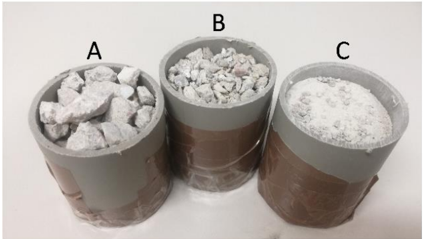
Due to the large amount of CO2 emissions produced nowadays by the construction sector, the scientific community is looking for measures that will bring constructions to the be as environmental-friendly as possible. One of the most popular lines of research is the use of construction waste as recycled aggregates for the production of recycled aggregates concrete. Regarding the use of coarse recycled aggregates, there are a large number of studies that validate their use at both a mechanical and durability levels. Regarding the use of fine particles, which are inherent to the existence of coarse particles, it is necessary to increase the existing knowledge before they can be widely used. In this paper, the authors have sought to isolate the weakest part of those concrete mixes with exclusively recycled aggregate, i.e. a mortar made exclusively with fine recycled aggregates, in order to analyse the effect of drying-wetting cycles on mixes with recycled aggregates only. Specifically, three types of fine aggregates were used, one natural silica aggregate, one aggregate from crushed ballast and one from crushed sleepers. The mortars made with these aggregates were subjected to 50 durability cycles in distilled water, seawater and water with sulphates. Mechanical, visual and microstructural tests were carried out to analyse the effect of each of these environments on each of the mortars.
Overview
CoChat Summary
TL;DR
This study isolated the fine recycled aggregate fraction in mortars and subjected mini-cylinders to 50 drying-wetting cycles in distilled water, seawater, and 5% potassium sulphate solution. Mortars with recycled ballast sand behaved similarly to natural silica sand, while mortars with recycled sleeper sand disintegrated in distilled water and showed abundant ettringite.
Key findings
- Mortars made with recycled sand from crushed ballast (RS-B) behaved similarly to the natural silica reference (NS-Si); they withstood 50 cycles in all three exposures, showing at worst slight surface peeling.
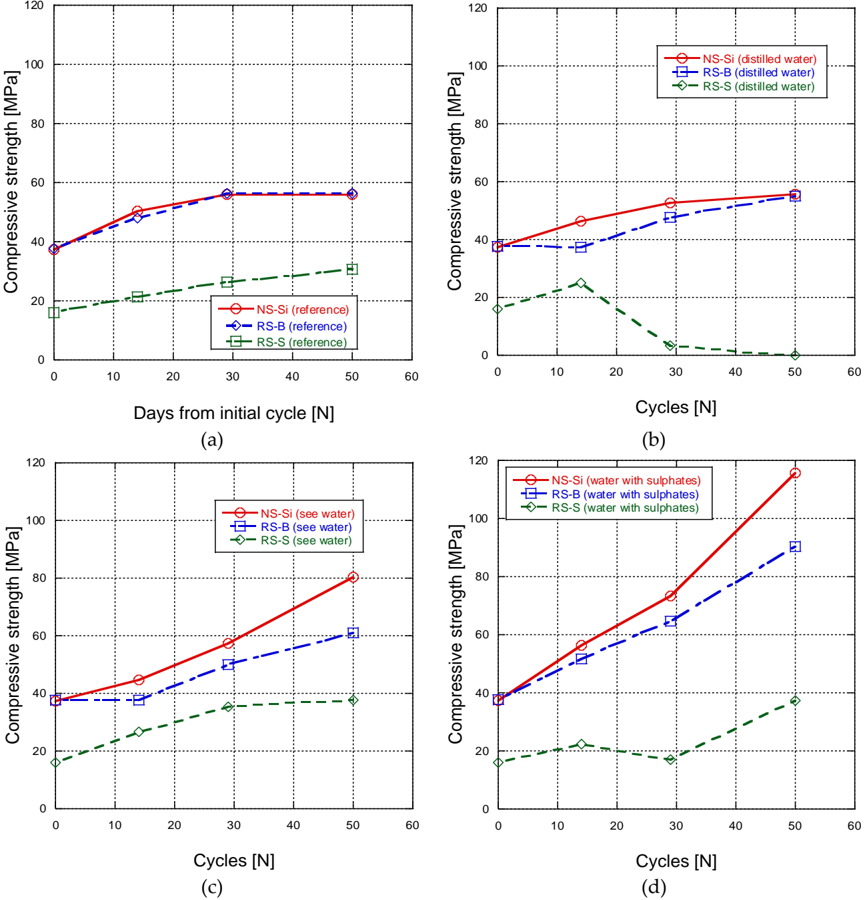
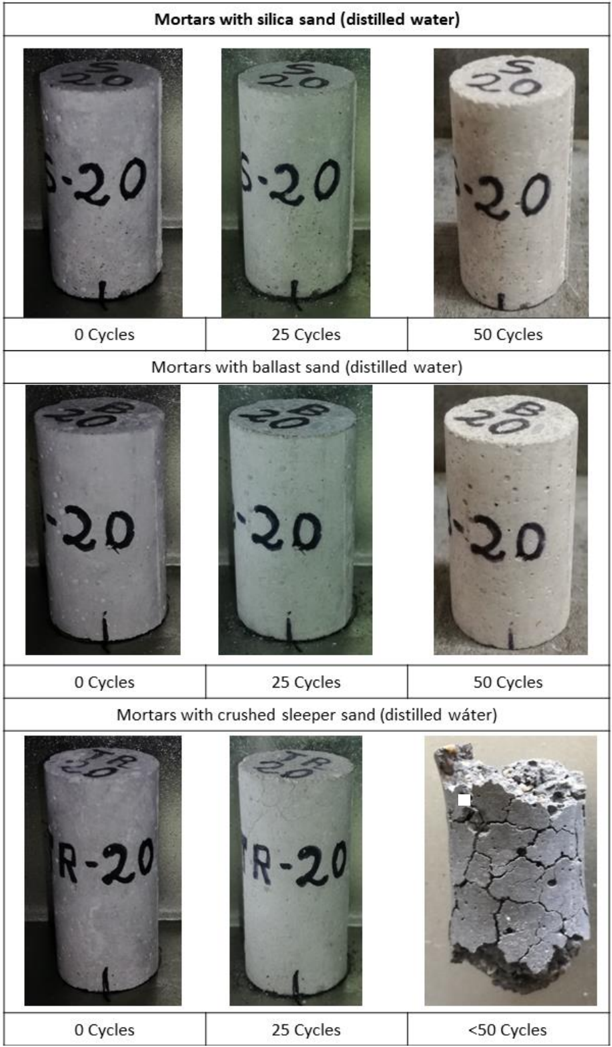
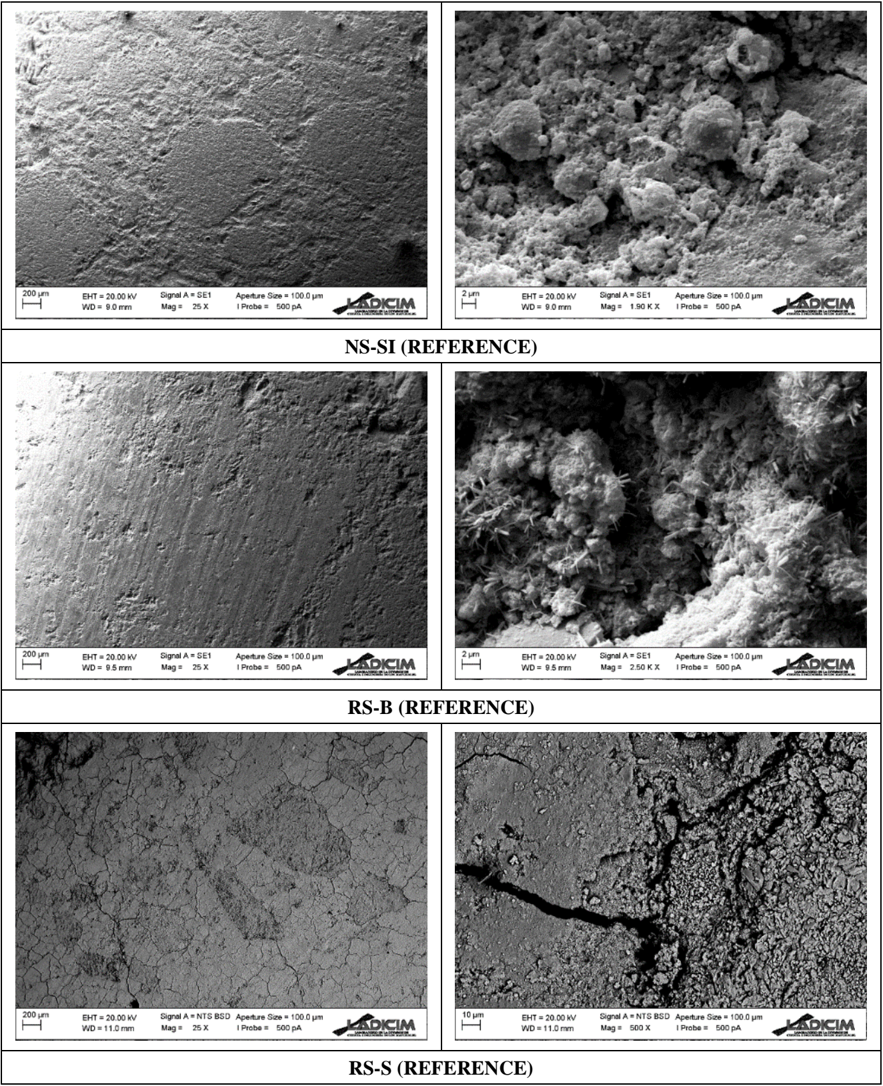
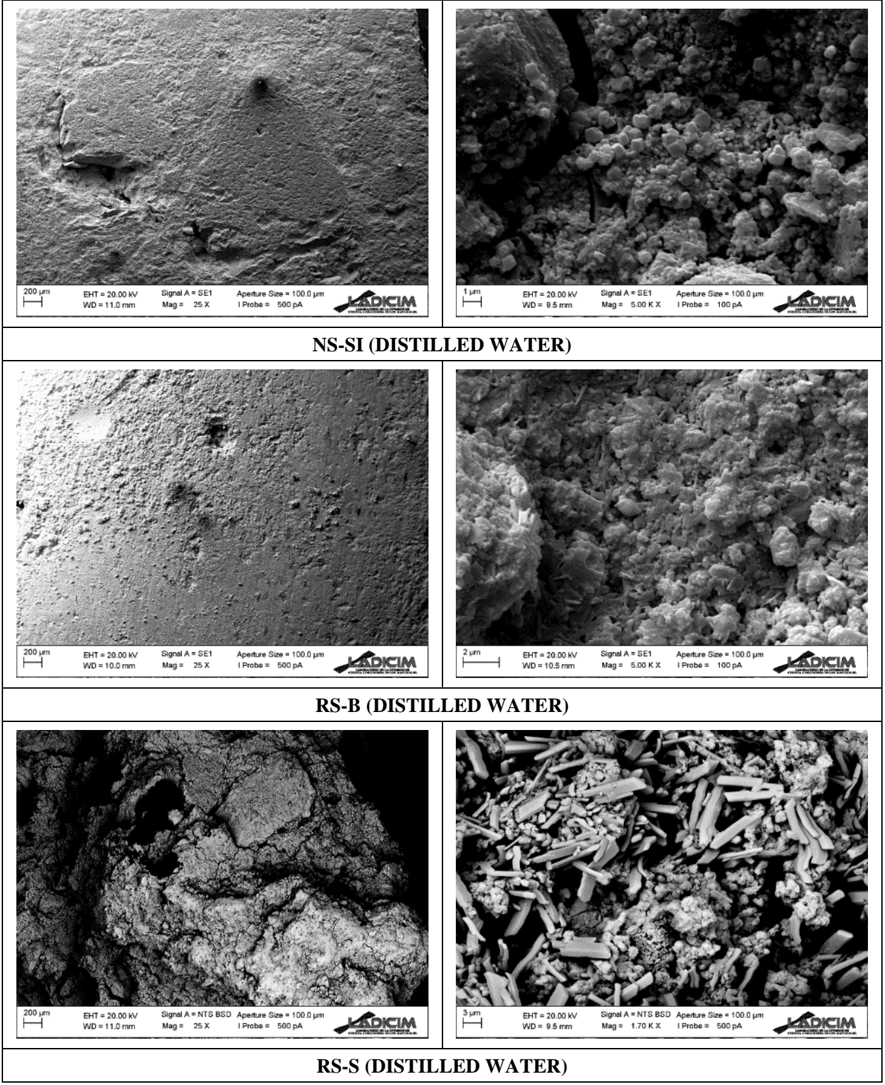
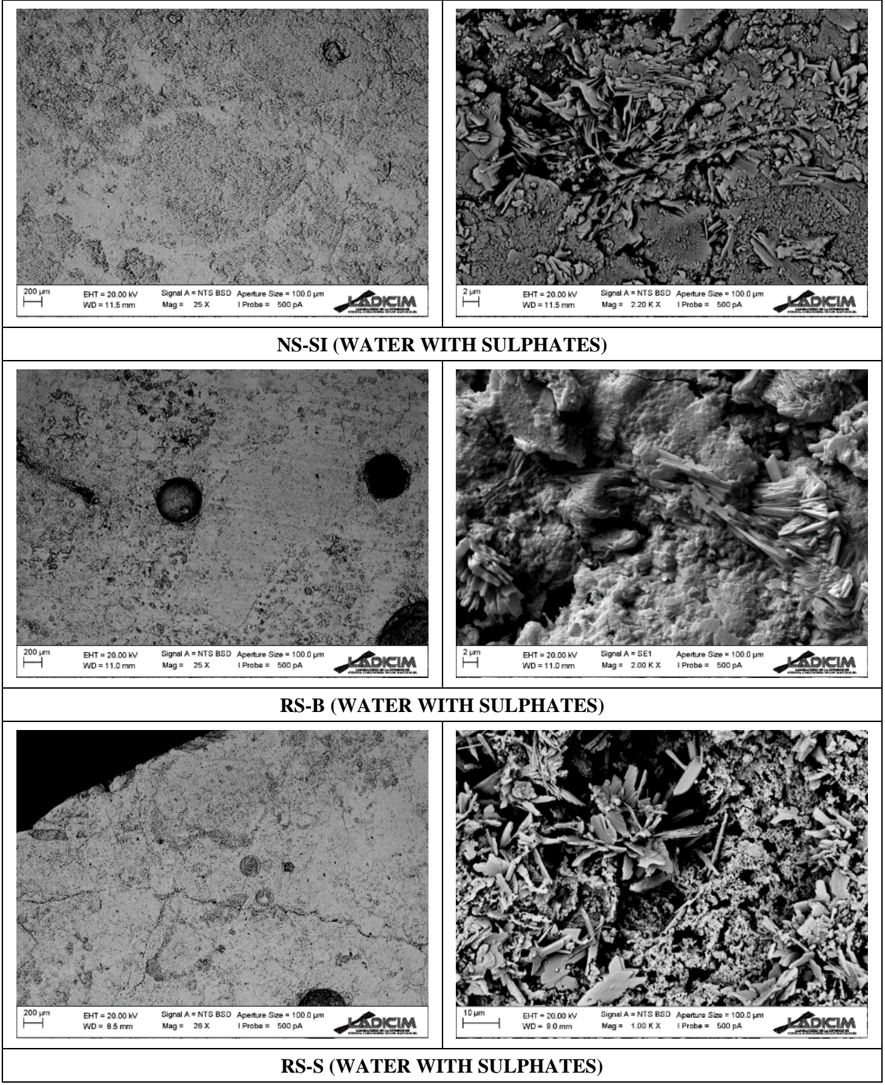
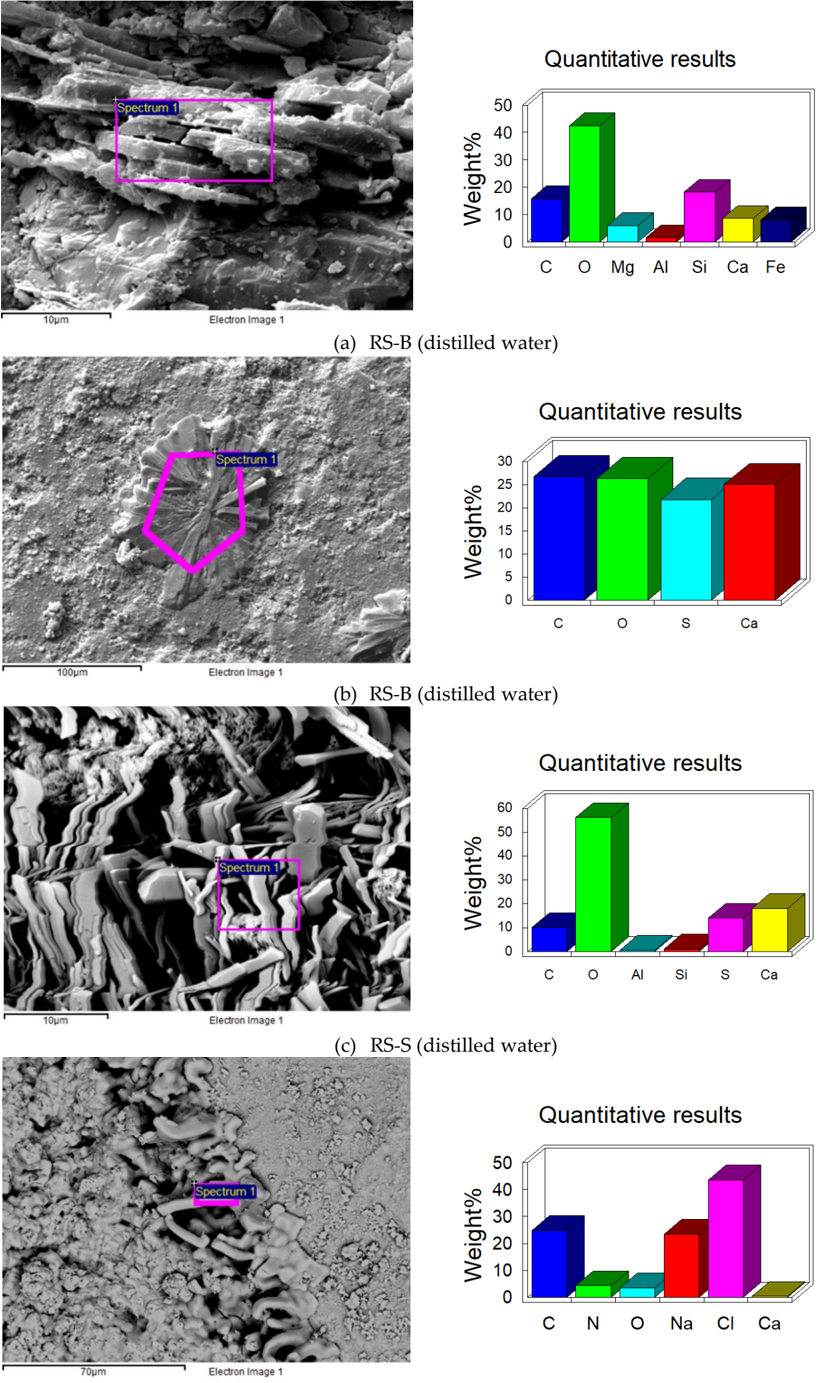
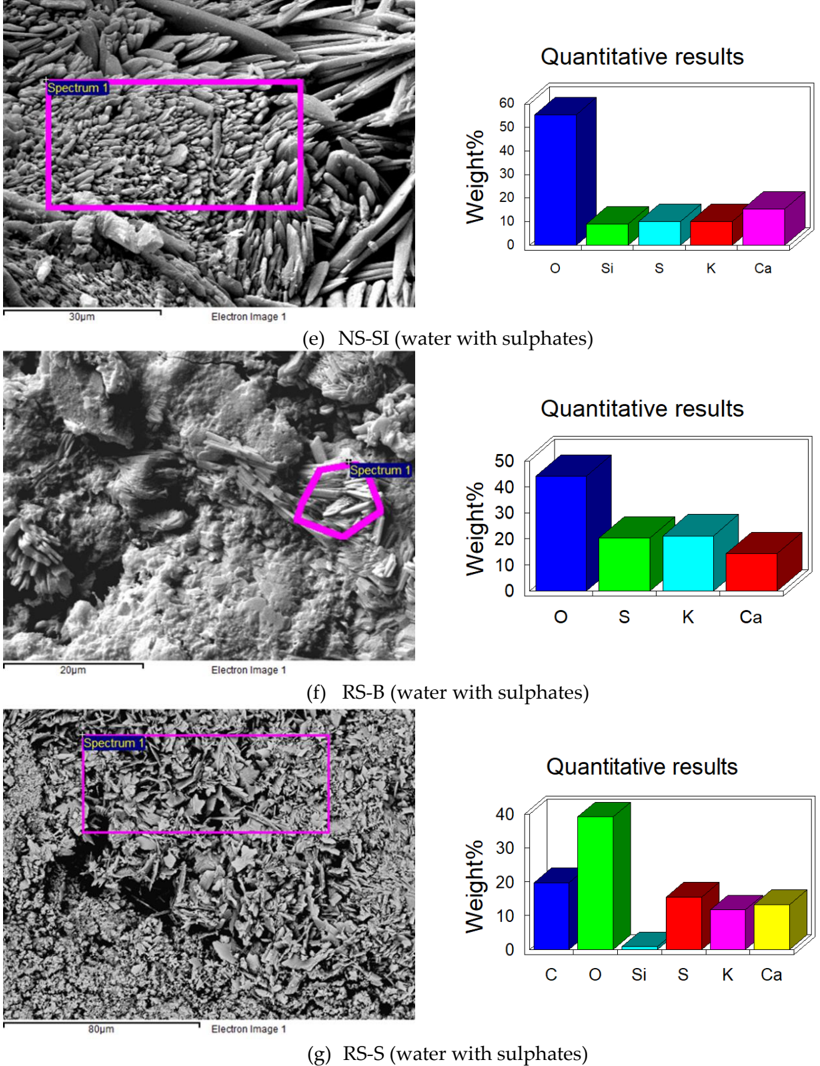
- Mortars made with recycled sand from crushed sleepers (RS-S) deteriorated more severely; in distilled water they disintegrated before reaching 50 cycles, with massive deterioration after 25 wet-dry cycles, and SEM/EDX indicated abundant ettringite. Their compressive strength dropped dramatically after cycle 15.
- In seawater and sulphate water, mortars showed no damage and no reduction in compressive strength; instead, compressive strength increased, notably for MMS-NS-Si and MMS-RS-B. Distilled water was the most aggressive environment.
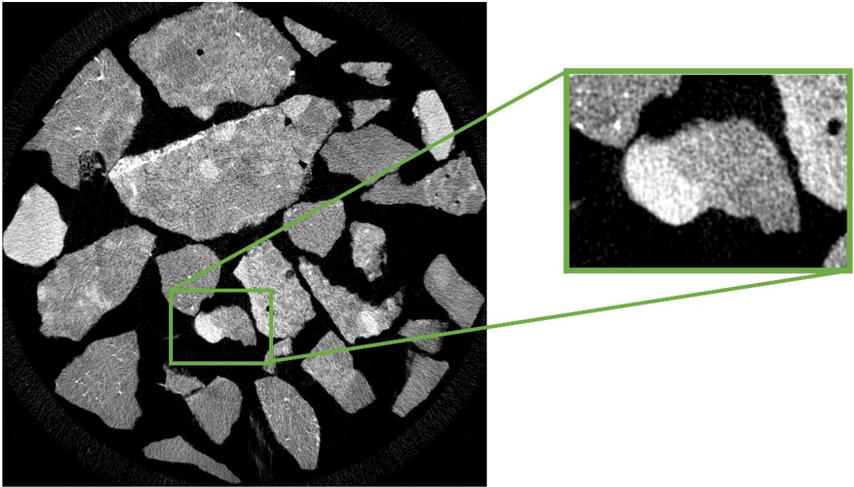
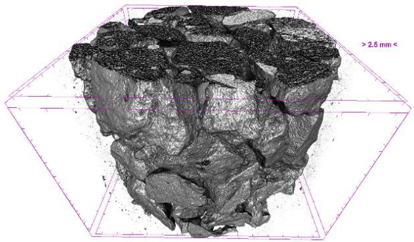
- Adhered mortar increased as particle size decreased: 70.2% for 5–12 mm, 76.1% for 2–5 mm, and 85.2% for particles smaller than 2 mm. RS-S had high absorption (3.45% wt.) and its mortar lost almost 40% strength at 28 days.
Methods
- Three mortars were designed: NS-Si with natural silica sand, RS-S with fine recycled aggregates from crushed railway sleepers, and RS-B with fine recycled aggregates from crushed railway ballast. They used the same grading curve, aggregate volume, cement content, and effective water/cement ratio; cement was CEM IV (V) 32.5 N with high fly ash replacement, at 494 kg/m³ cement and 247 kg/m³ effective water.
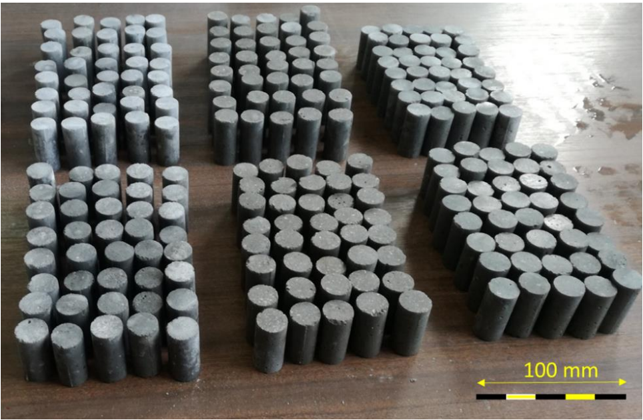
- Specimens included standardized mortar specimens and mini cylindrical specimens of 20 mm diameter and 40 mm height to maximize surface/volume ratio. Durability testing adapted UNE-EN 14066, starting at 28 days: 50 cycles of 18 h in an oven at 70 ºC and 6 h submerged in distilled water, seawater, or 5% potassium sulphate solution; controls remained immersed without cycles.
- Compressive strength was tested per UNE-EN 1015-11 using a servo-hydraulic machine of ±100 kN capacity at 0.05 mm/s, with averages of 3 tests after 15 cycles, 3 after 30 cycles, and 4 after 50 cycles. External appearance was photographed, and SEM/EDX plus micro-CT were used for microstructural and adhered-mortar analyses.
Limitations
- Stated: there is no specific regulation for wet-dry cycles on mortars, so UNE-EN 14066 was adapted. Future work is planned in two stages: a similar campaign at 28 days with a fifth group using dry-wet cycles in tap water, and the same set of tests at 90 days; the authors also propose contrasting these results with other recycled aggregates because origin and crushing procedure are important.
- Evident: the study used only 50 cycles, one cement type (high fly ash), and specific railway-derived recycled aggregates, so generalizability is limited. The paper also notes that increasing the number of cycles may lead to deterioration once pores and fissures become saturated, and compressive strength results rely on small numbers of tests per point (3–4 specimens).
Model-written summary. Check it against the paper before relying on it.
Integrity signals
Registry
Cites
Statistics
Figures
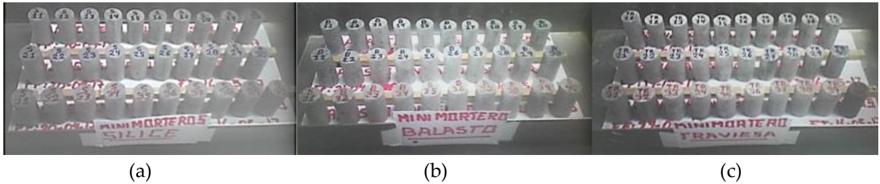
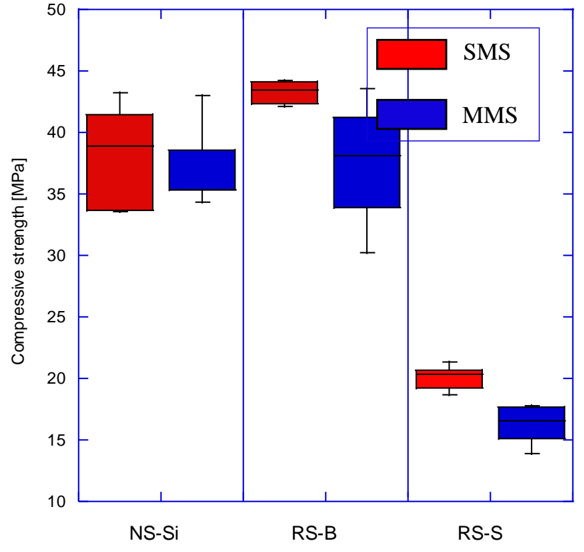
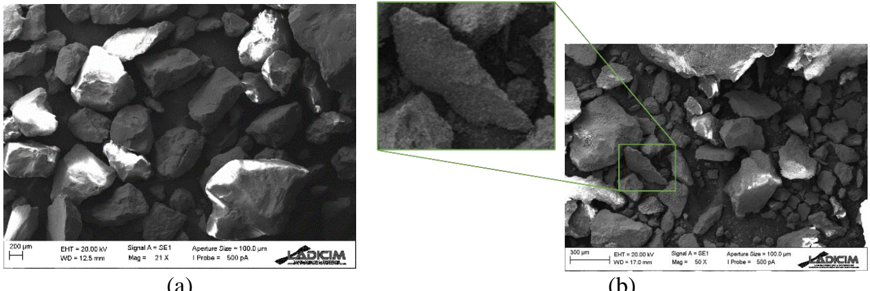
Verification
Claims the paper makes
0 Valid · 0 Not valid · 15 Not checked · 59 Own results and interpretations
A result the paper reports from its own data — it cites no other source for it, so there is none to check. The quote shows it is in the paper.
In the paper
“In the case of the mortars subjected to dry-wet cycles in distilled water, in the case of MMS-NS-Si and MMS-RS-B, the samples have not suffered any type of damage at surface level.”
§ Aging of recycled aggregates mortars by drying-wetting cycles > 3.4. Morphological analysis of fractures 14
plain- Asserted: passes — The authors put it forward as true.
- Checkable: passes — It can be checked against evidence.
- Load-bearing: unclear — It is unclear whether the paper’s conclusions depend on it.
- Based: passes — The paper gives a reason why it holds.
A result the paper reports from its own data — it cites no other source for it, so there is none to check. The quote shows it is in the paper.
In the paper
“In the case of the particles between 2 and 5 mm, the quantity of adhered mortar increases to 76.1%.”
§ Aging of recycled aggregates mortars by drying-wetting cycles > 3.1. Comparison between standarized samples and reduced size samples
plainstates a cause- Asserted: passes — The authors put it forward as true.
- Checkable: passes — It can be checked against evidence.
- Load-bearing: passes — The paper’s conclusions depend on it.
- Based: passes — The paper gives a reason why it holds.
A result the paper reports from its own data — it cites no other source for it, so there is none to check. The quote shows it is in the paper.
In the paper
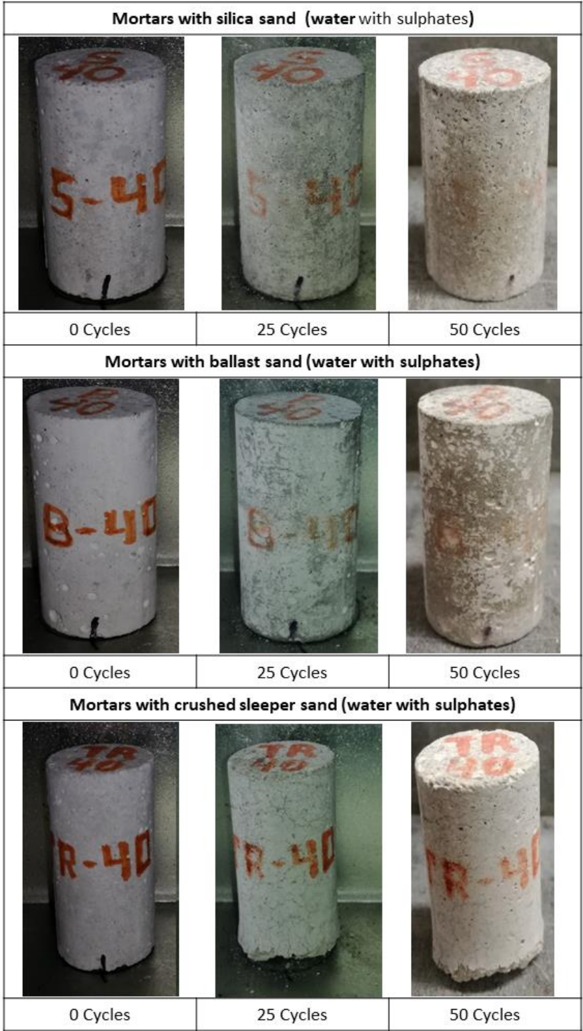
“In the case of MMS-RS-S, this time the samples have not suffered a damage so severe as in the case of distilled water.”
§ Aging of recycled aggregates mortars by drying-wetting cycles > 3.4. Morphological analysis of fractures 14
plain- Asserted: passes — The authors put it forward as true.
- Checkable: passes — It can be checked against evidence.
- Load-bearing: unclear — It is unclear whether the paper’s conclusions depend on it.
- Based: passes — The paper gives a reason why it holds.
A result the paper states — it cites no source for it, so there is none to check. The quote shows it is in the paper.
In the paper
“However, until the 50 th cycle, the value of the increase is greater than the loss in most of the conditions analysed.”
§ Aging of recycled aggregates mortars by drying-wetting cycles > 4. Conclusions
plain- Asserted: passes — The authors put it forward as true.
- Checkable: passes — It can be checked against evidence.
- Load-bearing: passes — The paper’s conclusions depend on it.
- Based: passes — The paper gives a reason why it holds.
A result the paper reports from its own data — it cites no other source for it, so there is none to check. The quote shows it is in the paper.
In the paper
“The evolution of the compressive strength of the different mortars over time when they are immersed in tap water, Figure8 (a), is similar, with a progressive increase attributable to the gradual collaboration of the fly ash contained in cement, manifesting its pozzolanic character.”
§ Aging of recycled aggregates mortars by drying-wetting cycles > 4. Conclusions
plainstates a cause- Asserted: passes — The authors put it forward as true.
- Checkable: passes — It can be checked against evidence.
- Load-bearing: passes — The paper’s conclusions depend on it.
- Based: passes — The paper gives a reason why it holds.
41 more claims
Create a free account to see all 74 claims and every source verdict.
- It may state two separate claims as one. 15
- The quote only partly states this claim. 1
- Probably not a substantial claim. 18
Self-check
Percentages, sums and reported differences re-computed from the paper’s own numbers.
Each contradiction between two passages listed here was confirmed by an independent check.
Rated minor: it would not touch a result — a value no result rests on, a p-value that stays on the same side of the significance level, or a conflict that is clerical, resolved elsewhere in the paper, or outside its own findings.
In the paper
§ Aging of recycled aggregates mortars by drying-wetting cycles > 3.3. Compressive strength evolution
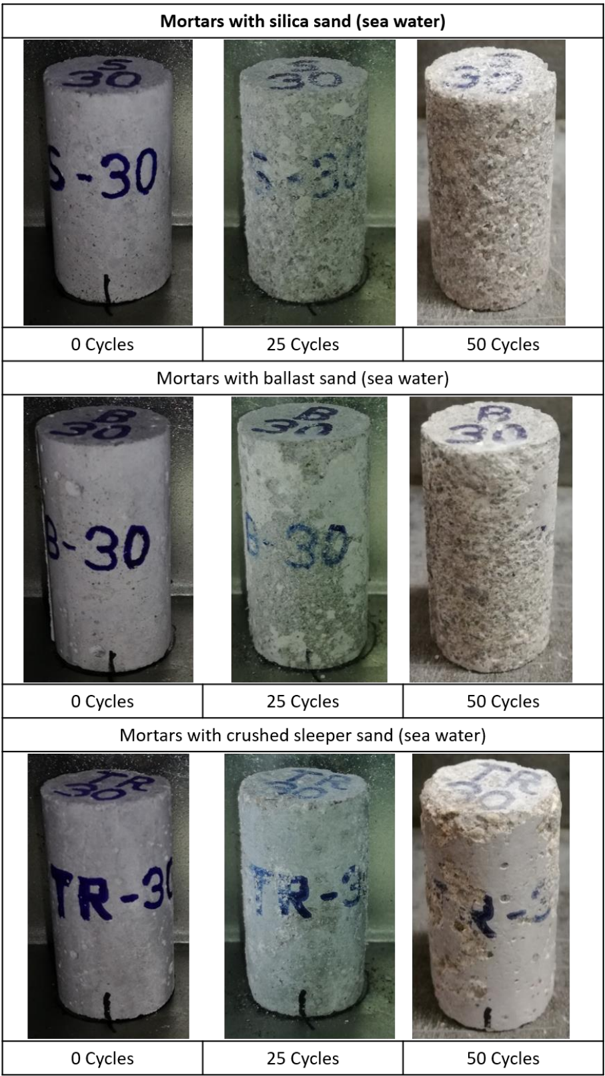
“After wet-dry cycles in seawater or in water containing sulphates, the mortars do not show any damage.”
§ Aging of recycled aggregates mortars by drying-wetting cycles > 3.4. Morphological analysis of fractures 14
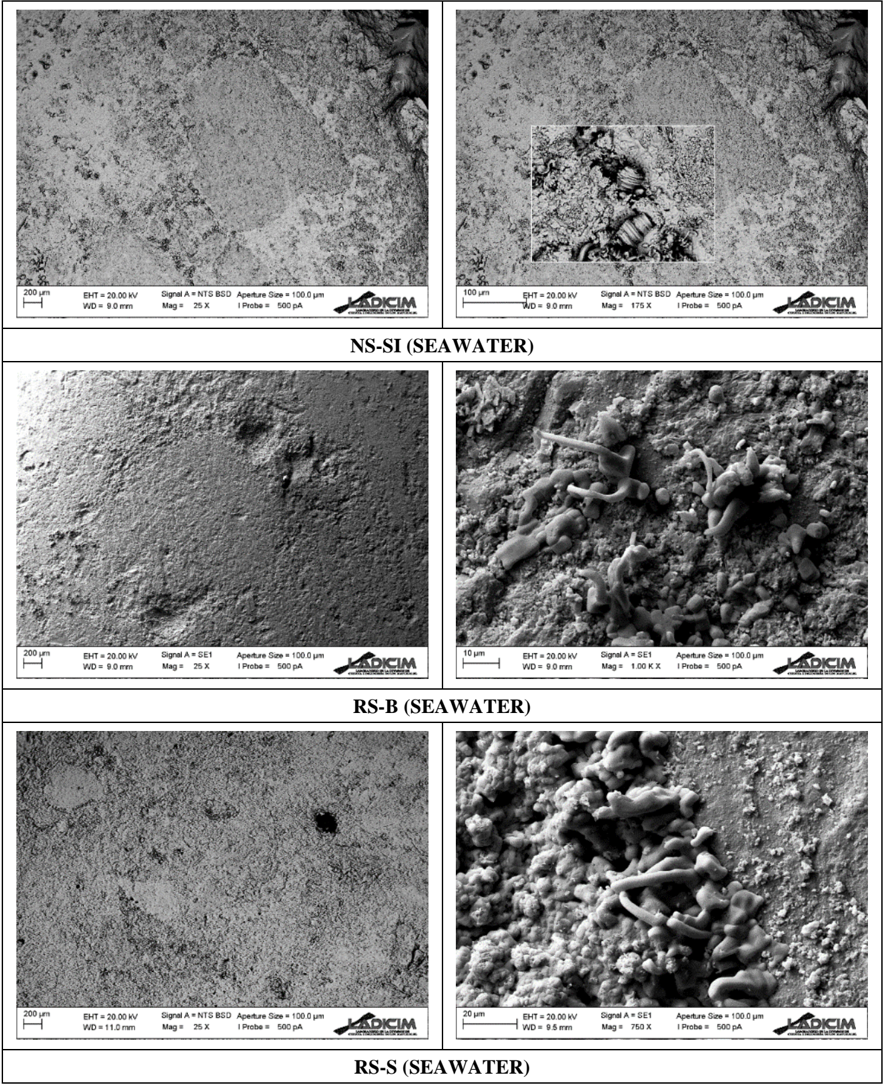
“In the case of the mortars subjected to durability cycles in seawater, in the same way as in the previous case, MMS-NS-Si and MMS-RS-B have a similar behaviour, although in this case some surface scaling can be seen.”
Rated minor: it would not touch a result — a value no result rests on, a p-value that stays on the same side of the significance level, or a conflict that is clerical, resolved elsewhere in the paper, or outside its own findings.
In the paper
§ Aging of recycled aggregates mortars by drying-wetting cycles > 2.4. Durability
“ten samples damaged by cycles in seawater (21)(22)(23)(24)(25)(26)(27)(28)(29)(30)(31)”
§ Aging of recycled aggregates mortars by drying-wetting cycles > 2.4. Durability
“ten samples damaged by cycles in water with sulphates (31)(32)(33)(34)(35)(36)(37)(38)(39)(40)”
Rated minor: it would not touch a result — a value no result rests on, a p-value that stays on the same side of the significance level, or a conflict that is clerical, resolved elsewhere in the paper, or outside its own findings.
In the paper
§ Aging of recycled aggregates mortars by drying-wetting cycles > 4. Conclusions
“The one located on the upper right corresponds to MMS-NS-Si, the lower left to MMS-RS-B and the lower right to MMS-RS-S.”
§ Aging of recycled aggregates mortars by drying-wetting cycles > 4. Conclusions
“After wet-dry cycles in distilled water, Figure8 (b), the evolution of compressive strength is similar to the results obtained when the specimens are immersed in tap water, except in the case of RS-S.”
Citations
Cites
Mechanical behaviour of concrete made with fine recycled concrete aggregates
Evangelista, L., & de Brito, J. (2007) · Cement and Concrete Composites · doi:10.1016/j.cemconcomp.2006.12.004 · Cited by 1,059
Self-citationDurability of recycled aggregate concrete
Thomas, C., Setién, J., Polanco, J. A., Alaejos, P., & Sánchez de Juan, M. (2013) · Construction and Building Materials · doi:10.1016/j.conbuildmat.2012.11.106 · Cited by 703
Self-citationDurability performance of concrete made with fine recycled concrete aggregates
Evangelista, L., & de Brito, J. (2010) · Cement and Concrete Composites · doi:10.1016/j.cemconcomp.2009.09.005 · Cited by 685
Self-citationEnhancing the durability properties of concrete prepared with coarse recycled aggregate
Kou, S. C., & Poon, C. S. (2012) · Construction and Building Materials · doi:10.1016/j.conbuildmat.2012.02.032 · Cited by 631
Properties of self-compacting concrete prepared with coarse and fine recycled concrete aggregates
Kou, S.-C., & Poon, C. S. (2009) · Cement and Concrete Composites · doi:10.1016/j.cemconcomp.2009.06.005 · Cited by 567
Use of recycled aggregates in molded concrete bricks and blocks
Poon, C. S., Kou, S.-C., & Lam, L. (2002) · Construction and Building Materials · doi:10.1016/s0950-0618(02)00019-3 · Cited by 506
Bravo, M., de Brito, J., Pontes, J., & Evangelista, L. (2015) · Journal of Cleaner Production · doi:10.1016/j.jclepro.2015.03.012 · Cited by 465
Self-citationDesigning more sustainable and greener self-compacting concrete
Long, G., Gao, Y., & Xie, Y. (2015) · Construction and Building Materials · doi:10.1016/j.conbuildmat.2015.02.072 · Cited by 359
Concrete with fine recycled aggregates: a review
Evangelista, L., & de Brito, J. (2014) · European Journal of Environmental and Civil Engineering · doi:10.1080/19648189.2013.851038 · Cited by 253
Self-citationde Brito, J., Ferreira, J., Pacheco, J., Soares, D., & Guerreiro, M. (2016) · Journal of Building Engineering · doi:10.1016/j.jobe.2016.02.003 · Cited by 238
Self-citation
Research works printed but not linked: 2
- De Schutter G, Audenaert K. Report 38: Durability of Self-Compacting Concrete-State-of-the-Art Report of RILEM Technical Committee 205-DSC. vol. 38. RILEM publications; 2007.
- Sainz-Aja J, Carrascal I, Polanco JA, Thomas C, Sosa I, Casado J, et al. Self-compacting recycled aggregate concrete using out-of-service railway superstructure wastes. J Clean Prod 2019;230:945-55. https://doi.org/10.1016/j.jclepro.2019.04.386. · DOI
Cited by
Feng, C., Cui, B., Huang, Y., Guo, H. M., Zhang, W., & Zhu, J. (2021) · Construction and Building Materials · doi:10.1016/j.conbuildmat.2021.126168 · Cited by 124
Borges, P. M., Schiavon, J. Z., da Silva, S. R., Rigo, E., Neves, A., Possan, E., & Andrade, J. J. D. O. (2023) · Construction and Building Materials · doi:10.1016/j.conbuildmat.2023.131600 · Cited by 46
Effect of strength of parent concrete on utilization of recycled aggregate concrete: A review
Chen, Y., Chen, C., Cai, Z., Zhu, P., Liu, R., & Liu, H. (2025) · Journal of Building Engineering · doi:10.1016/j.jobe.2025.112187 · Cited by 13
Durability for coating mortars: Review of methodologies
Baptista, G., Nascimento, L. C., Xavier, G. D. C., Monteiro, S. N., Vieira, C. M. F., Marvila, M. T., & Alledi, C. T. D. B. (2024) · Journal of Materials Research and Technology · doi:10.1016/j.jmrt.2024.03.020 · Cited by 28
Fang, C., Feng, J., Huang, S., Hu, J., Wang, W., & Li, N. (2022) · Case Studies in Construction Materials · doi:10.1016/j.cscm.2022.e01441 · Cited by 27
Metadata
- Authors
- Sainz-Aja, J., Carrascal, I., Polanco, J., Cimentada, A., Thomas, C., & Brito, J.
- Affiliations
- Universidad de Cantabria (ES)
- Corresponding author
- Thomas, C.
- Venue
- Construction and Building Materials
- Publisher
- Elsevier BV
- Published
- 2021-11
- Volume
- 307
- Pages
- 124934
- ISSN
- 0950-0618 (ISSN-L)
- OpenAlex
- W3203100173
- Cited by
- 24
- References
- 31
- Citations by year
- 2026: 5 · 2025: 9 · 2024: 4 · 2023: 3 · 2022: 2 · 2021: 1
- FWCI
- 1.04
- Type
- journal article
- Language
- en
- Open access
- hybrid
- doi.org
- Licence
- cc-by-nc-nd
- www.elsevier.com/tdm/userlicense/1.0/ (tdm)
- www.elsevier.com/legal/tdmrep-license (tdm)
- creativecommons.org/licenses/by-nc-nd/4.0/ (vor)
- Locations
- Construction and Building Materials (publishedVersion, cc-by-nc-nd)
- UCrea (University of Cantabria) (submittedVersion, cc-by-nc-nd)
- Funders
- Ministerio de Economía y Competitividad (MAT2014-57544-R)
- Universidad de Cantabria
- Topics
- Physical Sciences › Engineering › Building and Construction › Recycled Aggregate Concrete Performance
- Physical Sciences › Engineering › Civil and Structural Engineering › Concrete and Cement Materials Research
- Physical Sciences › Engineering › Building and Construction › Materials Engineering and Processing
- Keywords
- recycled aggregate, recycled fine aggregate, mortar durability, wetting-drying cycles, seawater exposure, sulfate attack, microstructure, construction waste, CO2 emission reduction
About these checks
Registry, retraction, Cites and statistics results are computed, not judged, with one exception: a printed reference that no index lists is read once by a model before it counts as a citation error. Claims are extracted by a model and kept only when their quote appears verbatim in the text; each cited source is then checked, with a model’s help, for whether it says what the claim relies on. Those verdicts can be wrong — read the claim’s quote and the cited source before relying on one.
A language model drew the claims from the paper on 2026-11-27, under version 3 of the claim definition (model deepseek-v4.1-flash, prompt extract-v3).
A second model labelled each claim on 2026-11-27 (model jev-1.13-20260917, definition revision gold-guideline-v0.2).
Statistics and arithmetic are recomputed, not judged.
Confidence bands are shown only for fields calibrated on our annotated test set. None is calibrated yet, so no band is shown.
What counts as a claim ›How we measure confidence ›How we check this ›
Are you an author, or do you see a problem with this page? Request a review
How to cite
Cite CoChat for the checks on this page, and the paper for its own findings.
- This page
- CoChat. (2026). Citation check: Aging of recycled aggregates mortars by drying-wetting cycles. https://app.cochat.ai/papers/10.1016/j.conbuildmat.2021.124934
- The paper
- Sainz-Aja, J., Carrascal, I., Polanco, J., Cimentada, A., Thomas, C., & Brito, J. (2021). Aging of recycled aggregates mortars by drying-wetting cycles. Construction and Building Materials. https://doi.org/10.1016/j.conbuildmat.2021.124934
Data sources
Bibliographic data: Semantic Scholar, OpenAlex, Crossref.
Contains information from the Semantic Scholar Academic Graph Datasets, made available under the ODC Attribution License (ODC-BY 1.0).
Semantic Scholar’s data is described in: Kinney, R., et al. (2023). The Semantic Scholar Open Data Platform. arXiv:2301.10140.
