

The DOI matches its Crossref record; 134 of the 135 references it cites were found in a registry or an index.
Purchasing in the digital age: A meta-analytical perspective on trust, risk, security, and e-WOM in e-commerce
Open accessAbstract
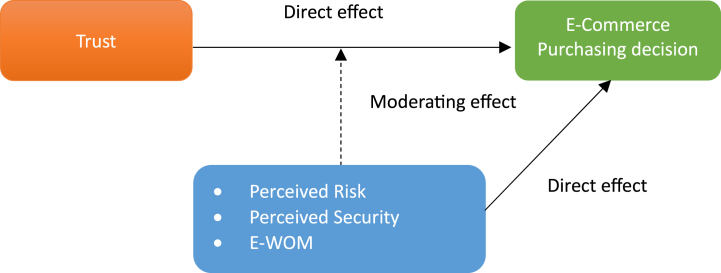
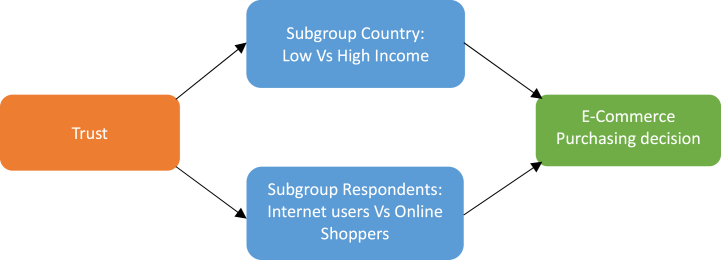
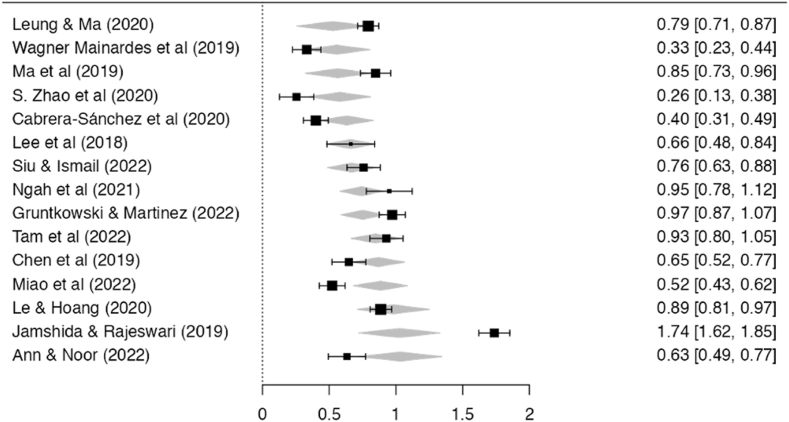
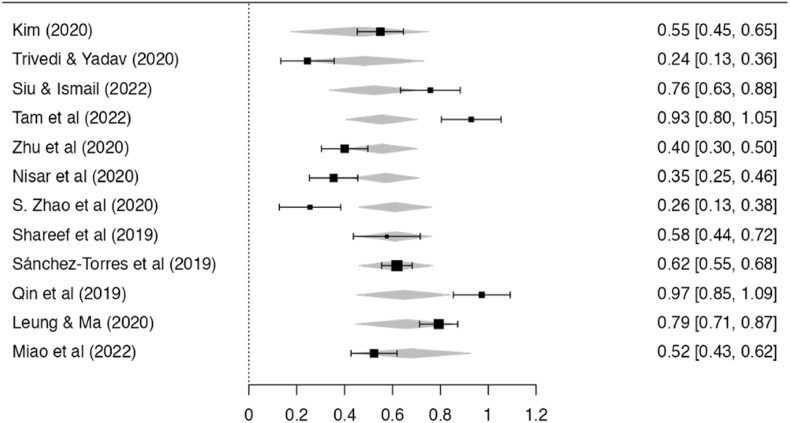
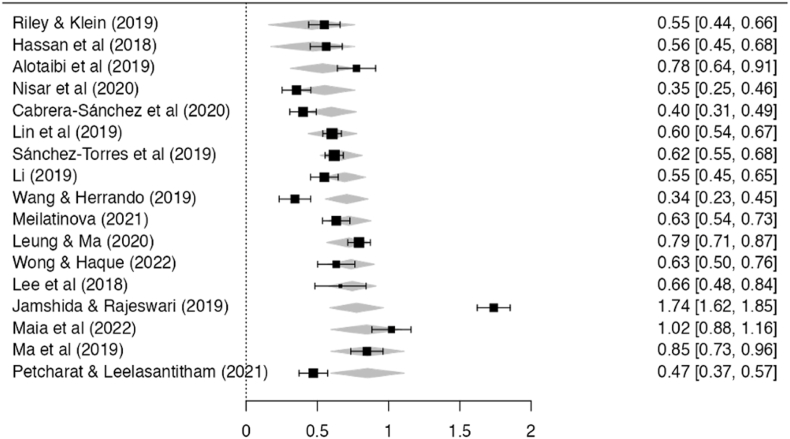
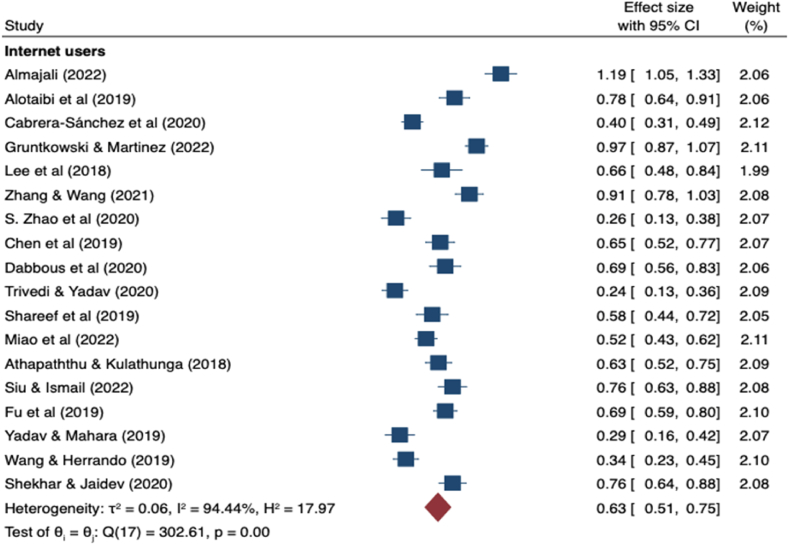
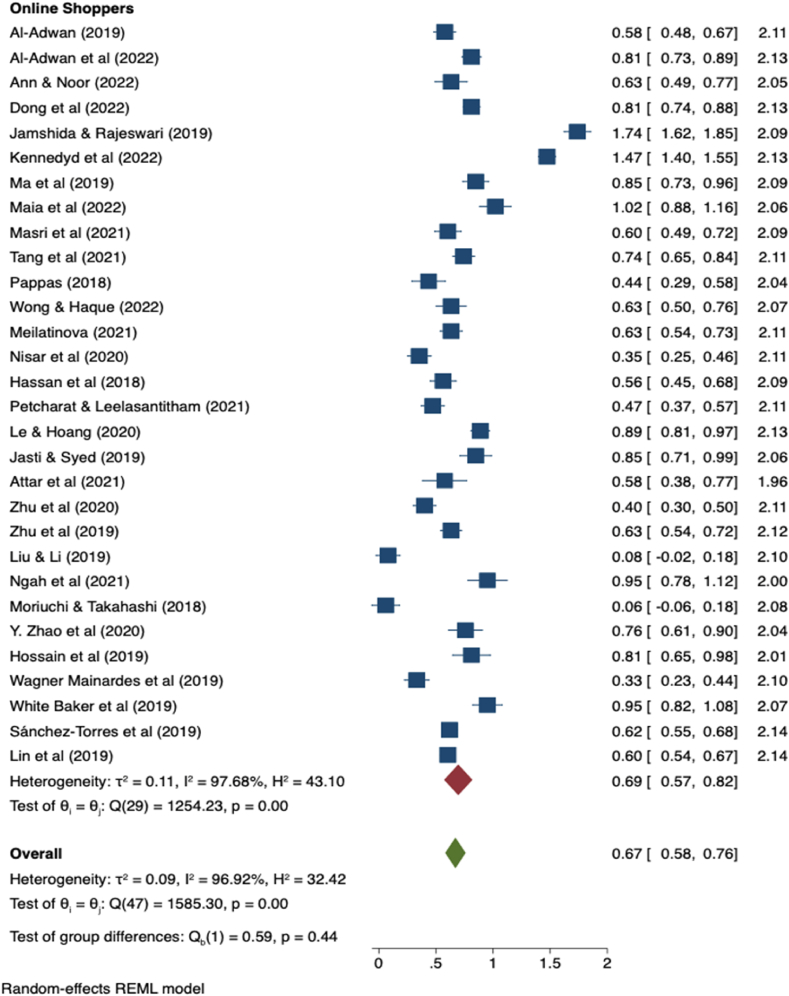
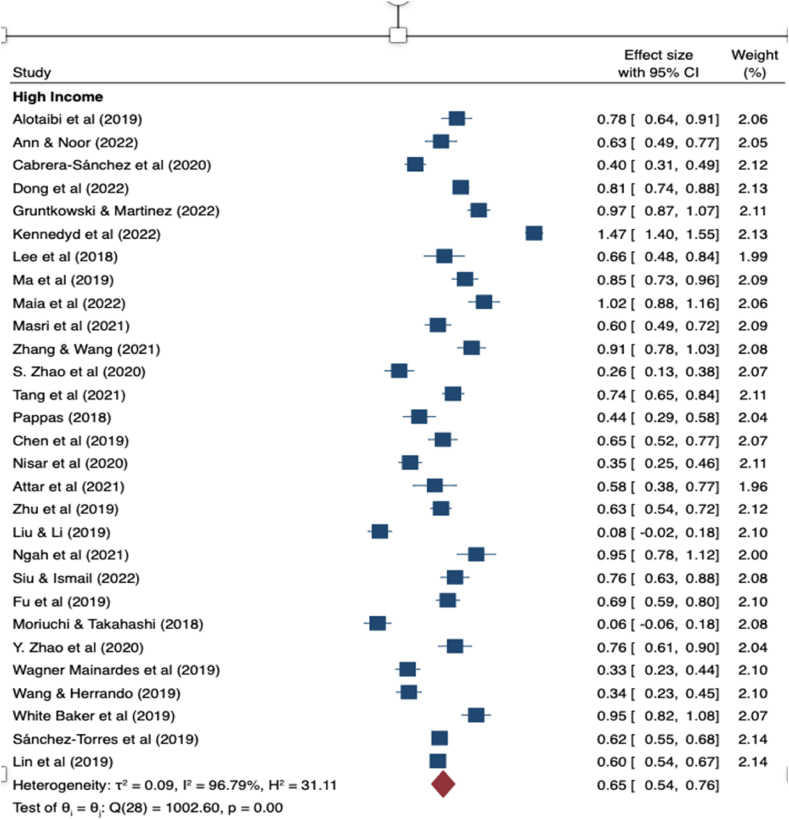
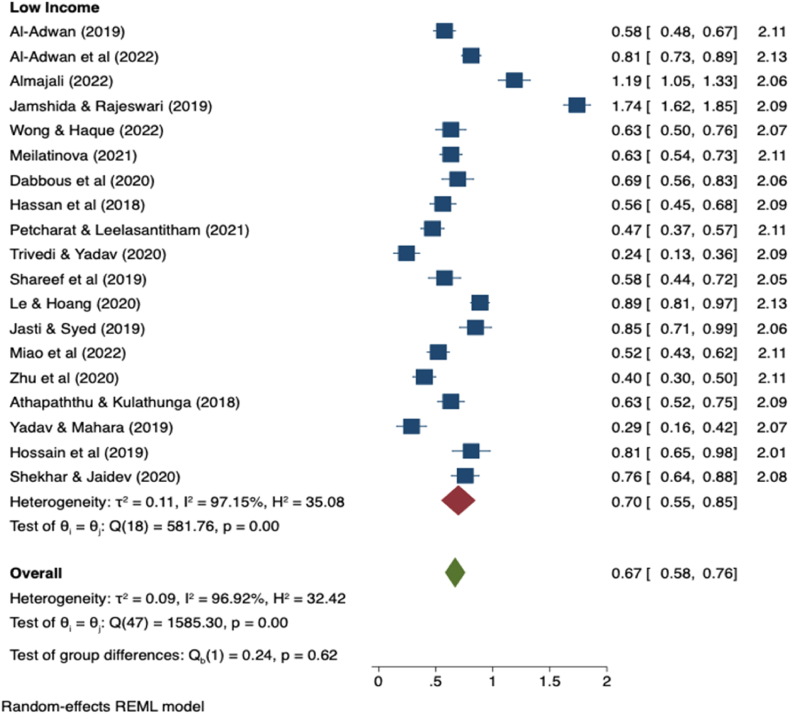
This comprehensive meta-analysis investigates the significant factors influencing consumer decision-making in e-commerce. Predominantly focusing on the parameters of trust, perceived risk, perceived security, and electronic word-of-mouth (e-WOM), this study provides insightful revelations on their integral roles in shaping e-commerce purchasing decisions. The findings demonstrate that trust, perceived risk, perceived security, and e-WOM significantly influence consumers' e-commerce purchasing decisions. Perceived Risk plays a substantial moderating role in the relationship between Trust and e-commerce purchasing decisions, amplifying the importance of managing and minimizing risk in online transactions to cultivate consumer trust. Contrastingly, the roles of Perceived Security and e-WOM do not hold the same moderating effect on the trust-purchasing decision nexus, underscoring the direct yet unmoderated influence these factors have on e-commerce purchasing behaviors. Furthermore, The research reveals no significant size effect difference among respondents from high-income and low-income countries or between general internet users and online shoppers concerning the impact of trust on e-commerce purchasing decisions. This intriguing finding suggests the universal importance of trust in the digital purchasing landscape, irrespective of socio-economic status or the degree of e-commerce engagement. This study thus sheds new light on the complexities of e-commerce decision-making processes. It offers valuable insights for businesses aiming to enhance consumer trust and engagement in the expanding digital marketplace.
Overview
The claims and statistics of this paper haven’t been checked yet.
Run the check — free, no account needed. It reads the open-access text and checks the sources it cites.
Integrity signals
Registry
Cites
Statistics
Figures
Verification
Claims the paper makes
The claims and statistics of this paper haven’t been checked yet.
Run the check — free, no account needed. It reads the open-access text and checks the sources it cites.
Self-check
Percentages, sums and reported differences re-computed from the paper’s own numbers.
The self-check needs the paper’s full text.
Citations
Cites
1 retracted
Wang, C., Ahmad, S. F., Ahmad, A. Y. A. B., Awwad, E. M., Irshad, M., Ali, Y. A., Al‐Razgan, M., Khan, Y., & Han, H. (2023) · Heliyon · doi:10.1016/j.heliyon.2023.e18349 · Cited by 297
RetractedPerceived usefulness, perceived ease of use, and user acceptance of information technology
Davis, F. D. (1989) · MIS Quarterly · doi:10.2307/249008 · Cited by 68,483
An integrative model of organizational trust
Mayer, R. C., Davis, J. H., & Schoorman, F. D. (1995) · The Academy of Management Review · doi:10.2307/258792 · Cited by 10,736
Trust and TAM in Online Shopping: An Integrated Model1
Gefen, D., Karahanna, E., & Straub, D. W. (2003) · MIS Quarterly · doi:10.2307/30036519 · Cited by 8,635
Hennig-Thurau, T., Gwinner, K. P., Walsh, G., & Gremler, D. D. (2004) · Journal of Interactive Marketing · doi:10.1002/dir.10073 · Cited by 5,916
(2003) · International Journal of Electronic Commerce · doi:10.1080/10864415.2003.11044275 · Cited by 5,715
Kim, D. J., Ferrin, D. L., & Rao, H. R. (2008) · Decision Support Systems · doi:10.1016/j.dss.2007.07.001 · Cited by 3,613 · cited 5×
“Trust has been found to reduce perceived risk [21] and positively influence consumers ’ attitudes toward online shopping and their intention to purchase [19,39].”
BackgroundResultInfluentialPredicting e-services adoption: A perceived risk facets perspective
Featherman, M. S., & Pavlou, P. A. (2003) · International Journal of Human-Computer Studies · doi:10.1016/s1071-5819(03)00111-3 · Cited by 3,351
Pavlou, P. A., Liang, H., & Xue, Y. (2007) · MIS Quarterly · doi:10.2307/25148783 · Cited by 2,646
Technology acceptance model: a literature review from 1986 to 2013
Marangunić, N., & Granić, A. (2015) · Universal Access in the Information Society · doi:10.1007/s10209-014-0348-1 · Cited by 2,458
Research works printed but not linked: 5
- Amin, 2019, A study on impact of E-WOM (electronic word of mouth) on consumers' buying decision, International Journal of Advanced Research in Commerce, Management & Social Science, 2, 29
- Jasti, 2019, Leveraging the internet for grocery shopping: a study of factors influencing the Indian consumer, Int. J. Emerg. Technol., 10, 436
- Ngah, 2021, Exploring antecedents of online purchasing behavioral intention of generation z: an integrated model of four theories, Malaysian Journal of Consumer and Family Economics, 27, 1
- Taylor, 1974, The Role of Risk in Consumer Behavior:A comprehensive and operational theory of risk taking in consumer behavior, J. Market., 38, 54
- McKnight, 2002, The impact of initial consumer trust on intentions to transact with a web site: a trust building model, J. Strat. Inf. Syst., 11, 297, 10.1016/S0963-8687(02)00020-3 · DOI · Paper page
Cited by
Sorted by citations
An, G. K., & An, N. T. (2025) · Journal of Open Innovation Technology Market and Complexity · doi:10.1016/j.joitmc.2025.100580 · Cited by 109
Elshaer, I. A., Azazz, A. M. S., Fayyad, S., Aljoghaiman, A., Fathy, E. A., & Fouad, A. M. (2025) · Tourism and Hospitality · doi:10.3390/tourhosp6020068 · Cited by 55
Marjerison, R. K., Dong, H., Kim, J. M., Zheng, H., Zhang, Y., & Kuan, G. (2025) · Systems · doi:10.3390/systems13020071 · Cited by 47
Aisyah, M., Sesunan, Y. S., & Wicaksono, A. T. S. (2025) · Sustainable Futures · doi:10.1016/j.sftr.2025.101530 · Cited by 29
Micheletto, V., Accardi, S., Fici, A., Piccoli, F., Rossi, C., Bilucaglia, M., Russo, V., & Zito, M. (2025) · Frontiers in Virtual Reality · doi:10.3389/frvir.2025.1515937 · Cited by 34
Metadata
- Authors
- Handoyo, S.
- Affiliations
- Padjadjaran University (ID)
- Corresponding author
- Handoyo, Sofik
- ORCID
- Handoyo, Sofik
- Venue
- Heliyon
- Publisher
- Elsevier BV
- Published
- 2024-04
- Volume
- 10
- Issue
- 8
- Pages
- e29714
- ISSN
- 2405-8440 (ISSN-L)
- PMC
- PMC11044045
- OpenAlex
- W4394844493
- Cited by
- 133
- References
- 135
- Citations by year
- 2026: 73 · 2025: 50 · 2024: 10
- FWCI
- 49.63
- Type
- journal article
- Language
- en
- Open access
- gold
- doi.org
- Licence
- Locations
- Heliyon (publishedVersion, cc-by-nc-nd)
- PubMed Central (publishedVersion, cc-by-nc-nd)
- PubMed (publishedVersion)
- DOAJ (DOAJ: Directory of Open Access Journals) (submittedVersion)
- Topics
- Social Sciences › Decision Sciences › Information Systems and Management › Technology Adoption and User Behaviour
- Social Sciences › Business, Management and Accounting › Marketing › Consumer Behavior and Marketing Influence
- Social Sciences › Business, Management and Accounting › Marketing › Digital Marketing and Social Media
- Keywords
- consumer trust, risk perception, perceived security, electronic word of mouth, online shopping, moderating effect, cross-national comparison, income gap, online consumers
About these checks
Registry, retraction, Cites and statistics results are computed, not judged, with one exception: a printed reference that no index lists is read once by a model before it counts as a citation error. Claims are extracted by a model and kept only when their quote appears verbatim in the text; each cited source is then checked, with a model’s help, for whether it says what the claim relies on. Those verdicts can be wrong — read the claim’s quote and the cited source before relying on one.
Statistics and arithmetic are recomputed, not judged.
Confidence bands are shown only for fields calibrated on our annotated test set. None is calibrated yet, so no band is shown.
What counts as a claim ›How we measure confidence ›How we check this ›
Are you an author, or do you see a problem with this page? Request a review
