

The DOI matches its Crossref record; 48 of the 49 references it cites were found in a registry or an index.
Life cycle assessment of open field and greenhouse cultivation of lettuce and barley
Open accessAbstract
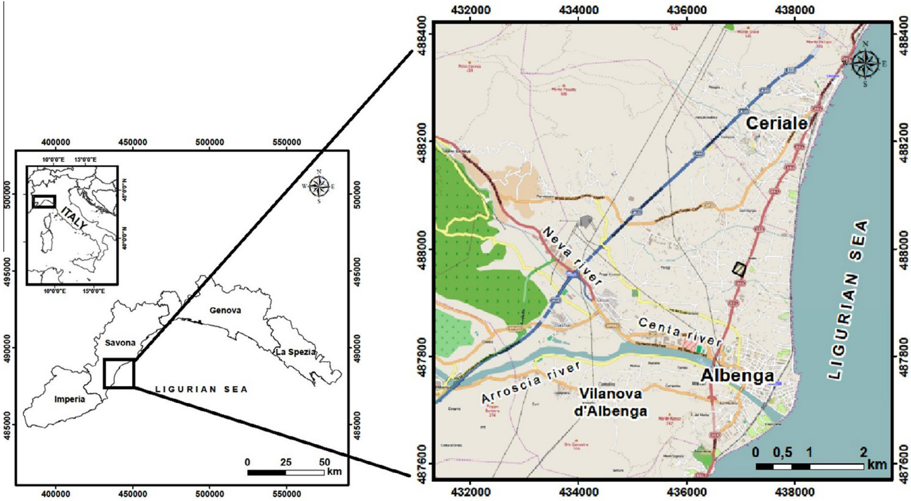
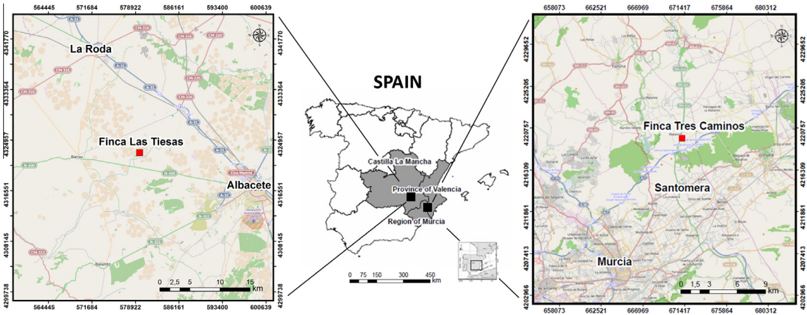
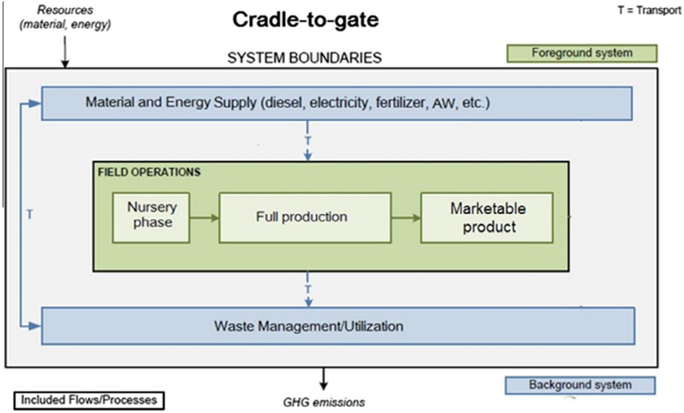
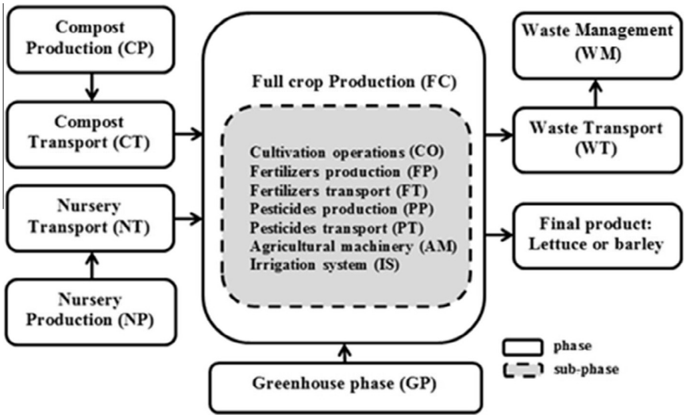
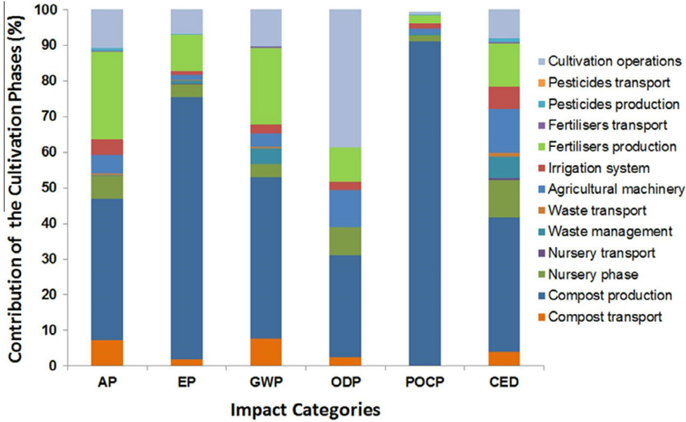
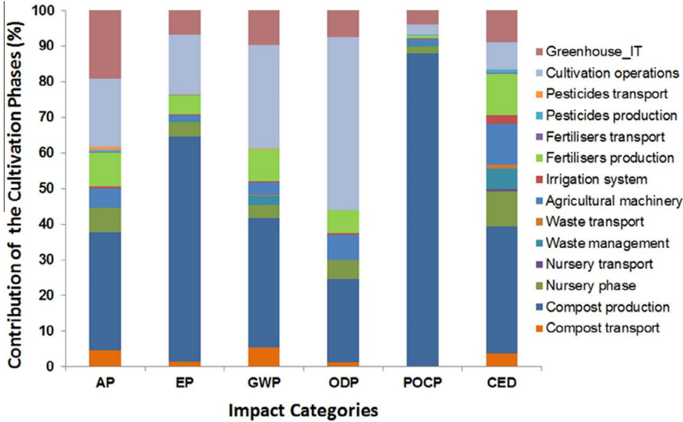
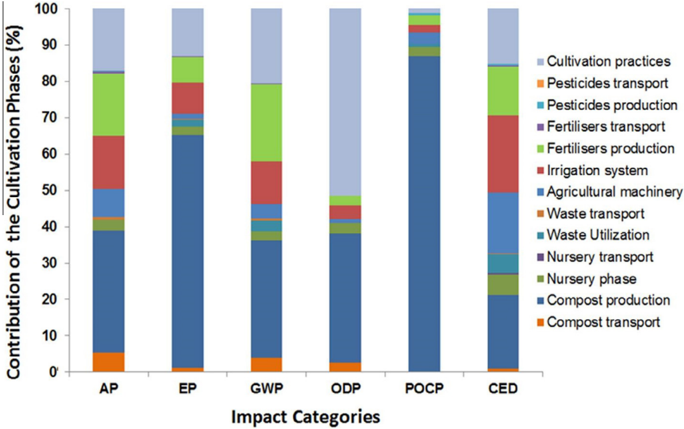
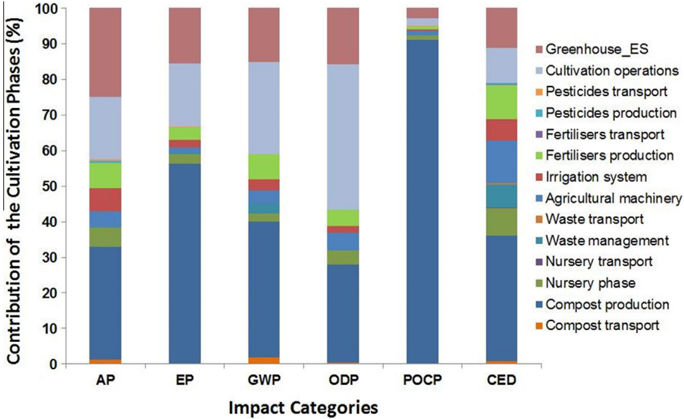
In the present paper, a life cycle assessment (LCA) study regarding barley and lettuce production in Spain (Barrax and Santomera regions) and Italy (Albenga region) in both open field (OF) and standard greenhouse (GH) cultivations was performed in order to evaluate energy consumption and environmental impacts. The study examines also the impact of the use of compost produced from agricultural wastes (AW). In this context, a detailed life cycle directory was created, based on site-specific experimental data, and used for a holistic cradle-to-gate LCA analysis using the GaBi 6 software package and specific related databases. In order to reveal the importance of system boundaries, factors that are often excluded from LCA studies, such as agricultural machinery manufacture, nursery production, waste management and raw materials transportation have been considered. According to the results of this study, the use of compost for fertilization of both crops is considered a good agronomic and ecological strategy in order to maintain productivity in terms of yield, especially in the case of greenhouse cultivation, and improve overall sustainability in the agricultural sector. Moreover, the phases of compost production, irrigation system, and greenhouse construction and operation were identified as the three main “hot-spots” with the highest environmental impact and energy contribution in all studied cases. Finally, improvements to reduce those impacts were proposed.
Overview
The claims and statistics of this paper haven’t been checked yet.
Run the check — free, no account needed. It reads the open-access text and checks the sources it cites.
Integrity signals
Registry
Cites
Statistics
Figures
Verification
Claims the paper makes
The claims and statistics of this paper haven’t been checked yet.
Run the check — free, no account needed. It reads the open-access text and checks the sources it cites.
Claims other papers make about this one
Each is checked against this paper’s own text: does it say what the citing paper says it does?
In the citing paper
“In general, the results of this study are within the range of those found in literature across all the productions systems (Bartzas et al., 2015; Fiteinis and Chatzisymeon, 2016; Frankowska et al., 2019; Plawecki et al., 2014; Romero-Gámez et al., 2014).”
From The role of aeroponic container farms in sustainable food systems – The environmental credentials (2023) · cites this paper as Bartzas et al., 2015
Self-check
Percentages, sums and reported differences re-computed from the paper’s own numbers.
The self-check needs the paper’s full text.
Citations
Cites
Klüppel, H.-J. (2005) · The International Journal of Life Cycle Assessment · doi:10.1065/lca2005.03.001 · Cited by 4,650
Intergovernmental Panel on Climate Change (IPCC)
Reinman, S. L. (2012) · Reference Reviews · doi:10.1108/09504121211205250 · Cited by 4,484
The crop yield gap between organic and conventional agriculture
de Ponti, T., Rijk, B., & van Ittersum, M. K. (2012) · Agricultural Systems · doi:10.1016/j.agsy.2011.12.004 · Cited by 1,185
The ecoinvent Database: Overview and Methodological Framework (7 pp)
Frischknecht, R., Jungbluth, N., Althaus, H.-J., Doka, G., Dones, R., Heck, T., Hellweg, S., Hischier, R., Nemecek, T., Rebitzer, G., et al. (2005) · The International Journal of Life Cycle Assessment · doi:10.1065/lca2004.10.181.1 · Cited by 1,114
Indicated, N. (2010) · Joint Research Centre (European Commission) · doi:10.2788/38479 · Cited by 1,044
Implementation of life cycle impact assessment methods
Jungbluth, N., Margni, M. D., & Hischier, R. (2010) · Cited by 816
Handbook on Life Cycle Assessment
Bruijn, H., Udo de Haes, H. A., Suh, S., Wegener Sleeswijk, A., van Oers, L. F. C. M., de Koning, A., Kleijn, R., Huppes, G., Heijungs, R., Gorrée, M., et al. (2002) · Eco-efficiency in industry and science · doi:10.1007/0-306-48055-7 · Cited by 762
Waste management models and their application to sustainable waste management
Morrissey, A., & Browne, J. (2003) · Waste Management · doi:10.1016/j.wasman.2003.09.005 · Cited by 637
Alvarenga, P., Mourinha, C., Farto, M., Santos, M. T., Palma, P., Sengo, J., Morais, M.-C., & Cunha‐Queda, C. (2015) · Waste Management · doi:10.1016/j.wasman.2015.01.027 · Cited by 457
Life Cycle Assessment: a review of the methodology and its application to sustainability
Curran, M. A. (2013) · Current Opinion in Chemical Engineering · doi:10.1016/j.coche.2013.02.002 · Cited by 416
Research works printed but not linked: 2
- Federici E, Esposito A, Nair Cenci NG, Altieri R. Evaluation of microbial communities involved in the composting process of olive mill waste by traditional and molecular approaches. In: e-Proceedings Ecomondo 2009. First symposium IAMAW (international association of mediterranean agro-industrial waste international). Rimini, Italy, p. 452–7; 29 October 2009.
- Goedkoop M, Heijungs R, Huijbregts M, De Schryver A, Struijs J, van Zelm R. Recipe 2008 first edition (revised, version 1.08). Ministerie van Volkshuivesting, Ruimtelijke Ordening en Milieubeheer; 2013.
Cited by
Sorted by citations
Items 101–112 of 112
Nikkhah, A., Ghnimi, S., Blackstone, N. T., Nikkhah, F., Jacxsens, L., Devlieghere, F., & Haute, S. V. (2023) · International Journal of Environmental Health Research · doi:10.1080/09603123.2023.2248899
Life Cycle Assessment of Household Food Waste in FinlandPreprint
Mayanti, B. (2024) · SSRN Electronic Journal · doi:10.2139/ssrn.4816997
Transição energética e redução de emissões no Brasil
Pereira, M. T. R. M. (2023) · doi:10.47749/t/unicamp.2023.1374754
Saget, S., Styles, D., & Williams, M. (2024) · The Science of The Total Environment · doi:10.1016/j.scitotenv.2024.175870
Yusuf, G. B., & Şahin, Ü. (2025) · Yüzüncü Yıl Üniversitesi Tarım Bilimleri Dergisi · doi:10.29133/yyutbd.1634422
Kalkušová, A., Neumann, J., Veselovska, N., Kůrková, E., Konvalina, P., Neugschwandtner, R. W., & Bernas, J. (2025) · Agronomy · doi:10.3390/agronomy15102400
Ghiat, I., Banu, A., Mir, N., Amhamed, A. I., Al-Ansari, T., & Biçer, Y. (2025) · Energy Conversion and Management X · doi:10.1016/j.ecmx.2025.101335
Filho, A. B. C., Pereira, B. D. J., & Scala, N. L. (2026) · Bragantia · doi:10.1590/1678-4499.20250173
Vavra, C., Hayman, J., Simpson, C. R., Ritchie, G. L., Therasme, O., & Kelly, B. (2026) · Cleaner and Responsible Consumption · doi:10.1016/j.clrc.2026.100432
Life cycle assessment of hydroponic container farm use in U.S. urban food system transitions
Kaminski, A. G., & Babbitt, C. W. (2026) · Sustainable Production and Consumption · doi:10.1016/j.spc.2026.09.019
Metadata
- Authors
- Bartzas, G., Zaharaki, D., & Komnitsas, K.
- Affiliations
- National Technical University of Athens (GR)
- Technical University of Crete (GR)
- Corresponding author
- Komnitsas, Kostas
- Venue
- Information Processing in Agriculture
- Publisher
- Elsevier BV
- Published
- 2015-10
- Volume
- 2
- Issue
- 3-4
- Pages
- 191-207
- ISSN
- 2214-3173 (ISSN-L)
- OpenAlex
- W2210431006
- Cited by
- 112
- References
- 49
- Citations by year
- 2026: 3 · 2025: 14 · 2024: 14 · 2023: 17 · 2022: 15 · 2021: 10 · 2020: 15 · 2019: 8 · 2018: 7 · 2017: 6 · 2016: 3
- FWCI
- 3.84
- Type
- journal article
- Language
- en
- Open access
- gold
- doi.org
- Licence
- Locations
- Information Processing in Agriculture (publishedVersion, cc-by-nc-nd)
- Funders
- European Commission
- Topics
- Physical Sciences › Environmental Science › Environmental Engineering › Environmental Impact and Sustainability
- Life Sciences › Agricultural and Biological Sciences › Agronomy and Crop Science › Sustainable Agricultural Systems Analysis
- Physical Sciences › Energy › Renewable Energy, Sustainability and the Environment › Energy, Environment, Agriculture Analysis
- Keywords
- lettuce, barley, greenhouse cultivation, open-field cultivation, agricultural waste recycling, energy consumption, environmental impact, cradle-to-gate analysis, irrigation systems, greenhouse construction, agricultural machinery, crop sustainability
About these checks
Registry, retraction, Cites and statistics results are computed, not judged, with one exception: a printed reference that no index lists is read once by a model before it counts as a citation error. Claims are extracted by a model and kept only when their quote appears verbatim in the text; each cited source is then checked, with a model’s help, for whether it says what the claim relies on. Those verdicts can be wrong — read the claim’s quote and the cited source before relying on one.
Statistics and arithmetic are recomputed, not judged.
Confidence bands are shown only for fields calibrated on our annotated test set. None is calibrated yet, so no band is shown.
What counts as a claim ›How we measure confidence ›How we check this ›
Are you an author, or do you see a problem with this page? Request a review
