

The DOI matches its Crossref record; 11 of the 11 references it cites were found in a registry or an index; none of the 42 sources its claims cite is checked for support yet.
Entangled Landscape: Spatial Discipline and Liminal Freedom in Coastal Sierra Leone
Open accessAbstract
In this article, I present the freedom narratives of the diverse enslaved Africans who were liberated from barracoons and captured slave vessels and resettled at Regent Village on the Sierra Leone peninsula in the nineteenth century. Following the British abolition of the Atlantic Slave Trade in 1807, the British Royal Navy patrolled the West Atlantic Sea and redirected illegal slave vessels to Sierra Leone, where the Vice-Admiralty Court (which became the Mixed Commissions in 1820) would set them free from slavery. While legally free from bondage, liberated Africans became colonial subjects living in a nascent British colony. What can historical archaeology reveal about the history of freedom among diasporic ethnic identities at Regent Village? I answer this broad question by drawing on historical and archaeological data to demonstrate how people navigated and transformed the village landscape, as well as the decisions and choices they made at the household level, focusing on selected two house loci, which serve as a case study. I concentrate mainly on the identities, experiences, and historical narratives of liberated Africans in the village and extend the discussion to the lives of their descendants who continue to negotiate issues of power and control in contemporary Sierra Leone., ResumenA partir de este trabajo, presento las narrativas de liberación diversos grupos de población esclavizada liberados de los barracones y embarcaciones de esclavizados capturados y reasentados en Regent Village en la península de Sierra Leona en el siglo XIX. Tras la abolición británica del Comercio Atlántico Esclavista en 1807, la Marina Real Británica patrullaba el Mar Atlántico Occidental y redirigía las embarcaciones legales con población en cautiverio a Sierra Leona, donde el Tribunal de Vicealmirantazgo (que se convirtió en las Comisiones Mixtas en 1820) los liberaría de la esclavitud. Aunque legalmente libres de la servidumbre, la población africana liberada se convirtió en súbditos coloniales que vivían en una colonia británica incipiente. ¿Qué puede revelar la arqueología histórica sobre la historia de la liberación entre las identidades étnicas diaspóricas en Regent Village? Respondo a esta pregunta amplia utilizando datos históricos y arqueológicos para demostrar las formas en que las personas navegaron el paisaje del poblado y los transformaron, así como las decisiones y elecciones que tomaron a nivel doméstico, centrándome en dos lugares seleccionados de casas, que sirven como estudio de caso. Me enfoque principalmente en las identidades, experiencias y narrativas históricas de africanos liberados en el poblado y amplío la discusión a las vidas de sus descendientes, que continúan negociando problemas de poder y control en la Sierra Leona contemporánea.
Overview
AI snapshot
Written from the paper’s full text.
TL;DR
This historical archaeology study examines how liberated Africans and their Krio descendants at Regent Village, Sierra Leone, navigated colonial spatial discipline and created “liminal freedom” after abolition. It combines landscape survey, household excavation, and documentary research to argue that residents actively shaped the village landscape and participated in local and global exchange networks.
Key findings
- Regent Village’s colonial landscape—church-centered cadastral grids, King’s Yard wall, and ordered house lots—was intended to discipline liberated Africans, but residents manipulated and transformed it through regrouping, mobility, yard use, and land transactions.
- Pedestrian survey covered 4.66198 km² (1.8 square miles); of 16 streets, 14 had architectural remains and colonial-period deposits, and the team recorded 48 loci: 41 residential and 7 nonresidential.
- Excavations at two Fitzjames Street house lots—the King family lot (Locus 6, 168 m² excavated) and Johnson family lot (Locus 9, approximately 384 m² excavated)—yielded late nineteenth- and twentieth-century artifacts showing participation in global exchange networks, with imports from Great Britain, Canada, and the United States alongside locally made ceramics and ground stone tools.
- Emancipation produced liminal freedom rather than full freedom: liberated African children faced apprenticeships, adult women forced marriages, and men forced naval enlistment; the paper notes that the Provinces Lands Act 1960 and related statutes restrict Krios from acquiring customary land rights or freehold title in the Provinces, limiting them to leasehold interests.
Methods
- Historical archaeology combining documentary sources—registers of liberated Africans, parish registers, land conveyances, probate records, censuses, topographic maps, old photographs, tax records, newspapers, and police reports—with secondary historical sources.
- Pedestrian surveys and excavations at Regent Village, conducted as part of the Syracuse University Archaeological Initiative in the Sierra Leone Estuary (AISLE), with permissions from Sierra Leone’s Ministry of Tourism and Cultural Affairs and Monuments and Relics Commission.
- Excavations from March 2020 to August 2020 focused mainly on backyards of two house lots: Locus 6 (King family, 168 m²) and Locus 9 (Johnson family, approximately 384 m²); analysis centered on artifact assemblages, features, and spatial data.
Limitations
- Stated in the paper: earliest artifacts date to the mid-nineteenth century, making the earliest stages of rebuilding lives after emancipation difficult to study; the occupancy history of the two house lots, especially Locus 9, is fragmented; the names and identities of liberated Africans who lived at Loci 6 and 9 in the mid-nineteenth century are unknown; censuses after 1871 were defective, complicating assessment of emigration pace; and a colonial-period map showing land grants and partitioning was unavailable at the time of study.
- Evident from the text: the household analysis is a two-lot case study within one village, so it cannot represent the full range of liberated African and Krio experiences across Regent or the peninsula; land conveyances provided only a limited occupational history for the properties.
Model-written summary. Check it against the paper before relying on it.
Integrity signals
Registry
Cites
Statistics
Figures
Verification
Claims the paper makes
40 Own interpretation · 33 No basis given · 29 Sources not found · 12 Own result · 7 Own method · 1 Not checked yet
The paper states this without a source or data behind it here, so there is nothing to check it against. The quote shows it is in the paper.
In the paper
“The Johnsons occupied the two houses by the mid-twentieth century.”
§ Entangled Landscape: Spatial Discipline and Liminal Freedom in Coastal Sierra Leone > Landscapes of Spatial Discipline and Liminal Freedom
plainSingle case- Asserted: passes — The authors put it forward as true.
- Checkable: passes — It can be checked against evidence.
- Load-bearing: unclear — It is unclear whether the paper’s conclusions depend on it.
- Based: passes — The paper gives a reason why it holds.
The paper states this without a source or data behind it here, so there is nothing to check it against. The quote shows it is in the paper.
In the paper
“However, there are more architectural-related artifacts than activity-related artifacts.”
§ Entangled Landscape: Spatial Discipline and Liminal Freedom in Coastal Sierra Leone > Landscapes of Spatial Discipline and Liminal Freedom
plain- Asserted: passes — The authors put it forward as true.
- Checkable: passes — It can be checked against evidence.
- Load-bearing: unclear — It is unclear whether the paper’s conclusions depend on it.
- Based: passes — The paper gives a reason why it holds.
A result the paper reports from its own data — it cites no other source for it, so there is none to check. The quote shows it is in the paper.
In the paper
“Glass, ceramics, metal, and stone artifacts accounted for most of the artifacts recovered from excavation.”
§ Entangled Landscape: Spatial Discipline and Liminal Freedom in Coastal Sierra Leone > Landscapes of Spatial Discipline and Liminal Freedom
plain- Asserted: passes — The authors put it forward as true.
- Checkable: passes — It can be checked against evidence.
- Load-bearing: unclear — It is unclear whether the paper’s conclusions depend on it.
- Based: passes — The paper gives a reason why it holds.
A result the paper reports from its own data — it cites no other source for it, so there is none to check. The quote shows it is in the paper.
In the paper
“The excavations yielded an impressive array of late nineteenth-and twentieth-century materials in the discrete artifact deposits found in the two house lots.”
§ Entangled Landscape: Spatial Discipline and Liminal Freedom in Coastal Sierra Leone > Landscapes of Spatial Discipline and Liminal Freedom
plain- Asserted: passes — The authors put it forward as true.
- Checkable: passes — It can be checked against evidence.
- Load-bearing: unclear — It is unclear whether the paper’s conclusions depend on it.
- Based: passes — The paper gives a reason why it holds.
The paper states this without a source or data behind it here, so there is nothing to check it against. The quote shows it is in the paper.
In the paper
“However, both families are related.”
§ Entangled Landscape: Spatial Discipline and Liminal Freedom in Coastal Sierra Leone > Landscapes of Spatial Discipline and Liminal Freedom
plaincorrelationaln = 2- Asserted: passes — The authors put it forward as true.
- Checkable: passes — It can be checked against evidence.
- Load-bearing: unclear — It is unclear whether the paper’s conclusions depend on it.
- Based: passes — The paper gives a reason why it holds.
A result the paper reports from its own data — it cites no other source for it, so there is none to check. The quote shows it is in the paper.
In the paper
“The artifacts from the latter, however, suggest that they date to the early twentieth century, perhaps at the time when William Anthony Osho Johnson moved into the house.”
§ Entangled Landscape: Spatial Discipline and Liminal Freedom in Coastal Sierra Leone > Landscapes of Spatial Discipline and Liminal Freedom
hedgedcorrelational- Asserted: passes — The authors put it forward as true.
- Checkable: passes — It can be checked against evidence.
- Load-bearing: unclear — It is unclear whether the paper’s conclusions depend on it.
- Based: passes — The paper gives a reason why it holds.
The paper states this without a source or data behind it here, so there is nothing to check it against. The quote shows it is in the paper.
In the paper
“Locus 6, which is the first house lot, located at No. 1 on Fitzjames Street, once contained a two-story, single-family board house possibly built in the late nineteenth century.”
§ Entangled Landscape: Spatial Discipline and Liminal Freedom in Coastal Sierra Leone > Landscapes of Spatial Discipline and Liminal Freedom
hedged- Asserted: passes — The authors put it forward as true.
- Checkable: passes — It can be checked against evidence.
- Load-bearing: unclear — It is unclear whether the paper’s conclusions depend on it.
- Based: passes — The paper gives a reason why it holds.
The paper states this without a source or data behind it here, so there is nothing to check it against. The quote shows it is in the paper.
In the paper
“The property remains within the broader family ownership.”
§ Entangled Landscape: Spatial Discipline and Liminal Freedom in Coastal Sierra Leone > Landscapes of Spatial Discipline and Liminal Freedom
plainSingle case- Asserted: passes — The authors put it forward as true.
- Checkable: passes — It can be checked against evidence.
- Load-bearing: unclear — It is unclear whether the paper’s conclusions depend on it.
- Based: passes — The paper gives a reason why it holds.
In the paper
“A few moved their ephemeral architecture away from the gaze of colonial authority and resettled along trails and pathways that connected nearby villages and forest road intersections (Anderson 2020:120-121).”
§ Entangled Landscape: Spatial Discipline and Liminal Freedom in Coastal Sierra Leone > Landscapes of Spatial Discipline and Liminal Freedom
What the sources say
- Not matchedcites Anderson 2020:120-121
Couldn’t be matched to a paper in Crossref, so it can’t be checked.
plain- Asserted: passes — The authors put it forward as true.
- Checkable: passes — It can be checked against evidence.
- Load-bearing: passes — The paper’s conclusions depend on it.
- Based: passes — The paper gives a reason why it holds.
- Not matched
A result the paper reports from its own data — it cites no other source for it, so there is none to check. The quote shows it is in the paper.
In the paper
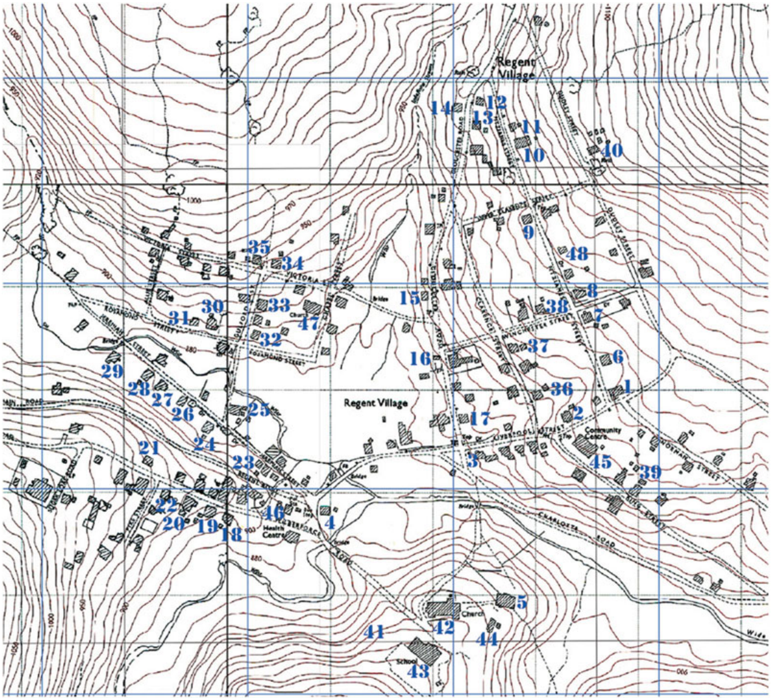
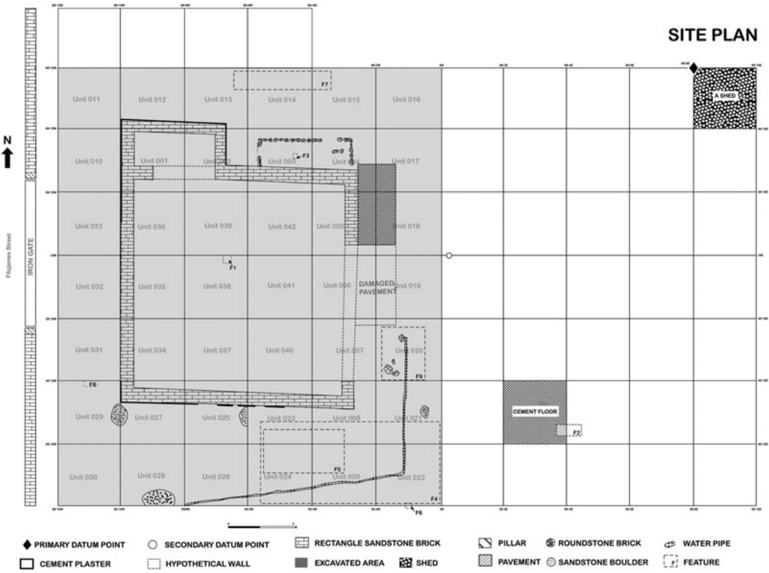
“The field team located 48 archaeological loci containing several residential areas (n = 41) and a few nonresidential areas (n = 7; Figure 4).”
§ Entangled Landscape: Spatial Discipline and Liminal Freedom in Coastal Sierra Leone > Landscapes of Spatial Discipline and Liminal Freedom
plainn = 41- Asserted: passes — The authors put it forward as true.
- Checkable: passes — It can be checked against evidence.
- Load-bearing: unclear — It is unclear whether the paper’s conclusions depend on it.
- Based: passes — The paper gives a reason why it holds.
The paper states this without a source or data behind it here, so there is nothing to check it against. The quote shows it is in the paper.
In the paper
“The artifacts from the former suggest post-1911 deposits during the long period that the Johnsons lived in the house.”
§ Entangled Landscape: Spatial Discipline and Liminal Freedom in Coastal Sierra Leone > Landscapes of Spatial Discipline and Liminal Freedom
hedgedSingle case- Asserted: passes — The authors put it forward as true.
- Checkable: passes — It can be checked against evidence.
- Load-bearing: unclear — It is unclear whether the paper’s conclusions depend on it.
- Based: passes — The paper gives a reason why it holds.
A result the paper reports from its own data — it cites no other source for it, so there is none to check. The quote shows it is in the paper.
In the paper
“The majority of the artifact assemblages were recovered from the backyard features of the two house lots described above.”
§ Entangled Landscape: Spatial Discipline and Liminal Freedom in Coastal Sierra Leone > Landscapes of Spatial Discipline and Liminal Freedom
plain- Asserted: passes — The authors put it forward as true.
- Checkable: passes — It can be checked against evidence.
- Load-bearing: unclear — It is unclear whether the paper’s conclusions depend on it.
- Based: passes — The paper gives a reason why it holds.
The paper states this without a source or data behind it here, so there is nothing to check it against. The quote shows it is in the paper.
In the paper
“Many residents lived on this house lot from its initial purchase in 1891 to 2006, when the structure was torn down.”
§ Entangled Landscape: Spatial Discipline and Liminal Freedom in Coastal Sierra Leone > Landscapes of Spatial Discipline and Liminal Freedom
plainSingle case- Asserted: passes — The authors put it forward as true.
- Checkable: passes — It can be checked against evidence.
- Load-bearing: unclear — It is unclear whether the paper’s conclusions depend on it.
- Based: passes — The paper gives a reason why it holds.
The paper states this without a source or data behind it here, so there is nothing to check it against. The quote shows it is in the paper.
In the paper
“Both houses were occupied by Regina Smith, Horton Johnson, Akigbade Johnson, and possibly their liberated African ancestors.”
§ Entangled Landscape: Spatial Discipline and Liminal Freedom in Coastal Sierra Leone > Landscapes of Spatial Discipline and Liminal Freedom
hedgedSingle case- Asserted: passes — The authors put it forward as true.
- Checkable: passes — It can be checked against evidence.
- Load-bearing: unclear — It is unclear whether the paper’s conclusions depend on it.
- Based: passes — The paper gives a reason why it holds.
A result the paper reports from its own data — it cites no other source for it, so there is none to check. The quote shows it is in the paper.
In the paper
“Of the 16 streets in the survey area, 14 comprise architectural remains and related colonial period cultural deposits.”
§ Entangled Landscape: Spatial Discipline and Liminal Freedom in Coastal Sierra Leone > Landscapes of Spatial Discipline and Liminal Freedom
plain- Asserted: passes — The authors put it forward as true.
- Checkable: passes — It can be checked against evidence.
- Load-bearing: unclear — It is unclear whether the paper’s conclusions depend on it.
- Based: passes — The paper gives a reason why it holds.
A result the paper reports from its own data — it cites no other source for it, so there is none to check. The quote shows it is in the paper.
In the paper
“The results of the pedestrian survey revealed toponyms of spaces within the village, such as Mocco Town along Gloucester Road, Aku Town along Jeremiah Street, and a Katunga/Katanga square, which is located at the far end of Jeremiah Street.”
§ Entangled Landscape: Spatial Discipline and Liminal Freedom in Coastal Sierra Leone > Landscapes of Spatial Discipline and Liminal Freedom
plain- Asserted: passes — The authors put it forward as true.
- Checkable: passes — It can be checked against evidence.
- Load-bearing: unclear — It is unclear whether the paper’s conclusions depend on it.
- Based: passes — The paper gives a reason why it holds.
- Rests on an assumption: The toponyms Mocco Town, Aku Town, and Katunga/Katanga square reflect the ethnic origins of the residents of those areas.
None of the sources cited for this claim could be matched to a paper in Crossref, so there is nothing to check it against.
In the paper
“Also, the masters and mistresses to whom the formerly enslaved were apprenticed regarded them as valuable property because a fee was paid (Fyfe 1962:182;Lovejoy and Schwarz 2015:21).”
§ Entangled Landscape: Spatial Discipline and Liminal Freedom in Coastal Sierra Leone > Understanding Freedom in Sierra Leone's Colonial History
What the sources say
- Not matchedcites Fyfe 1962:182
Couldn’t be matched to a paper in Crossref, so it can’t be checked.
- Not matchedcites Lovejoy and Schwarz 2015:21
Couldn’t be matched to a paper in Crossref, so it can’t be checked.
plaindirect- Asserted: passes — The authors put it forward as true.
- Checkable: passes — It can be checked against evidence.
- Load-bearing: unclear — It is unclear whether the paper’s conclusions depend on it.
- Based: passes — The paper gives a reason why it holds.
- Not matched
The paper states this without a source or data behind it here, so there is nothing to check it against. The quote shows it is in the paper.
In the paper
“The liberated Africans were still subject to resale under the deception of apprenticeships or redemption.”
§ Entangled Landscape: Spatial Discipline and Liminal Freedom in Coastal Sierra Leone > Understanding Freedom in Sierra Leone's Colonial History
plaindirect- Asserted: passes — The authors put it forward as true.
- Checkable: passes — It can be checked against evidence.
- Load-bearing: passes — The paper’s conclusions depend on it.
- Based: passes — The paper gives a reason why it holds.
In the paper
“Lots were often allocated based on how houses should be arranged in the village instead of on soil fertility, which is necessary for agricultural practices (Anderson 2020:112-113).”
§ Entangled Landscape: Spatial Discipline and Liminal Freedom in Coastal Sierra Leone > Landscapes of Spatial Discipline and Liminal Freedom
What the sources say
- Not matchedcites Anderson 2020:112-113
Couldn’t be matched to a paper in Crossref, so it can’t be checked.
plaindirect- Asserted: passes — The authors put it forward as true.
- Checkable: passes — It can be checked against evidence.
- Load-bearing: passes — The paper’s conclusions depend on it.
- Based: passes — The paper gives a reason why it holds.
- Not matched
A conclusion the paper draws from its own results — it cites no other source for it, so there is none to check. The quote shows it is in the paper.
In the paper
“Liminal freedom replaced full or true freedom.”
§ Entangled Landscape: Spatial Discipline and Liminal Freedom in Coastal Sierra Leone > Landscapes of Spatial Discipline and Liminal Freedom
plaindirect- Asserted: passes — The authors put it forward as true.
- Checkable: passes — It can be checked against evidence.
- Load-bearing: passes — The paper’s conclusions depend on it.
- Based: passes — The paper gives a reason why it holds.
In the paper
“I view the King's Yard as a transient space (sensu Turner 1967) that determines the transition from enslavement to liminal freedom and subject making.”
§ Entangled Landscape: Spatial Discipline and Liminal Freedom in Coastal Sierra Leone > Landscapes of Spatial Discipline and Liminal Freedom
What the sources say
- Not matchedcites Turner 1967
Couldn’t be matched to a paper in Crossref, so it can’t be checked.
plaindirectSingle case- Asserted: passes — The authors put it forward as true.
- Checkable: passes — It can be checked against evidence.
- Load-bearing: passes — The paper’s conclusions depend on it.
- Based: passes — The paper gives a reason why it holds.
- Not matched
A conclusion the paper draws from its own results — it cites no other source for it, so there is none to check. The quote shows it is in the paper.
In the paper
“The rise in social and economic life-particularly property ownership, membership in churches, schools, mutual benefit associations, and secret societies-may have allowed the liberated Africans and Krios to express themselves as individuals and as a community.”
§ Entangled Landscape: Spatial Discipline and Liminal Freedom in Coastal Sierra Leone > Understanding Freedom in Sierra Leone's Colonial History
hedgedconditional- Asserted: passes — The authors put it forward as true.
- Checkable: passes — It can be checked against evidence.
- Load-bearing: unclear — It is unclear whether the paper’s conclusions depend on it.
- Based: passes — The paper gives a reason why it holds.
The paper states this without a source or data behind it here, so there is nothing to check it against. The quote shows it is in the paper.
In the paper
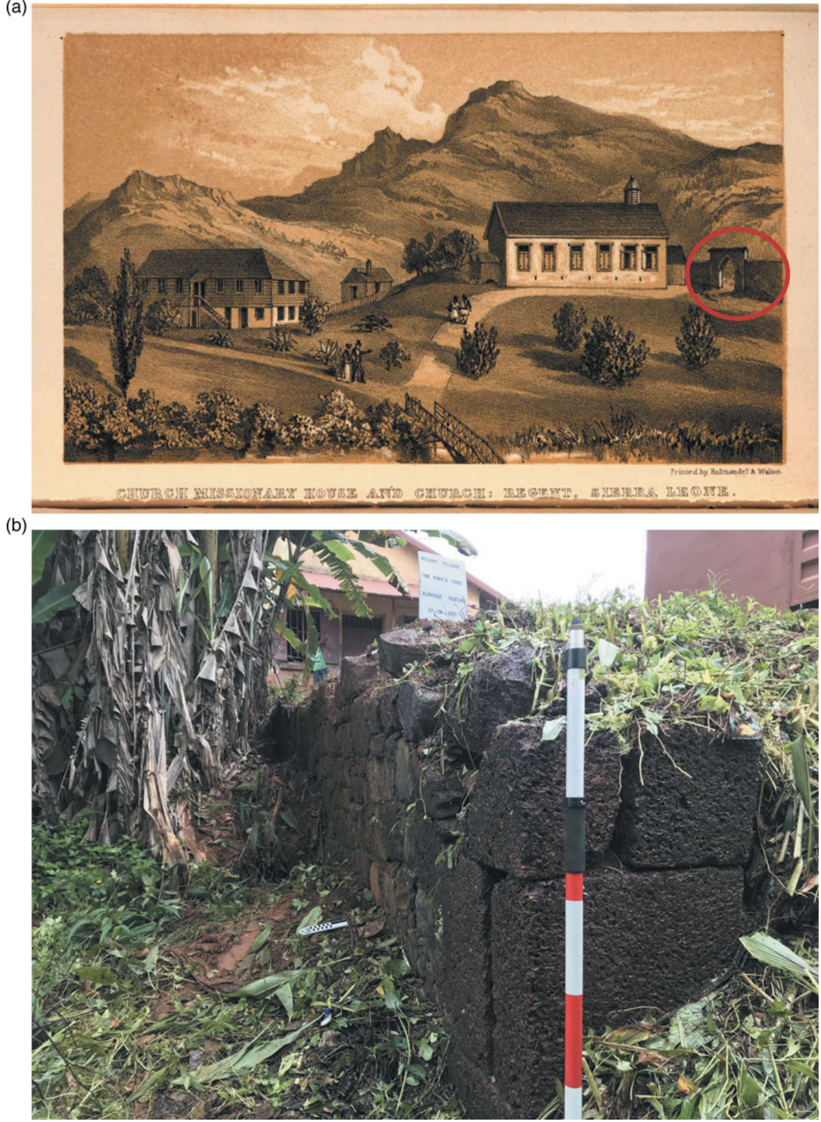
“Historical records revealed that a camp wall was built around the King's Yard, possibly to control the movement of the newly liberated African arrivals (Figure 2a).”
§ Entangled Landscape: Spatial Discipline and Liminal Freedom in Coastal Sierra Leone > Landscapes of Spatial Discipline and Liminal Freedom
hedgedconditional- Asserted: passes — The authors put it forward as true.
- Checkable: passes — It can be checked against evidence.
- Load-bearing: passes — The paper’s conclusions depend on it.
- Based: unclear — It is unclear why the paper says it holds.
A conclusion the paper draws from its own results — it cites no other source for it, so there is none to check. The quote shows it is in the paper.
In the paper
“Consequently, emancipation cannot be considered freedom.”
§ Entangled Landscape: Spatial Discipline and Liminal Freedom in Coastal Sierra Leone > Abstract
plain- Asserted: passes — The authors put it forward as true.
- Checkable: unclear — It is unclear whether it could be checked against evidence.
- Load-bearing: passes — The paper’s conclusions depend on it.
- Based: passes — The paper gives a reason why it holds.
None of the sources cited for this claim could be matched to a paper in Crossref, so there is nothing to check it against.
In the paper
“Membership in these associations and societies symbolized social duty (Anderson 2020;Peterson 1969).”
§ Entangled Landscape: Spatial Discipline and Liminal Freedom in Coastal Sierra Leone > Understanding Freedom in Sierra Leone's Colonial History
What the sources say
- Not matchedcites Anderson 2020
Couldn’t be matched to a paper in Crossref, so it can’t be checked.
- Not matchedcites Peterson 1969
Couldn’t be matched to a paper in Crossref, so it can’t be checked.
plaincorrelational- Asserted: passes — The authors put it forward as true.
- Checkable: passes — It can be checked against evidence.
- Load-bearing: unclear — It is unclear whether the paper’s conclusions depend on it.
- Based: passes — The paper gives a reason why it holds.
- Not matched
In the paper
“For a decade, precisely between 1819 and 1829, no inspection of apprentices was conducted in the colony (Fyfe 1962:183).”
§ Entangled Landscape: Spatial Discipline and Liminal Freedom in Coastal Sierra Leone > Understanding Freedom in Sierra Leone's Colonial History
What the sources say
- Not matchedcites Fyfe 1962:183
Couldn’t be matched to a paper in Crossref, so it can’t be checked.
plain- Asserted: passes — The authors put it forward as true.
- Checkable: passes — It can be checked against evidence.
- Load-bearing: unclear — It is unclear whether the paper’s conclusions depend on it.
- Based: passes — The paper gives a reason why it holds.
- Not matched
None of the sources cited for this claim could be matched to a paper in Crossref, so there is nothing to check it against.
In the paper
“The liberated Africans who were not drafted into the British Royal Naval Patrol were given iron tools and sent to new places on the peninsula to start or join a new settlement and practice agriculture there (Fyfe 1962:106;Lovejoy and Schwarz 2015:21;Scanlan 2013:127).”
§ Entangled Landscape: Spatial Discipline and Liminal Freedom in Coastal Sierra Leone > Understanding Freedom in Sierra Leone's Colonial History
What the sources say
- Not matchedcites Fyfe 1962:106
Couldn’t be matched to a paper in Crossref, so it can’t be checked.
- Not matchedcites Lovejoy and Schwarz 2015:21
Couldn’t be matched to a paper in Crossref, so it can’t be checked.
- Not matchedcites Scanlan 2013:127
Couldn’t be matched to a paper in Crossref, so it can’t be checked.
plaindirect- Asserted: passes — The authors put it forward as true.
- Checkable: passes — It can be checked against evidence.
- Load-bearing: unclear — It is unclear whether the paper’s conclusions depend on it.
- Based: passes — The paper gives a reason why it holds.
- Not matched
In the paper
“The inhabitants consisted of White missionary superintendents and elite groups of African converts who acted as magistrates, chiefs of police, clerks, and tax collectors (Scanlan 2013:302-303).”
§ Entangled Landscape: Spatial Discipline and Liminal Freedom in Coastal Sierra Leone > Regent Village
What the sources say
- Not matchedcites Scanlan 2013:302-303
Couldn’t be matched to a paper in Crossref, so it can’t be checked.
plain- Asserted: passes — The authors put it forward as true.
- Checkable: passes — It can be checked against evidence.
- Load-bearing: unclear — It is unclear whether the paper’s conclusions depend on it.
- Based: passes — The paper gives a reason why it holds.
- Not matched
In the paper
“The Krios also lived in the village but eventually rented out some of their houses to local Africans in the neighborhood, such as the Temne and Loko, at the end of the nineteenth and throughout the twentieth centuries (Agbelusi 2023:24).”
§ Entangled Landscape: Spatial Discipline and Liminal Freedom in Coastal Sierra Leone > Regent Village
What the sources say
- Not matchedcites Agbelusi 2023:24
Couldn’t be matched to a paper in Crossref, so it can’t be checked.
plain- Asserted: passes — The authors put it forward as true.
- Checkable: passes — It can be checked against evidence.
- Load-bearing: unclear — It is unclear whether the paper’s conclusions depend on it.
- Based: passes — The paper gives a reason why it holds.
- Rests on an assumption: The Krios are descendants of the liberated Africans resettled at Regent Village.
- Not matched
In the paper
“However, many of these bottles may have been reused for storage or household-scale liquor production (Pezzarossi 2017:166-167).”
§ Entangled Landscape: Spatial Discipline and Liminal Freedom in Coastal Sierra Leone > Landscapes of Spatial Discipline and Liminal Freedom
What the sources say
- Not matchedcites Pezzarossi 2017:166-167
Couldn’t be matched to a paper in Crossref, so it can’t be checked.
hedged- Asserted: passes — The authors put it forward as true.
- Checkable: passes — It can be checked against evidence.
- Load-bearing: unclear — It is unclear whether the paper’s conclusions depend on it.
- Based: passes — The paper gives a reason why it holds.
- Not matched
What the paper did — it cites no source for this, so there is none to check. The quote shows it is in the paper.
In the paper
“Land conveyances housed in the Office of Administrator and Registrar-General in Freetown provided a limited occupational history of the property.”
§ Entangled Landscape: Spatial Discipline and Liminal Freedom in Coastal Sierra Leone > Landscapes of Spatial Discipline and Liminal Freedom
plain- Asserted: passes — The authors put it forward as true.
- Checkable: passes — It can be checked against evidence.
- Load-bearing: unclear — It is unclear whether the paper’s conclusions depend on it.
- Based: passes — The paper gives a reason why it holds.
A conclusion the paper draws from its own results — it cites no other source for it, so there is none to check. The quote shows it is in the paper.
In the paper
“Many newly arrived liberated Africans had to adjust their lifestyle to limit the impact of the changes that slavery and resettlements brought to their lives.”
§ Entangled Landscape: Spatial Discipline and Liminal Freedom in Coastal Sierra Leone > Conclusion
plaindirect- Asserted: passes — The authors put it forward as true.
- Checkable: passes — It can be checked against evidence.
- Load-bearing: passes — The paper’s conclusions depend on it.
- Based: passes — The paper gives a reason why it holds.
In the paper
“After 1825, the colonial government provided support to the young and elderly only (Anderson 2020:124).”
§ Entangled Landscape: Spatial Discipline and Liminal Freedom in Coastal Sierra Leone > Landscapes of Spatial Discipline and Liminal Freedom
What the sources say
- Not matchedcites Anderson 2020:124
Couldn’t be matched to a paper in Crossref, so it can’t be checked.
plain- Asserted: passes — The authors put it forward as true.
- Checkable: passes — It can be checked against evidence.
- Load-bearing: unclear — It is unclear whether the paper’s conclusions depend on it.
- Based: passes — The paper gives a reason why it holds.
- Not matched
A conclusion the paper draws from its own results — it cites no other source for it, so there is none to check. The quote shows it is in the paper.
In the paper
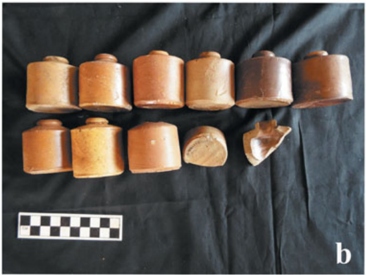
“Liberated Africans and the Krios sought to display or improve their status and wealth by participating in the use of mass-produced goods in the marketplace (Figures 8a and b).”
§ Entangled Landscape: Spatial Discipline and Liminal Freedom in Coastal Sierra Leone > Landscapes of Spatial Discipline and Liminal Freedom
plaindirect- Asserted: passes — The authors put it forward as true.
- Checkable: passes — It can be checked against evidence.
- Load-bearing: unclear — It is unclear whether the paper’s conclusions depend on it.
- Based: passes — The paper gives a reason why it holds.
In the paper
“The yard was a bridging space between families-a culturally defined landscape used for maintaining a communal way of living (Armstrong 1999).”
§ Entangled Landscape: Spatial Discipline and Liminal Freedom in Coastal Sierra Leone > Landscapes of Spatial Discipline and Liminal Freedom
What the sources say
- Not matchedcites Armstrong 1999
Couldn’t be matched to a paper in Crossref, so it can’t be checked.
plain- Asserted: passes — The authors put it forward as true.
- Checkable: passes — It can be checked against evidence.
- Load-bearing: passes — The paper’s conclusions depend on it.
- Based: passes — The paper gives a reason why it holds.
- Not matched
A conclusion the paper draws from its own results — it cites no other source for it, so there is none to check. The quote shows it is in the paper.
In the paper
“Through the study of changing historical conditions, I have argued for some degree of equality in relations through entonyms, building styles, use of yard space, and land transactions.”
§ Entangled Landscape: Spatial Discipline and Liminal Freedom in Coastal Sierra Leone > Conclusion
hedgedcorrelational- Asserted: passes — The authors put it forward as true.
- Checkable: passes — It can be checked against evidence.
- Load-bearing: passes — The paper’s conclusions depend on it.
- Based: passes — The paper gives a reason why it holds.
The paper states this without a source or data behind it here, so there is nothing to check it against. The quote shows it is in the paper.
In the paper
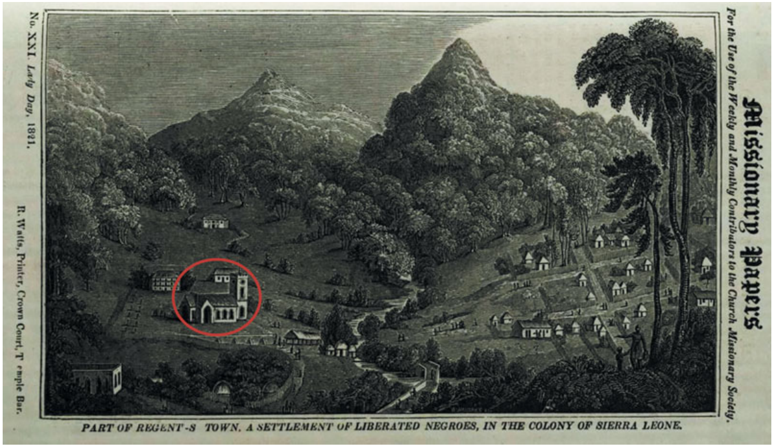
“Because the Sierra Leone peninsula was a British Colony, the colonial government imagined a well-ordered village with a church at the center of a cadastral grid system lined with European-style buildings, which are common features of the English cultural landscape (Figure 3).”
§ Entangled Landscape: Spatial Discipline and Liminal Freedom in Coastal Sierra Leone > Landscapes of Spatial Discipline and Liminal Freedom
plain- Asserted: passes — The authors put it forward as true.
- Checkable: passes — It can be checked against evidence.
- Load-bearing: passes — The paper’s conclusions depend on it.
- Based: passes — The paper gives a reason why it holds.
A conclusion the paper draws from its own results — it cites no other source for it, so there is none to check. The quote shows it is in the paper.
In the paper
“Imported tobacco pipes, buttons, beverage and pharmaceutical bottles, ceramic bowls, plates, cups, buckles, iron nails, and gunflints showed that the Krios and, to a lesser extent, their liberated African ancestors participated in the foreign exchange networks.”
§ Entangled Landscape: Spatial Discipline and Liminal Freedom in Coastal Sierra Leone > Landscapes of Spatial Discipline and Liminal Freedom
plaincorrelational- Asserted: passes — The authors put it forward as true.
- Checkable: passes — It can be checked against evidence.
- Load-bearing: passes — The paper’s conclusions depend on it.
- Based: passes — The paper gives a reason why it holds.
A conclusion the paper draws from its own results — it cites no other source for it, so there is none to check. The quote shows it is in the paper.
In the paper
“The highly visible location of the church (at the hilltop) reinforced symbolic authority.”
§ Entangled Landscape: Spatial Discipline and Liminal Freedom in Coastal Sierra Leone > Landscapes of Spatial Discipline and Liminal Freedom
plaindirect- Asserted: passes — The authors put it forward as true.
- Checkable: passes — It can be checked against evidence.
- Load-bearing: unclear — It is unclear whether the paper’s conclusions depend on it.
- Based: passes — The paper gives a reason why it holds.
A conclusion the paper draws from its own results — it cites no other source for it, so there is none to check. The quote shows it is in the paper.
In the paper
“If the true ethnonym is Katunga, then the square at the far end of Jeremiah Street is likely linked to the Yoruba-speaking people who arrived from Old Oyo, Nigeria.”
§ Entangled Landscape: Spatial Discipline and Liminal Freedom in Coastal Sierra Leone > Landscapes of Spatial Discipline and Liminal Freedom
hedgedcorrelational- Asserted: passes — The authors put it forward as true.
- Checkable: passes — It can be checked against evidence.
- Load-bearing: unclear — It is unclear whether the paper’s conclusions depend on it.
- Based: unclear — It is unclear why the paper says it holds.
- Rests on an assumption: The toponyms Mocco Town, Aku Town, and Katunga/Katanga square reflect the ethnic origins of the residents of those areas.
A conclusion the paper draws from its own results — it cites no other source for it, so there is none to check. The quote shows it is in the paper.
In the paper
“However, the task of being reintegrated into a new environment reflected a desire not always to become British but one that was to gain access to better opportunities and commodities.”
§ Entangled Landscape: Spatial Discipline and Liminal Freedom in Coastal Sierra Leone > Landscapes of Spatial Discipline and Liminal Freedom
plain- Asserted: passes — The authors put it forward as true.
- Checkable: passes — It can be checked against evidence.
- Load-bearing: passes — The paper’s conclusions depend on it.
- Based: passes — The paper gives a reason why it holds.
A conclusion the paper draws from its own results — it cites no other source for it, so there is none to check. The quote shows it is in the paper.
In the paper
“It is in the context of a somewhat equal form of power and freedom that the study of the liberated Africans and Krios must be considered.”
§ Entangled Landscape: Spatial Discipline and Liminal Freedom in Coastal Sierra Leone > Landscapes of Spatial Discipline and Liminal Freedom
hedged- Asserted: passes — The authors put it forward as true.
- Checkable: unclear — It is unclear whether it could be checked against evidence.
- Load-bearing: passes — The paper’s conclusions depend on it.
- Based: passes — The paper gives a reason why it holds.
- Rests on an assumption: The Krios are descendants of the liberated Africans resettled at Regent Village.
In the paper
“Religious ceremonies also allowed for the fluidity of movement and regrouping because they were central to communal life (Anderson 2020:215-216).”
§ Entangled Landscape: Spatial Discipline and Liminal Freedom in Coastal Sierra Leone > Landscapes of Spatial Discipline and Liminal Freedom
What the sources say
- Not matchedcites Anderson 2020:215-216
Couldn’t be matched to a paper in Crossref, so it can’t be checked.
plaindirect- Asserted: passes — The authors put it forward as true.
- Checkable: passes — It can be checked against evidence.
- Load-bearing: unclear — It is unclear whether the paper’s conclusions depend on it.
- Based: passes — The paper gives a reason why it holds.
- Not matched
The paper states this without a source or data behind it here, so there is nothing to check it against. The quote shows it is in the paper.
In the paper
“Although Regent Village is fast growing, the village settlement nucleus remains rich for archaeological research.”
§ Entangled Landscape: Spatial Discipline and Liminal Freedom in Coastal Sierra Leone > Landscapes of Spatial Discipline and Liminal Freedom
plain- Asserted: passes — The authors put it forward as true.
- Checkable: passes — It can be checked against evidence.
- Load-bearing: passes — The paper’s conclusions depend on it.
- Based: passes — The paper gives a reason why it holds.
In the paper
“However, it is challenging to determine the pace of the emigration because the censuses taken every decade after 1871 were defective (Fyfe 1962:602).”
§ Entangled Landscape: Spatial Discipline and Liminal Freedom in Coastal Sierra Leone > Landscapes of Spatial Discipline and Liminal Freedom
What the sources say
- Not matchedcites Fyfe 1962:602
Couldn’t be matched to a paper in Crossref, so it can’t be checked.
plaindirect- Asserted: passes — The authors put it forward as true.
- Checkable: passes — It can be checked against evidence.
- Load-bearing: unclear — It is unclear whether the paper’s conclusions depend on it.
- Based: passes — The paper gives a reason why it holds.
- Not matched
A conclusion the paper draws from its own results — it cites no other source for it, so there is none to check. The quote shows it is in the paper.
In the paper
“Rather, the material culture shows a clear degree of connectedness to the global economy of the nineteenth and twentieth centuries.”
§ Entangled Landscape: Spatial Discipline and Liminal Freedom in Coastal Sierra Leone > Landscapes of Spatial Discipline and Liminal Freedom
boostedcorrelational- Asserted: passes — The authors put it forward as true.
- Checkable: passes — It can be checked against evidence.
- Load-bearing: passes — The paper’s conclusions depend on it.
- Based: passes — The paper gives a reason why it holds.
A conclusion the paper draws from its own results — it cites no other source for it, so there is none to check. The quote shows it is in the paper.
In the paper
“Overall, an analysis of space shows that the liberated Africans and Krios made choices in shaping their social and built environment.”
§ Entangled Landscape: Spatial Discipline and Liminal Freedom in Coastal Sierra Leone > Landscapes of Spatial Discipline and Liminal Freedom
plaindirect- Asserted: passes — The authors put it forward as true.
- Checkable: passes — It can be checked against evidence.
- Load-bearing: passes — The paper’s conclusions depend on it.
- Based: passes — The paper gives a reason why it holds.
- Rests on an assumption: The Krios are descendants of the liberated Africans resettled at Regent Village.
A conclusion the paper draws from its own results — it cites no other source for it, so there is none to check. The quote shows it is in the paper.
In the paper
“The material record from pedestrian surveys across streets and excavations in the village shows how the liberated Africans and Krios mobilized limited resources and built the community.”
§ Entangled Landscape: Spatial Discipline and Liminal Freedom in Coastal Sierra Leone > Conclusion
plaindirectSingle case- Asserted: passes — The authors put it forward as true.
- Checkable: passes — It can be checked against evidence.
- Load-bearing: passes — The paper’s conclusions depend on it.
- Based: passes — The paper gives a reason why it holds.
None of the sources cited for this claim could be matched to a paper in Crossref, so there is nothing to check it against.
In the paper
“For example, the Provinces Lands Act 1960, Cap.122 of the Laws of Sierra Leone, along with other statutes,”
§ Entangled Landscape: Spatial Discipline and Liminal Freedom in Coastal Sierra Leone > Conclusion
What the sources say
- Not matchedcites Campbell 2020
Couldn’t be matched to a paper in Crossref, so it can’t be checked.
- Not matchedcites Crown Lands Amendment Act No. 37 of 1961
Couldn’t be matched to a paper in Crossref, so it can’t be checked.
plaindirect- Asserted: passes — The authors put it forward as true.
- Checkable: passes — It can be checked against evidence.
- Load-bearing: passes — The paper’s conclusions depend on it.
- Based: passes — The paper gives a reason why it holds.
- Not matched
A conclusion the paper draws from its own results — it cites no other source for it, so there is none to check. The quote shows it is in the paper.
In the paper
“It appears that the statutory restrictions put in place by the colonial government, which are still in effect, treat the Krios as non-natives and a minority ethnic group.”
§ Entangled Landscape: Spatial Discipline and Liminal Freedom in Coastal Sierra Leone > Conclusion
hedgeddirect- Asserted: passes — The authors put it forward as true.
- Checkable: passes — It can be checked against evidence.
- Load-bearing: passes — The paper’s conclusions depend on it.
- Based: passes — The paper gives a reason why it holds.
What the paper did — it cites no source for this, so there is none to check. The quote shows it is in the paper.
In the paper
“However, studying the earliest stages of rebuilding lives after emancipation from the artifact assemblage recovered during excavations is challenging because the earliest artifacts date to the mid-nineteenth century.”
§ Entangled Landscape: Spatial Discipline and Liminal Freedom in Coastal Sierra Leone > Landscapes of Spatial Discipline and Liminal Freedom
plaindirect- Asserted: passes — The authors put it forward as true.
- Checkable: passes — It can be checked against evidence.
- Load-bearing: unclear — It is unclear whether the paper’s conclusions depend on it.
- Based: passes — The paper gives a reason why it holds.
A conclusion the paper draws from its own results — it cites no other source for it, so there is none to check. The quote shows it is in the paper.
In the paper
“Equally, the archaeological study of the yardscapes allowed the villagers to forge social networks and group identities in a colonial system.”
§ Entangled Landscape: Spatial Discipline and Liminal Freedom in Coastal Sierra Leone > Landscapes of Spatial Discipline and Liminal Freedom
plaindirect- Asserted: passes — The authors put it forward as true.
- Checkable: passes — It can be checked against evidence.
- Load-bearing: passes — The paper’s conclusions depend on it.
- Based: passes — The paper gives a reason why it holds.
A conclusion the paper draws from its own results — it cites no other source for it, so there is none to check. The quote shows it is in the paper.
In the paper
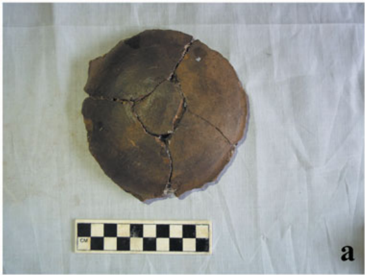
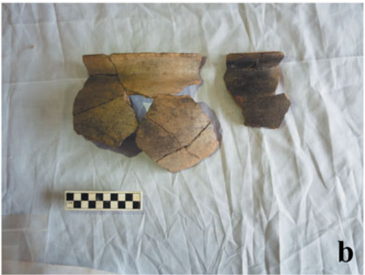
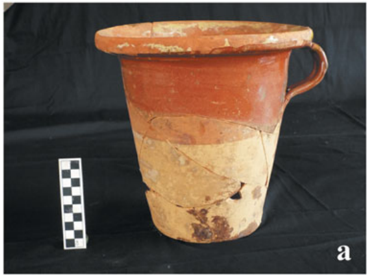
“The locally made ceramics and ground stone artifacts for food preparation, as well as metal iron tools for agricultural practices, are clear evidence that the house residents participated in a range of local and regional economic networks (Figures 7a and b).”
§ Entangled Landscape: Spatial Discipline and Liminal Freedom in Coastal Sierra Leone > Landscapes of Spatial Discipline and Liminal Freedom
boosteddirect- Asserted: passes — The authors put it forward as true.
- Checkable: passes — It can be checked against evidence.
- Load-bearing: passes — The paper’s conclusions depend on it.
- Based: passes — The paper gives a reason why it holds.
A conclusion the paper draws from its own results — it cites no other source for it, so there is none to check. The quote shows it is in the paper.
In the paper
“Consequently, archaeological research revealed that residents in the excavated two-house lots were often connected to the global economy of the nineteenth and twentieth centuries.”
§ Entangled Landscape: Spatial Discipline and Liminal Freedom in Coastal Sierra Leone > Landscapes of Spatial Discipline and Liminal Freedom
plaincorrelational- Asserted: passes — The authors put it forward as true.
- Checkable: passes — It can be checked against evidence.
- Load-bearing: passes — The paper’s conclusions depend on it.
- Based: passes — The paper gives a reason why it holds.
A conclusion the paper draws from its own results — it cites no other source for it, so there is none to check. The quote shows it is in the paper.
In the paper
“However, the long struggle for freedom and racial equality in Sierra Leone has not been completely won, given that the Krios continue to experience racial and social marginalization.”
§ Entangled Landscape: Spatial Discipline and Liminal Freedom in Coastal Sierra Leone > Conclusion
plaindirect- Asserted: passes — The authors put it forward as true.
- Checkable: passes — It can be checked against evidence.
- Load-bearing: passes — The paper’s conclusions depend on it.
- Based: passes — The paper gives a reason why it holds.
A conclusion the paper draws from its own results — it cites no other source for it, so there is none to check. The quote shows it is in the paper.
In the paper
“Historical archaeology at Regent Village has helped to uncover the long struggle for freedom.”
§ Entangled Landscape: Spatial Discipline and Liminal Freedom in Coastal Sierra Leone > Conclusion
plaindirectSingle case- Asserted: passes — The authors put it forward as true.
- Checkable: passes — It can be checked against evidence.
- Load-bearing: passes — The paper’s conclusions depend on it.
- Based: passes — The paper gives a reason why it holds.
None of the sources cited for this claim could be matched to a paper in Crossref, so there is nothing to check it against.
In the paper
“However, the population in the interior can freely purchase land on the Sierra Leone peninsula due to the complicated land tenure in Sierra Leone (Blyden 2013:68-69;Renner-Thomas 2010).”
§ Entangled Landscape: Spatial Discipline and Liminal Freedom in Coastal Sierra Leone > Conclusion
What the sources say
- Not matchedcites Blyden 2013:68-69
Couldn’t be matched to a paper in Crossref, so it can’t be checked.
- Not matchedcites Renner-Thomas 2010
Couldn’t be matched to a paper in Crossref, so it can’t be checked.
plaindirect- Asserted: passes — The authors put it forward as true.
- Checkable: passes — It can be checked against evidence.
- Load-bearing: unclear — It is unclear whether the paper’s conclusions depend on it.
- Based: passes — The paper gives a reason why it holds.
- Not matched
- Probably not a substantial claim. 26
- It may state two separate claims as one. 49
A result the paper reports from its own data — it cites no other source for it, so there is none to check. The quote shows it is in the paper.
In the paper
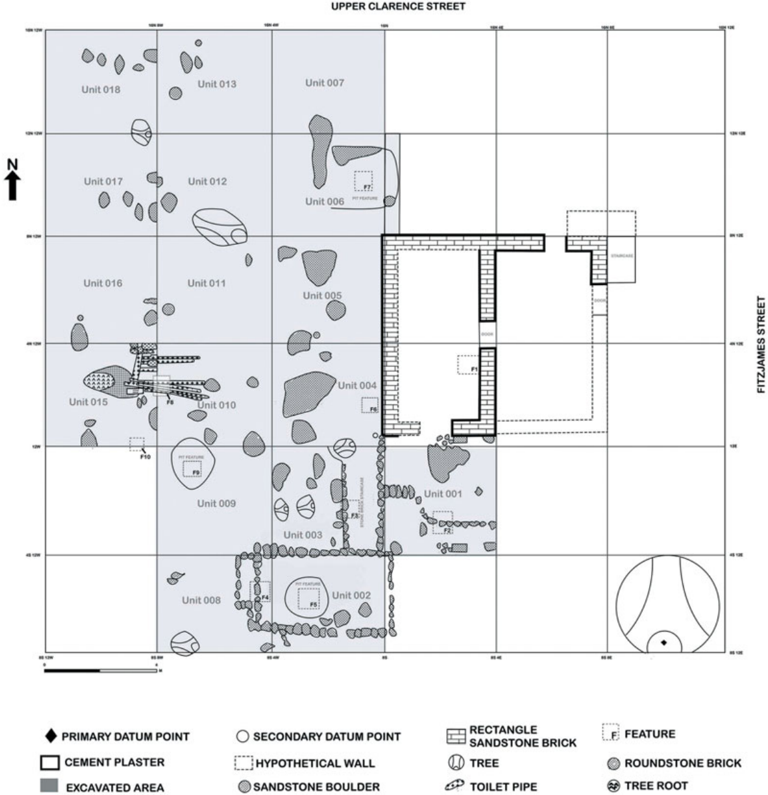
“I identified a house foundation within the camp wall through a locally led pedestrian survey during my fieldwork at Regent (Figure 2b).”
§ Entangled Landscape: Spatial Discipline and Liminal Freedom in Coastal Sierra Leone > Landscapes of Spatial Discipline and Liminal Freedom
plainSingle case- Asserted: passes — The authors put it forward as true.
- Checkable: passes — It can be checked against evidence.
- Load-bearing: fails — The paper’s conclusions may not depend on it.
- Based: passes — The paper gives a reason why it holds.
Probably not a substantial claim. The paper’s conclusions may not depend on it.
None of the sources cited for this claim could be matched to a paper in Crossref, so there is nothing to check it against.
In the paper
“Some materials (food preparation items such as ceramic vessels and ground stone artifacts) were locally produced to serve subsistence needs, whereas many liberated Africans and Krios acquired the mass-produced items as a result of intercontinental trade and incorporated them into local cultural practices through appropriation (Appadurai 1986;Thomas 1991).”
§ Entangled Landscape: Spatial Discipline and Liminal Freedom in Coastal Sierra Leone > Conceptual Framework
What the sources say
- Not matchedcites Appadurai 1986
Couldn’t be matched to a paper in Crossref, so it can’t be checked.
- Not matchedcites Thomas 1991
Couldn’t be matched to a paper in Crossref, so it can’t be checked.
plaindirect- Asserted: passes — The authors put it forward as true.
- Checkable: passes — It can be checked against evidence.
- Load-bearing: passes — The paper’s conclusions depend on it.
- Based: passes — The paper gives a reason why it holds.
It may state two separate claims as one.
- Not matched
The paper states this without a source or data behind it here, so there is nothing to check it against. The quote shows it is in the paper.
In the paper
“The two houses are surrounded by yards at the front, side, and back.”
§ Entangled Landscape: Spatial Discipline and Liminal Freedom in Coastal Sierra Leone > Landscapes of Spatial Discipline and Liminal Freedom
plain- Asserted: passes — The authors put it forward as true.
- Checkable: passes — It can be checked against evidence.
- Load-bearing: fails — The paper’s conclusions may not depend on it.
- Based: passes — The paper gives a reason why it holds.
Probably not a substantial claim. The paper’s conclusions may not depend on it.
A result the paper reports from its own data — it cites no other source for it, so there is none to check. The quote shows it is in the paper.
In the paper
“Oral sources suggest that at least three generations lived in the houses and the land was never sold.”
§ Entangled Landscape: Spatial Discipline and Liminal Freedom in Coastal Sierra Leone > Landscapes of Spatial Discipline and Liminal Freedom
hedgedSingle case- Asserted: passes — The authors put it forward as true.
- Checkable: passes — It can be checked against evidence.
- Load-bearing: unclear — It is unclear whether the paper’s conclusions depend on it.
- Based: passes — The paper gives a reason why it holds.
It may state two separate claims as one.
The paper states this without a source or data behind it here, so there is nothing to check it against. The quote shows it is in the paper.
In the paper
“Locus 9, which is the second house lot, located at No. 16 on Fitzjames Street, also had a two-story board house-considered the main house-and a one-story board house labeled an outbuilding, which was possibly built before the main house.”
§ Entangled Landscape: Spatial Discipline and Liminal Freedom in Coastal Sierra Leone > Landscapes of Spatial Discipline and Liminal Freedom
hedgedSingle case- Asserted: passes — The authors put it forward as true.
- Checkable: passes — It can be checked against evidence.
- Load-bearing: unclear — It is unclear whether the paper’s conclusions depend on it.
- Based: passes — The paper gives a reason why it holds.
It may state two separate claims as one.
In the paper
“Nineteenth-century and early twentieth-century nails and window glass fragments accounted for the overwhelming majority of architectural artifacts, whereas a large portion of the activity-related artifacts consisted of local and imported ceramic sherds and numerous glass bottle fragments (see Agbelusi 2023:196-331).”
§ Entangled Landscape: Spatial Discipline and Liminal Freedom in Coastal Sierra Leone > Landscapes of Spatial Discipline and Liminal Freedom
What the sources say
- Not matchedcites Agbelusi 2023:196-331
Couldn’t be matched to a paper in Crossref, so it can’t be checked.
plain- Asserted: passes — The authors put it forward as true.
- Checkable: passes — It can be checked against evidence.
- Load-bearing: unclear — It is unclear whether the paper’s conclusions depend on it.
- Based: passes — The paper gives a reason why it holds.
It may state two separate claims as one.
- Not matched
The paper states this without a source or data behind it here, so there is nothing to check it against. The quote shows it is in the paper.
In the paper
“A series of changes occurred in the village landscape, including settlement reconfigurations as some people regrouped along ethnic lines, whereas others maintained their shipmate bonds.”
§ Entangled Landscape: Spatial Discipline and Liminal Freedom in Coastal Sierra Leone > Landscapes of Spatial Discipline and Liminal Freedom
plain- Asserted: passes — The authors put it forward as true.
- Checkable: passes — It can be checked against evidence.
- Load-bearing: passes — The paper’s conclusions depend on it.
- Based: passes — The paper gives a reason why it holds.
It may state two separate claims as one.
In the paper
“During the 1890s, the house lot belonged to John Robbin Mason, who sold the property to Ezekiel Thomas on November 5, 1891 (Office of Administrator and Registrar-General [OARG] Vol.47:315-317, Conveyance for the King Family at Fitzjames Street, Regent Village, Freetown).”
§ Entangled Landscape: Spatial Discipline and Liminal Freedom in Coastal Sierra Leone > Landscapes of Spatial Discipline and Liminal Freedom
What the sources say
- Not matchedcites OARG Vol.47:315-317
Couldn’t be matched to a paper in Crossref, so it can’t be checked.
plainSingle case- Asserted: passes — The authors put it forward as true.
- Checkable: passes — It can be checked against evidence.
- Load-bearing: unclear — It is unclear whether the paper’s conclusions depend on it.
- Based: passes — The paper gives a reason why it holds.
It may state two separate claims as one.
- Not matched
The paper states this without a source or data behind it here, so there is nothing to check it against. The quote shows it is in the paper.
In the paper
“The Johnson family continued to live on the property until approximately four decades later.”
§ Entangled Landscape: Spatial Discipline and Liminal Freedom in Coastal Sierra Leone > Landscapes of Spatial Discipline and Liminal Freedom
plain- Asserted: passes — The authors put it forward as true.
- Checkable: passes — It can be checked against evidence.
- Load-bearing: fails — The paper’s conclusions may not depend on it.
- Based: fails — The paper may give no reason why it holds.
Probably not a substantial claim. The paper’s conclusions may not depend on it. The paper may give no reason why it holds.
The paper states this without a source or data behind it here, so there is nothing to check it against. The quote shows it is in the paper.
In the paper
“The house continued to serve as an extended family home until the late twentieth century, when it was abandoned.”
§ Entangled Landscape: Spatial Discipline and Liminal Freedom in Coastal Sierra Leone > Landscapes of Spatial Discipline and Liminal Freedom
plainSingle case- Asserted: passes — The authors put it forward as true.
- Checkable: passes — It can be checked against evidence.
- Load-bearing: unclear — It is unclear whether the paper’s conclusions depend on it.
- Based: passes — The paper gives a reason why it holds.
It may state two separate claims as one.
The paper states this without a source or data behind it here, so there is nothing to check it against. The quote shows it is in the paper.
In the paper
“What we know, at this moment, is that the Krios continue to live peacefully in their homes at Regent and other neighboring villages and act as cultural custodians, stewards, and guardians of land habitually occupied and used by them.”
§ Entangled Landscape: Spatial Discipline and Liminal Freedom in Coastal Sierra Leone > Conclusion
plain- Asserted: passes — The authors put it forward as true.
- Checkable: passes — It can be checked against evidence.
- Load-bearing: passes — The paper’s conclusions depend on it.
- Based: fails — The paper may give no reason why it holds.
Probably not a substantial claim. The paper may give no reason why it holds. It may state two separate claims as one.
A result the paper reports from its own data — it cites no other source for it, so there is none to check. The quote shows it is in the paper.
In the paper
“They appeared in simple square forms but were not a perfect model of British architecture and settlement plans.”
§ Entangled Landscape: Spatial Discipline and Liminal Freedom in Coastal Sierra Leone > Landscapes of Spatial Discipline and Liminal Freedom
hedged- Asserted: passes — The authors put it forward as true.
- Checkable: passes — It can be checked against evidence.
- Load-bearing: passes — The paper’s conclusions depend on it.
- Based: passes — The paper gives a reason why it holds.
It may state two separate claims as one.
A result the paper reports from its own data — it cites no other source for it, so there is none to check. The quote shows it is in the paper.
In the paper
“The houses were arranged along narrow streets in cadastral grids, but these houses were adapted to fit local lifestyles and building materials.”
§ Entangled Landscape: Spatial Discipline and Liminal Freedom in Coastal Sierra Leone > Landscapes of Spatial Discipline and Liminal Freedom
plaindirect- Asserted: passes — The authors put it forward as true.
- Checkable: passes — It can be checked against evidence.
- Load-bearing: passes — The paper’s conclusions depend on it.
- Based: passes — The paper gives a reason why it holds.
It may state two separate claims as one.
The paper states this without a source or data behind it here, so there is nothing to check it against. The quote shows it is in the paper.
In the paper
“Beverage bottles contained liquor, wine, beer, and soda, but most of the bottles were for alcoholic beverages.”
§ Entangled Landscape: Spatial Discipline and Liminal Freedom in Coastal Sierra Leone > Landscapes of Spatial Discipline and Liminal Freedom
plain- Asserted: passes — The authors put it forward as true.
- Checkable: passes — It can be checked against evidence.
- Load-bearing: fails — The paper’s conclusions may not depend on it.
- Based: passes — The paper gives a reason why it holds.
Probably not a substantial claim. The paper’s conclusions may not depend on it. It may state two separate claims as one.
A result the paper reports from its own data — it cites no other source for it, so there is none to check. The quote shows it is in the paper.
In the paper
“One was found in a subfloor pit from an outbuilding behind Johnson's home, and the second assemblage was also recovered from a discrete artifact cluster located in the yard behind the King's home.”
§ Entangled Landscape: Spatial Discipline and Liminal Freedom in Coastal Sierra Leone > Landscapes of Spatial Discipline and Liminal Freedom
plain- Asserted: passes — The authors put it forward as true.
- Checkable: passes — It can be checked against evidence.
- Load-bearing: passes — The paper’s conclusions depend on it.
- Based: passes — The paper gives a reason why it holds.
It may state two separate claims as one.
In the paper
“Local people moved into the house as tenants until the house was purchased by Mr. Emeka King and Mrs. Justice Jamesina King as joint property on August 23, 2006, and it was immediately torn down (OARG Vol.609:109).”
§ Entangled Landscape: Spatial Discipline and Liminal Freedom in Coastal Sierra Leone > Landscapes of Spatial Discipline and Liminal Freedom
What the sources say
- Not matchedcites OARG Vol.609:109
Couldn’t be matched to a paper in Crossref, so it can’t be checked.
plaindirectSingle case- Asserted: passes — The authors put it forward as true.
- Checkable: passes — It can be checked against evidence.
- Load-bearing: unclear — It is unclear whether the paper’s conclusions depend on it.
- Based: passes — The paper gives a reason why it holds.
It may state two separate claims as one.
- Not matched
The paper states this without a source or data behind it here, so there is nothing to check it against. The quote shows it is in the paper.
In the paper
“The artifacts were made by manufacturers based in Great Britain, Canada, and the United States.”
§ Entangled Landscape: Spatial Discipline and Liminal Freedom in Coastal Sierra Leone > Landscapes of Spatial Discipline and Liminal Freedom
plain- Asserted: passes — The authors put it forward as true.
- Checkable: passes — It can be checked against evidence.
- Load-bearing: fails — The paper’s conclusions may not depend on it.
- Based: fails — The paper may give no reason why it holds.
Probably not a substantial claim. The paper’s conclusions may not depend on it. The paper may give no reason why it holds.
The paper states this without a source or data behind it here, so there is nothing to check it against. The quote shows it is in the paper.
In the paper
“Regina Smith and Horton Johnson were not married couples but kin who lived in the family house.”
§ Entangled Landscape: Spatial Discipline and Liminal Freedom in Coastal Sierra Leone > Landscapes of Spatial Discipline and Liminal Freedom
plainSingle case- Asserted: passes — The authors put it forward as true.
- Checkable: passes — It can be checked against evidence.
- Load-bearing: unclear — It is unclear whether the paper’s conclusions depend on it.
- Based: passes — The paper gives a reason why it holds.
It may state two separate claims as one.
The paper states this without a source or data behind it here, so there is nothing to check it against. The quote shows it is in the paper.
In the paper
“The property remains in the possession of the King family, who are descendants of William Anthony Osho Johnson.”
§ Entangled Landscape: Spatial Discipline and Liminal Freedom in Coastal Sierra Leone > Landscapes of Spatial Discipline and Liminal Freedom
plain- Asserted: passes — The authors put it forward as true.
- Checkable: passes — It can be checked against evidence.
- Load-bearing: fails — The paper’s conclusions may not depend on it.
- Based: passes — The paper gives a reason why it holds.
Probably not a substantial claim. The paper’s conclusions may not depend on it.
The paper states this without a source or data behind it here, so there is nothing to check it against. The quote shows it is in the paper.
In the paper
“Although Regent Village is fast growing, the village settlement nucleus remains rich for archaeological research.”
§ Entangled Landscape: Spatial Discipline and Liminal Freedom in Coastal Sierra Leone > Landscapes of Spatial Discipline and Liminal Freedom
plain- Asserted: passes — The authors put it forward as true.
- Checkable: passes — It can be checked against evidence.
- Load-bearing: fails — The paper’s conclusions may not depend on it.
- Based: passes — The paper gives a reason why it holds.
Probably not a substantial claim. The paper’s conclusions may not depend on it.
In the paper
“Therefore, the Long Emancipation has its roots in enslavement and colonialism and remains an ongoing effort because true autonomy and freedom continue to be elusive and contested.”
§ Entangled Landscape: Spatial Discipline and Liminal Freedom in Coastal Sierra Leone > Abstract
What the sources say
- Not matchedcites Walcott 2021
Couldn’t be matched to a paper in Crossref, so it can’t be checked.
plaindirect- Asserted: passes — The authors put it forward as true.
- Checkable: passes — It can be checked against evidence.
- Load-bearing: passes — The paper’s conclusions depend on it.
- Based: passes — The paper gives a reason why it holds.
It may state two separate claims as one.
- Not matched
A conclusion the paper draws from its own results — it cites no other source for it, so there is none to check. The quote shows it is in the paper.
In the paper
“While legally free from bondage, liberated Africans became colonial subjects living in a nascent British colony.”
§ Entangled Landscape: Spatial Discipline and Liminal Freedom in Coastal Sierra Leone > Abstract
plaindirect- Asserted: passes — The authors put it forward as true.
- Checkable: passes — It can be checked against evidence.
- Load-bearing: passes — The paper’s conclusions depend on it.
- Based: passes — The paper gives a reason why it holds.
Probably not a substantial claim. It may state two separate claims as one.
The paper states this without a source or data behind it here, so there is nothing to check it against. The quote shows it is in the paper.
In the paper
“The colonial government also introduced the liberated Africans and Krios to Christianity (which was available to all, irrespective of race or economic status) and ensured that all adults worked actively to achieve wages.”
§ Entangled Landscape: Spatial Discipline and Liminal Freedom in Coastal Sierra Leone > Understanding Freedom in Sierra Leone's Colonial History
plaindirect- Asserted: passes — The authors put it forward as true.
- Checkable: passes — It can be checked against evidence.
- Load-bearing: fails — The paper’s conclusions may not depend on it.
- Based: passes — The paper gives a reason why it holds.
Probably not a substantial claim. The paper’s conclusions may not depend on it. It may state two separate claims as one.
None of the sources cited for this claim could be matched to a paper in Crossref, so there is nothing to check it against.
In the paper
“Ethno-historical research shows that liberated Africans from certain ethnicities (e.g., Yoruba, Igbo, Calabar) clustered in specific areas of the village and may have maintained aspects of their cultural practices (e.g., Fyfe 1962;Peterson 1969).”
§ Entangled Landscape: Spatial Discipline and Liminal Freedom in Coastal Sierra Leone > Conceptual Framework
What the sources say
- Not matchedcites Fyfe 1962
Couldn’t be matched to a paper in Crossref, so it can’t be checked.
- Not matchedcites Peterson 1969
Couldn’t be matched to a paper in Crossref, so it can’t be checked.
hedgedcorrelational- Asserted: passes — The authors put it forward as true.
- Checkable: passes — It can be checked against evidence.
- Load-bearing: passes — The paper’s conclusions depend on it.
- Based: passes — The paper gives a reason why it holds.
It may state two separate claims as one.
- Not matched
A conclusion the paper draws from its own results — it cites no other source for it, so there is none to check. The quote shows it is in the paper.
In the paper
“However, the liberated Africans and Krios quickly realized that freedom could not be easily attained without struggle because freedom and opportunity were a threat to the profits British merchants made from colonialism.”
§ Entangled Landscape: Spatial Discipline and Liminal Freedom in Coastal Sierra Leone > Understanding Freedom in Sierra Leone's Colonial History
plaindirect- Asserted: passes — The authors put it forward as true.
- Checkable: passes — It can be checked against evidence.
- Load-bearing: fails — The paper’s conclusions may not depend on it.
- Based: fails — The paper may give no reason why it holds.
Probably not a substantial claim. The paper’s conclusions may not depend on it. The paper may give no reason why it holds. It may state two separate claims as one.
The paper states this without a source or data behind it here, so there is nothing to check it against. The quote shows it is in the paper.
In the paper
“The British Crown did not only grant land to the liberated Africans to obtain titles or leases but also decided how these lands were ordered.”
§ Entangled Landscape: Spatial Discipline and Liminal Freedom in Coastal Sierra Leone > Landscapes of Spatial Discipline and Liminal Freedom
plaindirect- Asserted: passes — The authors put it forward as true.
- Checkable: passes — It can be checked against evidence.
- Load-bearing: passes — The paper’s conclusions depend on it.
- Based: passes — The paper gives a reason why it holds.
It may state two separate claims as one.
In the paper
“In the case of Sierra Leone, which is the focus of this article, the liberated Africans came from a variety of locations on the West African coast and Central Africa (Posnansky 1999:36).”
§ Entangled Landscape: Spatial Discipline and Liminal Freedom in Coastal Sierra Leone > Understanding Freedom in Sierra Leone's Colonial History
What the sources say
- Not matchedcites Posnansky 1999:36
Couldn’t be matched to a paper in Crossref, so it can’t be checked.
plain- Asserted: passes — The authors put it forward as true.
- Checkable: passes — It can be checked against evidence.
- Load-bearing: fails — The paper’s conclusions may not depend on it.
- Based: passes — The paper gives a reason why it holds.
Probably not a substantial claim. The paper’s conclusions may not depend on it.
- Not matched
The paper states this without a source or data behind it here, so there is nothing to check it against. The quote shows it is in the paper.
In the paper
“The colonial government tied masculinity and land ownership closely together.”
§ Entangled Landscape: Spatial Discipline and Liminal Freedom in Coastal Sierra Leone > Understanding Freedom in Sierra Leone's Colonial History
plaincorrelational- Asserted: passes — The authors put it forward as true.
- Checkable: passes — It can be checked against evidence.
- Load-bearing: fails — The paper’s conclusions may not depend on it.
- Based: fails — The paper may give no reason why it holds.
Probably not a substantial claim. The paper’s conclusions may not depend on it. The paper may give no reason why it holds.
None of the sources cited for this claim could be matched to a paper in Crossref, so there is nothing to check it against.
In the paper
“Furthermore, there was forced marriage for adult women immediately after liberation, whereas some adult men experienced forced enlistment into the British Royal Naval Patrol and forced migration to the British West Indies and elsewhere to serve the needs of the British Empire's military and economic goals (Anderson and Lovejoy 2020;Fyfe 1962;Lovejoy and Schwarz 2015:21;Melek Delgado 2020).”
§ Entangled Landscape: Spatial Discipline and Liminal Freedom in Coastal Sierra Leone > Understanding Freedom in Sierra Leone's Colonial History
What the sources say
- Not matchedcites Anderson and Lovejoy 2020
Couldn’t be matched to a paper in Crossref, so it can’t be checked.
- Not matchedcites Fyfe 1962
Couldn’t be matched to a paper in Crossref, so it can’t be checked.
- Not matchedcites Lovejoy and Schwarz 2015:21
Couldn’t be matched to a paper in Crossref, so it can’t be checked.
plain- Asserted: passes — The authors put it forward as true.
- Checkable: passes — It can be checked against evidence.
- Load-bearing: passes — The paper’s conclusions depend on it.
- Based: passes — The paper gives a reason why it holds.
It may state two separate claims as one.
- Not matched
None of the sources cited for this claim have been checked yet.
In the paper
“However, we know from written sources, including censuses, that liberated African men became landowners and began building houses and farms on the British Crown lands.”
§ Entangled Landscape: Spatial Discipline and Liminal Freedom in Coastal Sierra Leone > Understanding Freedom in Sierra Leone's Colonial History
boosted- Asserted: passes — The authors put it forward as true.
- Checkable: passes — It can be checked against evidence.
- Load-bearing: unclear — It is unclear whether the paper’s conclusions depend on it.
- Based: passes — The paper gives a reason why it holds.
It may state two separate claims as one.
None of the sources cited for this claim could be matched to a paper in Crossref, so there is nothing to check it against.
In the paper
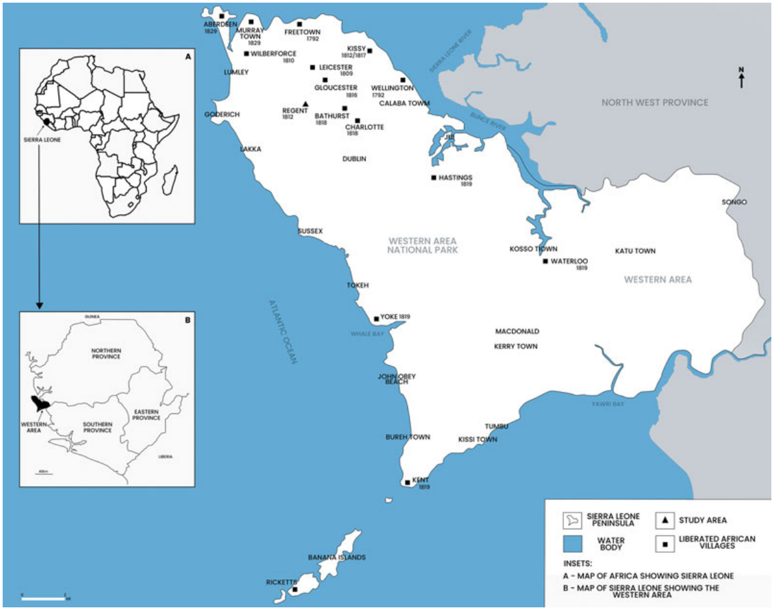
“The village of Regent is in the northern part of the Sierra Leone peninsula (Figure 1).It emerged following several liberated African resettlements and was registered as a liberated African village in 1812 (Fyfe 1962:109;Scanlan 2016).”
§ Entangled Landscape: Spatial Discipline and Liminal Freedom in Coastal Sierra Leone > Regent Village
What the sources say
- Not matchedcites Fyfe 1962:109
Couldn’t be matched to a paper in Crossref, so it can’t be checked.
- Not matchedcites Scanlan 2016
Couldn’t be matched to a paper in Crossref, so it can’t be checked.
plain- Asserted: passes — The authors put it forward as true.
- Checkable: passes — It can be checked against evidence.
- Load-bearing: fails — The paper’s conclusions may not depend on it.
- Based: passes — The paper gives a reason why it holds.
Probably not a substantial claim. The paper’s conclusions may not depend on it. It may state two separate claims as one.
- Not matched
A conclusion the paper draws from its own results — it cites no other source for it, so there is none to check. The quote shows it is in the paper.
In the paper
“Although the liberated Africans were freed from bondage, they did not experience true freedom.Instead, they became colonial subjects, which troubles the nature of freedom that emerged in Sierra Leone in the age of emancipation.”
§ Entangled Landscape: Spatial Discipline and Liminal Freedom in Coastal Sierra Leone > Landscapes of Spatial Discipline and Liminal Freedom
plaindirect- Asserted: passes — The authors put it forward as true.
- Checkable: passes — It can be checked against evidence.
- Load-bearing: passes — The paper’s conclusions depend on it.
- Based: passes — The paper gives a reason why it holds.
It may state two separate claims as one.
The paper states this without a source or data behind it here, so there is nothing to check it against. The quote shows it is in the paper.
In the paper
“Upon arrival at Regent Village, the liberated Africans were first kept in the King's Yard, which is a temporary settlement where the Liberated African Department (LAD) recorded details of each person and provided them with clothes and food until they had a place to live in the village and started cultivating lands.”
§ Entangled Landscape: Spatial Discipline and Liminal Freedom in Coastal Sierra Leone > Landscapes of Spatial Discipline and Liminal Freedom
plain- Asserted: passes — The authors put it forward as true.
- Checkable: passes — It can be checked against evidence.
- Load-bearing: passes — The paper’s conclusions depend on it.
- Based: passes — The paper gives a reason why it holds.
It may state two separate claims as one.
What the paper did — it cites no source for this, so there is none to check. The quote shows it is in the paper.
In the paper
“Regent is an ideal case study for a discussion on the material expressions of social control and liminal freedom because (1) there is rich historical documentation about this village, (2) the nature of preservation of colonial period houses is remarkable, (3) there is access to conduct archaeological research in this village, and (4) additional support was received from locals”
§ Entangled Landscape: Spatial Discipline and Liminal Freedom in Coastal Sierra Leone > Understanding Freedom in Sierra Leone's Colonial History
plaindirectSingle case- Asserted: passes — The authors put it forward as true.
- Checkable: passes — It can be checked against evidence.
- Load-bearing: passes — The paper’s conclusions depend on it.
- Based: passes — The paper gives a reason why it holds.
It may state two separate claims as one.
The paper states this without a source or data behind it here, so there is nothing to check it against. The quote shows it is in the paper.
In the paper
“Churches brought people together and helped build communities, but African traditional religions were incorporated into Christianity.”
§ Entangled Landscape: Spatial Discipline and Liminal Freedom in Coastal Sierra Leone > Understanding Freedom in Sierra Leone's Colonial History
plaindirect- Asserted: passes — The authors put it forward as true.
- Checkable: passes — It can be checked against evidence.
- Load-bearing: fails — The paper’s conclusions may not depend on it.
- Based: passes — The paper gives a reason why it holds.
Probably not a substantial claim. The paper’s conclusions may not depend on it. It may state two separate claims as one.
A conclusion the paper draws from its own results — it cites no other source for it, so there is none to check. The quote shows it is in the paper.
In the paper
“Turning to the entanglement framework, the liberated Africans in this village manipulated or tempered the spatial discipline, and they shared the landscape with the Europeans as nearly equal partners, instead of just resisting or residing on it.”
§ Entangled Landscape: Spatial Discipline and Liminal Freedom in Coastal Sierra Leone > Landscapes of Spatial Discipline and Liminal Freedom
plaindirect- Asserted: passes — The authors put it forward as true.
- Checkable: passes — It can be checked against evidence.
- Load-bearing: passes — The paper’s conclusions depend on it.
- Based: passes — The paper gives a reason why it holds.
It may state two separate claims as one.
The paper states this without a source or data behind it here, so there is nothing to check it against. The quote shows it is in the paper.
In the paper
“It has been functionally reorganized, but it holds key historical buildings and house lots suitable for historical and archaeological studies.”
§ Entangled Landscape: Spatial Discipline and Liminal Freedom in Coastal Sierra Leone > Landscapes of Spatial Discipline and Liminal Freedom
plain- Asserted: passes — The authors put it forward as true.
- Checkable: passes — It can be checked against evidence.
- Load-bearing: passes — The paper’s conclusions depend on it.
- Based: passes — The paper gives a reason why it holds.
It may state two separate claims as one.
A conclusion the paper draws from its own results — it cites no other source for it, so there is none to check. The quote shows it is in the paper.
In the paper
“Although the village landscape was supposed to help colonists maintain order and display power in the villages, the liberated Africans had the freedom to communicate, move, assemble, and engage in trade.”
§ Entangled Landscape: Spatial Discipline and Liminal Freedom in Coastal Sierra Leone > Landscapes of Spatial Discipline and Liminal Freedom
plain- Asserted: passes — The authors put it forward as true.
- Checkable: passes — It can be checked against evidence.
- Load-bearing: passes — The paper’s conclusions depend on it.
- Based: unclear — It is unclear why the paper says it holds.
It may state two separate claims as one.
The paper states this without a source or data behind it here, so there is nothing to check it against. The quote shows it is in the paper.
In the paper
“Although some aspects of social relations (e.g., individual strategies) are difficult to reconstruct without a detailed archival record, the material record can reveal group behavior and communal solidarity.”
§ Entangled Landscape: Spatial Discipline and Liminal Freedom in Coastal Sierra Leone > Landscapes of Spatial Discipline and Liminal Freedom
plaindirect- Asserted: passes — The authors put it forward as true.
- Checkable: passes — It can be checked against evidence.
- Load-bearing: passes — The paper’s conclusions depend on it.
- Based: passes — The paper gives a reason why it holds.
It may state two separate claims as one.
What the paper did — it cites no source for this, so there is none to check. The quote shows it is in the paper.
In the paper
“Manufacturing marks of these artifacts served as dating tools to determine when the houses were built and intensively occupied.”
§ Entangled Landscape: Spatial Discipline and Liminal Freedom in Coastal Sierra Leone > Landscapes of Spatial Discipline and Liminal Freedom
plaindirect- Asserted: passes — The authors put it forward as true.
- Checkable: passes — It can be checked against evidence.
- Load-bearing: fails — The paper’s conclusions may not depend on it.
- Based: passes — The paper gives a reason why it holds.
Probably not a substantial claim. The paper’s conclusions may not depend on it.
A conclusion the paper draws from its own results — it cites no other source for it, so there is none to check. The quote shows it is in the paper.
In the paper
“Freedom can vary when examined from multiple perspectives, but on the surface, the stories of the two houses are not different.”
§ Entangled Landscape: Spatial Discipline and Liminal Freedom in Coastal Sierra Leone > Conclusion
plain- Asserted: passes — The authors put it forward as true.
- Checkable: passes — It can be checked against evidence.
- Load-bearing: passes — The paper’s conclusions depend on it.
- Based: passes — The paper gives a reason why it holds.
Probably not a substantial claim. It may state two separate claims as one.
A conclusion the paper draws from its own results — it cites no other source for it, so there is none to check. The quote shows it is in the paper.
In the paper
“The artifacts in the subfloor pit indicate storage and possible reuse, whereas the discrete artifact cluster was probably part of the trash that was kept in a single place but that spread across distance over time.”
§ Entangled Landscape: Spatial Discipline and Liminal Freedom in Coastal Sierra Leone > Landscapes of Spatial Discipline and Liminal Freedom
hedgedconditional- Asserted: passes — The authors put it forward as true.
- Checkable: passes — It can be checked against evidence.
- Load-bearing: unclear — It is unclear whether the paper’s conclusions depend on it.
- Based: passes — The paper gives a reason why it holds.
It may state two separate claims as one.
In the paper
“Although the colonial government made attempts to stop relocation across villages, the limited European presence allowed so much mobility that some liberated Africans eventually returned to their homeland either by land journeys or sea voyages (Anderson 2020:123).”
§ Entangled Landscape: Spatial Discipline and Liminal Freedom in Coastal Sierra Leone > Landscapes of Spatial Discipline and Liminal Freedom
What the sources say
- Not matchedcites Anderson 2020:123
Couldn’t be matched to a paper in Crossref, so it can’t be checked.
plaindirect- Asserted: passes — The authors put it forward as true.
- Checkable: passes — It can be checked against evidence.
- Load-bearing: passes — The paper’s conclusions depend on it.
- Based: passes — The paper gives a reason why it holds.
It may state two separate claims as one.
- Not matched
In the paper
“This spatial ordering would also enable the collection of taxes, the recording of censuses, and the movement of goods across the village (Pezzarossi 2020:921-922).”
§ Entangled Landscape: Spatial Discipline and Liminal Freedom in Coastal Sierra Leone > Landscapes of Spatial Discipline and Liminal Freedom
What the sources say
- Not matchedcites Pezzarossi 2020:921-922
Couldn’t be matched to a paper in Crossref, so it can’t be checked.
hedgeddirect- Asserted: passes — The authors put it forward as true.
- Checkable: passes — It can be checked against evidence.
- Load-bearing: unclear — It is unclear whether the paper’s conclusions depend on it.
- Based: passes — The paper gives a reason why it holds.
It may state two separate claims as one.
- Not matched
In the paper
“The streets were named after places in Great Britain or English people who provided financial support toward the resettlement of the liberated Africans in the colony (Alie 1990).”
§ Entangled Landscape: Spatial Discipline and Liminal Freedom in Coastal Sierra Leone > Landscapes of Spatial Discipline and Liminal Freedom
What the sources say
- Not matchedcites Alie 1990
Couldn’t be matched to a paper in Crossref, so it can’t be checked.
plaindirect- Asserted: passes — The authors put it forward as true.
- Checkable: passes — It can be checked against evidence.
- Load-bearing: unclear — It is unclear whether the paper’s conclusions depend on it.
- Based: passes — The paper gives a reason why it holds.
It may state two separate claims as one.
- Not matched
A conclusion the paper draws from its own results — it cites no other source for it, so there is none to check. The quote shows it is in the paper.
In the paper
“Both reflect adaptations required to rebuild lives.”
§ Entangled Landscape: Spatial Discipline and Liminal Freedom in Coastal Sierra Leone > Conclusion
plain- Asserted: passes — The authors put it forward as true.
- Checkable: fails — It may be too vague to check against evidence.
- Load-bearing: passes — The paper’s conclusions depend on it.
- Based: passes — The paper gives a reason why it holds.
Probably not a substantial claim. It may be too vague to check against evidence.
What the paper did — it cites no source for this, so there is none to check. The quote shows it is in the paper.
In the paper
“We do not know the names and identities of the liberated Africans who lived at Locus 6 and Locus 9 in the midnineteenth century, although it might be possible to identify them in the land conveyances or census records of the period in the near future.”
§ Entangled Landscape: Spatial Discipline and Liminal Freedom in Coastal Sierra Leone > Landscapes of Spatial Discipline and Liminal Freedom
hedged- Asserted: passes — The authors put it forward as true.
- Checkable: passes — It can be checked against evidence.
- Load-bearing: fails — The paper’s conclusions may not depend on it.
- Based: passes — The paper gives a reason why it holds.
Probably not a substantial claim. The paper’s conclusions may not depend on it. It may state two separate claims as one.
The paper states this without a source or data behind it here, so there is nothing to check it against. The quote shows it is in the paper.
In the paper
“Katanga is a historical region in the southeastern Democratic Republic of Congo.”
§ Entangled Landscape: Spatial Discipline and Liminal Freedom in Coastal Sierra Leone > Landscapes of Spatial Discipline and Liminal Freedom
plain- Asserted: passes — The authors put it forward as true.
- Checkable: passes — It can be checked against evidence.
- Load-bearing: fails — The paper’s conclusions may not depend on it.
- Based: fails — The paper may give no reason why it holds.
Probably not a substantial claim. The paper’s conclusions may not depend on it. The paper may give no reason why it holds.
What the paper did — it cites no source for this, so there is none to check. The quote shows it is in the paper.
In the paper
“Archival research at the OARG confirms the oral history, as no record of the houses was found in the land conveyances.”
§ Entangled Landscape: Spatial Discipline and Liminal Freedom in Coastal Sierra Leone > Landscapes of Spatial Discipline and Liminal Freedom
plaindirect- Asserted: passes — The authors put it forward as true.
- Checkable: passes — It can be checked against evidence.
- Load-bearing: unclear — It is unclear whether the paper’s conclusions depend on it.
- Based: passes — The paper gives a reason why it holds.
It may state two separate claims as one.
A conclusion the paper draws from its own results — it cites no other source for it, so there is none to check. The quote shows it is in the paper.
In the paper
“Nevertheless, several individuals likely lived in the houses over multiple occupation periods.”
§ Entangled Landscape: Spatial Discipline and Liminal Freedom in Coastal Sierra Leone > Landscapes of Spatial Discipline and Liminal Freedom
hedged- Asserted: passes — The authors put it forward as true.
- Checkable: passes — It can be checked against evidence.
- Load-bearing: fails — The paper’s conclusions may not depend on it.
- Based: fails — The paper may give no reason why it holds.
Probably not a substantial claim. The paper’s conclusions may not depend on it. The paper may give no reason why it holds.
A conclusion the paper draws from its own results — it cites no other source for it, so there is none to check. The quote shows it is in the paper.
In the paper
“The cultural landscape of the village is therefore considered an entangled space with unanticipated responses to colonialism, illustrating how the local population made a claim to and had a stake in a dynamic social space.”
§ Entangled Landscape: Spatial Discipline and Liminal Freedom in Coastal Sierra Leone > Landscapes of Spatial Discipline and Liminal Freedom
plaincorrelational- Asserted: passes — The authors put it forward as true.
- Checkable: passes — It can be checked against evidence.
- Load-bearing: passes — The paper’s conclusions depend on it.
- Based: passes — The paper gives a reason why it holds.
It may state two separate claims as one.
A conclusion the paper draws from its own results — it cites no other source for it, so there is none to check. The quote shows it is in the paper.
In the paper
“The villagers had more control over their actions in the houseyards, a degree of autonomy that is visible in the archaeological record through the activity areas represented by features and artifacts.”
§ Entangled Landscape: Spatial Discipline and Liminal Freedom in Coastal Sierra Leone > Landscapes of Spatial Discipline and Liminal Freedom
plaincorrelational- Asserted: passes — The authors put it forward as true.
- Checkable: passes — It can be checked against evidence.
- Load-bearing: passes — The paper’s conclusions depend on it.
- Based: passes — The paper gives a reason why it holds.
It may state two separate claims as one.
The paper states this without a source or data behind it here, so there is nothing to check it against. The quote shows it is in the paper.
In the paper
“For example, the Moccos are Ibibio-speaking peoples from the Cameroons, whereas the Akus are known to be Yoruba-speaking people from Nigeria.”
§ Entangled Landscape: Spatial Discipline and Liminal Freedom in Coastal Sierra Leone > Landscapes of Spatial Discipline and Liminal Freedom
boosted- Asserted: passes — The authors put it forward as true.
- Checkable: passes — It can be checked against evidence.
- Load-bearing: fails — The paper’s conclusions may not depend on it.
- Based: fails — The paper may give no reason why it holds.
Probably not a substantial claim. The paper’s conclusions may not depend on it. The paper may give no reason why it holds. It may state two separate claims as one.
A conclusion the paper draws from its own results — it cites no other source for it, so there is none to check. The quote shows it is in the paper.
In the paper
“They were creative and resourceful, sought opportunities, and actively worked toward citizenship in their communities.”
§ Entangled Landscape: Spatial Discipline and Liminal Freedom in Coastal Sierra Leone > Landscapes of Spatial Discipline and Liminal Freedom
plain- Asserted: passes — The authors put it forward as true.
- Checkable: passes — It can be checked against evidence.
- Load-bearing: unclear — It is unclear whether the paper’s conclusions depend on it.
- Based: passes — The paper gives a reason why it holds.
It may state two separate claims as one.
What the paper did — it cites no source for this, so there is none to check. The quote shows it is in the paper.
In the paper
“Another issue is the fragmented occupancy history of the two house lots, particularly Locus 9, belonging to the Johnson family.”
§ Entangled Landscape: Spatial Discipline and Liminal Freedom in Coastal Sierra Leone > Landscapes of Spatial Discipline and Liminal Freedom
plain- Asserted: passes — The authors put it forward as true.
- Checkable: passes — It can be checked against evidence.
- Load-bearing: fails — The paper’s conclusions may not depend on it.
- Based: passes — The paper gives a reason why it holds.
Probably not a substantial claim. The paper’s conclusions may not depend on it.
A conclusion the paper draws from its own results — it cites no other source for it, so there is none to check. The quote shows it is in the paper.
In the paper
“The house residents were able to express themselves through land ownership, use of space within domestic settings, and economic purchasing power.”
§ Entangled Landscape: Spatial Discipline and Liminal Freedom in Coastal Sierra Leone > Conclusion
plaindirect- Asserted: passes — The authors put it forward as true.
- Checkable: passes — It can be checked against evidence.
- Load-bearing: passes — The paper’s conclusions depend on it.
- Based: passes — The paper gives a reason why it holds.
Probably not a substantial claim.
A conclusion the paper draws from its own results — it cites no other source for it, so there is none to check. The quote shows it is in the paper.
In the paper
“The liberated Africans and Krios developed the settlement layout to meet evolving conditions, and the houses were built in response to particular social and economic needs.”
§ Entangled Landscape: Spatial Discipline and Liminal Freedom in Coastal Sierra Leone > Landscapes of Spatial Discipline and Liminal Freedom
plaindirect- Asserted: passes — The authors put it forward as true.
- Checkable: passes — It can be checked against evidence.
- Load-bearing: passes — The paper’s conclusions depend on it.
- Based: passes — The paper gives a reason why it holds.
It may state two separate claims as one.
- Rests on an assumption: The Krios are descendants of the liberated Africans resettled at Regent Village.
A conclusion the paper draws from its own results — it cites no other source for it, so there is none to check. The quote shows it is in the paper.
In the paper
“They were actively involved in the shaping of the landscape in which they dwelled and continue to dwell, and they were fully enmeshed in the emerging landscape and the changes over the years.”
§ Entangled Landscape: Spatial Discipline and Liminal Freedom in Coastal Sierra Leone > Landscapes of Spatial Discipline and Liminal Freedom
plaindirect- Asserted: passes — The authors put it forward as true.
- Checkable: passes — It can be checked against evidence.
- Load-bearing: passes — The paper’s conclusions depend on it.
- Based: passes — The paper gives a reason why it holds.
It may state two separate claims as one.
A conclusion the paper draws from its own results — it cites no other source for it, so there is none to check. The quote shows it is in the paper.
In the paper
“The artifact assemblage revealed that the Krios and, to a lesser extent, their liberated African ancestors in the two house lots were self-sufficient and never experienced isolation in their cultural practices or lifeways.”
§ Entangled Landscape: Spatial Discipline and Liminal Freedom in Coastal Sierra Leone > Landscapes of Spatial Discipline and Liminal Freedom
plain- Asserted: passes — The authors put it forward as true.
- Checkable: passes — It can be checked against evidence.
- Load-bearing: passes — The paper’s conclusions depend on it.
- Based: passes — The paper gives a reason why it holds.
It may state two separate claims as one.
A conclusion the paper draws from its own results — it cites no other source for it, so there is none to check. The quote shows it is in the paper.
In the paper
“The dates of the artifact deposition at the two house lots occurred before the houses were abandoned and torn down, which means they were used in the houses by the people who lived on the house lots at the time the features were filled.”
§ Entangled Landscape: Spatial Discipline and Liminal Freedom in Coastal Sierra Leone > Landscapes of Spatial Discipline and Liminal Freedom
plaindirect- Asserted: passes — The authors put it forward as true.
- Checkable: passes — It can be checked against evidence.
- Load-bearing: passes — The paper’s conclusions depend on it.
- Based: unclear — It is unclear why the paper says it holds.
It may state two separate claims as one.
The paper states this without a source or data behind it here, so there is nothing to check it against. The quote shows it is in the paper.
In the paper
“Entries in the 1831 census indicate that most villagers lived in huts made from wattle and daub with thatched roofs, which were neither erected in a line nor remained in a location.”
§ Entangled Landscape: Spatial Discipline and Liminal Freedom in Coastal Sierra Leone > Landscapes of Spatial Discipline and Liminal Freedom
hedged- Asserted: passes — The authors put it forward as true.
- Checkable: passes — It can be checked against evidence.
- Load-bearing: passes — The paper’s conclusions depend on it.
- Based: passes — The paper gives a reason why it holds.
It may state two separate claims as one.
- Rests on an assumption: The 1831 census accurately records the housing types of villagers at Regent Village.
None of the sources cited for this claim could be matched to a paper in Crossref, so there is nothing to check it against.
In the paper
“Several studies have shown the role of material culture in the expression of social relations in domestic settings (e.g., Armstrong 2003Armstrong , 2022;;Mrozowski 1984;Mrozowski et al. 1996;Pérez Rodríguez 2013;Robin 2003;South 1977).”
§ Entangled Landscape: Spatial Discipline and Liminal Freedom in Coastal Sierra Leone > Landscapes of Spatial Discipline and Liminal Freedom
What the sources say
- Not matchedcites Armstrong 2003
Couldn’t be matched to a paper in Crossref, so it can’t be checked.
- Not matchedcites Mrozowski 1984
Couldn’t be matched to a paper in Crossref, so it can’t be checked.
- Not matchedcites Pérez Rodríguez 2013
Couldn’t be matched to a paper in Crossref, so it can’t be checked.
plaincorrelational- Asserted: passes — The authors put it forward as true.
- Checkable: passes — It can be checked against evidence.
- Load-bearing: fails — The paper’s conclusions may not depend on it.
- Based: passes — The paper gives a reason why it holds.
Probably not a substantial claim. The paper’s conclusions may not depend on it.
- Not matched
A conclusion the paper draws from its own results — it cites no other source for it, so there is none to check. The quote shows it is in the paper.
In the paper
“The occupational differences that separated the two houses can be used to distinguish them socially.”
§ Entangled Landscape: Spatial Discipline and Liminal Freedom in Coastal Sierra Leone > Landscapes of Spatial Discipline and Liminal Freedom
plaincorrelationalSingle case- Asserted: passes — The authors put it forward as true.
- Checkable: passes — It can be checked against evidence.
- Load-bearing: fails — The paper’s conclusions may not depend on it.
- Based: fails — The paper may give no reason why it holds.
Probably not a substantial claim. The paper’s conclusions may not depend on it. The paper may give no reason why it holds.
A conclusion the paper draws from its own results — it cites no other source for it, so there is none to check. The quote shows it is in the paper.
In the paper
“As noted earlier, the LAD resettled them based on shipmate bonds, but they regrouped themselves over the years through marriages, land transactions, and religious and political alliances to form towns within the village.”
§ Entangled Landscape: Spatial Discipline and Liminal Freedom in Coastal Sierra Leone > Landscapes of Spatial Discipline and Liminal Freedom
plaindirect- Asserted: passes — The authors put it forward as true.
- Checkable: passes — It can be checked against evidence.
- Load-bearing: passes — The paper’s conclusions depend on it.
- Based: passes — The paper gives a reason why it holds.
It may state two separate claims as one.
A conclusion the paper draws from its own results — it cites no other source for it, so there is none to check. The quote shows it is in the paper.
In the paper
“They had a say in the design, construction, and location of their dwelling structures, thus playing a critical role in the shaping of the visual scene and the way the landscape functioned.”
§ Entangled Landscape: Spatial Discipline and Liminal Freedom in Coastal Sierra Leone > Landscapes of Spatial Discipline and Liminal Freedom
plaindirect- Asserted: passes — The authors put it forward as true.
- Checkable: passes — It can be checked against evidence.
- Load-bearing: passes — The paper’s conclusions depend on it.
- Based: passes — The paper gives a reason why it holds.
It may state two separate claims as one.
- Rests on an assumption: The Krios are descendants of the liberated Africans resettled at Regent Village.
The paper relies on this without support.
The Krios are descendants of the liberated Africans resettled at Regent Village.
“the liberated Africans and the Krios-as their descendants came to be known”
The paper relies on this without support.
The 1831 census accurately records the housing types of villagers at Regent Village.
“Entries in the 1831 census indicate that most villagers lived in huts made from wattle and daub with thatched roofs”
The paper relies on this without support.
The toponyms Mocco Town, Aku Town, and Katunga/Katanga square reflect the ethnic origins of the residents of those areas.
“The results of the pedestrian survey revealed toponyms of spaces within the village, such as Mocco Town along Gloucester Road, Aku Town along Jeremiah Street, and a Katunga/Katanga square”
The paper relies on this without support.
Some liberated Africans and Krios left the villages on the peninsula as early as the 1840s to search for family members, find better opportunities, or spread Christianity to other parts of West Africa.
“As early as the 1840s, some liberated Africans and Krios left the villages on the peninsula to search for their family members in their homeland, to find better opportunities, or to spread Christianity to other parts of West Africa.”
The paper relies on this without support.
Not all liberated Africans sought the achievement of freedom abroad; some stayed in the villages to maintain new family and community ties.
“It is important to note that not all liberated Africans sought the achievement of freedom abroad.Some stayed in the villages to maintain new family and community ties.”
The paper relies on this without support.
Those who left the villages either rented their lands and houses to locals or sold parcels of land.
“Those who left the villages either rented their lands and houses to locals or sold parcels of land.”
The paper relies on this without support.
Those who left organized, moved around, and created new settlements in their homelands where they had once been enslaved, or moved to the British Caribbean islands as indentured laborers.
“They organized, moved around, and created new settlements in their homelands, where they had once been enslaved, or they moved to the British Caribbean islands as indentured laborers.”
The paper relies on this without support.
Migration patterns show that many liberated Africans and Krios returned to the seaboard cities of the Bights of Benin and Biafra.
“The migration patterns show that many returned to the seaboard cities of the Bights of Benin and Biafra.”
The paper relies on this without support.
Liberated Africans and Krios who migrated would have lived in a constant state of migration and fear or self-protection to avoid being re-enslaved or imprisoned.
“They would have lived in a constant state of migration and fear or self-protection to avoid being re-enslaved or imprisoned.”
The paper relies on this without support.
The ongoing rapid expansion in the villages is a way to revitalize aging settlements, which is uprooting old buildings and neighborhoods.
“The ongoing rapid expansion in the villages is a way to revitalize aging settlements, which is uprooting old buildings and neighborhoods.”
The paper relies on this without support.
The Krios dominated the population in the village during the second half of the nineteenth century.
“I present the artifact assemblages from two house lots at Fitzjames Street, possibly occupied in the second half of the nineteenth century, during the period when the Krios dominated the population in the village.”
The paper relies on this without support.
The elites among the liberated Africans and Krios had political influence in their communities, which was drastically reduced due to the European 'Scramble for Africa' in the last decade of the nineteenth century until Sierra Leone became an independent nation on April 27, 1961.
“The elites among the liberated Africans and Krios had political influence in their communities, which was drastically reduced due to the European”
Self-check
Percentages, sums and reported differences re-computed from the paper’s own numbers.
Each contradiction between two passages listed here was confirmed by an independent check.
Rated minor: it would not touch a result — a value no result rests on, a p-value that stays on the same side of the significance level, or a conflict that is clerical, resolved elsewhere in the paper, or outside its own findings.
In the paper
§ Entangled Landscape: Spatial Discipline and Liminal Freedom in Coastal Sierra Leone > Abstract
“the British Royal Navy patrolled the West Atlantic Sea and redirected illegal slave vessels to Sierra Leone”
§ Entangled Landscape: Spatial Discipline and Liminal Freedom in Coastal Sierra Leone > Abstract
“la Marina Real Británica patrullaba el Mar Atlántico Occidental y redirigía las embarcaciones legales con población en cautiverio a Sierra Leona”
Citations
Cites
The publisher hasn’t deposited this paper’s reference list.
Research works printed but not linked: 41
- Agbelusi, Oluseyi Odunyemi. 2023. British Anti-Slavery, Trade, and Nascent Colonialism on the Sierra Leone Peninsula ca. 1860-1960. PhD dissertation, Department of Anthropology, Syracuse University, Syracuse, New York.
- Alie, Joe A. D. 1990. A New History of Sierra Leone. St. Martin's Press, New York.
- Anderson, Richard P. 2020. Abolition in Sierra Leone: Re-Building Lives and Identities in Nineteenth-Century West Africa. Cambridge University Press, Cambridge.
- Anderson, Richard P., and Henry B. Lovejoy (editors). 2020. Liberated Africans and the Abolition of the Slave Trade, 1807-1896. University of Rochester Press, Rochester, New York.
- Armstrong, Douglas V. 1999. Archaeology and Ethnohistory of the Caribbean Plantation. In "I, Too, Am America": Archaeological Studies of African-American Life, edited by Theresa A. Singleton, pp. 173-192. University Press of Virginia, Charlottesville.
- Armstrong, Douglas V. 2003. Creole Transformation from Slavery to Freedom: Historical Archaeology of the East End Community, St. John, Virgin Islands. University Press of Florida, Gainesville.
- Armstrong, Douglas V. 2022. The Archaeology of Harriet Tubman's Life in Freedom. Syracuse University Press, Syracuse, New York.
- Battle-Baptiste, Whitney L. 2007. "In This Here Place": Interpreting Enslaved Homeplaces. In Archaeology of Atlantic Africa and the African Diaspora, edited by Akinwumi Ogundiran and Toyin Falola, pp. 233-248. Indiana University Press, Bloomington.
- Blyden, Nemata A. 2000. West Indians in West Africa, 1808-1880: The African Diaspora in Reverse. University of Rochester Press, Rochester, New York.
- Brooks, Amanda Lee. 1988. Captain Paul Cuffe (1759-1817) and the Crown Colony of Sierra Leone: The Liminality of the Free Black. PhD dissertation, Department of History, University of Chicago, Chicago.
- DeCorse, Christopher R. 2019. Historical Landscapes of the Modern World. In Power, Political Economy, and Historical Landscapes of the Modern World: Interdisciplinary Perspectives, edited by Christopher R. DeCorse, pp. 1-24. SUNY Press, Albany, New York.
- DeCorse, Christopher R. 2021. Atlantic Slavery, African Landscapes: Change and Transformation in the Era of the Atlantic World. In The Atlantic and Africa: The Second Slavery and Beyond, edited by Dale W. Tomich and Paul E. Lovejoy, pp. 131-158. SUNY Press, Albany, New York.
- Dietler, Michael. 2010. Archaeologies of Colonialism: Consumption, Entanglement, and Violence in Ancient Mediterranean France. University of California Press, Berkeley.
- Dietler, Michael. 2018. Emporia: Spaces of Encounter and Entanglement. In The Emporion in the Ancient Western Mediterranean: Trade and Colonial Encounters from the Archaic to the Hellenistic Period, edited by Éric Gailledrat, Michael Dietler and Rosa Plana-Mallart, pp. 231-242. Presses Universitaires de la Méditerranée, Montpellier, France.
- Fyfe, Christopher. 1962. A History of Sierra Leone. Oxford University Press, London.
- Jordan, Kurt A. 2014. Pruning Colonialism: Vantage Point, Local Political Economy, and Cultural Entanglement in the Archaeology of Post-1415 Indigenous Peoples. In Rethinking Colonial Pasts through Archaeology, edited by Neal Ferris, Rodney Harrison, and Michael V. Wilcox, pp. 103-120. Oxford University Press, Oxford.
- Lovejoy, Paul E., and Suzanne Schwarz. 2015. Sierra Leone in the Eighteenth and Nineteenth Centuries. In Slavery, Abolition and the Transition to Colonialism in Sierra Leone, edited by Paul E. Lovejoy and Suzanne Schwarz, pp. 1-28. Africa World Press, Trenton, New Jersey.
- Misevich, Philip. 2015. Freetown and "Freedom?" Colonialism and Slavery in Sierra Leone, 1790s to 1861. In Slavery, Abolition and the Transition to Colonialism in Sierra Leone, edited by Paul E. Lovejoy and Suzanne Schwarz, pp. 189-216. Africa World Press, Trenton, New Jersey.
- Mrozowski, Stephen A. 1984. Prospects and Perspectives on an Archaeology of the Household. Man in the Northeast 27(1):31-49.
- Mrozowski, Stephen A., Grace H. Ziesing, and Mary C. Beaudry. 1996. Living on the Boott: Historical Archaeology at the Boott Mills Boardinghouses of Lowell, Massachusetts. University of Massachusetts Press, Amherst.
- Peterson, John Eric. 1969. Province of Freedom: A History of Sierra Leone, 1787-1870. Northwestern University Press, Evanston, Illinois.
- Pezzarossi, Guido. 2017. "Confites, Melcochas y otras Golosinas . . . muy Dañosas": Sugar, Alcohol, and Biopolitics in Colonial Guatemala. In Substance and Seduction: Ingested Commodities in Early Modern Mesoamerica, edited by Stacey Schwartzkopf and Kathryn E. Sampeck, pp. 147-175. University of Texas Press, Austin.
- Pezzarossi, Guido. 2019. Rethinking Colonial Maya Peripherality: Colonial Frictions, Salvaged Value, and the Production of Modernity in Highland Guatemala. In Power, Political Economy, and Historical Landscapes of the Modern World: Interdisciplinary Perspectives, edited by Christopher R. DeCorse, pp. 81-104. SUNY Press, Albany, New York.
- Posnansky, Merrick. 1999. West African Reflection on African-American Archaeology. In "I, Too, Am America": Archaeological Studies of African-American Life, edited by Theresa A. Singleton, pp. 21-38. University Press of Virginia, Charlottesville.
- Posnansky, Merrick. 2006. Appreciating the Global Dimension of Ghana's Past. Transactions of the Historical Society of Ghana 10:49-63.
- Reilly, Matthew C., Caree A. M. Banton, Craig Stevens, and Chrislyn Laurie Laurore. 2024. The Archaeology of Providence Island: Liberian Heritage beyond Settlement. American Antiquity 89(4):647-663.
- Richard, François G., and Kevin C. MacDonald (editors). 2016. Ethnic Ambiguity and the African Past: Materiality, History, and the Shaping of Cultural Identities. Routledge, London.
- Robin, Cynthia. 2003. New Directions in Classic Maya Household Archaeology. Journal of Archaeological Research 11(4):307-356.
- Scanlan, Padraic X. 2013. MacCarthy's Skull: The Abolition of the Slave Trade in Sierra Leone, 1792-1823. PhD dissertation, Department of History, Princeton University, Princeton, New Jersey.
- Scanlan, Padraic X. 2016. The Colonial Rebirth of British Anti-Slavery: The Liberated African Villages of Sierra Leone, 1815-1824. American Historical Review 121(4):1085-1113.
- Scanlan, Padraic X. 2017. Freedom's Debtors: British Antislavery in Sierra Leone in the Age of Revolution. Yale University Press, New Haven, Connecticut.
- Shennan, Stephen J. 1989. Introduction: Archaeological Approaches to Cultural Identity. In Archaeological Approaches to Cultural Identity, edited by Stephen J. Shennan, pp. 1-32. Unwin Hyman, London.
- Singleton, Theresa A. 1999. An Introduction to African-American Archaeology. In "I, Too, Am America": Archaeological Studies of African-American Life, edited by Theresa A. Singleton, pp. 1-17. University Press of Virginia, Charlottesville.
- South, Stanley. 1977. Method and Theory in Historical Archaeology. Academic Press, New York.
- Stahl, Ann B. 2002. Colonial Entanglements and the Practices of Taste: An Alternative to Logocentric Approaches. American Anthropologist 104(3):827-845.
- Thomas, Nicholas. 1991. Entangled Objects: Exchange, Material Culture, and Colonialism in the Pacific. Harvard University Press, Cambridge, Massachusetts.
- Turner, Victor W. 1967. The Forest of Symbols: Aspects of Ndembu Ritual. Cornell University Press, Ithaca, New York.
- Walcott, Rinaldo. 2021. The Long Emancipation: Moving toward Black Freedom. Duke University Press, Durham, North Carolina.
- Wilkie, Laurie A. 2000. Creating Freedom: Material Culture and African American Identity at Oakley Plantation, Louisiana, 1840-1950. Louisiana State University Press, Baton Rouge.
- Wilkie, Laurie A., and Paul Farnsworth. 2005. Sampling Many Pots: An Archaeology of Memory and Tradition at a Bahamian Plantation. University Press of Florida, Gainesville.
- Wyse, Akintola J. G. 1989. The Krio of Sierra Leone: An Interpretive History. University of Wisconsin Press, Madison. Cite this article: Agbelusi, Oluseyi Odunyemi. 2024. Entangled Landscape: Spatial Discipline and Liminal Freedom in Coastal Sierra Leone. American Antiquity 89(4):574-590. https://doi.org/10.1017/aaq.2024. · DOI
Cited by
Sorted by citations
Positioning Maroon Archaeologies to Face Racial Violence in Ecuador
Balanzátegui Moreno, D. C., & Delgado Vernaza, G. I. (2024) · American Antiquity · doi:10.1017/aaq.2024.50 · Cited by 5
An Archaeology of Return: Implications for African Diasporic Archaeologies
Reilly, M. C. (2026) · American Anthropologist · doi:10.1111/aman.70074 · Cited by 1
Reilly, M. C. (2026) · Journal of African Diaspora Archaeology and Heritage · doi:10.1080/21619441.2026.2696716
Metadata
- Authors
- Agbelusi, O. O.
- Affiliations
- George Washington University (US)
- Corresponding author
- Agbelusi, Oluseyi Odunyemi
- Venue
- American Antiquity
- Publisher
- Cambridge University Press (CUP)
- Published
- 2024-10
- Volume
- 89
- Issue
- 4
- Pages
- 574-590
- ISSN
- 0002-7316 (ISSN-L)
- 2325-5064
- OpenAlex
- W4408121589
- Cited by
- 2
- References
- 0
- Citations by year
- 2026: 2
- FWCI
- 1.77
- Type
- journal article
- Language
- en
- Open access
- hybrid
- doi.org
- Licence
- Locations
- American Antiquity (publishedVersion, cc-by-nc-nd)
- Funders
- American Council of Learned Societies
- George Washington University
- Syracuse University
- Medical Research Council
- Topics
- Social Sciences › Anthropology › Historical and Cultural Archaeology Studies
- Social Sciences › Arts and Humanities › History › Colonialism, slavery, and trade
- Social Sciences › Anthropology › African history and culture studies
- Keywords
- freedmen, colonial subjects, liminality, household archaeology, British colonial rule, Sierra Leone, 19th century, historical archaeology
About these checks
Registry, retraction, Cites and statistics results are computed, not judged, with one exception: a printed reference that no index lists is read once by a model before it counts as a citation error. Claims are extracted by a model and kept only when their quote appears verbatim in the text; each cited source is then checked, with a model’s help, for whether it says what the claim relies on. Those verdicts can be wrong — read the claim’s quote and the cited source before relying on one.
A language model drew the claims from the paper on 2026-11-10, under version 3 of the claim definition (model deepseek-v4.1-flash, prompt extract-v3).
A second model labelled each claim on 2026-11-10 (model jev-1.13-20260917, definition revision gold-guideline-v0.2).
Statistics and arithmetic are recomputed, not judged.
Confidence bands are shown only for fields calibrated on our annotated test set. None is calibrated yet, so no band is shown.
What counts as a claim ›How we measure confidence ›How we check this ›
Are you an author, or do you see a problem with this page? Request a review
