

The DOI matches its Crossref record; 1 of the 1 references it cites were found in a registry or an index.
Mechanistic and Structural Insights into a Divergent PLP-Dependent l -Enduracididine Cyclase from a Toxic Cyanobacterium
Open accessPublished version of a preprint
Abstract
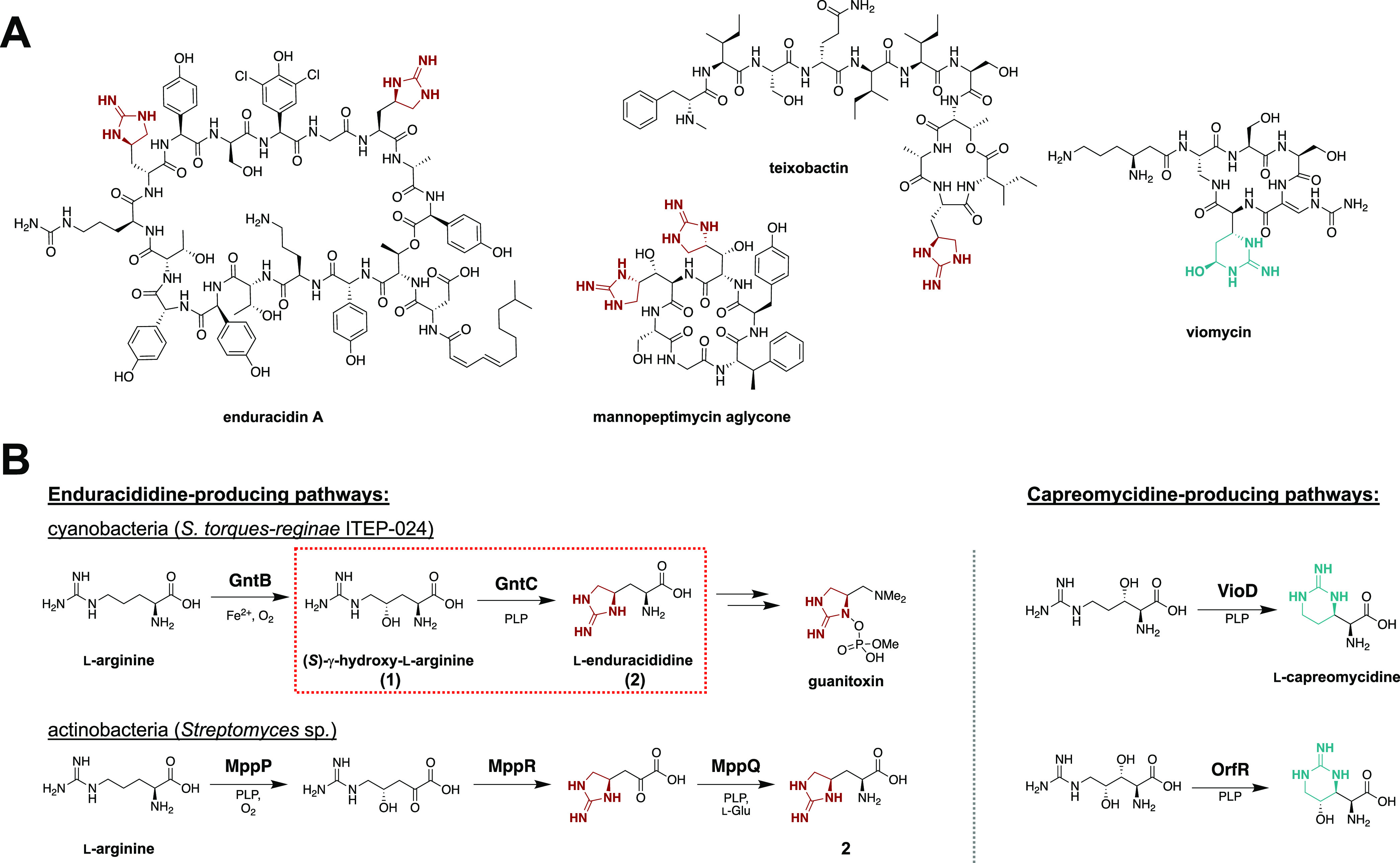
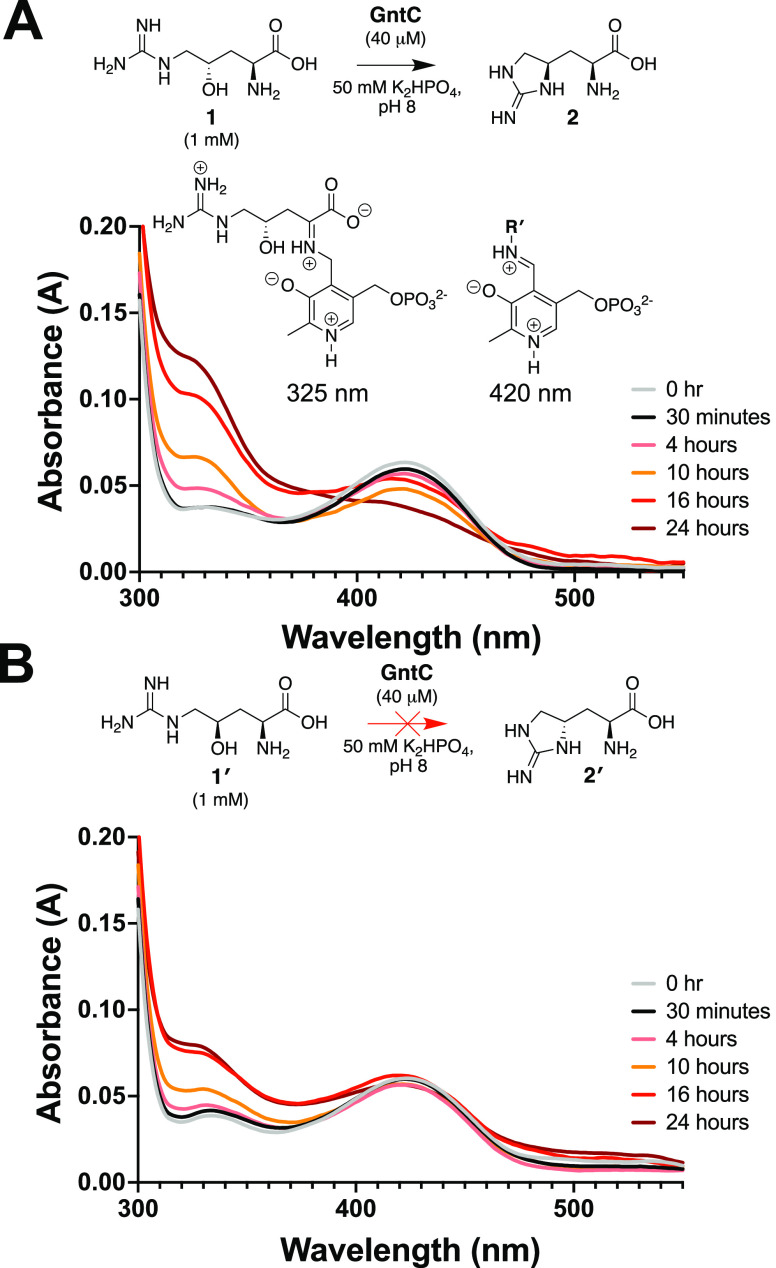
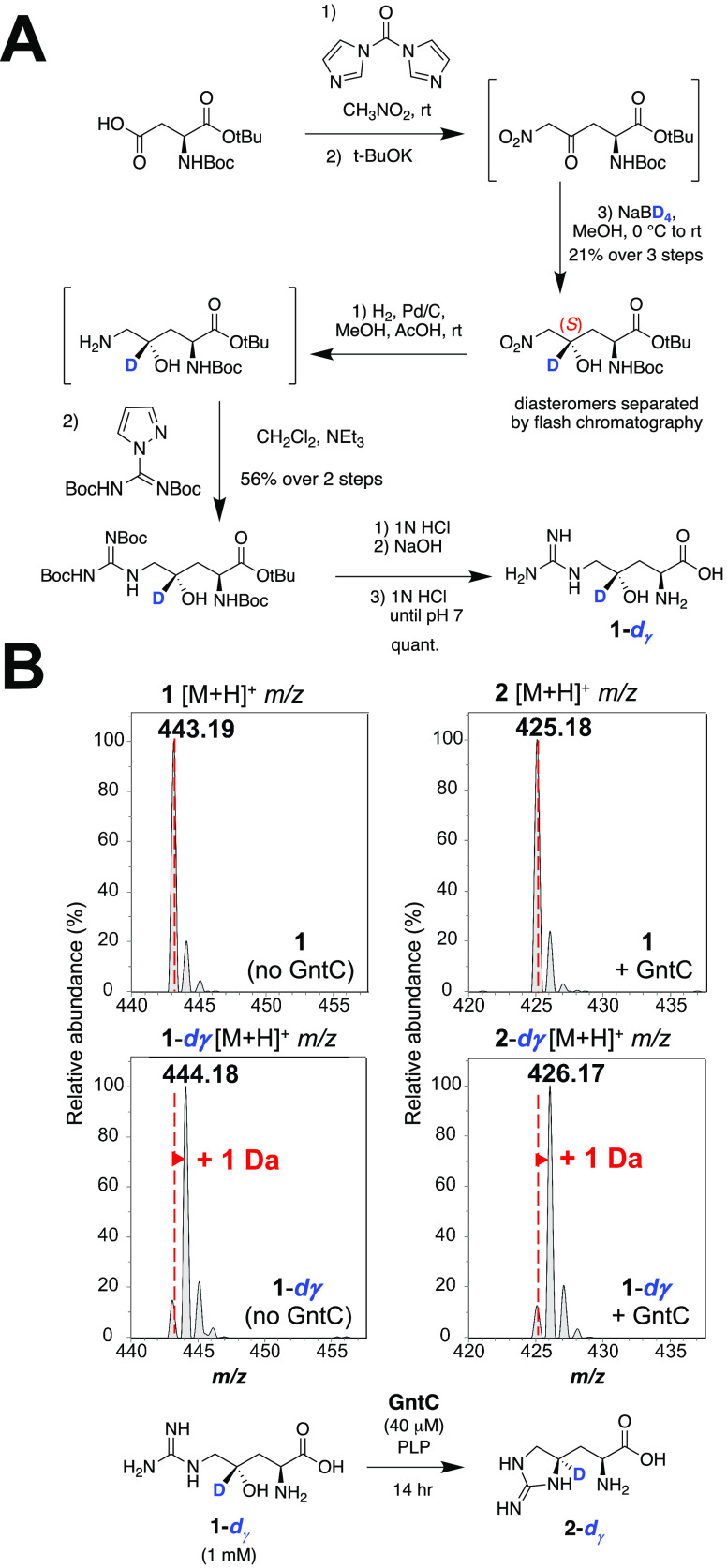
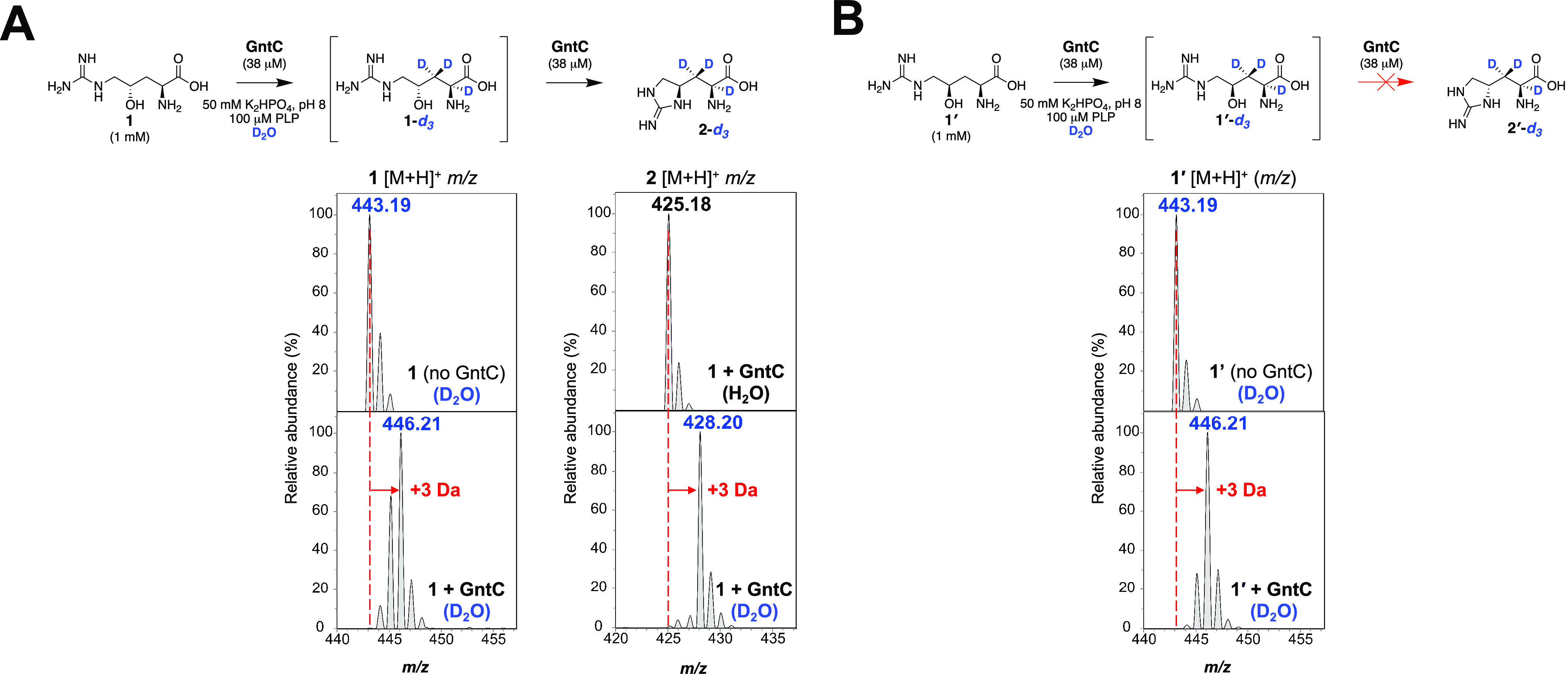
ABSTRACT Cyclic arginine noncanonical amino acids (ncAAs) are found in several actinobacterial peptide natural products with therapeutically useful antibacterial properties. The preparation of ncAAs like enduracididine and capreomycidine currently takes multiple biosynthetic or chemosynthetic steps, thus limiting the commercial availability and applicability of these cyclic guanidine-containing amino acids. We recently discovered and characterized the biosynthetic pathway of guanitoxin, a potent freshwater cya-nobacterial neurotoxin, that contains an arginine-derived cyclic guanidine phosphate within its highly polar structure. The ncAA L-enduracididine is an early intermediate in guanitoxin biosynthesis and is produced by GntC, a unique pyridoxal-5’-phosphate (PLP)-dependent enzyme. GntC catalyzes a cyclodehydration from a stereoselectively γ-hydroxylated L-arginine precursor via a reaction that functionally and mechanistically diverges from previously established actinobacterial cyclic arginine ncAA pathways. Herein, we interrogate L-enduracididine biosynthesis from the cyanobacterium Sphaerospermopsis torques-reginae ITEP-024 using spectroscopic, stable isotope labeling techniques, and X-ray crystal structure-guided site-directed mutagenesis. GntC initially facilitates the reversible deprotonations of the α- and β-positions of its substrate prior to catalyzing an irreversible diastereoselective dehydration and subsequent intramolecular cyclization. The comparison of holo- and substrate bound GntC structures and activity assays on sitespecific mutants further identified amino acid residues that contribute to the overall catalytic mechanism. These interdisciplinary efforts at structurally and functionally characterizing GntC enables an improved understanding of how Nature divergently produces cyclic arginine ncAAs and generates additional tools for their biocatalytic production and downstream biological applications.
Overview
The claims and statistics of this paper haven’t been checked yet.
Run the check — free, no account needed. It reads the open-access text and checks the sources it cites.
Integrity signals
Registry
Cites
Statistics
Figures
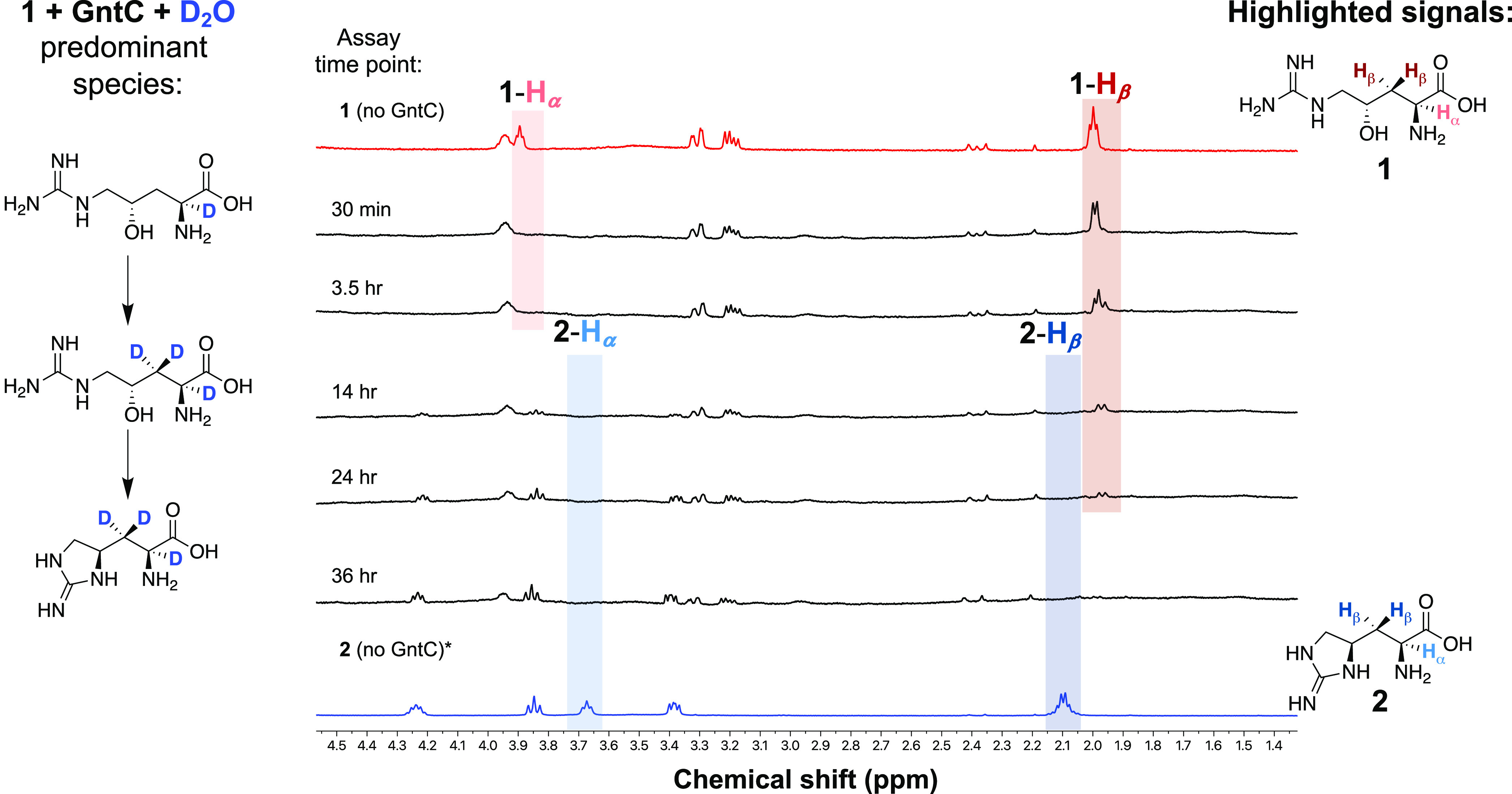
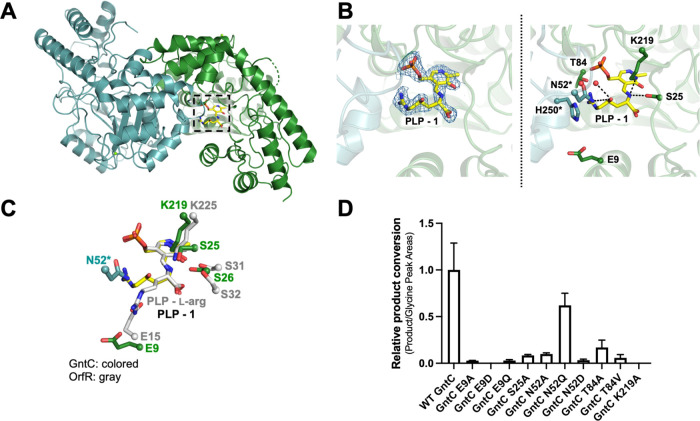
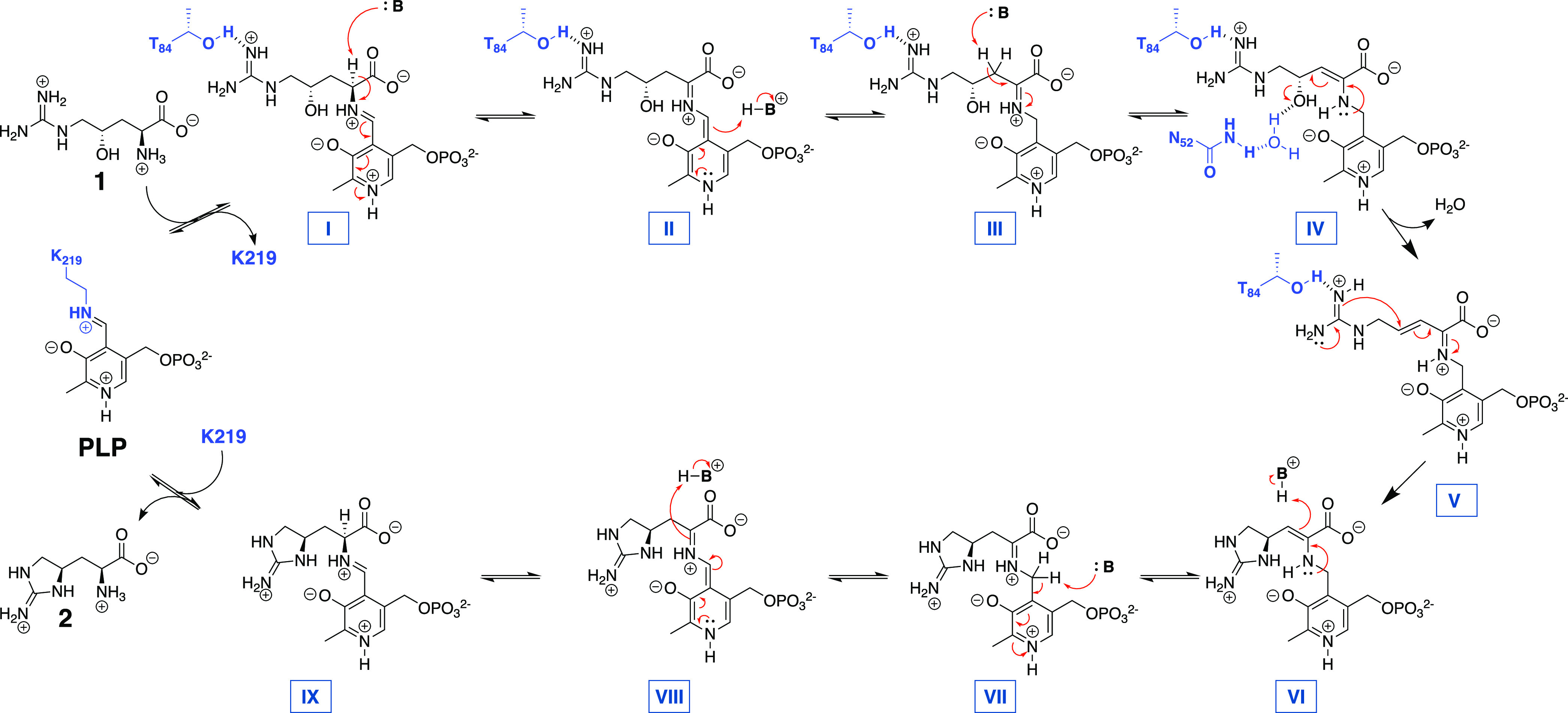
Verification
Claims the paper makes
The claims and statistics of this paper haven’t been checked yet.
Run the check — free, no account needed. It reads the open-access text and checks the sources it cites.
Self-check
Percentages, sums and reported differences re-computed from the paper’s own numbers.
The self-check needs the paper’s full text.
Citations
Cites
Highly accurate protein structure prediction with AlphaFold
Jumper, J., Evans, R., Pritzel, A., Green, T., Figurnov, M., Ronneberger, O., Tunyasuvunakool, K., Bates, R., Žídek, A., Potapenko, A., et al. (2021) · Nature · doi:10.1038/s41586-021-03819-2 · Cited by 43,764
Research works printed but not linked: 53
- 10.1039/C7NP00037E · DOI
- 10.3762/bjoc.12.226 · DOI
- 10.1038/nature14098 · DOI
- 10.7164/antibiotics.21.126 · DOI
- 10.1128/AAC.47.1.62-69.2003 · DOI
- 10.1164/art.1951.63.1.1 · DOI
- 10.1002/cbic.202200563 · DOI
- 10.1016/j.chembiol.2005.09.013 · DOI
- 10.1002/anie.201307989 · DOI
- 10.1021/acschembio.0c00663 · DOI
- 10.1021/jacs.1c08177 · DOI
- 10.1038/s43586-021-00044-z · DOI
- 10.1021/acscentsci.1c00273 · DOI
- 10.1021/jacs.2c01424 · DOI
- 10.1016/j.hal.2019.101737 · DOI
- 10.1080/20018091095087 · DOI
- 10.1021/ja00202a057 · DOI
- 10.1039/c39950000205 · DOI
- 10.1039/C8NP00049B · DOI
- 10.1039/C9CY01210A · DOI
- 10.1021/bi400397k · DOI
- 10.1021/acs.biochem.5b01016 · DOI
- 10.1021/acs.biochem.8b00130 · DOI
- 10.1101/2022.04.03.486910 · DOI
- 10.1002/cbic.200400136 · DOI
- 10.1002/cbic.200400187 · DOI
- 10.1093/emboj/17.23.6827 · DOI
- 10.1021/jacs.0c03535 · DOI
- 10.1021/jacs.0c09352 · DOI
- 10.1038/s41589-022-01246-6 · DOI · Paper page
- 10.1038/s41589-020-0548-3 · DOI
- 10.1039/D2CB00128D · DOI
- 10.1021/acs.orglett.6b01324 · DOI
- 10.1016/j.biocel.2011.12.007 · DOI
- 10.1073/pnas.1315887110 · DOI
- 10.1021/bi00454a020 · DOI
- 10.1021/bi00357a032 · DOI
- 10.1021/jacs.6b04836 · DOI
- 10.1021/acschembio.0c00753 · DOI
- 10.1021/bi980066v · DOI
- 10.1016/j.bbapap.2010.06.017 · DOI
- 10.1021/acscatal.0c01885 · DOI
- 10.1021/jacs.2c00608 · DOI
- 10.3389/fmolb.2019.00004 · DOI
- 10.1093/oxfordjournals.jbchem.a124509 · DOI
- 10.1021/jacs.1c07770 · DOI
- 10.1021/bi051475b · DOI
- 10.1038/s41586-019-1020-y · DOI
- 10.1038/s41586-021-04214-7 · DOI
- 10.1021/jacs.7b13297 · DOI
- 10.1002/anie.201611005 · DOI
- 10.1038/s41929-022-00743-0 · DOI
- 10.1073/pnas.2012591118 · DOI
Metadata
- Authors
- Cordoza, J. L., Chen, P. Y.-T., Blaustein, L. R., Lima, S. T., Fiore, M. F., Chekan, J. R., Moore, B. S., & McKinnie, S. M. K.
- Affiliations
- University of California, Santa Cruz (US)
- Scripps Institution of Oceanography (US)
- Center for Marine Biotechnology and Biomedicine, Scripps Institution of Oceanography, University of California, La Jolla, California 92093, United States
- Universidade de São Paulo (BR)
- University of North Carolina at Greensboro (US)
- Corresponding author
- McKinnie, Shaun M. K.
- ORCID
- Venue
- ACS Catalysis
- Publisher
- American Chemical Society (ACS)
- Published
- 2023-07-11
- Volume
- 13
- Issue
- 14
- Pages
- 9817-9828
- ISSN
- 2155-5435 (ISSN-L)
- PMC
- PMC10367076
- OpenAlex
- W4383875873
- Cited by
- 15
- References
- 1
- Citations by year
- 2026: 5 · 2025: 4 · 2024: 6
- FWCI
- 2.34
- Type
- journal article
- Language
- en
- Open access
- hybrid
- doi.org
- Licence
- Locations
- ACS Catalysis (publishedVersion, cc-by)
- bioRxiv (Cold Spring Harbor Laboratory) (acceptedVersion, cc-by-nc-nd)
- PubMed Central (publishedVersion, cc-by)
- PubMed (publishedVersion)
- eScholarship (California Digital Library) (submittedVersion, cc-by)
- PubMed Central (submittedVersion, cc-by-nc-nd)
- Funders
- National Institute of Environmental Health Sciences (R21-ES032056)
- Funda??o de Amparo ? Pesquisa do Estado de S?o Paulo (2017/06869-0)
- University of California, Santa Cruz
- National Institute of General Medical Sciences (R25-GM051765-18)
- Simons Foundation
- Topics
- Life Sciences › Immunology and Microbiology › Applied Microbiology and Biotechnology › Microbial Natural Products and Biosynthesis
- Life Sciences › Biochemistry, Genetics and Molecular Biology › Biochemistry › Amino Acid Enzymes and Metabolism
- Life Sciences › Biochemistry, Genetics and Molecular Biology › Structural Biology › Enzyme Structure and Function
- Keywords
- pyridoxal phosphate-dependent enzymes, cyanobacterial neurotoxins, intramolecular cyclization, catalytic mechanism, site-directed mutagenesis, crystal structure, stable isotope labeling, biocatalytic production
About these checks
Registry, retraction, Cites and statistics results are computed, not judged, with one exception: a printed reference that no index lists is read once by a model before it counts as a citation error. Claims are extracted by a model and kept only when their quote appears verbatim in the text; each cited source is then checked, with a model’s help, for whether it says what the claim relies on. Those verdicts can be wrong — read the claim’s quote and the cited source before relying on one.
Statistics and arithmetic are recomputed, not judged.
Confidence bands are shown only for fields calibrated on our annotated test set. None is calibrated yet, so no band is shown.
What counts as a claim ›How we measure confidence ›How we check this ›
Are you an author, or do you see a problem with this page? Request a review
