

Targeting fibrosis: mechanisms and clinical trials
Open accessThe DOI matches its Crossref record; 354 of the 354 references it cites were found in a registry or an index.
Abstract
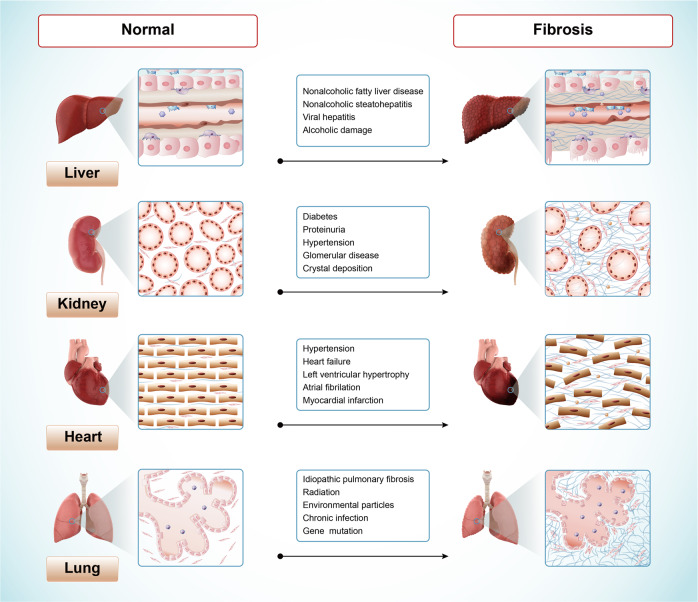
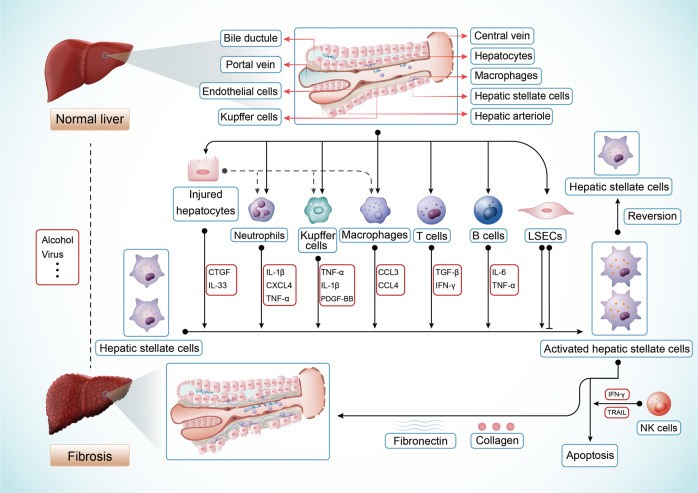
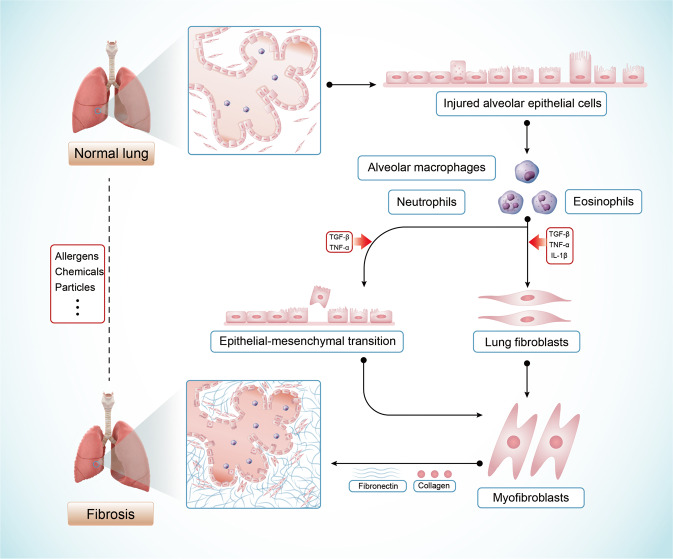
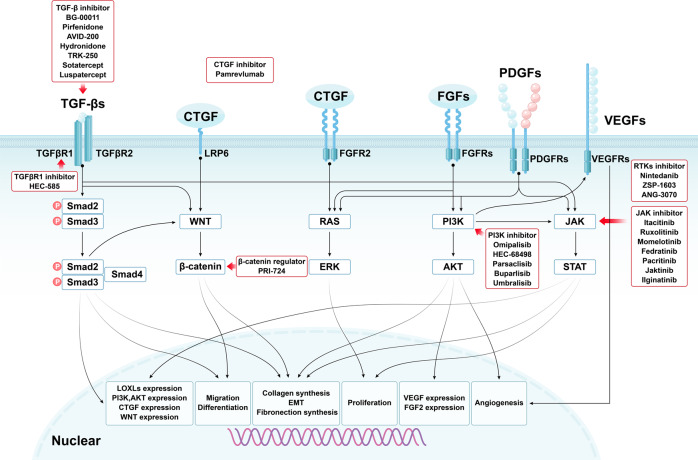
Fibrosis is characterized by the excessive extracellular matrix deposition due to dysregulated wound and connective tissue repair response. Multiple organs can develop fibrosis, including the liver, kidney, heart, and lung. Fibrosis such as liver cirrhosis, idiopathic pulmonary fibrosis, and cystic fibrosis caused substantial disease burden. Persistent abnormal activation of myofibroblasts mediated by various signals, such as transforming growth factor, platelet-derived growth factor, and fibroblast growh factor, has been recongized as a major event in the occurrence and progression of fibrosis. Although the mechanisms driving organ-specific fibrosis have not been fully elucidated, drugs targeting these identified aberrant signals have achieved potent anti-fibrotic efficacy in clinical trials. In this review, we briefly introduce the aetiology and epidemiology of several fibrosis diseases, including liver fibrosis, kidney fibrosis, cardiac fibrosis, and pulmonary fibrosis. Then, we summarise the abnormal cells (epithelial cells, endothelial cells, immune cells, and fibroblasts) and their interactions in fibrosis. In addition, we also focus on the aberrant signaling pathways and therapeutic targets that regulate myofibroblast activation, extracellular matrix cross-linking, metabolism, and inflammation in fibrosis. Finally, we discuss the anti-fibrotic drugs based on their targets and clinical trials. This review provides reference for further research on fibrosis mechanism, drug development, and clinical trials.
Overview
The claims and statistics of this paper haven’t been checked yet.
Free: it reads the open-access text and checks the first 5 claims that cite a source we can check. Create a free account to check every claim.
Integrity signals
Registry
Cites
Statistics
Figures
Verification
Claims the paper makes
The claims and statistics of this paper haven’t been checked yet.
Free: it reads the open-access text and checks the first 5 claims that cite a source we can check. Create a free account to check every claim.
Claims other papers make about this one
Each is checked against this paper’s own text: does it say what the citing paper says it does?
The check wasn’t confident either way, so it gives no verdict — never disputed.
In the citing paper
“Results of the ATLAS trial demonstrated that inhaled pirfenidone was safe to use, with changes in FVC % predicted of −2.5 (95% CI −5.3 to 0.4, −88 mL) and −4.9 (−7.5 to −2.3,–188 mL) at 24 and 48 weeks, respectively, in the 50 mg once per day and 0.6 (−2.2 to 3.4, 10 mL) and −0.4”
From Emerging pharmacological options in the treatment of idiopathic pulmonary fibrosis (IPF) (2024) · cites this paper as [39]
Experimental — accuracy not yet measured
Self-check
Percentages, sums and reported differences re-computed from the paper’s own numbers.
The self-check needs the paper’s full text.
Citations
Cites
Vos, T., Lim, S. S., Abbafati, C., Abbas, K. M., Abbasi, M., Abbasifard, M., Abbasi-Kangevari, M., Abbastabar, H., Abd-Allah, F., Abdelalim, A., et al. (2020) · The Lancet · doi:10.1016/s0140-6736(20)30925-9 · Cited by 19,358
James, S. L., Abate, D., Abate, K. H., Abay, S. M., Abbafati, C., Abbasi, N., Abbastabar, H., Abd-Allah, F., Abdela, J., Abdelalim, A., et al. (2018) · The Lancet · doi:10.1016/s0140-6736(18)32279-7 · Cited by 13,867
Murray, C. J. L., Vos, T., Lozano, R., Naghavi, M., Flaxman, A. D., Michaud, C., Ezzati, M., Shibuya, K., Salomon, J. A., Abdalla, S., et al. (2012) · The Lancet · doi:10.1016/s0140-6736(12)61689-4 · Cited by 8,888
Roth, G. A., Abate, D., Abate, K. H., Abay, S. M., Abbafati, C., Abbasi, N., Abbastabar, H., Abd-Allah, F., Abdela, J., Abdelalim, A., et al. (2018) · The Lancet · doi:10.1016/s0140-6736(18)32203-7 · Cited by 8,600
Bikbov, B., Purcell, C. A., Levey, A. S., Smith, M., Abdoli, A., Abebe, M., Adebayo, O. M., Afarideh, M., Agarwal, S. K., Agudelo-Botero, M., et al. (2020) · The Lancet · doi:10.1016/s0140-6736(20)30045-3 · Cited by 6,648
Global burden of NAFLD and NASH: trends, predictions, risk factors and prevention
Younossi, Z., Anstee, Q. M., Marietti, M., Hardy, T., Henry, L., Eslam, M., George, J., & Bugianesi, E. (2018) · Nature Reviews Gastroenterology & Hepatology · doi:10.1038/nrgastro.2017.109 · Cited by 5,249
Meijer, L., Nelson, D. J., Riazanski, V., Gabdoulkhakova, A. G., Hery-Arnaud, G., Le Berre, R., Loaëc, N., Oumata, N., Galons, H., Nowak, E., et al. (2016) · Journal of Innate Immunity · doi:10.1159/000444256 · Cited by 4,992
Aran, D., Looney, A. P., Liu, L., Wu, E., Fong, V., Hsu, A., Chak, S., Naikawadi, R. P., Wolters, P. J., Abate, A. R., et al. (2019) · Nature Immunology · doi:10.1038/s41590-018-0276-y · Cited by 4,984
Efficacy and Safety of Nintedanib in Idiopathic Pulmonary Fibrosis
Richeldi, L., du Bois, R. M., Raghu, G., Azuma, A., Brown, K. K., Costabel, U., Cottin, V., Flaherty, K. R., Hansell, D. M., Inoue, Y., et al. (2014) · New England Journal of Medicine · doi:10.1056/nejmoa1402584 · Cited by 4,654
Myofibroblasts and mechano-regulation of connective tissue remodelling
Tomasek, J. J., Gabbiani, G., Hinz, B., Chaponnier, C., & Brown, R. A. (2002) · Nature Reviews Molecular Cell Biology · doi:10.1038/nrm809 · Cited by 4,290 · cited 1×
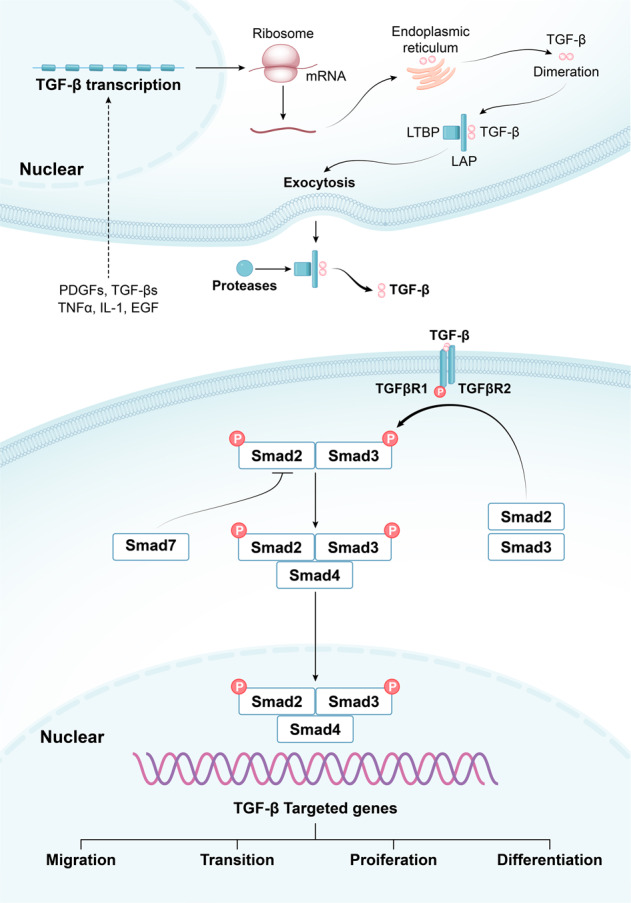
“(5) Some antibodies or molecules inhibiting the TGF-β activation, for example, drugs targeting αv/β integrins.”
Background
Research works printed but not linked: 1
- Newman DR Expression of WNT5A in Idiopathic Pulmonary Fibrosis and Its Control by TGF-β and WNT7B in Human Lung Fibroblasts J. Histochem Cytochem 2016 64 99 111 10.1369/0022155415617988 26538547 PMC4812680 · DOI · Paper page
Cited by
Antar, S. A., Ashour, N. A., Marawan, M. E., & Al-Karmalawy, A. A. (2023) · International Journal of Molecular Sciences · doi:10.3390/ijms24044004 · Cited by 366
Mechanisms of assembly and remodelling of the extracellular matrix
Naba, A. (2024) · Nature Reviews Molecular Cell Biology · doi:10.1038/s41580-024-00767-3 · Cited by 316
“…attempts ended prematurely owing to lack of therapeutic benefits or, in certain cases, severe adverse effects 295 , new developments, permitted by significant advances in our understanding of the fundamental mechanisms of action of these ECM remodelling enzymes, hold tremendous potential 260,296 .”
Protective Factors and the Pathogenesis of Complications in Diabetes
Yu, M. G., Gordin, D., Fu, J., Park, K., Li, Q., & King, G. L. (2024) · Endocrine Reviews · doi:10.1210/endrev/bnad030 · Cited by 228
Wang, P., Xie, D., Xiao, T., Cheng, C., Wang, D., Sun, J., Wu, M., Yang, Y., Zhang, A., & Liu, Q. (2024) · Journal of Hazardous Materials · doi:10.1016/j.jhazmat.2023.132582 · Cited by 160
Mechanisms of kidney fibrosis and routes towards therapy
YAMASHITA, N., & Kramann, R. (2023) · Trends in Endocrinology and Metabolism · doi:10.1016/j.tem.2023.09.001 · Cited by 142
Macrophages in organ fibrosis: from pathogenesis to therapeutic targets
Jiang, Y., Cai, R., Huang, Y., Zhu, L., Xiao, L., Wang, C., & Wang, L. (2024) · Cell Death Discovery · doi:10.1038/s41420-024-02247-1 · Cited by 164
Self-citationPlatelets and diseases: signal transduction and advances in targeted therapy
Tian, Y., Yao, Z., Pang, Y., Zheng, Z., Ma, Y., Zhang, C., & Gao, J. (2025) · Signal Transduction and Targeted Therapy · doi:10.1038/s41392-025-02198-8 · Cited by 143
Exploring inflammatory and fibrotic mechanisms driving diabetic nephropathy progression
Ansari, Z., Chaurasia, A., Neha, Sharma, N., Bachheti, R. K., & Gupta, P. C. (2025) · Cytokine & Growth Factor Reviews · doi:10.1016/j.cytogfr.2025.05.007 · Cited by 107
Multiscale drug screening for cardiac fibrosis identifies MD2 as a therapeutic target
Zhang, H., Thai, P. N., Shivnaraine, R. V., Ren, L., Wu, X., Siepe, D. H., Liu, Y., Tu, C., Shin, H. S., Caudal, A., et al. (2024) · Cell · doi:10.1016/j.cell.2024.09.034 · Cited by 102
Khalili‐Tanha, G., Radisky, E. S., Radisky, D. C., & Shoari, A. (2025) · Journal of Translational Medicine · doi:10.1186/s12967-025-06447-w · Cited by 112
“In fibrotic conditions, which arise following chronic injury or stress, the normally balanced interplay between MMPs and TIMPs breaks down, favoring ECM accumulation and myofibroblast proliferation [116–118].”
Drobiova, H., Sindhu, S. T. A. K., Ahmad, R., Haddad, D., Al‐Mulla, F., & Madhoun, A. S. A. (2023) · Frontiers in Cell and Developmental Biology · doi:10.3389/fcell.2023.1211217 · Cited by 108
“In this regard, research studies concerned with the development of anti-fibrotic therapies are reporting encouraging results (Zhao et al., 2022), even in cell-based therapies (Cheng et al.”
BackgroundFibrotic pathways and fibroblast-like synoviocyte phenotypes in osteoarthritis
Damerau, A., Rosenow, E., Alkhoury, D., Buttgereit, F., & Gaber, T. (2024) · Frontiers in Immunology · doi:10.3389/fimmu.2024.1385006 · Cited by 95
Targeting Fibrosis: From Molecular Mechanisms to Advanced Therapies
Di, X., Li, Y., Wei, J., Li, T., & Liao, B. (2024) · Advanced Science · doi:10.1002/advs.202410416 · Cited by 121
Fibroblast activation and heterogeneity in fibrotic disease
Zhang, X., Zhang, Y., & Liu, Y. (2025) · Nature Reviews Nephrology · doi:10.1038/s41581-025-00969-8 · Cited by 101
“Although not initially developed as anti-fibrosis therapies 7,198 , RAAS blockers, SGLT2 inhibitors, GLP-1 receptor agonists and endothelin-1 receptor antagonists have been demonstrated to inhibit fibroblast activation and slow the progression of CKD 7 .”
Hu, Y., Huang, Y., Zong, L., Lin, J., Liu, X., & Ning, S. (2024) · Cell Death Discovery · doi:10.1038/s41420-024-02078-0 · Cited by 89
Cancer immune exclusion: breaking the barricade for a successful immunotherapy
Bruni, S., Mercogliano, M. F., Mauro, F. L., Russo, R. I. C., & Schillaci, R. (2023) · Frontiers in Oncology · doi:10.3389/fonc.2023.1135456 · Cited by 79
Eucalyptol prevents bleomycin-induced pulmonary fibrosis and M2 macrophage polarization
Rui, Y., Han, X., Jiang, A., Hu, J., Li, M., Liu, B., Qian, F., & Huang, L. (2022) · European Journal of Pharmacology · doi:10.1016/j.ejphar.2022.175184 · Cited by 61
Metabolic control of collagen synthesis
Guillard, J., & Schwörer, S. (2024) · Matrix Biology · doi:10.1016/j.matbio.2024.07.003 · Cited by 69
A natural small molecule alleviates liver fibrosis by targeting apolipoprotein L2
Gan, L., Jiang, Q., Huang, D., Wu, X., Zhu, X., Wang, L., Xie, W., Huang, J.-L., Fan, R., Jing, Y., et al. (2024) · Nature Chemical Biology · doi:10.1038/s41589-024-01704-3 · Cited by 71
“Their associated signaling pathways, such as TGF-β/Smad, MAPK, Notch, PI3K/AKT, JAK/STAT and WNT/β-catenin, have been proven to be tightly involved in liver fibrosis, forming complicated pro-fibrotic networks 2,3 .”
Self-citationThe spatial and temporal activation of macrophages during fibrosis
Behmoaras, J. V., Mulder, K., Ginhoux, F., & Petretto, E. G. (2025) · Nature reviews. Immunology · doi:10.1038/s41577-025-01186-x · Cited by 86
“Finally, approaches that target pathways in non-immune cells, especially in fibroblasts, are being actively pursued 44,208 .”
Fibroblasts in immune responses, inflammatory diseases and therapeutic implications
Zou, A. E., Kongthong, S., Mueller, A. A., & Brenner, M. B. (2025) · Nature Reviews Rheumatology · doi:10.1038/s41584-025-01259-0 · Cited by 68
“In fibrosis and cancer, several pathways, notably, TGF-β–SMAD signalling, can promote the differentiation of fibroblasts into myofibroblasts, as reviewed in detail elsewhere 8,9,211–213 .”
Liu, H., Xiang, X., Shi, C., Guo, J., Ran, T., Lin, J.-J., Dong, F., Yang, J., & Miao, H. (2025) · Chemico-Biological Interactions · doi:10.1016/j.cbi.2025.111784 · Cited by 83
Self-citationYang, L.-X., Qi, C., Lu, S., Ye, X.-S., Merikhian, P., Zhang, D.-Y., Yao, T., Zhao, J.-S., Wu, Y., Jia, Y., et al. (2025) · Nature Communications · doi:10.1038/s41467-024-55738-1 · Cited by 57
Fibrotic phenotype of IgG4-related disease
Lanzillotta, M., Culver, E. L., Sharma, A., Zen, Y., Zhang, W., Stone, J. H., & Della‐Torre, E. (2024) · The Lancet Rheumatology · doi:10.1016/s2665-9913(23)00299-0 · Cited by 66
Chen, Y., Wang, T., Liang, F., Han, J., Lou, Z., Yu, Y., Li, J., Zhan, T., Gu, Y., Dong, L., et al. (2024) · Theranostics · doi:10.7150/thno.94482 · Cited by 60
“Macrophages activate to remove pathogens and cellular debris, and produce reactive oxygen species and inflammatory mediators to recruit more immune cells [8].”
BackgroundSelf-citationSun, H., Dong, J., Fu, Z., Lu, X., Chen, X., Lei, H., Xiao, X., Chen, S., Lu, J., Su, D., et al. (2024) · Advanced Materials · doi:10.1002/adma.202308921 · Cited by 74
Extracellular vesicles: emerging roles, biomarkers and therapeutic strategies in fibrotic diseases
Zhu, J., Wang, S., Yang, D., Xu, W., & Qian, H. (2023) · Journal of Nanobiotechnology · doi:10.1186/s12951-023-01921-3 · Cited by 70
“Fibrosis can be observed in multiple organs, including the lung, liver, kidney, and heart [20], ultimately leading to severe destructive structural remodeling of late diseased tissues or organs [21].”
BackgroundThe current landscape of antifibrotic therapy across different organs: A systematic approach
Fuster‐Martínez, I., & Calatayud, S. (2024) · Pharmacological Research · doi:10.1016/j.phrs.2024.107245 · Cited by 63
Treatment of cardiac fibrosis: from neuro-hormonal inhibitors to CAR-T cell therapy
Morfino, P., Aimo, A., Castiglione, V., Gálvez‐Montón, C., Emdin, M., & Bayés‐Genís, A. (2022) · Heart Failure Reviews · doi:10.1007/s10741-022-10279-x · Cited by 72
Programmable Artificial Skins Accomplish Antiscar Healing with Multiple Appendage Regeneration
Xiong, M., Yang, X., Shi, Z., Xiang, J., Gao, H., Ji, S., Li, Y., Pi, W., Chen, H., Zhang, H., et al. (2024) · Advanced Materials · doi:10.1002/adma.202407322 · Cited by 60
Self-citationDeciphering the fibrotic process: mechanism of chronic radiation skin injury fibrosis
Wang, Y., Chen, S., Bao, S., Li, Y., Wen, Z., Xu, L., Chen, X., Guo, S., Pang, H., Zhou, Y., et al. (2024) · Frontiers in Immunology · doi:10.3389/fimmu.2024.1338922 · Cited by 64
Ouyang, Q., Wang, C., Sang, T., Tong, Y., Zhang, J., Chen, Y., Wang, X., Wu, L., Wang, X., Liu, R., et al. (2024) · Cellular and Molecular Immunology · doi:10.1038/s41423-024-01190-6 · Cited by 48
Self-citationEmerging role for branched-chain amino acids metabolism in fibrosis
Wu, T., Wang, M., Ning, F., Zhou, S., Hu, X., Xin, H., Reilly, S. N., & Zhang, X. (2022) · Pharmacological Research · doi:10.1016/j.phrs.2022.106604 · Cited by 48
Self-citationTargeting tumor suppressor p53 for organ fibrosis therapy
Bao, Y., Yang, Q., Shen, X.-L., Yu, W.-K., Zhou, L., Zhu, Q.-R., Shan, Q., Wang, Z., & Cao, G. (2024) · Cell Death and Disease · doi:10.1038/s41419-024-06702-w · Cited by 51
The role of epithelial cells in fibrosis: Mechanisms and treatment
Luo, L., Zhang, W. Y., You, S., Cui, X. T., Tu, H., Qiao, Y., Wu, J., & Liu, O. (2024) · Pharmacological Research · doi:10.1016/j.phrs.2024.107144 · Cited by 50
Xu, M., Warner, C., Duan, X., Cheng, Z., Jeyarajan, A. J., Li, W., Wang, Y., Shao, T., Salloum, S., Chen, P., et al. (2024) · Journal of Hepatology · doi:10.1016/j.jhep.2024.01.026 · Cited by 48
The occurrence and development mechanisms of esophageal stricture: state of the art review
Yang, F., Hu, Y., Shi, Z., Liu, M., Hu, K., Ye, G., Pang, Q., Hou, R., Tang, K., & Zhu, Y. (2024) · Journal of Translational Medicine · doi:10.1186/s12967-024-04932-2 · Cited by 58
Hao, M., Guan, Z., Zhang, Z., Ai, H., Peng, X., Zhou, H., Xu, J., & Gu, Q. (2023) · Molecular Therapy · doi:10.1016/j.ymthe.2023.08.017 · Cited by 43
Renal tubular epithelial cell quality control mechanisms as therapeutic targets in renal fibrosis
Bao, Y., Shan, Q., Lu, K., Yang, Q., Liang, Y., Kuang, H., Wang, L., Hao, M., Peng, M., Zhang, S., et al. (2024) · Journal of Pharmaceutical Analysis · doi:10.1016/j.jpha.2024.01.001 · Cited by 45
Self-citationComplex regulation of cardiac fibrosis: insights from immune cells and signaling pathways
Rao, W., Li, D., Zhang, Q., Liu, T., Gu, Z., Huang, L., Dai, J., Wang, J., & Hou, X. (2025) · Journal of Translational Medicine · doi:10.1186/s12967-025-06260-5 · Cited by 45
“TGF-β signaling promotes cardiac fibrosis through a wide range of mechanisms including inducing transformation of fibroblasts into myofibroblasts, cell proliferation, cell apoptosis, induction of epithelial-to-mesenchymal transition, and production of ECM [7, 8, 26].”
Specificity Proteins (SP) and Krüppel-like Factors (KLF) in Liver Physiology and Pathology
Yerra, V. G., & Drosatos, K. (2023) · International Journal of Molecular Sciences · doi:10.3390/ijms24054682 · Cited by 39
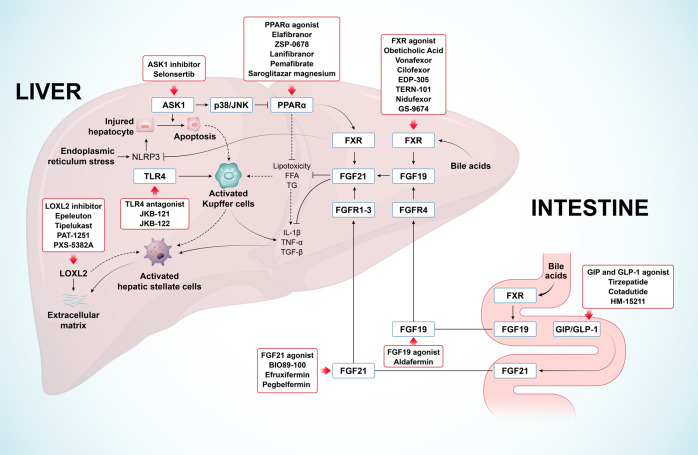
“Therefore, targeted modulation of these transcriptional signaling events serves as a drug discovery platform for the management of hepatic diseases [24,25].”
BackgroundBengel, F. M., Diekmann, J., Hess, A., & Jerosch‐Herold, M. (2023) · Journal of Nuclear Medicine · doi:10.2967/jnumed.122.264867 · Cited by 37
Green Tea and Benign Gynecologic Disorders: A New Trick for An Old Beverage?
Hazimeh, D., Massoud, G., Parish, M. A., Singh, B., Segars, J. H., & Islam, M. S. (2023) · Nutrients · doi:10.3390/nu15061439 · Cited by 44
CCAAT/Enhancer-Binding Proteins in Fibrosis: Complex Roles Beyond Conventional Understanding
Wang, L., Feng, J., Deng, Y., Yang, Q., Wei, Q., Ye, D., Rong, X., & Guo, J. (2022) · Research · doi:10.34133/2022/9891689 · Cited by 39
Self-citationPuri, M., & Sonawane, S. S. (2025) · International Journal of Molecular Sciences · doi:10.3390/ijms26093988 · Cited by 41
“Personalized Medicine: tailoring therapies based on individual patient profiles and specific LSECs pathophysiology could optimize treatment outcomes.”
Type 2 Diabetes and the Multifaceted Gut-X Axes
Guo, H., Pan, L.-T., Wu, Q., Wang, L., Huang, Z., Wang, J., Wang, L., Fang, X., Dong, S., Zhu, Y., et al. (2025) · Nutrients · doi:10.3390/nu17162708 · Cited by 44
Self-citationHao, Y., Li, J., Dan, L., Wu, X., Xiao, X., Yang, H., Zhou, R., Li, B., Wang, F., & Du, Q. (2023) · Journal of Ethnopharmacology · doi:10.1016/j.jep.2023.116836 · Cited by 41
Zhang, T., Zhong, X.-C., Feng, Z.-X., Lin, X., Chen, C.-Y., Wang, X.-W., Guo, K. X., Wang, Y., Chen, J., Du, Y.-Z., et al. (2024) · Bioactive Materials · doi:10.1016/j.bioactmat.2024.11.028 · Cited by 69
“…and the TGF-β 1 profibrotic niche created by macrophages can induce and maintain the differentiation of fibroblasts into the highly contractile α -SMA-positive myofibroblasts, driving collagen hardening and mediating fibrotic repair, thus restoring the mechanical integrity of the skin [13 – 16].”
Hu, Z., You, L.-Y., Hu, S., Yu, L., Gao, Y., Li, L., & Zhang, S. (2023) · International Immunopharmacology · doi:10.1016/j.intimp.2023.111149 · Cited by 36
The Impact of Pulmonary Disorders on Neurological Health (Lung-Brain Axis)
Park, H., & Lee, C. H. (2024) · Immune Network · doi:10.4110/in.2024.24.e20 · Cited by 43
Tang, B., Jin, C., Li, M., Liu, S., Zhang, X., Li, J., Ding, K., & Zang, Y. (2024) · Carbohydrate Polymers · doi:10.1016/j.carbpol.2024.122826 · Cited by 42
A two-way street - cellular metabolism and myofibroblast contraction
Noom, A., Sawitzki, B., Knaus, P., & Duda, G. N. (2024) · npj Regenerative Medicine · doi:10.1038/s41536-024-00359-x · Cited by 31
Peng, X., Wang, T., Dai, B., Zhu, Y., Ji, M., Yang, P., Zhang, J., Liu, W., Miao, Y., Liu, Y., et al. (2024) · Advanced Science · doi:10.1002/advs.202410769 · Cited by 41
Antifibrotic effects of sodium-glucose cotransporter-2 inhibitors: A comprehensive review
Shakour, N., Karami, S., Iranshahi, M., Butler, A. E., & Sahebkar, A. (2023) · Diabetes & Metabolic Syndrome Clinical Research & Reviews · doi:10.1016/j.dsx.2023.102934 · Cited by 35
Tian, Y., Chen, J., Huang, W., Ren, Q., Feng, J., Liao, J., Fu, H., Zhou, L., & Liu, Y. (2024) · International Journal of Biological Sciences · doi:10.7150/ijbs.94166 · Cited by 35
Peng, Y., Mei, S., Qi, X., Tang, R. N., Yang, W., Feng, J., Zhou, Y., Huang, X., Qian, G., Xing, S., et al. (2025) · Experimental & Molecular Medicine · doi:10.1038/s12276-025-01426-z · Cited by 33
Mechanism-guided drug development and treatment for liver fibrosis: a clinical perspective
Zeng, X., Huang, D., Zhu, Z., Cai, Q., Yang, Y., Lu, H., & Chen, J. (2025) · Frontiers in Pharmacology · doi:10.3389/fphar.2025.1574385 · Cited by 36
Nakashima, M., Nakamura, K., Nishihara, T., Ichikawa, K., Nakayama, R., Takaya, Y., Toh, N., Akagi, S., Miyoshi, T., Akagi, T., et al. (2023) · Nutrients · doi:10.3390/nu15030748 · Cited by 40
Lin, W., Song, Y., Li, T., Yan, J., Zhang, R., Han, L., Ba, X., Huang, Y., Qin, K., Chen, Z., et al. (2023) · Biomedicine & Pharmacotherapy · doi:10.1016/j.biopha.2023.115394 · Cited by 33
Molecular Foundations of Inflammatory Diseases: Insights into Inflammation and Inflammasomes
Kim, M. E., & Lee, J. S. (2024) · Current Issues in Molecular Biology · doi:10.3390/cimb46010030 · Cited by 33
“Organ dysfunctions and significant tissue remodeling may result from inflammasome-driven inflammation in certain situations [112,113].”
BackgroundHenriques, J., Berenbaum, F., & Mobasheri, A. (2024) · Osteoarthritis and Cartilage Open · doi:10.1016/j.ocarto.2024.100511 · Cited by 34
Convergent alterations in the tumor microenvironment of MYC-driven human and murine prostate cancer
Graham, M. K., Wang, R., Chikarmane, R. V., Abel, B., Vaghasia, A. M., Gupta, A., Zheng, Q., Hicks, J. L., Sysa‐Shah, P., Pan, X., et al. (2024) · Nature Communications · doi:10.1038/s41467-024-51450-2 · Cited by 34
Wang, J., & Chao, J. (2025) · Pharmaceuticals · doi:10.3390/ph18060812 · Cited by 32
“Additionally, the interaction between epithelial cells and immune cells during fibrosis progression has garnered increasing attention in recent studies [13].”
Cardiac fibroblasts in myocardial injury and heart failure
Linthout, S. V., Matz, I., González, A., & Davis, J. (2025) · European Heart Journal · doi:10.1093/eurheartj/ehaf902 · Cited by 47
Jackson, J., Streich, F. C., Pal, A., Coricor, G., Boston, C., Brueckner, C., Canonico, K., Chapron, C., Cote, S. M., Dagbay, K. B., et al. (2024) · Science Signaling · doi:10.1126/scisignal.adn6052 · Cited by 33
“S6, A and B) ( 18 , 30 , 35 ).”
BRD4: an effective target for organ fibrosis
Wei, Q., Gan, C., Sun, M., Xie, Y., Liu, H., Xue, T., Deng, C., Mo, C., & Ye, T. (2024) · Biomarker Research · doi:10.1186/s40364-024-00641-6 · Cited by 34
Self-citationJin, H. K., Park, S., Lee, J., Park, H., Jeong, M., Lee, H., Cho, J., & Lee, Y. (2024) · Molecular Therapy · doi:10.1016/j.ymthe.2024.09.029 · Cited by 29
The mechanobiology of fibroblast activation in disease
Chang, Y., Lee, J. W. N., & Holle, A. W. (2025) · APL Bioengineering · doi:10.1063/5.0272393 · Cited by 35
Salminen, A. (2023) · Biogerontology · doi:10.1007/s10522-023-10072-9 · Cited by 30
“Recently, Zhao et al. (2022) listed all of the current drugs for fibrotic diseases, either marketed or under clinical trials.”
BackgroundDiverse functions of NLRP3 inflammasome in PANoptosis and diseases
Jiang, Y., Qiang, Z., Liu, Y., Zhu, L., Xiao, L., Du, Z., Cai, R., & Qiang, S. (2025) · Cell Death Discovery · doi:10.1038/s41420-025-02689-1 · Cited by 31
Dynamic and static biomechanical traits of cardiac fibrosis
Liu, H., Fan, P., Jin, F., Huang, G., Guo, X., & Xu, F. (2022) · Frontiers in Bioengineering and Biotechnology · doi:10.3389/fbioe.2022.1042030 · Cited by 37
Molecular mechanisms of COVID-19-induced pulmonary fibrosis and epithelial-mesenchymal transition
Pi, P., Zeng, Z., Zeng, L., Han, B., Bai, X., & Xu, S. (2023) · Frontiers in Pharmacology · doi:10.3389/fphar.2023.1218059 · Cited by 31
“This review highlights PF, pulmonary fibrosis; EGFR, epidermal growth factor receptor; ACE2, angiotensin-converting enzyme 2; IL-6, interleukin-6; PAK-1, p21-activated protein kinase-1; TMPRSS2, transmembrane serine protease 2; TNF-α, tumor necrosis factor α; TGF-β1, transforming growth factor-β1; PDGF, platelet-deriv…”
BackgroundInfluentialMechanotransductive receptor Piezo1 as a promising target in the treatment of fibrosis diseases
Xu, Y., Huang, Y., Cheng, X., Hu, B., Jiang, D., Wu, L., Peng, S., & Hu, J. (2023) · Frontiers in Molecular Biosciences · doi:10.3389/fmolb.2023.1270979 · Cited by 24
Liang, N., Song, W., & Li, J. (2024) · Ecotoxicology and Environmental Safety · doi:10.1016/j.ecoenv.2024.116412 · Cited by 25
Present and Future Perspectives in the Treatment of Liver Fibrosis
Cerrito, L., Galasso, L., Iaccarino, J., Pizzi, A., Termite, F., Esposto, G., Borriello, R., Ainora, M. E., Gasbarrini, A., & Zocco, M. A. (2025) · Pharmaceuticals · doi:10.3390/ph18091321 · Cited by 35
Vitamin A-modified ZIF-8 lipid nanoparticles for the therapy of liver fibrosis
Qin, S., Du, X., Wang, K., Wang, D., Zheng, J., Xu, H., Wei, X., & Yuan, Y. (2023) · International Journal of Pharmaceutics · doi:10.1016/j.ijpharm.2023.123167 · Cited by 27
Shen, S., Wei, J., Kang, W., & Wang, T. (2023) · Journal of Translational Medicine · doi:10.1186/s12967-023-04356-4 · Cited by 29
“Atypical accumulation of ECM constituents, such as fibronectin and type I collagen, characterizes renal fibrosis [57, 58].”
BackgroundChen, Z. B., Yun, X., Tian, J., Li, F., Zhang, Z., Meng, J., Li, N., Bian, H., Duan, S., & Zhang, L. (2024) · Advanced Healthcare Materials · doi:10.1002/adhm.202403227 · Cited by 26
Self-citationCardiac fibrosis: from mechanisms and models to medicines
Liu, W., Wu, X., Zeng, W., Chandy, M., & Wu, J. C. (2025) · Trends in Pharmacological Sciences · doi:10.1016/j.tips.2025.07.016 · Cited by 27
New therapeutic approaches against pulmonary fibrosis
Yu, D., Yu, X., Gou, T., Tong, R., Xu, C. S., Chen, L., Zhong, L., & Shi, J. (2023) · Bioorganic Chemistry · doi:10.1016/j.bioorg.2023.106592 · Cited by 25
Physalis angulata Linn. as a medicinal plant (Review)
Novitasari, A., Rohmawaty, E., & Rosdianto, A. M. (2024) · Biomedical Reports · doi:10.3892/br.2024.1735 · Cited by 52
“Finding effective therapeutic drugs is difficult due to the complicated pathophysiology of fibrotic disorders, which involve several abnormal cells (for example, epithelial cells, endothelial cells, immune cells and fibroblasts) and signaling pathways during development of the disease (39).”
BackgroundInfluentialEmerging role of m6A modification in fibrotic diseases and its potential therapeutic effect
Ye, W., Lv, X., Gao, S., Li, Y., Luan, J., & Wang, S. (2023) · Biochemical Pharmacology · doi:10.1016/j.bcp.2023.115873 · Cited by 24
Sideratou, C.-M., & Papaneophytou, C. P. (2023) · Infectious Disease Reports · doi:10.3390/idr15060072 · Cited by 24
“However, during fibrosis, the normal cessation of extracellular matrix (ECM) production is disrupted, and increased tissue stiffness exacerbates cell injury, leading to further myofibroblast activation [45].”
BackgroundLeech extract alleviates idiopathic pulmonary fibrosis by TGF-β1/Smad3 signaling pathway
Zhang, Y., Lu, Y., Zhu, W.-J., Gong, X.-X., Qian, R., Lu, Y.-J., Yu, L., Yao, W.-F., Bao, B., Zhang, Y., et al. (2024) · Journal of Ethnopharmacology · doi:10.1016/j.jep.2024.117737 · Cited by 25
Self-citationTargeting Inflammation and Fibrosis in Cardiovascular Disease: Emerging Mechanisms and Therapies
Cabrera-Fuentes, H. A., Barreto, G., Pérez‐Campos, E., Nivon‐Torres, G. F., González, A. A. G., Al-Suhaimi, E. A., & Liehn, E. A. (2025) · The FASEB Journal · doi:10.1096/fj.202500970r · Cited by 30
“While traditionally viewed as a profibrotic factor, recent studies suggest a more complex role, [90–94] promoting early fibrosis but also contributing to tissue repair and regeneration in later stages.”
Theophylline Attenuates BLM-Induced Pulmonary Fibrosis by Inhibiting Th17 Differentiation
Park, S.-J., Hahn, H.-J., Oh, S., & Lee, H. (2023) · International Journal of Molecular Sciences · doi:10.3390/ijms24021019 · Cited by 26
The Role of Small Airway Disease in Pulmonary Fibrotic Diseases
Barkas, G. I., Daniil, Z. D., & Kotsiou, O. S. (2023) · Journal of Personalized Medicine · doi:10.3390/jpm13111600 · Cited by 23
“These cells remain activated, leading to excessive ECM deposition [6–8].”
BackgroundInfluentialAlzahrani, A. R., Mohamed, D. I., Nahas, H. H. A., El-Waseef, D. A. E.-D. A., Altamimi, A. S. A., Youssef, I. H., Ibrahim, I. A. A., Mohamed, S. M. Y., Sabry, Y. G., Falemban, A. H., et al. (2024) · Drug Design Development and Therapy · doi:10.2147/dddt.s463626 · Cited by 20
“38 Recent studies have shown that TMZ administration in the early stages can reduce the incidence and progression of cardiac fibrosis in rat models of diabetic cardiomyopathy, indicating that its benefits extend beyond cardiomyocytes.”
BackgroundFang, Y., Zhang, C., Han, M., Wang, Y., Zhou, T., Xing, L., Wei, N., Wang, J., Jeong, J., Zhou, F., et al. (2025) · Advanced Materials · doi:10.1002/adma.202414601 · Cited by 22
Zhang, N., Fan, T., Zhao, L., Li, Y., Bao, Y., Ma, X., Mei, Y., Wang, Y., Liu, Y., Deng, H., et al. (2022) · European Journal of Medicinal Chemistry · doi:10.1016/j.ejmech.2022.114886 · Cited by 22
Peptide‐Based Nanoarchitectonics for the Treatment of Liver Fibrosis
Li, B., Huang, Y., & Zou, Q. (2023) · ChemBioChem · doi:10.1002/cbic.202300002 · Cited by 24
MicroRNA in Fibrotic Disorders: A Potential Target for Future Therapeutics
Mehjabin, A., Kabir, M., Micolucci, L., Akhtar, M. M., Mollah, A. K. M. M., & Islam, M. S. (2023) · Frontiers in Bioscience-Landmark · doi:10.31083/j.fbl2811317 · Cited by 22
SGLT-2 inhibitors as novel treatments of multiple organ fibrosis
Hu, J.-P., Teng, J., Hui, S., & Liang, L. (2024) · Heliyon · doi:10.1016/j.heliyon.2024.e29486 · Cited by 26
Braidotti, N., Demontis, G., Conti, M., Andolfi, L., Ciubotaru, C. D., Sbaizero, O., & Cojoc, D. (2024) · Scientific Reports · doi:10.1038/s41598-024-60685-4 · Cited by 20
Chen, Y., Gong, Y., Shi, M., Zhu, H., Tang, Y., Huang, D., Wang, W., Shi, C., Xia, X., Zhang, Y., et al. (2024) · Journal of Advanced Research · doi:10.1016/j.jare.2024.11.027 · Cited by 27
Self-citationLi, Q., Yang, C., Li, J., Wang, R., Min, J., Song, Y., & Su, H. (2025) · Journal of Translational Medicine · doi:10.1186/s12967-025-06778-8 · Cited by 28
Bang, S., Choi, S.-H., & Jeong, S. M. (2025) · Cells · doi:10.3390/cells14241956 · Cited by 28
“Fibrosis is a hallmark of chronic tissue damage and aging, characterized by excessive extracellular matrix (ECM) deposition driven by activated myofibroblasts [87].”
RAGE pathways play an important role in regulation of organ fibrosis
Liu, J., Jin, Z., Wang, X., Jakoš, T., Zhu, J., & Yuan, Y. (2023) · Life Sciences · doi:10.1016/j.lfs.2023.121713 · Cited by 22
Smart Microneedle Arrays Integrating Cell‐Free Therapy and Nanocatalysis to Treat Liver Fibrosis
Xu, Y., Zhang, Y., Tian, H., Zhong, Q., Yi, K., Li, F., Xue, T., Wang, H., Lao, Y., Xu, Y., et al. (2024) · Advanced Science · doi:10.1002/advs.202309940 · Cited by 19
Wang, J., Bennett, D. S. Y., Echard, E. J., Chen, B., Ciampa, G., Zhao, W., Shi, Q., Yoon, J., Weiss, R. M., Grueter, C. E., et al. (2025) · Circulation · doi:10.1161/circulationaha.125.073937 · Cited by 21
Metadata
- Authors
- Zhao, M., Wang, L., Wang, M., Zhou, S., Lu, Y., Cui, H., Racanelli, A. C., Zhang, L., Ye, T., Ding, B., Zhang, B., Yang, J., & Yao, Y.
- Affiliations
- Sichuan University (CN)
- NewYork–Presbyterian Hospital (US)
- Corresponding author
- Yang, Jinliang
- Yao, Yuqin
- ORCID
- Venue
- Signal Transduction and Targeted Therapy
- Published
- 2022-06-30
- Volume
- 7
- Issue
- 1
- Pages
- 206-206
- ISSN
- 2059-3635 (ISSN-L)
- PMC
- PMC9247101
- OpenAlex
- W4283721346
- Cited by
- 547
- References
- 353
- Citations by year
- 2026: 147 · 2025: 182 · 2024: 136 · 2023: 69 · 2022: 13
- FWCI
- 17.30
- Type
- journal article
- Language
- en
- Open access
- gold
- doi.org
- Licence
- cc-by
- creativecommons.org/licenses/by/4.0 (tdm)
- creativecommons.org/licenses/by/4.0 (vor)
- Locations
- Signal Transduction and Targeted Therapy (publishedVersion, cc-by)
- PubMed Central (publishedVersion, cc-by)
- PubMed (publishedVersion)
- DOAJ (DOAJ: Directory of Open Access Journals) (submittedVersion, cc-by-sa)
- Funders
- National Natural Science Foundation of China (81773375)
- National Major Scientific and Technological Special Project
- Topics
- Health Sciences › Medicine › Pulmonary and Respiratory Medicine › Interstitial Lung Diseases and Idiopathic Pulmonary Fibrosis
- Health Sciences › Medicine › Hepatology › Liver physiology and pathology
- Health Sciences › Medicine › Cardiology and Cardiovascular Medicine › Cardiac Fibrosis and Remodeling
- Keywords
- fibrosis, myofibroblast activation, extracellular matrix deposition, liver fibrosis, renal fibrosis, myocardial fibrosis, pulmonary fibrosis, idiopathic pulmonary fibrosis, cystic fibrosis, liver cirrhosis, TGF-beta, platelet-derived growth factor, fibroblast growth factor, extracellular matrix cross-linking, fibroblast metabolism, inflammation, antifibrotic agents, cell-cell interactions
- MeSH terms
- Fibroblasts, Fibrosis, Humans, Liver Cirrhosis, Endothelial Cells, Idiopathic Pulmonary Fibrosis, Myofibroblasts
About these checks
Registry, retraction, Cites and statistics results are computed, not judged, with one exception: a printed reference that no index lists is read once by a model before it counts as a citation error. Claims are extracted by a model and kept only when their quote appears verbatim in the text; each cited source is then checked, with a model’s help, for whether it says what the claim relies on. Those verdicts can be wrong — read the claim’s quote and the cited source before relying on one.
Statistics and arithmetic are recomputed, not judged.
Confidence bands are shown only for fields calibrated on our annotated test set. None is calibrated yet, so no band is shown.
What counts as a claim ›How we measure confidence ›How we check this ›
Are you an author, or do you see a problem with this page? Request a review
Data sources
Bibliographic data: Semantic Scholar, OpenAlex, Crossref.
Contains information from the Semantic Scholar Academic Graph Datasets, made available under the ODC Attribution License (ODC-BY 1.0).
Semantic Scholar’s data is described in: Kinney, R., et al. (2023). The Semantic Scholar Open Data Platform. arXiv:2301.10140.
