

Dose-escalation studies of mesenchymal stromal cell therapy for decompensated liver cirrhosis: phase Ia/Ib results and immune modulation insights
Open accessThe DOI matches its Crossref record; 59 of the 59 references it cites were found in a registry or an index.
Abstract
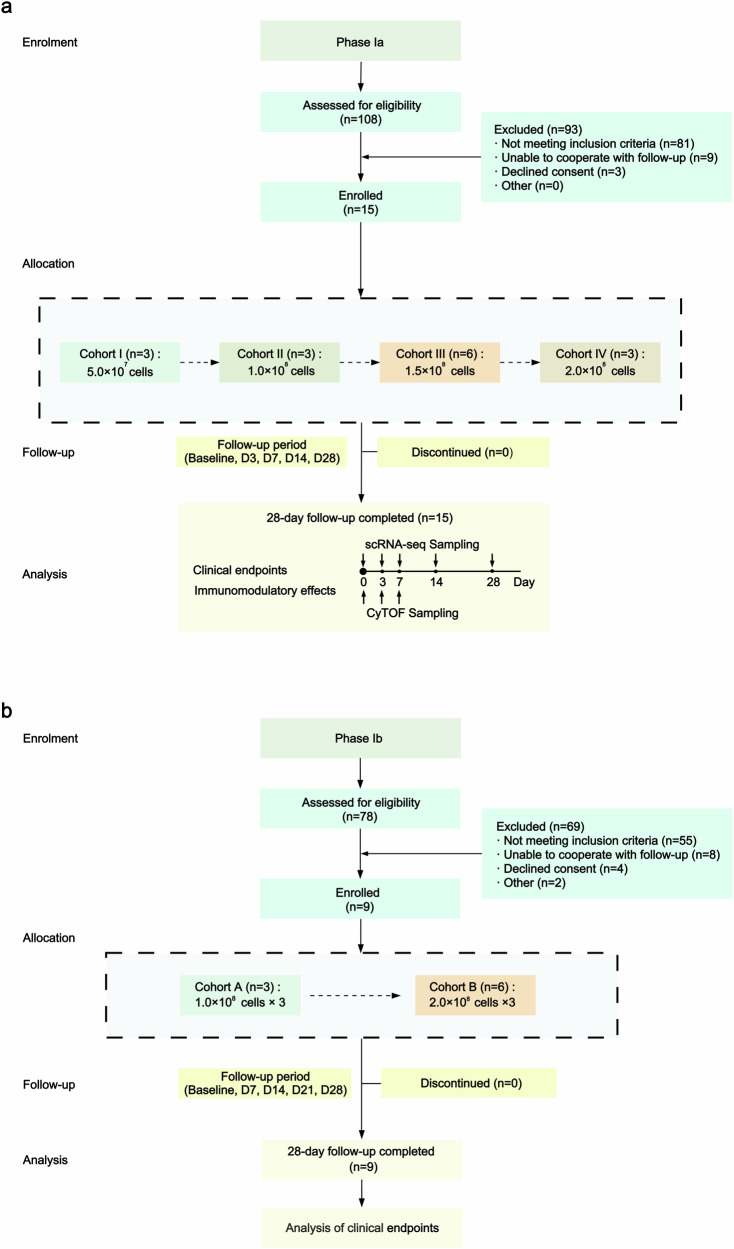
Decompensated liver cirrhosis (DLC) is characterized by severe liver dysfunction and immune dysregulation, posing significant treatment challenges. Mesenchymal stromal cell (MSC) therapy has shown promise in DLC treatment, but the optimal dosing strategies and dose-dependent therapeutic mechanisms in humans remain unclear, limiting its clinical application. We conducted sequential Phase Ia/Ib trials using a single-arm, dose-escalation design to evaluate the safety and tolerability of MSC therapy in DLC patients while also exploring its immunomodulatory effects and gathering preliminary therapeutic signals. In Phase Ia, four dose cohorts received a single dose of MSCs: 5.0 × 10⁷, 1.0 × 10⁸, 1.5 × 10⁸, and 2.0 × 10⁸ cells. Patients were followed up on Days 3, 7, 14, and 28. Multiomics analyses, including single-cell RNA sequencing and cytometry by time of flight, were conducted to perform exploratory mechanistic analyses investigating immune cell dynamics and dose-dependent responses. Building on these findings, Phase Ib included two dose cohorts, each of which received three doses of MSCs administered one week apart: 1.0 × 10⁸ and 2.0 × 10⁸ cells per dose. Patients were followed up on Days 7, 14, 21, and 28 to further evaluate the safety and feasibility of multiple-dose regimens. The trials were registered at ClinicalTrials.gov (NCT05227846 and NCT05984303). MSC therapy demonstrated good safety and tolerability in both Phase Ia and Phase Ib trials, with no severe adverse events, dose-limiting toxicities, or serious unexpected adverse reactions observed up to Day 28. Multi-omics analyses revealed that higher MSC doses elicited stronger immunomodulatory effects, particularly by modulating monocyte subsets. In particular, myxovirus resistance 1 positive (MX1 + ) monocytes, a key monocyte population, exhibited dose-dependent changes and were identified as a mediator of MSC-induced immunomodulation. These effects were sustained for up to seven days post-treatment but diminished by Day 14. Preliminary clinical signals included improvements in Child–Pugh scores, Model for End-Stage Liver Disease scores, liver function markers, and quality-of-life metrics, particularly in the higher-dose and multiple-dose groups. This study demonstrates the safety and tolerability of MSC therapy in patients with DLC and provides the first human-based evidence on the dose‒effect relationship and optimal administration regimens. The identification of MX1 + monocytes as a critical mediator highlights the potential of MSC therapy to modulate immune dysfunction in DLC. These findings offer valuable insights for optimizing MSC therapy and informing the design of future efficacy-focused clinical trials.
Overview
The claims and statistics of this paper haven’t been checked yet.
Free: it reads the open-access text and checks the first 5 claims that cite a source we can check. Create a free account to check every claim.
Integrity signals
Registry
Cites
Statistics
Figures
Verification
Claims the paper makes
The claims and statistics of this paper haven’t been checked yet.
Free: it reads the open-access text and checks the first 5 claims that cite a source we can check. Create a free account to check every claim.
Self-check
Percentages, sums and reported differences re-computed from the paper’s own numbers.
The self-check needs the paper’s full text.
Citations
Cites
Integrated analysis of multimodal single-cell data
Hao, Y., Hao, S., Andersen-Nissen, E., Mauck, W. M., Zheng, S., Butler, A., Lee, M. J., Wilk, A. J., Darby, C., Zagar, M., et al. (2020) · doi:10.1101/2020.10.12.335331 · Cited by 15,508
Inference and analysis of cell-cell communication using CellChat
Jin, S., Guerrero-Juarez, C. F., Zhang, L., Chang, I., Ramos, R., Kuan, C.-H., Myung, P., Plikus, M. V., & Nie, Q. (2021) · Nature Communications · doi:10.1038/s41467-021-21246-9 · Cited by 8,409
McGinnis, C. S., Murrow, L. M., & Gartner, Z. J. (2019) · Cell Systems · doi:10.1016/j.cels.2019.03.003 · Cited by 4,521
The single-cell transcriptional landscape of mammalian organogenesis
Cao, J., Spielmann, M., Qiu, X., Huang, X., Ibrahim, D. M., Hill, A. J., Zhang, F., Mundlos, S., Christiansen, L., Steemers, F. J., et al. (2019) · Nature · doi:10.1038/s41586-019-0969-x · Cited by 4,490
Slingshot: cell lineage and pseudotime inference for single-cell transcriptomics
Street, K., Risso, D., Fletcher, R. B., Das, D., Ngai, J., Yosef, N., Purdom, E., & Dudoit, S. (2018) · BMC Genomics · doi:10.1186/s12864-018-4772-0 · Cited by 3,159
Recommendations for myeloid-derived suppressor cell nomenclature and characterization standards
Bronte, V., Brandau, S., Chen, S.-H., Colombo, M. P., Frey, A. B., Greten, T. F., Mandruzzato, S., Murray, P. J., Ochoa, A., Ostrand-Rosenberg, S., et al. (2016) · Nature Communications · doi:10.1038/ncomms12150 · Cited by 2,751 · cited 1×
“50 Conversely, they increase HLA-DR in nonclassical monocytes to support T-cell immunity.”
Ginès, P., Krag, A., Abraldes, J. G., Solà, E., Fabrellas, N., & Kamath, P. S. (2021) · The Lancet · doi:10.1016/s0140-6736(21)01374-x · Cited by 1,663
Cirrhosis-associated immune dysfunction: Distinctive features and clinical relevance
Albillos, A., Lario, M., & Álvarez-Mon, M. (2014) · Journal of Hepatology · doi:10.1016/j.jhep.2014.08.010 · Cited by 1,242
Stem cell-based therapy for human diseases
Hoang, D. M., Pham, P. T., Bach, T. Q., Ngo, A. T. L., Nguyen, Q. T., Phan, T. T. K., Nguyen, G. H., Le, P. T. T., Hoang, V. T., Forsyth, N. R., et al. (2022) · Signal Transduction and Targeted Therapy · doi:10.1038/s41392-022-01134-4 · Cited by 1,074 · cited 1×
“12 16 – 18 However, the clinical results remain mixed, with some studies reporting limited or no signi fi cant bene fi ts. 19,20 These variations may stem from differences in MSC dosing, administration intervals, inclusion criteria, and outcome de fi nitions, which pose challenges to standardizing MSC…”
Global epidemiology of cirrhosis — aetiology, trends and predictions
Huang, D. Q., Terrault, N. A., Tacke, F., Gluud, L. L., Arrese, M., Bugianesi, E., & Loomba, R. (2023) · Nature Reviews Gastroenterology & Hepatology · doi:10.1038/s41575-023-00759-2 · Cited by 839
Hepatic inflammatory responses in liver fibrosis
Hammerich, L., & Tacke, F. (2023) · Nature Reviews Gastroenterology & Hepatology · doi:10.1038/s41575-023-00807-x · Cited by 803
Clària, J., Stauber, R. E., Coenraad, M. J., Moreau, R., Jalan, R., Pavesi, M., Amorós, À., Titos, E., Alcaraz‐Quiles, J., Oettl, K., et al. (2016) · Hepatology · doi:10.1002/hep.28740 · Cited by 763
Inference and analysis of cell-cell communication using CellChatPreprint
Jin, S., Guerrero‐Juarez, C. F., Zhang, L., et al. (2020) · bioRxiv (Cold Spring Harbor Laboratory) · doi:10.1101/2020.07.21.214387 · Cited by 604
Fernández, J., Acevedo, J., Wiest, R., Gustot, T., Amoros, A., Deulofeu, C., Reverter, E., Martínez, J., Saliba, F., Jalan, R., et al. (2018) · Gut · doi:10.1136/gutjnl-2017-314240 · Cited by 572 · cited 1×
“10,11 Thus, effective treatment of CAID necessitates strategies that modulate the immune response rather than inhibiting or excessively stimulating it.”
Arroyo, V., Angeli, P., Moreau, R., Jalan, R., Clària, J., Trebicka, J., Fernández, J., Gustot, T., Caraceni, P., & Bernardi, M. (2021) · Journal of Hepatology · doi:10.1016/j.jhep.2020.11.048 · Cited by 458
Liang, J., Zhang, H., Hua, B., Wang, H., Lu, L., Shi, S., Hou, Y., Zeng, X., Gilkeson, G. S., & Sun, L. (2010) · Annals of the Rheumatic Diseases · doi:10.1136/ard.2009.123463 · Cited by 449 · cited 1×
“37 For liver disease, doses generally range from 5 × 10 5 to 1 × 10 6 cells/kg. 18 On the basis of this evidence, we selected doses of 5.0 × 10 7 to 2.0 × 10 8 cells for Phase Ia, corresponding to 7 × 10 5 to 3 × 10 6 cells/kg for a 70 kg patient (estimated average weight).”
InfluentialCirrhosis-associated immune dysfunction
Albillos, A., Martin-Mateos, R., Van der Merwe, S., Wiest, R., Jalan, R., & Álvarez-Mon, M. (2022) · Nature Reviews Gastroenterology & Hepatology · doi:10.1038/s41575-021-00520-7 · Cited by 447 · cited 5×
“4 Mesenchymal stromal cells (MSCs) have gained recognition as promising cell therapy candidates due to their ease of access, low immunogenicity, differentiation potential, and potent immuno-modulatory capabilities.”
InfluentialShi, M., Zhang, Z., Xu, R., Lin, H., Fu, J., Zou, Z., Zhang, A., Shi, J., Chen, L., Lv, S., et al. (2012) · Stem Cells Translational Medicine · doi:10.5966/sctm.2012-0034 · Cited by 374
Self-citationZhang, Z., Lin, H., Shi, M., Xu, R., Fu, J., Lv, J., Chen, L., Lv, S., Li, Y., Yu, S., et al. (2012) · Journal of Gastroenterology and Hepatology · doi:10.1111/j.1440-1746.2011.07024.x · Cited by 372
Self-citationCell therapy for liver disease: From liver transplantation to cell factory
Forbes, S. J., Gupta, S., & Dhawan, A. (2015) · Journal of Hepatology · doi:10.1016/j.jhep.2015.02.040 · Cited by 325 · cited 4×
“Adverse events (AEs) up to Day 28 are summarized in Table 2.”
InfluentialAllogeneic mesenchymal stem cell treatment alleviates experimental and clinical Sjögren syndrome
Xu, J., Wang, D., Liu, D., Fan, Z., Zhang, H., Liu, O., Ding, G., Gao, R., Zhang, C., Ding, Y., et al. (2012) · Blood · doi:10.1182/blood-2011-11-391144 · Cited by 315
Self-citationReciprocal regulation of mesenchymal stem cells and immune responses
Wang, Y., Fang, J., Liu, B., Shao, C., & Shi, Y. (2022) · Cell Stem Cell · doi:10.1016/j.stem.2022.10.001 · Cited by 311 · cited 6×
“Few trials have used a dose-escalation approach to evaluate MSC dose ‒ response in DLC. 21 Thus, a deeper understanding of the mechanisms by which MSCs treat DLC and CAID in the human body is necessary to enable effective clinical protocols.”
InfluentialZimmermann, H. W., Seidler, S., Nattermann, J., Gassler, N., Hellerbrand, C., Zernecke, A., Tischendorf, J. J. W., Luedde, T., Weiskirchen, R., Trautwein, C., et al. (2010) · PLoS ONE · doi:10.1371/journal.pone.0011049 · Cited by 310 · cited 2×
“43,44 This difference suggests that immune cells play various roles in CAID.”
Suk, K. T., Yoon, J., Kim, M. Y., Kim, C. W., Kim, J. K., Park, H., Hwang, S. G., Kim, D. J., Lee, B. S., Lee, S. H., et al. (2016) · Hepatology · doi:10.1002/hep.28693 · Cited by 303
Lin, B., Chen, J., Qiu, W., Wang, K., Xie, D., Chen, X., Liu, Q., Peng, L., Li, J., Mei, Y., et al. (2017) · Hepatology · doi:10.1002/hep.29189 · Cited by 288
The Role of Monocytes and Macrophages in Acute and Acute-on-Chronic Liver Failure
Triantafyllou, E., Woollard, K. J., McPhail, M. J. W., Antoniades, C. G., & Possamai, L. A. (2018) · Frontiers in Immunology · doi:10.3389/fimmu.2018.02948 · Cited by 285 · cited 1×
“47 Therefore, both proin fl ammatory (HLA-DR high ) and anti-in fl ammatory (HLA-DR low ) monocytes may coexist in the blood of DLC patients.”
Scott, M. K. D., Quinn, K., Li, Q., Carroll, R., Warsinske, H., Vallania, F., Chen, S., Carns, M. A., Aren, K., Sun, J., et al. (2019) · The Lancet Respiratory Medicine · doi:10.1016/s2213-2600(18)30508-3 · Cited by 237 · cited 1×
“Previous studies have demonstrated that peripheral blood monocytes can serve as biomarkers for various diseases, such as fi brotic diseases, 52 multiple myeloma, 53 and autoimmune encephalitis.”
Self-citationMesenchymal stromal cell therapy for liver diseases
Alfaifi, M., Eom, Y. W., Newsome, P. N., & Baik, S. K. (2018) · Journal of Hepatology · doi:10.1016/j.jhep.2018.01.030 · Cited by 217 · cited 1×
“13,17,18,21 These discrepancies underscore the critical need for evidence-based dose optimization in MSC therapy.”
Kurtzberg, J., Abdel-Azim, H., Carpenter, P., Chaudhury, S., Horn, B., Mahadeo, K., Nemecek, E., Neudorf, S., Prasad, V., Prockop, S., et al. (2020) · Biology of Blood and Marrow Transplantation · doi:10.1016/j.bbmt.2020.01.018 · Cited by 206
Innate immune cells in cirrhosis
Bernsmeier, C., van der Merwe, S., & Périanin, A. (2020) · Journal of Hepatology · doi:10.1016/j.jhep.2020.03.027 · Cited by 202 · cited 3×
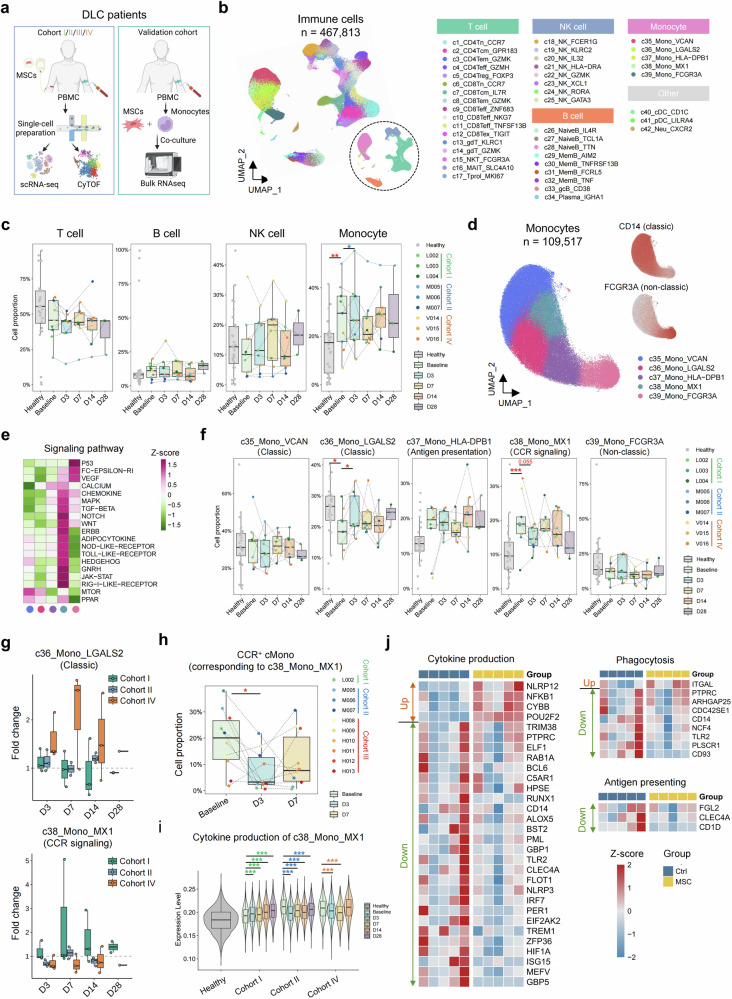
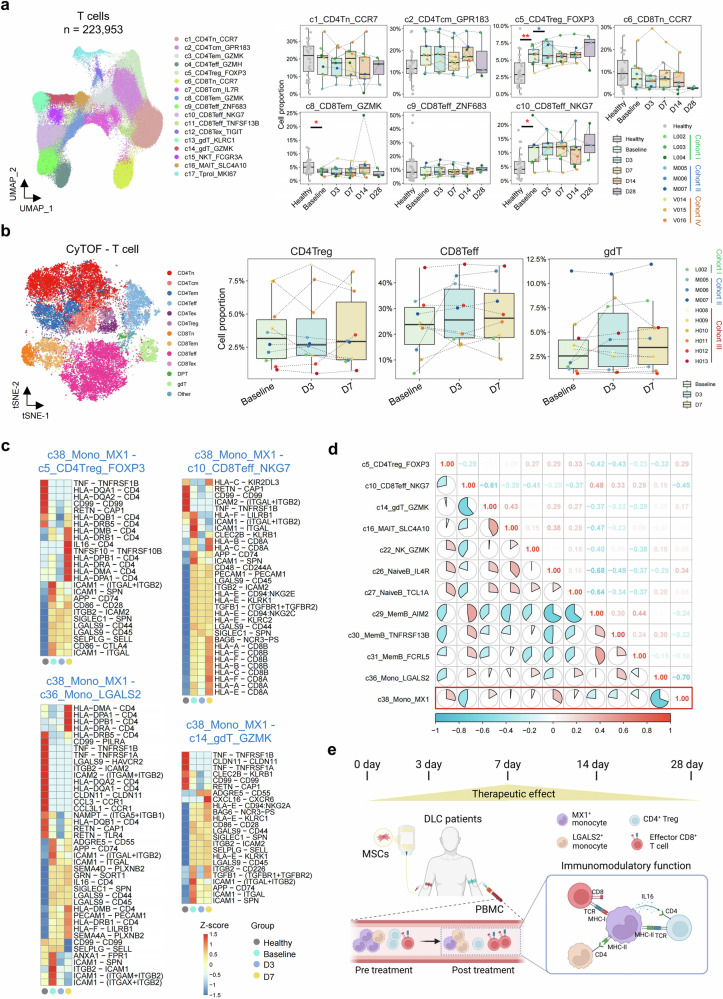
“9 For other immune cells, while cytotoxic CD8 + T cells and NK cells were already elevated at baseline, MSC treatment further increased their levels.”
Wang, L., Li, J., Liu, H., Li, Y., Fu, J., Sun, Y., Xu, R., Lin, H., Wang, S., Lv, S., et al. (2013) · Journal of Gastroenterology and Hepatology · doi:10.1111/jgh.12029 · Cited by 195
Self-citationMohamadnejad, M., Alimoghaddam, K., Bagheri, M., Ashrafi, M., Abdollahzadeh, L., Akhlaghpoor, S., Bashtar, M., Ghavamzadeh, A., & Malekzadeh, R. (2013) · Liver International · doi:10.1111/liv.12228 · Cited by 182 · cited 2×
“12 16 – 18 However, the clinical results remain mixed, with some studies reporting limited or no signi fi cant bene fi ts. 19,20 These variations may stem from differences in MSC dosing, administration intervals, inclusion criteria, and outcome de fi nitions, which pose challenges to standardizing MSC…”
Bernsmeier, C., Triantafyllou, E., Brenig, R., Lebosse, F. J., Singanayagam, A., Patel, V. C., Pop, O. T., Khamri, W., Nathwani, R., Tidswell, R., et al. (2018) · Gut · doi:10.1136/gutjnl-2017-314184 · Cited by 159 · cited 1×
“4,26 According to our data and previous studies, the number of monocytes with high expression of HLA-DR and CD14 (HLA-DPB1 + monocytes) is elevated in DLC patients, 43 and MSC treatment can reduce the proportion of this monocyte subset.”
Microencapsulated human mesenchymal stem cells decrease liver fibrosis in mice
Meier, R. P. H., Mahou, R., Morel, P., Meyer, J., Montanari, E., Muller, Y. D., Christofilopoulos, P., Wandrey, C., Gonelle-Gispert, C., & Bühler, L. H. (2015) · Journal of Hepatology · doi:10.1016/j.jhep.2014.10.030 · Cited by 153
Mesenchymal stromal cells in hepatic fibrosis/cirrhosis: from pathogenesis to treatment
Yang, X., Li, Q., Liu, W., Zong, C., Wei, L., Shi, Y., & Han, Z. (2023) · Cellular & Molecular Immunology · doi:10.1038/s41423-023-00983-5 · Cited by 120 · cited 2×
“21 While the immunomodulatory potential of MSCs is recognized as a key therapeutic bene fi t, 17,21 most mechanistic insights have been derived from preclinical studies, 17,22 – 24 with limited evidence available from human trials.”
Self-citationMesenchymal Stem Cell-Derived Extracellular Vesicles in Liver Immunity and Therapy
Wu, R., Fan, X., Wang, Y., Shen, M., Zheng, Y., Zhao, S., & Yang, L. (2022) · Frontiers in Immunology · doi:10.3389/fimmu.2022.833878 · Cited by 117 · cited 1×
“21 While the immunomodulatory potential of MSCs is recognized as a key therapeutic bene fi t, 17,21 most mechanistic insights have been derived from preclinical studies, 17,22 – 24 with limited evidence available from human trials.”
Self-citationA Pilot Study of Mesenchymal Stem Cell Therapy for Acute Liver Allograft Rejection
Shi, M., Liu, Z., Wang, Y., Xu, R., Sun, Y., Zhang, M., Yu, X., Wang, H., Meng, L., Su, H., et al. (2017) · Stem Cells Translational Medicine · doi:10.1002/sctm.17-0134 · Cited by 116 · cited 1×
“32 However, the existing evidence remains contradictory, as some trials report no signi fi cant clinical bene fi ts and even indicate possible pro fi brotic effects.”
Self-citationStem cell therapies for liver failure and cirrhosis
Zhang, Z., & Wang, F.-S. (2013) · Journal of Hepatology · doi:10.1016/j.jhep.2013.01.018 · Cited by 115
Self-citationLaso, F. J., Madruga, J. I., Giron, J. A., Lopez, A., Ciudad, J., San Miguel, J. F., Alvarez-Mon, M., & Orfao, A. (1997) · Hepatology · doi:10.1002/hep.510250508 · Cited by 109 · cited 1×
“51 Therefore, the MSC-induced increase in CD8 + T-cell and NK cell cytotoxicity could enhance the clearance of aberrant cells, suggesting improved immune homeostasis.”
Piano, S. S., Bunchorntavakul, C., Marciano, S., & Reddy, K. R. (2024) · The Lancet. Gastroenterology & hepatology · doi:10.1016/s2468-1253(24)00078-5 · Cited by 109
Korf, H., du Plessis, J., van Pelt, J. F., Groote, S. D., Cassiman, D. M., Verbeke, L., Ghesquière, B., Fendt, S., Bird, M., Talebi, A., et al. (2018) · Gut · doi:10.1136/gutjnl-2018-316888 · Cited by 107 · cited 1×
“48 However, another study revealed that the antigen presentation process was more common in classical monocytes from non-recovered ACLF patients than in those from recovered ACLF patients.”
Xu, L., Gong, Y., Wang, B., Shi, K., Hou, Y., Wang, L., Lin, Z., Han, Y., Lu, L., Chen, D., et al. (2014) · Journal of Gastroenterology and Hepatology · doi:10.1111/jgh.12653 · Cited by 106 · cited 1×
“25 A clearer understanding of the mechanisms underlying MSC persistence and activity in humans is critical for optimizing dosing strategies and treatment intervals.”
Giacomini, C., Granéli, C., Hicks, R., & Dazzi, F. (2023) · Cellular and Molecular Immunology · doi:10.1038/s41423-023-01018-9 · Cited by 106 · cited 1×
“4,9,39 For example, MSCs can induce CSF-1R ⁺ monocytes that produce IL-10 40 and modulate monocyte-driven in fl ammation via the Pinch – Cxcl12 – Mbl2 axis 41 in mouse models.”
Gustot, T., Felleiter, P., Pickkers, P., Sakr, Y., Rello, J., Velissaris, D., Pierrakos, C., Taccone, F. S., Sevcik, P., Moreno, C., et al. (2014) · Liver International · doi:10.1111/liv.12520 · Cited by 103 · cited 1×
“10,11 Thus, effective treatment of CAID necessitates strategies that modulate the immune response rather than inhibiting or excessively stimulating it.”
Yang, L., Chang, N., Liu, X., Han, Z., Zhu, T., Li, C., Yang, L., & Li, L. (2012) · American Journal Of Pathology · doi:10.1016/j.ajpath.2012.03.014 · Cited by 100
Lebossé, F., Gudd, C., Tunc, E., Singanayagam, A., Nathwani, R., Triantafyllou, E., Pop, O., Kumar, N., Mukherjee, S., Hou, T. Z., et al. (2019) · eBioMedicine · doi:10.1016/j.ebiom.2019.10.011 · Cited by 100 · cited 2×
“45,46 Our study provides the fi rst comprehensive single-cell landscape of immune cell alterations in DLC patients treated with MSC, utilizing scRNA-seq and CyTOF.”
Berres, M., Schnyder, B., Yagmur, E., Inglis, B., Stanzel, S., Tischendorf, J. J. W., Koch, A., Winograd, R., Trautwein, C., & Wasmuth, H. E. (2009) · Liver International · doi:10.1111/j.1478-3231.2008.01870.x · Cited by 73 · cited 1×
“43,44 This difference suggests that immune cells play various roles in CAID.”
Efficacy of autologous mesenchymal stem cell transplantation in patients with liver cirrhosis
Kantarcıoğlu, M., Demirci, H., Avcu, F., Karslıoğlu, Y., Babayiğit, M. A., Karaman, B., Öztürk, K., Gürel, H., Akdoğan Kayhan, M., Kaçar, S., et al. (2015) · Turkish Journal of Gastroenterology · doi:10.5152/tjg.2015.0074 · Cited by 60
Feng, X., Feng, B., Zhou, J., Yang, J., Pan, Q., Yu, J., Shang, D., Li, L., & Cao, H. (2025) · Hepatology · doi:10.1097/hep.0000000000000831 · Cited by 60 · cited 1×
“21 While the immunomodulatory potential of MSCs is recognized as a key therapeutic bene fi t, 17,21 most mechanistic insights have been derived from preclinical studies, 17,22 – 24 with limited evidence available from human trials.”
Lanthier, N., Lin-Marq, N., Rubbia-Brandt, L., Clément, S., Goossens, N., & Spahr, L. (2017) · Stem Cell Research & Therapy · doi:10.1186/s13287-017-0541-2 · Cited by 52 · cited 1×
“20,33,34 The variability in clinical outcomes across studies likely re fl ects differences in dosing regimens and intervals.”
Expression of AXL receptor tyrosine kinase relates to monocyte dysfunction and severity of cirrhosis
Brenig, R. G., Pop, O. T., Triantafyllou, E., Geng, A., Singanayagam, A., Perez‐Shibayama, C., Bešše, L., Cupovic, J., Künzler‐Heule, P., Boldanova, T., et al. (2019) · Life Science Alliance · doi:10.26508/lsa.201900465 · Cited by 45 · cited 1×
“45,46 Our study provides the fi rst comprehensive single-cell landscape of immune cell alterations in DLC patients treated with MSC, utilizing scRNA-seq and CyTOF.”
Stem Cell Therapies for Chronic Liver Diseases: Progress and Challenges
Li, T., Wang, Z.-R., Yao, W., Linghu, E., Wang, F., & Shi, L. (2022) · Stem Cells Translational Medicine · doi:10.1093/stcltm/szac053 · Cited by 40 · cited 3×
“12 16 – 18 However, the clinical results remain mixed, with some studies reporting limited or no signi fi cant bene fi ts. 19,20 These variations may stem from differences in MSC dosing, administration intervals, inclusion criteria, and outcome de fi nitions, which pose challenges to standardizing MSC…”
InfluentialSelf-citationFeio‐Azevedo, R., Boesch, M., Radenkovic, S., Melkebeke, L. V., Smets, L., Wallays, M., Boeckx, B., Philips, G., de Oliveira, J. P., Ghorbani, M., et al. (2024) · Hepatology · doi:10.1097/hep.0000000000000907 · Cited by 32 · cited 1×
“49 The two different outcomes may be associated with distinct subsets of monocytes.”
Wang, H., Yao, W., Wang, Y., Dong, H., Dong, T., Zhou, W., Cui, L., Zhao, L., Zhang, Y., Shi, L., et al. (2023) · Stem Cell Research & Therapy · doi:10.1186/s13287-023-03494-2 · Cited by 28 · cited 1×
“12 16 – 18 However, the clinical results remain mixed, with some studies reporting limited or no signi fi cant bene fi ts. 19,20 These variations may stem from differences in MSC dosing, administration intervals, inclusion criteria, and outcome de fi nitions, which pose challenges to standardizing MSC…”
Self-citationPeripheral blood monocyte count is a dynamic prognostic biomarker in multiple myeloma
Edwards, C. V., Hassan, H., Yildirim, C., Ferri, G. M., Verma, K. P., Horwitz, M. E. M., Fillmore, N. R., & Munshi, N. C. (2023) · Blood Advances · doi:10.1182/bloodadvances.2022008021 · Cited by 27 · cited 1×
“Previous studies have demonstrated that peripheral blood monocytes can serve as biomarkers for various diseases, such as fi brotic diseases, 52 multiple myeloma, 53 and autoimmune encephalitis.”
Peripheral monocytes and soluble biomarkers in autoimmune encephalitis
Wesselingh, R., Griffith, S. P., Broadley, J., Tarlinton, D. M., Buzzard, K. A., Seneviratne, U. K., Butzkueven, H., O'Brien, T. J., & Monif, M. (2023) · Journal of Autoimmunity · doi:10.1016/j.jaut.2023.103000 · Cited by 25 · cited 1×
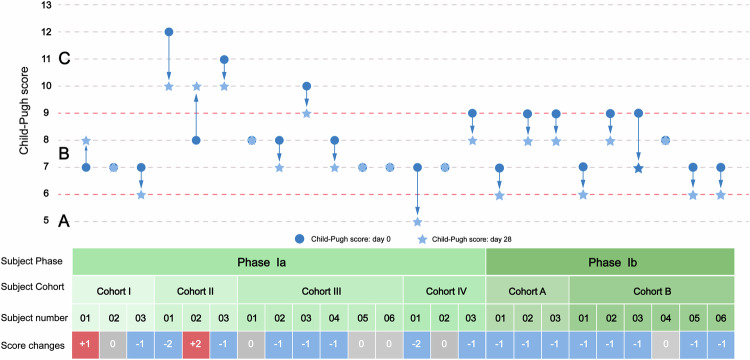
“54 In our studies, the change in the proportion of MX1 ⁺ monocytes was consistent with the change in the Child ‒ Pugh score — patients who showed a greater decrease in score after treatment maintained a lower level of MX1 ⁺ monocytes.”
Zheng, X., Tian, S., Li, T., Zhang, S., Zhou, X., Liu, Y., Su, R. J., Zhang, M., Li, B., Qi, C., et al. (2025) · Signal Transduction and Targeted Therapy · doi:10.1038/s41392-025-02162-6 · Cited by 20
He, T., Zhou, B., Sun, G., Yan, Q., Lin, S., Ma, G., Yao, Q., Wu, X., Zhong, Y., Gan, D., et al. (2024) · Cell Death & Differentiation · doi:10.1038/s41418-023-01243-9 · Cited by 19 · cited 1×
“4,9,39 For example, MSCs can induce CSF-1R ⁺ monocytes that produce IL-10 40 and modulate monocyte-driven in fl ammation via the Pinch – Cxcl12 – Mbl2 axis 41 in mouse models.”
Lee, H. J., Choi, Y. R., Ko, J. H., Ryu, J. S., & Oh, J. Y. (2024) · Molecular Therapy · doi:10.1016/j.ymthe.2024.04.026 · Cited by 15
Research works printed but not linked: 1
- Feio-Azevedo, R. et al. Distinct immunometabolic signatures in circulating immune cells define disease outcome in acute-on-chronic liver failure. Hepatology 81, 509–522 (2024). 38761406 PMC11737128 · DOI
Cited by
Choi, S., & Jeong, J. (2026) · International Journal of Molecular Sciences · doi:10.3390/ijms27020619 · Cited by 12
“The apparent limited or inconsistent duration of efficacy in these short-term studies may reflect progressive liver injury, persistent inflammatory milieu, and/or limited engraftment or survival of infused MSCs in the hostile hepatic environment [166].”
InfluentialMesenchymal stem cell therapy for end-stage liver disease: adversity and opportunity
Li, S., Wang, Y., Li, S., Zhu, Y., Du, Y., Zheng, X., & Wu, J. (2025) · Stem Cell Research & Therapy · doi:10.1186/s13287-025-04788-3 · Cited by 6
“…cirrhosis who retain reasonable hepatic reserve (typically defined by objective criteria such as Child-Pugh score ≥ B7 or MELD score >15) may derive greater benefit compared to ACLF patients with multi-organ failure, demonstrating improvements in liver function and quality of life [55].”
Effects of Different Forms of Selenium in Human Umbilical Cord Mesenchymal Stem Cells
Ni, B., Li, C., Lin, H., Chen, W., Xu, R., Li, H. ‐., Chen, X., Lu, J., & Yang, F. (2025) · Biomedicines · doi:10.3390/biomedicines13122861 · Cited by 2
“Recent research by Shi et al. [9] in cirrhosis highlights that determining the optimal dosage and administration protocol for MSCs remains a central challenge for clinical translation.”
Wang, S., Wang, Y., Zhang, S., Li, T., Zhou, X., & Chen, L. (2025) · Frontiers in Endocrinology · doi:10.3389/fendo.2025.1691224 · Cited by 2
Application of stem cells in the precise diagnosis and treatment of liver diseases
Wang, Y.-X., Ren, Y.-N., Zhang, S.-S., Sun, S., Xu, M.-Y., Wei, T., & Zhang, L.-S. (2025) · World Journal of Gastroenterology · doi:10.3748/wjg.v31.i46.114415 · Cited by 2
“In another phase Ia/Ib trials, Shi et al [178] recently verified the outcomes and dose-effect relationship of liver cirrhosis patients with three doses of MSC infusion, and observed the stronger immunomodulatory effects induced by higher MSC doses[182].”
Metadata
- Authors
- Shi, L., Zhang, Z., Mei, S., Wang, Z., Xu, Z., Yao, W., Liu, L., Yuan, M., Pan, Y., Zhu, K., Liu, K., Meng, F., Sun, J., Liu, W., Xie, X., Dong, T., Huang, L., Meng, F., Fu, J.-L., Li, Y., Zhang, C., Fan, X., Shi, M., Zhang, Y., Li, Y., Xie, W.-F., Zhang, P., & Wang, F.-S.
- Affiliations
- Chinese PLA General Hospital (CN)
- Shanghai Jiao Tong University (CN)
- Hubei University of Technology (CN)
- Second Military Medical University (CN)
- Capital Medical University (CN)
- Corresponding author
- Shi, Lei
- Zhang, Peng
- Wang, Fu-Sheng
- ORCID
- Venue
- Signal Transduction and Targeted Therapy
- Published
- 2025-07-29
- Volume
- 10
- Issue
- 1
- Pages
- 238-238
- ISSN
- 2059-3635 (ISSN-L)
- PMC
- PMC12304480
- OpenAlex
- W4412726720
- Cited by
- 16
- References
- 58
- Citations by year
- 2026: 12 · 2025: 4
- FWCI
- 10.28
- Type
- journal article
- Language
- en
- Open access
- gold
- doi.org
- Licence
- cc-by
- creativecommons.org/licenses/by/4.0 (tdm)
- creativecommons.org/licenses/by/4.0 (vor)
- Locations
- Signal Transduction and Targeted Therapy (publishedVersion, cc-by)
- PubMed Central (publishedVersion, cc-by)
- PubMed (publishedVersion)
- DOAJ (DOAJ: Directory of Open Access Journals) (submittedVersion, cc-by-sa)
- Funders
- National Children's Research Centre
- Sun Yat-sen University
- Sichuan University
- General Hospital of People’s Liberation Army
- NIH Clinical Center
- Topics
- Life Sciences › Biochemistry, Genetics and Molecular Biology › Cell Biology › Mesenchymal stem cell research
- Health Sciences › Medicine › Hepatology › Liver Disease and Transplantation
- Health Sciences › Medicine › Hepatology › Liver physiology and pathology
- Keywords
- mesenchymal stem cells, cell therapy, decompensated cirrhosis, dose escalation, immunomodulation, monocyte subsets, safety and tolerability, multiple-dose regimen, Child-Pugh score, MELD score, liver function, single-cell RNA sequencing, multi-omics, liver fibrosis
- MeSH terms
- Adult, Aged, Female, Humans, Liver Cirrhosis, Male, Middle Aged, Mesenchymal Stem Cell Transplantation, Immunomodulation, Mesenchymal Stem Cells
About these checks
Registry, retraction, Cites and statistics results are computed, not judged, with one exception: a printed reference that no index lists is read once by a model before it counts as a citation error. Claims are extracted by a model and kept only when their quote appears verbatim in the text; each cited source is then checked, with a model’s help, for whether it says what the claim relies on. Those verdicts can be wrong — read the claim’s quote and the cited source before relying on one.
Statistics and arithmetic are recomputed, not judged.
Confidence bands are shown only for fields calibrated on our annotated test set. None is calibrated yet, so no band is shown.
What counts as a claim ›How we measure confidence ›How we check this ›
Are you an author, or do you see a problem with this page? Request a review
Data sources
Bibliographic data: Semantic Scholar, OpenAlex, Crossref.
Contains information from the Semantic Scholar Academic Graph Datasets, made available under the ODC Attribution License (ODC-BY 1.0).
Semantic Scholar’s data is described in: Kinney, R., et al. (2023). The Semantic Scholar Open Data Platform. arXiv:2301.10140.
