

Single-cell spatial analysis with Xenium reveals anti-tumour responses of CXCL13 + T and CXCL9+ cells after radiotherapy combined with anti-PD-L1 therapy
Open accessThe DOI matches its Crossref record; 55 of the 56 references it cites were found in a registry or an index.
Abstract
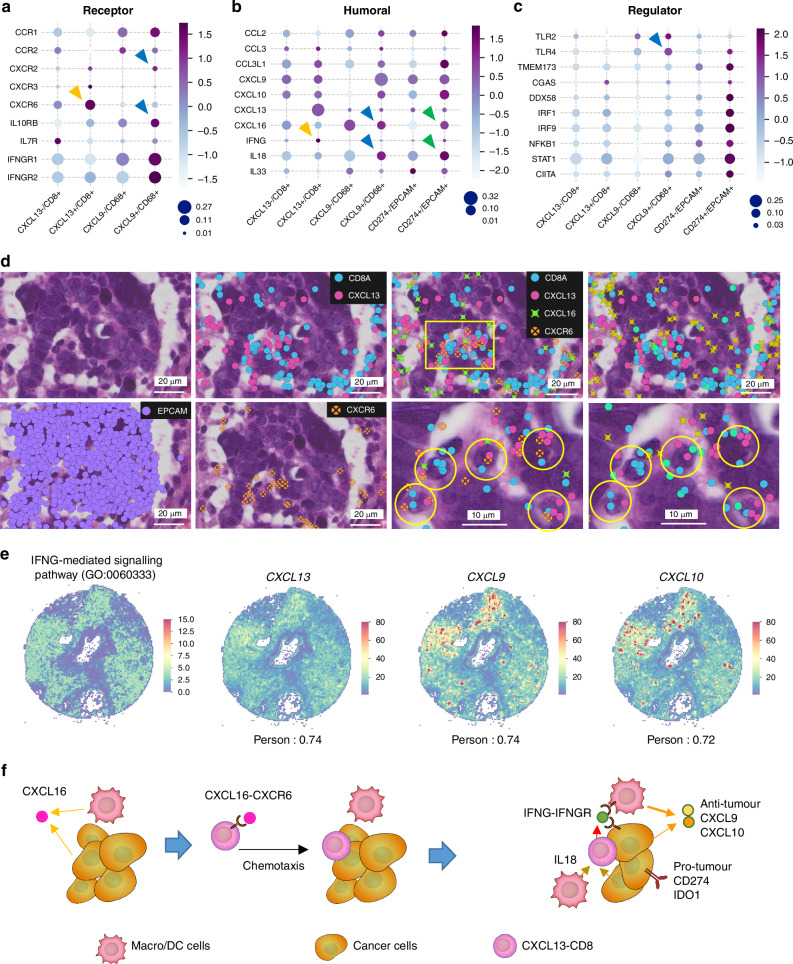
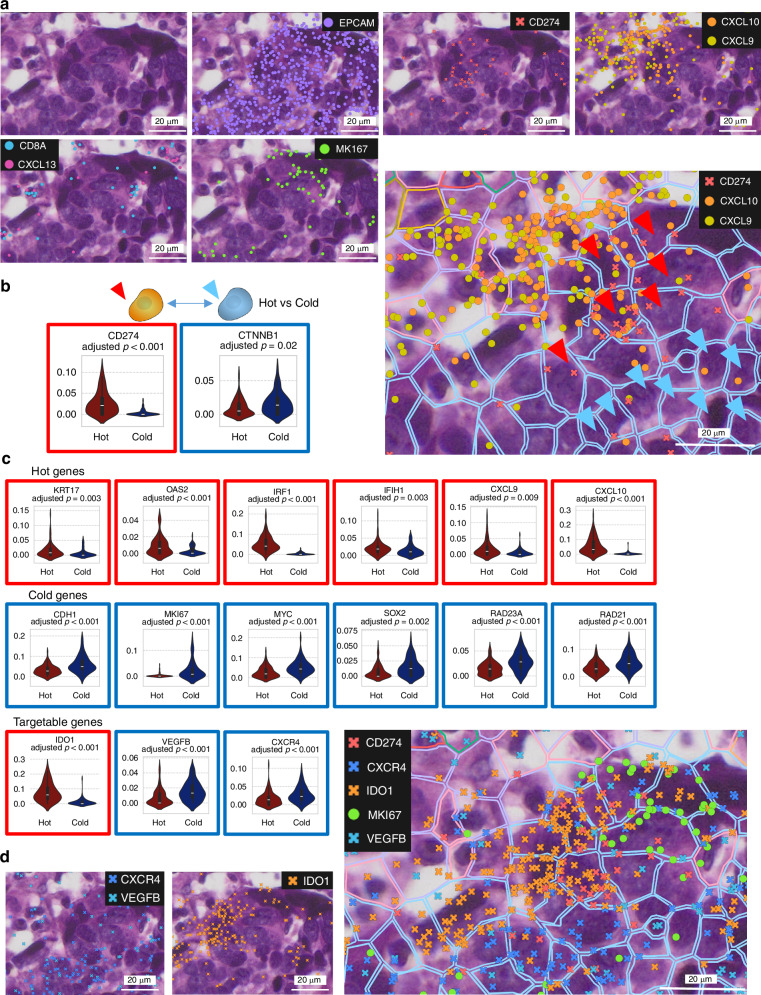
Background: The standard treatment for unresectable non-small cell lung cancer (NSCLC) is anti-PD-L1 therapy combined with chemoradiotherapy (anti-PD-L1-CRT). Although some patients achieve complete cancer eradication and cure, more than half of patients retain persistent cancer cells. Our research aimed to unravel the nuanced mechanisms involved in both immune attack and evasion induced by anti-PD-L1-CRT with single cell spatial transcriptome. Methods: Xenium is a cutting-edge single-cell spatial analysis tool that enables pathology-based and single-cell analyses while preserving spatial information. In our study, we used Xenium to identify the tumour microenvironment (TME), immune dynamics, and residual cancer cells at the single-cell level following treatment with anti-PD-L1-CRT. Results: Posttreatment alterations included a significant increase in CXCL9+ cells and CXCL13 + T cells, particularly around tumour cells. Additionally, we discovered that CXCL13 + T cells directly impact cancer cells in the posttreatment environment. Moreover, we identified clusters of immune-cold cancer cells posttreatment, revealing their activation of DNA repair pathways and high proliferative capacity. The novel spatial analysis tool Xenium enabled identification of the immune environment at the single-cell level following treatment with anti-PD-L1-CRT, elucidating its characteristics. Conclusions: These findings suggest potential advancements in developing new treatments to improve posttreatment immune responses and address resistance challenges.
Overview
The claims and statistics of this paper haven’t been checked yet.
Free: it reads the open-access text and checks the first 5 claims that cite a source we can check. Create a free account to check every claim.
Integrity signals
Registry
Cites
Statistics
Figures
Verification
Claims the paper makes
The claims and statistics of this paper haven’t been checked yet.
Free: it reads the open-access text and checks the first 5 claims that cite a source we can check. Create a free account to check every claim.
Claims other papers make about this one
Each is checked against this paper’s own text: does it say what the citing paper says it does?
The source backs part of the claim, not all of it — or backs it for a different population, condition or comparison.
In the citing paper
“Spatial transcriptomics (ST) is evolving to provide higher resolution and multimodal integration, with tools like Xenium enabling single-cell spatial analysis of gene expression (Sakai et al., 2025).”
From Spatial pharmacology of anti-cancer immunomodulators: a comprehensive review (2026) · cites this paper as Sakai et al., 2025
Experimental — accuracy not yet measuredThe cited source says what the claim attributes to it.
In the citing paper
“Xenium was used to study the TME after radiotherapy combined with anti-PD-L1 therapy, revealing an increase in CXCL9+ cells and CXCL13 + T cells around tumor cells (Sakai et al., 2025).”
From Spatial pharmacology of anti-cancer immunomodulators: a comprehensive review (2026) · cites this paper as Sakai et al., 2025
Self-check
Percentages, sums and reported differences re-computed from the paper’s own numbers.
The self-check needs the paper’s full text.
Citations
Cites
1 retracted
Zhu, X., Cao, Y., Liu, W., Ju, X., Zhao, X., Jiang, L., Ye, Y., Jin, G., & Zhang, H. (2021) · The Lancet Oncology · doi:10.1016/s1470-2045(21)00286-2 · Cited by 75
RetractedDurvalumab after chemoradiotherapy in stage III non–small-cell lung cancer
Antonia, S. J., Villegas, A., Daniel, D., Vicente, D., Murakami, S., Hui, R., Yokoi, T., Chiappori, A., Lee, K. H., de Wit, M., et al. (2017) · New England Journal of Medicine · doi:10.1056/nejmoa1709937 · Cited by 4,593
Immunogenic cell death in cancer and infectious disease
Galluzzi, L., Buqué, A., Kepp, O., Zitvogel, L., & Kroemer, G. (2017) · Nature Reviews Immunology · doi:10.1038/nri.2016.107 · Cited by 3,119 · cited 1×
“Recently, accumulating evidence has revealed that immune responses and immunological cell death also contribute to the antitumour effect of RT [1, 2].”
Overall Survival with Durvalumab after Chemoradiotherapy in Stage III NSCLC
Antonia, S. J., Villegas, A., Daniel, D., Vicente, D., Murakami, S., Hui, R., Kurata, T., Chiappori, A., Lee, K. H., de Wit, M., et al. (2018) · New England Journal of Medicine · doi:10.1056/nejmoa1809697 · Cited by 2,798 · cited 1×
“Notably, addition of anti-PD-L1 therapy signi fi cantly improved the effect of CRT on non-small cell lung cancer (NSCLC) in a phase III study [6, 7].”
The evolving landscape of biomarkers for checkpoint inhibitor immunotherapy
Havel, J. J., Chowell, D., & Chan, T. A. (2019) · Nature Reviews Cancer · doi:10.1038/s41568-019-0116-x · Cited by 2,286
Bradley, J. D., Paulus, R., Komaki, R., Masters, G., Blumenschein, G., Schild, S., Bogart, J., Hu, C., Forster, K., Magliocco, A., et al. (2015) · The Lancet Oncology · doi:10.1016/s1470-2045(14)71207-0 · Cited by 2,015
Reits, E. A., Hodge, J. W., Herberts, C. A., Groothuis, T. A., Chakraborty, M., K.Wansley, E., Camphausen, K., Luiten, R. M., de Ru, A. H., Neijssen, J., et al. (2006) · The Journal of Experimental Medicine · doi:10.1084/jem.20052494 · Cited by 1,737 · cited 1×
“Recently, accumulating evidence has revealed that immune responses and immunological cell death also contribute to the antitumour effect of RT [1, 2].”
(2010) · Nature Cell Biology · doi:10.1038/ncb0510-413b · Cited by 1,604
Angiogenic signaling pathways and anti-angiogenic therapy for cancer
Liu, Z.-L., Chen, H.-H., Zheng, L.-L., Sun, L.-P., & Shi, L. (2023) · Signal Transduction and Targeted Therapy · doi:10.1038/s41392-023-01460-1 · Cited by 1,300
Inflammatory microenvironment remodelling by tumour cells after radiotherapy
McLaughlin, M., Patin, E. C., Pedersen, M., Wilkins, A., Dillon, M. T., Melcher, A. A., & Harrington, K. J. (2020) · Nature Reviews Cancer · doi:10.1038/s41568-020-0246-1 · Cited by 883
Zhang, Y., Chen, H., Mo, H., Hu, X., Gao, R., Zhao, Y., Liu, B., Niu, L., Sun, X., Yu, X., et al. (2021) · Cancer Cell · doi:10.1016/j.ccell.2021.09.010 · Cited by 783
Pham, D., Tan, X., Balderson, B., Xu, J., Grice, L. F., Yoon, S., Willis, E. F., Tran, M., Lam, P. Y., Raghubar, A., et al. (2023) · Nature Communications · doi:10.1038/s41467-023-43120-6 · Cited by 730 · cited 1×
“4.12) [35] was used to extract information on gene expression per cell and area per cell from Xenium In situ data.”
InfluentialRadiation-Induced CXCL16 Release by Breast Cancer Cells Attracts Effector T Cells
Matsumura, S., Wang, B., Kawashima, N., Braunstein, S., Badura, M., Cameron, T. O., Babb, J. S., Schneider, R. J., Formenti, S. C., Dustin, M. L., et al. (2008) · The Journal of Immunology · doi:10.4049/jimmunol.181.5.3099 · Cited by 711 · cited 1×
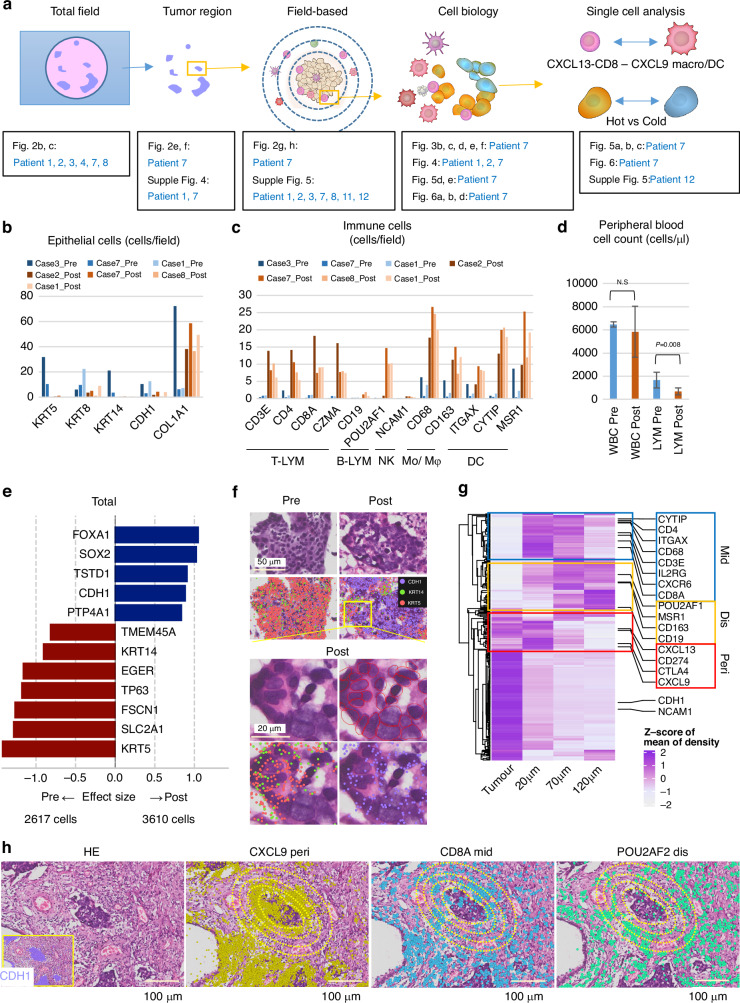
“Notably, in certain ‘ cold ’ areas, we observed strong cellular proliferation, suggesting that immune suppression within these regions may contribute to continued tumour progression.”
A transmembrane CXC chemokine is a ligand for HIV-coreceptor Bonzo
Matloubian, M., David, A., Engel, S., Ryan, J. E., & Cyster, J. G. (2000) · Nature Immunology · doi:10.1038/79738 · Cited by 661 · cited 2×
“Notably, in certain ‘ cold ’ areas, we observed strong cellular proliferation, suggesting that immune suppression within these regions may contribute to continued tumour progression.”
Lee, N. Y., Ferris, R. L., Psyrri, A., Haddad, R. I., Tahara, M., Bourhis, J., Harrington, K., Chang, P. M.-H., Lin, J.-C., Razaq, M. A., et al. (2021) · The Lancet Oncology · doi:10.1016/s1470-2045(20)30737-3 · Cited by 661
Bradley, J. D., Hu, C., Komaki, R. R., Masters, G. A., Blumenschein, G. R., Schild, S. E., Bogart, J. A., Forster, K. M., Magliocco, A. M., Kavadi, V. S., et al. (2020) · Journal of Clinical Oncology · doi:10.1200/jco.19.01162 · Cited by 591
Chemokines and Chemokine Receptors: New Targets for Cancer Immunotherapy
Mollica Poeta, V., Massara, M., Capucetti, A., & Bonecchi, R. (2019) · Frontiers in Immunology · doi:10.3389/fimmu.2019.00379 · Cited by 583
Interferon-γ: teammate or opponent in the tumour microenvironment?
Gocher, A. M., Workman, C. J., & Vignali, D. A. A. (2022) · Nature Reviews Immunology · doi:10.1038/s41577-021-00566-3 · Cited by 582
Lim, M., Weller, M., Idbaih, A., Steinbach, J., Finocchiaro, G., Raval, R. R., Ansstas, G., Baehring, J., Taylor, J. W., Honnorat, J., et al. (2022) · Neuro-Oncology · doi:10.1093/neuonc/noac116 · Cited by 533
Liu, B., Hu, X., Feng, K., Gao, R., Xue, Z., Zhang, S., Zhang, Y., Corse, E., Hu, Y., Han, W., et al. (2021) · Nature Cancer · doi:10.1038/s43018-021-00292-8 · Cited by 473 · cited 1×
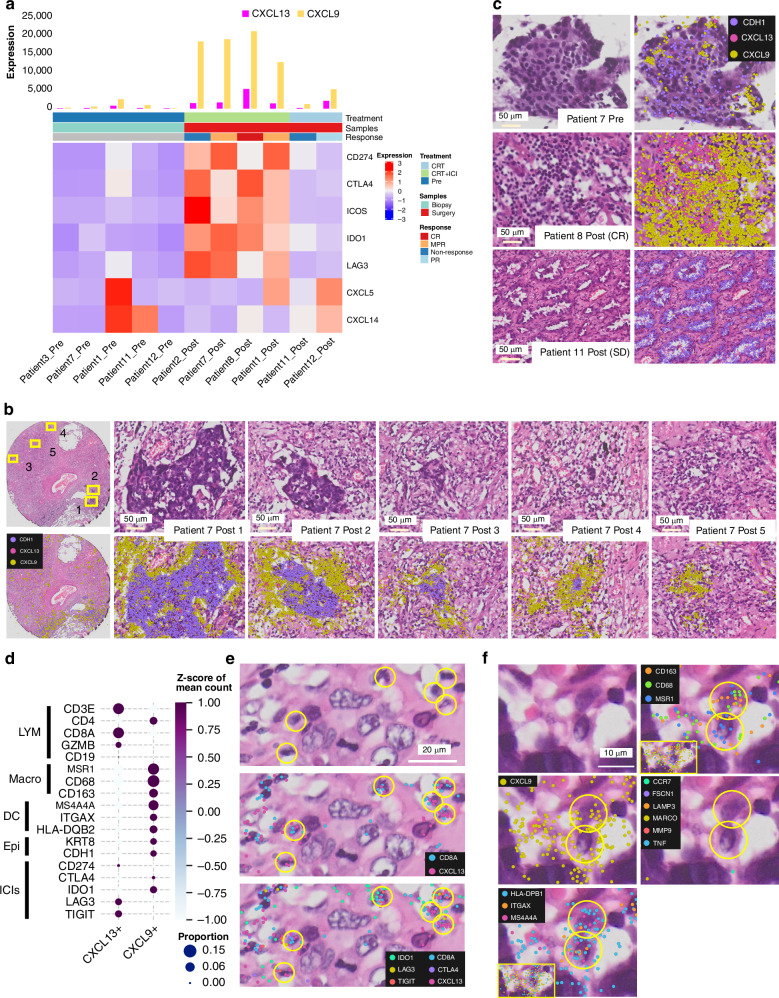
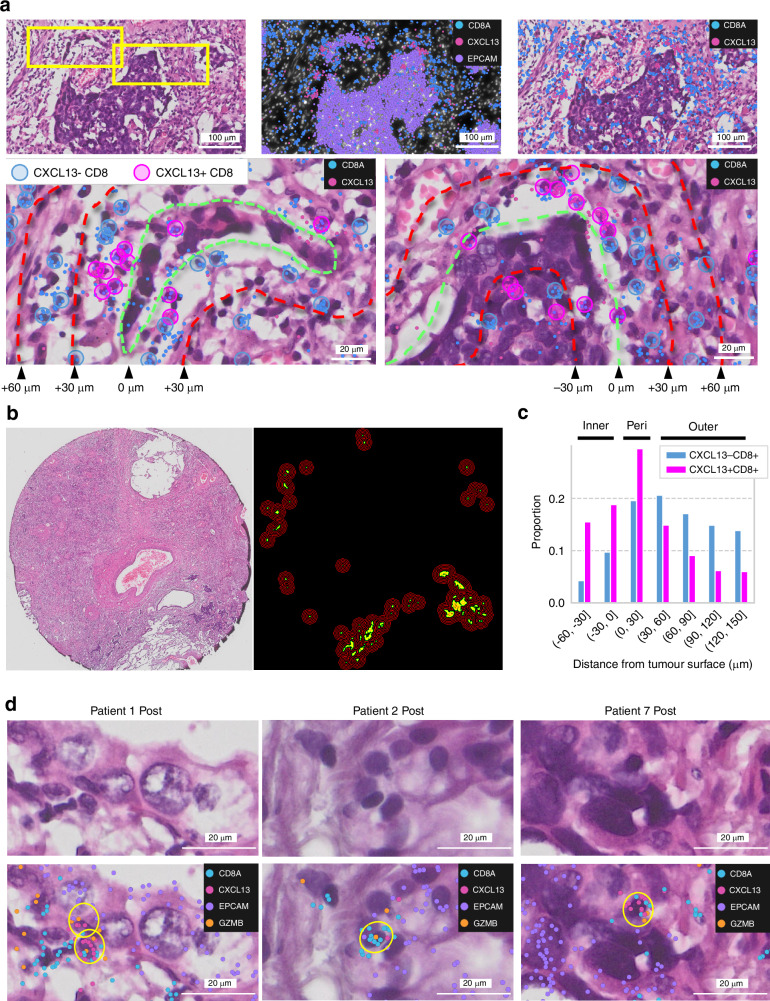
“Based on these results, we concluded that CXCL13 + CD8 + T cells are the main type of CTL that directly attacks cancer cells in the environment after treatment with anti-PD-L1-CRT.”
Rad23 links DNA repair to the ubiquitin/proteasome pathway
Schauber, C., Chen, L., Tongaonkar, P., Vega, I., Lambertson, D., Potts, W., & Madura, K. (1998) · Nature · doi:10.1038/35661 · Cited by 457
Liu, B., Zhang, Y., Wang, D., Hu, X., & Zhang, Z. (2022) · Nature Cancer · doi:10.1038/s43018-022-00433-7 · Cited by 309
Machiels, J.-P., Tao, Y., Licitra, L., Burtness, B., Tahara, M., Rischin, D., Alves, G., Lima, I. P. F., Hughes, B. G. M., Pointreau, Y., et al. (2024) · The Lancet Oncology · doi:10.1016/s1470-2045(24)00100-1 · Cited by 248
Birkenbihl, R. P., & Subramani, S. (1992) · Nucleic Acids Research · doi:10.1093/nar/20.24.6605 · Cited by 240
Monk, B. J., Toita, T., Wu, X., Vázquez Limón, J. C., Tarnawski, R., Mandai, M., Shapira-Frommer, R., Mahantshetty, U., del Pilar Estevez-Diz, M., Zhou, Q., et al. (2023) · The Lancet Oncology · doi:10.1016/s1470-2045(23)00479-5 · Cited by 229
Radiotherapy as a tool to elicit clinically actionable signalling pathways in cancer
Petroni, G., Cantley, L. C., Santambrogio, L., Formenti, S. C., & Galluzzi, L. (2022) · Nature Reviews Clinical Oncology · doi:10.1038/s41571-021-00579-w · Cited by 213
Hsieh, R. C.-E., Krishnan, S., Wu, R.-C., Boda, A. R., Liu, A., Winkler, M., Hsu, W.-H., Lin, S. H., Hung, M.-C., Chan, L.-C., et al. (2022) · Science Immunology · doi:10.1126/sciimmunol.abl9330 · Cited by 182
Radiotherapy and immunotherapy: open questions and future strategies
Pointer, K. B., Pitroda, S. P., & Weichselbaum, R. R. (2021) · Trends in cancer · doi:10.1016/j.trecan.2021.10.003 · Cited by 173 · cited 2×
“However, several trials of anti-PD-1/PD-L1 combined with CRT have reported negative or inconclusive results [8 – 13], and that concurrent anti-PD-L1 therapy does not provide a survival bene fi t [14].”
Radiotherapy orchestrates natural killer cell dependent antitumor immune responses through CXCL8
Walle, T., Kraske, J. A., Liao, B., Lenoir, B., Timke, C., Halbach, E. V. B. U., Tran, F., Griebel, P., Albrecht, D., Ahmed, A., et al. (2022) · Science Advances · doi:10.1126/sciadv.abh4050 · Cited by 170
A DNA Repair Complex Functions as an Oct4/Sox2 Coactivator in Embryonic Stem Cells
Fong, Y. W., Inouye, C., Yamaguchi, T., Cattoglio, C., Grubisic, I., & Tjian, R. (2011) · Cell · doi:10.1016/j.cell.2011.08.038 · Cited by 165 · cited 1×
“Identi fi cation of CXCL13 + CD8 + - centred immune responses and immune-cold cancer cells after anti-PD-L1-CRT therapy holds promise for future developments in treatment strategies.”
Granzyme B Promotes Cytotoxic Lymphocyte Transmigration via Basement Membrane Remodeling
Prakash, M. D., Munoz, M. A., Jain, R., Tong, P. L., Koskinen, A. M. L., Regner, M., Kleifeld, O., Ho, B. K., Olson, M. R., Turner, S. J., et al. (2014) · Immunity · doi:10.1016/j.immuni.2014.11.012 · Cited by 144 · cited 1×
“Further analysis of this tissue was performed to unravel these complex immunological dynamics.”
Thibaudin, M., Fumet, J.-D., Chibaudel, B., Bennouna, J., Borg, C., Martin-Babau, J., Cohen, R., Fonck, M., Taïeb, J., Limagne, E., et al. (2023) · Nature Medicine · doi:10.1038/s41591-023-02497-z · Cited by 126
Yin, J., Yuan, J., Li, Y., Fang, Y., Wang, R., Jiao, H., Tang, H., Zhang, S., Lin, S., Feng, S., et al. (2023) · Nature Medicine · doi:10.1038/s41591-023-02469-3 · Cited by 108
Interactions between tumor-derived proteins and Toll-like receptors
Jang, G.-Y., Lee, J., Kim, Y. S., Lee, S., Han, H. D., Hong, K., Kang, T. H., & Park, Y. (2020) · Experimental & Molecular Medicine · doi:10.1038/s12276-020-00540-4 · Cited by 107 · cited 1×
“Such an approach is critical for uncovering the mechanisms underlying immune-mediated tumour eradication and the immune evasion strategies that support tumour cell survival.”
Tao, Y., Aupérin, A., Sun, X., Sire, C., Martin, L., Coutte, A., Lafond, C., Miroir, J., Liem, X., Rolland, F., et al. (2020) · European Journal of Cancer · doi:10.1016/j.ejca.2020.09.008 · Cited by 101 · cited 1×
“However, several trials of anti-PD-1/PD-L1 combined with CRT have reported negative or inconclusive results [8 – 13], and that concurrent anti-PD-L1 therapy does not provide a survival bene fi t [14].”
Wu, Y., Wang, S., Farooq, S. M., Castelvetere, M. P., Hou, Y., Gao, J., Navarro, J., Oupický, D., Sun, F., & Li, C. (2011) · Journal of Biological Chemistry · doi:10.1074/jbc.m111.315762 · Cited by 101 · cited 1×
“Such an approach is critical for uncovering the mechanisms underlying immune-mediated tumour eradication and the immune evasion strategies that support tumour cell survival.”
Zhu, X., Cao, Y., Liu, W., Ju, X., Zhao, X., Jiang, L., Ye, Y., Jin, G., & Zhang, H. (2022) · The Lancet Oncology · doi:10.1016/s1470-2045(22)00066-3 · Cited by 97
Pardo, J., Wallich, R., Martin, P., Urban, C., Rongvaux, A., Flavell, R. A., Müllbacher, A., Borner, C., & Simon, M. M. (2007) · Cell Death and Differentiation · doi:10.1038/sj.cdd.4402289 · Cited by 93
Bradley, J. D., Sugawara, S., Lee, K. H., Ostoros, G., Demirkazık, A., Zemanová, M., Sriuranpong, V., Gelatti, A. C. Z., Menezes, J. J. D., Żurawski, B. A., et al. (2024) · ESMO Open · doi:10.1016/j.esmoop.2024.102986 · Cited by 80
Takano, Y., Suzuki, J., Nomura, K., Fujii, G., Zenkoh, J., Kawai, H., Kuze, Y., Kashima, Y., Nagasawa, S., Nakamura, Y., et al. (2024) · Nature Communications · doi:10.1038/s41467-024-54671-7 · Cited by 76 · cited 1×
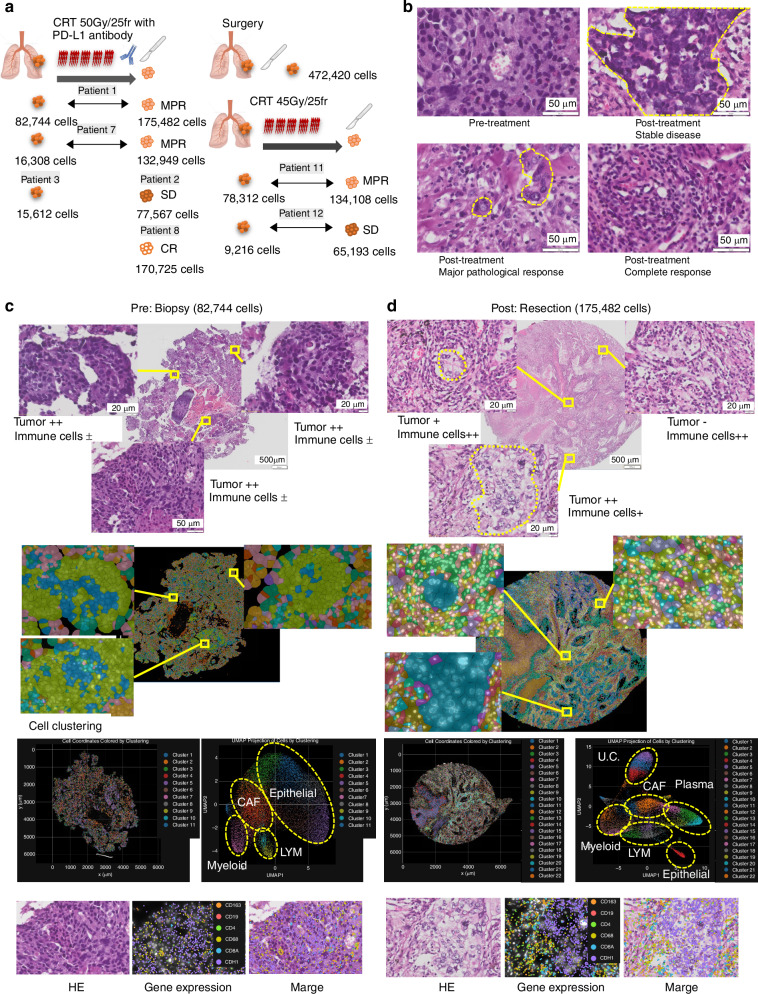
“A total of 12 biopsies of resected specimens were collected from 8 patients (surgery alone [32]: 1, preoperative CRT: 2, preoperative ICI-CRT: 5).”
Self-citationLeveraging spatial transcriptomics data to recover cell locations in single-cell RNA-seq with CeLEry
Zhang, Q., Jiang, S., Schroeder, A. R., Hu, J., Li, K., Zhang, B., Dai, D., Lee, E. B., Xiao, R., & Li, M. (2023) · Nature Communications · doi:10.1038/s41467-023-39895-3 · Cited by 69 · cited 1×
“Xenium, a novel technology allowing for multi-in situ hybridization, preserves spatial information for single-cell analysis [30, 31], enabling integrated analysis with haematoxylin and eosin (HE) staining and straightforward identi fi cation of treatment-responsive or treatment-resistant areas.”
Haga, Y., Sakamoto, Y., Kajiya, K., Kawai, H., Oka, M., Motoi, N., Shirasawa, M., Yotsukura, M., WATANABE, S.-I. I., Arai, M., et al. (2023) · Nature Communications · doi:10.1038/s41467-023-43732-y · Cited by 66 · cited 1×
“The Immune panel was created using custom-ordered components [34].”
Self-citationLiu, Z., Jiang, Y., Li, Y., Wang, J., Fan, L., Scott, M. J., Xiao, G., Li, S., Billiar, T. R., Wilson, M. A., et al. (2013) · The Journal of Immunology · doi:10.4049/jimmunol.1300790 · Cited by 57
Weiss, J. M., Sheth, S. H., Deal, A. M., Grilley‐Olson, J. E., Patel, S. N., Hackman, T., Blumberg, J. M., Galloway, T. J., Patel, S. A., Zanation, A. M., et al. (2020) · Clinical Cancer Research · doi:10.1158/1078-0432.ccr-20-0230 · Cited by 54 · cited 2×
“Furthermore, phase I and II trials of anti-PD-1 or anti-PD-L1 therapy combined with CRT have shown promising responses in other cancer types, such as head and neck, pancreatic and colorectal cancer [3 – 5].”
Oyoshi, H., Du, J., Sakai, S. A., Yamashita, R., Okumura, M., Motegi, A., Hojo, H., Nakamura, M., Hirata, H., Sunakawa, H., et al. (2023) · Science Advances · doi:10.1126/sciadv.adh9069 · Cited by 51
Self-citationDu, J., Kageyama, S., Yamashita, R., Tanaka, K., Okumura, M., Motegi, A., Hojo, H., Nakamura, M., Hirata, H., Sunakawa, H., et al. (2023) · Communications Biology · doi:10.1038/s42003-023-05080-x · Cited by 33
Self-citationKról, K., Mazur, A., Stachyra, P., & Grzybowska‐Szatkowska, L. (2023) · International Journal of Molecular Sciences · doi:10.3390/ijms24065858 · Cited by 32 · cited 1×
“However, many fi ndings on post-radiotherapy changes rely on preclinical models, and de fi nitive conclusions remain elusive [16 – 23].”
Brown, J. M., Thomas, R. P., Nagpal, S., & Recht, L. D. (2019) · Radiotherapy and Oncology · doi:10.1016/j.radonc.2019.11.020 · Cited by 30 · cited 1×
“However, many fi ndings on post-radiotherapy changes rely on preclinical models, and de fi nitive conclusions remain elusive [16 – 23].”
Hamada, A., Soh, J., Hata, A., Nakamatsu, K., Shimokawa, M., Yatabe, Y., Oizumi, H., Tsuboi, M., Horinouchi, H., Yoshino, I., et al. (2021) · Clinical Lung Cancer · doi:10.1016/j.cllc.2021.04.006 · Cited by 29 · cited 2×
“…by platinum-based chemotherapy combined with RT (45 Gy in 25 fractions), and preoperative ICI-RT was performed according to the prede fi ned protocols [33] (https://jrct.niph.go.jp/en-latest-detail/jRCT2080224981), carboplatin, paclitaxel and durvalumab concurrent with RT (50 Gy in 25 fractions).”
Self-citationNovel Immunological Approaches in the Treatment of Locally Advanced Rectal Cancer
Bando, H., Tsukada, Y., Ito, M., & Yoshino, T. (2021) · Clinical Colorectal Cancer · doi:10.1016/j.clcc.2021.10.001 · Cited by 28 · cited 2×
“Furthermore, phase I and II trials of anti-PD-1 or anti-PD-L1 therapy combined with CRT have shown promising responses in other cancer types, such as head and neck, pancreatic and colorectal cancer [3 – 5].”
Du, J., Kageyama, S., Yamashita, R., Hirata, H., Hakozaki, Y., Okumura, M., Motegi, A., Hojo, H., Nakamura, M., Hirano, Y., et al. (2022) · Cancer Science · doi:10.1111/cas.15297 · Cited by 23
Self-citationTakamochi, K., Suzuki, K., Tsuboi, M., Niho, S., Ishikura, S., Oyamada, S., Yamaguchi, T., Okada, M., Yoshino, I., Ito, H., et al. (2021) · Journal of Thoracic and Cardiovascular Surgery · doi:10.1016/j.jtcvs.2021.11.079 · Cited by 11
Self-citationHsieh, R. C.-E., Krishnan, S., Wu, R., Boda, A. R., Liu, A. J., Winkler, M., Hsu, W.-H., Lin, S. H., Hung, M., Chan, L.-C., et al. (2021) · Journal for ImmunoTherapy of Cancer · doi:10.1136/jitc-2021-sitc2021.592 · Cited by 9
Fatemi, M. Y., Lu, Y., Sharma, C., Feng, E., Azher, Z., Diallo, A. B., Srinivasan, G., Rosner, G. M., Pointer, K., Christensen, B., et al. (2023) · medRxiv · doi:10.1101/2023.10.09.23296701 · Cited by 8 · cited 1×
“Xenium, a novel technology allowing for multi-in situ hybridization, preserves spatial information for single-cell analysis [30, 31], enabling integrated analysis with haematoxylin and eosin (HE) staining and straightforward identi fi cation of treatment-responsive or treatment-resistant areas.”
Fatemi, M., Lu, Y., Sharma, C., Feng, E., Azher, Z., Diallo, A., Srinivasan, G., Rosner, G. M., Pointer, K. B., Christensen, B. C., et al. (2025) · International Joint Conference on Biomedical Engineering Systems and Technologies (BIOSTEC) · doi:10.5220/0013157300003911 · Cited by 5
Sakai, S. A., Nomura, R., Nagasawa, S., Chi, S., Suzuki, A., Suzuki, Y., Imai, M., Nakamura, Y., Yoshino, T., Ishikawa, S., et al. (2025) · PLoS Computational Biology · doi:10.1371/journal.pcbi.1012854 · Cited by 4
Self-citation
Cited by
Thyroid cancer: From molecular insights to therapy (Review)
Li, Z., Wang, N., Li, X., Xie, Y., Dou, Z., Xin, H., Lin, Y., Si, Y., Feng, T., & Wang, G. (2025) · Oncology Letters · doi:10.3892/ol.2025.15266 · Cited by 26
“…have demonstrated that combined radiotherapy and anti‑PD‑L1 treatment induces the formation of spatially adjacent syner‑ gistic units comprising CXCL13 + CD8 + T cells and CXCL9 + macrophages, whose effector molecules, including granzyme B and IFN‑ γ , directly suppress tumor growth (291,292).”
Shi, T., Guo, Y., Tang, X., Liu, Z., Guo, Q., Fang, T., Xu, S., & Zhuang, Z. (2026) · Neoplasia · doi:10.1016/j.neo.2026.101348 · Cited by 11
Church, M., Marshall, G. B., & Krebs, M. (2026) · JCO Precision Oncology · doi:10.1200/po-25-00684 · Cited by 4
Kang, D. (2026) · Antioxidants · doi:10.3390/antiox15060782 · Cited by 2
Spatial pharmacology of anti-cancer immunomodulators: a comprehensive review
Chen, S., Tu, L., & Chen, Q. (2026) · Frontiers in Pharmacology · doi:10.3389/fphar.2026.1898418 · Cited by 1
“Spatial transcriptomics (ST) is evolving to provide higher resolution and multimodal integration, with tools like Xenium enabling single-cell spatial analysis of gene expression (Sakai et al., 2025).”
Metadata
- Authors
- Sakai, S. A., Oyoshi, H., Nakamura, M., Taki, T., Nomura, K., Hojo, H., Hirata, H., Motegi, A., Nakamura, Y., Zenkoh, J., Aokage, K., Hamada, A., Kojima, M., Kuwata, T., Tsuchihara, K., Akimoto, T., Soh, J., Mitsudomi, T., Tsuboi, M., Ishii, G., Suzuki, Y., Suzuki, A., Yamashita, R., & Kageyama, S.-I.
- Affiliations
- National Cancer Center Exploratory Oncology Research & Clinical Trial Center (JP)
- National Cancer Center Hospital East (JP)
- The University of Tokyo (JP)
- Kindai University (JP)
- Kyoto Prefectural University of Medicine (JP)
- Corresponding author
- Suzuki, Ayako
- Yamashita, Riu
- Kageyama, Shun-Ichiro
- ORCID
- Sakai, Shunsuke A.
- Oyoshi, Hidekazu
- Nakamura, Masaki
- Taki, Tetsuro
- Nomura, Kotaro
- Hojo, Hidehiro
- Hirata, Hidenari
- Motegi, Atsushi
- Nakamura, Yuka
- Zenkoh, Junko
- Aokage, Keiju
- Hamada, Akira
- Kojima, Motohiro
- Kuwata, Takeshi
- Tsuchihara, Katsuya
- Akimoto, Tetsuo
- Soh, Junichi
- Mitsudomi, Tetsuya
- Tsuboi, Masahiro
- Ishii, Genichiro
- Suzuki, Yutaka
- Suzuki, Ayako
- Kageyama, Shun-Ichiro
- Venue
- British Journal of Cancer
- Published
- 2025-07-16
- Volume
- 133
- Issue
- 6
- Pages
- 795-808
- ISSN
- 0007-0920 (ISSN-L)
- 1532-1827
- PMC
- PMC12449477
- OpenAlex
- W4412481978
- Cited by
- 15
- References
- 55
- Citations by year
- 2026: 12 · 2025: 3
- FWCI
- 6.21
- Type
- journal article
- Language
- en
- Open access
- hybrid
- doi.org
- Licence
- cc-by
- creativecommons.org/licenses/by/4.0 (tdm)
- creativecommons.org/licenses/by/4.0 (vor)
- Locations
- British Journal of Cancer (publishedVersion, cc-by)
- Europe PMC (PubMed Central) (publishedVersion, cc-by)
- PubMed (publishedVersion)
- PubMed Central (publishedVersion, cc-by)
- Funders
- Ministry of Education, Culture, Sports, Science and Technology (21K07582)
- MEXT | Japan Science and Technology Agency (JPMJSP2108)
- Topics
- Health Sciences › Medicine › Oncology › Cancer Immunotherapy and Biomarkers
- Life Sciences › Biochemistry, Genetics and Molecular Biology › Molecular Biology › Single-cell and spatial transcriptomics
- Life Sciences › Immunology and Microbiology › Immunology › T-cell and B-cell Immunology
- Keywords
- non-small cell lung cancer, PD-L1 blockade, chemoradiotherapy, tumor microenvironment, single-cell spatial transcriptomics, Xenium, residual tumor cells, immune evasion, DNA repair pathways, tumor cell proliferation, antitumor immunity
- MeSH terms
- Immune Checkpoint Inhibitors, Carcinoma, Non-Small-Cell Lung, Humans, Lung Neoplasms, T-Lymphocytes, Cell Line, Tumor, Chemokine CXCL9, Chemokine CXCL13, Single-Cell Analysis, Tumor Microenvironment, Chemoradiotherapy, B7-H1 Antigen
About these checks
Registry, retraction, Cites and statistics results are computed, not judged, with one exception: a printed reference that no index lists is read once by a model before it counts as a citation error. Claims are extracted by a model and kept only when their quote appears verbatim in the text; each cited source is then checked, with a model’s help, for whether it says what the claim relies on. Those verdicts can be wrong — read the claim’s quote and the cited source before relying on one.
Statistics and arithmetic are recomputed, not judged.
Confidence bands are shown only for fields calibrated on our annotated test set. None is calibrated yet, so no band is shown.
What counts as a claim ›How we measure confidence ›How we check this ›
Are you an author, or do you see a problem with this page? Request a review
Data sources
Bibliographic data: Semantic Scholar, OpenAlex, Crossref.
Contains information from the Semantic Scholar Academic Graph Datasets, made available under the ODC Attribution License (ODC-BY 1.0).
Semantic Scholar’s data is described in: Kinney, R., et al. (2023). The Semantic Scholar Open Data Platform. arXiv:2301.10140.
