

Spinal muscular atrophy diagnosis and carrier screening from genome sequencing data
Open accessPublished version of a preprint
The DOI matches its Crossref record; 41 of the 41 references it cites were found in a registry or an index.
Abstract
PURPOSE: Spinal muscular atrophy (SMA), caused by loss of the SMN1 gene, is a leading cause of early childhood death. Due to the near identical sequences of SMN1 and SMN2, analysis of this region is challenging. Population-wide SMA screening to quantify the SMN1 copy number (CN) is recommended by the American College of Medical Genetics and Genomics. METHODS: We developed a method that accurately identifies the CN of SMN1 and SMN2 using genome sequencing (GS) data by analyzing read depth and eight informative reference genome differences between SMN1/2. RESULTS: We characterized SMN1/2 in 12,747 genomes, identified 1568 samples with SMN1 gains or losses and 6615 samples with SMN2 gains or losses, and calculated a pan-ethnic carrier frequency of 2%, consistent with previous studies. Additionally, 99.8% of our SMN1 and 99.7% of SMN2 CN calls agreed with orthogonal methods, with a recall of 100% for SMA and 97.8% for carriers, and a precision of 100% for both SMA and carriers. CONCLUSION: This SMN copy-number caller can be used to identify both carrier and affected status of SMA, enabling SMA testing to be offered as a comprehensive test in neonatal care and an accurate carrier screening tool in GS sequencing projects.
Overview
The claims and statistics of this paper haven’t been checked yet.
Free: it reads the open-access text and checks the first 5 claims that cite a source we can check. Create a free account to check every claim.
Integrity signals
Registry
Cites
Statistics
Figures
Verification
Claims the paper makes
The claims and statistics of this paper haven’t been checked yet.
Free: it reads the open-access text and checks the first 5 claims that cite a source we can check. Create a free account to check every claim.
Self-check
Percentages, sums and reported differences re-computed from the paper’s own numbers.
The self-check needs the paper’s full text.
Citations
Cites
A global reference for human genetic variation
The 1000 Genomes Project Consortium, authors, C., Auton, A., Abecasis, G. R., Steering committee, Altshuler, D. M., Durbin, R. M., Abecasis, G. R., Bentley, D. R., Chakravarti, A., et al. (2015) · Nature · doi:10.1038/nature15393 · Cited by 18,247
Self-citationIdentification and characterization of a spinal muscular atrophy-determining gene
Lefebvre, S., Bürglen, L., Reboullet, S., Clermont, O., Burlet, P., Viollet, L., Benichou, B., Cruaud, C., Millasseau, P., Zeviani, M., et al. (1995) · Cell · doi:10.1016/0092-8674(95)90460-3 · Cited by 3,990 · cited 1×
“SMN2 is 875 kb away from SMN1 and is created by an ancestral gene duplication that is unique to the human lineage.(10,11) The genomic region around SMN1/2 is subject to unequal crossing over and gene conversion, resulting in variable copy numbers (CNs) of SMN1 and SMN2.”
BackgroundSingle-Dose Gene-Replacement Therapy for Spinal Muscular Atrophy
Mendell, J. R., Al-Zaidy, S., Shell, R., Arnold, W. D., Rodino-Klapac, L. R., Prior, T. W., Lowes, L., Alfano, L., Berry, K., Church, K., et al. (2017) · New England Journal of Medicine · doi:10.1056/nejmoa1706198 · Cited by 2,381 · cited 2×
“SMN2 CN has been used as a criterion for many clinical trials for SMA, including nusinersen(8) and Zolgensma.(9)”
MethodLorson, C. L., Hahnen, E., Androphy, E. J., & Wirth, B. (1999) · Proceedings of the National Academy of Sciences · doi:10.1073/pnas.96.11.6307 · Cited by 1,532
Mercuri, E., Finkel, R. S., Muntoni, F., Wirth, B., Montes, J., Main, M., Mazzone, E. S., Vitale, M., Snyder, B., Quijano-Roy, S., et al. (2018) · Neuromuscular Disorders · doi:10.1016/j.nmd.2017.11.005 · Cited by 1,055 · cited 1×
“Accurate measurement of SMN1 and SMN2 CNs is essential not only for the diagnosis of SMA but is also a prognostic indicator and the basis of therapeutic options.(36) SMN2 CN has been used as a criterion for many clinical trials for SMA, including nusinersen(8) and Zolgensma.”
MethodFinkel, R. S., Chiriboga, C. A., Vajsar, J., Day, J. W., Montes, J., De Vivo, D. C., Yamashita, M., Rigo, F., Hung, G., Schneider, E., et al. (2016) · The Lancet · doi:10.1016/s0140-6736(16)31408-8 · Cited by 1,019
Feldkötter, M., Schwarzer, V., Wirth, R., Wienker, T. F., & Wirth, B. (2002) · The American Journal of Human Genetics · doi:10.1086/338627 · Cited by 1,004
Lunn, M. R., & Wang, C. H. (2008) · The Lancet · doi:10.1016/s0140-6736(08)60921-6 · Cited by 995 · cited 1×
“INTRODUCTION Spinal muscular atrophy (SMA), an autosomal recessive neuromuscular disorder characterized by loss of alpha motor neurons, causes severe muscle weakness and atrophy presenting at or shortly after birth.(1,2) SMA is the leading genetic cause of infant death after cystic fibrosis.”
BackgroundSpinal muscular atrophy: why do low levels of survival motor neuron protein make motor neurons sick?
Burghes, A. H. M., & Beattie, C. E. (2009) · Nature Reviews Neuroscience · doi:10.1038/nrn2670 · Cited by 723
Wirth, B. (2000) · Human Mutation · doi:10.1002/(sici)1098-1004(200003)15:3<228::aid-humu3>3.0.co;2-9 · Cited by 667
Sugarman, E. A., Nagan, N., Zhu, H., Akmaev, V. R., Zhou, Z., Rohlfs, E. M., Flynn, K., Hendrickson, B. C., Scholl, T., Sirko-Osadsa, D. A., et al. (2012) · European Journal of Human Genetics · doi:10.1038/ejhg.2011.134 · Cited by 661 · cited 3×
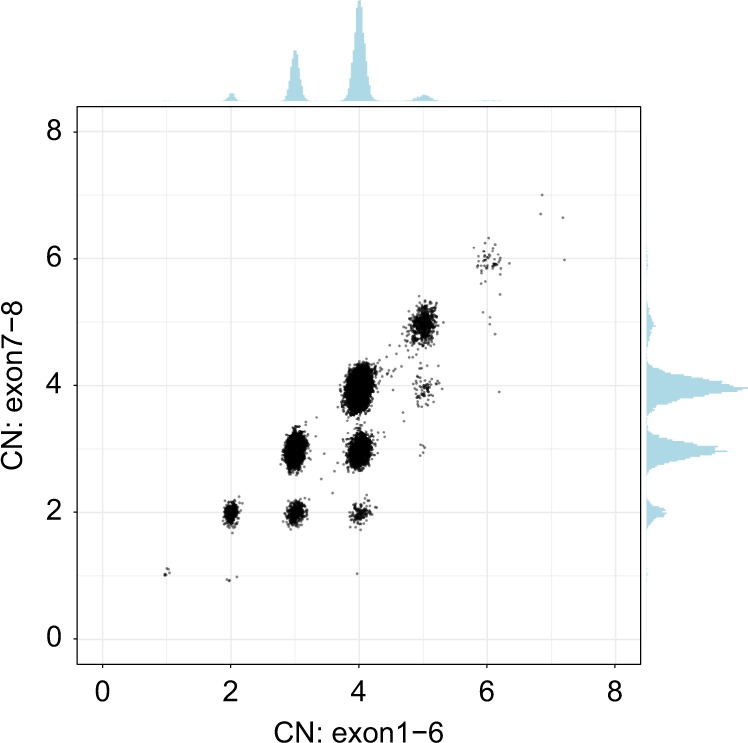
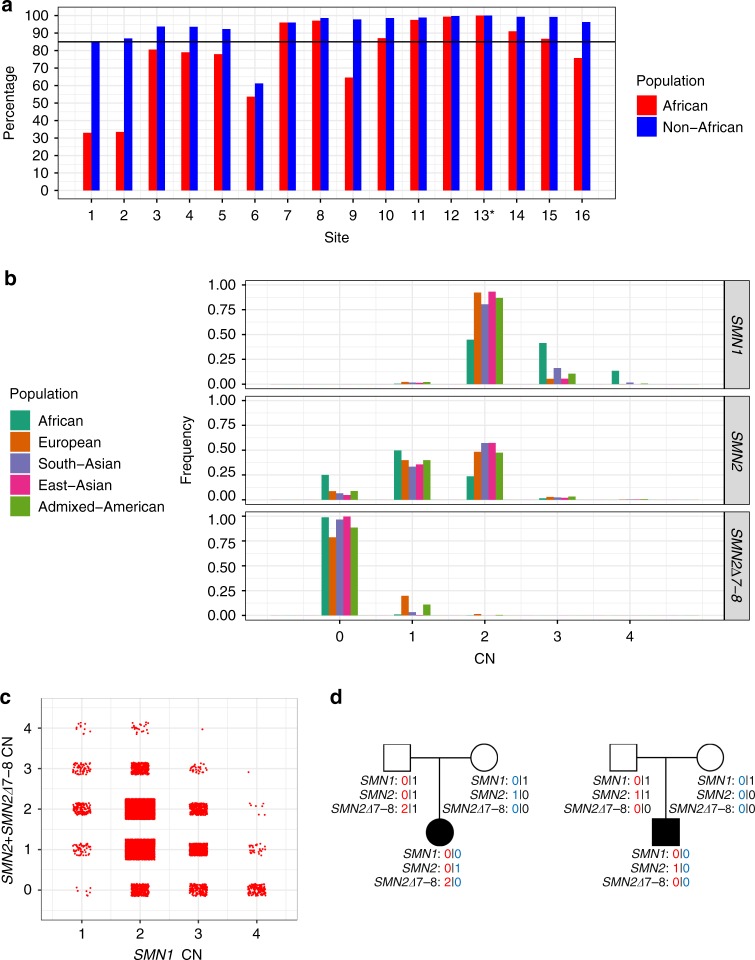
“The CN frequency distributions observed in this study are consistent with previous studies of SMN1/SMN2 CN distribution in the general population.(5,6) In addition, we also report the frequency of the exon 7–8 deletion (SMN2Δ7–8) across populations: 21.”
MethodResultThe Genome of the Netherlands Consortium (2014) · Nature Genetics · doi:10.1038/ng.3021 · Cited by 659
The Precision Medicine Initiative: A New National Effort
Ashley, E. A. (2015) · JAMA · doi:10.1001/jama.2015.3595 · Cited by 560
Whole-genome sequencing of patients with rare diseases in a national health system
Turro, E., Astle, W. J., Megy, K., Gräf, S., Greene, D., Shamardina, O., Allen, H. L., Sanchis-Juan, A., Frontini, M., Thys, C., et al. (2020) · Nature · doi:10.1038/s41586-020-2434-2 · Cited by 554
Self-citationThe 100 000 Genomes Project: bringing whole genome sequencing to the NHS
Turnbull, C., Scott, R. H., Thomas, E., Jones, L., Murugaesu, N., Pretty, F. B., Halai, D., Baple, E., Craig, C., Hamblin, A., et al. (2018) · BMJ · doi:10.1136/bmj.k1687 · Cited by 444
Childhood spinal muscular atrophy: controversies and challenges
Mercuri, E., Bertini, E., & Iannaccone, S. T. (2012) · The Lancet Neurology · doi:10.1016/s1474-4422(12)70061-3 · Cited by 423 · cited 1×
“INTRODUCTION Spinal muscular atrophy (SMA), an autosomal recessive neuromuscular disorder characterized by loss of alpha motor neurons, causes severe muscle weakness and atrophy presenting at or shortly after birth.(1,2) SMA is the leading genetic cause of infant death after cystic fibrosis.”
BackgroundDetection of long repeat expansions from PCR-free whole-genome sequence data
Dolzhenko, E., van Vugt, J. J. F. A., Shaw, R. J., Bekritsky, M. A., van Blitterswijk, M., Narzisi, G., Ajay, S. S., Rajan, V., Lajoie, B. R., Johnson, N. H., et al. (2017) · Genome Research · doi:10.1101/gr.225672.117 · Cited by 388
Self-citationMultiplex digital PCR: breaking the one target per color barrier of quantitative PCR
Zhong, Q., Bhattacharya, S., Kotsopoulos, S., Olson, J., Taly, V., Griffiths, A. D., Link, D. R., & Larson, J. W. (2011) · Lab on a Chip · doi:10.1039/c1lc20126c · Cited by 297 · cited 2×
“Traditionally, SMA testing and carrier testing are done with polymerase chain reaction (PCR) based assays, such as quantitative PCR (qPCR), 19 multiplex ligation-dependent probe amplification (MLPA), 20,21 and digital PCR. 12,22 These methods primarily determine the copy number of SMN1 based on the c.840C>T site that…”
MethodCarrier screening for spinal muscular atrophy
Prior, T. W. (2008) · Genetics in Medicine · doi:10.1097/gim.0b013e318188d069 · Cited by 270
Whole genome sequencing reveals that genetic conditions are frequent in intensively ill children
Disease, N. B., French, C. E., Next Generation Children Project, Delon, I., Dolling, H., Sanchis-Juan, A., Shamardina, O., Mégy, K., Abbs, S., Austin, T., et al. (2019) · Intensive Care Medicine · doi:10.1007/s00134-019-05552-x · Cited by 251 · cited 1×
“GS was performed on 73 samples with digital PCR results, 45 samples with MLPA results, and 12,747 population samples from the 1000 Genomes Project(29) (1109 of which have MLPA calls), the National Institute for Health Research (NIHR) BioResource Rare Diseases project and the Next Generation Children (NGC) project.(31)…”
MethodSelf-citationRochette, C., Gilbert, N., & Simard, L. (2001) · Human Genetics · doi:10.1007/s004390100473 · Cited by 237 · cited 1×
“SMN2 is 875 kb away from SMN1 and is created by an ancestral gene duplication that is unique to the human lineage.(10,11) The genomic region around SMN1/2 is subject to unequal crossing over and gene conversion, resulting in variable copy numbers (CNs) of SMN1 and SMN2.”
BackgroundMolecular basis of multiple exostoses: mutations in the EXT1 and EXT2 genes
Wuyts, W. A., & Hul, W. V. (2000) · Human Mutation · doi:10.1002/(sici)1098-1004(200003)15:3<209::aid-humu1>3.0.co;2-k · Cited by 220
Butchbach, M. E. R. (2016) · Frontiers in Molecular Biosciences · doi:10.3389/fmolb.2016.00007 · Cited by 193 · cited 1×
“number of SMN2 copies in an individual modifies the disease severity and is highly correlated with the clinical types described above.(16)”
MethodSelf-citationGenetic risk assessment in carrier testing for spinal muscular atrophy
Ogino, S., Leonard, D. G. B., Rennert, H., Ewens, W. J., & Wilson, R. B. (2002) · American Journal of Medical Genetics · doi:10.1002/ajmg.10425 · Cited by 189
Differences in SMN1 allele frequencies among ethnic groups within North America
Hendrickson, B. C., Donohoe, C., Akmaev, V. R., Sugarman, E. A., Labrousse, P., Boguslavskiy, L., Flynn, K., Rohlfs, E. M., Walker, A., Allitto, B., et al. (2009) · Journal of Medical Genetics · doi:10.1136/jmg.2009.066969 · Cited by 172 · cited 3×
“The CN frequency distributions observed in this study are consistent with previous studies of SMN1/SMN2 CN distribution in the general population.(5,6) In addition, we also report the frequency of the exon 7–8 deletion (SMN2Δ7–8) across populations: 21.”
MethodResultPilot study of population-based newborn screening for spinal muscular atrophy in New York state
Kraszewski, J. N., Kay, D. M., Stevens, C. F., Koval, C., Haser, B., Ortiz, V., Albertorio, A., Cohen, L. L., Jain, R., Andrew, S. P., et al. (2017) · Genetics in Medicine · doi:10.1038/gim.2017.152 · Cited by 172 · cited 1×
“The utility of population-wide carrier screening has been demonstrated in pilot studies.(18) The key to screening for SMA is (1) determining the copy number of SMN1 for SMA diagnosis and carrier testing and (2) determining the copy number of SMN2 for clinical classification and prognosis.”
MethodLee, S.-B., Wheeler, M. M., Patterson, K., McGee, S., Dalton, R., Woodahl, E. L., Gaedigk, A., Thummel, K. E., & Nickerson, D. A. (2019) · Genetics in Medicine · doi:10.1038/s41436-018-0054-0 · Cited by 144 · cited 2×
“So far, this targeted strategy (GS+ specialized informatics) has been applied successfully to a number of difficult variants, such as repeat expansions(37) and CYP2D6.(38) Traditionally, it is not cost effective to perform all of the known genetic tests and carrier screenings on every individual, so candidates for CHE…”
BackgroundMultiplex ligation-dependent probe amplification improves diagnostics in spinal muscular atrophy
Arkblad, E. L., Darín, N., Berg, K., Kimber, E., Brandberg, G., Lindberg, C., Holmberg, E., Tulinius, M., & Nordling, M. (2006) · Neuromuscular Disorders · doi:10.1016/j.nmd.2006.08.011 · Cited by 129
Feng, Y., Ge, X., Meng, L., Scull, J. C., Li, J., Xia, T., Zhang, T., Jin, W., Cheng, H., Wang, X., et al. (2017) · Genetics in Medicine · doi:10.1038/gim.2016.215 · Cited by 99 · cited 3×
“Conversely, Feng et al. 27 developed a copy-number caller for both SMN1 and SMN2 based on targeted sequencing data that closely mimics the current PCR-based method.”
MethodRuhno, C., McGovern, V. L., Avenarius, M. R., Snyder, P. J., Prior, T. W., Nery, F. C., Muhtaseb, A. W., Roggenbuck, J., Kissel, J. T., Sansone, V., et al. (2019) · Human Genetics · doi:10.1007/s00439-019-01983-0 · Cited by 98 · cited 4×
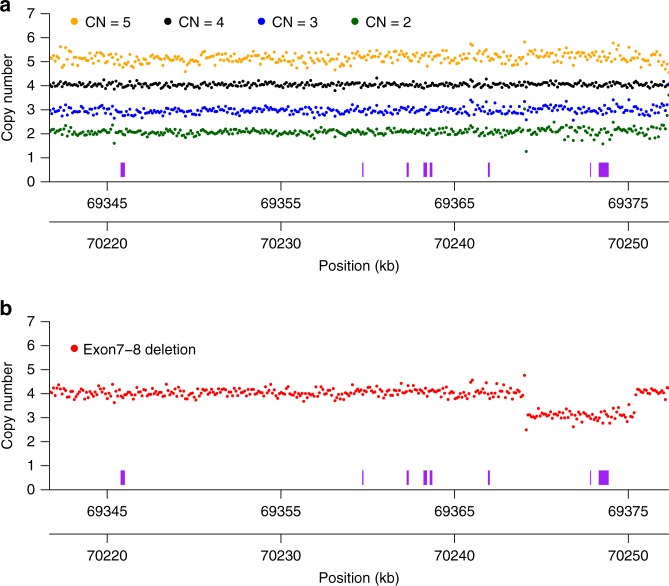
“1b, Figure S2) that was recently described in another study.(33) The sequences at the breakpoint are identical between SMN1 and SMN2, so this deletion occurs at either chr5: 70244114–70250420 in SMN1 or chr5: 69368689–69375000 in SMN2 (Figure S2, hg19).”
ResultInfluentialLuo, M., Liu, L., Peter, I., Zhu, J., Scott, S. A., Zhao, G., Eversley, C. D., Kornreich, R., Desnick, R. J., & Edelmann, L. J. (2013) · Genetics in Medicine · doi:10.1038/gim.2013.84 · Cited by 90 · cited 2×
“27134T>G in literature) single-nucleotide polymorphism (SNP) that is correlated with “silent” carriers of SMA (two copies of SMN1 on the same haplotype).(28) To demonstrate the accuracy of this method, we compared CN calls using digital PCR and MLPA with our GS-based calls and showed a concordance of 99.”
MethodOgino, S., Gao, S., Leonard, D. G. B., Paessler, M. E., & Wilson, R. B. (2003) · European Journal of Human Genetics · doi:10.1038/sj.ejhg.5200957 · Cited by 74 · cited 1×
“This observation is consistent with a mechanism where gene conversion occurs between SMN1 and SMN2.(34,35) The observed higher SMN1 CN relative to SMN2 CN could be a result of a bias toward SMN2-to-SMN1 conversion or selection against a low SMN1 CN.”
ResultScarciolla, O., Stuppia, L., Angelis, M. V. D., Murru, S., Palka, C., Giuliani, R., Pace, M., Muzio, A. D., Torrente, I., Morella, A., et al. (2006) · Neurogenetics · doi:10.1007/s10048-006-0051-3 · Cited by 69
Stabley, D. L., Harris, A. W., Holbrook, J., Chubbs, N. J., Lozo, K. W., Crawford, T. O., Swoboda, K. J., Funanage, V. L., Wang, W., Mackenzie, W. G. S., et al. (2015) · Molecular Genetics & Genomic Medicine · doi:10.1002/mgg3.141 · Cited by 69 · cited 5×
“Traditionally, SMA testing and carrier testing are done with polymerase chain reaction (PCR) based assays, such as quantitative PCR (qPCR), 19 multiplex ligation-dependent probe amplification (MLPA), 20,21 and digital PCR. 12,22 These methods primarily determine the copy number of SMN1 based on the c.840C>T site that…”
BackgroundMethodInfluentialSelf-citationPerspectives and diagnostic considerations in spinal muscular atrophy
Prior, T. W. (2010) · Genetics in Medicine · doi:10.1097/gim.0b013e3181c5e713 · Cited by 67 · cited 1×
“SMA is the leading genetic cause of infant death after cystic fibrosis.(3) The incidence of SMA is 1 in 6000–10,000 live births, and the carrier frequency is 1:40–80 among different ethnic groups.”
BackgroundThe frequency of SMN gene variants lacking exon 7 and 8 is highly population dependent
Vijzelaar, R., Snetselaar, R., Clausen, M. J. A. M., Mason, A. G., Rinsma, M., Zegers, M., Molleman, N. N., Boschloo, R., Yilmaz, R., Kuilboer, R., et al. (2019) · PLoS ONE · doi:10.1371/journal.pone.0220211 · Cited by 48 · cited 3×
“MLPA CN calls for 1109 of the 1kGP samples were available from Vijzelaar et al.(32) Forty-five historical patient samples were previously tested in a clinically accredited laboratory by MLPA for SMN1/2 exons 7 and 8 copy number (SALSA MLPA P060 SMA Carrier probemix, MRC-Holland).”
MethodSMA carrier testing: a meta‐analysis of differences in test performance by ethnic group
MacDonald, W. K., Hamilton, D. C., & Kuhle, S. (2014) · Prenatal Diagnosis · doi:10.1002/pd.4459 · Cited by 40 · cited 9×
“Traditionally, SMA testing and carrier testing are done with polymerase chain reaction (PCR) based assays, such as quantitative PCR (qPCR),19 multiplex ligation-dependent probe amplification (MLPA),20,21 and digital PCR.12,22 These methods primarily determine the copy number of SMN1 based on the c.840C>T site that dif…”
BackgroundInfluentialLarson, J. L., Silver, A. J., Chan, D., Borroto, C., Spurrier, B., & Silver, L. M. (2015) · BMC Medical Genetics · doi:10.1186/s12881-015-0246-2 · Cited by 40 · cited 3×
“Larson et al.(26) used a Bayesian hierarchical model to calculate the probability that the fraction of SMN1-derived reads is equal to or smaller than 1/3 at three base differences between SMN1 and SMN2.”
MethodDetection of long repeat expansions from PCR-free whole-genome sequence dataPreprint
Dolzhenko, E., van Vugt, J. J. F. A., Shaw, R. J., et al. (2016) · bioRxiv (Cold Spring Harbor Laboratory) · doi:10.1101/093831 · Cited by 39
Chen, T., Tzeng, C., Wang, C., Wu, S., Chang, J., Yang, S., Hung, C., & Jong, Y. (2011) · Journal of the Neurological Sciences · doi:10.1016/j.jns.2011.06.002 · Cited by 31 · cited 9×
“Traditionally, SMA testing and carrier testing are done with polymerase chain reaction (PCR) based assays, such as quantitative PCR (qPCR),19 multiplex ligation-dependent probe amplification (MLPA),20,21 and digital PCR.12,22 These methods primarily determine the copy number of SMN1 based on the c.840C>T site that dif…”
ResultInfluentialStabley, D. L., Holbrook, J., Harris, A. W., Swoboda, K. J., Crawford, T. O., Sol‐Church, K., & Butchbach, M. E. R. (2017) · Neuromuscular Disorders · doi:10.1016/j.nmd.2017.02.002 · Cited by 20 · cited 1×
“duPont Hospital for Children) collection and were generated from cell lines as described previously.(12,30) Historical patient samples with known SMA or carrier status measured by MLPA were obtained from Cambridge University.”
MethodSelf-citation
Cited by
Towards population-scale long-read sequencing
De Coster, W., Weissensteiner, M. H., & Sedlazeck, F. J. (2021) · Nature Reviews Genetics · doi:10.1038/s41576-021-00367-3 · Cited by 323
Complex genetic variation in nearly complete human genomes
Logsdon, G. A., Ebert, P., Audano, P. A., Loftus, M. G., Porubskỳ, D., Ebler, J., Yilmaz, F., Hallast, P., Prodanov, T., Yoo, D., et al. (2025) · Nature · doi:10.1038/s41586-025-09140-6 · Cited by 208
Genome Sequencing for Diagnosing Rare Diseases
Wojcik, M. H., Lemire, G., Berger, E., Zaki, M. S., Wissmann, M., Win, W., White, S. M., Weisburd, B., Wieczorek, D., Waddell, L. B., et al. (2024) · New England Journal of Medicine · doi:10.1056/nejmoa2314761 · Cited by 203
Self-citationMarshall, C. R., Chowdhury, S., Taft, R. J., Lebo, M. S., Buchan, J. G., Harrison, S. M., Rowsey, R. A., Klee, E. W., Liu, P., Worthey, E. A., et al. (2020) · npj Genomic Medicine · doi:10.1038/s41525-020-00154-9 · Cited by 170
Self-citationComprehensive genome analysis and variant detection at scale using DRAGEN
Behera, S., Catreux, S., Rossi, M., Truong, S., Huang, Z., Ruehle, M., Visvanath, A., Parnaby, G., Roddey, C., Onuchic, V., et al. (2025) · Nature Biotechnology · doi:10.1038/s41587-024-02382-1 · Cited by 137
Metadata
- Authors
- Chen, X., Sanchis-Juan, A., French, C. E., Connell, A. J., Delon, I., Kingsbury, Z., Chawla, A., Halpern, A. L., Taft, R. J., Bentley, D. R., Butchbach, M. E. R., Raymond, F. L., & Eberle, M. A.
- Affiliations
- Illumina (United States) (US)
- University of Cambridge (GB)
- Alfred I. duPont Hospital for Children (US)
- Cambridge University Hospitals NHS Foundation Trust (GB)
- Illumina (United Kingdom) (GB)
- Corresponding author
- Eberle, Michael A.
- ORCID
- Venue
- Genetics in Medicine
- Publisher
- Elsevier BV
- Published
- 2020-05
- Volume
- 22
- Issue
- 5
- Pages
- 945-953
- ISSN
- 1098-3600 (ISSN-L)
- PMC
- PMC7200598
- OpenAlex
- W3005935937
- Cited by
- 137
- References
- 39
- Citations by year
- 2026: 14 · 2025: 24 · 2024: 26 · 2023: 23 · 2022: 21 · 2021: 20 · 2020: 9
- FWCI
- 9.44
- Type
- journal article
- Language
- en
- Open access
- hybrid
- doi.org
- Licence
- cc-by-nc-nd
- www.elsevier.com/tdm/userlicense/1.0/ (tdm)
- www.elsevier.com/legal/tdmrep-license (tdm)
- creativecommons.org/licenses/by-nc-nd/4.0/ (vor, 572 d)
- Locations
- Genetics in Medicine (publishedVersion, cc-by-nc-nd)
- medRxiv (acceptedVersion, cc-by-nc-nd)
- PubMed Central (publishedVersion, cc-by-nc-nd)
- PubMed (publishedVersion)
- Research Portal (King's College London) (submittedVersion, other-oa)
- Apollo (University of Cambridge) (submittedVersion, cc-by-nc-nd)
- Apollo
- Funders
- NHS Blood and Transplant
- Nemours Foundation
- New York Genome Center
- National Institute for Health and Care Research (NIHR200254, RG65966)
- Department of Health and Social Care
- Cambridge University Hospitals (146281)
- National Institutes of Health
- NIHR BioResource (RG65966)
- NIHR Cambridge Biomedical Research Centre
- National Human Genome Research Institute (UM1HG008901)
- National Institute of General Medical Sciences (P30GM114736, P20GM103446)
- Topics
- Health Sciences › Medicine › Genetics (clinical) › Neurogenetic and Muscular Disorders Research
- Life Sciences › Biochemistry, Genetics and Molecular Biology › Genetics › Genomics and Rare Diseases
- Life Sciences › Biochemistry, Genetics and Molecular Biology › Genetics › Genomic variations and chromosomal abnormalities
- Keywords
- spinal muscular atrophy, SMN1 copy number, SMN2 copy number, carrier screening, sequencing depth, genome sequencing data, newborn screening
- MeSH terms
- Base Sequence, Child, Child, Preschool, Humans, Muscular Atrophy, Spinal, Survival of Motor Neuron 1 Protein
About these checks
Registry, retraction, Cites and statistics results are computed, not judged, with one exception: a printed reference that no index lists is read once by a model before it counts as a citation error. Claims are extracted by a model and kept only when their quote appears verbatim in the text; each cited source is then checked, with a model’s help, for whether it says what the claim relies on. Those verdicts can be wrong — read the claim’s quote and the cited source before relying on one.
Statistics and arithmetic are recomputed, not judged.
Confidence bands are shown only for fields calibrated on our annotated test set. None is calibrated yet, so no band is shown.
What counts as a claim ›How we measure confidence ›How we check this ›
Are you an author, or do you see a problem with this page? Request a review
Data sources
Bibliographic data: Semantic Scholar, OpenAlex, Crossref.
Contains information from the Semantic Scholar Academic Graph Datasets, made available under the ODC Attribution License (ODC-BY 1.0).
Semantic Scholar’s data is described in: Kinney, R., et al. (2023). The Semantic Scholar Open Data Platform. arXiv:2301.10140.
