

Platelet PD-L1 reflects collective intratumoral PD-L1 expression and predicts immunotherapy response in non-small cell lung cancer
Open accessThe DOI matches its Crossref record; 53 of the 54 references it cites were found in a registry or an index.
Abstract
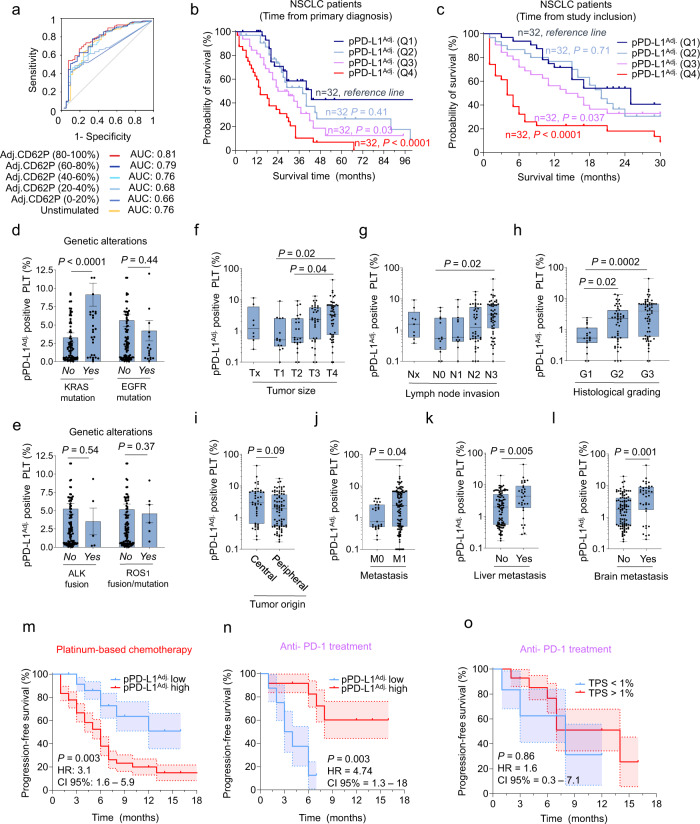
Immune-checkpoint inhibitors (ICI) have transformed oncological therapy. Up to 20% of all non-small cell lung cancers (NSCLCs) show durable responses upon treatment with ICI, however, robust markers to predict therapy response are missing. Here we show that blood platelets interact with lung cancer cells and that PD-L1 protein is transferred from tumor cells to platelets in a fibronectin 1, integrin α5β1 and GPIbα-dependent manner. Platelets from NSCLC patients are found to express PD-L1 and platelet PD-L1 possess the ability to inhibit CD4 and CD8 T-cells. An algorithm is developed to calculate the activation independent adjusted PD-L1 payload of platelets (pPD-L1 Adj.), which is found to be superior in predicting the response towards ICI as compared to standard histological PD-L1 quantification on tumor biopsies. Our data suggest that platelet PD-L1 reflects the collective tumor PD-L1 expression, plays important roles in tumor immune evasion and overcomes limitations of histological quantification of often heterogeneous intratumoral PD-L1 expression.
Overview
The claims and statistics of this paper haven’t been checked yet.
Free: it reads the open-access text and checks the first 5 claims that cite a source we can check. Create a free account to check every claim.
Integrity signals
Registry
Cites
Statistics
Figures
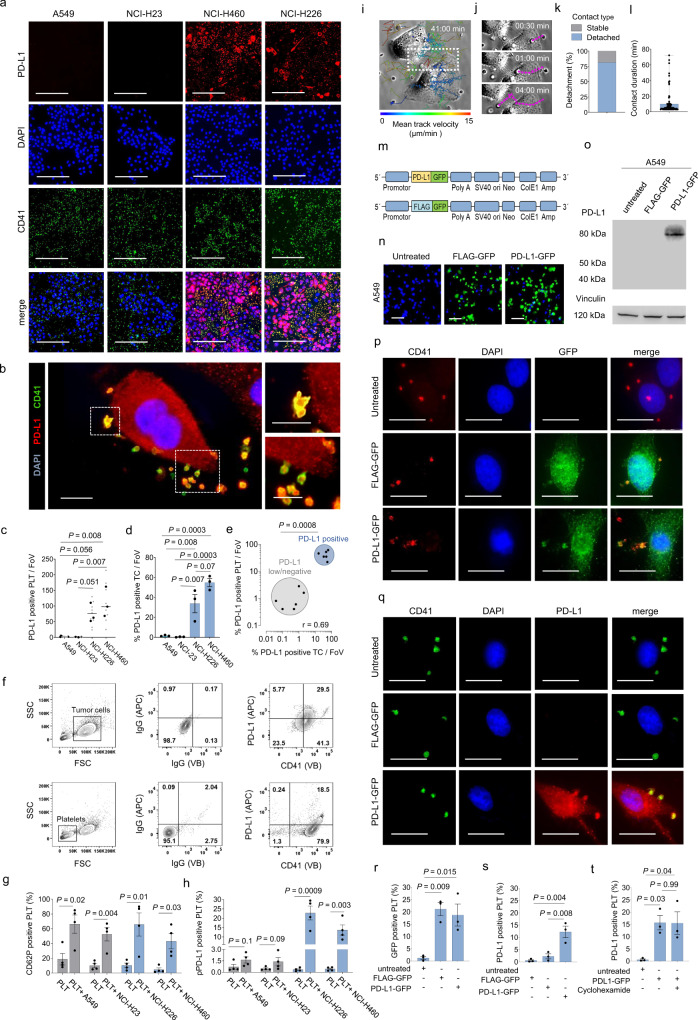
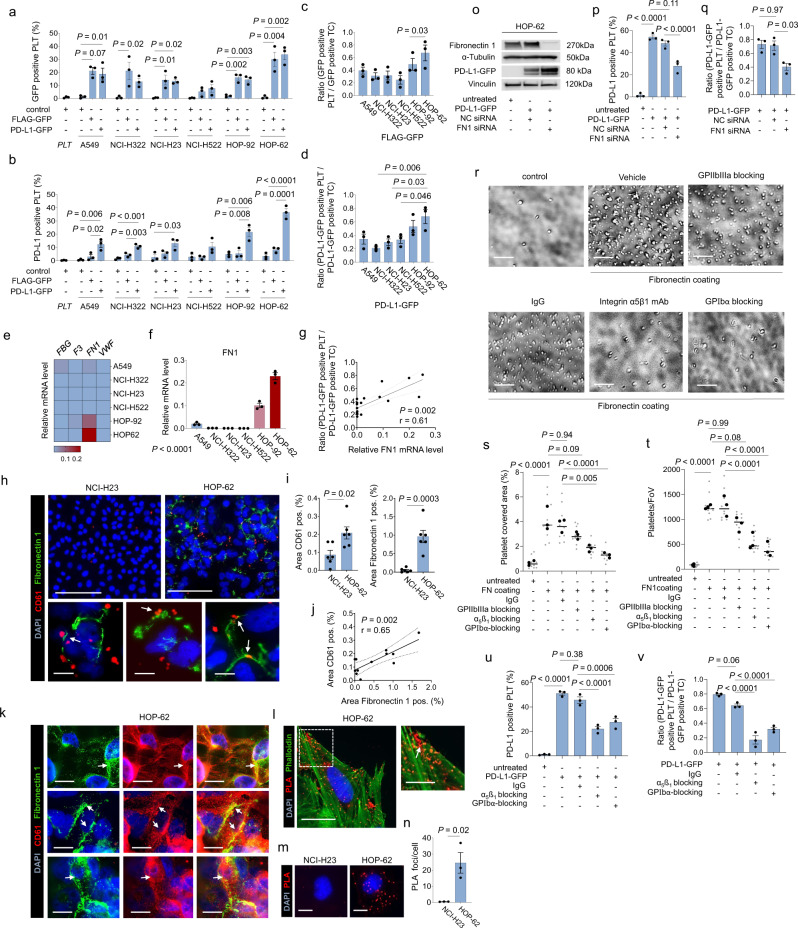
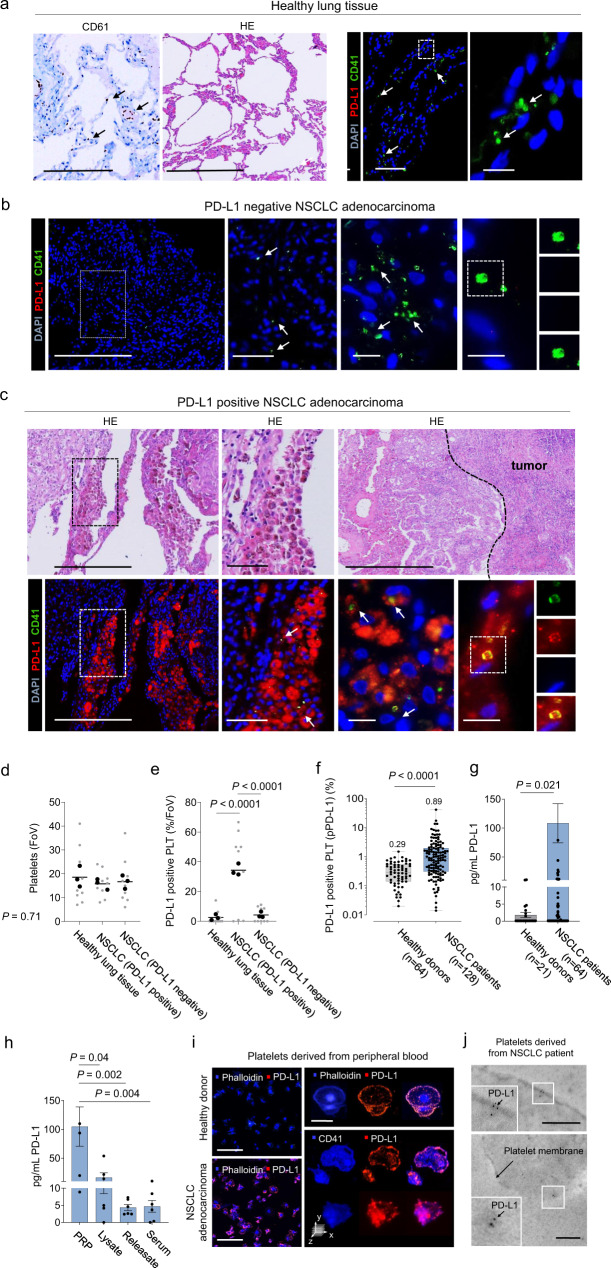
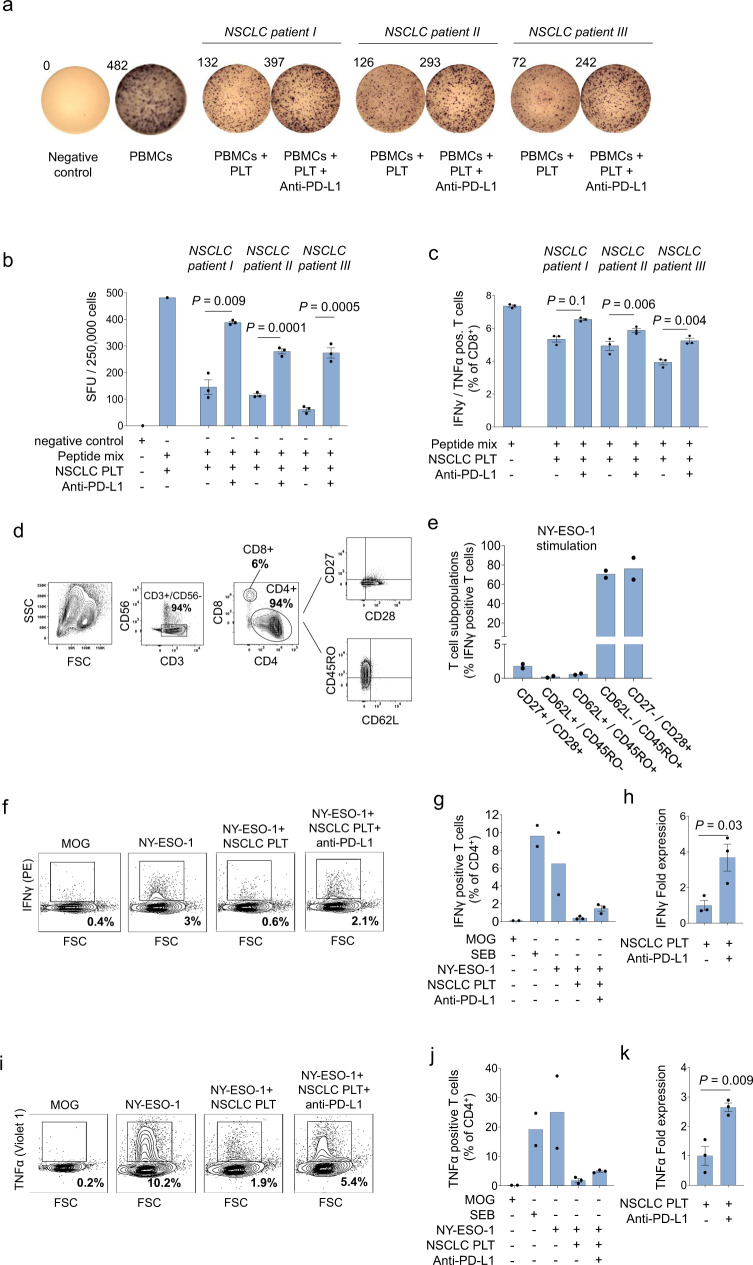
Verification
Claims the paper makes
The claims and statistics of this paper haven’t been checked yet.
Free: it reads the open-access text and checks the first 5 claims that cite a source we can check. Create a free account to check every claim.
Claims other papers make about this one
Each is checked against this paper’s own text: does it say what the citing paper says it does?
The check wasn’t confident either way, so it gives no verdict — never disputed.
In the citing paper
“Thus, these results suggest that high-titer AAV disrupts the integrity of the BBB and enables components in circulating blood to enter the brain parenchyma.”
From High-titer AAV disrupts cerebrovascular integrity and induces lymphocyte infiltration in adult mouse brain (2023) · cites this paper as [38]
Experimental — accuracy not yet measured
Self-check
Percentages, sums and reported differences re-computed from the paper’s own numbers.
The self-check needs the paper’s full text.
Citations
Cites
Bray, F., Ferlay, J., Soerjomataram, I., Siegel, R. L., Torre, L. A., & Jemal, A. (2018) · CA: A Cancer Journal for Clinicians · doi:10.3322/caac.21492 · Cited by 84,109
PD-1 and PD-L1 Immune Checkpoint Blockade to Treat Breast Cancer
Hartkopf, A. D., Taran, F.-A., Wallwiener, M., Walter, C. B., Krämer, B., Grischke, E.-M., & Brucker, S. Y. (2016) · Breast Care · doi:10.1159/000453569 · Cited by 30,845
New response evaluation criteria in solid tumours: revised RECIST guideline (version 1.1)
Eisenhauer, E. A., Therasse, P., Bogaerts, J., Schwartz, L. H., Sargent, D., Ford, R., Dancey, J., Arbuck, S., Gwyther, S., Mooney, M., et al. (2009) · European Journal of Cancer · doi:10.1016/j.ejca.2008.10.026 · Cited by 29,534
Siegel, R. L., Miller, K. D., Fuchs, H. E., & Jemal, A. (2021) · CA: A Cancer Journal for Clinicians · doi:10.3322/caac.21654 · Cited by 16,522
Adverse Renal Effects of Immune Checkpoint Inhibitors: A Narrative Review
Wanchoo, R., Karam, S., Uppal, N. N., Barta, V. S., Deray, G., Devoe, C., Launay-Vacher, V., Jhaveri, K. D., & on behalf of Cancer and Kidney International Network Workgroup on Immune Checkpoint Inhibitors (2017) · American Journal of Nephrology · doi:10.1159/000455014 · Cited by 15,256
Improved Survival with Ipilimumab in Patients with Metastatic Melanoma
Hodi, F. S., O'Day, S. J., McDermott, D. F., Weber, R. W., Sosman, J. A., Haanen, J. B., Gonzalez, R., Robert, C., Schadendorf, D., Hassel, J. C., et al. (2010) · New England Journal of Medicine · doi:10.1056/nejmoa1003466 · Cited by 15,155
Pembrolizumab versus Chemotherapy for PD-L1-Positive Non-Small-Cell Lung Cancer
Reck, M., Rodríguez-Abreu, D., Robinson, A. G., Hui, R., Csőszi, T., Fülöp, A., Gottfried, M., Peled, N., Tafreshi, A., Cuffe, S., et al. (2016) · New England Journal of Medicine · doi:10.1056/nejmoa1606774 · Cited by 10,089
Herbst, R. S., Baas, P., Kim, D.-W., Felip, E., Pérez-Gracia, J. L., Han, J.-Y., Molina, J., Kim, J.-H., Arvis, C. D., Ahn, M.-J., et al. (2016) · The Lancet · doi:10.1016/s0140-6736(15)01281-7 · Cited by 6,449
Predictive correlates of response to the anti-PD-L1 antibody MPDL3280A in cancer patients
Herbst, R. S., Soria, J.-C., Kowanetz, M., Fine, G. D., Hamid, O., Gordon, M. S., Sosman, J. A., McDermott, D. F., Powderly, J. D., Gettinger, S. N., et al. (2014) · Nature · doi:10.1038/nature14011 · Cited by 5,231
Enhancement of Antitumor Immunity by CTLA-4 Blockade
Leach, D. R., Krummel, M. F., & Allison, J. P. (1996) · Science · doi:10.1126/science.271.5256.1734 · Cited by 3,955
Cited by
Wu, M., Huang, Q., Xie, Y., Wu, X., Ma, H., Zhang, Y., & Xia, Y. (2022) · Journal of Hematology & Oncology · doi:10.1186/s13045-022-01242-2 · Cited by 456
The dynamic role of platelets in cancer progression and their therapeutic implications
Li, S., Lu, Z., Wu, S., Chu, T., Li, B., Qi, F., Zhao, Y., & Nie, G. (2024) · Nature Reviews Cancer · doi:10.1038/s41568-023-00639-6 · Cited by 214
“Hence, an algorithm was developed to calculate the PDL1 payload of circulating platelets to successfully predict immune-checkpoint inhibitor treatment response; the predictive value of this was shown to be superior to standard histological PDL1 quantification 178 .”
Zhao, M., Zhang, Y., Miao, J., Zhou, H., Jiang, Y., Zhang, Y., Miao, M., Chen, W., Xing, W., Li, Q., et al. (2023) · Advanced Materials · doi:10.1002/adma.202305243 · Cited by 136
Liao, K., Zhang, X., Liu, J., Teng, F., He, Y., Cheng, J., Yang, Q., Zhang, W., Xie, Y., Guo, D., et al. (2023) · MedComm · doi:10.1002/mco2.350 · Cited by 121
Zhang, X., Yu, S., Li, X., Wen, X., Liu, S., Zu, R., Ren, H., Li, T. X., Yang, C., & Luo, H. (2023) · Pharmacological Research · doi:10.1016/j.phrs.2023.106777 · Cited by 108
Cancer cells reprogram to metastatic state through the acquisition of platelet mitochondria
Zhang, W., Zhou, H., Li, H., Mou, H., Yinwang, E., Xue, Y., Wang, S., Zhang, Y., Wang, Z., Chen, T., et al. (2023) · Cell Reports · doi:10.1016/j.celrep.2023.113147 · Cited by 75
Zhou, K., Cao, J., Lin, H., Liang, L., Shen, Z., Wang, L., Peng, Z., & Mei, J. (2022) · Frontiers in Oncology · doi:10.3389/fonc.2022.962173 · Cited by 67
“(52) found that PD-L1 protein was able to be transferred from NSCLC tumor cells to platelets, and platelets expressing PD-L1 inhibited the infiltration of CD4+ and CD8+ T lymph cells.”
BackgroundEffects of the interactions between platelets with other cells in tumor growth and progression
Li, Y., Wang, H., Zhao, Z., Yang, Y., Meng, Z., & Qin, L. (2023) · Frontiers in Immunology · doi:10.3389/fimmu.2023.1165989 · Cited by 68
Tsai, Y.-T., Schlom, J., & Donahue, R. N. (2024) · Journal of Experimental & Clinical Cancer Research · doi:10.1186/s13046-024-02969-1 · Cited by 70
“In their study, Hinter-leitner and colleagues evaluated the association between PD-L1 + platelets and clinical response to ICI [97].”
BackgroundEmerging roles of platelets in cancer biology and their potential as therapeutic targets
Wang, L., Wang, X., Guo, E., Mao, X., & Miao, S. (2022) · Frontiers in Oncology · doi:10.3389/fonc.2022.939089 · Cited by 65
Mechanisms of drug resistance to immune checkpoint inhibitors in non-small cell lung cancer
Zhou, K., Li, S., Zhao, Y., & Cheng, K. (2023) · Frontiers in Immunology · doi:10.3389/fimmu.2023.1127071 · Cited by 56
“Specially, PD-L1 expression on platelets could not only reflect that on tumor, but also inhibit CD4 and CD8 T cells, which provided a new perspective to overcome the limitations of traditional quantification of PD-L1 expression on tumor cells (34).”
BackgroundCellular therapeutics and immunotherapies in wound healing – on the pulse of time?
Huelsboemer, L. F., Knoedler, L., Kochen, A., Yu, C. T., Hosseini, H. C., Hollmann, K. S., Choi, A. E., Stögner, V. A., Knoedler, S. A., Hsia, H. C., et al. (2024) · Military Medical Research · doi:10.1186/s40779-024-00528-5 · Cited by 69
“Macrophages and platelets are also involved in wound healing and have been reported to express immune checkpoints in the context of malignancy [113–115].”
BackgroundGan, J., Zhang, X., & Guo, J. (2025) · Cancer Cell International · doi:10.1186/s12935-025-03877-w · Cited by 51
“Platelet-derived PD-L1 can directly interact with T cells, inhibiting their activation and proliferation, thereby suppressing the cytotoxicity of CD4 + and CD8 + T cells, making it a valuable prognostic and predictive biomarker for cancer patients [64, 65].”
Guo, Y., Chen, J., Ji, W., Xu, L., Xie, Y., He, S., Lai, C., Hou, K., Li, Z., Chen, G., et al. (2023) · Molecular Therapy Methods & Clinical Development · doi:10.1016/j.omtm.2023.08.021 · Cited by 47
Platelet, a key regulator of innate and adaptive immunity
Yan, C., Wu, H., Fang, X., He, J., & Zhu, F. (2023) · Frontiers in Medicine · doi:10.3389/fmed.2023.1074878 · Cited by 43
“It can be transferred from tumor cells to platelets in a fibronectin 1-, integrin α5β1- and GPIbα-dependent manner in non-small cell lung cancer (NSCLC), and platelet PD-L1 possesses the ability to inhibit the function of CD4+ and CD8+ T cells (118).”
BackgroundSchöne, N., Kemper, M., Menck, K., Evers, G., Krekeler, C., Schulze, A. B., Lenz, G., Wardelmann, E., Binder, C. R., & Bleckmann, A. (2024) · Journal of Extracellular Vesicles · doi:10.1002/jev2.12418 · Cited by 44
“Only the A549 cell line, which showed a very low PD-L1 expression per se in concordance with the flow cytometry results and earlier studies (Hinterleitner et al., 2021; Kim et al., 2019), carried more PD-L1 on sEVs compared to lEVs.”
ResultLiquid biopsy: paving a new avenue for cancer research
Kurma, K., Eslami‐S, Z., Alix‐Panabières, C., & Cayrefourcq, L. (2024) · Cell Adhesion & Migration · doi:10.1080/19336918.2024.2395807 · Cited by 43
“…from NSCLC patients were found to express PD-L1, and platelet PD-L1 possesses the ability to inhibit CD4 and CD8 T cells, confirming their important roles in tumor immune evasion and over-coming the limitations of histological quantification of heterogeneous intratumoral PD-L1 expression [243].”
BackgroundÖncül, S., & Cho, M. S. (2023) · Cancers · doi:10.3390/cancers15041282 · Cited by 42
“The elevated levels of PD-L1 in platelets can inhibit CD4+ and CD8+ T cells [52].”
BackgroundProcoagulant platelets promote immune evasion in triple-negative breast cancer
Schaubächer, J. B., Smiljanov, B., Haring, F., Steiger, K., Wu, Z., Ugurluoglu, A., Luft, J., Ballke, S., Mahameed, S., Schneewind, V., et al. (2024) · Blood · doi:10.1182/blood.2023022928 · Cited by 42
Contursi, A., Tacconelli, S., Berardino, S. D., Michele, A. D., & Patrignani, P. (2024) · Frontiers in Pharmacology · doi:10.3389/fphar.2024.1520488 · Cited by 39
Genova, C., Tasso, R., Rosa, A., Rossi, G., Reverberi, D., Fontana, V., Marconi, S., Croce, M., Bello, M. G. D., Dellepiane, C., et al. (2023) · Cells · doi:10.3390/cells12060832 · Cited by 37
“In this regard, Hinterleitner and colleagues reported that NSCLC tumor cells themselves would transfer PD-L1 to platelets and that PD-L1 from platelets with high CD62P levels can also distinguish a subgroup of patients with shorter survival following ICI treatment [43].”
BackgroundGuo, Q., Malloy, M. W., Roweth, H. G., McAllister, S. S., Italiano, J. E., & Battinelli, E. M. (2022) · Blood Advances · doi:10.1182/bloodadvances.2021006120 · Cited by 35
Rugambwa, T. K., Abdihamid, O., Zhang, X., Peng, Y., Cai, C., Shen, H., Zeng, S., & Qiu, W. (2023) · Frontiers in Oncology · doi:10.3389/fonc.2023.1181248 · Cited by 35
Shafqat, A., Omer, M. H., Ahmed, E. N., Mushtaq, A. H., Ijaz, E., Ahmed, Z., AlKattan, K. M., & Yaqinuddin, A. (2023) · Frontiers in Immunology · doi:10.3389/fimmu.2023.1200941 · Cited by 36
“High platelet PD-L1 expression is associated with an immunosuppressive TME by depleting effector T-cells, which lower OS and progression-free survival (PFS) in non-small cell lung cancer patients (NSCLC) (166).”
BackgroundMethodInfluentialSpatial Dissection of the Immune Landscape of Solid Tumors to Advance Precision Medicine
Mauro, F. D., & Arbore, G. (2024) · Cancer Immunology Research · doi:10.1158/2326-6066.cir-23-0699 · Cited by 34
“For example, in NSCLC, markers predictive of positive clinical outcome to anti-PD1 are high PDL1 expression on intratumoral platelets (100), and CD56 and CD4 in the CD45 + compartment (potentially associated with NK-cell infiltration; ref.”
BackgroundPreclinical development and clinical studies of targeted JAK/STAT combined Anti-PD-1/PD-L1 therapy
Chen, M., & Wang, S.-L. (2024) · International Immunopharmacology · doi:10.1016/j.intimp.2024.111717 · Cited by 30
Platelets Increase the Expression of PD-L1 in Ovarian Cancer
Cho, M. S., Lee, H., Gonzalez, R. J., Li, D., Sasano, T., Carlos‐Alcalde, W., Ma, Q., Liu, J., Sood, A. K., & Afshar‐Kharghan, V. (2022) · Cancers · doi:10.3390/cancers14102498 · Cited by 29
“The origin of cancer platelets was attributed to the transfer of PD-L1 from cancer cells to platelets [32].”
BackgroundBandini, S., Ulivi, P., & Rossi, T. (2024) · Cells · doi:10.3390/cells13040337 · Cited by 29
“This role has also been described at the intratumoral level: in NSCLC patients, this interaction leads to PD-L1 ingestion and presentation on the platelets’ surface, in the TME, and in the bloodstream, resulting in CD4+ and CD8+ inhibition [133].”
BackgroundWang, Z., Xu, B., Wang, L.-N., Zhu, X., Huang, C., Shen, Y., Li, H., Li, M., Zhou, J., Fan, J., et al. (2024) · International Immunopharmacology · doi:10.1016/j.intimp.2024.111863 · Cited by 26
The interaction of platelet-related factors with tumor cells promotes tumor metastasis
Xue, J., Deng, J., Qin, H., Yan, S., Zhao, Z., Qin, L., Liu, J., & Wang, H. (2024) · Journal of Translational Medicine · doi:10.1186/s12967-024-05126-6 · Cited by 27
“PD-L1 is related not only to tumor stage and metastasis but also to the prediction of immune checkpoint inhibition (ICI) [38].”
BackgroundInfluentialPro-Tumorigenic and Thrombotic Activities of Platelets in Lung Cancer
Anderson, R., Rapoport, B. L., Steel, H. C., & Theron, A. J. (2023) · International Journal of Molecular Sciences · doi:10.3390/ijms241511927 · Cited by 25
Li, J., Liu, J., Yang, S., Xia, Y., Meng, Q., Sun, B., Liu, Y., Zhao, B., Jin, J., Xu, H., et al. (2025) · Cell Communication and Signaling · doi:10.1186/s12964-025-02034-0 · Cited by 24
“In non-small cell lung cancer patients, a histopathological assessment of intra-tumoural PD-L1 expression is routinely conducted as a biomarker to predict the response to ICI therapy [23].”
Platelets in cancer and immunotherapy: functional dynamics and therapeutic opportunities
Cai, C., Liu, Y., Lu, R., Fan, X., Zeng, S., & Gan, P. (2025) · Experimental Hematology and Oncology · doi:10.1186/s40164-025-00676-x · Cited by 25
“Due to active crosstalk with tumor cells, platelets can acquire PD-L1, potentially reflecting intratumoral expression levels [55].”
InfluentialKumari, S., Bandyopadhyay, B., Singh, A., Aggarwal, S., Yadav, A. K., Vikram, N. K., Guchhait, P., & Banerjee, A. K. (2023) · mBio · doi:10.1128/mbio.01823-23 · Cited by 24
“It was recently reported that human platelets express PD-L1 (32–34).”
BackgroundA Comprehensive Oncological Biomarker Framework Guiding Precision Medicine
Mokhtari, R. B., Sambi, M., Shekari, F., Satari, K., Ghafoury, R., Ashayeri, N., Eversole, P., Baluch, N., Harless, W. W., Muscarella, L. A., et al. (2025) · Biomolecules · doi:10.3390/biom15091304 · Cited by 25
“Continuous monitoring and advanced standardization are needed to refine their clinical utility [291–294].”
The use of platelets as a clinical tool in oncology: opportunities and challenges
Bravaccini, S., Boldrin, E., Gurioli, G., Tedaldi, G., Piano, M. A., Canale, M., Curtarello, M., Ulivi, P., & Pilati, P. (2024) · Cancer Letters · doi:10.1016/j.canlet.2024.217044 · Cited by 22
Yang, Y., Liu, X., Zhang, R., Liu, Y., Zhou, N., & Jiang, Y. (2025) · Small · doi:10.1002/smll.202409593 · Cited by 25
Interactions between platelets and the cancer immune microenvironment
Tuerhong, N., Yang, Y., Wang, C., Huang, P., & Li, Q. (2024) · Critical Reviews in Oncology/Hematology · doi:10.1016/j.critrevonc.2024.104380 · Cited by 23
Potential biomarkers for immunotherapy in non-small-cell lung cancer
Wang, X., Qiao, Z.-Y., Aramini, B., Lin, D. X., Li, X., & Fan, J. (2023) · Cancer and Metastasis Reviews · doi:10.1007/s10555-022-10074-y · Cited by 22
“However, the validation still needs to be defined before translation into clinical standards of care [31].”
BackgroundOhashi, T., Takase‐Minegishi, K., Maeda, A., Hamada, N., Yoshimi, R., Kirino, Y., Teranaka, H., Kunimoto, H., Hagihara, M., Matsumoto, K., et al. (2023) · Journal of Hematology · doi:10.14740/jh1090 · Cited by 21
Al-Hamd, M. G. A., Tawfik, H. O., Abdullah, O., Yamaguchi, K., Sugiura, M., Mehany, A. B. M., El‐Hamamsy, M. H., & El-Moselhy, T. F. (2023) · Journal of Enzyme Inhibition and Medicinal Chemistry · doi:10.1080/14756366.2023.2241674 · Cited by 20
“HOP-92 cells were also overexpressed in NSC lung cancer 84 .”
BackgroundPlatelet Contributions to the (Pre)metastatic Tumor Microenvironment
Roweth, H. G. (2023) · Seminars in Thrombosis and Hemostasis · doi:10.1055/s-0043-1776005 · Cited by 20
Guo, J., Wang, M., Zhu, Y., Watari, F., Xu, Y.-H., & Chen, X. (2023) · Acta Materia Medica · doi:10.15212/amm-2023-0005 · Cited by 21
Contents in tumor-educated platelets as the novel biosource for cancer diagnostics
Zhang, Q., Song, X., & Song, X. (2023) · Frontiers in Oncology · doi:10.3389/fonc.2023.1165600 · Cited by 26
Shi, Q., Xu, J., Chen, C., Hu, X., Wang, B., Zeng, F., Ren, T., Huang, Y., Guo, W., Tang, X., et al. (2024) · Cancer Letters · doi:10.1016/j.canlet.2024.216902 · Cited by 20
PD-L1 Regulates Platelet Activation and Thrombosis via Caspase-3/GSDME Pathway
Li, Y., Xin, G., Li, S., Dong, Y., Zhu, Y., Yu, X., Wan, C., Li, F., Wei, Z., Wang, Y., et al. (2022) · Frontiers in Pharmacology · doi:10.3389/fphar.2022.921414 · Cited by 18
Wang, P., Zhang, Y., Cai, Q., Long, Q., Pan, S., Zhou, W., Deng, T., Mo, W., Wang, S., Zhang, Y., et al. (2023) · Annals of Medicine · doi:10.1080/07853890.2023.2201507 · Cited by 17
“Immune exhaustion and senescence will lead to the dysfunction of effector T cells and tumor escape, and their expression levels can affect the response to immunotherapy for cancer patients [14,27,37,38].”
BackgroundPlatelets and megakaryocytes in cancer
Josefsson, E. C. (2024) · Journal of Thrombosis and Haemostasis · doi:10.1016/j.jtha.2024.12.016 · Cited by 17
Platelet activation, aspirin, and cancer: From basic science to clinical trials
Patrono, C., Burn, J., Patrignani, P., & Langley, R. E. (2025) · Pharmacological Reviews · doi:10.1016/j.pharmr.2025.100109 · Cited by 17
“Patients with non–small cell lung cancer often have high levels of PD-L1 on their platelets, 85 and therapies blocking PD-L1/PD-1, such as pembrolizumab, have shown effectiveness in patients with metastatic non–small cell lung cancer.”
Chapelain, O. L., Jadoui, S., Gros, A., Barbaria, S., Benmeziane, K., Ollivier, V., Dupont, S., Nomenjanahary, M. S., Mavouna, S., Rogozarski, J., et al. (2024) · Journal of Experimental & Clinical Cancer Research · doi:10.1186/s13046-024-03001-2 · Cited by 16
“In addition to the tumor vasculature, platelets may also influence the tumor inflammatory and immune microenvironment [20, 21].”
BackgroundTasso, R., Marconi, S., Rossi, G., Genova, C., & Coco, S. (2023) · Drug Discovery Today · doi:10.1016/j.drudis.2023.103616 · Cited by 15
Gao, F., You, X., Yang, L., Zou, X., & Sui, B. (2024) · International Reviews of Immunology · doi:10.1080/08830185.2024.2333275 · Cited by 15
Predictive biomarkers for immune checkpoint inhibitors therapy in lung cancer
Yao, J., Lin, X., Zhang, X., Xie, M., Ma, X., Bao, X., Song, J., Liang, Y., Wang, Q., & Xue, X. (2024) · Human Vaccines & Immunotherapeutics · doi:10.1080/21645515.2024.2406063 · Cited by 15
“97 In addition, exosomal PD-L1 is a new tool for the assessment of immunotherapy efficacy in lung cancer.”
MethodIntratumoral Platelets: Harmful or Incidental Bystanders of the Tumor Microenvironment?
Chapelain, O. L., & Ho‐Tin‐Noé, B. (2022) · Cancers · doi:10.3390/cancers14092192 · Cited by 24
“Interestingly, cancer-induced phenotypic alterations of platelets are not solely considered across the spectrum of their possible functional consequences, but also with respect to their prognostic potential as biomarkers of the presence of cancer or its progression [43,44,80,83].”
BackgroundInfluentialSuccessful Use of Intravenous Immunoglobulins in an Obinutuzumab-related Acute Thrombocytopenia
Haage, T. R., Surov, A., Mougiakakos, D., & Berisha, M. (2022) · HemaSphere · doi:10.1097/hs9.0000000000000751 · Cited by 14
Tumor-infiltrating platelets promote the growth of lung adenocarcinoma
Li, X., Li, M., Hu, Z., Zhou, L. Q., Zheng, M., Jiao, D., Qin, J., Fu, B., Zheng, X., & Wei, H. (2023) · Translational Oncology · doi:10.1016/j.tranon.2023.101813 · Cited by 14
“Expression of PD-L1 on platelets is shown to play an important role in tumor immune evasion in NSCLC [56].”
BackgroundColarusso, C., Falanga, A., Terlizzi, M., Rosa, I. D., Somma, P., Sommella, E., Caponigro, V., Panico, L., Salviati, E., Campiglia, P., et al. (2023) · Biomedicine & Pharmacotherapy · doi:10.1016/j.biopha.2023.115709 · Cited by 13
Advances and challenges in gene therapy strategies for pediatric cancer: a comprehensive update
Moaveni, A. K., Amiri, M., Shademan, B., Farhadi, A., Behroozi, J., & Nourazarian, A. (2024) · Frontiers in Molecular Biosciences · doi:10.3389/fmolb.2024.1382190 · Cited by 14
Guo, L., Li, J., Wang, J., Chen, X., Cai, C., Zhou, F., & Xiong, A. (2024) · Translational Lung Cancer Research · doi:10.21037/tlcr-24-637 · Cited by 13
Lu, Q., Ye, H., Zhao, J., Fan, X., Wang, K., Han, Z., Liu, T., Du, L., Song, J., Wang, H., et al. (2025) · Exploration · doi:10.1002/exp.20240084 · Cited by 13
“The stored PD-L1 will be transferred from α -granules to the surface with the platelet activation status, resulting in accumulated tumor-derived PD-L1 on the surface of platelets (tPD-L1-platelets) [6].”
InfluentialVenous Thromboembolic Events in Cancer Immunotherapy: A Narrative Review
Fowler, C., & Pastores, S. M. (2025) · Journal of Clinical Medicine · doi:10.3390/jcm14144926 · Cited by 14
“Additionally, platelets acquire PD-L1 from tumor cells through fibronectin 1, integrin α 5 β 1, and GPIb α -dependent mechanisms, creating “tumor-educated” platelets with enhanced prothrombotic potential [61].”
MacDonald, M., Poei, D., Leyba, A., Diep, R. H., Chennapan, K., Leon, C., Xia, B., Nieva, J. J., & Hsu, R. C. (2023) · Cancer Treatment and Research Communications · doi:10.1016/j.ctarc.2023.100752 · Cited by 15
Prognostic Indicators for Precision Treatment of Non-Small Cell Lung Carcinoma
Ghosh, D. D., McDonald, H. G., Dutta, R., Krishnan, K., Thilakan, J., Paul, M. K., Arya, N., Rao, M., & Rangnekar, V. M. (2024) · Cells · doi:10.3390/cells13211785 · Cited by 13
Lu, Q., Han, Z., Wang, X., Du, L., Fan, X., Zhao, J., Zhu, R., Wang, H., Song, J., Shen, W., et al. (2025) · Journal of Controlled Release · doi:10.1016/j.jconrel.2025.02.042 · Cited by 12
Cancer fitness genes: emerging therapeutic targets for metastasis
Shen, M., & Kang, Y. (2022) · Trends in cancer · doi:10.1016/j.trecan.2022.08.007 · Cited by 13
Revealing profile of cancer-educated platelets and their factors to foster immunotherapy development
Trivanović, D. I., Mojsilović, S. B., Bogosavljević, N., Jurišić, V., & Jauković, A. (2023) · Translational Oncology · doi:10.1016/j.tranon.2023.101871 · Cited by 14
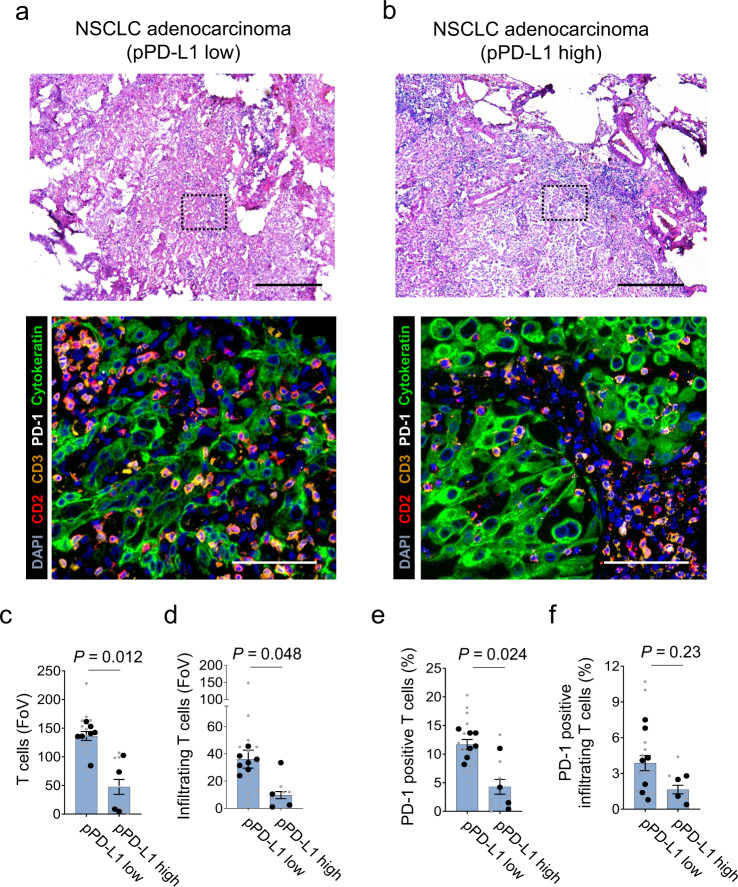
“…to patient ’ s tumor immune cell content correlated elevated levels of programmed death-ligand 1 (PD-L1) on platelets with lower numbers of tumor-infiltrating T cells in PD-L1-positive lung cancer patients thus indicating platelet-associated PD-L1 contribution to tumor immune evasion [61] (Fig.”
BackgroundBi, H., Ren, D., Xiao, Y., Zhou, Y., Yi, B., Han, W., Shao, Y., Wang, J., Zhang, C., & Wang, H. (2024) · Thoracic Cancer · doi:10.1111/1759-7714.15225 · Cited by 12
“32,33 Correspondingly, our data indicate that ES-SCLC patients with irAEs showed prolonged mPFS and comparable OS, thus highlighting the potential of irAEs as independent prognostic markers for mPFS and OS.”
BackgroundWang, X., Bai, L., Kong, L., & Guo, Z. (2024) · Frontiers in Oncology · doi:10.3389/fonc.2024.1411731 · Cited by 11
Zou, M., Qattan, A. T., Al-Alwan, M. M., Ghebeh, H., Binjumah, N., Al‐Haj, L., Khabar, K. S. A., Altaweel, A., Almohanna, F., Assiri, A. M., et al. (2025) · Frontiers in Endocrinology · doi:10.3389/fendo.2025.1514264 · Cited by 11
“Furthermore, PD-L1 protein can be transferred from tumor cells to platelets to suppress anti-tumor immune response (58).”
Wang, T., Chen, L., Bao, X., Han, Z., Wang, Z., Nie, S., Gu, Y., & Gong, J. (2025) · Translational Lung Cancer Research · doi:10.21037/tlcr-24-973 · Cited by 12
“Although biomarkers such as PD-L1 expression (8,9), tumor mutational burden (10,11), and tumor-infiltrating lymphocytes (12,13) have shown potential in predicting immunotherapy benefit, their predictive efficiency remains limited (14,15).”
Tumor-educated platelets in lung cancer
Hussain, M. S., Moglad, E. H. O., Goyal, A., Rekha, M. M., Sharma, G. C., Jayabalan, K., Sahoo, S., Devi, A., Goyal, K., Gupta, G., et al. (2025) · Clinica Chimica Acta · doi:10.1016/j.cca.2025.120307 · Cited by 11
Zhou, Q., Jiang, Z., Ye, T., Yu, L., Wang, Q., Lin, P., & Shao, Y. (2025) · BMC Gastroenterology · doi:10.1186/s12876-025-04028-1 · Cited by 11
“Recent studies have suggested that the movement of the PD–L1 protein from tumor cells to platelets may restrict the infiltration of CD4 + and CD8 + T lymphocytes [59].”
Cancer treatment-induced thrombocytopenia: diagnosis, mechanisms and management
Zhao, X., Shan, X., Sui, S., Song, Q., Cheng, M., & Zhao, Y. (2025) · Frontiers in Immunology · doi:10.3389/fimmu.2025.1634688 · Cited by 12
Schlüter, J., Cunningham, S., Zimmermann, R. A., Achenbach, S., Kramer, R., Erdmann, M., Beckmann, M., Heinzerling, L. M., & Hackstein, H. (2022) · Immunobiology · doi:10.1016/j.imbio.2022.152311 · Cited by 11
Song, D., Zhao, L., Zhao, G. S., Hao, Q., Wu, J., Ren, H., & Zhang, B. (2023) · Cancer Cell International · doi:10.1186/s12935-023-03149-5 · Cited by 13
“Nevertheless, due to the heterogeneity of the inter-and intra-tumor tumors, identifying a subpopulation that will benefit from immunotherapy remains challenging [55, 56].”
BackgroundHu, Z., Wang, N., Zhang, Y., Zhang, D., Sun, S., Yu, H., Lin, Y., Zhao, X., Wang, H., Wu, X., et al. (2024) · Translational Lung Cancer Research · doi:10.21037/tlcr-24-29 · Cited by 12
“One study suggested that the platelet PD-L1 protein in NSCLC could reflect collective tumor PD-L1 expression, play important roles in tumor immune evasion, and overcome the limitations associated with the histological quantification of often heterogeneous intratumoral PD-L1 expression (18).”
Unlocking the intricacies: Exploring the complex interplay between platelets and ovarian cancer
Xie, Q., Zhou, J., He, C., Xu, Y., Tao, F., & Hu, M. (2024) · Critical Reviews in Oncology/Hematology · doi:10.1016/j.critrevonc.2024.104465 · Cited by 10
Araki, T., Kanda, S., Ide, T., Sonehara, K., Komatsu, M., Tateishi, K., Minagawa, T., Kiniwa, Y., Kawakami, S., Nomura, S., et al. (2022) · ESMO Open · doi:10.1016/j.esmoop.2023.102030 · Cited by 10
Lee, S., Jeong, S., Kim, Y. J., Noh, J. E., Rho, K. N., Kim, H.-O., Cho, H.-J., Yang, D., Hwang, E. C., Bae, W. K., et al. (2025) · Journal for ImmunoTherapy of Cancer · doi:10.1136/jitc-2024-010193 · Cited by 10
“While PD-L1 expression in the TME and its mechanisms have been extensively studied, the mechanisms underlying PD-L1 expression in the circulation remain largely”
Pezzana, S., Blaess, S., Traenkle, B., Schaefer, A., Ruoff, L., Tako, B., Vega, S. C., Kaiser, P. D., Wagner, T. R., González-Menéndez, I., et al. (2025) · Science Advances · doi:10.1126/sciadv.adw1924 · Cited by 10
Correlation of tumor mutational burden with prognosis and immune infiltration in lung adenocarcinoma
Li, L., & Li, J. (2023) · Frontiers in Oncology · doi:10.3389/fonc.2023.1128785 · Cited by 9
“However, studies have shown that PD-L1 as a biomarker has some limitations and still needs to be combined with other evidence (20).”
BackgroundZhou, J., Chu, X., Zhao, J., Xie, M., Wu, J., Yu, X., Fang, Y., Li, Y., Li, X., & Su, C. (2023) · Biological Procedures Online · doi:10.1186/s12575-023-00215-0 · Cited by 9
“[40] suggested that platelet deteriorated efficacy of ICI by loading PD-L1 transformed from tumor cell to inhibit CD4 and CD8 T-cells.”
BackgroundWang, Y., Shen, C., Zeng, X., Xiong, Y., Li, K., Huang, K., & Chen, P. (2024) · Sensors and Actuators B Chemical · doi:10.1016/j.snb.2024.135722 · Cited by 9
Wang, Q., Wu, T., Zhao, R., Li, Y., Chen, X., Shen, S., & Zhang, X. (2024) · Endocrine Practice · doi:10.1016/j.eprac.2024.07.006 · Cited by 9
Label-Free Prediction of Immunotherapy Response in Lung Cancer
Wei, S., Song, C., Ye, Z., Weng, Y., Mei, L., Li, R., Yan, R., Deng, Y., Liu, X., Xu, X., et al. (2024) · ACS Photonics · doi:10.1021/acsphotonics.4c01608 · Cited by 9
Dank, M., Mühl, D., Herold, M., Hornyák, L., Szász, A. M., & Herold, Z. (2022) · Journal of Clinical Medicine · doi:10.3390/jcm11164815 · Cited by 10
“The similarity between the present results, the known effects of paraneoplastic thrombocytosis, and the observation that to a certain extent soluble PD-L1 might originate from platelets [73,74] suggests the hypothesis that there might be a connection between these seemingly different mechanisms, which may be due to a…”
BackgroundResultKnetki‐Wróblewska, M., Tabor, S., Piórek, A., Płużański, A., Winiarczyk, K., Zaborowska-Szmit, M., Zajda, K., Kowalski, D. M., & Krzakowski, M. J. (2023) · Journal of Clinical Medicine · doi:10.3390/jcm12062409 · Cited by 9
“Furthermore, the PD-L1 protein has been shown to be transferred from tumour cells to platelets [36].”
BackgroundInnate Immunity and Platelets: Unveiling Their Role in Chronic Pancreatitis and Pancreatic Cancer
Blümke, J., Schameitat, M., Verma, A., Limbecker, C., Arlt, E., Kessler, S. M., Kielstein, H., Krug, S., Bazwinsky‐Wutschke, I., & Hämmerle, M. (2025) · Cancers · doi:10.3390/cancers17101689 · Cited by 8
“Platelet PD-L1 inhibited CD4 + and CD8 + T cells and predicted response towards ICI [246].”
The hypoxic ECM and neutrophils in MIBC immunotherapy resistance
Child, F., Lunj, S., Gough, J. E., Humphries, M. J., Biolatti, L. V., Hoskin, P., Choudhury, A., & Quiles, C. G. (2025) · Nature Reviews Urology · doi:10.1038/s41585-025-01092-w · Cited by 9
Wang, Y., Wu, C., Fan, Z., Huang, K., Wei, Z., Feng, L., Xie, Y., & Chen, P. (2025) · Chemical Engineering Journal · doi:10.1016/j.cej.2025.162192 · Cited by 8
Rittig, S. M., Lutz, M. S., Clar, K. L., Zhou, Y., Kropp, K. N., Koch, A., Hartkopf, A. D., Hinterleitner, M., Zender, L., Salih, H. R., et al. (2022) · Frontiers in Oncology · doi:10.3389/fonc.2022.917834 · Cited by 8
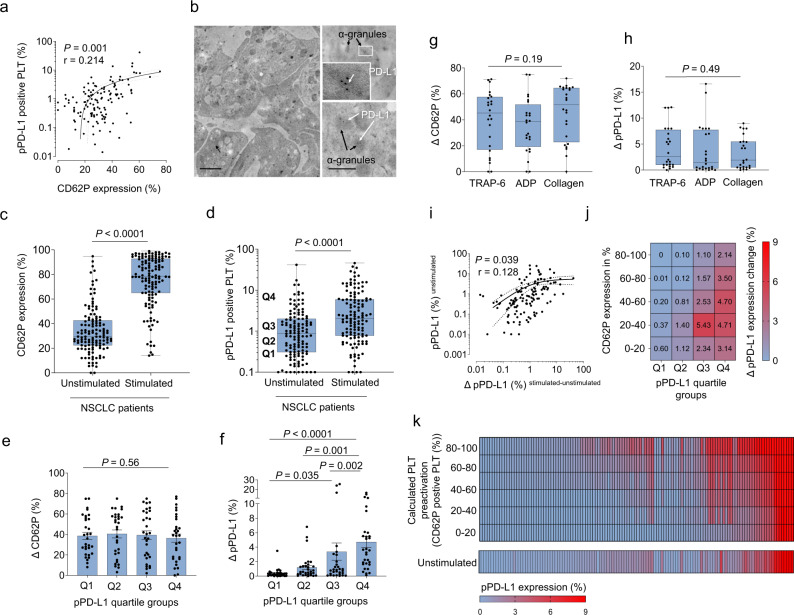
“Surface expression of some immunoregulative molecules like PD-L1 (23) and CD40L (32) for example are dependent on platelet activation.”
BackgroundResultInfluentialSelf-citationThe homophilic CD84 receptor is upregulated on platelets in COVID-19 and sepsis
Weiss, L. J., Drayß, M., Mott, K., Droste, M., Just, B., Arold, A. M., Nieswandt, B., Weismann, D., Stegner, D., & Schulze, H. (2022) · Thrombosis Research · doi:10.1016/j.thromres.2022.10.011 · Cited by 8
Chen, L., Zhang, D., Chen, Y., Zhu, H., Liu, Z.-P., Yu, Z., & Xie, J. (2024) · Oncology Letters · doi:10.3892/ol.2024.14229 · Cited by 8
“However, the absence of dependable prognostic indicators for immunotherapy prevents numerous patients from reaping the advantages of this therapy (2).”
BackgroundZhao, S., Gong, H., & Liang, W. (2023) · Aging · doi:10.18632/aging.204886 · Cited by 8
“Additionally, platelets have been shown to regulate immune response in tumors, affecting the efficacy of immunotherapy [14, 15].”
Shen, Y., Wang, J., Hua, Q., & Dong, M. (2025) · Journal of Inflammation Research · doi:10.2147/jir.s557312 · Cited by 7
“14 Taken together, peripheral platelets may reflect PD-L1 expression on tumors, and high PLR may impair the efficacy of ICIs.”
Tumor-platelet cross talk in cancer: mechanisms, thrombotic risk, and translational opportunities
dos Santos, B. G., Li, Z., & Barrett, T. J. (2026) · Blood Advances · doi:10.1182/bloodadvances.2026019991 · Cited by 7
“42,43 Together, these findings identify platelets as multifaceted suppressors of antitumor T-cell immunity.”
Clinical Application of Different Liquid Biopsy Components in Hepatocellular Carcinoma
Xu, J., Zhao, Y., Chen, Z., & Wei, L. (2024) · Journal of Personalized Medicine · doi:10.3390/jpm14040420 · Cited by 7
“TEPs possess the potential for early cancer diagnosis [213], disease progression surveillance [214] and treatment response supervision [215].”
BackgroundTumor-mediated remote regulation of peripheral blood platelets
Wu, R., Li, Y., LI, X.-Y., Zu, R., Zhang, P., Zhang, X., Rao, L., Wang, D., Yi, Q., Tian, L., et al. (2025) · Cell Biology and Toxicology · doi:10.1007/s10565-025-10133-4 · Cited by 6
Tumor-educated platelets as liquid biopsy: Uncovering the mechanisms of cancer progression
Schmidl, B., Wei, K., Ghasemimehr, N., Dezfouli, A. B., & Wollenberg, B. (2025) · Critical Reviews in Oncology/Hematology · doi:10.1016/j.critrevonc.2025.105106 · Cited by 6
Kwon, W., Lee, M., Ahn, E., Kim, H., Song, Y. S., & Ahn, T. (2026) · International Journal of Cancer · doi:10.1002/ijc.70423 · Cited by 7
“82,83 Beyond immune checkpoints, TEPs are conceptually positioned to offer a window into therapy resistance mechanisms by reflecting dynamic, treatment-induced adaptations in tumor and host biology.”
Metadata
- Authors
- Hinterleitner, C., Strähle, J., Malenke, E., Hinterleitner, M., Henning, M., Seehawer, M., Bilich, T., Heitmann, J., Lutz, M., Mattern, S., Scheuermann, S., Horger, M., Maurer, S., Walz, J., Fend, F., Handgretinger, R., Seitz, C., Weigelin, B., Singer, S., Salih, H., Borst, O., Kopp, H.-G., & Zender, L.
- Affiliations
- Universitätsklinikum Tübingen (DE)
- Memorial Sloan Kettering Cancer Center (US)
- University of Tübingen (DE)
- Robert Bosch Hospital (DE)
- German Cancer Research Center (DE)
- Corresponding author
- Zender, Lars
- ORCID
- Hinterleitner, Clemens
- Hinterleitner, Martina
- Seehawer, Marco
- Bilich, Tatjana
- Heitmann, Jonas
- Lutz, Martina
- Mattern, Sven
- Scheuermann, Sophia
- Horger, Marius
- Maurer, Stefanie
- Walz, Juliane
- Fend, Falko
- Handgretinger, Rupert
- Seitz, Christian
- Weigelin, Bettina
- Singer, Stephan
- Salih, Helmut
- Borst, Oliver
- Kopp, Hans-Georg
- Zender, Lars
- Venue
- Nature Communications
- Published
- 2021-12-01
- Volume
- 12
- Issue
- 1
- Pages
- 7005-7005
- ISSN
- 2041-1723 (ISSN-L)
- PMC
- PMC8636618
- OpenAlex
- W3215972122
- Semantic Scholar
- 38176a704763d407be6441765a03b07446743e4d
- Cited by
- 175
- References
- 54
- Citations by year
- 2026: 26 · 2025: 45 · 2024: 43 · 2023: 44 · 2022: 17
- FWCI
- 9.56
- Type
- journal article
- Language
- en
- Open access
- gold
- doi.org
- Licence
- cc-by
- creativecommons.org/licenses/by/4.0 (tdm)
- creativecommons.org/licenses/by/4.0 (vor)
- Locations
- Nature Communications (publishedVersion, cc-by)
- PubMed Central (publishedVersion, cc-by)
- PubMed (publishedVersion)
- RePEc: Research Papers in Economics (submittedVersion)
- DOAJ (DOAJ: Directory of Open Access Journals) (submittedVersion, cc-by-sa)
- Funders
- Deutsche Forschungsgemeinschaft (EXC2180, Project B05, SFB-TR240, EXC 2180—390 900 677, SFB/TR-209, 314905040, 267467939, FOR-2314, TR240, 390900677)
- Gottfried Wilhelm Leibniz Universität Hannover
- Deutschen Konsortium für Translationale Krebsforschung
- Leibniz-Gemeinschaft
- National Cancer Institute (P30CA008748)
- Topics
- Health Sciences › Medicine › Oncology › Cancer Immunotherapy and Biomarkers
- Life Sciences › Immunology and Microbiology › Immunology › T-cell and B-cell Immunology
- Life Sciences › Immunology and Microbiology › Immunology › Immunotherapy and Immune Responses
- Keywords
- non-small cell lung cancer, immune checkpoint inhibitors, immunotherapy response prediction, platelet-tumor cell interaction, FN1, alpha5beta1 integrin, GPIbα, tumor immune evasion, T cell suppression, platelet biomarkers
- MeSH terms
- Adult, Aged, Aged, 80 and over, Blood Platelets, Carcinoma, Non-Small-Cell Lung, Female, Humans, Immunologic Factors, Immunotherapy, Lung Neoplasms, Male, Middle Aged, T-Lymphocytes, Biomarkers, Tumor, Young Adult, B7-H1 Antigen
About these checks
Registry, retraction, Cites and statistics results are computed, not judged, with one exception: a printed reference that no index lists is read once by a model before it counts as a citation error. Claims are extracted by a model and kept only when their quote appears verbatim in the text; each cited source is then checked, with a model’s help, for whether it says what the claim relies on. Those verdicts can be wrong — read the claim’s quote and the cited source before relying on one.
Statistics and arithmetic are recomputed, not judged.
Confidence bands are shown only for fields calibrated on our annotated test set. None is calibrated yet, so no band is shown.
What counts as a claim ›How we measure confidence ›How we check this ›
Are you an author, or do you see a problem with this page? Request a review
Data sources
Bibliographic data: Semantic Scholar, OpenAlex, Crossref.
Contains information from the Semantic Scholar Academic Graph Datasets, made available under the ODC Attribution License (ODC-BY 1.0).
Semantic Scholar’s data is described in: Kinney, R., et al. (2023). The Semantic Scholar Open Data Platform. arXiv:2301.10140.
