

The DOI matches its Crossref record; 80 of the 80 references it cites were found in a registry or an index; none of the 54 sources its claims cite is checked for support yet.
Phenotypic complexities of rare heterozygous neurexin-1 deletions
Open accessPublished version of a preprint
Abstract
Given the large number of genes significantly associated with risk for neuropsychiatric disorders, a critical unanswered question is the extent to which diverse mutations-sometimes affecting the same gene-will require tailored therapeutic strategies. Here we consider this in the context of rare neuropsychiatric disorder-associated copy number variants (2p16.3) resulting in heterozygous deletions in NRXN1, which encodes a presynaptic cell-adhesion protein that serves as a critical synaptic organizer in the brain. Complex patterns of NRXN1 alternative splicing are fundamental to establishing diverse neurocircuitry, vary between the cell types of the brain and are differentially affected by unique (non-recurrent) deletions 1. We contrast the cell-type-specific effect of patient-specific mutations in NRXN1 using human-induced pluripotent stem cells, finding that perturbations in NRXN1 splicing result in divergent cell-type-specific synaptic outcomes. Through distinct loss-of-function (LOF) and gain-of-function (GOF) mechanisms, NRXN1+/- deletions cause decreased synaptic activity in glutamatergic neurons, yet increased synaptic activity in GABAergic neurons. Reciprocal isogenic manipulations causally demonstrate that aberrant splicing drives these changes in synaptic activity. For NRXN1 deletions, and perhaps more broadly, precision medicine will require stratifying patients based on whether their gene mutations act through LOF or GOF mechanisms, to achieve individualized restoration of NRXN1 isoform repertoires by increasing wild-type and/or ablating mutant isoforms. Given the increasing number of mutations predicted to engender both LOF and GOF mechanisms in brain disorders, our findings add nuance to future considerations of precision medicine.
Overview
CoChat Summary
TL;DR
Patient-specific heterozygous NRXN1 deletions act through distinct loss-of-function (5′-Del) or gain-of-function (3′-Del) splicing mechanisms, producing opposing synaptic phenotypes in human glutamatergic versus GABAergic neurons. The authors propose that precision medicine for NRXN1 deletions will require stratifying patients by LOF/GOF mechanism rather than by clinical diagnosis alone.
Key findings
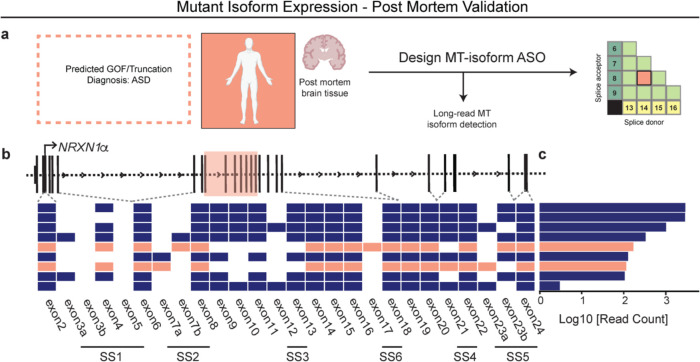
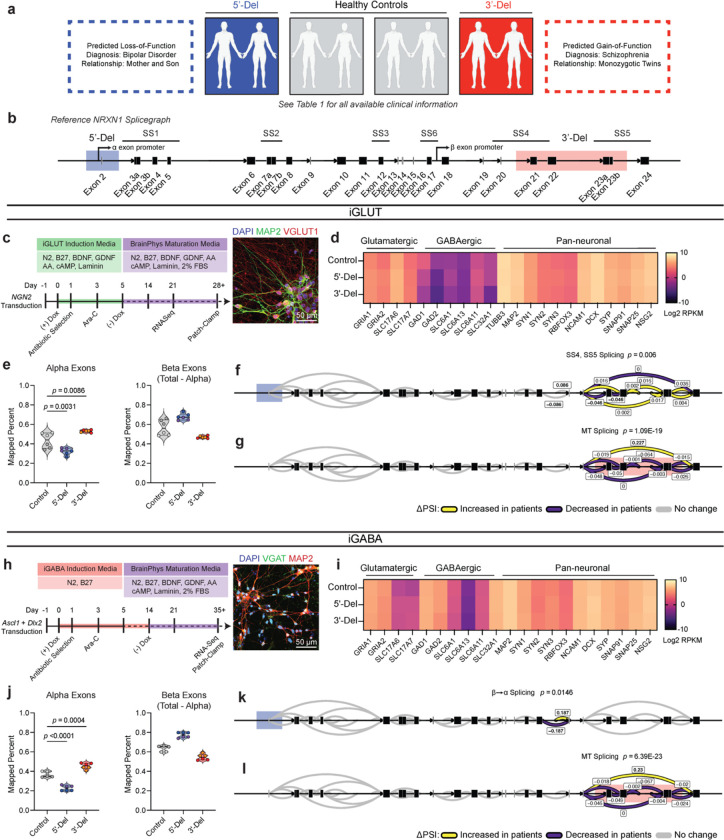
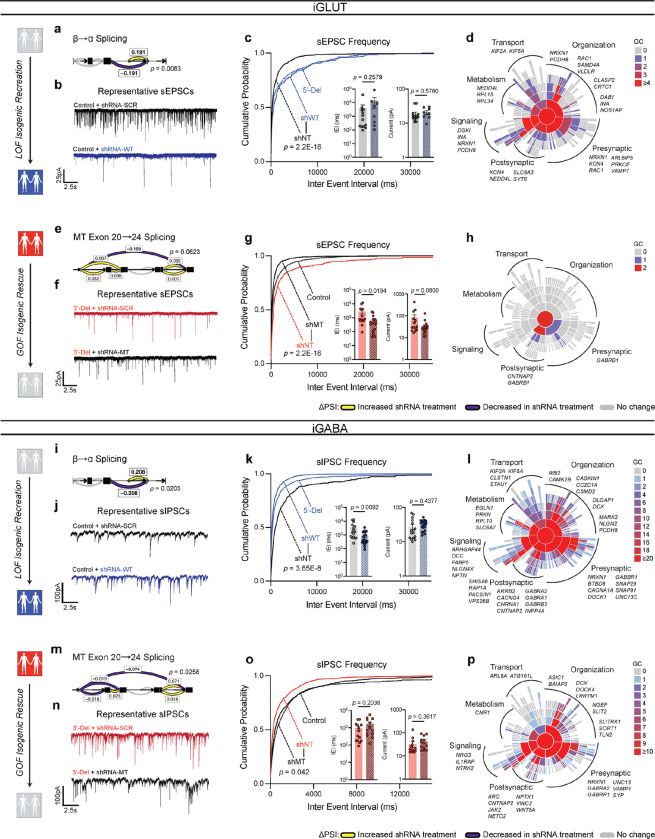
- NRXN1+/− 5′-Del cases (≈115-kb deletion affecting the alpha-transcript promoter) showed reduced β→α splicing, consistent with LOF, while 3′-Del cases (≈136-kb deletion impacting SS4/SS5 across exons 21–23) expressed mutant exon 20–24 splice junctions, consistent with GOF.
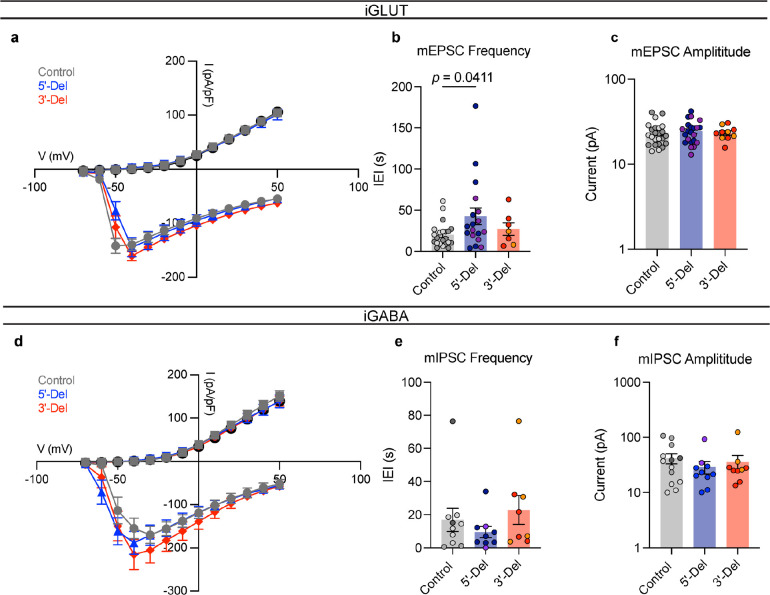
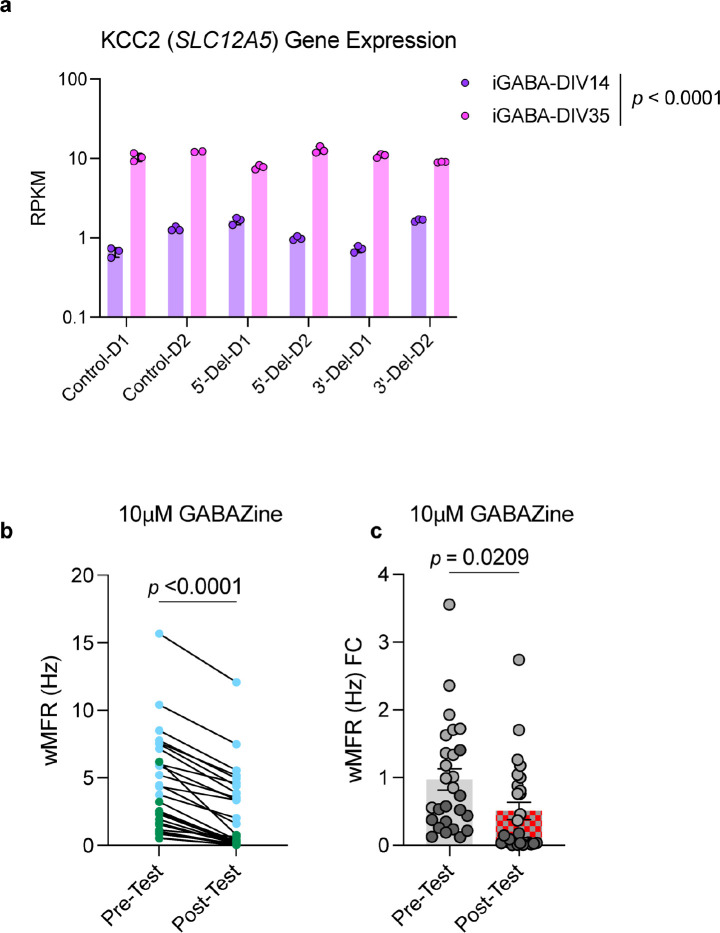
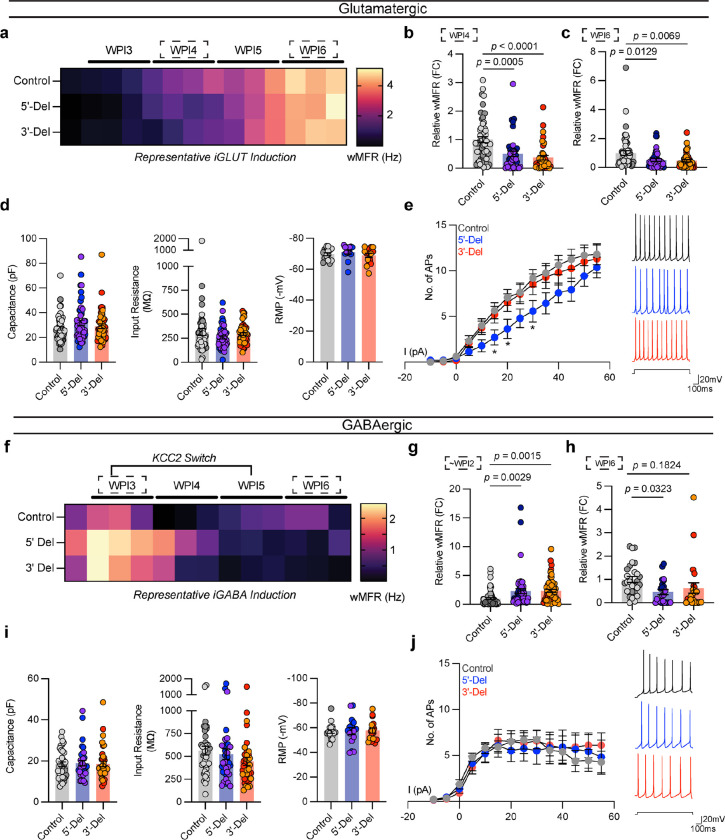
- Spontaneous activity diverged by cell type: iGLUT neurons from both 5′-Del and 3′-Del showed >40% reduced weighted mean firing rate at WPI4 and WPI6, whereas immature iGABA neurons showed ~2-fold increased activity at ~WPI2 and mature iGABA neurons showed decreased activity at WPI6.
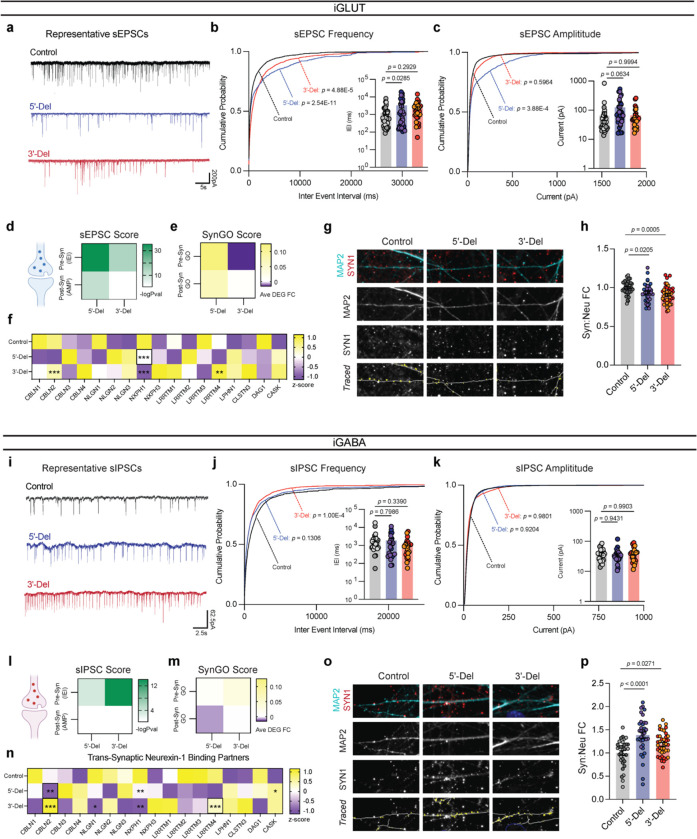
- Synaptic transmission was decreased in iGLUT neurons (increased sEPSC inter-event intervals for 5′-Del and 3′-Del) but enhanced in iGABA neurons (decreased sIPSC inter-event intervals in 3′-Del), with corresponding bidirectional changes in synapse number.
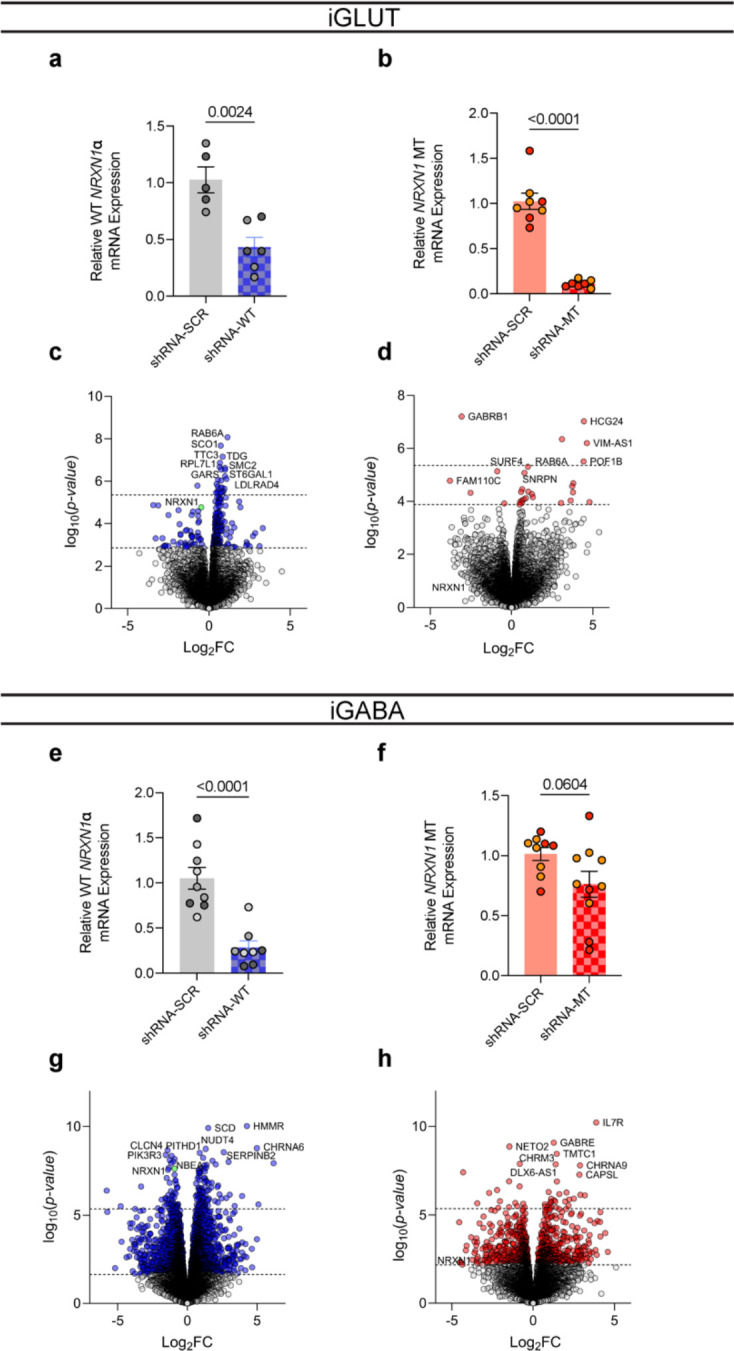
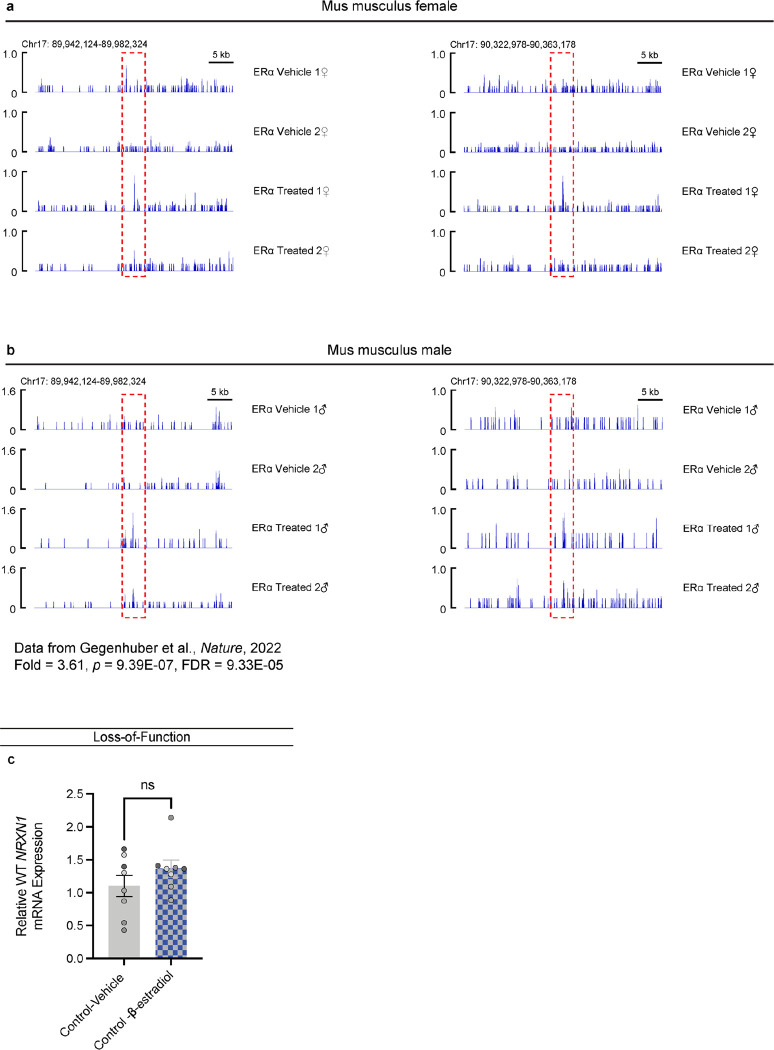
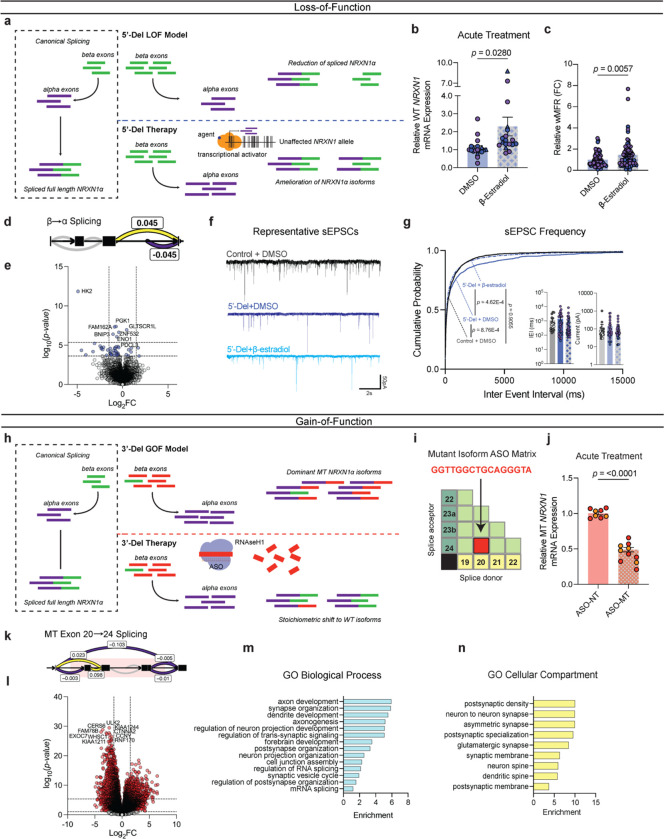
- Isogenic shRNA knockdown of wildtype NRXN1α recapitulated 5′-Del-like phenotypes, and knockdown of the mutant 20/24 splice junction reversed 3′-Del-like phenotypes; β-estradiol increased NRXN1α expression (p = 0.0297) and improved 5′-Del iGLUT activity/sEPSC phenotypes, while an ASO reduced mutant isoforms by ~55% (p < 0.001).
Methods
- Human induced pluripotent stem cells from patient-specific NRXN1+/− 5′-Del, 3′-Del, and healthy control donors were lineage-converted into iGLUT and iGABA neurons, and dorsal/ventral forebrain organoids were generated for scRNA-seq.
- Functional assays included multi-electrode array recordings, whole-cell patch-clamp electrophysiology for spontaneous and miniature synaptic currents, immunostaining for synaptic puncta, bulk RNA-seq, LeafCutter differential splicing analysis, and single-cell RNA-seq.
- Causal isogenic manipulations used shRNAs against wildtype exon 9 or the mutant exon 20/24 junction; therapeutic proof-of-principle experiments used β-estradiol and an antisense oligonucleotide targeting the mutant splice junction.
Limitations
- The paper states that the iGLUT and iGABA populations studied are immature and comprise diverse neuronal subtypes, so discrete effects on subtypes such as SST versus PV GABA neurons remain unresolved.
- The paper states that future studies in more physiologically relevant, circuit-like models may uncover non-autonomous and activity-dependent phenotypes, and that biochemical/proteomic interactions of NRXN1 remain to be probed, for example with proximity-labelling methods such as BioID.
- The paper states that it did not resolve whether mutant GOF isoforms shift alternative-splicing stoichiometry against wildtype isoforms or alter trans-synaptic protein–protein interactions; it also notes that the therapeutic findings are proof-of-principle in vitro results requiring in vivo and clinical validation.
Model-written summary. Check it against the paper before relying on it.
Integrity signals
Registry
Cites
Statistics
Figures
Verification
Claims the paper makes
0 Valid · 1 Not valid · 38 Not checked · 100 Own results and interpretations
In the paper
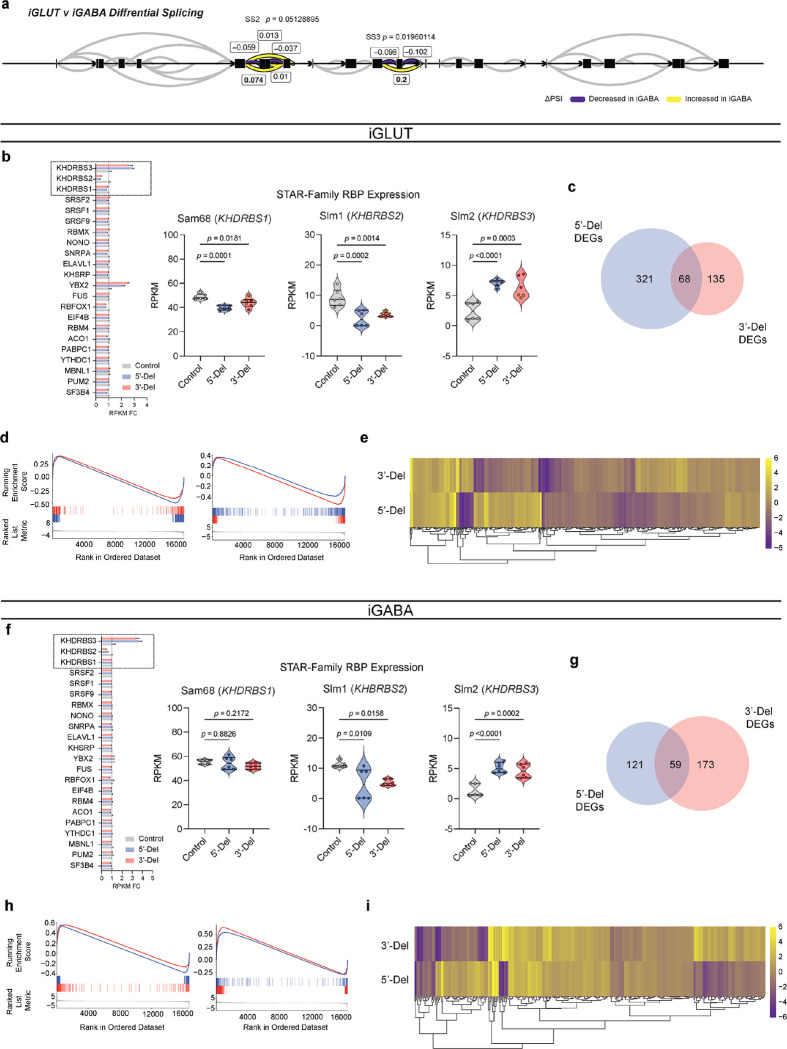
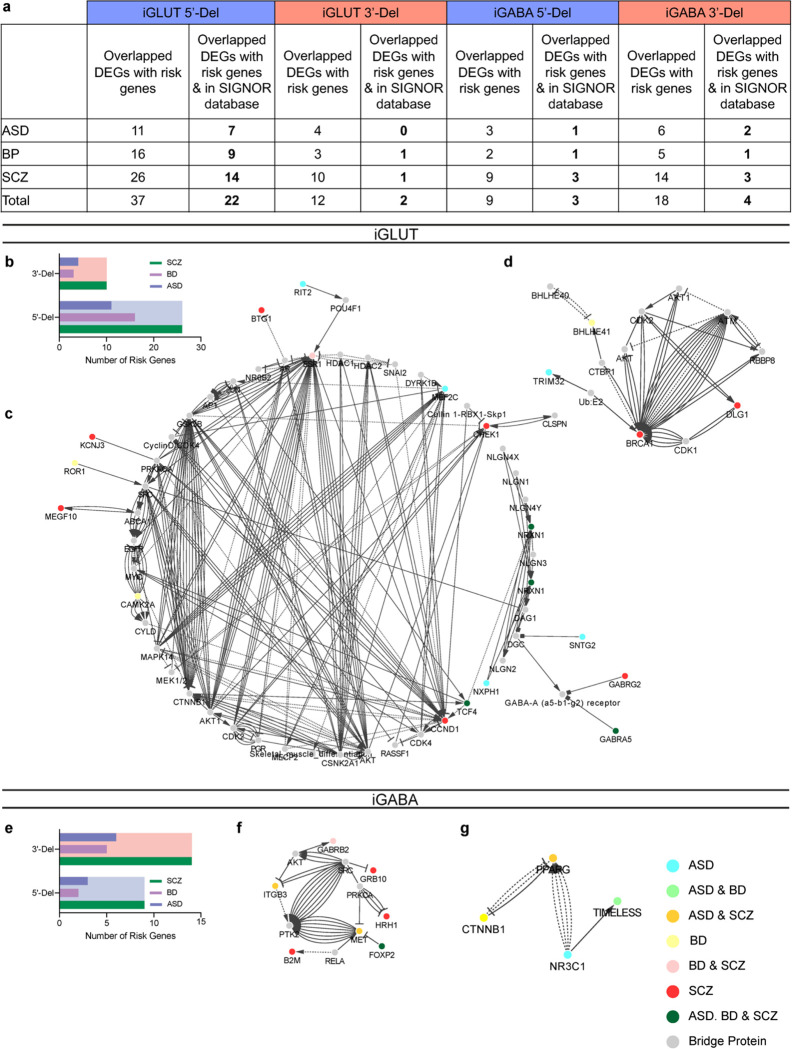
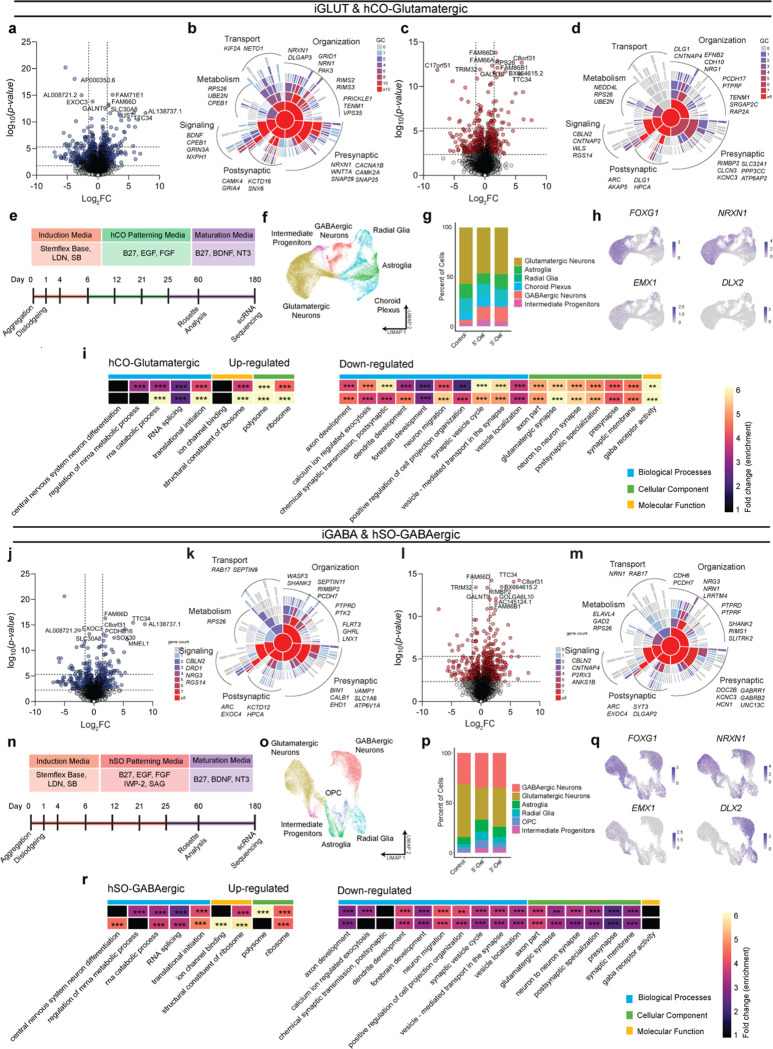
“Risk enrichments for schizophrenia, bipolar disorder, and autism spectrum disorder30,31 were most enriched in 5’-Del iGLUT neurons and 3’-Del iGABA neurons (Extended Data Fig. 2).”
§ Phenotypic complexities of rare heterozygous neurexin-1 deletions > RESULTS > NRXN1+/− mutations broadly impact synaptic and neurodevelopmental pathways in induced and organoid-derived glutamatergic and GABAergic neurons
What the sources say
- Check pendingcites [30] Paz, I., Kosti, I., Ares, M., Cline, M. & Mandel-Gutfreund, Y. RBPmap: a web server for mapping binding sites of RNA-binding proteins. Nucleic Acids Res. 42, W361–W367 (2014). source
- Check pendingcites [31] Ghanbarian, H., Aghamiri, S., Eftekhary, M., Wagner, N. & Wagner, K.-D. Small activating RNAs: towards the development of new therapeutic agents and clinical treatments. Cells 10, 591 (2021). source
plainstates an association- Asserted: passes — The authors put it forward as true.
- Checkable: passes — It can be checked against evidence.
- Load-bearing: passes — The paper’s conclusions depend on it.
- Based: passes — The paper gives a reason why it holds.
A result the paper reports from its own data — it cites no other source for it, so there is none to check. The quote shows it is in the paper.
In the paper
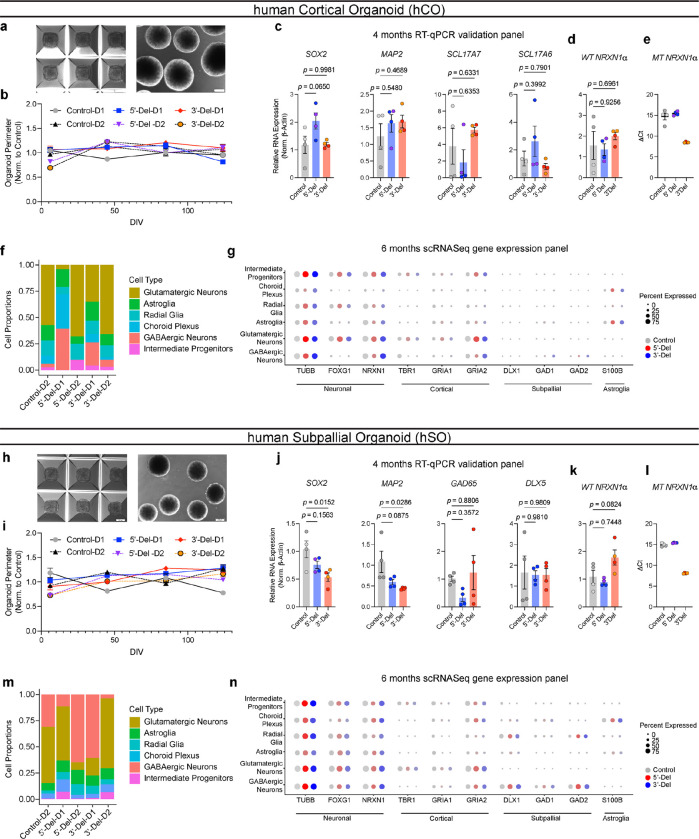
“To stratify LOF and GOF genotypes, we confirmed exclusive MT NRXN1 isoforms in 3’-Del organoids (Extended Data Fig. 3d–e, k–l).”
§ Phenotypic complexities of rare heterozygous neurexin-1 deletions > RESULTS > NRXN1+/− mutations broadly impact synaptic and neurodevelopmental pathways in induced and organoid-derived glutamatergic and GABAergic neurons
plain- Asserted: passes — The authors put it forward as true.
- Checkable: passes — It can be checked against evidence.
- Load-bearing: passes — The paper’s conclusions depend on it.
- Based: passes — The paper gives a reason why it holds.
A result the paper reports from its own data — it cites no other source for it, so there is none to check. The quote shows it is in the paper.
In the paper
“In 5’Del iGLUT neurons, we also detected differential splicing at SS4 inclusion (ΔPSI −0.046, p = 0.006, Bonferroni corrected) (Fig. 1f,k).”
§ Phenotypic complexities of rare heterozygous neurexin-1 deletions > RESULTS > Patient-specific NRXN1+/− mutations produces differential NRXN1 splicing patterns across glutamatergic and GABAergic neurons
plainstates an associationSingle case- Asserted: passes — The authors put it forward as true.
- Checkable: passes — It can be checked against evidence.
- Load-bearing: unclear — It is unclear whether the paper’s conclusions depend on it.
- Based: passes — The paper gives a reason why it holds.
A result the paper reports from its own data — it cites no other source for it, so there is none to check. The quote shows it is in the paper.
In the paper
“Differential splicing analysis between iGLUT and iGABA neurons produced a single significant cluster (out of nine identified), centered around SS3 (Extended Data Fig. 1a, p = 0.01960, Bonferroni corrected)”
§ Phenotypic complexities of rare heterozygous neurexin-1 deletions > RESULTS > Patient-specific NRXN1+/− mutations produces differential NRXN1 splicing patterns across glutamatergic and GABAergic neurons
plain- Asserted: passes — The authors put it forward as true.
- Checkable: passes — It can be checked against evidence.
- Load-bearing: unclear — It is unclear whether the paper’s conclusions depend on it.
- Based: passes — The paper gives a reason why it holds.
A result the paper reports from its own data — it cites no other source for it, so there is none to check. The quote shows it is in the paper.
In the paper
“Splicing of NRXN1 transcript was perturbed at two locations in 5’-Del neurons.”
§ Phenotypic complexities of rare heterozygous neurexin-1 deletions > RESULTS > Patient-specific NRXN1+/− mutations produces differential NRXN1 splicing patterns across glutamatergic and GABAergic neurons
plainstates a causeSingle case- Asserted: passes — The authors put it forward as true.
- Checkable: passes — It can be checked against evidence.
- Load-bearing: passes — The paper’s conclusions depend on it.
- Based: passes — The paper gives a reason why it holds.
52 more claims
Create a free account to see all 139 claims and to verify the 46 references still open.
- It may state two separate claims as one. 56
- The quote only partly states this claim. 1
- Probably not a substantial claim. 42
Self-check
Percentages, sums and reported differences re-computed from the paper’s own numbers.
Each contradiction between two passages listed here was confirmed by an independent check.
Rated minor: it would not touch a result — a value no result rests on, a p-value that stays on the same side of the significance level, or a conflict that is clerical, resolved elsewhere in the paper, or outside its own findings.
In the paper
§ Phenotypic complexities of rare heterozygous neurexin-1 deletions > RESULTS > Patient-specific alterations in spontaneous neural activity occur with minimal changes in passive and excitable membrane properties.
“We observed that immature NRXN1+/− iGABA neurons exhibited a robust ~2-fold increase in population-wide wMFR activity (~WPI2)”
§ Phenotypic complexities of rare heterozygous neurexin-1 deletions > RESULTS > Patient-specific alterations in spontaneous neural activity occur with minimal changes in passive and excitable membrane properties.
“Indeed, immature iGABA neurons expressed higher (10-fold increase compared to WPI2 neurons) levels of SLC12A5 (the gene encoding KCC2)”
Citations
Cites
STAR: ultrafast universal RNA-seq aligner
Dobin, A., Davis, C. A., Schlesinger, F., Drenkow, J., Zaleski, C., Jha, S., Batut, P., Chaisson, M., & Gingeras, T. R. (2013) · Bioinformatics · doi:10.1093/bioinformatics/bts635 · Cited by 51,709
Robinson, M. D., McCarthy, D. J., & Smyth, G. K. (2010) · Bioinformatics · doi:10.1093/bioinformatics/btp616 · Cited by 41,364
limma powers differential expression analyses for RNA-sequencing and microarray studies
Ritchie, M. E., Phipson, B., Wu, D., Hu, Y., Law, C. W., Shi, W., & Smyth, G. K. (2015) · Nucleic Acids Research · doi:10.1093/nar/gkv007 · Cited by 40,458
featureCounts: an efficient general purpose program for assigning sequence reads to genomic features
Liao, Y., Smyth, G. K., & Shi, W. (2014) · Bioinformatics · doi:10.1093/bioinformatics/btt656 · Cited by 27,219
Comprehensive Integration of Single-Cell Data
Stuart, T., Butler, A., Hoffman, P., Hafemeister, C., Papalexi, E., Mauck, W. M., Hao, Y., Stoeckius, M., Smibert, P., & Satija, R. (2019) · Cell · doi:10.1016/j.cell.2019.05.031 · Cited by 15,453
clusterProfiler 4.0: A universal enrichment tool for interpreting omics data
(2021) · doi:10.1016/j.xinn.2021.100141 · Cited by 12,455
Near-optimal probabilistic RNA-seq quantification
Bray, N. L., Pimentel, H., Melsted, P., & Pachter, L. (2016) · Nature Biotechnology · doi:10.1038/nbt.3519 · Cited by 9,723
Determining cell type abundance and expression from bulk tissues with digital cytometry
Newman, A. M., Steen, C. B., Liu, C. L., Gentles, A. J., Chaudhuri, A. A., Scherer, F., Khodadoust, M. S., Esfahani, M. S., Luca, B. A., Steiner, D. F., et al. (2019) · Nature Biotechnology · doi:10.1038/s41587-019-0114-2 · Cited by 4,593
A Next Generation Connectivity Map: L1000 Platform and the First 1,000,000 Profiles
Subramanian, A., Narayan, R., Corsello, S. M., Peck, D. D., Natoli, T. E., Lu, X., Gould, J., Davis, J. F., Tubelli, A. A., Asiedu, J. K., et al. (2017) · Cell · doi:10.1016/j.cell.2017.10.049 · Cited by 3,515
Advances in oligonucleotide drug delivery
Roberts, T. C., Langer, R., & Wood, M. J. A. (2020) · Nature Reviews Drug Discovery · doi:10.1038/s41573-020-0075-7 · Cited by 2,027
Cited by
García, M. F., Townsley, K. G., Pruitt, A., Davidson, E., Balafkan, N., Warrell, J., Huang, T.-C., Kibowen, A., Chu, Z., Dai, Y., et al. (2026) · Nature Neuroscience · doi:10.1038/s41593-026-02247-7 · Cited by 15
Self-citationBeyond the gene: decoding alternative isoforms
Mattioli, K., & Bulyk, M. L. (2025) · Trends in Genetics · doi:10.1016/j.tig.2025.11.003 · Cited by 11
Dynamic convergence of neurodevelopmental disorder risk genes across neurodevelopmentPreprint
García, M. F., Townsley, K. G., Pruitt, A., Davidson, E., Balafkan, N., Warrell, J., Huang, T.-C., Kibowen, A., Chu, Z., Dai, Y., et al. (2024) · bioRxiv (Cold Spring Harbor Laboratory) · doi:10.1101/2024.08.23.609190 · Cited by 10
Self-citationThe genetics of cannabis lifetime use
Bright, U., Beck, S. L., Galimberti, M., Gupta, P., Chen, Y., Dao, C., Nuñez, Y. Z., Kranzler, H. R., Zhou, Y., Zhang, Y., et al. (2025) · Neuropsychopharmacology · doi:10.1038/s41386-025-02255-4 · Cited by 9
Self-citationAlpha-neurexins in health and disease
Chofflet, N., Wang, M., Chofflet, M., & Takahashi, H. (2025) · Frontiers in Molecular Neuroscience · doi:10.3389/fnmol.2025.1716782 · Cited by 6
Thom, R. P., Warren, T. L., Khan, S., Muhle, R., Wang, P. P., Brennand, K., Zürcher, N. R., Veenstra-VanderWeele, J. M., & Hoffman, E. J. (2025) · Journal of Child and Adolescent Psychopharmacology · doi:10.1089/cap.2025.0023 · Cited by 5
Self-citationTourette Syndrome and Chronic Tic Disorders
Halvorsen, M. (2025) · Psychiatric Clinics of North America · doi:10.1016/j.psc.2025.01.006 · Cited by 4
English, J., McSweeney, D., Geng, J., Howell, E., Ribbe, F., Hinderhofer, M., Proskauer, L., Sebastian, R., Wang, L., Sharf, T., et al. (2026) · Cell Reports · doi:10.1016/j.celrep.2026.117115 · Cited by 4
Tang, Y., Huang, Y., Pan, J., Li, C., Yang, J., Tan, X., 胡康安, Wen, L., Xie, P., Liu, Y., et al. (2026) · Molecular Psychiatry · doi:10.1038/s41380-026-03593-5 · Cited by 4
Disease-associated genetic variants can cause missense effects in tissue-specific protein isoforms
Weykopf, G., Badonyi, M., Friman, E. T., Nguyen, J. M. H., Ioannou, A., Livesey, B., Coutts, A. A., Hird, E. F., Wham, M., Stanton, C. M., et al. (2026) · Nature Communications · doi:10.1038/s41467-026-74280-w · Cited by 4
The Role of mRNA Alternative Processing in Mammalian Neurodevelopment
Liu, X., Zuo, J. J., Zhang, G., Han, X., & Tian, Y. (2025) · International Journal of Molecular Sciences · doi:10.3390/ijms262211075 · Cited by 3
NRXN1-related disorders, attempt to better define clinical assessment
Pavone, P., Pappalardo, X. G., Parano, C., Falsaperla, R., Corsello, A., Parano, E., Polizzi, A., & Ruggieri, M. (2024) · Open Medicine · doi:10.1515/med-2024-0979 · Cited by 3
Unique and overlapping behavioral effects of isoform-specific NRXN1 deletions
Friedman, A., Perni, M., Millard, J., Karanfilovski, D., Granato, M., & Campbell, P. D. (2026) · Disease Models & Mechanisms · doi:10.1242/dmm.052862 · Cited by 2
Cell-type-resolved NRXN1 isoforms in human brain and hiPSC cortical organoidsPreprint
Cao, L., Fan, Y., Ghorbani, S., Mariani, J., Zhang, Y., Fernando, M. B., Bendl, J. M., Fullard, J. F., Ramos, S. I., Mead, E. A., et al. (2025) · bioRxiv (Cold Spring Harbor Laboratory) · doi:10.1101/2025.11.11.687875 · Cited by 2
Self-citationInsertion of rare autism variants in synaptic genes induce novel behavioral phenotypes in C. elegansPreprint
Haskell, D., Haury, W. R., Granato, M., Bastien, B. L., & Hart, M. P. (2025) · bioRxiv (Cold Spring Harbor Laboratory) · doi:10.64898/2025.12.19.695228 · Cited by 2
Zhang, W., Lan, L., Xu, X., Chen, K., Yang, X., Feng, X., & Lu, D. (2025) · Biomedicines · doi:10.3390/biomedicines13112806 · Cited by 1
Dynamic synaptic mechanisms linking genetic risk to neuropsychiatric disorders
Tamušauskaitė, K., & Clifton, N. E. (2026) · Current Opinion in Physiology · doi:10.1016/j.cophys.2026.100973 · Cited by 1
Haskell, D., & Hart, M. P. (2026) · Human Molecular Genetics · doi:10.1093/hmg/ddag085 · Cited by 1
Convergent and divergent phenotypic impacts of estradiol on neurodevelopmental disorder risk genesPreprint
Pruitt, A., Yang, L., Lee, S., Balafkan, N., Gao, S., Seah, C., Dai, Y., Davidson, E., Khan, S., Sen, A., et al. (2026) · bioRxiv (Cold Spring Harbor Laboratory) · doi:10.64898/2026.02.18.706588 · Cited by 1
Self-citationImpact of intragenic NRXN1 deletions on early cortical developmentPreprint
Polit, L. D., Gatford, N. J. F., Carneiro, T. N. R., Nagy, R., Higgs, V., Consortia, A., Massrali, A., Paul, A., Fasolino, M., Zhou, Z., et al. (2024) · bioRxiv (Cold Spring Harbor Laboratory) · doi:10.1101/2024.08.26.609494
Modeling schizophrenia in three dimensions: cerebral organoids and assembloids
Kurishev, A. O., & Голимбет, В. Е. (2025) · Neuroscience and Behavioral Physiology · doi:10.1007/s11055-025-01898-6
Neurexin regulates mechanical nociceptive sensitization by central inhibition in Drosophila
Meng, Z., Geng, J., Sun, Y., Xu, L., Zhao, Y., Ou, M., Wang, Y., Han, J., Gu, P., & Xie, W. (2025) · Science Advances · doi:10.1126/sciadv.adz9682
Ji, T., Zhang, Y., Zhao, J. J., Lu, Y., & Wang, C. (2026) · Neuroprotection/Neuroprotection (Chichester, England. Print) · doi:10.1002/nep3.70041
Self-citationTranssynaptic Bridges: Molecular Architects of Synaptic Identity, Plasticity and Disease
Godavarthi, S. K. (2026) · Receptors · doi:10.3390/receptors5030022
Tikiyani, V., & Hart, M. P. (2026) · bioRxiv (Cold Spring Harbor Laboratory) · doi:10.64898/2026.08.31.748337
Spared corticospinal neurons activate an endogenous plasticity program after partial CNS injuryPreprint
Murillo, M., O’Brien, C., Golan, N., Yin, E. X., Mariani, J., Deans, P. M., Balafkan, N., Brennand, K., & Cafferty, W. B. J. (2026) · bioRxiv (Cold Spring Harbor Laboratory) · doi:10.64898/2026.09.08.750239
Self-citationBridging language phenotypes, neural dynamics and gene regulation in autism
Vinurel, M., Wang, X., Kordon, D., Jochaut, D., Speranza, M., Boeckx, C. A., & Giraud, A. (2026) · Imaging Neuroscience · doi:10.1162/imag.a.1396
Xu, Y., Gao, A., Zhang, Y., Zhang, Z., Zhao, Y., & Huo, C. (2026) · Frontiers in Pharmacology · doi:10.3389/fphar.2026.1944363
Self-citationBrennand, K. (2026) · Zenodo (CERN European Organization for Nuclear Research) · doi:10.5281/zenodo.19457278
Self-citationRoles of NRXN1 in neuropsychiatric disorders: from genetic lesion to molecular mechanism
Liu, J., Zhang, Y., Jin, R., Zhu, Y., & Chen, J. (2026) · Frontiers in Neuroscience · doi:10.3389/fnins.2026.1808921 · Cited by 1
Self-citation
Metadata
- Authors
- Fernando, M. B., Fan, Y., Zhang, Y., Tokolyi, A., Murphy, A. N., Kammourh, S., Deans, P. J. M., Ghorbani, S., Onatzevitch, R., Pero, A., Padilla, C., Williams, S. E., Flaherty, E. K., Prytkova, I. A., Cao, L., Knowles, D. A., Fang, G., Slesinger, P. A., & Brennand, K. J.
- Affiliations
- Yale University (US)
- Icahn School of Medicine at Mount Sinai (US)
- New York Genome Center (US)
- Haukeland University Hospital (NO)
- Corresponding author
- Fang, Gang
- Slesinger, Paul A.
- Brennand, Kristen J.
- ORCID
- Venue
- Nature
- Published
- 2025-04-09
- Volume
- 642
- Issue
- 8068
- Pages
- 710-720
- ISSN
- 0028-0836 (ISSN-L)
- 1476-4687
- PMC
- PMC10634884
- OpenAlex
- W4409283565
- Cited by
- 30
- References
- 80
- Citations by year
- 2026: 16 · 2025: 11
- FWCI
- 10.54
- Type
- journal article
- Language
- en
- Open access
- green
- doi.org
- Licence
- Locations
- Nature (publishedVersion)
- bioRxiv (Cold Spring Harbor Laboratory) (submittedVersion, cc-by-nc-nd)
- PubMed (publishedVersion)
- PubMed Central (submittedVersion, cc-by-nc-nd)
- Funders
- National Science Foundation (2146398)
- Icahn School of Medicine at Mount Sinai
- Johns Hopkins University
- National Institute on Alcohol Abuse and Alcoholism (F31AA027949)
- National Institute of Mental Health (R01MH121074, R01MH123155, RM1MH132648, R01MH125579)
- Topics
- Life Sciences › Biochemistry, Genetics and Molecular Biology › Genetics › Genetics and Neurodevelopmental Disorders
- Life Sciences › Neuroscience › Cellular and Molecular Neuroscience › Neuroscience and Neuropharmacology Research
- Life Sciences › Biochemistry, Genetics and Molecular Biology › Genetics › Genomic variations and chromosomal abnormalities
- Keywords
- NRXN1, copy number variation, alternative splicing, neuropsychiatric disorders, loss-of-function mutations, gain-of-function mutations, human induced pluripotent stem cells, glutamatergic neurons, GABAergic neurons, synaptic activity, cell type-specific effects, precision medicine
- MeSH terms
- Loss of Function Mutation, Animals, Calcium-Binding Proteins, Female, Heterozygote, Humans, Male, Phenotype, Synapses, Cell Adhesion Molecules, Neuronal, Gene Deletion, Sequence Deletion, Alternative Splicing, Neural Cell Adhesion Molecules, Mice, DNA Copy Number Variations, Induced Pluripotent Stem Cells, GABAergic Neurons
About these checks
Registry, retraction, Cites and statistics results are computed, not judged, with one exception: a printed reference that no index lists is read once by a model before it counts as a citation error. Claims are extracted by a model and kept only when their quote appears verbatim in the text; each cited source is then checked, with a model’s help, for whether it says what the claim relies on. Those verdicts can be wrong — read the claim’s quote and the cited source before relying on one.
A language model drew the claims from the paper on 2026-11-13, under version 3 of the claim definition (model deepseek-v4.1-flash, prompt extract-v3).
A second model labelled each claim on 2026-11-13 (model jev-1.13-20260917, definition revision gold-guideline-v0.2).
Statistics and arithmetic are recomputed, not judged.
Confidence bands are shown only for fields calibrated on our annotated test set. None is calibrated yet, so no band is shown.
What counts as a claim ›How we measure confidence ›How we check this ›
Are you an author, or do you see a problem with this page? Request a review
Data sources
Bibliographic data: Semantic Scholar, OpenAlex, Crossref.
Contains information from the Semantic Scholar Academic Graph Datasets, made available under the ODC Attribution License (ODC-BY 1.0).
Semantic Scholar’s data is described in: Kinney, R., et al. (2023). The Semantic Scholar Open Data Platform. arXiv:2301.10140.
