

The Transcriptomic Signature Of Disease Development And Progression Of Nonalcoholic Fatty Liver Disease
Open accessThe DOI matches its Crossref record; 55 of the 56 references it cites were found in a registry or an index.
Abstract
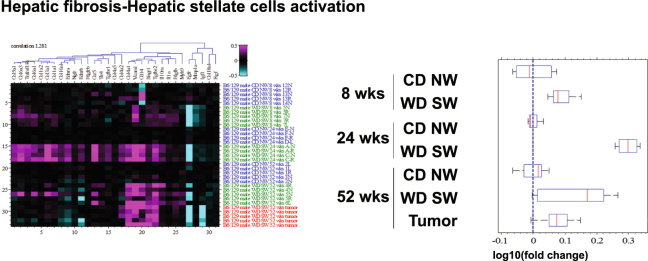
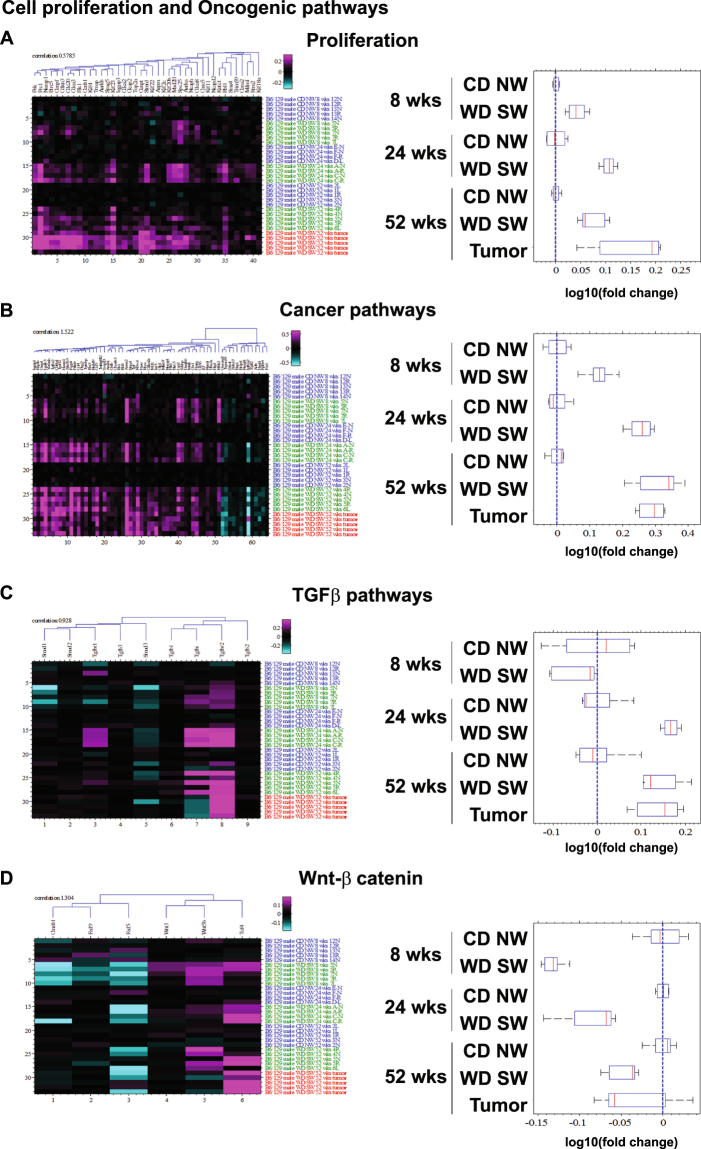
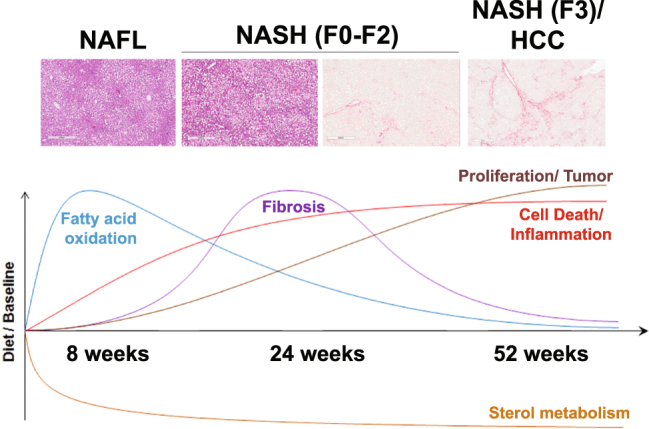
A longitudinal molecular model of the development and progression of nonalcoholic fatty liver disease (NAFLD) over time is lacking. We have recently validated a high fat/sugar water-induced animal (an isogenic strain of C57BL/6 J:129S1/SvImJ mice) model of NAFLD that closely mimics most aspects of human disease. The hepatic transcriptome of such mice with fatty liver (8 weeks), steatohepatitis with early fibrosis (16–24 weeks) and advanced fibrosis (52 weeks) after initiation of the diet was evaluated and compared to mice on chow diet. Fatty liver development was associated with transcriptional activation of lipogenesis, FXR-RXR, PPAR-α mediated lipid oxidation and oxidative stress pathways. With progression to steatohepatitis, metabolic pathway activation persisted with additional activation of IL-1/inhibition of RXR, granulocyte diapedesis/adhesion, Fc macrophage activation, prothrombin activation and hepatic stellate cell activation. Progression to advanced fibrosis was associated with dampening of metabolic, oxidative stress and cell stress related pathway activation but with further Fc macrophage activation, cell death and turnover and activation of cancer-related networks. The molecular progression of NAFLD involves a metabolic perturbation which triggers subsequent cell stress and inflammation driving cell death and turnover. Over time, inflammation and fibrogenic pathways become dominant while in advanced disease an inflammatory-oncogenic profile dominates.
Overview
The claims and statistics of this paper haven’t been checked yet.
Free: it reads the open-access text and checks the first 5 claims that cite a source we can check. Create a free account to check every claim.
Integrity signals
Registry
Cites
Statistics
Figures
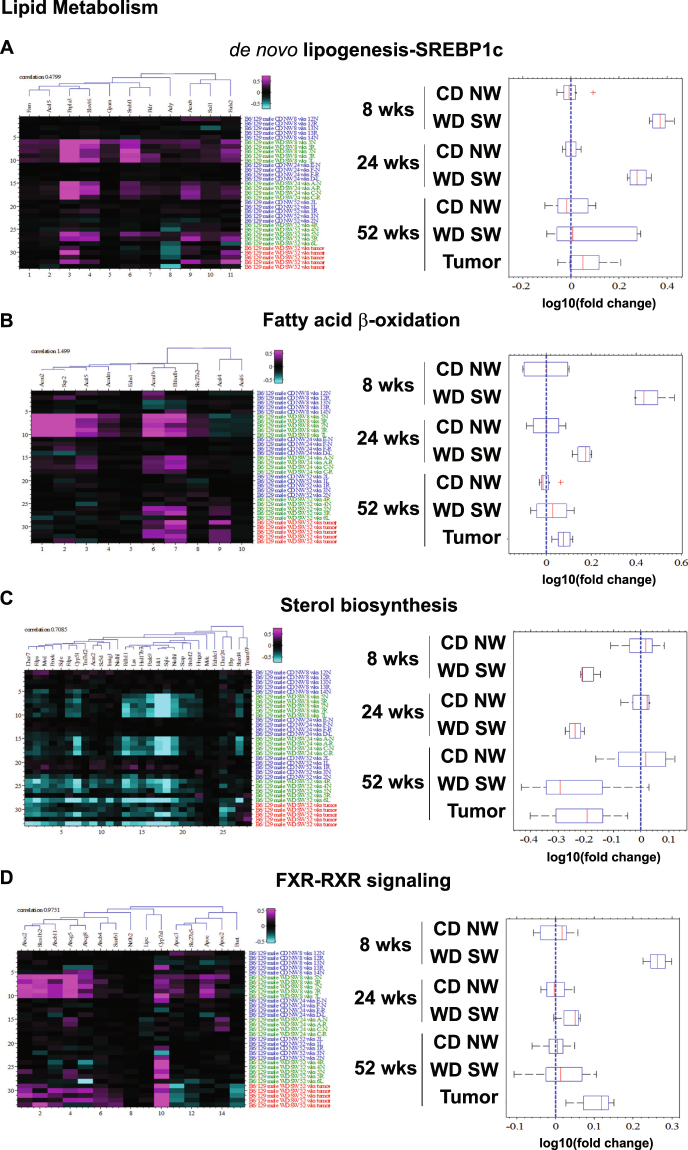
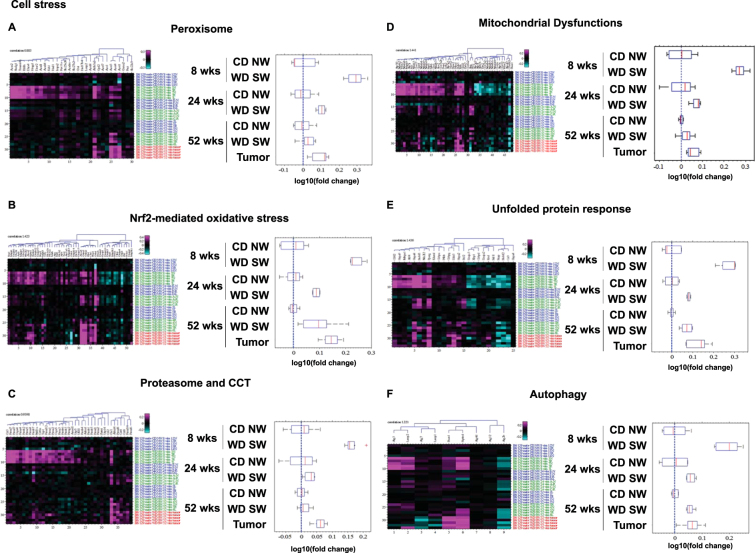
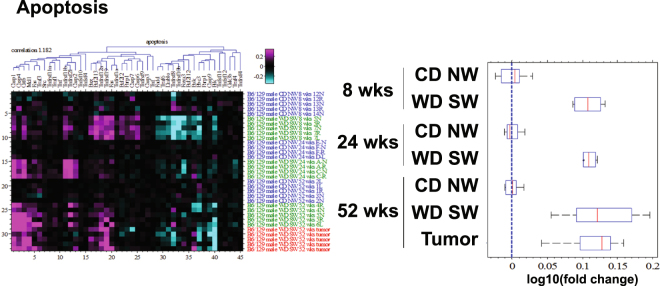
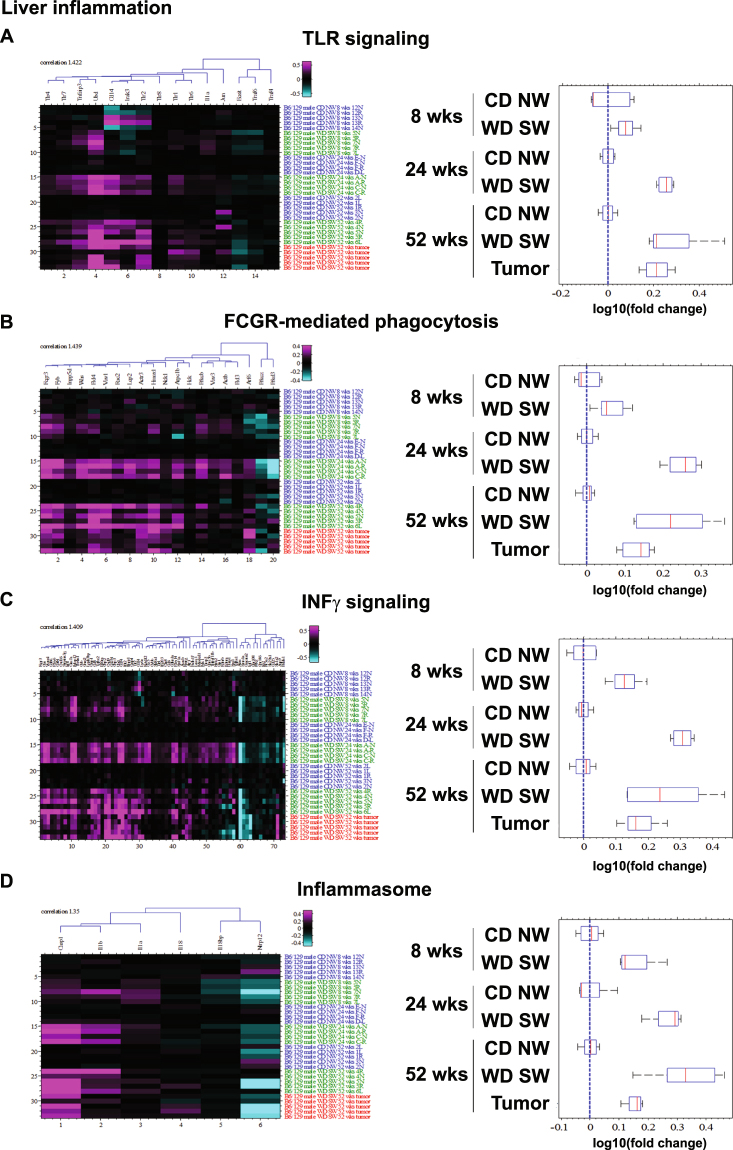
Verification
Claims the paper makes
The claims and statistics of this paper haven’t been checked yet.
Free: it reads the open-access text and checks the first 5 claims that cite a source we can check. Create a free account to check every claim.
Claims other papers make about this one
Each is checked against this paper’s own text: does it say what the citing paper says it does?
The source backs part of the claim, not all of it — or backs it for a different population, condition or comparison.
In the citing paper
“Through the use of bulk RNA-seq, liver gene signatures were derived from whole liver, isolated hepatocytes, isolated non-parenchymal cells, or plasma that correlated with various disease features and, in some cases, predicted the transition from MASLD to MASH (44, 116-122).”
From Found in translation—Fibrosis in metabolic dysfunction–associated steatohepatitis (MASH) (2023) · cites this paper as [119]
Experimental — accuracy not yet measured
Self-check
Percentages, sums and reported differences re-computed from the paper’s own numbers.
The self-check needs the paper’s full text.
Citations
Cites
Obesity and nonalcoholic fatty liver disease: biochemical, metabolic, and clinical implications
Fabbrini, E., Sullivan, S., & Klein, S. (2010) · Hepatology · doi:10.1002/hep.23280 · Cited by 2,100
Nonalcoholic steatohepatitis: association of insulin resistance and mitochondrial abnormalities
Sanyal, A. J., Campbell–Sargent, C., Mirshahi, F., Rizzo, W. B., Contos, M. J., Sterling, R. K., Luketic, V. A., Shiffman, M. L., & Clore, J. N. (2001) · Gastroenterology · doi:10.1053/gast.2001.23256 · Cited by 2,078
Self-citationLoomba, R., & Sanyal, A. J. (2013) · Nature Reviews Gastroenterology & Hepatology · doi:10.1038/nrgastro.2013.171 · Cited by 1,641
Self-citation(2012) · Hepatogastroenterology · doi:10.5754/hge12183 · Cited by 1,625
Serine and glycine metabolism in cancer
Amelio, I., Cutruzzolá, F., Antonov, A., Agostini, M., & Melino, G. (2014) · Trends in Biochemical Sciences · doi:10.1016/j.tibs.2014.02.004 · Cited by 1,056
Koliaki, C., Szendroedi, J., Kaul, K., Jelenik, T., Nowotny, P., Jankowiak, F., Herder, C., Carstensen, M., Krausch, M., Knoefel, W. T., et al. (2015) · Cell Metabolism · doi:10.1016/j.cmet.2015.04.004 · Cited by 1,032
Nonalcoholic steatohepatitis is associated with altered hepatic MicroRNA expression
Cheung, O., Puri, P., Eicken, C., Contos, M. J., Mirshahi, F., Maher, J. W., Kellum, J. M., Min, H., Luketic, V. A., & Sanyal, A. J. (2008) · Hepatology · doi:10.1002/hep.22569 · Cited by 658
Self-citationMin, H.-K., Kapoor, A., Fuchs, M., Mirshahi, F., Zhou, H., Maher, J., Kellum, J., Warnick, R., Contos, M. J., & Sanyal, A. J. (2012) · Cell Metabolism · doi:10.1016/j.cmet.2012.04.004 · Cited by 652
Self-citationThe E2F1–3 transcription factors are essential for cellular proliferation
Wu, L., Timmers, C., Maiti, B., Saavedra, H. I., Sang, L., Chong, G. T., Nuckolls, F., Giangrande, P., Wright, F. A., Field, S. J., et al. (2001) · Nature · doi:10.1038/35106593 · Cited by 625
Activation and Dysregulation of the Unfolded Protein Response in Nonalcoholic Fatty Liver Disease
Puri, P., Mirshahi, F., Cheung, O., Natarajan, R., Maher, J. W., Kellum, J. M., & Sanyal, A. J. (2008) · Gastroenterology · doi:10.1053/j.gastro.2007.10.039 · Cited by 597
Self-citation
Cited by
Past, present and future perspectives in nonalcoholic fatty liver disease
Sanyal, A. J. (2019) · Nature Reviews Gastroenterology & Hepatology · doi:10.1038/s41575-019-0144-8 · Cited by 522
Self-citationLeveraging Human Genetics to Identify Potential New Treatments for Fatty Liver Disease
Romeo, S., Sanyal, A., & Valenti, L. (2020) · Cell Metabolism · doi:10.1016/j.cmet.2019.12.002 · Cited by 202
Self-citationIm, Y. R., Hunter, H., de Gracia Hahn, D., Duret, A., Cheah, Q., Dong, J., Fairey, M., Hjalmarsson, C., Li, A., Lim, H. K., et al. (2021) · Hepatology · doi:10.1002/hep.31897 · Cited by 195
Found in translation—Fibrosis in metabolic dysfunction–associated steatohepatitis (MASH)
Wang, S., & Friedman, S. L. (2023) · Science Translational Medicine · doi:10.1126/scitranslmed.adi0759 · Cited by 158
Immunopathobiology and therapeutic targets related to cytokines in liver diseases
He, Y., Hwang, S., Ahmed, Y. A., Feng, D., Li, N., Ribeiro, M., Lafdil, F., Kisseleva, T., Szabo, G., & Gao, B. (2021) · Cellular & Molecular Immunology · doi:10.1038/s41423-020-00580-w · Cited by 137
Kumar, D. P., Caffrey, R., Marioneaux, J., Santhekadur, P. K., Bhat, M., Alonso, C., Koduru, S. V., Philip, B., Jain, M. R., Giri, S. R., et al. (2020) · Scientific Reports · doi:10.1038/s41598-020-66458-z · Cited by 110
Self-citationMusolino, V., Gliozzi, M., Scarano, F., Bosco, F., Scicchitano, M., Nucera, S., Carresi, C., Ruga, S., Zito, M. C., Maiuolo, J., et al. (2020) · Scientific Reports · doi:10.1038/s41598-020-59485-3 · Cited by 103
Self-citationBurke, J. A., Zhang, X., Bobbala, S. K. R., Frey, M. A., Fuentes, C. B., Haddad, H. F., Allen, S. D., Richardson, R. A. K., Ameer, G. A., & Scott, E. A. (2022) · Nature Nanotechnology · doi:10.1038/s41565-021-01048-2 · Cited by 98
Isorhamnetin Alleviates Steatosis and Fibrosis in Mice with Nonalcoholic Steatohepatitis
Ganbold, M., Owada, Y., Ozawa, Y., Shimamoto, Y., Ferdousi, F., Tominaga, K., Zheng, Y., Ohkohchi, N., & Isoda, H. (2019) · Scientific Reports · doi:10.1038/s41598-019-52736-y · Cited by 84
Radun, R., & Trauner, M. (2021) · Seminars in Liver Disease · doi:10.1055/s-0041-1731707 · Cited by 80
Wang, Y., Tai, Y.-L., Zhao, D., Zhang, Y., Yan, J., Kakiyama, G., Wang, X., Gurley, E. C., Liu, J., Liu, J., et al. (2021) · Cells · doi:10.3390/cells10020210 · Cited by 72
“A recently characterized Western diet plus sugar water (WDSW)‐induced mouse model of NAFLD with a mixed background, C57Bl/6J and 129S1/SvlmJ (B6/129), was shown to recapitulate the key physiological, pathological, metabolic, histological, and cellular signaling changes seen in human NASH patients [11,12].”
Dietary carbohydrates and fatty liver disease: de novo lipogenesis
Chiu, S., Mulligan, K. M., & Schwarz, J. (2018) · Current Opinion in Clinical Nutrition & Metabolic Care · doi:10.1097/mco.0000000000000469 · Cited by 82
Banini, B. A., Kumar, D. P., Cazanave, S. C., Seneshaw, M., Mirshahi, F., Santhekadur, P. K., Wang, L., Guan, H.-P., Oseini, A. M., Alonso, C., et al. (2021) · Hepatology · doi:10.1002/hep.31609 · Cited by 67
“The patatin- like phospholipase domain containing 3 (PNPLA3) gene was the first major gene associated with NASH.”
BackgroundMethodInfluentialSelf-citationRaffaele, M., Kovacovicova, K., Frohlich, J., Lo Re, O., Giallongo, S., Oben, J. A., Faldyna, M., Leva, L., Giannone, A. G., Cabibi, D., et al. (2021) · Cell Communication and Signaling · doi:10.1186/s12964-021-00731-0 · Cited by 60
“In accordance with the fibrotic processes that characterized the progression of NADLF, the levels of the markers Col1a1 and Timp1 were strongly upregulated in the HFD groups compared to control [27].”
BackgroundNeto, J. G. O., Boechat, S. K., Romão, J. S., Pazos-Moura, C. C., & Oliveira, K. J. (2019) · The Journal of Nutritional Biochemistry · doi:10.1016/j.jnutbio.2019.108321 · Cited by 58
Li, X., Wang, Y., Xing, Y., Xing, R., Liu, Y., & Xu, Y. (2019) · Hepatology Research · doi:10.1111/hepr.13444 · Cited by 55
Multi-omics characterization of a diet-induced obese model of non-alcoholic steatohepatitis
Ægidius, H. M., Veidal, S. S., Feigh, M., Hallenborg, P., Puglia, M., Pers, T. H., Vrang, N., Jelsing, J., Kornum, B. R., Blagoev, B., et al. (2020) · Scientific Reports · doi:10.1038/s41598-020-58059-7 · Cited by 55
Transcriptional Regulation in Non-Alcoholic Fatty Liver Disease
Steensels, S., Qiao, J., & Ersoy, B. A. (2020) · Metabolites · doi:10.3390/metabo10070283 · Cited by 58
“Additional investigations using Opn-/- mice established that c-Jun expression in NPLC promotes NASH-related DR and subsequent fibrosis by upregulating Opn expression [39,184].”
BackgroundMethodXiong, J., Liu, T., Mi, L., Kuang, H., Xiong, X., Chen, Z., Li, S., & Lin, J. D. (2020) · Hepatology · doi:10.1002/hep.30921 · Cited by 48
“Reprogramming of the liver transcriptome as a consequence of altered epigenetic state and chromatin accessibility in hepatocytes is a fundamental feature of NAFLD.”
BackgroundHsu, M.-J., Karkossa, I., Schäfer, I., Christ, M., Kühne, H., Schubert, K., Rolle-Kampczyk, U. E., Kalkhof, S., Nickel, S., Seibel, P., et al. (2020) · Biomedicines · doi:10.3390/biomedicines8090350 · Cited by 43
The preventive effect of liraglutide on the lipotoxic liver injury via increasing autophagy
He, Y., Ao, N., Yang, J., Wang, X., Jin, S., & Du, J. (2020) · Annals of Hepatology · doi:10.1016/j.aohep.2019.06.023 · Cited by 41
“In developed countries, about 80% of adults with obesity or diabetes has been suffering from NAFLD [1,2], and the NAFLDs has relatively higher risk of liver fibrosis and liver cancer [3,4].”
BackgroundMahmoud, N. N., Albasha, A., Hikmat, S., Hamadneh, L., Zaza, R., Shraideh, Z. A., & Khalil, E. A. (2020) · Biomaterials Science · doi:10.1039/c9bm02072a · Cited by 46
A human pluripotent stem cell model for the analysis of metabolic dysfunction in hepatic steatosis
Sinton, M. C., Meseguer-Ripolles, J., Lucendo-Villarin, B., Wernig-Zorc, S., Thomson, J. P., Carter, R. N., Lyall, M. J., Walker, P. D., Thakker, A., Meehan, R. R., et al. (2021) · iScience · doi:10.1016/j.isci.2020.101931 · Cited by 40
MASH as an emerging cause of hepatocellular carcinoma: current knowledge and future perspectives
Karin, M., & Kim, J. Y. (2024) · Molecular Oncology · doi:10.1002/1878-0261.13685 · Cited by 52
“WD-SW fed B6/129 mice showed that apoptosis, cell proliferation, and inflammation pathways were enriched in livers of 8-week-fed mice and gene sets regulating oxidative stress, innate immune system and inflammatory pathway were markedly elevated in livers of 52 weeks-fed mice [184,187].”
Borowa‐Mazgaj, B., de Conti, A., Tryndyak, V., Steward, C. R., Jimenez, L., Melnyk, S., Seneshaw, M., Mirshahi, F., Rusyn, I., Beland, F. A., et al. (2019) · Toxicological Sciences · doi:10.1093/toxsci/kfz110 · Cited by 38
Self-citationHepatokines and MASLD: The GLP1-Ras-FGF21-Fetuin-A Crosstalk as a Therapeutic Target
Milani, I., Codini, M., Guarisco, G., Chinucci, M., Gaita, C., Leonetti, F., & Capoccia, D. (2024) · International Journal of Molecular Sciences · doi:10.3390/ijms251910795 · Cited by 44
“This may represent a feedback mechanism leading to an increase in reactive oxygen species (ROS) production that remains elevated as the disease progresses [31].”
BackgroundJu, J., Zheng, Z., Xu, Y., Cao, P., Li, J., Li, Q., & Liu, Y. (2019) · Lipids in Health and Disease · doi:10.1186/s12944-019-0980-0 · Cited by 34
Jackson, T. W., Ryherd, G. L., Scheibly, C. M., Sasser, A. L., Guillette, T. C., & Belcher, S. M. (2020) · Toxicological Sciences · doi:10.1093/toxsci/kfaa154 · Cited by 31
“These findings are similar to those found in diet-induced animal model studies of NAFLD where similar transcriptomic profiles of altered lipid metabolism, cell stress, and liver inflammation corresponded with metabolic disease progression from NAFLD to steatohepatitis, fibrosis, and ultimately hepatocellular carcinoma…”
ResultA role for IL-1 inhibitors in the treatment of non-alcoholic fatty liver disease (NAFLD)?
Tilg, H., Effenberger, M., & Adolph, T. E. (2020) · Expert Opinion on Investigational Drugs · doi:10.1080/13543784.2020.1681397 · Cited by 28
Si, Z., Guan, X., Teng, X., Peng, X., Wan, Z., Li, Q., Chen, G., Tan, J., & Li, J. (2020) · The FASEB Journal · doi:10.1096/fj.202001067r · Cited by 29
Bile acid signaling in MASLD: From pathogenesis to therapeutic applications
Simbrunner, B., Paternostro, R., Reiberger, T., & Trauner, M. (2025) · Hepatology · doi:10.1097/hep.0000000000001539 · Cited by 33
Banini, B. A., & Sanyal, A. J. (2021) · Advances in cancer research · doi:10.1016/bs.acr.2020.11.001 · Cited by 21
Self-citationKakiyama, G., Minowa, K., Rodríguez‐Agudo, D., Martin, R., Takei, H., Mitamura, K., Ikegawa, S., Suzuki, M., Nittono, H., Fuchs, M. A., et al. (2022) · American Journal of Physiology-Gastrointestinal and Liver Physiology · doi:10.1152/ajpgi.00179.2022 · Cited by 20
Hammoudeh, S. M., Hammoudeh, A. M., Bhamidimarri, P. M., Mahboub, B. H., Halwani, R., Hamid, Q. A., Rahmani, M., & Hamoudi, R. (2021) · World Journal of Gastroenterology · doi:10.3748/wjg.v27.i21.2850 · Cited by 22
Honey vesicle-like nanoparticles protect aged liver from non-alcoholic steatohepatitis
Liu, B., Nguyen, P. L., Yu, H., Li, X., Wang, H., Nguyen, T. G. B., Sahoo, P. K., Sur, M., Reddy, J., Sillman, S. J., et al. (2024) · Acta Pharmaceutica Sinica B · doi:10.1016/j.apsb.2024.05.002 · Cited by 25
Minowa, K., Rodríguez‐Agudo, D., Suzuki, M., Muto, Y., Hirai, S., Wang, Y., Su, L., Zhou, H., Chen, Q., Lesnefsky, E. J., et al. (2023) · Journal of Lipid Research · doi:10.1016/j.jlr.2023.100363 · Cited by 20
“The B6/129 mice are a well-characterized murine model capable of fully replicating the human NAFLD progression (63).”
BackgroundNg, N. D., Tai, D., Ren, Y., Chng, E., Seneshaw, M., Mirshahi, F., Idowu, M. O., Asgharpour, A., & Sanyal, A. J. (2023) · Clinical Pathology · doi:10.1177/2632010x231162317 · Cited by 18
Self-citationIannone, V., Babu, A. F., Lok, J., Gómez-Gallego, C., D’Auria, G., Vazquez-Uribe, R., Vaaben, T. H., Bongers, M., Mikkonen, S. J., Vaittinen, M., et al. (2023) · Molecular Metabolism · doi:10.1016/j.molmet.2023.101823 · Cited by 17
“…in possibly reducing ROS was further evidenced by the decrease of glutathione, decreased expression of key genes related to oxidative stress response ( Mgst3, Gclc, and Nqo2 ) [42], the downregulation of glutathione-associated pathways and NRF-2 mediated oxidative response signaling pathway.”
BackgroundNew uses for an old remedy: Digoxin as a potential treatment for steatohepatitis and other disorders
Jamshed, F., Dashti, F., Ouyang, X., Mehal, W. Z., & Banini, B. A. (2023) · World Journal of Gastroenterology · doi:10.3748/wjg.v29.i12.1824 · Cited by 19
Self-citationHe, W., Huang, Y., Shi, X., Wang, Q., Wu, M., Li, H., Liu, Q., Zhang, X., Huang, C., & Li, X. (2023) · Journal of Translational Medicine · doi:10.1186/s12967-023-04300-6 · Cited by 14
Tryndyak, V., Willett, R. A., Avigan, M., Sanyal, A. J., Beland, F. A., Rusyn, I., & Pogribny, I. P. (2022) · Epigenetics · doi:10.1080/15592294.2022.2043590 · Cited by 11
Self-citationDysregulation of Bile Acids in Patients with NAFLD
Zhang, X., & Deng, R. (2019) · IntechOpen eBooks · doi:10.5772/intechopen.81474 · Cited by 17
“In one study with high fat diet (HFD)–induced NAFLD mice, the mRNA expression levels of Cyp7a1 and Cyp8b1 were markedly decreased compared to control mice on regular diet [124], indicating that de novel bile acid synthesis through the classical pathway is reduced in NAFLD mice.”
InfluentialSonkar, R., Ma, H., & Waxman, D. J. (2024) · Toxicological Sciences · doi:10.1093/toxsci/kfae057 · Cited by 8
Durga, D. R., Mounika, N., Mudimala, P., & Adela, R. (2022) · Clinical Drug Investigation · doi:10.1007/s40261-022-01219-6 · Cited by 9
Characterization of regulatory transcriptional mechanisms in hepatocyte lipotoxicity
Pérez‐Schindler, J., Vargas‐Fernández, E., Karrer‐Cardel, B., Ritz, D., Schmidt, A., & Handschin, C. (2022) · Scientific Reports · doi:10.1038/s41598-022-15731-4 · Cited by 7
“The pathogenic relevance of transcription factors is supported by several studies demonstrating that NAFLD is associated with altered chromatin function and, thus, gene expression (Cazanave et al., 2017; Leung et al., 2014; Leung et al., 2016; Siersbaek et al., 2017).”
BackgroundChakraborty, S., Anand, S., Numan, M., & Bhandari, R. K. (2025) · Environmental Toxicology and Chemistry · doi:10.1093/etojnl/vgae081 · Cited by 8
“The statistical cutoff (FDR 0.1) was relaxed (Cazanave et al., 2017) to discover more significant genes.”
InfluentialLipatova, A. V., Krasnov, G. S., Vorobyev, P. O., Melnikov, P., Alekseeva, O. N., Vershinina, Y. S., Brzhozovskiy, A. G., Goliusova, D. V., Maganova, F., Zakirova, N. F., et al. (2021) · Aging · doi:10.18632/aging.203448 · Cited by 6
“The expression of genes/proteins, involved in translation, mitochondrial organization, gene expression regulation, cell metabolism and transport, is significantly altered (either down- or upregulated). www.aging-us.com 20062 AGING It is remarkably that the content of such proteins as mTOR, RICTOR (Rapamycin-insensitiv…”
BackgroundTryndyak, V., Willett, R. A., Nagumalli, S. K., Li, D., Avigan, M., Beland, F. A., Rusyn, I., & Pogribny, I. P. (2023) · American Journal of Physiology-Gastrointestinal and Liver Physiology · doi:10.1152/ajpgi.00225.2022 · Cited by 5
Kim, M., Huda, M. N., O’Connor, A., Albright, J., Durbin-Johnson, B. P., & Bennett, B. J. (2021) · Physiological Genomics · doi:10.1152/physiolgenomics.00140.2020 · Cited by 7
Lu, H., Mao, Z., Zheng, M., Zhang, M., Huang, H., Chen, Y., Lv, L., & Chen, Z. (2025) · PLoS ONE · doi:10.1371/journal.pone.0324972 · Cited by 5
“Therefore, there is a significant correlation between the expression of certain genes in liver tissue and the severity of MASLD disease activity and the stage of clinical progression [23].”
Cruz-Cruz, J., González‐Pons, M., Cora-Morges, A., Soto‐Salgado, M., Colón, G., Alicea, K., Rosado, K., Morgan, D. R., & Cruz-Correa, M. R. (2021) · Gastroenterology Research and Practice · doi:10.1155/2021/9806156 · Cited by 4
“We report the epidemiologic data for GIM among Hispanics living in Puerto Rico for the first time, a Hispanic subpopulation with high gastric burden [2, 3].”
BackgroundInfluentialPreclinical models of non-alcoholic steatohepatitis leading to hepatocellular carcinoma
Green, C. D., & Spiegel, S. (2022) · Advances in Biological Regulation · doi:10.1016/j.jbior.2022.100925 · Cited by 4
Guarino, M., Bovet, C., & Dufour, J. (2019) · HepatoBiliary Surgery and Nutrition · doi:10.21037/hbsn.2018.11.07 · Cited by 2
“In any case, this metabolic signature linked to healthy lifestyle sounds like a promising tool to predict disease progression and HCC onset identifying “at-risk patients” in the setting of non-cirrhotic NAFLD patients in a context where “-omics” signatures have already been explored (10-12).”
BackgroundIzarraras, K., Shah, A. M., Prasad, K., Tan, H., Zhou, Z., & Bhattacharya, M. M. (2025) · Cells · doi:10.3390/cells14161289 · Cited by 3
“…(8 weeks old) were subsequently placed on a high-fat ‘Western’ diet (42% calories from 40 fat, 0.2% from cholesterol, 42.7% calories from carbohydrate, 15.2% calories from protein; Diet # TD.88137) and sugar water (23.1 g/L of fructose and 18.9 g/L of glucose) to recapitulate human MASLD [10,11].”
InfluentialFuster‐Martínez, I., Català-Senent, J. F., Hidalgo, M. R., Roig, F. J., Esplugues, J. V., Apostolova, N., Garcia‐García, F., & Blas‐García, A. (2024) · The Journal of Pathology · doi:10.1002/path.6242 · Cited by 2
“…signature of NAFLD progression described on a previous meta-analysis [7], which is in line with other reports suggesting that animal models are merely an approximation of human disease and do not recapitulate the transcriptomic changes of this condition in their entirety in humans [8,42,48].”
BackgroundResultSah, H., Kumar, A. C. S., Lai, C. W., & Sandhya, S. (2026) · Chemical Papers · doi:10.1007/s11696-026-05331-1 · Cited by 1
Signature gene expression model for quantitative evaluation of MASH-like liver injury in mice
Tryndyak, V., Willett, R. A., Song, Z., Dreval, K., Hanks, J. M. H., Avigan, M., Wright, F. A., Beland, F. A., Rusyn, I., & Pogribny, I. P. (2025) · Toxicology and Applied Pharmacology · doi:10.1016/j.taap.2025.117442 · Cited by 1
Lim, Y. S. (2019) · DR-NTU (Nanyang Technological University) · doi:10.32657/10356/139651
Understanding Cardiometabolic Diseases Through Transcriptomic Approach
Gupta, K., Puvar, A., Joshi, M. N., Joshi, C. G., & Singh, N. (2024) · Advances in biochemistry in health and disease · doi:10.1007/978-3-031-75686-3_18 · Cited by 1
He, W., Huang, Y., Shi, X., Wang, Q., Wu, M., Li, H., Liu, Q., Zhang, X., Huang, C., & Li, X. (2023) · Figshare · doi:10.6084/m9.figshare.23639929
He, W., Huang, Y., Shi, X., Wang, Q., Wu, M., Li, H., Liu, Q., Zhang, X., Huang, C., & Li, X. (2023) · Figshare · doi:10.6084/m9.figshare.23639926
Raffaele, M., Kovacovicova, K., Fröhlich, J., Lo Re, O., Giallongo, S., Oben, J. A., Faldyna, M., Levá, L., Giannone, A. G., Cabibi, D., et al. (2021) · Figshare · doi:10.6084/m9.figshare.14431610
Gupta, S., Jamialahmadi, O., Mancina, R. M., Duberg, D., Gentilucci, U. V., Tavaglione, F., Bruni, V., Tuccinardi, D., Hyötyläinen, T., Romeo, S., et al. (2026) · medRxiv · doi:10.64898/2026.04.16.26351046
Glycogen metabolic dysfunction in T2DM with MASLD: linking α-hydroxybutyrate to GYS2 downregulation
Zhang, Z., Chen, N., Yuan, X., Li, J., & Zhou, W. (2026) · Frontiers in Nutrition · doi:10.3389/fnut.2026.1860017
“Through transcriptome analysis, screening differentially expressed genes reveals potential therapeutic targets for T2DM with MASLD at the genetic level (21, 22).”
Gao, Z., Zhao, B., Mu, G., Nie, H., & Wu, X. (2026) · Food Microbiology · doi:10.1016/j.fm.2026.105216 · Cited by 1
Chen, K., Wang, L., Liu, L., Arledge, C. A., Lin, H., Lin, J., Habib, A. A., & Zhao, D. (2026) · Bioactive Materials · doi:10.1016/j.bioactmat.2026.09.016
“The aberrant inflammatory gene expression and signaling pathways observed in this study are in good agreement with previous studies in the MASLD mouse model [4,5,8,28].”
Self-citation
Metadata
- Authors
- Cazanave, S., Podtelezhnikov, A., Jensen, K., Seneshaw, M., Kumar, D. P., Min, H.-K., Santhekadur, P. K., Banini, B., Mauro, A. G., M. Oseini, A., Vincent, R., Tanis, K. Q., Webber, A. L., Wang, L., Bedossa, P., Mirshahi, F., & Sanyal, A. J.
- Affiliations
- Virginia Commonwealth University (US)
- Merck & Co., Inc., Rahway, NJ, USA (United States) (US)
- Corresponding author
- Cazanave, Sophie
- Sanyal, Arun J.
- ORCID
- Venue
- Scientific Reports
- Published
- 2017-12-08
- Volume
- 7
- Issue
- 1
- Pages
- 17193-17193
- ISSN
- 2045-2322 (ISSN-L)
- PMC
- PMC5722878
- OpenAlex
- W2771222944
- Cited by
- 66
- References
- 56
- Citations by year
- 2026: 5 · 2025: 5 · 2024: 6 · 2023: 9 · 2022: 6 · 2021: 10 · 2020: 12 · 2019: 12 · 2018: 1
- FWCI
- 5.36
- Type
- journal article
- Language
- en
- Update notices
- correction (2020-05-15)
- Open access
- gold
- doi.org
- Licence
- cc-by
- creativecommons.org/licenses/by/4.0 (tdm)
- creativecommons.org/licenses/by/4.0 (vor)
- Locations
- Scientific Reports (publishedVersion, cc-by)
- Europe PMC (PubMed Central) (publishedVersion, cc-by)
- PubMed Central (publishedVersion, cc-by)
- PubMed (publishedVersion)
- Funders
- National Institutes of Health
- National Institute of Diabetes and Digestive and Kidney Diseases (R03DK081450, T32DK007150, R01DK081410)
- Topics
- Health Sciences › Medicine › Hepatology › Liver Disease Diagnosis and Treatment
- Health Sciences › Medicine › Hepatology › Liver physiology and pathology
- Health Sciences › Medicine › Endocrinology, Diabetes and Metabolism › Diet, Metabolism, and Disease
- Keywords
- non-alcoholic fatty liver disease, disease progression, liver transcriptome, steatohepatitis, liver fibrosis, lipogenesis, PPARα, oxidative stress, IL-1 signaling, hepatic stellate cells, inflammation, cell death, mouse model
- MeSH terms
- Animals, Liver Cirrhosis, Male, Mice, Inbred C57BL, Signal Transduction, Disease Progression, Gene Expression Profiling, Mice, Non-alcoholic Fatty Liver Disease
About these checks
Registry, retraction, Cites and statistics results are computed, not judged, with one exception: a printed reference that no index lists is read once by a model before it counts as a citation error. Claims are extracted by a model and kept only when their quote appears verbatim in the text; each cited source is then checked, with a model’s help, for whether it says what the claim relies on. Those verdicts can be wrong — read the claim’s quote and the cited source before relying on one.
Statistics and arithmetic are recomputed, not judged.
Confidence bands are shown only for fields calibrated on our annotated test set. None is calibrated yet, so no band is shown.
What counts as a claim ›How we measure confidence ›How we check this ›
Are you an author, or do you see a problem with this page? Request a review
Data sources
Bibliographic data: Semantic Scholar, OpenAlex, Crossref.
Contains information from the Semantic Scholar Academic Graph Datasets, made available under the ODC Attribution License (ODC-BY 1.0).
Semantic Scholar’s data is described in: Kinney, R., et al. (2023). The Semantic Scholar Open Data Platform. arXiv:2301.10140.
