

Antitumor effect of a WEE1 inhibitor and potentiation of olaparib sensitivity by DNA damage response modulation in triple-negative breast cancer
Open accessThe DOI matches its Crossref record; 41 of the 41 references it cites were found in a registry or an index.
Abstract
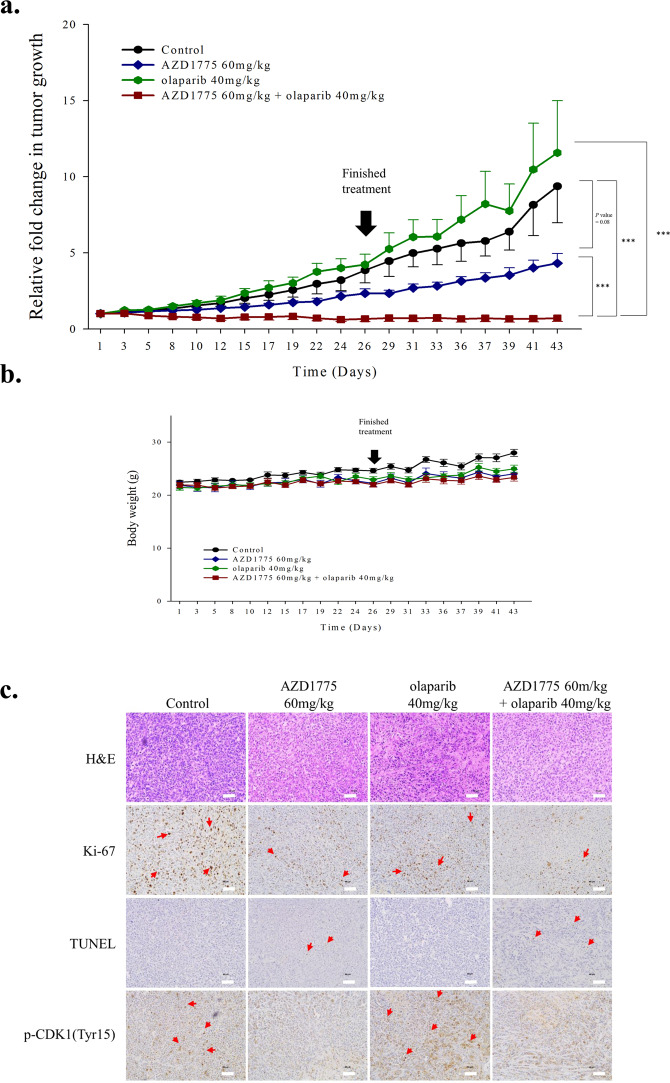
Due to its regulation of CDK1/2 phosphorylation, WEE1 plays essentially roles in the regulations of G2/M checkpoint and DNA damage response (DDR). WEE1 inhibition can increase genomic instability by inducing replication stress and G2/M checkpoint inactivation, which result in increased cellular sensitivity to DNA damaging agents. We considered an increase in genomic instability induced by WEE1 inhibition might be used to augment the effects of drugs targeting DNA repair protein. Typically, PARP inhibitors are effective in germline BRCA 1/2 mutated breast and ovarian cancer, but their applicabilities in triple-negative breast cancer (TNBC) are limited. This study was conducted to investigate the anti-tumor effects of the WEE1 inhibitor, AZD1775, and the mechanism responsible for its potentiation of sensitivity to olaparib (a PARP inhibitor) via the modulation of DDR in TNBC cells. Our results suggest that AZD1775 could be used to broaden the application range of olaparib in TNBC and provide a rationale for a clinical trial of combined olaparib and AZD1775 therapy.
Overview
The claims and statistics of this paper haven’t been checked yet.
Free: it reads the open-access text and checks the first 5 claims that cite a source we can check. Create a free account to check every claim.
Integrity signals
Registry
Cites
Statistics
Figures
Verification
Claims the paper makes
The claims and statistics of this paper haven’t been checked yet.
Free: it reads the open-access text and checks the first 5 claims that cite a source we can check. Create a free account to check every claim.
Claims other papers make about this one
Each is checked against this paper’s own text: does it say what the citing paper says it does?
The cited source says what the claim attributes to it.
In the citing paper
“AZD1775 exerts anti-tumor effects through controlling the cell-cycle regulators and modulating DNA damage response.”
From Integrated drug profiling and CRISPR screening identify BCR::ABL1-independent vulnerabilities in chronic myeloid leukemia (2024) · cites this paper as [37]
Self-check
Percentages, sums and reported differences re-computed from the paper’s own numbers.
The self-check needs the paper’s full text.
Citations
Cites
Comprehensive molecular portraits of human breast tumours
The Cancer Genome Atlas Network (2012) · Nature · doi:10.1038/nature11412 · Cited by 12,129
Drug combination studies and their synergy quantification using the Chou-Talalay method
Chou, T.-C. (2010) · Cancer Research · doi:10.1158/0008-5472.can-09-1947 · Cited by 5,739
Cell cycle proteins as promising targets in cancer therapy
Otto, T., & Sicinski, P. (2017) · Nature Reviews Cancer · doi:10.1038/nrc.2016.138 · Cited by 1,858
Targeting the DNA Damage Response in Cancer
O’Connor, M. J. (2015) · Molecular Cell · doi:10.1016/j.molcel.2015.10.040 · Cited by 1,518
Blows, F. M., Driver, K. E., Schmidt, M. K., Broeks, A., van Leeuwen, F. E., Wesseling, J., Cheang, M. C., Gelmon, K., Nielsen, T. O., Blomqvist, C., et al. (2010) · PLoS Medicine · doi:10.1371/journal.pmed.1000279 · Cited by 1,116
Proliferation Marker Ki-67 in Early Breast Cancer
Urruticoechea, A., Smith, I. E., & Dowsett, M. (2005) · Journal of Clinical Oncology · doi:10.1200/jco.2005.07.501 · Cited by 837
Couch, F. J., Hart, S. N., Sharma, P., Toland, A. E., Wang, X., Miron, P., Olson, J. E., Godwin, A. K., Pankratz, V. S., Olswold, C., et al. (2015) · Journal of Clinical Oncology · doi:10.1200/jco.2014.57.1414 · Cited by 672
Hirai, H., Iwasawa, Y., Okada, M., Arai, T., Nishibata, T., Kobayashi, M., Kimura, T., Kaneko, N., Ohtani, J., Yamanaka, K., et al. (2009) · Molecular Cancer Therapeutics · doi:10.1158/1535-7163.mct-09-0463 · Cited by 540
Targeting WEE1 Kinase in Cancer
Matheson, C. J., Backos, D. S., & Reigan, P. (2016) · Trends in Pharmacological Sciences · doi:10.1016/j.tips.2016.06.006 · Cited by 408
Yazinski, S. A., Comaills, V., Buisson, R., Genois, M.-M., Nguyen, H. D., Ho, C. K., Todorova Kwan, T., Morris, R., Lauffer, S., Nussenzweig, A., et al. (2017) · Genes & Development · doi:10.1101/gad.290957.116 · Cited by 395
Cited by
Targeting replication stress in cancer therapy
da Costa, A. A. B. A., Chowdhury, D., Shapiro, G. I., D’Andrea, A. D., & Konstantinopoulos, P. A. (2023) · Nature Reviews Drug Discovery · doi:10.1038/s41573-022-00558-5 · Cited by 359
Role of p53 in breast cancer progression: An insight into p53 targeted therapy
Marvalim, C., Datta, A., & Lee, S. C. (2023) · Theranostics · doi:10.7150/thno.81847 · Cited by 225
Targeted Therapy and Mechanisms of Drug Resistance in Breast Cancer
Kinnel, B., Singh, S. K., Oprea-Ilies, G., & Singh, R. (2023) · Cancers · doi:10.3390/cancers15041320 · Cited by 184
“In another in vitro study, for the WEE1 inhibitor AZD1775, the evidence showed that when combined with a PARPi, AZD1775 successfully modulates olaparib sensitivity in TNBC [109].”
BackgroundPARP inhibitors: enhancing efficacy through rational combinations
Bhamidipati, D., Haro-Silerio, J. I., Yap, T. A., & Ngoi, N. (2023) · British Journal of Cancer · doi:10.1038/s41416-023-02326-7 · Cited by 169
DNA Damage Response in Cancer Therapy and Resistance: Challenges and Opportunities
Jurkovicova, D., Neophytou, C. M., Gašparović, A. Č., & Gonçalves, A. C. (2022) · International Journal of Molecular Sciences · doi:10.3390/ijms232314672 · Cited by 168
Leveraging the replication stress response to optimize cancer therapy
Cybulla, E., & Vindigni, A. (2022) · Nature reviews. Cancer · doi:10.1038/s41568-022-00518-6 · Cited by 153
Mekonnen, N., Yang, H., & Shin, Y. K. (2022) · Frontiers in Oncology · doi:10.3389/fonc.2022.880643 · Cited by 137
WEE1 Inhibitor: Clinical Development
Kong, A., & Mehanna, H. (2021) · Current Oncology Reports · doi:10.1007/s11912-021-01098-8 · Cited by 104
New approaches for targeting platinum-resistant ovarian cancer
McMullen, M., Madariaga, A., & Lheureux, S. (2021) · Seminars in Cancer Biology · doi:10.1016/j.semcancer.2020.08.013 · Cited by 87
The Drivers, Mechanisms, and Consequences of Genome Instability in HPV-Driven Cancers
Porter, V., & Marra, M. A. (2022) · Cancers · doi:10.3390/cancers14194623 · Cited by 104
Luo, L., & Keyomarsi, K. (2022) · Expert Opinion on Investigational Drugs · doi:10.1080/13543784.2022.2067527 · Cited by 86
“Recent studies demonstrate that the G2/M checkpoint WEE1 inhibitor, adavosertib or AZD1775, sensitizes TNBC cells to olaparib by modulating DNA damage response [88].”
BackgroundTargeting the DNA Damage Response for Cancer Therapy by Inhibiting the Kinase Wee1
Bukhari, A. B., Chan, G. K. T., & Gamper, A. M. (2022) · Frontiers in Oncology · doi:10.3389/fonc.2022.828684 · Cited by 83
“AZD1775 was also found to synergize with the PARP inhibitor olaparib in a xenograft model for triple negative breast cancer (133).”
BackgroundTakebe, N., Naqash, A. R., Coyne, G. O., Kummar, S., Do, K. T., Bruns, A. B., Juwara, L., Zlott, J., Rubinstein, L., Piekarz, R., et al. (2021) · Clinical Cancer Research · doi:10.1158/1078-0432.ccr-21-0329 · Cited by 78
“(1-26); leukopenia, 5 days (1-22); and thrombocytopenia, 6.”
BackgroundKey Proteins of Replication Stress Response and Cell Cycle Control as Cancer Therapy Targets
Khamidullina, A. I., Abramenko, Y. E., Bruter, A. V., & Tatarskiy, V. V. (2024) · International Journal of Molecular Sciences · doi:10.3390/ijms25021263 · Cited by 82
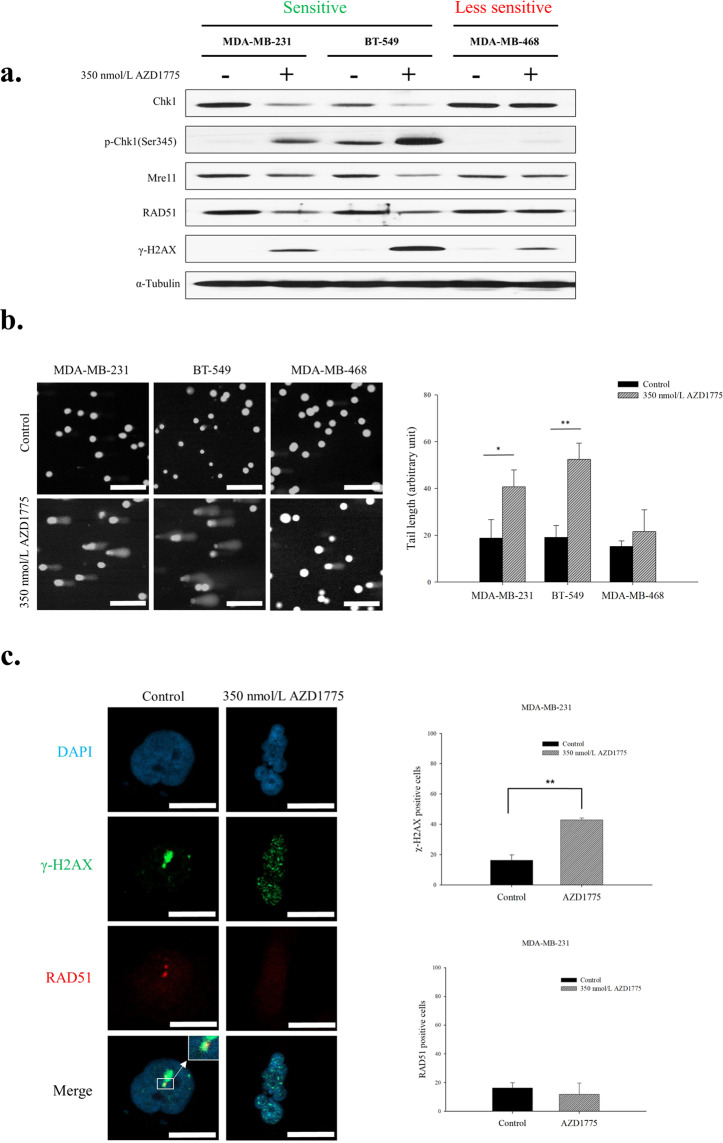
“Thus, it was recently demonstrated [173] that WEE1i adavosertib monotherapy of TNBC was effective, inhibiting RAD51-mediated HR DNA repair, and increasing the quantity of γ H2AX foci.”
BackgroundDNA damage response inhibitors: An avenue for TNBC treatment
Jin, J., Tao, Z., Cao, J., Li, T., & Hu, X. (2021) · Biochimica et Biophysica Acta (BBA) - Reviews on Cancer · doi:10.1016/j.bbcan.2021.188521 · Cited by 64
Xin, Y., Shen, G., Zheng, Y., Guan, Y., Huo, X., Li, J., Ren, D., Zhao, F., Liu, Z., Li, Z., et al. (2021) · BMC Cancer · doi:10.1186/s12885-021-08997-w · Cited by 62
“PARP inhibitors are mainly used for breast cancer patients with germline BRCA mutation [9, 10].”
WEE1 inhibition in cancer therapy: Mechanisms, synergies, preclinical insights, and clinical trials
Thangaretnam, K., Islam, M. O., Lv, J., El-Rifai, A., Perloff, A., Soutto, H. L., Peng, D., & Chen, Z. (2025) · Critical Reviews in Oncology/Hematology · doi:10.1016/j.critrevonc.2025.104710 · Cited by 53
Targeting the DNA Damage Response Pathway as a Novel Therapeutic Strategy in Colorectal Cancer
Catalano, F., Borea, R., Puglisi, S., Boutros, A., Gandini, A., Cremante, M., Martelli, V., Sciallero, S., & Puccini, A. (2022) · Cancers · doi:10.3390/cancers14061388 · Cited by 44
“Therefore, the inhibition of Wee1 can sensitize tumors to DNA-damaging therapies [112,113].”
BackgroundTargeting DNA damage repair pathways in pancreas cancer
Crowley, F., Park, W., & O’Reilly, E. M. (2021) · Cancer and Metastasis Reviews · doi:10.1007/s10555-021-09983-1 · Cited by 43
Update on Combination Strategies of PARP Inhibitors
Lin, Z., Wang, L., Xing, Z., Wang, F., & Cheng, X. (2024) · Cancer Control · doi:10.1177/10732748241298329 · Cited by 44
“63,74,75 The anti-cancer ef fi cacy of WEE1 inhibitors is potentiated by modulating the DDR pathway, speci fi cally by inducing improper cleavage of stalled replication forks caused by the entrapment of PARP enzymes by AZD1775.”
BackgroundSeize the engine: Emerging cell cycle targets in breast cancer
Fuentes‐Antrás, J., Bedard, P. L., & Cescon, D. W. (2024) · Clinical and Translational Medicine · doi:10.1002/ctm2.1544 · Cited by 43
DNA damage response in breast cancer and its significant role in guiding novel precise therapies
Li, J., Jia, Z., Lin, D., Cao, H., Huang, Y., Xu, H., Xie, Z., Jiang, Y., Wang, X., & Liu, J. (2024) · Biomarker Research · doi:10.1186/s40364-024-00653-2 · Cited by 46
“Currently, a variety of cell cycle checkpoint kinase inhibitors are also under research and their anti-tumor effects in combination with PARP inhibitors are evaluated, including inhibition of CHEK1/2, ATM, ATR, and WEE1 in breast cancer [169, 180, 220].”
BackgroundLamballe, F., Ahmad, F., Vinik, Y., Castellanet, O., Daian, F., Müller, A., Köhler, U. A., Bailly, A.-L., Josselin, E., Castellano, R., et al. (2020) · Advanced Science · doi:10.1002/advs.202003049 · Cited by 44
Bauer, T. M., Moore, K. N., Rader, J. S., Simpkins, F. A., Mita, A. C., Beck, J. T., Hart, L. L., Chu, Q. S.-C., Oza, A. M., Tinker, A. V., et al. (2023) · Targeted Oncology · doi:10.1007/s11523-023-00965-7 · Cited by 39
Voutsadakis, I. A., & Stravodimou, A. (2023) · Anticancer Research · doi:10.21873/anticanres.16241 · Cited by 39
Synthetic and Medicinal Chemistry Approaches Toward WEE1 Kinase Inhibitors and Its Degraders
Alli, V. J., Yadav, P., Suresh, V., & Jadav, S. S. (2023) · ACS Omega · doi:10.1021/acsomega.3c01558 · Cited by 36
Teo, Z. L., O’Connor, M. J., Versaci, S., Clarke, K. A., Brown, E., Percy, L. W., Kuykhoven, K. S., Mintoff, C., Savas, P. S., Virassamy, B., et al. (2023) · npj Breast Cancer · doi:10.1038/s41523-023-00568-5 · Cited by 35
Multiplexed and reproducible high content screening of live and fixed cells using Dye Drop
Mills, C. E., Subramanian, K., Hafner, M. A., Niepel, M., Gerosa, L., Chung, M., Victor, C., Gaudio, B. L., Yapp, C., Nirmal, A. J., et al. (2022) · Nature Communications · doi:10.1038/s41467-022-34536-7 · Cited by 33
Combination Treatment Strategies to Overcome PARP Inhibitor Resistance
Soung, Y. H., & Chung, J. (2023) · Biomolecules · doi:10.3390/biom13101480 · Cited by 33
“The inhibition of WEE1 activity allows HR-deficient cells to prematurely enter into mitosis, which increases DNA DSBs [59].”
BackgroundFallah, Y., Demas, D. M., Lu, J., He, W., & Shajahan‐Haq, A. N. (2021) · Frontiers in Oncology · doi:10.3389/fonc.2021.681530 · Cited by 29
Ngoi, N. Y. L., Westin, S. N., & Yap, T. A. (2022) · Current Opinion in Oncology · doi:10.1097/cco.0000000000000867 · Cited by 24
Mehta, K., Hegde, M., Girisa, S., Vishwa, R., Alqahtani, M. S., Abbas, M., Shakibaei, M., Sethi, G., & Kunnumakkara, A. B. (2024) · Military Medical Research · doi:10.1186/s40779-024-00582-z · Cited by 23
“WEE1, classified as a TK that governs inhibition of cyclin dependent kinase (CDK)1 and CDK2, thereby serving as a negative regulator of the cell cycle, holds relevance in this context [147, 148].”
Ovarian cancer resistance to PARPi and platinum-containing chemotherapy
Summey, R., & Uyar, D. S. (2022) · Cancer Drug Resistance · doi:10.20517/cdr.2021.146 · Cited by 21
Fan, K., Zhang, B.-H., Deng, H., & Sun, Y.-C. (2023) · BMC Bioinformatics · doi:10.1186/s12859-023-05271-7 · Cited by 21
“Ongoing clinical trials testing novel agents of WEE1 inhibitors, such as ATR and PAPR inhibitors and anti-PDL1 immunotherapies, are underway and could better define the role of WEE1 inhibitors in the future, in terms of efficacy in terms of good safety profile compared to monotherapy and/or standard of care, if any of…”
BackgroundPARP Inhibitors and Haematological Malignancies—Friend or Foe?
Skelding, K. A., & Lincz, L. F. (2021) · Cancers · doi:10.3390/cancers13215328 · Cited by 22
Roering, P., Siddiqui, A., Heuser, V. D., Potdar, S., Mikkonen, P., Oikkonen, J., Li, Y., Pikkusaari, S., Wennerberg, K., Hynninen, J., et al. (2022) · Frontiers in Oncology · doi:10.3389/fonc.2022.954430 · Cited by 16
“We found a reduction in CHK1 and an increase in gH2AX following adavosertib therapy, which was consistent with two earlier investigations using breast cancer, pancreatic, and osteosarcoma cell lines (34, 35).”
ResultWilliams, A. J., Gutgesell, L. C., de Wet, L., Selman, P., Dey, A., Avineni, M., Kapoor, I., Mendez, M., Brown, R. M., Lamperis, S. M., et al. (2023) · Cancer Letters · doi:10.1016/j.canlet.2023.216209 · Cited by 18
Muthuraj, R., Gopal, D., Ahmed, I., & Chandrasekaran, J. (2024) · Journal of Biomolecular Structure and Dynamics · doi:10.1080/07391102.2024.2305316 · Cited by 17
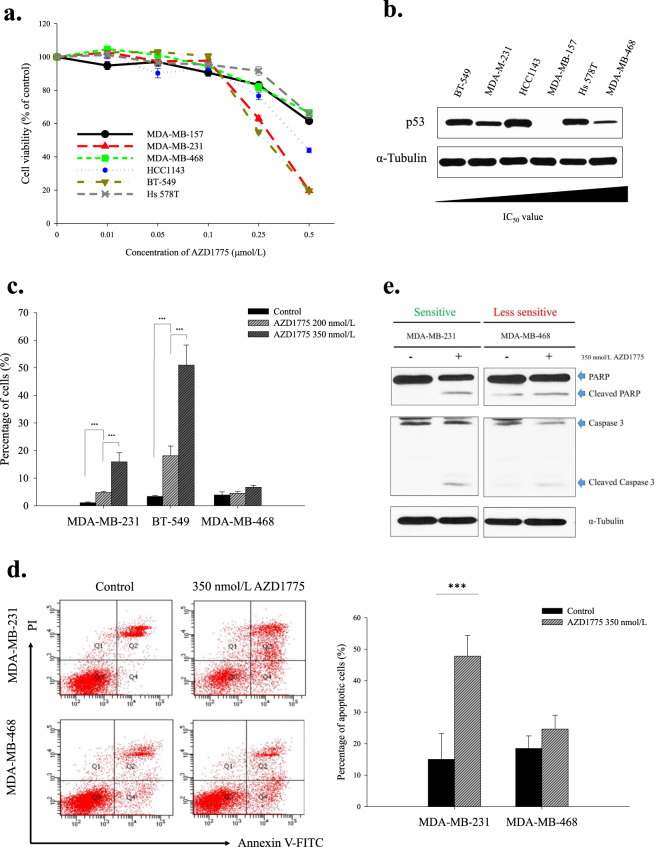
“Notably, sensitivity to AZD1775 in TNBC cells was not found to be associated with TP53 mutation, suggesting its efficacy might be independent of this particular genetic alteration (Fu et al., 2018; Ha et al., 2020).”
Advances in the mechanism of CDK4/6 inhibitor resistance in HR+/HER2− breast cancer
Wu, S., Xu, J., Ma, Y., Liang, G., Wang, J., & Sun, T. (2024) · Therapeutic Advances in Medical Oncology · doi:10.1177/17588359241282499 · Cited by 18
Strategies for the prevention or reversal of PARP inhibitor resistance
Mitri, Z. I., Goodyear, S. M., & Mills, G. B. (2024) · Expert Review of Anticancer Therapy · doi:10.1080/14737140.2024.2393251 · Cited by 18
Adnan Awad, S., Dufva, O., Klievink, J., Karjalainen, E., Ianevski, A., Pietarinen, P., Kim, D., Potdar, S., Wolf, M., Lotfi, K., et al. (2024) · Cell Reports Medicine · doi:10.1016/j.xcrm.2024.101521 · Cited by 14
“36,37 Notably, CDK2 -KO was the top resistance hit to AZD1775 in CRISPR-Cas9 screens, suggesting that AZD1775 exerts its inhibitory effect in CML cells through the previously reported inhibition of CDK2-dependent response to DNA damage.”
BackgroundTargeting WEE1 Kinase for Breast Cancer Therapeutics: An Update
Zhang, Z., Harish, R., Elahi, N., Saini, S., Telia, A., Kundlas, M., Koroleva, A. M., Umoh, I. N., Lota, M., Bilkhu, M., et al. (2025) · International Journal of Molecular Sciences · doi:10.3390/ijms26125701 · Cited by 15
“A combination of Adavosertib and cisplatin exhibited enhanced sensitivities in BRCA -proficient TNBC cells [89].”
Du, Y., Luo, L., Xu, X., Yang, X., Yang, X., Xiong, S., Yu, J., Liang, T., & Guo, L. (2023) · Pharmaceutics · doi:10.3390/pharmaceutics15102433 · Cited by 14
“Preclinical trials support the combination of AZD1775 with ATR inhibitors or PARP inhibitors to produce anti-tumor effects [95,96].”
Kausar, M. A., Alshammari, K. F., Alenazi, F., Anwar, S., Khalifa, A. M., Ginawi, T., Asiri, A., Najm, M. Z., Rabbani, S. A., El‐Tanani, M., et al. (2025) · International Journal of Oncology · doi:10.3892/ijo.2025.5771 · Cited by 15
“Investigational therapies, such as ATR inhibitors (139,140) and WEE1 inhibitors (141), hold promise for expanding treatment options.”
Pokhrel, N., Genin, O., Sela‐Donenfeld, D., & Cinnamon, Y. (2022) · Biomedicines · doi:10.3390/biomedicines10040779 · Cited by 12
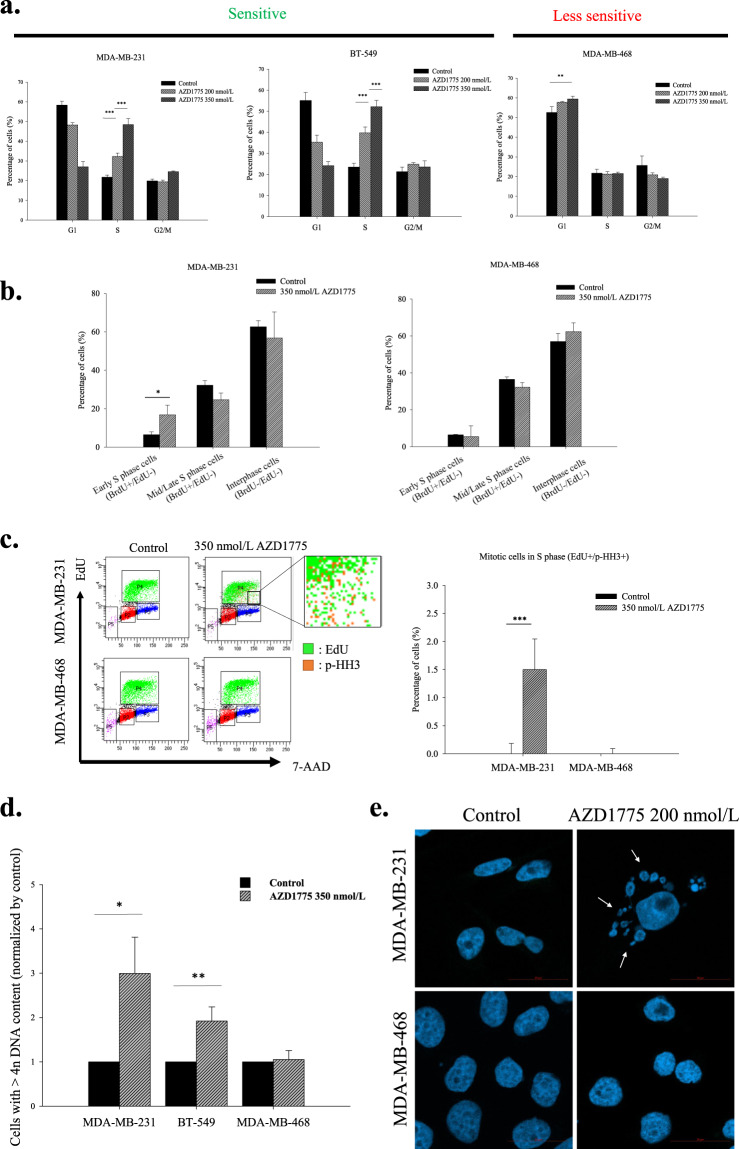
“Consequently, the cell cycle arrest has been shown to promote cell survival in various cancer types, such as breast cancers, leukemia, melanoma and adult and pediatric brain tumors [68], and the abrogation of this arrest leads to cell death in breast cancer and human cervical cancer [56,57].”
BackgroundKostopoulou, O. N., Zupancic, M., Pont, M., Papin, E., Lukoseviciute, M., Agirre, B., Holzhauser, S., & Dalianis, T. (2022) · Viruses · doi:10.3390/v14071372 · Cited by 11
“Furthermore, the CDK4/6 protein acts in the G1-S point of the cell cycle so the inhibitor might act at this cell cycle checkpoint [48].”
BackgroundZielli, T., Labidi‐Galy, S. I., Grande, M. D., Sessa, C., & Colombo, I. (2023) · Cancer Drug Resistance · doi:10.20517/cdr.2023.08 · Cited by 11
A medicinal chemistry perspective on ATR: Current status and future directions
Li, K., Sun, X., Liu, S., Liu, Y., Feng, X., & Zhang, G. (2025) · European Journal of Medicinal Chemistry · doi:10.1016/j.ejmech.2025.117834 · Cited by 11
Dai, S., Li, L., Guo, G., Peng, Y., Yuan, H., & Li, J. (2025) · Cell Death Discovery · doi:10.1038/s41420-025-02518-5 · Cited by 9
“Our con fi rmation of CCNE1 ’ s prognostic value in TNBC corroborates preclinical observations by Ha et al. [9, 18], but their focus on Wee1 inhibitor sensitivity differs from our mechanistic exploration of stemness regulation.”
Repositioning PARP inhibitors in the treatment of thoracic malignancies
Passiglia, F., Reale, M. L., Cetoretta, V., Parlagreco, E., Jacobs, F., Listì, A., Righi, L., Bironzo, P., Novello, S., & Scagliotti, G. V. (2021) · Cancer Treatment Reviews · doi:10.1016/j.ctrv.2021.102256 · Cited by 9
Discovery of potential WEE1 inhibitors via hybrid virtual screening
Jin, T., Xu, W., Chen, R., Shen, L., Gao, J., Xu, L., Chi, X., Lin, N., Zhou, L., Shen, Z., et al. (2023) · Frontiers in Pharmacology · doi:10.3389/fphar.2023.1298245 · Cited by 10
High cyclin E1 protein, but not gene amplification, is prognostic for basal‐like breast cancer
Aziz, D., Lee, C., Chin, V. T., Fernandez, K. J., Phan, Z., kConFab Investigators, AOCS Study Group, Waring, P., & Caldon, C. E. (2022) · The Journal of Pathology Clinical Research · doi:10.1002/cjp2.269 · Cited by 7
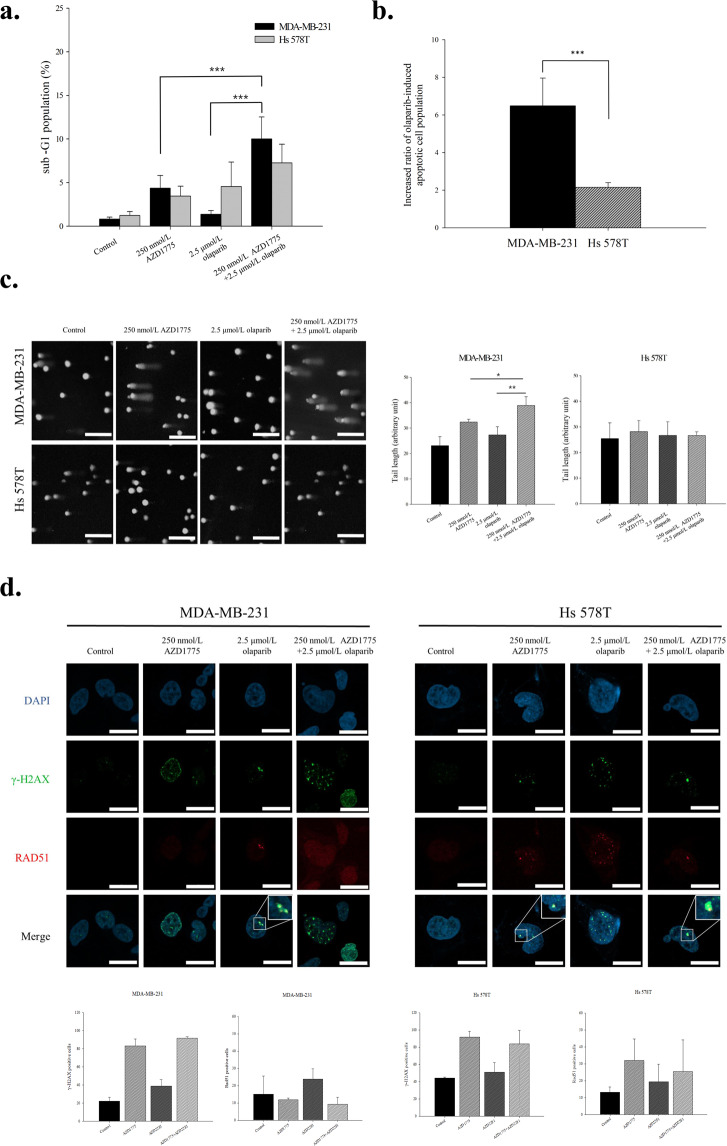
“Consequently, these cancers may have similar therapeutic targets such as combination Wee1 and PARP inhibitors [56,57], or combination CDK2 inhibitors and PARP inhibitors [7].”
BackgroundGhosh, M., Kang, M. S., Katuwal, N. B., Hong, S. D., Jeong, Y. G., Park, S. M., Kim, S., & Moon, Y. W. (2023) · International Journal of Molecular Sciences · doi:10.3390/ijms242317086 · Cited by 7
Self-citationPotential promising of synthetic lethality in cancer research and treatment
Fath, M. K., Najafiyan, B., Morovatshoar, R., Khorsandi, M., Dashtizadeh, A., Kiani, A., Farzam, F., Kazemi, K. S., & Nabi‐Afjadi, M. (2024) · Naunyn-Schmiedeberg s Archives of Pharmacology · doi:10.1007/s00210-024-03444-6 · Cited by 10
“Preclinical studies have shown that WEE1 inhibitors can increase the effectiveness of DNA damage agents and can be used in combination with ATR inhibitors or PARP inhibitors to achieve anti-tumor effects (Bukhari et al. 2019; Ha et al. 2020).”
Edwards, D. M., Speers, C. W., & Wahl, D. R. (2021) · Seminars in Radiation Oncology · doi:10.1016/j.semradonc.2021.09.006 · Cited by 5
Meng, F., Qi, T., Liu, X., Wang, Y., Yu, J., Lu, Z., Cai, X., Li, A., Jung, D. T., & Duan, J. (2024) · International Journal of Cancer · doi:10.1002/ijc.35170 · Cited by 5
“24 WEE1 inhibition significantly decreases RAD51 protein levels.”
Suárez, B. H., Gillespie, D. A., Dejnaka, E., Kupczyk, P., Obmińska‐Mrukowicz, B., & Pawlak, A. (2023) · Frontiers in Veterinary Science · doi:10.3389/fvets.2023.1227683 · Cited by 4
Subramaniam, B., Roy, D., Woldegerima, A., Chong, W. C., Przystal, J. M., Zhang, J., Laternser, S., Kritzer, B., Rangnath, S., Knowles, T., et al. (2025) · npj Precision Oncology · doi:10.1038/s41698-025-01006-4 · Cited by 3
Huang, Y., Yang, Y., Zhang, Q., & Wang, S. (2026) · Critical Reviews in Oncology/Hematology · doi:10.1016/j.critrevonc.2026.105278 · Cited by 1
WEE1 kinase inhibition to overcome acquired resistance to targeted therapies in colorectal cancer
Buzo, K., Bizzozero, L., Lentini, M., Opattová, A., Suárez, B. H., Torres, M., Chiabotto, G., Nisticò, C., Lazzari, G. D., Zanella, E. R., et al. (2026) · EMBO Molecular Medicine · doi:10.1038/s44321-026-00434-4 · Cited by 1
“Although the precise mechanism by which WEE1 inhibition suppresses RAD51 recruitment remains to be clari fi ed, similar observations have been reported in breast and ovarian cancers (Ha et al, 2020; Roering et al, 2022).”
Cheng, H., Chen, Y., Liu, P.-Y., Jin, X., Qu, Y., Liu, B., & Ai-zhuo, L. (2026) · Acta Pharmacologica Sinica · doi:10.1038/s41401-026-01892-9 · Cited by 1
“…synergistic effects with agents such as carboplatin, WEE1/ATR inhibitors, and immune checkpoint blockade, supporting PARP inhibitors as important therapeutic options in BRCA-mutated and selected HRD-positive populations, while their role in unselected TNBC remains under investigation [38, 54 – 56].”
Identifying vulnerabilities of chromosomal instability: equal sharing is caring
Janssen, L. M. E. (2022) · Utrecht University Repository (Utrecht University) · doi:10.33540/767
DNA Damage Response: A Therapeutic Landscape For Breast Cancer Treatment
Singh, D., & Prasad, C. B. (2022) · BENTHAM SCIENCE PUBLISHERS eBooks · doi:10.2174/9781681089522112010006
Caractérisation d’un nouveau rôle de Gnl3 dans la maintenance de la stabilité de génome
Lebdy, R. (2021) · theses.fr (ABES) · doi:10.70675/87d58e9cz079az49fez917bz9994e39b5adc
Resistance to Targeted Therapy in Breast Cancer
Bida, M., Mosoane, B., Mbita, Z., Demetriou, D., Miya, T. V., Mabonga, L., Chipiti, T., & Dlamini, Z. (2024) · Springer eBooks · doi:10.1007/978-3-031-52860-6_3
Exploring new treatment strategies for mature T-cell neoplasms based on genetic alterations
Schmidt, N. C. (2024) · eDiss (Georg-August-Universität Göttingen) · doi:10.53846/goediss-10716
Synergistic antitumor effect of MK-1775 and CUDC-907 against prostate cancer
Ma, S., Xu, Y., Liu, M., Wu, S., Zhang, Y., Xia, H., Lu, J., & Zhan, Y. (2025) · Investigational New Drugs · doi:10.1007/s10637-024-01490-8 · Cited by 1
“Likewise, downregulation of CDK1/2 activity by MK-1775 has been found to be critical for enhanced effi - cacy in triple-negative breast cancer [32].”
Okabe, S., Moriyama, M., Gotoh, A., & Akahane, D. (2025) · Discover Oncology · doi:10.1007/s12672-025-03036-7
“Previous studies have established the antitumor effects of MK-1775, including its ability to potentiate sensitivity to the poly(ADP-ribose) polymerase (PARP) inhibitor olaparib by modulating DDR in triple-negative breast cancer cells [34].”
Jiang, Y., Tang, Z., Zheng, W., & Xiao, X. H. (2025) · Future Medicinal Chemistry · doi:10.1080/17568919.2025.2542720
Xin, Y., Shen, G., Zheng, Y., Guan, Y., Huo, X., Li, J., Ren, D., Zhao, F., Liu, Z., Li, Z., et al. (2021) · Figshare · doi:10.6084/m9.figshare.17073446
Xin, Y., Shen, G., Zheng, Y., Guan, Y., Huo, X., Li, J., Ren, D., Zhao, F., Liu, Z., Li, Z., et al. (2021) · Figshare · doi:10.6084/m9.figshare.17073443
Xin, Y., Shen, G., Zheng, Y., Guan, Y., Huo, X., Li, J., Ren, D., Zhao, F., Liu, Z., Li, Z., et al. (2021) · Figshare · doi:10.6084/m9.figshare.17073434
Xin, Y., Shen, G., Zheng, Y., Guan, Y., Huo, X., Li, J., Ren, D., Zhao, F., Liu, Z., Li, Z., et al. (2021) · Figshare · doi:10.6084/m9.figshare.17073431
Xin, Y., Shen, G., Zheng, Y., Guan, Y., Huo, X., Li, J., Ren, D., Zhao, F., Liu, Z., Li, Z., et al. (2021) · Figshare · doi:10.6084/m9.figshare.17073437
Forsten, S. (2022) · UTUPub (University of Turku)
Özyurt, N., & Turhan, A. (2026) · Anatolian Current Medical Journal · doi:10.38053/acmj.1819744
Targeting DNA damage response pathways in cancer
Torrado, C., Tan, H. N., & Yap, T. A. (2026) · Elsevier eBooks · doi:10.1016/b978-0-443-29808-0.00075-3
Origins of Cellular Lethality Resulting From a Defect in Homologous Recombination in Human Cells
THOMAS, M. L. (2021) · theses.fr (ABES) · doi:10.70675/294f7c6bz644bz42ddz8fb3zffd32551bc76
Recent Progress in Targeting Kinases Involved in the DNA Damage Response for the Treatment of Cancer
Buckley-Benbow, L., Rout, A. M., Fielding, A. B., Parsons, J. L., Gadd, M. S., & Allinson, S. L. (2026) · Targets · doi:10.3390/targets4030024
“Nevertheless, synergistic effects were observed for the combination of olaparib and adavosertib [145].”
Karthikeyan, M. C., Viswanathan, Y., Dinakaran, P., Manivannan, S., & Arockiam, A. J. V. (2026) · SN Comprehensive Clinical Medicine · doi:10.1007/s42399-026-02789-8
Tumor digital twins uncover therapeutic strategies in triple-negative breast cancer
Victori, P., Hua, K., Twigger, A., Anand, A., Bose, Z. M., Clarke, M. A., Bell, S., Xian, K. J. Q., Zakarneh, L., Pinilla, K., et al. (2026) · Cell Reports Medicine · doi:10.1016/j.xcrm.2026.103119
Metadata
- Authors
- Ha, D.-H., Min, A., Kim, S., Jang, H., Kim, S. H., Kim, H.-J., Ryu, H. S., Ku, J.-L., Lee, K.-H., & Im, S.-A.
- Affiliations
- Seoul National University (KR)
- Corresponding author
- Im, Seock-Ah
- ORCID
- Venue
- Scientific Reports
- Published
- 2020-06-18
- Volume
- 10
- Issue
- 1
- Pages
- 9930-9930
- ISSN
- 2045-2322 (ISSN-L)
- PMC
- PMC7303169
- OpenAlex
- W3035950992
- Cited by
- 78
- References
- 41
- Citations by year
- 2026: 8 · 2025: 9 · 2024: 11 · 2023: 15 · 2022: 17 · 2021: 15 · 2020: 3
- FWCI
- 4.52
- Type
- journal article
- Language
- en
- Open access
- gold
- doi.org
- Licence
- cc-by
- creativecommons.org/licenses/by/4.0 (tdm)
- creativecommons.org/licenses/by/4.0 (vor)
- Locations
- Scientific Reports (publishedVersion, cc-by)
- PubMed Central (publishedVersion, cc-by)
- PubMed (publishedVersion)
- Seoul National University Open Repository (Seoul National University) (submittedVersion)
- Funders
- Korea Health Industry Development Institute (HI14C1277)
- Seoul National University Hospital (043-2018-0011)
- Topics
- Health Sciences › Medicine › Oncology › PARP inhibition in cancer therapy
- Life Sciences › Biochemistry, Genetics and Molecular Biology › Molecular Biology › DNA Repair Mechanisms
- Health Sciences › Medicine › Oncology › Advanced Breast Cancer Therapies
- Keywords
- WEE1 inhibition, AZD1775, olaparib, triple-negative breast cancer, PARP inhibitors, DNA damage response, G2/M checkpoint, genomic instability, replication stress, combination therapy, radiosensitization
- MeSH terms
- Poly(ADP-ribose) Polymerase Inhibitors, Animals, Cell Cycle, DNA Damage, DNA Repair, Drug Synergism, Enzyme Inhibitors, Female, Humans, Mice, Inbred BALB C, Mice, Nude, Phthalazines, Piperazines, Protein-Tyrosine Kinases, Pyrazoles, Pyrimidinones, Tumor Cells, Cultured, Gene Expression Regulation, Neoplastic, Apoptosis, Cell Cycle Proteins, Drug Resistance, Neoplasm, Xenograft Model Antitumor Assays, Cell Proliferation, Mice, Triple Negative Breast Neoplasms
About these checks
Registry, retraction, Cites and statistics results are computed, not judged, with one exception: a printed reference that no index lists is read once by a model before it counts as a citation error. Claims are extracted by a model and kept only when their quote appears verbatim in the text; each cited source is then checked, with a model’s help, for whether it says what the claim relies on. Those verdicts can be wrong — read the claim’s quote and the cited source before relying on one.
Statistics and arithmetic are recomputed, not judged.
Confidence bands are shown only for fields calibrated on our annotated test set. None is calibrated yet, so no band is shown.
What counts as a claim ›How we measure confidence ›How we check this ›
Are you an author, or do you see a problem with this page? Request a review
Data sources
Bibliographic data: Semantic Scholar, OpenAlex, Crossref.
Contains information from the Semantic Scholar Academic Graph Datasets, made available under the ODC Attribution License (ODC-BY 1.0).
Semantic Scholar’s data is described in: Kinney, R., et al. (2023). The Semantic Scholar Open Data Platform. arXiv:2301.10140.
