

The effectiveness of nonsteroidal anti-inflammatory drugs and acetaminophen in reduce the risk of amyotrophic lateral sclerosis? A meta-analysis
Open accessThe DOI matches its Crossref record; 42 of the 42 references it cites were found in a registry or an index.
Abstract
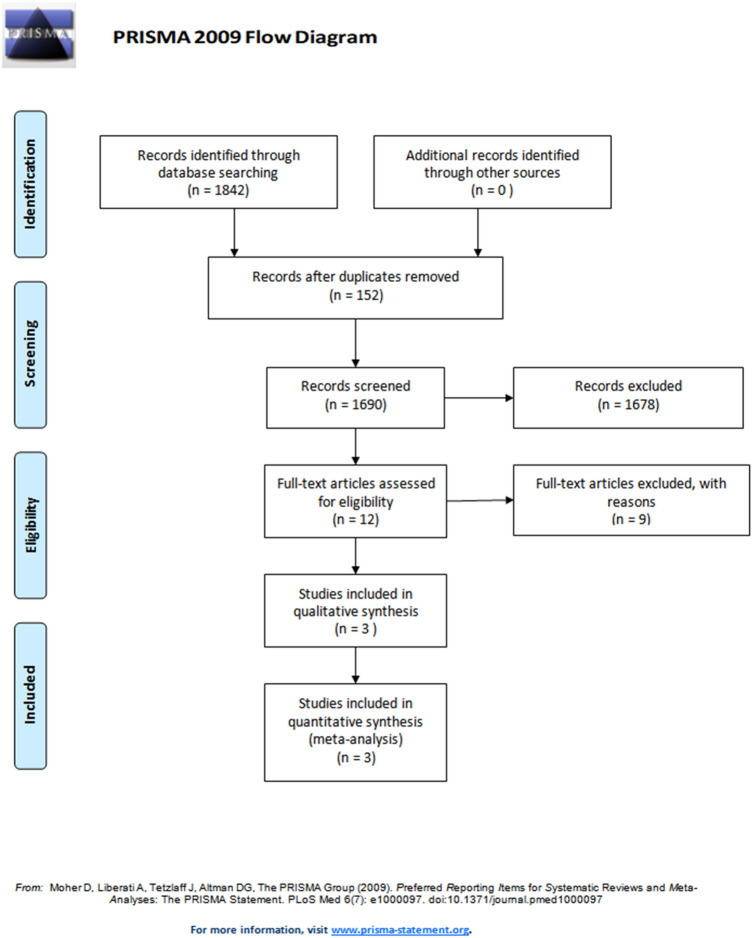
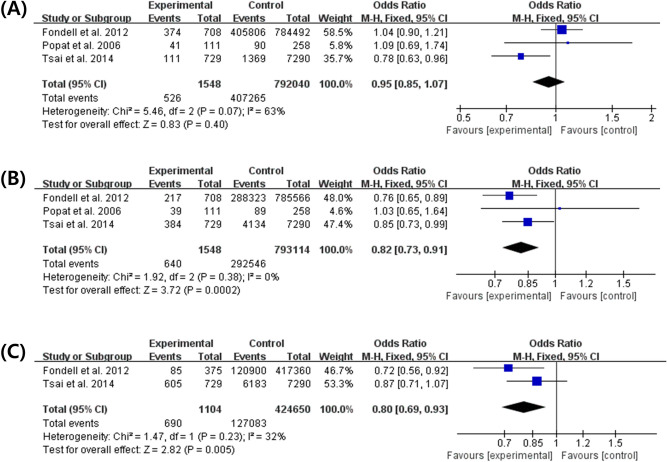
To test the hypothesis that aspirin, non-aspirin nonsteroidal anti-infammatory drugs (NA-NSAIDs), or acetaminophen can reduce the risk of ALS, we conducted a systematic review and meta-analysis of related previous studies. A comprehensive search was conducted on the PubMed, Embase, Cochrane Library and SCOPUS databases. It included studies published up to 29 February 2020 that fulfilled our inclusion criteria. Aspirin, acetaminophen and NA-NSAIDs use information, between the ALS and control groups, was collected for the meta-analysis. Rates of aspirin, NA-NSAID, and acetaminophen use in ALS group, compared with control group were investigated. In the results, only three studies that relate the risk of ALS to aspirin, NA-NSAIDs and acetaminophen use satisfied the inclusion criteria for the meta-analysis. Regarding aspirin, the studies did not show any statistically significant difference in aspirin use between the ALS and control groups (Odds ratio, 1.04 [95% confidence interval, 0.90–1.21]). NA-NSAIDs and acetaminophen use, however, did show up statistically significant differences in between the ALS and control groups. (Odds ratio, 0.82 [95% confidence interval, 0.73–0.91]) and (Odds ratio, 0.80 [95% confidence interval, 0.69–0.93]). However, our study has some limitations. Firstly, we only included a small number of studies. Secondly, the included studies did not control for past medical history, which may have confounded their results, and in turn, could have caused bias in our study. Thirdly, in this meta-analysis, the ALS patients were not subdivided into sporadic or familial type. Lastly, the studies also did not consider the types of NSAIDs and dosages used of each drug. For more convincing evidence regarding the effectiveness of aspirin, NA-NSAIDs and acetaminophen to reduce the risk of ALS occurrence, more qualified prospective studies are required. In conclusion, the use of NA-NSAIDs and acetaminophen is associated with a decreased risk for the development of ALS. In contrast, aspirin did not have any effect on the reduction of the risk of ALS occurrence.
Overview
The claims and statistics of this paper haven’t been checked yet.
Free: it reads the open-access text and checks the first 5 claims that cite a source we can check. Create a free account to check every claim.
Integrity signals
Registry
Cites
Statistics
Figures
Verification
Claims the paper makes
The claims and statistics of this paper haven’t been checked yet.
Free: it reads the open-access text and checks the first 5 claims that cite a source we can check. Create a free account to check every claim.
Claims other papers make about this one
Each is checked against this paper’s own text: does it say what the citing paper says it does?
The cited source says what the claim attributes to it.
In the citing paper
“a meta-analysis indicated that NSAIDs are associated with a decreased risk for the development of ALS.485”
From Antiageing strategy for neurodegenerative diseases: from mechanisms to clinical advances (2025) · cites this paper as [485]
Self-check
Percentages, sums and reported differences re-computed from the paper’s own numbers.
The self-check needs the paper’s full text.
Citations
Cites
Faul, F., Erdfelder, E., Lang, A.-G., & Buchner, A. (2007) · Behavior Research Methods · doi:10.3758/bf03193146 · Cited by 65,971
Stang, A. (2010) · European Journal of Epidemiology · doi:10.1007/s10654-010-9491-z · Cited by 17,396
Duval, S., & Tweedie, R. (2000) · Biometrics · doi:10.1111/j.0006-341x.2000.00455.x · Cited by 14,099
Prostaglandins and Inflammation
Ricciotti, E., & FitzGerald, G. A. (2011) · Arteriosclerosis, Thrombosis, and Vascular Biology · doi:10.1161/atvbaha.110.207449 · Cited by 3,803
Kiernan, M. C., Vucic, S., Cheah, B. C., Turner, M. R., Eisen, A., Hardiman, O., Burrell, J. R., & Zoing, M. C. (2011) · The Lancet · doi:10.1016/s0140-6736(10)61156-7 · Cited by 2,603
State of play in amyotrophic lateral sclerosis genetics
Renton, A. E., Chiò, A., & Traynor, B. J. (2014) · Nature Neuroscience · doi:10.1038/nn.3584 · Cited by 1,544
Drugs Which Inhibit Prostaglandin Biosynthesis
Flower, R. J. (1974) · Pharmacological Reviews · doi:10.1016/s0031-6997(25)06634-7 · Cited by 1,323
Riluzole for amyotrophic lateral sclerosis (ALS)/motor neuron disease (MND)
Miller, R. G., Mitchell, J. D., & Moore, D. H. (2012) · Cochrane Database of Systematic Reviews · doi:10.1002/14651858.cd001447.pub3 · Cited by 1,058
Abe, K., Aoki, M., Tsuji, S., Itoyama, Y., Sobue, G., Togo, M., Hamada, C., Tanaka, M., Akimoto, M., Nakamura, K., et al. (2017) · The Lancet Neurology · doi:10.1016/s1474-4422(17)30115-1 · Cited by 935
Riluzole for amyotrophic lateral sclerosis (ALS)/motor neuron disease (MND)
Miller, R., Mitchell, J., Lyon, M., & Moore, D. (2002) · Cochrane Database of Systematic Reviews · doi:10.1002/14651858.cd001447 · Cited by 909
Cited by
Antiageing strategy for neurodegenerative diseases: from mechanisms to clinical advances
Jiang, Q., Liu, J., Huang, S., Wang, X.-Y., Chen, X., Liu, G.-H., Ye, K., Song, W., Masters, C. L., Wang, J., et al. (2025) · Signal Transduction and Targeted Therapy · doi:10.1038/s41392-025-02145-7 · Cited by 165
The foundation and architecture of precision medicine in neurology and psychiatry
Hampel, H., Gao, P., Cummings, J., Toschi, N., Thompson, P. M., Hu, Y., Cho, M., & Vergallo, A. (2023) · Trends in Neurosciences · doi:10.1016/j.tins.2022.12.004 · Cited by 143
“Of note, clinical trials with non-steroidal anti-inflammatory drugs have failed to prove efficacy so far [11] (detailed examination of the potential factors accounting for the lack of success are beyond the scope of the discussion here).”
Neuroinflammation in Neurodegenerative Disorders: Current Knowledge and Therapeutic Implications
Giri, P. M., Banerjee, A., Ghosal, A., & Layek, B. (2024) · International Journal of Molecular Sciences · doi:10.3390/ijms25073995 · Cited by 142
“A meta-analysis was conducted to assess the relationship between the usage of acetaminophen (paracetamol), non-aspirin-NSAIDs (NA-NSAIDs), and aspirin and the risk of ALS [127].”
BackgroundKaduševičius, E. (2021) · International Journal of Molecular Sciences · doi:10.3390/ijms22126637 · Cited by 93
Alrouji, M., Al-Kuraishy, H. M., Al-Gareeb, A. I., Saad, H. M., & Batiha, G. E.-S. (2023) · Inflammopharmacology · doi:10.1007/s10787-023-01192-2 · Cited by 47
“ALS is a progressive NDD that affects the motor neurons in the cerebral cortex, brain stem, and spinal cord characterized by progressive muscle atrophy and weakness leading to respiratory failure and death (Chang et al. 2020).”
BackgroundThe Impact of Pulmonary Disorders on Neurological Health (Lung-Brain Axis)
Park, H., & Lee, C. H. (2024) · Immune Network · doi:10.4110/in.2024.24.e20 · Cited by 44
“Anti-inflammatory drugs, such as dexamethasone (178), tetracycline (92), and nonsteroidal anti-inflammatory drugs like ibuprofen, naproxen, and aspirin (179), reduce the risk of neurological disorders in patients with respiratory disease.”
BackgroundLastres‐Becker, I., Porras, G., Arribas-Blázquez, M., Maestro, I., Borrego‐Hernández, D., Boya, P., Cerdán, S., García‐Redondo, A., Martínez, A., & Martín‐Requero, Á. (2021) · International Journal of Molecular Sciences · doi:10.3390/ijms22063007 · Cited by 29
“Besides, the use of non-aspirinNSAIDs and acetaminophen, which decrease the risk for the development of ALS [50], would be especially useful for sALS where high levels of cytokines have been found.”
BackgroundBogár, F., Fülöp, L., & Penke, B. (2022) · Biomolecules · doi:10.3390/biom12030363 · Cited by 30
“Another meta-analysis resulted in conflicting results: non-aspirin-NSAIDs and acetaminophen were associated with an increased risk of ALS progression; however, aspirin did not affect the development of disease [81].”
ResultYoshikawa, S., Taniguchi, K., Sawamura, H., Ikeda, Y., Tsuji, A., & Matsuda, S. (2022) · Metabolites · doi:10.3390/metabo12111052 · Cited by 27
“Therefore, prospective treatment with anti-inflammatory medication has been suggested as a secondary treatment in patients with neurodegenerative disorders including schizophrenia or ALS [27].”
BackgroundPain, O., Jones, A., Khleifat, A. A., Agarwal, D., Hramyka, D., Karoui, H., Kubica, J., Llewellyn, D. J., Ranson, J. M., Yao, Z., et al. (2024) · Heliyon · doi:10.1016/j.heliyon.2024.e35342 · Cited by 28
“One of the enriched drugs, suxibuzone, is a nonsteroidal anti-inflammatory drug (NSAID), which as a group have been implicated for the treatment of ALS [41], warranting further investigation of suxibuzone specifically.”
BackgroundRoles of Epigenetics and Glial Cells in Drug-Induced Autism Spectrum Disorder
Csoka, A. B., Kouhen, N. E., Bennani, S., Getachew, B., Aschner, M., & Tizabi, Y. (2024) · Biomolecules · doi:10.3390/biom14040437 · Cited by 19
“These properties are potentially responsible for the effectiveness of APAP in reducing the risk of amyotrophic lateral sclerosis [139].”
BackgroundKey Disease Mechanisms Linked to Amyotrophic Lateral Sclerosis in Spinal Cord Motor Neurons
Bottero, V., Santiago, J. A., Quinn, J. P., & Potashkin, J. A. (2022) · Frontiers in Molecular Neuroscience · doi:10.3389/fnmol.2022.825031 · Cited by 18
“For example, a recent meta-analysis showed a reduced occurrence of ALS in patients taking acetaminophen but not aspirin (Chang et al., 2020).”
ResultChang, M. C., Kwak, S. G., Park, J., & Park, D. (2021) · Medicine · doi:10.1097/md.0000000000026751 · Cited by 15
Self-citationLee, B. J., Eo, H., & Park, D. (2021) · Journal of Clinical Medicine · doi:10.3390/jcm10194300 · Cited by 7
Self-citationWu, Q., Yang, J., Duan, Y., Ma, Y., Zhang, Y., Tan, S., Wang, J., Wang, Y., Liu, B., Zhang, J., et al. (2025) · Frontiers in Aging Neuroscience · doi:10.3389/fnagi.2025.1541779 · Cited by 7
Demonstrated role of sulfate-reducing bacterial consortia in anaerobic paracetamol biodegradation
Saini, K., Kumar, S. S., Kumar, V., & Bajar, S. (2025) · Biodegradation · doi:10.1007/s10532-025-10184-8 · Cited by 4
“Paracetamol, also known as acetaminophen, 4-aceta-midophenol, or N-(4-hydroxyphenyl) acetamide (C 8 H 9 NO 2 ) (Yu et al. 2025), is widely recognized as a safe non-steroidal anti-inflammatory drug (NSAID) at therapeutic doses (Chang et al. 2020).”
Current Understanding of ALS Onset, Progression and TreatmentsPreprint
Rossmiller, B. P., & Bagheri, M. (2024) · doi:10.14293/pr2199.001277.v1
Metadata
- Authors
- Chang, M. C., Kwak, S. G., Park, J.-S., & Park, D.
- Affiliations
- Yeungnam University College (KR)
- Daegu Catholic University (KR)
- Kyungpook National University (KR)
- University of Ulsan (KR)
- Corresponding author
- Park, Donghwi
- Venue
- Scientific Reports
- Published
- 2020-09-08
- Volume
- 10
- Issue
- 1
- Pages
- 14759-14759
- ISSN
- 2045-2322 (ISSN-L)
- PMC
- PMC7479139
- OpenAlex
- W3084260015
- Semantic Scholar
- 40f071fb2e0af24e8445c789a16da3f646d8b06f
- Cited by
- 17
- References
- 42
- Citations by year
- 2025: 3 · 2024: 5 · 2023: 2 · 2022: 3 · 2021: 4
- FWCI
- 0.25
- Type
- journal article
- Language
- en
- Open access
- gold
- doi.org
- Licence
- cc-by
- creativecommons.org/licenses/by/4.0 (tdm)
- creativecommons.org/licenses/by/4.0 (vor)
- Locations
- Scientific Reports (publishedVersion, cc-by)
- PubMed Central (publishedVersion, cc-by)
- PubMed (publishedVersion)
- DOAJ (DOAJ: Directory of Open Access Journals) (submittedVersion, cc-by-sa)
- Funders
- National Research Foundation of Korea (2019M3E5D1A02068106)
- Topics
- Health Sciences › Medicine › Clinical Neurology › Amyotrophic Lateral Sclerosis Research
- Health Sciences › Medicine › Pharmacology (medical) › Inflammatory mediators and NSAID effects
- Life Sciences › Neuroscience › Cellular and Molecular Neuroscience › Alzheimer's disease research and treatments
- Keywords
- amyotrophic lateral sclerosis, aspirin, nonsteroidal anti-inflammatory drugs, paracetamol, sporadic ALS, familial ALS, neuroprotection
- MeSH terms
- Acetaminophen, Amyotrophic Lateral Sclerosis, Animals, Anti-Inflammatory Agents, Non-Steroidal, Drug Therapy, Combination, Humans, Analgesics, Non-Narcotic
About these checks
Registry, retraction, Cites and statistics results are computed, not judged, with one exception: a printed reference that no index lists is read once by a model before it counts as a citation error. Claims are extracted by a model and kept only when their quote appears verbatim in the text; each cited source is then checked, with a model’s help, for whether it says what the claim relies on. Those verdicts can be wrong — read the claim’s quote and the cited source before relying on one.
Statistics and arithmetic are recomputed, not judged.
Confidence bands are shown only for fields calibrated on our annotated test set. None is calibrated yet, so no band is shown.
What counts as a claim ›How we measure confidence ›How we check this ›
Are you an author, or do you see a problem with this page? Request a review
Data sources
Bibliographic data: Semantic Scholar, OpenAlex, Crossref.
Contains information from the Semantic Scholar Academic Graph Datasets, made available under the ODC Attribution License (ODC-BY 1.0).
Semantic Scholar’s data is described in: Kinney, R., et al. (2023). The Semantic Scholar Open Data Platform. arXiv:2301.10140.
