

Effect of chemicals on the phase and viscosity behavior of water in oil emulsions
Open accessThe DOI matches its Crossref record; 98 of the 98 references it cites were found in a registry or an index.
Abstract
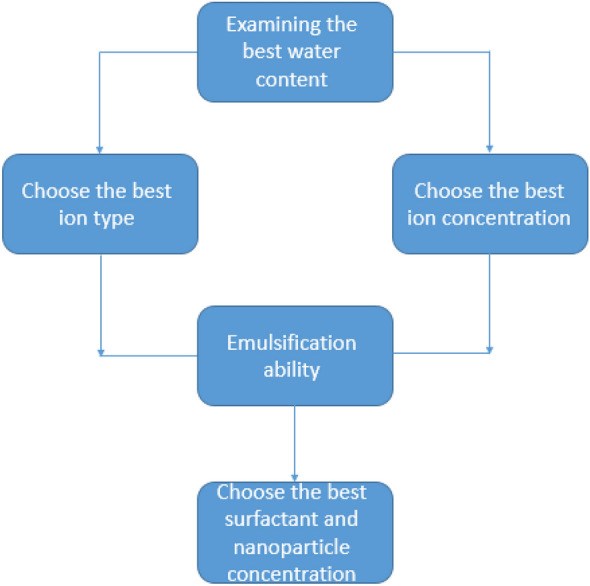
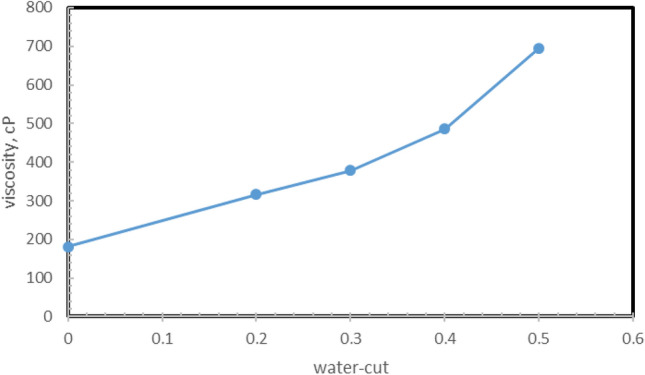
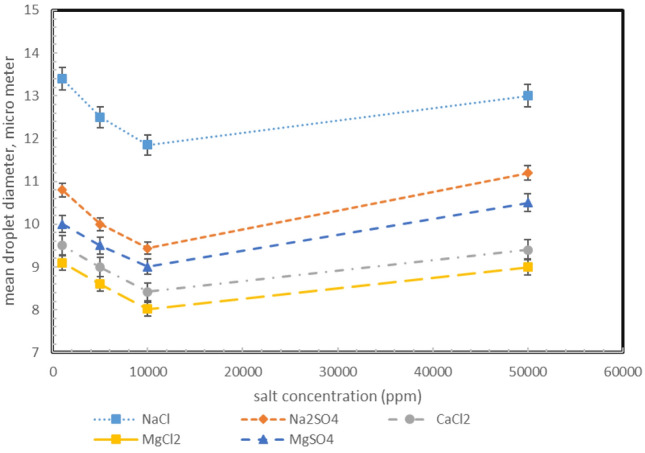
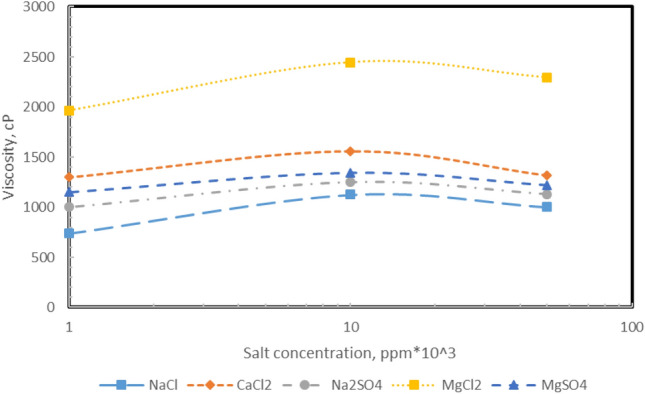
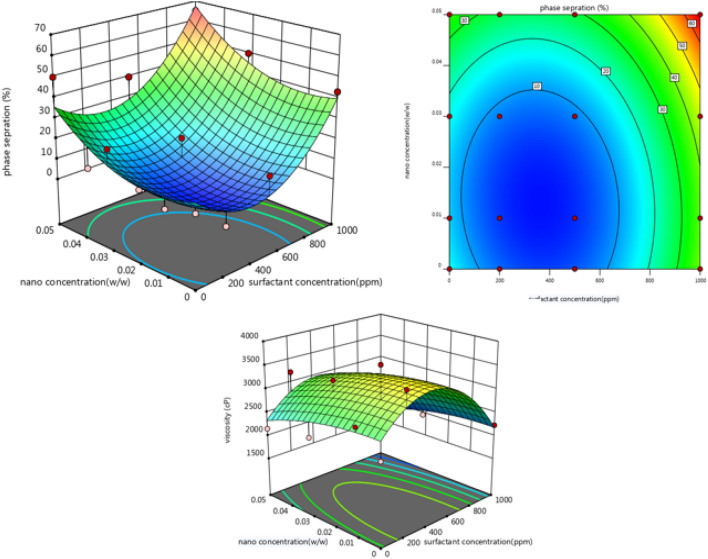
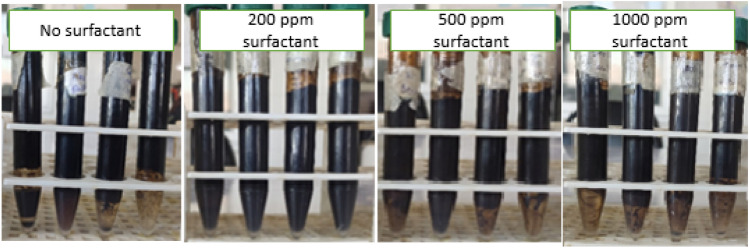
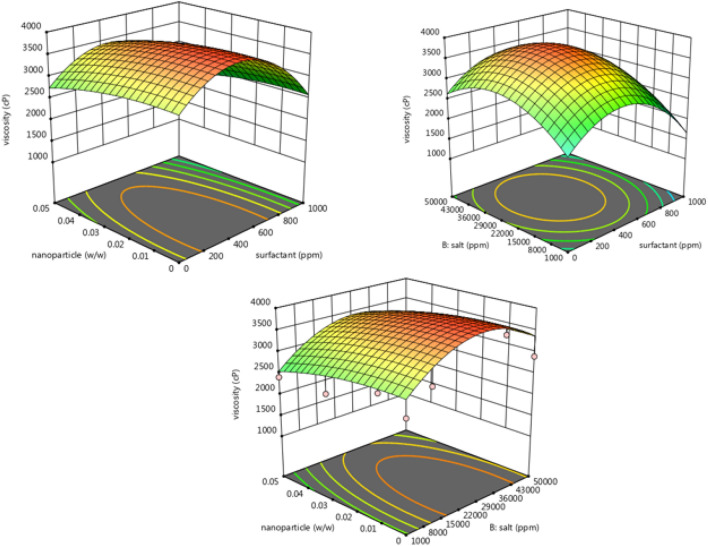
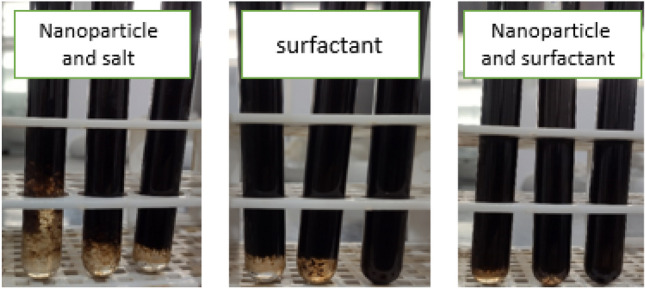
Due to population growth, the need for energy, especially fossil fuels, is increased every year. Since the costs of exploring new reservoirs and drilling new wells are very high, most reservoirs have passed their first and second periods of life, and it is necessary to use EOR methods. Water-based enhanced oil recovery (EOR) methods are one of the popular methods in this field. In this method, due to the possibility of emulsion formation is high, and by creating a stable emulsion, viscosity and mobility improved. In this study, the parameters affecting the stability and viscosity of the emulsion have been investigated step by step. In the first step, 50% (v/v) of water has been selected as the best water cut. The type of salt and its best concentration was evaluated in the second step by measuring the average droplets size. The third step investigated the effect of SiO 2 nanoparticles and surfactant (span80) on emulsion stability and viscosity. According to the results, the best amount of water cut was 50% due to the maximum viscosity. In salts the yield was as follows: MgCl 2 > CaCl 2 > MgSO 4 > Na 2 SO 4 > NaCl. The best yield was related to MgCl 2 at a concentration of 10,000 ppm. Finally, it was shown that the synergy of nanoparticles and surfactants resulted in higher stability and viscosity than in the case where each was used alone. It should be noted that the optimal concentration of nanoparticles is equal to 0.1% (w/w), and the optimal concentration of surfactant is equal to 200 ppm. In general, a stable state was obtained in 50% water-cut with MgCl 2 salt at a concentration of 10,000 ppm and in the presence of SiO 2 nanoparticles at a concentration of 0.1% and span 80 surfactants at a concentration of 200 ppm. The results obtained from this study provide important insights for optimal selection of the water-based EOR operation parameters. Viscosity showed a similar trend with stability and droplet size. As the average particle size decreased (or stability increased), the emulsion viscosity increased.
Overview
The claims and statistics of this paper haven’t been checked yet.
Free: it reads the open-access text and checks the first 5 claims that cite a source we can check. Create a free account to check every claim.
Integrity signals
Registry
Cites
Statistics
Figures

Verification
Claims the paper makes
The claims and statistics of this paper haven’t been checked yet.
Free: it reads the open-access text and checks the first 5 claims that cite a source we can check. Create a free account to check every claim.
Claims other papers make about this one
Each is checked against this paper’s own text: does it say what the citing paper says it does?
The check wasn’t confident either way, so it gives no verdict — never disputed.
In the citing paper
“since over thickening can dampen the user appeal [22, 28].”
From Formulation development, physical stability, and preliminary safety screening of cosmetic emulsions containing banana peel extract (2026) · cites this paper as [28]
Experimental — accuracy not yet measuredThe check wasn’t confident either way, so it gives no verdict — never disputed.
In the citing paper
“The viscosity of lotions is typically 10,000 to 30,000 cP and for creams is usually between 30,000 to 70,000 cP but these can be varied depending on the application one desires.”
From Formulation development, physical stability, and preliminary safety screening of cosmetic emulsions containing banana peel extract (2026) · cites this paper as [28]
Experimental — accuracy not yet measured
Self-check
Percentages, sums and reported differences re-computed from the paper’s own numbers.
The self-check needs the paper’s full text.
Citations
Cites
A Mechanism for Non-Newtonian Flow in Suspensions of Rigid Spheres
Krieger, I. M., & Dougherty, T. J. (1959) · Transactions of the Society of Rheology · doi:10.1122/1.548848 · Cited by 3,402
Pickering Emulsions: Interfacial Tension, Colloidal Layer Morphology, and Trapped-Particle Motion
Vignati, E., Piazza, R., & Lockhart, T. P. (2003) · Langmuir · doi:10.1021/la034264l · Cited by 635
Factors that Affect Pickering Emulsions Stabilized by Graphene Oxide
He, Y., Wu, F., Sun, X., Li, R., Guo, Y., Li, C., Zhang, L., Xing, F., Wang, W., & Gao, J. (2013) · ACS Applied Materials & Interfaces · doi:10.1021/am400582n · Cited by 423
Bera, A., Kumar, T., Ojha, K., & Mandal, A. (2013) · Applied Surface Science · doi:10.1016/j.apsusc.2013.07.029 · Cited by 393
Kaptay, G. (2006) · Colloids and Surfaces A: Physicochemical and Engineering Aspects · doi:10.1016/j.colsurfa.2005.12.021 · Cited by 386
Novel emulsions stabilized by pH and temperature sensitive microgels
Ngai, T., Behrens, S. H., & Auweter, H. (2005) · Chemical Communications · doi:10.1039/b412330a · Cited by 381
Effects of solid particle content on properties of o/w Pickering emulsions
Frelichowska, J., Bolzinger, M.-A., & Chevalier, Y. (2010) · Journal of Colloid and Interface Science · doi:10.1016/j.jcis.2010.08.019 · Cited by 374
Enhancement of surfactant flooding performance by the use of silica nanoparticles
Zargartalebi, M., Kharrat, R., & Barati, N. (2015) · Fuel · doi:10.1016/j.fuel.2014.11.040 · Cited by 368
An Integrated Framework for Optimizing CO2 Sequestration and Enhanced Oil Recovery
Dai, Z., Middleton, R., Viswanathan, H., Fessenden-Rahn, J., Bauman, J., Pawar, R., Lee, S.-Y., & McPherson, B. (2014) · Environmental Science & Technology Letters · doi:10.1021/ez4001033 · Cited by 364 · cited 2×
“In this paper, four general parameters were investigated: (1) the effect of water content (water cut), (2) the effect of salt type and concentration, (3) the effect of surfactant, (4) the effect of nanoparticles on the stability and rheological behavior of emulsion.”
BackgroundMethodSelf-citationCrude oil emulsion: A review on formation, classification and stability of water-in-oil emulsions
Wong, S. F., Lim, J. S., & Dol, S. S. (2015) · Journal of Petroleum Science and Engineering · doi:10.1016/j.petrol.2015.10.006 · Cited by 312
Research works printed but not linked: 1
- Du D Pu W Chen B Varfolomeev MA Liu R Experimental study on EOR potential of water-in-oil emulsion via CO2/N2 triggered wormlike micelle solution Fuel 2021 288 119639 10.1016/j.fuel.2020.119639 · DOI
Cited by
A Comprehensive Review of Nanotechnology Applications in Oil and Gas Well Drilling Operations
Alkalbani, A. M., & Chala, G. T. (2024) · Energies · doi:10.3390/en17040798 · Cited by 89
Yousefmarzi, F., Haratian, A., Kalatehno, J. M., & Kamal, M. K. (2024) · Scientific Reports · doi:10.1038/s41598-024-51597-4 · Cited by 54
Shafiei, M., Kazemzadeh, Y., Escrochi, M., Cortés, F. B., Franco, C. A., & Riazi, M. (2024) · Scientific Reports · doi:10.1038/s41598-024-58217-1 · Cited by 47
Self-citationShen, L., Ai, G., Liu, H., Zhu, L., Lai, L., Yan, X., Yu, W., & Mi, Y. (2024) · Journal of Hazardous Materials · doi:10.1016/j.jhazmat.2024.134543 · Cited by 49
Garmsiri, H., Jahani, S., Kazemzadeh, Y., Sharifi, M., Riazi, M., & Azin, R. (2023) · Scientific Reports · doi:10.1038/s41598-023-38428-8 · Cited by 41
Self-citationMicroemulsions stabilized with nanoparticles for EOR: A review
Santos, L. B. L., Silva, A. C. M., Pereira, K. R. O., Moraes, C., Gomes, A. C. L., dos Santos, J. P. L., Simonelli, G., & dos Santos, L. C. L. (2023) · Journal of Molecular Liquids · doi:10.1016/j.molliq.2023.123271 · Cited by 37
Bai, Y., Liu, Y., Yang, K., & Lang, Y. (2023) · Gels · doi:10.3390/gels9050413 · Cited by 33
“Polymer nanoparticles are very flexible in controlling the blocking ffect, and after high-temperature dissolution, the high-permeability layer was sel ctively blocked, and the l w-permeability l yer was hardly blocked, so polymer nanoparticles can be bett r applied to deep tr sfer drive t chnology [81].”
BackgroundRole of asphaltenes and resins at the interface of petroleum emulsions (W/O): A literature review
Petroni, M. H. O., Corona, R. R. B., Sad, C. M. S., Ramos, R., Castro, J. M., Franco, L. G., Silva, M. C. P. D., Elias, M. Z., & de Castro, E. V. R. (2024) · Geoenergy Science and Engineering · doi:10.1016/j.geoen.2024.212932 · Cited by 30
Hagar, H. S., Jufar, S. R., Lee, J. H., Almahbashi, N. M. Y., Alameen, M. B., Kwon, S., Jagaba, A. H., & Rathnayake, U. (2023) · Case Studies in Chemical and Environmental Engineering · doi:10.1016/j.cscee.2023.100503 · Cited by 28
A review of chemical methods and testing techniques for enhanced oil recovery in shale reservoirs
Dordzie, G., & Balhoff, M. (2025) · Fuel · doi:10.1016/j.fuel.2025.135060 · Cited by 25
Recent progress in NP-Based Enhanced oil Recovery: Insights from molecular studies
Yusuf, M., Ridha, S., & Kamyab, H. (2024) · Journal of Molecular Liquids · doi:10.1016/j.molliq.2024.124104 · Cited by 24
Toupchian, A., Mahani, H., & Ayatollahi, S. (2023) · Fuel · doi:10.1016/j.fuel.2023.129513 · Cited by 21
Ebrahimi, M., Ghalenavi, H., Schaffie, M., Ranjbar, M., & Hemmati‐Sarapardeh, A. (2024) · Scientific Reports · doi:10.1038/s41598-024-80893-2 · Cited by 20
“Integrating nanoparticles with surfactants can result in stronger characteristics than utilizing these two substances separately due to their synergistic effects 83 .”
Water-Cut Measurement Techniques in Oil Production and Processing—A Review
Kamal, B., Abbasi, Z., & Hassanzadeh, H. (2023) · Energies · doi:10.3390/en16176410 · Cited by 19
Characterizing the 2D single atom solutions to capture CO2 by the digital twin model
Wu, Y., Zhou, C., Li, Y., Zhang, C., Yu, Y., & Wang, G. (2024) · Chemical Engineering Journal · doi:10.1016/j.cej.2024.152584 · Cited by 18
Mi, Y., Shen, L., Huang, X., Yu, Y., Zhang, Z., Ding, Y., Chen, L., Zhao, Y., Tang, Y., & Qu, Q. (2025) · International Journal of Biological Macromolecules · doi:10.1016/j.ijbiomac.2025.139839 · Cited by 20
Jafarbeigi, E., Kamari, E., Hosseini, S. H., & Olazar, M. (2025) · Fuel Processing Technology · doi:10.1016/j.fuproc.2025.108309 · Cited by 22
Optimization of electrostatic seeding technique for wafer-scale diamond fabrication on β-Ga2O3
Rahaman, I., Sultana, M., Medina, R., Emu, I. H., & Haque, A. (2024) · Materials Science in Semiconductor Processing · doi:10.1016/j.mssp.2024.108808 · Cited by 17
Hattori, T., Elakneswaran, Y., Hao, X., Shimokawara, M., & Hiroyoshi, N. (2024) · Colloids and Surfaces A Physicochemical and Engineering Aspects · doi:10.1016/j.colsurfa.2024.134726 · Cited by 16
Mahdavi, M. S., & Dehaghani, A. H. S. (2025) · Scientific Reports · doi:10.1038/s41598-025-87821-y · Cited by 15
“Thus, asphaltene-ion complexes produced significant electrostatic repulsive force in a limited EDL space, reducing the coalescence between the droplets 14 .”
Jafarbeigi, E., & Martyushev, D. A. (2025) · Journal of Molecular Liquids · doi:10.1016/j.molliq.2025.128707 · Cited by 14
Self-citationLiu, Q., Zhou, B., Chen, F., Li, N., Xie, J., Zhao, M., Di, Q., Feng, C., Song, S.-Y., & Yin, C. (2023) · Scientific Reports · doi:10.1038/s41598-023-47156-y · Cited by 14
Sun, X., Wang, Q., Yang, X., Zhang, X., Chen, X., & Zhao, D. (2024) · Colloids and Surfaces A Physicochemical and Engineering Aspects · doi:10.1016/j.colsurfa.2024.134419 · Cited by 14
Enhanced oil recovery through wettability alteration using a novel TiO2-SiO2-tween 20 nano-fluid
Mohammadidoust, A., & Jafarbeigi, E. (2025) · Journal of Molecular Liquids · doi:10.1016/j.molliq.2025.128280 · Cited by 13
Ye, F., Zhang, X., Jiang, X., Liu, H., Tang, Y., Qu, Q., Shen, L., Zhang, Z., Mi, Y., & Yan, X. (2023) · Geoenergy Science and Engineering · doi:10.1016/j.geoen.2023.212265 · Cited by 14
Akbari, S., Kroon, M., Parihar, V. S., Koivisto, J. T., Hannula, M., Kellomäki, M., & Hyttinen, J. (2024) · Macromolecules · doi:10.1021/acs.macromol.4c00064 · Cited by 12
Isah, M., Malek, N. A. N. N., Susanto, H., Asraf, M. H., & Aliero, A. S. (2025) · Applied Clay Science · doi:10.1016/j.clay.2025.107761 · Cited by 12
Low-Cost CO2-Based Alkyl Carbamate Ionic Liquids for Accelerating Enzymatic Oil Hydrolysis
Ng, W. Z., Chan, E., Tan, Y. S., Liow, M. Y., Ooi, C. W., Tey, B. T., & Song, C. P. (2024) · ACS Sustainable Chemistry & Engineering · doi:10.1021/acssuschemeng.4c01572 · Cited by 12
Saadati, H., Kadkhodaie, A., Rashidi, M., Bahrami, H., Sarafdokht, H., Martyushev, D. A., & Jahangard, A. (2025) · Journal of Petroleum Exploration and Production Technology · doi:10.1007/s13202-025-01936-6 · Cited by 11
“Next, the deasphalted oils (maltenes) were separated into saturates, aromatics, and non-hydrocarbons (NSO compounds) by eluting successively with n-hexane, benzene, and methanol, in that order using column chromatography (SARA fractionation, Shafiei et al. 2023).”
Self-citationCharge‐Directed Nanocellulose Assembly for Interfacial Phase‐Transfer Catalysis
Shin, J., Seo, B., Choi, K.-H., Park, D., Lee, H. J., Kim, H., Shin, D., Park, B. J., & Kim, J. W. (2025) · Advanced Materials · doi:10.1002/adma.202418325 · Cited by 11
Mohammadi, M., Shafiei, M., Zarin, T., Kazemzadeh, Y., Parsaei, R., & Riazi, M. (2024) · Scientific Reports · doi:10.1038/s41598-024-73450-4 · Cited by 10
“10–6 and 11) as well as the change in wetting fluid saturation causes the direction of displacement to change after the breakthrough time 29,30 .”
BackgroundSelf-citationJúnior, F. D. B., Coelho, É. M. P., Feiten, M. C., & Barros, B. C. B. (2025) · Separations · doi:10.3390/separations12050109 · Cited by 11
Kornienko, V. S., Radchenko, M., Радченко, А. М., Koshlak, H., & Radchenko, R. (2023) · Energies · doi:10.3390/en16186743 · Cited by 9
Akbari, A., Nikravesh, H., & Kazemzadeh, Y. (2025) · The Canadian Journal of Chemical Engineering · doi:10.1002/cjce.70007 · Cited by 8
Self-citationMeng, F., Liu, J., Tong, G., Zhao, H., Wen, C., Zhou, Y., Rasouli, V., & Rabiei, M. (2025) · Scientific Reports · doi:10.1038/s41598-025-10111-0 · Cited by 9
“The mechanisms for CO 2 flooding include miscibility, lowering oil viscosity and oil phase swelling 3–7 .”
Ganje, M., Sekhavatizadeh, S. S., Mozafarian, M. R., & Hashemi, S. S. (2025) · Carbohydrate Polymer Technologies and Applications · doi:10.1016/j.carpta.2025.100861 · Cited by 6
Nanoemulsions: composition, properties, production methods, and prospects for oil recovery
Minakov, A. V., & Stebeleva, O. P. (2025) · Russian Chemical Reviews · doi:10.59761/rcr5176 · Cited by 7
Investigating a new synergistic nanofluid to improve oil recovery mechanisms in oil reservoirs
Jafarbeigi, E., Zarei, H., Mansouri, M., Kikhavani, T., & Setareshenas, N. (2025) · Journal of Molecular Liquids · doi:10.1016/j.molliq.2025.128827 · Cited by 6
Zhang, D., Wang, X., Liu, C., Song, L., Li, H., Huang, Q., & Zhang, J. (2024) · Colloids and Surfaces A Physicochemical and Engineering Aspects · doi:10.1016/j.colsurfa.2024.133873 · Cited by 6
Salehnia, T., Parsaei, R., Riazi, M., & Kazemzadeh, Y. (2025) · Journal of Molecular Liquids · doi:10.1016/j.molliq.2025.127370 · Cited by 6
Self-citationMohammadi, M., Shafiei, M., Zarin, T., Kazemzadeh, Y., Parsaei, R., & Riazi, M. (2023) · Industrial & Engineering Chemistry Research · doi:10.1021/acs.iecr.3c01361 · Cited by 6
Self-citationKamal, I., Salih, N. M., & Martyushev, D. A. (2023) · Journal of Marine Science and Engineering · doi:10.3390/jmse11101891 · Cited by 6
Self-citationSun, Z., Wu, G., Huang, B., Cheng, L., Luan, J., Zhang, R., Chen, Z., & Zeng, C. (2023) · Industrial & Engineering Chemistry Research · doi:10.1021/acs.iecr.3c03037 · Cited by 7
Chiodza, K., & Goosen, N. J. (2023) · Food and Bioproducts Processing · doi:10.1016/j.fbp.2023.11.008 · Cited by 6
Abdullah, N. N. A., Kamari, A., Wong, S. T. S., Yusof, N., Othman, H., Hussein, M. Z., Phillip, E., & Din, S. M. (2025) · BioNanoScience · doi:10.1007/s12668-024-01779-1 · Cited by 9
“This phenomenon can be attributed to the fact that lower temperatures generally increase the viscosity of the continuous phase in nanoemulsions, thereby enhancing stability by limiting droplet mobility and reducing the likelihood of coalescence [28, 29].”
Xu, P., Dou, X., & He, L. (2025) · ACS Omega · doi:10.1021/acsomega.5c00260 · Cited by 5
“%) induces a critical phase inversion phenomenon in oil − water emulsions, 1,2 where increasing water content drives the structural transition from the oil-continuous to the water-continuous phase.”
Eslami, H., & Malmir, P. (2025) · Scientific Reports · doi:10.1038/s41598-025-20709-z · Cited by 6
Tabboon, P., Limpongsa, E., Jarungsirawat, R., Wechprakhon, S., Niyommoh, J., Wantong, A., & Jaipakdee, N. (2025) · Analytica—A Journal of Analytical Chemistry and Chemical Analysis · doi:10.3390/analytica6040050 · Cited by 5
“Prior research suggests that the presence of Na 2 SO 4 in the aqueous phase significantly decreases the interfacial tension between oil and water, resulting in a reduced droplet size and enhanced emulsion stability [66].”
Garmsiri, H., Jahani, S., Sharifi, M., Kazemzadeh, Y., Riazi, M., & Azin, R. (2023) · Journal of Dispersion Science and Technology · doi:10.1080/01932691.2023.2288094 · Cited by 5
“On the other hand, with the surface absorption of NPs on the surface, emulsion droplets will also become more stable [21] .”
Self-citationDesai, S., Chakraborty, M., Jana, A. K., & Kohli, H. P. (2025) · Results in Surfaces and Interfaces · doi:10.1016/j.rsurfi.2025.100504 · Cited by 4
Jassim, F. A., & Najim, S. T. (2025) · Colloid Journal · doi:10.1134/s1061933x24600994 · Cited by 5
Khan, K., Shah, Z., Hussain, S., Hassan, W., Khan, Z., & Pawlicka, A. (2024) · Journal of Molecular Liquids · doi:10.1016/j.molliq.2024.125387 · Cited by 4
Bachnak, R., Narayan, S., Moravec, D. B., Hauser, B. G., Dallas, A. J., & Dutcher, C. S. (2024) · The Journal of Physical Chemistry B · doi:10.1021/acs.jpcb.4c04691 · Cited by 4
Abdi-Khanghah, M., & Jafari, A. (2024) · Journal of the Taiwan Institute of Chemical Engineers · doi:10.1016/j.jtice.2024.105388 · Cited by 4
de Souza, L. C., Souza, L. M., de Barros, E. V., Carvalho, E. A., Petroni, M. H. O., Folli, G. S., Sad, C. M. S., Franco, D. M. M., Dufrayer, G. H. M., Vaz, B. G., et al. (2025) · Energy & Fuels · doi:10.1021/acs.energyfuels.5c03699 · Cited by 3
Zhang, L., Wang, J., Luo, Y., Dou, M., Li, Y., Yang, J., Chen, G., & Tang, Y. (2025) · Journal of Molecular Liquids · doi:10.1016/j.molliq.2025.128819 · Cited by 3
Nigam, R., Verma, V., Maddirala, R., Akash, T., Pati, B., & Pal, N. (2025) · Energy & Fuels · doi:10.1021/acs.energyfuels.5c04383 · Cited by 3
Yu, K., Wang, Q., Tian, J., Lu, H., Zhao, P., & Pan, J. (2025) · Carbohydrate Polymers · doi:10.1016/j.carbpol.2025.124693 · Cited by 3
Liu, Y., Li, M., Xie, D., Chen, G., Zhao, N., & Luo, Z. (2025) · International Journal of Pharmaceutics X · doi:10.1016/j.ijpx.2025.100468 · Cited by 15
Jin, B., Ye, F., zhou, W., Xiang, G., Zhoucheng, L., Ding, Y., Ma, W., & Mi, Y. (2026) · Journal of Hazardous Materials · doi:10.1016/j.jhazmat.2026.142378 · Cited by 4
Dastjerdi, A. M., Kharrat, R., Niasar, V., & Ott, H. (2025) · Langmuir · doi:10.1021/acs.langmuir.5c00774 · Cited by 3
Zhao, X., Li, B., Zhong, M., Jia, Y., Fu, X., Gang, H., & Li, Z. (2025) · Colloids and Surfaces A Physicochemical and Engineering Aspects · doi:10.1016/j.colsurfa.2025.138485 · Cited by 5
Talebi, A., Shafiei, M., Escrochi, M., Kazemzadeh, Y., & Riazi, M. (2024) · The Canadian Journal of Chemical Engineering · doi:10.1002/cjce.25266 · Cited by 3
Self-citationWichayapreechar, P., Charoenjittichai, R., Prasansuklab, A., Charoongchit, P., & Wongwad, E. (2025) · Cosmetics · doi:10.3390/cosmetics12030092 · Cited by 4
“…emulsi fi ers used to coat small droplets of water dispersed in an oil phase. sulfate to the W/O emulsion improved emulsion stability increasing the resistance of the water droplets to coalescence and sedimentation [51,52,55 Initial nanoemulsions were characterized as shown in Figures 5 and 6.”
Emulsion Rheology: Applications and Measuring Techniques in Upstream Petroleum Operations
Dzulkarnain, I., Yousufi, M. M., & Mohyaldinn, M. E. (2024) · IntechOpen eBooks · doi:10.5772/intechopen.1005241 · Cited by 3
STABILITY MECHANISMS AND VISCOSITY MODELS FOR OILFIELD EMULSIONS
Gao, C. H. (2025) · Multiphase Science and Technology · doi:10.1615/multscientechn.2025058138 · Cited by 2
Tsung, W.-H., Huang, W.-S., He, Y.-H., Sinskey, A. J., & Li, S.-Y. (2026) · Bioresource Technology · doi:10.1016/j.biortech.2026.134331 · Cited by 2
Zhao, Y., Jiang, Y., Wei, Y., Han, C., Kang, J., Qiao, Y., Ma, W., Ding, Y., & Mi, Y. (2026) · Journal of Water Process Engineering · doi:10.1016/j.jwpe.2026.110204 · Cited by 2
Elyaderani, S. M. G., Dehaghani, A. H. S., Razavinezhad, J., & Choshali, R. T. (2024) · Petroleum · doi:10.1016/j.petlm.2024.12.002 · Cited by 2
Sun, G., Sheng, F., Li, Q., Li, C., Yang, F., Yao, B., & Zhao, Y. (2025) · Journal of CO2 Utilization · doi:10.1016/j.jcou.2025.103030 · Cited by 2
Khusain, B., Khagag, F., Logvinenko, A. V., Kenessary, A., Tyulebayeva, R., Ismailova, J., Sass, A. S., Brodskiy, A. R., & Zhurinov, M. Z. (2025) · Engineering Technology & Applied Science Research · doi:10.48084/etasr.9613 · Cited by 2
Research on the Stability of the Spacer Fluid Interface in Dual-Layer Pipe Dual-Gradient Drilling
Wang, G., Li, X., Zhong, L., & Lv, Z. (2023) · Processes · doi:10.3390/pr11082395 · Cited by 2
Anvari, S., & Turzó, Z. T. (2024) · Rudarsko-geološko-naftni zbornik · doi:10.17794/rgn.2024.3.6 · Cited by 2
Munir, S., Ali, A., Raza, Z. A., & Ahmad, N. (2025) · Colloid & Polymer Science · doi:10.1007/s00396-025-05404-9 · Cited by 1
Chitosan salt as a dual-function agent for CO₂ sequestration and acidizing enhancement
Al-Yasiri, A. K., Alameedy, U., Al-Mukainah, H. S., Abdulhamid, M. A., & Al-Yaseri, A. Z. (2025) · Journal of Molecular Liquids · doi:10.1016/j.molliq.2025.128324 · Cited by 1
Mousa, N., Abu‐Jdayil, B., & Zekri, A. Y. (2025) · International Journal of Energy Research · doi:10.1155/er/5525417 · Cited by 1
Wax deposition characteristics under oil-water two-phase stratified flow in pipeline
Liu, H., Duan, J.-M., Huang, Y.-X., Li, H.-N., Huang, H.-R., Chen, S.-M., & Jiang, J.-Z. (2026) · Petroleum Science · doi:10.1016/j.petsci.2026.01.016 · Cited by 1
Li, D., Xia, H., Cao, G., Zhang, N., Bai, Y., Liu, Y., Zhang, Z., & Du, Y. (2024) · Energy Sources Part A Recovery Utilization and Environmental Effects · doi:10.1080/15567036.2024.2320756 · Cited by 1
“Studying the influence of clay particles on emulsions from the perspective of porous structure and wettability is worth exploring and learning from (Shafiei et al. 2023). studied the parameters that affect the stability and viscosity of lotion, in which the main objects of concern are the…”
Kowalska, M. K., Ludwiński, P., Żbikowska, A., & IVANIŃOVÁ, E. (2023) · Zywnosc-nauka Technologia Jakosc · doi:10.15193/zntj/2023/137/475 · Cited by 1
Mun, J., Jeon, Y., Jeong, S., Lim, J. M., Kim, Y., Myeong, H., Han, J., Choi, Y., Jo, S., Yang, S. Y., et al. (2024) · Applied Sciences · doi:10.3390/app142311035 · Cited by 1
Viscosity Equations in Oil and Water Wells
Karimi, M., Mirzayi, B., & Adelzadeh, M. R. (2025) · Petroleum Chemistry · doi:10.1134/s096554412560016x · Cited by 1
Kang, J., Li, J., Wang, M., Guo, X., Liu, D., Qu, C., & Guo, C. (2025) · Results in Engineering · doi:10.1016/j.rineng.2025.106250 · Cited by 1
Pimsee, P., Meenongwa, A., Rattanabun, W., Warinthip, N., Panomai, P., Keawbankrud, W., Sanseera, D., Khangkham, S., Kraipiyaset, P., Nakyai, W., et al. (2026) · Creative Science · doi:10.55674/cs.v18i3.265827
Ng, W. Z., Chan, E., Tan, Y. S., Liow, M. Y., Ooi, C. W., Tey, B. T., & Song, C. P. (2023) · SSRN Electronic Journal · doi:10.2139/ssrn.4637708 · Cited by 1
Jahani, S., Kazemzadeh, Y., Azin, R., & Dehghani, M. R. (2024) · The Canadian Journal of Chemical Engineering · doi:10.1002/cjce.25534
Self-citationAvendaño, J. P., Calvache, J. E. A., Camacho-Galindo, S., Guerreiro, J. D. S., Lucas, E. F., Guerrero-Martin, L. E., & Prieto-Moreno, L. A. (2024) · Revista Fuentes el Reventón Energético · doi:10.18273/revfue.v22n2-2024007
Kasprzak, M., Pająk, P., Tullberg, C., Krystyjan, M., Lett, A. M., & Hetherington, M. M. (2025) · Food Quality and Preference · doi:10.1016/j.foodqual.2025.105476
Analysis of the Physicochemical Stability of Pickering Emulsions with Eudragit® RS100
Sy, P. M., Djiboune, A. R., Dieng, S. M., Niamké, A. D., Touré-Tiglinatiénin, M. A., Ndong, B., Diouf, L. A. D., Mbaye, G., Mbodj, M., & Diarra, M. (2025) · Open Journal of Biophysics · doi:10.4236/ojbiphy.2025.152002
Sivaraman, K., Patel, V., Sharma, T., & Trivedi, J. J. (2025) · SSRN Electronic Journal · doi:10.2139/ssrn.5247460
Maciel, F. S., Rodriguez, M. A., & de Holanda, J. N. F. (2025) · SSRN Electronic Journal · doi:10.2139/ssrn.5256905
Hu, X., Sun, J., Zhang, F., Yang, J., Wang, R., Zhang, Z., Guo, Z., Zhou, S., Wang, Q., & Song, X. (2025) · Journal of Thermal Analysis and Calorimetry · doi:10.1007/s10973-025-15113-8
“Conversely, excessively high viscosity will make it difficult for the thermal conductive filler to mix thoroughly with the adhesive, thereby affecting the ability of the thermal conductive adhesive to enhance the thermal conductivity of the RTS [33].”
Not Just Water: Ionic Influence on the Rheology of Natural O/W Emulsions
Milanković, V., Krstonosic, V. S., & Lukić, M. Ž. (2025) · Journal of Chemical Technology & Biotechnology · doi:10.1002/jctb.70118 · Cited by 1
9Chapter 1 Techniques for characterizing micro/nanoemulsions in pharmaceutical formulations
Raza, M. A., Firdous, A., Patil, T. B., Khatoon, N., Roy, A., Ghosh, V., Gupta, S. K., & Ajazuddin (2025) · De Gruyter eBooks · doi:10.1515/9783111593654-002
Rodríguez, J. C. J., Cañas-Marín, W. A., Medina, G. M., & Ariza-León, E. (2025) · CT&F - Ciencia Tecnología y Futuro · doi:10.29047/01225383.756
Liang, J., & Ishikawa, S.-I. (2026) · Journal of Food Engineering · doi:10.1016/j.jfoodeng.2026.113051
Fu, J., Wei, J., Yan, T., Zhu, X., Chen, Y., & Hao, Z. (2026) · Processes · doi:10.3390/pr14061017
“These results indicate that an oil fraction of 1% yields the most stable emulsion, likely because higher oil content increases interfacial tension and viscosity, which promotes phase separation, as shown in the inset images [27].”
Fuentes, J. V., Ma, H., Li, Z., Santander, C., & Zeng, H. (2026) · Chemical Engineering Journal · doi:10.1016/j.cej.2026.176506
Ding, L., Chen, W., Xie, Y., Luo, Y., Zheng, Y., Li, W., & Qin, X. (2026) · Langmuir · doi:10.1021/acs.langmuir.6c01335
Ramatou, I. I., Li, Y., Song, T., Ousseini, O. S., Gramatges, A. P., & Liu, Z. (2026) · Colloids and Surfaces A Physicochemical and Engineering Aspects · doi:10.1016/j.colsurfa.2026.140992
Ma, L., Zang, Y., Dou, Z., Guo, L., Li, W., Wang, Q., Li, X., & Liu, H. (2026) · Lubricants · doi:10.3390/lubricants14060230
“However, at higher water contents, where emulsified structures are formed, the apparent viscosity of the lubricant may increase significantly [71].”
Metadata
- Authors
- Shafiei, M., Kazemzadeh, Y., Martyushev, D. A., Dai, Z., & Riazi, M.
- Affiliations
- Shiraz University (IR)
- Perm National Research Polytechnic University (RU)
- Jilin University (CN)
- Corresponding author
- Kazemzadeh, Yousef
- Riazi, Masoud
- Venue
- Scientific Reports
- Published
- 2023-03-12
- Volume
- 13
- Issue
- 1
- Pages
- 4100-4100
- ISSN
- 2045-2322 (ISSN-L)
- PMC
- PMC10008830
- OpenAlex
- W4323979191
- Semantic Scholar
- 4bdba26c436671b026f576caefd9d17d15410aa2
- Cited by
- 104
- References
- 98
- Citations by year
- 2026: 15 · 2025: 46 · 2024: 26 · 2023: 17
- FWCI
- 12.67
- Type
- journal article
- Language
- en
- Open access
- gold
- doi.org
- Licence
- cc-by
- creativecommons.org/licenses/by/4.0 (tdm)
- creativecommons.org/licenses/by/4.0 (vor)
- Locations
- Scientific Reports (publishedVersion, cc-by)
- PubMed Central (publishedVersion, cc-by)
- PubMed (publishedVersion)
- DOAJ (DOAJ: Directory of Open Access Journals) (submittedVersion, cc-by-sa)
- Topics
- Physical Sciences › Energy › Fuel Technology › Enhanced Oil Recovery Techniques
- Physical Sciences › Chemistry › Physical and Theoretical Chemistry › Surfactants and Colloidal Systems
- Physical Sciences › Chemistry › Analytical Chemistry › Petroleum Processing and Analysis
- Keywords
- water-in-oil emulsions, enhanced oil recovery, emulsion viscosity, emulsion stability, water cut, salt effects, magnesium chloride, droplet size, silica nanoparticles, Span 80
About these checks
Registry, retraction, Cites and statistics results are computed, not judged, with one exception: a printed reference that no index lists is read once by a model before it counts as a citation error. Claims are extracted by a model and kept only when their quote appears verbatim in the text; each cited source is then checked, with a model’s help, for whether it says what the claim relies on. Those verdicts can be wrong — read the claim’s quote and the cited source before relying on one.
Statistics and arithmetic are recomputed, not judged.
Confidence bands are shown only for fields calibrated on our annotated test set. None is calibrated yet, so no band is shown.
What counts as a claim ›How we measure confidence ›How we check this ›
Are you an author, or do you see a problem with this page? Request a review
Data sources
Bibliographic data: Semantic Scholar, OpenAlex, Crossref.
Contains information from the Semantic Scholar Academic Graph Datasets, made available under the ODC Attribution License (ODC-BY 1.0).
Semantic Scholar’s data is described in: Kinney, R., et al. (2023). The Semantic Scholar Open Data Platform. arXiv:2301.10140.
