

Antibacterial activity of a conventional hydrogel and a nanoparticle based hydrogel containing Satureja khuzestanica essential oil
Open accessThe DOI matches its Crossref record; 59 of the 59 references it cites were found in a registry or an index; 1 of the 33 sources its claims cite were checked for support.
Abstract
Bacterial infections are a major global health concern due to increasing antibiotic resistance and high mortality rates. Medicinal plants, such as Satureja khuzestanica essential oil (EO), offer a promising natural alternative for combating resistant pathogens. The bioactive composition of S. khuzestanica EO was analyzed using gas chromatography-mass spectrometry (GC-MS). Alginate/CarboxyMethyl Cellulose (CMC) and alginate nanoparticle/CMC hydrogels incorporating EO were formulated. Rheological properties were evaluated, and encapsulation efficiency was confirmed using Attenuated Total Reflectance-Fourier Transform Infrared Spectroscopy (ATR-FTIR). The antibacterial efficacy of these formulations was assessed against Staphylococcus aureus and Pseudomonas aeruginosa. GC-MS identified carvacrol, thymol, gamma-terpinene, ortho-cymene, and limonene as the major bioactive compounds. Rheological analysis revealed that all formulations exhibited shear-thinning behavior, following the Carreau-Yasuda model. Notably, the alginate nanoparticle/CMC hydrogel containing EO (H-AlgNP/CMC-EO) demonstrated significantly enhanced antibacterial activity, achieving complete (100%) inhibition of S. aureus and P. aeruginosa growth, surpassing conventional hydrogels. The superior antimicrobial performance of H-AlgNP/CMC-EO highlights its potential as a novel therapeutic approach for combating bacterial infections, warranting further investigation in biomedical applications.
Overview
CoChat Summary
TL;DR
Alginate/CMC hydrogels and alginate nanoparticle/CMC hydrogels containing *Satureja khuzestanica* essential oil were formulated and tested in vitro against *S. aureus* and *P. aeruginosa*. The nano-hydrogel achieved 100% inhibition of both bacteria at 1250 µg/mL, though lower-concentration results were inconsistent with the paper’s claim of uniformly superior activity.
Key findings
GC-MS identified 28 components in *S. khuzestanica* EO; the major compounds were ortho-cymene (35.56%), carvacrol (34.56%), gamma-terpinene (11.21%), thymol (1.95%), and limonene (1.57%).
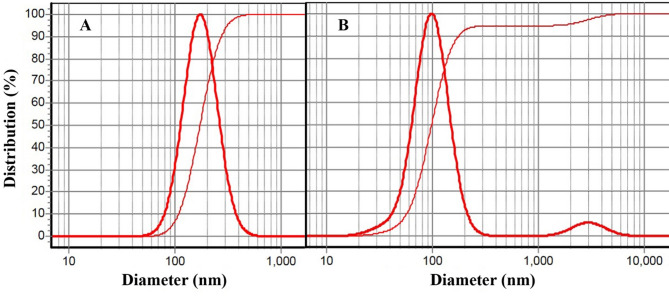
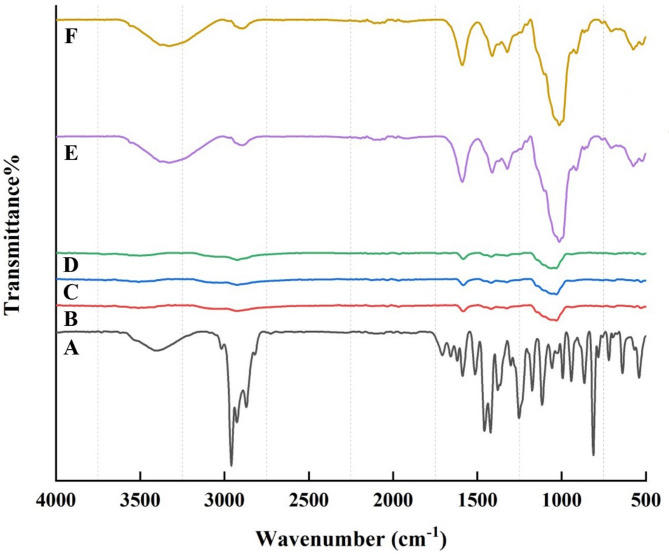
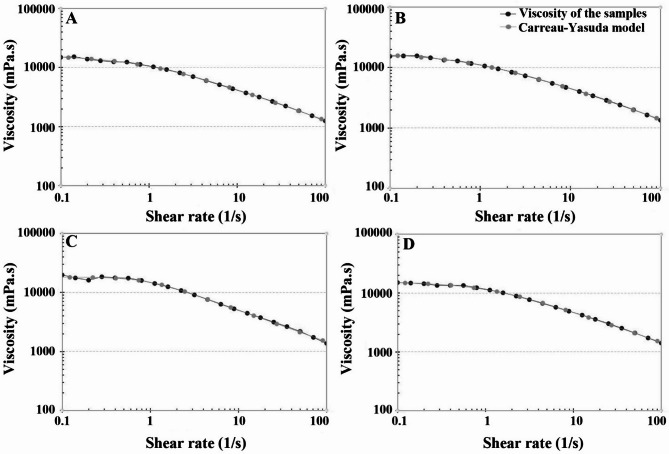
- EO-loaded alginate nanoparticles averaged 175 ± 8 nm (SPAN 0.94), while blank alginate nanoparticles averaged 100 ± 16 nm (SPAN 1.2). ATR-FTIR supported EO incorporation, and all hydrogel formulations showed shear-thinning behavior fitting the Carreau-Yasuda model.
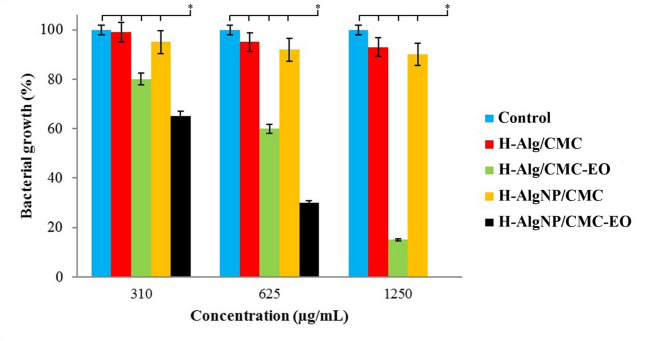
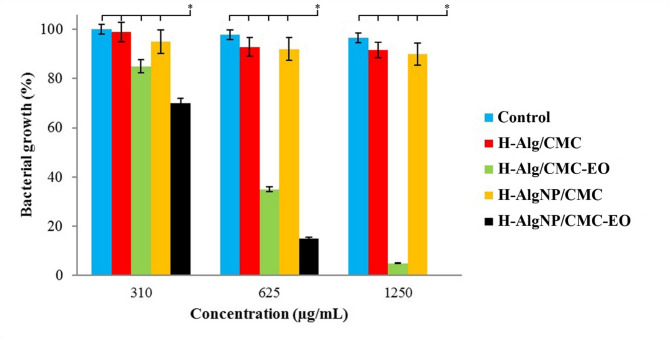
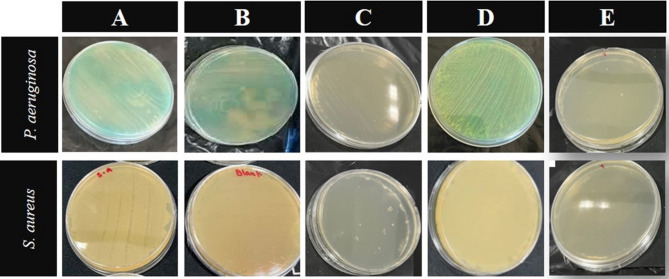
- At 1250 µg/mL, H-AlgNP/CMC-EO produced 100% inhibition of *P. aeruginosa* and *S. aureus*. At 310 and 625 µg/mL, the same formulation was reported as 65% and 30% for *P. aeruginosa*, and 70% and 15% for *S. aureus*; the Results describe it as showing “least efficacy” at lower concentrations, while the Abstract/Discussion describe significantly enhanced activity.
Methods
EO composition was analyzed by GC-MS; AlgNPs were prepared with EO, Tween 20, sodium alginate, and CaCl₂ crosslinking; H-Alg/CMC-EO and H-AlgNP/CMC-EO were prepared with 3.5% w/v CMC, alongside blank hydrogels without EO. Characterization used DLS, ATR-FTIR, and rheometry.
- Antibacterial testing used the AATCC 100 method against *S. aureus* ATCC 25923 and *P. aeruginosa* ATCC 27853 at 310, 625, and 1250 µg/mL; bacterial suspensions (1.5 × 10⁸ CFU/mL) were incubated for 24 h at 37 °C, CFU were quantified, and growth was calculated as CFU sample / CFU control × 100. Experiments were conducted in triplicate with one-way ANOVA and Tukey post hoc test, p < 0.05.
Limitations
The paper states the study was limited to in vitro testing; cytotoxicity assessments and in vivo evaluations are needed to confirm safety, biocompatibility, and clinical applicability.
- Evident from the text: the Results contradict the Abstract/Discussion claim of consistently superior antibacterial activity, because H-AlgNP/CMC-EO showed lower reported inhibition at 310 and 625 µg/mL than several comparator groups; the text also does not clearly reconcile whether values represent growth or inhibition despite the Growth (%) formula. MIC values for the formulated hydrogels were not determined in this study.
Model-written summary. Check it against the paper before relying on it.
Integrity signals
Registry
Cites
Statistics
Figures
Verification
Claims the paper makes
1 Valid · 0 Not valid · 20 Not checked · 21 Own results and interpretations
The cited sources support only part of this claim — read each source’s verdict below.
In the paper
“However, conventional alginate hydrogels loaded with lavender EO required a higher MIC (2000 µg/mL) against S. aureus, highlighting the superior potency of nano-encapsulated S. khuzestanica EO52.”
§ Antibacterial activity of a conventional hydrogel and a nanoparticle based hydrogel containing Satureja khuzestanica essential oil > Discussion
What the sources say
- Partly supportedcites [52] Rusu, A. G. et al. Alginate-based hydrogels enriched with lavender essential oil: Evaluation of physicochemical properties, antimicrobial activity, and in vivo biocompatibility. Pharmaceutics 15 (11), 2608 (2023). 38004586 PMC10675056 sourceExperimental — accuracy not yet measured
Our copy confirms the qualitative half of the attribution: Section 3.7 (Antimicrobial Evaluation of Prepared Hybrid Hydrogels) and the Abstract report that the lavender-oil-loaded alginate/PITAU hydrogels (SA_PITAU3+LVO5/10/15%) were tested against S. aureus ATCC 25923 and that SA_PITAU3+LVO10% gave 'very good antimicrobial activity' versus S. aureus. However, the MIC value of 2000 µg/mL is not supported: Methods 2.10 (Antimicrobial Activity) shows the only susceptibility assay used was the disk diffusion test, with results reported as inhibition-zone diameters in mm (up to ~20 mm for C. albicans, up to 11 mm for controls), and no broth microdilution/MIC determination appears anywhere in the paper (searched: 'MIC / minimum inhibitory concentration 2000 µg/mL', 'µg/mL broth microdilution susceptibility'). The quantitative potency figure the citing sentence attributes to this source therefore has no basis in our copy, and no comparison with nano-encapsulated S. khuzestanica EO is made. (LLM, conf=0.68)
boostedstates an association- Asserted: passes — The authors put it forward as true.
- Checkable: passes — It can be checked against evidence.
- Load-bearing: passes — The paper’s conclusions depend on it.
- Based: passes — The paper gives a reason why it holds.
- Partly supported
None of the sources cited for this claim have been checked yet.
In the paper
“As the Carreau-Yasuda model describes, the observed shear-thinning behavior ensures that the hydrogels maintain high viscosity at rest for structural stability and adhesion while becoming less viscous under shear stress, allowing for easy spreading on irregular wound surfaces33,59.”
§ Antibacterial activity of a conventional hydrogel and a nanoparticle based hydrogel containing Satureja khuzestanica essential oil > Discussion
plain- Asserted: passes — The authors put it forward as true.
- Checkable: passes — It can be checked against evidence.
- Load-bearing: passes — The paper’s conclusions depend on it.
- Based: passes — The paper gives a reason why it holds.
A result the paper reports from its own data — it cites no other source for it, so there is none to check. The quote shows it is in the paper.
In the paper
“The DLS analysis of the alginate nanoparticles loaded with S. khuzestanica EO revealed a narrow and uniform size distribution, which is critical for ensuring consistent therapeutic delivery and enhanced bioavailability.”
§ Antibacterial activity of a conventional hydrogel and a nanoparticle based hydrogel containing Satureja khuzestanica essential oil > Discussion
plain- Asserted: passes — The authors put it forward as true.
- Checkable: passes — It can be checked against evidence.
- Load-bearing: passes — The paper’s conclusions depend on it.
- Based: passes — The paper gives a reason why it holds.
A result the paper reports from its own data — it cites no other source for it, so there is none to check. The quote shows it is in the paper.
In the paper
“The GC-MS analysis of S. khuzestanica EO identified 28 distinct components (Table 1).”
§ Antibacterial activity of a conventional hydrogel and a nanoparticle based hydrogel containing Satureja khuzestanica essential oil > Result > GC-MS analysis
plain- Asserted: passes — The authors put it forward as true.
- Checkable: passes — It can be checked against evidence.
- Load-bearing: unclear — It is unclear whether the paper’s conclusions depend on it.
- Based: passes — The paper gives a reason why it holds.
A result the paper reports from its own data — it cites no other source for it, so there is none to check. The quote shows it is in the paper.
In the paper
“Most of the components consisted of ortho-cymene, carvacrol, gamma-terpinene, thymol, and limonene, which are the primary chemicals of the EO.”
- Also stated in: § Abstract · plain
“GC-MS identified carvacrol, thymol, gamma-terpinene, ortho-cymene, and limonene as the major bioactive compounds.”
§ Antibacterial activity of a conventional hydrogel and a nanoparticle based hydrogel containing Satureja khuzestanica essential oil > Result > GC-MS analysis
plain- Asserted: passes — The authors put it forward as true.
- Checkable: passes — It can be checked against evidence.
- Load-bearing: passes — The paper’s conclusions depend on it.
- Based: passes — The paper gives a reason why it holds.
- Also stated in: § Abstract · plain
15 more claims
Create a free account to see all 42 claims and to verify the 31 references still open.
- It may state two separate claims as one. 16
- Probably not a substantial claim. 9
- The quote only partly states this claim. 2
Self-check
Percentages, sums and reported differences re-computed from the paper’s own numbers.
Each contradiction between two passages listed here was confirmed by an independent check.
Rated major: it would touch a result — a value a result rests on, reported and recomputed p-values on opposite sides of the significance level, two passages that conflict with no sign which is right, or a cited work retracted before this paper was published.
In the paper
§ Antibacterial activity of a conventional hydrogel and a nanoparticle based hydrogel containing Satureja khuzestanica essential oil > Result > Antibacterial efficacy
“The H-Alg/CMC group displayed minimal antibacterial activity, with inhibition rates of 99% at 310 µg/mL, 95% at 625 µg/mL, and 93% at 1250 µg/mL.”
§ Antibacterial activity of a conventional hydrogel and a nanoparticle based hydrogel containing Satureja khuzestanica essential oil > Result > Antibacterial efficacy
“The H-Alg/CMC-EO group showed significantly more potent inhibition, with 80% at 310 µg/mL, 60% at 625 µg/mL, and 15% at 1250 µg/mL.”
Rated major: it would touch a result — a value a result rests on, reported and recomputed p-values on opposite sides of the significance level, two passages that conflict with no sign which is right, or a cited work retracted before this paper was published.
In the paper
§ Antibacterial activity of a conventional hydrogel and a nanoparticle based hydrogel containing Satureja khuzestanica essential oil > Discussion
“The present study demonstrated that H-AlgNP/CMC-EO exhibited significantly higher antibacterial activity against S. aureus and P. aeruginosa across all tested concentrations (310, 625, and 1250 µg/mL).”
§ Antibacterial activity of a conventional hydrogel and a nanoparticle based hydrogel containing Satureja khuzestanica essential oil > Result > Antibacterial efficacy
“In contrast, the H-AlgNP/CMC group exhibited better antibacterial effects, with 95% inhibition at 310 µg/mL, 92% at 625 µg/mL, and 90% at 1250 µg/mL. The H-AlgNP/CMC-EO group showed the least efficacy, with 65% inhibition at 310 µg/mL, 30% at 625 µg/mL, and 100% inhibition at 1250 µg/mL.”
Citations
Cites
Recent Developments of Carboxymethyl Cellulose
Rahman, M. S., Hasan, M. S., Nitai, A. S., Nam, S., Karmakar, A. K., Ahsan, M. S., Shiddiky, M. J. A., & Ahmed, M. B. (2021) · Polymers · doi:10.3390/polym13081345 · Cited by 882
Ciofu, O., & Tolker-Nielsen, T. (2019) · Frontiers in Microbiology · doi:10.3389/fmicb.2019.00913 · Cited by 842
Chronic wound infections: the role of Pseudomonas aeruginosa and Staphylococcus aureus
Serra, R., Grande, R., Butrico, L., Rossi, A., Settimio, U. F., Caroleo, B., Amato, B., Gallelli, L., & de Franciscis, S. (2015) · Expert Review of Anti-infective Therapy · doi:10.1586/14787210.2015.1023291 · Cited by 648
Daemi, H., & Barikani, M. (2012) · Scientia Iranica · doi:10.1016/j.scient.2012.10.005 · Cited by 610
Alginate Nanoparticles for Drug Delivery and Targeting
Severino, P., da Silva, C. F., Andrade, L. N., de Lima Oliveira, D., Campos, J., & Souto, E. B. (2019) · Current Pharmaceutical Design · doi:10.2174/1381612825666190425163424 · Cited by 304
Carboxymethyl cellulose-based oral delivery systems
Javanbakht, S., & Shaabani, A. (2019) · International Journal of Biological Macromolecules · doi:10.1016/j.ijbiomac.2019.04.079 · Cited by 281
Hasheminya, S.-M., Mokarram, R. R., Ghanbarzadeh, B., Hamishekar, H., Kafil, H. S., & Dehghannya, J. (2019) · Food Chemistry · doi:10.1016/j.foodchem.2019.03.076 · Cited by 177
The Wonderful Activities of the Genus Mentha: Not Only Antioxidant Properties
Tafrihi, M., Imran, M., Tufail, T., Gondal, T. A., Caruso, G., Sharma, S., Sharma, R., Atanassova, M., Atanassov, L., Valere Tsouh Fokou, P., et al. (2021) · Molecules · doi:10.3390/molecules26041118 · Cited by 172
Hydrogels in the clinic: An update
Clegg, J. R., Adebowale, K., Zhao, Z., & Mitragotri, S. (2024) · Bioengineering & Translational Medicine · doi:10.1002/btm2.10680 · Cited by 157
Microbial monoterpene transformations—a review
Marmulla, R., & Harder, J. (2014) · Frontiers in Microbiology · doi:10.3389/fmicb.2014.00346 · Cited by 145
Miladi, H., Zmantar, T., Kouidhi, B., Al Qurashi, Y. M. A., Bakhrouf, A., Chaabouni, Y., Mahdouani, K., & Chaieb, K. (2017) · Microbial Pathogenesis · doi:10.1016/j.micpath.2017.09.057 · Cited by 134
AgNP/Alginate Nanocomposite hydrogel for antimicrobial and antibiofilm applications
Porter, G. C., Schwass, D. R., Tompkins, G. R., Bobbala, S. K. R., Medlicott, N. J., & Meledandri, C. J. (2020) · Carbohydrate Polymers · doi:10.1016/j.carbpol.2020.117017 · Cited by 133
Wang, T., Zheng, Y., Shi, Y., & Zhao, L. (2018) · Drug Delivery and Translational Research · doi:10.1007/s13346-018-00609-8 · Cited by 132
Urzedo, A. L., Gonçalves, M. C., Nascimento, M. H. M., Lombello, C. B., Nakazato, G., & Seabra, A. B. (2020) · ACS Biomaterials Science & Engineering · doi:10.1021/acsbiomaterials.9b01685 · Cited by 124
Bialvaei, A. Z., Rahbar, M., Hamidi-Farahani, R., Asgari, A., Esmailkhani, A., Mardani-Dashti, Y., & Soleiman-Meigooni, S. (2021) · Microbial Pathogenesis · doi:10.1016/j.micpath.2021.104789 · Cited by 122
Patel, K. K., Tripathi, M., Pandey, N., Agrawal, A. K., Gade, S., Anjum, M. M., Tilak, R., & Singh, S. K. (2019) · International Journal of Pharmaceutics · doi:10.1016/j.ijpharm.2019.03.051 · Cited by 115
Tang, C., Chen, J., Zhang, L., Zhang, R., Zhang, S., Ye, S., Zhao, Z., & Yang, D. (2020) · International Journal of Medical Microbiology · doi:10.1016/j.ijmm.2020.151435 · Cited by 113
Novel nanocomposite hydrogel for wound dressing and other medical applications
Hebeish, A., & Sharaf, S. (2015) · RSC Advances · doi:10.1039/c5ra07076g · Cited by 102
Synergism in the essential oil world
Harris, R. (2002) · International Journal of Aromatherapy · doi:10.1016/s0962-4562(02)00083-8 · Cited by 93
Trifan, A., Luca, S. V., Greige-Gerges, H., Miron, A., Gille, E., & Aprotosoaie, A. C. (2020) · Critical Reviews in Microbiology · doi:10.1080/1040841x.2020.1782339 · Cited by 80
Mazarei, Z., & Rafati, H. (2019) · LWT · doi:10.1016/j.lwt.2018.10.094 · Cited by 77
Silver-Incorporated Nanocellulose Fibers for Antibacterial Hydrogels
Shin, J. U., Gwon, J., Lee, S.-Y., & Yoo, H. S. (2018) · ACS Omega · doi:10.1021/acsomega.8b02180 · Cited by 77
Sousa, R., Morais, S. A. L., Vieira, R. B. K., Napolitano, D. R., Guzman, V. B., Moraes, T. S., Cunha, L. C. S., Martins, C. H. G., Chang, R., de Aquino, F. J. T., et al. (2014) · Industrial Crops and Products · doi:10.1016/j.indcrop.2014.11.050 · Cited by 73
Spray-by-spray in situ cross-linking alginate hydrogels delivering a tea tree oil microemulsion
Catanzano, O., Straccia, M. C., Miro, A., Ungaro, F., Romano, I., Mazzarella, G., Santagata, G., Quaglia, F., Laurienzo, P., & Malinconico, M. (2014) · European Journal of Pharmaceutical Sciences · doi:10.1016/j.ejps.2014.09.018 · Cited by 67
Ghazal, T. S. A., Schelz, Z., Vidács, L., Szemerédi, N., Veres, K., Spengler, G., & Hohmann, J. (2022) · Plants · doi:10.3390/plants11111432 · Cited by 60
Miryala, S. K., Anbarasu, A., & Ramaiah, S. (2019) · Microbial Pathogenesis · doi:10.1016/j.micpath.2019.103668 · Cited by 58
Tabatabaeain, S. F., Karimi, E., & Hashemi, M. (2022) · Frontiers in Chemistry · doi:10.3389/fchem.2022.904973 · Cited by 53
Saei‐Dehkordi, S. S., Fallah, A. A., Heidari‐Nasirabadi, M., & Moradi, M. (2012) · International Journal of Food Science & Technology · doi:10.1111/j.1365-2621.2012.03006.x · Cited by 44
Roozitalab, G., Yousefpoor, Y., Abdollahi, A., Safari, M., Rasti, F., & Osanloo, M. (2022) · Chemical Papers · doi:10.1007/s11696-022-02185-1 · Cited by 41
Self-citationOsanloo, M., Firooziyan, S., Abdollahi, A., Hatami, S., Nematollahi, A., Elahi, N., & Zarenezhad, E. (2022) · BMC Research Notes · doi:10.1186/s13104-022-06135-8 · Cited by 39
Self-citationMoemenbellah‐Fard, M. D., Shahriari-Namadi, M., Kelidari, H., Nejad, Z. B., Ghasemi, H., & Osanloo, M. (2020) · International Journal of Tropical Insect Science · doi:10.1007/s42690-020-00325-2 · Cited by 35
Self-citationAbdollahi, A., Fereydouni, N., Moradi, H., Karimivaselabadi, A., Zarenezhad, E., & Osanloo, M. (2024) · BMC Complementary Medicine and Therapies · doi:10.1186/s12906-024-04435-z · Cited by 35
Self-citationGeorge, L., Bavya, M. C., Rohan, K. V., & Srivastava, R. (2017) · Colloids and Surfaces B Biointerfaces · doi:10.1016/j.colsurfb.2017.09.030 · Cited by 34
Zhao, H., Xie, M., He, S., Lin, S., Wang, S., & Liu, X. (2025) · Gels · doi:10.3390/gels11040287 · Cited by 33
Rusu, A. G., Niță, L. E., Roșca, I., Croitoriu, A., Ghilan, A., Mititelu-Tarțău, L., Grigoraș, A. V., Crețu, B.-E.-B., & Chiriac, A. P. (2023) · Pharmaceutics · doi:10.3390/pharmaceutics15112608 · Cited by 32
Antibacterial activity of endemic Satureja Khuzistanica Jamzad essential oil against oral pathogens.
Seghatoleslami, S., Samadi, N., Salehnia, A., & Azimi, S. (2009) · Iranian endodontic Journal/Iranian endodontic journal. · doi:10.22037/iej.v4i1.1129 · Cited by 30
Cruz Sánchez, E., García, M. T., Pereira, J., Oliveira, F., Craveiro, R., Paiva, A., Gracia, I., García-Vargas, J. M., & Duarte, A. R. C. (2023) · Molecules · doi:10.3390/molecules28093689 · Cited by 29
Rashidipour, M., Ashrafi, B., Nikbakht, M. R., Veiskarami, S., Taherikalani, M., & Soroush, S. (2021) · Preparative Biochemistry & Biotechnology · doi:10.1080/10826068.2021.1881907 · Cited by 27
Osanloo, M., Yousefpoor, Y., Alipanah, H., Ghanbariasad, A., Jalilvand, M., & Amani, A. (2022) · Jordan Journal of Pharmaceutical Sciences · doi:10.35516/jjps.v15i2.319 · Cited by 23
Self-citationBiological Activity of Monoterpene-Based Scaffolds: A Natural Toolbox for Drug Discovery
Mołdoch, J., Agacka-Mołdoch, M., Jóźwiak, G., & Wojtunik-Kulesza, K. (2025) · Molecules · doi:10.3390/molecules30071480 · Cited by 23
Duan, X., Li, X., Li, X., Wang, S., Zhang, F.-Q., & Qian, P. (2023) · Microbiology Spectrum · doi:10.1128/spectrum.05050-22 · Cited by 21
Aldawsari, M. F., Foudah, A. I., Rawat, P., Alam, A., & Salkini, M. A. (2023) · Gels · doi:10.3390/gels9090741 · Cited by 18
Saini, M., Gaurav, A., Kothari, A., Omar, B. J., Gupta, V., Bhattacharjee, A., & Pathania, R. (2023) · ACS Infectious Diseases · doi:10.1021/acsinfecdis.2c00622 · Cited by 17
Valizadeh, A., Hosseinzadeh, M., Heiran, R., Hatami, S., Hosseinipour, A., & Osanloo, M. (2024) · Polymer Bulletin · doi:10.1007/s00289-023-04797-3 · Cited by 16
Self-citationAghajani, F., Rafati, H., Aliahmadi, A., & Moghimi, R. (2024) · Carbohydrate Polymer Technologies and Applications · doi:10.1016/j.carpta.2024.100544 · Cited by 16
Osanloo, M., Firoozian, S., Zarenezhad, E., Montaseri, Z., & Satvati, S. (2022) · Interdisciplinary Perspectives on Infectious Diseases · doi:10.1155/2022/1645485 · Cited by 13
Self-citationRanjbar, A., Osanloo, M., Safari, M., Eskandari, Z., Safari, E., & Nematollahi, A. (2024) · Food Science & Nutrition · doi:10.1002/fsn3.4684 · Cited by 11
Self-citationMahboubi, M., & Kazempour, N. (2016) · Jundishapur Journal of Natural Pharmaceutical Products · doi:10.17795/jjnpp-30034 · Cited by 10
DAVARZANI, F., SAIDI, N., BESHARATI, S., SADERI, H., RASOOLI, I., & OWLIA, P. (2021) · Iranian Journal of Public Health · doi:10.18502/ijph.v50i2.5349 · Cited by 10
Dehbashi, S., Pourmand, M. R., Alikhani, M. Y., Asl, S. S., & Arabestani, M. R. (2020) · Infection Genetics and Evolution · doi:10.1016/j.meegid.2020.104509 · Cited by 9
Miranda, C. S., Antunes, J. C., Homem, N. C., & Felgueiras, H. P. (2020) · The First International Conference on “Green” Polymer Materials 2020 · doi:10.3390/cgpm2020-07181 · Cited by 9
Issazadeh, K., Shokri-Fashtali, S., Ghaemi, N., Massiha, A., Assmar, M., & Akbari-Shahabi, S. (2014) · Zahedan Journal of Research in Medical Sciences · Cited by 6
Moradi, D. E. F., Foladi, A. A. I., & Bahador, A. (2015) · Pharmaceutical Regulatory Affairs Open Access · doi:10.4172/2167-7689.1000151 · Cited by 6
Fraternale, D., Genovese, S., & Ricci, D. (2013) · Natural Product Communications · doi:10.1177/1934578x1300800431 · Cited by 4
Essential oil constituents and antimicrobial activities of Iranian Satureja khuzistanica Jamzad
(2015) · International Journal of Biosciences (IJB) · doi:10.12692/ijb/6.3.249-257
(2017) · Annals of Medical and Health Sciences Research
(2020) · doi:10.30476/ijms.2019.72570
(2021) · doi:10.22034/nmrj.2021.03.002
Self-citationGolparvar, A. R., Gheisari, M. M., Hadipanah, A., & Khorrami, M. (2018) · Journal of Herbal Drugs · doi:10.14196/jhd.2018.243
Research works printed but not linked: 1
- Shahrabi, S., Fazlara, A. & Zand Moghaddam, A. The effect of Satureja khuzestanica essential oil on E. coli in Iranian white cheese. Int. J. Food Microbiol. 4 (1), 53–63 (2017).
Cited by
Yi, W., Luo, Z., Wang, Y., Xu, C., & Li, Y. (2025) · Polymers · doi:10.3390/polym17212964 · Cited by 18
Ranatunga, B., Sekar, M., Hashmi, A. R., Zahra, F., Ravi, R. N., Kumar, B. R. P., Hamod, M. A., Hamood, N. A., Begum, M. Y., Wong, L., et al. (2026) · Drug Design Development and Therapy · doi:10.2147/dddt.s578261 · Cited by 16
Rajabi, H., Kamsrijai, U., Teerapattarakan, N., Noiprasert, S., Huang, Z., Pignitter, M., & Rawdkuen, S. (2026) · Materials Advances · doi:10.1039/d5ma01412c · Cited by 8
Alburqan, M., Veres, K., & Hohmann, J. (2026) · Pharmaceuticals · doi:10.3390/ph19060875 · Cited by 3
Mahmood, A., Mansoor, H. B., Hafeez, G., Ma, A., & Jan, S. A. (2026) · doi:10.5281/zenodo.19319952
Metadata
- Authors
- Saboori, K., Nassira, M., Safari, M., Namdar, N., Montaseri, Z., & Osanloo, M.
- Affiliations
- Fasa University of Medical Sciences (IR)
- Iran University of Medical Sciences (IR)
- Corresponding author
- Montaseri, Zahra
- Osanloo, Mahmoud
- Venue
- Scientific Reports
- Published
- 2025-07-01
- Volume
- 15
- Issue
- 1
- Pages
- 21267-21267
- ISSN
- 2045-2322 (ISSN-L)
- PMC
- PMC12215506
- OpenAlex
- W4411868902
- Semantic Scholar
- 72c6e34061914ae04b7eaeaec5ee0011772b7a5d
- Cited by
- 12
- References
- 54
- Citations by year
- 2026: 11 · 2025: 1
- FWCI
- 4.13
- Type
- journal article
- Language
- en
- Open access
- gold
- doi.org
- Licence
- cc-by-nc-nd
- creativecommons.org/licenses/by-nc-nd/4.0 (tdm)
- creativecommons.org/licenses/by-nc-nd/4.0 (vor)
- Locations
- Scientific Reports (publishedVersion, cc-by-nc-nd)
- PubMed (publishedVersion)
- PubMed Central (publishedVersion, cc-by-nc-nd)
- DOAJ (DOAJ: Directory of Open Access Journals) (submittedVersion, cc-by-sa)
- Funders
- Fasa University of Medical Sciences (403081)
- Topics
- Life Sciences › Agricultural and Biological Sciences › Food Science › Essential Oils and Antimicrobial Activity
- Physical Sciences › Materials Science › Biomaterials › Hydrogels: synthesis, properties, applications
- Life Sciences › Immunology and Microbiology › Applied Microbiology and Biotechnology › Antimicrobial agents and applications
- Keywords
- Satureja khuzistanica, essential oils, antibacterial activity, hydrogels, alginate nanoparticles, carboxymethyl cellulose, Staphylococcus aureus, Pseudomonas aeruginosa, carvacrol, thymol, encapsulation efficiency, rheological properties, shear thinning, Carreau-Yasuda model, antibiotic resistance, bacterial infection
- MeSH terms
- Cymenes, Alginates, Anti-Bacterial Agents, Gas Chromatography-Mass Spectrometry, Microbial Sensitivity Tests, Oils, Volatile, Pseudomonas aeruginosa, Rheology, Staphylococcus aureus, Hydrogels, Satureja, Nanoparticles
About these checks
Registry, retraction, Cites and statistics results are computed, not judged, with one exception: a printed reference that no index lists is read once by a model before it counts as a citation error. Claims are extracted by a model and kept only when their quote appears verbatim in the text; each cited source is then checked, with a model’s help, for whether it says what the claim relies on. Those verdicts can be wrong — read the claim’s quote and the cited source before relying on one.
The claim verdicts this report counts are experimental: their accuracy is not yet measured.
A language model drew the claims from the paper on 2026-11-15, under version 3 of the claim definition (model deepseek-v4.1-flash, prompt extract-v3).
A second model labelled each claim on 2026-11-15 (model jev-1.13-20260917, definition revision gold-guideline-v0.2).
Cited sources are checked with a language model’s help (qwen3.8-omni-flash).
Statistics and arithmetic are recomputed, not judged.
Confidence bands are shown only for fields calibrated on our annotated test set. None is calibrated yet, so no band is shown.
What counts as a claim ›How we measure confidence ›How we check this ›
Are you an author, or do you see a problem with this page? Request a review
Data sources
Bibliographic data: Semantic Scholar, OpenAlex, Crossref.
Contains information from the Semantic Scholar Academic Graph Datasets, made available under the ODC Attribution License (ODC-BY 1.0).
Semantic Scholar’s data is described in: Kinney, R., et al. (2023). The Semantic Scholar Open Data Platform. arXiv:2301.10140.
