

In vitro investigation of osteogenic differentiation and bone regeneration potential of magnesium oxide nanoparticles incorporated into bacterial cellulose/silk fibroin scaffolds
Open accessThe DOI matches its Crossref record; 42 of the 48 references it cites were found in a registry or an index.
Abstract
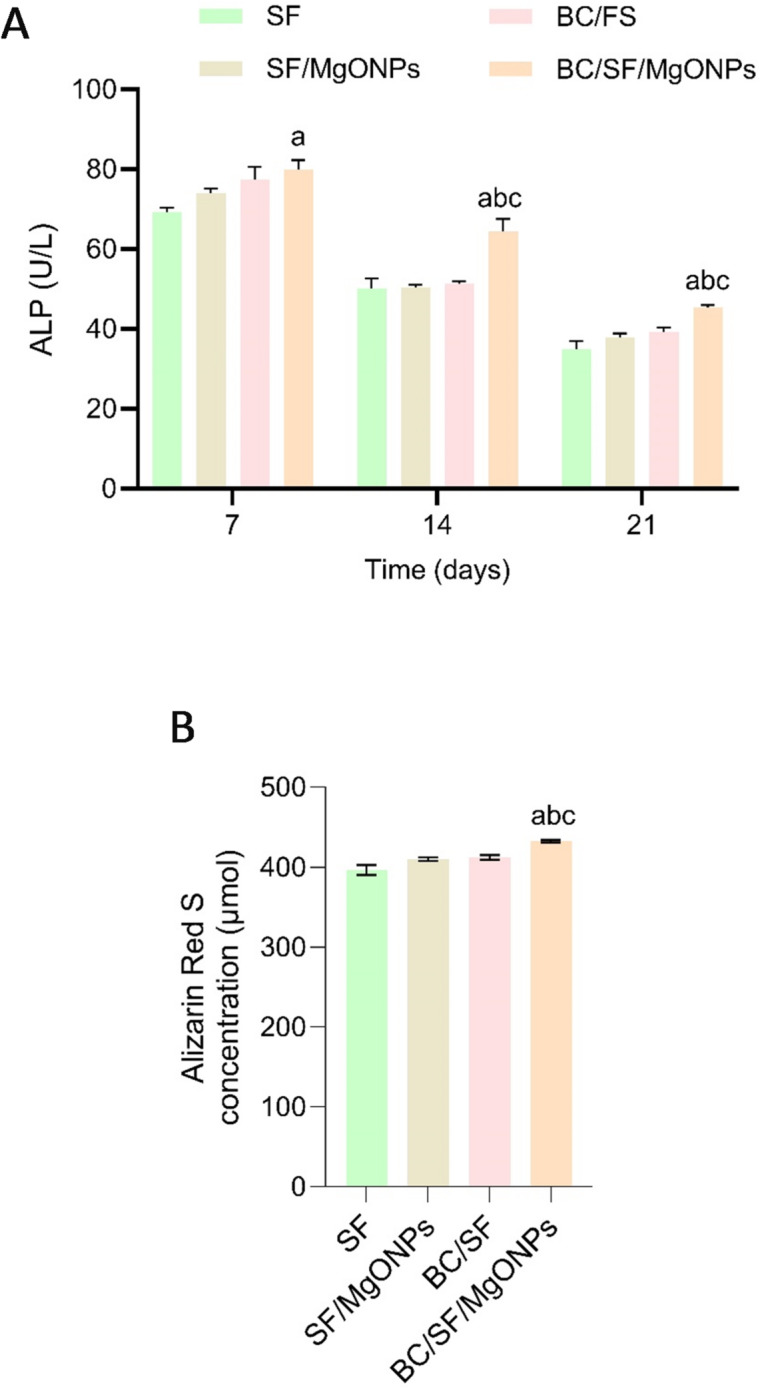
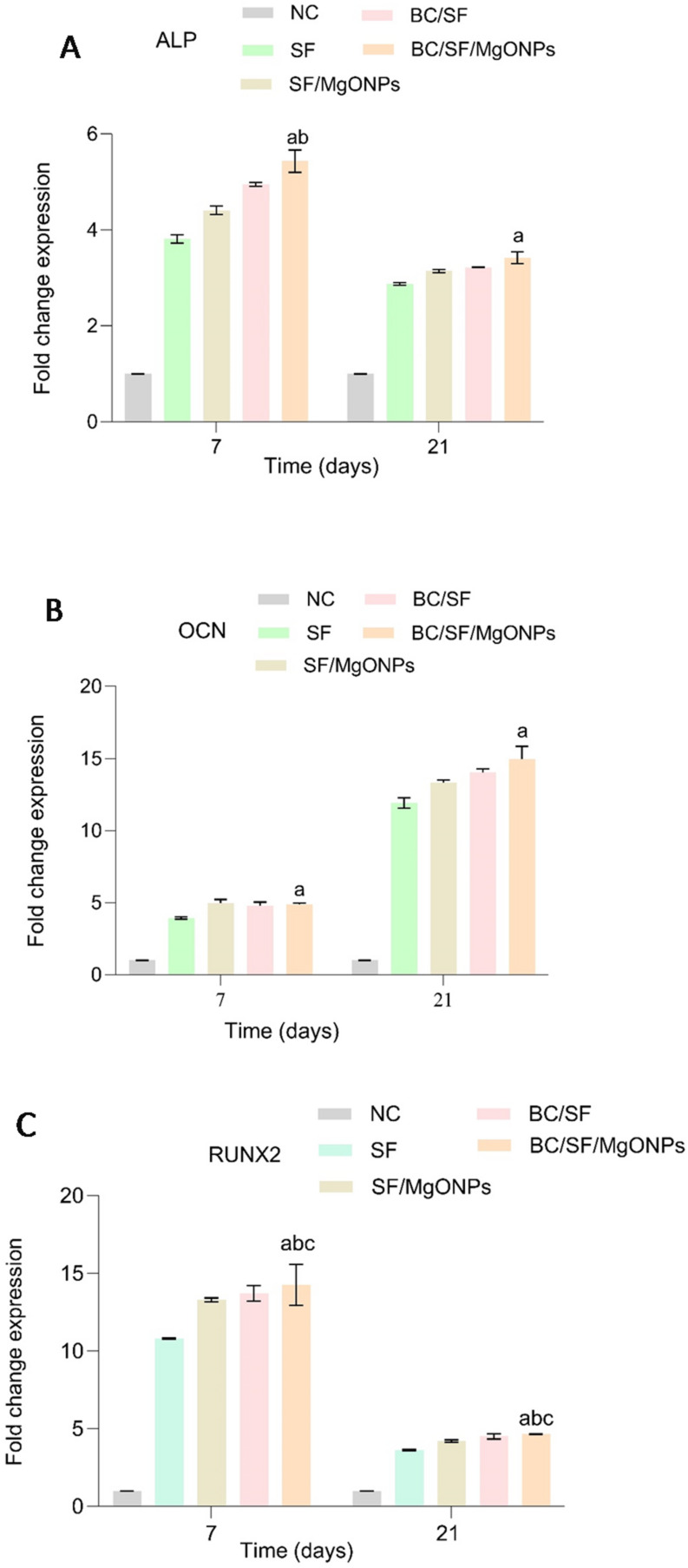
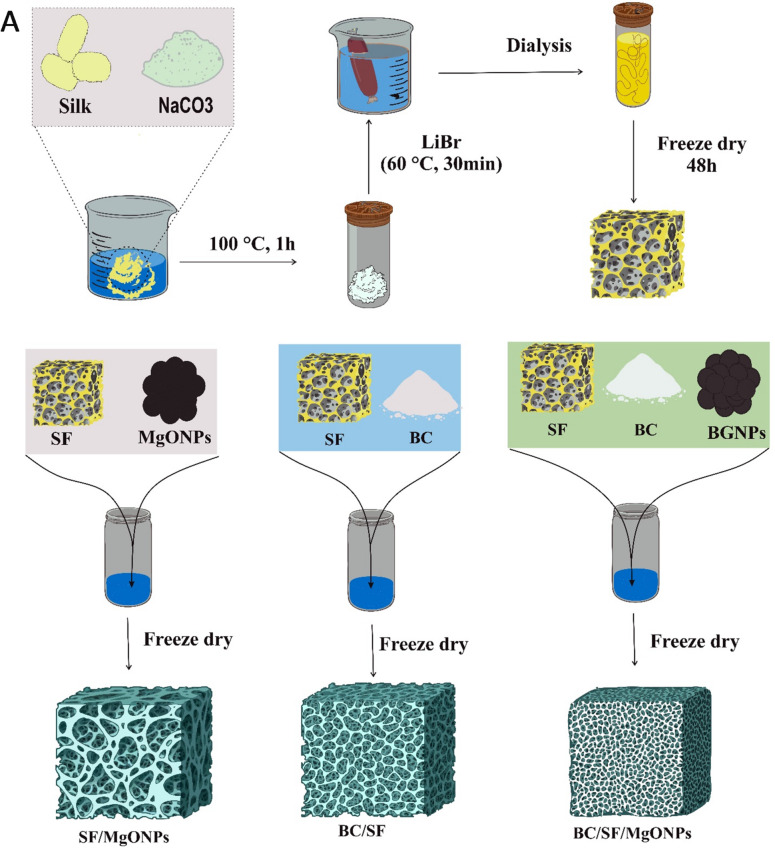
This study developed porous scaffolds composed of silk fibroin (SF), bacterial cellulose (BC), and magnesium oxide nanoparticles (MgONPs) via freeze-drying to investigate their potential for bone tissue engineering (BTE). The scaffolds were characterized using scanning electron microscopy (SEM) and Fourier transform infrared spectroscopy (FTIR), and assessed for porosity, compressive strength, swelling ratio, and degradation rate. Biological evaluations included cell attachment, proliferation, and osteogenic differentiation of human adipose-derived stem cells (hASCs). Results indicated that the incorporation of MgONPs influenced scaffold properties, leading to a decrease in pore size and swelling capacity (p = 0.001). MTT assay confirmed high cell viability across all scaffolds, with BC/SF/MgONPs demonstrating enhanced biocompatibility after 72 h (p = 0.016 vs. SF). Furthermore, BC/SF and BC/SF/MgONPs scaffolds exhibited minimal hemolysis, suggesting improved hemocompatibility. Alkaline phosphatase (ALP) activity and alizarin red S staining analyses revealed significantly increased osteogenic potential for BC/SF/MgONPs scaffolds compared to SF scaffolds (p = 0.027 and p = 0.002, respectively vs. SF). Consistent with these findings, BC/SF/MgONPs scaffolds led to a significant increase in the expression of early and late osteogenic markers, namely RUNX2 (p = 0.001), ALP (p = 0.002), and BGLAP (p = 0.016). These findings demonstrate that BC/SF/MgONPs scaffolds may represent an effective system for promoting the osteogenic differentiation of hASCs and hold promise for BTE applications.
Overview
The claims and statistics of this paper haven’t been checked yet.
Free: it reads the open-access text and checks the first 5 claims that cite a source we can check. Create a free account to check every claim.
Integrity signals
Registry
Cites
Statistics
Figures
Verification
Claims the paper makes
The claims and statistics of this paper haven’t been checked yet.
Free: it reads the open-access text and checks the first 5 claims that cite a source we can check. Create a free account to check every claim.
Self-check
Percentages, sums and reported differences re-computed from the paper’s own numbers.
The self-check needs the paper’s full text.
Citations
Cites
Murphy, C. M., Haugh, M. G., & O'Brien, F. J. (2010) · Biomaterials · doi:10.1016/j.biomaterials.2009.09.063 · Cited by 2,056
Alkaline phosphatase: Structure, expression and its function in bone mineralization
Vimalraj, S. (2020) · Gene · doi:10.1016/j.gene.2020.144855 · Cited by 907
Bacterial Cellulose-Based Composite Scaffolds for Biomedical Applications: A Review
Liu, W., Du, H., Zhang, M., Liu, K., Liu, H., Xie, H., Zhang, X., & Si, C. (2020) · ACS Sustainable Chemistry & Engineering · doi:10.1021/acssuschemeng.0c00125 · Cited by 447
Biodegradable Polymers as the Pivotal Player in the Design of Tissue Engineering Scaffolds
Zhang, F., & King, M. W. (2020) · Advanced Healthcare Materials · doi:10.1002/adhm.201901358 · Cited by 309
The role of magnesium ions in bone regeneration involves the canonical Wnt signaling pathway
Hung, C.-C., Chaya, A., Liu, K., Verdelis, K., & Sfeir, C. (2019) · Acta Biomaterialia · doi:10.1016/j.actbio.2019.06.001 · Cited by 237 · cited 1×
“Enhanced RUNX2 expression further suggests that Mg 2+ released from MgONPs activates key osteogenic signaling pathways, including Wnt/β-catenin signaling 40 .”
Mao, Z., Bi, X., Yu, C., Chen, L., Shen, J., Huang, Y., Wu, Z., Qi, H., Guan, J., Shu, X., et al. (2024) · Nature Communications · doi:10.1038/s41467-024-48417-8 · Cited by 165
Nguyen, N. T. T., Nguyen, L. M., Nguyen, T. T. T., Tran, U. P. N., Nguyen, D. T. C., & Tran, T. V. (2022) · Chemosphere · doi:10.1016/j.chemosphere.2022.137301 · Cited by 126 · cited 1×
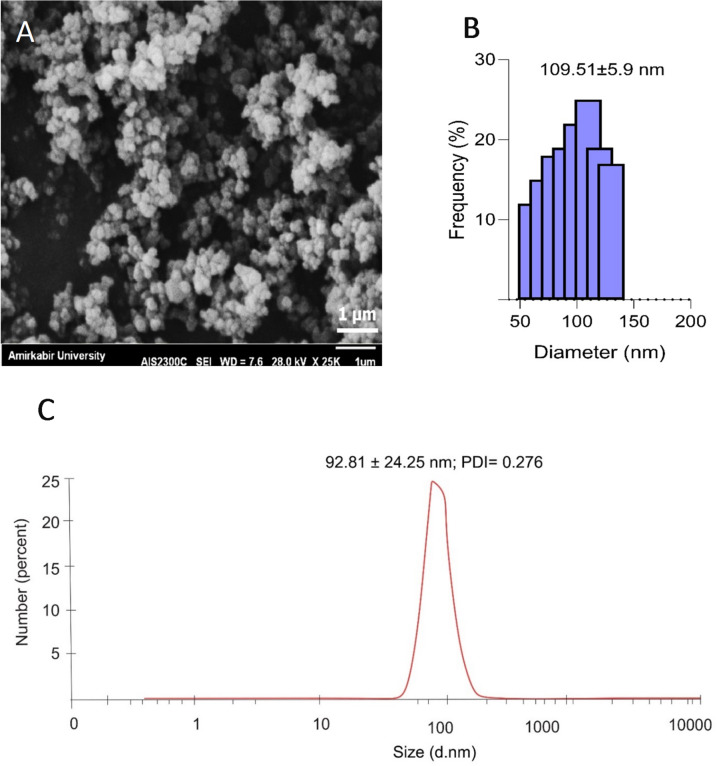
“These features, consistent with similar MgONPs synthesis methods, are crucial for enhancing nanoparticle dispersion and interactions within polymeric matrices 15,19 .”
Zhou, H., He, Z., Cao, Y., Chu, L., Liang, B., Yu, K., & Deng, Z. (2024) · Theranostics · doi:10.7150/thno.97412 · Cited by 115 · cited 1×
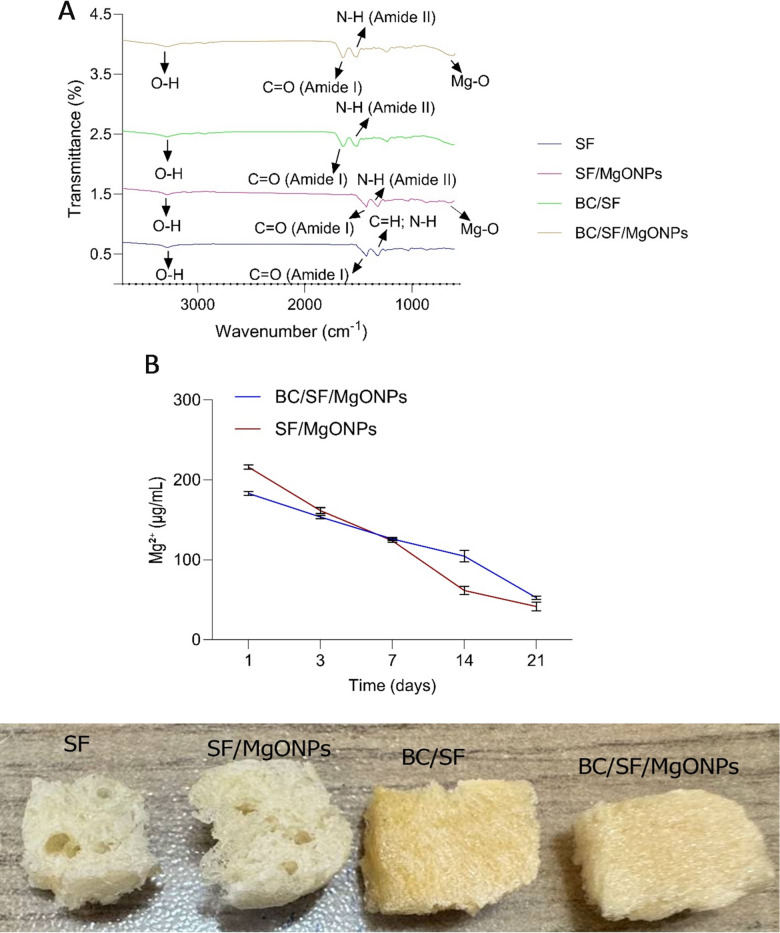
“This sustained release is primarily attributed to the synergistic entrapment of MgONPs within the integrated BC/SF scaffolds, which modulates ion diffusion through the polymeric interstices 36 .”
Biomedical applications of chitosan/silk fibroin composites: A review
Xing, X., Han, Y., & Cheng, H. (2023) · International Journal of Biological Macromolecules · doi:10.1016/j.ijbiomac.2023.124407 · Cited by 104 · cited 1×
“To overcome these limitations, SF has been combined with other polymers, such as chitosan, to enhance mechanical strength 20 .”
Engineered MgO nanoparticles for cartilage-bone synergistic therapy
Zheng, L., Zhao, S., Li, Y., Xu, J., Yan, W., Guo, B., Xu, J., Jiang, L., Zhang, Y., Wei, H., et al. (2024) · Science Advances · doi:10.1126/sciadv.adk6084 · Cited by 98 · cited 1×
“Additionally, the presence of MgONPs could help stabilize the local pH, thereby reducing the risk of accelerated hydrolysis often associated with localized acidic shifts 28 .”
Wenhao, Z., Zhang, T., Yan, J., Li, Q., Xiong, P., Li, Y., Cheng, Y., & Zheng, Y. (2020) · Acta Biomaterialia · doi:10.1016/j.actbio.2020.08.040 · Cited by 79
Verma, N., Pramanik, K., Singh, A. K., & Biswas, A. (2021) · Materials Technology · doi:10.1080/10667857.2021.1873634 · Cited by 71 · cited 1×
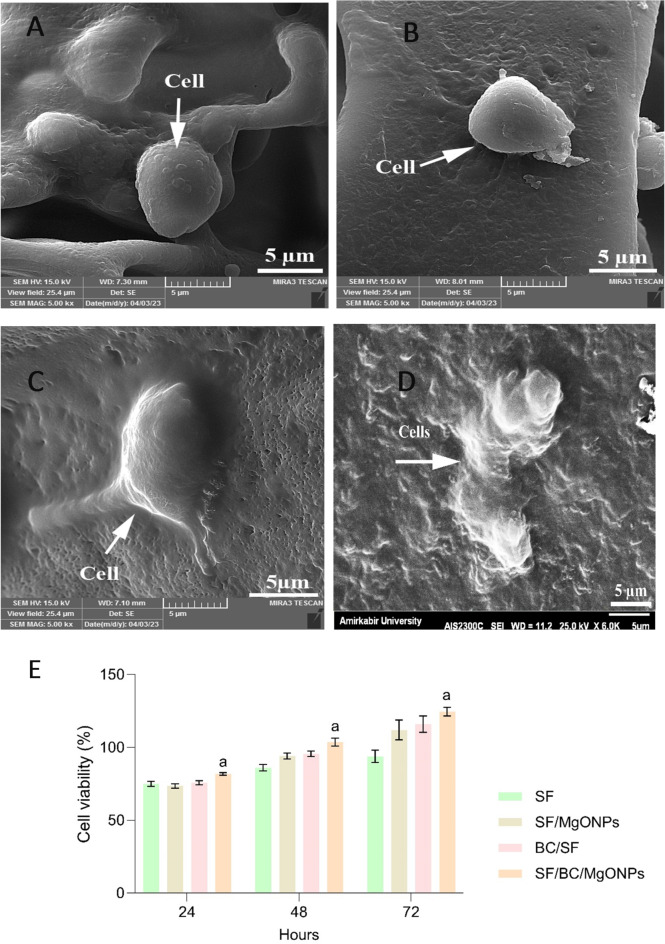
“…higher cell survival compared to SF and BC/SF scaffolds, consistent with previous studies reporting the beneficial effects of MgONPs on biocompatibility 34,35 . hASCs also maintained their spherical shape when cultured in BC/SF, whereas those in BC/SF/MgONPs exhibited an elongated morphology.”
Chen, J., Zhuang, A., Shao, H., Hu, X., & Zhang, Y. (2017) · Journal of Materials Chemistry B · doi:10.1039/c7tb00485k · Cited by 66 · cited 5×
“This attenuation of release rates is attributed to the dense, interconnected fibrillar morphology of BC 4 , which enhances the tortuosity of the diffusion pathways, thereby impeding the outward flux of Mg 2+ ions.”
InfluentialWang, Y., Liu, Y., Chen, S., Siu, M.-F. F., Liu, C., Bai, J., & Wang, M. (2024) · Bioactive Materials · doi:10.1016/j.bioactmat.2024.11.024 · Cited by 63 · cited 1×
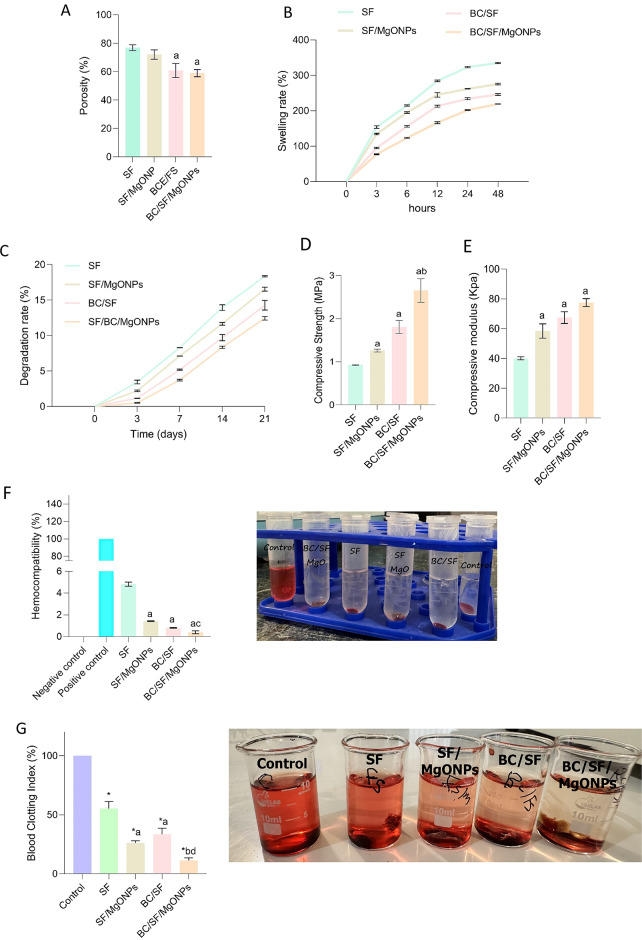
“Although optimal pore size for osteogenesis remains context-dependent ranging from approximately 100–400 μm, some studies suggest that larger macroscopic pores can enhance osteogenic differentiation in certain collagen-based systems 4,16,24–26 .”
Role and architectural significance of porous chitosan-based scaffolds in bone tissue engineering
Lekhavadhani, S., Shanmugavadivu, A., & Selvamurugan, N. (2023) · International Journal of Biological Macromolecules · doi:10.1016/j.ijbiomac.2023.126238 · Cited by 60 · cited 1×
“Tissue engineering scaffolds are designed to mimic the extracellular matrix to support cellular function 22 .”
Venkatappa, M. M., Udagani, C., Hanumegowda, S. M., Pramod, S. N., Venkataramaiah, S., Rangappa, R., Achur, R. N., Alataway, A., Dewidar, A. Z., Al-Yafrsi, M., et al. (2022) · Molecules · doi:10.3390/molecules27165162 · Cited by 55 · cited 1×
“These results suggest that while BC promotes rapid clot formation, MgONPs modulate clotting behavior and reduce hemolysis, leading to improved hemocompatibility 30–32 .”
Role of Adipose-Derived Mesenchymal Stem Cells in Bone Regeneration
Lau, C. S., Park, S. Y., Ethiraj, L. P., Singh, P., Raj, G., Quek, J., Prasadh, S., Choo, Y., & Goh, B. T. (2024) · International Journal of Molecular Sciences · doi:10.3390/ijms25126805 · Cited by 54 · cited 1×
“This sequential expression pattern reflects the normal progression of osteogenic differentiation, where early ALP activity supports matrix maturation, followed by late-stage mineralization marked by BGLAP expression 38,39 .”
Mechanical property and biocompatibility of silk fibroin–collagen type II composite membrane
Lin, X., Gao, L., Li, R., Cheng, W., Zhang, C., & Zhang, X. (2019) · Materials Science and Engineering C · doi:10.1016/j.msec.2019.110018 · Cited by 53
Çiftçi, F. (2023) · Process Biochemistry · doi:10.1016/j.procbio.2023.12.021 · Cited by 49
Pei, M., Li, P., Guo, X., Wen, M., Gong, Y., Wang, P., Fan, Z., Wang, L., Wang, X., & Ren, W. (2024) · ACS Biomaterials Science & Engineering · doi:10.1021/acsbiomaterials.4c00162 · Cited by 30 · cited 1×
“This controlled delivery mechanism is critical for mitigating localized ion toxicity, a common limitation in metallic-based scaffolds, while ensuring persistent osteogenic stimulation, consistent with recent advancements in BC-based magnesium delivery systems 15,37 .”
Ferjaoui, Z., López‐Muñoz, R., Akbari, S., Issa, H., Semlali, A., Chandad, F., Rouabhia, M., Mantovani, D., & Fanganiello, R. D. (2024) · Advanced Engineering Materials · doi:10.1002/adem.202400247 · Cited by 28 · cited 1×
“Ideal porosity, pore size and interconnectivity are fundamental for facilitating cellular infiltration, motility, and the circulation of oxygen and nutrients 23 .”
Niknafs, B., Meskaraf-asadabadi, M., Hamdi, K., & Ghanbari, E. (2024) · International Journal of Biological Macromolecules · doi:10.1016/j.ijbiomac.2024.131167 · Cited by 27 · cited 1×
“Additionally, the interaction between BC and SF is driven by extensive hydrogen bonding between the abundant hydroxyl groups on BC and the amide and hydroxyl groups of SF, effectively tethering the SF matrix to the BC network and enhancing the overall cohesion of the composite 5 .”
Self-citationPushing the limits of bacterial cellulose for biomedicine: a review
Campano, C., Rivero‐Buceta, V., Hernández‐Arriaga, A. M., Manoli, M., & Prieto, M. A. (2025) · International Journal of Biological Macromolecules · doi:10.1016/j.ijbiomac.2025.146701 · Cited by 26
Gharibshahian, M., Salehi, M., Kamalabadi‐Farahani, M., & Alizadeh, M. (2024) · International Journal of Biological Macromolecules · doi:10.1016/j.ijbiomac.2024.130995 · Cited by 24 · cited 1×
“Although optimal pore size for osteogenesis remains context-dependent ranging from approximately 100–400 μm, some studies suggest that larger macroscopic pores can enhance osteogenic differentiation in certain collagen-based systems 4,16,24–26 .”
Niknam, Z., Azarbayjani, A. F., Rafiaei, S. M., Rasmi, Y., & Tayebi, L. (2024) · Journal of Drug Delivery Science and Technology · doi:10.1016/j.jddst.2024.105531 · Cited by 24 · cited 1×
“…higher cell survival compared to SF and BC/SF scaffolds, consistent with previous studies reporting the beneficial effects of MgONPs on biocompatibility 34,35 . hASCs also maintained their spherical shape when cultured in BC/SF, whereas those in BC/SF/MgONPs exhibited an elongated morphology.”
Wang, L., Lian, J., Xia, Y., Guo, Y., Xu, C., Zhang, Y., Xu, J., Zhang, X., Li, B., & Zhao, B. (2022) · Colloids and Surfaces A Physicochemical and Engineering Aspects · doi:10.1016/j.colsurfa.2022.129886 · Cited by 24
Ghanbari, E., Khazaei, M., Mehdipour, A., Khoshfetrat, A. B., & Niknafs, B. (2023) · PubMed Central · doi:10.22074/cellj.2023.1986179.1204 · Cited by 23 · cited 4×
“This controlled delivery mechanism is critical for mitigating localized ion toxicity, a common limitation in metallic-based scaffolds, while ensuring persistent osteogenic stimulation, consistent with recent advancements in BC-based magnesium delivery systems 15,37 .”
InfluentialSelf-citationKnöller, A., Widenmeyer, M., Bill, J., & Burghard, Ž. (2020) · Materials · doi:10.3390/ma13122838 · Cited by 19
Shakya, K. R., Nigam, K., Sharma, A., Jahan, K., Tyagi, A. K., & Verma, V. (2024) · Journal of Materials Chemistry B · doi:10.1039/d4tb00047a · Cited by 19 · cited 1×
“These results suggest that while BC promotes rapid clot formation, MgONPs modulate clotting behavior and reduce hemolysis, leading to improved hemocompatibility 30–32 .”
The role of magnesium hydrogels in bone regeneration: a systematic review and meta-analysis
Chen, Z., Yang, D., Wang, S., & Hao, C. (2025) · Journal of Materials Science Materials in Medicine · doi:10.1007/s10856-025-06881-8 · Cited by 17 · cited 1×
“In this composite system, SF provides biocompatibility and processability, BC offers a robust fibrillar and hydrophilic network, and MgONPs supply both mechanical and biochemical cues, together creating a multifunctional scaffold environment conducive to bone regeneration 21 .”
Norouzi, F., Bagheri, F., & Hashemi‐Najafabadi, S. (2024) · Results in Engineering · doi:10.1016/j.rineng.2024.102186 · Cited by 16 · cited 2×
“The SF aqueous solution was prepared as described in previous studies 42 .”
Sambandam, T., Karuppasamy, G., Perumal, G., & Chandraseelan, R. E. (2024) · Journal of Photochemistry and Photobiology B Biology · doi:10.1016/j.jphotobiol.2024.113084 · Cited by 14
Lateef, A., Ismaheel, K. O., Ajani, O. O., Adebayo, D. A., Fagbemiro, S. T., Asafa, T. B., Kana, E. B. G., Beukes, L. S., Abbas, S., & Irshad, H. M. (2023) · South African Journal of Botany · doi:10.1016/j.sajb.2023.06.026 · Cited by 12
Sourcing and development of tissue for transplantation in reconstructive surgery: A narrative review
Shih, S., Askinas, C. A., Caughey, S., Vernice, N. A., Berri, N., Dong, X., & Spector, J. A. (2023) · Journal of Plastic Reconstructive & Aesthetic Surgery · doi:10.1016/j.bjps.2023.05.001 · Cited by 10
Wu, G., Zhu, J., Huang, R., Zhang, X., Li, Z., Wu, X., Gao, F., & Chen, H. (2025) · International Journal of Biological Macromolecules · doi:10.1016/j.ijbiomac.2025.142014 · Cited by 8 · cited 1×
“These cell constructs are subsequently transplanted in vivo to replace bone tissue at defect sites, possessing structural and physiological properties similar to those of native tissue 2,3 .”
Ghanbari, E., Mehdipour, A., Khazaei, M., Khoshfetrat, A. B., & Niknafs, B. (2022) · International Journal of Polymeric Materials · doi:10.1080/00914037.2022.2032707 · Cited by 8
Self-citationFang, K., Wang, C., Yang, Y., Tang, F., & Huang, F. (2024) · Materials Today Communications · doi:10.1016/j.mtcomm.2024.110592 · Cited by 8 · cited 1×
“Consistent with this, BC/SF/MgONPs scaffolds exhibited the lowest hemolysis rates, well below the accepted threshold of 5%, confirming their blood compatibility 33 .”
Khazaei, M., Meskaraf-asadabadi, M., Khazaei, F., et al. (2024) · Journal of drug targeting · doi:10.1080/1061186x.2024.2445744 · Cited by 7
Self-citationShape adaptive bacterial cellulose-based sponge for hemostasis applications
Pinyakit, Y., Trachoo, V., Suwanwong, Y., Chanamuangkon, T., Sae‐ear, P., Srijunbarl, A., & Hoven, V. P. (2025) · International Journal of Biological Macromolecules · doi:10.1016/j.ijbiomac.2025.141694 · Cited by 6 · cited 1×
“In this study, BC-containing scaffolds demonstrated enhanced blood clot formation, with complete coagulation observed on BC/SF/MgONPs scaffolds, likely due to the strong blood absorption capacity and platelet activation associated with BC 29 .”
Mechanical characterization of bone allografts, enriched with mesenchymal cells
León, J. L. D., Arroyo, R. L., Castro, R. R., & Vázquez, A. L. (2016) · International Journal of Design & Nature and Ecodynamics · doi:10.2495/dne-v11-n4-722-730 · Cited by 4
Research progress on the role and mechanism of magnesium-containing materials in bone repair.
(2025) · PubMed Central · doi:10.12336/bmt.24.00038 · Cited by 3 · cited 1×
“Previous studies indicate that the sustained release of Mg 2+ may modulate key signaling pathways, such as Notch and Wnt/β-catenin, which are critical for osteogenic commitment 41 .”
Modification of bacterial cellulose using silk fibroin β-sheet crystals induced by ultrasonication
Carranza, M. S. S., Bascos, N. A. D., Tan, M. C. S., & Franco, F. C. (2024) · Chimica Techno Acta · doi:10.15826/chimtech.2024.11.1.07 · Cited by 2
Ghanbari, E. et al. Green synthesized magnesium oxide nanoparticles reinforce osteogenesis properties of bacterial cellulose scaffolds for bone tissue engineering applications: an in vitro assessment. Cell. J. (Yakhteh). 25, 483 (2023a).
Ghanbari, E. (2023) · Cell. J. (Yakhteh)
UnresolvedKhazaei, M. et al. Green synthesis of magnesium oxide nanoparticles using the extract of Falcaria vulgaris to enhance the healing of burn wounds. J. Drug Target. 2024, 1–12 (2024).
(n.d.)
UnresolvedChen, Z., Yang, D., Wang, S. & Hao, C. The role of magnesium hydrogels in bone regeneration: a systematic review and meta-analysis. J. Mater. Sci.: Mater. Med. 36, 66 (2025).
Chen, Z. (2025) · J. Mater. Sci.: Mater. Med.
UnresolvedAbbasi, N., Hamlet, S., Love, R. M. & Nguyen, N. T. Porous scaffolds for bone regeneration. J. Sci.: Adv. Mater. Dev. 5, 1–9 (2020).
Abbasi, N. (2020) · J. Sci.: Adv. Mater. Dev.
UnresolvedZhu, Y. et al. Research progress on the role and mechanism of magnesium-containing materials in bone repair. Biomater. Transl.. 6, 114–126 (2025).
Zhu, Y. (2025) · Biomater. Transl.
UnresolvedZare, S., Eskandani, M., Vandghanooni, S., Hossainpour, H. & Jaymand, M. Ciprofloxacin-loaded chitosan-based nanocomposite hydrogel containing silica nanoparticles as a scaffold for bone tissue engineering application. Carbohydr. Polym. Technol. Appl. 7, 100493 (2024).
Zare, S. (2024) · Carbohydr. Polym. Technol. Appl.
Unresolved
Cited by
Antunes, B. S. L., Pedrini, F., Komatsu, D., Asami, J., Dicko, C., & Duek, E. A. R. (2026) · International Journal of Biological Macromolecules · doi:10.1016/j.ijbiomac.2026.154129
Phatchayawat, P. P., Yodmuang, S., & Phisalaphong, M. K. M. (2026) · Journal of Biomaterials Science Polymer Edition · doi:10.1080/09205063.2026.2685391
Wang, Y., Ying, W., Dong, A., Guo, Y., & Wu, H. (2026) · Carbohydrate Polymers · doi:10.1016/j.carbpol.2026.125923
Metadata
- Authors
- Niknafs, B., Ahangar, P., Meskaraf-asadabadi, M., & Ghanbari, E.
- Affiliations
- Tabriz University of Medical Sciences (IR)
- The University of Queensland (AU)
- Kermanshah University of Medical Sciences (IR)
- Corresponding author
- Meskaraf-asadabadi, Mohammadali
- Ghanbari, Elham
- Venue
- Scientific Reports
- Published
- 2026-04-26
- Volume
- 16
- Issue
- 1
- ISSN
- 2045-2322 (ISSN-L)
- PMC
- PMC13284262
- OpenAlex
- W7155703258
- Cited by
- 3
- References
- 44
- Citations by year
- 2026: 3
- FWCI
- 5.14
- Type
- journal article
- Language
- en
- Open access
- gold
- doi.org
- Licence
- cc-by
- creativecommons.org/licenses/by/4.0 (tdm)
- creativecommons.org/licenses/by/4.0 (vor, 57 d)
- Locations
- Scientific Reports (publishedVersion, cc-by)
- PubMed (publishedVersion)
- DOAJ (DOAJ: Directory of Open Access Journals) (submittedVersion)
- Funders
- Tabriz University of Medical Sciences (66827)
- University of Tabriz
- Topics
- Physical Sciences › Engineering › Biomedical Engineering › Bone Tissue Engineering Materials
- Physical Sciences › Materials Science › Biomaterials › Silk-based biomaterials and applications
- Health Sciences › Medicine › Surgery › Tissue Engineering and Regenerative Medicine
- Keywords
- magnesium oxide nanoparticles, bacterial cellulose, silk fibroin, bone tissue engineering, osteogenic differentiation, human adipose-derived stem cells, porous scaffolds, freeze-drying, hemocompatibility, biocompatibility, bone regeneration, osteogenic markers, Runx2, alkaline phosphatase
- MeSH terms
- Bone Regeneration, Cell Differentiation, Cell Survival, Cells, Cultured, Cellulose, Fibroins, Humans, Magnesium Oxide, Osteogenesis, Stem Cells, Porosity, Tissue Engineering, Cell Proliferation, Nanoparticles, Tissue Scaffolds
About these checks
Registry, retraction, Cites and statistics results are computed, not judged, with one exception: a printed reference that no index lists is read once by a model before it counts as a citation error. Claims are extracted by a model and kept only when their quote appears verbatim in the text; each cited source is then checked, with a model’s help, for whether it says what the claim relies on. Those verdicts can be wrong — read the claim’s quote and the cited source before relying on one.
Statistics and arithmetic are recomputed, not judged.
Confidence bands are shown only for fields calibrated on our annotated test set. None is calibrated yet, so no band is shown.
What counts as a claim ›How we measure confidence ›How we check this ›
Are you an author, or do you see a problem with this page? Request a review
Data sources
Bibliographic data: Semantic Scholar, OpenAlex, Crossref.
Contains information from the Semantic Scholar Academic Graph Datasets, made available under the ODC Attribution License (ODC-BY 1.0).
Semantic Scholar’s data is described in: Kinney, R., et al. (2023). The Semantic Scholar Open Data Platform. arXiv:2301.10140.
