

BMP4 and Gremlin 1 regulate hepatic cell senescence during clinical progression of NAFLD/NASH
Open accessThe DOI matches its Crossref record; 64 of the 64 references it cites were found in a registry or an index.
Abstract
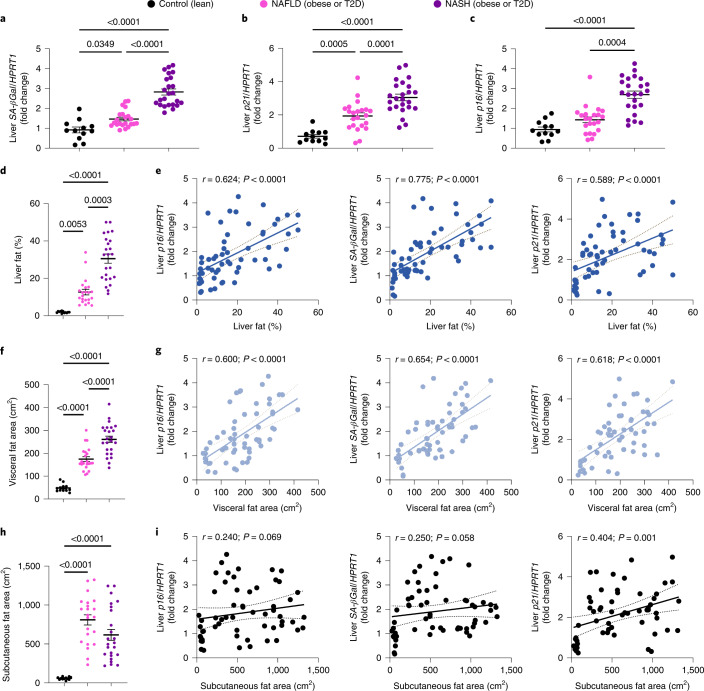
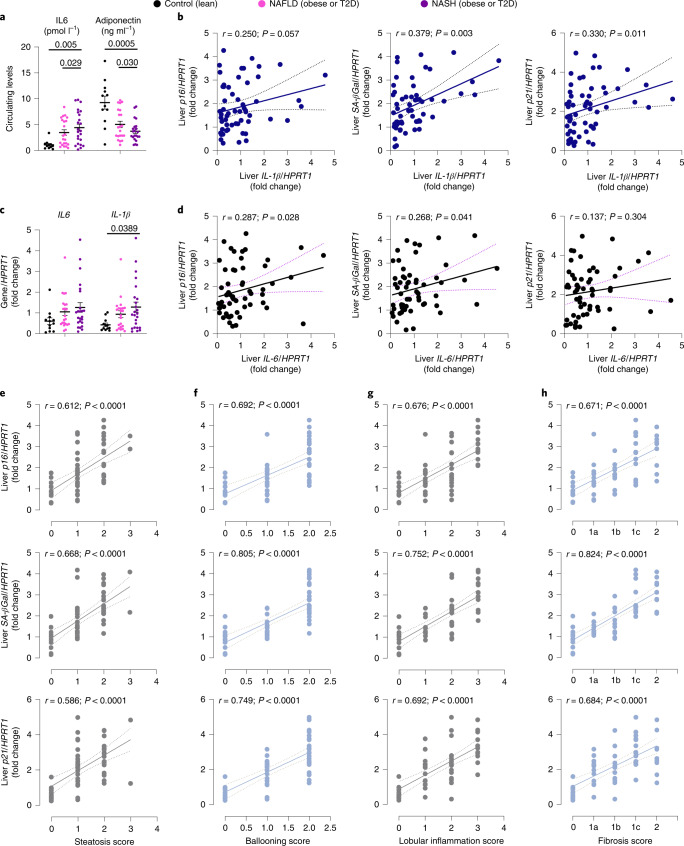
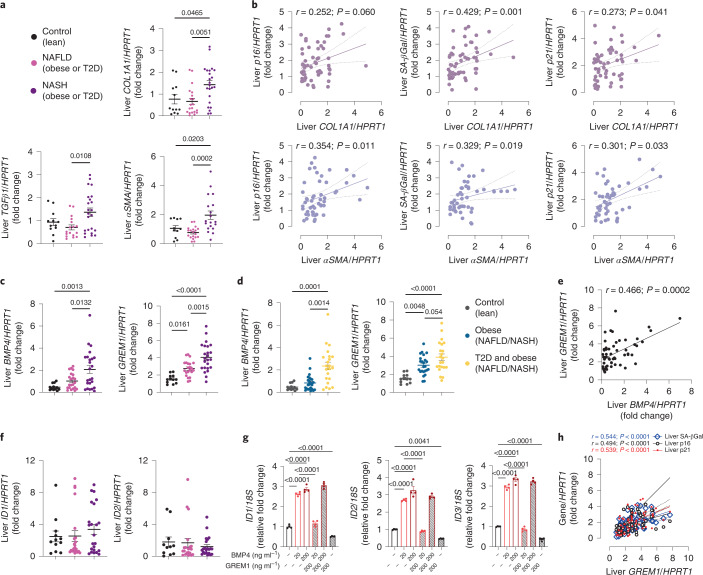
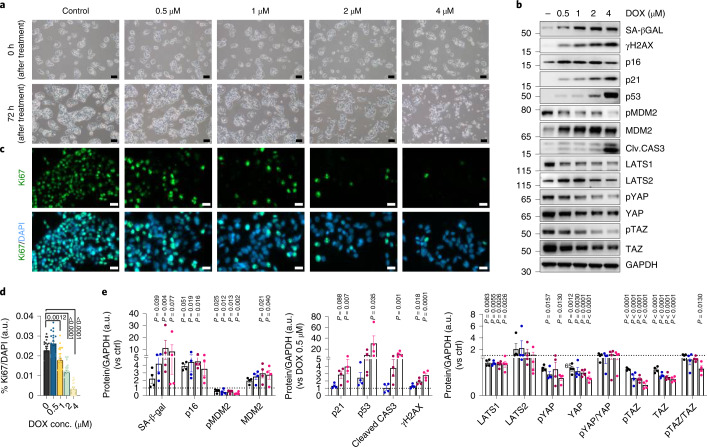
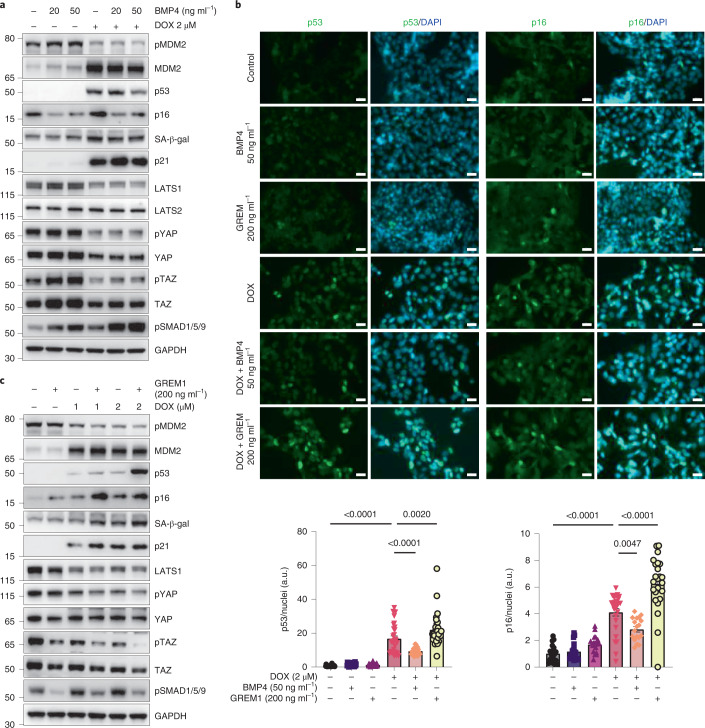
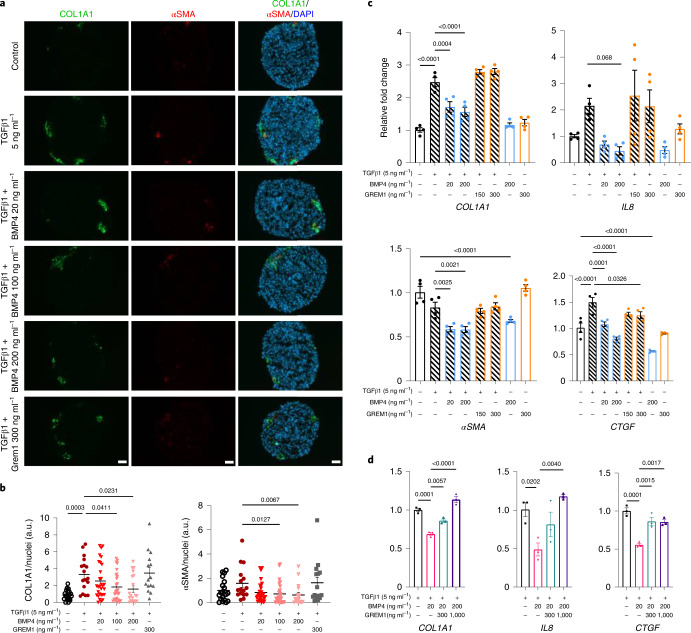
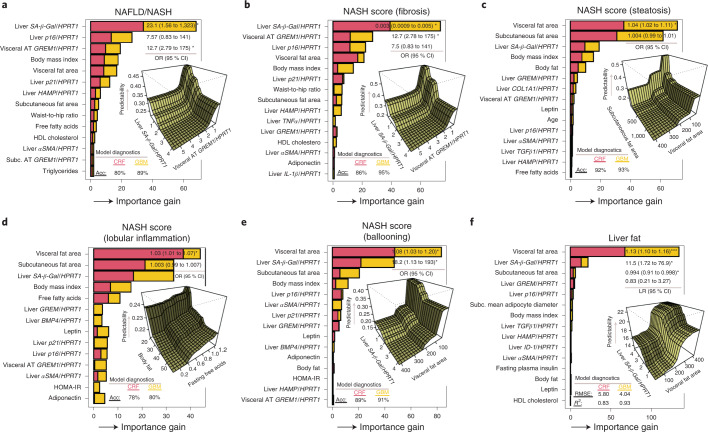
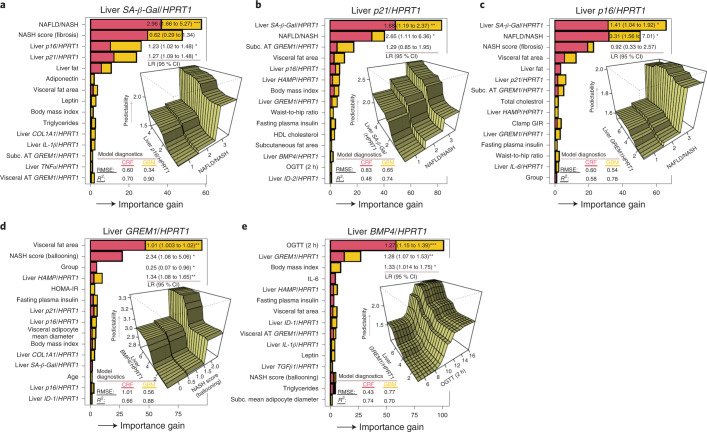
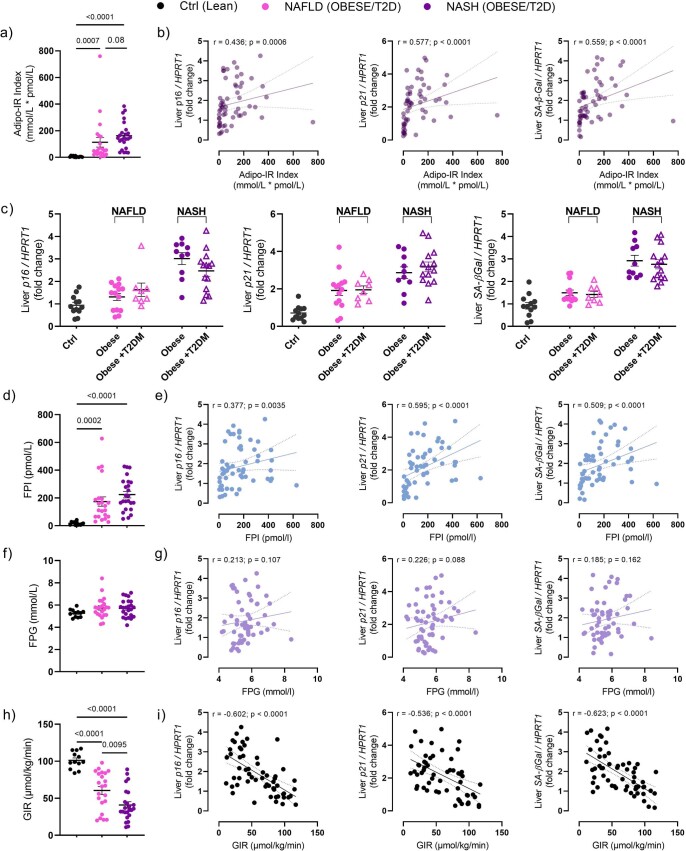
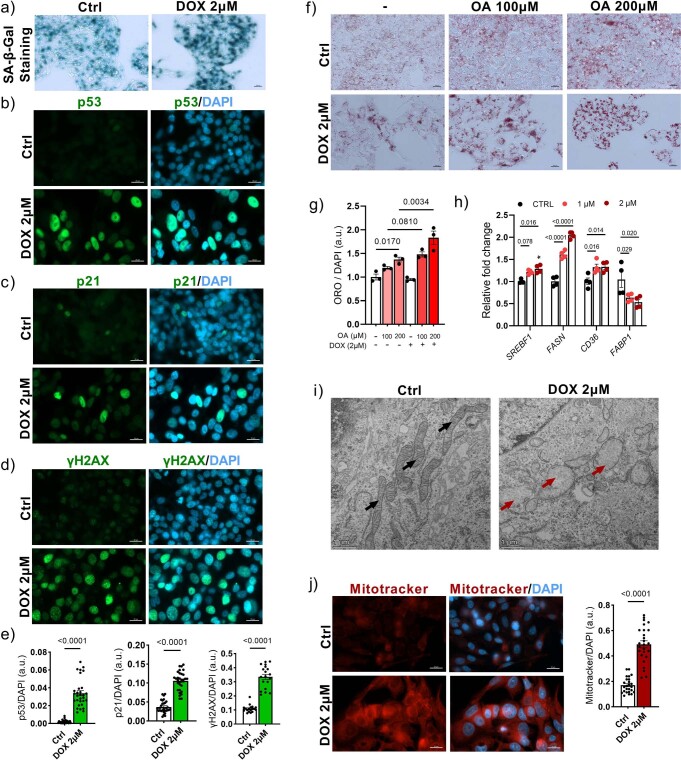
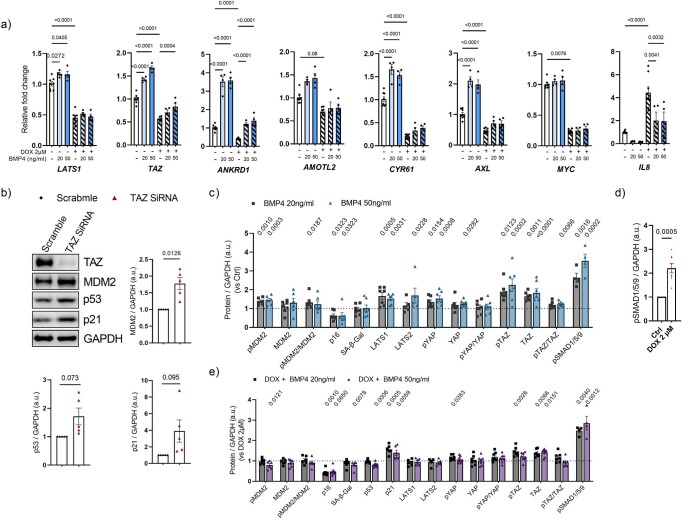
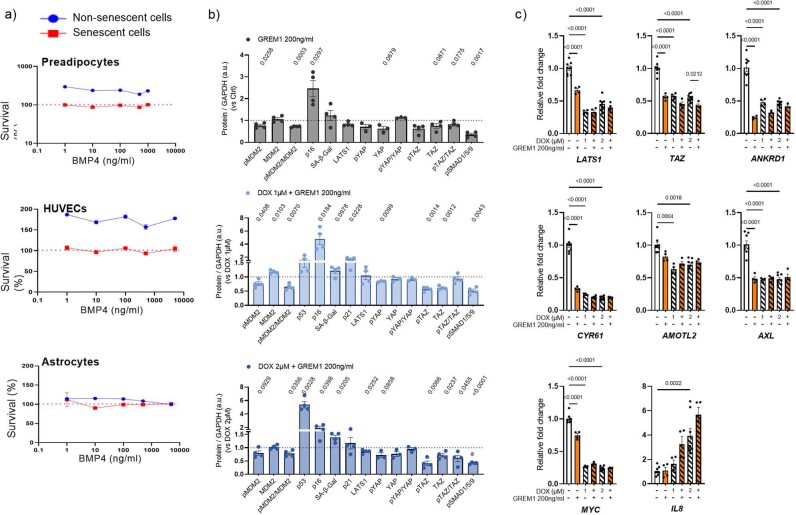
The role of hepatic cell senescence in human non-alcoholic fatty liver disease (NAFLD) and non-alcoholic steatohepatitis (NASH) is not well understood. To examine this, we performed liver biopsies and extensive characterization of 58 individuals with or without NAFLD/NASH. Here, we show that hepatic cell senescence is strongly related to NAFLD/NASH severity, and machine learning analysis identified senescence markers, the BMP4 inhibitor Gremlin 1 in liver and visceral fat, and the amount of visceral adipose tissue as strong predictors. Studies in liver cell spheroids made from human stellate and hepatocyte cells show BMP4 to be anti-senescent, anti-steatotic, anti-inflammatory and anti-fibrotic, whereas Gremlin 1, which is particularly highly expressed in visceral fat in humans, is pro-senescent and antagonistic to BMP4. Both senescence and anti-senescence factors target the YAP/TAZ pathway, making this a likely regulator of senescence and its effects. We conclude that senescence is an important driver of human NAFLD/NASH and that BMP4 and Gremlin 1 are novel therapeutic targets.
Overview
The claims and statistics of this paper haven’t been checked yet.
Free: it reads the open-access text and checks the first 5 claims that cite a source we can check. Create a free account to check every claim.
Integrity signals
Registry
Cites
Statistics
Figures
Verification
Claims the paper makes
The claims and statistics of this paper haven’t been checked yet.
Free: it reads the open-access text and checks the first 5 claims that cite a source we can check. Create a free account to check every claim.
Claims other papers make about this one
Each is checked against this paper’s own text: does it say what the citing paper says it does?
The source backs part of the claim, not all of it — or backs it for a different population, condition or comparison.
In the citing paper
“Liver biopsies from older adults revealed that the degree of liver ageing is related to the severity of nonalcoholic fatty liver disease (NAFLD),220 which increases the brain age by approximately 4.2 years.221”
From Antiageing strategy for neurodegenerative diseases: from mechanisms to clinical advances (2025) · cites this paper as [220]
Experimental — accuracy not yet measured
Self-check
Percentages, sums and reported differences re-computed from the paper’s own numbers.
The self-check needs the paper’s full text.
Citations
Cites
Moderated estimation of fold change and dispersion for RNA-seq data with DESeq2
Love, M. I., Huber, W., & Anders, S. (2014) · Genome Biology · doi:10.1186/s13059-014-0550-8 · Cited by 95,106
Integrated analysis of multimodal single-cell data
Hao, Y., Hao, S., Andersen-Nissen, E., Mauck, W. M., Zheng, S., Butler, A., Lee, M. J., Wilk, A. J., Darby, C., Zagar, M., et al. (2020) · doi:10.1101/2020.10.12.335331 · Cited by 15,508
Younossi, Z. M., Koenig, A. B., Abdelatif, D., Fazel, Y., Henry, L., & Wymer, M. (2016) · Hepatology · doi:10.1002/hep.28431 · Cited by 10,781
Near-optimal probabilistic RNA-seq quantification
Bray, N. L., Pimentel, H., Melsted, P., & Pachter, L. (2016) · Nature Biotechnology · doi:10.1038/nbt.3519 · Cited by 9,723
MissForest—Non-parametric missing value imputation for mixed-type data
Stekhoven, D. J., & Bühlmann, P. (2012) · Bioinformatics · doi:10.1093/bioinformatics/btr597 · Cited by 6,156
Mechanisms of NAFLD development and therapeutic strategies
Friedman, S. L., Neuschwander-Tetri, B. A., Rinella, M., & Sanyal, A. J. (2018) · Nature Medicine · doi:10.1038/s41591-018-0104-9 · Cited by 4,354
Nonalcoholic Steatohepatitis: A Proposal for Grading and Staging The Histological Lesions
Brunt, E. M., Janney, C. G., Di Bisceglie, A. M., Neuschwander-Tetri, B. A., & Bacon, B. R. (1999) · American Journal of Gastroenterology · doi:10.1111/j.1572-0241.1999.01377.x · Cited by 3,907
Obesity-induced gut microbial metabolite promotes liver cancer through senescence secretome
Yoshimoto, S., Loo, T. M., Atarashi, K., Kanda, H., Sato, S., Oyadomari, S., Iwakura, Y., Oshima, K., Morita, H., Hattori, M., et al. (2013) · Nature · doi:10.1038/nature12347 · Cited by 2,219
Resolving the fibrotic niche of human liver cirrhosis at single-cell level
Ramachandran, P., Dobie, R., Wilson-Kanamori, J. R., Dora, E. F., Henderson, B. E. P., Luu, N. T., Portman, J. R., Matchett, K. P., Brice, M., Marwick, J. A., et al. (2019) · Nature · doi:10.1038/s41586-019-1631-3 · Cited by 1,784
Cellular senescence drives age-dependent hepatic steatosis
Ogrodnik, M., Miwa, S., Tchkonia, T., Tiniakos, D., Wilson, C. L., Lahat, A., Day, C. P., Burt, A., Palmer, A., Anstee, Q. M., et al. (2017) · Nature Communications · doi:10.1038/ncomms15691 · Cited by 1,044
Self-citation
Cited by
Antiageing strategy for neurodegenerative diseases: from mechanisms to clinical advances
Jiang, Q., Liu, J., Huang, S., Wang, X.-Y., Chen, X., Liu, G.-H., Ye, K., Song, W., Masters, C. L., Wang, J., et al. (2025) · Signal Transduction and Targeted Therapy · doi:10.1038/s41392-025-02145-7 · Cited by 165
“219 Liver biopsies from older adults revealed that the degree of liver ageing is related to the severity of nonalcoholic fatty liver disease (NAFLD), 220 which increases the brain age by approximately 4.2 years.”
InfluentialSenescent Cells: A Therapeutic Target in Cardiovascular Diseases
Suda, M., Paul, K. H., Minamino, T., Miller, J. D., Lerman, A., Ellison-Hughes, G. M., Tchkonia, T., & Kirkland, J. L. (2023) · Cells · doi:10.3390/cells12091296 · Cited by 112
Self-citationIncreased cell senescence in human metabolic disorders
Spinelli, R., Baboota, R. K., Gogg, S., Bèguinot, F., Blüher, M., Nerstedt, A., & Smith, U. (2023) · Journal of Clinical Investigation · doi:10.1172/jci169922 · Cited by 125
“This is intriguing considering recent findings linking CS to insulin resistance (IR) and associated hyperinsulinemia, both of which are common patho-physiological features of obesity, T2D, and NAFLD (8–13).”
InfluentialSelf-citationEmerging role of aging in the progression of NAFLD to HCC
He, Y., Su, Y., Duan, C., Wang, S., He, W., Zhang, Y., An, X., & He, M. (2023) · Ageing Research Reviews · doi:10.1016/j.arr.2022.101833 · Cited by 97
Ghosh, S., Zhao, X., Alim, M., Brudno, M., & Bhat, M. (2024) · Gut · doi:10.1136/gutjnl-2023-331740 · Cited by 129
“Baboota et al 40 identified GREM1 as a strong predictor of fibrosis using conditional RF and gradient boosting, highlighting senescence markers as crucial drivers of MASH in humans.”
Targeting Cell Senescence and Senolytics: Novel Interventions for Age-Related Endocrine Dysfunction
Suda, M., Paul, K. H., Tripathi, U., Minamino, T., Tchkonia, T., & Kirkland, J. L. (2024) · Endocrine Reviews · doi:10.1210/endrev/bnae010 · Cited by 100
Self-citationBone-derived factors mediate crosstalk between skeletal and extra-skeletal organs
He, T., Qin, L., Chen, S., Huo, S., Li, J., Zhang, F., Yi, W., Mei, Y., & Xiao, G. (2025) · Bone Research · doi:10.1038/s41413-025-00424-1 · Cited by 58
“164 In HFD mouse liver, BMP9 can improve glucose and lipid metabolism, decrease in fl ammatory responses, and reshape chromatin accessibility, resulting in alleviating NAFLD phenotype in mice.”
Spatial genomics: mapping human steatotic liver disease
Matchett, K. P., Paris, J., Teichmann, S. A., & Henderson, N. C. (2024) · Nature Reviews Gastroenterology & Hepatology · doi:10.1038/s41575-024-00915-2 · Cited by 60
“One study that demonstrated a strong association between hepatocyte senescence and MASH severity in humans subsequently used machine learning to identify senescence markers 44 .”
Zhang, X., Song, W. D., Liu, Y., Han, K., Wu, Y., Cho, E., Fang, Z., Jiang, L., Hu, Y., Zhu, X., et al. (2024) · Small · doi:10.1002/smll.202311033 · Cited by 62
Iwasaki, K., Abarca, C., & Aguayo‐Mazzucato, C. (2023) · Diabetes & Metabolism Journal · doi:10.4093/dmj.2022.0416 · Cited by 52
“Both target the yes-associated protein (YAP) and the transcriptional coactivator with PDZ-binding motif (TAZ) pathway, a likely a regulator of senescence and its effects [56].”
BackgroundCellular senescence in liver diseases: From molecular drivers to therapeutic targeting
Du, K., Umbaugh, D. S., Ren, N., & Diehl, A. M. (2025) · Journal of Hepatology · doi:10.1016/j.jhep.2025.08.021 · Cited by 49
Gu, Y., Xu, T., Fang, Y., Shao, J., Hu, T., Wu, X., Shen, H., Xu, Y., Zhang, J., Song, Y., et al. (2024) · Drug Resistance Updates · doi:10.1016/j.drup.2024.101136 · Cited by 41
Xu, M. J., Xu, H., Ling, Y., Liu, J., Song, P., Fang, Z.-Q., Yue, Z., Duan, J., He, F., & Wang, L. (2025) · Journal of Advanced Research · doi:10.1016/j.jare.2025.03.015 · Cited by 36
“Research has revealed that liver cells in NAFLD patients manifest senescent characteristics, notably severe DNA damage and cell cycle arrest [24].”
Inter-organ metabolic interaction networks in non-alcoholic fatty liver disease
Fan, Y., Zhang, S., Wang, Y., Wang, H., Li, H., & Bai, L. (2025) · Frontiers in Endocrinology · doi:10.3389/fendo.2024.1494560 · Cited by 28
“Conversely, BMP6, upregulated speci fi cally in NAFLD, inhibits HSC activation in murine NASH models, correlating with hepatic steatosis but not in fl ammation or hepatocyte injury (126, 127).”
Zineldeen, D. H., Tahoon, N., & Sarhan, N. (2023) · International Journal of Molecular Sciences · doi:10.3390/ijms24043367 · Cited by 23
“This is in accordance with prior studies reporting improved hepatic steatosis by AICAR [38,52].”
BackgroundResultTargeting the chromatin remodeler BAZ2B mitigates hepatic senescence and MASH fibrosis
Tu, C., Cheng, Q., Li, S., Lin, D.-Y., Liu, Z.-Y., Ouyang, W.-G., Kang, X.-L., Chen, F., Song, S., & Cai, S. (2025) · Nature Aging · doi:10.1038/s43587-025-00862-w · Cited by 25
Aging at the Crossroads of Organ Interactions: Implications for the Heart
Sen, I., Trzaskalski, N. A., Hsiao, Y., Liu, P. P., Shimizu, I., & Dérumeaux, G. (2025) · Circulation Research · doi:10.1161/circresaha.125.325637 · Cited by 23
“142,143 Peripheral blood from patients with metabolic dysfunction–associated steatohepatitis exhibits higher DNA”
Hosokawa, Y., Hosooka, T., Imamori, M., Yamaguchi, K., Itoh, Y., & Ogawa, W. (2023) · Hepatology Communications · doi:10.1097/hc9.0000000000000161 · Cited by 20
Role of cellular senescence in hepatic diseases (Review)
Xing, Y., & Zhu, J. (2025) · International Journal of Molecular Medicine · doi:10.3892/ijmm.2025.5623 · Cited by 21
“Several markers of senescence, such as SA‑ β ‑Gal, p16, p21 and p53, are elevated in individuals with MAFLd/MASH (137).”
Nurturing longevity through natural compounds: Where do we stand, and where do we go?
Todorova, M. N., Savova, M. S., Mihaylova, L. V., & Georgiev, M. I. (2024) · Food Frontiers · doi:10.1002/fft2.350 · Cited by 20
Flensted-Jensen, M., Oró, D., Rørbeck, E. A., Zhang, C., Madsen, M. R., Madsen, A. N., Norlin, J., Feigh, M., Larsen, S., & Hansen, H. H. (2024) · BMC Gastroenterology · doi:10.1186/s12876-024-03141-x · Cited by 17
Liver aging: underlying mechanisms and therapeutic strategies
Zhong, L., Wang, L., Syed, J. N., Yang, J., & Zhang, Y. (2025) · Molecular Aspects of Medicine · doi:10.1016/j.mam.2025.101397 · Cited by 22
Fluorogenic Chemical Probe Strategy for Precise Tracking of Mitochondrial Polarity
Pang, S., Wu, J., Guo, F.-F., Gao, L.-L., Tian, X., Zhang, J., & Guo, Y. (2024) · Analytical Chemistry · doi:10.1021/acs.analchem.4c02364 · Cited by 16
Physical training reduces cell senescence and associated insulin resistance in skeletal muscle
Podraza-Farhanieh, A., Spinelli, R., Zatterale, F., Nerstedt, A., Gogg, S., Blüher, M., & Smith, U. (2025) · Molecular Metabolism · doi:10.1016/j.molmet.2025.102130 · Cited by 19
“HSkMSC and C2C12 cells were treated with different concentrations of doxorubicin (DOX) (Sigma e Aldrich) for 2 h in the appropriate media, as previously described [30].”
Self-citationAdvances in the Pathogenesis of Metabolic Liver Disease-Related Hepatocellular Carcinoma
Chen, P., Li, Y., Dai, Y., Wang, Z., Zhou, Y., Wang, Y., & Li, G. (2024) · Journal of Hepatocellular Carcinoma · doi:10.2147/jhc.s450460 · Cited by 20
“99 Notably, senescent cells exhibit a senescence-associated secretory phenotype (SASP), characterized by the secretion of inflammatory cytokines and chemokines.”
BackgroundAging and metabolic dysfunction-associated steatotic liver disease: a bidirectional relationship
Chen, C., & Wang, L. (2025) · Frontiers of Medicine · doi:10.1007/s11684-025-1133-7 · Cited by 16
Identification and analysis of key genes in adipose tissue for human obesity based on bioinformatics
Hua, Y., Xie, D., Zhang, Y., Wang, M., Wen, W., & Sun, J. M. (2023) · Gene · doi:10.1016/j.gene.2023.147755 · Cited by 18
MDM2 accelerated renal senescence via ubiquitination and degradation of HDAC1
Xiang, H., Qian, Y., Zeng, J., Xu, Z.-Y., Zhang, H.-Z., Huang, J., Song, A., Xiong, J., & Zhang, C. (2024) · Acta Pharmacologica Sinica · doi:10.1038/s41401-024-01294-9 · Cited by 16
“Contrary to conventional wisdom, several studies have documented the upregulation of both MDM2 and p53 expression during aging, challenging the prevailing notion that MDM2 merely ubiquitinates p53 for degradation [14, 30].”
Park, M., Hwang, S., Kang, H.-B., Ha, M., Park, J., Park, S.-Y., Park, Y. J., & Park, M.-H. (2025) · Cells · doi:10.3390/cells14020126 · Cited by 13
“Therefore, further studies using clinical analyses or human-derived cell lines would help understand the results and mechanisms obtained in this study.”
Zhang, R., Xu, Z., Xue, G., Feng, J., Du, B., Gan, L., Fan, Z., Fu, T., Feng, Y., Zhao, H., et al. (2023) · Microbiology Spectrum · doi:10.1128/spectrum.05323-22 · Cited by 13
“Gremlin 1, an inhibitor of BMP4, is particularly highly expressed in human visceral fat, which regulates hepatic cell senescence during the clinical progression of NAFLD/NASH (31), which is consistent with the findings in this study.”
ResultMitochondrial-encoded peptide MOTS-c prevents pancreatic islet cell senescence to delay diabetes
Kong, B. S., Lee, H., L’Yi, S., Hong, S., & Cho, Y. M. (2025) · Experimental & Molecular Medicine · doi:10.1038/s12276-025-01521-1 · Cited by 16
“6h).”
Shen, N., Zhang, Y., Ding, Z., Li, R., Quan, X., Liu, X., Zhang, Y., Xiang, T., Zhang, Y., Yin, C., et al. (2025) · International Journal of Surgery · doi:10.1097/js9.0000000000002730 · Cited by 13
“%) were meticulously addressed using the random forest imputation technique, ensuring the integrity and reliability of our dataset [ 25 , 26 ] .”
Chen, L., Zhai, S., Liu, Y., Gong, W., Fang, F., Wu, Q., Cui, Y., Zhang, W., Li, H., Li, Y., et al. (2026) · Nature Communications · doi:10.1038/s41467-025-68108-2 · Cited by 15
Maroun, G., Fissoun, C., Villaverde, M., Brondello, J., & Pers, Y. (2023) · Joint Bone Spine · doi:10.1016/j.jbspin.2023.105640 · Cited by 10
Motta, G., Thangaraj, S. V., & Padmanabhan, V. (2023) · Toxics · doi:10.3390/toxics12010015 · Cited by 9
“Lipofuscin accumulation, an indicator of cellular senescence [131], was also not observed in the liver of sheep prenatally exposed to BPA.”
BackgroundZhang, C.-Y., Zhu, X., Sun, W.-D., Bi, S.-Z., Lai, S.-Y., An-Liu, & Li, J.-H. (2025) · Archives of Biochemistry and Biophysics · doi:10.1016/j.abb.2025.110558 · Cited by 8
Tang, W., Li, H., Huang, Y., Niu, W., Du, Q., Chu, Y., Gao, Y., He, R., Tang, Y., Chen, H., et al. (2025) · Horticultural Plant Journal · doi:10.1016/j.hpj.2025.07.007 · Cited by 8
Liu, Q., Yao, F., Wu, L., Xu, T., Na, J., Shen, Z., Liu, X., Shi, W., Zhao, Y., & Liao, Y. (2024) · Clinical & Translational Oncology · doi:10.1007/s12094-024-03492-7 · Cited by 9
Förster, P. M., Hogenkamp, J., Pottgießer, M. F., Binsch, C., Humpert, A. D., Brügge, C. L., Deatc, M. I., Ensenauer, R. E., Chadt, A., Thoresen, G. H., et al. (2025) · Frontiers in Physiology · doi:10.3389/fphys.2025.1549316 · Cited by 7
“GOCC: Gene Ontology cellular component, NP: non-predicted, SP+: signal peptide positive, SP−: signal peptide negative. been suggested to regulate hepatocellular senescence in NAFLD (Baboota et al., 2022), its role as a myokine is yet unknown.”
Luo, Y., Song, Y., Zeng, M., Li, B., Li, Y., & Dong, Z. (2025) · Ageing Research Reviews · doi:10.1016/j.arr.2025.102959 · Cited by 8
Single-cell transcriptomics reveals the impact of sex and age in the healthy human liver
Rahman, R. U., Epstein, E. T., Murphy, S. M., Amir-Zilberstein, L., Aubin, C., Delorey, T. M., Koene, H., Fernandes, L., Tanabe, K. K., Qadan, M., et al. (2026) · JHEP Reports · doi:10.1016/j.jhepr.2026.101773 · Cited by 11
EASL position paper on preclinical models of steatotic liver disease
Gallage, S., Castro, R. E., Estall, J. L., Tabas, I. A., Anstee, Q. M., TINIAKOS, D. G., Szabó, G., Yu, J., Desdouets, C., Tacke, F., et al. (2026) · Journal of Hepatology · doi:10.1016/j.jhep.2026.04.029 · Cited by 8
The biomedical application of inorganic metal nanoparticles in aging and aging-associated diseases
Meng, Y., Zhang, J., Liu, Y., Zhu, Y., Lv, H., Xia, F., Guo, Q., Shi, Q., Qiu, C., & Wang, J. (2024) · Journal of Advanced Research · doi:10.1016/j.jare.2024.05.023 · Cited by 9
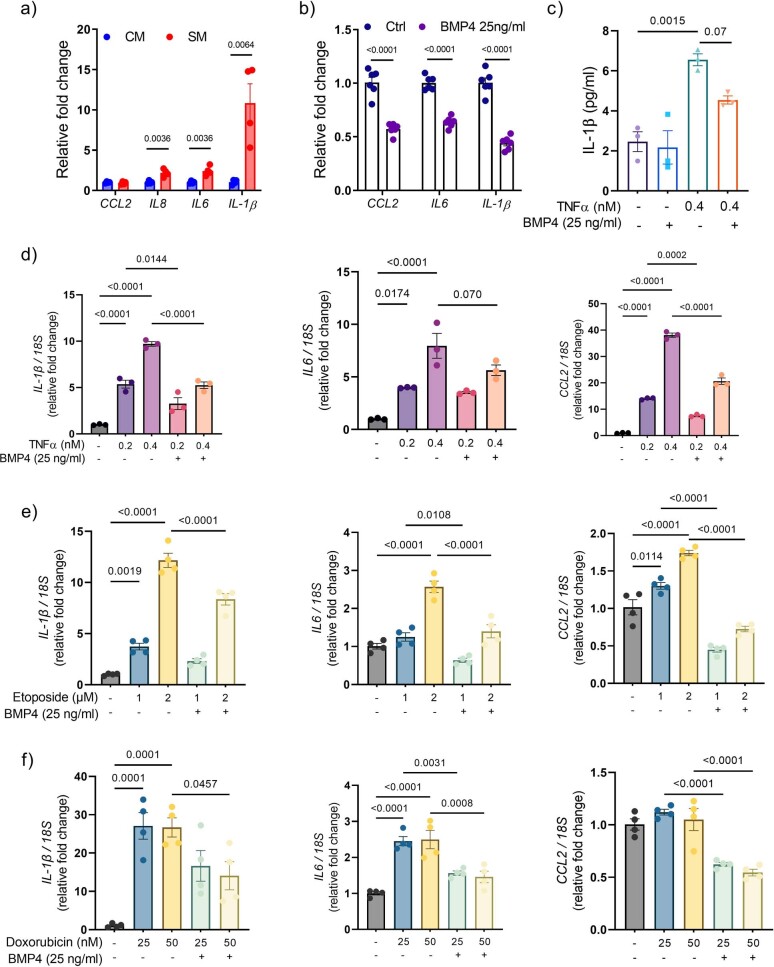
“In addition, cell experiments proved that BMP4 was a significantly regulatory with anti-aging and anti-inflammatory effects [135].”
The Role of CD4+T Cells in Nonalcoholic Steatohepatitis and Hepatocellular Carcinoma
Miao, Y., Li, Z., Feng, J., Lei, X., Shan, J., Qian, C., & Li, J. (2024) · International Journal of Molecular Sciences · doi:10.3390/ijms25136895 · Cited by 12
“Moreover, they found that BMP4 expression is antisenescent, while Gremlin 1 is prosenescent and antagonistic to BMP4 [95].”
BackgroundDeng, L., Huang, J., Yuan, H., Lou, W., Lou, W., Yu, P., Xie, X., Chen, X., Yang, Y., Deng, L., et al. (2025) · BMC Gastroenterology · doi:10.1186/s12876-025-03752-y · Cited by 7
“Studies have shown that biological aging is positively associated with mortality risk in NAFLD patients, especially in young adults, and that cellular senescence markers are significantly increased in NAFLD patients [18].”
Tang, H., Zhang, X., Hu, S., Song, Y., Jin, W., Zou, J., Zhang, Y., Guo, J., An, P., Luo, J., et al. (2025) · Targets · doi:10.3390/targets3030023 · Cited by 13
“…levels of changes, among which senescent cell accumulation increases the risk of accelerating individual senescence and age-related diseases, such as osteoporosis [1], idiopathic pulmonary fibrosis [2], type 2 diabetes, and non-alcoholic fatty liver disease/non-alcoholic steatohepatitis [3].”
Cellular Senescence in Acute Liver Injury: What Happens to the Young Liver?
He, K., Zhou, D., Pu, Z., Chen, S., Shen, Y., Zhao, S., Qian, X., Hu, Q., Wu, X., Xie, Z., et al. (2024) · Aging and Disease · doi:10.14336/ad.2024.0586 · Cited by 9
Fu, R., Zhang, F., Fu, J., Li, Y., Zhu, X., Ding, Q., & Zhu, Y. Z. (2025) · Metabolism and Target Organ Damage · doi:10.20517/mtod.2025.163 · Cited by 7
Huang, Y., Liu, B., Hu, C., & Lu, Y. (2025) · Protein & Cell · doi:10.1093/procel/pwaf027 · Cited by 6
“Studies using spheroids composed of human stellate cells and hepatocytes demonstrate that BMP4 exhibits anti-senescent, anti-steatotic, anti-inflammatory, and anti-fibrotic effects (Baboota et al., 2022).”
Huang, X., Ouyang, D., Xie, W., Zhuang, H., Gao, S., Liu, P., & Guo, L. (2025) · Frontiers in Medicine · doi:10.3389/fmed.2025.1636214 · Cited by 6
Yang, X., Xu, Y., Zhu, D., & Mi, X. (2025) · Molecules · doi:10.3390/molecules30153305 · Cited by 5
“It is widely recognized for its cytotoxic effects on cancer cells [49] and has been extensively tested in both 2D and 3D models, making it an appropriate choice for evaluating drug response in spheroid systems [50–54].”
Yang, Y., Zhang, Y., Wang, L., He, G., Yang, X., & Qing, J. (2025) · DNA and Cell Biology · doi:10.1089/dna.2024.0198 · Cited by 4
“Both pro-senescence and antise-nescence factors target the YAP pathway, and meanwhile, YAP is also a regulator of senescence (Baboota et al., 2022).”
Ni, M., Chen, Y., Gu, W., Zhang, Y., Xu, M., Gu, Y., Chen, Y., Zhu, Y., Wang, X. D., Luo, Y., et al. (2025) · Journal of Diabetes · doi:10.1111/1753-0407.70090 · Cited by 4
“Certain DAN family members, especially Gremlin 1, have been implicated in obesity, T2D, and metabolic dysfunction-associated steatotic liver disease/metabolic dysfunction-associated steatohepatitis (MASLD/MASH) [14, 15].”
Evaluation of Gremlin-1 as a therapeutic target in metabolic dysfunction-associated steatohepatitisPreprint
Horn, P., Norlin, J., Almholt, K., Viuff, B. M., Galsgaard, E. D., Hald, A., Zosel, F., Demuth, H., Poulsen, S., Nørby, P. L., et al. (2024) · eLife · doi:10.7554/elife.95185 · Cited by 4
Matboli, M., Hamady, S., Saad, M., Khaled, R., Khaled, A., Barakat, E., Sayed, S. A., Agwa, S. H. A., & Youssef, I. (2024) · Non-coding RNA Research · doi:10.1016/j.ncrna.2024.10.002 · Cited by 5
“Despite the substantial impact and widespread occurrence of MASLD/MASH, there are still numerous gaps in our comprehension of its pathophysiology [5].”
The role of cellular senescence in metabolic dysfunction-associated steatotic liver disease
Wen, R., Wang, H., Xie, J., Lin, X., & Wang, S. (2026) · Cytokine & Growth Factor Reviews · doi:10.1016/j.cytogfr.2026.07.003 · Cited by 5
Evaluation of Gremlin-1 as a therapeutic target in metabolic dysfunction-associated steatohepatitis
Horn, P., Norlin, J., Almholt, K., Viuff, B. M., Galsgaard, E. D., Hald, A., Zosel, F., Demuth, H., Poulsen, S., Nørby, P. L., et al. (2024) · eLife · doi:10.7554/elife.95185.2 · Cited by 7
Wang, Y., Yu, H., Cen, Z., Zhu, Y., & Wu, W. (2023) · Metabolism Open · doi:10.1016/j.metop.2023.100267 · Cited by 3
Senescence detection using reflected light
Dedic, B., Westerberg, L. J. S., Solís, A. M., Dumont, K. D., Ruas, J. L., Thorell, A., Näslund, E. B., & Spalding, K. L. (2024) · Aging Cell · doi:10.1111/acel.14295 · Cited by 2
The miRNomics of antiretroviral therapy-induced obesity
Majumdar, N., Pokharel, B. R., Dickerson, A., Cruceanu, A., Rajput, S., Pokhrel, L. R., Cook, P., & Akula, S. M. (2025) · Functional & Integrative Genomics · doi:10.1007/s10142-025-01585-2 · Cited by 3
“GREM1 is overexpressed in type 2 diabetes, as well as in non-alcoholic fatty liver disease (Baboota et al. 2022).”
Identification of CDKN1A as a potential key risk factor in MASLD progression
Deng, L., Deng, J., Luo, L., Yang, H., Sun, M., Yucheng, G., Liu, Q., Ngowi, E. E., Zhou, Y., Zhang, R., et al. (2025) · The FASEB Journal · doi:10.1096/fj.202402942r · Cited by 7
“16 Therefore, research into the pathological process of cellular senescence shows promise for identifying therapeutic targets for treating MASLD.”
Self-citationA paracrine-to-autocrine shunt of GREM1 fuels colorectal cancer metastasis via ACVR1C
Zhou, H., Jin, Q., Fu, Z., Yang, Y., Gao, Y., Wang, N., Zhao, B., Gui, L., Li, J., Zhu, Z., et al. (2026) · Molecular Cancer · doi:10.1186/s12943-025-02554-w · Cited by 2
Syed, A., Aloti, R. A., Awad, B. J., Alghoul, W. I. I., Hassan, M. A. M. S. A., Kharoufeh, A., & Rangraze, I. R. (2026) · Frontiers in Endocrinology · doi:10.3389/fendo.2026.1799261 · Cited by 4
“The accumulation of senescent cells in b -cells (32), adipose tissue (33), liver (34), and skeletal muscle (35) hinders metabolic stability, causes tissue in fl ammation due to its senescence, and intensi fi es insulin resistance.”
Lan, T., Wang, W., Zeng, X.-X., Mao, W.-L., Lu, T., & Wang, S. (2026) · Phytomedicine · doi:10.1016/j.phymed.2026.158244 · Cited by 3
Analysis of Gremlin 1 Levels Following Sleeve Gastrectomy
Al-Regaiey, K., Alfadda, A. A., Alsaber, N. S., Bedaiwi, A. M., Almubarak, F. R., Muammar, A. F. B., Alfaifi, R. A., Alquwayfili, M. N., Alyami, R. M., & Iqbal, M. (2023) · Cureus · doi:10.7759/cureus.48738 · Cited by 2
Gao, X., Ruzbarsky, J. J., Huard, M., Sajedi, S., Shyu, P. T., Xiao, Z., Force, B. S., White, S., Ayers, J. D., Wang, B., et al. (2025) · Pharmacological Research · doi:10.1016/j.phrs.2025.108016 · Cited by 1
“Cellular senescence also plays an important role in other diseases [36,37].”
Cui, H., Pei, H., Wang, Y., Wang, J., Xu, W., Guo, L., Sun, H., Wang, L., Wang, N., Lu, M., et al. (2025) · Journal of Future Foods · doi:10.1016/j.jfutfo.2025.09.018 · Cited by 1
Circulating Gremlin-1 Reflects Age-Associated Metabolic Changes in Women
Alyami, R. M., & Al-Regaiey, K. (2026) · Metabolites · doi:10.3390/metabo16020141 · Cited by 1
“In NAFLD/NASH, Gremlin-1 has been linked to cellular senescence and fibrotic remodeling [28]. whereas IGF-1 appears to exert antifibrotic and cytoprotective effects [29].”
Li, M., Gao, C., Shi, Y., Peng, W., Yin, Y., Lü, B., & Fu, Z. (2026) · Frontiers in Molecular Biosciences · doi:10.3389/fmolb.2026.1745039 · Cited by 1
Котлярова, А. А., & Kotlyarov, S. N. (2026) · International Journal of Molecular Sciences · doi:10.3390/ijms27104453 · Cited by 1
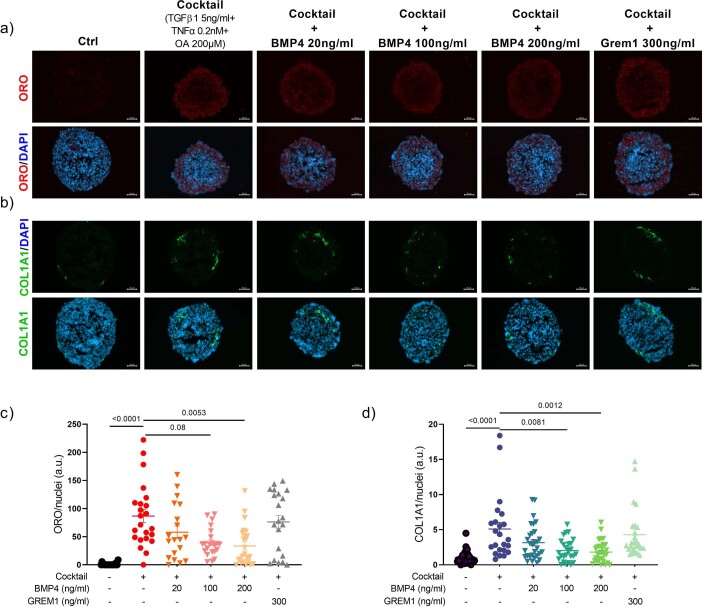
“To investigate the anti-inflammatory and anti-fibrotic effects of bone morphogenetic protein 4 and its antagonist Gremlin 1 under conditions mimicking NASH, three-dimensional spheroids derived from IHH and LX-2 (in a 24:1 ratio) treated with TGF-β 1 (5 ng/mL) for 48 h were used [130].”
InfluentialTan, S., Huang, X., Li, J., Nepovimová, E., Valko, M., Wu, Q., & Kuča, K. (2026) · Mechanisms of Ageing and Development · doi:10.1016/j.mad.2026.112208 · Cited by 1
Koning, M., Kovynev, A., Fondevila, M. F., Ruhé, E. J. M., Mommersteeg, M. C., Ramakers, C. R. B., Hutten, B. A., Verwer, B. J., Vlug, M. S., Kuiper, T., et al. (2026) · Nature Metabolism · doi:10.1038/s42255-026-01643-4 · Cited by 1
Self-citationTargeting cellular senescence as a therapeutic approach in non-alcoholic steatohepatitis
Nakano, Y., & Johmura, Y. (2023) · Annals of Hepatology · doi:10.1016/j.aohep.2023.100900 · Cited by 2
Guo, Y., Wang, N., Dong, Y., Li, X., Liu, Q., Liu, Q., Wang, G., Qin, M., Zhang, Z., Song, J., et al. (2023) · Clinical Biochemistry · doi:10.1016/j.clinbiochem.2023.03.008 · Cited by 1
Self-citationPalmer, A. K., & Kirkland, J. L. (2024) · Elsevier eBooks · doi:10.1016/b978-0-443-15500-0.00012-8 · Cited by 3
Self-citationUnpicking the senescence paradox in MASLD-associated HCC
Ramachandran, P. (2025) · Journal of Hepatology · doi:10.1016/j.jhep.2025.02.034 · Cited by 3
Study on the Pathogenesis of Cell Senescence in Non-Alcoholic Fatty Liver
黄, 丽. (2024) · Medical Diagnosis · doi:10.12677/md.2024.141011
Evaluation of Gremlin-1 as a therapeutic target in metabolic dysfunction-associated steatohepatitisPreprint
Horn, P., Norlin, J., Almholt, K., Viuff, B. M., Galsgaard, E. D., Hald, A., Zosel, F., Demuth, H., Poulsen, S., Nørby, P. L., et al. (2024) · eLife · doi:10.7554/elife.95185.1
Horn, P., Norlin, J., Almholt, K., Viuff, B. M., Galsgaard, E. D., Hald, A., Zosel, F., Demuth, H., Poulsen, S., Nørby, P. L., et al. (2024) · eLife · doi:10.7554/elife.95185.1.sa0
Advances in inflammaging in liver disease
Xu, Y., Chen, L., Liu, W., & Chen, L. (2025) · Journal of Zhejiang University (Medical Sciences) · doi:10.3724/zdxbyxb-2024-0249 · Cited by 4
Ye, P., Qi, X., Yu, M., Zhang, G., Guo, M., Zheng, J., Feng, L., Wei, Z., Su, J., Yi, D., et al. (2025) · JAAOS Global Research and Reviews · doi:10.5435/jaaosglobal-d-25-00062
“46 Surgical intervention types and other relevant factors that are known to influence death were considered in the analysis.”
Yang, J., Ren, L., Chen, Y., Zhou, Q., Hu, H., Bian, R., Qiu, P., & Lou, D. (2025) · Materials Today Communications · doi:10.1016/j.mtcomm.2025.114033 · Cited by 1
Vastrad, B. M., & Vastrad, C. M. (2025) · Research Square · doi:10.21203/rs.3.rs-8076420/v1
Pathogenesis of type 2 diabetes
Honka, M. (2026) · Elsevier eBooks · doi:10.1016/b978-0-443-13825-6.00376-9
Li, G., Chen, Y., Liu, Y., Liu, L., Chen, S., Sun, W., Pang, T., Fang, C., Wei, B., Zhang, X., et al. (2026) · Research · doi:10.34133/research.1271 · Cited by 1
“GREM1 functioned as a multifaceted regulator in BC pathogenesis [ 53 , 54 ], enhancing tumor proliferation and driving metastatic dissemination [ 55 , 56 ].”
Self-citationZhang, X., Li, S., Zhang, P., Zhang, C., & Yuan, Z. (2026) · Pharmaceuticals · doi:10.3390/ph19040604
Senescence Detection Using Reflected Light in Adipose Stromal Vascular Fraction
Westerberg, L. J. S., Barbe, L., Ehrström, M., & Spalding, K. L. (2026) · Journal of Visualized Experiments · doi:10.3791/70588
Chen, C., Chen, Y., Gao, G., Liu, W. T., & Cao, J. (2026) · Medicine · doi:10.1097/md.0000000000049205
“[16] While NAFLD itself has been associated with accelerated aging, [17] the ZJU index may serve as a broader indicator of metabolic dysregulation that extends beyond liver-specific pathology.”
Wu, J., 丁初逢, Ma, Y., Huang, Q., Wu, Q., Zhang, Z., Liang, Y., Zheng, J., Wu, W., Liu, X., et al. (2026) · Frontiers in Pharmacology · doi:10.3389/fphar.2026.1842778
Weigand, K., Peschel, G., Müller, M., & Buechler, C. (2026) · Viruses · doi:10.3390/v18070773
“In the liver, increased gremlin 1 expression has been linked to insulin resistance, and more recent findings suggest a role in promoting hepatocyte senescence, a process associated with fibrogenesis [22,26].”
Hunting gremlins: GREM1 as a new therapeutic target for multiple diseases including glaucoma
Siderovski, D. P., Myneni, N., Botross, M., Patel, P. D., & Clark, A. F. (2026) · Pharmacological Reviews · doi:10.1016/j.pharmr.2026.100152
Kong, R., Wang, H., Wang, N., Zhou, C., & Zhou, Y. (2026) · Research Square · doi:10.21203/rs.3.rs-9586597/v1
Review on the Relationship Between TyG Index and CVD Incidence in Patients With T2DM With NAFLD
Zhu, Y., Yu, B., Huang, H., & Zhong, Z. (2026) · International Journal of Endocrinology · doi:10.1155/ije/6707256
Metabolically Active but Dysfunctional: The Impact of Senescent Cells and SASP
Xu, K., Viniak, S., Shah, P. V., Uddin, I. A., Alam, Z., & Khan, M. W. (2026) · Technology in Cancer Research & Treatment · doi:10.1177/15330338261481909
“13,14 In pancreatic islets, SASP impairs β -cell function and fosters local inflammation, exacerbating hyperglycemia.”
P3-1 Alleviates NAFLD by Regulating the Liver–Gut Axis and PPARα/RXRα Pathway in Mice
Huang, Y., Liu, S., Cao, M., Wan, Z., Zhou, B., Yang, T., Li, H., Lin, R., Shi, X., Zou, Y., et al. (2026) · Journal of Agricultural and Food Chemistry · doi:10.1021/acs.jafc.6c02911
Zhao, P., Zhao, L., Zhang, H., Pu, X., Qian, J., Zhao, Y., You, Z., & Ma, X. (2026) · International Journal of Molecular Sciences · doi:10.3390/ijms27209323 · Cited by 1
“…outcome is highly context-dependent, a versatility that has attracted growing attention to BMP signaling as both a candidate therapeutic target and a source of circulating biomarkers for disease staging, but this attention has mainly focused on metabolic liver disease and fibrosis [45–48].”
Metadata
- Authors
- Baboota, R. K., Rawshani, A., Bonnet, L., Li, X., Yang, H., Mardinoglu, A., Tchkonia, T., Kirkland, J. L., Hoffmann, A., Dietrich, A., Boucher, J., Blüher, M., & Smith, U.
- Affiliations
- University of Gothenburg (SE)
- Wallenberg Centre for Molecular and Translational Medicine (SE)
- Science for Life Laboratory (SE)
- Mayo Clinic (US)
- University Hospital Leipzig (DE)
- Corresponding author
- Smith, Ulf
- ORCID
- Venue
- Nature Metabolism
- Published
- 2022-08-22
- Volume
- 4
- Issue
- 8
- Pages
- 1007-1021
- ISSN
- 2522-5812 (ISSN-L)
- PMC
- PMC9398907
- OpenAlex
- W4292641511
- Semantic Scholar
- c68cb9adefc764dfea099ca00367daf9fe2f2229
- Cited by
- 99
- References
- 64
- Citations by year
- 2026: 25 · 2025: 35 · 2024: 25 · 2023: 13 · 2022: 1
- FWCI
- 13.36
- Type
- journal article
- Language
- en
- Open access
- hybrid
- doi.org
- Licence
- cc-by
- creativecommons.org/licenses/by/4.0 (tdm)
- creativecommons.org/licenses/by/4.0 (vor)
- Locations
- Nature Metabolism (publishedVersion, cc-by)
- PubMed Central (publishedVersion, cc-by)
- PubMed (publishedVersion)
- Research Portal (King's College London) (publishedVersion, other-oa)
- Funders
- Noaber Foundation
- Knut och Alice Wallenbergs Stiftelse (2020.0118)
- Novo Nordisk
- Vetenskapsrådet (VR-RFI 2016-00968, 2016‐00968)
- Göteborgs Universitet (2016-00968, VR-RFI 2016–00968)
- Novo Nordisk Fonden (NNF20OC0063541)
- National Institutes of Health
- National Institute on Aging (R33AG061456, R37AG013925, P01AG062413)
- Topics
- Health Sciences › Medicine › Hepatology › Liver Disease Diagnosis and Treatment
- Life Sciences › Biochemistry, Genetics and Molecular Biology › Cell Biology › Telomeres, Telomerase, and Senescence
- Health Sciences › Medicine › Hepatology › Liver physiology and pathology
- Keywords
- non-alcoholic fatty liver disease, nonalcoholic steatohepatitis, BMP4, GREM1, BMP signaling, YAP/TAZ pathway, visceral adipose tissue, liver fibrosis, steatosis, inflammation, liver stellate cells, hepatocytes, senescence markers, therapeutic target
- MeSH terms
- Humans, Cellular Senescence, Hepatocytes, Intercellular Signaling Peptides and Proteins, Intra-Abdominal Fat, Bone Morphogenetic Protein 4, Non-alcoholic Fatty Liver Disease
About these checks
Registry, retraction, Cites and statistics results are computed, not judged, with one exception: a printed reference that no index lists is read once by a model before it counts as a citation error. Claims are extracted by a model and kept only when their quote appears verbatim in the text; each cited source is then checked, with a model’s help, for whether it says what the claim relies on. Those verdicts can be wrong — read the claim’s quote and the cited source before relying on one.
Statistics and arithmetic are recomputed, not judged.
Confidence bands are shown only for fields calibrated on our annotated test set. None is calibrated yet, so no band is shown.
What counts as a claim ›How we measure confidence ›How we check this ›
Are you an author, or do you see a problem with this page? Request a review
Data sources
Bibliographic data: Semantic Scholar, OpenAlex, Crossref.
Contains information from the Semantic Scholar Academic Graph Datasets, made available under the ODC Attribution License (ODC-BY 1.0).
Semantic Scholar’s data is described in: Kinney, R., et al. (2023). The Semantic Scholar Open Data Platform. arXiv:2301.10140.
