

The DOI matches its Crossref record; 3 of the 3 references it cites were found in a registry or an index.
Electroacupuncture treatment partly promotes the recovery time of postoperative ileus by activating the vagus nerve but not regulating local inflammation
Open accessAbstract
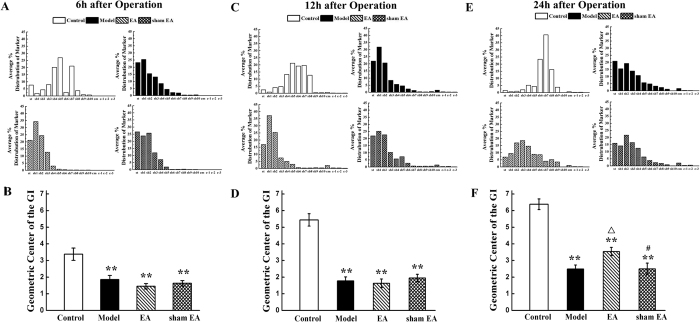
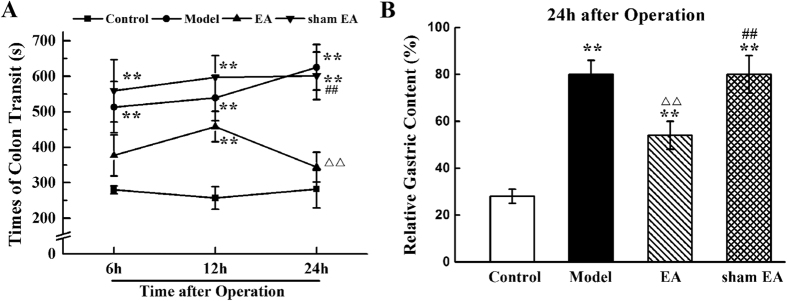
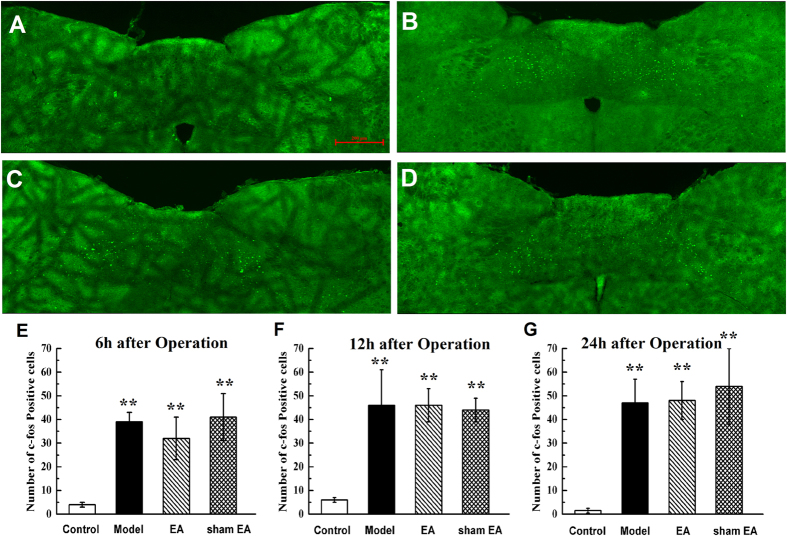
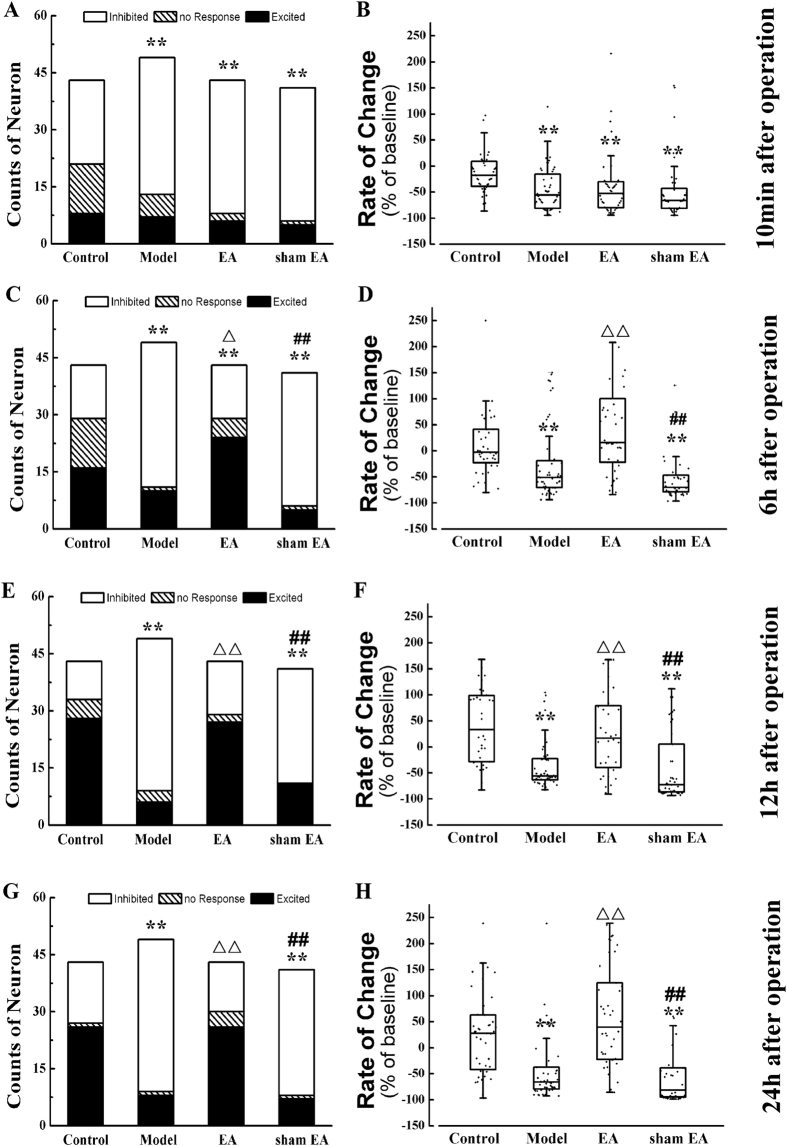
Postoperative ileus (POI) after abdominal surgery significantly lowers the life quality of patients and increase hospital costs. However, few treatment strategies have successfully shortened the duration of POI. Electroacupuncture (EA) is a modern way of administering acupuncture and widely used in various gastrointestinal (GI) diseases in the world. Here, we studied the effect of EA on POI and its underlying mechanisms. Intestinal manipulation resulted in significant delays of GI transit, colonic transit and gastric emptying. Surgery also up-regulated c-fos in nucleus of the solitary tract (NTS) and induced inflammation response in the small intestine. Further, operation and inhale anesthesia inhibited NTS neuron excitation duration for the whole observation time. EA administered at ST36 indeed shortened the recovery time of GI and colonic transit, and significantly increased the gastric emptying. EA also significantly activated the NTS neurons after operation. However, there was no anti-inflammation effect of EA during the whole experiment. Finally, atropine blocked the regulatory effect of EA on GI function, when it was injected after surgery, but not before surgery. Thus, the regulatory effect of EA on POI was mainly mediated by exciting NTS neurons to improve the GI tract transit function but not by activating cholinergic anti-inflammatory pathway.
Overview
The claims and statistics of this paper haven’t been checked yet.
Run the check — free, no account needed. It reads the open-access text and checks the sources it cites.
Integrity signals
Registry
Cites
Statistics
Figures
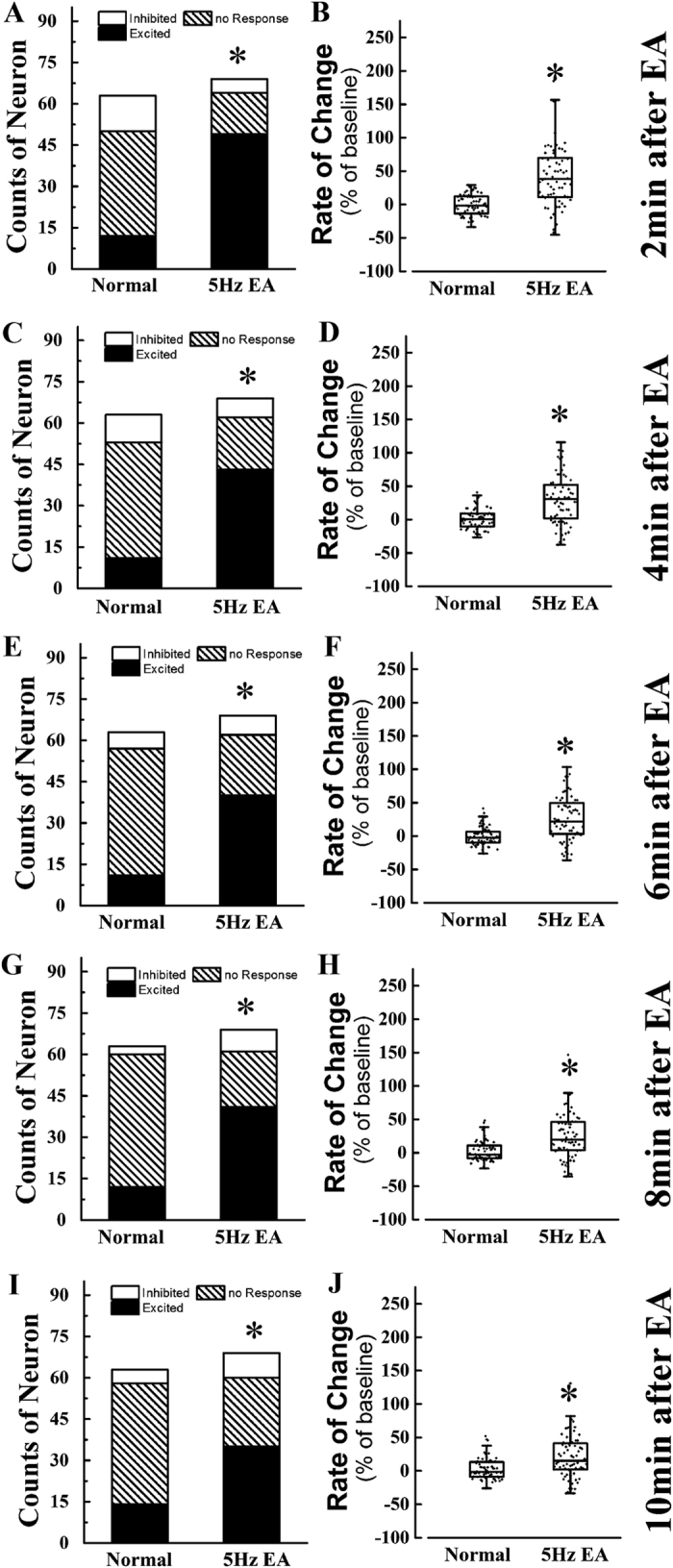
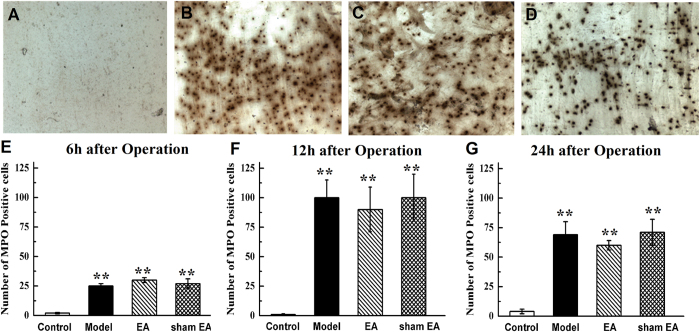
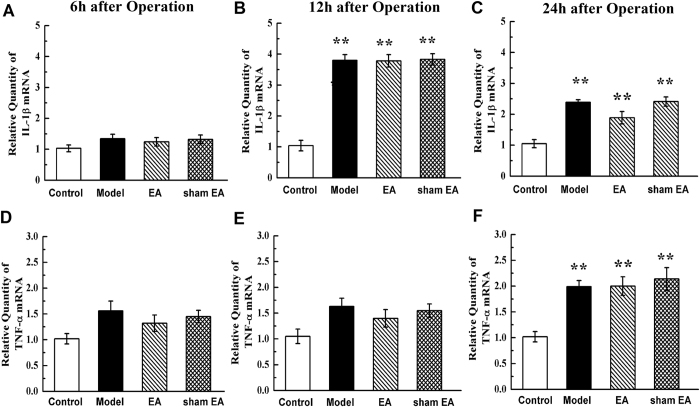
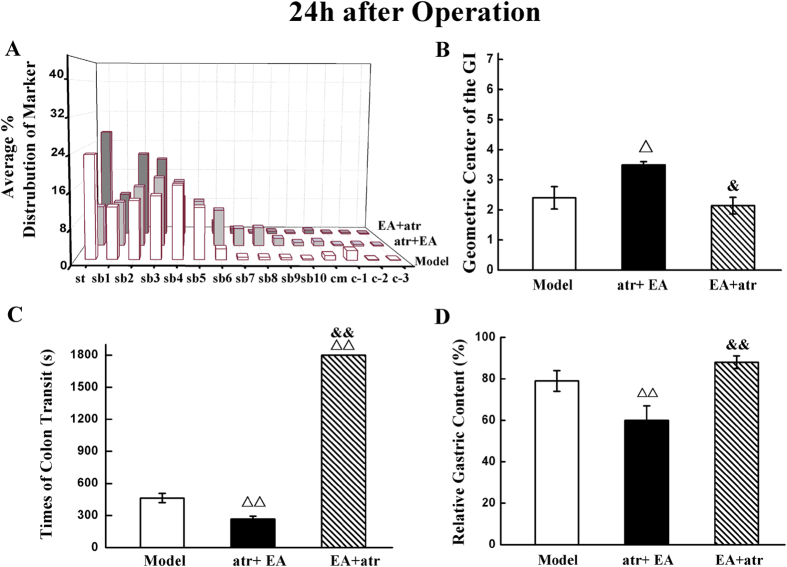
Verification
Claims the paper makes
The claims and statistics of this paper haven’t been checked yet.
Run the check — free, no account needed. It reads the open-access text and checks the sources it cites.
Claims other papers make about this one
Each is checked against this paper’s own text: does it say what the citing paper says it does?
The check wasn’t confident either way, so it gives no verdict — never disputed.
In the citing paper
“The liver is innervated by autonomic and sensory fibers from both the sympathetic and parasympathetic divisions of the nervous system, which play a crucial role in regulating liver function, facilitating liver regeneration, and managing liver diseases.[ 15 ]”
From Electroacupuncture Promotes Liver Regeneration by Activating DMV Acetylcholinergic Neurons-Vagus-Macrophage Axis in 70% Partial Hepatectomy of Mice (2024) · cites this paper as [15]
Experimental — accuracy not yet measured
Self-check
Percentages, sums and reported differences re-computed from the paper’s own numbers.
The self-check needs the paper’s full text.
Citations
Cites
Tracey, K. J. (2002) · Nature · doi:10.1038/nature01321 · Cited by 3,728
Nicotinic acetylcholine receptor α7 subunit is an essential regulator of inflammation
Wang, H., Yu, M., Ochani, M., Amella, C. A., Tanovic, M., Susarla, S., Li, J. H., Wang, H., Yang, H., Ulloa, L., et al. (2003) · Nature · doi:10.1038/nature01339 · Cited by 3,228
de Jonge, W. J., van der Zanden, E. P., The, F. O., Bijlsma, M. F., van Westerloo, D. J., Bennink, R. J., Berthoud, H.-R., Uematsu, S., Akira, S., van den Wijngaard, R. M., et al. (2005) · Nature Immunology · doi:10.1038/ni1229 · Cited by 1,074
Research works printed but not linked: 54
- Boeckxstaens, G. E. & de Jonge, W. J. Neuroimmune mechanisms in postoperative ileus. Gut 58, 1300–1311, doi: 10.1136/gut.2008.169250 (2009). · DOI
- Mattei, P. & Rombeau, J. L. Review of the pathophysiology and management of postoperative ileus. World J Surg 30, 1382–1391, doi: 10.1007/s00268-005-0613-9 (2006). · DOI
- Kalff, J. C., Schraut, W. H., Simmons, R. L. & Bauer, A. J. Surgical manipulation of the gut elicits an intestinal muscularis inflammatory response resulting in postsurgical ileus. Ann Surg 228, 652–663 (1998). · DOI
- Kalff, J. C., Schraut, W. H., Billiar, T. R., Simmons, R. L. & Bauer, A. J. Role of inducible nitric oxide synthase in postoperative intestinal smooth muscle dysfunction in rodents. Gastroenterology 118, 316–327 (2000). · DOI
- de Jonge, W. J. et al. Postoperative ileus is maintained by intestinal immune infiltrates that activate inhibitory neural pathways in mice. Gastroenterology 125, 1137–1147 (2003). · DOI
- Kreiss, C., Birder, L. A., Kiss, S., VanBibber, M. M. & Bauer, A. J. COX-2 dependent inflammation increases spinal Fos expression during rodent postoperative ileus. Gut 52, 527–534 (2003). · DOI
- Chang, J. et al. Iatrogenic extracellular matrix disruption as a local trigger for postoperative ileus. J Surg Res 178, 632–639, doi: 10.1016/j.jss.2012.05.044 (2012). · DOI
- Turler, A. et al. Leukocyte-derived inducible nitric oxide synthase mediates murine postoperative ileus. Ann Surg 244, 220–229, doi: 10.1097/01.sla.0000229963.37544.59 (2006). · DOI
- Zittel, T. T., Reddy, S. N., Plourde, V. & Raybould, H. E. Role of spinal afferents and calcitonin gene-related peptide in the postoperative gastric ileus in anesthetized rats. Ann Surg 219, 79–87 (1994). · DOI
- De Winter, B. Y. et al. Involvement of afferent neurons in the pathogenesis of endotoxin-induced ileus in mice: role of CGRP and TRPV1 receptors. Eur J Pharmacol 615, 177–184, doi: 10.1016/j.ejphar.2009.04.055 (2009). · DOI
- Rychter, J. & Clave, P. Intestinal inflammation in postoperative ileus: pathogenesis and therapeutic targets. Gut 62, 1534–1535, doi: 10.1136/gutjnl-2012-304176 (2013). · DOI
- Gao, Z. et al. Role of the vagus nerve on the development of postoperative ileus. Langenbecks Arch Surg 395, 407–411, doi: 10.1007/s00423-010-0594-5 (2010). · DOI
- Lubbers, T., Buurman, W. & Luyer, M. Controlling postoperative ileus by vagal activation. World J Gastroenterol 16, 1683–1687 (2010). · DOI
- Bonaz, B., Picq, C., Sinniger, V., Mayol, J. F. & Clarencon, D. Vagus nerve stimulation: from epilepsy to the cholinergic anti-inflammatory pathway. Neurogastroenterol Motil 25, 208–221, doi: 10.1111/nmo.12076 (2013). · DOI
- The, F. et al. Central activation of the cholinergic anti-inflammatory pathway reduces surgical inflammation in experimental post-operative ileus. Br J Pharmacol 163, 1007–1016, doi: 10.1111/j.1476-5381.2011.01296.x (2011). · DOI
- Wang, K. et al. Ameliorating effect of transcutaneous electroacupuncture on impaired gastric accommodation induced by cold meal in healthy subjects. Evid Based Complement Alternat Med. 31, 561–566, doi: 10.1155/2016/345702510.1111/jgh.13168 (2016). · DOI
- Pang, T. & Lu, C. Electroacupuncture at ST25 Inhibits Cisapride-Induced Gastric Motility in an Intensity-Dependent Manner. 2016, 3457025, doi: 10.1155/2016/3457025 (2016). · DOI
- Zhang, C. X. & Guo, L. K. Dalitong granule combined with electroacupuncture in the treatment of functional dyspepsia: A randomized controlled trial. Chinese journal of integrative medicine 21, 743–750, doi: 10.1111/jgh.1316810.1007/s11655-015-2175-5 (2015). · DOI
- Jin, H., Liu, J., Foreman, R. D., Chen, J. D. & Yin, J. Electrical neuromodulation at acupoint ST36 normalizes impaired colonic motility induced by rectal distension in dogs. Am J Physiol Gastrointest Liver Physiol 309, G368–376, doi: 10.1152/ajpgi.00467.2014 (2015). · DOI
- Ng, S. S. et al. Electroacupuncture reduces duration of postoperative ileus after laparoscopic surgery for colorectal cancer. Gastroenterology 144, 307–313 e301, doi: 10.1053/j.gastro.2012.10.050 (2013). · DOI
- Li, Y. Q., Zhu, B., Rong, P. J., Ben, H. & Li, Y. H. Neural mechanism of acupuncture-modulated gastric motility. World J Gastroenterol 13, 709–716 (2007). · DOI
- Luckey, A., Livingston, E. & Tache, Y. Mechanisms and treatment of postoperative ileus. Arch Surg 138, 206–214 (2003). · DOI
- Iyer, S., Saunders, W. B. & Stemkowski, S. Economic burden of postoperative ileus associated with colectomy in the United States. Journal of managed care pharmacy: JMCP 15, 485–494 (2009). · DOI
- Asgeirsson, T. et al. Postoperative ileus: it costs more than you expect. Journal of the American College of Surgeons 210, 228–231, doi: 10.1016/j.jamcollsurg.2009.09.028 (2010). · DOI
- Wang, H., Shen, G. M., Liu, W. J., Huang, S. & Zhang, M. T. The Neural Mechanism by Which the Dorsal Vagal Complex Mediates the Regulation of the Gastric Motility by Weishu (RN12) and Zhongwan (BL21) Stimulation. Evid Based Complement Alternat Med 2013, 291764, doi: 10.1155/2013/291764 (2013). · DOI
- Wehner, S., Vilz, T. O., Stoffels, B. & Kalff, J. C. Immune mediators of postoperative ileus. Langenbecks Arch Surg 397, 591–601, doi: 10.1007/s00423-012-0915-y (2012). · DOI
- De Winter, B. Y. et al. Effect of adrenergic and nitrergic blockade on experimental ileus in rats. Br J Pharmacol 120, 464–468, doi: 10.1038/sj.bjp.0700913 (1997). · DOI
- Kehlet, H. & Dahl, J. B. Anaesthesia, surgery, and challenges in postoperative recovery. Lancet(London, England) 362, 1921–1928, doi: 10.1016/s0140-6736(03)14966-5 (2003). · DOI
- Taguchi, A. et al. Selective postoperative inhibition of gastrointestinal opioid receptors. The New England journal of medicine 345, 935–940, doi: 10.1056/NEJMoa010564 (2001). · DOI
- Kehlet, H. Postoperative ileus–an update on preventive techniques. Nature clinical practice. Gastroenterology & hepatology 5, 552–558, doi: 10.1038/ncpgasthep1230 (2008). · DOI
- van Bree, S. H. et al. Systemic inflammation with enhanced brain activation contributes to more severe delay in postoperative ileus. Neurogastroenterol Motil 25, e540–549, doi: 10.1111/nmo.12157 (2013). · DOI
- Kalff, J. C. et al. Biphasic response to gut manipulation and temporal correlation of cellular infiltrates and muscle dysfunction in rat. Surgery 126, 498–509 (1999). · DOI
- Kalff, J. C. et al. Surgically induced leukocytic infiltrates within the rat intestinal muscularis mediate postoperative ileus. Gastroenterology 117, 378–387 (1999). · DOI
- Novitsky, Y. W., Litwin, D. E. & Callery, M. P. The net immunologic advantage of laparoscopic surgery. Surg Endosc 18, 1411–1419, doi: 10.1007/s00464-003-8275-x (2004). · DOI
- The, F. O. et al. Intestinal handling-induced mast cell activation and inflammation in human postoperative ileus. Gut 57, 33–40, doi: 10.1136/gut.2007.120238 (2008). · DOI
- de Jonge, W. J. et al. Mast cell degranulation during abdominal surgery initiates postoperative ileus in mice. Gastroenterology 127, 535–545 (2004). · DOI
- Engel, D. R. et al. T helper type 1 memory cells disseminate postoperative ileus over the entire intestinal tract. Nat Med 16, 1407–1413, doi: 10.1038/nm.2255 (2010). · DOI
- Schmidt, J. et al. Proinflammatory role of leukocyte-derived Egr-1 in the development of murine postoperative ileus. Gastroenterology 135, 926–936, 936 e921-922, doi: 10.1053/j.gastro.2008.05.079 (2008). · DOI
- Boeckxstaens, G. E. et al. Activation of an adrenergic and vagally-mediated NANC pathway in surgery-induced fundic relaxation in the rat. Neurogastroenterol Motil 11, 467–474 (1999). · DOI
- Schwarz, N. T. et al. Prostanoid production via COX-2 as a causative mechanism of rodent postoperative ileus. Gastroenterology 121, 1354–1371 (2001). · DOI
- Pantelis, D. et al. Transient perioperative pharmacologic inhibition of muscularis macrophages as a target for prophylaxis of postoperative ileus does not affect anastomotic healing in mice. Surgery 148, 59–70, doi: 10.1016/j.surg.2009.12.010 (2010). · DOI
- Borovikova, L. V. et al. Vagus nerve stimulation attenuates the systemic inflammatory response to endotoxin. Nature 405, 458–462, doi: 10.1038/35013070 (2000). · DOI · Paper page
- Kox, M. & Pickkers, P. Modulation of the Innate Immune Response through the Vagus Nerve. Nephron 131, 79–84, doi: 10.1159/000435843 (2015). · DOI
- Zabrodskii, P. F., Gromov, M. S. & Maslyakov, V. V. Effect of alpha7n-Acetylcholine Receptor Activation and Antibodies to TNF-alpha on Mortality of Mice and Concentration of Proinflammatory Cytokines During Early Stage of Sepsis. Bull Exp Biol Med 159, 740–742, doi: 10.1007/s10517-015-3063-x (2015). · DOI
- Minutoli, L. et al. Melanocortin 4 receptor stimulation decreases pancreatitis severity in rats by activation of the cholinergic anti-inflammatory pathway. Crit Care Med 39, 1089–1096, doi: 10.1097/CCM.0b013e318207ea80 (2011). · DOI
- Munyaka, P. et al. Central muscarinic cholinergic activation alters interaction between splenic dendritic cell and CD4+ CD25− T cells in experimental colitis. PLoS One 9, e109272, doi: 10.1371/journal.pone.0109272 (2014). · DOI
- Wu, Z., Boersema, G. S., Jeekel, J. & Lange, J. F. Nicotine gum chewing: a novel strategy to shorten duration of postoperative ileus via vagus nerve activation. Medical hypotheses 83, 352–354, doi: 10.1016/j.mehy.2014.06.011 (2014). · DOI
- Matteoli, G. et al. A distinct vagal anti-inflammatory pathway modulates intestinal muscularis resident macrophages independent of the spleen. Gut 63, 938–948, doi: 10.1136/gutjnl-2013-304676 (2014). · DOI
- Van Der Zanden, E. P., Boeckxstaens, G. E. & de Jonge, W. J. The vagus nerve as a modulator of intestinal inflammation. Neurogastroenterol Motil 21, 6–17, doi: 10.1111/j.1365-2982.2008.01252.x (2009). · DOI
- Wang, H. et al. Electroacupuncture at Zusanli Prevents Severe Scalds-Induced Gut Ischemia and Paralysis by Activating the Cholinergic Pathway. Evid Based Complement Alternat Med 2015, 787393, doi: 10.1155/2015/787393 (2015). · DOI
- Villegas-Bastida, A. et al. Electrical Stimulation at the ST36 Acupoint Protects against Sepsis Lethality and Reduces Serum TNF Levels through Vagus Nerve- and Catecholamine-Dependent Mechanisms. Evid Based Complement Alternat Med 2014, 451674, doi: 10.1155/2014/451674 (2014). · DOI
- Ng, S. S. et al. Electroacupuncture reduces duration of postoperative ileus after laparoscopic surgery for colorectal cancer. Gastroenterology 144, 307–313.e301, doi: 10.1053/j.gastro.2012.10.050 (2013). · DOI
- Peters, J. H., McDougall, S. J., Mendelowitz, D., Koop, D. R. & Andresen, M. C. Isoflurane differentially modulates inhibitory and excitatory synaptic transmission to the solitary tract nucleus. Anesthesiology 108, 675–683, doi: 10.1097/ALN.0b013e318167af9a (2008). · DOI
- van Bree, S. H. et al. New therapeutic strategies for postoperative ileus. Nat Rev Gastroenterol Hepatol 9, 675–683, doi: 10.1038/nrgastro.2012.134 (2012). · DOI
Cited by
Sorted by citations
Yang, L., Zhou, Y., Huang, Z., Li, W., Lin, J., Huang, W., Sang, Y., Wang, F., Sun, X., Song, J., et al. (2024) · Advanced Science · doi:10.1002/advs.202402856 · Cited by 23
Metadata
- Authors
- Fang, J.-F., Fang, J.-Q., Shao, X.-M., Du, J.-Y., Liang, Y., Wang, W., & Liu, Z.
- Affiliations
- Zhejiang Chinese Medical University (CN)
- Corresponding author
- Fang, Jian-qiao
- Venue
- Scientific Reports
- Published
- 2017-01-04
- Volume
- 7
- Issue
- 1
- Pages
- 39801-39801
- ISSN
- 2045-2322 (ISSN-L)
- PMC
- PMC5209726
- OpenAlex
- W2571355819
- Cited by
- 69
- References
- 3
- Citations by year
- 2026: 1 · 2025: 10 · 2024: 10 · 2023: 10 · 2022: 7 · 2021: 7 · 2020: 10 · 2019: 6 · 2018: 6 · 2017: 2
- FWCI
- 9.73
- Type
- journal article
- Language
- en
- Open access
- gold
- doi.org
- Locations
- Scientific Reports (publishedVersion, cc-by)
- PubMed Central (publishedVersion, cc-by)
- PubMed (publishedVersion)
- Funders
- National Key Research and Development Program of China ((2013CB531906))
- Natural Science Foundation of Zhejiang Province (2013TD15)
- Topics
- Health Sciences › Medicine › Complementary and alternative medicine › Acupuncture Treatment Research Studies
- Health Sciences › Medicine › Gastroenterology › Gastrointestinal motility and disorders
- Health Sciences › Medicine › Surgery › Nausea and vomiting management
- Keywords
- electroacupuncture, postoperative ileus, vagus nerve, nucleus tractus solitarius, Zusanli (ST36), gastric emptying, intestinal transit, colonic transit, intestinal inflammation, c-fos, atropine, cholinergic anti-inflammatory pathway, abdominal surgery, inhalational anesthesia
- MeSH terms
- Abdomen, Animals, Atropine, Electrodes, Implanted, Gastric Emptying, Gastrointestinal Transit, Inflammation, Intestine, Small, Leukocytes, Postoperative Complications, Tumor Necrosis Factor-alpha, Vagus Nerve, Electroacupuncture, Proto-Oncogene Proteins c-fos, Solitary Nucleus, Ileus, Rats, Interleukin-1beta
About these checks
Registry, retraction, Cites and statistics results are computed, not judged, with one exception: a printed reference that no index lists is read once by a model before it counts as a citation error. Claims are extracted by a model and kept only when their quote appears verbatim in the text; each cited source is then checked, with a model’s help, for whether it says what the claim relies on. Those verdicts can be wrong — read the claim’s quote and the cited source before relying on one.
Statistics and arithmetic are recomputed, not judged.
Confidence bands are shown only for fields calibrated on our annotated test set. None is calibrated yet, so no band is shown.
What counts as a claim ›How we measure confidence ›How we check this ›
Are you an author, or do you see a problem with this page? Request a review
How to cite
Cite CoChat for the checks on this page, and the paper for its own findings.
- This page
- CoChat. (2026). Citation check: Electroacupuncture treatment partly promotes the recovery time of postoperative ileus by activating the vagus nerve but not regulating local inflammation. https://app.cochat.ai/papers/10.1038/srep39801
- The paper
- Fang, J.-F., Fang, J.-Q., Shao, X.-M., Du, J.-Y., Liang, Y., Wang, W., & Liu, Z. (2017). Electroacupuncture treatment partly promotes the recovery time of postoperative ileus by activating the vagus nerve but not regulating local inflammation. Scientific Reports. https://doi.org/10.1038/srep39801
