

The DOI matches its Crossref record; 31 of the 31 references it cites were found in a registry or an index.
Molecularly imprinted nanoparticles reveal regulatory scaffolding features in Pyk2 tyrosine kinase
Open accessPublished version of a preprint
Abstract
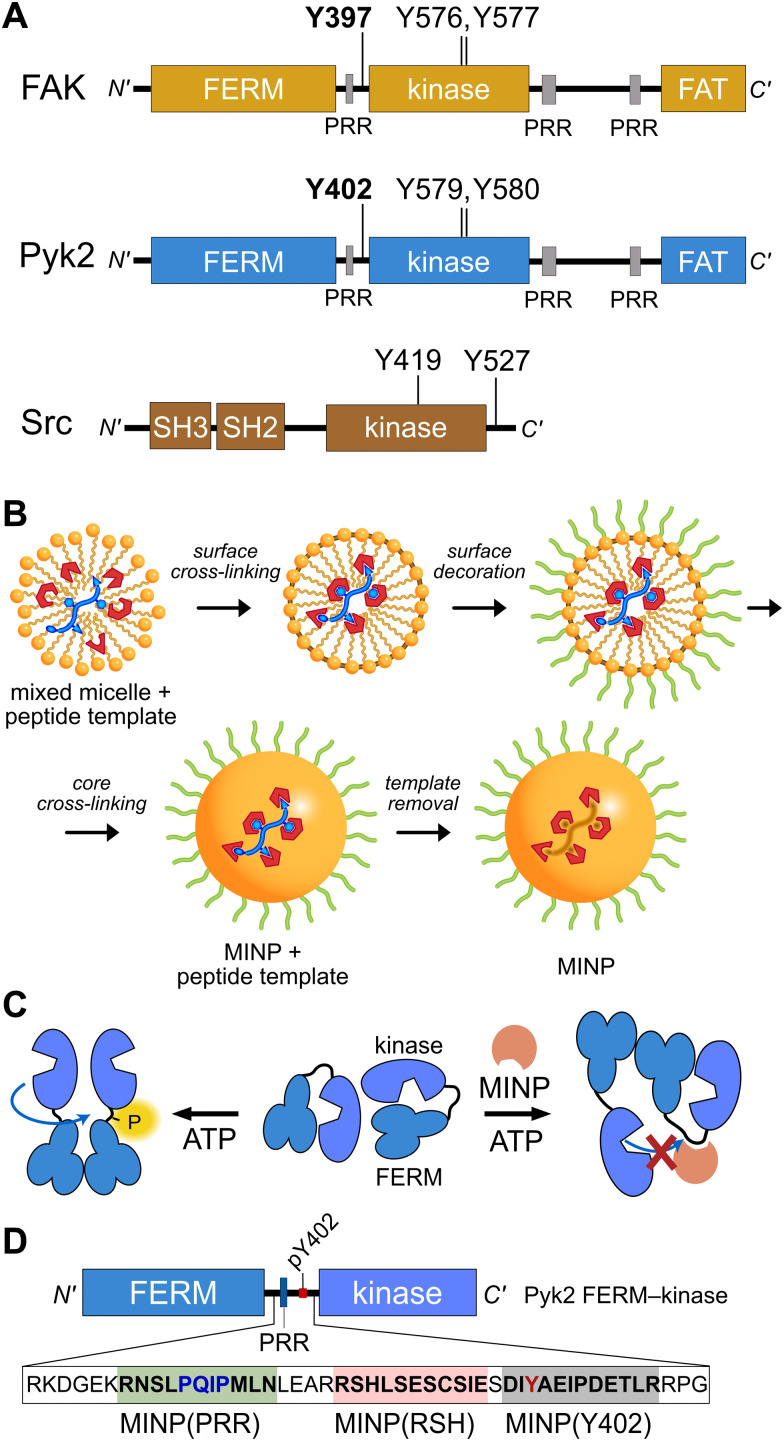
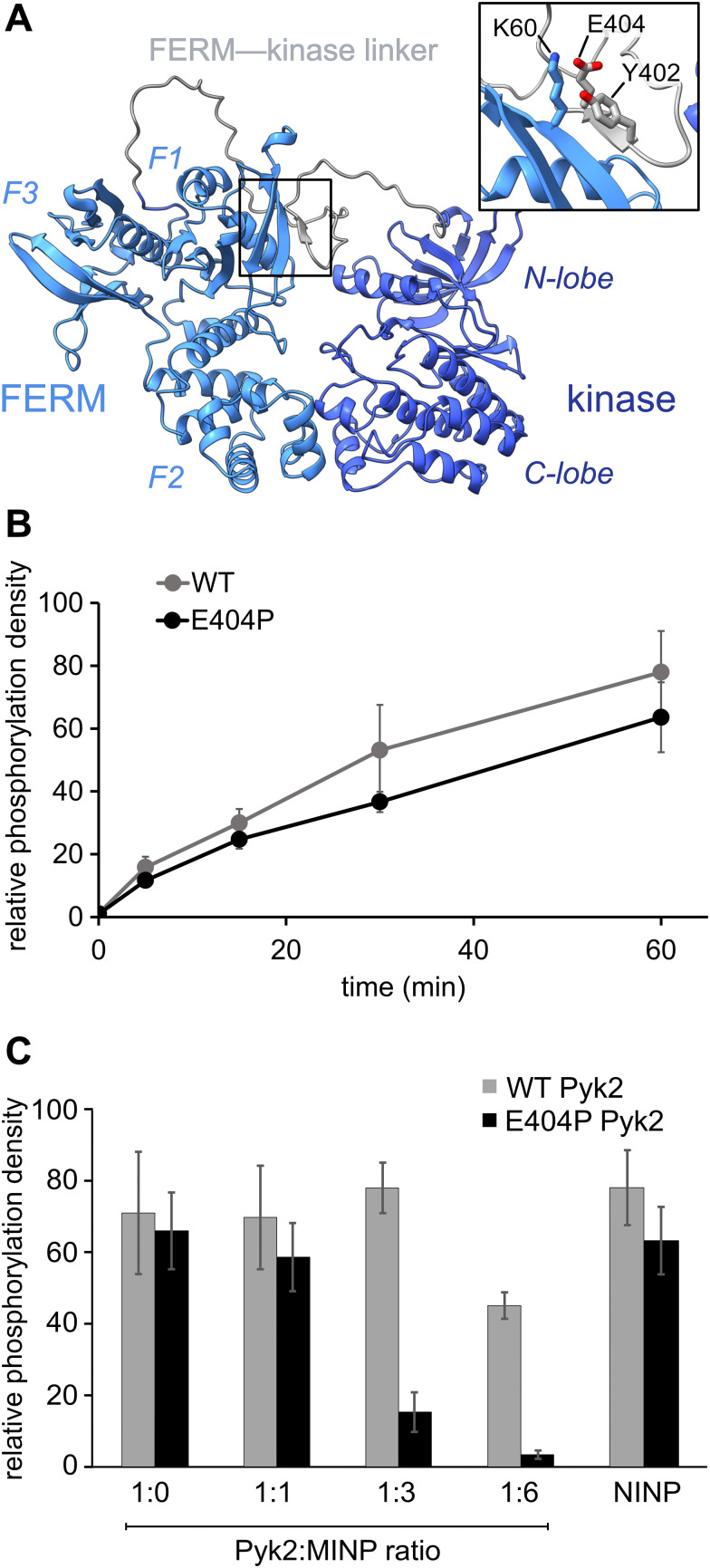
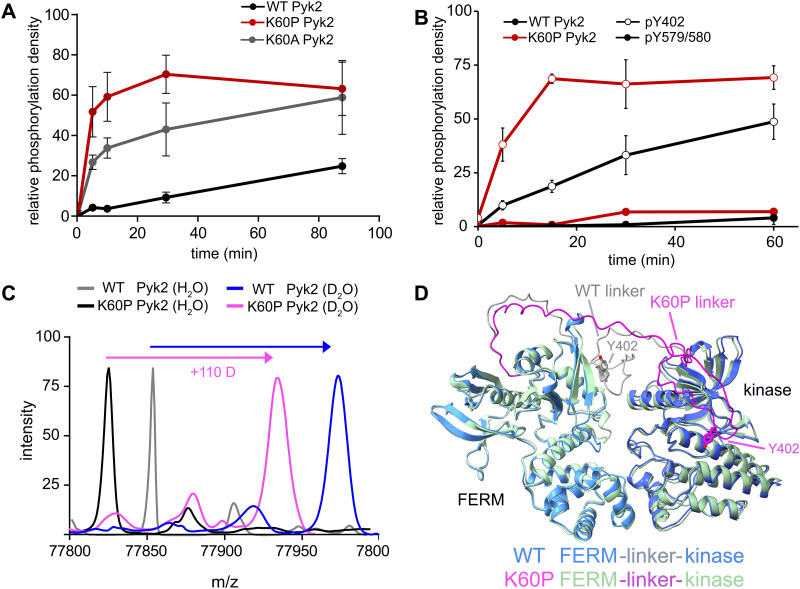
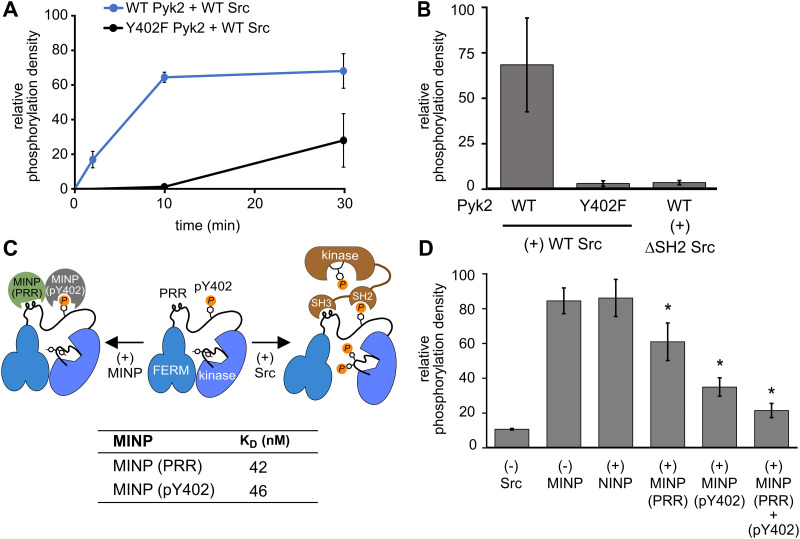
We employ peptide-binding molecularly imprinted nanoparticles (MINPs) to probe the regulatory conformations and scaffolding interactions governing Pyk2 kinase activation.
Overview
The claims and statistics of this paper haven’t been checked yet.
Run the check — free, no account needed. It reads the open-access text and checks the sources it cites.
Integrity signals
Registry
Cites
Statistics
Figures
Verification
Claims the paper makes
The claims and statistics of this paper haven’t been checked yet.
Run the check — free, no account needed. It reads the open-access text and checks the sources it cites.
Self-check
Percentages, sums and reported differences re-computed from the paper’s own numbers.
The self-check needs the paper’s full text.
Citations
Cites
Highly accurate protein structure prediction with AlphaFold
Jumper, J., Evans, R., Pritzel, A., Green, T., Figurnov, M., Ronneberger, O., Tunyasuvunakool, K., Bates, R., Žídek, A., Potapenko, A., et al. (2021) · Nature · doi:10.1038/s41586-021-03819-2 · Cited by 43,764
Varadi, M., Anyango, S., Deshpande, M., Nair, S., Natassia, C., Yordanova, G., Yuan, D., Stroe, O., Wood, G., Laydon, A., et al. (2022) · Nucleic Acids Research · doi:10.1093/nar/gkab1061 · Cited by 7,850
Lev, S., Moreno, H., Martinez, R., Canoll, P., Peles, E., Musacchio, J. M., Plowman, G. D., Rudy, B., & Schlessinger, J. (1995) · Nature · doi:10.1038/376737a0 · Cited by 1,381
Autophosphorylation of the Focal Adhesion Kinase, ppl25FAK, Directs SH2-Dependent Binding of pp60src
Schaller, M. D., Hildebrand, J. D., Shannon, J. D., Fox, J. W., Vines, R. R., & Parsons, J. T. (1994) · Molecular and Cellular Biology · doi:10.1128/mcb.14.3.1680-1688.1994 · Cited by 1,138
Schaller, M. D., Hildebrand, J. D., Shannon, J. D., Fox, J. W., Vines, R. R., & Parsons, J. T. (1994) · Molecular and Cellular Biology · doi:10.1128/mcb.14.3.1680 · Cited by 876
Structural Basis for the Autoinhibition of Focal Adhesion Kinase
Lietha, D., Cai, X., Ceccarelli, D. F. J., Li, Y., Schaller, M. D., & Eck, M. J. (2007) · Cell · doi:10.1016/j.cell.2007.05.041 · Cited by 488
CAKβ/Pyk2 Kinase Is a Signaling Link for Induction of Long-Term Potentiation in CA1 Hippocampus
Huang, Y.-Q., Lu, W.-Y., Ali, D. W., Pelkey, K. A., Pitcher, G. M., Lu, Y. M., Aoto, H., Roder, J. C., Sasaki, T., Salter, M. W., et al. (2001) · Neuron · doi:10.1016/s0896-6273(01)00220-3 · Cited by 274
SH2- and SH3-mediated Interactions between Focal Adhesion Kinase and Src
Thomas, J. W., Ellis, B., Boerner, R. J., Knight, W. B., White, G. C., & Schaller, M. D. (1998) · Journal of Biological Chemistry · doi:10.1074/jbc.273.1.577 · Cited by 254
Higgins, A. J., Flynn, A. J., Marconnet, A., Musgrove, L. J., Postis, V. L. G., Lippiat, J. D., Chung, C., Ceska, T., Zoonens, M. A., Sobott, F., et al. (2022) · Communications Biology · doi:10.1038/s42003-021-02997-z · Cited by 163
RAFTK/Pyk2 Activation Is Mediated by Trans-acting Autophosphorylation in a Src-independent Manner
Park, S., Avraham, H. K., & Avraham, S. (2004) · Journal of Biological Chemistry · doi:10.1074/jbc.m313527200 · Cited by 149
Research works printed but not linked: 5
- Goñi, 2014, Proc. Natl. Acad. Sci. U. S. A., 111, E3177
- Schaller, 1994, Mol. Cell. Biol., 14, 1680
- Palhano Zanela, 2023, Structure, 1
- Li, 2021, J. Am. Chem. Soc., 143, 639, 10.1021/jacs.0c11566 · DOI
- Zhu, 2018, Cancers, 10
Metadata
- Authors
- Zanela, T. M. P., Zangiabadi, M., Zhao, Y., & Underbakke, E. S.
- Affiliations
- Roy J. Carver Department of Biochemistry, Biophysics, and Molecular Biology, Iowa State University, Ames, IA, 50011, USA
- Iowa State University (US)
- Corresponding author
- Underbakke, Eric S.
- Venue
- RSC Chemical Biology
- Publisher
- Royal Society of Chemistry (RSC)
- Published
- 2024
- Volume
- 5
- Issue
- 5
- Pages
- 447-453
- ISSN
- 2633-0679 (ISSN-L)
- PMC
- PMC11078204
- OpenAlex
- W4392776802
- Cited by
- 3
- References
- 31
- Citations by year
- 2026: 1 · 2025: 1 · 2024: 1
- FWCI
- 0.41
- Type
- journal article
- Language
- en
- Open access
- gold
- doi.org
- Licence
- Locations
- RSC Chemical Biology (publishedVersion, cc-by)
- bioRxiv (Cold Spring Harbor Laboratory) (acceptedVersion, cc-by)
- PubMed Central (publishedVersion, cc-by)
- PubMed (publishedVersion)
- DOAJ (DOAJ: Directory of Open Access Journals) (submittedVersion)
- Funders
- Division of Materials Research (2002659, 2308625)
- Division of Molecular and Cellular Biosciences (1715411)
- Topics
- Life Sciences › Biochemistry, Genetics and Molecular Biology › Molecular Biology › Protein Kinase Regulation and GTPase Signaling
- Physical Sciences › Chemistry › Organic Chemistry › Chemical Synthesis and Analysis
- Life Sciences › Biochemistry, Genetics and Molecular Biology › Molecular Biology › Protein Structure and Dynamics
- Keywords
- Pyk2, non-receptor tyrosine kinase, molecularly imprinted nanoparticles, autophosphorylation sites, kinase activation, Src kinase, FERM domain, autoinhibition, protein conformational regulation
About these checks
Registry, retraction, Cites and statistics results are computed, not judged, with one exception: a printed reference that no index lists is read once by a model before it counts as a citation error. Claims are extracted by a model and kept only when their quote appears verbatim in the text; each cited source is then checked, with a model’s help, for whether it says what the claim relies on. Those verdicts can be wrong — read the claim’s quote and the cited source before relying on one.
Statistics and arithmetic are recomputed, not judged.
Confidence bands are shown only for fields calibrated on our annotated test set. None is calibrated yet, so no band is shown.
What counts as a claim ›How we measure confidence ›How we check this ›
Are you an author, or do you see a problem with this page? Request a review
How to cite
Cite CoChat for the checks on this page, and the paper for its own findings.
- This page
- CoChat. (2026). Citation check: Molecularly imprinted nanoparticles reveal regulatory scaffolding features in Pyk2 tyrosine kinase. https://app.cochat.ai/papers/10.1039/d3cb00228d
- The paper
- Zanela, T. M. P., Zangiabadi, M., Zhao, Y., & Underbakke, E. S. (2024). Molecularly imprinted nanoparticles reveal regulatory scaffolding features in Pyk2 tyrosine kinase. RSC Chemical Biology. https://doi.org/10.1039/d3cb00228d
Data sources
Bibliographic data: Semantic Scholar, OpenAlex, Crossref.
Contains information from the Semantic Scholar Academic Graph Datasets, made available under the ODC Attribution License (ODC-BY 1.0).
Semantic Scholar’s data is described in: Kinney, R., et al. (2023). The Semantic Scholar Open Data Platform. arXiv:2301.10140.
