

Space radiation triggers persistent stress response, increases senescent signaling, and decreases cell migration in mouse intestine
Open accessThe DOI matches its Crossref record; 40 of the 40 references it cites were found in a registry or an index.
Abstract
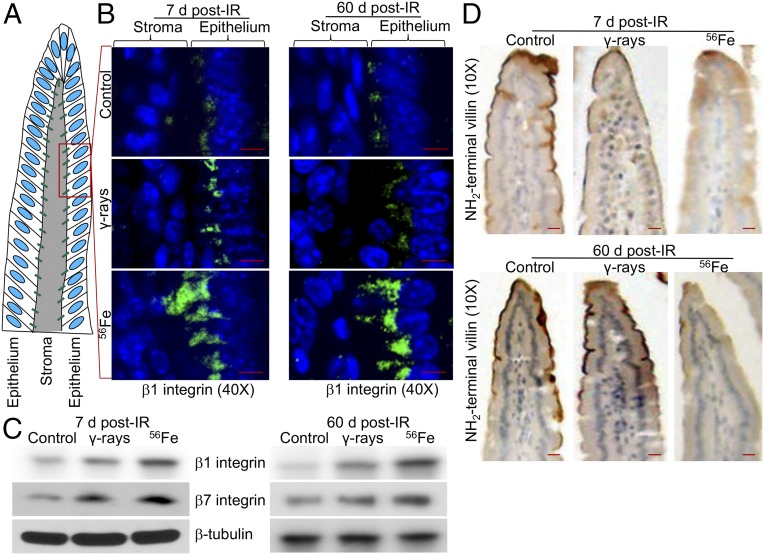
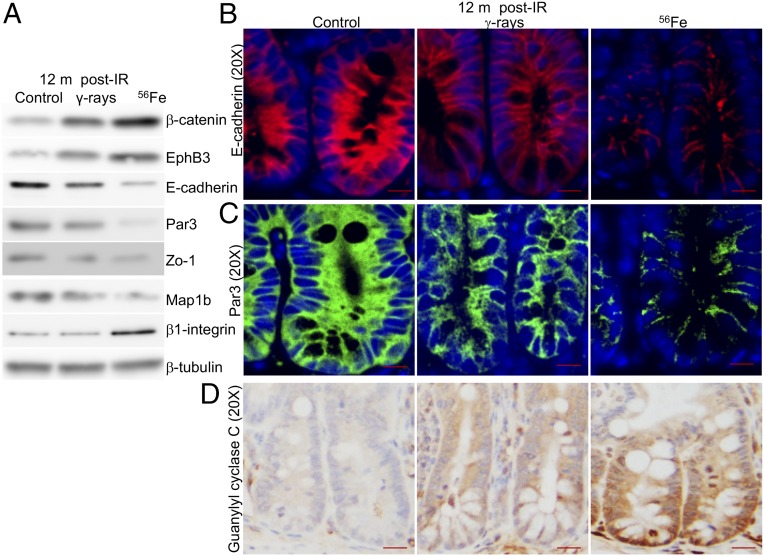
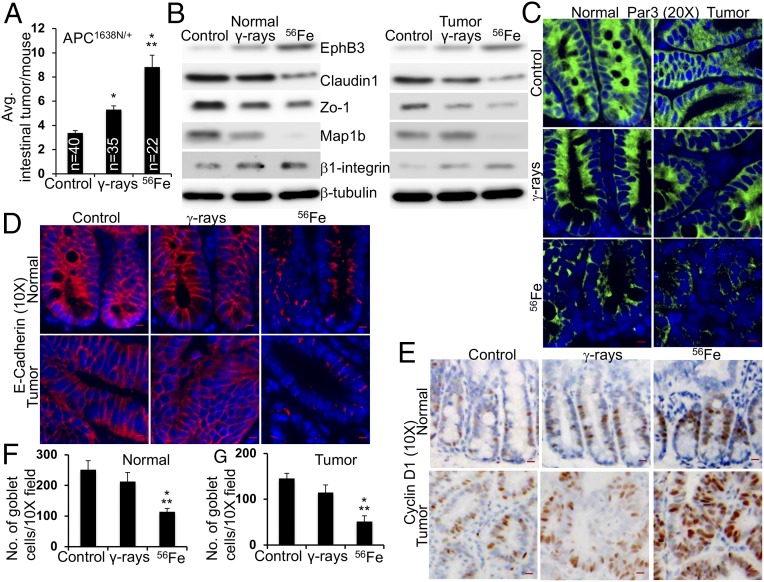
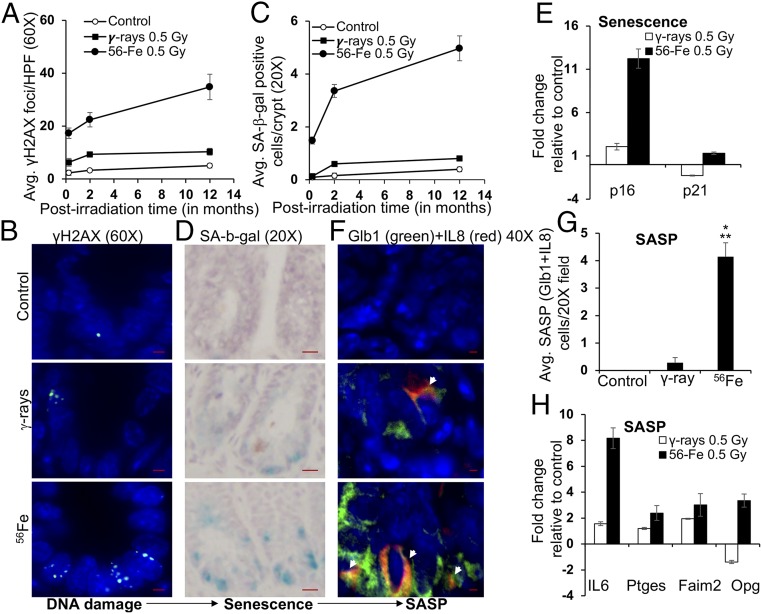
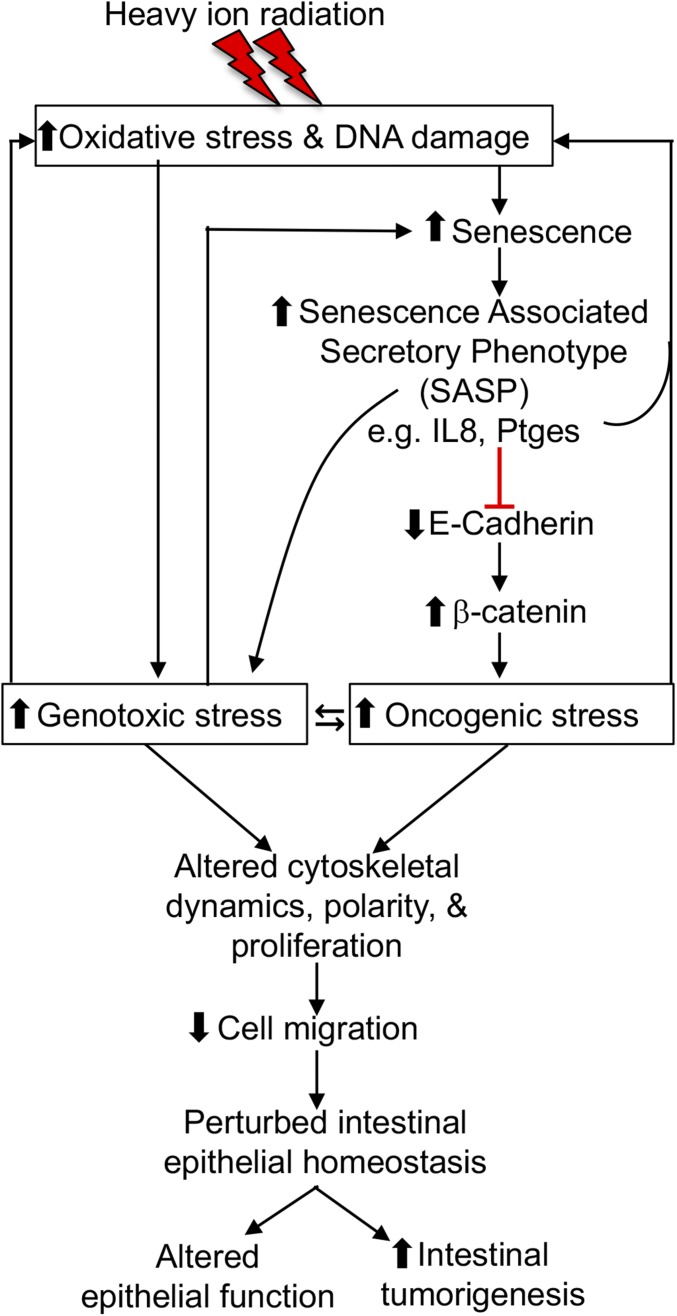
Significance: Coordinated epithelial cell migration is key to maintaining functional integrity and preventing pathological processes in gastrointestinal tissue, and is essential for astronauts’ health and space mission success. Here we show that energetic heavy ions, which are more prevalent in deep space relative to low-Earth orbit, could persistently decrease intestinal epithelial cell migration, alter cytoskeletal remodeling, and increase cell proliferation with ongoing DNA damage and cell senescence, even a year after irradiation. Our study has provided the molecular underpinnings for energetic heavy-ion 56 Fe radiation-induced cell migration alterations, and raises a potentially serious concern, particularly for long-term deep-space manned missions.
Overview
The claims and statistics of this paper haven’t been checked yet.
Free: it reads the open-access text and checks the first 5 claims that cite a source we can check. Create a free account to check every claim.
Integrity signals
Registry
Cites
Statistics
Figures
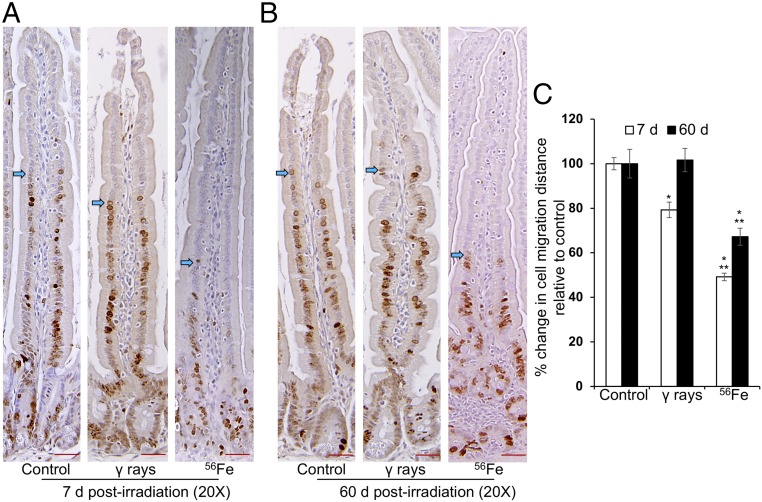
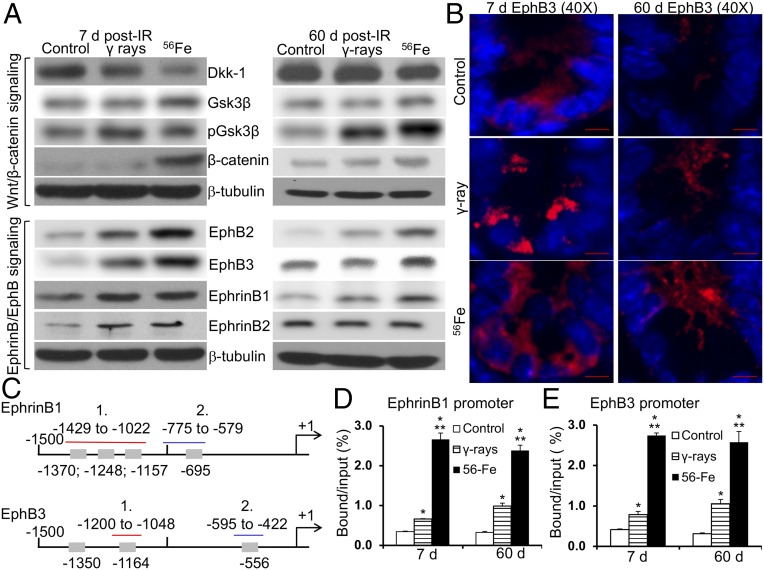
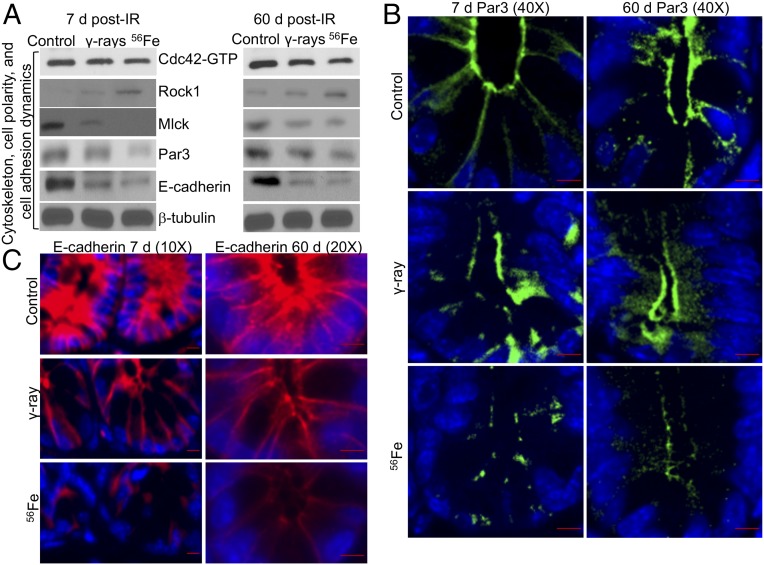
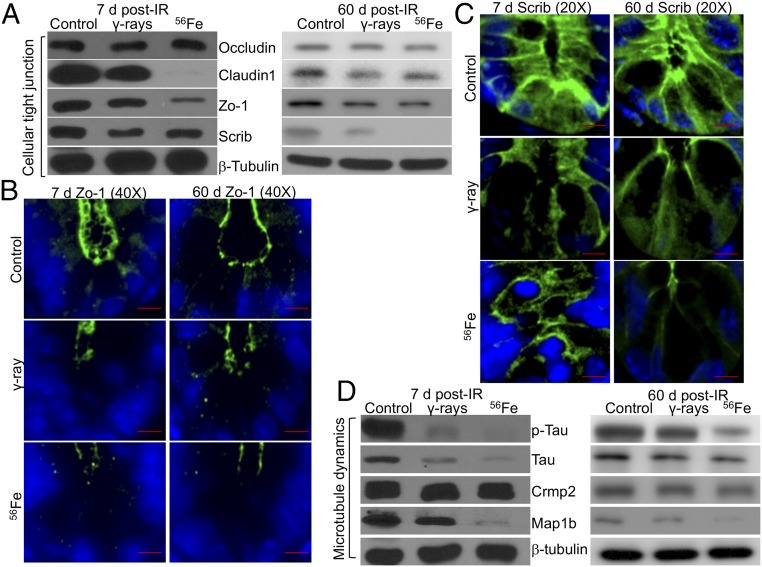
Verification
Claims the paper makes
The claims and statistics of this paper haven’t been checked yet.
Free: it reads the open-access text and checks the first 5 claims that cite a source we can check. Create a free account to check every claim.
Claims other papers make about this one
Each is checked against this paper’s own text: does it say what the citing paper says it does?
The source backs part of the claim, not all of it — or backs it for a different population, condition or comparison.
In the citing paper
“As an example, persistently high levels of oxidative damage are observed in the intestine from mice examined 1 year after exposure to 56Fe-ion radiation compared to gamma radiation and unirradiated controls14,15.”
From Red risks for a journey to the red planet: The highest priority human health risks for a mission to Mars (2020) · cites this paper as [15]
Experimental — accuracy not yet measured
Self-check
Percentages, sums and reported differences re-computed from the paper’s own numbers.
The self-check needs the paper’s full text.
Citations
Cites
Intestinal epithelial cells: regulators of barrier function and immune homeostasis
Peterson, L. W., & Artis, D. (2014) · Nature Reviews Immunology · doi:10.1038/nri3608 · Cited by 3,173
Convergence of Wnt, ß-Catenin, and Cadherin Pathways
Nelson, W. J., & Nusse, R. (2004) · Science · doi:10.1126/science.1094291 · Cited by 2,515
Solid Cancer Incidence in Atomic Bomb Survivors: 1958–1998
Preston, D. L., Ron, E., Tokuoka, S., Funamoto, S., Nishi, N., Soda, M., Mabuchi, K., & Kodama, K. (2007) · Radiation Research · doi:10.1667/rr0763.1 · Cited by 1,753
Batlle, E., Henderson, J. T., Beghtel, H., van den Born, M. M. W., Sancho, E., Huls, G., Meeldijk, J., Robertson, J., van de Wetering, M., Pawson, T., et al. (2002) · Cell · doi:10.1016/s0092-8674(02)01015-2 · Cited by 1,120
The cell-polarity protein Par6 links Par3 and atypical protein kinase C to Cdc42
Joberty, G., Petersen, C., Gao, L., & Macara, I. G. (2000) · Nature Cell Biology · doi:10.1038/35019573 · Cited by 928 · cited 1×
“Cellular apicobasal polarity is established and regulated via Par3/Par6/PKC/Cdc42 complex formation (35), and our data show that the polarity-associated molecule Par3 is down-regulated after (56)Fe radiation.”
BackgroundCancer Incidence in Atomic Bomb Survivors. Part II: Solid Tumors, 1958-1987
Thompson, D. E., Mabuchi, K., Ron, E., Soda, M., Tokunaga, M., Ochikubo, S., Sugimoto, S., Ikeda, T., Terasaki, M., Izumi, S., et al. (1994) · Radiation Research · doi:10.2307/3578892 · Cited by 779
Huttenlocher, A., & Horwitz, A. R. (2011) · Cold Spring Harbor Perspectives in Biology · doi:10.1101/cshperspect.a005074 · Cited by 761
CRMP-2 binds to tubulin heterodimers to promote microtubule assembly
Fukata, Y., Itoh, T. J., Kimura, T., Ménager, C., Nishimura, T., Shiromizu, T., Watanabe, H., Inagaki, N., Iwamatsu, A., Hotani, H., et al. (2002) · Nature Cell Biology · doi:10.1038/ncb825 · Cited by 761
Mars' surface radiation environment measured with the Mars Science Laboratory's Curiosity rover
Hassler, D. M., Zeitlin, C., Wimmer-Schweingruber, R. F., Ehresmann, B., Rafkin, S., Eigenbrode, J. L., Brinza, D. E., Weigle, G., Böttcher, S., Böhm, E., et al. (2014) · Science · doi:10.1126/science.1244797 · Cited by 727
Cucinotta, F. A., & Durante, M. (2006) · The Lancet Oncology · doi:10.1016/s1470-2045(06)70695-7 · Cited by 697
Research works printed but not linked: 1
- National Research Council 2011 Guide for the Care and Use of Laboratory Animals (National Academies Press, Washington, DC), 8th Ed
Cited by
Patel, Z. S., Brunstetter, T. J., Tarver, W. J., Whitmire, A. M., Zwart, S. R., Smith, S. M., & Huff, J. L. (2020) · npj Microgravity · doi:10.1038/s41526-020-00124-6 · Cited by 373
Wei, L., Wen, X.-S., & Xian, C. J. (2021) · International Journal of Molecular Sciences · doi:10.3390/ijms22179474 · Cited by 153
Direct quantification of in vivo mutagenesis and carcinogenesis using duplex sequencing
Valentine, C. C., Young, R. R., Fielden, M. R., Kulkarni, R., Williams, L. N., Li, T., Minocherhomji, S., & Salk, J. J. (2020) · Proceedings of the National Academy of Sciences · doi:10.1073/pnas.2013724117 · Cited by 113
Radiation-Induced Intestinal Damage: Latest Molecular and Clinical Developments
Lu, L., Li, W., Chen, L., Su, Q., Wang, Y., Guo, Z., Lu, Y., Liu, B., & Qin, S. (2019) · Future Oncology · doi:10.2217/fon-2019-0416 · Cited by 104
Carcinogenesis induced by space radiation: A systematic review
Guo, Z., Zhou, G., & Hu, W. (2022) · Neoplasia · doi:10.1016/j.neo.2022.100828 · Cited by 99
ACSL4 is essential for radiation-induced intestinal injury by initiating ferroptosis
Ji, Q., Fu, S., Zuo, H., Huang, Y., Chu, L., Zhu, Y., Hu, J. Y., Wu, Y., Chen, S., Wang, Y., et al. (2022) · Cell Death Discovery · doi:10.1038/s41420-022-01127-w · Cited by 79
Sexual Dimorphism of Gut Microbiota Dictates Therapeutics Efficacy of Radiation Injuries
Cui, M., Xiao, H., Li, Y., Zhang, S., Dong, J., Wang, B., Zhu, C., Jiang, M., Zhu, T., He, J., et al. (2019) · Advanced Science · doi:10.1002/advs.201901048 · Cited by 64
DNA Damage Baseline Predicts Resilience to Space Radiation and Radiotherapy
Pariset, E., Bertucci, A., Petay, M., Malkani, S., Lopez Macha, A., Paulino Lima, I. G., Gomez Gonzalez, V., Tin, A. S., Tang, J., Plante, I., et al. (2020) · Cell Reports · doi:10.1016/j.celrep.2020.108434 · Cited by 56
“The main health risks of space radiation exposure include carcinogenesis, immune dysfunction, cardiovascular damage, and central nervous system deficits (Cucinotta et al., 2009; Huff et al., 2016; Krukowski et al., 2018; Kumar et al., 2018; Patel et al., 2016).”
Kumar, S., Suman, S., Fornace, A. J., & Datta, K. (2019) · Aging · doi:10.18632/aging.102043 · Cited by 52
Self-citationNutritional challenges and countermeasures for space travel
Cahill, T., & Hardiman, G. (2020) · Nutrition Bulletin · doi:10.1111/nbu.12422 · Cited by 49
Kumar, K., Kumar, S., Datta, K., Fornace, A. J., & Suman, S. (2023) · Current Oncology · doi:10.3390/curroncol30060416 · Cited by 45
Self-citationBarrila, J., Sarker, S. F., Hansmeier, N., Yang, S., Buss, K., Briones, N., Park, J. K., Davis, R. R., Forsyth, R. J., Ott, C. M., et al. (2021) · npj Microgravity · doi:10.1038/s41526-021-00136-w · Cited by 41
Bedree, J. K., Kerns, K. A., Chen, T., Lima, B. P., Liu, G., Ha, P., Shi, J., Pan, H. C., Kim, J. K., Tran, L., et al. (2023) · Cell Reports · doi:10.1016/j.celrep.2023.112299 · Cited by 37
Sittipo, P., Pham, H. Q., Park, C. E., Kang, G.-U., Zhi, Y., Ji, H. J., Jang, A.-Y., Seo, H. S., Shin, J., & Lee, Y. K. (2020) · Frontiers in Cellular and Infection Microbiology · doi:10.3389/fcimb.2020.00415 · Cited by 33
Total body irradiation induced mouse small intestine senescence as a late effect
Zhao, Y., Zhang, J., Han, X., & Fan, S. (2019) · Journal of Radiation Research · doi:10.1093/jrr/rrz026 · Cited by 34
Molecular regulation after mucosal injury and regeneration in ulcerative colitis
Zheng, L., Duan, S.-L., Wen, X., & Dai, Y.-C. (2022) · Frontiers in Molecular Biosciences · doi:10.3389/fmolb.2022.996057 · Cited by 30
8-OxodG: A Potential Biomarker for Chronic Oxidative Stress Induced by High-LET Radiation
Kumar, K., Fornace, A. J., & Suman, S. (2024) · DNA · doi:10.3390/dna4030015 · Cited by 29
Self-citationLi, Y., Liu, S., Liu, H., Cui, Y., & Deng, Y. (2021) · International Journal of Molecular Sciences · doi:10.3390/ijms22052722 · Cited by 26
Heavy ion space radiation triggers ongoing DNA base damage by downregulating DNA repair pathways
Suman, S., Jaruga, P., Dizdaroğlu, M., Fornace, A. J., & Datta, K. (2020) · Life Sciences in Space Research · doi:10.1016/j.lssr.2020.07.001 · Cited by 24
Self-citationDeng, Q., Shao, Y., Wang, Q., Li, J., Li, Y., Ding, X., Huang, P., Yin, J., Yang, H., & Yin, Y. (2021) · Journal of Animal Physiology and Animal Nutrition · doi:10.1111/jpn.13491 · Cited by 23
Mortezaee, K., Najafi, M., Farhood, B., Ahmadi, A., Shabeeb, D., & Musa, A. E. (2019) · Medicina · doi:10.3390/medicina55090591 · Cited by 24
Li, Y., Sui, L., Zhao, H., Zhang, W., Gao, L., Hu, W., Song, M. S., Liu, X., Kong, F., Gong, Y., et al. (2022) · Frontiers in Microbiology · doi:10.3389/fmicb.2022.874702 · Cited by 22
Mechanobiological Implications of Cancer Progression in Space
Kim, H., Shin, Y. J., & Kim, D. (2021) · Frontiers in Cell and Developmental Biology · doi:10.3389/fcell.2021.740009 · Cited by 21
Yuan, T., Zhang, J., Zhao, Y., Guo, Y., & Fan, S. (2023) · Redox Biology · doi:10.1016/j.redox.2023.102942 · Cited by 21
3D biofabrication and space: A ‘far-fetched dream’ or a ‘forthcoming reality’?
Majumder, N., & Ghosh, S. (2023) · Biotechnology Advances · doi:10.1016/j.biotechadv.2023.108273 · Cited by 18
Ameliorative effect of 2-methoxyestradiol on radiation-induced lung injury
Elzayat, M. A.-M., Bayoumi, A. M. A., Abdel‐Bakky, M. S., Mansour, A. M., Kamel, M., Abo‐Saif, A. A., Allam, S., Salama, A., & Salama, S. A. (2020) · Life Sciences · doi:10.1016/j.lfs.2020.117743 · Cited by 18
A Review of Recent Low-dose Research and Recommendations for Moving Forward
Wilson, C., Adams, G. G., Patel, P., Windham, K., Ennis, C., & Caffrey, E. (2024) · Health Physics · doi:10.1097/hp.0000000000001808 · Cited by 16
Sex Differences of Radiation Damage in High-Fat-Diet-Fed Mice and the Regulatory Effect of Melatonin
Ren, J., Yuan, T., Li, H., Wu, X., Zhang, J., Li, D., Lu, L., & Fan, S. (2022) · Nutrients · doi:10.3390/nu15010064 · Cited by 16
Suman, S., & Fornace, A. J. (2022) · Life Sciences in Space Research · doi:10.1016/j.lssr.2022.09.005 · Cited by 14
Self-citationPelvic irradiation induces behavioural and neuronal damage through gut dysbiosis in a rat model
Venkidesh, B. S., Narasimhamurthy, R. K., Jnana, A., Reghunathan, D., Sharan, K., Chandraguthi, S. G., Saigal, M., Murali, T. S., & Mumbrekar, K. D. (2023) · Chemico-Biological Interactions · doi:10.1016/j.cbi.2023.110775 · Cited by 14
Squire, T., Ryan, A., & Bernard, S. (2020) · Life Sciences in Space Research · doi:10.1016/j.lssr.2020.05.005 · Cited by 14
Li, Z., Jella, K. K., Jaafar, L., Moreno, C. S., & Dynan, W. S. (2020) · Life Sciences in Space Research · doi:10.1016/j.lssr.2020.11.001 · Cited by 14
A practical approach for continuous in situ characterization of radiation quality factors in space
Shuryak, I., Slaba, T. C., Plante, I., Poignant, F., Blattnig, S. R., & Brenner, D. J. (2022) · Scientific Reports · doi:10.1038/s41598-022-04937-1 · Cited by 13
Fu, Y., Zhang, X., Wu, H., Zhang, P., Liu, S., Guo, T., Shan, H., Liang, Y., Chen, H., Xie, J., et al. (2024) · Frontiers in Immunology · doi:10.3389/fimmu.2023.1258074 · Cited by 12
Kumar, K., Moon, B., Kumar, S., Angdisen, J. J., Kallakury, B., Fornace, A. J., & Suman, S. (2025) · Aging · doi:10.18632/aging.206183 · Cited by 13
Self-citationYap activation in irradiated parotid salivary glands is regulated by ROCK activity
Wong, W. Y., Gilman, K. E., & Limesand, K. H. (2020) · PLoS ONE · doi:10.1371/journal.pone.0232921 · Cited by 12
Suman, S., Kumar, S., Moon, B.-H., Angdisen, J., Kallakury, B. V. S., Datta, K., & Fornace Jr, A. J. (2021) · Life Sciences in Space Research · doi:10.1016/j.lssr.2021.09.001 · Cited by 11
Self-citationInduced Torpor as a Countermeasure for Low Dose Radiation Exposure in a Zebrafish Model
Cahill, T., da Silveira, W. A., Renaud, L., Williamson, T., Wang, H., Chung, D., Overton, I. M., Chan, S. S. L., & Hardiman, G. (2021) · Cells · doi:10.3390/cells10040906 · Cited by 11
Kwiatkowski, E., Suman, S., Kallakury, B., Datta, K., Fornace, A. J., & Kumar, S. (2023) · Cancers · doi:10.3390/cancers15174240 · Cited by 10
Self-citationLong duration space missions: Challenges and prospects in sustaining humans in space
Kapoor, P., Yadav, R., Agrawal, N., Gaur, S., & Arora, R. (2025) · Life Sciences in Space Research · doi:10.1016/j.lssr.2025.05.001 · Cited by 10
Suman, S., Kumar, S., Kallakury, B., Moon, B., Angdisen, J. J., Datta, K., & Fornace, A. J. (2022) · Radiation and Environmental Biophysics · doi:10.1007/s00411-022-00997-z · Cited by 9
Self-citationSuman, S., Kallakury, B., Fornace, A. J., & Datta, K. (2019) · International Journal of Radiation Oncology*Biology*Physics · doi:10.1016/j.ijrobp.2019.06.2532 · Cited by 9
Self-citationShuryak, I., Sachs, R. K., & Brenner, D. J. (2021) · Scientific Reports · doi:10.1038/s41598-021-02883-y · Cited by 9
Kumar, S., Suman, S., Angdisen, J. J., Moon, B., Kallakury, B., Datta, K., & Fornace, A. J. (2024) · Cancers · doi:10.3390/cancers16193392 · Cited by 8
Self-citationAn Update on Neuroaging on Earth and in Spaceflight
Kuznetsov, N. V., Statsenko, Y. A., & Ljubisavljević, M. (2025) · International Journal of Molecular Sciences · doi:10.3390/ijms26041738 · Cited by 7
Crocetin curbs radiation induced intestinal injury by blocking KAT2A/NLRP3 succinylation
Chen, H., Wang, Y., Xu, Y., Liu, F., Xu, Q., Dong, L., Yang, C., Xie, X., Yang, J., & Zhang, X. (2025) · Scientific Reports · doi:10.1038/s41598-025-20740-0 · Cited by 6
Distinct molecular responses of human intestinal organoids to proton and photon radiation
Poplaski, V. B., Patel, T. D., Nguyen‐Phuc, H., Kambal, A., Bronk, L. F., Estes, M. K., Coarfa, C., & Blutt, S. E. (2025) · American Journal of Physiology-Gastrointestinal and Liver Physiology · doi:10.1152/ajpgi.00186.2025 · Cited by 6
Diaz, J., Kuhlman, B. M., Edenhoffer, N. P., Evans, A. C., Martin, K. A., Guida, P. M., Rusek, A., Atala, A., Coleman, M. A., Wilson, P. F., et al. (2023) · Frontiers in Astronomy and Space Sciences · doi:10.3389/fspas.2023.1117811 · Cited by 6
HUMAN SIDE OF SPACE EXPLORATION AND HABITATION
Duda, K. R., Newman, D. J., Zhang, J., Meirhaeghe, N., & Zhou, H. L. (2021) · Wiley eBooks · doi:10.1002/9781119636113.ch56 · Cited by 6
Space radiation induces distinct senescent phenotypes: Implications for space travel
Pitcher, L. E., Mukherjee, B., Saathoff, A. M., Eduvas, Z. A., Bartz, J., Zhang, X., Giorgadze, N., Pirtskhalava, T., Habib, A. A., LeBrasseur, N. K., et al. (2025) · npj Aging · doi:10.1038/s41514-025-00272-7 · Cited by 5
Heat-killed Salmonella Typhimurium protects mice against carbon ion radiation
Liao, Z., Liu, Z., Gong, Z., Hu, X., Chen, Y., Cao, K., Zhang, H., Gan, L., Chen, J., Yang, Y., et al. (2020) · Journal of International Medical Research · doi:10.1177/0300060520924256 · Cited by 5
Brahme, A. (2022) · Radiation Research · doi:10.1667/rade-22-00011.1 · Cited by 6
Nagata, K., Nishimura, M., Daino, K., Nishimura, Y., Hattori, Y., Watanabe, R., Iizuka, D., Yokoya, A., Suzuki, K., Kakinuma, S., et al. (2024) · Journal of Radiation Research · doi:10.1093/jrr/rrae067 · Cited by 5
Shichijo, K., Takatsuji, T., Uzbekov, D., Chaizhunusova, N., Shabdarbaeva, D., Kurisu, M., Takahashi, Y., STEPANENKO, V. F., Azimkhanov, A., & Hoshi, M. (2023) · Scientific Reports · doi:10.1038/s41598-023-38789-0 · Cited by 5
Kumar, S., Kumar, K., Angdisen, J. J., Suman, S., Kallakury, B., & Fornace, A. J. (2025) · Cells · doi:10.3390/cells14221767 · Cited by 4
Self-citationHuman Extremophiles: Mars as a Camera Obscura of the Extraterrestrial Scientific Culture
Čápová, K. A. (2019) · Space and society · doi:10.1007/978-3-030-02059-0_6 · Cited by 4
Perez-Gelvez, Y. N. C., Camus, A. C., Bridger, R., Wells, L., Rhodes, O. E., & Bergmann, C. (2021) · International Journal of Radiation Biology · doi:10.1080/09553002.2021.1962570 · Cited by 4
Maier, I., Ruegger, P. M., Deutschmann, J., Helbich, T. H., Pietschmann, P., Schiestl, R. H., & Borneman, J. (2021) · Radiation Research · doi:10.1667/rade-21-00065.1 · Cited by 4
Hertel, N. E., Biegalski, S. R., Nelson, V. I., Nelson, W. A., Mukhopadhyay, S., Su, Z., Chan, A. M., Kesarwala, A. H., & Dynan, W. S. (2022) · Life Sciences in Space Research · doi:10.1016/j.lssr.2022.10.002 · Cited by 3
Suman, S., Moon, B., Datta, K., Kallakury, B., & Fornace, A. J. (2022) · PLoS ONE · doi:10.1371/journal.pone.0279771 · Cited by 3
Self-citationMinoretti, P., Lista, S., López‐Ortiz, S., Merino-País, M., Santos‐Lozano, A., Lucía, A., & Emanuele, E. (2026) · Ageing Research Reviews · doi:10.1016/j.arr.2026.103191 · Cited by 3
Miousse, I. R., Skinner, C. M., Pathak, R., Sridharan, V., Melnyk, S., Willey, J. S., Chancellor, J., Hauer‐Jensen, M., Boerma, M., & Koturbash, I. (2025) · Radiation Research · doi:10.1667/rade-25-00019.1 · Cited by 1
Gut microbiota and intervention of probiotics in spaceflight
Pradeep, N., Green, S. J., & Chaudhary, A. (2025) · Elsevier eBooks · doi:10.1016/b978-0-443-32904-3.00024-8 · Cited by 1
Suman, S., Kumar, S., Angdisen, J. J., Kallakury, B., Datta, K., & Fornace, A. J. (2026) · Life Sciences in Space Research · doi:10.1016/j.lssr.2026.01.006 · Cited by 1
Self-citationKumar, S., Suman, S., Li, H.-H., Angdisen, J. J., Datta, K., & Fornace, A. J. (2026) · Molecular Biomedicine · doi:10.1186/s43556-026-00446-z · Cited by 1
Self-citationMaier, I. (2023) · Microbiology Research · doi:10.3390/microbiolres14020048 · Cited by 1
Yuan, M., Zhang, T., Liu, H., Min, L., Wang, Q., & Jiang, W. (2025) · npj Microgravity · doi:10.1038/s41526-025-00508-6 · Cited by 1
Direct Quantification of in vivo Mutagenesis and Carcinogenesis Using Duplex SequencingPreprint
Valentine, C. C., Young, R. R., Fielden, M. R., Kulkarni, R., Williams, L. N., Li, T., Minocherhomji, S., & Salk, J. J. (2020) · bioRxiv (Cold Spring Harbor Laboratory) · doi:10.1101/2020.06.28.176685 · Cited by 1
Diaz, J. H. (2021) · WakeSpace Scholarship (Wake Forest University) · Cited by 1
Sharoni, E. Y. (2021) · Digital Access to Scholarship at Harvard (DASH) (Harvard University)
Microbiota-associated molecular genotoxicity
Maier, I. (2021) · Aging · doi:10.18632/aging.203446
Physical, Biological, and Clinical Merits of High Energy Boron Ions for Radiation Therapy
Brahme, A. (2023) · IntechOpen eBooks · doi:10.5772/intechopen.111485
How We Got Here: One Laboratory's Odyssey in the Field of Radiation-Inducible Genes
Humayun, A., Lin, L. Y.-T., Li, H., & Fornace, A. J. (2024) · Radiation Research · doi:10.1667/rade-23-00205.1
Self-citationBiotechnology for a spacefaring civilization—necessary and challenging
Walker, C. D. (2025) · Elsevier eBooks · doi:10.1016/b978-0-443-13850-8.00003-8
Are Humans Alone in the Cosmos?
Ross, H. N. (2025) · Religions · doi:10.3390/rel16121589
Amano, K., Tachibana, H., Tsuruoka, C., Daino, K., Morioka, T., Shang, Y., Ishikawa, A., Imaoka, T., Matsuura, A., & Kakinuma, S. (2025) · Carcinogenesis · doi:10.1093/carcin/bgag002
Biological Experiments in Space: From Microgravity to Molecular Insights
Malakar, V. K., Kuppusamy, G., Vassilieva, G. Y., Karri, V. V. S. R., Dhanabal, S., Манько, О. М., & Poddar, N. K. (2026) · Microgravity Science and Technology · doi:10.1007/s12217-026-10240-9
Gomot, M., Klokov, D., & Varès, G. (2026) · Biochimica et Biophysica Acta (BBA) - Reviews on Cancer · doi:10.1016/j.bbcan.2026.189607
Spaceflight multi-omics reveals vulnerabilities of human germ cell development
Li, Y., Gao, H., Xiong, J., Wang, N., Yuan, Y., Wang, L., Xu, J., Huang, W., Tan, G., He, X., et al. (2026) · Science Advances · doi:10.1126/sciadv.aee0143
Luo, L., Wu, J., & Du, S. (2026) · Life Sciences in Space Research · doi:10.1016/j.lssr.2026.08.002
Space radiation health risks to hematopoietic, neural, and gastrointestinal systems in astronauts
Zhang, L., Yin, Y., Li, R., Wang, G., Li, L., Yu, Y., & Lu, W. (2026) · Frontiers in Public Health · doi:10.3389/fpubh.2026.1926972
Li, Y., Sui, L., Zhao, H., Zhang, W., Gao, L., Hu, W., Song, M., Liu, X., Kong, F., Gong, Y., et al. (2022) · doi:10.3389/fmicb.2022.874702.s001
Fu, Y., Zhang, X., Wu, H., Zhang, P., Liu, S., Guo, T., Shan, H., Liang, Y., Chen, H., Xie, J., et al. (2024) · doi:10.3389/fimmu.2023.1258074.s001
Metadata
- Authors
- Kumar, S., Suman, S., Fornace, A. J., & Datta, K.
- Affiliations
- Georgetown University (US)
- Corresponding author
- Datta, Kamal
- Venue
- Proceedings of the National Academy of Sciences
- Publisher
- National Academy of Sciences
- Published
- 2018-10
- Volume
- 115
- Issue
- 42
- Pages
- E9832-E9841
- ISSN
- 0027-8424 (ISSN-L)
- 1091-6490
- PMC
- PMC6196540
- OpenAlex
- W2893184302
- Cited by
- 81
- References
- 40
- Citations by year
- 2026: 8 · 2025: 12 · 2024: 6 · 2023: 11 · 2022: 11 · 2021: 14 · 2020: 12 · 2019: 7
- FWCI
- 5.69
- Type
- journal article
- Language
- en
- Open access
- hybrid
- doi.org
- Licence
- Locations
- Proceedings of the National Academy of Sciences (publishedVersion, cc-by-nc-nd)
- Europe PMC (PubMed Central) (publishedVersion, cc-by-nc-nd)
- PubMed Central (publishedVersion, cc-by-nc-nd)
- PubMed (publishedVersion)
- Funders
- National Aeronautics and Space Administration (NNX13AD58G, NNX15AI21G)
- Topics
- Health Sciences › Medicine › Radiology, Nuclear Medicine and Imaging › Effects of Radiation Exposure
- Health Sciences › Medicine › Physiology (medical) › Spaceflight effects on biology
- Life Sciences › Biochemistry, Genetics and Molecular Biology › Cell Biology › Telomeres, Telomerase, and Senescence
- Keywords
- space radiation, heavy ion irradiation, intestinal epithelial cells, cellular senescence, senescence-associated secretory phenotype, cell migration, oncogenic stress, cytoskeletal dynamics, intestinal barrier function, intestinal tumorigenesis, long-term radiation effects
- MeSH terms
- Animals, Cell Movement, Epithelial Cells, Gamma Rays, Intestines, Iron Radioisotopes, Male, Mice, Inbred C57BL, Stress, Physiological, Whole-Body Irradiation, Signal Transduction, Cellular Senescence, Mice
About these checks
Registry, retraction, Cites and statistics results are computed, not judged, with one exception: a printed reference that no index lists is read once by a model before it counts as a citation error. Claims are extracted by a model and kept only when their quote appears verbatim in the text; each cited source is then checked, with a model’s help, for whether it says what the claim relies on. Those verdicts can be wrong — read the claim’s quote and the cited source before relying on one.
Statistics and arithmetic are recomputed, not judged.
Confidence bands are shown only for fields calibrated on our annotated test set. None is calibrated yet, so no band is shown.
What counts as a claim ›How we measure confidence ›How we check this ›
Are you an author, or do you see a problem with this page? Request a review
Data sources
Bibliographic data: Semantic Scholar, OpenAlex, Crossref.
Contains information from the Semantic Scholar Academic Graph Datasets, made available under the ODC Attribution License (ODC-BY 1.0).
Semantic Scholar’s data is described in: Kinney, R., et al. (2023). The Semantic Scholar Open Data Platform. arXiv:2301.10140.
