

Optimized bioethanol production from Lemna minuta biomass harvested from polluted water via acid and enzymatic hydrolysis
Open accessThe DOI matches its Crossref record; 54 of the 54 references it cites were found in a registry or an index.
Abstract
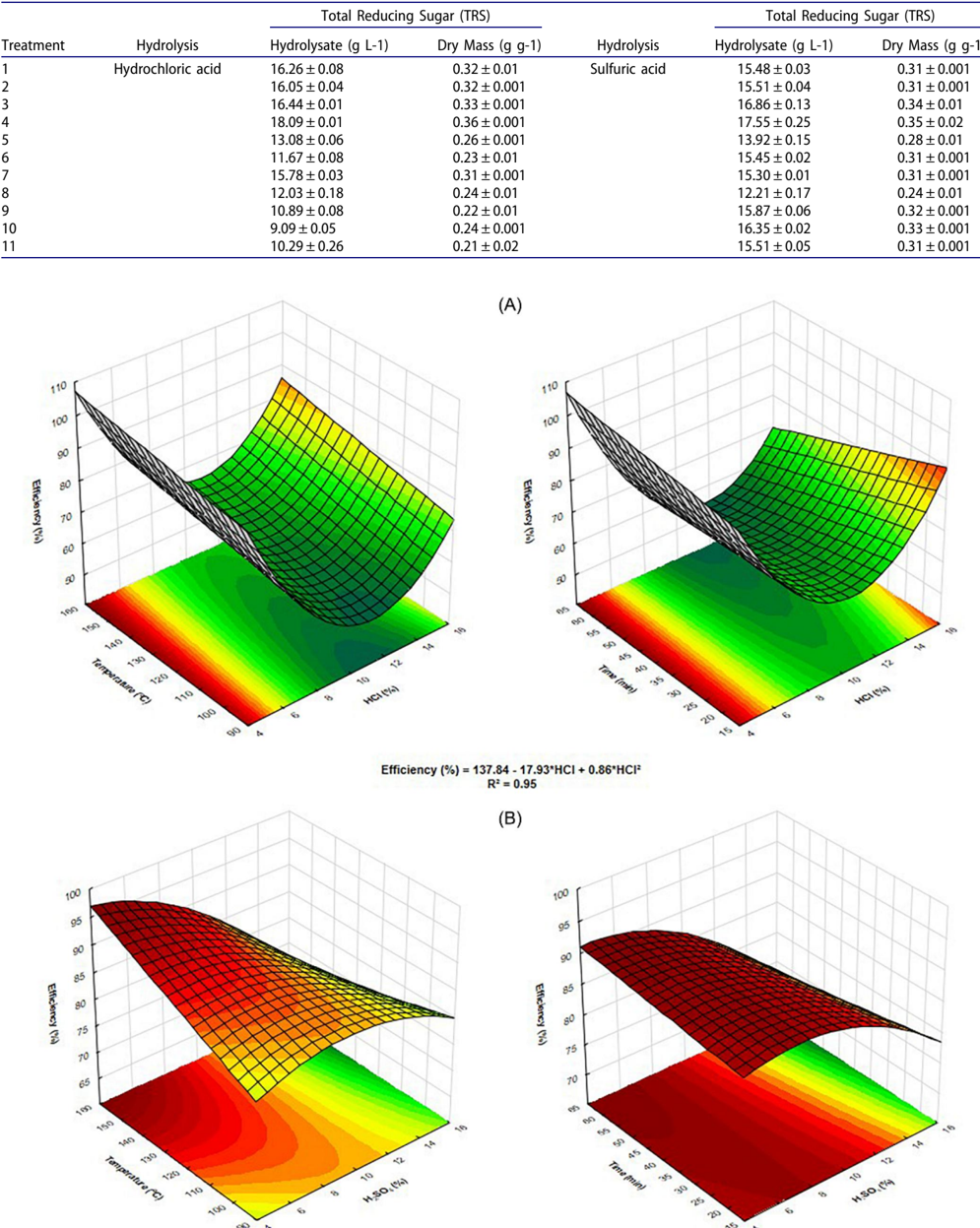
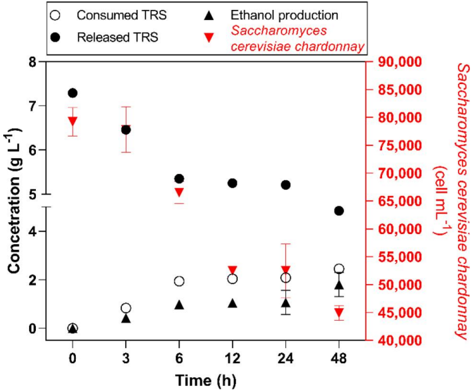
The contamination of water bodies through domestic, agricultural, and industrial discharges remains a critical environmental challenge, leading to eutrophication and harmful impacts on aquatic ecosystems and public health. In response, phytoremediation, which utilizes aquatic plants for pollutant removal, have gained attention. This study investigates the potential of Lemna minuta biomass, harvested from a polluted pond, for bioethanol production. The research evaluates carbohydrate content and explores the efficiency of acid and enzymatic hydrolysis in converting the biomass into fermentable sugars. The study’s findings reveal that Lemna minuta exhibits a carbohydrate content of 36.46 ± 1.69%. Acid hydrolysis demonstrated a high conversion efficiency, with optimal conditions achieving up to 99.20% efficiency and 18.09 g L−1 total reducing sugars. Enzymatic hydrolysis, while effective, yielded lower efficiencies, indicating the need for further optimization. Fermentation tests using Saccharomyces cerevisiae chardonnay resulted in ethanol production of 1.5 g L−1, highlighting the potential of Lemna minuta as a sustainable bioethanol feedstock. These findings highlight the potential of Lemna minuta as a sustainable feedstock for bioethanol production while contributing to environmental remediation, reinforcing its dual role in renewable energy and ecosystem restoration.
Overview
The claims and statistics of this paper haven’t been checked yet.
Free: it reads the open-access text and checks the first 5 claims that cite a source we can check. Create a free account to check every claim.
Integrity signals
Registry
Cites
Statistics
Figures

Verification
Claims the paper makes
The claims and statistics of this paper haven’t been checked yet.
Free: it reads the open-access text and checks the first 5 claims that cite a source we can check. Create a free account to check every claim.
Claims other papers make about this one
Each is checked against this paper’s own text: does it say what the citing paper says it does?
The check wasn’t confident either way, so it gives no verdict — never disputed.
In the citing paper
“In addition, organic matter contains negatively charged groups that bind cations, as well as lignin that binds hydrophobic organic contaminants (Schutz et al. 2025;Sigmund et al. 2022).”
From Sustainable management of post-phytoremediation biomass (2025) · cites this paper as Schutz et al. 2025
Experimental — accuracy not yet measuredThe check wasn’t confident either way, so it gives no verdict — never disputed.
In the citing paper
“Phytoremediation can be enhanced by using chelating agents (e.g., EDTA, citric acid, ammonium sulfate) to convert soil contaminants into water-soluble complexes (Schutz et al. 2025;Sangeetha et al. 2025).”
From Sustainable management of post-phytoremediation biomass (2025) · cites this paper as Schutz et al. 2025
Experimental — accuracy not yet measuredThe check wasn’t confident either way, so it gives no verdict — never disputed.
In the citing paper
“Cadmium is mainly absorbed and transported via divalent cation transporter proteins, including Fe 2? transporter, Mn 2? transporter, and Zn 2? transporter, while arsenate can be transported via phosphate transporter proteins (Deng et al. 2024;Schutz et al. 2025).”
From Sustainable management of post-phytoremediation biomass (2025) · cites this paper as Schutz et al. 2025
Experimental — accuracy not yet measured
Self-check
Percentages, sums and reported differences re-computed from the paper’s own numbers.
The self-check needs the paper’s full text.
Citations
Cites
Use of Dinitrosalicylic Acid Reagent for Determination of Reducing Sugar
Miller, G. L. (1959) · Analytical Chemistry · doi:10.1021/ac60147a030 · Cited by 28,963 · cited 1×
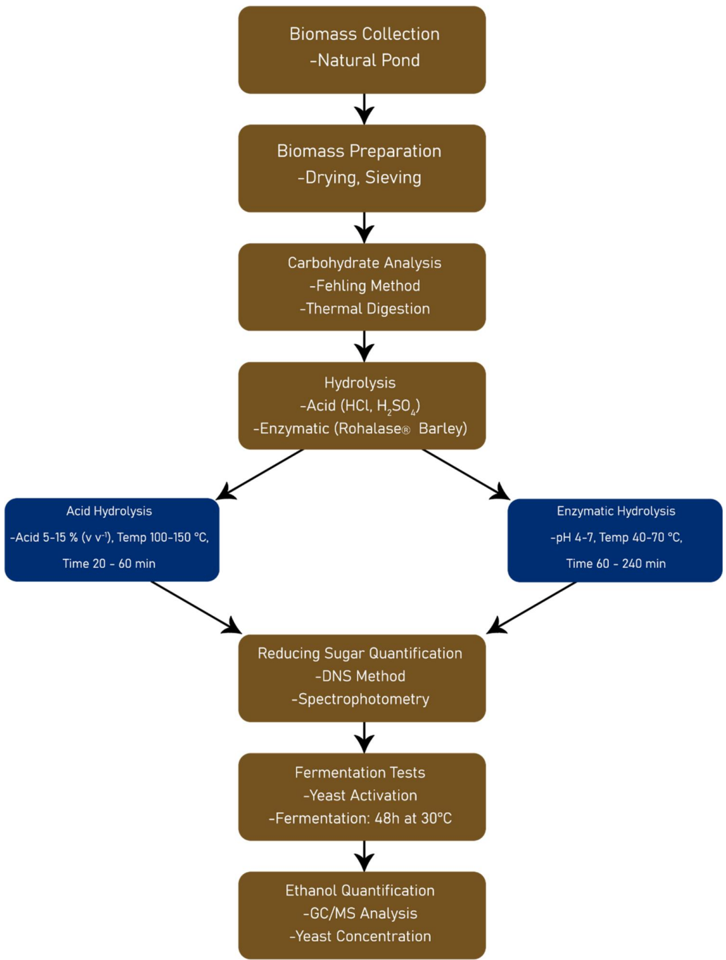
“Residual sugar concentration was measured using the DNS (dinitrosalicylic acid) method, with glucose serving as the standard for the calibration curve [31].”
Progress in bioethanol processing
Balat, M., Balat, H., & Öz, C. (2008) · Progress in Energy and Combustion Science · doi:10.1016/j.pecs.2007.11.001 · Cited by 1,490 · cited 1×
“…beet (110 L ton − 1 ), sweet potato (125 L ton − 1 ), potato (110 L ton − 1 ), cassava (180 L ton − 1 ), maize (360 L ton − 1 ), rice (430 L ton − 1 ), barley (250 L ton − 1 ), wheat (340 L ton − 1 n), sweet sorghum (60 L ton − 1 ), and bagasse and other cellulose biomass (280 L ton − 1 ) [49].”
Various Natural and Anthropogenic Factors Responsible for Water Quality Degradation: A Review
Akhtar, N., Syakir Ishak, M. I., Bhawani, S. A., & Umar, K. (2021) · Water · doi:10.3390/w13192660 · Cited by 1,336
Concerns and Threats of Contamination on Aquatic Ecosystems
Bashir, I., Lone, F. A., Bhat, R. A., Mir, S. A., Dar, Z. A., & Dar, S. A. (2020) · Bioremediation and Biotechnology · doi:10.1007/978-3-030-35691-0_1 · Cited by 608
Water pollution by agriculture
Moss, B. (2008) · Philosophical Transactions of the Royal Society B: Biological Sciences · doi:10.1098/rstb.2007.2176 · Cited by 524
Influence of acid pre-treatment on microalgal biomass for bioethanol production
Harun, R., & Danquah, M. K. (2011) · Process Biochemistry · doi:10.1016/j.procbio.2010.08.027 · Cited by 369 · cited 1×
“Acid hydrolysis pretreatment tests of Lemna minuta biomass were used an initial biomass concentration of 60g L − 1 [30].”
Cheng, J. J., & Stomp, A. (2009) · CLEAN – Soil, Air, Water · doi:10.1002/clen.200800210 · Cited by 357
Mustafa, H. M., & Hayder, G. (2021) · Ain Shams Engineering Journal · doi:10.1016/j.asej.2020.05.009 · Cited by 301
Ekperusi, A. O., Sikoki, F. D., & Nwachukwu, E. O. (2019) · Chemosphere · doi:10.1016/j.chemosphere.2019.02.025 · Cited by 283 · cited 1×
“Although species like Lemna sp. [21,22], Spirodela sp. [23,24] and Wolffia sp. [25,26] have been extensively studied, the potential of Lemna minuta in polluted environments has not been fully realized.”
Global recognition of the importance of nature-based solutions to the impacts of climate change
Seddon, N., Daniels, E., Davis, R., Chausson, A., Harris, R., Hou-Jones, X., Huq, S., Kapos, V., Mace, G. M., Rizvi, A. R., et al. (2020) · Global Sustainability · doi:10.1017/sus.2020.8 · Cited by 262
Ansari, A. A., Naeem, M., Gill, S. S., & AlZuaibr, F. M. (2020) · Egyptian Journal of Aquatic Research · doi:10.1016/j.ejar.2020.03.002 · Cited by 237
Lin, C.-Y., & Lu, C. (2021) · Renewable and Sustainable Energy Reviews · doi:10.1016/j.rser.2020.110445 · Cited by 225
Production of high-starch duckweed and its conversion to bioethanol
Xu, J., Cui, W., Cheng, J. J., & Stomp, A.-M. (2011) · Biosystems Engineering · doi:10.1016/j.biosystemseng.2011.06.007 · Cited by 214
Sugar Metabolism in Yeasts: an Overview of Aerobic and Anaerobic Glucose Catabolism
Rodrigues, F. J. S., Ludovico, P., & Leão, C. (2006) · Springer eBooks · doi:10.1007/3-540-30985-3_6 · Cited by 184 · cited 1×
“Pyruvate is then decarboxylated to acetaldehyde and reduced to ethanol by alcohol dehydrogenase, regenerating NAD þ for glycolysis to proceed [44,45].”
Growing Lemna minor in agricultural wastewater and converting the duckweed biomass to ethanol
Ge, X., Zhang, N., Phillips, G. C., & Xu, J. (2012) · Bioresource Technology · doi:10.1016/j.biortech.2012.08.050 · Cited by 180 · cited 1×
“This low cellulose content, coupled with an absence of lignin and low hemicellulose levels, makes duckweed biomass less resistant to saccharification, simplifying its conversion to ethanol [32].”
Duckweeds: their utilization, metabolites and cultivation
Baek, G., Saeed, M., & Choi, H. (2021) · Applied Biological Chemistry · doi:10.1186/s13765-021-00644-z · Cited by 177
Meléndez, J. R., Mátyás, B., Hena, S., Löwy, D. A., & Salous, A. E. (2022) · Renewable and Sustainable Energy Reviews · doi:10.1016/j.rser.2022.112260 · Cited by 176 · cited 1×
“Concurrently, the global shift away from fossil fuels towards renewable energy sources [12,13] has reinforced the interest in bioethanol as a sustainable alternative [14].”
Nutrient recovery from swine lagoon water by Spirodela punctata
Cheng, J. J., Bergmann, B. A., Classen, J. J., Stomp, A. M., & Howard, J. W. (2002) · Bioresource Technology · doi:10.1016/s0960-8524(01)00098-0 · Cited by 132 · cited 1×
“Although species like Lemna sp. [21,22], Spirodela sp. [23,24] and Wolffia sp. [25,26] have been extensively studied, the potential of Lemna minuta in polluted environments has not been fully realized.”
Improving Production of Bioethanol from Duckweed (Landoltia punctata) by Pectinase Pretreatment
Chen, Q., Jin, Y., Zhang, G., Fang, Y., Xiao, Y., & Zhao, H. (2012) · Energies · doi:10.3390/en5083019 · Cited by 118 · cited 1×
“Similarly, Chen et al. [41] found that pectinase treatment also improved sugar yield.”
Sasmaz, M., Topal, E. I. A., Öbek, E., & Şaşmaz, A. (2015) · Journal of Environmental Management · doi:10.1016/j.jenvman.2015.08.029 · Cited by 107 · cited 1×
“Although species like Lemna sp. [21,22], Spirodela sp. [23,24] and Wolffia sp. [25,26] have been extensively studied, the potential of Lemna minuta in polluted environments has not been fully realized.”
Ceschin, S., Crescenzi, M., & Iannelli, M. A. (2020) · Environmental Science and Pollution Research · doi:10.1007/s11356-020-08045-3 · Cited by 95 · cited 1×
“For instance, Ceschin et al. [27] demonstrated that Lemna minuta exhibits significant phytoremediation potential, with a nearly tenfold increase in biomass and doubling of mat thickness during synthetic wastewater treatment.”
Guo, L., Jin, Y., Xiao, Y., Tan, L., Tian, X., Ding, Y., He, K., Du, A., Li, J., Yi, Z., et al. (2019) · Journal of Cleaner Production · doi:10.1016/j.jclepro.2019.119726 · Cited by 83 · cited 1×
“Various studies, including Yu et al. [33] and Guo et al. [34] have shown that nutrient deficiencies, particularly nitrogen, can significantly increase starch content in duckweed species.”
Yu, C., Sun, C., Yu, L., Zhu, M., Xu, H., Zhao, J., Ma, Y., & Zhou, G. (2014) · PLoS ONE · doi:10.1371/journal.pone.0115023 · Cited by 78
Arefin, M. A., Rashid, F., & Islam, A. (2021) · Biofuels Bioproducts and Biorefining · doi:10.1002/bbb.2180 · Cited by 76
Faizal, A., Sembada, A. A., & Priharto, N. (2020) · Saudi Journal of Biological Sciences · doi:10.1016/j.sjbs.2020.10.002 · Cited by 68
Yu, C., Zhao, X., Qi, G., Bai, Z., Wang, Y., Wang, S., Ma, Y., Liu, Q., Hu, R., & Zhou, G. (2017) · Biotechnology for Biofuels · doi:10.1186/s13068-017-0851-8 · Cited by 67 · cited 2×
“This adaptation is driven by the need to store energy in a readily accessible form, ensuring survival during unfavorable conditions [33].”
Masami, G. O. O., Usui, I., & Urano, N. (2008) · African Journal of Microbiology Research · doi:10.5897/ajmr.9000294 · Cited by 61
Su, H.-F., Zhao, Y. F., Jiang, J., Lu, Q., Li, Q., Luo, Y., Zhao, H. L., & Wang, M. (2014) · Energy & Fuels · doi:10.1021/ef500335h · Cited by 56
Zhao, X., Moates, G. K., Elliston, A., Wilson, D. R., Coleman, M., & Waldron, K. W. (2015) · Bioresource Technology · doi:10.1016/j.biortech.2015.06.131 · Cited by 51
Accumulation of starch in duckweeds (Lemnaceae), potential energy plants
Appenroth, K., Ziegler, P., & Sree, K. S. (2021) · Physiology and Molecular Biology of Plants · doi:10.1007/s12298-021-01100-4 · Cited by 45
Sharma, J. G., Clark, W. D., Shrivastav, A. K., Goswami, R. K., Tocher, D. R., & Chakrabarti, R. (2019) · Aquaculture · doi:10.1016/j.aquaculture.2019.734419 · Cited by 44
Chen, G., Yu, Y., Li, W., Yan, B., Zhao, K., Dong, X., Cheng, Z., Lin, F., Li, L., Zhao, H. L., et al. (2020) · Bioresource Technology · doi:10.1016/j.biortech.2020.124033 · Cited by 41
Enzymatic saccharification of duckweed (Lemna minor) biomass without thermophysical pretreatment
Zhao, X., Elliston, A., Collins, S. R. A., Moates, G. K., Coleman, M., & Waldron, K. W. (2012) · Biomass and Bioenergy · doi:10.1016/j.biombioe.2012.09.025 · Cited by 38 · cited 1×
“Zhao et al. [40] enhanced the yield of fermentable sugars by introducing cellulase enzymes, demonstrating the process’s effectiveness despite the cost of the enzymes.”
Ng, Y. S., & Chan, D. J. C. (2017) · International Journal of Phytoremediation · doi:10.1080/15226514.2017.1375895 · Cited by 38
Threats and consequences of untreated wastewater on freshwater environments
Jan, I., Ahmad, T., Wani, M. S., Dar, S. A., Wani, N. A., Malik, N. A., & Tantary, Y. R. (2022) · Elsevier eBooks · doi:10.1016/b978-0-323-91893-0.00009-2 · Cited by 37
Pagliuso, D., Grandis, A., Lam, E., & Buckeridge, M. S. (2020) · BioEnergy Research · doi:10.1007/s12155-020-10211-x · Cited by 34 · cited 1×
“Focusing on the cell wall composition of five duckweed species across all five genera, Pagliuso et al. [42] used the enzyme cocktail Cellic Ctec2 (Novozymes) and observed low recalcitrance to hydrolysis, likely due to the low lignin and cellulose content in duck-weed.”
Demmig‐Adams, B., López‐Pozo, M., Polutchko, S. K., Fourounjian, P., Stewart, J. J., Zenir, M. C., & Adams, W. W. (2022) · Plants · doi:10.3390/plants11020145 · Cited by 34
Su, H., Jiang, J., Lu, Q., Zhao, Z., Xie, T., Zhao, H. L., & Wang, M. (2015) · Microbial Cell Factories · doi:10.1186/s12934-015-0199-3 · Cited by 33
Natural‐Based Solutions for Bioremediation in Water Environment
Breil, P., Pons, M., Armani, G., Amer, R., Pienaar, H. H., Oberholster, P. J., & Namour, P. (2022) · Wiley eBooks · doi:10.1002/9781119827665.ch1 · Cited by 27
Takagi, T., Uchida, M., Matsushima, R., Ishida, M., & Urano, N. (2012) · Fisheries Science · doi:10.1007/s12562-012-0516-2 · Cited by 24 · cited 1×
“Additionally, Takagi et al. [47] obtained a maximum ethanol yield of 2.33 g L − 1 from water hyacinth using a saccharified solution treated with 3% (v v − 1 ) sulfuric acid at 121 � C for 1 h.”
InfluentialDuckweed Is a Promising Feedstock of Biofuels: Advantages and Approaches
Yang, G. (2022) · International Journal of Molecular Sciences · doi:10.3390/ijms232315231 · Cited by 22
Kotowska, U., Piekutin, J., Polińska, W., & Kotowski, A. (2024) · Scientific Reports · doi:10.1038/s41598-024-66962-6 · Cited by 22 · cited 1×
“Although species like Lemna sp. [21,22], Spirodela sp. [23,24] and Wolffia sp. [25,26] have been extensively studied, the potential of Lemna minuta in polluted environments has not been fully realized.”
Fujita, T., Nakao, E., Takeuchi, M., Tanimura, A., Ando, A., Kishino, S., Kikukawa, H., Shima, J., Ogawa, J., & Shimizu, S. (2016) · Biocatalysis and Agricultural Biotechnology · doi:10.1016/j.bcab.2016.03.006 · Cited by 20
Energy Metabolism by the Yeast Cell
Stewart, G. G. (2017) · Springer eBooks · doi:10.1007/978-3-319-69126-8_6 · Cited by 16 · cited 1×
“Pyruvate is then decarboxylated to acetaldehyde and reduced to ethanol by alcohol dehydrogenase, regenerating NAD þ for glycolysis to proceed [44,45].”
Effect of treated sewage characteristics on duckweed biomass production and microbial communities
Iwano, H., Hatohara, S., Tagawa, T., Tamaki, H., Li, Y., & Kubota, K. (2020) · Water Science & Technology · doi:10.2166/wst.2020.168 · Cited by 16
Guo, L., Liu, J., Wang, Q., Yan, Y., Yang, Y., Guo, Q., Zhao, H. L., & Liu, W. (2023) · Journal of Food Biochemistry · doi:10.1155/2023/6065283 · Cited by 15
Mishra, P., Mohapatra, T., Sahoo, S. S., Padhi, B. N., Giri, N. C., Emara, A., & AboRas, K. M. (2024) · Energy Sustainability and Society · doi:10.1186/s13705-024-00447-2 · Cited by 15 · cited 1×
“This increase in biomass responds to a challenge in the production of biofuels, the availability of sufficient and sustainable feedstock [10,11].”
Rana, Q. U. A., Khan, M. A. N., Irfan, M., Shah, A. A., Hasan, F., Khan, S., Ahmed, S., Adnan, F., Li, W., Ju, M., et al. (2019) · Biomass Conversion and Biorefinery · doi:10.1007/s13399-019-00540-z · Cited by 14
Bioethanol Production: Past and Present
Aggarwal, N. K., Kumar, N. R., & Mittal, M. (2022) · Green chemistry and sustainable technology · doi:10.1007/978-3-031-05091-6 · Cited by 14 · cited 1×
“Traditionally derived from first-generation feedstocks like sugarcane and corn, bioethanol production has increasingly focused on second-generation feedstocks, such as lignocellulosic materials, to alleviate concerns over food security and land use [15,16].”
Mishra, S. S., Mohapatra, T., & Sahoo, S. S. (2022) · Arabian Journal for Science and Engineering · doi:10.1007/s13369-022-07349-5 · Cited by 11 · cited 1×
“Concurrently, the global shift away from fossil fuels towards renewable energy sources [12,13] has reinforced the interest in bioethanol as a sustainable alternative [14].”
Phytomass gasification for energy recovery from aquatic plants
Kathi, S., & Prasad, M. N. V. (2024) · Elsevier eBooks · doi:10.1016/b978-0-443-16120-9.00001-7 · Cited by 8
Mann, S., Sharma, J. G., & Kataria, R. (2024) · International Biodeterioration & Biodegradation · doi:10.1016/j.ibiod.2024.105852 · Cited by 8 · cited 1×
“For example, Pistia stratiotes biomass produced 31.0 g L − 1 of reducing sugars after enzymatic hydrolysis using a commercial cellulase enzyme [18].”
InfluentialRenewable Carbohydrates: Advancements in Sustainable Glucose Production and Optimization
Mperiju, T. M., Silas, K., Aji, M. M., Abubakar, A. M., Budianto, A., Indianraj, N., & Chafika, R. (2023) · Global Sustainability Research · doi:10.56556/gssr.v2i4.621 · Cited by 5 · cited 1×
“This method converts the carbohydrates in biomass into reducing sugars such as glucose [35].”
Mishra, P., Mohapatra, T., Padhi, B. N., Sahoo, S. S., & Mishra, S. (2023) · International Journal of Renewable Energy Research · doi:10.20508/ijrer.v13i1.13486.g8686 · Cited by 4
Research works printed but not linked: 3
- Rodr� ıguez L, Preston TR. Use of effluent from low-cost plastic biodigesters as fertilizer for duck weed ponds. Livestock Res Rural Develop. 1996;8(2):60-69.
- Instituto Adolfo Lutz. Normas Anal � ıticas do Instituto Adolfo Lutz. Vol I: M� etodos Qu� ımicos e F� ısicos para An� alises de Alimentos (3rd ed.). Minist� erio da Sa� ude: São Paulo; 1985.
- Eiamsa-Ard P. A potentially study of Duckweed Lemna minor L. biomass in biofuel production. J Industr Technol. 2020;16(3): 16-27.
Cited by
Sustainable management of post-phytoremediation biomass
Mukherjee, S., Leri, A. C., Bandaranayaka, C., Vázquez-Núñez, E., Barros, R., Khan, A. H. A., Zhou, P., Zhang, T., Bernal, M. P., Clemente, R., et al. (2025) · Energy, Ecology and Environment · doi:10.1007/s40974-025-00364-w · Cited by 45
“Cadmium is mainly absorbed and transported via divalent cation transporter proteins, including Fe 2 ? transporter, Mn 2 ? transporter, and Zn 2 ? transporter, while arsenate can be transported via phosphate transporter proteins (Deng et al. 2024; Schutz et al. 2025).”
Bioenergy potential and biomass yield of floating macrophytes grown in impacted environments
Buss, M. V., Mignoni, D. S. B., Michelon, W., Schutz, E. D., Luchessi, A. D., Bley, C. J., Menezes, J. C. S. D. S., & Nunes, E. D. O. (2025) · International Journal of Phytoremediation · doi:10.1080/15226514.2025.2515574 · Cited by 6
Self-citationDjoudi, L. (2026) · Archipel (Université du Québec à Montréal)
Lakra, R., Chatterjee, R., Biswas, S., Petrinić, I., Bilad, M. R., & Basu, S. (2026) · Biomass and Bioenergy · doi:10.1016/j.biombioe.2026.109931
Metadata
- Authors
- Schutz, E. R. D., Broch Mignoni, D. S., Michelon, W., & Oliveira Nunes, E. D.
- Affiliations
- Universidade do Oeste de Santa Catarina
- Universidade Estadual de Campinas, Faculdade de Ciências Aplicadas Laboratório de Biotecnologia
- Universidade do Contestado (BR)
- Brazilian Agricultural Research Corporation, Embrapa Swine and Poultry, Environment department
- Corresponding author
- Michelon, William
- ORCID
- Michelon, William
- Venue
- Biofuels
- Publisher
- Informa UK Limited
- Published
- 2025-01-27
- Volume
- 16
- Issue
- 8
- Pages
- 824-832
- ISSN
- 1759-7269 (ISSN-L)
- 1759-7277
- OpenAlex
- W4406865686
- Semantic Scholar
- bf60f9cfa75287e6a96d00431322693a0b880240
- Cited by
- 3
- References
- 54
- Citations by year
- 2026: 1 · 2025: 2
- FWCI
- 0.73
- Type
- journal article
- Language
- en
- Open access
- Licence
- cc-by-nc-nd
- Locations
- Biofuels (publishedVersion)
- LA Referencia (Red Federada de Repositorios Institucionales de Publicaciones Científicas) (submittedVersion, cc-by-nc-nd)
- Topics
- Physical Sciences › Engineering › Biomedical Engineering › Biofuel production and bioconversion
- Life Sciences › Agricultural and Biological Sciences › Agronomy and Crop Science › Bioenergy crop production and management
- Physical Sciences › Energy › Renewable Energy, Sustainability and the Environment › Anaerobic Digestion and Biogas Production
- Keywords
- Lemna minuta, bioethanol production, phytoremediation, contaminated water, acid hydrolysis, enzymatic hydrolysis, carbohydrate content, fermentable sugars, Saccharomyces cerevisiae, alcoholic fermentation, aquatic macrophyte biomass, eutrophication
About these checks
Registry, retraction, Cites and statistics results are computed, not judged, with one exception: a printed reference that no index lists is read once by a model before it counts as a citation error. Claims are extracted by a model and kept only when their quote appears verbatim in the text; each cited source is then checked, with a model’s help, for whether it says what the claim relies on. Those verdicts can be wrong — read the claim’s quote and the cited source before relying on one.
Statistics and arithmetic are recomputed, not judged.
Confidence bands are shown only for fields calibrated on our annotated test set. None is calibrated yet, so no band is shown.
What counts as a claim ›How we measure confidence ›How we check this ›
Are you an author, or do you see a problem with this page? Request a review
Data sources
Bibliographic data: Semantic Scholar, OpenAlex, Crossref.
Contains information from the Semantic Scholar Academic Graph Datasets, made available under the ODC Attribution License (ODC-BY 1.0).
Semantic Scholar’s data is described in: Kinney, R., et al. (2023). The Semantic Scholar Open Data Platform. arXiv:2301.10140.
