

GLP-1 receptor agonists and renal outcomes in patients with diabetes mellitus type 2 and diabetic kidney disease: state of the art
Open accessThe DOI matches its Crossref record; 63 of the 67 references it cites were found in a registry or an index; 11 of the 77 sources its claims cite were checked for support.
Abstract
Background: Glucagon-like peptide-1 receptor agonists (GLP-1RAs) are highly effective in improving glycaemic control either as monotherapy or in combination with other hypoglycaemic drugs, and have low incidence of side effects, such as hypoglycaemia, nausea and weight gain, thus increasing patients' adherence to therapy. Methods: In this review we report the most recent studies demonstrating the beneficial effects of GLP-1RAs on renal outcomes, and also discuss the direct and indirect mechanisms through which they confer kidney protection. Finally, we discuss the metabolic and anti-inflammatory effects of GLP-1RAs in diabetic patients with COVID-19 disease. Results: GLP-1RAs have a nephroprotective action, which is expressed through both indirect (improvement of blood pressure and glycaemic control, weight loss) and direct (restoration of normal intrarenal haemodynamics, prevention of ischaemic and oxidative damage) effects. They have shown also metabolic and anti-inflammation beneficial effects in patients with COVID-19 disease. Conclusions: GLP-1RAs prevent albuminuria and slow the decline of renal function towards end stage renal disease in patients with diabetic kidney disease. They might be an opportunity to break the typical inflammation processes of COVID-19 disease.
Overview
CoChat Summary
TL;DR
GLP-1 receptor agonists appear nephroprotective in type 2 diabetes and diabetic kidney disease through indirect effects on blood pressure, glycaemic control and weight, plus direct effects on intrarenal haemodynamics and ischaemic/oxidative damage. They reduce albuminuria and slow renal function decline, though evidence for hard renal endpoints is mixed and further trials are needed.
Key findings
- GLP-1RAs reduce albuminuria and slow the decline of renal function toward end-stage renal disease in patients with diabetic kidney disease, via indirect and direct mechanisms.
- In LEADER (9340 patients, mean follow-up 3.8 years), liraglutide lowered nephropathy incidence by 22% versus placebo, mainly through favourable effects on macroalbuminuria, with slower eGFR decline in moderate/severe CKD.
- In SUSTAIN-6 (3297 patients, 2.1 years), semaglutide reduced onset/worsening of nephropathy (3.8% versus 6.1%) and macroalbuminuria by up to 46%, but showed no difference in ESRD or renal death.
- In AWARD-7 (577 patients with CKD G3/G4, 52 weeks), dulaglutide attenuated eGFR decline versus insulin glargine (−1.1, −1.5 and −2.9 mL/min/1.73 m² in the three groups), with no statistically significant UACR difference.
Methods
- Narrative review of recent studies on GLP-1RA pharmacokinetics/pharmacodynamics, direct and indirect nephroprotective mechanisms, renal outcomes in diabetic patients, and metabolic/anti-inflammatory effects in COVID-19.
- Summarizes randomized controlled trials including LEADER, SCALE, LIRA-RENAL, SUSTAIN, ELIXA, EXSCEL, AWARD-7 and REWIND, plus meta-analyses and guidelines; Table 1 lists renal endpoints and results.
- No systematic review methods, primary data collection, or formal risk-of-bias assessment are described.
Limitations
- The paper states that mechanisms of nephroprotection are poorly understood, clinical use remains limited, high cost is an important limitation for first-line use, and further studies are needed to expand knowledge and long-term cardiovascular/renal outcomes.
- The paper notes that LIRA-RENAL’s neutral result could be partly due to its small sample size and short observation period.
- Evident from the text: this is a narrative review relying on selected trials and post-hoc/exploratory analyses, and the FLOW trial results were still pending, expected in 2024.
Model-written summary. Check it against the paper before relying on it.
Integrity signals
Registry
Cites
Statistics
Figures
Verification
Claims the paper makes
6 Valid · 3 Not valid · 45 Not checked · 34 Own results and interpretations
The cited sources support only part of this claim — read each source’s verdict below.
In the paper
“Emerging data support the efficacy of GLP-1RAs, in reducing the incidence of major adverse cardiovascular events (MACEs), preventing the onset of macroalbuminuria and slowing the progression of renal damage toward ESRD [5, 6]”
§ GLP-1 receptor agonists and renal outcomes in patients with diabetes mellitus type 2 and diabetic kidney disease: state of the art > INTRODUCTION
What the sources say
- Partly supportedcites [5] Marso SP, Bain SC, Consoli A et al. Semaglutide and cardiovascular outcomes in patients with type 2 diabetes. N Engl J Med 2016; 375: 1834– 1844 27633186 sourceExperimental — accuracy not yet measured
The Results report less new or worsening nephropathy with semaglutide than with placebo, and the Other Outcomes definition includes a need for continuous renal-replacement therapy. The Discussion says the lower nephropathy risk reflected differences in macroalbuminuria. The paper therefore supports a renal benefit for semaglutide in the studied patients, but does not establish that GLP-1 receptor agonists as a class slow progression to end-stage renal disease. (LLM, conf=0.86)
- Partly supportedcites [6] Marso SP, Daniels GH, Brown-Frandsen K et al. Liraglutide and cardiovascular outcomes in type 2 diabetes. N Engl J Med 2016; 375: 311– 322 27295427 PMC4985288 sourceExperimental — accuracy not yet measured
The Results (Microvascular Outcomes; page not provided) report fewer nephropathy events with liraglutide than with placebo. The Discussion says this benefit was driven particularly by fewer cases of new-onset persistent macroalbuminuria. Although the Methods include renal-replacement therapy in the nephropathy outcome, the cited results do not establish slower progression to end-stage renal disease; the trial also tested liraglutide, not GLP-1 receptor agonists as a class. (LLM, conf=0.86)
hedgedstates a cause- Asserted: passes — The authors put it forward as true.
- Checkable: passes — It can be checked against evidence.
- Load-bearing: passes — The paper’s conclusions depend on it.
- Based: passes — The paper gives a reason why it holds.
- Partly supported
The cited sources support only part of this claim — read each source’s verdict below.
In the paper
“Emerging data support the efficacy of GLP-1RAs, in reducing the incidence of major adverse cardiovascular events (MACEs), preventing the onset of macroalbuminuria and slowing the progression of renal damage toward ESRD [5, 6]”
§ GLP-1 receptor agonists and renal outcomes in patients with diabetes mellitus type 2 and diabetic kidney disease: state of the art > INTRODUCTION
What the sources say
- Partly supportedcites [5] Marso SP, Bain SC, Consoli A et al. Semaglutide and cardiovascular outcomes in patients with type 2 diabetes. N Engl J Med 2016; 375: 1834– 1844 27633186 sourceExperimental — accuracy not yet measured
The Discussion (p. 'Discussion') states that 'Semaglutide-treated patients had a lower risk of new or worsening nephropathy, according to differences in macroalbuminuria,' and the Results ('A Primary Outcome' section) give new or worsening nephropathy in 3.8% vs 6.1% (HR 0.64; 95% CI 0.46–0.88; P=0.005), so the macroalbuminuria-driven renal benefit is supported — but only for semaglutide in this one trial. The claim generalises to the whole GLP-1-receptor-agonist class, which this source does not establish (our copy invokes the class only for pulse rate and safety profile, not for renal outcomes), and the reported endpoint is a composite that also includes persistent doubling of serum creatinine or need for renal-replacement therapy (Table 2 footnote, 'Other Outcomes'), not macroalbuminuria onset alone. (LLM, conf=0.75)
- Partly supportedcites [6] Marso SP, Daniels GH, Brown-Frandsen K et al. Liraglutide and cardiovascular outcomes in type 2 diabetes. N Engl J Med 2016; 375: 311– 322 27295427 PMC4985288 sourceExperimental — accuracy not yet measured
Our copy of LEADER supports the macroalbuminuria component for liraglutide specifically: the Discussion states 'The benefit with liraglutide was driven by lower rates of renal outcomes, such as new-onset persistent macro-albuminuria in particular,' and the Results (Microvascular Outcomes) report a lower nephropathy event rate with liraglutide (1.5 vs. 1.9 per 100 patient-years; HR 0.78, 95% CI 0.67–0.92, P=0.003) in adults with type 2 diabetes at high cardiovascular risk. What the source does not support is the class-level framing 'GLP-1 receptor agonists' — this is a single-agent (liraglutide) trial in one defined high-risk population, and the paper itself hedges the mechanism ('It is uncertain whether this finding relates to the direct effects of liraglutide on kidney function'), while noting that another GLP-1 RA, lixisenatide, showed no cardiovascular benefit in ELIXA. The citing sentence also bundles reduction in MACE and slowing of progression toward ESRD; only the former is firmly established in this paper, since the nephropathy composite (which included renal-replacement therapy and death from renal disease, per Methods/Outcomes) was driven chiefly by new-onset macroalbuminuria rather than by end-stage endpoints. (LLM, conf=0.78)
hedgedstates a cause- Asserted: passes — The authors put it forward as true.
- Checkable: passes — It can be checked against evidence.
- Load-bearing: passes — The paper’s conclusions depend on it.
- Based: passes — The paper gives a reason why it holds.
- Partly supported
Every source the paper cites for this claim was checked and supports it.
In the paper
“Semaglutide reduces the incidence of de novo macroalbuminuria. Nevertheless, no difference was found regarding the incidence of ESRD and death for renal causes.”
§ GLP-1 receptor agonists and renal outcomes in patients with diabetes mellitus type 2 and diabetic kidney disease: state of the art > GLP-1RAs and renal outcomes in diabetic patients: review of randomized controlled trials
What the sources say
- Supportedcites [5] Marso SP, Bain SC, Consoli A et al. Semaglutide and cardiovascular outcomes in patients with type 2 diabetes. N Engl J Med 2016; 375: 1834– 1844 27633186 source
The Discussion (page not provided) says semaglutide-treated patients had a lower risk of new or worsening nephropathy than placebo recipients, driven by differences in macroalbuminuria. The trial results also report fewer new or worsening nephropathy events with semaglutide. (LLM, conf=0.90)
plainstates a cause- Asserted: passes — The authors put it forward as true.
- Checkable: passes — It can be checked against evidence.
- Load-bearing: passes — The paper’s conclusions depend on it.
- Based: passes — The paper gives a reason why it holds.
- Supported
The cited sources that could be checked couldn’t confirm or dispute this claim.
In the paper
“exenatide did not produce any significant improvement in eGFR decline and incidence of ESRD and renal-related death in the EXSCEL trial”
§ GLP-1 receptor agonists and renal outcomes in patients with diabetes mellitus type 2 and diabetic kidney disease: state of the art > GLP-1RAs and renal outcomes in diabetic patients: review of randomized controlled trials
What the sources say
- Could not verifycites [57] Holman RR, Bethel MA, Mentz RJ et al. Effects of once-weekly exenatide on cardiovascular outcomes in type 2 diabetes. N Engl J Med 2017; 377: 1228– 1239 28910237 PMC9792409 sourceExperimental — accuracy not yet measured
The Methods (Outcomes) list cardiovascular endpoints but do not report results for eGFR decline, ESRD, or renal-related death. The Methods (Randomization and Trial Regimen) mention eGFR only as a threshold for stopping treatment. Searches for renal outcomes and those specific endpoints found no passage establishing whether exenatide significantly improved them. (LLM, conf=0.75)
plain- Asserted: passes — The authors put it forward as true.
- Checkable: passes — It can be checked against evidence.
- Load-bearing: passes — The paper’s conclusions depend on it.
- Based: passes — The paper gives a reason why it holds.
- Could not verify
The cited sources that could be checked couldn’t confirm or dispute this claim.
In the paper
“there were no statistically significant differences on the reduction of UACR.”
§ GLP-1 receptor agonists and renal outcomes in patients with diabetes mellitus type 2 and diabetic kidney disease: state of the art > GLP-1RAs and renal outcomes in diabetic patients: review of randomized controlled trials
What the sources say
- Could not verifycites [59] Tuttle KR, Lakshmanan MC, Rayner B et al. Effects of once-weekly exenatide on cardiovascular outcomes in type 2 diabetes. N Engl J Med 2017; 377: 1228– 1239 28910237 PMC9792409 sourceExperimental — accuracy not yet measured
Our copy is of the EXSCEL trial (once-weekly exenatide vs placebo) and contains no passage on AWARD-7, dulaglutide versus insulin glargine, or urinary albumin-to-creatinine ratio; searches for 'UACR/albumin-to-creatinine', 'albuminuria/nephropathy/renal', and 'dulaglutide/AWARD-7' returned only exenatide-placebo methods and results (Methods: Randomization and Trial Regimen, Outcomes, Statistical Analysis; Results: Changes in Risk Factors, Additional Efficacy Outcomes). The renal-related content present concerns eGFR-based eligibility/discontinuation criteria, not albuminuria endpoints (Methods, Trial Population). Since our copy neither states nor contradicts the attributed AWARD-7 finding, and it does not credit that finding to any named work, the claim cannot be verified against this source. (LLM, conf=0.70)
plainn = 577- Asserted: passes — The authors put it forward as true.
- Checkable: passes — It can be checked against evidence.
- Load-bearing: unclear — It is unclear whether the paper’s conclusions depend on it.
- Based: passes — The paper gives a reason why it holds.
- Could not verify
50 more claims · 1 with their cited sources checked
Create a free account to see all 88 claims and to verify the 66 references still open.
- Probably not a substantial claim. 11
- It may state two separate claims as one. 25
- The quote only partly states this claim. 2
Claims other papers make about this one
Each is checked against this paper’s own text: does it say what the citing paper says it does?
The source backs part of the claim, not all of it — or backs it for a different population, condition or comparison.
In the citing paper
“In addition, these newer therapeutic agents may decrease cardiovascular disease (CVD) 20 and diabetic kidney disease (DKD), 21 the major life-shortening complications of diabetes.[22][23][24]”
From Effectiveness of Semaglutide and Tirzepatide in Overweight and Obese Adults with Type 1 Diabetes (2025) · cites this paper as [20]
Experimental — accuracy not yet measuredThe source backs part of the claim, not all of it — or backs it for a different population, condition or comparison.
In the citing paper
“In addition, based on data from the SUSTAIN-6 and SELECT trials showing reduced CVD in people with T2D and in OW/OB people without diabetes, 20,40 it is likely that patients with T1D would benefit from use of these novel agents not only for weight loss and improved glycemic control but also due to anticipated reductions in CVD and DKD.”
From Effectiveness of Semaglutide and Tirzepatide in Overweight and Obese Adults with Type 1 Diabetes (2025) · cites this paper as [20]
Experimental — accuracy not yet measured
Self-check
Percentages, sums and reported differences re-computed from the paper’s own numbers.
Each contradiction between two passages listed here was confirmed by an independent check.
Rated minor: it would not touch a result — a value no result rests on, a p-value that stays on the same side of the significance level, or a conflict that is clerical, resolved elsewhere in the paper, or outside its own findings.
In the paper
§ GLP-1 receptor agonists and renal outcomes in patients with diabetes mellitus type 2 and diabetic kidney disease: state of the art > GLP-1RAs and renal outcomes in diabetic patients: review of randomized controlled trials
“the semaglutide arm performed better than placebo for MACEs (6.6% versus 8.9%), glycaemic control”
§ GLP-1 receptor agonists and renal outcomes in patients with diabetes mellitus type 2 and diabetic kidney disease: state of the art > GLP-1RAs and renal outcomes in diabetic patients: review of randomized controlled trials
“(mean HbA1c −1.1% versus −1.4%), weight loss (−3.6 vs -4.9 kg)”
Rated minor: it would not touch a result — a value no result rests on, a p-value that stays on the same side of the significance level, or a conflict that is clerical, resolved elsewhere in the paper, or outside its own findings.
In the paper
§ GLP-1 receptor agonists and renal outcomes in patients with diabetes mellitus type 2 and diabetic kidney disease: state of the art > GLP-1RAs and renal outcomes in diabetic patients: review of randomized controlled trials
“The AWARD-7 study [59] recruited and randomized 577 diabetic patients with CKD stages G3 and G4 in three arms: (i) dulaglutide, 1.5 mg weekly; (ii) dulaglutide, 0.75 mg weekly; and (iii) insulin glargine, all in combination with insulin lispro.”
§ GLP-1 receptor agonists and renal outcomes in patients with diabetes mellitus type 2 and diabetic kidney disease: state of the art > References
“59. Tuttle KR, Lakshmanan MC, Rayner B et al. Effects of once-weekly exenatide on cardiovascular outcomes in type 2 diabetes. N Engl J Med 2017; 377: 1228– 1239 28910237 10.1056/NEJMoa1612917 PMC9792409”
Rated minor: it would not touch a result — a value no result rests on, a p-value that stays on the same side of the significance level, or a conflict that is clerical, resolved elsewhere in the paper, or outside its own findings.
In the paper
§ GLP-1 receptor agonists and renal outcomes in patients with diabetes mellitus type 2 and diabetic kidney disease: state of the art > GLP-1RAs and renal outcomes in diabetic patients: review of randomized controlled trials
“This randomized controlled trial is the only one with a superiority study design.”
§ GLP-1 receptor agonists and renal outcomes in patients with diabetes mellitus type 2 and diabetic kidney disease: state of the art > GLP-1RAs and renal outcomes in diabetic patients: review of randomized controlled trials
“The primary composite endpoint, assessed for non-inferiority and superiority, included the incidence of MACEs.”
Citations
Cites
Liraglutide and Cardiovascular Outcomes in Type 2 Diabetes
Marso, S. P., Daniels, G. H., Brown-Frandsen, K., Kristensen, P., Mann, J. F. E., Nauck, M. A., Nissen, S. E., Pocock, S., Poulter, N. R., Ravn, L. S., et al. (2016) · New England Journal of Medicine · doi:10.1056/nejmoa1603827 · Cited by 7,629
Semaglutide and Cardiovascular Outcomes in Patients with Type 2 Diabetes
Marso, S. P., Bain, S. C., Consoli, A., Eliaschewitz, F. G., Jódar, E., Leiter, L. A., Lingvay, I., Rosenstock, J., Seufert, J., Warren, M. L., et al. (2016) · New England Journal of Medicine · doi:10.1056/nejmoa1607141 · Cited by 6,900 · cited 4×
“In particular, the SUSTAIN-6 trial [5] was designed to demonstrate the noninferiority of semaglutide compared with placebo in terms of cardiovascular safety on a sample of 3297 patients.”
InfluentialDrucker, D. J., & Nauck, M. A. (2006) · The Lancet · doi:10.1016/s0140-6736(06)69705-5 · Cited by 3,896
Biology of Incretins: GLP-1 and GIP
Baggio, L. L., & Drucker, D. J. (2007) · Gastroenterology · doi:10.1053/j.gastro.2007.03.054 · Cited by 3,639 · cited 1×
“In experimental models of diabetes, GLP-1 has been shown to inhibit apoptosis of β cells and promote their proliferation through the recruitment of cellular precursors, thus implementing the availability of functionally active β cells [7, 8].”
Lixisenatide in Patients with Type 2 Diabetes and Acute Coronary Syndrome
Pfeffer, M. A., Claggett, B., Diaz, R., Dickstein, K., Gerstein, H. C., Køber, L. V., Lawson, F. C., Ping, L., Wei, X., Lewis, E. F., et al. (2015) · New England Journal of Medicine · doi:10.1056/nejmoa1509225 · Cited by 2,409 · cited 3×
“ELIXA [55] was a randomized, double-blind, parallel-group study designed to evaluate the impact of lixisenatide on cardiovascular risk compared with placebo in a population of 6068 diabetic adults with a recent episode of acute coronary syndrome.”
InfluentialMechanisms of Action and Therapeutic Application of Glucagon-like Peptide-1
Drucker, D. J. (2018) · Cell Metabolism · doi:10.1016/j.cmet.2018.03.001 · Cited by 2,170 · cited 1×
“In experimental models of diabetes, GLP-1 has been shown to inhibit apoptosis of β cells and promote their proliferation through the recruitment of cellular precursors, thus implementing the availability of functionally active β cells [7, 8].”
Effects of once-weekly exenatide on cardiovascular outcomes in type 2 diabetes
Holman, R. R., Bethel, M. A., Mentz, R. J., Thompson, V. P., Lokhnygina, Y., Buse, J. B., Chan, J. C., Choi, J., Gustavson, S. M., Iqbal, N., et al. (2017) · New England Journal of Medicine · doi:10.1056/nejmoa1612917 · Cited by 2,162
Dipeptidyl peptidase 4 is a functional receptor for the emerging human coronavirus-EMC
Raj, V. S., Mou, H., Smits, S. L., Dekkers, D. H. W., Müller, M. A., Dijkman, R., Muth, D., Demmers, J. A. A., Zaki, A., Fouchier, R. A. M., et al. (2013) · Nature · doi:10.1038/nature12005 · Cited by 2,061
Oral Semaglutide and Cardiovascular Outcomes in Patients with Type 2 Diabetes
Husain, M., Birkenfeld, A. L., Donsmark, M., Dungan, K., Eliaschewitz, F. G., Franco, D. R., Jeppesen, O. K., Lingvay, I., Mosenzon, O., Pedersen, S. D., et al. (2019) · New England Journal of Medicine · doi:10.1056/nejmoa1901118 · Cited by 1,997
Diabetic nephropathy: diagnosis, prevention, and treatment
Gross, J. L., de Azevedo, M. J., Silveiro, S. P., Canani, L. H., Caramori, M. L., & Zelmanovitz, T. (2005) · Diabetes Care · doi:10.2337/diacare.28.1.164 · Cited by 1,839
Research works printed but not linked: 1
- Tuttle KR, Lakshmanan MC, Rayner B et al. Effects of once-weekly exenatide on cardiovascular outcomes in type 2 diabetes. N Engl J Med 2017; 377: 1228– 1239 28910237 PMC9792409 · DOI · Paper page
Cited by
Patel, R., Wadid, M., Makwana, B., Kumar, A., Khadke, S., Bhatti, A., Banker, A., Husami, Z., Labib, S., Venesy, D., et al. (2024) · JACC: Heart Failure · doi:10.1016/j.jchf.2024.07.006 · Cited by 72
Role of glucagon-like peptide-1 receptor agonists in Alzheimer’s disease and Parkinson’s disease
Hong, C.-T., Chen, J.-H., & Hu, C.-J. (2024) · Journal of Biomedical Science · doi:10.1186/s12929-024-01090-x · Cited by 78
“Studies have demonstrated the efficacy of GLP-1RAs for glycemic control and their potential cardiovascular [41] and renal protective effects [42].”
BackgroundLonardo, A., Mantovani, A., Targher, G., & Baffy, G. (2022) · International Journal of Molecular Sciences · doi:10.3390/ijms232113320 · Cited by 86
“To date, licensed GLP-1RAs for the treatment of T2D include exenatide, liraglutide, lixesenatide, dulaglutide, and semaglutide, which differ mostly in the frequency of their administration, dosage, and half-life [126].”
BackgroundKidney Fibrosis and Oxidative Stress: From Molecular Pathways to New Pharmacological Opportunities
Patera, F., Gatticchi, L., Cellini, B., Chiasserini, D., & Reboldi, G. (2024) · Biomolecules · doi:10.3390/biom14010137 · Cited by 78
“…published so far concur in assigning a potential nephroprotective action to GLP-1 RAs, likely due to both indirect (improvement of blood pressure and glucose control, weight loss) and direct (restoration of normal intrarenal hemodynamics, prevention of ischemic and oxidative damage) effects [104].”
BackgroundThe effect of GLP-1R agonists on the medical triad of obesity, diabetes, and cancer
Ibrahim, S. S., Ibrahim, R. S., Arabi, B., Brockmueller, A., Shakibaei, M., & Büsselberg, D. (2024) · Cancer and Metastasis Reviews · doi:10.1007/s10555-024-10192-9 · Cited by 56
Scheen, A. J. (2024) · Drugs · doi:10.1007/s40265-024-02090-9 · Cited by 59
“Initial meta-analyses of RCTs with GLP-1RAs showed a significant reduction in the composite renal outcome, but which was essentially due to a reduction in albuminuria without obvious benefit on renal function decline and progression to end-stage renal disease [41, 48].”
Use of SGLT2 Inhibitors vs GLP-1 RAs and Anemia in Patients With Diabetes and CKD
Hu, J.-C., Shao, S., Tsai, D. H., Chuang, A. T.-M., Liu, K., & Lai, E. C. (2024) · JAMA Network Open · doi:10.1001/jamanetworkopen.2024.0946 · Cited by 48
do Nascimento, T. S., Pereira, R. O. L., Maia, E., Ohnuma, T., da Costa, M. G., Slawka, E., Galhardo, C., & Krishnamoorthy, V. K. (2024) · Perioperative Medicine · doi:10.1186/s13741-024-00439-y · Cited by 49
“GLP-1RA also decreases the rate of cardiovascular events and slows renal function decline in diabetic patients (Granata et al. 2022; Holman et al. 2017).”
BackgroundEffectiveness of Semaglutide and Tirzepatide in Overweight and Obese Adults with Type 1 Diabetes
Snell-Bergeon, J. K., Kaur, G., Renner, D., Akturk, H. K., Beatson, C., & Garg, S. K. (2025) · Diabetes Technology & Therapeutics · doi:10.1089/dia.2024.0328 · Cited by 40
The Fatty Kidney and Beyond: A Silent Epidemic
Seng, N. S. H. L., Lohana, P. J. D., Chandra, S., & Jim, B. (2023) · The American Journal of Medicine · doi:10.1016/j.amjmed.2023.06.025 · Cited by 39
Mechanisms and novel therapeutic roles of bitter taste receptors in diseases
Tong, A., Yang, H., Yu, X., Wang, D., Guan, J., Zhao, M., & Li, J. (2025) · Theranostics · doi:10.7150/thno.107406 · Cited by 33
“GLP-1 interacts with its receptor in the β and γ cells of the pancreas (GLP-1R) to stimulate the biosynthesis and release of insulin and somatostatin respectively, thereby contributing to the regulation of blood glucose levels [109].”
GLP-1 receptor agonism: a transformative approach for managing type-2 diabetes and obesity
Alharbi, A. (2025) · Saudi Pharmaceutical Journal · doi:10.1007/s44446-025-00038-y · Cited by 36
“In addition to a 20–30% reduction in albuminuria compared to placebo, GLP-1 receptor agonists (GLP-1RAs) decelerate the decline of estimated glomerular filtration rate (eGFR) by 1–2 mL/min/1.73m2 per year relative to usual therapy (Granata et al. 2022).”
Rroji, M., & Spasovski, G. B. (2024) · Biomedicines · doi:10.3390/biomedicines12030657 · Cited by 34
“Furthermore, they played a pivotal role in preserving the glomerular filtration rate (GFR) exhibiting significant reduction in the histopathological manifestations associated with diabetic nephropathy [5].”
BackgroundInfluentialTang, H., Lu, Y., Zhang, B., Zhou, T., Zhang, D., Chen, J., Chen, Y., Asch, D. A., & Chen, Y. (2025) · Diabetes Obesity and Metabolism · doi:10.1111/dom.70054 · Cited by 28
Ahmad, A., & Sabbour, H. (2024) · Cardiovascular Diabetology · doi:10.1186/s12933-024-02192-4 · Cited by 25
“GLP-1RAs exhibit a nephroprotective effect by directly interacting with renal cells; they prevent glomerular hyperfiltration by promoting diuresis and natriuresis [60].”
BackgroundTransforming steatotic liver disease management: The emerging role of GLP-1 receptor agonists
Jensen, E., Israelsen, M. E., & Krag, A. A. (2024) · Hepatology Communications · doi:10.1097/hc9.0000000000000561 · Cited by 25
“Additionally, liraglutide seemed to improve the fibrosis stage even though not reaching statistical”
BackgroundThe Pillars for Renal Disease Treatment in Patients with Type 2 Diabetes
Kearney, J., & Gnudi, L. (2023) · Pharmaceutics · doi:10.3390/pharmaceutics15051343 · Cited by 24
“Not only do GLP1 receptor agonists improve glycemic control and stimulate weight loss, but evidence suggests they also confer nephroprotection via interaction with the renal cells, with GLP1 receptors thought to be present in the kidney [76].”
BackgroundEmerging evidence for glucagon-like peptide-1 agonists in slowing chronic kidney disease progression
Holliday, M. W., Frost, L. A., & Navaneethan, S. D. (2024) · Current Opinion in Nephrology & Hypertension · doi:10.1097/mnh.0000000000000976 · Cited by 22
Insulin resistance and hyperinsulinaemia in kidney disease: mechanisms and metabolic effects
Zaitoon, H., Abdul‐Ghani, M. A., & DeFronzo, R. A. (2026) · Nature Reviews Nephrology · doi:10.1038/s41581-026-01066-0 · Cited by 29
“GLP-1 receptor activation might improve insulin signalling in certain kidney cells via direct receptor-mediated effects, with additional benefits being mediated indirectly through improvements in systemic glycaemic control, blood pressure and inflammation 115,116 .”
From diabetes to diverse domains: the multifaceted roles of GLP-1 receptor agonists
Dave, B. P., Chorawala, M. R., Shah, I., Shah, N. N., Bhagat, S. U., Prajapati, B. G., & Thakkar, P. C. (2024) · Molecular Biology Reports · doi:10.1007/s11033-024-09793-y · Cited by 17
Shared signaling pathways and comprehensive therapeutic approaches among diabetes complications
Ebrahimi, M., Ahmadieh, H., Kanavi, M. R., Safi, S., Alipour-Parsa, S., Advani, S., Sorenson, C. M., & Sheibani, N. (2025) · Frontiers in Medicine · doi:10.3389/fmed.2024.1497750 · Cited by 14
Ho, L. T., Fang, Y., Hsu, P.-S., Wang, J., & Tsai, M. (2025) · Scientific Reports · doi:10.1038/s41598-025-19657-5 · Cited by 13
Egbuna, O. I., Audard, V., Manos, G., Tian, S., Hagos, F. T., & Chertow, G. M. (2024) · Glomerular Diseases · doi:10.1159/000538255 · Cited by 11
“In patients with diabetes and kidney disease, some glucagon-like-peptide receptor agonists have also demonstrated reductions in proteinuria and improved kidney outcomes [13].”
Lee, B., Cho, Y. M., Kim, S. G., Ko, S., Lim, S. K., Dahaoui, A., Jeong, J. S., Lim, H. J., & Yu, J. M. (2024) · Diabetes Therapy · doi:10.1007/s13300-023-01515-0 · Cited by 12
Heart Failure: The Grim Reaper of the Cardio-Renal-Metabolic Triad
Österman, J., Al‐Sodany, E., Löfman, I. H., Barany, P. F., & Evans, M. (2024) · ESC Heart Failure · doi:10.1002/ehf2.14810 · Cited by 11
“22 39 Given the gap between evidence-based therapies and the observed prevalence of already available medications in our study, it is still a challenge to implement new knowledge into treatment practices.”
Effect of once-weekly dulaglutide on renal function in patients with chronic kidney disease
Kim, S., An, J. N., Song, Y. R., Kim, S. G., Lee, H., Cho, A., & Kim, J.-K. (2022) · PLoS ONE · doi:10.1371/journal.pone.0273004 · Cited by 10
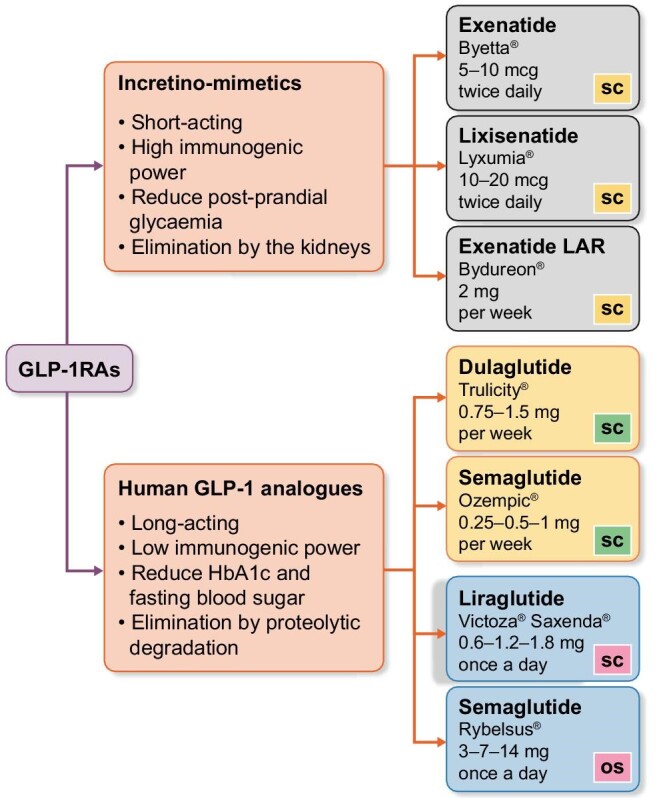
“Therefore, contrary to short-acting GLP-1RAs, human GLP-1 analogues induce a more marked reduction in HbA1c and fasting blood sugar and decrease the incidence of side effects [11, 12].”
SGLT2 Inhibitors and External Genital Infection in Male Patients With Type 2 Diabetes
Cheng, T.-H., Lin, K.-C., Chuang, A. T.-M., Cheng, M. C., Shao, S., Lin, S. J., Lin, T.-Y., Tsai, Y.-S., Lai, E. C., Hu, C., et al. (2025) · JAMA Network Open · doi:10.1001/jamanetworkopen.2025.34485 · Cited by 10
Zhu, D., Wang, W., Tong, G., Ma, J., WEN, B., Zheng, X., Shi, B., Shuguang, P., Wang, K., Shi, X., et al. (2026) · Nature Communications · doi:10.1038/s41467-025-68165-7 · Cited by 9
Mulcahy, J., DeLaRosby, A., & Norwood, T. (2025) · Physical Therapy · doi:10.1093/ptj/pzaf061 · Cited by 8
“19 Additional medication effects have been documented on other body systems such as the reproductive system, 21,22 renal system, 23,24 and psychological and cognitive systems, 25,26 immune system, 27 however, not all mechanisms are well understood.”
Obesity-related glomerulopathy, A growing kidney burden in the obesity pandemic
Mashayekhi, M., Zuckerman, J. E., Koubar, S. H., Wu, J., Qing, J., Abdipour, A., Lerma, E. V., Peters, W. R., & Norouzi, S. (2025) · Clinical and Experimental Nephrology · doi:10.1007/s10157-025-02804-7 · Cited by 8
“GLP-1RAs also suppress pro-inflammatory and profibrotic pathways, thereby minimizing oxidative stress and protecting against ischemic injury [55].”
Reducing or Discontinuing Insulin or Sulfonylurea When Initiating a Glucagon-like Peptide-1 Agonist
Herron, E., Cencetti, J., & Matis, J. H. (2024) · Federal Practitioner · doi:10.12788/fp.0452 · Cited by 10
Medical Management of Coronary Artery Disease in Patients with Chronic Kidney Disease
Kim, J. A., Kim, S. E., Hachem, K. E., Virk, H. U. H., Alam, M., Virani, S. S., Sharma, S. K., House, A. A., & Krittanawong, C. (2023) · The American Journal of Medicine · doi:10.1016/j.amjmed.2023.06.013 · Cited by 7
Rastogi, A., & Weir, M. R. (2023) · Journal of Diabetes and its Complications · doi:10.1016/j.jdiacomp.2023.108515 · Cited by 8
Ibrahim, S. S., Durrani, A. D., Ibrahim, M., Kuttner, N. P., Glivar, P., Singh, V. K., & Yu, E. M. (2026) · Global Spine Journal · doi:10.1177/21925682251415347 · Cited by 7
“9,10 These effects should theoretically lead to improved outcomes after spine surgery.”
Liu, B., Huang, R., Zhang, W., Tian, J. H., Xian, Y., & Chen, D. (2025) · Scientific Reports · doi:10.1038/s41598-025-02394-0 · Cited by 7
“GLP-1RA improves blood sugar control, reduces insulin resistance, and promotes weight loss, indirectly reducing glomerular hyperfiltration and delaying the progression of diabetic nephropathy 32 .”
Peng, Z.-Y., Lee, Y.-H., Ou, H.-T., & Kuo, S. (2025) · Cardiovascular Diabetology · doi:10.1186/s12933-025-03007-w · Cited by 5
“…peptide-1 receptors of glomeruli and arterioles, corresponding signals in cells lead to increased levels of cyclic adenosine monophosphate and the activation of protein kinase A, thereby decreasing the oxidative stress, inflammation, and kidney hypoxia, and ultimately improving albuminuria [16–18].”
Tang, H., Donahoo, W. T., DeKosky, S. T., Lee, Y. A., Kotecha, P., Svensson, M., Bian, J., & Guo, J. S. (2025) · Alzheimer s & Dementia · doi:10.1002/alz.70313 · Cited by 5
Liu, T., & Li, M. (2025) · Frontiers in Pharmacology · doi:10.3389/fphar.2025.1599097 · Cited by 4
“Glucagon-like peptide-1 receptor agonists (GLP-1 RAs) also offer renal bene fi ts for patients with type 2 diabetes (Granata et al., 2022; Chen et al., 2025).”
Braha, A., Timar, B., Sturza, A., & Timar, R. Z. (2026) · Medicina · doi:10.3390/medicina62081509 · Cited by 2
“In the context of endothelial dysfunction in DKD, GLP-1 RAs directly protect against endothelial dysfunction by improving microvascular function, reducing albuminuria, and slowing the progression of kidney disease, beyond glycemic control [76,77].”
Choi, U. E., Nicholson, R. C., Messinger, C. J., Oprea, A. D., Sweitzer, B. J., Hobai, I. A., Connors, J. M., & Hepner, D. L. (2026) · Anesthesiology · doi:10.1097/aln.0000000000006326 · Cited by 2
Ruan, Z., Chen, X., Song, M., Jia, R., Luo, H., Ung, C. O. L., & Hu, H. (2024) · Diabetes Metabolic Syndrome and Obesity · doi:10.2147/dmso.s483065 · Cited by 3
“9,10 11–15 According to their different half-lives, GLP-1RA can be classified into weekly injections (once per week) and daily injections (once, twice, and three times per day).”
BackgroundAdvances in the study of the role of extraoral bitter taste receptorsPreprint
Yu, X., Zhen, Y., Fang, T., Zhang, J., Xu, Y., Wu, F., Cao, J., Liu, Y., Li, J., & Wang, D. (2023) · Authorea · doi:10.22541/au.168431413.33194743/v1 · Cited by 2
Extending Healthspan via GLP-1 Receptor Agonist: Insights and Perspectives
Chakrabarti, S. K., & Chattopadhyay, D. (2026) · Exploratory Research and Hypothesis in Medicine · doi:10.14218/erhm.2025.00036 · Cited by 1
Maheshwari, A., Saboo, B., Teo, B. W., Wang, J.-G., Verma, N., Gupta, A. K., Sukonthasarn, A., Shegem, N., Bhowmik, B., Valappil, A. P., et al. (2026) · Journal of Human Hypertension · doi:10.1038/s41371-026-01150-9 · Cited by 1
Long, W., Ningning, L., & Weijun, H. (2026) · Pakistan Journal of Pharmaceutical Sciences · doi:10.36721/pjps.2026.39.7.204.1 · Cited by 1
IMI targets abnormal lipid metabolism by inhibiting intestinal TAS2Rs
Liang, J., Li, Y., Xu, W., Zhao, G., & Wang, Y. (2026) · Food Chemistry · doi:10.1016/j.foodchem.2026.150688 · Cited by 1
Hillman, L. A., Warfield, C., & Peter, W. L. S. (2025) · American Journal of Health-System Pharmacy · doi:10.1093/ajhp/zxaf043
Lialios, P., Kim, Y., Trewhella, I., Myakala, K., Hughes, E. P., Wang, X. X., Levi, M., & Alimperti, S. (2025) · bioRxiv (Cold Spring Harbor Laboratory) · doi:10.1101/2025.05.19.654627
Relative Impact of GLP-1 Agonist Use on Microvascular Versus Macrovascular Complications
Okorigba, E. M., Jinadu, K. H., Utuk, O.-O. J., Akinwumiju, A., Kolawole, O. A., Disu, F., & Sosu, V. (2025) · Cureus · doi:10.7759/cureus.93925
“Our results reinforce the notion that GLP-1 RAs may provide clinically meaningful benefits beyond glucose lowering, consistent with evidence of pleiotropic effects such as weight reduction, lipid modulation, and anti-inflammatory activity [12, 13, 15].”
InfluentialRai, A., Kolli, M., Singh, G. P., Rishu, R., Cai, C. Y. L., Balaji, H., Pongen, B., Joy, S., & Shahid Sai, A. K. (2025) · Cureus · doi:10.7759/cureus.96162
“Renal composite outcomes in previous GLP-1 RA trials have typically included progression of albuminuria, sustained decline in estimated glomerular filtration rate (eGFR), and, in some cases, kidney failure [14,15].”
Ahmad, A., & Sabbour, H. M. (2024) · Figshare · doi:10.6084/m9.figshare.26695041
Quinga Amán, M. A., & Jurado Melo, V. C. (2025) · Ciencia y Educación · doi:10.5281/zenodo.15177958
do Nascimento, T. S., Pereira, R. O. L., Maia, E. R., Ohnuma, T., da Costa, M. G., Slawka, E., Galhardo, C., & Krishnamoorthy, V. (2024) · Figshare · doi:10.6084/m9.figshare.26752558
Ahmad, A., & Sabbour, H. M. (2024) · Figshare · doi:10.6084/m9.figshare.26695038
do Nascimento, T. S., Pereira, R. O. L., Maia, E. R., Ohnuma, T., da Costa, M. G., Slawka, E., Galhardo, C., & Krishnamoorthy, V. (2024) · Figshare · doi:10.6084/m9.figshare.26752561
Emerging Role Of Multifaceted Drugs In Diabetes Care
Chaudhari, J. B. (2025) · African Journal of Biomedical Research · doi:10.53555/ajbr.v27i6s.8507
Kumar, C. S., Thangavel, N., Johnson, D. B., Madhuranthagan, M., Raj, S. R., Roshni, A., & Abimanyu, R. (2026) · Research Journal of Pharmacology and Pharmacodynamics · doi:10.52711/2321-5836.2026.00012
GLP-1 RECEPTOR AGONISTS IN TYPE 2 DIABETES MELLITUS: CLINICAL IMPLICATIONS BEYOND GLYCEMIC CONTROL
Abella, P. L., FÜRST, I. H., ROZA, L. R. D., Matos, G. P., ZOLET, J. P. V., MARCUZZO, T. C. V., Franceschini, E., Cordova, E. A., SMOLA, V. D. F., SNEL, L. P. F., et al. (2026) · Open Minds International Journal · doi:10.22533/at.ed.5157272624031
Jiang, J., Wei, J., Chen, F., Li, Y., Ba, L., & Pan, B. (2026) · Pakistan Journal of Pharmaceutical Sciences · doi:10.36721/pjps.2026.39.11.322.1
Vyas, K., Chhipa, A. S., Chauhan, A., & Patel, S. S. (2026) · Discover Molecules · doi:10.1007/s44345-026-00071-x
Emerging therapies for diabetic kidney disease: beyond SGLT2 inhibitors
Ni, H., Piggott, S., Festa, M. C., Faruque, L. I., & Cherney, D. Z. I. (2026) · Expert Opinion on Pharmacotherapy · doi:10.1080/14656566.2026.2723583
Bigda, P., Rafałowska, Z., Rutz, S., Wojtala, A., Kret, J., Wyrostkiewicz, A., Sadkowski, A., Gdula, J., Zielińska, L., Szpunar, M., et al. (2026) · International Journal of Innovative Technologies in Social Science · doi:10.31435/ijitss.3(51).2026.6153
Semaglutide and cardio-renal protection: Mechanistic insights from FLOW, SELECT and the NHE3 paradox
Kabir, A., Mouree, T. Z., Das, M., & Joy, F.-U.-H. (2026) · Therapeutic Advances in Endocrinology and Metabolism · doi:10.1177/20420188261503097
Pre-Injury Metabolic Therapy and Clinical Outcomes After Rib Fractures
Henriquez, M. J., Boukind, A., Sanchez, F. C., Eguchi, M., Dehghan, A., Bochicchio, G. V., Rosengart, M. R., Kranker, L. M., & Badran, S. M. (2026) · Surgery · doi:10.1016/j.surg.2026.110813
Metadata
- Authors
- Granata, A., Maccarrone, R., Anzaldi, M., Leonardi, G., Pesce, F., Amico, F., Gesualdo, L., & Corrao, S.
- Affiliations
- Ospedale Cannizzaro (IT)
- University of Catania (IT)
- University of Bari Aldo Moro (IT)
- University of Palermo (IT)
- Corresponding author
- Maccarrone, Rosario
- ORCID
- Venue
- Clinical Kidney Journal
- Publisher
- Oxford University Press (OUP)
- Published
- 2022-03-12
- Volume
- 15
- Issue
- 9
- Pages
- 1657-1665
- ISSN
- 2048-8505 (ISSN-L)
- 2048-8513
- PMC
- PMC9394722
- OpenAlex
- W4214865414
- Cited by
- 54
- References
- 67
- Citations by year
- 2026: 10 · 2025: 16 · 2024: 21 · 2023: 5 · 2022: 2
- FWCI
- 1.65
- Type
- journal article
- Language
- en
- Open access
- gold
- doi.org
- Licence
- Locations
- Clinical Kidney Journal (publishedVersion, cc-by-nc)
- PubMed Central (publishedVersion, cc-by-nc)
- PubMed (publishedVersion)
- IRIS UniPA (University of Palermo) (submittedVersion, other-oa)
- PubliCatt (Università Cattolica del Sacro Cuore) (submittedVersion, other-oa)
- CINECA IRIS Institutional Research Information System (University of Bari Aldo Moro) (submittedVersion, cc-by-nc)
- Topics
- Health Sciences › Medicine › Nephrology › Chronic Kidney Disease and Diabetes
- Health Sciences › Medicine › Endocrinology, Diabetes and Metabolism › Diabetes Treatment and Management
- Health Sciences › Medicine › Nephrology › Acute Kidney Injury Research
- Keywords
- GLP-1 receptor agonists, diabetic nephropathy, type 2 diabetes, renal protection, albuminuria, end-stage renal disease, renal function decline, oxidative stress, COVID-19 pandemic, anti-inflammatory activity, glycemic control, weight loss
About these checks
Registry, retraction, Cites and statistics results are computed, not judged, with one exception: a printed reference that no index lists is read once by a model before it counts as a citation error. Claims are extracted by a model and kept only when their quote appears verbatim in the text; each cited source is then checked, with a model’s help, for whether it says what the claim relies on. Those verdicts can be wrong — read the claim’s quote and the cited source before relying on one.
The claim verdicts this report counts are experimental: their accuracy is not yet measured.
A language model drew the claims from the paper on 2026-10-04, under version 3 of the claim definition (model deepseek-v4.1-flash, prompt extract-v3).
A second model labelled each claim on 2026-10-04 (model jev-1.13-20260917, definition revision gold-guideline-v0.2).
Cited sources are checked with a language model’s help (gpt-6-sol and qwen3.8-omni-flash).
Statistics and arithmetic are recomputed, not judged.
Confidence bands are shown only for fields calibrated on our annotated test set. None is calibrated yet, so no band is shown.
What counts as a claim ›How we measure confidence ›How we check this ›
Are you an author, or do you see a problem with this page? Request a review
Data sources
Bibliographic data: Semantic Scholar, OpenAlex, Crossref.
Contains information from the Semantic Scholar Academic Graph Datasets, made available under the ODC Attribution License (ODC-BY 1.0).
Semantic Scholar’s data is described in: Kinney, R., et al. (2023). The Semantic Scholar Open Data Platform. arXiv:2301.10140.
