

Enhancing Physical-Layer Security for IoT With Nonorthogonal Multiple Access Assisted Semi-Grant-Free Transmission
Open accessThe DOI matches its Crossref record; 45 of the 45 references it cites were found in a registry or an index.
Abstract
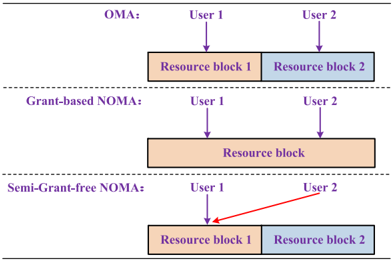
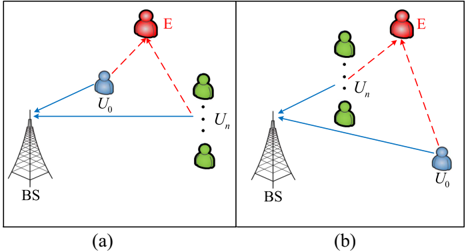
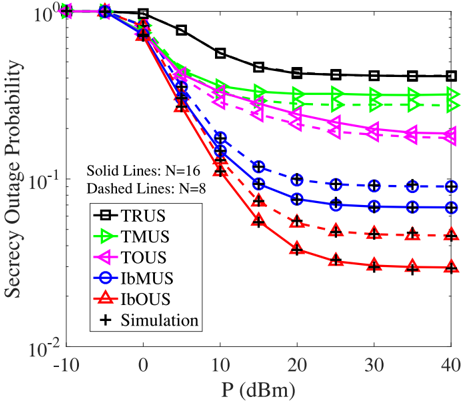
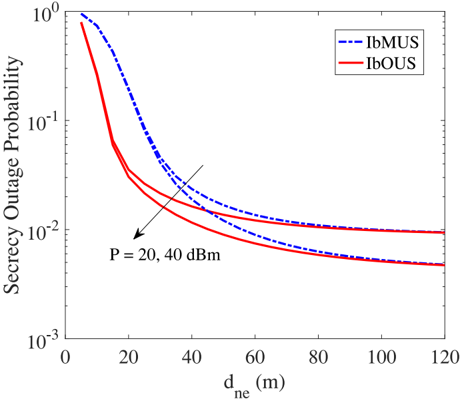
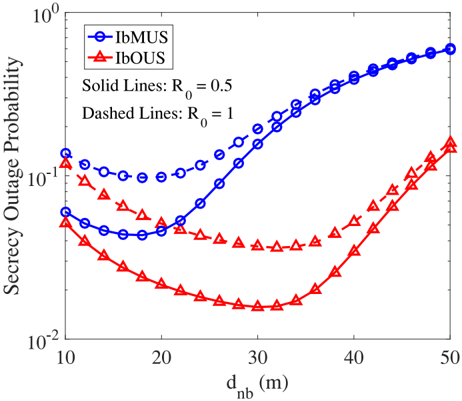
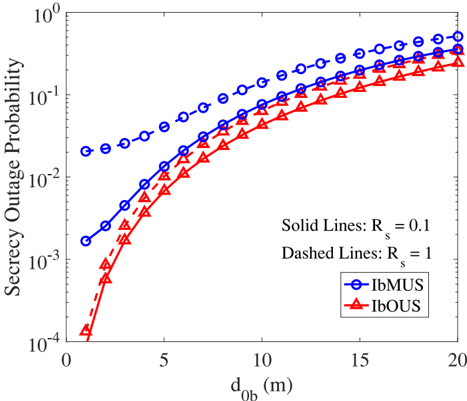
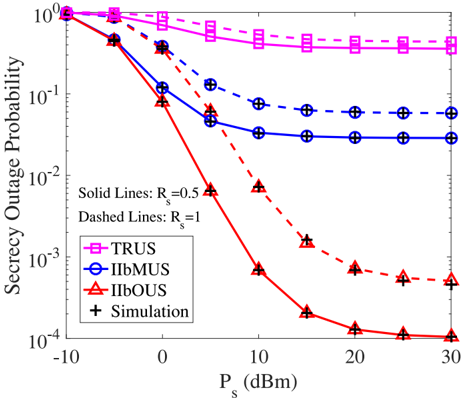
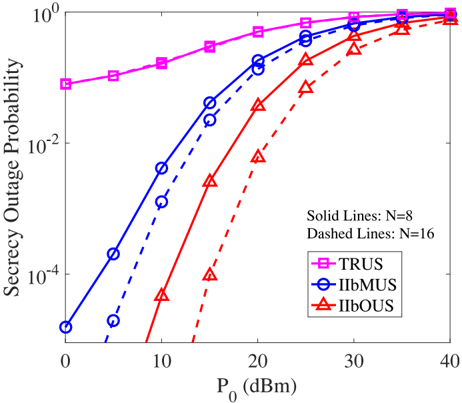
Nonorthogonal multiple access (NOMA) assisted semi-grant-free transmission admits grant-free users to access the channels otherwise solely occupied by grant-based users, and has been recently attracting considerable attention in terms of accommodating massive connectivity and reducing access delay in Internet of Things (IoT). In this work, we investigate the security of semi-grant-free NOMA transmission in the presence of passive and active eavesdropping attacks. In particular, for the scenario-I with strong grant-based user and weak grant-free users, the scenario-I-based maximal user scheduling (IbMUS) and scenario-I-based optimal user scheduling (IbOUS) schemes are proposed to combat the passive and active eavesdropping, respectively. For the scenario-II with weak grant-based user and strong grant-free users, two parallel schemes, namely, the scenario-II-based maximal user scheduling (IIbMUS) and scenario-II-based optimal user scheduling (IIbOUS) schemes, are proposed to combat the passive and active eavesdropping, respectively. These proposed schemes enhance the security by scheduling a grant-free user with maximal main channel capacity/maximal secrecy capacity to access the NOMA channel on the premise of ensuring the grant-based user’s Quality of Service. Based on these proposed schemes, the exact secrecy outage probability (SOP) are analyzed to evaluate the system performance. The simulation results validates the theoretic analysis and the superiority of the proposed schemes. The IbOUS and IIbOUS schemes can achieve better performance than the IbMUS and IIbMUS schemes owing to the use of active eavesdropper’s channel state information (CSI). The SOP achieved by the proposed schemes can be further improved with the increasing number of grant-free users and decreasing target rate (or target secrecy rate).
Overview
The claims and statistics of this paper haven’t been checked yet.
Free: it reads the open-access text and checks the first 5 claims that cite a source we can check. Create a free account to check every claim.
Integrity signals
Registry
Cites
Statistics
Figures







Verification
Claims the paper makes
The claims and statistics of this paper haven’t been checked yet.
Free: it reads the open-access text and checks the first 5 claims that cite a source we can check. Create a free account to check every claim.
Self-check
Percentages, sums and reported differences re-computed from the paper’s own numbers.
The self-check needs the paper’s full text.
Citations
Cites
Table of Integrals, Series, and Products
(2000) · Elsevier eBooks · doi:10.1016/b978-0-12-294757-5.x5000-4 · Cited by 8,408
Wyner, A. D. (1975) · Bell System Technical Journal · doi:10.1002/j.1538-7305.1975.tb02040.x · Cited by 7,075 · cited 2×
“According to the definition of secrecy capacity and theory of Wyner’s wiretap code [19], the secrecy capacity of the grant-free user is enhanced as its main channel capacity is maximized by using the IbMUS scheme.”
BackgroundMethodDai, L., Wang, B., Yuan, Y., Han, S., Chih-lin, I., & Wang, Z. (2015) · IEEE Communications Magazine · doi:10.1109/mcom.2015.7263349 · Cited by 2,943
Self-citationPower-Domain Non-Orthogonal Multiple Access (NOMA) in 5G Systems: Potentials and Challenges
Islam, S. M. R., Avazov, N., Dobre, O. A., & Kwak, K.-S. (2017) · IEEE Communications Surveys & Tutorials · doi:10.1109/comst.2016.2621116 · Cited by 2,458
Non-Orthogonal Multiple Access (NOMA) for Cellular Future Radio Access
Saito, Y., Kishiyama, Y., Benjebbour, A., Nakamura, T., Li, A., & Higuchi, K. (2013) · 2013 IEEE 77th Vehicular Technology Conference (VTC Spring) · doi:10.1109/vtcspring.2013.6692652 · Cited by 2,453
A Survey on Non-Orthogonal Multiple Access for 5G Networks: Research Challenges and Future Trends
Ding, Z., Lei, X., Karagiannidis, G. K., Schober, R., Yuan, J., & Bhargava, V. K. (2017) · IEEE Journal on Selected Areas in Communications · doi:10.1109/jsac.2017.2725519 · Cited by 2,392
Application of Non-Orthogonal Multiple Access in LTE and 5G Networks
Ding, Z., Liu, Y., Choi, J., Sun, Q., Elkashlan, M., Chih-Lin, I., & Poor, H. V. (2017) · IEEE Communications Magazine · doi:10.1109/mcom.2017.1500657cm · Cited by 1,967 · cited 1×
“Recently, non-OMA (NOMA), encouraging spectrum sharing among wireless devices, has emerged as a spectrally efficient solution to implement the massive connectivity for the IoT [2].”
BackgroundWireless Information-Theoretic Security
Bloch, M., Barros, J., Rodrigues, M. R. D., & McLaughlin, S. W. (2008) · IEEE Transactions on Information Theory · doi:10.1109/tit.2008.921908 · Cited by 1,847 · cited 1×
“2) IbOUS Scheme for Active Eavesdropping: Active eavesdropper is a transceiver operating with known protocols in the system but having a low-security clearance, which is also known as internal eavesdropper or untrusted node [20], [33], [42]–[44].”
BackgroundImpact of User Pairing on 5G Nonorthogonal Multiple-Access Downlink Transmissions
Ding, Z., Fan, P., & Poor, H. V. (2016) · IEEE Transactions on Vehicular Technology · doi:10.1109/tvt.2015.2480766 · Cited by 1,554
Principles of Physical Layer Security in Multiuser Wireless Networks: A Survey
Mukherjee, A., Fakoorian, S. A. A., Huang, J., & Swindlehurst, A. L. (2014) · IEEE Communications Surveys & Tutorials · doi:10.1109/surv.2014.012314.00178 · Cited by 1,483
Cited by
Heidari, A., Jafari Navimipour, N., Unal, M., & Zhang, G. (2023) · ACM Computing Surveys · doi:10.1145/3571728 · Cited by 195
Mohsan, S. A. H., Li, Y., Sadiq, M., Liang, J., & Khan, M. A. (2023) · Journal of Marine Science and Engineering · doi:10.3390/jmse11010124 · Cited by 164
A Novel Blockchain-Based Deepfake Detection Method Using Federated and Deep Learning Models
Heidari, A., Navimipour, N. J., Dag, H., Talebi, S., & Unal, M. (2024) · Cognitive Computation · doi:10.1007/s12559-024-10255-7 · Cited by 164
A Survey on Network Slicing Security: Attacks, Challenges, Solutions and Research Directions
de Alwis, C., Porambage, P., Dev, K., Gadekallu, T. R., & Liyanage, M. (2023) · IEEE Communications Surveys & Tutorials · doi:10.1109/comst.2023.3312349 · Cited by 188
“In a side-channel attack, the attackers try to extract the secrets of a system by analyzing or measuring several physical parameters such as electromagnetic emission, execution time, supply current, etc [83], [84].”
BackgroundFederated deep learning for anomaly detection in the internet of things
Wang, X., Wang, Y., Javaheri, Z., Almutairi, L., Moghadamnejad, N., & Younes, O. (2023) · Computers & Electrical Engineering · doi:10.1016/j.compeleceng.2023.108651 · Cited by 142
Covert Communications With Enhanced Physical Layer Security in RIS-Assisted Cooperative Networks
Li, X., Liu, M., Dang, S., Luong, N. C., Yuen, C., Nallanathan, A., & Niyato, D. T. (2025) · IEEE Transactions on Wireless Communications · doi:10.1109/twc.2025.3548024 · Cited by 130
“However, due to the inherent characteristics of wireless communication systems, such as open transmission media, lack of physical connection protection, and dynamic changes in network topology, these systems are vulnerable to eavesdropping, interference, and jamming by malicious users [7], [8], [9].”
Healthcare Internet of Things: Security Threats, Challenges, and Future Research Directions
Adil, M., Khan, M. K., Kumar, N., Attique, M., Farouk, A., Guizani, M., & Jin, Z. (2024) · IEEE Internet of Things Journal · doi:10.1109/jiot.2024.3360289 · Cited by 139
“…of them such as radio jamming, frequency jamming, node spoofing, physical node capturing and damaging, malicious node injection, etc. Cao et al. [224] extended this discussion by proposing a semi-grant-free nonorthogonal multiple access (NOMA) transmission prototype to mitigate active…”
BackgroundSafeguarding Next-Generation Multiple Access Using Physical Layer Security Techniques: A Tutorial
Lv, L., Xu, D., Hu, R. Q., Ye, Y., Yang, L. X., Lei, X., Wang, X., Kim, D. I., & Nallanathan, A. (2024) · Proceedings of the IEEE · doi:10.1109/jproc.2024.3420127 · Cited by 121
“Without the CSI of the eavesdropper, scheduling the secondary user with the highest SNR to the AP in the candidate group can provide diversity gains for secure NOMA transmissions [192].”
BackgroundSelf-citationDenial of service attacks in edge computing layers: Taxonomy, vulnerabilities, threats and solutions
Uddin, R., Kumar, S., & Chamola, V. (2023) · Ad Hoc Networks · doi:10.1016/j.adhoc.2023.103322 · Cited by 124
Hanafi, A. V., Ghaffari, A., Rezaei, H., Valipour, A., & Arasteh, B. (2023) · Cluster Computing · doi:10.1007/s10586-023-04102-x · Cited by 90
“This is done by collecting and analyzing data packets [7, 14] sent over the network, detecting unusual patterns of traffic, and sending alert messages when something suspicious is detected [15, 16].”
Kiran, A., Mathivanan, P., Mahdal, M., Сайрам, К. В. С. С. С. С., Chauhan, D. K., & Talasila, V. (2023) · Mathematics · doi:10.3390/math11092073 · Cited by 62
Song, Y., & Yingwei, H. (2023) · Soft Computing · doi:10.1007/s00500-023-09330-2 · Cited by 75
“Travel has become more affordable for a wider proportion of the population due to a growing middle class with more discretionary money and improved transportation infrastructure (Cao et al. 2022; Yao et al. 2017).”
BackgroundRetractedGardas, B. B., Heidari, A., Navimipour, N. J., & Ünal, M. (2022) · Applied Sciences · doi:10.3390/app12178906 · Cited by 52
Hamzei, M., Khandagh, S., & Navimipour, N. J. (2023) · Sensors · doi:10.3390/s23167233 · Cited by 46
Huang, Q., Wen, R., Han, Y., Li, C., & Zhang, Y. (2023) · IEEE Internet of Things Journal · doi:10.1109/jiot.2023.3267830 · Cited by 39
Ogundokun, R. O., Awotunde, J. B., Imoize, A. L., Li, C., Abdulahi, A. T., Adelodun, A. B., Sur, S. N., & Lee, C. (2023) · Sustainability · doi:10.3390/su15097315 · Cited by 45
Impact of NOMA on Age of Information: A Grant-Free Transmission Perspective
Ding, Z., Schober, R., & Poor, H. V. (2023) · IEEE Transactions on Wireless Communications · doi:10.1109/twc.2023.3313612 · Cited by 39
“…grant-free transmission has also been shown to be robust and efficient in various communication scenarios, such as satellite communication networks, secure Internet of Things (IoT), intelligent reflecting surface (IRS) networks, marine communication systems, etc., see [14], [15], [16], and [17].”
BackgroundTask scheduling in the internet of things: challenges, solutions, and future trends
Bu, T., Huang, Z., Zhang, K., Wang, Y., Song, H., Zhou, J., Ren, Z., & Liu, S. (2023) · Cluster Computing · doi:10.1007/s10586-023-03991-2 · Cited by 35
“It facilitates the connection of multiple IoT devices with a single frequency block, thereby enhancing IoT network connectivity [53].”
Rui, K., Pan, H., & Shu, S. (2023) · Scientific Reports · doi:10.1038/s41598-023-44764-6 · Cited by 40
“For this reason, in various research works, solutions have been provided to ensure communication security in these networks 7,8 .”
BackgroundPolarization-Aided Coding for Nonorthogonal Multiple Access
Xie, Z., Chen, P., Fang, Y., & Chen, Q. (2024) · IEEE Internet of Things Journal · doi:10.1109/jiot.2024.3360464 · Cited by 30
An efficient and privacy-preserving blockchain-based secure data aggregation in smart grids
Mahmood, A., Khan, A., Anjum, A., Maple, C. R., & Jeon, G. (2023) · Sustainable Energy Technologies and Assessments · doi:10.1016/j.seta.2023.103414 · Cited by 35
Grant-Free NOMA: A Low-Complexity Power Control through User Clustering
Çelik, A. (2023) · Sensors · doi:10.3390/s23198245 · Cited by 24
“Furthermore, Cao et al. have focused on the security aspects of semi-grant-free NOMA transmission [38], wherein they investigated passive and active eavesdropping attacks and proposed DL-based user scheduling schemes to enhance security, showing the flexibility and applicability of these techniques…”
MethodA Secure Intelligent System for Internet of Vehicles: Case Study on Traffic Forecasting
Djenouri, Y., Belhadi, A., Djenouri, D., Srivastava, G., & Lin, J. C. (2023) · IEEE Transactions on Intelligent Transportation Systems · doi:10.1109/tits.2023.3243542 · Cited by 25
“Cao et al. [29] investigated the vulnerability of semi-accessless transmission to passive and aggressive forms of eavesdropping.”
BackgroundPhysical layer security analysis of IRS-based downlink and uplink NOMA networks
Le, S.-P., Nguyen, H.-N., Nguyen, N.-T., Cừu, H. V., Le, A., & Vozn̆ák, M. (2023) · EURASIP Journal on Wireless Communications and Networking · doi:10.1186/s13638-023-02309-5 · Cited by 25
“Similar to (7), we can continue to apply PIC, then the SNR at E can be written by [41, 42]”
MethodInteraction of Secure Cloud Network and Crowd Computing for Smart City Data Obfuscation
Manikandan, T., Basheer, S., Selvarajan, S., Althubiti, S. A., Alenezi, F. S., Srivastava, G., & Lin, J. C. (2022) · Sensors · doi:10.3390/s22197169 · Cited by 30
“The development of technologies such as the Internet of Things (IoT), Artificial Intelligence (AI), cloud, and other technologies paved the way for the growth of smart cities worldwide [22].”
BackgroundAn efficient evolutionary deep learning-based attack prediction in supply chain management systems
Chauhdary, S. H., Alkatheiri, M. S., Alqarni, M., & Saleem, S. (2023) · Computers & Electrical Engineering · doi:10.1016/j.compeleceng.2023.108768 · Cited by 22
A distributed SDN-based intrusion detection system for IoT using optimized forests
Luo, K. (2023) · PLoS ONE · doi:10.1371/journal.pone.0290694 · Cited by 22
“Researchers in [30], attempted to improve the security of physical layer in IoT using Non-Orthogonal Multiple Access (NOMA) Assisted Semi-Grant-Free Transmission (SGFT).”
MethodRetractedA Review of Cybersecurity Challenges in Smart Power Transformers
Rahimpour, H., Tusek, J., Musleh, A. S., Liu, B., Abuadbba, A., Phung, B. T., & Seneviratne, A. P. (2024) · IEEE Access · doi:10.1109/access.2024.3518494 · Cited by 28
“…security control to intrusion detection using deep learning and secure communication via intelligent reflecting surfaces suggest avenues for application in power transformer cybersecurity, though their direct implementation remains largely unexplored [43], [44], [45], [46], [47], [48], [49], [50].”
An Empirical Client Cloud Environment to Secure Data Communication with Alert Protocol
Soni, D., Srivastava, D., Bhatt, A., Aggarwal, A., Kumar, S., & Shah, M. A. (2022) · Mathematical Problems in Engineering · doi:10.1155/2022/4696649 · Cited by 24
Security and Privacy of Internet of Things: A Review of Challenges and Solutions
Lu, Y. (2023) · Journal of Cyber Security and Mobility · doi:10.13052/jcsm2245-1439.1261 · Cited by 24
“Additionally, these devices are often connected to large networks, making them potential entry points for attackers [15].”
BackgroundNOMA-Assisted Grant-Free Transmission: How to Design Pre-Configured SNR Levels?
Ding, Z., Schober, R., & Poor, H. V. (2023) · IEEE Wireless Communications Letters · doi:10.1109/lwc.2023.3330785 · Cited by 20
“For example, cognitive-radio inspired NOMA can be used to ensure that the bandwidth resources, which normally would be solely occupied by grant-based users, are used to admit grantfree users [3]–[5].”
BackgroundGRNN-Based Detection of Eavesdropping Attacks in SWIPT-Enabled Smart Grid Wireless Sensor Networks
Jiang, W., Wang, J., Hsiung, K.-L., & Chen, H.-Y. (2024) · IEEE Internet of Things Journal · doi:10.1109/jiot.2024.3443277 · Cited by 24
“Traditional security approaches, such as cryptography and access control have been widely employed to protect the wireless communications in smart grids [8], [9].”
BackgroundAvval, D. B., Heris, P. O., Navimipour, N. J., Mohammadi, B., & Yalçın, Ş. (2022) · Cluster Computing · doi:10.1007/s10586-022-03743-8 · Cited by 21
“The physical layer, for example, encompasses all industrial sensors, actuators, and field equipment that generate unique events and raw data [27].”
BackgroundHussein, D. H., & Ibnkahla, M. A. (2025) · IEEE Transactions on Network and Service Management · doi:10.1109/tnsm.2025.3570052 · Cited by 18
“…systems, tenant network slices can observe the system data, thereby introducing potential vulnerabilities that may be exploited to compromise shared resources or compromise the privacy of cryptographic operations, leading to the extraction of secret keys, known as side-channel attacks [66], [67].”
Ghanbari, Z., Navimipour, N. J., Hosseinzadeh, M., Shakeri, H., & Darwesh, A. M. (2022) · Pervasive and Mobile Computing · doi:10.1016/j.pmcj.2023.101872 · Cited by 18
Tin, P. T., Nguyen, M. V., Duy, T. T., Minh, B. V., Kim, B.-S., & Rejfek, L. (2024) · IEEE Access · doi:10.1109/access.2024.3447531 · Cited by 18
Secrecy Outage Performance Analysis for Uplink CR-NOMA Systems With Hybrid SIC
Lei, H., Yang, F., Ansari, I. S., Liu, H., Kim, K. J., & Tsiftsis, T. A. (2023) · IEEE Internet of Things Journal · doi:10.1109/jiot.2023.3261308 · Cited by 18
“3, R1 = 2 bit/s/Hz, Rth = 1 bit/s/Hz, and d1s = d2s = d1e = d2e = 10 m [7], [21], unless stated otherwise.”
Zhou, H., Lian, C., Li, F., & Jin, G. (2023) · Electronics · doi:10.3390/electronics12092070 · Cited by 17
A Comprehensive Review on 5G IIoT Test-Beds
Kumar, S., Vahabi, M., & Fotouhi, H. (2025) · IEEE Transactions on Consumer Electronics · doi:10.1109/tce.2025.3572058 · Cited by 25
“Physical-layer security is enhanced using semi-grant-free NOMA with optimized user scheduling to passive and active eavesdropping, as proposed by Cao et al. [89].”
Li, Y., Zhu, X., & Darbandi, M. (2022) · Journal of Management & Organization · doi:10.1017/jmo.2022.74 · Cited by 17
Dong‐liang, L., Lu, B., & Hai‐hua, W. (2023) · International Journal of Communication Systems · doi:10.1002/dac.5450 · Cited by 14
“Considering the heterogeneity of IoT devices, secure routing in the highly dynamic and distributed IoT environment remains a significant challenge.(102) 4.”
BackgroundSTAR-RIS Assisted Reliable and Secure Transmissions in Wireless-Powered Communications
Tang, S., Cao, K., Lv, L., Ding, H., Zheng, B., Chen, J., Diao, D., & Wang, B. (2024) · IEEE Transactions on Wireless Communications · doi:10.1109/twc.2024.3487572 · Cited by 13
“Due to d ru t d ru r , s t is given decoding priority during the successive interference cancellation (SIC) process in accordance with NOMA principle [34].”
Self-citationA Neural-Symbolic Model for Fan Interpretable Fault Diagnosis on Steel Production Lines
Liao, X., Wang, C., Qiu, S., Zhang, X., Jiang, Z., Ming, X., & Xia, M. (2024) · IEEE Internet of Things Journal · doi:10.1109/jiot.2024.3363654 · Cited by 13
“As data collection infrastructure, the Internet of Things (IoT) and industrial artificial intelligence (IAI) [3], collectively referred to as the Industrial IoT (IIoT), have been signifi-cant and rapid prosperity to achieve the quick response of production site and environmental sustainability…”
BackgroundEnwereonye, U. P., Shahraki, A. S., Alavizadeh, H., & Kayes, A. S. M. (2025) · Computer Networks · doi:10.1016/j.comnet.2025.111268 · Cited by 12
Intelligent ADL Recognition via IoT-Based Multimodal Deep Learning Framework
Javeed, M., Mudawi, N. A., Alazeb, A., Almakdi, S., Alotaibi, S. S., Chelloug, S. A., & Jalal, A. (2023) · Sensors · doi:10.3390/s23187927 · Cited by 10
“The data collected can be in the form of videos, their sequences, audio, and locks etc.”
BackgroundHai, T., Sarkar, A., Aksoy, M., Khan, M. Z., & Alahmadi, A. M. (2023) · Engineering Applications of Artificial Intelligence · doi:10.1016/j.engappai.2023.107561 · Cited by 10
Dashdondov, K., Kim, M.-H., & Jo, K. (2023) · IEEE Access · doi:10.1109/access.2023.3340240 · Cited by 10
Performance Analysis of NOMA-Based MEC Systems With Semi-Grant-Free Transmission
Chen, B., & Xu, D. (2024) · IEEE Wireless Communications Letters · doi:10.1109/lwc.2024.3362898 · Cited by 10
“PLS of SGF-NOMA has been recently investigated [12].”
Li, J., Wang, Q., Hu, S., & Li, L. (2023) · Journal of Grid Computing · doi:10.1007/s10723-023-09705-7 · Cited by 9
“The approach employs system dynamics, a modeling technique, to scrutinize and comprehend the performance of cross-border transportation infrastructure [38, 39].”
QoS-aware secure transmission design for VLC with semi-grant-free NOMA scheme
Li, G., Wang, P., Zhou, B., He, H., Hao, W., & Yang, T. (2023) · Optics Express · doi:10.1364/oe.485673 · Cited by 8
Du, J. (2026) · Scientific Reports · doi:10.1038/s41598-026-54748-x · Cited by 7
Enhancing quality of service in IoT through deep learning techniques
Salman, A. M., Abdulshaheed, H. R., Jabbar, Z. S., Radhi, A. D., & JosephNg, P. S. (2023) · Periodicals of Engineering and Natural Sciences (PEN) · doi:10.21533/pen.v11.i3.134 · Cited by 7
Xu, Y., & Khalilzadeh, M. (2022) · Sustainable Computing Informatics and Systems · doi:10.1016/j.suscom.2022.100817 · Cited by 7
On security performance analysis of IRS-aided VLC/RF hybrid system
Zhang, W., Zhao, X. D., Zhao, Y., & Sun, J. (2023) · Physical Communication · doi:10.1016/j.phycom.2023.102176 · Cited by 7
RIS-Assisted Multi-Antenna AmBC Signal Detection Using Deep Reinforcement Learning
Feng, J., Zhang, H., Gao, M., Xue, B., & Cao, K. (2022) · Sensors · doi:10.3390/s22166137 · Cited by 6
“There are two important components in DDPG: an Actor network and a Critic network.”
BackgroundSelf-citationPerformance Analysis for STAR-RIS-Assisted Wireless Powered Communications With Cooperative Jamming
Chi, H., Cao, K., Ding, H., Lv, L., Chen, J., Diao, D., Wang, B., & Gong, F. (2024) · IEEE Internet of Things Journal · doi:10.1109/jiot.2024.3476279 · Cited by 6
“Therefore, the interference of artificial noise can be eliminated in the AP/HAP and only confuse the eavesdroppers [40].”
Self-citationZanbouri, K., Bastak, M. R., Alizadeh, S. M., Navimipour, N. J., & Yalçın, Ş. (2022) · Electronics · doi:10.3390/electronics11223769 · Cited by 6
“An IoT-based platform can be built to evaluate and analyze energy behaviors in different situations with suitable algorithms and communication methods [7,8].”
STARS Assisted Semi-Grant-Free NOMA Communications
Xie, J., Yue, X., Zhao, J., Zou, Y., Liu, Y., Liu, R., & Ding, Z. (2025) · IEEE Transactions on Wireless Communications · doi:10.1109/twc.2025.3545154 · Cited by 5
“To the best of our knowledge, existing works are based on pSIC [18], [19], [20], [21], [22], [23], [24], [25], [26], [27], which are difficult to realise in practical applications.”
InfluentialDesign of an Adaptive Hybrid Downlink NOMA-TDMA for Visible Light Communication Systems
Hoang, T., Nguyen, C. T., & Pham, T. V. (2025) · IEEE Wireless Communications Letters · doi:10.1109/lwc.2025.3632790 · Cited by 6
“To overcome this limitation, Non-Orthogonal Multiple Access (NOMA) has gained significant attention as a key enabling technology for future communication systems, both in RF [3], [4] and VLC [5], [6].”
Enhanced IoT cybersecurity through Machine Learning - based penetration testing
Bawaneh, M. J., Al-Hazaimeh, O. M., Al-Nawashi, M. M., Al-Bsool, M. H. M., & HANANDAH, E. (2025) · Applied Computer Science · doi:10.35784/acs_7397 · Cited by 5
A Multi-joint Optimisation Method for Distributed Edge Computing Resources in IoT-Based Smart Cities
Liu, Z. (2023) · Journal of Grid Computing · doi:10.1007/s10723-023-09701-x · Cited by 8
“This can improve traffic flow, reduce the time spent searching for parking, and contribute to more effective urban transportation management [44–46].”
Alrjoob, A. M., Ababnah, A., Al‐Mistarihi, M. F., & Darabkh, K. A. (2024) · International Journal of Computers and Applications · doi:10.1080/1206212x.2024.2380666 · Cited by 4
“However, this data is exposed to eaves-dropping at all stages of communication, including the PHY [2].”
A novel cluster-based routing protocol for WSN-enabled IoT using water-cycle algorithm
Xue, H., Zhang, Z., & Zhang, Y. (2023) · Proceedings of the Indian National Science Academy · doi:10.1007/s43538-023-00184-8 · Cited by 4
A NOMA-Enhanced Two-Step RACH Procedure for Low-Latency Access in 5G Networks
Nie, D., Yu, W., Foh, C. H., & Ni, Q. (2025) · IEEE Internet of Things Journal · doi:10.1109/jiot.2024.3521340 · Cited by 5
“Index Terms —Markov chain, multiarmed bandit (MAB), nonorthogonal multiple access (NOMA), two-step random access, user barring.”
Designing a demand forecasting model for human resources cloud data centres using fuzzy theory
Wu, X. M., Guo, Z. X., Chu, X. M., & Seungeok, Y. (2023) · Wireless Networks · doi:10.1007/s11276-023-03423-4 · Cited by 4
“HR forecasting is characterized by significant uncertainty, and historical data is its primary foundation [6, 7].”
BackgroundEnhancing Smart City Data Clarifying by Integrating Crowd Computing and Safe Cloud Networks
Garg, A., Singh, S., Balyan, P., Sharma, A., Gaur, M. P., & Pandita, S. (2025) · doi:10.1109/cises66934.2025.11265320 · Cited by 3
“[ 2] To protect sensitive information held in the cloud, a hybrid obfuscation method is used that brings together encryption and masking to stop unauthorized access while ensuring usability for intended users.”
Adaptive artificial noise beamforming for securing grant-free massive machine-type communication
Enwereonye, U. P., Shahraki, A. S., Alavizadeh, H., & Kayes, A. S. M. (2025) · Internet of Things · doi:10.1016/j.iot.2025.101859 · Cited by 3
Zhou, Y., & Ahmed, A. N. (2023) · Multimedia Tools and Applications · doi:10.1007/s11042-023-16726-7 · Cited by 4
“The use of decentralized approaches to create system records has been hailed as a potential technology for addressing IoT’s trust and security problems [67].”
Obaid, S., Siri, D., Sathish Kumar, G., Kumar, S. S., & Rajasekaran, A. S. (2024) · International Conference on Mobile Networks and Wireless Communications (ICMNWC) · doi:10.1109/icmnwc63764.2024.10872079 · Cited by 2
“Kunrui Cao et al. [12] suggested a method of I-based Maximal User Scheduling (IbMUS): Schedules users based on their channel quality and interference threshold.”
Zou, Y., Cao, Q., & Nazif, H. (2025) · Transactions on Emerging Telecommunications Technologies · doi:10.1002/ett.70102 · Cited by 2
Dabiri, M. T., Hasna, M. O., Althunibat, S., & Qaraqe, K. A. (2025) · IEEE Communications Letters · doi:10.1109/lcomm.2025.3581505 · Cited by 2
“N EXT-GENERATION communication networks, particularly those envisioned for sixth-generation (6G) and beyond, require not only ultra-high data rates but also advanced physical-layer security mechanisms [1], [2].”
Tin, P. T., Nguyen, M. V., Bui, Q.-A., Imoize, A. L., & Kim, B.-S. (2025) · Computer Modeling in Engineering & Sciences · doi:10.32604/cmes.2025.066669 · Cited by 2
“The following is the expression for the signal that was received at E from R [32,33]: where the between R -”
Feng, Q., Zhang, J., Li, Q., Li, M., & Chen, L. (2026) · Electronics · doi:10.3390/electronics15030635 · Cited by 2
Covert Communication-Assisted Computation Offloading Schemes in Blockchain-Enabled IoT*
Wang, Y.-T., Jiang, Y., & Yu, F. (2023) · International Conference on Networking and Network Applications (NaNA) · doi:10.1109/nana60121.2023.00060 · Cited by 2
Delay-Aware Resource Allocation for RIS Assisted Semi-Grant-Free NOMA Systems
Jia, J., Yu, K., Mu, X., Liu, Y., Chen, J., & Wang, X. (2024) · IEEE Transactions on Communications · doi:10.1109/tcomm.2024.3439443 · Cited by 2
“NOMA can mitigate the interference from users with weak channel conditions at the same resource block by employing the successive interference cancellation (SIC) technique [3].”
Luo, M., Zhou, Y., Yang, L. X., Lv, L., Zhang, Z., Yu, F. R., & Nallanathan, A. (2025) · IEEE Transactions on Vehicular Technology · doi:10.1109/tvt.2025.3568013 · Cited by 2
“Considering two scenarios of known and unknown channel state information (CSI) for eavesdroppers, [12] proposed two GFD schedule schemes respectively for secrecy enhancement.”
InfluentialSelf-citationTan, Y., Hu, H., & Wu, Z. (2023) · Environmental Science and Pollution Research · doi:10.1007/s11356-023-28925-8 · Cited by 2
“When it comes to competing in today’s fast-paced business world, full-service restaurants can gain an advantage by investing in social capital (K. Cao et al. 2022).”
BackgroundRobust Secure Beamforming for Multiantenna Relay Networks with Multiple Eavesdroppers
Li, Y., Zhang, L., & Dong, W. L. (2023) · Mathematical Problems in Engineering · doi:10.1155/2023/8707844 · Cited by 2
Hybrid Model‐Based RF Fingerprinting and Spiking Neural Networks for IoT Device Classification
Al‐Jamali, N. A. S., Zarzoor, A. R., Al-Raweshidy, H. S., & Jawad, T. M. (2025) · IET Wireless Sensor Systems · doi:10.1049/wss2.70018 · Cited by 1
Secrecy Performance of UAV-Assisted Overlay Cognitive STBC-NOMA System With Imperfect SIC
Pocha, N. K. R., & Banavathu, N. R. (2025) · IEEE Internet of Things Journal · doi:10.1109/jiot.2025.3622324 · Cited by 1
“By enabling several users to share a single communication resource block, NOMA eventually enhances SE and results in widespread connectivity [10].”
Wu, M., Ai, X., Badshah, A. A., Tu, S., Ning, Z., Alasmary, H., Waqas, M. M., & Halim, Z. (2026) · Computer Networks · doi:10.1016/j.comnet.2026.112523 · Cited by 1
ISUC: IoT-Based Services for the User’s Comfort
Abbas, R., Amran, G. A., Mohsan, S. A. H., Alsharif, M. H., Jahid, A., Marey, M., & Mostafa, H. (2022) · Electronics · doi:10.3390/electronics11182908 · Cited by 1
Hybrid Dynamic Optimization for Multilevel Security System in Disseminating Confidential Information
Anwarul, S., Kumar, S., Bhansali, A., Alshazly, H. A., & Hussein, H. S. (2023) · Computer Systems Science and Engineering · doi:10.32604/csse.2023.041061 · Cited by 1
Security-Reliability Analysis for Adaptive Semi-Grant-Free Transmissions
Ma, L., & Zhang, Y. (2024) · IEEE Systems Journal · doi:10.1109/jsyst.2024.3378699 · Cited by 1
“When compared to the IIbOUS (introduced in [22]), the adaptive SGF transmission scheme also performs better due to the adoption of hybrid SIC for this considered scenario.”
BackgroundMethodInfluentialZia, M. F. (2024) · Intermountain Engineering, Technology and Computing (IETC) · doi:10.1109/ietc61393.2024.10564473 · Cited by 1
“…meth-ods now optimize resource allocation based on user location to streamline SIC processes and protect against eavesdroppers, with strategies providing unicasting [12] and multicasting [13][14] [15] in NOMA, achieving secrecy rates on par with traditional approaches under optimal conditions.”
BackgroundDigital beamforming enhancement with LSTM-based deep learning for millimeter wave transmission
Naji, A. A., Jamel, T. M., & Khazaal, H. F. (2024) · Open Engineering · doi:10.1515/eng-2024-0015 · Cited by 1
AmBC Symbiotic Intelligent Transportation Systems Covertness Performance Analysis and OptimizationPreprint
Peng, H., Liu, M., Yang, L., Zeng, M., Wang, J., Guo, K., & Li, X. (2023) · doi:10.36227/techrxiv.23620968.v1 · Cited by 1
AmBC Symbiotic Intelligent Transportation Systems Covertness Performance Analysis and OptimizationPreprint
Peng, H., Liu, M., Yang, L., Zeng, M., Wang, J., Guo, K., & Li, X. (2023) · doi:10.36227/techrxiv.23620968
A Novel Approach for Secure Communication Networks: Dual Key Extraction-based NOMA TechniquePreprint
Kaveri, V., & Deepa, T. (2023) · Research Square · doi:10.21203/rs.3.rs-3400901/v1
Ren, Y., Zhang, X., Zhang, X., & Lu, G. (2024) · IEEE Wireless Communications and Networking Conference · doi:10.1109/wcnc57260.2024.10571156
“Unless specifically stated, the system general parameters are set as follows [11]: η = 0 .”
BackgroundSongare, L. S., Kumhar, B., Rajput, A. S., Shukla, P. K., Nigam, A., Gautam, P., & Ahluwalia, R. (2025) · SN Computer Science · doi:10.1007/s42979-025-03731-w
“To ensure a stable network, sensors must constantly sense the environment, process that information, communicate with other nodes, and listen to the medium [15–17].”
OFDM-Based NOMA-Enhanced Coexistence of SemCom and BitCom System
Yu, H., Shi, N., Shi, J., Guo, J. H., Wang, S., & Fei, Z. (2025) · IEEE Wireless Communications Letters · doi:10.1109/lwc.2025.3562574
“As non-orthogonal multiple access (NOMA) allows multiple users to share the same time-frequency resources [6], [7], it serves as an viable approach to support SemCom–BitCom coexistence by enabling SemCom-based users (SUs) and BitCom-based users (BUs) to transmit data in superposition [8], [9], [10].”
AI-driven solutions for safeguarding IoT environments: an intrusion detection and prevention study
Illy, P. (2024) · Espace ÉTS (ETS)
Kathavate, P. N., Darade, S. A., & Tamkhade, J. P. (2025) · Intelligent Decision Technologies · doi:10.1177/18724981251403036
“11,14,15 DL methodologies are commonly used in pipeline leakage detection systems to identify even small leaks by leveraging their effectiveness while processing data in both the frequency and time domains.”
Hao, Y., Xiang, Y., Du, Q., Li, X., Ding, C., Hou, D., & Tian, J. (2026) · Sensors · doi:10.3390/s26020592
Self-citationGuo, C., Gong, B., Badshah, A. A., Ai, X., Alasmary, H., Waqas, M. M., & Khan, M. (2026) · ACM Transactions on Privacy and Security · doi:10.1145/3803801
A Low-Code Orchestration Middleware for Secure and Transparent IoT–Blockchain Integration
Rosa-Bilbao, J. (2026) · Computers, materials & continua/Computers, materials & continua (Print) · doi:10.32604/cmc.2026.080490
“At the same time, IoT security literature emphasizes that network-layer hardening does not remove the need for robust application-layer trust boundaries in data-settlement pipelines [12].”
Chen, J., Miao, P., & Song, K. (2026) · IEEE Open Journal of the Communications Society · doi:10.1109/ojcoms.2026.3706794
“The open transmission media, lack of physical connection protection, and dynamic network topology make transmitted signals susceptible to illegal eavesdropping [5], [6], [7].”
Alrjoob, A. M., Mohaisen, R., Muhaisen, M., Fayez, O., & Al‐Mistarihi, M. F. (2025) · International Conference on Engineering and Computing Technologies (EngiTek) · doi:10.1109/engitek68245.2025.11567575
“Techniques utilizing CSI, MRC, and power control enhance security and spectral efficiency in CR-NOMA systems and connected vehicular networks [47], [48].”
On the Performance of Sub-THz/THz NOMA Systems Considering Practical Impairments
Mora, H. C., Caceres, F. M., Garzón, N. O., Sánchez, J. D. V., Grijalva, F., & Kandeepan, S. (2026) · IEEE Open Journal of the Communications Society · doi:10.1109/ojcoms.2026.3713491
“Furthermore, [28] analyzed NOMA-assisted semi-grant-free transmission for IoT under passive and active eavesdropping attacks, deriving exact SOP expressions for di ff erent user scheduling schemes.”
Metadata
- Authors
- Cao, K., Ding, H., Wang, B., Lv, L., Tian, J., Wei, Q., & Gong, F.
- Affiliations
- Xidian University (CN)
- National University of Defense Technology (CN)
- Air Force Engineering University (CN)
- Venue
- IEEE Internet of Things Journal
- Published
- 2022-12-15
- Volume
- 9
- Issue
- 24
- Pages
- 24669-24681
- ISSN
- 2327-4662 (ISSN-L)
- 2372-2541
- OpenAlex
- W4286579641
- Cited by
- 97
- References
- 45
- Citations by year
- 2026: 5 · 2025: 21 · 2024: 18 · 2023: 43 · 2022: 10
- FWCI
- 6.30
- Type
- journal article
- Language
- en
- Open access
- hybrid
- doi.org
- Locations
- IEEE Internet of Things Journal (publishedVersion, cc-by)
- Funders
- National Natural Science Foundation of China (62101560, 61871387, 61901313)
- Natural Science Basic Research Program of Shaanxi (2022JQ-619)
- National University of Defense Technology Research Fund (ZK21-44)
- Open Research Fund of the State Key Laboratory of ISN, Xidian University (ISN23-04)
- China Postdoctoral Science Foundation (BX20190264, 2019M650258)
- Topics
- Physical Sciences › Engineering › Electrical and Electronic Engineering › Wireless Communication Security Techniques
- Physical Sciences › Engineering › Electrical and Electronic Engineering › Advanced Wireless Communication Technologies
- Physical Sciences › Computer Science › Computer Networks and Communications › Age of Information Optimization
- Keywords
- physical layer security, non-orthogonal multiple access, Internet of Things, passive eavesdropping, active eavesdropping, user scheduling, secrecy outage probability, secrecy capacity, massive connectivity, channel state information
About these checks
Registry, retraction, Cites and statistics results are computed, not judged, with one exception: a printed reference that no index lists is read once by a model before it counts as a citation error. Claims are extracted by a model and kept only when their quote appears verbatim in the text; each cited source is then checked, with a model’s help, for whether it says what the claim relies on. Those verdicts can be wrong — read the claim’s quote and the cited source before relying on one.
Statistics and arithmetic are recomputed, not judged.
Confidence bands are shown only for fields calibrated on our annotated test set. None is calibrated yet, so no band is shown.
What counts as a claim ›How we measure confidence ›How we check this ›
Are you an author, or do you see a problem with this page? Request a review
Data sources
Bibliographic data: Semantic Scholar, OpenAlex, Crossref.
Contains information from the Semantic Scholar Academic Graph Datasets, made available under the ODC Attribution License (ODC-BY 1.0).
Semantic Scholar’s data is described in: Kinney, R., et al. (2023). The Semantic Scholar Open Data Platform. arXiv:2301.10140.
