

Hypoxia-inducible factor in cancer: from pathway regulation to therapeutic opportunity
Open accessThe DOI matches its Crossref record; 231 of the 231 references it cites were found in a registry or an index.
Abstract
Cancer remains one of the most formidable challenges in modern medicine, due to its complex and dynamic nature, which demands innovative therapeutic approaches. One major challenge to cancer treatment is the tumour microenvironment and in particular tumour hypoxia (low oxygen levels), which contributes to tumour progression and immune evasion. At the cellular level, this is primarily governed by hypoxia-inducible factor (HIF). HIF is a transcription factor that orchestrates cellular responses to low oxygen levels, driving angiogenesis, metabolic adaptation and immune regulation. HIF’s dysregulation is frequently observed in various cancer types and correlates with increased aggressiveness, metastasis, resistance to therapy and poor patient prognosis. Consequently, understanding the cellular mechanisms underlying HIF activation and its downstream effects has become crucial to developing targeted cancer therapies for improving cancer patient outcomes and represents a key step towards precision medicine. Recent advancements in drug development have led to the emergence of HIF inhibitors, which aim to disrupt HIF-driven processes in cancer providing therapeutic benefit. Here, we provide a review of the molecular mechanisms through which HIF promotes tumour growth and resistance, emphasising the potential clinical benefits of HIF-targeted therapies. This review will discuss the challenges and opportunities associated with translating HIF inhibition into clinical practice, including ongoing clinical trials and future directions in the development of HIF-based cancer treatments.
Overview
The claims and statistics of this paper haven’t been checked yet.
Free: it reads the open-access text and checks the first 5 claims that cite a source we can check. Create a free account to check every claim.
Integrity signals
Registry
Cites
Statistics
Figures
Verification
Claims the paper makes
The claims and statistics of this paper haven’t been checked yet.
Free: it reads the open-access text and checks the first 5 claims that cite a source we can check. Create a free account to check every claim.
Claims other papers make about this one
Each is checked against this paper’s own text: does it say what the citing paper says it does?
The source backs part of the claim, not all of it — or backs it for a different population, condition or comparison.
In the citing paper
“Hypoxia can induce cell cycle arrest, upregulate anti-apoptotic proteins, and increase expression of drug resistance genes, such as drug efflux pumps.”
From Mechanisms and Strategies to Overcome Drug Resistance in Colorectal Cancer (2025) · cites this paper as [85]
Experimental — accuracy not yet measuredThe cited source says what the claim attributes to it.
In the citing paper
“Abnormal or poorly organized tumor vasculature also results in hypoxia, which stabilizes hypoxia-inducible factor (HIF) transcription factors that activate signaling pathways regulating survival, angiogenesis, and metabolism [85].”
From Mechanisms and Strategies to Overcome Drug Resistance in Colorectal Cancer (2025) · cites this paper as [85]
The cited source says what the claim attributes to it.
In the citing paper
“Drugs that block the activity of HIF transcription factors (HIF inhibitors) are currently being investigated as potential therapeutics to target mechanisms that promote survival and therapy resistance in hypoxic tumor cells [85].”
From Mechanisms and Strategies to Overcome Drug Resistance in Colorectal Cancer (2025) · cites this paper as [85]
The cited source says what the claim attributes to it.
In the citing paper
“Multiple experimental studies provide evidence that reducing or eliminating HIF-α subunit expression can provide therapeutic benefit , particularly in cancer models [270,271] (see Fig. 4).”
From HIF inhibition: Current strategies and clinical challenges (2026) · cites this paper as [270]
In the citing paper
“More broadly, consideration of HIF isoform switching and dynamic hypoxic signaling suggests that indirect or transient suppression of HIF-α accumulation often proves effective only in tightly controlled in vitro settings [67,270,271,275]. These approaches rarely translate into sustained in vivo efficacy.”
From HIF inhibition: Current strategies and clinical challenges (2026) · cites this paper as [270]
Self-check
Percentages, sums and reported differences re-computed from the paper’s own numbers.
The self-check needs the paper’s full text.
Citations
Cites
4 retracted
Lysyl oxidase is essential for hypoxia-induced metastasis
Erler, J. T., Bennewith, K. L., Nicolau, M., Dornhöfer, N., Kong, C., Le, Q.-T., Chi, J.-T. A., Jeffrey, S. S., & Giaccia, A. J. (2006) · Nature · doi:10.1038/nature04695 · Cited by 1,309
RetractedSamanta, D., Gilkes, D. M., Chaturvedi, P., Xiang, L., & Semenza, G. L. (2014) · Proceedings of the National Academy of Sciences · doi:10.1073/pnas.1421438111 · Cited by 460
RetractedRETRACTED: Acriflavine inhibits HIF-1 dimerization, tumor growth, and vascularization
Lee, K., Zhang, H., Qian, D. Z., Rey, S., Liu, J. O., & Semenza, G. L. (2009) · Proceedings of the National Academy of Sciences · doi:10.1073/pnas.0909353106 · Cited by 451
RetractedRETRACTED: Collagen Prolyl Hydroxylases Are Essential for Breast Cancer Metastasis
Gilkes, D. M., Chaturvedi, P., Bajpai, S., Wong, C. C., Wei, H., Pitcairn, S., Hubbi, M. E., Wirtz, D., & Semenza, G. L. (2013) · Cancer Research · doi:10.1158/0008-5472.can-12-3963 · Cited by 296
RetractedUnderstanding the Warburg Effect: The Metabolic Requirements of Cell Proliferation
Vander Heiden, M. G., Cantley, L. C., & Thompson, C. B. (2009) · Science · doi:10.1126/science.1160809 · Cited by 16,197
Chromatin modifications and their function
Kouzarides, T. (2007) · Cell · doi:10.1016/j.cell.2007.02.005 · Cited by 10,883
Hallmarks of Cancer: New Dimensions
Hanahan, D. (2022) · Cancer Discovery · doi:10.1158/2159-8290.cd-21-1059 · Cited by 9,887
Wang, G. L., Jiang, B. H., Rue, E. A., & Semenza, G. L. (1995) · Proceedings of the National Academy of Sciences · doi:10.1073/pnas.92.12.5510 · Cited by 6,212
Specific killing of BRCA2-deficient tumours with inhibitors of poly(ADP-ribose) polymerase
Bryant, H. E., Schultz, N., Thomas, H. D., Parker, K. M., Flower, D., Lopez, E., Kyle, S., Meuth, M., Curtin, N. J., & Helleday, T. (2005) · Nature · doi:10.1038/nature03443 · Cited by 5,198
The tumour suppressor protein VHL targets hypoxia-inducible factors for oxygen-dependent proteolysis
Maxwell, P. H., Wiesener, M. S., Chang, G.-W., Clifford, S. C., Vaux, E. C., Cockman, M. E., Wykoff, C. C., Pugh, C. W., Maher, E. R., & Ratcliffe, P. J. (1999) · Nature · doi:10.1038/20459 · Cited by 5,180
Research works printed but not linked: 1
- 10.1038/s41577-020-0306 · doi:10.1038/s41577-020-0306
Cited by
Altered metabolism in cancer: insights into energy pathways and therapeutic targets
Tufail, M., Jiang, C.-H., & Li, N. (2024) · Molecular Cancer · doi:10.1186/s12943-024-02119-3 · Cited by 534
“Hypoxia-inducible factors (HIFs) are transcription factors activated under low oxygen conditions, playing a critical role in reprogramming cellular metabolism [76, 77].”
BackgroundLorenc, P., Sikorska, A., Molenda, S., Guzniczak, N., Dams‐Kozlowska, H., & Florczak, A. (2024) · Biomedicine & Pharmacotherapy · doi:10.1016/j.biopha.2024.117585 · Cited by 157
Mechanisms and Strategies to Overcome Drug Resistance in Colorectal Cancer
Haynes, J., & Manogaran, P. (2025) · International Journal of Molecular Sciences · doi:10.3390/ijms26051988 · Cited by 82
“Abnormal or poorly organized tumor vasculature also results in hypoxia, which stabilizes hypoxia-inducible factor (HIF) transcription factors that activate signaling pathways regulating survival, angiogenesis, and metabolism [85].”
Gore, M., Kabekkodu, S. P., & Chakrabarty, S. (2025) · Biochimica et Biophysica Acta (BBA) - Reviews on Cancer · doi:10.1016/j.bbcan.2025.189292 · Cited by 50
“…often induced by rapid cell growth, further enhances (HIF-1 α ) activation, which drives additional metabolic adaptations to support survival under E u r op e P M C F und e r s A u t ho r M a nu s c r i p t s E u r op e P M C F und e r s A u t ho r M a nu s c r i p t s low-oxygen conditions [12].”
Tumor dormancy and relapse: understanding the molecular mechanisms of cancer recurrence
Tufail, M., Jiang, C., & Li, N. (2025) · Military Medical Research · doi:10.1186/s40779-025-00595-2 · Cited by 97
Shaikat, A. H., Azad, S. M. A. K., Tamim, M. A. R., Ullah, M. S., Amin, M. N., Sabbir, M. K., Tarun, M. T. I., Mostaq, M. S., Sabrin, S., Mahmud, M. Z., et al. (2025) · Cancer Pathogenesis and Therapy · doi:10.1016/j.cpt.2025.07.003 · Cited by 44
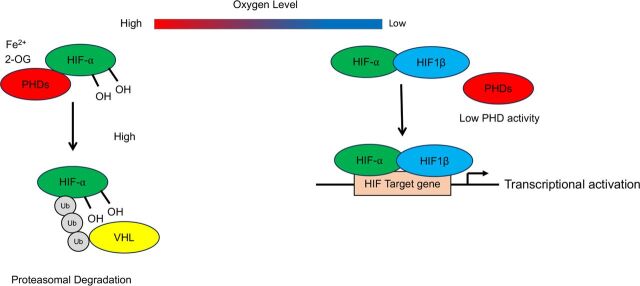
“32 Moreover, HIF-α also experiences oxygen-sensitive hydroxylation, which affects how it binds to the VHL tumor suppressor protein (pVHL), a crucial recognition unit of the E3 ubiquitin ligase complex that triggers the ubiquitin-proteasome system to break down HIF-α .”
Vageli, D. P., Doukas, P. G., Goupou, K., Benos, A. D., Astara, K., Zacharouli, K., Sotiriou, S., & Ιωάννου, Μ. (2024) · Oncology Research Featuring Preclinical and Clinical Cancer Therapeutics · doi:10.32604/or.2024.052130 · Cited by 39
“The mechanisms behind treatment failure have been partly elucidated, with hypoxia playing the most crucial role by promoting both chemo-and radioresistance [6,90,91], as well as cell heterogeneity, resulting in various subpopulations [32].”
BackgroundJalouli, M. (2025) · International Journal of Molecular Sciences · doi:10.3390/ijms26041752 · Cited by 34
“For instance, it has been documented that HIF-1 α increases the transcriptional activity of REDD1, a protein involved in development, as well as DNA damage responses [12].”
Cardiac Glycosides: From Natural Defense Molecules to Emerging Therapeutic Agents
Ponce, A., Flores-Maldonado, C., & Contreras, R. G. (2025) · Biomolecules · doi:10.3390/biom15060885 · Cited by 43
Rahman, M. A., & Ali, M. M. (2024) · Cancers · doi:10.3390/cancers16172975 · Cited by 28
Grigoraş, A., & Amălinei, C. (2025) · Cancers · doi:10.3390/cancers17071077 · Cited by 25
“Thus, recent research has demonstrated that beige adipocytes are able to release more lactate in the tumor microenvironment compared to white perirenal adipocytes, through activation of the expression of the LDHA gene that controls the lactate synthesis from pyruvate [19,112].”
Kaleem, M., Azmi, L., Shahzad, N., Taha, M., Kumar, S., Mujtaba, M. A., Hazazi, A. Y., & Kayali, A. (2025) · Naunyn-Schmiedeberg s Archives of Pharmacology · doi:10.1007/s00210-025-04217-5 · Cited by 22
“This allows cancer cells to better cope with metabolic stress and sustain their ability to multiply (Ortmann 2024).”
Carmichael, E., Bosco, P. J., Reme, A.-I. S., Ortiz, Y. Y., Ramos, D. A., Gomez, K., Nguyen, B.-N. H., Bornak, A., Liu, Z.-J., & Velazquez, O. C. (2025) · International Journal of Molecular Sciences · doi:10.3390/ijms262211236 · Cited by 24
“Additionally, reviews report that HIF inhibitors often lack selectivity and potency, in part because the active sites are elusive and the redundancy between HIF-1 α and HIF-2 α complicates target validation and drug delivery [164].”
Schweickert, P. G., Piovesan, D., Mitchell, C. G., Zepeda‐Carranza, B., Zhu, W. S., Espinoza, A. Y. L., Rocha, L., Singh, J., Malgapo, M. I. P., Meleza, C., et al. (2025) · British Journal of Pharmacology · doi:10.1111/bph.70075 · Cited by 19
“HIF-2 α -driven responses to hypoxia or pseudohypoxia can be hijacked by cancer cells and cells of the tumour microenvironment to activate protumourigenic pathways that foster angiogenesis, cell proliferation, metastasis, and survival (Davis et al., 2022; Ortmann, 2024; Yuan et al., 2024).”
InfluentialStrategies for overcoming ABC transporter-mediated multidrug resistance in colorectal cancer
de Groot, R. A., Reedijk, D., Faucher, Q., Mihaila, S. M., & Masereeuw, R. (2025) · American Journal of Physiology-Cell Physiology · doi:10.1152/ajpcell.00412.2025 · Cited by 24
Jolasun, Y., Song, K., Zheng, Y., Wang, J., Fonseca, G. J., Eidelman, D. H., & Ding, J. (2025) · Nature Communications · doi:10.1038/s41467-025-66162-4 · Cited by 20
“Functional enrichment analysis of the 212 upregulated genes con fi rmed their involvement in key pathways and processes, including responses to hypoxia and reduced oxygen levels, hallmarks of tumor progression and metastasis 74,75 (Fig.”
Quan, P., Truong, T.-A., Samala, S. K., Lakshmisha, B. M., Biswal, P., Koushki, K., Mallepaddi, P. C., Vijay, G. V., & Krishnan, S. (2025) · Cancers · doi:10.3390/cancers17223639 · Cited by 16
“Under hypoxic conditions, NRF2 binds to hypoxia-inducible factor 1 α (HIF1 α ) [67,68], a known regulator of metabolic reprogramming and cell survival, and knocking down NRF2 depletes the protein levels of HIF1 α .”
Metabolic T-cell phenotypes: from bioenergetics to function
Jantz-Naeem, N., Guvencli, N., Loschinski, R., Böttcher, M., Mougiakakos, D., & Kahlfuß, S. (2025) · American Journal of Physiology-Cell Physiology · doi:10.1152/ajpcell.00478.2024 · Cited by 14
Metabolism in the tumor microenvironment: implications for pathogenesis and therapeutics
Wik, J. A., Berge, E. R., Stromsnes, K., & Skålhegg, B. S. (2025) · Frontiers in Immunology · doi:10.3389/fimmu.2025.1610255 · Cited by 15
The dual role of chaperone-mediated autophagy in the response and resistance to cancer immunotherapy
Saberiyan, M., Gholami, S., Ejlalidiz, M., Manshadi, M. R., Noorabadi, P., & Hamblin, M. R. (2025) · Critical Reviews in Oncology/Hematology · doi:10.1016/j.critrevonc.2025.104700 · Cited by 14
Egg, M., & Kietzmann, T. (2024) · Redox Biology · doi:10.1016/j.redox.2024.103483 · Cited by 10
Nitroreductase-Activated Probes for Monitoring Hypoxia
Tran, E., Luo, Z., Tang, A. X., Huang, C., Gee, Y. S., Baell, J. B., Kaur, A., & Jörg, M. (2025) · ACS Sensors · doi:10.1021/acssensors.5c01474 · Cited by 9
Das, S., Dash, B. S., Lin, Y.-J., Govindaraju, D. T., & Chen, J. (2025) · ACS Applied Materials & Interfaces · doi:10.1021/acsami.5c10164 · Cited by 7
Controlling cellular packing and hypoxia in 3D tumor spheroids via DNA interactions
Saemundsson, S. A., Curry, S. D., Bower, B. M., DeBoo, E. J., Goodwin, A. P., & Cha, J. N. (2024) · Biomaterials Science · doi:10.1039/d4bm00688g · Cited by 7
Kah, G., & Abrahamse, H. (2025) · Frontiers in Immunology · doi:10.3389/fimmu.2025.1633953 · Cited by 9
“To overcome hypoxia and enhance tumor treatment, oxygen-generating or oxygen-carrying strategies mediated by nanoparticles can promote oxygen elevation in the tumor tissue (279, 280).”
Quantitative pre-clinical imaging of hypoxia and vascularity using MRI and PET
Kanli, G., Boudissa, S., Jiřík, R., Adamsen, T. C. H., Espedal, H., Rolfsnes, H. O., Thorsen, F., Pacheco‐Torres, J., Janji, B., & Keunen, O. (2024) · Methods in cell biology · doi:10.1016/bs.mcb.2024.10.016 · Cited by 8
Thomas, M. E., Jie, E., Kim, A. M., Mayberry, T. G., Cowan, B. C., Luechtefeld, H. D., Wakefield, M. R., & Fang, Y. (2024) · Medical Oncology · doi:10.1007/s12032-024-02564-6 · Cited by 11
“However, in hypoxic conditions, the oxygen-dependent function of prolyl hydroxylase is impeded [12, 23].”
InfluentialParvaneh, S., Miklós, V., Páhi, Z. G., Szűcs, D., Monostori, T., Póliska, S., Venglovecz, V., Pankotai, T., Kemény, L. V., & Veréb, Z. (2025) · International Journal of Molecular Sciences · doi:10.3390/ijms26010390 · Cited by 6
Moi, D., Carradori, S., Gallorini, M., Mencarelli, N., Deplano, A., Angeli, A., Vittorio, S., Supuran, C. T., & Onnis, V. (2025) · Pharmaceuticals · doi:10.3390/ph18030372 · Cited by 6
“This transcriptional factor plays a crucial role in the expression and stabilization of several enzymes involved in the regulation of the tumor microenvironment [2].”
The interplay between angiogenesis and cervical cancer: a comprehensive review
Nandi, A., Ghosh, A., & Sil, S. K. (2025) · Expert Review of Anticancer Therapy · doi:10.1080/14737140.2025.2501073 · Cited by 8
“Several factors like hypoxia [11], oncogenic viral infections [2], inflammatory mediators [12], epigenetic modifications [13] and angiogenic growth factors [3] can upregulate VEGF expression to promote angiogenesis in cervical cancer.”
Transcription factors, nucleotide excision repair, and cancer: A review of molecular interplay
Guneri-Sozeri, P. Y., & Adebalı, O. (2024) · The International Journal of Biochemistry & Cell Biology · doi:10.1016/j.biocel.2024.106724 · Cited by 6
Ghimire, K., Awasthi, B. P., Yadav, K., Lee, J., Kim, H., Jeong, B., & Kim, J. (2025) · Chemico-Biological Interactions · doi:10.1016/j.cbi.2025.111393 · Cited by 5
Does Adjuvant Radiotherapy Enhance Survival in Intracranial Solitary Fibrous Tumor Patients?
Alshwayyat, S., Kamal, H., Alshwayyat, T. A., Alshwayyat, M., Alkhatib, M., & Erjan, A. (2024) · World Neurosurgery · doi:10.1016/j.wneu.2024.12.004 · Cited by 5
Luo, E., Agarwal, N. M., & Choi, J. (2025) · Journal of Proteome Research · doi:10.1021/acs.jproteome.5c00170 · Cited by 4
Tackling tumor hypoxia: advances in breaking the oncogenic HIF-1α–p300/CBP alliance
Kamel, E. M., Khadrawy, S. M., Allam, A. A., Ahmed, N., Alkhayl, F. F. A., & Lamsabhi, A. M. (2025) · Investigational New Drugs · doi:10.1007/s10637-025-01570-3 · Cited by 4
“Given their central position in the HIF-1 pathway and beyond, p300/CBP dysregulation has been linked to tumor aggressiveness, therapy resistance, and metastasis [19, 28].”
InfluentialEnhancing the efficacy of VEGF inhibitors by co-inhibition of HIF in the treatment of glioblastoma
Harbi, E., Yozgat, Y., Bozbey, H. U., Taştekin, D., Oncul, O., Hosseiny, S., Yahya, D., Yildiz, O., Erdoğan, M., Slocum, A. K., et al. (2026) · APOPTOSIS · doi:10.1007/s10495-026-02275-5 · Cited by 4
The hypoxic tumor microenvironment: Functional and metabolic reprogramming of key immune populations
Ojaroodi, A. F., Shokravi, S., Eskandarzadeh, S., Ghahremanzadeh, A., Alizadeh, F., Amirikar, F., Mobayen, G., Mahrooghi, D., Lahouty, M., Shamsasenjan, K., et al. (2026) · Pathology - Research and Practice · doi:10.1016/j.prp.2026.156443 · Cited by 8
Abdulgayoom, M., Alshurafa, A., Kaddoura, R., Al-Mashdali, A. F., Mohamed, S. F., & Yassin, M. A. (2026) · European Journal Of Haematology · doi:10.1111/ejh.70197 · Cited by 8
“Comparative studies versus HIF-PHIs may clarify relative advantages and limitations of different “endogenous EPO/hepcidin-modulating” approaches [34–37].”
Ragab, E. M., Gamal, D. M. E., Mohamed, T. M., & Khamis, A. A. (2025) · BMC Research Notes · doi:10.1186/s13104-025-07133-2 · Cited by 3
HIF inhibition: Current strategies and clinical challenges
Więch-Walów, A., Bartoszewska, S., Barton, A., Czechowicz, P., Dudzik, J., Wielockx, B., Collawn, J. F., & Bartoszewski, R. (2026) · Redox biology · doi:10.1016/j.redox.2026.104220 · Cited by 3
“More broadly, consideration of HIF isoform switching and dynamic hypoxic signaling suggests that indirect or transient suppression of HIF-α accumulation often proves effective only in tightly controlled in vitro settings [67,270,271,275].”
Metabolic Targeting in Cancer Therapy: Strategies, Challenges, and Personalized Approaches
Pal, S., Adhikary, S., Anjum, S., Chatterjee, S., & Ansari, K. M. (2025) · Springer eBooks · doi:10.1007/978-981-96-7336-0_12 · Cited by 2
Sano, C. D., D’Anna, C., Montalbano, A. M., Gjomarkaj, M., & Profita, M. (2025) · International Journal of Molecular Sciences · doi:10.3390/ijms26167679 · Cited by 3
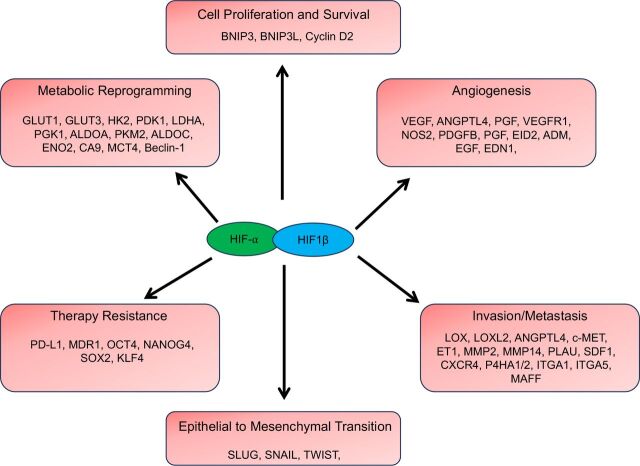
“Lung cancer cells grow rapidly to create a hypoxic environment and to activate the overexpression of HIF-1, which controls the expression of genes involved in the process of angiogenesis to favour the invasion, spread and metastasising of tumour cells [41,42].”
Hypoxia‐Inducible Factors as Guardians of Cancer Stem Cell Fate: Implications for Novel Therapies
Abuhassan, Q., Al‐Ameer, H. J., Ahmed, H. M., Rizaev, J. A., Togaev, A., Salih, R. M., & Adil, M. (2026) · IUBMB Life · doi:10.1002/iub.70092 · Cited by 3
Missaglia, M., Filippi, M., Esposito, F., & Giordano, A. (2026) · Acta Neuropathologica · doi:10.1007/s00401-026-03021-6 · Cited by 2
Fujino, H. (2025) · BioEssays · doi:10.1002/bies.70046 · Cited by 3
“…a co-activator of hypoxia inducible factor (HIF)-1 α ; therefore, CBP/p300 would stimulate HIF-1 α - mediated transcriptional activities of cells [27], by pulling out the c-Myc and Sp-1 complex from two Sp-1 binding sites by displacing c-Myc in the sequence between − 197 and − 160 bp of the…”
Yusri, K., Kong, K. W., Chan, M. C., & Leong, K. H. (2025) · ChemistrySelect · doi:10.1002/slct.202500194 · Cited by 1
SET1B Drives Sustained HIF Activity and Disease Progression in Clear-Cell Renal Cell Carcinoma
Ortmann, B. M., Pauzaite, T., Bertlin, J. A. C., Seear, R., Arnaiz, E., Marzec, L. W., Handyside, A., Bowker, L. M., Barnett, S. E., Harcourt, K., et al. (2026) · Cancer Research · doi:10.1158/0008-5472.can-25-1076 · Cited by 1
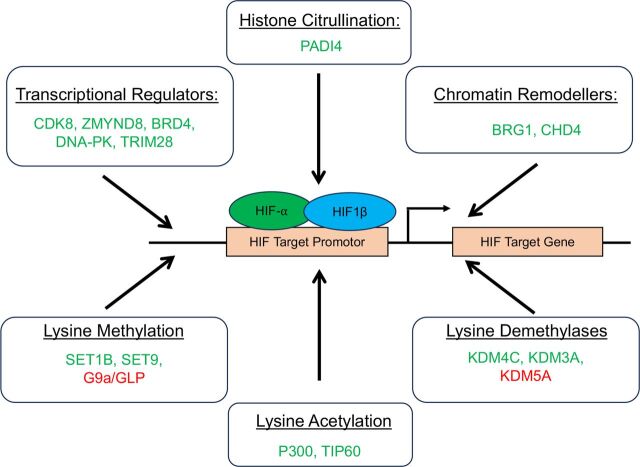
“Transcriptional coactivators and epigenetic modifications have been shown to facilitate HIF specificity, offering an alternative approach to target specific pathways of HIF activity (11–13).”
Self-citationYuwanati, M. B., Thiyagarajan, S., Ealla, K. K. R., Jain, Y., Yadalam, P. K., Mullainathan, S. M., Nanda, A., Sahoo, S., & Uti, D. E. (2025) · PLoS ONE · doi:10.1371/journal.pone.0327619 · Cited by 1
Mapping SET1B chromatin interactions with DamID using DamMapper, a comprehensive Snakemake workflow
Wit, N., Bertlin, J. A. C., Hynes-Allen, A. M., van den Ameele, J., & Nathan, J. A. (2025) · BMC Genomics · doi:10.1186/s12864-025-12075-x · Cited by 1
“Dysregulation of the hypoxia pathway is implicated in tumour growth and metastasis, making it a key target for therapeutic intervention [33].”
Zhang, Y., Li, J., & Liu, J. (2025) · International Immunopharmacology · doi:10.1016/j.intimp.2025.115622 · Cited by 3
Fiorini, S., Maras, B., Mignogna, G., Perugini, M., Retali, F., Meschiari, G., Macone, A., Botta, S., Fabio Altieri, F., Eufemi, M., et al. (2026) · International Journal of Molecular Sciences · doi:10.3390/ijms27052357 · Cited by 2
“HIF-1 α , stabilized under hypoxia, regulates genes involved in glycolysis, survival, angiogenesis, and therapy resistance, thereby supporting tumor progression [29,30].”
The Role of the Swollen State in Cell Proliferation
Cohen, B. E. (2024) · The Journal of Membrane Biology · doi:10.1007/s00232-024-00328-x · Cited by 1
Time, location and function of hypoxia-inducible factors are critical to therapeutic tumour response
Marignol, L., & Pugh, C. W. (2024) · BMJ Oncology · doi:10.1136/bmjonc-2023-000290 · Cited by 1
Malcolm, J. R., Stenning, J., Pope, J., Lukaszonek, J., Rose, S. F., Smith, T. E., Gilbert, L., James, S. R., Bridge, K. S., Brackenbury, W. J., et al. (2025) · bioRxiv (Cold Spring Harbor Laboratory) · doi:10.1101/2025.10.03.680339 · Cited by 2
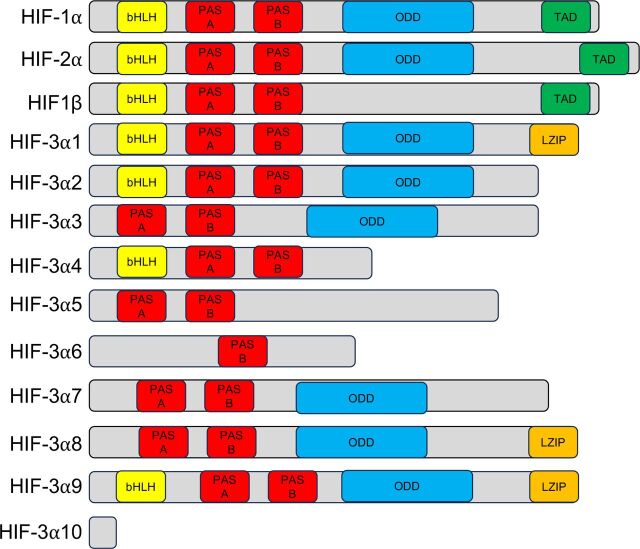
“Of the three α-subunits (HIF-1α, HIF-2α, HIF-3α), HIF-1α and HIF-2α are best characterised; HIF-3α is less defined (Gu et al , 1998; Duan, 2016; Ortmann, 2024).”
Decoding Metabolic Changes in Cancer Cells Resistant to Therapy
Noor, S., Ali, S., Summer, M., & Khan, K. (2025) · Interdisciplinary cancer research · doi:10.1007/16833_2025_496
Anticancer Therapy Against Glioma by Peptide-Based Therapeutics
Mitra, S., Das, S., Mukherjee, S., Karati, D., & Meur, S. (2025) · International Journal of Peptide Research and Therapeutics · doi:10.1007/s10989-025-10755-6
“By increasing proangiogenic proteins such VEGF, FGF and angiopoietins, hypoxia improves the effectiveness of antiangiogenic treatment (Ortmann 2024).”
RORγ Hijacks HIF1α to Promote Peritoneal Metastasis of Gastric Cancer
Wang, Q., Zhong, L., Wang, X., Zhang, Z., Cai, G., Gu, Z., Yang, B., Zhou, H., Li, H., Chan, F. L., et al. (2026) · Cancer Research · doi:10.1158/0008-5472.can-25-1690
Computer Vision-Assisted Spatial Analysis of Mitoses and Vasculature in Lung Cancer
Timakova, A., Fayzullin, A. L., Ananev, V. V., Zemnuhov, E., Alfimov, V. I., Baranov, A., Smirnova, Y., Shatalov, V. G., Konukhova, N., Karpulevich, E., et al. (2025) · Journal of Clinical Medicine · doi:10.3390/jcm14217526
Mao, X., Cao, X., Qian, L., Gao, M., Zhang, N., Huang, M., Fan, P., Qi, Z., Liu, T., Zhang, H., et al. (2026) · Breast Cancer Research · doi:10.1186/s13058-026-02229-4
KDM2B controls HIF levels and activity through its JmjC and CxxC domains
Batie, M., Shakir, D., Kwok, C.-S., Bell, G. M., Kou, J., Bakhsh, A., & Rocha, S. (2026) · Biochemical Journal · doi:10.1042/bcj20260212
Afifi, S. M., Ammar, N. M., Abdel‐Hamid, A. Z., Hassan, H. A., Serag, A., El-Waseif, A. A., Shaker, O. G., Esatbeyoglu, T., El-Ashmony, M. M., & El‐Gendy, Z. A. (2026) · Tissue and Cell · doi:10.1016/j.tice.2026.103577
Interconnecting ADC Structure with Tumor Cell Biology with Multimodal LearningPreprint
Mslati, H., Wilson, M., Naeinipour, M., Coulombe, G., Ezzine, M., Yuen, T., Bari, O. A., Singh, H., Tam, R. C., Sheff, J. G., et al. (2026) · bioRxiv (Cold Spring Harbor Laboratory) · doi:10.64898/2026.05.22.727320
Shao, F., Tang, D., Li, L., Xu, X., & Deng, C. (2026) · Protein & Cell · doi:10.1093/procel/pwag032 · Cited by 2
Substrate stiffness regulates HIF-1α signalling via β1-integrin/myosin-2/NF-κB axis
Urkiza, A. B., Cortés, E., Jin, C., & Lachowski, D. (2026) · Journal of Translational Medicine · doi:10.1186/s12967-026-08553-9
“…glycolysis regulation and lactate production [2]; inducing angiogenesis and vascular remodelling [3]; regulating cell survival and proliferation [4]; inducing extracellular matrix (ECM) remodelling, increasing ECM deposition and stiffness [5, 6]; and regulating immune response and inflammatory…”
Shen, X., Deng, G., Guo, X., Liu, X., Hou, X., & Feng, Z. (2026) · Frontiers in Immunology · doi:10.3389/fimmu.2026.1789899
“Studies have shown that HIF1 can enhance the antigen-presenting ability of monocytes and dendritic cells, thereby boosting immune responses and driving the progression of RA (33).”
Deng, R., Wang, B., Zou, M., Mao, K., Shang, J., Qiu, J., Zhou, J., Xu, H., Ma, X., Wang, Y., et al. (2026) · Biomarker Research · doi:10.1186/s40364-026-00986-0
“Beyond HIF-mediated transcriptional regulation [81], VHL directly acts as an E3 ligase for EPOR, targeting it for proteasomal degradation following PHD3-mediated hydroxylation at Pro419 and Pro426 in cell line models [44].”
Niches in cancer: from primary tumors to metastatic disease
Chao, Z., Wang, X., Wang, Z., Wu, K., & Li, L. (2026) · Journal of Hematology & Oncology · doi:10.1186/s13045-026-01858-8
“These responses can support treatment resistance, although the relevant targets and biomarkers remain cancer-and context-specific [107– 109].”
Minamiura, A., Aoki, S., Matsuwaka, R., Yoshimoto, A., Nobori, Y., Matsuura, T., Takamatsu, S., Miyoshi, E., & Kondo, J. (2026) · bioRxiv (Cold Spring Harbor Laboratory) · doi:10.64898/2026.10.19.760078
Metadata
- Authors
- Ortmann, B. M.
- Affiliations
- Newcastle University (GB)
- Corresponding author
- Ortmann, Brian M
- ORCID
- Ortmann, Brian M
- Venue
- BMJ Oncology
- Publisher
- BMJ
- Published
- 2024-02
- Volume
- 3
- Issue
- 1
- Pages
- e000154
- ISSN
- 2752-7948 (ISSN-L)
- PMC
- PMC11203102
- OpenAlex
- W4391451249
- Cited by
- 67
- References
- 227
- Citations by year
- 2026: 17 · 2025: 38 · 2024: 12
- FWCI
- 3.27
- Type
- journal article
- Language
- en
- Open access
- diamond
- doi.org
- Licence
- Locations
- BMJ Oncology (publishedVersion, other-oa)
- PubMed Central (publishedVersion, cc-by-nc)
- PubMed (publishedVersion)
- DOAJ (DOAJ: Directory of Open Access Journals) (submittedVersion)
- Newcastle University ePrints (Newcastle Univesity) (cc-by-nc)
- Funders
- Faculty of Medical Sciences, Newcastle University (NUAcT Fellowship STR/0260/NACT/BO 02)
- Topics
- Life Sciences › Biochemistry, Genetics and Molecular Biology › Cancer Research › Cancer, Hypoxia, and Metabolism
- Life Sciences › Biochemistry, Genetics and Molecular Biology › Molecular Biology › Angiogenesis and VEGF in Cancer
- Health Sciences › Medicine › Hematology › Erythropoietin and Anemia Treatment
- Keywords
- hypoxia-inducible factor, tumor hypoxia, tumor microenvironment, HIF inhibitors, angiogenesis, cancer metabolism, immune evasion, treatment resistance, metastasis, HIF-targeted therapy, clinical translation
About these checks
Registry, retraction, Cites and statistics results are computed, not judged, with one exception: a printed reference that no index lists is read once by a model before it counts as a citation error. Claims are extracted by a model and kept only when their quote appears verbatim in the text; each cited source is then checked, with a model’s help, for whether it says what the claim relies on. Those verdicts can be wrong — read the claim’s quote and the cited source before relying on one.
Statistics and arithmetic are recomputed, not judged.
Confidence bands are shown only for fields calibrated on our annotated test set. None is calibrated yet, so no band is shown.
What counts as a claim ›How we measure confidence ›How we check this ›
Are you an author, or do you see a problem with this page? Request a review
Data sources
Bibliographic data: Semantic Scholar, OpenAlex, Crossref.
Contains information from the Semantic Scholar Academic Graph Datasets, made available under the ODC Attribution License (ODC-BY 1.0).
Semantic Scholar’s data is described in: Kinney, R., et al. (2023). The Semantic Scholar Open Data Platform. arXiv:2301.10140.
