

Neurological disorders in autism: A systematic review and meta-analysis
Open accessThe DOI matches its Crossref record; 128 of the 129 references it cites were found in a registry or an index.
Abstract
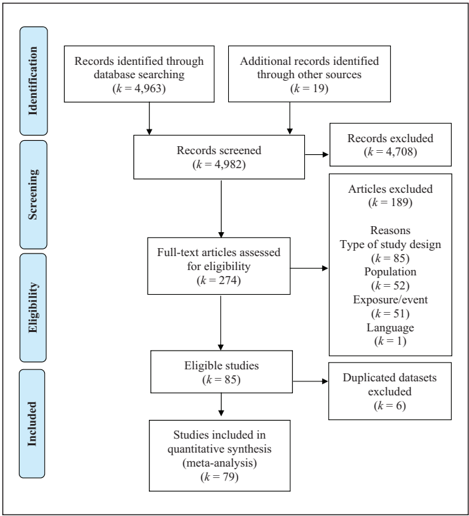
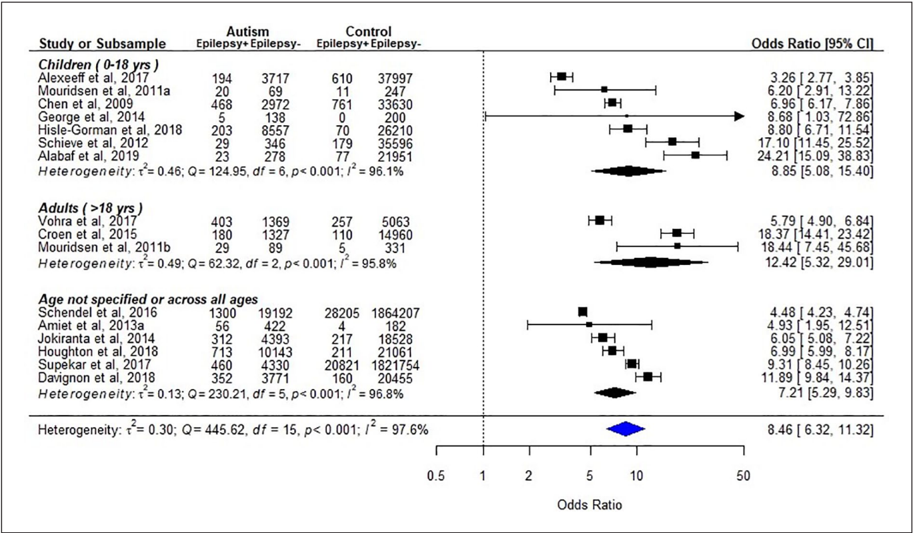
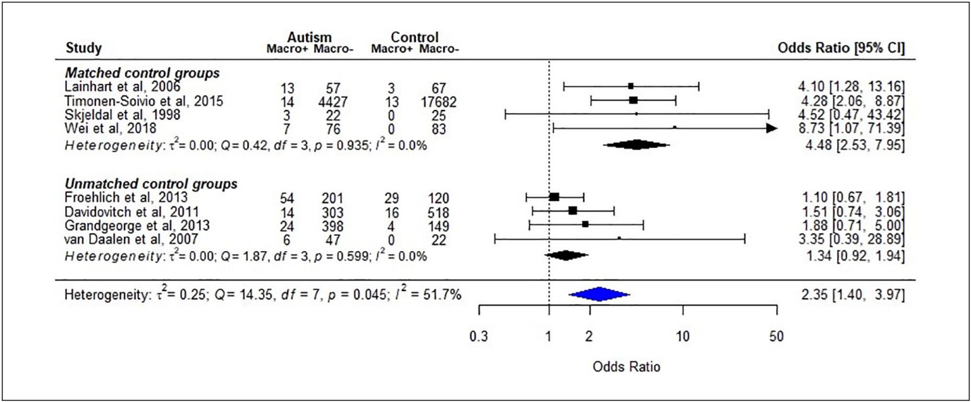
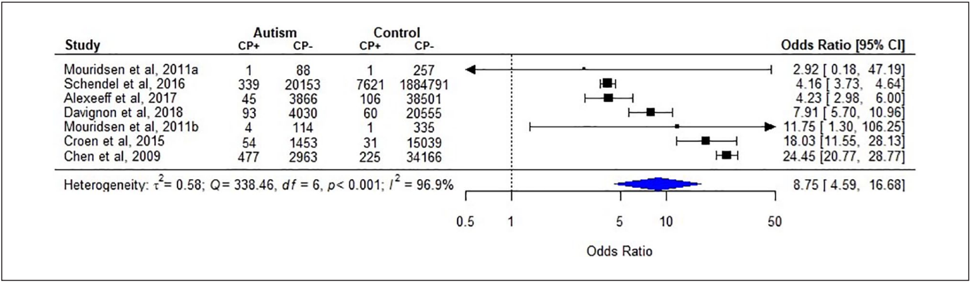
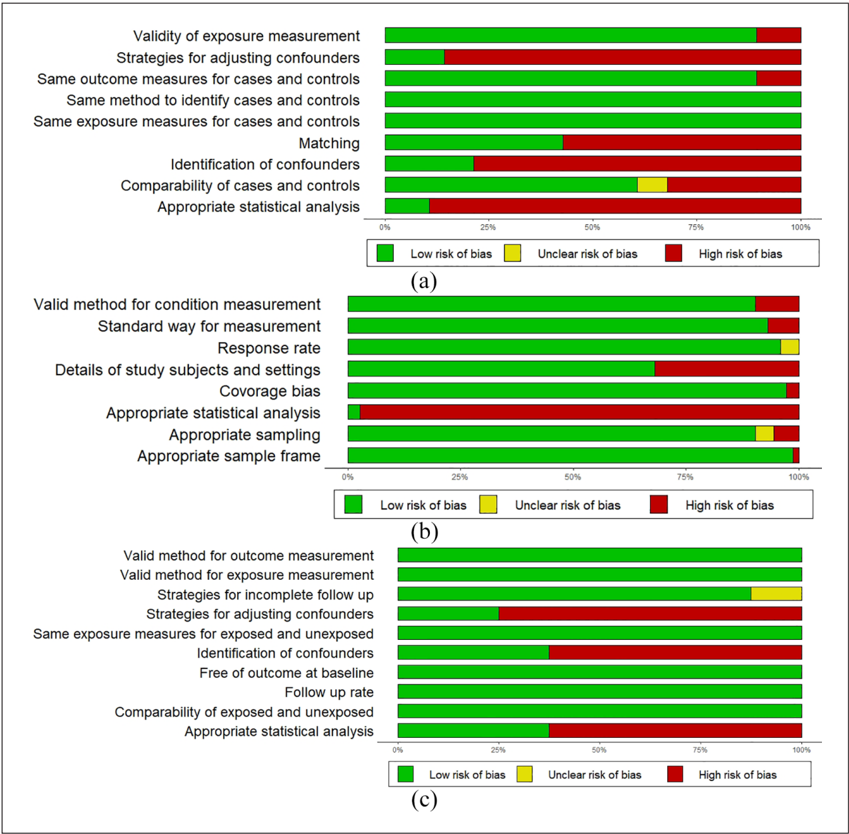
The etiological significance of neurological disorders in autism is debated, but it is clear that they complicate support provision and clinical management, and can have negative impact on outcomes. This systematic review and meta-analysis explored the full range of co-occurring neurological disorders in autism. We estimated the odds of having neurological complications compared to the general population and other neurodevelopmental conditions, as well as the overall prevalence of different neurological disorders. Seventy-nine articles were eligible for the systematic review, including 28 case-control studies, 43 prevalence studies, and 8 cohort studies. Findings were heterogeneous across studies. Overall, autistic individuals were significantly more likely than the general population to exhibit epilepsy, macrocephaly, hydrocephalus, cerebral palsy, migraine/headache, and congenital abnormalities of the nervous system, with prevalence estimates ranging from 1.1% (0%–3.3%; hydrocephalus) to 14.2% (11.3%–17.2%; epilepsy). Epilepsy was also more common in autism than in attention-deficit/hyperactivity disorder (odds ratio [95% confidence interval] = 4.06 [2.81–5.88]). Findings indicate that awareness of neurological disorders and neurological check-ups are indicated in autism to ensure adequate physical health care and support. Prospective studies of neurological disorders in children diagnosed with or at risk of autism might further enhance our understanding of causal pathways. Lay abstract: Neurological disorders, such as epilepsy and cerebral palsy, have been reported to occur among individuals with autism beyond chance and may have an impact on daily living across the lifespan. Although there has been research investigating neurological disorders in autism, the findings are not always conclusive. Previous summaries of existing studies have not evaluated the full range of neurological disorders. This study aimed to comprehensively explore the neurological problems appearing in autism to provide updated information that is needed for better healthcare and support in this population. We looked at already published studies focusing on risk or frequency of neurological disorders in autism. Our results suggest that individuals with autism are more likely than the general population to have a range of neurological disorders, including epilepsy, macrocephaly, hydrocephalus, cerebral palsy, migraine/headache, and inborn abnormalities of the nervous system. In order to provide individualized healthcare and support of high quality to individuals diagnosed with autism, health care professionals and other support providers need to be attentive to neurological complications. To further improve our understanding about the link between autism and neurological disorders, future research should follow the neurological health of children who are diagnosed with or are at increased likelihood of autism.
Overview
The claims and statistics of this paper haven’t been checked yet.
Free: it reads the open-access text and checks the first 5 claims that cite a source we can check. Create a free account to check every claim.
Integrity signals
Registry
Cites
Statistics
Figures

Verification
Claims the paper makes
The claims and statistics of this paper haven’t been checked yet.
Free: it reads the open-access text and checks the first 5 claims that cite a source we can check. Create a free account to check every claim.
Claims other papers make about this one
Each is checked against this paper’s own text: does it say what the citing paper says it does?
The source backs part of the claim, not all of it — or backs it for a different population, condition or comparison.
In the citing paper
“Co-occurrence of neurodevelopmental conditions with psychiatric and medical conditions is high74–79.”
From Sex and gender in neurodevelopmental conditions (2023) · cites this paper as [76]
Experimental — accuracy not yet measured
Self-check
Percentages, sums and reported differences re-computed from the paper’s own numbers.
The self-check needs the paper’s full text.
Citations
Cites
Diagnostic and Statistical Manual of Mental Disorders
American Psychiatric Association (2013) · doi:10.1176/appi.books.9780890425596 · Cited by 116,369
Quantifying heterogeneity in a meta‐analysis
Higgins, J. P. T., & Thompson, S. G. (2002) · Statistics in Medicine · doi:10.1002/sim.1186 · Cited by 36,763 · cited 1×
“The consistency for each meta-analysis was measured with the I 2 statistic (Higgins & Thompson, 2002).”
MethodConducting Meta-Analyses in R with the metafor Package
Viechtbauer, W. (2010) · Journal of Statistical Software · doi:10.18637/jss.v036.i03 · Cited by 20,464 · cited 1×
“The metafor package (Viechtbauer, 2010) in R version 3.2.4.”
MethodInfluentialLiberati, A., Altman, D. G., Tetzlaff, J., Mulrow, C., Gotzsche, P. C., Ioannidis, J. P. A., Clarke, M., Devereaux, P. J., Kleijnen, J., & Moher, D. (2009) · BMJ · doi:10.1136/bmj.b2700 · Cited by 17,648
Journal of Clinical Psychiatry
(2018) · Journal of Clinical Psychiatry · doi:10.5505/kpd · Cited by 13,651
Lord, C., Rutter, M., & Le Couteur, A. (1994) · Journal of Autism and Developmental Disorders · doi:10.1007/bf02172145 · Cited by 9,065 · cited 1×
“%) used either the Autism Diagnostic Interview (Revised; ADI-R; Lord et al., 1994) or the Autism Diagnostic Observation Schedule (ADOS; Lord et al., 2000); 3 (4”
MethodLord, C., Risi, S., Lambrecht, L., Cook, E. H., Leventhal, B. L., DiLavore, P. C., Pickles, A., & Rutter, M. (2000) · Journal of Autism and Developmental Disorders · doi:10.1023/a:1005592401947 · Cited by 7,520 · cited 1×
“%) used either the Autism Diagnostic Interview (Revised; ADI-R; Lord et al., 1994) or the Autism Diagnostic Observation Schedule (ADOS; Lord et al., 2000); 3 (4”
Method(1947) · The American Statistician · doi:10.1080/00031305.1947.10501534 · Cited by 3,660
Munn, Z., Moola, S., Lisy, K., Riitano, D., & Tufanaru, C. (2015) · International Journal of Evidence-Based Healthcare · doi:10.1097/xeb.0000000000000054 · Cited by 3,131 · cited 1×
“Risk of bias was assessed independently by two reviewers using the Joanna Briggs Institute (JBI) Critical Appraisal tools for case-control studies (Moola et al., 2017), prevalence studies (Munn et al., 2015), and cohort studies (Moola et al., 2017).”
MethodTransformations Related to the Angular and the Square Root
Freeman, M. F., & Tukey, J. W. (1950) · The Annals of Mathematical Statistics · doi:10.1214/aoms/1177729756 · Cited by 2,628 · cited 1×
“When synthesizing the prevalence studies, Freeman–Tukey double arcsine transformations were used to stabilize the variance (Freeman & Tukey, 1950).”
Method
Research works printed but not linked: 2
- *Chen, C. Y., Chen, K. H., Liu, C. Y., Huang, S. L., & Lin, K. M. (2009). Increased risks of congenital, neurologic, and endocrine disorders associated with autism in preschool children: Cognitive ability differences. The Journal of Pediatrics , 154 , 345-350, 350.e1.
- # Saemundsen, E., Magnusson, P., Georgsdottir, I., Egilsson, E., & Rafnsson, V. (2013). Prevalence of autism spectrum disorders in an Icelandic birth cohort. British Medical Journal Open , 3 , Article e002748.
Cited by
Al-Beltagi, M. (2021) · World Journal of Clinical Pediatrics · doi:10.5409/wjcp.v10.i3.15 · Cited by 273
Sex and gender in neurodevelopmental conditions
Bölte, S., Neufeld, J., Marschik, P. B., Williams, Z. J., Gallagher, L., & Lai, M.-C. (2023) · Nature Reviews Neurology · doi:10.1038/s41582-023-00774-6 · Cited by 249
Self-citationCortical interneurons in autism
Contractor, A., Ethell, I. M., & Portera-Cailliau, C. (2021) · Nature Neuroscience · doi:10.1038/s41593-021-00967-6 · Cited by 185
Brimson, J. M., Brimson, S., Prasanth, M. I., Thitilertdecha, P., Malar, D. S., & Tencomnao, T. (2021) · Scientific Reports · doi:10.1038/s41598-020-80045-2 · Cited by 110
School absenteeism in autistic children and adolescents: A scoping review
Nordin, V., Palmgren, M., Lindbladh, A., Bölte, S., & Jonsson, U. (2023) · Autism · doi:10.1177/13623613231217409 · Cited by 88
“The high prevalence of co-existing neurodevelopmental conditions, mental disorders, and somatic health conditions (Hossain et al., 2020; Pan et al., 2021; Thapar et al., 2017) are also likely to impact on school absenteeism.”
BackgroundSelf-citationNeurological and psychiatric disorders among autistic adults: a population healthcare record study
Underwood, J. F. G., DelPozo‐Baños, M., Frizzati, A., Rai, D., John, A. M., & Hall, J. (2022) · Psychological Medicine · doi:10.1017/s0033291722002884 · Cited by 69
“Epilepsy has long been strongly associated with autism, as befits its neurodevelopmental nature (Lai et al., 2014; Pan, Bölte, Kaur, Jamil, & Jonsson, 2020; Rai et al., 2012).”
BackgroundResultThree decades of ASD genetics: building a foundation for neurobiological understanding and treatment
Eyring, K. W., & Geschwind, D. H. (2021) · Human Molecular Genetics · doi:10.1093/hmg/ddab176 · Cited by 52
“none are yet recognized (11,13), except perhaps macrocephaly in a subset of individuals (4,14).”
BackgroundNeuroprotective Effects of Quercetin in Pediatric Neurological Diseases
Álvarez‐Arellano, L., Salazar–García, M., & Corona, J. C. (2020) · Molecules · doi:10.3390/molecules25235597 · Cited by 45
“Autism affects boys more than girls and it has high comorbidity correlation with other neurological disorders [80,81].”
BackgroundFactor associated with the occurrence of epilepsy in autism: a systematic review
Zarakoviti, E., Shafran, R., Skuse, D., McTague, A., Batura, N., Palmer, T., Dalrymple, E., Bennett, S. D., & Reilly, C. J. (2022) · Journal of Autism and Developmental Disorders · doi:10.1007/s10803-022-05672-2 · Cited by 32
“…individuals than those without autism (Kohane et al., 2012), especially neurological conditions (Pan et al., 2020) of which epilepsy is the most common (Pan et al., 2020); affecting between 12.1% and 17.2% (Lukmanji et al., 2019; Pan et al., 2020) compared with 0.5-1% in the general population.”
BackgroundInfluentialO’Nions, E., Brown, J. M., Buckman, J. E. J., Charlton, R. A., Cooper, C., Baou, C. E., Happe, F. G. E., Hoare, S., Lewer, D., Manthorpe, J., et al. (2024) · The Lancet Regional Health - Europe · doi:10.1016/j.lanepe.2024.100907 · Cited by 33
“40,43,44 In terms of gynaecological conditions, previous studies have reported associations between autistic traits and hyperandrogenism, reproductive system diagnoses, and excessive menstrual symptoms.”
Comorbidities Affecting Children with Autism Spectrum Disorder: A Retrospective Chart Review
Burns, J., Phung, R. R., McNeill, S., Hanlon‐Dearman, A., & Ricci, M. F. (2023) · Children · doi:10.3390/children10081414 · Cited by 30
A Genetic Bridge Between Medicine and Neurodiversity for Autism
Leblond, C. S., Rolland, T., Barthome, E., Mougin, Z., Fleury, M., Ecker, C., Bonnot-Briey, S., Cliquet, F., Tabet, A., Maruani, A., et al. (2024) · Annual Review of Genetics · doi:10.1146/annurev-genet-111523-102614 · Cited by 24
Isaksson, J., Ruchkin, V. V., Aho, N., Remnélius, K. L., Marschik, P. B., & Bölte, S. (2022) · Molecular Autism · doi:10.1186/s13229-022-00487-5 · Cited by 22
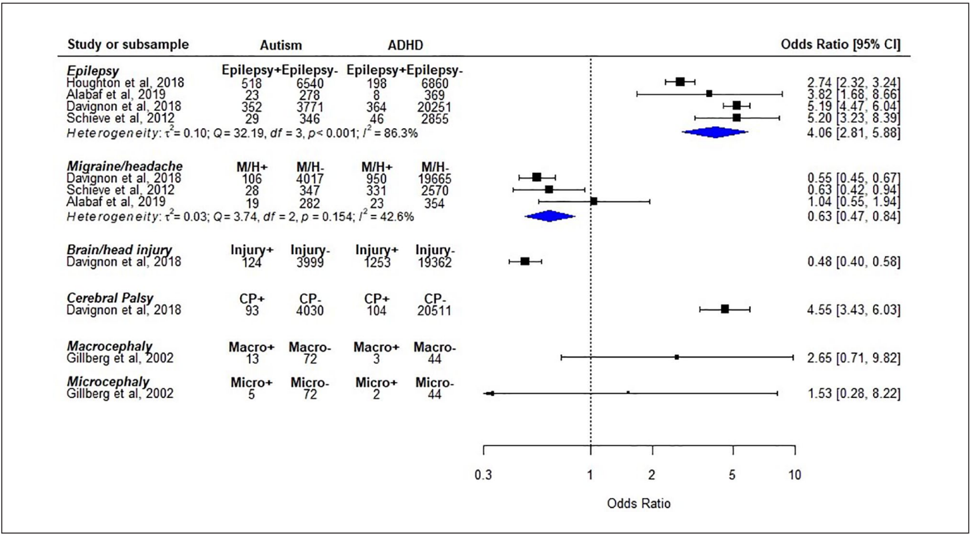
“Epilepsy has also been more commonly reported among individuals with ASD, as compared to peers with ADHD [48].”
BackgroundSelf-citationWang, S.-H., Zhang, H., Zou, Y.-Y., Cheng, S., Zou, X., & Chen, K.-Y. (2022) · World Journal of Pediatrics · doi:10.1007/s12519-022-00555-z · Cited by 22
“ASD symptoms usually appear in infancy (0–3 years) [6].”
BackgroundCherewick, M. (2023) · Current Psychology · doi:10.1007/s12144-023-05053-7 · Cited by 17
“The International Classification of Functioning Disability and Health has advocated for interventions targeting envi - ronmental factors and personal strengths (Pan et al., 2021).”
Torres, E. B. (2021) · Journal of Personalized Medicine · doi:10.3390/jpm11111119 · Cited by 19
Autism spectrum disorder: Comorbidity and demographics in a clinical sample
Kılıçaslan, F., & Tufan, A. E. (2022) · International Journal of Developmental Disabilities · doi:10.1080/20473869.2022.2074242 · Cited by 15
“There was also no statistically significant difference between children with and without CDD/ID in terms of the median age at diagnosis (36 months and 35 months, respectively, p ¼ 0.369).”
InfluentialTang, S., Liu, X., Ran, Q., Nie, L., Wu, L., Pan, Z., & He, L. (2022) · Frontiers in Neurology · doi:10.3389/fneur.2022.851430 · Cited by 15
A review of the pharmacotherapeutic considerations for managing epilepsy in people with autism
Watkins, L. V., O’Dwyer, M., & Shankar, R. (2022) · Expert Opinion on Pharmacotherapy · doi:10.1080/14656566.2022.2055461 · Cited by 13
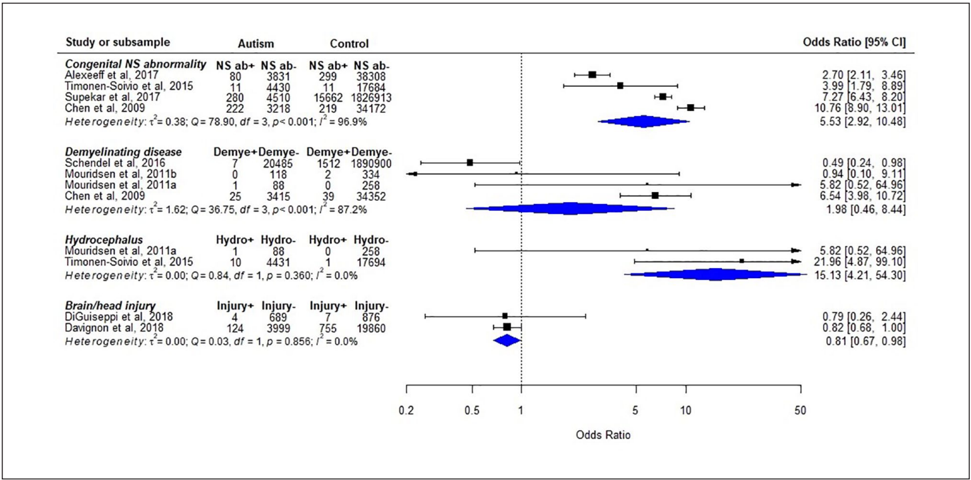
“from epilepsy, people with autism were significantly more likely to have macrocephaly, hydrocephalus, cerebral palsy, migraine, and neurological congenital abnormalities [24].”
BackgroundLee, T.-Y., Tsai, S., Chen, T., & Chen, M. (2021) · Research in Autism · doi:10.1016/j.rasd.2021.101880 · Cited by 13
Health inequalities among people with disabilities: an umbrella review and evidence synthesis
Smythe, T., Rotenberg, S., Moyo, M., Wilbur, J., & Kuper, H. (2025) · EClinicalMedicine · doi:10.1016/j.eclinm.2025.103675 · Cited by 18
Loss of Katnal2 leads to ependymal ciliary hyperfunction and autism-related phenotypes in mice
Kang, R., Kim, K., Jung, Y., Choi, S., Lee, C., Im, G. H., Shin, M., Ryu, K., Choi, S., Yang, E., et al. (2024) · PLoS Biology · doi:10.1371/journal.pbio.3002596 · Cited by 12
“Macrocephaly in ASD can involve hydrocephalus [3,4], wherein ventricular cavities containing the cerebrospinal fluid (CSF) are abnormally enlarged [5,6].”
BackgroundMcLay, L., Schlüter, P. J., Williams, J., Anns, F., Monk, R., Dacombe, J., Hogg, G., Tupou, J., Ruhe, T., Scott, T., et al. (2024) · Autism · doi:10.1177/13623613241298352 · Cited by 11
“This is similarly identified in meta-analyses, which high-light higher rates of physical health conditions among autistic youth compared with their non-autistic peers (Dhanasekara et al., 2023; Lasheras et al., 2023; McElhanon et al., 2014; Pan et al., 2021).”
Subgrouping school-aged children on the autism spectrum based on co-occurring psychiatric symptoms
Piergies, A. M. H., Hirota, T., Monden, R., & Zheng, S. (2022) · Research in Autism · doi:10.1016/j.rasd.2022.101983 · Cited by 10
A Comparison of the Clinical Presentation of Preterm Birth and Autism Spectrum Disorder
Mendez, A. I., Tokish, H., McQueen, E., Chawla, S., Klin, A. J., Maitre, N. L., & Klaiman, C. (2023) · Clinics in Perinatology · doi:10.1016/j.clp.2022.11.001 · Cited by 12
Fernández, R. V., Plaza-Sanz, M., Hernández-Layna, C., Verde‐Cagiao, M., Benito-Ruiz, G., & Carvajal, F. (2023) · Frontiers in Psychiatry · doi:10.3389/fpsyt.2023.1088727 · Cited by 11
Ferreira, M. L., & Loyacono, N. (2021) · Journal of Personalized Medicine · doi:10.3390/jpm11060514 · Cited by 10
Xie, Q., Pan, N., Ou, X., Shen, S., Jin, J., Weng, X., Shi, L., Lin, L., Yang, J., Li, X., et al. (2025) · Journal of Autism and Developmental Disorders · doi:10.1007/s10803-025-06846-4 · Cited by 11
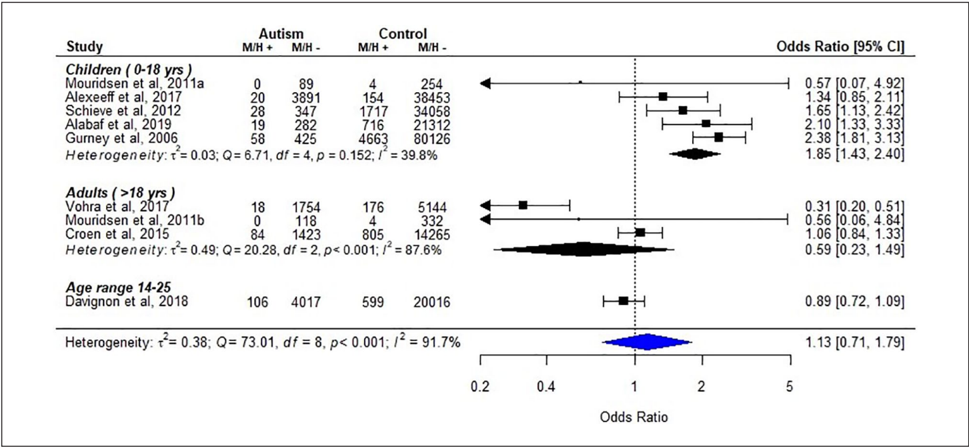
“Meta-analyses also suggested that children with ASD were 1.85 times more likely to experience headaches than those without an ASD diagnosis (Pan et al., 2021).”
InfluentialTallarico, M., Leo, A., Russo, E., Citraro, R., Palma, E., & Sarro, G. D. (2023) · Frontiers in Pharmacology · doi:10.3389/fphar.2023.1155729 · Cited by 9
“Hypothetical explanations to support the relationship between the two diseases comprise defects in synaptic growth, aberrant synaptic plasticity, and imbalance in neuronal excitation/ inhibition (E/I) in various brain regions (Pan et al., 2021; Liu et al., 2022; Specchio et al., 2022; Zahra et al., 2022).”
BackgroundRushendran, R., Begum, R. F., Ankul Singh, S., Narayanan, P. L., Vellapandian, C., Prajapati, B. G., & Paul, P. K. (2024) · EXCLI journal · doi:10.17179/excli2024-7051 · Cited by 10
Risk of physical health comorbidities in autistic adults: clinical nested cross-sectional study
Hunt, M., Underwood, J. F. G., Hubbard, L., & Hall, J. (2024) · BJPsych Open · doi:10.1192/bjo.2024.777 · Cited by 8
“7,11,12 Taken in combination, the results are in keeping with Pan et al 13 and Ward et al, 10 who found increased presence of neurological disorders in autism.”
InfluentialHopkins, W. D., Mulholland, M. M., Mareno, M. C., Webb, S. J. N., & Schapiro, S. J. (2022) · Frontiers in Psychology · doi:10.3389/fpsyg.2022.1057722 · Cited by 6
Approaching Autism Diagnosis and Care Through the Lens of Gender Diversity
Goss, M., Huynh, C. K., Taing, M., & Brumback, A. C. (2023) · Child Neurology Open · doi:10.1177/2329048x231219201 · Cited by 6
Gastrointestinal dysfunction in the valproic acid induced model of social deficit in rats
Varley, A. N., & Browning, K. N. (2024) · Autonomic Neuroscience · doi:10.1016/j.autneu.2024.103161 · Cited by 6
Ensembler_fMRI: An Intelligent Approach for the Early Prediction of Autism Disorder
Thakur, R., Malhotra, D., & Mengi, M. (2025) · Procedia Computer Science · doi:10.1016/j.procs.2025.04.142 · Cited by 6
Stachura, K., Emich‐Widera, E., Kazek, B., & Stania, M. (2025) · Journal of Clinical Medicine · doi:10.3390/jcm14144946 · Cited by 8
“The simultaneous occurrences of epilepsy, cerebral palsy and intellectual disability are identified more often than within the general population [4–6].”
Assuah, F. B., Emanuel, B., Lacasse, B. M., Beggs, J. M., Lou, J. Q., Motta, F. C., Nemzer, L. R., Worth, R. M., & Cravens, G. D. (2023) · Cureus · doi:10.7759/cureus.33946 · Cited by 7
Mental Health in People with Intellectual and Developmental Disabilities
Halvorsen, M. B., Kildahl, A. N., & Helverschou, S. B. (2024) · Contemporary clinical neuroscience · doi:10.1007/978-3-031-66932-3_11 · Cited by 6
Malekpour, M., Parhizkar, M., Golabi, F., Thompson, R., Al-Zakwani, M. S., Soleymanjahi, S., & Chohedri, E. (2025) · Scientific Reports · doi:10.1038/s41598-025-15476-w · Cited by 5
Salem, F. E. H., Abdel‐Gaber, R., Al‐Megrin, W. A. I., & El‐Khadragy, M. F. (2023) · Indian Journal of Animal Research · doi:10.18805/ijar.bf-1666 · Cited by 9
Athira, K., Das, S. S., Swick, A. G., Krishnakumar, I. M., & Vahab, A. A. (2023) · PharmaNutrition · doi:10.1016/j.phanu.2023.100329 · Cited by 5
Autistic neural ‘shiftability’: the distinct pharmacological landscape of the autistic brain
Whelan, T. P., França, L. G. S., Dimitrov, M., Pretzsch, C. M., Velthuis, H., Pereira, A. C., Ellis, C. L., Ivin, G., Findon, J. L., Wichers, R., et al. (2026) · Translational Psychiatry · doi:10.1038/s41398-026-04371-1 · Cited by 5
Türkel, N. N., Vurallı, D., Bolay, H., & Kuruoğlu, A. (2025) · Headache The Journal of Head and Face Pain · doi:10.1111/head.14945 · Cited by 4
“Some studies indicate no significant differences in migraine prevalence among people with ASD; 14,15 however, other studies, like the one by Lee et al., suggest that children with ASD are predisposed to developing migraine.”
Cole, R. H., Smythe, L., Edwards, M. J., Happe, F. G. E., & Nicholson, T. R. (2025) · Autism · doi:10.1177/13623613251393504 · Cited by 4
“%) and those affecting motor function (Bell et al., 2019; Millman et al., 2023; Pan et al., 2021), may influence the risk of developing FND through multiple pathways.”
French, B., Newell, V., Nalbant, G., Wright, H., Daley, D., & Cassidy, S. (2026) · Frontiers in Psychiatry · doi:10.3389/fpsyt.2026.1702822 · Cited by 4
“Several reviews and population studies have investigated speci fi c links between autism and related dif fi culties (7, 8, 16 – 23).”
InfluentialEarly Detection of Cerebral Palsy
Ostrander, B., Maitre, N. L., & Duncan, A. F. (2024) · Elsevier eBooks · doi:10.1016/b978-0-323-69415-5.00094-1 · Cited by 4
Memudu, A. E., Anzaku, F. A., Jibaniya, G. M., & Adanike, R. P. (2024) · Asian Journal of Research in Medical and Pharmaceutical Sciences · doi:10.9734/ajrimps/2024/v13i1245 · Cited by 4
Autism and physical health across the lifespan
Kuschner, E. S., & Malow, B. A. (2021) · Autism · doi:10.1177/13623613211006524 · Cited by 4
“Articles also include a systematic review and meta-analysis of neurological conditions (Pan et al., 2021), a population-level Medicaid data study of epilepsy (Bishop et al.”
BackgroundParallel paths: A narrative review exploring autism and its co-occurring conditions
Hasan, H., Hagerman, R. J., Say, D. S., Nguyen, A. P., Babata, K., Oyegbile-Chidi, T. O., Herrera-Guerra, A., Torrents, C., Silver, C. E., & Restrepo, B. (2025) · World Journal of Clinical Pediatrics · doi:10.5409/wjcp.v14.i4.111641 · Cited by 3
Fornaro, M., Lorenzo, C. D., Steardo, L., Stubbs, B., Miola, A., Kishi, T., Raduà, J., & Solmi, M. (2026) · European Neuropsychopharmacology · doi:10.1016/j.euroneuro.2026.112820 · Cited by 3
Greydanus, D. E., Patel, D. R., & Rowland, D. C. (2021) · Elsevier eBooks · doi:10.1016/b978-0-12-820472-6.00085-2 · Cited by 4
DISORDERS OF MOTOR ACTIVITY ON THE MODEL OF AUTISM SPECTRUM DISORDERS
Khairullin, A. E., Efimova, D. V., Ivanova, D. V., Baltina, T., Baltin, M. E., Grishin, S. N., & Зиганшин, А. У. (2023) · Журнал высшей нервной деятельности им И П Павлова · doi:10.31857/s0044467723060047 · Cited by 2
Exploring Baralle–Macken Syndrome: A Novel COPB1 Mutation in Consanguineous Pakistani Siblings
Khalid, Z., Saleem, A., Zafar, S., Malik, N., & Gul, A. (2025) · American Journal of Medical Genetics Part A · doi:10.1002/ajmg.a.64123 · Cited by 2
Deletion of Mex3c gene leads to autistic-like behavior in mice by inhibiting AMPK signal pathway
Cai, H., Zhang, C., Zhang, H., Du, Y., & Wang, K. (2025) · Frontiers in Behavioral Neuroscience · doi:10.3389/fnbeh.2025.1551440 · Cited by 4
Neurological consultation with an autistic patient
Cooper, M., Gale, K., Langley, K., Broughton, T., Massey, T. H., Hall, N. J., & Jones, C. R. G. (2021) · Practical Neurology · doi:10.1136/practneurol-2020-002856 · Cited by 2
High Performance of Predict Epileptic Seizures System Based on Machine Learning with IoT
Alrawi, A. A. A., Mashhadany, Y. I. M. A., Keream, S. S., & Algburi, S. S. (2023) · International Conference on Developments in eSystems Engineering (DeSE) · doi:10.1109/dese60595.2023.10469012 · Cited by 1
“It is ubiquitous and nondescript [1].”
Mohammad, S., Bussu, G., Rukh, G., Schiöth, H. B., & Mwinyi, J. (2025) · Cephalalgia · doi:10.1177/03331024241312666 · Cited by 1
Alshammari, M. A., Alnemari, H. M., Alfadhel, S., Rogowska, A. M., & Alshammari, T. K. (2025) · World Academy of Sciences Journal · doi:10.3892/wasj.2025.375 · Cited by 1
Liu, T. H., Sroka, A. W., Zhang, J. J., Jacobson, K. K., Gevirtz, R., Kellman, J., & Radwan, K. (2025) · Developmental Psychobiology · doi:10.1002/dev.70100 · Cited by 1
Taylor, M. K., Fredlund, F., Richter, M., Wickham, J., Rask, O., & Ekdahl, C. T. (2026) · Frontiers in Neurology · doi:10.3389/fneur.2025.1720712 · Cited by 1
Díaz, A. J. Z., Figueira, A. P. C., & Reina, M. C. (2026) · Revista de Investigación en Logopedia · doi:10.5209/rlog.101612 · Cited by 2
Prevalence of neurodivergence in neuropsychiatric conditions: cross-sectional study
Angelis, A. D., Fearnehough, G., Agrawal, N., & Tamilson, B. (2026) · BJPsych Bulletin · doi:10.1192/bjb.2025.10204 · Cited by 1
Dando, E., Hahn, J., Geier, D. A., Whiteley, A., & Whiteley, P. (2026) · Healthcare · doi:10.3390/healthcare14162492 · Cited by 1
“Estimates on CP in cases of ASD ranged between 1 and 13% [34,51].”
Losada-Montes, G., García, D. M. P., León, I., & Gutiérrez‐Ortega, M. (2022) · Revista de Neurología · doi:10.33588/rn.7508.2022074 · Cited by 2
“El trastorno del espectro autista (TEA) recogido en el Manual diagnóstico y estadístico de los trastornos mentales, quinta edición [1], en la categoría de trastornos del neurodesarrollo, presenta características muy heterogéneas, manifestadas fundamentalmente en las áreas cognitiva, lingüística y social, que influyen…”
BackgroundGiulio, P. (2022) · Open Journal of Pediatrics and Child Health · doi:10.17352/ojpch.000041 · Cited by 1
Palmieri, R., Albano, V., Guerriero, S., Craig, F., Torre, F. L., Filoni, S., Sardella, D., Petruzzelli, M. G., Lecce, P. A., & GIACOMO, A. D. (2024) · Diagnostics · doi:10.3390/diagnostics14030275 · Cited by 1
“Pan et al. [79] also conducted a systematic review and meta-analysis, focusing on neurological disorders in autism, with seven case-control studies focusing on cerebral palsy in autism.”
BackgroundA Multi‐Model Approach for Attention Prediction in Gaming Environments for Autistic Children
Valarmathi, P., & Packialatha, A. (2025) · Computer Animation and Virtual Worlds · doi:10.1002/cav.70010 · Cited by 1
“In 2021, Subah et al. [10] commonly face difficulties in communication and societal interactions [24].”
Headache outpatient clinic in a pediatric tertiary care facility
Higuchi, T., Kanai, A., & Okita, K. (2025) · Pediatrics International · doi:10.1111/ped.70031 · Cited by 1
“Although ASD patients tend to have more headaches compared with the general population, 5,20,21 the adjustment disorder subgroup also had a higher frequency of refusal to attend school, suggesting that difficulties in daily social life manifested themselves in the form of headaches.”
Ratacheski, A. L., Pacini, A. S., de Paula, E. C., Marques, I. D., Delorenzo, I. W., Paschoal, V. R., & Carvalho, A. (2021) · MedNEXT Journal of Medical and Health Sciences · doi:10.54448/mdnt21628
“In this context, the family responsible for an individual with ASD, especially the maternal figure, faces obstacles to meet one needs and access social rights [5].”
BackgroundMuellerleile, J. (2022) · Publication Server of Goethe University Frankfurt am Main (Goethe University Frankfurt) · doi:10.21248/gups.68693
Arruda, M. A., & Arruda, R. (2022) · Headache Medicine/Revista Headache Medicine · doi:10.48208/headachemed.2022.38
O PAPEL DA EQUIPE MULTIDISCIPLINAR NO MANEJO DA CRIANÇA COM O TRANSTORNO DO ESPECTRO AUTISTA
SILVA, R. B. S., SOUZA, D. S. D., Honorato, M. A., PEIXOTO, A. F., NASCIMENTO, A. R. F. D., Coêlho, B. R. P. I., SANTIAGO, R. D., GADELHA, R. D. A., Ribeiro, L. N., & BEZERRA, R. D. S. (2023) · doi:10.58871/conbrasca.v3.09
Freitag, C. M., & Jarczok, T. A. (2023) · Springer eBooks · doi:10.1007/978-3-662-65267-1_13
Disorders of Motor Activity in a Model of Autism Spectrum Disorders
Khairullin, A. E., Efimova, D. V., Ivanova, D. V., Baltina, T., Baltin, M. E., Grishin, S. N., & Зиганшин, А. У. (2024) · Neuroscience and Behavioral Physiology · doi:10.1007/s11055-024-01613-x
“…range of biological characteristics relevant to autism; for example, purinergic signaling modulates normal synapto-genesis and brain development [Pan et al., 2020], innate and adaptive immune responses, chronic in fl ammation [Lee et al., 2015], neuroin fl ammation, antiviral signaling [Mitchell…”
Neurological evaluation and management of autism spectrum disorder
Goodspeed, K., Haffner, D. N., Golla, S., Morris, M. A., & Evans, P. (2024) · Elsevier eBooks · doi:10.1016/b978-0-443-19041-4.00042-x
Sud, D., Adams, D., Shankar, R., & Tromans, S. J. (2024) · Cambridge University Press eBooks · doi:10.1017/9781009430715.017
Pascarella, L. A., Erickson, C. A., & Minshawi, N. F. (2024) · Autism and child psychopathology series · doi:10.1007/978-3-031-64499-3_2
Myers, S. M., & Challman, T. D. (2024) · Elsevier eBooks · doi:10.1016/b978-0-12-824060-1.00038-9
Otizm Spektrum Bozuklukları “Klinisyenler İçin Klinik Deneyimler Penceresinden Güncel Veriler”
ÇELİK, Y. S., Macit, Ş. S., Yamak, Y. H., Tunca, R. D., GÜRBÜZ, Ş., Aydos, B. S., Acehan, T., Öz, T., Kaşak, M., Aliyev, E. S. A., et al. (2024) · Bidge Yayınları eBooks · doi:10.70269/mz8qfxw818dl
Listiana, R., Arofah, A. N., Safitri, L. S., & Nurdiana, H. (2022) · Saintika Medika · doi:10.22219/sm.vol18.smumm1.22153 · Cited by 1
Kopfschmerz zurückzuführen auf psychiatrische Störungen
Göbel, H. (2025) · Springer eBooks · doi:10.1007/978-3-662-68873-1_20
Lakshmi, P. M., Anvesh, R., Mishra, D., Kiran, P. S., & Sowmya, S. (2025) · International Journal of Pharmaceutical Sciences Review and Research · doi:10.47583/ijpsrr.2025.v85i3.014
Fijałkowska, D. (2025) · Wydawnictwo Uniwersytetu Łódzkiego eBooks · doi:10.18778/8331-739-7
Multimodal Therapies in ASD: Evaluating Pharmacological, Dietary, and Parent-Based Interventions
Sali, S. R., Ampeti, S., Srivastava, M., Sheikh, R. B., Sonam Shashikala, B., V, & Kirankumar, P. N. (2025) · medtigo Journal of Medicine · doi:10.63096/medtigo3084231
Halvorsen, M. B., & Kaiser, S. (2025) · Ungsinn Tidsskrift for virksomme tiltak for barn og unge · doi:10.7557/j8nst664
Secondary headache in an outpatient headache clinic at a pediatric tertiary care facility
Higuchi, T., Kanai, A., & Okita, K. (2025) · Pediatrics International · doi:10.1111/ped.70226
“15 In addition, all 13 patients in the secondary headache group had concomitant ASD.”
InfluentialAkram, M. M., Aghajani, A., Lévesque, J., Fontaine, R., Nabki, F., Shi, W., & Gosselin, B. J. (2025) · IEEE Transactions on Biomedical Engineering · doi:10.1109/tbme.2025.3641990
“I NTRODUCTION N EURAL probes are essential tools in neuroscience research, playing a pivotal role in understanding the progression of neurological disorders such as Alzheimer’s [1], Parkinson’s [2], stroke [3], depression [4], autism [5], epilepsy [6], schizophrenia [7], and essential tremor [8].”
Scientific Revolutions, Abductive Reasoning, and AutismPreprint
Griswold, A. (2024) · PhilSci-Archive (University of Pittsburgh) · Cited by 3
Demšar, A. (2024) · University of Maribor digital library (University of Maribor)
Ollés Andrés, F., & Couto Alfonso, S. (2025) · Zaguan (Universidad de Zaragoza)
TERAPI BERMAIN MEDIA PUZZLE TERHADAP TINGKAT KEMANDIRIAN PADA AUTISME TENTANG ACTIVITY DAILY LIVING
Nur Fatimah Puspitasari, Andriyani, S., & Rahmi, U. (2024) · Repository at Universitas Pendidikan Indonesia (Universitas Pendidikan Indonesia)
Williams Harryman, E. (2025) · ScholarWorks (Walden University) · Cited by 5
Deep Learning-Based Autism Detection Using Facial Images and EfficientNet-B3
Hasanudin, M., Afiyati, A., Budiarto, R., Wahab, A., Jokonowo, B., Indrianto, I., Yosrita, E., & Hanifah, N. A. (2026) · Jurnal Teknik Informatika (Jutif) · doi:10.52436/1.jutif.2026.7.1.4574
Black, M. H., & Bölte, S. (2026) · Springer eBooks · doi:10.1007/978-3-032-26192-2_7
Self-citationBerring-Uldum, A. A., Pann, L. Y., Miranda, M. J., & Debes, N. M. (2026) · Journal of Child Neurology · doi:10.1177/08830738261456884
Riegel, R. E., Lucchese, L. N., Kíquio, A. D. F., Souza, V. I. D., Ricken, L. Z., da Motta, P. H. M., & Carvalho, J. V. D. N. B. (2026) · Revista Tópicos · doi:10.70773/revistatopicos/786317213
Lin, H.-C. (. (2026) · Research Commons (University of Waikato)
Chiantia, G. (n.d.) · Institutional Research Information System University of Turin (University of Turin)
Metadata
- Authors
- Pan, P.-Y., Bölte, S., Kaur, P., Jamil, S., & Jonsson, U.
- Affiliations
- Region Stockholm (SE)
- Curtin University (AU)
- Uppsala University (SE)
- Corresponding author
- Pan, Pei-Yin
- Venue
- Autism
- Publisher
- SAGE Publications
- Published
- 2020-09-09
- Volume
- 25
- Issue
- 3
- Pages
- 812-830
- ISSN
- 1362-3613 (ISSN-L)
- 1461-7005
- OpenAlex
- W3085019770
- Cited by
- 83
- References
- 129
- Citations by year
- 2026: 8 · 2025: 20 · 2024: 16 · 2023: 15 · 2022: 12 · 2021: 11 · 2020: 1
- FWCI
- 1.31
- Type
- journal article
- Language
- en
- Open access
- hybrid
- doi.org
- Licence
- cc-by
- creativecommons.org/licenses/by/4.0/ (vor)
- journals.sagepub.com/page/policies/text-and-data-mining-license (tdm)
- Locations
- Autism (publishedVersion, cc-by)
- PubMed (publishedVersion)
- Uppsala University Publications (Uppsala University) (submittedVersion, other-oa)
- Topics
- Life Sciences › Neuroscience › Cognitive Neuroscience › Autism Spectrum Disorder Research
- Life Sciences › Biochemistry, Genetics and Molecular Biology › Genetics › Genetics and Neurodevelopmental Disorders
- Health Sciences › Medicine › Psychiatry and Mental health › Child Nutrition and Feeding Issues
- Keywords
- neurological disorders, epilepsy, macrocephaly, hydrocephalus, cerebral palsy, migraine, prevalence, attention deficit hyperactivity disorder, neurodevelopmental disorders, comorbidities
- MeSH terms
- Autism Spectrum Disorder, Autistic Disorder, Child, Epilepsy, Humans
About these checks
Registry, retraction, Cites and statistics results are computed, not judged, with one exception: a printed reference that no index lists is read once by a model before it counts as a citation error. Claims are extracted by a model and kept only when their quote appears verbatim in the text; each cited source is then checked, with a model’s help, for whether it says what the claim relies on. Those verdicts can be wrong — read the claim’s quote and the cited source before relying on one.
Statistics and arithmetic are recomputed, not judged.
Confidence bands are shown only for fields calibrated on our annotated test set. None is calibrated yet, so no band is shown.
What counts as a claim ›How we measure confidence ›How we check this ›
Are you an author, or do you see a problem with this page? Request a review
Data sources
Bibliographic data: Semantic Scholar, OpenAlex, Crossref.
Contains information from the Semantic Scholar Academic Graph Datasets, made available under the ODC Attribution License (ODC-BY 1.0).
Semantic Scholar’s data is described in: Kinney, R., et al. (2023). The Semantic Scholar Open Data Platform. arXiv:2301.10140.
