

High-throughput gene and SNP discovery in Eucalyptus grandis, an uncharacterized genome
Open accessThe DOI matches its Crossref record; 39 of the 41 references it cites were found in a registry or an index, and 1 are not checked yet.
Abstract
Background: Benefits from high-throughput sequencing using 454 pyrosequencing technology may be most apparent for species with high societal or economic value but few genomic resources. Rapid means of gene sequence and SNP discovery using this novel sequencing technology provide a set of baseline tools for genome-level research. However, it is questionable how effective the sequencing of large numbers of short reads for species with essentially no prior gene sequence information will support contig assemblies and sequence annotation. Results: With the purpose of generating the first broad survey of gene sequences in Eucalyptus grandis, the most widely planted hardwood tree species, we used 454 technology to sequence and assemble 148 Mbp of expressed sequences (EST). EST sequences were generated from a normalized cDNA pool comprised of multiple tissues and genotypes, promoting discovery of homologues to almost half of Arabidopsis genes, and a comprehensive survey of allelic variation in the transcriptome. By aligning the sequencing reads from multiple genotypes we detected 23,742 SNPs, 83% of which were validated in a sample. Genome-wide nucleotide diversity was estimated for 2,392 contigs using a modified theta (θ) parameter, adapted for measuring genetic diversity from polymorphisms detected by randomly sequencing a multi-genotype cDNA pool. Diversity estimates in non-synonymous nucleotides were on average 4x smaller than in synonymous, suggesting purifying selection. Non-synonymous to synonymous substitutions (Ka/Ks) among 2,001 contigs averaged 0.30 and was skewed to the right, further supporting that most genes are under purifying selection. Comparison of these estimates among contigs identified major functional classes of genes under purifying and diversifying selection in agreement with previous researches. Conclusion: In providing an abundance of foundational transcript sequences where limited prior genomic information existed, this work created part of the foundation for the annotation of the E. grandis genome that is being sequenced by the US Department of Energy. In addition we demonstrated that SNPs sampled in large-scale with 454 pyrosequencing can be used to detect evolutionary signatures among genes, providing one of the first genome-wide assessments of nucleotide diversity and Ka/Ks for a non-model plant species.
Overview
The claims and statistics of this paper haven’t been checked yet.
Free: it reads the open-access text and checks the first 5 claims that cite a source we can check. Create a free account to check every claim.
Integrity signals
Registry
Cites
Statistics
Figures
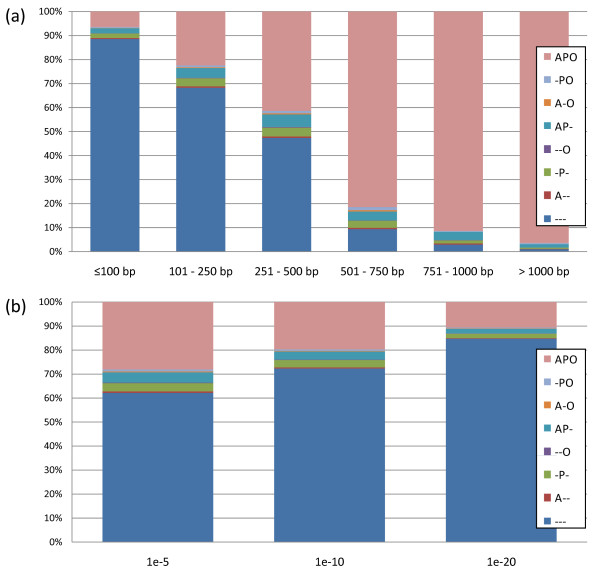
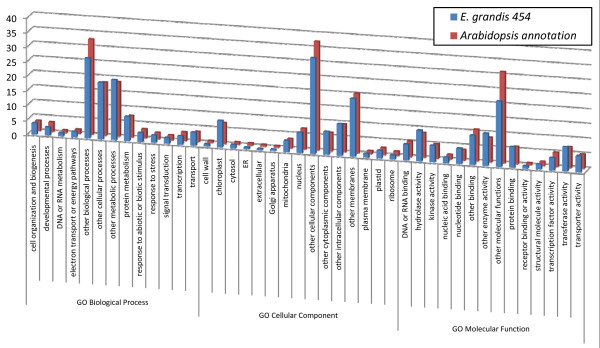
Verification
Claims the paper makes
The claims and statistics of this paper haven’t been checked yet.
Free: it reads the open-access text and checks the first 5 claims that cite a source we can check. Create a free account to check every claim.
Claims other papers make about this one
Each is checked against this paper’s own text: does it say what the citing paper says it does?
The source backs part of the claim, not all of it — or backs it for a different population, condition or comparison.
In the citing paper
“Nonetheless, only 40% of reads were assembled into unigenes, which is less than that reported for 454 transciptome assemblies (e.g., 88% [11], 90% [17], 48% [10]).”
From De novo assembly and characterization of root transcriptome using Illumina paired-end sequencing and development of cSSR markers in sweetpotato (Ipomoea batatas) (2010) · cites this paper as [11]
Experimental — accuracy not yet measuredThe cited source says what the claim attributes to it.
In the citing paper
“Furthermore, large collections of ESTs have proven invaluable for functional genomics and molecular marker development [9-13].”
The cited source says what the claim attributes to it.
In the citing paper
“These sequences also produced longer unigenes (mean = 581 bp) than those assembled in previous studies for example, butterfly (197 bp) [60], Eucalyptus grandis (247 bp) [11], coral larval (440 bp) [17], lodegpole pine (500 bp) [10]) and whitefly (clusters: 372 bp; singletons: 265 bp) [27]).”
Self-check
Percentages, sums and reported differences re-computed from the paper’s own numbers.
The self-check needs the paper’s full text.
Citations
Cites
Analysis of the genome sequence of the flowering plant Arabidopsis thaliana
Initiative, T. A. G. (2000) · Nature · doi:10.1038/35048692 · Cited by 9,301
Genome sequencing in microfabricated high-density picolitre reactors
Margulies, M., Egholm, M., Altman, W. E., Attiya, S., Bader, J. S., Bemben, L. A., Berka, J., Braverman, M. S., Chen, Y.-J., Chen, Z., et al. (2005) · Nature · doi:10.1038/nature03959 · Cited by 7,693
The Evolutionary Fate and Consequences of Duplicate Genes
Lynch, M., & Conery, J. S. (2000) · Science · doi:10.1126/science.290.5494.1151 · Cited by 4,988 · cited 1×
“A possible explanation for this overrepresentation is that the category of uncharacterized genes may be enriched for duplicated genes where relaxed selection constraints are leading their diversification and/or eventual silencing [38].”
BackgroundThe Genome of Black Cottonwood, Populus trichocarpa (Torr. & Gray)
Tuskan, G. A., DiFazio, S., Jansson, S., Bohlmann, J., Grigoriev, I., Hellsten, U., Putnam, N., Ralph, S., Rombauts, S., Salamov, A., et al. (2006) · Science · doi:10.1126/science.1128691 · Cited by 4,326 · cited 9×
“The unigene set was annotated by searching for sequence similarities using BlastX against Arabidopsis (TAIR v. 7.0), Populus (JGI v. 1.1) and Oryza (TIGR v. 5.0) gene models.”
BackgroundSelf-citationOn the number of segregating sites in genetical models without recombination
Watterson, G. A. (1975) · Theoretical Population Biology · doi:10.1016/0040-5809(75)90020-9 · Cited by 3,915
A simple and efficient method for isolating RNA from pine trees
Chang, S., Puryear, J., & Cairney, J. (1993) · Plant Molecular Biology Reporter · doi:10.1007/bf02670468 · Cited by 3,580 · cited 1×
“For each tissue, RNA was extracted by a standard protocol [41] from a pool of equal proportion of plant material from all 21 genotypes[41,41].”
MethodGlobal Forest Resources Assessment 2000 Main Report
Mather, A. (2003) · Land Use Policy · doi:10.1016/s0264-8377(03)00003-6 · Cited by 1,122
Natural selection on protein-coding genes in the human genome
Bustamante, C. D., Fledel-Alon, A., Williamson, S., Nielsen, R., Todd Hubisz, M., Glanowski, S., Tanenbaum, D. M., White, T. J., Sninsky, J. J., Hernandez, R. D., et al. (2005) · Nature · doi:10.1038/nature04240 · Cited by 788 · cited 1×
“been demonstrated to have an excess of positively selected genes in humans [40], and specifically one member of the NAC family was shown to be evolving rapidly in Arabidopsis [30].”
BackgroundPrinciples of Population Genetics
Cazes, M.-H., Hartl, D., & Clark, A. (1999) · Population (French Edition) · doi:10.2307/1534724 · Cited by 749
Using plastid genome-scale data to resolve enigmatic relationships among basal angiosperms
Moore, M. J., Bell, C. D., Soltis, P. S., & Soltis, D. E. (2007) · Proceedings of the National Academy of Sciences · doi:10.1073/pnas.0708072104 · Cited by 711 · cited 1×
“The higher proportion of Arabidopsis genes that are apparent homologues to Eucalyptus is expected as the two species are more phylogenetically related than to Populus or Oryza [ 14 ].”
Background
Research works printed but not linked: 2
- Kirst M Marques CM Sederoff RR Nucleotide diversity and linkage disequilibrium in three Eucalyptus globulus genes.: Pretoria, South Africa. 2005 Section 5, P. 28.
- Santos SN Genes de lignificação em Eucalyptus: estrutura e diversidade genética dos genes 4cl e ccoaomt. Programa de Graduação em Ciências Genômicas 2005 MSc. Brasília, Universidade Católica de Brasília 229
Cited by
Items 301–400 of 499
High-throughput SNP Profiling of Genetic Resources in Crop Plants Using Genotyping Arrays
Ganal, M. W., Wieseke, R., Luerßen, H., Durstewitz, G., Graner, E.-M., Plieske, J., & Polley, A. (2013) · Springer eBooks · doi:10.1007/978-94-007-7572-5_6 · Cited by 24
Seong, J., Kang, S. C., Patnaik, B. B., Park, S., Hwang, H. J., Chung, J., Song, D. K., Noh, M., Park, S., Jeon, G., et al. (2016) · Genes · doi:10.3390/genes7120114 · Cited by 17
The current knowledge of black pepper breeding in Malaysia for future crop improvement
Khew, C. Y., Koh, C. M. M., Chen, Y. S., Sim, S., & Mercer, Z. J. A. (2022) · Scientia Horticulturae · doi:10.1016/j.scienta.2022.111074 · Cited by 25
Ojeda, D. I., Dhillon, B. D. S., Tsui, C. K. M., & Hamelin, R. C. (2013) · Molecular Ecology Resources · doi:10.1111/1755-0998.12191 · Cited by 19
De Novo Assembly and Characterization of Sophora japonica Transcriptome Using RNA-seq
Zhu, L., Zhang, Y., Guo, W., Xu, X., & Wang, Q. (2014) · BioMed Research International · doi:10.1155/2014/750961 · Cited by 17
Comeault, A. A., Sommers, M., Schwander, T., Buerkle, C. A., Farkas, T. E., Nosil, P., & Parchman, T. L. (2012) · Molecular Ecology Resources · doi:10.1111/j.1755-0998.2012.03121.x · Cited by 21
“Similar to previous 454 transcriptome sequencing studies, a large percentage of the 454 reads (70%) were assembled into contigs (Novaes et al. 2008; Meyer et al. 2009; Parchman et al. 2010).”
ResultFitzek, E., Delcamp, A., Guichoux, E., Hahn, M., Lobdell, M. S., & Hipp, A. L. (2018) · Ecology and Evolution · doi:10.1002/ece3.4122 · Cited by 17
“…impracticable, as no combination of a small number of loci provides reliable species diagnosis (Denk & Grimm, 2010; Hubert et al., 2014; Hipp, 2015; Oh & Manos, 2008; Piredda, Simeone, Attimonelli, Bellarosa, & Schirone, 2011; Simeone et al., 2013; though cf. Chen, Zeng, Liao, Yan, & Zhang, 2017…”
Li, S., Wang, J., Wang, K., Chen, J., Wang, K., Du, L., Ni, Z., Lin, Z., & Ye, X. (2019) · BMC Genomics · doi:10.1186/s12864-019-5630-4 · Cited by 17
Liu, F., Tang, T., Sun, L., & Priya, T. A. J. (2011) · Molecular Biology Reports · doi:10.1007/s11033-011-0939-3 · Cited by 18
“Large collections of EST sequences have proven invaluable for gene annotation and discovery [9, 11], comparative genomics [12], development of molecular markers [13, 14], and for population genomic studies of genetic variation associated with adaptive traits [15].”
BackgroundIštvánek, J., Dluhošová, J., Dluhoš, P., Pátková, L., Nedělník, J., & Řepková, J. (2017) · Frontiers in Plant Science · doi:10.3389/fpls.2017.00367 · Cited by 20
“In P. alba, for example, 1 SNP marker was found for every 2,512 bp (Torales et al., 2013), in Capsicum annuum 1 for every 2,253 bp (Ashrafi et al., 2012), in oak 1 for every 471 bp (Ueno et al., 2010), and in Eucalyptus grandis 1 for every 192 bp (Novaes et al., 2008).”
BackgroundGenomics, Domestication, and Evolution of Forest Trees
Sederoff, R. R., Myburg, A. A., & Kirst, M. (2009) · Cold Spring Harbor Symposia on Quantitative Biology · doi:10.1101/sqb.2009.74.040 · Cited by 18
Self-citationHuang, S., Liu, Z., Li, D., Yao, R., Hou, L., Li, X., & Feng, H. (2016) · Frontiers in Plant Science · doi:10.3389/fpls.2016.00003 · Cited by 18
Mishra, A. K., Duraisamy, G. S., Khare, M., Kocábek, T., Jakše, J., Bříza, J., Patzak, J., Sano, T., & Matoušek, J. (2018) · BMC Genomics · doi:10.1186/s12864-018-5125-8 · Cited by 16
Genotyping-by-Sequencing and Its Application to Oat Genomic Research
Fu, Y., & Yang, M.-H. (2017) · Methods in molecular biology · doi:10.1007/978-1-4939-6682-0_13 · Cited by 16
De Novo Sequencing and Assembly Analysis of Transcriptome in Pinus bungeana Zucc. ex Endl.
Cai, Q., Li, B., Lin, F., Huang, P., Guo, W., & Zheng, Y. (2018) · Forests · doi:10.3390/f9030156 · Cited by 15
“Transcriptome sequencing is an efficient means to generate functional genomic level data for the plants [2,3].”
BackgroundWong, M. M. L., Cannon, C. H., & Ratnam, W. (2012) · BMC Genomics · doi:10.1186/1471-2164-13-726 · Cited by 15
“For non-model species, several approaches have been adopted to overcome the lack of reference genome: a) generation of genome sequences using the Reduced Representation Library (RRL) method [16-18]; b) use of reference genome from closely related species such as catfish [19]; c) Use of gene index as reference [20]; d)…”
MethodDharanishanthi, V., & Dasgupta, M. G. (2016) · Molecular Biology Reports · doi:10.1007/s11033-016-4046-3 · Cited by 17
An update on bioinformatics resources for plant genomics research
Basantani, M. K., Gupta, D., Mehrotra, R., Mehrotra, S., Vaish, S., & Singh, A. (2017) · Current Plant Biology · doi:10.1016/j.cpb.2017.12.002 · Cited by 15
Canedo-Téxon, A., Ramón-Farías, F., Monribot‐Villanueva, J. L., Villafán, E., Alonso-Sánchez, A. G., Pérez-Torres, C., Ángeles, G., Guerrero‐Analco, J. A., & Ibarra‐Laclette, E. (2019) · BMC Plant Biology · doi:10.1186/s12870-019-2195-y · Cited by 15
Acuña, C. V., Villalba, P. V., García, M. N., Pathauer, P. S., Hopp, H. E., & Poltri, S. N. M. (2012) · Electronic Journal of Biotechnology · doi:10.2225/vol15-issue2-fulltext-3 · Cited by 15
“Recently Single Feature Polymorphisms (SFP) (Neves et al. 2011) and Single Nucleotide Polymorphism (SNP) (Novaes et al. 2008; Grattapaglia et al. 2011) analysis have been reported.”
BackgroundTranscriptome Characterization and Functional Marker Development in Sorghum Sudanense
Li, J., Wang, L., Zhan, Q., Liu, Y., & Yang, X. (2016) · PLoS ONE · doi:10.1371/journal.pone.0154947 · Cited by 14
New cDNA-SSR markers in the narrow-leaved vetch (Vicia sativa subsp. nigra) using 454 pyrosequencing
Chung, J., Kim, T. S., Sundan, S., Lee, G.-A., Park, J.-H., Cho, G., Lee, H., Lee, J.-Y., Lee, M. C., Baek, H.-J., et al. (2013) · Molecular Breeding · doi:10.1007/s11032-013-9980-3 · Cited by 14
“Keywords cDNA-SSR Genetic diversity Narrow-leaved vetch 454 sequencing Vicia sativa subsp. nigra”
BackgroundZhang, J., Li, H., Qin, Y., Ye, S., & Liu, M. (2015) · Environmental Toxicology and Pharmacology · doi:10.1016/j.etap.2015.11.006 · Cited by 15
Zhao, Y., Zhou, T., Li, Z., & Zhao, G. (2015) · Molecules · doi:10.3390/molecules201219758 · Cited by 14
“Obtaining large numbers of valuable EST sequences via NGS is important for gene annotation and discovery [28,29], comparative genomics [30], development of molecular markers [31,32], and population genomics studies of genetic variation linked to adaptive traits [33].”
BackgroundSelection of Molecular Markers for the Estimation of Somaclonal Variation
Martínez, O. (2018) · Methods in molecular biology · doi:10.1007/978-1-4939-8594-4_6 · Cited by 15
A preliminary sketch of horn cancer transcriptome in Indian zebu cattle
Tripathi, A. K., KORINGA, P. G., Jakhesara, S. J., Ahir, V. B., Ramani, U. V., Bhatt, V. D., Sajnani, M. R., Patel, D. A., Joshi, A. J., Shanmuga, S. J., et al. (2011) · Gene · doi:10.1016/j.gene.2011.11.007 · Cited by 13
Ahn, Y., Tripathi, S., Cho, Y., Kim, J., Lee, H., Kim, D., Woo, J., & Cho, M.-C. (2013) · Botanical studies · doi:10.1186/1999-3110-54-58 · Cited by 14
“…of these isotigs were observed to be larger than lengths obtained previously, namely 100 bp for maize (Barbazuk et al. 2007), 247 bp for eucalyptus (Novaes et al. 2008) because of the enhanced performance owing to improvements for longer reads and that of the efficient Roche 454 instrumentation…”
BackgroundMethodLiu, C., Wang, X., Xiang, J., & Li, F. (2012) · Chinese Journal of Oceanology and Limnology · doi:10.1007/s00343-012-1252-2 · Cited by 13
“To fi nd statistically signifi cant differences in K a / K s among gene groups, we compared the frequency of GO category representation in the extremes of the K a / K s distribution, following the strategy of Novaes et al. (2008).”
MethodInfluentialXu, K., Sun, F., Chai, G., Wang, Y., Shi, L., Liu, S., & Xi, Y. (2015) · Frontiers in Plant Science · doi:10.3389/fpls.2015.00749 · Cited by 12
“First, short reads obtained from sequencing would rarely be matched to known genes because the significance of the BLAST comparison depends in part on the length of the query sequence (Novaes et al., 2008; Liu et al., 2012a).”
Rai, H. S., Mock, K. E., Richardson, B. A., Cronn, R., Hayden, K. J., Wright, J. W., Knaus, B. J., & Wolf, P. G. (2013) · Tree Genetics & Genomes · doi:10.1007/s11295-013-0615-y · Cited by 14
“Within the aspen leaf transcriptome, we found levels of SNP polymorphism similar to those found in studies of other plant species (e.g., Bajgain et al. 2011; Novaes et al. 2008; Coppe et al. 2010; Geraldes et al. 2011).”
Nair, P. M. G., Park, S. Y., & Choi, J. (2011) · Environmental Health and Toxicology · doi:10.5620/eht.2011.26.e2011010 · Cited by 12
“Even though, the length of the sequence is shorter than as compared to Sanger sequencing, the FLX Gene Sequencer used in this study generated 3,131 contigs with an average of 924 bp length which is longer compared to previous studies [17].”
Genetics, Genomics and Metabolomics
Fernie, A. R., & Keurentjes, J. J. B. (2011) · Wiley eBooks · doi:10.1002/9781444339956.ch8 · Cited by 12
“, 2007), eucalyptus (Novaes et al., 2008), wheat (Akhunov et al.”
Kang, S. W., Patnaik, B. B., Park, S., Hwang, H., Chung, J. M., Sang, M. K., Min, H. R., Park, J. E., Seong, J., Jo, Y. H., et al. (2017) · Genes & Genomics · doi:10.1007/s13258-017-0620-x · Cited by 12
De Novo SNP Discovery and Genotyping of Iranian Pimpinella Species Using ddRAD Sequencing
Mehravi, S., Ranjbar, G. A., Mirzaghaderi, G., Severn‐Ellis, A. A., Scheben, A., Edwards, D., & Batley, J. (2021) · Agronomy · doi:10.3390/agronomy11071342 · Cited by 12
“More than half of the genes were not annotated in this study, likely due to the sequence lengths and depth SNP or scaffold coverage mean, as is common in studies performing de novo analysis [39,40].”
The transcriptome of the invasive eel swimbladder nematode parasite Anguillicola crassus
Heitlinger, E. G., Bridgett, S., Montazam, A., Taraschewski, H. H., & Blaxter, M. (2013) · BMC Genomics · doi:10.1186/1471-2164-14-87 · Cited by 11
“coverage; see [76,77]).”
Application of next generation sequencing techniques in plant tran-scriptome
Liang, Y., Chen, S.-Y., & Liu, G. (2011) · Hereditas (Beijing) · doi:10.3724/sp.j.1005.2011.01317 · Cited by 11
“根的转录组进行测序, 研究其基因表达谱, 挖掘功能基因。获得 46 722 EST, 平均长度 414 bp。所得序列与GenBank中的丹参EST 合并拼接, 获得 18 235 条unigene, 其中新发现的 EST多达 13 980 条。通过BLAST与Gene Ontology 分析获得了可能参与丹参酮合成的序列 27条, 参与 丹酚酸合成的序列 29条, 细胞色素P450序列 70条, 转录因子序列 577 条。454 高通量测序技术作为药 用植物功能基因组研究的重要手段在这项研究中发 挥了重要作用。此外, 研究人员利用 454 测序平台 构建了复苏植物在干旱条件下的表达谱[25]及植物在 抗除草剂条件下的表达谱[26…”
BackgroundInfluentialSafety Assessment of Transgenic Organisms in the Environment, Volume 6: OECD Consensus Documents
OECD (2016) · Harmonisation of regulatory oversight in biotechnology · doi:10.1787/9789264253421-en · Cited by 24
Kostamo, K., Olsson, S., & Korpelainen, H. (2011) · Journal of Experimental Marine Biology and Ecology · doi:10.1016/j.jembe.2011.05.006 · Cited by 11
Functional Genomics: Applications in Plant Science
Jha, U. C., Bhat, J. S., Patil, B. S., Hossain, F., & Barh, D. (2015) · Springer eBooks · doi:10.1007/978-81-322-2172-2_4 · Cited by 12
Lu, Y.-P., Zheng, P.-H., Zhang, X., Li, J., Zhang, Z., Xu, J.-R., Meng, Y.-Q., Li, J., Xian, J.-A., & Wang, A. (2022) · Fish & Shellfish Immunology · doi:10.1016/j.fsi.2022.108505 · Cited by 10
Evolution of DNA Marker Technology in Plants
Henry, R. J. (2012) · Wiley eBooks · doi:10.1002/9781118473023.ch1 · Cited by 11
Transcriptome Analysis of Ceriops tagal in Saline Environments Using RNA-Sequencing
Xiao, X., Hong, Y., Xia, W., Feng, S., Zhou, X. F., Fu, X.-M., Zang, J., Xiao, Y., Niu, X., Li, C., et al. (2016) · PLoS ONE · doi:10.1371/journal.pone.0167551 · Cited by 11
Li, T., Li, F., Mei, L., Li, N., Yao, M., & Tang, L. (2019) · Journal of Forestry Research · doi:10.1007/s11676-019-01046-0 · Cited by 9
“It is possible that these unigenes were shorter in length and reduced the accuracy of the alignment because it has been reported that the validity of data alignment is related to the length of the sequence being compared, and the longer the length, the higher the accuracy (Novaes et al. 2008).”
BackgroundSingle Nucleotide Polymorphism (SNP) Marker for Abiotic Stress Tolerance in Crop Plants
Telem, R. S., Wani, S. H., Singh, N. B., Sadhukhan, R., & Mandal, N. (2016) · Springer eBooks · doi:10.1007/978-3-319-22518-0_9 · Cited by 9
Jung, W. Y., Lee, S. S., Park, H. J., Kim, C. W., Kwon, S., Jeon, J.-H., Kim, H., & Cho, H. S. (2016) · Plant Biotechnology Reports · doi:10.1007/s11816-016-0421-8 · Cited by 9
“Furthermore, comparative deep sequencing of non-model transcriptomes facilitates identification of differences in gene expression based on genotype, tissue or physiological condition (Barakat et al. 2009; Novaes et al. 2008; Prasath et al. 2014; Riggins et al. 2010; Shin and Shin 2016).”
BackgroundYang, J., Hu, Y., Xiao, K., Liu, X., Tan, C. H., Wang, B., & Du, H. (2018) · Gene · doi:10.1016/j.gene.2018.05.016 · Cited by 9
Development of Molecular Markers in Hevea brasiliensis for Marker-Assisted Breeding
Pootakham, W., Shearman, J. R., & Tangphatsornruang, S. (2020) · Compendium of plant genomes · doi:10.1007/978-3-030-42258-5_5 · Cited by 10
Pang, T., Guo, L., Shim, D., Cannon, N., Tang, S., Chen, J., Xia, X., Yin, W., & Carlson, J. E. (2015) · PLoS ONE · doi:10.1371/journal.pone.0136495 · Cited by 10
Pang, M., Percy, R. G., Stewart, J. M., Hughs, E., & Zhang, J. (2012) · Molecular Breeding · doi:10.1007/s11032-012-9702-2 · Cited by 10
“In fact, the successful validation rate for SNPs identified from 454 pyrosequencing was very high in other plant species, such as 83% in Eucalyptus grandis (Novaes et al. 2008), 88% in corn (Barbazuk et al.”
BackgroundCreux, N. M., de Castro, M. H., Ranik, M., Maleka, M. F., & Myburg, A. A. (2013) · Tree Genetics & Genomes · doi:10.1007/s11295-013-0611-2 · Cited by 10
“…in the subgenus is reflected at the DNA sequence level with nucleotide diversity values ranging from moderately diverse (π = 0.0186) for E. grandis (Novaes et al. 2008) to highly diverse (π = 0.063) for E. loxophleba (with single nucleotide polymorphisms every 16 to 33 positions, Kulheim et al.…”
BackgroundInfluentialComparative de novo flower transcriptome analysis of polygamodioecious tree Garcinia indica
Patil, R. V., & Pawar, K. D. (2019) · 3 Biotech · doi:10.1007/s13205-019-1601-3 · Cited by 9
Forest Tree Genomics: Review of Progress
Parent, G. J., Raherison, E., Sena, J. S., & MacKay, J. J. (2015) · Advances in botanical research · doi:10.1016/bs.abr.2015.05.004 · Cited by 11
Guo, L., Zhao, X., & Gao, X. (2016) · Biochemical Systematics and Ecology · doi:10.1016/j.bse.2016.06.010 · Cited by 9
Transition-transversion mutations in the polyketide synthase gene of Aspergillus section Nigri
Thomas, B. T., Ogunkanmi, L. A., Iwalokun, B. A., & Popoola, O. D. (2019) · Heliyon · doi:10.1016/j.heliyon.2019.e01881 · Cited by 8
“…in whole-genome sequencing studies to identify insertion-deletion mutations (indels) and SNPs in a variety of organisms, including viruses (Spatz and Rue, 2008), bacteria (Holt et al., 2008; Kotewicz et al., 2008; Manning et al., 2008), plants (Novaes et al., 2008) and humans (Qi et al., 2009).”
BackgroundBansal, M., Adamski, N. M., Toor, P. I., Kaur, S., Sharma, A., Srivastava, P., Bansal, U. K., Uauy, C., & Chhuneja, P. (2021) · Molecular Biology Reports · doi:10.1007/s11033-021-06525-4 · Cited by 9
Ma, Q., Feng, K., Yang, W., Chen, Y., Yu, F., & Yin, T. (2014) · Molecular Biology Reports · doi:10.1007/s11033-014-3184-8 · Cited by 8
“) [9], and eucalyptus (Eucalyptus grandis) [10].”
Whole-transcriptome sequencing of Pinellia ternata using the Illumina platform
Huang, X., Jing, Y., Liu, D. J., Yang, B., Chen, H., & Li, M. (2016) · Genetics and Molecular Research · doi:10.4238/gmr.15028062 · Cited by 8
“Transcriptome analysis is a useful and cost-effective method for discovering new genes and providing information on gene expression and regulation (Margulies et al., 2005; Huse et al., 2007; Novaes et al., 2008).”
MethodLi, H., Liu, M., Ye, S., & Yang, X. (2017) · Genes & Genomics · doi:10.1007/s13258-017-0535-6 · Cited by 8
Li, Q., Gu, L., Song, J., Li, C., Zhang, Y., Wang, Y., Pang, Y., & Zhang, B. (2022) · PLoS ONE · doi:10.1371/journal.pone.0266542 · Cited by 8
“However, incomplete annotation may also result from technical limitations such as low sequencing depth or short read length as reported in other studies [44].”
ResultRadiation Hybrids: A valuable Tool for Genetic, Genomic and Functional Analysis of Plant Genomes
Kumar, A., Bassi, F. M., de Jimenez, M. K. M., Ghavami, F., Mazaheri, M., Simons, K. J., Iqbal, M. J., Mergoum, M., Kianian, S. F., & Kianian, P. M. A. (2013) · Springer eBooks · doi:10.1007/978-94-007-7572-5_12 · Cited by 10
“In large genome plant species where a high amount of repetitive DNA and ploidy levels make sequencing more expensive and assembly computationally challenging, sequencing of the low-copy, non-repetitive targets or gene space using transcriptome sequencing (Barbazuk et al. 2007; Novaes et al. 2008) or reduced representa…”
BackgroundMethodThe Populus Genome and Comparative Genomics
Douglas, C. J., & DiFazio, S. P. (2009) · Springer eBooks · doi:10.1007/978-1-4419-1541-2_4 · Cited by 9
“While sequencing of whole tree genomes is in its infancy, efforts towards completing a Eucalyptus genome sequence are well underway ( Novaes et al., 2008 ), and information from this and other tree genome sequences will further enable comparative genomics between diverse tree taxa in the future.”
BackgroundTranscriptome analysis of Termitomyces albuminosus reveals the biodegradation of lignocellulose.
Yang, F. W., Xu, B., Li, J., & Huang, Z. (2012) · PubMed · Cited by 8
Kim, S.-J., Nie, H., Jun, B.-K., Kim, J., Lee, J., Kim, S., Kim, E., & Kim, S. (2020) · Genes & Genomics · doi:10.1007/s13258-020-00927-7 · Cited by 8
Lange, C., Mittermayr, L., Dohm, J. C., Holtgräwe, D., Weißhaar, B., & Himmelbauer, H. (2010) · Theoretical and Applied Genetics · doi:10.1007/s00122-010-1329-2 · Cited by 11
“Recently, also approaches combining next generation sequencing with complexity reduction methods, like AFLP or using transcriptome sequences for SFP markers in species without whole-genome sequence information have been emerging (Barbazuk et al. 2007; Novaes et al. 2008; van Orsouw et al. 2007).”
BackgroundHe, R., Chang, Y., & Wang, J. (2022) · European Journal of Plant Pathology · doi:10.1007/s10658-022-02497-8 · Cited by 7
“Several studies have used these technologies to examine the expression of genes of interest in tissues at specific stages (Alagna et al., 2009; Novaes et al., 2008).”
BackgroundFunctional Annotation and Comparative Analysis of a Zygopteran Transcriptome
Shanku, A. G., McPeek, M. A., & Kern, A. D. (2013) · G3 Genes Genomes Genetics · doi:10.1534/g3.113.005637 · Cited by 9
Filippis, L. F. D. (2018) · Springer eBooks · doi:10.1007/978-3-319-77776-4_11 · Cited by 7
Shah, Z. H., Hamooh, B. T., Daur, İ., Rehman, H. M., & Alghabari, F. (2016) · Current Issues in Molecular Biology · doi:10.21775/cimb.021.073 · Cited by 8
“, 2010), eucalyptis (Novaes et al., 2008) and currently in olive (Muñoz-Mérida et al.”
BackgroundNuanlaong, S., Wuthisuthimethavee, S., Azzeme, A. M., & Suraninpong, P. (2022) · Plants · doi:10.3390/plants11172317 · Cited by 7
“were reported to detect significant sequence similarity [45].”
BackgroundSingh, T. R., Gupta, A. K., Riju, A., MAHALAXMI, M., Seal, A., & Arunachalam, V. (2011) · Journal of Genetics · doi:10.1007/s12041-011-0052-3 · Cited by 6
“high throughput methods for the detection of SNPs and small indels (insertion/deletion) has led to a revolution in their use as molecular markers (Novaes et al. 2008).”
BackgroundMethodInfluentialBandupriya, H. D. D., & Dunwell, J. M. (2015) · Journal of the National Science Foundation of Sri Lanka · doi:10.4038/jnsfsr.v43i4.7967 · Cited by 6
“…lengths ranging from 418 bp in 12ME library to 522 bp in LEAF library and this is reported to be larger than the unigene lengths assembled using the 454 GS-FLX instrument in some of the previous studies [e.g. 246 bp (Zeng et al., 2010); 197 bp (Vera et al., 2008); 247 bp (Novaes et al., 2008)].”
BackgroundMethodResultDe novo assembly and analysis of crow lungs transcriptome
Vijayakumar, P., Raut, A. A., Kumar, T. V., Sharma, D., & Mishra, A. (2014) · Genome · doi:10.1139/gen-2014-0122 · Cited by 6
Lara, M. V., & Drincovich, M. F. (2012) · CRC Press eBooks · doi:10.1201/b13104-13 · Cited by 6
Transcriptome Analysis of Cambium Tissue of Paulownia Collected during Winter and Spring
Perry, Z. D., Saminathan, T., Arun, A., Vaidya, B. N., Basu, C., Reddy, U. K., & Joshee, N. (2021) · Diversity · doi:10.3390/d13090423 · Cited by 6
“The paired-end reads resulted in longer unigenes (average of ~900 bp) than those reported in previous transcriptome studies on trees [45,46].”
ResultTranscriptome analysis provides new insights into cold adaptation of corsac fox (Vulpes Corsac)
Yang, X., Sun, G., Xia, T., Cha, M., Zhang, L., Pang, B., Tang, Q., Dou, H., & Zhang, H. (2022) · Ecology and Evolution · doi:10.1002/ece3.8866 · Cited by 7
“This large number of reads with paired- end information produced much longer unigenes (mean: 618 bp) than those in previous studies (Novaes et al., 2008; Parchman et al., 2010).”
ResultCastaño-Sánchez, C., Palti, Y., & Rexroad, C. E. (2010) · Wiley eBooks · doi:10.1002/9780470958964.ch9 · Cited by 6
Han, Y., Dong, M., Wang, H., Wang, X.-D., Li, K., & Shang, F. (2019) · Biologia Plantarum · doi:10.32615/bp.2019.146 · Cited by 6
“Transcriptome sequencing represents an attractive alternative to whole-genome sequencing because it analyzes only transcribed portions of the genomeand avoiding non-coding and repetitive sequences (Margulies et al. 2005, Huse et al. 2007, Novaes et al. 2008).”
BackgroundQuang, T. H., Hallingbäck, H. R., Gyllenstrand, N., von Arnold, S., & Clapham, D. (2011) · Trees · doi:10.1007/s00468-011-0664-5 · Cited by 7
“…of the number of non-synonymous substitutions (Ka) to the number of synonymous substitutions (Ks) in the EuCesA4 gene was close to zero (0.02) suggesting strong purifying selection in accordance with Novaes et al. (2008), who estimated an average Ka/Ks of 0.3 among 2,001 contigs in E. grandis.”
InfluentialSuresh, S., Kim, T.-S., Raveendar, S., Cho, J.-H., Yi, J.-Y., Lee, M. C., Lee, S., Baek, H.-J., Cho, G., & Chung, J. (2015) · TURKISH JOURNAL OF AGRICULTURE AND FORESTRY · doi:10.3906/tar-1409-3 · Cited by 6
“At least two individual reads aligning to the consensus must have the variant allele to be declared truly polymorphic (Novaes et al., 2008).”
BackgroundHendre, P. S., Kamalakannan, R., Rathinavelu, R., & Varghese, M. (2011) · BMC Proceedings · doi:10.1186/1753-6561-5-s7-o17 · Cited by 5
“In our knowledge, limited efforts have been undertaken to identify SNP markers in eucalypts either by employing RNA sequencing [3] or by using few genes available in the literature [4].”
BackgroundMandrou, E., Denis, M., Plomion, C., Salin, F., Mortier, F., & Gion, J. (2014) · Tree Genetics & Genomes · doi:10.1007/s11295-014-0760-y · Cited by 5
Guo, L., Xia, J., Yang, S., Li, M., Chen, X., Lin, H., & Meng, Z. (2015) · Aquaculture Research · doi:10.1111/are.12897 · Cited by 5
An Update on Transcriptome Sequencing of Hairy Root Cultures of Medicinally Important Plants
Ganjewala, D., Kaur, G., & Verma, P. C. (2018) · Springer eBooks · doi:10.1007/978-981-13-2562-5_13 · Cited by 5
Bai, Z., Liu, J., Zhang, C., Huang, W., Liang, Z., Yan, X., Liu, Y., & Zhu, Y. (2017) · Acta Physiologiae Plantarum · doi:10.1007/s11738-017-2563-x · Cited by 5
High-Throughput Transcriptome Sequencing for Snp and Gene Discovery in a Moth
Miller, N. J., Sun, J., & Sappington, T. W. (2012) · Environmental Entomology · doi:10.1603/en11216 · Cited by 7
Luo, H., & Chen, S. (2019) · Wiley eBooks · doi:10.1002/9780470027318.a9936.pub2 · Cited by 6
Li, S., Yan, X., Huang, X., Addo-Danso, S. D., Lin, S., & Zhou, L. (2023) · Forests · doi:10.3390/f14050967 · Cited by 4
Wang, B., Zhang, C., Li, J., Li, X., Mao, J., Wang, Y., & Zhang, Z. (2024) · Acta Physiologiae Plantarum · doi:10.1007/s11738-024-03726-9 · Cited by 5
Eo, S. H., & DeWoody, J. A. (2012) · BMC Genomics · doi:10.1186/1471-2164-13-259 · Cited by 4
“Although we cannot estimate standard nucleotide diversity parameters such as theta (θ) [36] from pooled transcripts from multiple individuals, SNP frequency by our modeling approach is still useful as a relative estimate to compare the selection pressure on different transcripts [35,37].”
BackgroundMethodFu, Y., Jia, L., Shi, Z., Zhang, J., & Li, W. (2017) · Comparative Biochemistry and Physiology Part D Genomics and Proteomics · doi:10.1016/j.cbd.2017.01.003 · Cited by 6
Rodrigues, C. M., Mafra, V., & Machado, M. A. (2014) · Wiley eBooks · doi:10.1002/9781118820971.ch3 · Cited by 4
Liu, C., Zhang, M., & Zhao, X. (2023) · BMC Plant Biology · doi:10.1186/s12870-023-04086-1 · Cited by 4
De NovoAssembly and Transcriptome Characterization of Canine Retina Using High-Throughput Sequencing
Reddy, B., Patel, A. K., Singh, K. M., Patil, D. B., Parikh, P. V., Kelawala, D. N., KORINGA, P. G., Bhatt, V. D., Rao, M. V., & Joshi, C. G. (2015) · Genetics Research International · doi:10.1155/2015/638679 · Cited by 4
“The transcriptome sequencing provides an excellent source formining and development of gene-associatedmarkers [33, 34].”
BackgroundRobinson, A., & Mansfield, S. D. (2011) · Science Publishers eBooks · doi:10.1201/b10819-8 · Cited by 4
Rhode, C. (2013) · SUNScholar (Stellenbosch University) · Cited by 6
Lin, X., Su, C., Hu, M., Tang, B., Wu, C., & Zhu, H. (2025) · BMC Plant Biology · doi:10.1186/s12870-025-07573-9 · Cited by 3
Safflower (Carthamus tinctorius) Metabolites and Their Pharmacological Uses
Mani, V., Natesan, K., Choi, J.-W., Swamy, M. K., & Vasamsetti, B. M. K. (2022) · Springer eBooks · doi:10.1007/978-981-19-5779-6_6 · Cited by 6
Prajapati, M. R., Kumar, P., Singh, R. P., Shanker, R. U., Singh, J., Bharti, M. K., Singh, R., Verma, H., GANGWAR, L. K., Gaurav, S. S., et al. (2024) · Journal of Genetic Engineering and Biotechnology · doi:10.1016/j.jgeb.2024.100393 · Cited by 3
Rockwood, D. L., Kirst, M., Isebrands, J. G., & Zhu, J. (2012) · CRC Press eBooks · doi:10.1201/b11711-18 · Cited by 3
Self-citationAhn, Y., Tripathi, S., Cho, Y., Kim, J., Lee, H., Kim, D., Woo, J., & Yoon, M.-K. (2014) · Crop Science · doi:10.2135/cropsci2013.10.0673 · Cited by 3
Metadata
- Authors
- Novaes, E., Drost, D. R., Farmerie, W. G., Pappas, G. J., Grattapaglia, D., Sederoff, R. R., & Kirst, M.
- Affiliations
- University of Florida (US)
- Embrapa (BR)
- North Carolina State University (US)
- Corresponding author
- Kirst, Matias
- Venue
- BMC Genomics
- Published
- 2008-06-30
- Volume
- 9
- Issue
- 1
- Pages
- 312-312
- ISSN
- 1471-2164 (ISSN-L)
- PMC
- PMC2483731
- OpenAlex
- W2160276176
- Cited by
- 493
- References
- 41
- Citations by year
- 2026: 1 · 2025: 4 · 2024: 5 · 2023: 6 · 2022: 11 · 2021: 10 · 2020: 18 · 2019: 8 · 2018: 19 · 2017: 23 · 2016: 40 · 2015: 36 · 2014: 44 · 2013: 39 · 2012: 66
- FWCI
- 22.38
- Type
- journal article
- Language
- en
- Open access
- gold
- doi.org
- Licence
- cc-by
- creativecommons.org/licenses/by/2.0 (tdm)
- Locations
- BMC Genomics (publishedVersion, cc-by)
- PubMed Central (publishedVersion, cc-by)
- PubMed (publishedVersion)
- University of Florida Digital Collections (University of Florida) (submittedVersion, other-oa)
- Americanae (AECID Library) (submittedVersion, other-oa)
- DOAJ (DOAJ: Directory of Open Access Journals) (submittedVersion, cc-by-sa)
- LA Referencia (Red Federada de Repositorios Institucionales de Publicaciones Científicas) (submittedVersion, cc-by-nc-nd)
- Funders
- Consortium for Plant Biotechnology Research
- Topics
- Life Sciences › Biochemistry, Genetics and Molecular Biology › Molecular Biology › Genomics and Phylogenetic Studies
- Life Sciences › Biochemistry, Genetics and Molecular Biology › Genetics › Genetic Mapping and Diversity in Plants and Animals
- Life Sciences › Biochemistry, Genetics and Molecular Biology › Genetics › Chromosomal and Genetic Variations
- Keywords
- Eucalyptus grandis, SNP discovery, expressed sequence tags, 454 pyrosequencing, nucleotide diversity, purifying selection, dN/dS ratio, nonsynonymous substitutions, transcriptome, genome annotation, non-model plant species, allelic variation
- MeSH terms
- Alleles, Eucalyptus, Haplotypes, Software, Transcription, Genetic, Genetic Variation, Reproducibility of Results, Gene Library, Genes, Plant, Sequence Analysis, DNA, DNA, Complementary, Expressed Sequence Tags, Polymorphism, Single Nucleotide
About these checks
Registry, retraction, Cites and statistics results are computed, not judged, with one exception: a printed reference that no index lists is read once by a model before it counts as a citation error. Claims are extracted by a model and kept only when their quote appears verbatim in the text; each cited source is then checked, with a model’s help, for whether it says what the claim relies on. Those verdicts can be wrong — read the claim’s quote and the cited source before relying on one.
Statistics and arithmetic are recomputed, not judged.
Confidence bands are shown only for fields calibrated on our annotated test set. None is calibrated yet, so no band is shown.
What counts as a claim ›How we measure confidence ›How we check this ›
Are you an author, or do you see a problem with this page? Request a review
Data sources
Bibliographic data: Semantic Scholar, OpenAlex, Crossref.
Contains information from the Semantic Scholar Academic Graph Datasets, made available under the ODC Attribution License (ODC-BY 1.0).
Semantic Scholar’s data is described in: Kinney, R., et al. (2023). The Semantic Scholar Open Data Platform. arXiv:2301.10140.
