

The individual and societal burden of chronic pain in Europe: the case for strategic prioritisation and action to improve knowledge and availability of appropriate care
Open accessThe DOI matches its Crossref record; 122 of the 122 references it cites were found in a registry or an index.
Abstract
BACKGROUND: Chronic pain is common in Europe and elsewhere and its under treatment confers a substantial burden on individuals, employers, healthcare systems and society in general. Indeed, the personal and socioeconomic impact of chronic pain is as great as, or greater, than that of other established healthcare priorities. In light of review of recently published data confirming its clinical and socioeconomic impact, this paper argues that chronic pain should be ranked alongside other conditions of established priority in Europe. We outline strategies to help overcome barriers to effective pain care resulting in particular from deficiencies in education and access to interdisciplinary pain management services. We also address the confusion that exists between proper clinical and scientific uses of opioid medications and their potential for misuse and diversion, as reflected in international variations in the access to, and availability of, these agents. DISCUSSION: As the economic costs are driven in part by the costs of lost productivity, absenteeism and early retirement, pain management should aim to fully rehabilitate patients, rather than merely to relieve pain. Accredited education of physicians and allied health professionals regarding state-of-the-art pain management is crucial. Some progress has been made in this area, but further provision and incentivization is required. We support a tiered approach to pain management, whereby patients with pain uncontrolled by non-specialists are able to consult a physician with a pain competency or a specialist in pain medicine, who in turn can recruit the services of other professionals on a case-by-case basis. A fully integrated interdisciplinary pain service should ideally be available to patients with refractory pain. Governments and healthcare systems should ensure that their policies on controlled medications are balanced, safeguarding public health without undue restrictions that compromise patient care, and that physician education programmes support these aims. SUMMARY: Strategic prioritization and co-ordinated actions are required nationally and internationally to address the unacceptable and unnecessary burden of uncontrolled chronic pain that plagues European communities and economies. An appreciation of the 'return on investment' in pain management services will require policymakers to adopt a long-term, cross-budgetary approach.
Overview
The claims and statistics of this paper haven’t been checked yet.
Free: it reads the open-access text and checks the first 5 claims that cite a source we can check. Create a free account to check every claim.
Integrity signals
Registry
Cites
Statistics
Figures
Verification
Claims the paper makes
The claims and statistics of this paper haven’t been checked yet.
Free: it reads the open-access text and checks the first 5 claims that cite a source we can check. Create a free account to check every claim.
Claims other papers make about this one
Each is checked against this paper’s own text: does it say what the citing paper says it does?
The cited source says what the claim attributes to it.
In the citing paper
“Given the complexity of chronic pain and living with chronic pain, a multidisciplinary treatment approach for pain management, aimed at supporting people in coping with physiological as well as psychological challenges, is recommended [2,6,7].”
From Short-Term Findings From Testing EPIO, a Digital Self-Management Program for People Living With Chronic Pain: Randomized Controlled Trial (2023) · cites this paper as [2]
The cited source says what the claim attributes to it.
In the citing paper
“Chronic pain conditions are common and can be disabling and distressing [1,2].”
From Short-Term Findings From Testing EPIO, a Digital Self-Management Program for People Living With Chronic Pain: Randomized Controlled Trial (2023) · cites this paper as [2]
The cited source says what the claim attributes to it.
In the citing paper
“Chronic pain is highly prevalent worldwide and associated with major personal and societal burden.1–5”
The cited source says what the claim attributes to it.
In the citing paper
“Given this intricacy, chronic pain is optimally managed by treatments that address not only biological factors [2,3], but also psychological and social influences and consequences.”
From Digital Self-Management in Support of Patients Living With Chronic Pain: Feasibility Pilot Study (2020) · cites this paper as [3]
Self-check
Percentages, sums and reported differences re-computed from the paper’s own numbers.
The self-check needs the paper’s full text.
Citations
Cites
Survey of chronic pain in Europe: Prevalence, impact on daily life, and treatment
Breivik, H., Collett, B., Ventafridda, V., Cohen, R., & Gallacher, D. (2006) · European Journal of Pain · doi:10.1016/j.ejpain.2005.06.009 · Cited by 5,486 · cited 10×
“At least half of people with chronic pain report that it interferes with their work [1,11,26].”
InfluentialSelf-citationClassification of chronic pain
Merskey, H. (1994) · Medical Entomology and Zoology · Cited by 3,047
The Economic Costs of Pain in the United States
Gaskin, D. J., & Richard, P. (2012) · The Journal of Pain · doi:10.1016/j.jpain.2012.03.009 · Cited by 2,359 · cited 4×
“Country (pricing year) Ireland (2008) [30] Sweden (2008) [43] Denmark (2010) [41] United States (2010) [42]”
InfluentialClinical Guidelines for the Use of Chronic Opioid Therapy in Chronic Noncancer Pain
Chou, R., Fanciullo, G. J., Fine, P. G., Adler, J. A., Ballantyne, J. C., Davies, P., Donovan, M. I., Fishbain, D. A., Foley, K. M., Fudin, J., et al. (2009) · The Journal of Pain · doi:10.1016/j.jpain.2008.10.008 · Cited by 2,192
Dagenais, S., Caro, J., & Haldeman, S. (2008) · The Spine Journal · doi:10.1016/j.spinee.2007.10.005 · Cited by 2,046 · cited 1×
“Recent studies [30,41-43] have confirmed previous evidence of the enormous indirect socioeconomic costs due to chronic pain [4,38,44-47].”
Prevalence of pain in patients with cancer: a systematic review of the past 40 years
van den Beuken-van Everdingen, M. H. J., de Rijke, J. M., Kessels, A. G., Schouten, H. C., van Kleef, M., & Patijn, J. (2007) · Annals of Oncology · doi:10.1093/annonc/mdm056 · Cited by 1,923
EFNS guidelines on the pharmacological treatment of neuropathic pain: 2010 revision
Attal, N., Cruccu, G., Baron, R., Haanpää, M., Hansson, P., Jensen, T. S., & Nurmikko, T. (2010) · European Journal of Neurology · doi:10.1111/j.1468-1331.2010.02999.x · Cited by 1,873 · cited 3×
“Numerous other national and international guidelines for the pharmacological treatment of noncancer and cancer pain exist [58-65].”
Koes, B. W., van Tulder, M., Lin, C.-W. C., Macedo, L. G., McAuley, J., & Maher, C. (2010) · European Spine Journal · doi:10.1007/s00586-010-1502-y · Cited by 1,300
Caraceni, A., Hanks, G., Kaasa, S., Bennett, M. I., Brunelli, C., Cherny, N., Dale, O., De Conno, F., Fallon, M., Hanna, M., et al. (2012) · The Lancet Oncology · doi:10.1016/s1470-2045(12)70040-2 · Cited by 1,243
Opioid Epidemic in the United States
Manchikanti, L. (2012) · Pain Physician · doi:10.36076/ppj.2012/15/es9 · Cited by 1,180
Tsang, A., Von Korff, M., Lee, S., Alonso, J., Karam, E., Angermeyer, M. C., Borges, G. L. G., Bromet, E. J., de Girolamo, G., de Graaf, R., et al. (2008) · The Journal of Pain · doi:10.1016/j.jpain.2008.05.005 · Cited by 1,157 · cited 2×
“Chronic pain becomes more common with increasing age, especially in elderly women [1,2,11-14].”
Zech, D. F. J., Grond, S., Lynch, J., Hertel, D., & Lehmann, K. A. (1995) · Pain · doi:10.1016/0304-3959(95)00017-m · Cited by 1,015 · cited 1×
“Adherence to the WHO cancer pain guidelines should provide adequate pain control in the majority of patients [70,71], and yet pain remains common among cancer patients [25,26].”
Prevalence of undertreatment in cancer pain. A review of published literature
Deandrea, S., Montanari, M., Moja, L., & Apolone, G. (2008) · Annals of Oncology · doi:10.1093/annonc/mdn419 · Cited by 870 · cited 2×
“Around half of patients with cancer pain are undertreated [25,26].”
Cancer-related pain: a pan-European survey of prevalence, treatment, and patient attitudes
Breivik, H., Cherny, N., Collett, B., de Conno, F., Filbet, M., Foubert, A. J., Cohen, R., & Dow, L. (2009) · Annals of Oncology · doi:10.1093/annonc/mdp001 · Cited by 797 · cited 5×
“At least half of people with chronic pain report that it interferes with their work [1,11,26].”
InfluentialSelf-citationLong-term opioid management for chronic noncancer pain
Noble, M., Treadwell, J. R., Tregear, S. J., Coates, V. H., Wiffen, P. J., Akafomo, C., Schoelles, K. M., & Chou, R. (2010) · Cochrane Database of Systematic Reviews · doi:10.1002/14651858.cd006605.pub2 · Cited by 735 · cited 2×
“They also have a role in selected patients with chronic, moderate to severe non-cancer pain, although the evidence base for the efficacy and safety of long-term opioid therapy is limited [114-116] and additional well-designed studies are required [117-121].”
van Middelkoop, M., Rubinstein, S. M., Kuijpers, T., Verhagen, A. P., Ostelo, R., Koes, B. W., & van Tulder, M. W. (2011) · European Spine Journal · doi:10.1007/s00586-010-1518-3 · Cited by 728
Meuser, T., Pietruck, C., Radbruch, L., Stute, P., Lehmann, K. A., & Grond, S. (2001) · Pain · doi:10.1016/s0304-3959(01)00324-4 · Cited by 560
Reid, K. J., Harker, J., Bala, M. M., Truyers, C., Kellen, E., Bekkering, G. E., & Kleijnen, J. (2011) · Current Medical Research and Opinion · doi:10.1185/03007995.2010.545813 · Cited by 476 · cited 1×
“Background Chronic pain is common in Europe and elsewhere and its under-treatment confers a substantial burden on individuals, employers, healthcare systems and society in general [1-4].”
Management of cancer pain: ESMO Clinical Practice Guidelines
Ripamonti, C. I., Bandieri, E., & Roila, F. (2011) · Annals of Oncology · doi:10.1093/annonc/mdr390 · Cited by 447
Itz, C. J., Geurts, J. W., van Kleef, M., & Nelemans, P. (2013) · European Journal of Pain · doi:10.1002/j.1532-2149.2012.00170.x · Cited by 404 · cited 1×
“A recently published systematic review revealed that approximately two thirds of patients with non-specific lower back pain still experience pain 1 year after its onset, contrary to a commonly held belief that this normally resolves spontaneously in most patients [37].”
ASIPP, A. (2012) · Pain Physician · doi:10.36076/ppj.2012/15/s67 · Cited by 386
Chou, R., Ballantyne, J. C., Fanciullo, G. J., Fine, P. G., & Miaskowski, C. (2009) · The Journal of Pain · doi:10.1016/j.jpain.2008.10.007 · Cited by 383 · cited 1×
“They also have a role in selected patients with chronic, moderate to severe non-cancer pain, although the evidence base for the efficacy and safety of long-term opioid therapy is limited [114-116] and additional well-designed studies are required [117-121].”
the SHELTER project, Onder, G., Carpenter, I., Finne-Soveri, H., Gindin, J., Frijters, D., Henrard, J. C., Nikolaus, T., Topinkova, E., Tosato, M., et al. (2012) · BMC Health Services Research · doi:10.1186/1472-6963-12-5 · Cited by 320
Roth, S. H., Fleischmann, R. M., Burch, F. X., Dietz, F., Bockow, B., Rapoport, R. J., Rutstein, J., & Lacouture, P. G. (2000) · Archives of Internal Medicine · doi:10.1001/archinte.160.6.853 · Cited by 306 · cited 1×
“They also have a role in selected patients with chronic, moderate to severe non-cancer pain, although the evidence base for the efficacy and safety of long-term opioid therapy is limited [114-116] and additional well-designed studies are required [117-121].”
High prevalence of pain in patients with cancer in a large population-based study in The Netherlands
van den Beuken-van Everdingen, M. H. J., de Rijke, J. M., Kessels, A. G., Schouten, H. C., van Kleef, M., & Patijn, J. (2007) · Pain · doi:10.1016/j.pain.2007.08.022 · Cited by 278
Azevedo, L. F., Costa-Pereira, A., Mendonça, L., Dias, C. C., & Castro-Lopes, J. M. (2012) · The Journal of Pain · doi:10.1016/j.jpain.2012.05.012 · Cited by 264 · cited 5×
“At least half of people with chronic pain report that it interferes with their work [1,11,26].”
InfluentialChronic Pain, Depression, and Quality of Life: Correlations and Predictive Value of the SF-36
Elliott, T. E., Renier, C. M., & Palcher, J. A. (2003) · Pain Medicine · doi:10.1111/j.1526-4637.2003.03040.x · Cited by 261 · cited 1×
“Chronic pain is consistently linked with an increased risk of depression [10,12,33-35].”
Manchikanti, L., Abdi, S., Atluri, S. L., Balog, C. C., Benyamin, R. M., Boswell, M. V., Brown, K. R., Bruel, B. M., Bryce, D. A., Burks, P. A., et al. (2012) · PubMed · Cited by 243
Juniper, M., Le, T. K., & Mladsi, D. (2009) · Expert Opinion on Pharmacotherapy · doi:10.1517/14656560903304063 · Cited by 241
Management of cancer pain: ESMO Clinical Practice Guidelines
Jost, L., & Roila, F. (2010) · Annals of Oncology · doi:10.1093/annonc/mdq224 · Cited by 225
Understanding the link between depression and pain
Linton, S. J., & Bergbom, S. (2011) · Scandinavian Journal of Pain · doi:10.1016/j.sjpain.2011.01.005 · Cited by 224 · cited 1×
“Chronic pain is consistently linked with an increased risk of depression [10,12,33-35].”
Kuijpers, T., van Middelkoop, M., Rubinstein, S. M., Ostelo, R., Verhagen, A., Koes, B. W., & van Tulder, M. W. (2011) · European Spine Journal · doi:10.1007/s00586-010-1541-4 · Cited by 220 · cited 1×
“They also have a role in selected patients with chronic, moderate to severe non-cancer pain, although the evidence base for the efficacy and safety of long-term opioid therapy is limited [114-116] and additional well-designed studies are required [117-121].”
Becker, N., Sjøgren, P., Bech, P., Olsen, A. K., & Eriksen, J. (2000) · Pain · doi:10.1016/s0304-3959(99)00209-2 · Cited by 205 · cited 3×
“More recent population-based surveys in various countries — including Spain [10], Portugal [11], Ireland [12], Denmark [13], Norway [14] and Iceland [15] — have consistently estimated that 25 – 35% of adults report chronic pain (Table 1).”
Seya, M.-J., Gelders, S. F. A. M., Achara, O. U., Milani, B., & Scholten, W. K. (2011) · Journal of Pain & Palliative Care Pharmacotherapy · doi:10.3109/15360288.2010.536307 · Cited by 196 · cited 1×
“In many countries — especially in Eastern Europe and in the developing world — access to opioid therapy remains inadequate owing to barriers such as limited subsidy, limited availability, and restrictive regulations on prescribing and dispensing [24,52,110-113].”
Cherny, N. I., Baselga, J., de Conno, F., & Radbruch, L. (2010) · Annals of Oncology · doi:10.1093/annonc/mdp581 · Cited by 189 · cited 1×
“In many countries — especially in Eastern Europe and in the developing world — access to opioid therapy remains inadequate owing to barriers such as limited subsidy, limited availability, and restrictive regulations on prescribing and dispensing [24,52,110-113].”
Gustavsson, A., Bjorkman, J., Ljungcrantz, C., Rhodin, A., Rivano‐Fischer, M., Sjolund, K. ‐., & Mannheimer, C. (2012) · European Journal of Pain · doi:10.1016/j.ejpain.2011.07.006 · Cited by 179 · cited 5×
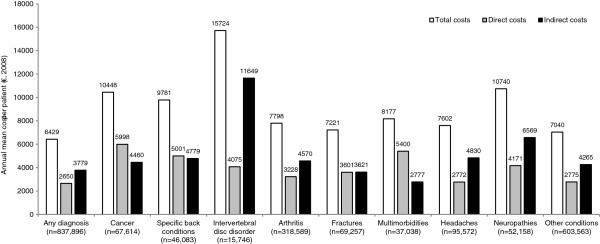
“In Sweden in 2008, for example, indirect costs of sick leave longer than 15 days and early retirement accounted for 59% of the total costs in patients with diagnoses related to chronic pain, followed by outpatient care and inpatient care [43].”
InfluentialFernández-de-las-Peñas, C., Hernández-Barrera, V., Alonso-Blanco, C., Palacios-Ceña, D., Carrasco-Garrido, P., Jiménez-Sánchez, S., & Jiménez-García, R. (2011) · Spine · doi:10.1097/brs.0b013e3181d952c2 · Cited by 176 · cited 7×
“More recent population-based surveys in various countries — including Spain [10], Portugal [11], Ireland [12], Denmark [13], Norway [14] and Iceland [15] — have consistently estimated that 25–35% of adults report chronic pain (Table 1).”
InfluentialMinozzi, S., Amato, L., & Davoli, M. (2013) · Addiction · doi:10.1111/j.1360-0443.2012.04005.x · Cited by 174 · cited 2×
“Further observational research on such outcomes during therapy with strong opioids used according to best practice would be helpful [122].”
Cost-effectiveness of guideline-endorsed treatments for low back pain: a systematic review
Lin, C.-W. C., Haas, M., Maher, C. G., Machado, L. A. C., & van Tulder, M. W. (2011) · European Spine Journal · doi:10.1007/s00586-010-1676-3 · Cited by 174
Raftery, M. N., Sarma, K., Murphy, A. W., De la Harpe, D., Normand, C., & McGuire, B. E. (2011) · Pain · doi:10.1016/j.pain.2011.01.019 · Cited by 172 · cited 4×
“Chronic pain is consistently linked with an increased risk of depression [10,12,33-35].”
InfluentialEffectiveness of opioids in the treatment of chronic non-cancer pain
Trescot, A. M. (2008) · Pain Physician · doi:10.36076/ppj.2008/11/s181 · Cited by 169
A Systematic Review of Randomized Trials of Long-Term Opioid Management for Chronic Non-Cancer Pain
Manchikanti, L. (2011) · Pain Physician · doi:10.36076/ppj.2011/14/91 · Cited by 162
The Impact and Burden of Chronic Pain in the Workplace: A Qualitative Systematic Review
Patel, A. S., Farquharson, R., Carroll, D., Moore, A., Phillips, C. J., Taylor, R. S., & Barden, J. (2012) · Pain Practice · doi:10.1111/j.1533-2500.2012.00547.x · Cited by 161 · cited 2×
“Background Chronic pain is common in Europe and elsewhere and its under-treatment confers a substantial burden on individuals, employers, healthcare systems and society in general [1-4].”
The burden associated with neuropathic pain in Western Europe
Langley, P. C., Van Litsenburg, C., Cappelleri, J. C., & Carroll, D. (2013) · Journal of Medical Economics · doi:10.3111/13696998.2012.729548 · Cited by 140 · cited 1×
“Neuropathic pain may have a particularly severe impact on work [36].”
A validation study of the WHO analgesic ladder: a two-step vs three-step strategy
Maltoni, M. C., Scarpi, E., Modonesi, C., Passardi, A., Calpona, S., Turriziani, A., Speranza, R., Tassinari, D., Magnani, P., Saccani, D., et al. (2005) · Supportive Care in Cancer · doi:10.1007/s00520-005-0807-6 · Cited by 134 · cited 1×
“The principle of offering appropriate analgesia in a timely fashion as articulated in the WHO ladder for cancer pain remains valid today, although the optimal approach remains a matter of debate and research [55].”
Thomas, M. L., Elliott, J. E., Rao, S. M., Fahey, K. F., Paul, S. M., & Miaskowski, C. (2012) · Oncology Nursing Forum · doi:10.1188/12.onf.39-49 · Cited by 133 · cited 1×
“Patient education or coaching measures helped to improve pain, functioning, well-being and therapy adherence in some studies in patients with LBP [84,85] and cancer pain [86-88].”
Spitz, A., Moore, A. A., Papaleontiou, M., Granieri, E., Turner, B. J., & Reid, M. C. (2011) · BMC Geriatrics · doi:10.1186/1471-2318-11-35 · Cited by 133 · cited 1×
“Some physicians lack confidence in prescribing opioids, especially for chronic non-malignant pain [130,131].”
Patient‐related barriers to cancer pain management: a systematic exploratory review
Jacobsen, R., Møldrup, C., Christrup, L., & Sjøgren, P. (2009) · Scandinavian Journal of Caring Sciences · doi:10.1111/j.1471-6712.2008.00601.x · Cited by 130 · cited 1×
“Various cognitive and educational barriers among patients may interfere with pain management by reducing adherence with treatment regimens [81,82].”
Epidemiologie von nicht tumorbedingten chronischen Schmerzen in Deutschland
Wolff, R. F., Clar, C., Lerch, C., & Kleijnen, J. (2011) · Der Schmerz · doi:10.1007/s00482-010-1011-2 · Cited by 128
Chronic pain: One year prevalence and associated characteristics (the HUNT pain study)
Landmark, T., Romundstad, P., Dale, O., Borchgrevink, P. C., VATTEN, L. J., & Kaasa, S. (2013) · Scandinavian Journal of Pain · doi:10.1016/j.sjpain.2013.07.022 · Cited by 123 · cited 13×
“Researchers in Norway recently found that approximately 60% of persistent opioid users with chronic non-malignant pain receive concomitant regular benzodiazepines or benzodiazepine-related hypnotics, in conflict with guidelines [66].”
InfluentialKurita, G. P., Sjøgren, P., Juel, K., Højsted, J., & Ekholm, O. (2012) · Pain · doi:10.1016/j.pain.2012.07.023 · Cited by 122
Albaladejo, C., Kovacs, F. M., Royuela, A., del Pino, R., & Zamora, J. (2010) · Spine · doi:10.1097/brs.0b013e3181b9c9a7 · Cited by 116 · cited 6×
“However, a recent systematic review concluded that the available data on education interventions in LBP were of low quality and showed no intermediate-or long-term effect on pain and disability compared with active non-educational interventions [89].”
InfluentialFREDHEIM, O. M. S., KAASA, S., FAYERS, P., SALTNES, T., JORDHØY, M., & BORCHGREVINK, P. C. (2008) · Acta Anaesthesiologica Scandinavica · doi:10.1111/j.1399-6576.2007.01524.x · Cited by 114 · cited 2×
“Patients admitted to a multidisciplinary pain centre in Norway reported health-related QoL as poor as that in patients with advanced cancer under palliative care [28].”
Chronic pain and the family: the experience of the partners of people living with chronic pain
West, C., Usher, K. J., Foster, K., & Stewart, L. (2012) · Journal of Clinical Nursing · doi:10.1111/j.1365-2702.2012.04215.x · Cited by 110 · cited 1×
“Chronic pain markedly decreases individuals’ health status and quality of life (QoL) [10,11,28-31] and can detrimentally affect the families of patients [32].”
A systematic review of randomized trials of long-term opioid management for chronic non-cancer pain.
Manchikanti, L., Ailinani, H., Koyyalagunta, D., Datta, S., Singh, V. P., Eriator, I. I., Sehgal, N., Shah, R., Benyamin, R., Vallejo, R., et al. (2011) · PubMed · Cited by 110
The Economic Cost of Chronic Noncancer Pain in Ireland: Results From the PRIME Study, Part 2
Raftery, M. N., Ryan, P., Normand, C., Murphy, A. W., de la Harpe, D., & McGuire, B. E. (2012) · The Journal of Pain · doi:10.1016/j.jpain.2011.10.004 · Cited by 99
Brief report: Physicians’ initial management of acute low back pain versus evidence-based guidelines
Webster, B. S., Courtney, T. K., Huang, Y.-H., Matz, S., & Christiani, D. C. (2005) · Journal of General Internal Medicine · doi:10.1111/j.1525-1497.2005.0230.x · Cited by 94
Jain, R. (2012) · The Indian Journal of Medical Research · Cited by 94
WHO guidelines on the pharmacological treatment of persisting pain in children with medical illness
Arora, M., & Baidya, D. K. (2013) · The Indian Journal of Medical Research · Cited by 85
Hutchinson, K., Moreland, A. M. E., de Williams, A. C. C., Weinman, J., & Horne, R. (2007) · European Journal of Pain · doi:10.1016/j.ejpain.2006.01.003 · Cited by 84 · cited 1×
“Some physicians lack confidence in prescribing opioids, especially for chronic non-malignant pain [130,131].”
Becker, A., Leonhardt, C., Kochen, M. M., Keller, S., Wegscheider, K., Baum, E., Donner-Banzhoff, N., Pfingsten, M., Hildebrandt, J., Basler, H.-D., et al. (2008) · Spine · doi:10.1097/brs.0b013e3181657e0d · Cited by 84 · cited 1×
“Evidence from Germany suggests that an active approach to implementing LBP guidelines, using physician education interventions and motivational counselling may be more effective than simple postal dissemination of the guideline [72,73].”
The challenges of pain management in primary care: a pan-European survey
Storey, D., Collett, Castro-Lopes, J., & Johnson, M. (2013) · Journal of Pain Research · doi:10.2147/jpr.s41883 · Cited by 83
Milani, B., Magrini, N., Gray, A., Wiffen, P. J., & Scholten, W. (2011) · Evidence-Based Child Health A Cochrane Review Journal · doi:10.1002/ebch.777 · Cited by 83
Chronic non‐malignant pain patients and health economic consequences
Thomsen, A. B., Sørensen, J., Sjøgren, P., & Eriksen, J. (2002) · European Journal of Pain · doi:10.1016/s1090-3801(02)00023-x · Cited by 81 · cited 2×
“More recent population-based surveys in various countries — including Spain [10], Portugal [11], Ireland [12], Denmark [13], Norway [14] and Iceland [15] — have consistently estimated that 25 – 35% of adults report chronic pain (Table 1).”
Low back pain media campaign: No effect on sickness behaviour
Werner, E. L., Ihlebæk, C., LÆRUM, E., Wormgoor, M. E. A., & Indahl, A. (2008) · Patient Education and Counseling · doi:10.1016/j.pec.2007.12.009 · Cited by 80 · cited 1×
“In Norway, a mass media campaign on LBP (involving written educational materials sent to all households, television, radio and cinema advertisements and posters in health clinics) had only a limited effect on the beliefs of survey respondents among the general public, as compared with controls not exposed to the campa…”
Life satisfaction in patients with chronic musculoskeletal pain and its predictors
Boonstra, A. M., Reneman, M. F., Stewart, R. E., Post, M. W. M., & Preuper, H. R. S. (2012) · Quality of Life Research · doi:10.1007/s11136-012-0132-8 · Cited by 74
Pain and disability retirement: A prospective cohort study
Saastamoinen, P., Laaksonen, M., Kääriä, S.-M., Lallukka, T. M., Leino‐Arjas, P., Rahkonen, O., & Lahelma, E. T. (2012) · Pain · doi:10.1016/j.pain.2011.11.005 · Cited by 74 · cited 1×
“In Finland, researchers found that chronic pain accounted for up to 30% of medically certified absence lasting more than 2 weeks [38] and that it was independently associated with early retirement due to disability [39].”
Henschke, N. (2010) · European Spine Journal · doi:10.1007/s00586-010-1581-9 · Cited by 73
The Prague Charter: Urging governments to relieve suffering and ensure the right to palliative care
Radbruch, L., Lima, L. D., Lohmann, D., Gwyther, E., & Payne, S. A. (2013) · Palliative Medicine · doi:10.1177/0269216312473058 · Cited by 73 · cited 1×
“International resolutions have declared adequate pain therapy to be a human right [5-7] and chronic pain has been raised as a bioethical issue [8], and yet untreated chronic pain is under-recognized by health policymakers as a serious chronic health problem [5].”
Cost-effectiveness of general practice care for low back pain: a systematic review
Lin, C.-W. C., Haas, M., Maher, C. G., Machado, L. A. C., & van Tulder, M. W. (2011) · European Spine Journal · doi:10.1007/s00586-010-1675-4 · Cited by 71 · cited 1×
“…suggests that adding additional interventions such as advice, education, exercise, rehabilitation or occupational therapy to usual care provided by general practitioners is cost-effective from a societal perspective, i.e. when loss of earnings and productivity losses are taken into account [96,97].”
Prioritising pain in policy making: The need for a whole systems perspective
Phillips, C. J., Main, C. J., Buck, R., Aylward, M., Wynne‐Jones, G., & Farr, A. (2008) · Health Policy · doi:10.1016/j.healthpol.2008.03.008 · Cited by 70 · cited 2×
“Recent studies [30,41-43] have confirmed previous evidence of the enormous indirect socioeconomic costs due to chronic pain [4,38,44-47].”
Differential patterns of opioid use: Defining persistent opioid use in a prescription database
Svendsen, K., Skurtveit, S. O., Romundstad, P., Borchgrevink, P. C., & Fredheim, O. M. S. (2011) · European Journal of Pain · doi:10.1002/j.1532-2149.2011.00018.x · Cited by 68 · cited 1×
“16% of the general population persistently use strong opioids on prescription, but true “addiction” and abnormal drug-seeking behaviour are estimated to represent a small fraction of this percentage [124].”
Bond, M. (2011) · Pain Research and Management · doi:10.1155/2011/654746 · Cited by 67 · cited 1×
“IASP and EFIC are already active in providing Pain Schools, e-learning resources [78], and grants to support education initiatives in Eastern Europe [79].”
Breivik, H., Ljosaa, T. M., Stengaard-Pedersen, K., Persson, J., Aro, H., Villumsen, J., & Tvinnemose, D. (2010) · Scandinavian Journal of Pain · doi:10.1016/j.sjpain.2010.05.035 · Cited by 65
Self-citationGerbershagen, H. U., Özgür, E., Straub, K., Dagtekin, O., Gerbershagen, K., Petzke, F. W., Heidenreich, A., Lehmann, K. A., & Sabatowski, R. (2008) · European Journal of Pain · doi:10.1016/j.ejpain.2007.07.006 · Cited by 63 · cited 1×
“Half of all cancer patients, and up to 80% of those at advanced or terminal stages, experience chronic pain [13,21-24].”
Kovacs, F., Abraira, V., Santos, S., Díaz, E., Gestoso, M., Muriel, A., Gil del Real, M. T., Mufraggi, N., Noguera, J., & Zamora, J. (2007) · Spine · doi:10.1097/01.brs.0000261556.84266.0f · Cited by 62 · cited 6×
“However, a recent systematic review concluded that the available data on education interventions in LBP were of low quality and showed no intermediate-or long-term effect on pain and disability compared with active non-educational interventions [89].”
InfluentialBecker, A., Held, H., Redaèlli, M., Chenot, J., Leonhardt, C., Keller, S., Baum, E., Pfingsten, M., Hildebrandt, J., Basler, H.-D., et al. (2011) · Spine · doi:10.1097/brs.0b013e31822b01bd · Cited by 62 · cited 1×
“Evidence from Germany suggests that an active approach to implementing LBP guidelines, using physician education interventions and motivational counselling may be more effective than simple postal dissemination of the guideline [72,73].”
A population-based study on chronic pain and the use of opioids in Portugal
Azevedo, L. F., Costa‐Pereira, A., Mendonça, L., Dias, C. C., & Castro‐Lopes, J. M. (2013) · Pain · doi:10.1016/j.pain.2013.08.022 · Cited by 61
Prevalence of pain in elderly hospitalized patients
Gianni, W., Madaio, R., Cioccio, L. D., D’Amico, F., Policicchio, D., Postacchini, D., Franchi, F., Ceci, M., Benincasa, E., Gentili, M., et al. (2009) · Archives of Gerontology and Geriatrics · doi:10.1016/j.archger.2009.11.016 · Cited by 60 · cited 2×
“Elderly patients in pain are commonly undertreated or, more seriously, inappropriately treated in hospitals and nursing homes [18,19] — settings generally excluded from population-based surveys.”
Oldenmenger, W. H., Smitt, P. A. E. S., van Montfort, C. A. G. M., de Raaf, P. J., & van der Rijt, C. C. D. (2011) · Pain · doi:10.1016/j.pain.2011.08.009 · Cited by 59 · cited 1×
“Patient education or coaching measures helped to improve pain, functioning, well-being and therapy adherence in some studies in patients with LBP [84,85] and cancer pain [86-88].”
Bös, J., Frijters, D. H. M., Wagner, C., Carpenter, G., Finne‐Soveri, H., Topinková, E., Garms-Homolová, V., Henrard, J., Jónsson, P. V., Sørbye, L. W., et al. (2007) · Aging Clinical and Experimental Research · doi:10.1007/bf03324709 · Cited by 58 · cited 1×
“Across Europe, pain was reported in around third of nursing home residents [19] and inadequate pain control was the second most common deficiency identified in elderly home care [20].”
Piccoliori, G., Engl, A., Gatterer, D., Sessa, E., der Schmitten, J. I., & Abholz, H. (2013) · BMC Family Practice · doi:10.1186/1471-2296-14-148 · Cited by 56 · cited 3×
“Of course, the impact of guidelines is dependent on their implementation and levels of adherence among practitioners, and improving this is an important aim [66-69].”
Fostering change in back pain beliefs and behaviors: when public education is not enough
Gross, D. P., Deshpande, S., Werner, E. L., Reneman, M. F., Miciak, M., & Buchbinder, R. (2012) · The Spine Journal · doi:10.1016/j.spinee.2012.09.001 · Cited by 55
Bosnjak, S., Maurer, M. A., Ryan, K. M., Leon, M. X., & Madiye, G. (2011) · Supportive Care in Cancer · doi:10.1007/s00520-011-1200-2 · Cited by 54 · cited 1×
“Romania and Serbia, in replacing restrictive legislation, improving access and instituting appropriate medical education [128,129].”
Opioid Inaccessibility and Its Human Consequences: Reports From the Field
Krakauer, E. L., Wenk, R. D., Buitrago, R., Jenkins, P. R., & Scholten, W. K. (2010) · Journal of Pain & Palliative Care Pharmacotherapy · doi:10.3109/15360288.2010.501852 · Cited by 51 · cited 1×
“In many countries — especially in Eastern Europe and in the developing world — access to opioid therapy remains inadequate owing to barriers such as limited subsidy, limited availability, and restrictive regulations on prescribing and dispensing [24,52,110-113].”
The economics associated with persistent pain
Phillips, C. J., & Harper, C. (2011) · Current Opinion in Supportive & Palliative Care · doi:10.1097/spc.0b013e3283458fa9 · Cited by 50 · cited 1×
“Recent studies [30,41-43] have confirmed previous evidence of the enormous indirect socioeconomic costs due to chronic pain [4,38,44-47].”
Norrefalk, J., Ekholm, K., Linder, J., Borg, K., & Ekholm, J. (2008) · Acta Dermato Venereologica · doi:10.2340/16501977-0131 · Cited by 49 · cited 5×
“In Sweden in 2008, for example, indirect costs of sick leave longer than 15 days and early retirement accounted for 59% of the total costs in patients with diagnoses related to chronic pain, followed by outpatient care and inpatient care [43].”
InfluentialRief, W., Zenz, M., Schweiger, U., Rüddel, H., Henningsen, P., & Nilges, P. (2008) · Current Opinion in Psychiatry · doi:10.1097/yco.0b013e3282f4cdf2 · Cited by 48
A population based study of the prevalence of pain in Iceland
Gunnarsdóttir, S., Ward, S. E., & Serlin, R. C. (2010) · Scandinavian Journal of Pain · doi:10.1016/j.sjpain.2010.05.028 · Cited by 47 · cited 3×
“More recent population-based surveys in various countries — including Spain [10], Portugal [11], Ireland [12], Denmark [13], Norway [14] and Iceland [15] — have consistently estimated that 25–35% of adults report chronic pain (Table 1).”
Skurtveit, S. O., Furu, K., Borchgrevink, P. C., Handal, M., & Fredheim, O. M. S. (2011) · Pain · doi:10.1016/j.pain.2011.02.045 · Cited by 47
van der Peet, E. H., Everdingen, M. H. J. V. D. B.-V., Patijn, J., Schouten, H. C., van Kleef, M., & Courtens, A. M. (2008) · Supportive Care in Cancer · doi:10.1007/s00520-008-0564-4 · Cited by 46
Concomitant medication among persistent opioid users with chronic non‐malignant pain
MELLBYE, A., SVENDSEN, K., BORCHGREVINK, P. C., SKURTVEIT, S., & FREDHEIM, O. M. S. (2012) · Acta Anaesthesiologica Scandinavica · doi:10.1111/j.1399-6576.2012.02766.x · Cited by 42 · cited 2×
“Of course, the impact of guidelines is dependent on their implementation and levels of adherence among practitioners, and improving this is an important aim [66-69].”
Healthcare provider back pain beliefs unaffected by a media campaign
Werner, E. L., Gross, D. P., Lie, S. A., & Ihlebæk, C. (2008) · Scandinavian Journal of Primary Health Care · doi:10.1080/02813430801905664 · Cited by 42 · cited 1×
“sickness absence, surgery rates for intervertebral disc herniation and imaging examinations) or change the beliefs of physicians, physiotherapists and chiropractors regarding LBP, even though an additional educational initiative was directed at these groups [92].”
The World Health Organization Paves the Way for Action to Free People from the Shackles of Pain
Scholten, W., Nygren-Krug, H., & Zucker, H. A. (2007) · Anesthesia & Analgesia · doi:10.1213/01.ane.0000267542.72315.34 · Cited by 39 · cited 3×
“The various attitudinal, educational, legislative, bureaucratic and economic barriers to effective pain management have been well documented by the World Medical Organization [6], the World Health Organization (WHO) and others [24,52].”
Multidisciplinary pain treatment – Which patients do benefit?
Heiskanen, T., Roine, R. P., & Kalso, E. (2012) · Scandinavian Journal of Pain · doi:10.1016/j.sjpain.2012.05.073 · Cited by 38 · cited 1×
“In Finland, 46% of 439 patients had improved QoL after 6 months’ treatment in a multidisciplinary pain clinic, and benefits were shown to last for at least 3 years [105,106].”
Løyland, B., Miaskowski, C. A., Paul, S. M., Dahl, E. S., & Rustøen, T. (2010) · Quality of Life Research · doi:10.1007/s11136-010-9707-4 · Cited by 37 · cited 1×
“Chronic pain markedly decreases individuals’ health status and quality of life (QoL) [10,11,28-31] and can detrimentally affect the families of patients [32].”
Martín, J., Torre, F., Padierna, A., Aguirre, U., González, N., García, S., Matellanes, B., & Quintana, J. M. (2012) · PubMed · Cited by 36
McCracken, L. M., Boichat, C., & Eccleston, C. (2011) · Journal of Pain · doi:10.1016/j.jpain.2011.09.007 · Cited by 34 · cited 1×
“Evidence suggests that that education programmes can help to improve this [132], but changing pain treatment patterns is challenging [133,134].”
Friedmann, N., Klutzaritz, V., & Webster, L. R. (2011) · Pain Medicine · doi:10.1111/j.1526-4637.2011.01100.x · Cited by 32 · cited 1×
“They also have a role in selected patients with chronic, moderate to severe non-cancer pain, although the evidence base for the efficacy and safety of long-term opioid therapy is limited [114-116] and additional well-designed studies are required [117-121].”
Corson, K., Doak, M. N., Denneson, L., Crutchfield, M., Soleck, G., Dickinson, K. C., Gerrity, M. S., & Dobscha, S. K. (2011) · Pain Medicine · doi:10.1111/j.1526-4637.2011.01231.x · Cited by 32 · cited 1×
“Evidence suggests that that education programmes can help to improve this [132], but changing pain treatment patterns is challenging [133,134].”
Romania: Changing the Regulatory Environment
Mosoiu, D. V., Mungiu, O. C., Gigore, B., & Landon, A. (2007) · Journal of Pain and Symptom Management · doi:10.1016/j.jpainsymman.2007.02.023 · Cited by 32 · cited 1×
“Romania and Serbia, in replacing restrictive legislation, improving access and instituting appropriate medical education [128,129].”
The effect of pain on sickness absence among middle-aged municipal employees
Saastamoinen, P., Laaksonen, M., Lahelma, E. T., & Leino‐Arjas, P. (2008) · Occupational and Environmental Medicine · doi:10.1136/oem.2008.040733 · Cited by 31 · cited 2×
“In Finland, researchers found that chronic pain accounted for up to 30% of medically certified absence lasting more than 2 weeks [38] and that it was independently associated with early retirement due to disability [39].”
The landscape of blogging in palliative care
Lowney, A. C., & O’Brien, T. (2012) · Palliative Medicine · doi:10.1177/0269216311432900 · Cited by 27
Self-citationBarriers to Pain Management among Lithuanian Cancer Patients
Jacobsen, R., Samsanavičienë, J., Liuabarskiene, Z., & Ščiupokas, A. (2010) · Pain Practice · doi:10.1111/j.1533-2500.2009.00333.x · Cited by 25 · cited 1×
“Various cognitive and educational barriers among patients may interfere with pain management by reducing adherence with treatment regimens [81,82].”
Srivastava, A., Kahan, M., & Jiwa, A. (2012) · Europe PMC (PubMed Central) · Cited by 25
Becker, A. (2012) · Current Pain and Headache Reports · doi:10.1007/s11916-012-0249-z · Cited by 24
Chronic pain is strongly associated with work disability
Nielsen, C. S. (2013) · Scandinavian Journal of Pain · doi:10.1016/j.sjpain.2013.08.002 · Cited by 22
Primary care doctors’management of low back pain patients – ten years after
Werner, E. L., & Ihlebæk, C. (2012) · Tidsskrift for Den norske legeforening · doi:10.4045/tidsskr.12.0395 · Cited by 20 · cited 2×
“Of course, the impact of guidelines is dependent on their implementation and levels of adherence among practitioners, and improving this is an important aim [66-69].”
Nicholas, M. K. (2011) · Scandinavian Journal of Pain · doi:10.1016/j.sjpain.2011.02.003 · Cited by 19 · cited 1×
“Chronic pain is consistently linked with an increased risk of depression [10,12,33-35].”
Breivik, H., Gordh, T., & Butler, S. (2012) · Scandinavian Journal of Pain · doi:10.1016/j.sjpain.2011.11.012 · Cited by 17
Self-citationWebb, S. T., Patil, V. P. B., & Vuylsteke, A. (2007) · European Journal of Anaesthesiology · doi:10.1017/s0265021507000336 · Cited by 14
Guidelines for anaesthesiologist specialist training in pain medicine
Cunningham, A. J., Knape, J. T. A., Adriaensen, H., Blunnie, W. P., Buchser, E., Goldik, Z., Ilias, W., & Paver-Eržen, V. (2007) · European Journal of Anaesthesiology · doi:10.1017/s0265021506002171 · Cited by 13 · cited 2×
“Post-graduate pain management courses are now available in many countries [77].”
Pain Education and Current Curricula for Older Adults: Table 1
Schofield, P. (2012) · Pain Medicine · doi:10.1111/j.1526-4637.2011.01283.x · Cited by 12 · cited 1×
“Efforts to improve this situation include an initiative to provide collaborative recommendations on improving education for older adults [83].”
Hara, K. W., & Borchgrevink, P. C. (2009) · Scandinavian Journal of Pain · doi:10.1016/j.sjpain.2009.10.002 · Cited by 12
Løyland, B., Miaskowski, C. A., Wahl, A. K., & Rustøen, T. (2010) · Clinical Journal of Pain · doi:10.1097/ajp.0b013e3181e0de43 · Cited by 11 · cited 1×
“Chronic pain is more common among manual workers and the unemployed than among professional workers [12], and more common among recipients of social assistance than the general population [17].”
It's Time for Bioethics to See Chronic Pain as an Ethical Issue
Christopher, M. J. (2011) · The American Journal of Bioethics · doi:10.1080/15265161.2011.589282 · Cited by 7 · cited 1×
“International resolutions have declared adequate pain therapy to be a human right [5-7] and chronic pain has been raised as a bioethical issue [8], and yet untreated chronic pain is under-recognized by health policymakers as a serious chronic health problem [5].”
Cevoli, S., & Cortelli, P. (2011) · Neurological Sciences · doi:10.1007/s10072-011-0550-3 · Cited by 6 · cited 2×
“In Italy, a law passed in 2010 defined patients’ rights to access to multidisciplinary pain centres and promoted the development of regional and national networks of centres and care pathways [94,95].”
New disposition for pain therapy in Italy, center for headache should be integrated in the network
Gensini, G. F. (2011) · Neurological Sciences · doi:10.1007/s10072-011-0576-6 · Cited by 6
Prescribing Policies of Opioids for Chronic Pain
Beubler, E., Eisenberg, E., Castro‐Lopes, J. M., & Rhodin, A. (2007) · Journal of Pain & Palliative Care Pharmacotherapy · doi:10.1080/j354v21n02_10 · Cited by 4
Self-citationPrescribing Policies of Opioids for Chronic Pain
Beubler, E., Eisenberg, E., Castro‐Lopes, J. M., et al. (2007) · Journal of Pain & Palliative Care Pharmacotherapy · doi:10.1300/j354v21n02_10 · Cited by 3 · cited 1×
“National policies controlling access to opioids differ widely internationally [125].”
Self-citationCherny, N. I. (2012) · Annals of Oncology · doi:10.1016/s0923-7534(20)33953-3 · Cited by 2
Heiskanen, T., Roine, R. P., & Kalso, E. A. (2013) · Scandinavian Journal of Pain · doi:10.1016/j.sjpain.2012.11.010 · Cited by 1
Research works printed but not linked: 18
- International Association for the Study of Pain and delegates of International Pain Summit 2010: Declaration that Access to Pain Management Is a Fundamental Human Right. 2010, [ http://www.iasp-pain.org/Content/NavigationMenu/Advocacy/DeclarationofMontr233al/default.htm accessed 27 December 2013]
- OPENMinds: Pain in Europe – a public health priority. A strategy to better diagnose and manage chronic pain and the responsible use of opioids. 2011, Cambridge: Mundipharma
- Christensen J, Bilde L, Gustavsson A: Socio-economic consequences of pain-intensive diseases in Denmark. 2011, Danish Institute for Health Services Research: Copenhagen
- Gouveia M, Augusto M: Presentation at Societal Impact of Pain Conference. Indirect costs of chronic pain in Portugal. 2012, Copenhagen, Denmark, [ http://www.sip-platform.eu ]
- World Health Organization: Cancer pain relief, with a guide to opioid availability. 1996, Geneva: WHO, 2
- World Health Organization: Scoping document for WHO Guidelines for the pharmacological treatment of persisting pain in adults with medical illnesses (document GRC-08-04-0052A). 2012, Geneva: WHO
- British Pain Society: Opioids for persistent pain: Good practice. A consensus statement prepared on behalf of the British Pain Society, the Faculty of Pain Medicine of the Royal College of Anaesthetists, the Royal College of General Practitioners and the Faculty of Addictions of the Royal College of Psychiatrists. 2010, London: British Pain Society
- British Pain Society: Cancer pain management: A perspective from the British Pain Society, supported by the Association for Palliative Medicine and the Royal College of General Practitioners. 2010, London: British Pain Society
- Committee on Education of the EFIC® (European Federation of IASP® Chapters): The Pain Management Core Curriculum for European Medical Schools. 2013, Diegen, Belgium: EFIC®
- Kress HG, Battelli D, Briggs E, Gordon D, Kopf A, Ribeiro S, Puig M: Poster presented at the 8th Congress of the European Federation of IASP Chapters (EFIC®). The provision of pain education within undergraduate medical schools across Europe. 2013, Florence, Italy, October 9-12,2013, Abstract no. 1128
- Deutsche Schmerzgesellschaft e.V. Endlich: Schmerzmedizin wird Pflichtfach. 2012, [Press release available at http://idw-online.de/de/news477678 . Last accessed 29 Dec 2013]
- European Federation of IASP Chapters: Educational support grant for Eastern European countries - guidelines. 2012, EFIC, [ http://www.efic.org/index.asp?sub=1502d13E4PiYt1 ] (Accessed 27 December 2013)
- Goebel A, Barker CH, Turner-Stokes L, et al: Complex regional pain syndrome in adults: UK guidelines for diagnosis, referral and management in primary and secondary care. 2012, London: Royal College of Physicians
- Eriksen J: Long-term/chronic non-cancer pain. Epidemiology, health-care utilization, socioeconomy and aspects of treatment. 2004, Copenhagen, Denmark: DMedSci thesis monograph, Copenhagen University
- Überall MA, Müller-Schwefe G, Nolte T, Kletzko H: Das Projekt zur integrierten Versorgung Rückenschmerz – IVR. Schmerztherapie. 2009, 25: 1-7.
- Überall MA: Wenn aus einer Vision Wirklichkeit wird. Schmerzmedizin. 2012, 28: 2-
- International Association for the Study of Pain: Recommendations for pain treatment services. 2009, IASP, [ http://www.iasp.org ]
- International Narcotics Control Board (INCB): Report of the International Narcotics Control Board on the availability of internationally controlled drugs: ensuring adequate access for medical and scientific purposes. 2010, Vienna: INCB
Cited by
A review of chronic pain impact on patients, their social environment and the health care system
Duenas, M., Ojeda, B., Salazar, A., Mico, J. A., & Failde, I. (2016) · Journal of Pain Research · doi:10.2147/jpr.s105892 · Cited by 985
“Other studies have also documented that absenteeism, presenteeism, early retirement, and disability related to CP(38) present a burden at least as great as conditions that are conventionally prioritized as public health concerns.(38) When the occupational consequences of different types of pain were analyzed, the proc…”
BackgroundVeehof, M. M., Trompetter, H. R., Bohlmeijer, E. T., & Schreurs, K. M. G. (2016) · Cognitive Behaviour Therapy · doi:10.1080/16506073.2015.1098724 · Cited by 737
Stem cell therapy for intervertebral disc regeneration: obstacles and solutions
Sakai, D., & Andersson, G. B. J. (2015) · Nature Reviews Rheumatology · doi:10.1038/nrrheum.2015.13 · Cited by 482
Ploner, M., Sorg, C., & Gross, J. (2017) · Trends in Cognitive Sciences · doi:10.1016/j.tics.2016.12.001 · Cited by 434
“Chronic pain is a disease in its own right that affects about a fifth of the adult population in theWestern world [8,9], imposes an enormous economic burden on society [10,11], and causes severe suffering to individuals.”
BackgroundOpioid-induced hyperalgesia: Cellular and molecular mechanisms
Roeckel, L.-A., Le Coz, G.-M., Gavériaux-Ruff, C., & Simonin, F. (2016) · Neuroscience · doi:10.1016/j.neuroscience.2016.06.029 · Cited by 388
Metadata
- Authors
- Breivik, H., Eisenberg, E., & O’Brien, T.
- Affiliations
- Oslo University Hospital (NO)
- Technion – Israel Institute of Technology (IL)
- Cork University Hospital (IE)
- Corresponding author
- Breivik, Harald
- Venue
- BMC Public Health
- Published
- 2013-12
- Volume
- 13
- Issue
- 1
- Pages
- 1229-1229
- ISSN
- 1471-2458 (ISSN-L)
- PMC
- PMC3878786
- OpenAlex
- W2033770456
- Cited by
- 643
- References
- 121
- Citations by year
- 2026: 29 · 2025: 48 · 2024: 57 · 2023: 63 · 2022: 72 · 2021: 70 · 2020: 78 · 2019: 60 · 2018: 46 · 2017: 58 · 2016: 32 · 2015: 18 · 2014: 10
- FWCI
- 25.29
- Type
- journal article
- Language
- en
- Open access
- gold
- doi.org
- Licence
- Locations
- BMC Public Health (publishedVersion, cc-by)
- PubMed Central (publishedVersion, cc-by)
- PubMed (publishedVersion)
- NORA - Norwegian Open Research Archives (submittedVersion, cc-by)
- Lenus, The Irish Health Repository (Dr Steevens Hospital Library) (submittedVersion)
- Funders
- Mundipharma International
- Topics
- Health Sciences › Medicine › Anesthesiology and Pain Medicine › Pain Management and Opioid Use
- Health Sciences › Health Professions › Physical Therapy, Sports Therapy and Rehabilitation › Musculoskeletal pain and rehabilitation
- Health Sciences › Medicine › Anesthesiology and Pain Medicine › Anesthesia and Pain Management
- Keywords
- chronic pain, socioeconomic burden, undertreatment of pain, pain management services, multidisciplinary pain management, physician training, productivity loss, absenteeism, early retirement
- MeSH terms
- Europe, Health Priorities, Health Services Accessibility, Humans, Patient Education as Topic, Cost of Illness, Chronic Pain
About these checks
Registry, retraction, Cites and statistics results are computed, not judged, with one exception: a printed reference that no index lists is read once by a model before it counts as a citation error. Claims are extracted by a model and kept only when their quote appears verbatim in the text; each cited source is then checked, with a model’s help, for whether it says what the claim relies on. Those verdicts can be wrong — read the claim’s quote and the cited source before relying on one.
Statistics and arithmetic are recomputed, not judged.
Confidence bands are shown only for fields calibrated on our annotated test set. None is calibrated yet, so no band is shown.
What counts as a claim ›How we measure confidence ›How we check this ›
Are you an author, or do you see a problem with this page? Request a review
Data sources
Bibliographic data: Semantic Scholar, OpenAlex, Crossref.
Contains information from the Semantic Scholar Academic Graph Datasets, made available under the ODC Attribution License (ODC-BY 1.0).
Semantic Scholar’s data is described in: Kinney, R., et al. (2023). The Semantic Scholar Open Data Platform. arXiv:2301.10140.
