

The use of mobile phones as a data collection tool: A report from a household survey in South Africa
Open accessThe DOI matches its Crossref record; 22 of the 22 references it cites were found in a registry or an index.
Abstract
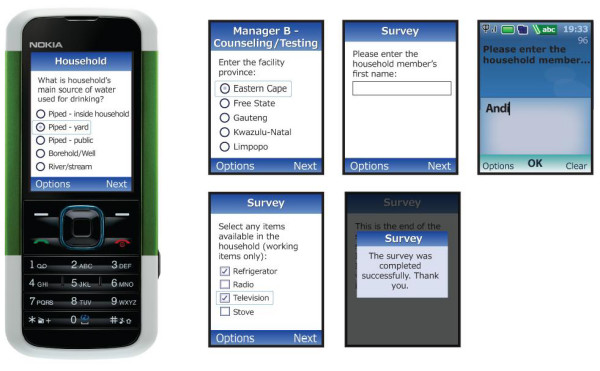
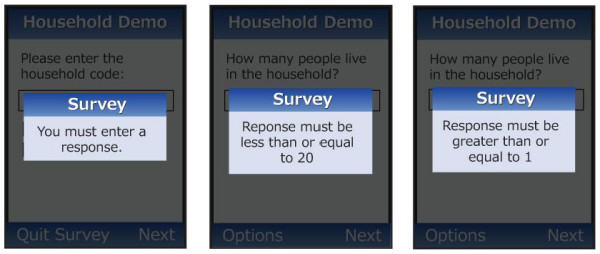
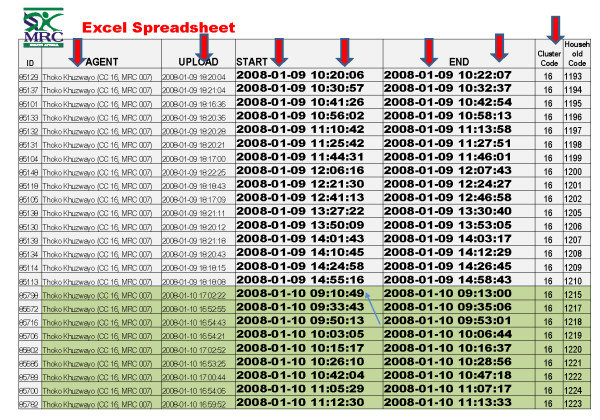
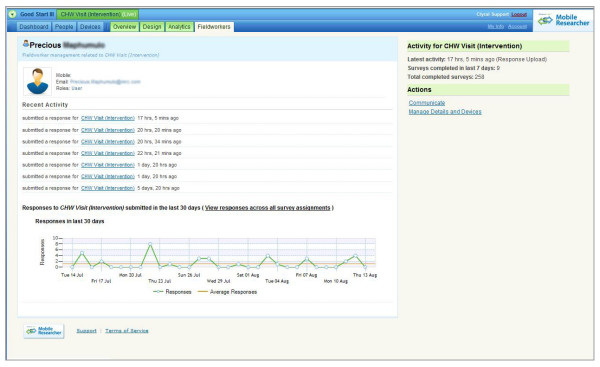
BACKGROUND: To investigate the feasibility, the ease of implementation, and the extent to which community health workers with little experience of data collection could be trained and successfully supervised to collect data using mobile phones in a large baseline survey METHODS: A web-based system was developed to allow electronic surveys or questionnaires to be designed on a word processor, sent to, and conducted on standard entry level mobile phones. RESULTS: The web-based interface permitted comprehensive daily real-time supervision of CHW performance, with no data loss. The system permitted the early detection of data fabrication in combination with real-time quality control and data collector supervision. CONCLUSIONS: The benefits of mobile technology, combined with the improvement that mobile phones offer over PDA's in terms of data loss and uploading difficulties, make mobile phones a feasible method of data collection that needs to be further explored.
Overview
The claims and statistics of this paper haven’t been checked yet.
Free: it reads the open-access text and checks the first 5 claims that cite a source we can check. Create a free account to check every claim.
Integrity signals
Registry
Cites
Statistics
Figures
Verification
Claims the paper makes
The claims and statistics of this paper haven’t been checked yet.
Free: it reads the open-access text and checks the first 5 claims that cite a source we can check. Create a free account to check every claim.
Claims other papers make about this one
Each is checked against this paper’s own text: does it say what the citing paper says it does?
In the citing paper
“mHealth data collection has been shown to be more cost effective than paper resources (21), and lower rates of data loss were reported (33), with fewer errors (46, 52, 53).”
From Assessing the impact of mHealth interventions in low- and middle-income countries – what has been shown to work? (2014) · cites this paper as [33]
Self-check
Percentages, sums and reported differences re-computed from the paper’s own numbers.
The self-check needs the paper’s full text.
Citations
Cites
South African Health Review 2005.
Gray, A., Govender, M., Gengiah, T. N., & Singh, J. S. (2005) · South African Health Review · Cited by 1,313
Rodgers, A., Corbett, T., Bramley, D., Riddell, T., Wills, M., Lin, R.-B., & Jones, M. (2005) · Tobacco Control · doi:10.1136/tc.2005.011577 · Cited by 732 · cited 1×
“Studies conducted in developed country settings have investigated the use of cell phones on the patient end to generate feedback for improved chronic illness care and monitoring [7-9], increased medication compliance [10] and smoking cessation [11], or reduced missed clinic visits [12,13].”
(2006) · Globalization and Health · doi:10.1186/1744-8603-2-9 · Cited by 467
The use of text messaging to improve attendance in primary care: a randomized controlled trial
Leong, K. C., Chen, W. S., Leong, K. W., Mastura, I., Mimi, O., Sheikh, M. A., Zailinawati, A. H., Ng, C. J., Phua, K. L., & Teng, C. L. (2006) · Family Practice · doi:10.1093/fampra/cml044 · Cited by 291 · cited 1×
“Studies conducted in developed country settings have investigated the use of cell phones on the patient end to generate feedback for improved chronic illness care and monitoring [7-9], increased medication compliance [10] and smoking cessation [11], or reduced missed clinic visits [12,13].”
Anhøj, J., & Møldrup, C. (2004) · Journal of Medical Internet Research · doi:10.2196/jmir.6.4.e42 · Cited by 238 · cited 1×
“Studies conducted in developed country settings have investigated the use of cell phones on the patient end to generate feedback for improved chronic illness care and monitoring [7-9], increased medication compliance [10] and smoking cessation [11], or reduced missed clinic visits [12,13].”
Shapiro, J. R., Bauer, S., Hamer, R. M., Kordy, H., Ward, D., & Bulik, C. M. (2008) · Journal of Nutrition Education and Behavior · doi:10.1016/j.jneb.2007.09.014 · Cited by 212 · cited 1×
“Studies conducted in developed country settings have investigated the use of cell phones on the patient end to generate feedback for improved chronic illness care and monitoring [7-9], increased medication compliance [10] and smoking cessation [11], or reduced missed clinic visits [12,13].”
Lane, S. J., Heddle, N. M., Arnold, E., & Walker, I. (2006) · BMC Medical Informatics and Decision Making · doi:10.1186/1472-6947-6-23 · Cited by 208
Koshy, E., Car, J., & Majeed, A. (2008) · BMC Ophthalmology · doi:10.1186/1471-2415-8-9 · Cited by 201 · cited 1×
“Studies conducted in developed country settings have investigated the use of cell phones on the patient end to generate feedback for improved chronic illness care and monitoring [7-9], increased medication compliance [10] and smoking cessation [11], or reduced missed clinic visits [12,13].”
Cho, J.-H., Lee, H.-C., Lim, D.-J., Kwon, H.-S., & Yoon, K.-H. (2009) · Journal of Telemedicine and Telecare · doi:10.1258/jtt.2008.080412 · Cited by 155 · cited 1×
“Studies conducted in developed country settings have investigated the use of cell phones on the patient end to generate feedback for improved chronic illness care and monitoring [7-9], increased medication compliance [10] and smoking cessation [11], or reduced missed clinic visits [12,13].”
Shirima, K., Mukasa, O., Schellenberg, J. A., Manzi, F., John, D., Mushi, A., Mrisho, M., Tanner, M., Mshinda, H., & Schellenberg, D. (2007) · Emerging Themes in Epidemiology · doi:10.1186/1742-7622-4-5 · Cited by 124 · cited 3×
“Electronic methods of data collection have been developed in order to merge the process of data collection and data entry [2].”
Research works printed but not linked: 3
- Vodafone Policy Paper Series Africa: the impact of mobile phones Vodafone Policy Paper Series, No. 2 2005
- Vital Wave Consulting mHealth for Development: The Opportunity of Mobile Technology for Healthcare in the Developing World 2009 Washington DC and Berkshire UK: UN Foundation-Vodafone Foundation Partnership
- Kinkade S Verclas K Wireless Technology for Social Change 2008 Washington, DC: UN Foundation-Vodafone Group Foundation Partnership http://www.unfoundation.org/press-center/publications/wireless-technology-for-social-change.html
Cited by
Scaling Up mHealth: Where Is the Evidence?
Tomlinson, M., Rotheram-Borus, M. J., Swartz, L., & Tsai, A. C. (2013) · PLoS Medicine · doi:10.1371/journal.pmed.1001382 · Cited by 673
“Interventions categorized under the rubric ‘‘mobile health’’ or ‘‘mHealth’’— broadly defined as medical and public health practice supported by mobile devices [2]—span a variety of applications ranging from the use of mobile phones to improve point of service data collection [3], care delivery [4], and patient communi…”
BackgroundSelf-citationAranda-Jan, C. B., Mohutsiwa-Dibe, N., & Loukanova, S. (2014) · BMC Public Health · doi:10.1186/1471-2458-14-188 · Cited by 644
“Legal issues, regulations and standards -Coded information contributes to data security and confidentiality [63] -Privacy concerns raised when using mobile phones, particularly if not owned by the patient [34,56] Not mentioned -No minimum number of critical surveillance parameters to be reported has been established […”
BackgroundInfluentialAgarwal, S., LeFevre, A. E., Lee, J., L’Engle, K., Mehl, G., Sinha, C., & Labrique, A. (2016) · BMJ · doi:10.1136/bmj.i1174 · Cited by 639
Agarwal, S., Perry, H. B., Long, L., & Labrique, A. B. (2015) · Tropical Medicine & International Health · doi:10.1111/tmi.12525 · Cited by 498
“A few studies suggest that mHealth tools can improve quality of supervision available to FHWs by facilitating regular and prompt communication across different levels of providers [31, 34] as well as enabling assessment of the FHW’s performance through the web-interface dashboard [25, 26].”
BackgroundMethodCommunity Health Workers and Mobile Technology: A Systematic Review of the Literature
Braun, R., Catalani, C., Wimbush, J., & Israelski, D. (2013) · PLoS ONE · doi:10.1371/journal.pone.0065772 · Cited by 493
“Further, these mobile tools can enable real-time quality review and analysis for decision-making [11], as well as rapid response to cited health issues [20].”
BackgroundResultTools and methods in participatory modeling: Selecting the right tool for the job
Voinov, A., Jenni, K., Gray, S., Kolagani, N., Glynn, P. D., Bommel, P., Prell, C., Zellner, M., Paolisso, M., Jordan, R., et al. (2018) · Environmental Modelling & Software · doi:10.1016/j.envsoft.2018.08.028 · Cited by 428
Alam, M. Z., Hoque, M. R., Hu, W., & Barua, Z. (2020) · International Journal of Information Management · doi:10.1016/j.ijinfomgt.2019.04.016 · Cited by 358
Srinivasa Rao, A. S. R., & Vazquez, J. A. (2020) · Infection Control & Hospital Epidemiology · doi:10.1017/ice.2020.61 · Cited by 394
“10,11 – 15 The use of mobile phones 16 – 19 and web-based portals 20,21 have been tested successfully in health-related data collection.”
BackgroundHall, C. S., Fottrell, E., Wilkinson, S., & Byass, P. (2014) · Global Health Action · doi:10.3402/gha.v7.25606 · Cited by 384
“mHealth data collection has been shown to be more cost effective than paper resources (21), and lower rates of data loss were reported (33), with fewer errors (46, 52, 53).”
BackgroundReclaiming Everyday Peace: Local Voices in Measurement and Evaluation After War
Firchow, P. (2018) · Cambridge University Press eBooks · doi:10.1017/9781108236140 · Cited by 321
Mobile health use in low- and high-income countries: an overview of the peer-reviewed literature
Bastawrous, A., & Armstrong, M. J. (2013) · Journal of the Royal Society of Medicine · doi:10.1177/0141076812472620 · Cited by 236
Leon, N., Schneider, H., & Daviaud, E. (2012) · BMC Medical Informatics and Decision Making · doi:10.1186/1472-6947-12-123 · Cited by 200
“The range of problems with CBS supervision in South Africa include a lack of adequate and standardized health information tools and processes, lack of integration of information into the existing routine health information system, lack of dedicated M&E staff and budgets and inadequate training at all levels [8,29,41-4…”
BackgroundInfluentialImplementation science in resource-poor countries and communities
Yapa, H. M., & Bärnighausen, T. (2018) · Implementation Science · doi:10.1186/s13012-018-0847-1 · Cited by 171
Tsai, A. C., Scott, J. A., Hung, K. J., Zhu, J. Q., Matthews, L. T., Psaros, C., & Tomlinson, M. (2013) · PLoS ONE · doi:10.1371/journal.pone.0082521 · Cited by 169
“The use of ultra-short screening and measurement instruments (defined in one proposal as being limited to 4 items or fewer and requiring less than 2 minutes to administer [64]), perhaps facilitated with mobile technologies [65–67], may expedite a strategy of screening, treatment, and/or treatment response monitoring a…”
Self-citationle Roux, I. M., Tomlinson, M., Harwood, J. M., O’Connor, M. J., Worthman, C. M., Mbewu, N., Stewart, J., Hartley, M., Swendeman, D., Comulada, W. S., et al. (2013) · AIDS · doi:10.1097/qad.0b013e3283601b53 · Cited by 168
“A noteworthy innovation was the use of mobile phones for data collection, and monitoring and supporting CHW [34].”
BackgroundSelf-citationBrinkel, J., Krämer, A., Krumkamp, R., May, J., & Fobil, J. (2014) · International Journal of Environmental Research and Public Health · doi:10.3390/ijerph111111559 · Cited by 161
“Therefore the collection of disease data via mobile phone applications could be a significant inflection point for district and national health surveillance [8,10] .”
The Early Grade Reading Assessment: Applications and interventions to improve basic literacy
Wetterberg, A., & Gove, A. K. (2019) · Carolina Digital Repository (University of North Carolina at Chapel Hill) · doi:10.17615/x0gw-5q28 · Cited by 156
Rotheram-Borus, M. J., le Roux, I. M., Tomlinson, M., Mbewu, N., Comulada, W. S., le Roux, K., Stewart, J., O’Connor, M. J., Hartley, M., Desmond, K., et al. (2011) · Prevention Science · doi:10.1007/s11121-011-0238-1 · Cited by 169
Self-citationPromises and Pitfalls of Using Digital Traces for Demographic Research
Cesare, N., Lee, H., McCormick, T., Spiro, E., & Zagheni, E. (2018) · Demography · doi:10.1007/s13524-018-0715-2 · Cited by 137
Walther, B., Hossin, S., Townend, J., Abernethy, N., Parker, D., & Jeffries, D. (2011) · PLoS ONE · doi:10.1371/journal.pone.0025348 · Cited by 141
“using standard mobile phones for electronic data capture [28].”
MethodSexual health promotion for young people delivered via digital media: a scoping review
Bailey, J., Mann, S., Wayal, S., Hunter, R. M., Free, C., Abraham, C., & Murray, E. (2015) · Public Health Research · doi:10.3310/phr03130 · Cited by 162
Dinh, T., Delaney, K. P., Goga, A. E., Jackson, D. J., Lombard, C. J., Woldesenbet, S., Mogashoa, M. M., Pillay, Y. G., & Shaffer, N. (2015) · PLoS ONE · doi:10.1371/journal.pone.0125525 · Cited by 142
Self-citationDewing, S., Tomlinson, M., le Roux, I. M., Chopra, M., & Tsai, A. C. (2013) · Journal of Affective Disorders · doi:10.1016/j.jad.2013.04.040 · Cited by 128
“Three months after birth, trained fieldworkers (hired independently of Philani) visited participants at their homes to administer the study survey using mobile phones (Tomlinson et al., 2009).”
MethodSelf-citationDeterminants of readiness to adopt mHealth in a rural community of Bangladesh
Khatun, F., Heywood, A. E., RAY, P. K., Hanifi, S., Bhuiya, A., & Liaw, S. (2015) · International Journal of Medical Informatics · doi:10.1016/j.ijmedinf.2015.06.008 · Cited by 147
Viewpoint: High-frequency phone surveys on COVID-19: Good practices, open questions
Gourlay, S., Kilic, T., Martuscelli, A., Wollburg, P. R., & Zezza, A. (2021) · Food Policy · doi:10.1016/j.foodpol.2021.102153 · Cited by 154
Health Worker mHealth Utilization: A Systematic Review
White, A., Thomas, D. S. K., Ezeanochie, N., & Bull, S. (2016) · CIN: Computers, Informatics, Nursing · doi:10.1097/cin.0000000000000231 · Cited by 110
Community engagement in outbreak response: lessons from the 2014–2016 Ebola outbreak in Sierra Leone
Bedson, J., Jalloh, M. F., Pedi, D., Bah, S., Owen, K., Oniba, A., Sangarie, M., Fofanah, J. S., Jalloh, M. B., Sengeh, P., et al. (2020) · BMJ Global Health · doi:10.1136/bmjgh-2019-002145 · Cited by 112
Little, A., Medhanyie, A., Yebyo, H., Spigt, M., Dinant, G.-J., & Blanco, R. (2013) · PLoS ONE · doi:10.1371/journal.pone.0077563 · Cited by 107
“sophisticated diagnostic applications that rely on more advanced equipment (smartphones and tablets) and robust back-end data systems [9,10,11].”
BackgroundSmartphone Versus Pen-and-Paper Data Collection of Infant Feeding Practices in Rural China
Zhang, S., Wu, Q., van Velthoven, M. H., Chen, L., Car, J., Rudan, I., Zhang, Y., Li, Y., & Scherpbier, R. W. (2012) · Journal of Medical Internet Research · doi:10.2196/jmir.2183 · Cited by 104
“Our study found that the smartphone can effectively use real-time upload and backup, and can prevent data loss problems, which was similar to the findings of a South African study using mobile phones as a data collection tool [5].”
BackgroundResultInvestigating usability of mobile health applications in Bangladesh
Islam, M. N., Karim, M. M., Inan, T. T., & Islam, A. K. M. N. (2020) · BMC Medical Informatics and Decision Making · doi:10.1186/s12911-020-1033-3 · Cited by 101
“The mHealth applications include the use of mobile devices to improve the process of medical data collection [4], service delivery [5], patient-doctor communication [6], and realtime monitoring and adherence support [7].”
BackgroundGoga, A. E., Dinh, T., Jackson, D. J., Lombard, C. J., Delaney, K. P., Puren, A. J., Sherman, G. G., Woldesenbet, S., Ramokolo, V., Crowley, S., et al. (2014) · Journal of Epidemiology & Community Health · doi:10.1136/jech-2014-204535 · Cited by 107
Self-citationIncluding Hard-to-Access Populations Using Mobile Phone Surveys and Participatory Indicators
Firchow, P., & Ginty, R. M. (2017) · Sociological Methods & Research · doi:10.1177/0049124117729702 · Cited by 100
“…as a data collection tool has been found to be an effective tool for data collection which is preferable to a paper-based approach and has been used primarily in large-scale public health and agricultural studies in low-income countries (Demombynes, Gubbins, and Romeo, 2013; Tomlinson et al. 2009).”
MethodTomlinson, M., Doherty, T., Ijumba, P., Jackson, D., Lawn, J., Persson, L. Å., Lombard, C., Sanders, D., Daviaud, E., Nkonki, L., et al. (2014) · Tropical Medicine & International Health · doi:10.1111/tmi.12257 · Cited by 86
“To maximise early post-natal visit coverage, we employed staff in Prince Mshiyeni Memorial Hospital, where over 98% of all Umlazi births take place, to notify © 2014 John Wiley & Sons Ltd 257 CHWs when intervention group participants gave birth (Tomlinson et al. 2009).”
BackgroundMethodInfluentialSelf-citationGeere, J., & Cortobius, M. (2017) · UEA Digital Repository (University of East Anglia) · Cited by 151
Richter, L., Rotheram-Borus, M. J., Van Heerden, A., Stein, A., Tomlinson, M., Harwood, J. M., Rochat, T., Van Rooyen, H., Comulada, W. S., & Tang, Z. (2014) · AIDS and Behavior · doi:10.1007/s10461-014-0694-2 · Cited by 85
“This would reduce costs associated with clinic visits and connect WLH to a Peer Mentor in their home [39, 40].”
Self-citationStrengthening Delivery of Health Services Using Digital Devices
Orton, M., Agarwal, S., Muhoza, P., Vasudevan, L., & Vu, A. (2018) · Global Health Science and Practice · doi:10.9745/ghsp-d-18-00229 · Cited by 95
“A few other studies yielded similar promising results, suggesting that mHealth can improve communication and supervision of health workers and evaluate health workers’ performance.(26,42,45)”
ResultCommunity readiness for adopting mHealth in rural Bangladesh: A qualitative exploration
Khatun, F., Heywood, A. E., RAY, P. K., Bhuiya, A., & Liaw, S. (2016) · International Journal of Medical Informatics · doi:10.1016/j.ijmedinf.2016.05.010 · Cited by 93
Tomlinson, M., Rotheram-Borus, M. J., Harwood, J., le Roux, I. M., O’Connor, M., & Worthman, C. (2015) · BMC Psychiatry · doi:10.1186/s12888-015-0606-7 · Cited by 80
“All data were collected using mobile phones [37].”
MethodSelf-citationYasmin, F., Banu, B., Zakir, S. M., Sauerborn, R., Ali, L., & Souares, A. (2016) · BMC Medical Informatics and Decision Making · doi:10.1186/s12911-016-0286-3 · Cited by 77
“Limited funding opportunities for long-term interventions and scope of scale up at large scale threaten the sustainability of the m-Health projects at moment [37].”
BackgroundCollecting high frequency panel data in Africa using mobile phone interviews
Hoogeveen, J. G., Croke, K. G., Dabalen, A., Demombynes, G., & Giugale, M. (2014) · Canadian Journal of Development Studies/Revue canadienne d études du développement · doi:10.1080/02255189.2014.876390 · Cited by 85
“Public health projects in various settings have also used mobile phones for data collection (Tomlinson et al. 2009).”
BackgroundExposure to violence predicts poor educational outcomes in young children in South Africa and Malawi
Sherr, L., Hensels, I. S., Skeen, S., Tomlinson, M., Roberts, K. J. S., & Macedo, A. (2015) · International Health · doi:10.1093/inthealth/ihv070 · Cited by 84
Self-citationGisore, P., Shipala, E., Otieno, K., Rono, B., Marete, I., Tenge, C., Mabeya, H., Bucher, S., Moore, J., Liechty, E., et al. (2012) · BMC Pregnancy and Childbirth · doi:10.1186/1471-2393-12-15 · Cited by 70
“In other studies mobile phones have been used for communicating health messages [6-9] and for gathering data [6,8,10,11].”
Augmented reality in patient education and health literacy: a scoping review protocol
Adapa, K., Jain, S., Kanwar, R., Zaman, T., Taneja, T., Walker, J. S., & Mazur, L. M. (2020) · BMJ Open · doi:10.1136/bmjopen-2020-038416 · Cited by 78
van Heerden, A., Norris, S., Tollman, S., Richter, L., & Rotheram-Borus, M. J. (2013) · Journal of Medical Internet Research · doi:10.2196/jmir.2207 · Cited by 66
Nsibande, D., Doherty, T., Ijumba, P., Tomlinson, M., Jackson, D., Sanders, D., & Lawn, J. (2013) · BMC Health Services Research · doi:10.1186/1472-6963-13-47 · Cited by 60
“The questionnaire was translated into the local language and loaded onto a cell phone running a survey software package [17] for electronic data collection in the field [18].”
MethodSelf-citationStandardized Functions for Smartphone Applications: Examples from Maternal and Child Health
Rotheram-Borus, M. J., Tomlinson, M., Swendeman, D., Lee, A., & Jones, E. (2012) · International Journal of Telemedicine and Applications · doi:10.1155/2012/973237 · Cited by 55
“By using a smartphone to access support, CHWs are empowered to deal with some of these complex issues, as it is not uncommon for CHWs to encounter patients su ff ering from physical and emotional abuse, poverty, and illness [46].”
BackgroundMethodSelf-citationKing, C., Hall, J., Banda, M., Beard, J., Bird, J., Kazembe, P., & Fottrell, E. (2014) · Global Health Action · doi:10.3402/gha.v7.25878 · Cited by 62
“The potential that mobile technology holds compared to a traditional paperbased process is an important area for investigation (1, 2).”
Fischer, F., & Kleen, S. (2021) · Journal of Medical Internet Research · doi:10.2196/17691 · Cited by 56
Schuttner, L., Sindano, N., Theis, M., Zue, C., Joseph, J., Chilengi, R., Chi, B. H., Stringer, J. S. A., & Chintu, N. (2014) · Telemedicine and e-Health · doi:10.1089/tmj.2013.0240 · Cited by 58
“Mobile phones have been widely used in health-related settings(3) to improve clinical guidance via electronic care algorithms,(4) affect patient behaviors, and collect data.(9,10) However, proportionally few trials have crossed from pilot phase to scale(11) or covered multiple diseases or components of care.”
BackgroundHamilton, T. G. A., & Kelly, S. (2017) · Energy Policy · doi:10.1016/j.enpol.2017.02.012 · Cited by 58
Maduka, O., Akpan, G. U., & Maleghemi, S. (2017) · JMIR mhealth and uhealth · doi:10.2196/mhealth.7827 · Cited by 58
“However, in some situations, we resorted to repeat visits to the households to collect GPS coordinates, whereas in others, we collected the data offline and uploaded it later once data network was restored [5].”
MethodSherr, L., Macedo, A., Cluver, L. D., Meinck, F., Skeen, S., Hensels, I. S., Sherr, L., Roberts, K. J. S., & Tomlinson, M. (2017) · Health Psychology and Behavioral Medicine · doi:10.1080/21642850.2016.1276459 · Cited by 63
Self-citationSkeen, S., Macedo, A., Tomlinson, M., Hensels, I. S., & Sherr, L. (2016) · AIDS Care · doi:10.1080/09540121.2016.1146219 · Cited by 54
“Carer and child interviews were conducted by trained data collectors using mobile phones for data collection (Tomlinson et al., 2009).”
MethodSelf-citationBezuidenhout, L. M., Kelly, A. H., Leonelli, S., & Rappert, B. (2016) · Critical Public Health · doi:10.1080/09581596.2016.1252832 · Cited by 61
“…increasingly effective use in a wide range of financial and health-related applications should provide a focal point for OS initiatives on the continent – too many websites critical for data engagement are highly cumbersome for use on mobile devices (Kumar et al., 2013; Tomlinson et al., 2009).”
BackgroundMoodley, J., Constant, D., Botha, M. H., der Merwe, F. H. V., Edwards, A., & Momberg, M. (2019) · BMC Women s Health · doi:10.1186/s12905-018-0702-1 · Cited by 57
Chenges and Opportunities of Mobile Phone-Based Data Collection: Evidence from South Sudan
Demombynes, G., Gubbins, P., & Romeo, A. (2013) · World Bank, Washington, DC eBooks · doi:10.1596/1813-9450-6321 · Cited by 53
Tsai, A. C., Tomlinson, M., Dewing, S., le Roux, I. M., Harwood, J. M., Chopra, M., & Rotheram-Borus, M. J. (2014) · Archives of Women's Mental Health · doi:10.1007/s00737-014-0426-7 · Cited by 49
“Measures In both studies, the Xhosa version of the EPDS-10 was administered using survey software programmed into a mobile phone (Tomlinson et al. 2009b; Tomlinson et al. 2013b).”
BackgroundMethodSelf-citationAn evaluation of a family planning mobile job aid for community health workers in Tanzania
Braun, R., Lasway, C., Agarwal, S., L’Engle, K. L., Layer, E. H., Silas, L., Mwakibete, A., & Kudrati, M. (2016) · Contraception · doi:10.1016/j.contraception.2016.03.016 · Cited by 58
Siedner, M. J., Santorino, D., Haberer, J. E., & Bangsberg, D. R. (2015) · Journal of Medical Internet Research · doi:10.2196/jmir.3859 · Cited by 51
“A handful of studies have evaluated the general acceptability of mobile phone-based interventions in these scenarios [11-15], but there is an important need to better understand the barriers and facilitators of technology acceptance for low-literacy populations for whom many mHealth interventions are intended.”
Usability and Feasibility of Mobile Phone Diaries in an Experimental Physical Exercise Study
Heinonen, R., Luoto, R., Lindfors, P., & Nygård, C.-H. (2012) · Telemedicine and e-Health · doi:10.1089/tmj.2011.0087 · Cited by 48
“In research it is important that subjects participate actively in the study and that there should be no missing data; this improves the quality and the reliability of the data.(5,13) However, according to Grady et al.”
Community‐based prenatal screening for postpartum depression in a South African township
Hung, K. J., Tomlinson, M., le Roux, I. M., Dewing, S., Chopra, M., & Tsai, A. C. (2014) · International Journal of Gynecology & Obstetrics · doi:10.1016/j.ijgo.2014.01.011 · Cited by 47
“At the baseline prenatal visit, Philani outreach workers used survey software programmed into a mobile phone [16–18] to administer the Xhosa version of the EPDS-10.”
Self-citationDigital Technology and Mobile Health in Behavioral Migraine Therapy: a Narrative Review
Stubberud, A., & Linde, M. (2018) · Current Pain and Headache Reports · doi:10.1007/s11916-018-0718-0 · Cited by 53
“Secondly, it allows for point-of-care data collection [13], such as headache diaries and migraine trigger trackers, which may be used to enhance treatment, and accelerate research in the field.”
BackgroundThe effect of smartphones on the self-rated health levels of the elderly
Liang, X., Xiong, F., & Xie, F. (2022) · BMC Public Health · doi:10.1186/s12889-022-12952-0 · Cited by 50
“With the rapid development of the Internet, the impact of smartphones on the health levels of the elderly cannot be ignored [24].”
BackgroundCell Phone-Based System (Chaak) for Surveillance of Immatures of Dengue Virus Mosquito Vectors
Lozano-Fuentes, S., Wedyan, F., Hernandez-Garcia, E., Sadhu, D., Ghosh, S., Bieman, J. M., Tep-Chel, D., García-Rejón, J. E., & Eisen, L. (2013) · Journal of Medical Entomology · doi:10.1603/me13008 · Cited by 48
“…both, in public health, including the surveillance and control of neglected tropical diseases (Kaplan 2006, Safaie et al. 2006, Tatem et al. 2009, Tomlinson et al. 2009, Blaya et al. 2010, Kahn et al. 2010, Adedeji et al. 2011, Lang 2011, The malERA Consultative Group on Diagnosis and…”
BackgroundEbenso, B., Okusanya, B. O., Okunade, K. S., Akeju, D. O., Ajepe, A., Akaba, G. O., Yalma, R. M., Dirisu, O., Tukur, J., Abdullahi, M. K., et al. (2021) · Frontiers in Global Women s Health · doi:10.3389/fgwh.2021.670494 · Cited by 54
Campbell, N., Schiffer, E., Buxbaum, A., McLean, E., Perry, C., & Sullivan, T. M. (2014) · Global Health: Science and Practice · doi:10.9745/ghsp-d-13-00141 · Cited by 46
“Among the successful applications most relevant to the K4Health Malawi project were those to promote adherence to antiretroviral treatment,(12,13) to ensure compliance with malaria treatment guidelines,(14) and to facilitate surveillance and data collection.(15) A pilot study of mobile phone use for treatment of tuber…”
Zeleke, A. A., Worku, A. G., Bogale, A. D., Otto‐Sobotka, F., Wilken, M., Lipprandt, M., Tilahun, B. C., & Röhrig, R. (2019) · JMIR mhealth and uhealth · doi:10.2196/10995 · Cited by 53
“The majority of the research papers are work experience reports and simple descriptive one-arm studies [21-23].”
BackgroundCell Phones to Collect Pregnancy Data From Remote Areas in Liberia
Lori, J. R., Munro, M. L., Boyd, C. J., & Andreatta, P. (2012) · Journal of Nursing Scholarship · doi:10.1111/j.1547-5069.2012.01451.x · Cited by 44
“It has the potential to avoid data entry errors and storage costs associated with paper surveys (Tomlinson et al., 2009). mHealth initiatives allow for immediate digitization of data to facilitate speedy data aggregation and analysis (Patnaik, Brunskill, & Thies, 2009).”
Underreporting of high-risk water and sanitation practices undermines progress on global targets
Vedachalam, S., MacDonald, L. H., Shiferaw, S., Seme, A., Schwab, K. J., & On behalf of PMA2020 investigators (2017) · PLoS ONE · doi:10.1371/journal.pone.0176272 · Cited by 49
Designing for Mobile and Immersive Visual Analytics in the Field
Whitlock, M., Wu, K., & Szafir, D. A. (2019) · IEEE Transactions on Visualization and Computer Graphics · doi:10.1109/tvcg.2019.2934282 · Cited by 48
“show how mobile devices can support distributed data collection efforts [58].”
The Early Grade Reading Assessment: Applications and Interventions to Improve Basic Literacy
Gove, A. K., & Wetterberg, A. (2011) · RTI Press eBooks · doi:10.3768/rtipress.2011.bk.0007.1109 · Cited by 115
mHealth Interventions in South Africa: A Review
Ojo, A. I. (2018) · SAGE Open · doi:10.1177/2158244018767223 · Cited by 50
PeaceTech: The Liminal Spaces of Digital Technology in Peacebuilding
Firchow, P., Martin-Shields, C., Omer, A., & Ginty, R. M. (2016) · International Studies Perspectives · doi:10.1093/isp/ekw007 · Cited by 53
“…phone studies have been conducted across the continent in South Sudan, Tanzania, South Africa, Uganda, Central African Republic, and Liberia, as well as in Latin America and Asia (Pham et al. 2005; Tomlinson et al. 2009; Dillon 2012; Demombynes, Gubbins, and Romeo 2013; Peacebuilding.org 2015).”
BackgroundIjumba, P., Doherty, T., Jackson, D. J., Tomlinson, M., Sanders, D. M., Swanevelder, S. A., & Persson, L. Å. (2015) · Public Health Nutrition · doi:10.1017/s1368980015000099 · Cited by 47
“We conducted a cluster-randomized trial to assess the impact of generalist CHW delivering a community-based intervention package on a number of key outcomes related to prevention of mother-to-child transmission of HIV (PMTCT) and HIV-free survival((12,13)).”
MethodSelf-citationSherr, L., Skeen, S., Hensels, I. S., Tomlinson, M., & Macedo, A. (2016) · Child Care Health and Development · doi:10.1111/cch.12387 · Cited by 47
“conducted by trained data collectors utilizing mobile phone technology (Tomlinson et al. 2009).”
MethodSelf-citationAhmed, R., Robinson, R., Elsony, A., Thomson, R., Squire, S. B., Malmborg, R., Burney, P., & Mortimer, K. J. (2018) · PLoS ONE · doi:10.1371/journal.pone.0193917 · Cited by 42
“loss or theft of the device, security of the device, and network connectivity in rural areas are also major concerns [5, 11, 13].”
BackgroundMethodvan Heerden, A., Harris, D. M., van Rooyen, H., Barnabas, R. V., Ramanathan, N., Ngcobo, N., Mpiyakhe, Z., & Comulada, W. S. (2017) · Social Science & Medicine · doi:10.1016/j.socscimed.2017.04.046 · Cited by 41
“Success has been demonstrated with home visitation where CHWs and medical personnel are equipped with mobile phones for data collection and supervision (Tomlinson et al., 2009; Wouters et al., 2009).”
Vanvanhossou, S. F. U., Dossa, L. H., & König, S. (2021) · Sustainability · doi:10.3390/su13179874 · Cited by 41
Tomlinson, M., Doherty, T., Jackson, D., Lawn, J. E., Ijumba, P., Colvin, M., Nkonki, L., Daviaud, E., Goga, A., Sanders, D., et al. (2011) · Trials · doi:10.1186/1745-6215-12-236 · Cited by 41
Self-citationNeupane, S., Odendaal, W., Friedman, I., Jassat, W., Schneider, H., & Doherty, T. (2014) · BMC Medical Informatics and Decision Making · doi:10.1186/1472-6947-14-69 · Cited by 41
“Similar to findings in the literature [20-24], the results indicate that the CHWs have struggled with the paper M&E, irrespective of the introduction of the phones.”
BackgroundResultSelf-citationNorris, L., Swartz, L. M., & Tomlinson, M. (2013) · South African Journal of Psychology · doi:10.1177/0081246313493376 · Cited by 44
“It has also been used in large-scale health research projects to collect data and to monitor adherence by community workers to manualised treatment regimens ( Tomlinson et al., 2009; Tomlinson et al., 2013).”
BackgroundSelf-citationBenski, A. C., Stancanelli, G., Scaringella, S., Heriniainasolo, J. L., Jinoro, J., Vassilakos, P., Petignat, P., & Schmidt, N. C. (2016) · Journal of Telemedicine and Telecare · doi:10.1177/1357633x16653540 · Cited by 43
“PANDA is a telemedicine system based on mobile technology that incorporates the WHO recommendations for ANC.9 The telemedicine system consists of three linked components (Figure 1).”
BackgroundInfluentialTsai, A. C., & Tomlinson, M. (2012) · Journal of Global Health · doi:10.7189/jogh.01.010302 · Cited by 39
Self-citationFaulds, M., Bauchmüller, K., Miller, D., Rosser, J., Shuker, K., Wrench, I. J., Wilson, P. B., & MILLS, G. H. (2015) · Anaesthesia · doi:10.1111/anae.13268 · Cited by 35
Smartphone applications for the plastic surgery trainee
Amin, K. (2011) · Journal of Plastic Reconstructive & Aesthetic Surgery · doi:10.1016/j.bjps.2011.03.026 · Cited by 34
Sherr, L., Macedo, A., Tomlinson, M., Skeen, S., & Cluver, L. D. (2017) · BMC Pediatrics · doi:10.1186/s12887-017-0883-z · Cited by 34
“Questionnaires were translated into Zulu and Xhosa and converted to mobile phone technology for ease of data collection and to allow for live monitoring [24].”
MethodSelf-citationSmartphone tool to collect repeated 24 h dietary recall data in Nepal
Fry, H. A. H., Beard, J., Harrisson, T., Paudel, P. R., Shrestha, N., Jha, S., Shrestha, B. P., Manandhar, D. S., Costello, A. M. D. L., & Saville, N. M. (2017) · Public Health Nutrition · doi:10.1017/s136898001700204x · Cited by 34
“These details are iteratively probed in a nonlinear fashion during a dietary recall and this is difficult to Public Health Nutrition: 21(2), 260–272 doi:10.”
Associations between caregiver mental health and young children’s behaviour in a rural Kenyan sample
Laurenzi, C. A., Hunt, X., Skeen, S., Sundin, P., Weiss, R. E., Kosi, V., Rotheram‐Borus, M. J., & Tomlinson, M. (2021) · Global Health Action · doi:10.1080/16549716.2020.1861909 · Cited by 35
“Data collection via mobile device is a proven method to improve data security in remote field sites, ensure efficient data collection, and protect against accidental data loss [37].”
MethodSelf-citationMedhanyie, A. A., Spigt, M., Yebyo, H. G., Little, A., Gebremariam, K. T., Dinant, G., & Blanco, R. (2017) · International Journal of Medical Informatics · doi:10.1016/j.ijmedinf.2017.01.016 · Cited by 33
Martin, D. W., Sloan, M. L., Gleason, B. L., de Wit, L., Vandi, M. A., Kargbo, D. K., Clemens, N., Kamara, A. S., Njuguna, C. K., Sesay, S., et al. (2020) · Health Security · doi:10.1089/hs.2019.0081 · Cited by 37
“An application that is easy to use is more likely to be accepted and used successfully. mHealth application design should incorporate features such as context-specific data checks and feedback messages adapted to end-users.”
Pal, J., Dasika, A., Hasan, A. F., Wolf, J., Reid, N., Kameswaran, V., Yardi, P., Mackay, A., Wagner, A. L., Mukherjee, B., et al. (2017) · International Conference on Information and Communication Technologies and Development (ICTD) · doi:10.1145/3136560.3136582 · Cited by 40
“Such work proposes that technology has the potential to assist both CHW workflows and the data eventuating from their community interactions, and that even with limited or no prior technology training, digital technologies simplify data collection at both the point of care and at the aggregative administrative levels…”
BackgroundShiferaw, S., Workneh, A., Yirgu, R., Dinant, G.-J., & Spigt, M. (2018) · BMC Medical Informatics and Decision Making · doi:10.1186/s12911-018-0704-9 · Cited by 31
Tomlinson, M., Sherr, L., Macedo, A., Hunt, X., & Skeen, S. (2017) · Global Health Action · doi:10.1080/16549716.2017.1381462 · Cited by 34
Self-citationPelowski, M. J., Wamai, R. G., Wang'ombe, J. K., Nyakundi, H., Oduwo, G. O., Ngugi, B. K., & Ogembo, J. G. (2015) · The Journal of Development Studies · doi:10.1080/00220388.2015.1010156 · Cited by 33
“Several initiatives have used mobile phones and digitised forms, to quickly record community information at the most remote rural levels (Lang, 2011; Tomlinson et al., 2009).”
BackgroundValue of a mobile information system to improve quality of care by community health workers
Tomlinson, M., Rotheram‐Borus, M. J., Doherty, T., Swendeman, D. T., Tsai, A. C., Ijumba, P., Roux, I. L., Jackson, D. J., Stewart, J., Friedman, A., et al. (2013) · South African journal of information management · doi:10.4102/sajim.v15i1.528 · Cited by 33
“With more than 5.3 billion mobile phones in use, there is an organically created information platform that can rapidly disseminate innovations in health care (Tomlinson et al. 2009).”
InfluentialSelf-citationAfrican American Older Adults' Perceived Use of Technology for Hypertension Self-Management
Still, C. H., Jones, L. M., Moss, K. O., Variath, M., & Wright, K. (2018) · Research in Gerontological Nursing · doi:10.3928/19404921-20180809-02 · Cited by 31
“…to use mobile devices as a first line for daily hypertension self-management support and technology integration to improve blood pressure control (Fallahzadeh, Aminikhanghahi, Gibson, & Cook, 2016; Flodgren, Rachas, Farmer, Inzitari, & Shepperd, 2015; Gibbons, 2011; Tomlinson et al., 2009).”
BackgroundInfluentialTegegne, S. G., Shuaib, F. M. B., Braka, F., Mkanda, P., Erbeto, T. B., Aregay, A. K., Oyaole, D. R., Akpan, G. U., Alpha, N., Khedr, A., et al. (2018) · BMC Public Health · doi:10.1186/s12889-018-6189-8 · Cited by 31
Sherr, L., Hensels, I. S., Tomlinson, M., Skeen, S., & Macedo, A. (2017) · Child Care Health and Development · doi:10.1111/cch.12533 · Cited by 32
“Data input was done using mobile phone technology (Tomlinson et al., 2009).”
MethodSelf-citationFlaxman, A. D., Stewart, A., Joseph, J. C., Alam, N., Alam, S. S., Chowdhury, H. R., Mooney, M., Rampatige, R., Remolador, H., Sanvictores, D. M., et al. (2018) · Population Health Metrics · doi:10.1186/s12963-018-0161-9 · Cited by 31
“This includes household surveys in low- and middle-income countries [21, 30, 19, 20, 31].”
BackgroundDevelopment and Testing of the Toronto Nutrition Environment Measures Survey–Store (ToNEMS-S)
Lo, B. K., Minaker, L. M., Mah, C. L., & Cook, B. (2016) · Journal of Nutrition Education and Behavior · doi:10.1016/j.jneb.2016.07.020 · Cited by 31
Metadata
- Authors
- Tomlinson, M., Solomon, W., Singh, Y., Doherty, T., Chopra, M., Ijumba, P., Tsai, A. C., & Jackson, D.
- Affiliations
- Stellenbosch University (ZA)
- University of the Western Cape (ZA)
- United Nations Children's Fund (US)
- University of California, San Francisco (US)
- Corresponding author
- Tomlinson, Mark
- Venue
- BMC Medical Informatics and Decision Making
- Published
- 2009-12
- Volume
- 9
- Issue
- 1
- Pages
- 51-51
- ISSN
- 1472-6947 (ISSN-L)
- PMC
- PMC2811102
- OpenAlex
- W2114608579
- Cited by
- 340
- References
- 22
- Citations by year
- 2026: 3 · 2025: 7 · 2024: 11 · 2023: 8 · 2022: 13 · 2021: 33 · 2020: 20 · 2019: 19 · 2018: 45 · 2017: 33 · 2016: 30 · 2015: 25 · 2014: 41 · 2013: 26 · 2012: 15
- FWCI
- 28.14
- Type
- journal article
- Language
- en
- Open access
- gold
- doi.org
- Licence
- cc-by
- creativecommons.org/licenses/by/2.0 (tdm)
- Locations
- BMC Medical Informatics and Decision Making (publishedVersion, cc-by)
- PubMed Central (publishedVersion, cc-by)
- PubMed (publishedVersion)
- DOAJ (DOAJ: Directory of Open Access Journals) (submittedVersion)
- eScholarship (California Digital Library) (submittedVersion)
- SUNScholar (Stellenbosch University) (submittedVersion)
- Topics
- Social Sciences › Sociology and Political Science › Survey Methodology and Nonresponse
- Health Sciences › Health Professions › General Health Professions › Mobile Health and mHealth Applications
- Physical Sciences › Computer Science › Information Systems › ICT in Developing Communities
- Keywords
- mobile devices, mobile data collection, community health workers, household surveys, data quality control, resource-limited settings, South Africa
- MeSH terms
- Adult, Community Health Workers, Data Collection, Feasibility Studies, Female, Humans, Middle Aged, Surveys and Questionnaires, Residence Characteristics, South Africa, Internet, Cell Phone, Young Adult
About these checks
Registry, retraction, Cites and statistics results are computed, not judged, with one exception: a printed reference that no index lists is read once by a model before it counts as a citation error. Claims are extracted by a model and kept only when their quote appears verbatim in the text; each cited source is then checked, with a model’s help, for whether it says what the claim relies on. Those verdicts can be wrong — read the claim’s quote and the cited source before relying on one.
Statistics and arithmetic are recomputed, not judged.
Confidence bands are shown only for fields calibrated on our annotated test set. None is calibrated yet, so no band is shown.
What counts as a claim ›How we measure confidence ›How we check this ›
Are you an author, or do you see a problem with this page? Request a review
Data sources
Bibliographic data: Semantic Scholar, OpenAlex, Crossref.
Contains information from the Semantic Scholar Academic Graph Datasets, made available under the ODC Attribution License (ODC-BY 1.0).
Semantic Scholar’s data is described in: Kinney, R., et al. (2023). The Semantic Scholar Open Data Platform. arXiv:2301.10140.
