

A review of deep learning applications for genomic selection
Open accessThe DOI matches its Crossref record; 106 of the 106 references it cites were found in a registry or an index.
Abstract
Background: Several conventional genomic Bayesian (or no Bayesian) prediction methods have been proposed including the standard additive genetic effect model for which the variance components are estimated with mixed model equations. In recent years, deep learning (DL) methods have been considered in the context of genomic prediction. The DL methods are nonparametric models providing flexibility to adapt to complicated associations between data and output with the ability to adapt to very complex patterns. Main body: We review the applications of deep learning (DL) methods in genomic selection (GS) to obtain a meta-picture of GS performance and highlight how these tools can help solve challenging plant breeding problems. We also provide general guidance for the effective use of DL methods including the fundamentals of DL and the requirements for its appropriate use. We discuss the pros and cons of this technique compared to traditional genomic prediction approaches as well as the current trends in DL applications. Conclusions: The main requirement for using DL is the quality and sufficiently large training data. Although, based on current literature GS in plant and animal breeding we did not find clear superiority of DL in terms of prediction power compared to conventional genome based prediction models. Nevertheless, there are clear evidences that DL algorithms capture nonlinear patterns more efficiently than conventional genome based. Deep learning algorithms are able to integrate data from different sources as is usually needed in GS assisted breeding and it shows the ability for improving prediction accuracy for large plant breeding data. It is important to apply DL to large training-testing data sets.
Overview
The claims and statistics of this paper haven’t been checked yet.
Free: it reads the open-access text and checks the first 5 claims that cite a source we can check. Create a free account to check every claim.
Integrity signals
Registry
Cites
Statistics
Figures
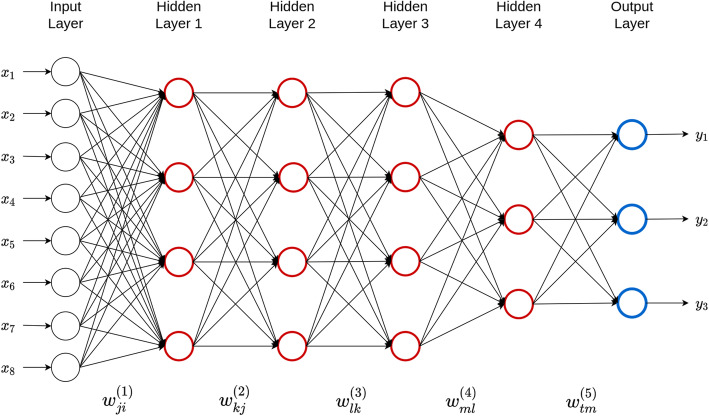
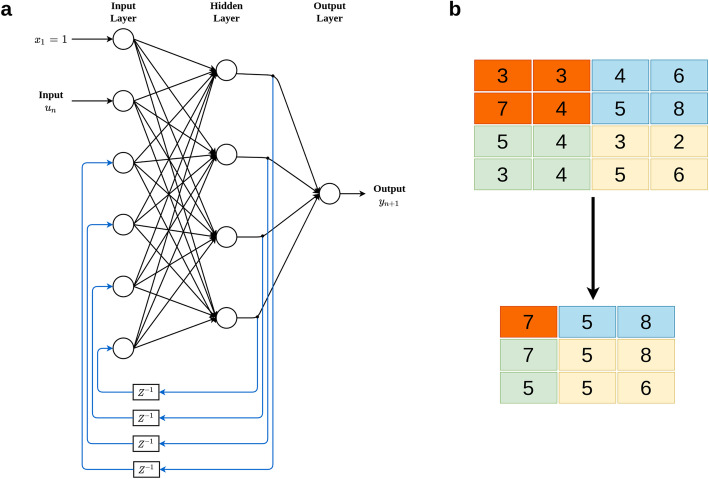
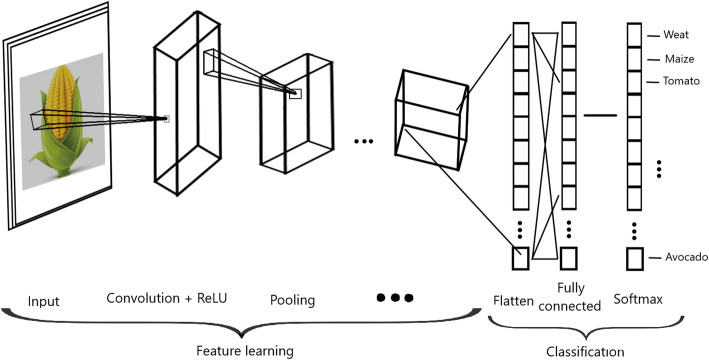
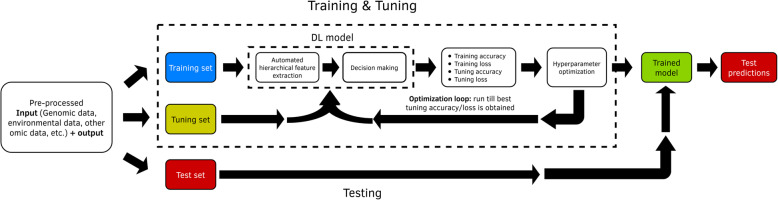
Verification
Claims the paper makes
The claims and statistics of this paper haven’t been checked yet.
Free: it reads the open-access text and checks the first 5 claims that cite a source we can check. Create a free account to check every claim.
Claims other papers make about this one
Each is checked against this paper’s own text: does it say what the citing paper says it does?
In the citing paper
“Montesinos-López et al. (2021) provided a comprehensive review and comparison of these and other studies, concluding that although DL algorithms are more efficient at capturing nonlinear patterns than conventional genomic prediction methods, they do not demonstrate clear superiority in prediction power compared to traditional genome-based prediction models.”
From A review of multimodal deep learning methods for genomic-enabled prediction in plant breeding (2024) · cites this paper as Montesinos-López et al. (2021)
Self-check
Percentages, sums and reported differences re-computed from the paper’s own numbers.
The self-check needs the paper’s full text.
Citations
Cites
LeCun, Y., Bengio, Y., & Hinton, G. (2015) · Nature · doi:10.1038/nature14539 · Cited by 84,126
Approximation by superpositions of a sigmoidal function
Cybenko, G. (1989) · Mathematics of Control, Signals, and Systems · doi:10.1007/bf02551274 · Cited by 13,883
Proceedings of IEEE International Conference on Computer Vision
(1995) · Proceedings of IEEE International Conference on Computer Vision · doi:10.1109/iccv.1995.466933 · Cited by 12,860
Prediction of Total Genetic Value Using Genome-Wide Dense Marker Maps
Meuwissen, T. H. E., Hayes, B. J., & Goddard, M. E. (2001) · Genetics · doi:10.1093/genetics/157.4.1819 · Cited by 7,917
Approximation capabilities of multilayer feedforward networks
Hornik, K. (1991) · Neural Networks · doi:10.1016/0893-6080(91)90009-t · Cited by 6,091
Deep learning in agriculture: A survey
Kamilaris, A., & Prenafeta-Boldú, F. X. (2018) · Computers and Electronics in Agriculture · doi:10.1016/j.compag.2018.02.016 · Cited by 5,133
Bayesian Learning for Neural Networks
Neal, R. M. (1996) · Lecture Notes in Statistics · doi:10.1007/978-1-4612-0745-0 · Cited by 4,276 · cited 1×
“puts of large dimensions, since to efficiently learn the pattern of the data, more hidden layers and neurons need to be taken into account in the DL models; however, there is evidence that these problems can be solved under a Bayesian approach and some research is going in this direction to implement DL models under a…”
Networks for approximation and learning
Poggio, T., & Girosi, F. (1990) · Proceedings of the IEEE · doi:10.1109/5.58326 · Cited by 3,252
Understanding Machine Learning: From Theory to Algorithms
Shalev-Shwartz, S., & Ben-David, S. (2014) · doi:10.1017/cbo9781107298019 · Cited by 3,115
Predicting the sequence specificities of DNA- and RNA-binding proteins by deep learning
Alipanahi, B., Delong, A., Weirauch, M. T., & Frey, B. J. (2015) · Nature Biotechnology · doi:10.1038/nbt.3300 · Cited by 2,873
Research works printed but not linked: 7
- Patterson J Gibson A Deep learning: A Practitioner's approach, O'Reilly Media 2017
- Chollet F Allaire JJ Deep learning with R. manning publications, manning early access program (MEA) first edition 2017
- Berzal F Berzal F Redes Neuronales and deep learning 2018
- Kolmogorov AN On the representation of continuous functions of several variables by superposition of continuous functions of one variable and addition. Dokl. Akad Nauk SSSR 1957 114 953 956
- Team PC Pytorch: tensors and dynamic neural networks in Python with strong GPU acceleration. GitHub pub online: March 22, 2017 2017
- Tokui S Chainer: a next-generation open source framework for deep learning Proceedings of the Workshop on Machine Learning Systems (LearningSys) at the 28th Annual Conference on Neural Information Processing Systems (NIPS) 2015
- Haykin S Neural networks and learning machines. Pearson prentice hall, Third Edition, New York, USA 2009
Cited by
Items 101–200 of 361
Genomic prediction for sugarcane diseases including hybrid Bayesian-machine learning approaches
Chen, C., Bhuiyan, S. A., Ross, E. M., Powell, O. M., Dinglasan, E. G., Wei, X., Atkin, F., Deomano, E. C., & Hayes, B. J. (2024) · Frontiers in Plant Science · doi:10.3389/fpls.2024.1398903 · Cited by 27
Yang, Z., Zhao, T., Cheng, H., & Yang, J. (2023) · G3 Genes Genomes Genetics · doi:10.1093/g3journal/jkad286 · Cited by 23
“…kernel Hilbert space (Gianola et al. 2006) and deep learning-based methods (Gianola et al. 2011), are likely to be more efficient for capturing non-additive genetic effects than conventional methods, while there is no clear superiority in terms of prediction power (Montesinos-López et al. 2021).”
BackgroundZou, Q., Tai, S., Yuan, Q., Nie, Y., Gou, H., Wang, L., Li, C., Jing, Y., Dong, F., Yue, Z., et al. (2024) · Computers and Electronics in Agriculture · doi:10.1016/j.compag.2024.109833 · Cited by 19
Jacob, M. S., Xu, A., Qian, K., Qi, Z.-X., Li, X., & Zhang, B. (2025) · Journal of Fungi · doi:10.3390/jof11110758 · Cited by 27
“The integration of multi-omic datasets (genomics, transcriptomics, proteomics, and metabolomics) offers a systems-level understanding of the biological processes in edible mushrooms [108–110] (Figure 6).”
A New Deep Learning Calibration Method Enhances Genome-Based Prediction of Continuous Crop Traits
Montesinos-López, O. A., Montesinos‐López, A., Mosqueda-González, B. A., Bentley, A. R., Lillemo, M., Varshney, R. K., & Crossa, J. L. (2021) · Frontiers in Genetics · doi:10.3389/fgene.2021.798840 · Cited by 18
Self-citationRay, S., Jarquín, D., & Howard, R. (2022) · The Plant Genome · doi:10.1002/tpg2.20263 · Cited by 16
“Also, DL models are very prone to overfitting (Montesinos-López et al., 2021; Pérez-Enciso & Zingaretti, 2019).”
BackgroundMethodInfluentialSong, H., Dong, T., Yan, X., Wang, W., Tian, Z., & Hu, H. (2023) · Agriculture Communications · doi:10.1016/j.agrcom.2023.100005 · Cited by 25
Integrative multi-environmental genomic prediction in apple
Jung, M., Quesada‐Traver, C., Roth, M., Aranzana, M. J., Muranty, H., Rymenants, M., Guerra, W., Holzknecht, E. M., Pradas, N., Lozano, L., et al. (2024) · Horticulture Research · doi:10.1093/hr/uhae319 · Cited by 20
“According to Montesinos-López et al. [24], the predictive ability of deep learning approaches typically falls below that of conventional models for genomic prediction, unless very large datasets are examined.”
de Sousa, I. C., Nascimento, M., Sant’Anna, I. D. C., Caixeta, E. T., Azevedo, C. F., Cruz, C. D., da Silva, F. L., Alkimim, E. R., Nascimento, A. C. C., & Serão, N. V. L. (2022) · PLoS ONE · doi:10.1371/journal.pone.0262055 · Cited by 16
Bioinformatics for Molecular Breeding and Enhanced Crop Performance
Chavhan, R. L., Hinge, V. R., Wankhade, D. J., Deshmukh, A. S., Mahajan, N., & Kadam, U. S. (2024) · Wiley eBooks · doi:10.1002/9781394209965.ch2 · Cited by 27
Integrating Bioinformatics and Machine Learning for Genomic Prediction in Chickens
Li, X., Chen, X., Wang, Q., Yang, N., & Sun, C. (2024) · Genes · doi:10.3390/genes15060690 · Cited by 15
Islam, T., Kim, C. H., Iwata, H., Shimono, H., & Kimura, A. (2023) · IEEE Transactions on Computational Biology and Bioinformatics · doi:10.1109/tcbb.2022.3231466 · Cited by 13
“Montesinos-L (cid:1) opez et al. suggested that DL prediction performance was higher for high-density data sets when compared to conventional genomic prediction models [49].”
ResultAdvancing plant biology through deep learning-powered natural language processing
Peng, S., & Rajjou, L. (2024) · Plant Cell Reports · doi:10.1007/s00299-024-03294-9 · Cited by 19
“Given large training–testing datasets, DL models exhibit considerable potential in refining prediction accuracy within plant breeding programs by constructing specialized topologies corresponding to the data (Montesinos-López et al. 2021).”
López-Hernández, F., Villanueva-Mejía, D. F., Rivera, A. P. T., & Cortés, A. J. (2025) · International Journal of Molecular Sciences · doi:10.3390/ijms26157370 · Cited by 13
“Meanwhile, innovative genomic-assisted predictive methods have been developed under classic machine learning algorithms such as Random Forest [58], Support Vector Machine [59], boosting family [60], and deep learning [61].”
Condotta, I. C. F. D. S., & Tedeschi, L. O. (2025) · Journal of Animal Science · doi:10.1093/jas/skaf441 · Cited by 18
Heilmann, P. G., Frisch, M., Abbadi, A., Kox, T., & Herzog, E. (2023) · Frontiers in Plant Science · doi:10.3389/fpls.2023.1178902 · Cited by 16
Genomic prediction of seasonal forage yield in perennial ryegrass
Konkolewska, A., Phang, S., Conaghan, P., Milbourne, D., Lawlor, A., & Byrne, S. L. (2023) · Grassland Research · doi:10.1002/glr2.12058 · Cited by 13
DeepAT: A Deep Learning Wheat Phenotype Prediction Model Based on Genotype Data
Li, J., He, Z., Zhou, G., Yan, S., & Zhang, J. (2024) · Agronomy · doi:10.3390/agronomy14122756 · Cited by 17
Yoosefzadeh-Najafabadi, M., & Torkamaneh, D. (2024) · The Plant Journal · doi:10.1111/tpj.17164 · Cited by 14
NeuralLasso: Neural Networks Meet Lasso in Genomic Prediction
Mathew, B., Hauptmann, A., Léon, J., & Sillanpää, M. J. (2022) · Frontiers in Plant Science · doi:10.3389/fpls.2022.800161 · Cited by 12
“In recent years, machine learning methods including deep learning (DL) methods have been widely considered for GP, however neural network methods perform similarly or worst to the classical linear methods (Azodi et al., 2019; Zingaretti et al., 2020; Montesinos-López et al., 2021).”
MethodPredicting phenotypes from novel genomic markers using deep learning
Sehrawat, S., Najafian, K., & Jin, L. (2022) · bioRxiv · doi:10.1093/bioadv/vbad028 · Cited by 13
Lozada, D. N., Sandhu, K. S., & Bhatta, M. (2023) · BMC Genomic Data · doi:10.1186/s12863-023-01179-6 · Cited by 13
“…apparent or clear, strong merit or gain for the deep learning models could be the relatively small size of the population ( N = 204) used for performing cross-validations and predictions, as the main requirement for using deep learning models is the quality and large size of the training data [31].”
MethodWang, Z., Li, W., & Tang, Z. (2024) · Journal of Integrative Agriculture · doi:10.1016/j.jia.2024.03.071 · Cited by 14
Ji, L., Hou, W., Zhou, H., Xiong, L., Liu, C., Yuan, Z., & Li, L. (2025) · Theoretical and Applied Genetics · doi:10.1007/s00122-025-04894-z · Cited by 16
“The precision of prediction model holds an important position in GS. Evidence indicates that deep learning model captures nonlinear patterns more efficiently than conventional models and integrates data from various sources without the need for feature engineering (Montesinos-López et al. 2021).”
Ballén‐Taborda, C., Lyerly, J. H., Smith, J. H., Howell, K., Brown‐Guedira, G., Babar, M. A., Harrison, S. A., Mason, R. E., Mergoum, M., Murphy, J. P., et al. (2022) · Frontiers in Genetics · doi:10.3389/fgene.2022.964684 · Cited by 15
“, 2018) or deep learning (Montesinos-López et al., 2021) for model building to increase statistical power.”
BackgroundFradgley, N. S., Bentley, A. R., Gardner, K. A., Swarbreck, S. M., & Kerton, M. (2023) · The Plant Genome · doi:10.1002/tpg2.20326 · Cited by 14
“These results demonstrate good prospects for more generally applying machine learning approaches to genomic prediction, and other deep learning approaches are likely to become increasingly useful for larger datasets (Montesinos-López et al., 2021).”
BackgroundMethodEditorial: Advances in Genomics of Crossbred Farm Animals
Wu, X., & Zhao, S. (2021) · Frontiers in Genetics · doi:10.3389/fgene.2021.709483 · Cited by 19
Improved genomic prediction using machine learning with Variational Bayesian sparsity
Yan, Q., Fruzangohar, M., Taylor, J., Gong, D., Walter, J., Norman, A., Shi, Q., & Coram, T. E. (2023) · Plant Methods · doi:10.1186/s13007-023-01073-3 · Cited by 15
“…number of breeding lines and the number of testing environments increases the model becomes computationally cumbersome to solve [13] and modern computing techniques such as matrix algebra parallelisation [15–17] and machine learning (ML) approaches [18, 19] have become common place in GS research.”
BackgroundPhillips, A. L., Schultz, C. J., & Burton, R. A. (2025) · Journal of Experimental Botany · doi:10.1093/jxb/eraf023 · Cited by 16
Song, H., Wang, W., Dong, T., Yan, X., Geng, C., Bai, S., & Hu, H. (2025) · International Journal of Molecular Sciences · doi:10.3390/ijms26147007 · Cited by 11
“While linear models such as genomic best linear unbiased prediction (GBLUP) are commonly used [8], machine learning methods have recently gained attention for their potential to model complex genetic architectures beyond linear assumptions [9].”
Morais, O. P., Müller, B. S. F., Valdisser, P. A. M. R., Brondani, C., & Vianello, R. P. (2023) · Crop Science · doi:10.1002/csc2.21000 · Cited by 10
Verplaetse, N., Passemiers, A., Arany, Á., Moreau, Y., & Raimondi, D. (2023) · Genome biology · doi:10.1186/s13059-023-03064-y · Cited by 11
“Relying on additive models has until now appeared to be optimal in the genetic context [10], thanks to their interpretability and simplicity, which conveniently translates into robustness at unfavorable n / p ratios.”
BackgroundResultInfluentialYu, W., Wang, X., Wang, H., Wang, W., Cheng, H., Mei, D., Jiang, L., Hu, Q., & Liu, J. (2025) · Horticulture Research · doi:10.1093/hr/uhaf115 · Cited by 12
“Traditional models (e.g. GBLUP, Bayes–Lasso) can perform well with smaller datasets and are computationally more efficient [74].”
Accurate prediction of quantitative traits with failed SNP calls in canola and maize
Weber, S. E., Chawla, H. S., Roscher-Ehrig, L., Hickey, L. T., Frisch, M., & Snowdon, R. J. (2023) · Frontiers in Plant Science · doi:10.3389/fpls.2023.1221750 · Cited by 14
Feature engineering of environmental covariates improves plant genomic-enabled prediction
Montesinos-López, O. A., Crespo‐Herrera, L., Pierre, C. S., Cano-Páez, B., Huerta-Prado, G. I., Mosqueda-González, B. A., Ramos-Pulido, S., Gerard, G., Alnowibet, K. A., Fritsche‐Neto, R., et al. (2024) · Frontiers in Plant Science · doi:10.3389/fpls.2024.1349569 · Cited by 13
Self-citationGuo, Y., Li, S., Raissi-Dehkordi, N. A., Guo, L., Huo, C., Zhu, L., Shi, C., Na, R., Gu, M., & Zhang, W. (2024) · Animals · doi:10.3390/ani14202947 · Cited by 12
“By harnessing AI technologies, researchers have been able to process and analyze vast genomic data more efficiently, thereby illuminating complex biological phenomena and providing novel strategies and solutions for animal breeding [12].”
BackgroundAutomated Machine Learning: A Case Study of Genomic “Image-Based” Prediction in Maize Hybrids
Galli, G., Sabadin, F., Yassue, R. M., Galves, C., Carvalho, H. F., Crossa, J. L., Montesinos-López, O. A., & Fritsche‐Neto, R. (2022) · Frontiers in Plant Science · doi:10.3389/fpls.2022.845524 · Cited by 20
Self-citationMontesinos-López, O. A., Ramírez, H. N. G., Montesinos‐López, A., Daza–Torres, M. L., Lillemo, M., Montesinos-López, J. C., & Crossa, J. L. (2022) · The Plant Genome · doi:10.1002/tpg2.20214 · Cited by 13
Self-citationQuantifying the impact of dynamic plant-environment interactions on metabolic regulation
Kitashova, A., Brodsky, V., Chaturvedi, P., Pierides, I., Ghatak, A., Weckwerth, W., & Nägele, T. (2023) · Journal of Plant Physiology · doi:10.1016/j.jplph.2023.154116 · Cited by 11
PNNGS, a multi-convolutional parallel neural network for genomic selection
Xie, Z., Weng, L., He, J., Feng, X., Xu, X., Ma, Y., Bai, P., & Kong, Q. (2024) · Frontiers in Plant Science · doi:10.3389/fpls.2024.1410596 · Cited by 9
Shahi, D., Guo, J. X., Pradhan, S., Avci, M., Bai, G., Khan, J., Baik, B., Mergoum, M., & Babar, M. A. (2024) · Biology · doi:10.3390/biology13120962 · Cited by 12
Optimizing fully-efficient two-stage models for genomic selection using open-source software
Fernández-Gónzalez, J., & y Sánchez, J. I. (2025) · Plant Methods · doi:10.1186/s13007-024-01318-9 · Cited by 10
“In plants, several GS analysis approaches are employed, including kernel-based [2–5], regularized linear [6–9] and machine learning models [10–14].”
Environment ensemble models for genomic prediction in common bean ( Phaseolus vulgaris L.)
Chiaravallotti, I., Pauptit, O., & Hoyos‐Villegas, V. (2025) · The Plant Genome · doi:10.1002/tpg2.70057 · Cited by 9
“Montesinos-Lopez et al. (2021) highlight that a large amount of data is required to train an accurate NN for GP; therefore, we modified our ensemble approach for the NN models as certain locations had as few as 30 observations.”
Predicting Phenotypes From High-Dimensional Genomes Using Gradient Boosting Decision Trees
Yu, T., Wang, L., Zhang, W., Xing, G., Han, J., Li, F., & Cao, C. (2022) · IEEE Access · doi:10.1109/access.2022.3171341 · Cited by 11
Elastic Net – MLP – SMOTE (EMS)-Based Model for Enhancing Stroke Prediction
Merdas, H. M. (2024) · Medinformatics · doi:10.47852/bonviewmedin42022470 · Cited by 13
CHALLENGES OF MAIZE BREEDING UNDER TROPICAL CONDITIONS OF BRAZIL
Pinho, R. G. V., Silva, E. V. V., & de Oliveira, T. L. (2022) · Revista Brasileira de Milho e Sorgo · doi:10.18512/rbms2022vol21e1258 · Cited by 13
“Since its initial proposal, genomic selection has been undergoing constant discoveries and methodological adjustments, such as the study and definition of better prediction models (Desta and Ortiz, 2014), the inclusion of non-additive genetic effects (Melo et al., 2014; Santos et al., 2015; Santos et al., 2016b; Dias…”
BackgroundGenomic prediction in plants: opportunities for ensemble machine learning based approaches
Farooq, M., van Dijk, A. D. J., Nijveen, H., Mansoor, S., & de Ridder, D. (2022) · F1000Research · doi:10.12688/f1000research.122437.1 · Cited by 26
“16,46,47 ML methods perform well for simple traits Manynon-mendelian plant traits arefairly simple,where onlyone ora fewQTLs explaina largeproportion ofphenotypic variance, called oligogenic traits.”
Zhang, A., Chen, S., Cui, Z., Liu, Y., Guan, Y., Yang, S., Qu, J., Nie, J., Dang, D., Li, C., et al. (2022) · Euphytica · doi:10.1007/s10681-022-03103-y · Cited by 14
Self-citationNishio, M., Arakawa, A., Inoue, K., Ichinoseki, K., Kobayashi, E., Okamura, T., Fukuzawa, Y., Ogawa, S., Taniguchi, M., Oe, M., et al. (2023) · Animal Science Journal · doi:10.1111/asj.13850 · Cited by 8
Artificial intelligence in the oncology workflow: Applications, limitations, and future perspectives
Cobanaj, M., Corti, C., Dee, E. C., McCullum, L. B., Celi, L. A., Curigliano, G., & Criscitiello, C. (2024) · Elsevier eBooks · doi:10.1016/b978-0-443-13671-9.00013-2 · Cited by 10
Mota, L. F. M., Pegolo, S., Baba, T., Morota, G., Peñagaricano, F., Bittante, G., & Cecchinato, A. (2021) · Animals · doi:10.3390/ani11071993 · Cited by 8
“The random grid search was performed using the training set from each CV design (10-fold_HO, BS_HO, BS+HO_10fold, Multi-breed and Multi-breed CV2) for each trait, splitting it into a 5-fold CV [22].”
Methodde Freitas, L. A., Savegnago, R. P., Alves, A. A. C., Stafuzza, N. B., Pedrosa, V. B., da Rocha, R. A., Rosa, G. J. M., & de Paz, C. C. P. (2023) · Research in Veterinary Science · doi:10.1016/j.rvsc.2023.105099 · Cited by 8
Nishio, M., Inoue, K., Arakawa, A., Ichinoseki, K., Kobayashi, E., Okamura, T., Fukuzawa, Y., Ogawa, S., Taniguchi, M., Oe, M., et al. (2023) · Animal Science Journal · doi:10.1111/asj.13883 · Cited by 9
Agho, C. A., Śliwka, J., Nassar, H., Niinemets, Ü., & Runno-Paurson, E. (2024) · Microorganisms · doi:10.3390/microorganisms12050982 · Cited by 7
Residual network improves the prediction accuracy of genomic selection
Wu, H., Gao, B., Zhang, R., Huang, Z., Yin, Z., Hu, X., Yang, C., & Du, Z. (2024) · Animal Genetics · doi:10.1111/age.13445 · Cited by 9
Hybrid Prediction in Horticulture Crop Breeding: Progress and Challenges
Liu, C., Du, S., Wei, A., Cheng, Z., Meng, H., & Han, Y. (2024) · Plants · doi:10.3390/plants13192790 · Cited by 13
“Notable examples include random forests, rooted in decision tree theory [52]; support vector regression, based on support vector machine theory [53,54]; and deep learning models, utilizing neural network algorithms [55–57].”
BackgroundWanniarachchi, D. V., Viswakula, S., & Wickramasuriya, A. M. (2024) · BMC Bioinformatics · doi:10.1186/s12859-024-05995-0 · Cited by 7
Use of artificial intelligence in soybean breeding and production
Singh, A. K., Jones, S. E., der Laan, L. V., Ayanlade, T. T., Raigne, J., Saleem, N., Joshi, S., Arshad, M., Zaremehrjerdi, H., Rairdin, A. M., et al. (2025) · Advances in agronomy · doi:10.1016/bs.agron.2024.11.003 · Cited by 12
DeepMethyGene: a deep-learning model to predict gene expression using DNA methylations
Yan, Y., Chai, X., Liu, J., Wang, S., Li, W., & Huang, T. (2025) · BMC Bioinformatics · doi:10.1186/s12859-025-06115-2 · Cited by 13
Shokor, F., Croiseau, P., Gangloff, H., Saintilan, R., Tribout, T., Mary‐Huard, T., & Cuyabano, B. C. D. (2025) · Journal of Dairy Science · doi:10.3168/jds.2024-26057 · Cited by 15
Integrating AI in plant science: A review of applications and future prospects
Khan, I., & Khare, B. K. (2025) · Plant Gene · doi:10.1016/j.plgene.2025.100542 · Cited by 8
Integrating Artificial Intelligence and Biotechnology to Enhance Cold Stress Resilience in Legumes
Wang, K., Xia, L., Yang, X., Du, C., Tang, T., Yang, Z., Ma, S., Wan, X., Guan, F., Shi, B., et al. (2025) · Plants · doi:10.3390/plants14172784 · Cited by 10
Campos-Montes, G. R., García, B. F., Medrano-Mendoza, T., Caballero-Zamora, A., Montoya‐Rodríguez, L., Quintana-Casares, J. C., & Yañez, J. M. (2023) · Aquaculture · doi:10.1016/j.aquaculture.2023.739745 · Cited by 7
Sarzaeim, P., & Muñoz‐Arriola, F. (2024) · Agronomy · doi:10.3390/agronomy14040733 · Cited by 7
Shrimankar, D. D., Durge, A. R., & Sawarkar, A. D. (2022) · Current Genomics · doi:10.2174/1389202923666220927105311 · Cited by 8
Enhancing Across-Population Genomic Prediction for Maize Hybrids
Yu, G., Li, F., Wang, X., Zhang, Y.-X., Zhou, K., Yang, W., Guan, X., Zhang, X., Xu, C., & Xu, Y. (2024) · Plants · doi:10.3390/plants13213105 · Cited by 6
Avagyan, V., Boer, M. P., Solin, J., van Dijk, A. D. J., Bustos‐Korts, D., van Rossum, B.-J., Ramakers, J. J. C., van Eeuwijk, F. A., & Kruijer, W. (2025) · Theoretical and Applied Genetics · doi:10.1007/s00122-025-04865-4 · Cited by 9
“We include a comparison with deep learning-based multi-environment genomic prediction, for which various proposals exist in the literature (Montesinos-López et al. 2021; Ma et al. 2014; Mochida et al. 2019; van Dijk et al. 2021).”
Rare variants in crops: theoretical insights and emerging detection strategies
Floriani, T. D. O., & Lipka, A. E. (2025) · in silico Plants · doi:10.1093/insilicoplants/diaf012 · Cited by 9
Gunnula, W., Kanawapee, N., Chokthaweepanich, H., & Phansak, P. (2025) · Agronomy · doi:10.3390/agronomy15081840 · Cited by 6
Mandol, S., & Nunthavarawong, P. (2025) · Journal of Bio- and Tribo-Corrosion · doi:10.1007/s40735-025-01082-w · Cited by 7
“State-of-the-art on unstructured data (images, sequences) [103]; automatic feature extraction [104]; models for extremely complex patterns [105].”
Aggarwal, N., Rathore, M., Jan, F., Sharma, D., Kumar, S., Thudi, M., Jighly, A., Varshney, R. K., & Mir, R. R. (2026) · Theoretical and Applied Genetics · doi:10.1007/s00122-026-05293-8 · Cited by 10
“…algebra parallelization (De Coninck et al. 2015; Covarru-bias-Pazaran 2016; Garrick et al. 2018), dimensionality reduction on the phenotypic space (Jighly et al. 2021), and ML (Azodi et al. 2019; Montesinos-López et al. 2021a), to increase the usefulness and efficiency of genomic prediction (GP).”
InfluentialAutomatic curation of LTR retrotransposon libraries from plant genomes through machine learning
Orozco-Arias, S., Candamil-Cortés, M. S., Jaimes, P. A., Valencia-Castrillon, E., Tabares-Soto, R., Isaza, G. A., & Guyot, R. (2022) · Berichte aus der medizinischen Informatik und Bioinformatik/Journal of integrative bioinformatics · doi:10.1515/jib-2021-0036 · Cited by 6
“Inside ML, one of the most used models currently are based on neural networks (also called Deep Learning or DL), which uses nonparametric architectures with different types of neurons, activation functions and connections to fit complex associations between input and output data [5].”
MethodBerkner, M. O., Schulthess, A. W., Zhao, Y., Jiang, Y., Oppermann, M., & Reif, J. C. (2022) · Theoretical and Applied Genetics · doi:10.1007/s00122-022-04227-4 · Cited by 5
Ma, W., Zheng, W., Qin, S., Wang, C., Lei, B., & Liu, Y. (2025) · GigaScience · doi:10.1093/gigascience/giaf083 · Cited by 6
“To capture the complex, nonlinear genetic architecture underlying complex traits and incorporate prior biological information, deep learning (DL) has become one of the most promising meth-ods in genomic selection [ 37–40 ].”
Kamran, M., Zhijun, T., Ullah, A., Alvi, M. H. A., Aqeel, T., Xuejun, C., Sagheer, S., Umaira, Bingguang, X., & Xu, H. (2026) · Plant Stress · doi:10.1016/j.stress.2026.101317 · Cited by 8
A review of AI-driven phenomics, genomics, and predictive breeding in wheat
Tanin, M. J., Saini, D. K., Alagappan, P., & Kaur, J. P. (2026) · Discover Plants. · doi:10.1007/s44372-026-00696-9 · Cited by 9
“Moreover, optimizing the architecture of DL models remains a key priority for establishing a robust, efficient, and scalable framework for modern wheat breeding [111].”
Khan, A. A., Dwivedi, P., Mugde, S., Sajidha, S. A., Sharma, G., & Soni, G. (2023) · Elsevier eBooks · doi:10.1016/b978-0-323-98352-5.00017-3 · Cited by 5
Performance of machine learning models for predicting high-severity symptoms in multiple sclerosis
Roy, S., Mincu, D., Proleev, L., Ghate, C., Graves, J., Steiner, D. F., Hartsell, F., & Heller, K. (2025) · Scientific Reports · doi:10.1038/s41598-024-63888-x · Cited by 10
“ML approaches have enabled insights using healthcare data at individual and population levels in a suite of domains such as neurology 1 , radiology 2–4 , pathology 5,6 , ophthalmology 7,8 , nephrology 9 , and genomics 10,11 .”
Jebaseeli, T. J., Saranya, C., Gandu, S. P., Swapna, C., Benjamin, T. S., & Ekula, S. (2023) · International Conference on Inventive Computation Technologies (ICICT) · doi:10.1109/icict57646.2023.10134451 · Cited by 5
“It is capable of learning complex patterns and can handle both continuous and categorical input data [17].”
BackgroundMontesinos‐López, A., Montesinos-López, O. A., Lecumberry, F., Fariello, M. I., Montesinos-López, J. C., & Crossa, J. L. (2024) · G3 Genes Genomes Genetics · doi:10.1093/g3journal/jkae246 · Cited by 5
Self-citationWang, J., Tiezzi, F., Huang, Y., Maltecca, C., & Jiang, J. (2025) · Frontiers in Genetics · doi:10.3389/fgene.2025.1618891 · Cited by 5
GSCtool: A Novel Descriptor that Characterizes the Genome for Applying Machine Learning in Genomics
Shen, Z., Shen, E., Zhu, Q., Fan, L., Zou, Q., & Ye, C. (2023) · Advanced Intelligent Systems · doi:10.1002/aisy.202300426 · Cited by 5
Chiaravallotti, I., & Hoyos‐Villegas, V. (2025) · The Plant Genome · doi:10.1002/tpg2.70142 · Cited by 5
Zheng, W., Zhang, Q., He, J., Han, B., Zhang, Q., & Sun, D. (2025) · BMC Genomics · doi:10.1186/s12864-025-12218-0 · Cited by 9
“Of course, optimal hyperparameters are crucial for reducing the risk of overfitting in ML models [56, 57].”
A Deep Autoencoder Compression-Based Genomic Prediction Method for Whole-Genome Sequencing Data
Song, H., Dong, T., Wang, W., Yan, X., Geng, C., Bai, S., & Hu, H. (2025) · Biology · doi:10.3390/biology14111622 · Cited by 6
“Machine learning methods, such as support vector regression (SVR) and random forest (RF) [3], are particularly effective at capturing complex genotype-phenotype-environment interactions, offering a flexible approach to genomic prediction.”
InfluentialAdvancing aquaculture breeding through genomic selection: models, tools, and challenges
Song, H., Dong, T., Yan, X., Wang, W., Zhang, Q., & Hu, H. (2025) · Water Biology and Security · doi:10.1016/j.watbs.2025.100494 · Cited by 4
DPCformer: An Interpretable Deep Learning Model for Genomic Prediction in Crops
Deng, P., Liu, K., Zhou, M., Li, M., Yang, R., Cao, C., Li, B., Zou, S., Wang, M., & Zhang, Z. (2025) · IEEE International Conference on Bioinformatics and Biomedicine (BIBM) · doi:10.1109/bibm66473.2025.11356367 · Cited by 8
Synergizing genome editing and artificial intelligence for predictive crop design
Gao, Z., Zhu, J., & Xie, C. (2026) · Molecular Plant · doi:10.1016/j.molp.2026.04.007 · Cited by 4
Wang, T., Tong, R., Yuan, Z., & Li, Y. (2026) · Frontiers in Genetics · doi:10.3389/fgene.2026.1783939 · Cited by 10
Machine learning techniques for continuous genetic assignment of geographic origin of forest trees
Деген, Б., Yanbaev, Y., & Müller, N. A. (2025) · PLoS ONE · doi:10.1371/journal.pone.0324994 · Cited by 4
“Deep learning is known to be highly suitable for large-scale studies where complex pattern of genetic markers need to be captured [41,42].”
Accounting for Correlation Between Traits in Genomic Prediction
Montesinos-López, O. A., Montesinos‐López, A., Mosqueda-González, B. A., Montesinos-López, J. C., & Crossa, J. L. (2022) · Methods in molecular biology · doi:10.1007/978-1-0716-2205-6_10 · Cited by 4
Self-citationCrop Improvement Strategies and Principles of Selective Breeding
Singha, S., & Singha, R. (2023) · Practice, progress, and proficiency in sustainability · doi:10.4018/978-1-6684-9838-5.ch005 · Cited by 44
Hong, J. K., Kim, Y., Cho, E.-S., Lee, J.-B., Kim, Y.-S., & Park, H.-B. (2024) · Animal Bioscience · doi:10.5713/ab.23.0264 · Cited by 4
“However, whether DL is superior to conventional linear model-based genomic prediction models is unclear [18].”
BackgroundMethodInfluentialYang, Z., Song, M. N., Huang, X., Rao, Q., Zhang, S., Zhang, Z., Wang, C., Li, W., Qin, R., Zhao, C., et al. (2025) · Theoretical and Applied Genetics · doi:10.1007/s00122-025-04991-z · Cited by 5
“The main ML methods that have been applied to genomic selection breeding include support vector regression (SVR) (Alves et al. 2023), random forest (RF) (Montesinos-López et al. 2021a, b), kernel ridge regression (KRR) (Montesinos-López et al. 2021a, b), elastic net (ENET) (Zhang et al. 2022), etc.”
Pinto, L., Gopalan, S., & Balasubramaniam, P. (2022) · Information Sciences · doi:10.1016/j.ins.2022.06.065 · Cited by 4
Vu, N. T., Phúc, T. H., Nguyen, N. H., & Sáng, N. V. (2023) · Frontiers in Genetics · doi:10.3389/fgene.2022.1081246 · Cited by 4
“Recent studies have employed machine and deep learning and obtained higher accuracies for a range of traits than linear (GBLUP) and nonlinear Bayesian methods (Yin et al., 2020; Montesinos-López et al., 2021).”
BackgroundMartins, F. B., Aono, A. H., Moraes, A. D. C. L., Ferreira, R. C. U., Vilela, M. D. M., Pessoa‐Filho, M., Rodrigues‐Motta, M., Simeão, R. M., & de Souza, A. P. (2023) · Frontiers in Plant Science · doi:10.3389/fpls.2023.1303417 · Cited by 5
“Neural network methods are well known for their need for substantial datasets and meticulous hyperparameter tuning to achieve high prediction accuracy (Bellot et al., 2018; Montesinos-Lo ́ pez et al., 2021).”
MethodAI-based advances in crop disease detection and health improvement
Shahid, R., Shahid, S., Gund, J., & Chaturvedi, N. (2024) · Methods in microbiology · doi:10.1016/bs.mim.2024.08.001 · Cited by 5
Multi-task genomic prediction using gated residual variable selection neural networks
Fan, Y., & Waldmann, P. (2025) · BMC Bioinformatics · doi:10.1186/s12859-025-06188-z · Cited by 4
“Deep learning (DL) has gained prominence in genomic prediction due to its ability to capture complex, non-linear hidden structures in data [21, 22].”
Song, M. N., Zhang, S., Qiu, S., Qin, R., Zhao, C., Wu, Y., Sun, H., Liu, G., & Cui, F. (2025) · Genes · doi:10.3390/genes16101125 · Cited by 4
“However, machine learning models may overfit to noisy markers, leading to insufficient biological interpretability of the results [22].”
Metadata
- Authors
- Montesinos-López, O. A., Montesinos-López, A., Pérez-Rodríguez, P., Barrón-López, J. A., Martini, J. W. R., Fajardo-Flores, S. B., Gaytan-Lugo, L. S., Santana-Mancilla, P. C., & Crossa, J.
- Affiliations
- Universidad de Colima (MX)
- Centro Internacional de Mejoramiento de Maíz Y Trigo (MX)
- Corresponding author
- Montesinos-López, Osval Antonio
- Crossa, José
- ORCID
- Venue
- BMC Genomics
- Published
- 2021-01-06
- Volume
- 22
- Issue
- 1
- Pages
- 19-19
- ISSN
- 1471-2164 (ISSN-L)
- PMC
- PMC7789712
- OpenAlex
- W3118630218
- Cited by
- 361
- References
- 104
- Citations by year
- 2026: 86 · 2025: 86 · 2024: 70 · 2023: 48 · 2022: 49 · 2021: 21
- FWCI
- 7.26
- Type
- journal article
- Language
- en
- Open access
- gold
- doi.org
- Licence
- cc-by
- creativecommons.org/licenses/by/4.0 (tdm)
- creativecommons.org/licenses/by/4.0 (vor)
- Locations
- BMC Genomics (publishedVersion, cc-by)
- Europe PMC (PubMed Central) (publishedVersion, other-oa)
- PubMed Central (publishedVersion, cc-by)
- PubMed (publishedVersion)
- DOAJ (DOAJ: Directory of Open Access Journals) (submittedVersion, cc-by-sa)
- Greater South Information System
- Funders
- United States Agency for International Development
- Bill and Melinda Gates Foundation
- Foundation for Research Levy on Agricultural Products
- Topics
- Life Sciences › Biochemistry, Genetics and Molecular Biology › Genetics › Genetic and phenotypic traits in livestock
- Life Sciences › Biochemistry, Genetics and Molecular Biology › Genetics › Genetic Mapping and Diversity in Plants and Animals
- Life Sciences › Agricultural and Biological Sciences › Plant Science › Genetics and Plant Breeding
- Keywords
- deep learning, genomic selection, genomic prediction, plant breeding, animal breeding, multi-source data fusion, prediction accuracy, training data size
- MeSH terms
- Deep Learning, Animals, Bayes Theorem, Models, Genetic, Phenotype, Selection, Genetic, Genome, Genomics
About these checks
Registry, retraction, Cites and statistics results are computed, not judged, with one exception: a printed reference that no index lists is read once by a model before it counts as a citation error. Claims are extracted by a model and kept only when their quote appears verbatim in the text; each cited source is then checked, with a model’s help, for whether it says what the claim relies on. Those verdicts can be wrong — read the claim’s quote and the cited source before relying on one.
Statistics and arithmetic are recomputed, not judged.
Confidence bands are shown only for fields calibrated on our annotated test set. None is calibrated yet, so no band is shown.
What counts as a claim ›How we measure confidence ›How we check this ›
Are you an author, or do you see a problem with this page? Request a review
Data sources
Bibliographic data: Semantic Scholar, OpenAlex, Crossref.
Contains information from the Semantic Scholar Academic Graph Datasets, made available under the ODC Attribution License (ODC-BY 1.0).
Semantic Scholar’s data is described in: Kinney, R., et al. (2023). The Semantic Scholar Open Data Platform. arXiv:2301.10140.
