

The validity of the patient health Questionnaire-9 to screen for depression in patients with type-2 diabetes mellitus in non-communicable diseases clinics in Malawi
Open accessThe DOI matches its Crossref record; 35 of the 35 references it cites were found in a registry or an index.
Abstract
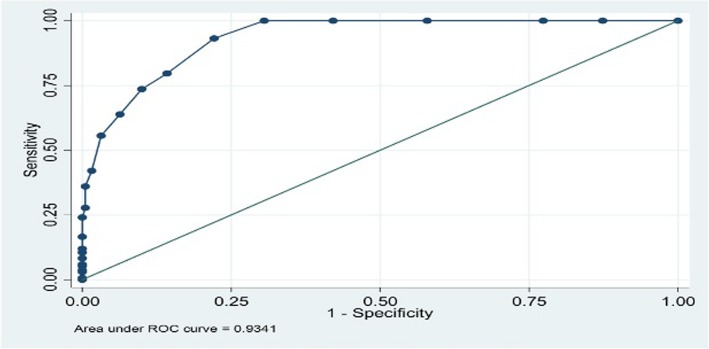
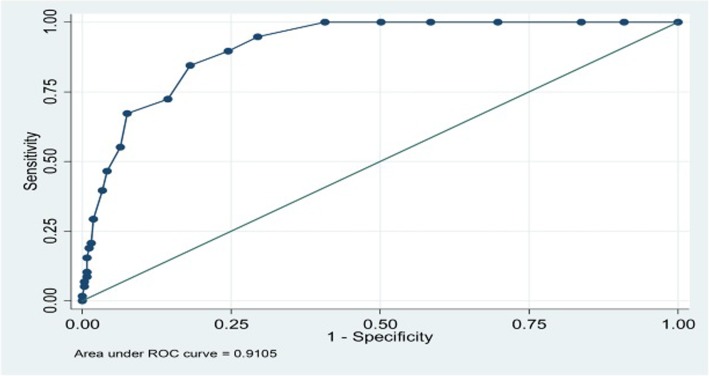
BACKGROUND: Depression is a global problem, affecting populations worldwide, but is too often under-diagnosed. The identification of depression among patients with diabetes is important because depression is prevalent in this group and can complicate diabetes management. OBJECTIVES: The aim of the study was to determine the sensitivity and specificity of the PHQ-9 in the detection of depression among patients with type-2 diabetes mellitus attending non-communicable diseases (NCD) clinics in Malawi. METHODS: We conducted a validation study of the Patient Health Questionnaire (PHQ-9) among 323 patients with type-2 diabetes mellitus who attended two NCD clinics in one of the 28 districts of Malawi. The participants were screened consecutively using the nine-item PHQ-9 in Chichewa by a research assistant and completed a diagnostic interview using the Structured Clinical Interview for DSM-IV (SCID) for depression with a mental health clinician. We evaluated both content validity based on expert judgement and criterion validity of the Patient Health Questionnaire (PHQ-9) based on performance against the SCID. The PHQ-9 cutpoint that maximized sensitivity plus specificity was selected to report test characteristics. RESULTS: Using the SCID for depression, the prevalence of minor or major depression was 41% (133/323). The internal consistency estimate for the PHQ-9 was 0.83, with an area under the receiver operator curve (AUC) of 0.93 (95% CI, [0.91-0.96]). Using the optimal cut-point of ≥9, the PHQ-9 had a sensitivity of 64% and a specificity of 94% in detecting both minor and major depression, with likelihood ratio-positive = 10.1 and likelihood ratio negative =0.4 as well as overall correct classification (OCC) rate of 81%. CONCLUSIONS: This is the first validation study of the PHQ-9 in NCD clinics in Malawi. Depression was highly prevalent in this sample. The PHQ-9 demonstrated reasonable accuracy in identifying cases of depression and is a useful screening tool in this setting. Health care workers in NCD clinics can use the PHQ-9 to identify depression among their patients with those having a positive screen followed up by additional diagnostic assessment to confirm diagnosis. TRIAL REGISTRATION: PACTR201807135104799 . Retrospectively registered on 12 July 2018.
Overview
The claims and statistics of this paper haven’t been checked yet.
Free: it reads the open-access text and checks the first 5 claims that cite a source we can check. Create a free account to check every claim.
Integrity signals
Registry
Cites
Statistics
Figures
Verification
Claims the paper makes
The claims and statistics of this paper haven’t been checked yet.
Free: it reads the open-access text and checks the first 5 claims that cite a source we can check. Create a free account to check every claim.
Claims other papers make about this one
Each is checked against this paper’s own text: does it say what the citing paper says it does?
The cited source says what the claim attributes to it.
In the citing paper
“The PHQ-9 has been extensively validated by scholars, demonstrating strong reliability and validity (26–28).”
From Prevalence of depressive tendencies among college students and the influence of attributional styles on depressive tendencies in the post-pandemic era (2024) · cites this paper as [26]
Self-check
Percentages, sums and reported differences re-computed from the paper’s own numbers.
The self-check needs the paper’s full text.
Citations
Cites
Diagnostic and Statistical Manual of Mental Disorders
American Psychiatric Association (2013) · doi:10.1176/appi.books.9780890425596 · Cited by 116,369
The PHQ-9: Validity of a brief depression severity measure
Kroenke, K., Spitzer, R. L., & Williams, J. B. W. (2001) · Journal of General Internal Medicine · doi:10.1046/j.1525-1497.2001.016009606.x · Cited by 44,910
Diagnostic and Statistical Manual of Mental Disorders (DSM-IV)
Hu, R. J. (2003) · Encyclopedia of the Neurological Sciences · doi:10.1016/b0-12-226870-9/01070-4 · Cited by 9,117
Depression, chronic diseases, and decrements in health: results from the World Health Surveys
Moussavi, S., Chatterji, S., Verdes, E., Tandon, A., Patel, V., & Ustun, B. (2007) · The Lancet · doi:10.1016/s0140-6736(07)61415-9 · Cited by 4,070
Manea, L., Gilbody, S., & McMillan, D. (2012) · Canadian Medical Association Journal · doi:10.1503/cmaj.110829 · Cited by 1,966
Battle, D. E. (2013) · CoDAS · doi:10.1590/s2317-17822013000200017 · Cited by 1,569
LOWE, B. (2004) · Journal of Affective Disorders · doi:10.1016/s0165-0327(02)00237-9 · Cited by 1,060
Smarr, K. L., & Keefer, A. L. (2011) · Arthritis Care & Research · doi:10.1002/acr.20556 · Cited by 971
Buderer, N. M. F. (1996) · Academic Emergency Medicine · doi:10.1111/j.1553-2712.1996.tb03538.x · Cited by 921
Ziegelstein, R. C., Fauerbach, J. A., Stevens, S. S., Romanelli, J., Richter, D. P., & Bush, D. E. (2000) · Archives of Internal Medicine · doi:10.1001/archinte.160.12.1818 · Cited by 710
Research works printed but not linked: 1
- First MB Structured clinical interview for DSM-IV clinical version (SCID-I/CV) 1997 Washington DC American Psychiatric Press
Cited by
Sun, Y., Kong, Z., Song, Y., Liu, J., & Wang, X. (2022) · BMC Psychiatry · doi:10.1186/s12888-021-03661-w · Cited by 131
Moya, E., Larson, L. M., Stewart, R. C., Fisher, J., Mwangi, M. N., & Phiri, K. S. (2022) · BMC Psychiatry · doi:10.1186/s12888-022-03994-0 · Cited by 99
“Several perinatal CMD screening tools such as Edinburgh Postnatal Depression Scale (EPDS) [6], WHO Self-Reporting Questionnaire [7], Patient Health Questionnaire-9 [8], and Post-Traumatic Stress Scale [9] have been validated for screening perinatal mental disorders in Malawi.”
Self-citationStockton, M. A., Udedi, M. M., Kulisewa, K., Hosseinipour, M. C., Gaynes, B. N., Mphonda, S. M., Maselko, J., Pettifor, A. E., Verhey, R., Chibanda, D., et al. (2020) · PLoS ONE · doi:10.1371/journal.pone.0231872 · Cited by 89
“It has been widely used in the region [2, 45, 46] and was recently validated in Malawi among patients with diabetes [47].”
BackgroundSelf-citationHtay, M. N. N., Marzo, R. R., AlRifai, A., Kamberi, F., El-Abasiri, R. A., Nyamache, J. M., Hlaing, H. A., Hassanein, M., Moe, S., Su, T. T., et al. (2020) · Journal of Global Health · doi:10.7189/jogh.10.020381 · Cited by 79
Asefa, A., Nigussie, T., Henok, A., & Mamo, Y. (2019) · BMC Endocrine Disorders · doi:10.1186/s12902-019-0473-1 · Cited by 80
“Depression symptoms in the past 14 days of the survey were measured using validated patient’s health questionnaire-nine (PHQ-9), which is a validated tool [16].”
MethodMolebatsi, K., Motlhatlhedi, K., & Wambua, G. N. (2020) · BMC Psychiatry · doi:10.1186/s12888-020-02719-5 · Cited by 63
Mwangi, P. M., Nyongesa, M. K., Koot, H. M., Cuijpers, P. J., Newton, C. R. J. C., & Abubakar, A. A. (2020) · Journal of Affective Disorders Reports · doi:10.1016/j.jadr.2020.100013 · Cited by 49
Measurement Properties of Patient-Reported Outcome Measures for Diabetes: Systematic Review
Wee, P. J. L., Kwan, Y. H., Loh, D. H. F., Phang, J. K., Puar, T. H. K., Østbye, T., Thumboo, J., Yoon, S., & Low, L. L. (2021) · Journal of Medical Internet Research · doi:10.2196/25002 · Cited by 52
“[88]; DCS ap [89]; CUDOS-Chinese aq [90]; PHQ-9 ar [91], Examples of domains assessed include depressed affect, somatic symptoms, positive affect, and interpersonal [92]; PHQ-9 (Chichewa version) [93]; PHQ-9 (Romanian version) [94] problems.”
Cumbe, V., Muanido, A., Manaca, M. N., Fumo, H., Chiruca, P., Hicks, L., Mari, J. D. J., & Wagenaar, B. H. (2020) · BMC Psychiatry · doi:10.1186/s12888-020-02772-0 · Cited by 55
Luo, M.-M., Hao, M., Li, X.-H., Liao, J., Wu, C.-M., & Wang, Q. (2024) · Frontiers in Public Health · doi:10.3389/fpubh.2024.1326582 · Cited by 40
Langendoen‐Gort, M., Groeneveld, L., Prinsen, C. A. C., Beulens, J. W. J., Elders, P. J. M., Halperin, I. J., Mukerji, G., Terwee, C. B., & Rutters, F. (2022) · Reviews in Endocrine and Metabolic Disorders · doi:10.1007/s11154-022-09734-9 · Cited by 46
Kulisewa, K., Stockton, M. A., Hosseinipour, M. C., Gaynes, B. N., Mphonda, S., Udedi, M. M., & Pence, B. W. (2019) · AIDS and Behavior · doi:10.1007/s10461-019-02593-7 · Cited by 47
Self-citationMeta-analysis of studies on depression prevalence among diabetes mellitus patients in Africa
Ogunsakin, R. E., Olugbara, O. O., Moyo, S., & Israel, C. (2021) · Heliyon · doi:10.1016/j.heliyon.2021.e07085 · Cited by 48
Alam, M. M., Ahmed, S., Dipti, R. K., Siddiquee, R.-E.-J., & Hawlader, M. D. H. (2020) · Asian Journal of Psychiatry · doi:10.1016/j.ajp.2020.102312 · Cited by 40
Sebera, F. M., Vissoci, J. R. N., Umwiringirwa, J., Teuwen, D. E., Boon, P., & Dedeken, P. (2020) · PLoS ONE · doi:10.1371/journal.pone.0234095 · Cited by 36
“40], Malawi [41], Cameroon [42], Uganda [43] and South Africa [44, 45], but none in Rwanda.”
BackgroundMethodUdedi, M. M., Pence, B. W., Stewart, R. C., & Muula, A. S. (2020) · International Journal of Mental Health Systems · doi:10.1186/s13033-020-00413-3 · Cited by 30
Self-citationZimba, C. C., Akiba, C. F., Matewere, M., Thom, A., Udedi, M. M., Masiye, J., Kulisewa, K., Go, V. F.-L., Hosseinipour, M. C., Gaynes, B. N., et al. (2021) · International Journal of Mental Health Systems · doi:10.1186/s13033-021-00480-0 · Cited by 35
Self-citationDepression during the COVID-19 pandemic amongst residents of homeless shelters in France
Scarlett, H., Davisse‐Paturet, C., Longchamps, C., Aarbaoui, T. E., Allaire, C., Colleville, A.-C., Convence-Arulthas, M., Crouzet, L., Ducarroz, S., Melchior, M., et al. (2021) · Journal of Affective Disorders Reports · doi:10.1016/j.jadr.2021.100243 · Cited by 35
“Whilst the PHQ-9 does not provide a definitive diagnosis of depression, this cut-off score shows good predictive performance when compared to the structured clinical interview for DSM-IV (Udedi et al., 2019).”
Asefa, A., Zewudie, A., Henok, A., Mamo, Y., & Nigussie, T. (2020) · Psychiatry Journal · doi:10.1155/2020/6486030 · Cited by 27
“The overall score greater than or equal to 10 indicates the presence of depression [33].”
BackgroundMethodMeasuring mental health burden in humanitarian settings: a critical review of assessment tools
Moore, A., van Loenhout, J. A. F., de Almeida, M. M., Smith, P., & Guha‐Sapir, D. (2020) · Global Health Action · doi:10.1080/16549716.2020.1783957 · Cited by 35
“Parkinson’s disease [38–43] ● Chilean adolescents [44] ● Primary care in South Africa [45] ● Iranian psychiatric outpatients [46] ● Korean American elderly [47] ● Nepal, with added idioms of distress [48] ● MSM* in Haiti [49] ● Germans and Turkish immigrants in Germany [50] ● Pregnant women [51] ● Polish hospitalized…”
BackgroundGaynes, B. N., Akiba, C. F., Hosseinipour, M. C., Kulisewa, K., Amberbir, A., Udedi, M. M., Zimba, C. C., Masiye, J., Crampin, A. C., Amarreh, I., et al. (2020) · Psychiatric Services · doi:10.1176/appi.ps.202000003 · Cited by 27
Self-citationBeshai, S., Salimuddin, S., Refaie, N., & Maierhoffer, J. (2022) · Mindfulness · doi:10.1007/s12671-022-02008-0 · Cited by 22
Makhubela, M., & Khumalo, I. P. (2023) · Current Psychology · doi:10.1007/s12144-022-02997-0 · Cited by 19
“To date, research on the PHQ-9 in sub-Saharan Africa has largely remained one-country studies, and has predominantly focused on the criterion validity of the measure as a screening tool for depression (Bhana et al., 2015; Cholera et al., 2014; Pence et al., 2012; Udedi et al., 2019).”
MethodStockton, M. A., Gaynes, B. N., Hosseinipour, M. C., Pettifor, A. E., Maselko, J., Mphonda, S. M., Kulisewa, K., Udedi, M. M., & Pence, B. W. (2020) · AIDS and Behavior · doi:10.1007/s10461-020-03041-7 · Cited by 21
Self-citationThe significance of feeling safe for resilience of adolescents in sub-Saharan Africa
Bandeira, M., Graham, M. A., & Ebersöhn, L. (2023) · Frontiers in Psychology · doi:10.3389/fpsyg.2023.1183748 · Cited by 58
“The PHQ-9 is useful, reliable, and valid in similar contexts too where we will use it, such as South Africa (Bhana et al., 2015; Aggarwal et al., 2017; Baron et al., 2017), Tanzania (Nolan et al., 2018; Smith Fawzi et al., 2019), Malawi (Udedi et al., 2019), Ghana (Anum et al., 2019), and Ethiopia (Gelaye et al., 2013…”
InfluentialPence, B. W., Gaynes, B. N., Udedi, M. M., Kulisewa, K., Zimba, C. C., Akiba, C. F., Dussault, J. M., Akello, H., Malava, J., Crampin, A. C., et al. (2024) · The Lancet Global Health · doi:10.1016/s2214-109x(23)00592-2 · Cited by 24
“14 Friendship Bench is an evidence-based, problem-solving therapy counselling intervention developed in Zimbabwe and has been used in multiple studies in Malawi.”
BackgroundSelf-citationSylla, M., Vogel, A. C., Bah, A. K., Tassiou, N. R., Barry, S. D., Bachir, D. H. A., Touré, M. L., Foksona, S., Konaté, M., Cisse, F. A., et al. (2020) · Epilepsy & Behavior · doi:10.1016/j.yebeh.2020.107475 · Cited by 24
“Female n= 64 Male n= 76 Total n=140 n (%) n (%) n (%) TV in household 60 (94) 67 (88) 127 (91) Computer in household 34 (53) 35 (46) 69 (49) Car or truck owned by a household member 29 (45) 36 (47) 65 (46) Epilepsy characteristics Epilepsy Duration 0–5 20 (31) 19 (25) 39 (28) 6–10 11 (17) 14 (18) 25 (18) 11–20 13 (20)…”
InfluentialBarrett, C., Chiphwanya, J., Chaponda, L., Matipula, D. E., Turner, J. D., Taylor, M. J., Read, J. M., & Kelly‐Hope, L. A. (2023) · International Health · doi:10.1093/inthealth/ihad064 · Cited by 17
“25 , 26 The LFSQQ has been used to measure the impact of self-care intervention compared against other QOL assessment tools and tested in a larger patient population.”
MethodAgyekum, J. A., Gyamfi, T., & Yeboah, K. (2023) · Middle East Current Psychiatry · doi:10.1186/s43045-023-00317-1 · Cited by 20
“Therefore, patients give reliable responses to items in PHQ-9, which leads to high internal validity [21].”
BackgroundMcBain, R. K., Mwale, O., Mpinga, K., Kamwiyo, M., Kayira, W., Ruderman, T., Connolly, E., Watson, S., Wroe, E. B., Munyaneza, F., et al. (2024) · The Lancet · doi:10.1016/s0140-6736(24)01809-9 · Cited by 15
Self-citationAssessing language barriers in health facilities in Malawi
Taylor, A., & Kazembe, P. (2024) · BMC Health Services Research · doi:10.1186/s12913-024-11901-4 · Cited by 25
“Careful translation of questionnaires from English have also been recognised as important when these are used to collect health data in Malawi [26, 27].”
Kigozi, G. (2020) · Southern African Journal of Infectious Diseases · doi:10.4102/sajid.v35i1.242 · Cited by 19
A Mixed-Methods Process Evaluation: Integrating Depression Treatment Into HIV Care in Malawi
Stockton, M. A., Minnick, C. E., Kulisewa, K., Mphonda, S. M., Hosseinipour, M. C., Gaynes, B. N., Maselko, J., Pettifor, A. E., Go, V. F.-L., Udedi, M. M., et al. (2021) · Global Health Science and Practice · doi:10.9745/ghsp-d-20-00607 · Cited by 15
Self-citationPolicastro, F., Rossi, A., Sulaiman, H. M., & Taib, N. I. (2023) · Healthcare · doi:10.3390/healthcare11040598 · Cited by 16
“There are several tools to screen for depressive disorders; the Patient Health Questionnaire (PHQ-9) is widely used for this purpose [19].”
BackgroundMethodAngwenyi, V., Bunders, J., Criel, B., Lazarus, J. V., & Aantjes, C. (2020) · Health & Social Care in the Community · doi:10.1111/hsc.13094 · Cited by 14
“Existing instruments for measuring patient self-management outcomes, and those validated for use in sSA settings and particularly in Malawi, are limited in scope and tend to be condition-specific (Harding et al., 2010; Robberstad & Olsen, 2010; Udedi, Muula, Stewart, & Pence, 2019).”
Harrington, B. J., Klyn, L. L., Ruegsegger, L. M., Thom, A., Jumbe, A. N., Maliwichi, M., Stockton, M. A., Akiba, C. F., Go, V. F.-L., Pence, B. W., et al. (2020) · Journal of Affective Disorders · doi:10.1016/j.jad.2020.10.063 · Cited by 15
“In Malawi, where 11% of adult women have HIV (UNAIDS, 2018), both the EPDS and PHQ-9 have been validated in the predominant local language (Chichewa) for linguistic equivalence but not formally for cultural relevance (Stewart et al., 2013; Udedi et al., 2019).”
BackgroundSelf-citationKaminga, A. C., Myaba, J., Dai, W., Liu, A., Chilale, H. K., Kubwalo, P. F., Madula, P., Banda, R., Pan, X., & Wen, S. W. (2019) · Early Intervention in Psychiatry · doi:10.1111/eip.12885 · Cited by 15
Diress, G., Endalifer, M. L., Addisu, A., & Mengist, B. (2022) · BMJ Open · doi:10.1136/bmjopen-2022-061801 · Cited by 15
Pence, B. W., Stockton, M. A., Mphonda, S. M., Udedi, M. M., Kulisewa, K., Gaynes, B. N., & Hosseinipour, M. C. (2019) · Cambridge Prisms Global Mental Health · doi:10.1017/gmh.2019.22 · Cited by 11
“While the PHQ-9 has not been validated specifically among PLHIW in Malawi, it has been validated in Malawi among patients engaged in diabetes care (Udedi et al. 2019) and has been validated in many other countries and languages around the world, with strikingly consistent results from context to context (Monahan et al.”
BackgroundSelf-citationYEUNG, Y. L., Lee, K. Y., Lau, E. S. H., Yung, T.-F., Yang, A., Wu, H., Wong, K. T., Kong, A. P. S., Chow, E., Ronald, C. W., et al. (2024) · Frontiers in Endocrinology · doi:10.3389/fendo.2024.1284799 · Cited by 10
Neurodevelopment and Recovery From Wasting
Babikako, H. M., Bourdon, C., Mbale, E. W., Aber, P., Birabwa, A., Chimoyo, J., Voskuijl, W. P., Kazi, Z., Massara, P., Mukisa, J., et al. (2022) · PEDIATRICS · doi:10.1542/peds.2021-055615 · Cited by 10
Basaraba, C. N., Stockton, M. A., Sweetland, A. C., Medina‐Marino, A., Lovero, K. L., Oquendo, M. A., Greene, M. C., Mocumbi, A. O., Gouveia, L., Mello, M., et al. (2022) · AIDS and Behavior · doi:10.1007/s10461-022-03852-w · Cited by 12
Sekhri, S., & Verma, A. (2023) · Cureus · doi:10.7759/cureus.33826 · Cited by 18
“The optimal cut-off score for major depression was found to be 10 in these studies, with sensitivity in the range of 84%-88% and specificity in the range of 82%-94% [8-9].”
BackgroundBhushan, N. L., Stockton, M. A., Harrington, B. J., DiPrete, B. L., Maliwichi, M., Jumbe, A. N., Kulisewa, K., Chagomerana, M., Pence, B. W., Gaynes, B. N., et al. (2022) · Journal of Affective Disorders · doi:10.1016/j.jad.2022.03.017 · Cited by 14
Self-citationMental health and life-course shocks in a low-income country: Evidence from Malawi
Scheve, A., Bandawe, C., Kohler, H., & Kohler, I. V. (2022) · SSM - Population Health · doi:10.1016/j.ssmph.2022.101098 · Cited by 11
Exploring the Relationship between Anemia and Postpartum Depression: Evidence from Malawi
Cheng, Z., Karra, M., Guo, M., Patel, V., & Canning, D. (2023) · International Journal of Environmental Research and Public Health · doi:10.3390/ijerph20043178 · Cited by 14
“The PHQ-9 has been shown to be a reliable and valid instrument in a number of settings, including in Malawi where a Chichewa translated version of the instrument has been used in a number of studies [18].”
MethodSansbury, G. M., Pence, B. W., Zimba, C. C., Yanguela, J., Landrum, K. R., Matewere, M., Mbota, M., Malava, J., Tikhiwa, H. A., Morrison, A. M., et al. (2023) · BMC Health Services Research · doi:10.1186/s12913-023-10344-7 · Cited by 11
“These non-specialists were trained to screen adult diabetes and/or hypertension patients for depression using the Patient-Health Questionnaire-9 (PHQ-9), a screening tool previously validated in this setting [35].”
MethodSelf-citationLi, L., Liu, H., Fan, L., Zhang, N., Wang, X., Li, X., Han, X., Ge, T., Yao, X., Pan, L., et al. (2022) · Indoor Air · doi:10.1111/ina.13172 · Cited by 11
Prevalence of depressive symptoms in urban primary care settings: Botswana
Motlhatlhedi, K., Molebatsi, K., & Wambua, G. N. (2021) · African Journal of Primary Health Care & Family Medicine · doi:10.4102/phcfm.v13i1.2822 · Cited by 9
Abdelaziz, M. O., Alzain, M. A., & Abdalkhaleg, M. A. (2020) · Sudan Journal of Medical Sciences · doi:10.18502/sjms.v15i4.8163 · Cited by 7
Ranjan, S., & Thakur, R. (2024) · Scientific Reports · doi:10.1038/s41598-024-62814-5 · Cited by 9
Matteo, R. D., Bolgeo, T., Simonelli, N., Molin, A. D., Bassola, B., Lusignani, M., Maconi, A., Rasero, L., Vellone, E., & Iovino, P. (2025) · The Journal of Cardiovascular Nursing · doi:10.1097/jcn.0000000000001178 · Cited by 11
Moshomo, T., Rivera, Y. P., Boshe, J., & Rwegerera, G. M. (2022) · South African Journal of Psychiatry · doi:10.4102/sajpsychiatry.v28i0.1647 · Cited by 10
Landrum, K. R., Akiba, C. F., Pence, B. W., Akello, H., Chikalimba, H., Dussault, J. M., Hosseinipour, M. C., Kanzoole, K., Kulisewa, K., Malava, J., et al. (2023) · PLoS ONE · doi:10.1371/journal.pone.0281711 · Cited by 8
Self-citationMcBain, R. K., Mwale, O., Ruderman, T., Kayira, W., Connolly, E., Chalamanda, M., Kachimanga, C., Khongo, B. D., Wilson, J., Wroe, E. B., et al. (2021) · Trials · doi:10.1186/s13063-021-05601-1 · Cited by 9
“Malawi [33], as well as the Mini-International Neuro-”
BackgroundSelf-citationEarly Outcomes of Mental Health Screening Integrated Into Routine HIV Care in Malawi
Chikuse, E., Hagström, C., Smith, D., Banda, T., Chimbaka, H., Nkhoma, Z., Samuko, M., Lichenya, J., Hoffman, R. M., Njala, J., et al. (2024) · Global Health Science and Practice · doi:10.9745/ghsp-d-23-00517 · Cited by 6
Kasujja, R., Birungi, P., Bhamidipati, K., Assefa, F. B., Kim, H., Peterson, K. M., Kohrt, B. A., & Bershteyn, A. (2025) · JAMA Network Open · doi:10.1001/jamanetworkopen.2025.5242 · Cited by 8
Mpinga, K., Rukundo, T., Mwale, O., Kamwiyo, M., Thengo, L., Ruderman, T., Matanje, B., Munyaneza, F., Connolly, E., Kulisewa, K., et al. (2023) · Global Health Action · doi:10.1080/16549716.2023.2241808 · Cited by 7
“While the PHQ-9 has been validated for use in Malawi [21] complementary new methods that avoid forms of”
BackgroundMethodSelf-citationPhiri, L. S., Li, W. H. C., Phiri, P., Cheung, A. T., & Wanda-Kalizang’oma, W. (2023) · Cancer Nursing · doi:10.1097/ncc.0000000000001294 · Cited by 7
Dussault, J. M., Zimba, C. C., Malava, J., Akello, H., Stockton, M. A., Udedi, M. M., Gaynes, B. N., Hosseinipour, M. C., Pence, B. W., & Masiye, J. (2021) · Social Psychiatry and Psychiatric Epidemiology · doi:10.1007/s00127-021-02202-w · Cited by 5
“Eligible participants were 18–65 years of age, had elevated depressive symptoms denoted by a score ≥ 5 on the Patient Health Questionnaire (PHQ-9) [20–23], and had a new or current diagnosis of diabetes or hypertension.”
Self-citationMyaba, J., Mwale, C. M., & Jumbe, V. (2021) · PubMed Central · doi:10.4314/mmj.v33is.5 · Cited by 9
Mpinga, K., Lee, S. D., Mwale, O., Kamwiyo, M., Nyirongo, R., Ruderman, T., Connolly, E., Kayira, W., Munyaneza, F., Matanje, B., et al. (2023) · AIDS Care · doi:10.1080/09540121.2023.2195609 · Cited by 6
“Malawi is a landlocked, low-income country in southeastern sub-Saharan Africa.”
MethodInfluentialSelf-citationAga, F., Dunbar, S. B., Kebede, T., Higgins, M. K., & GARY, R. A. (2019) · Research in Nursing & Health · doi:10.1002/nur.21999 · Cited by 6
Lovero, K. L., Stockton, M. A., Greene, M. C., Basaraba, C., Khan, S., Mabunda, D., Mandlate, F., Gouveia, L., Fumo, W., Wall, M. M., et al. (2024) · Medical Research Archives · doi:10.18103/mra.v12i8.5294 · Cited by 4
“Other studies examining the PHQ-9 36–46 , GAD-7 47 , AUDIT 48–54 , and ASSIST 55 in the region have yielded similar findings.”
ResultInfluentialBanholzer, N., Muula, G. K., Mureithi, F., Evans, D. H., Huwa, J. M., Rafael, I., Kunzekwenyika, C., Jinga, N., Fernando, A., Thawani, A., et al. (2025) · BMC Medicine · doi:10.1186/s12916-025-04321-6 · Cited by 5
Landrum, K. R., Pence, B. W., Gaynes, B. N., Dussault, J. M., Hosseinipour, M. C., Kulisewa, K., Malava, J., Masiye, J., Akello, H., Udedi, M. M., et al. (2022) · PLoS ONE · doi:10.1371/journal.pone.0279619 · Cited by 6
“Estimated depression prevalence in Sub-Saharan Africa ranges from 4% to 21% and depression prevalence in Malawi, the context for this study, is best estimated to be between 4–31% [11–16].”
BackgroundMethodInfluentialSelf-citationPutnis, N., Riches, N., Nyamayaro, A. T., Boucher, D., King, R., Walker, I., Burger, A., Southworth, P., Mwanjali, V., & Walley, J. D. (2023) · Global Health Science and Practice · doi:10.9745/ghsp-d-22-00016 · Cited by 6
“41 Interviews with counselors introduced speculation as to whether initial scores were artificially inflated due to misunderstandings (there is no term for depression in siSwati, and questions proved complex to translate) or transient interference of HIV and/or TB symptoms or medication side…”
BackgroundA Multi-Dimensional Characterization of Aging and Wellbeing Among HIV-Positive Adults in Malawi
Moucheraud, C., Paul-Schultz, J., Mphande, M., Banda, B. A., Sigauke, H., Kumwenda, V., Dovel, K. L., & Hoffman, R. M. (2020) · AIDS and Behavior · doi:10.1007/s10461-020-03020-y · Cited by 4
Heo, S., Kang, J., Barbé, T., Kim, J., Slocumb, R. H., Haley, B., & Wright, N. (2024) · The Journal of Cardiovascular Nursing · doi:10.1097/jcn.0000000000001118 · Cited by 5
Phiri, L. S., Li, H. W. C., Phiri, P., Choi, K. C., Wanda‐Kalizang'oma, W., & Nkhandwe, G. (2025) · International Journal of Nursing Studies · doi:10.1016/j.ijnurstu.2025.105205 · Cited by 6
Njala, J., Balakasi, K. T., Phiri, K., Chimbaka, H., Makwaya, A., Smith, D., Songo, J., Mphande, M., Njikho, L., Chinkonde, J. R., et al. (2025) · PLOS Global Public Health · doi:10.1371/journal.pgph.0005204 · Cited by 3
“The health status assessment included self-reported physical well-being and mental health, with a specific focus on depression screening using the locally validated PHQ-9 tool [13].”
COVID-19 and Psychological Distress in Africa: Communitarian Perspectives
Ndasauka, Y. (2023) · Routledge eBooks · doi:10.4324/9781003425861 · Cited by 5
Kuyokwa, J., Banda, D. M., Chiziwa, S., & Semphere, N. (2024) · Journal of Humanities and Social Sciences Studies · doi:10.32996/jhsss.2024.6.3.5 · Cited by 2
“In Malawi, the prevalence is at 12.9 % (Shaikh., Lloyd & Acquah., 2016).”
MethodInfluentialConroy, A. A., Bidwell, J. T., Ruark, A. H., Neilands, T. B., Weiser, S. D., Butterfield, R. M., Mulauzi, N., & Mkandawire, J. (2025) · BMJ Open · doi:10.1136/bmjopen-2025-102236 · Cited by 2
Depression among Patients with Diabetes Mellitus: Associated Factors and its Prevalence
Khan, M. S., Farooq, R., Afsar, S., Qasim, M. F., Huma, S., & Hotiana, U. A. (2022) · Pakistan Journal of Medical and Health Sciences · doi:10.53350/pjmhs221651141 · Cited by 3
Bhushan, N. L., Chen, J. S., Maierhofer, C., Rutstein, S. E., Matoga, M., Jere, E., Massa, C., Ndalama, B., Bonongwe, N., Mathiya, E., et al. (2023) · AIDS and Behavior · doi:10.1007/s10461-023-04075-3 · Cited by 2
“The PHQ-9 has been validated in Malawi among per - sons with diabetes and has been extensively used (including translation from English to Chichewa and back translation to English) in research among PLWH in Malawi and neigh - boring countries [35–38 ].”
MethodLandrum, K. R., Gaynes, B. N., Akello, H., Malava, J., Dussault, J. M., Hosseinipour, M. C., Udedi, M. M., Masiye, J., Zimba, C. C., & Pence, B. W. (2024) · PLoS ONE · doi:10.1371/journal.pone.0298546 · Cited by 3
Self-citationLevel of Depression in Tuberculosis Patients of Los Olivos Health Centers
Trinidad-Carrillo, K., Santana-Cercado, R., Castillo-Nanez, K., Meneses-Claudio, B., & Matta-Solis, H. H. (2020) · International Journal of Advanced Computer Science and Applications · doi:10.14569/ijacsa.2020.0110738 · Cited by 2
Putnis, N., Riches, N., Nyamayaro, A. T., Boucher, D., King, R., Walker, I., Burger, A., Southworth, P., Mwanjali, V., & Walley, J. D. (2021) · Research Square · doi:10.21203/rs.3.rs-1153206/v1 · Cited by 2
Child Death and Mothers’ Subsequent Mental Health in a High‐Mortality African Community
Smith‐Greenaway, E., Weitzman, A., & Lungu, E. (2024) · Population and Development Review · doi:10.1111/padr.12682 · Cited by 3
“Although this measure was not created with Malawians in mind, it has been adapted and validated in the Malawian context (Udedi et al. 2019).”
Chirwa, G., Chitalah, B. C., Nyali, J., Newby, C., Udedi, M. M., Hooper, R., & Jumbe, S. E. (2026) · Pilot and Feasibility Studies · doi:10.1186/s40814-026-01831-9 · Cited by 1
“The Patient Health Questionnaire-9 (PHQ-9) is a nine-item questionnaire for measuring the severity of depressive disorder symptoms, and the verification of the reliability and validity of the Chichewa version has already been reported [29].”
Self-citationThompson, A. C., Stockton, M. A., Mphonda, S. M., Nyirenda, J., Matewere, M., Udedi, M. M., Kulisewa, K., Gaynes, B. N., & Bhushan, N. L. (2025) · Journal of Affective Disorders · doi:10.1016/j.jad.2025.119863 · Cited by 3
Self-citationMorrison, A. M., Zimba, C. C., Stockton, M. A., Malava, J., Mbota, M., Matewere, M., Akello, H., Akiba, C. F., Landrum, K. R., Go, V., et al. (2026) · PLOS mental health. · doi:10.1371/journal.pmen.0000532 · Cited by 1
“Clinicians were trained to screen and monitor patients for depressive symptoms with the Patient Health Questionaire-9 (PHQ-9) and provide appropriate treatment using the Friendship Bench problem-solving therapy model and/or measurement-based antidepressant prescription [13,15–17].”
Self-citationDussault, J. M., Zimba, C. C., Akello, H., Stockton, M. A., Hill, S., Aiello, A. E., Keil, A. P., Gaynes, B. N., Udedi, M. M., & Pence, B. W. (2023) · PLoS ONE · doi:10.1371/journal.pone.0282016 · Cited by 1
Self-citationRuderman, T., Kayira, W., Chalamanda, M., Kanzoole, K., Mpinga, K., Aron, M. B., Kelly, K., Singer, S., Ndarama, E. P. L., Smith, S. L., et al. (2023) · Intervention · doi:10.4103/intv.intv_24_23 · Cited by 1
Mwale, O., Mpinga, K., Rukundo, T., Kamwiyo, M., Kayira, W., Matanje, B., Munyaneza, F., Ruderman, T., Raviola, G. J., Smith, S. L., et al. (2025) · BMJ Open · doi:10.1136/bmjopen-2024-095494 · Cited by 1
Rengga, M. P. E., & Stephani, M. (2021) · Indonesian Journal of Clinical Pharmacy · doi:10.15416/ijcp.2021.10.4.311 · Cited by 5
Firmansyah, Y., & Haryanto, I. (2021) · Ganaya Jurnal Ilmu Sosial dan Humaniora · doi:10.37329/ganaya.v4i2.1347 · Cited by 7
“(Udedi et al., 2019) The value classification of the Patient Health Questionnaire-9 (PHQ-9) questionnaire is a score <10 is considered a symptom of mild depression; A score of 10-14 is deemed to be mild depression; A score of 15-19 is regarded as moderate depression; and a score ≥ 20 is considered…”
BackgroundCardiovascular Health in Professional Rugby Union Athletes
McHugh, C. (2021) · Arrow@dit (Dublin Institute of Technology)
Udedi, M. M., Pence, B. W., Stewart, R. C., & Muula, A. S. (2020) · Research Square · doi:10.21203/rs.3.rs-85838/v1
“PHQ-9 was chosen for this study because it is brief, requires few minutes to administer and has been validated in Malawi for screening depression among patients with diabetes (5).”
BackgroundMethodInfluentialSelf-citationMoya, E., Larson, L. M., Stewart, R. C., Fisher, J., Mwangi, M. N., & Phiri, K. S. (2022) · Research Square · doi:10.21203/rs.3.rs-1182206/v1
Self-citationBanda, J. C., Udedi, M. M., Masamba, L. P. L., Liwimbi, O., Zimba, C. C., Kamzati, M., Mphonda, S., & Muula, A. S. (2022) · Research Square · doi:10.21203/rs.3.rs-1449737/v1
Self-citationRokhman, A., Madzkur, N. H., Hasan, F., & Chayatin, N. (2022) · Babali Nursing Research · doi:10.37363/bnr.2022.33182
“The results indicated that PHQ-9 had sensitivity of 64-69% and specificity of 86-94% in identifying either minor or major depression [24], [25].”
BackgroundAnxiety and Depression Symptomology in Adult Siblings of Individuals with AutismPreprint
Arnold, M. E. (2022) · Research Square · doi:10.21203/rs.3.rs-2196568/v1 · Cited by 1
Dussault, J. M., Akiba, C. F., Zimba, C. C., Malava, J., Akello, H., Stockton, M. A., Mbota, M., Matewere, M., Masiye, J., Udedi, M. M., et al. (2023) · PLOS Global Public Health · doi:10.1371/journal.pgph.0001374
Self-citationDajpratham, P., Boonhong, J., & Pongpirul, K. (2018) · Chula Digiverse · doi:10.58837/chula.the.2018.280 · Cited by 1
Suman, A. K. I., Begum, K., Rahman, K., Bhowmik, N. K., & Alam, M. (2023) · Asian Journal of Medical and Biological Research · doi:10.3329/ajmbr.v9i3.66468
“Depression Severity was determined as following: 0-4 (none), 5-9 (mild), 10-14 (moderate), 15-19 (moderately severe), and 20-27 (severe depression) (Manea et al. , 2012; Udedi et al. , 2019; Iqbal et al., 2023).”
Complex and Multifaceted Sociodemographic Depression Correlates in Malawi During COVID-19
Chikatentha, D., Jamu, E. S., & Chirwa, G. C. (2023) · Routledge eBooks · doi:10.4324/9781003425861-3
Psychological Condition of Nurses in the Aftermath of COVID-19 - Indonesian Nurses’ Perspective
Rokhman, A., Hidayati, N. L., & Ubudiyah, M. (2024) · Babali Nursing Research · doi:10.37363/bnr.2024.52354 · Cited by 2
“In identifying minor to major depression, PHQ-9 has a sensitivity of 64-69% and a specificity of 86-94% [17], [18].”
BackgroundHuang, Q., Zhou, H., Yang, M., Meng, Y., & Wang, L. (2025) · Frontiers in Nutrition · doi:10.3389/fnut.2025.1668654 · Cited by 1
Metadata
- Authors
- Udedi, M., Muula, A. S., Stewart, R. C., & Pence, B. W.
- Affiliations
- University of Malawi (MW)
- University of North Carolina at Chapel Hill (US)
- Corresponding author
- Udedi, Michael
- Venue
- BMC Psychiatry
- Published
- 2019-02-27
- Volume
- 19
- Issue
- 1
- Pages
- 81-81
- ISSN
- 1471-244X (ISSN-L)
- PMC
- PMC6391834
- OpenAlex
- W2925452425
- Cited by
- 113
- References
- 35
- Citations by year
- 2026: 13 · 2025: 9 · 2024: 13 · 2023: 20 · 2022: 19 · 2021: 13 · 2020: 20 · 2019: 5
- FWCI
- 16.80
- Type
- journal article
- Language
- en
- Open access
- gold
- doi.org
- Licence
- cc-by
- creativecommons.org/licenses/by/4.0/ (tdm)
- Locations
- BMC Psychiatry (publishedVersion, cc-by)
- Europe PMC (PubMed Central) (publishedVersion, other-oa)
- PubMed Central (publishedVersion, cc-by)
- PubMed (publishedVersion)
- DOAJ (DOAJ: Directory of Open Access Journals) (submittedVersion, cc-by-sa)
- Funders
- Wellcome Trust (DEL-15-01)
- Topics
- Social Sciences › Psychology › Experimental and Cognitive Psychology › Anxiety, Depression, Psychometrics, Treatment, Cognitive Processes
- Health Sciences › Medicine › Endocrinology, Diabetes and Metabolism › Diabetes Management and Education
- Health Sciences › Medicine › Psychiatry and Mental health › Mental Health Treatment and Access
- Keywords
- PHQ-9, depression screening, type 2 diabetes, depression prevalence, diagnostic accuracy, sensitivity and specificity, Malawi, content validity, criterion validity, underdiagnosis of depression, resource-limited settings
- MeSH terms
- Patient Health Questionnaire, Noncommunicable Diseases, Adult, Ambulatory Care Facilities, Depression, Diabetes Mellitus, Type 2, Female, Health Status, Humans, Malawi, Male, Middle Aged, Surveys and Questionnaires, Retrospective Studies, Sensitivity and Specificity, Diagnostic and Statistical Manual of Mental Disorders
About these checks
Registry, retraction, Cites and statistics results are computed, not judged, with one exception: a printed reference that no index lists is read once by a model before it counts as a citation error. Claims are extracted by a model and kept only when their quote appears verbatim in the text; each cited source is then checked, with a model’s help, for whether it says what the claim relies on. Those verdicts can be wrong — read the claim’s quote and the cited source before relying on one.
Statistics and arithmetic are recomputed, not judged.
Confidence bands are shown only for fields calibrated on our annotated test set. None is calibrated yet, so no band is shown.
What counts as a claim ›How we measure confidence ›How we check this ›
Are you an author, or do you see a problem with this page? Request a review
Data sources
Bibliographic data: Semantic Scholar, OpenAlex, Crossref.
Contains information from the Semantic Scholar Academic Graph Datasets, made available under the ODC Attribution License (ODC-BY 1.0).
Semantic Scholar’s data is described in: Kinney, R., et al. (2023). The Semantic Scholar Open Data Platform. arXiv:2301.10140.
