

Self-care for anxiety and depression: a comparison of evidence from Cochrane reviews and practice to inform decision-making and priority-setting
Open accessThe DOI matches its Crossref record; 74 of the 74 references it cites were found in a registry or an index.
Abstract
Background: Self-care refers to a range of activities and approaches undertaken by an individual to maintain health and manage ill-health which may include various complementary or alternative approaches. The purpose of this study was to identify the self-care approaches used by the general public for depression and anxiety, assess the usefulness of Cochrane reviews for informing decisions on self-care and highlight any gaps in the evidence. Methods: Searches were carried out for surveys of self-care for anxiety and/or depression and for Cochrane reviews and protocols of interventions with potential for use in self-care. Data was extracted from each review and Plain Language Summaries assessed for content, consistency and readability. Interventions reported in surveys and in Cochrane reviews were compared and effectiveness of each assessed. Results: Surveys from 10 countries reported a variety of self-care interventions, 17 of which appeared in 2 or more surveys and which included dietary supplements, herbal medicines, mind-body therapies and various forms of exercise. Twenty-two reviews and 5 protocols on potential self-care interventions were identified, the majority in depression. Twelve interventions were judged effective or promising, most with small effect sizes. Readability of summaries was highly variable: half were written at college/university level. Several commonly used approaches were not covered by Cochrane reviews. Conclusions: This study has revealed the interventions currently used by the general public which are judged effective or promising based on Cochrane reviews. Some disparity is highlighted between interventions used in practice and the availability of reliable evidence, and in the presentation of effectiveness and safety. Being able to direct patients to reliable, accessible information is a positive step in ensuring effective patient-centered, evidence-informed care. Addressing gaps, ensuring consistency and increasing usability of evidence intended for the general public will support this goal.
Overview
The claims and statistics of this paper haven’t been checked yet.
Free: it reads the open-access text and checks the first 5 claims that cite a source we can check. Create a free account to check every claim.
Integrity signals
Registry
Cites
Statistics
Figures
Verification
Claims the paper makes
The claims and statistics of this paper haven’t been checked yet.
Free: it reads the open-access text and checks the first 5 claims that cite a source we can check. Create a free account to check every claim.
Claims other papers make about this one
Each is checked against this paper’s own text: does it say what the citing paper says it does?
The source backs part of the claim, not all of it — or backs it for a different population, condition or comparison.
In the citing paper
“The prevailing literature also suggests that self-care, positive psychological states, and resilience have protective effects on well-being, stress management, and mental health [16-23].”
From Psychological Interventions and Those With Elements of Positive Psychology for Child and Youth Mental Health During the COVID-19 Pandemic: Literature Review, Lessons Learned, and Areas for Future Knowledge Dissemination (2024) · cites this paper as [17]
Experimental — accuracy not yet measuredThe check wasn’t confident either way, so it gives no verdict — never disputed.
In the citing paper
“Positive psychology can help youth by providing them with the necessary tools and resources to increase their resilience, well-being, and ability to cope during difficult times, which is especially relevant to the global youth mental health crisis during the pandemic [16-23].”
From Psychological Interventions and Those With Elements of Positive Psychology for Child and Youth Mental Health During the COVID-19 Pandemic: Literature Review, Lessons Learned, and Areas for Future Knowledge Dissemination (2024) · cites this paper as [17]
Experimental — accuracy not yet measured
Self-check
Percentages, sums and reported differences re-computed from the paper’s own numbers.
The self-check needs the paper’s full text.
Citations
Cites
Flesch, R. (1948) · Journal of Applied Psychology · doi:10.1037/h0057532 · Cited by 5,391
Clement, S., Schauman, O., Graham, T., Maggioni, F., Evans-Lacko, S., Bezborodovs, N., Morgan, C., Rüsch, N., Brown, J. S. L., & Thornicroft, G. (2015) · Psychological Medicine · doi:10.1017/s0033291714000129 · Cited by 3,152
Cooney, G. M., Dwan, K., Greig, C. A., Lawlor, D. A., Rimer, J., Waugh, F. R., McMurdo, M., & Mead, G. E. (2013) · Cochrane Database of Systematic Reviews · doi:10.1002/14651858.cd004366.pub6 · Cited by 1,834
Undertreatment of people with major depressive disorder in 21 countries
Thornicroft, G., Chatterji, S., Evans-Lacko, S., Gruber, M., Sampson, N., Aguilar-Gaxiola, S., Al-Hamzawi, A., Alonso, J., Andrade, L., Borges, G., et al. (2017) · British Journal of Psychiatry · doi:10.1192/bjp.bp.116.188078 · Cited by 1,121
Self-Management: A Comprehensive Approach to Management of Chronic Conditions
Grady, P. A., & Gough, L. L. (2014) · American Journal of Public Health · doi:10.2105/ajph.2014.302041 · Cited by 923
Cooney, G. M., Dwan, K., Greig, C. A., Lawlor, D. A., Rimer, J., Waugh, F. R., McMurdo, M., & Mead, G. E. (2014) · Advances in Psychiatric Treatment · doi:10.1192/apt.20.1.2 · Cited by 895
Alonso, J., Liu, Z., Evans-Lacko, S., Sadikova, E., Sampson, N., Chatterji, S., Abdulmalik, J., Aguilar-Gaxiola, S., Al-Hamzawi, A., Andrade, L. H., et al. (2018) · Depression and Anxiety · doi:10.1002/da.22711 · Cited by 716
Schnyder, N., Panczak, R., Groth, N., & Schultze-Lutter, F. (2017) · British Journal of Psychiatry · doi:10.1192/bjp.bp.116.189464 · Cited by 716
Kessler, R. C., Soukup, J., Davis, R. B., Foster, D. F., Wilkey, S. A., Van Rompay, M. I., & Eisenberg, D. M. (2001) · American Journal of Psychiatry · doi:10.1176/appi.ajp.158.2.289 · Cited by 656 · cited 1×
“Kessler 2001 [38] USA N = 266 Telephone survey of nationally representative sample of adults on CAM therapies used for treatment of self-defined ‘anxiety attacks’ or ‘severe depression’ during the previous 12months.”
BackgroundSt John's wort for major depression
Linde, K., Berner, M. M., & Kriston, L. (2008) · Cochrane Database of Systematic Reviews · doi:10.1002/14651858.cd000448.pub3 · Cited by 477
Mehta, N., Clement, S., Marcus, E., Stona, A.-C., Bezborodovs, N., Evans-Lacko, S., Palacios, J., Docherty, M., Barley, E., Rose, D., et al. (2015) · British Journal of Psychiatry · doi:10.1192/bjp.bp.114.151944 · Cited by 366
Haugen, P. T., McCrillis, A. M., Smid, G. E., & Nijdam, M. J. (2017) · Journal of Psychiatric Research · doi:10.1016/j.jpsychires.2017.08.001 · Cited by 322
Light therapy for non-seasonal depression
Tuunainen, A., Kripke, D. F., & Endo, T. (2004) · Cochrane Database of Systematic Reviews · doi:10.1002/14651858.cd004050.pub2 · Cited by 261 · cited 1×
“Light therapy for non-seasonal depression [51] 2004 Light therapy”
Meditation therapy for anxiety disorders
Krisanaprakornkit, T., Sriraj, W., Piyavhatkul, N., & Laopaiboon, M. (2006) · Cochrane Database of Systematic Reviews · doi:10.1002/14651858.cd004998.pub2 · Cited by 230 · cited 3×
“Meditation therapy for anxiety disorders [52] 2006 Mind-body (meditation)”
BackgroundPsychotherapeutic treatments for older depressed people
Wilson, K., Mottram, P. G., & Vassilas, C. (2008) · Cochrane Database of Systematic Reviews · doi:10.1002/14651858.cd004853.pub2 · Cited by 224 · cited 1×
“Psychotherapeutic treatments for older depressed people [57] 2008 Psychological individual self-help (bibliotherapy)”
BackgroundKava extract versus placebo for treating anxiety
Pittler, M. H., & Ernst, E. (2003) · Cochrane Database of Systematic Reviews · doi:10.1002/14651858.cd003383 · Cited by 204
Mental disorders?who and what might help?: Help-seeking and treatment preferences of the lay public
Riedel-Heller, S. G., Matschinger, H., & Angermeyer, M. C. (2005) · Social Psychiatry and Psychiatric Epidemiology · doi:10.1007/s00127-005-0863-8 · Cited by 187 · cited 1×
“Riedel-Heller 2005 [30] Germany N = 2516 Nationally representative face-to-face interview of adults collecting information on preferred treatment options in response to a vignette representing major depressive disorder Carta 2014 [31] Italy N = 1200 Telephone survey of Sardinian adults assessing…”
BackgroundInterventions for treating anxiety after stroke
Knapp, P., Campbell Burton, C. A., Holmes, J., Murray, J., Gillespie, D., Lightbody, C. E., Watkins, C. L., Chun, H.-Y. Y., & Lewis, S. R. (2017) · Cochrane Database of Systematic Reviews · doi:10.1002/14651858.cd008860.pub3 · Cited by 181 · cited 2×
“Interventions for treating anxiety after stroke [63] 2017 Mind-body (relaxation)”
BackgroundOmega-3 fatty acids for depression in adults
Appleton, K. M., Sallis, H. M., Perry, R., Ness, A. R., & Churchill, R. (2015) · Cochrane Database of Systematic Reviews · doi:10.1002/14651858.cd004692.pub4 · Cited by 180 · cited 2×
“Omega-3 fatty acids for depression in adults [61] 2015 Dietary supplement (Omega-3 fatty acids)”
BackgroundPublic Beliefs and Attitudes towards Depression in Italy: A National Survey
Munizza, C., Argentero, P., Coppo, A., Tibaldi, G., Di Giannantonio, M., Picci, R. L., & Rucci, P. (2013) · PLoS ONE · doi:10.1371/journal.pone.0063806 · Cited by 179 · cited 1×
“Munizza 2013 [32] Italy N = 1001 Telephone survey of Italian adults assessing beliefs and attitudes regarding depression etiology and treatment.”
BackgroundPsychotherapeutic treatments for older depressed people
Mottram, P., Wilson, K., Scally, L., & Vassilas, C. (2000) · Cochrane Database of Systematic Reviews · doi:10.1002/14651858.cd004853 · Cited by 171
Jorm, A. F., Morgan, A. J., & Hetrick, S. E. (2008) · Cochrane Database of Systematic Reviews · doi:10.1002/14651858.cd007142.pub2 · Cited by 160
Long, L., Huntley, A. L., & Ernst, E. (2001) · Complementary Therapies in Medicine · doi:10.1054/ctim.2001.0453 · Cited by 151 · cited 1×
“If the recommendations of organizations outside conventional healthcare are also taken into account, then the disparity may be greater [74].”
BackgroundValerian for anxiety disorders
Miyasaka, L. S., Atallah, Á. N., & Soares, B. (2006) · Cochrane Database of Systematic Reviews · doi:10.1002/14651858.cd004515.pub2 · Cited by 135
Actions taken to cope with depression at different levels of severity: a community survey
JORM, A. F., GRIFFITHS, K. M., CHRISTENSEN, H., PARSLOW, R. A., & ROGERS, B. (2004) · Psychological Medicine · doi:10.1017/s003329170300895x · Cited by 130 · cited 1×
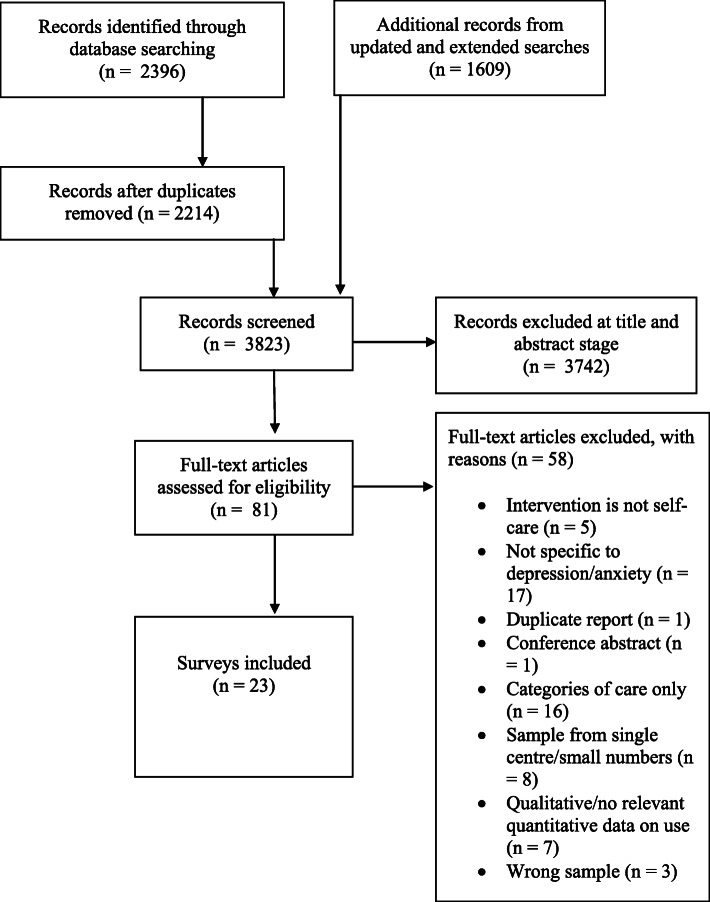
“2 PRISMA-style flowchart describing screening of surveys Surveys describing self-care interventions used for depression or anxiety (n = 20) Jorm 2004 [23] Australia N = 6618 Postal survey of community sample of adults in Canberra and south-east New South Wales, collecting information on actions…”
MethodPsychosocial interventions for preventing and treating depression in dialysis patients
Natale, P., Palmer, S. C., Ruospo, M., Saglimbene, V. M., Rabindranath, K. S., & Strippoli, G. F. (2019) · Cochrane Database of Systematic Reviews · doi:10.1002/14651858.cd004542.pub3 · Cited by 125 · cited 2×
“Psychosocial interventions for preventing and treating depression in dialysis patients [65] 2019 Acupressure, Exercise, Mind-body (meditation, relaxation, spiritual practice), Social activity”
BackgroundFlesch, R. F. (1946) · Max Planck Digital Library · Cited by 121
Light therapy for preventing seasonal affective disorder
Nussbaumer, B., Kaminski-Hartenthaler, A., Forneris, C. A., Morgan, L. C., Sonis, J. H., Gaynes, B. N., Greenblatt, A., Wipplinger, J., Lux, L. J., Winkler, D., et al. (2015) · Cochrane Database of Systematic Reviews · doi:10.1002/14651858.cd011269.pub2 · Cited by 115
Mayo-Wilson, E., & Montgomery, P. (2013) · Cochrane Database of Systematic Reviews · doi:10.1002/14651858.cd005330.pub4 · Cited by 112 · cited 2×
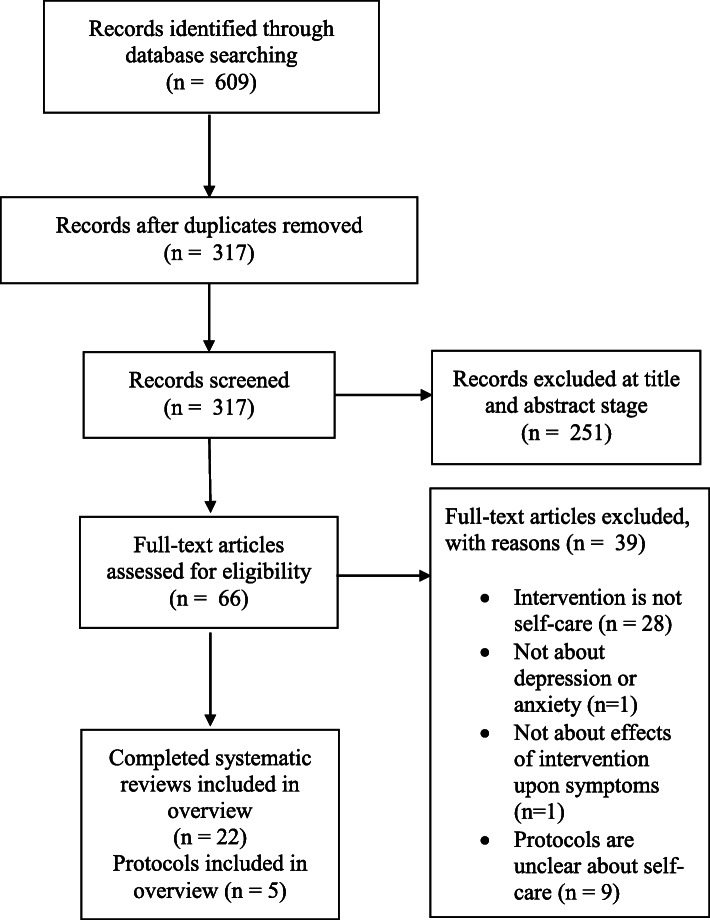
“Twenty focused on depression including seasonal affective disorder [47, 49–51, 54, 55, 57, 58, 60–62, 64–72], 6 focused on anxiety [48, 52, 53, 59, 63, 73], 1 covered both depression and anxiety [56].”
BackgroundTryptophan and 5-Hydroxytryptophan for depression
Shaw, K. A., Turner, J., & Del Mar, C. (2002) · Cochrane Database of Systematic Reviews · doi:10.1002/14651858.cd003198 · Cited by 109
Self-help strategies that are helpful for sub-threshold depression: A Delphi consensus study
Morgan, A. J., & Jorm, A. F. (2008) · Journal of Affective Disorders · doi:10.1016/j.jad.2008.08.004 · Cited by 108 · cited 2×
“Morgan 2009 [44] Australia N = 97 Delphi survey of international panel of experts and consumers on recommended interventions for subthreshold depression”
BackgroundMethodUse of Complementary and Alternative Medicine in a Large Sample of Anxiety Patients
Bystritsky, A., Hovav, S., Sherbourne, C., Stein, M. B., Rose, R. D., Campbell-Sills, L., Golinelli, D., Sullivan, G., Craske, M. G., & Roy-Byrne, P. P. (2012) · Psychosomatics · doi:10.1016/j.psym.2011.11.009 · Cited by 107 · cited 1×
“Bystritsky 2012 [40] USA N = 1004 Telephone survey of CAM therapies to help with ‘mood or energy’ among primary care patients diagnosed with an anxiety disorder and participating in a randomized trial (CALM).”
BackgroundMental health literacy about depression: a survey of portuguese youth
Loureiro, L. M., Jorm, A. F., Mendes, A. C., Santos, J. C., Ferreira, R. O., & Pedreiro, A. T. (2013) · BMC Psychiatry · doi:10.1186/1471-244x-13-129 · Cited by 100 · cited 1×
“Loureiro 2013 [35] Portugal N = 4938 Supervised written survey of Portuguese young people presented with a vignette depicting depression and asked questions concerning self-help strategies.”
BackgroundGrzywacz, J. G., Suerken, C. K., Quandt, S. A., Bell, R. A., Lang, W., & Arcury, T. A. (2006) · The Journal of Alternative and Complementary Medicine · doi:10.1089/acm.2006.12.467 · Cited by 99
S-adenosyl methionine (SAMe) for depression in adults
Galizia, I., Oldani, L., Macritchie, K., Amari, E., Dougall, D., Jones, T. N., Lam, R. W., Massei, G. J., Yatham, L. N., & Young, A. H. (2016) · Cochrane Database of Systematic Reviews · doi:10.1002/14651858.cd011286.pub2 · Cited by 96 · cited 2×
“S-adenosyl methionine (SAMe) for depression in adults [62] 2016 Dietary supplement (SAMe)”
BackgroundSelf-care in mental health services: a narrative review
Lucock, M. P., Gillard, S., Adams, K., Simons, L., White, R., & Edwards, C. (2011) · Health & Social Care in the Community · doi:10.1111/j.1365-2524.2011.01014.x · Cited by 90
Folate for depressive disorders
Taylor, M. J., Carney, S. M., Geddes, J., & Goodwin, G. (2003) · Cochrane Database of Systematic Reviews · doi:10.1002/14651858.cd003390 · Cited by 89 · cited 1×
“Folate for depressive disorders [49] 2003 Dietary supplement (Folate)”
BackgroundPsychosocial interventions for prevention of psychological disorders in law enforcement officers
Peñalba, V., McGuire, H., & Leite, J. R. (2008) · Cochrane Database of Systematic Reviews · doi:10.1002/14651858.cd005601.pub2 · Cited by 80 · cited 2×
“Psychosocial interventions for prevention of psychological disorders in law enforcement officers [56] 2008 Mind-body (relaxation), Exercise”
BackgroundPassiflora for anxiety disorder
Miyasaka, L. S., Atallah, Á. N., & Soares, B. (2007) · Cochrane Database of Systematic Reviews · doi:10.1002/14651858.cd004518.pub2 · Cited by 78 · cited 3×
“Six review summaries stated explicitly that available information on harms was missing or limited from the included studies, without presenting any information on numbers or types of events that was available from the studies [52, 53, 61, 65, 66, 73].”
BackgroundRossom, R. C., Shortreed, S., Coleman, K. J., Beck, A., Waitzfelder, B. E., Stewart, C., Ahmedani, B. K., Zeber, J. E., & Simon, G. E. (2016) · Depression and Anxiety · doi:10.1002/da.22532 · Cited by 77
Light therapy for preventing seasonal affective disorder
Nussbaumer-Streit, B., Forneris, C. A., Morgan, L. C., Van Noord, M. G., Gaynes, B. N., Greenblatt, A., Wipplinger, J., Lux, L. J., Winkler, D., & Gartlehner, G. (2019) · Cochrane Database of Systematic Reviews · doi:10.1002/14651858.cd011269.pub3 · Cited by 74
Sudo, K., Kobayashi, J., Noda, S., Fukuda, Y., & Takahashi, K. (2018) · BioScience Trends · doi:10.5582/bst.2017.01271 · Cited by 73
Use of and factors associated with self-treatment in China
Yuefeng, L., Keqin, R., & Xiaowei, R. (2012) · BMC Public Health · doi:10.1186/1471-2458-12-995 · Cited by 72 · cited 1×
“Self-care is also being increasingly adopted in China with decision-making influenced by self-perceived illness status, economic circumstances, and education [7].”
BackgroundMedical patients’ attitudes toward emotional problems and their treatment: What do they really want?
Löwe, B., Schulz, U., Gräfe, K., & Wilke, S. (2005) · Journal of General Internal Medicine · doi:10.1111/j.1525-1497.2005.0266.x · Cited by 72
Machmutow, K., Meister, R., Jansen, A., Kriston, L., Watzke, B., Härter, M. C., & Liebherz, S. (2019) · Cochrane Database of Systematic Reviews · doi:10.1002/14651858.cd012855.pub2 · Cited by 65 · cited 1×
“Comparative effectiveness of continuation and maintenance treatments for persistent depressive disorder in adults [64] 2019 Herbal (St.”
BackgroundDietary supplements for preventing postnatal depression
Miller, B. J., Murray, L., Beckmann, M. M., Kent, T., & Macfarlane, B. (2013) · Cochrane Database of Systematic Reviews · doi:10.1002/14651858.cd009104.pub2 · Cited by 63
Fullagar, S. P., & O’Brien, W. (2014) · Social Science & Medicine · doi:10.1016/j.socscimed.2014.07.041 · Cited by 62
The self-management of longer-term depression: learning from the patient, a qualitative study
Chambers, E., Cook, S., Thake, A., Foster, A., Shaw, S., Hutten, R., Parry, G., & Ricketts, T. (2015) · BMC Psychiatry · doi:10.1186/s12888-015-0550-6 · Cited by 54 · cited 1×
“Those recovering from depression may have to ‘navigate’ a range of pharmacological and psychological therapies as well as support groups [17], and health services are not perceived to offer help in guiding self-treatment and selecting approaches from the huge number of options that are available [18].”
BackgroundFactors associated with self-care activities among adults in the United Kingdom: a systematic review
Ryan, A. V., Wilson, S., Taylor, A., & Greenfield, S. (2009) · BMC Public Health · doi:10.1186/1471-2458-9-96 · Cited by 54
Proudfoot, J. G., Fogarty, A. S., McTigue, I., Nathan, S., Whittle, E. L., Christensen, H. M., Player, M. J., Hadži-Pavlović, D., & Wilhelm, K. A. (2015) · BMC Public Health · doi:10.1186/s12889-015-2478-7 · Cited by 46 · cited 1×
“Proudfoot 2015 [25] Australia N = 465 National online survey of Australian men investigating positive strategies to prevent and manage depression Holzinger 2012 [28] Austria N = 1205 Telephone survey of Viennese adults assessing help-seeking and treatment recommendations in response to a vignette…”
BackgroundJudged Effectiveness of Differing Antidepressant Strategies by those with Clinical Depression
Parker, G., & Crawford, J. (2007) · Australian & New Zealand Journal of Psychiatry · doi:10.1080/00048670601057726 · Cited by 43 · cited 1×
“Parker 2007 [24] Australia N = 2692 Online survey of Australian adults who has experienced depression, investigating perceived effectiveness of self-help and other strategies.”
BackgroundBazargan, M., Ani, C., Hindman, D. W., Bazargan‐Hejazi, S., Baker, R. S., Bell, D. S., & Rodriquez, M. (2008) · The Journal of Alternative and Complementary Medicine · doi:10.1089/acm.2007.0821 · Cited by 42 · cited 1×
“Bazargan 2008 [39] USA N = 315 Face-to-face interview regarding frequency and type of CAM use for depression among sample of primarily African American and Hispanic individuals at clinics in Los Angeles, California screening positive for mild to severe depression.”
BackgroundMelatonin and agomelatine for preventing seasonal affective disorder
Kaminski-Hartenthaler, A., Nussbaumer, B., Forneris, C. A., Morgan, L. C., Gaynes, B. N., Sonis, J. H., Greenblatt, A., Wipplinger, J., Lux, L. J., Winkler, D., et al. (2015) · Cochrane Database of Systematic Reviews · doi:10.1002/14651858.cd011271.pub2 · Cited by 39 · cited 1×
“Melatonin and agomelatine for preventing seasonal affective disorder [67] 2019 Dietary supplement (melatonin)”
BackgroundOlesen, S. C., Butterworth, P., & Leach, L. (2010) · Australian & New Zealand Journal of Psychiatry · doi:10.3109/00048674.2010.483680 · Cited by 35 · cited 1×
“Olesen 2010 [27] Australia N = 8841 Nationally representative face-to-face survey of Australian adults, collecting information on selfmanagement strategies for a diagnosed affective or anxiety disorder during the past 12 months.”
BackgroundMorgan, A. J., Chittleborough, P., & Jorm, A. F. (2016) · Journal of Affective Disorders · doi:10.1016/j.jad.2016.07.024 · Cited by 35 · cited 2×
“Morgan 2016 [43] Australia N = 83 Delphi survey of international panel of experts and consumers on recommended interventions for subthreshold anxiety”
BackgroundMethodThe use and helpfulness of self-management strategies for depression: The experiences of patients
van Grieken, R. A., van Tricht, M. J., Koeter, M. W. J., van den Brink, W., & Schene, A. H. (2018) · PLOS ONE · doi:10.1371/journal.pone.0206262 · Cited by 33 · cited 2×
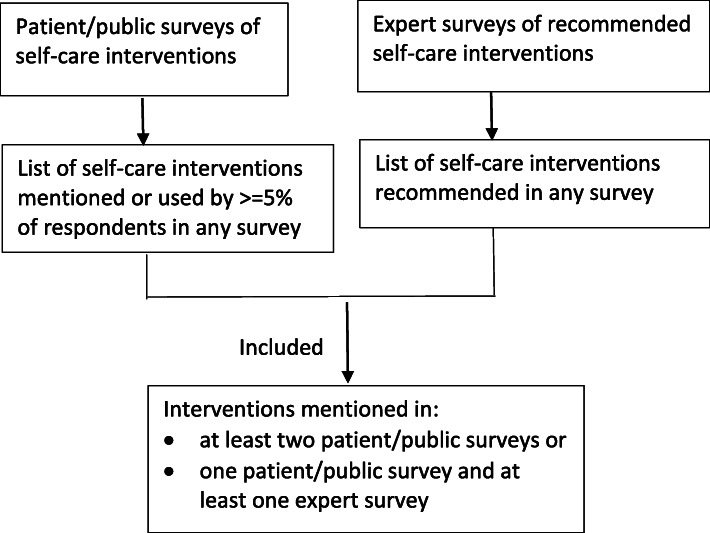
“Twenty surveys of patient or public recommendations or use of self-care interventions for depression and/or anxiety were included, 5 from Australia [23–27], 1 from Austria [28], 2 from Germany [29, 30], 2 from Italy [31, 32], 1 from Korea [33], 1 from the Netherlands [34], 1 from Portugal [35], 2 from Taiwan [36, 37],…”
BackgroundInositol for depressive disorders
Taylor, M. J., Wilder, H., Bhagwagar, Z., & Geddes, J. (2004) · Cochrane Database of Systematic Reviews · doi:10.1002/14651858.cd004049.pub2 · Cited by 32 · cited 1×
“Inositol for depressive disorders [50] 2004 Dietary supplement (Inositol)”
BackgroundUsage and reported helpfulness of self-help strategies by adults with sub-threshold depression
Morgan, A. J., Jorm, A. F., & Mackinnon, A. J. (2011) · Journal of Affective Disorders · doi:10.1016/j.jad.2011.11.015 · Cited by 32 · cited 1×
“Within the field of mental health, some authors have distinguished between informal approaches: ‘simple things an individual can do on their own without the need for professional guidance’ and guided self-help involving professional supervision [16].”
BackgroundParslow, R., & Jorm, A. F. (2003) · Journal of Affective Disorders · doi:10.1016/j.jad.2003.09.013 · Cited by 32 · cited 1×
“Parslow 2004 [26] Australia N = 7485 Postal survey of community sample of adults in the Canberra environs, collecting information on use of CAM to treat symptoms of depression or anxiety.”
BackgroundTsai, Y. (2006) · Journal of Pain and Symptom Management · doi:10.1016/j.jpainsymman.2006.02.008 · Cited by 28 · cited 1×
“Tsai 2006 [37] Taiwan N = 220 Face-to-face interviews of elderly nursing home residents, investigating self-care strategies to manage depressive symptoms.”
BackgroundWhat to do about depression? Self-help recommendations of the public
Holzinger, A., Matschinger, H., & Angermeyer, M. C. (2011) · International Journal of Social Psychiatry · doi:10.1177/0020764010397262 · Cited by 25 · cited 1×
“Proudfoot 2015 [25] Australia N = 465 National online survey of Australian men investigating positive strategies to prevent and manage depression Holzinger 2012 [28] Austria N = 1205 Telephone survey of Viennese adults assessing help-seeking and treatment recommendations in response to a vignette…”
BackgroundMelatonin and agomelatine for preventing seasonal affective disorder
Nußbaumer-Streit, B., Greenblatt, A. M., Kaminski-Hartenthaler, A., Noord, M. V., Forneris, C. A., Morgan, L. C., Gaynes, B. N., Wipplinger, J., Lux, L. J., Winkler, D., et al. (2019) · Cochrane Database of Systematic Reviews · doi:10.1002/14651858.cd011271.pub3 · Cited by 25
Prevention of depression in chronically physically ill adults
Kampling, H., Baumeister, H., Jäckel, W. H., & Mittag, O. (2014) · Cochrane Database of Systematic Reviews · doi:10.1002/14651858.cd011246 · Cited by 19
Self-care use patterns in the UK, US, Australia, and Japan: a multinational web-based survey
Mun, S., Park, J. H., Baek, S.-M., Lee, M., Choi, S., & Lee, S. (2016) · Integrative Medicine Research · doi:10.1016/j.imr.2016.03.001 · Cited by 15
Grandmothers and Self-Management of Depressive Symptoms
Musil, C. M., Givens, S. E., Jeanblanc, A., Zauszniewski, J. A., Warner, C. B., & Toly, V. B. (2016) · Archives of Psychiatric Nursing · doi:10.1016/j.apnu.2016.11.008 · Cited by 14 · cited 1×
“Musil 2017 [41] USA N = 335 Mailed survey assessing self-management of depression symptoms among Ohio grandmothers with selfidentified depression.”
BackgroundHsu, M., Moyle, W., Creedy, D. K., Venturato, L., Ouyang, W., & Tsay, S. (2008) · Archives of Psychiatric Nursing · doi:10.1016/j.apnu.2008.03.004 · Cited by 13 · cited 1×
“Hsu 2009 [36] Taiwan N = 201 Telephone survey of Taiwanese adults recently discharged from psychiatric hospitalization, collecting information on CAM use for depression.”
BackgroundDavies, S. R., Caldwell, D. M., López-López, J. A., Dawson, S., Wiles, N., Kessler, D. S., Welton, N. J., & Churchill, R. C. (2018) · Cochrane Database of Systematic Reviews · doi:10.1002/14651858.cd013140 · Cited by 13
Nordgreen, T., & Havik, O. E. (2011) · Professional Psychology: Research and Practice · doi:10.1037/a0022729 · Cited by 11 · cited 1×
“…2016 [43] Australia N = 83 Delphi survey of international panel of experts and consumers on recommended interventions for subthreshold anxiety Nordgreen 2011 [45] Norway N = 815 Online survey of Norwegian psychologists, collecting information on self-help strategies recommended to patients…”
BackgroundDennis, C., Brown, J. V. E., & Brown, H. K. (2019) · Cochrane Database of Systematic Reviews · doi:10.1002/14651858.cd013460 · Cited by 11
Recommendations of the Sardinian public for the treatment of depression
Carta, M. G., Angermeyer, M. C., Matschinger, H., Holzinger, A., Pintus, E., Pintus, M., & Moro, M. F. (2013) · International Journal of Social Psychiatry · doi:10.1177/0020764013509077 · Cited by 8 · cited 1×
“…interview of adults collecting information on preferred treatment options in response to a vignette representing major depressive disorder Carta 2014 [31] Italy N = 1200 Telephone survey of Sardinian adults assessing help-seeking and treatment recommendations in response to a vignette…”
BackgroundAntidepressants for major depression disorder in older people: a network meta-analysis
Robertson, L., Bertolini, F., Meader, N., Davies, S., Barbui, C., Gilbody, S. M., & Churchill, R. C. (2019) · Cochrane Database of Systematic Reviews · doi:10.1002/14651858.cd013394 · Cited by 7 · cited 1×
“Antidepressants for major depression disorder in older people: a network meta-analysis [72] 2019 Dietary supplement (Tryptophan)”
Backgroundvan Grieken, R. A., van Tricht, M. J., Koeter, M. W. J., van den Brink, W., & Schene, A. H. (2018) · PLoS ONE · doi:10.1371/journal.pone.0209109 · Cited by 5 · cited 1×
“Van Grieken 2018 [34, 46] The Netherlands N = 193 Online survey assessing use and perceived helpfulness of self-management strategies in participants recently recovered from an episode of major depression.”
BackgroundDavies, S. R., Caldwell, D. M., Dawson, S., Sampson, S. J., Welton, N. J., Wiles, N., Kessler, D. S., Miljanović, M., Milunović, V., Peters, T., et al. (2018) · Cochrane Database of Systematic Reviews · doi:10.1002/14651858.cd013184 · Cited by 5 · cited 1×
“Multimedia-delivered cognitive behavioural therapy versus face-to-face cognitive behavioural therapy for depression in adults [69] 2018 Multimedia CBT including self-help”
MethodShin, E., Ha, J., Lim, S., Kwak, S.-J., Ryu, S., Ryu, S., Cho, S., Paik, J., Lee, B., & Oh, K. (2014) · International Journal of Methods in Psychiatric Research · doi:10.1002/mpr.1430 · Cited by 4 · cited 1×
“Shin 2014 [33] Korea N = 1214 Online survey of national sample of adults from the community, patients with sub-threshold or mild depression, and psychiatrists about the use and helpfulness of self-help for depression.”
Background
Cited by
Phytotherapy of mood disorders in the light of microbiota-gut-brain axis.
Korczak, M., Pilecki, M. W., Granica, S., Gorczynska, A., Pawłowska, K. A., & Piwowarski, J. P. (2023) · Phytomedicine · doi:10.1016/j.phymed.2023.154642 · Cited by 31
Titov, N., Dear, B. F., Bisby, M. A., Nielssen, O. B., Staples, L., Kayrouz, R., Cross, S. P. M., & Karin, E. (2022) · JMIR Formative Research · doi:10.2196/38837 · Cited by 32
“Other researchers surveyed consumers and mental health professionals to generate lists of actions believed to affect the symptoms of anxiety and depression [22-26].”
Bisby, M. A., Titov, N., Dear, B. F., Karin, E., Wilhelms, A., Nugent, M., & Hadjistavropoulos, H. D. (2022) · Journal of Clinical Medicine · doi:10.3390/jcm11206001 · Cited by 16
Bisby, M. A., Dear, B. F., Karin, E., Fogliati, R., Dudeney, J. E., Ryan, K., Fararoui, A., Nielssen, O. B., Staples, L., Kayrouz, R., et al. (2023) · Journal of Affective Disorders · doi:10.1016/j.jad.2023.02.117 · Cited by 14
Moulaei, K., Bahaadinbeigy, K., Mashoof, E., & Dinari, F. (2023) · BMC Medical Informatics and Decision Making · doi:10.1186/s12911-023-02308-y · Cited by 19
“On the other hand, due to the stigma associated with depressive and anxiety disorders, people are often reluctant to seek consultation and medication, which can hinder their access to effective psychological therapies [14].”
Background
Metadata
- Authors
- Pilkington, K., & Wieland, L. S.
- Affiliations
- University of Portsmouth (GB)
- University of Maryland, Baltimore (US)
- Corresponding author
- Pilkington, Karen
- Venue
- BMC Complementary Medicine and Therapies
- Published
- 2020-08-10
- Volume
- 20
- Issue
- 1
- Pages
- 247-247
- ISSN
- 2662-7671 (ISSN-L)
- PMC
- PMC7418416
- OpenAlex
- W3047827770
- Cited by
- 31
- References
- 74
- Citations by year
- 2026: 4 · 2025: 6 · 2024: 8 · 2023: 10 · 2022: 3
- FWCI
- 3.55
- Type
- journal article
- Language
- en
- Open access
- gold
- doi.org
- Licence
- cc-by
- creativecommons.org/licenses/by/4.0 (tdm)
- creativecommons.org/licenses/by/4.0 (vor)
- Locations
- BMC Complementary Medicine and Therapies (publishedVersion, cc-by)
- PubMed Central (publishedVersion, cc-by)
- PubMed (publishedVersion)
- DOAJ (DOAJ: Directory of Open Access Journals) (submittedVersion, cc-by-sa)
- Funders
- National Institutes of Health
- National Center for Complementary and Integrative Health (R24AT001293, AT001293)
- Topics
- Health Sciences › Medicine › Psychiatry and Mental health › Mental Health Treatment and Access
- Social Sciences › Decision Sciences › Statistics, Probability and Uncertainty › Meta-analysis and systematic reviews
- Health Sciences › Medicine › Complementary and alternative medicine › Complementary and Alternative Medicine Studies
- Keywords
- self-care, anxiety, depression, plain language summaries, readability, evidence gaps, dietary supplements, herbal medicine, mind-body interventions, physical activity, complementary and alternative medicine, patient-centered care, evidence-informed care, priority setting
- MeSH terms
- Systematic Reviews as Topic, Anxiety, Decision Making, Depression, Humans, Surveys and Questionnaires, Self Care, Evidence-Based Medicine
About these checks
Registry, retraction, Cites and statistics results are computed, not judged, with one exception: a printed reference that no index lists is read once by a model before it counts as a citation error. Claims are extracted by a model and kept only when their quote appears verbatim in the text; each cited source is then checked, with a model’s help, for whether it says what the claim relies on. Those verdicts can be wrong — read the claim’s quote and the cited source before relying on one.
Statistics and arithmetic are recomputed, not judged.
Confidence bands are shown only for fields calibrated on our annotated test set. None is calibrated yet, so no band is shown.
What counts as a claim ›How we measure confidence ›How we check this ›
Are you an author, or do you see a problem with this page? Request a review
Data sources
Bibliographic data: Semantic Scholar, OpenAlex, Crossref.
Contains information from the Semantic Scholar Academic Graph Datasets, made available under the ODC Attribution License (ODC-BY 1.0).
Semantic Scholar’s data is described in: Kinney, R., et al. (2023). The Semantic Scholar Open Data Platform. arXiv:2301.10140.
