

Intermittent preventive treatment of malaria in pregnancy: a cross-sectional survey to assess uptake of the new sulfadoxine–pyrimethamine five dose policy in Ghana
Open accessThe DOI matches its Crossref record; 25 of the 25 references it cites were found in a registry or an index.
Abstract
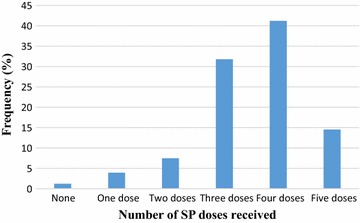
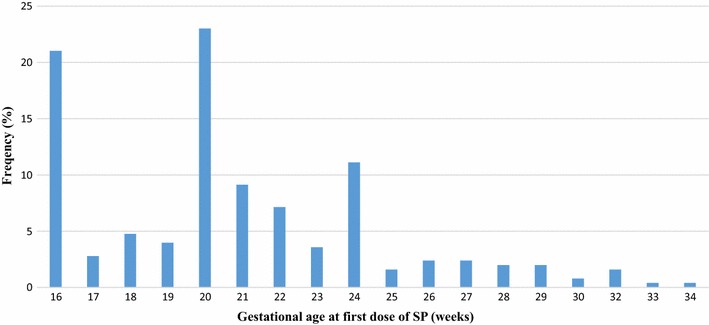
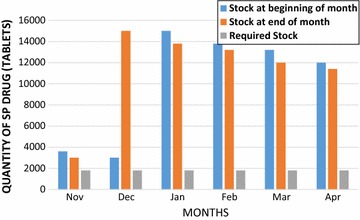
BACKGROUND: Malaria in pregnancy poses a great risk to both mother and fetus. In Ghana, malaria accounts for 3.4% of deaths and 16.8% of all hospital admissions in pregnant women. In 2014, Ghana updated her policy on intermittent preventive treatment of malaria in pregnancy with sulfadoxine-pyrimethamine (IPTp-SP) to reflect the updated policy of the WHO. This study determined the level of uptake of sulfadoxine pyrimethamine (SP) to serve as baseline for monitoring progress and also reviewed stock levels of SP, a key factor in the programme implementation. METHODS: A cross-sectional hospital-based study was carried out among nursing mothers who had delivered within 12 weeks and were seeking postnatal care at Osu Government Maternity Home in Accra. Antenatal record books of the mothers were reviewed and data collected on number of visits and receipt of IPTp-SP. Mothers were interviewed and data collected on their background characteristics and obstetric history. Data on SP stock levels for the past 6 months were also reviewed. Logistic regression analysis was carried out to determine antenatal indicators on uptake of IPTp-SP using Stata version 12. RESULTS: The proportion of uptake of three-five doses of SP were: IPT3 (87.5%), IPT4 (55.7%) and IPT5 (14.5%). The proportion of women who received the first dose of SP at 16 weeks of gestation was 21.3%. Women who made ≥4 visits were more likely to receive ≥3 doses of SP than those who made <4 visits (AOR = 4.57, 95% CI 1.15-18.16, p < 0.05). Women receiving the first dose of SP in the third trimester were less likely to receive ≥3 doses of SP than those who received the drug in the second trimester (AOR = 0.04, 95% CI 0.01-0.16, p < 0.05). Stock levels of SP were adequate to meet the demands by the pregnant women at the Maternity Home for the period under review. CONCLUSIONS: The uptake of ≥3 doses of SP was high in the study area. Frequent visits to the antenatal clinic and early uptake of the first dose of SP by pregnant women are necessary to achieve the new target of five or more doses of SP.
Overview
The claims and statistics of this paper haven’t been checked yet.
Free: it reads the open-access text and checks the first 5 claims that cite a source we can check. Create a free account to check every claim.
Integrity signals
Registry
Cites
Statistics
Figures
Verification
Claims the paper makes
The claims and statistics of this paper haven’t been checked yet.
Free: it reads the open-access text and checks the first 5 claims that cite a source we can check. Create a free account to check every claim.
Claims other papers make about this one
Each is checked against this paper’s own text: does it say what the citing paper says it does?
The cited source says what the claim attributes to it.
In the citing paper
“Our data which shows over 60% of pregnant women taking ≥3 IPTp-SP doses, together with other recent studies in Ghana that report between 87 and 99% IPTp-SP uptake of ≥3 IPTp-SP doses20,21 indicate a high IPTp coverage across Ghana.”
From High uptake of Intermittent Preventive Treatment of malaria in pregnancy is associated with improved birth weight among pregnant women in Ghana (2019) · cites this paper as [20]
Self-check
Percentages, sums and reported differences re-computed from the paper’s own numbers.
The self-check needs the paper’s full text.
Citations
Cites
Rurangirwa, A. A., Mogren, I., Nyirazinyoye, L., Ntaganira, J., & Krantz, G. (2017) · BMC Pregnancy and Childbirth · doi:10.1186/s12884-017-1328-2 · Cited by 142
Thiam, S., Kimotho, V., & Gatonga, P. (2013) · Malaria Journal · doi:10.1186/1475-2875-12-353 · Cited by 91
Hommerich, L., von Oertzen, C., Bedu-Addo, G., Holmberg, V., Acquah, P. A., Eggelte, T. A., Bienzle, U., & Mockenhaupt, F. P. (2007) · Malaria Journal · doi:10.1186/1475-2875-6-144 · Cited by 83 · cited 1×
“Studies in the Tamale Metropolis, in the northern sector reported IPT3 coverage of 46% in 2011 [13]; reports from the Ashanti region in the middle sector also indicate a low coverage of IPT3 of 37% [14] and a much lower coverage for the southern sector of 26% [15].”
BackgroundGulema, H., & Berhane, Y. (2017) · Ethiopian Journal of Health Sciences · doi:10.4314/ejhs.v27i2.6 · Cited by 74 · cited 1×
“Others include, lack of correct knowledge of the recommended ANC schedule [22], poverty and low level of education [20].”
BackgroundAmoran, O. E., Ariba, A. A., & Iyaniwura, C. A. (2012) · Reproductive Health · doi:10.1186/1742-4755-9-12 · Cited by 71
Hill, J., Dellicour, S., Bruce, J., Ouma, P., Smedley, J., Otieno, P., Ombock, M., Kariuki, S., Desai, M. R., Hamel, M. J., et al. (2013) · PLoS ONE · doi:10.1371/journal.pone.0064913 · Cited by 65 · cited 1×
“Earlier studies in Kenya by Hill and colleagues [27] however, reported higher doses of SP being received by women who reported in the first trimester.”
ResultAmeh, S., Owoaje, E., Oyo-Ita, A. E., Kabiru, C. W., Akpet, O., Etokidem, A. J., Okokon, E. O., & Ekpenyong, N. (2016) · BMC Pregnancy and Childbirth · doi:10.1186/s12884-016-0883-2 · Cited by 60
Mpogoro, F. J., Matovelo, D., Dosani, A., Ngallaba, S., Mugono, M., & Mazigo, H. D. (2014) · Malaria Journal · doi:10.1186/1475-2875-13-455 · Cited by 58 · cited 1×
“Though very important, the gestational age at which a pregnant woman made the first ANC visit was not the main determinant of receiving more doses of SP in the current study, but rather the number of visits made before delivery as reported in some earlier studies [5, 25, 26].”
ResultDeterminants of Use of Intermittent Preventive Treatment of Malaria in Pregnancy: Jinja, Uganda
Sangaré, L. R., Stergachis, A. S., Brentlinger, P. E., Richardson, B. A., Staedke, S. G., Kiwuwa, M. S., & Weiss, N. S. (2010) · PLoS ONE · doi:10.1371/journal.pone.0015066 · Cited by 56 · cited 4×
“Why are IPTp coverage targets so elusive in sub‑Saharan Africa ?”
BackgroundInfluentialBouyou-Akotet, M. K., Mawili-Mboumba, D. P., & Kombila, M. (2013) · BMC Pregnancy and Childbirth · doi:10.1186/1471-2393-13-52 · Cited by 49 · cited 7×
“The number of ANC visits made is a major determinant of IPTp-SP uptake [5].”
BackgroundResultInfluential
Research works printed but not linked: 2
- Cochran WG Sampling Techniques 1963 2 New York Wiley
- WHO. Sexual and reproductive health New guidelines on antenatal care for a positive pregnancy experience. Geneva: World Health Organization; 2016. http://www.who.int/reproductivehealth/news/antenatal-care/en/. 28079998
Cited by
Quakyi, I., Tornyigah, B., Houze, P., Kusi, K. A., Coleman, N., Escriou, G., Laar, A., Cot, M., Fobil, J., Asare, G. Q., et al. (2019) · Scientific Reports · doi:10.1038/s41598-019-55046-5 · Cited by 183
Recent Progress in the Development of New Antimalarial Drugs with Novel Targets
Belete, T. M. (2020) · Drug Design, Development and Therapy · doi:10.2147/dddt.s265602 · Cited by 162
Nkoka, O., Chuang, T., & Chen, Y. (2018) · Malaria Journal · doi:10.1186/s12936-018-2360-z · Cited by 72
Yaya, S., Kota, K., Buh, A. W., & Bishwajit, G. (2019) · BMC Public Health · doi:10.1186/s12889-019-7847-1 · Cited by 64
Anto, F. R., Agongo, I. H., Asoala, V., Awini, E., & Oduro, A. R. (2019) · Journal of Tropical Medicine · doi:10.1155/2019/6712685 · Cited by 63
Self-citationAmeh, S., Owoaje, E., Oyo-Ita, A. E., Kabiru, C. W., Akpet, O., Etokidem, A. J., Okokon, E. O., & Ekpenyong, N. (2016) · BMC Pregnancy and Childbirth · doi:10.1186/s12884-016-0883-2 · Cited by 60
Acquah, F. K., Donu, D., Obboh, E. K., Bredu, D., Mawuli, B. A., Amponsah, J. A., Quartey, J., & Amoah, L. E. (2021) · Malaria Journal · doi:10.1186/s12936-021-03665-7 · Cited by 54
“Although this could be attributable to the fact that the pregnant women are in a low prevalence area, it could also be attributable to the WHO Intermittent Preventive Treatment in Pregnancy (IPTp) policy that involves giving pregnant women sulfadoxinepyrimethamine to clear any malaria parasites that may be present [36…”
ResultAddai‐Mensah, O., Annani-Akollor, M. E., Fondjo, L. A., Sarbeng, K., Anto, E. O., Owiredu, E., & Arthur, S. N. (2018) · Journal of Tropical Medicine · doi:10.1155/2018/5019215 · Cited by 50
Amankwah, S., & Anto, F. R. (2019) · Journal of Tropical Medicine · doi:10.1155/2019/9278432 · Cited by 49
Self-citationOppong, F. B., Gyaase, S., Zandoh, C., Nettey, O. E. A., Amenga‐Etego, S., Apraku, E. A., Adda, R., Dosoo, D., Owusu‐Agyei, S., & Asante, K. P. (2019) · BMJ Open · doi:10.1136/bmjopen-2018-027946 · Cited by 48
“The target set by Ghana National Malaria Control Program was for all pregnant women to be on IPTp-SP by the year 2015.(17) Although the coverage of at least one dose of IPTp-SP has remained high, the target set by the Ghana National Malaria Control Program was not achieved in Kintampo North Municipality and Kintampo S…”
Anchang-Kimbi, J. K., Kalaji, L. N., Mbacham, H. F., Wepnje, G. B., Apinjoh, T. O., Sumbele, I. U. N., Dionne‐Odom, J., Tita, A., & Achidi, E. A. (2020) · Malaria Journal · doi:10.1186/s12936-020-03155-2 · Cited by 45
Arnaldo, P., Rovira-Vallbona, E., Langa, J. S., Salvador, C., Guetens, P., Chiheb, D., Xavier, B., Kestens, L., Enosse, S. M., & Rosanas‐Urgell, A. (2018) · Malaria Journal · doi:10.1186/s12936-018-2255-z · Cited by 44
Trends of malaria infection in pregnancy in Ghana over the past two decades: a review
Osarfo, J., Ampofo, G. D., & Tagbor, H. K. (2022) · Malaria Journal · doi:10.1186/s12936-021-04031-3 · Cited by 43
“Urban development and possibly greater IPTp-SP uptake on account of presumed higher levels of education characteristic of urban settlements [55, 58, 59] may have contributed to the low prevalence in that location even though higher education does not always translate into better IPTp uptake [60].”
BackgroundAzizi, S. C. (2020) · BMC Public Health · doi:10.1186/s12889-020-08471-5 · Cited by 38
Mutanyi, J. A., Onguru, D., Ogolla, S., & Adipo, L. B. (2021) · Infectious Diseases of Poverty · doi:10.1186/s40249-021-00887-4 · Cited by 36
Mushi, V. P., Mbotwa, C. H., Zacharia, A., Ottaru, T. A., & Moshi, F. V. (2021) · Malaria Journal · doi:10.1186/s12936-021-03616-2 · Cited by 33
“The findings are consistent with the studies conducted in Malawi, Ghana, and Cameroon [21, 27, 28].”
ResultAberese-Ako, M., Magnussen, P., Ampofo, G. D., Gyapong, M., Ansah, E., & Tagbor, H. K. (2021) · PLoS ONE · doi:10.1371/journal.pone.0257666 · Cited by 33
Unveiling the Sugary Secrets of Plasmodium Parasites
Goerdeler, F., Seeberger, P. H., & Moscovitz, O. (2021) · Frontiers in Microbiology · doi:10.3389/fmicb.2021.712538 · Cited by 29
Malaria in pregnancy control and pregnancy outcomes: a decade’s overview using Ghana’s DHIMS II data
Ampofo, G. D., Osarfo, J., Aberese-Ako, M., Asem, L., Komey, M., Mohammed, W., Ofosu, A. A., & Tagbor, H. K. (2022) · Malaria Journal · doi:10.1186/s12936-022-04331-2 · Cited by 29
Ayubu, M. B., & Kidima, W. B. (2017) · Malaria Research and Treatment · doi:10.1155/2017/9761289 · Cited by 29
Vandy, A. O., Peprah, N. Y., Jerela, J. Y., Titiati, P., Manu, A., Akamah, J. A., Maya, E. T., & Torpey, K. (2019) · BMC Pregnancy and Childbirth · doi:10.1186/s12884-019-2544-8 · Cited by 28
Yaro, J. B., Ouédraogo, A., Diarra, A., Sombié, S., Ouedraogo, Z. A., Nébié, I., DRAKELEY, C. J., Sirima, S. B., Tiono, A. B., Lindsay, S. W., et al. (2021) · Malaria Journal · doi:10.1186/s12936-021-03896-8 · Cited by 29
Agyeman, Y. N., Newton, S., Annor, R. B., & Owusu‐Dabo, E. (2021) · PLoS ONE · doi:10.1371/journal.pone.0250350 · Cited by 25
“However, this finding was contrary to other previous study in Kenya, which found age and occupation as risk factors for anaemia [38]; peripheral and placental malaria, younger age and antenatal care visits were risk factors among Sudanese women [9] and in a study done in Ghana, they found an association between the tr…”
ResultSolanke, B. L., Yinusa, R. A., Oyeleye, O. J., Oluwatope, O. B., Ilesanmi, B. B., & Oni, T. O. (2023) · BMC Pregnancy and Childbirth · doi:10.1186/s12884-023-05648-9 · Cited by 24
“Consistent with similar studies, unemployment, and northern residence reduced use of optimal IPTp [12, 14, 19].”
ResultInfluentialOlukosi, A. Y., Olakiigbe, A. K., Ajibaye, O., Orok, B. A., Aina, O. O., Akindele, S. K., Akinyele, O. O., Onajole, A. T., Awolola, S., Arowolo, T., et al. (2020) · Malaria Journal · doi:10.1186/s12936-020-03462-8 · Cited by 24
Amoako, B. K., & Anto, F. R. (2021) · BMC Pregnancy and Childbirth · doi:10.1186/s12884-021-03582-2 · Cited by 24
“* Correspondence: fanto@ug.edu.gh 1School of Public Health, University of Ghana, Legon, Accra, Ghana Full list of author information is available at the end of the article disease resulting in 435,000 deaths [1].”
BackgroundResultInfluentialSelf-citationMama, A., Ahiabor, C., Tornyigah, B., Frempong, N. A., Kusi, K. A., Adu, B., Courtin, D., Houzé, S., Deloron, P., Ofori, M. F., et al. (2022) · Malaria Journal · doi:10.1186/s12936-022-04124-7 · Cited by 22
Zegeye, A. F., Tamir, T. T., Mekonen, E. G., Ali, M. S., Gonete, A. T., Techane, M. A., Wassie, M., Kassie, A. T., Ahmed, M. A., Tsega, S. S., et al. (2024) · Human Vaccines & Immunotherapeutics · doi:10.1080/21645515.2024.2352905 · Cited by 21
Berchie, G. O., Doe, P. F., Azu, T. D., Agyeiwaa, J., Owusu, G., Boso, C. M., Yeboa, N. K., Agyare, D. F., Aboh, I. K., Nabe, B., et al. (2024) · Diseases · doi:10.3390/diseases12090203 · Cited by 20
“Proximity of health facility [51] Trust in the healthcare system [80] Continuous training of HCPs to improve their knowledge [70] High stock levels [62,63] Distribution of IPT-SP at ANC [69,74] Exposure to media messages [36,37,53,56,71] Utilising DOTS strategy [81] Wider coverage of ANC [80] ≥ 8…”
BackgroundDarteh, E. K. M., Buabeng, I., & Akuamoah-Boateng, C. (2020) · Journal of Public Health · doi:10.1007/s10389-020-01206-1 · Cited by 18
Biaou, C. O. A., Kpozéhouen, A., Ahanhanzo, Y. G., Ayivi‐Vinz, G., Ouro-Koura, A.-R., & Azandjèmé, C. (2019) · Pan African Medical Journal · doi:10.11604/pamj.2019.34.155.19357 · Cited by 17
“de SP, Owusu-Boateng et Anto ont rapporté en 2017 un respect du TPI à 3 doses de SP de 87,5% [14].”
BackgroundPeters, G. O., & Naidoo, M. (2022) · PLoS ONE · doi:10.1371/journal.pone.0277877 · Cited by 16
Predictors of placental malaria in Upper West Regional Hospital-Ghana
Mwin, P. K., Kuffuor, A., Nuhu, K., Okine, R. N. A., Kubio, C., Wurapa, F., Osei, F., & Afari, E. A. (2021) · BMC Pregnancy and Childbirth · doi:10.1186/s12884-021-03861-y · Cited by 15
“Globally, over 50 million pregnant women are at risk of malaria in pregnancy annually [1].”
BackgroundOrish, V. N., Puplampu, P. N., Lokpo, S. Y., Kwadzokpui, P. K., De-Gaulle, V. F., Marinkovic, A., Prakash, S., Annan, R., Okorie, C., & Sanyaolu, A. O. (2023) · PLOS Global Public Health · doi:10.1371/journal.pgph.0000904 · Cited by 14
“This study reported a 30% uptake of 5 IPTp-SP, which is higher than the findings of the studies conducted in Keta (17%) [12], Accra (14%) [23], and Sunyani (9%) [22].”
BackgroundResultAnto, F. R., Ayepah, C., Awini, E., & Bimi, L. (2021) · Archives of Public Health · doi:10.1186/s13690-021-00694-1 · Cited by 13
Self-citationNishan, M. N. H., & Akter, K. (2024) · PLoS ONE · doi:10.1371/journal.pone.0313087 · Cited by 10
“Studies have shown that consistent ANC visits are crucial for ensuring that pregnant women receive the full regimen of IPTp doses [15, 16].”
BackgroundBoateng, E. Y., Anyormi, G. E., Otoo, J., & Abaye, D. A. (2018) · Applied Informatics · doi:10.1186/s40535-018-0057-6 · Cited by 10
“To scale up Ghana’s 38.5% low uptake of IPTp-SP, the number of visits to the antenatal clinic by pregnant women must be frequent and be at least four, ideally > 4 visits.”
BackgroundMethodResultInfluentialDoumbia, I., Fomba, S., Koné, D., & Bennis, I. (2021) · Malaria Journal · doi:10.1186/s12936-021-03940-7 · Cited by 9
Aberese-Ako, M., Magnussen, P., Gyapong, M., Ampofo, G. D., & Tagbor, H. K. (2020) · Malaria Journal · doi:10.1186/s12936-020-03422-2 · Cited by 8
Asem, L., Abdulia, A.-G., Asuming, P. O., & Abeka-Nkrumah, G. (2024) · PLoS ONE · doi:10.1371/journal.pone.0309340 · Cited by 7
Mohammed, A. G., Dwomoh, D., Kenu, E., Nonvignon, J., Manu, A. A., & Bonful, H. A. (2022) · Malaria Journal · doi:10.1186/s12936-022-04286-4 · Cited by 5
“4% of deaths, making it the singular highest contributor to all OPD admissions among pregnant women in Ghana [2, 3].”
BackgroundNdayishimiye, J. C., & Tabong, P. T. (2024) · BMC Pregnancy and Childbirth · doi:10.1186/s12884-024-06566-0 · Cited by 4
“Similar findings have been reported in previous studies, which revealed that more ANC contacts increase the odds of SP uptake [20, 39].”
ResultKnowledge and Practices of Pregnant Women on Malaria Prevention in Brazzaville
Mavoungou, Y. V. Y., Niama, A. C., Nombo, R. C. K., Voumbo, G. M., Ndziessi, G., & Clautaire, I. (2022) · Open Journal of Preventive Medicine · doi:10.4236/ojpm.2022.125006 · Cited by 4
Uptake of intermittent preventive treatment for malaria in Nigeria
Dairo, M. D., Adekunle, O. A., & Okedare, O. O. (2019) · African Journal of Midwifery and Women s Health · doi:10.12968/ajmw.2019.13.1.22 · Cited by 4
Tornyigah, B. (2019) · theses.fr (ABES) · doi:10.70675/2ce1dee6z72b1z4b64za51cz3eacac7fb2fa · Cited by 4
Asem, L., Abdulia, A.-G., Asuming, P. O., & Abeka-Nkrumah, G. (2024) · PLoS ONE · doi:10.1371/journal.pone.0308321 · Cited by 3
Tamal, C. S., Kubio, C., Bandoh, D. A., Owiny, M. O., Kenu, E., Afari, E. A., Sackey, S. O., Ameme, D. K., Nortey, P. A., Letsa, T. S., et al. (2018) · Journal of Interventional Epidemiology and Public Health · doi:10.37432/jieph.2018.1.1.7 · Cited by 3
“This finding is in contrast to other studies which have shown that receipt of atleast three doses of IPTp-SP (IPTp3) effectively reduces malaria in pregnancy (22,27,28).”
ResultIddrisu, H., Tagoe, E. A., & Bonful, H. A. (2024) · Malaria Journal · doi:10.1186/s12936-024-05127-2 · Cited by 3
“Some studies have been conducted to assess IPT 3 adherence [7, 17, 18], and IPT 5 adherence in several regions of Ghana [3, 13].”
BackgroundResultInfluentialAkpa, C. O., Azuogu, B. N., Akpa, W. C., Umeokonkwo, C. D., Denwigwe, C. P., Azuogu, V. C., Agu, A. P., Ogah, O. E., Akamike, I. C., Ituma, B. I., et al. (2022) · PLoS ONE · doi:10.1371/journal.pone.0269305 · Cited by 3
“Also, a cross-sectional study in 2012 in Ghana among 253 respondents equally reported the number of ANC attendance during pregnancy as a predictor of adequate uptake of IPTp [19].”
BackgroundOlukosi, A. Y., & Afolabi, B. M. (2018) · doi:10.35841/neonatal-medicine.2.2.17-26 · Cited by 3
Ifebude, J. E., Idowu, O. C., & Awolude, O. A. (2021) · Nigerian Journal of Medicine · doi:10.4103/njm.njm_155_21 · Cited by 3
Elgadi, A. T., Mohammed, T. N., Abdelazim, E., Altraifi, S., Altraifi, H., Elhaj, A., Elnaiem, W., & Hemmeda, L. (2025) · Travel Medicine and Infectious Disease · doi:10.1016/j.tmaid.2025.102908 · Cited by 2
Okoh, O. (2018) · Texila international journal of public health · doi:10.21522/tijph.2013.06.01.art009 · Cited by 2
Omona, K. (2021) · Cognizance Journal of Multidisciplinary Studies · doi:10.47760/cognizance.2021.v01i03.002 · Cited by 1
Miraimila, B., Alain, F., Rakotondralambo, P., Sogore, F., Bagayan, Y., Ratsimbasoa, A. C., & Kayentao, K. (2025) · Journal of Interventional Epidemiology and Public Health · doi:10.37432/jieph-d-25-00082 · Cited by 1
Otoo, B. A. F., Opoku, M. M., Seaneke, S. K., Darko, D. M., Sabblah, G. T., & Bonful, H. A. (2026) · Malaria Journal · doi:10.1186/s12936-026-05851-x · Cited by 1
“In Ghana, concerns about side effects have occasionally reduced caregiver adherence to SMC despite widespread recognition of its benefits [31].”
Yousuf, H. J., Egeh, M. H., Farah, A. A., Hussein, A. A., & Omer, A. A. (2026) · AJOG Global Reports · doi:10.1016/j.xagr.2026.100641 · Cited by 1
Baiden, F., Malm, K., & Binka, F. N. (2021) · doi:10.1093/med/9780198816805.003.0073 · Cited by 1
Yaro, J. B., Ouédraogo, A., Diarra, A., Sombié, S., Ouedraogo, Z. A., Nébié, I., Bousema, T., DRAKELEY, C. J., Sirima, S. B., Tiono, A. B., et al. (2021) · Research Square · doi:10.21203/rs.3.rs-337686/v1 · Cited by 1
Asiimwe, N., Diarra, Y., & Anto, F. R. (2023) · Research Square · doi:10.21203/rs.3.rs-2989226/v1 · Cited by 1
Self-citationDe-Gaulle, V. F., Magnussen, P., Kamgno, J., Mbacham, W., Orish, V. N., & Tagbor, H. (2021) · Research Square · doi:10.21203/rs.3.rs-424064/v1 · Cited by 1
Salihu, T., Boakye, K., Ayerakwah, P. A., Dorgbetor, C. I., Owusu-Ansah, E., Boateng, G., Apenteng, G., Opoku, D. A., Attua, A. A., Adam, F., et al. (2022) · Research Square · doi:10.21203/rs.3.rs-1965954/v1 · Cited by 1
Surrao, L. (2020) · FedUni ResearchOnline (Federation University Australia)
Doumbia, I., Fomba, S., Koné, D., & Bennis, I. (2021) · Research Square · doi:10.21203/rs.3.rs-144491/v1
Anto, F. R., Ayepah, C., Awini, E., & Bimi, L. (2021) · Research Square · doi:10.21203/rs.3.rs-256745/v1
Self-citationMorbidité et facteurs de risque de mortalité du nouveau-né à terme au Togo
Akolly, D. A. E., Guedenon, K. M., Chabi, C., Djadou, K. E., Douti, N. K., Azoumah, K., Gbadoé, A. D., & Atakouma, Y. D. (2023) · Périnatalité · doi:10.3166/rmp-2022-0201
Metabolic Pathways of Enzymes: Therapeutic Targets and Prospects for Innovative Antimalarial Drugs
Alghamdi, S. A., Alkurbi, M. O., Aslam, A., Saeedi, N. H., & Alisaac, A. (2024) · Springer eBooks · doi:10.1007/978-981-19-4484-0_4
(2024) · Jurnal Epidemiologi Kesehatan Indonesia · doi:10.7454/epidkes.v8i2.1129
Socio-Demographic and Obstetric Profile of Late Pregnancies in Douala (Cameroon)
Kondo, A. R. N., Mendoua, M. F., Ekono, M. R., Same, G. M., Nguefack, C. T., & Mboudou, E. T. (2025) · OALib · doi:10.4236/oalib.1114551
Nweke, A. N., Ndukwe, E. O., Uche-Omovoh, I. C., Ikegbu, M., Obi, C. N., Mbanefo, O. C., & Onuchukwu, V. U. (2025) · OALib · doi:10.4236/oalib.1114517
Doumbia, I., Seydou, F., Diakalia, K., & Bennis, I. (2021) · Figshare · doi:10.6084/m9.figshare.16822686
Doumbia, I., Seydou, F., Diakalia, K., & Bennis, I. (2021) · Figshare · doi:10.6084/m9.figshare.16822689
Doumbia, I., Seydou, F., Diakalia, K., & Bennis, I. (2021) · Figshare · doi:10.6084/m9.figshare.16822698
Osisiogu, E. U., Afi Fumadorh, D. M., Agyapong, G. A. A., Nikoi, C. N., Essandoh, P., & Appiah-Kubi, S. (2024) · CLOK (University of Central Lancashire) · doi:10.5897/ajmhs2023.0258
Doumbia, I., Seydou, F., Diakalia, K., & Bennis, I. (2021) · Figshare · doi:10.6084/m9.figshare.16822695
Mutanyi, J. A., Onguru, D., Ogolla, S., & Adipo, L. B. (2021) · Figshare · doi:10.6084/m9.figshare.15128588
Doumbia, I., Seydou, F., Diakalia, K., & Bennis, I. (2021) · Figshare · doi:10.6084/m9.figshare.16822692
Yaro, J. B., Ouédraogo, A., Diarra, A., Sombié, S., Ouedraogo, Z. A., Nébié, I., Drakeley, C., Sirima, S. B., Tiono, A. B., Lindsay, S. W., et al. (2021) · Figshare · doi:10.6084/m9.figshare.16575854
Bedia-Tanoh, A. V., Konaté-Touré, A., Kiki-Barro, P. C. M., Gnagne, A. P., Miézan, A. J. S., Kone, E., Kassi, K. F., Angora, K. E., Bosson, V. H., Djohan, V., et al. (2025) · Journal of Parasitology and Vector Biology · doi:10.5897/jpvb2024.0448
Maghendji‐Nzondo, S., Mba, J. M. E., Ibinga, E., Ossazeh, A. A., Lendongo-Wombo, B. J., Pegha-Moukandja, I., Ngoungou, E. B., & Lékana-Douki, J. B. (2025) · Journal of Biosciences and Medicines · doi:10.4236/jbm.2025.1312026
Inyangudo, G. N., Ojo, T. O., Oluwabunmi, F., Stanley, E., & Olaniyi, B. O. (2026) · Malaria Journal · doi:10.1186/s12936-026-05844-w
Amugi, G., Agudey, D. T., Mireku-Gyimah, N., Mensah, P., Kwarkye, I., Yengliereh, G. Y. G., Claude, K. J., Brookman-Eshun, B., & Chinbuah, S. (2026) · PLoS ONE · doi:10.1371/journal.pone.0352920
“Quantitative data were exported to Statistical Package for Social Sciences version 21 for analysis.”
Touré, M., Kourouma, M., Chérif, M. S., Camara, F., Tounkara, M., Sidibé, S., Diawara, S., & Kayentao, K. (2026) · Journal of Interventional Epidemiology and Public Health · doi:10.37432/jieph-d-25-00164
Amoah, W. W., Manfo, S. A., Mensah, R. O., Mensah, O. N., Livingston, B., & Ansu-Frimpong, S. (2026) · African Research Reports · doi:10.65221/0311
Metadata
- Authors
- Owusu-Boateng, I., & Anto, F.
- Affiliations
- University of Ghana (GH)
- Corresponding author
- Anto, Francis
- ORCID
- Anto, Francis
- Venue
- Malaria Journal
- Published
- 2017-08-10
- Volume
- 16
- Issue
- 1
- Pages
- 323-323
- ISSN
- 1475-2875 (ISSN-L)
- PMC
- PMC5553599
- OpenAlex
- W2742678565
- Cited by
- 76
- References
- 25
- Citations by year
- 2026: 5 · 2025: 4 · 2024: 10 · 2023: 4 · 2022: 8 · 2021: 23 · 2020: 6 · 2019: 8 · 2018: 6 · 2017: 1
- FWCI
- 5.38
- Type
- journal article
- Language
- en
- Open access
- gold
- doi.org
- Licence
- cc-by
- Locations
- Malaria Journal (publishedVersion, cc-by)
- PubMed Central (publishedVersion, cc-by)
- PubMed (publishedVersion)
- DOAJ (DOAJ: Directory of Open Access Journals) (submittedVersion)
- Topics
- Health Sciences › Medicine › Public Health, Environmental and Occupational Health › Malaria Research and Control
- Health Sciences › Medicine › Pediatrics, Perinatology and Child Health › Global Maternal and Child Health
- Health Sciences › Medicine › Infectious Diseases › HIV/AIDS Research and Interventions
- Keywords
- intermittent preventive treatment in pregnancy, sulfadoxine-pyrimethamine, IPTp-SP, malaria in pregnancy, antenatal care uptake, postpartum care, Ghana, malaria prevention in pregnancy
- MeSH terms
- Adolescent, Adult, Antimalarials, Cross-Sectional Studies, Drug Combinations, Female, Ghana, Health Policy, Humans, Malaria, Middle Aged, Patient Acceptance of Health Care, Pregnancy, Pyrimethamine, Sulfadoxine, Pregnancy Complications, Parasitic, Young Adult
About these checks
Registry, retraction, Cites and statistics results are computed, not judged, with one exception: a printed reference that no index lists is read once by a model before it counts as a citation error. Claims are extracted by a model and kept only when their quote appears verbatim in the text; each cited source is then checked, with a model’s help, for whether it says what the claim relies on. Those verdicts can be wrong — read the claim’s quote and the cited source before relying on one.
Statistics and arithmetic are recomputed, not judged.
Confidence bands are shown only for fields calibrated on our annotated test set. None is calibrated yet, so no band is shown.
What counts as a claim ›How we measure confidence ›How we check this ›
Are you an author, or do you see a problem with this page? Request a review
Data sources
Bibliographic data: Semantic Scholar, OpenAlex, Crossref.
Contains information from the Semantic Scholar Academic Graph Datasets, made available under the ODC Attribution License (ODC-BY 1.0).
Semantic Scholar’s data is described in: Kinney, R., et al. (2023). The Semantic Scholar Open Data Platform. arXiv:2301.10140.
