

The quality of free antenatal and delivery services in Northern Sierra Leone
Open accessThe DOI matches its Crossref record; 25 of the 26 references it cites were found in a registry or an index.
Abstract
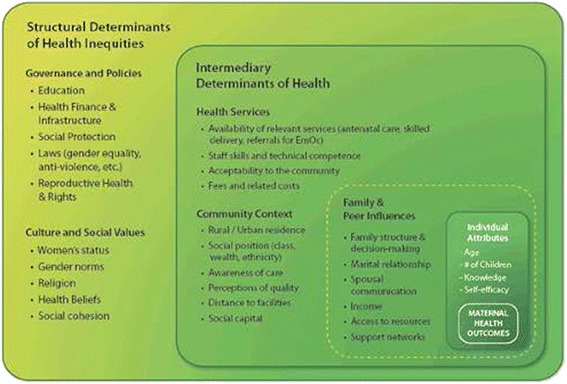
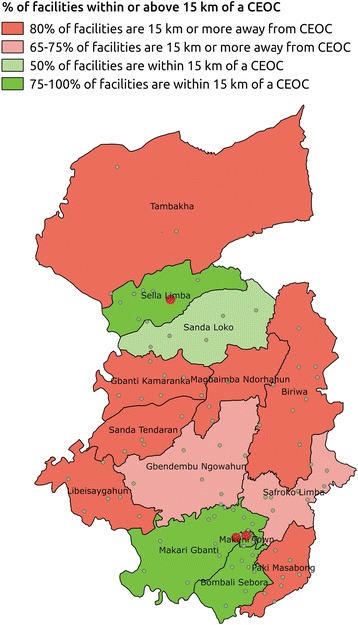
BACKGROUND: The number of maternal deaths in sub-Saharan Africa continues to be overwhelmingly high. In West Africa, Sierra Leone leads the list, with the highest maternal mortality ratio. In 2010, financial barriers were removed as an incentive for more women to use available antenatal, delivery and postnatal services. Few published studies have examined the quality of free antenatal services and access to emergency obstetric care in Sierra Leone. METHODS: A cross-sectional survey was conducted in 2014 in all 97 peripheral health facilities and three hospitals in Bombali District, Northern Region. One hundred antenatal care providers were interviewed, 276 observations were made and 486 pregnant women were interviewed. We assessed the adequacy of antenatal and delivery services provided using national standards. The distance was calculated between each facility providing delivery services and the nearest comprehensive emergency obstetric care (CEOC) facility, and the proportion of facilities in a chiefdom within 15 km of each CEOC facility was also calculated. A thematic map was developed to show inequities. RESULTS: The quality of services was poor. Based on national standards, only 27% of women were examined, 2% were screened on their first antenatal visit and 47% received interventions as recommended. Although 94% of facilities provided delivery services, a minority had delivery rooms (40%), delivery kits (42%) or portable water (46%). Skilled attendants supervised 35% of deliveries, and in only 35% of these were processes adequately documented. None of the five basic emergency obstetric care facilities were fully compliant with national standards, and the central and northernmost parts of the district had the least access to comprehensive emergency obstetric care. CONCLUSION: The health sector needs to monitor the quality of antenatal interventions in addition to measuring coverage. The quality of delivery services is compromised by poor infrastructure, inadequate skilled staff, stock-outs of consumables, non-functional basic emergency obstetric care facilities, and geographic inequities in access to CEOC facilities. These findings suggest that the health sector needs to urgently investigate continuing inequities adversely influencing the uptake of these services, and explore more sustainable funding mechanisms. Without this, the country is unlikely to achieve its goal of reducing maternal deaths.
Overview
The claims and statistics of this paper haven’t been checked yet.
Free: it reads the open-access text and checks the first 5 claims that cite a source we can check. Create a free account to check every claim.
Integrity signals
Registry
Cites
Statistics
Figures
Verification
Claims the paper makes
The claims and statistics of this paper haven’t been checked yet.
Free: it reads the open-access text and checks the first 5 claims that cite a source we can check. Create a free account to check every claim.
Claims other papers make about this one
Each is checked against this paper’s own text: does it say what the citing paper says it does?
In the citing paper
“If deteriorating vital signs are detected early, maternal morbidity and mortality are preventable with simple, cost-effective interventions that are widely available in SL [6, 8].”
Self-check
Percentages, sums and reported differences re-computed from the paper’s own numbers.
The self-check needs the paper’s full text.
Citations
Cites
The United Nations Development Programme
Oestreich, J. E. (2017) · Development and Human Rights · doi:10.1093/acprof:oso/9780190637347.003.0003 · Cited by 4,894
WHO analysis of causes of maternal death: a systematic review
Khan, K. S., Wojdyla, D., Say, L., Gülmezoglu, A. M., & Van Look, P. F. (2006) · The Lancet · doi:10.1016/s0140-6736(06)68397-9 · Cited by 3,978 · cited 2×
“This rate is similar to the natural MMR estimated at approximately 1000– 1500 per 100,000 found in situations where no interventions are used to avert maternal deaths [2].”
BackgroundDemographic and Health Survey, 2015
Care, C., & Zimstat (2015) · University of Zimbabwe Institutional Repository (University of Zimbabwe) · Cited by 594
The postpartum period: the key to maternal mortality
Li, X. F., Fortney, J. A., Kotelchuck, M., & Glover, L. H. (1996) · International Journal of Gynecology & Obstetrics · doi:10.1016/0020-7292(96)02667-7 · Cited by 303 · cited 1×
“Women who become discouraged because of the low quality of care they receive may also opt out of using the formal health sector and decrease their likelihood of receiving professional care during the perinatal period when they are most vulnerable and when most women die [29].”
BackgroundSierra Leone Demographic and Health Survey 2008
Macro, I. (2009) · Cited by 273
Factors associated with maternal mortality in Sub-Saharan Africa: an ecological study
Alvarez, J. L., Gil, R., Hernández, V., & Gil, A. (2009) · BMC Public Health · doi:10.1186/1471-2458-9-462 · Cited by 235 · cited 1×
“Aside from health system determinants, household income contributes to maternal mortality [9].”
Success factors for reducing maternal and child mortality
Kuruvilla, S., Schweitzer, J., Bishai, D., Chowdhury, S., Caramani, D., Frost, L., Cortez, R., Daelmans, B., de Francisco, A., Adam, T., et al. (2014) · Bulletin of the World Health Organization · doi:10.2471/blt.14.138131 · Cited by 185
McKinnon, B., Harper, S. B., Kaufman, J. S., & Bergevin, Y. (2014) · Health Policy and Planning · doi:10.1093/heapol/czu027 · Cited by 183 · cited 1×
“There is evidence of a rise in facility births and reduced deaths among newborns following the removal of user fees [10, 11].”
BackgroundSuccess Factors for Reducing Maternal and Child Mortality
Kuruvilla, S., Schweitzer, J., Bishai, D. M., Chowdhury, S., Caramani, D., Frost, L. S., Cortez, R. A., Daelmans, B. M. E. G., de Francisco, A., Adam, T., et al. (2014) · Zurich Open Repository and Archive (University of Zurich) · doi:10.5167/uzh-101669 · Cited by 182
Dzakpasu, S., Powell-Jackson, T., & Campbell, O. M. R. (2014) · Health Policy and Planning · doi:10.1093/heapol/czs142 · Cited by 166 · cited 3×
“In lowincome countries, poor women are unwilling to use the formal health sector if they must pay for maternal health services [10].”
Background
Research works printed but not linked: 11
- WHO, UNICEF, UNFPA, World Bank Group and the United Nations Population Division Trends in Maternal Mortality: 1990 to 2015. Estimates by WHO, UNICEF, UNFPA, World Bank Group and the United Nations Population Division 2015 Geneva WHO
- World Health Organization Reducing maternal and newborn mortality in Africa African Health Monitor. 2004 5 1 5 7
- Chambers V Booth D Delivering Maternal Health. Why is Rwanda doing Better than Malawi, Niger and Uganda? Overseas Development Institute Briefing Paper 74 2012 London Overseas Development Institute
- Deen N. Assessing Maternal Healthcare Access and Quality in Sierra Leone. The Harvard Graduate Research Journal. 2012. http://thurj.org/ss/2013/01/4091/. Accessed 18 Apr 2016.
- World Health Organization Department of Reproductive Health and Research. Safe Motherhood Needs Assessment 2001 Geneva WHO
- Ministry of Health and Sanitation Government of Sierra Leone Basic Package of Essential Health Services for Sierra Leone 2010 Freetown MoH
- World Health Organization World Health Report: Making Every Mother and Child Count 2005 Geneva WHO
- Statistics Sierra Leone and UNICEF Sierra Leone Multiple Indicator Cluster Survey 2010 2011 New York UNICEF
- Assaf S Winter R Trends in Maternal Health Indicators in Sierra Leone, 2008-2013. DHS Further Analysis Reports No. 97 2015 Rockville, MA ICF Int
- Government of Sierra Leone, Ministry of Health and Sanitation Sierra Leone Service Availability and Readiness Assessment 2011 2011 Freetown MoH
- Government of Sierra Leone, Ministry of Health and Sanitation Sierra Leone Service Availability and Readiness Assessment 2012 Report 2012 Freetown MoH
Cited by
Bain, L. E., Aboagye, R. G., Dowou, R. K., Kongnyuy, E. J., Memiah, P. T. N., & Amu, H. (2022) · BMC Public Health · doi:10.1186/s12889-022-13037-8 · Cited by 99
“In 2010, the government of Sierra Leone through the Ministry of Health and Sanitation (MOHS) also implemented the Free Health Care Initiative (FHCI) which successfully provides comprehensive and free essential maternal health services, including antenatal, delivery, and PNC to women [36, 37].”
BackgroundAtaguba, J. E.-O. (2018) · PLoS ONE · doi:10.1371/journal.pone.0204822 · Cited by 78
George, J., Jack, S. J., Gauld, R. D. C., Colbourn, T., & Stokes, T. (2023) · BMJ Open · doi:10.1136/bmjopen-2023-073669 · Cited by 79
Ansu-Mensah, M., Danquah, F. I., Bawontuo, V., Ansu-Mensah, P., & Kuupiel, D. (2020) · BMC Health Services Research · doi:10.1186/s12913-020-05755-9 · Cited by 50
“Various studies conducted in Sierra Leone, Kenya, Burkina Faso, and Tanzania revealed that mothers were faced with ill-attitudes of providers [17, 51, 55, 57] just because free maternal insurance is seen as intervention meant for the poor [56] .”
BackgroundInfluentialKhatri, R. B., Mengistu, T. S., & Assefa, Y. A. (2022) · BMC Pregnancy and Childbirth · doi:10.1186/s12884-022-05331-5 · Cited by 68
“A similar pattern of poor uptake of ANC interventions was observed in Africa [46, 59, 68, 70, 92, 96], including in Ethiopia [66] and Kenya [36], and Asia (Malaysia, Pakistan, Iran) [72, 83, 117].”
InfluentialYaya, S., Kota, K., Buh, A. W., & Bishwajit, G. (2020) · BMC Public Health · doi:10.1186/s12889-020-08985-y · Cited by 58
“The country topped 4 years after the list of countries with high maternal mortality ratio with an estimate of 1360 maternal deaths per 100,000 live births [22, 23].”
BackgroundAnsu-Mensah, M., Danquah, F. I., Bawontuo, V., Ansu‐Mensah, P., Mohammed, T., Udoh, R. H., & Kuupiel, D. (2021) · BMC Pregnancy and Childbirth · doi:10.1186/s12884-021-03701-z · Cited by 46
“NabyongaOrem et al., 2008 wrote that in Uganda, an inadequate supply of essential drugs was persistent relative to Koroma et al., 2017 study from Sierra Leone.”
BackgroundZhao, P., Diao, Y., You, L., Wu, S., Yang, L., & Liu, Y. (2019) · BMC Public Health · doi:10.1186/s12889-019-7207-1 · Cited by 47
Sserwanja, Q., Nuwabaine, L., Kamara, K., & Musaba, M. W. (2022) · BMC Public Health · doi:10.1186/s12889-022-12494-5 · Cited by 42
“Therefore, women in the Western region have easier access to health care facilities for PNC and are more likely to afford the direct and indirect costs involved in seeking PNC compared to those from the Northern region which is one of the poorest regions with inadequate skilled staff and infrastructure [21, 43, 44].”
BackgroundSelebano, K. M., & Ataguba, J. E.-O. (2021) · SSM - Population Health · doi:10.1016/j.ssmph.2021.101004 · Cited by 39
“A country like Sierra Leone with one of the highest proportions of pregnant women receiving at least four antenatal care visits in SSA (Ataguba, 2018), has one of the highest maternal mortality ratios in Africa, partly because of poor quality antenatal care services and other critical social determinants of maternal m…”
BackgroundHussen, M. A., & Worku, B. T. (2022) · Journal of Patient Experience · doi:10.1177/23743735221083163 · Cited by 35
“Women need to charge for the supplies in other study areas while it is for free in this study area and free service couldincrease client satisfaction € (48,55).”
BackgroundAmu, H., Aboagye, R. G., Dowou, R. K., Kongnyuy, E. J., Adoma, P. O., Memiah, P. T. N., Tarkang, E. E., & Bain, L. E. (2022) · International Health · doi:10.1093/inthealth/ihac017 · Cited by 35
Effects of free maternal policies on quality and cost of care and outcomes: an integrative review
Oyugi, B., Kendall, S. A., & Peckham, S. (2021) · Primary Health Care Research & Development · doi:10.1017/s1463423621000529 · Cited by 32
Dickson, K. S., Kwabena Ameyaw, E., Akpeke, M., Mottey, B. E., Adde, K. S., & Esia-Donkoh, K. (2023) · PLOS ONE · doi:10.1371/journal.pone.0280061 · Cited by 23
Sserwanja, Q., Musaba, M. W., Kamara, K., Mutisya, L. M., & Mukunya, D. (2022) · BMC Health Services Research · doi:10.1186/s12913-022-08594-y · Cited by 23
“analyzed data from 97 health facilities and three hospitals and showed quality of ANC to be poor with less than a third (27%) of women being examined, less than a half (47%) were able to receive the recommended interventions and gross noncompliance to national standards of care [23].”
BackgroundTsawe, M., & Susuman, A. S. (2022) · PLoS ONE · doi:10.1371/journal.pone.0276102 · Cited by 21
“It is difficult to pinpoint the exact contribution of the FHCI to increasing the use of health services since some of these health services had high uptake rates before the implementation of the FHCI [46].”
BackgroundAtaguba, J. E.-O., Nwosu, C. O., & Obse, A. (2023) · SSM - Population Health · doi:10.1016/j.ssmph.2023.101402 · Cited by 22
“Still, maternal health statistics remain poor, mainly due to poor quality services at health facilities (Koroma et al., 2017).”
BackgroundSserwanja, Q., Mufumba, I., Kamara, K., & Musaba, M. W. (2022) · BMJ Open · doi:10.1136/bmjopen-2021-056825 · Cited by 21
Kangbai, D. M., Bandoh, D. A., Manu, A. A., Kangbai, J. Y., Kenu, E., & Addo-Lartey, A. A. (2022) · BMC Pregnancy and Childbirth · doi:10.1186/s12884-022-04597-z · Cited by 17
“Uptake of these MCH services enables the healthcare providers to have a better chance to detect and reduce any risk factors associated with adverse pregnancy outcomes and also serves as a platform to counsel the mothers on why a skilled attendant is crucial at delivery [12, 13].”
BackgroundBognini, J. D., Samadoulougou, S., Ouédraogo, M., Kangoye, D. T., Malderen, C. V., Tinto, H., & Kirakoya‐Samadoulougou, F. (2021) · International Journal for Equity in Health · doi:10.1186/s12939-021-01474-7 · Cited by 19
Continuum of maternal and newborn health in Sierra Leone: a 2019 national survey
Sserwanja, Q., Mutisya, L. M., Nuwabaine, L., Kamara, K., Mutebi, R. K., & Musaba, M. W. (2022) · Archives of Public Health · doi:10.1186/s13690-022-00946-8 · Cited by 15
Determinants of infant mortality in Sierra Leone: applying Cox proportional hazards model
Naz, L., & Patel, K. K. (2020) · International Journal of Social Economics · doi:10.1108/ijse-08-2019-0478 · Cited by 14
Demissie, D. B., Molla, G., Tiyare, F. T., Badacho, A. S., & Tadele, A. (2024) · SAGE Open Medicine · doi:10.1177/20503121241248275 · Cited by 18
Bright, S., Moses, F., Ridout, A., Sam, B., Momoh, M., Goodhart, V., Smart, F., Mannah, M., Issa, S., Herm-Singh, S., et al. (2023) · Reproductive Health · doi:10.1186/s12978-022-01551-2 · Cited by 12
“The quality of maternal health services is poor, with few women receiving expected standards of care [16].”
BackgroundHealth Indicators of Pregnant Women in Tonkolili District, Rural Sierra Leone
Bussink-Voorend, D., Bussink, A. P., Falama, A. M., & Stekelenburg, J. (2020) · International Journal of Environmental Research and Public Health · doi:10.3390/ijerph17113918 · Cited by 12
“An analysis of existing ANC services in Sierra Leone showed that the lack of essential supplies and infrastructure at service delivery points combined with late first ANC visits is the main hurdle towards the provision of adequate ANC services [5,16].”
BackgroundCrucial predicting factors of under-five mortality in Sierra Leone
Naz, L., Patel, K. K., & Uzoma, I. E. (2020) · Clinical Epidemiology and Global Health · doi:10.1016/j.cegh.2020.04.002 · Cited by 11
Baten, A., Biswas, R. K., Kendal, E. S., & Bhowmik, J. (2025) · Midwifery · doi:10.1016/j.midw.2025.104549 · Cited by 14
Ridout, A. E., Moses, F. L., Herm-Singh, S., Turienzo, C. F., Seed, P. T., Goodhart, V., Vousden, N., Sam, B., Momoh, M., Kamara, D., et al. (2023) · Trials · doi:10.1186/s13063-023-07587-4 · Cited by 8
“If deteriorating vital signs are detected early, maternal morbidity and mortality are preventable with simple, cost-effective interventions that are widely available in SL [6, 8].”
BackgroundAssessment of the quality of antenatal care in Mozambique
Reis-Muleva, B., Borges, A. L. V., Duarte, L. S., Ale, C. C. D. S., & Nascimento, N. D. C. (2023) · Midwifery · doi:10.1016/j.midw.2023.103598 · Cited by 10
Oyugi, B., Kamara, I. F., Nuwagira, I. B., Musoke, R., Lakoh, S., Jalloh, A. B., Kamara, R. F., Relan, P., Lajolo, C. P., Ndiaye, R. A. M., et al. (2024) · Conflict and Health · doi:10.1186/s13031-024-00619-z · Cited by 8
Zahangir, M. S., Lisa, F. K., Neyma, M. A., Hossain, M. R., Tabassum, S., Rakin, T. F., Faruk, M. O., & Hossain, K. (2025) · BMC Public Health · doi:10.1186/s12889-025-22191-8 · Cited by 8
Trends and inequalities in adequate antenatal care coverage among women in Sierra Leone, 2008–2019
Osborne, A., Wongnaah, F. G., Tucker, M. S., Bangura, C., Gegbe, F., & Ahinkorah, B. O. (2024) · Archives of Public Health · doi:10.1186/s13690-024-01430-1 · Cited by 5
Socio-economic and geographical inequalities in infant mortality rates in Sierra Leone, 2008–2019
Osborne, A., Kamara, H., Bangura, C., & Bah, A. J. (2025) · BMC Public Health · doi:10.1186/s12889-025-22952-5 · Cited by 6
A case study on integrating a diagnostic medical device into the health care system of Sierra Leone
Wolman, J., Gomanie, N. N., Drost, C., Herrick, S., Day, Z., Ekambaram, R., & Mehta, K. (2019) · IEEE Global Humanitarian Technology Conference (GHTC) · doi:10.1109/ghtc46095.2019.9033120 · Cited by 5
“This paper studies the ways in which Ukweli Test Strips are being integrated into the health care system in Sierra Leone in order to reduce the country’s maternal mortality rate, which is the highest in the world [7].”
BackgroundKoroma, M. M., Kamara, M. A. M., Kéita, N., Lokossou, V. K., Sundufu, A. J., & Jacobsen, K. H. (2019) · World Medical & Health Policy · doi:10.1002/wmh3.295 · Cited by 4
Self-citationContributory factors to early neonatal deaths in the Upper East Regional Hospital in Ghana
Wuni, F. K., Kukeba, M. W., Yakubu, Z., Nyaabila, E. A., & Saanwie, A. S. (2023) · Ghana Medical Journal · doi:10.4314/gmj.v57i2.7 · Cited by 5
“Most health facilities in Africa do not have the required delivery equipment.(6) Transportation and socioeconomic issues during childbirth have affected many deliveries in Africa.”
BackgroundInfant Mortality and Desired Fertility: The Case of the Free Health Care Initiative in Sierra Leone
Xia, F. (2022) · The Journal of Development Studies · doi:10.1080/00220388.2022.2081501 · Cited by 4
“Interview-based studies and descriptive evidence have pointed out the lack of drugs (Koroma et al., 2019) and diagnostics (Koroma et al., 2017) as major problems, although there have been improvements in the quantity and performance of health workers (Witter, Wurie, & Bertone, 2016).”
BackgroundThe change-makers of West Africa
Godt, S., Mhatre, S., & Schryer-Roy, A.-M. (2017) · Health Research Policy and Systems · doi:10.1186/s12961-017-0208-6 · Cited by 4
The quality of intrapartum care in sub-Saharan Africa: a systematic scoping review
Gyapong, B., Jones, A., Bassett, S., & Anderson, J. E. (2025) · African Journal of Midwifery and Women s Health · doi:10.12968/ajmw.2024.0007 · Cited by 2
Baggaley, R. F., Gon, G., Ali, S. M., Mahmoud, S. A., Jowhar, F. K., & Vegvari, C. (2024) · BMJ Public Health · doi:10.1136/bmjph-2023-000212 · Cited by 1
Channa, A., & Ndunguru, M. (2022) · Tanzania Journal for Population studies and Development · doi:10.56279/tjpsd.v29i1.141 · Cited by 1
“…et al. (2019) in Tanzania: all revealed that maternal mothers were faced with ill-attitudes from health workers, especially verbal abuse and poor reception, when seeking health care, as the health workers thought that free maternal health insurance was meant for the poor (Koroma, 2017).”
BackgroundManohar, S., Grounds, S., Kim, S. S., Pandya, N., Morrison, T., & Nguyen, P. H. (2026) · Advances in Nutrition · doi:10.1016/j.advnut.2026.100742 · Cited by 1
Inequity and Leave No One Behind: Approaches to Maternal and Newborn Healthcare
Tull, K. I. (2019) · OpenDocs (Institute of Development Studies) · Cited by 1
Data-Centric Operations Design for Disseminating a Biomedical Screening Technology: A Case Study
Gomanie, N. N., Day, Z., Weaver, N. S., Roy, A., Moros, S., & Mehta, K. (2020) · IEEE Global Humanitarian Technology Conference (GHTC) · doi:10.1109/ghtc46280.2020.9342923 · Cited by 1
“U KWELI T EST S TRIPS O VERVIEW Sierra Leone has one of the highest incidence of maternal mortality in the world with 1,165 deaths per 100,000 live births [7].”
BackgroundQuality of Antenatal Care Services among Pregnant Women at Mansoura Governmental Hospitals
Youssef, A. M. A., Khedr, N. F. H., & El-Kurdy, R. M. (2020) · International Journal of Nursing · doi:10.15640/ijn.v7n2a6 · Cited by 1
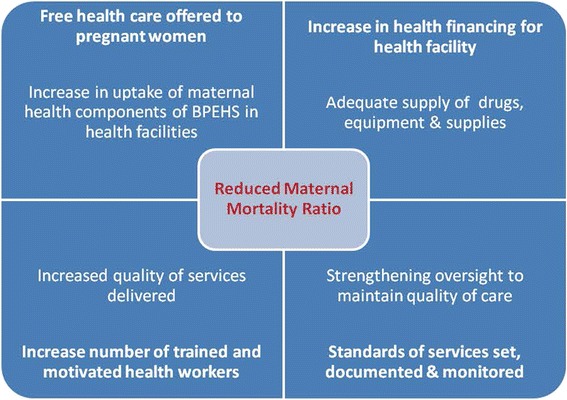
“The maternal health outcomes will improve and the maternal mortality rate (MMR) will decrease if the pregnant women use the free maternal services and the quality of these services improved and maintained by a motivated and competent workforce (Koroma et al., 2017).”
Backgrounddo Nascimento, E. S. (2024) · Digital Library of Theses and Dissertations (Universidade de São Paulo) · doi:10.11606/d.22.2024.tde-23102024-074934 · Cited by 1
Evaluation of Antenatal Care Screening According to the National Recommendations in Senegal
Sarr, A. M., Toure, K., Ondoa, P., Koster, W., Datt-Fall, A. K., Diémé, O., & Sow, A. I. (2017) · Central African Journal of Public Health · doi:10.11648/j.cajph.20170305.14
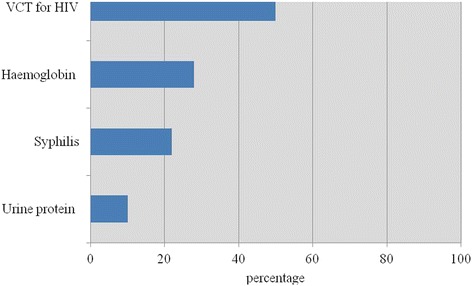
“In Sierra Leone, less than a third of women were screened for haemoglobin estimation, albumin in urine and syphilis (10–28%), compared to an HIV test (50%) (10–28%) [10].”
BackgroundQualidade da assistência pré-natal em Nampula, Moçambique
Reis-Muleva, B. (2020) · Digital Library of Theses and Dissertations (Universidade de São Paulo) · doi:10.11606/d.7.2020.tde-25022021-132650 · Cited by 5
Wambui, E., Echoka, E., Wekesah, F. M., Langat, N., & Makokha, A. O. (2022) · Research Square · doi:10.21203/rs.3.rs-1148529/v1
Luwedde, M., & Sserwanja, Q. (2022) · Research Square · doi:10.21203/rs.3.rs-1615897/v1
Maguele, M. S. B., Cumbane, E., Daneluzzo, J., de Melo, M. S. I., Benzane, V., Paizone, F., Homo, B. P., & Galle, A. (2025) · medRxiv · doi:10.1101/2025.03.04.25323363
Starling, S., Roemers, R., Wussow, J., Fedorova, T. D., Conteh, M. I., Kalokoh, I. A., Sheriff, H. S., Dumbuya, A., Sankoh, Z. M., Bolkan, H. A., et al. (2025) · Research Square · doi:10.21203/rs.3.rs-7139990/v1
Reis-Muleva, B., Duarte, L. S., & Nascimento, N. D. C. (2025) · Enfermería actual en Costa Rica · doi:10.15517/fbssne82
Fula, F. M., Ngbolua, K. N., Amuli, J. J., & Mukandu, B. L. B. (2025) · Orapuh Journal · doi:10.4314/orapj.v6i4.31 · Cited by 1
Bright, S., Moses, F., Ridout, A., Sam, B., Momoh, M., Goodhart, V., Smart, F., Mannah, M. T., Issa, S., Herm-Singh, S., et al. (2023) · Figshare · doi:10.6084/m9.figshare.22611002
Sserwanja, Q., Musaba, M. W., Kamara, K., Mutisya, L. M., & Mukunya, D. (2022) · Figshare · doi:10.6084/m9.figshare.21228847
Bright, S., Moses, F., Ridout, A., Sam, B., Momoh, M., Goodhart, V., Smart, F., Mannah, M. T., Issa, S., Herm-Singh, S., et al. (2023) · Figshare · doi:10.6084/m9.figshare.22611005
Obi‐Jeff, C., Umar, L., Oguntimehin, F., Abdulganiyu, A. O., Adejumo, A., Elemuwa, C. O., Dodo, A. M., Haruna, Z., Okoro, U. A., & Eboreime, E. (2026) · Research Square · doi:10.21203/rs.3.rs-8701959/v1
Feni, Y., Nsengiyumva, P., & Showers, V. A. (2026) · African Journal for Physical Activity and Health Sciences (AJPHES) · doi:10.37597/ajphes.2026.32.1.8
Baten, A., Biswas, R. K., Kendal, E. S., & Bhowmik, J. (2026) · Health Care For Women International · doi:10.1080/07399332.2026.2715599
Katrine, A., Birkelid, T. K., Silje, E., Bente, B., & Skirnisdottir, V. E. (2026) · Sexual & Reproductive Healthcare · doi:10.1016/j.srhc.2026.101296
Metadata
- Authors
- Koroma, M. M., Kamara, S. S., Bangura, E. A., Kamara, M. A., Lokossou, V., & Keita, N.
- Affiliations
- University of Makeni (SL)
- West African Health Organisation (BF)
- Corresponding author
- Koroma, Manso M.
- Venue
- Health Research Policy and Systems
- Published
- 2017-07
- Volume
- 15
- Issue
- S1
- Pages
- 49-49
- ISSN
- 1478-4505 (ISSN-L)
- PMC
- PMC5516841
- OpenAlex
- W2736151266
- Semantic Scholar
- 60f194d3d9d310ff924b05ae160b9dcc5a2f3816
- Cited by
- 59
- References
- 26
- Citations by year
- 2026: 4 · 2025: 7 · 2024: 4 · 2023: 10 · 2022: 15 · 2021: 5 · 2020: 8 · 2019: 3 · 2018: 1 · 2017: 2
- FWCI
- 4.18
- Type
- journal article
- Language
- en
- Open access
- gold
- doi.org
- Licence
- cc-by
- Locations
- Health Research Policy and Systems (publishedVersion, cc-by)
- Europe PMC (PubMed Central) (publishedVersion, cc-by)
- PubMed Central (publishedVersion, cc-by)
- PubMed (publishedVersion)
- DOAJ (DOAJ: Directory of Open Access Journals) (submittedVersion, cc-by-sa)
- Topics
- Health Sciences › Medicine › Pediatrics, Perinatology and Child Health › Global Maternal and Child Health
- Health Sciences › Medicine › Pediatrics, Perinatology and Child Health › Maternal and fetal healthcare
- Health Sciences › Medicine › Obstetrics and Gynecology › Maternal and Perinatal Health Interventions
- Keywords
- prenatal care quality, delivery services, emergency obstetric care, maternal mortality, free health services, skilled birth attendance, health facility infrastructure, Northern Sierra Leone
- MeSH terms
- Africa, Western, Cross-Sectional Studies, Female, Health Services Accessibility, Humans, Maternal Health Services, Maternal Mortality, Pregnancy, Quality of Health Care, Sierra Leone, Africa South of the Sahara, Delivery, Obstetric
About these checks
Registry, retraction, Cites and statistics results are computed, not judged, with one exception: a printed reference that no index lists is read once by a model before it counts as a citation error. Claims are extracted by a model and kept only when their quote appears verbatim in the text; each cited source is then checked, with a model’s help, for whether it says what the claim relies on. Those verdicts can be wrong — read the claim’s quote and the cited source before relying on one.
Statistics and arithmetic are recomputed, not judged.
Confidence bands are shown only for fields calibrated on our annotated test set. None is calibrated yet, so no band is shown.
What counts as a claim ›How we measure confidence ›How we check this ›
Are you an author, or do you see a problem with this page? Request a review
Data sources
Bibliographic data: Semantic Scholar, OpenAlex, Crossref.
Contains information from the Semantic Scholar Academic Graph Datasets, made available under the ODC Attribution License (ODC-BY 1.0).
Semantic Scholar’s data is described in: Kinney, R., et al. (2023). The Semantic Scholar Open Data Platform. arXiv:2301.10140.
