

Cancer combination therapies by angiogenesis inhibitors; a comprehensive review
Open accessThe DOI matches its Crossref record; 226 of the 227 references it cites were found in a registry or an index.
Abstract
Abnormal vasculature is one of the most conspicuous traits of tumor tissue, largely contributing to tumor immune evasion. The deregulation mainly arises from the potentiated pro-angiogenic factors secretion and can also target immune cells' biological events, such as migration and activation. Owing to this fact, angiogenesis blockade therapy was established to fight cancer by eliminating the nutrient and oxygen supply to the malignant cells by impairing the vascular network. Given the dominant role of vascular-endothelium growth factor (VEGF) in the angiogenesis process, the well-known anti-angiogenic agents mainly depend on the targeting of its actions. However, cancer cells mainly show resistance to anti-angiogenic agents by several mechanisms, and also potentiated local invasiveness and also distant metastasis have been observed following their administration. Herein, we will focus on clinical developments of angiogenesis blockade therapy, more particular, in combination with other conventional treatments, such as immunotherapy, chemoradiotherapy, targeted therapy, and also cancer vaccines.
Overview
The claims and statistics of this paper haven’t been checked yet.
Free: it reads the open-access text and checks the first 5 claims that cite a source we can check. Create a free account to check every claim.
Integrity signals
Registry
Cites
Statistics
Figures
Verification
Claims the paper makes
The claims and statistics of this paper haven’t been checked yet.
Free: it reads the open-access text and checks the first 5 claims that cite a source we can check. Create a free account to check every claim.
Claims other papers make about this one
Each is checked against this paper’s own text: does it say what the citing paper says it does?
The source backs part of the claim, not all of it — or backs it for a different population, condition or comparison.
In the citing paper
“However, combinations of multiple anti-angiogenic agents with complementary pro-angiogenic targets, or of anti-angiogenics with other modalities such as immunotherapy, chemotherapy or other modalities, show increased patient benefit and are now widely used treatment options in many cancer types [35].”
From The HIF Axes in Cancer - Angiogenesis, Metabolism and Immune-Modulation (2025) · cites this paper as [35]
Experimental — accuracy not yet measured
Self-check
Percentages, sums and reported differences re-computed from the paper’s own numbers.
The self-check needs the paper’s full text.
Citations
Cites
1 retracted
He, Z., Subramaniam, D., Ramalingam, S., Dhar, A., Postier, R. G., Umar, S., Zhang, Y., & Anant, S. (2011) · American Journal of Physiology-Gastrointestinal and Liver Physiology · doi:10.1152/ajpgi.00159.2011 · Cited by 31
RetractedRor2 signaling regulates Golgi structure and transport through IFT20 for tumor invasiveness
Nishita, M., Park, S.-Y., Nishio, T., Kamizaki, K., Wang, Z., Tamada, K., Takumi, T., Hashimoto, R., Otani, H., Pazour, G. J., et al. (2017) · Scientific Reports · doi:10.1038/s41598-016-0028-x · Cited by 15,947
Tumor angiogenesis: therapeutic implications
Sherwood, L. M., Parris, E. E., & Folkman, J. (1971) · New England Journal of Medicine · doi:10.1056/nejm197111182852108 · Cited by 10,187
A New Era of Systemic Therapy for Hepatocellular Carcinoma with Regorafenib and Lenvatinib
Kudo, M. (2017) · Liver Cancer · doi:10.1159/000462153 · Cited by 5,936
Paclitaxel–Carboplatin Alone or with Bevacizumab for Non–Small-Cell Lung Cancer
Sandler, A., Gray, R., Perry, M. C., Brahmer, J., Schiller, J. H., Dowlati, A., Lilenbaum, R., & Johnson, D. H. (2006) · New England Journal of Medicine · doi:10.1056/nejmoa061884 · Cited by 5,761
Bruix, J., Qin, S., Merle, P., Granito, A., Huang, Y.-H., Bodoky, G., Pracht, M., Yokosuka, O., Rosmorduc, O., Breder, V., et al. (2017) · The Lancet · doi:10.1016/s0140-6736(16)32453-9 · Cited by 3,653
Pàez-Ribes, M., Allen, E., Hudock, J., Takeda, T., Okuyama, H., Viñals, F., Inoue, M., Bergers, G., Hanahan, D., & Casanovas, O. (2009) · Cancer Cell · doi:10.1016/j.ccr.2009.01.027 · Cited by 2,339
Gray, L. H., Conger, A. D., Ebert, M., Hornsey, S., & Scott, O. C. A. (1953) · The British Journal of Radiology · doi:10.1259/0007-1285-26-312-638 · Cited by 2,158
Immune checkpoint inhibitors: recent progress and potential biomarkers
Darvin, P., Toor, S. M., Sasidharan Nair, V., & Elkord, E. (2018) · Experimental & Molecular Medicine · doi:10.1038/s12276-018-0191-1 · Cited by 2,035
Kerbel, R. S. (2008) · New England Journal of Medicine · doi:10.1056/nejmra0706596 · Cited by 1,948
Research works printed but not linked: 4
- Wu H-C Huang C-T Chang D-K Anti-angiogenic therapeutic drugs for treatment of human cancer J Cancer Mol 2008 4 2 37 45
- Amin A Plimack ER Ernstoff MS Lewis LD Bauer TM McDermott DF Safety and efficacy of nivolumab in combination with sunitinib or pazopanib in advanced or metastatic renal cell carcinoma: the CheckMate 016 study J Immunother Cancer 2018 6 1 109 30348216 PMC6196426 · DOI · Paper page
- Yang KL Chi MS Ko HL Huang YY Huang SC Lin YM Axitinib in combination with radiotherapy for advanced hepatocellular carcinoma: a phase I clinical trial Radiat Oncol 2021 16 1 18 33472666 PMC7819176 · DOI
- Salazar R Capdevila J Manzano JL Pericay C Martínez-Villacampa M López C Phase II randomized trial of capecitabine with bevacizumab and external beam radiation therapy as preoperative treatment for patients with resectable locally advanced rectal adenocarcinoma: long term results BMC Cancer 2020 20 1 1164 33246428 PMC7694337 · DOI
Cited by
Angiogenic signaling pathways and anti-angiogenic therapy for cancer
Liu, Z.-L., Chen, H.-H., Zheng, L.-L., Sun, L.-P., & Shi, L. (2023) · Signal Transduction and Targeted Therapy · doi:10.1038/s41392-023-01460-1 · Cited by 1,300
“Additionally, the combination of angiogenic inhibitors with other conventional cancer treatment including chemotherapy, radiotherapy, immune therapy, adoptive cell therapy, and cancer vaccines has been evidently demonstrated through many pivotal clinical trials among patients with different types of cancer.(47) With t…”
BackgroundVEGF signaling: Role in angiogenesis and beyond
Shaw, P., Dwivedi, S. K. D., Bhattacharya, R., Mukherjee, P., & Rao, G. (2024) · Biochimica et Biophysica Acta (BBA) - Reviews on Cancer · doi:10.1016/j.bbcan.2024.189079 · Cited by 215
Vimalraj, S. (2022) · International Journal of Biological Macromolecules · doi:10.1016/j.ijbiomac.2022.09.129 · Cited by 186
PEGylated PLGA nanoparticles: unlocking advanced strategies for cancer therapy
Kesharwani, P., Kumar, V., Goh, K. W., Gupta, G., Alsayari, A., Wahab, S., & Sahebkar, A. (2025) · Molecular Cancer · doi:10.1186/s12943-025-02410-x · Cited by 132
“Administering low-dose chemotherapy with medications that target certain biochemical pathways or immunological checkpoints may lead to synergistic effects, hence improving patient outcomes [92].”
Decoding tumor angiogenesis: pathways, mechanisms, and future directions in anti-cancer strategies
Liu, X., Zhang, J., Yi, T., Li, H., Tang, X., Liu, D., Wu, D., & Li, Y. (2025) · Biomarker Research · doi:10.1186/s40364-025-00779-x · Cited by 137
“In addition, numerous pivotal clinical trials have evaluated the combination of angiogenesis inhibitors with traditional cancer therapies such as chemotherapy, radiotherapy, biotherapy, immunotherapy, adoptive cell therapy, and cancer vaccines in patients with various cancer types [22].”
Revolutionizing Cancer Treatment: Recent Advances in Immunotherapy
Ghemrawi, R., Abuamer, L., Kremesh, S., Hussien, G., Ahmed, R., Mousa, W. K., Khoder, G., & Khair, M. (2024) · Biomedicines · doi:10.3390/biomedicines12092158 · Cited by 111
The HIF Axes in Cancer - Angiogenesis, Metabolism and Immune-Modulation
Acuña-Pilarte, K., & Koh, M. Y. (2025) · Trends in Biochemical Sciences · doi:10.1016/j.tibs.2025.06.005 · Cited by 64
New immunotherapeutic approaches for cancer treatment
Kamrani, A., Hosseinzadeh, R., Shomali, N., Heris, J. A., Shahabi, P., Mohammadinasab, R., Sadeghvand, S., Ghahremanzadeh, K., Sadeghi, M., & Akbari, M. (2023) · Pathology - Research and Practice · doi:10.1016/j.prp.2023.154632 · Cited by 60
Self-citationAngiogenesis in Lung Cancer: Understanding the Roles of Growth Factors
Tchawe, Y. S. N., Zhilenkova, A. V., Essogmo, F. E., Uchendu, I. K., Owoicho, A. M., Fossa, L. T., Sangadzhieva, Z. D., Sanikovich, V. D., Rusanov, A. S., Pirogova, Y. N., et al. (2023) · Cancers · doi:10.3390/cancers15184648 · Cited by 70
“However, this should be approached with caution because certain studies have identified the possibility of toxicity leading to therapeutic termination [48,51].”
BackgroundMao, X., Wu, S., Huang, D., & Li, C. (2024) · Acta Pharmaceutica Sinica B · doi:10.1016/j.apsb.2024.03.006 · Cited by 57
Yang, Z., Xu, C., Lee, J. X., & Lum, G. Z. (2024) · Advanced Materials · doi:10.1002/adma.202408750 · Cited by 54
Puri, M., & Sonawane, S. S. (2025) · International Journal of Molecular Sciences · doi:10.3390/ijms26093988 · Cited by 41
Aqueous Extract of Cinnamon ( Cinnamomum spp.): Role in Cancer and Inflammation
Khedkar, S., & Khan, M. A. (2023) · Evidence-based Complementary and Alternative Medicine · doi:10.1155/2023/5467342 · Cited by 55
“Te genes involved in angiogenesis (formation of new blood vessels) or proangiogenesis are upregulated in the TME [80].”
BackgroundInfluentialScoping Review on Platelets and Tumor Angiogenesis: Do We Need More Evidence or Better Analysis?
Filippelli, A., Gaudio, C. D., Simonis, V., Ciccone, V., Spini, A., & Donnini, S. (2022) · International Journal of Molecular Sciences · doi:10.3390/ijms232113401 · Cited by 33
Uncover the anticancer potential of lycorine
Zhang, Y.-M., Li, T., Xu, C.-C., Qian, J.-Y., Guo, H., Zhang, X., Zhan, Z., & Lu, J. (2024) · Chinese Medicine · doi:10.1186/s13020-024-00989-9 · Cited by 38
“Depriving oxygen and nutrients to inhibit angiogenesis represents a potential therapeutic approach to suppress tumor growth [91].”
BackgroundChanging landscape of anti-angiogenic therapy: Novel approaches and clinical perspectives
Gacche, R. N. (2023) · Biochimica et Biophysica Acta (BBA) - Reviews on Cancer · doi:10.1016/j.bbcan.2023.189020 · Cited by 43
Wang, Y., He, J., Zhao, Q., Ji, B., Zhou, Y., Sun, H., Ding, B., & Ren, M.-H. (2024) · Frontiers in Immunology · doi:10.3389/fimmu.2024.1416914 · Cited by 29
“The use of angiogenesis inhibitors in cancer treatment, targeting the formation of new blood vessels in tumors, represents a promising approach for a variety of solid tumors (35).”
BackgroundAberrant Notch-signaling promotes tumor angiogenesis in esophageal squamous-cell carcinoma
Li, C., Wu, P., Xie, X., Chen, X., Chen, L., Zhu, L., Xuan, Z., Liu, T., Tan, W., Zhang, S., et al. (2025) · Signal Transduction and Targeted Therapy · doi:10.1038/s41392-025-02309-5 · Cited by 40
“As tumor angiogenesis plays an important role in chemotherapy resistance and anti-angiogenic agents were usually combined with chemotherapeutics in the clinic, 47 we thus assessed whether inhibiting USP5 may enhance the antitumor ef fi cacy of chemotherapy in ESCC (Fig.”
Rahman, M. A., & Ali, M. M. (2024) · Cancers · doi:10.3390/cancers16172975 · Cited by 28
“Table 4 provides a concise overview of immunotherapy medications, including information on their molecular mechanism of action, target cells, recommended doses, and current usage in the treatment of GBM.”
BackgroundBaammi, S., Allali, A. E., & Daoud, R. (2023) · Frontiers in Molecular Biosciences · doi:10.3389/fmolb.2023.1227643 · Cited by 30
“When the VEGFR-2 pathway is blocked, it has a significant anti-angiogenic effect on human cancer (Ansari et al., 2022).”
Vascular Endothelial Growth Factor Family and Head and Neck Squamous Cell Carcinoma
Dumitru, C. Ș., & Raica, M. (2023) · Anticancer Research · doi:10.21873/anticanres.16626 · Cited by 34
Melittin: a possible regulator of cancer proliferation in preclinical cell culture and animal models
Haque, S., Hussain, A., Joshi, H., Sharma, U., Sharma, B., Aggarwal, D., Rani, I., Ramniwas, S., Gupta, M., & Tuli, H. S. (2023) · Journal of Cancer Research and Clinical Oncology · doi:10.1007/s00432-023-05458-8 · Cited by 28
“A type of pluripotent stem cell called endothelial progenitor cells (EPCs) has the ability to develop into endothelial cells that are fully mature (Amirazad et al. 2022; Ansari et al. 2022).”
BackgroundCurrent advances in modulating tumor hypoxia for enhanced therapeutic efficacy
Liu, Z., Liu, X., Zhang, W., Gao, R., Wei, H., & Yu, C. (2024) · Acta Biomaterialia · doi:10.1016/j.actbio.2024.01.010 · Cited by 27
Vahabi, L., Ranjbar, P. R., & Davar, F. (2022) · Journal of Drug Delivery Science and Technology · doi:10.1016/j.jddst.2022.104144 · Cited by 26
Liu, W.-S., Chen, Z., Lu, Z., Dong, J., Wu, J.-H., Gao, J., Deng, D., & Li, M. (2024) · Journal of Controlled Release · doi:10.1016/j.jconrel.2024.06.001 · Cited by 27
Enhancing Gpx1 palmitoylation to inhibit angiogenesis by targeting PPT1
Ma, Y., Yuan, X., Wei, A., Li, X., Patar, A., Su, S., Wang, S., Ma, G., Zhu, J., & Kong, E. (2024) · Redox Biology · doi:10.1016/j.redox.2024.103376 · Cited by 29
“These abnormal blood vessel formations can lead to a variety of health problems, including cancer, retinopathy, and chronic inflammation [5].”
Kędzierska, M., & Bańkosz, M. (2024) · Journal of Clinical Medicine · doi:10.3390/jcm13237131 · Cited by 29
“These combinations can act synergistically, simultaneously reducing the risk of resistance to anti-angiogenic therapy and enabling a more comprehensive approach to fighting cancer [212].”
Anticancer Activity of Region B Capsaicin Analogs
Brown, K. C., Modi, K. J., Light, R. S., Cox, A. J., Long, T. E., Gadepalli, R. S., Rimoldi, J. M., Miles, S. L., Rankin, G. O., Valentovic, M. A., et al. (2023) · Journal of Medicinal Chemistry · doi:10.1021/acs.jmedchem.2c01594 · Cited by 29
Breast Cancer: Molecular Pathogenesis and Targeted Therapy
Samad, M. A., Ahmad, I., Khan, M. R., Suhail, M., Zughaibi, T. A., Al-Abbasi, F. A., Alhosaini, K. A., Khan, M. S., Kumer, A., & Tabrez, S. S. M. (2025) · MedComm · doi:10.1002/mco2.70404 · Cited by 34
Drug Repurposing to Enhance Antitumor Response to PD-1/PD-L1 Immune Checkpoint Inhibitors
Thuru, X., Magnez, R., Bouazzati, H. E., Vergoten, G., Quesnel, B., & Bailly, C. (2022) · Cancers · doi:10.3390/cancers14143368 · Cited by 24
“Several options have been proposed, in particular, combinatorial therapies which consist of a cumulation of different treatment modalities, such as immunotherapy combined with chemotherapy [15], anti-angiogenic therapy [16], radiotherapy [17,18], and other treatment options (targeted therapeutics, nanotechnologies, et…”
BackgroundThe potential of vascular normalization for sensitization to radiotherapy
Guo, Z., Lei, L., Zhang, Z., Du, M., & Chen, Z. (2024) · Heliyon · doi:10.1016/j.heliyon.2024.e32598 · Cited by 30
“Z. Guo et al. favorably demonstrated in patients with different types of cancer in clinical trials [28] (Fig.”
BackgroundLi, C., Yuan, X. Y., & Yi, P. (2025) · Current Gene Therapy · doi:10.2174/0115665232340926241105064739 · Cited by 22
Novel quinoxaline-based VEGFR-2 inhibitors to halt angiogenesis
Ismail, M. M. F., Shawer, T. Z., Ibrahim, R. S., Allam, R. M., & Ammar, Y. A. (2023) · Bioorganic Chemistry · doi:10.1016/j.bioorg.2023.106735 · Cited by 21
Elsawi, A. E., Shahin, M. I., Elbendary, H. A., Al-Warhi, T. I., Hassan, F. E.-S., & Eldehna, W. M. (2024) · Pharmaceuticals · doi:10.3390/ph17010081 · Cited by 25
“Designated as one of the crucial hallmarks of cancer growth, metastasis and survival, angiogenesis blocking is entrenched as one of the foremost approaches to treating different life-threatening cancer diseases [3,4].”
BackgroundThe Role of Snake Venom Disintegrins in Angiogenesis
Clissa, P. B., Della-Casa, M. S., Zychar, B. C., & Sanabani, S. S. (2024) · Toxins · doi:10.3390/toxins16030127 · Cited by 20
“The abnormal angiogenesis associated with cancer provides an opportunity for therapeutic intervention by targeting angiogenic factors or inhibiting the endothelial cell response [79,80].”
BackgroundAlam, S., Afzal, G., Hussain, R., Ali, H. M., Sami, A., Malik, R. M., Jabeen, R., Ataya, F. S., & Li, K. (2025) · npj Clean Water · doi:10.1038/s41545-025-00434-w · Cited by 22
“%) inhibited C6 glioma tumor development and caused a 3 – 5-foldreductioningrowthofmetastaticLewislungcarcinoma 36 ,hence,it could be used in the pharmaceutical preparations for anti-angiogenic therapy of metastatic gastro-intestinal, neuroendocrine, colorectal and reproductive carcinomas 37 .”
Tarahomi, M., Amandi, A. F., Eslami, M., Yazdani, Y., Farrokhi, A. S., Ghorbani, F., Taherian, M. H., & Yousefi, B. (2023) · Medical Oncology · doi:10.1007/s12032-023-01952-8 · Cited by 21
Lahimchi, M. R., Eslami, M., & Yousefi, B. (2023) · International Immunopharmacology · doi:10.1016/j.intimp.2023.109932 · Cited by 19
Park, R., Kang, M. S., Heo, G., Shin, Y. C., Han, D., & Hong, S. W. (2023) · ACS Nano · doi:10.1021/acsnano.2c09815 · Cited by 21
Gholizadeh, O., Akbarzadeh, S., Moein, M., Yasamineh, S., Hosseini, P., Afkhami, H., Amini, P., Dadashpour, M., Tahavvori, A., Eslami, M., et al. (2023) · Microbial Pathogenesis · doi:10.1016/j.micpath.2023.105995 · Cited by 17
Self-citationTarget Therapy in Malignant Pleural Mesothelioma: Hope or Mirage?
Borea, F., Frańczak, M., Garcia, M., Perrino, M., Cordua, N., Smolenski, R. T., Peters, G. J., Dziadziuszko, R., Santoro, A., Zucali, P. A., et al. (2023) · International Journal of Molecular Sciences · doi:10.3390/ijms24119165 · Cited by 23
“It was the first anti-angiogenetic to be FDA-approved for use along with chemotherapy [19].”
BackgroundTadic, S., & Martínez, A. (2024) · Frontiers in Immunology · doi:10.3389/fimmu.2024.1433185 · Cited by 23
“Frontiers in Immunology frontiersin.org 2 Anti-angiogenic pharmacological therapies Different drugs have been developed to target angiogenesis and some of them are currently recognized as standard-of-care, usually in combination with targeted therapies, and/or chemo-and radio-therapies (27).”
Exploring Moroccan Medicinal Plants for Anticancer Therapy Development Through In Silico Studies
Bouribab, A., Karim, E. M., Khedraoui, M., Abchır, O., Errougui, A., Raouf, Y. S., Samadi, A., & Chtita, S. (2024) · Pharmaceuticals · doi:10.3390/ph17111528 · Cited by 17
Ye, Z., Li, Y., Sun, Y., Ye, H., Tang, J., Cao, G., Feng, Z., Bao, Y., Zeng, Y., Pan, Z., et al. (2024) · International Journal of Biological Macromolecules · doi:10.1016/j.ijbiomac.2024.139153 · Cited by 17
Endothelium as a Source of Cardiovascular Toxicity From Antitumor Kinase Inhibitors
Travers, R. J., Stepanian, A., & Jaffe, I. Z. (2024) · Arteriosclerosis Thrombosis and Vascular Biology · doi:10.1161/atvbaha.124.319864 · Cited by 23
“50 Since much of the cancer efficacy of VEGFRIs derives from preventing tumor angiogenesis, which is initiated by ECs, this class is unique in that EC toxicity is integral to their effectiveness against cancer.”
Vatsavai, N., Bhinder, S. K., Shaik, R., Mahira, S., Kapoor, S. S., Ali, M. S., Verma, D., Singh, J. P., Gari, S. B. V., Upadhyay, P., et al. (2025) · Frontiers in Pharmacology · doi:10.3389/fphar.2025.1602529 · Cited by 20
Prome, A. A., Robin, T. B., Ahmed, N., Rani, N. A., Ahmad, I., Patel, H., Bappy, M. N. I., & Zinnah, K. M. A. (2023) · Journal of Biomolecular Structure and Dynamics · doi:10.1080/07391102.2023.2240895 · Cited by 16
“These growth factors can be targeted by cancer medication (Ansari et al., 2022).”
Das, V., Miller, J. H., Goud, A. C., Annadurai, N., Sanctis, J. B. D., Hrubá, L., & Hajdúch, M. (2024) · Medicinal Research Reviews · doi:10.1002/med.22033 · Cited by 16
“205,206 These compounds can target secondary defects in AD rather than primary targets like A β and tau (Figure 2).”
Advances in nuclear medicine-based molecular imaging in head and neck squamous cell carcinoma
Li, D., Li, X., Zhao, J., & Tan, F. (2022) · Journal of Translational Medicine · doi:10.1186/s12967-022-03559-5 · Cited by 17
“integrin‐targeted imaging Stand-alone anti-angiogenic therapy or combination with other anticancer strategies for HNCs might arrest tumor progression [110].”
BackgroundReprogramming the tumor microenvironment to improve the efficacy of cancer immunotherapies
Faraj, J. A., Al-Athari, A. J. H., Mohie, S. E. D., Kadhim, I. K., Jawad, N. M., Abbas, W. J., & Jalil, A. T. (2022) · Medical Oncology · doi:10.1007/s12032-022-01842-5 · Cited by 19
“In another hand, CAFs hinder the anti-tumor activity of antigen-presenting cells (APCs) through the downregulation of MHC class II molecules and the co-stimulatory molecules in dendritic cells (DC) [29], or promotion of the differentiation of immature DCs to regulatory DCs (DCregs) with immunosuppressive activity [30]…”
BackgroundSelf-citationEldehna, W. M., Elsayed, Z. M., Elnagar, M. R., Ammara, A., Elkotamy, M. S., Monir, R., Nocentini, A., Al-Sanea, M. M., Supuran, C. T., Tawfik, H. O., et al. (2025) · RSC Medicinal Chemistry · doi:10.1039/d5md01043h · Cited by 15
Ileiwat, Z. E., Tabish, T. A., Zinovkin, D. A., Yüzügülen, J., Arghiani, N., & Pranjol, M. Z. I. (2022) · Frontiers in Immunology · doi:10.3389/fimmu.2022.976677 · Cited by 15
“In vitro experiments using human lung microvascular endothelial cells (HLMECs) showed sunitinib treatment reduced endothelial cell proliferation and invasion due to Frontiers in Immunology 09 sunitinib-mediated VEGFR2 inhibition, while in vivo experiments using RCC xenograft, mice presented a significant reduction in…”
BackgroundInfluentialThe metastatic cascade through the lens of therapeutic inhibition
Miranda, I., Jahan, N., & Shevde, L. A. (2024) · Cell Reports Medicine · doi:10.1016/j.xcrm.2024.101872 · Cited by 22
“38 41 EMT Following angiogenesis, some tumor cells undergo EMT and morph from an epithelial phenotype to a more mesenchymal phenotype, a process that occurs physiologically in embryonic development and wound healing.”
Shao, Y., Luo, Z., Yu, Y., He, Y., Liu, C., Chen, Q., Zhu, F., Nie, B., & Liu, H. (2022) · Frontiers in Oncology · doi:10.3389/fonc.2022.939343 · Cited by 15
“Anti-angiogenesis is considered to be an important therapeutic strategy for the treatment of various tumors, especially for advanced or metastatic cancer (6).”
BackgroundApplication of nanoparticles to target tumor blood vessels as a promising cancer treatment strategy
Lorenc, P., Dams‐Kozlowska, H., Guzniczak, N., & Florczak, A. (2025) · Biomedicine & Pharmacotherapy · doi:10.1016/j.biopha.2025.118038 · Cited by 15
El-Masry, R. M., Essa, B. M., Selim, A. A., El‐Emam, S. Z., Mohamed, K. O., Sakr, T. M., Kadry, H. H., Taher, A. T., & Abou‐Seri, S. M. (2022) · Pharmaceuticals · doi:10.3390/ph15121476 · Cited by 12
“VEGF is one of the pro-angiogenic proteins; upon binding to VEGF receptors in the endothelial cells, it activates phosphorylation, causing increased angiogenesis and resulting in abnormal vasculature in the tumor tissue [24,25].”
BackgroundMendoza‐Torreblanca, J. G., Cárdenas‐Rodríguez, N., Carro-Rodríguez, J., Contreras‐García, I. J., Garciadiego-Cázares, D., Ortega-Cuéllar, D., Martínez-López, V., Alfaro-Rodríguez, A., Evia-Ramírez, A. N., Ignacio‐Mejía, I., et al. (2023) · International Journal of Molecular Sciences · doi:10.3390/ijms241210199 · Cited by 15
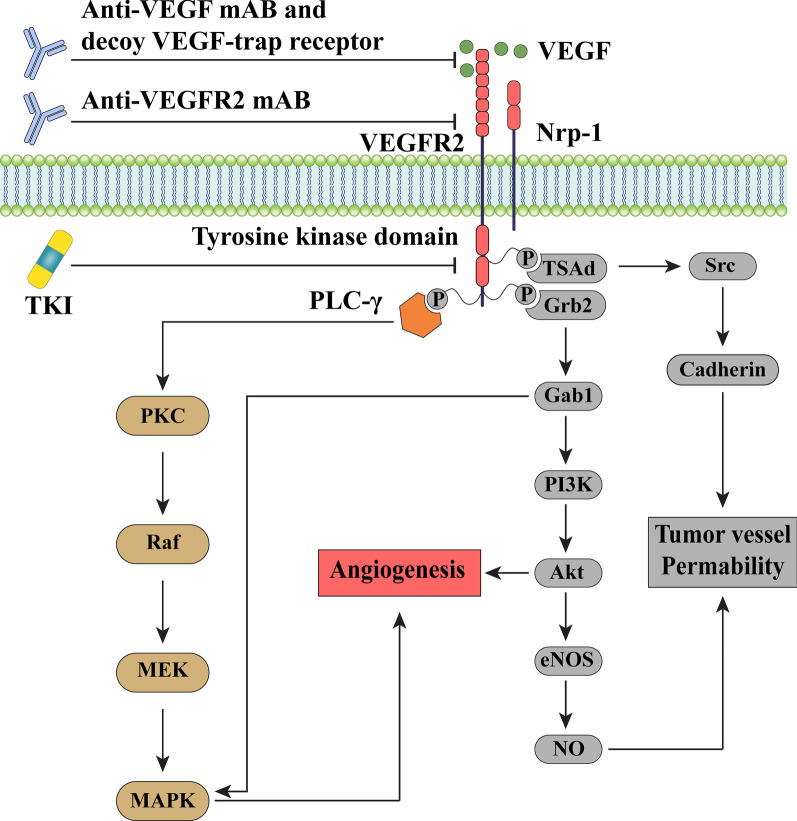
“Traditionally, antiangiogenic agents targeting the VEGF signaling pathway can be broadly divided into three categories: (1) anti-VEGF antibodies, (2) anti-VEGFR antibodies, and (3) VEGFR tyrosine kinase inhibitors (TKIs) [18,19].”
BackgroundGu, X., Majumder, J., Taratula, O. R., Kuzmov, A., Garbuzenko, O. B., Pogrebnyak, N., & Minko, T. (2024) · International Journal of Molecular Sciences · doi:10.3390/ijms25105545 · Cited by 11
“These factors notably amplify its tendency to metastasize and resist drugs, making it difficult for conventional chemotherapy treatments to deliver therapeutic agents effectively [3–5].”
BackgroundAdvances and Challenges in Human 3D Solid Tumor Models
Natesh, N. R., & Varghese, S. (2025) · Advanced Functional Materials · doi:10.1002/adfm.202419912 · Cited by 15
Li, J., Li, Z., & Wang, K. (2025) · Frontiers in Immunology · doi:10.3389/fimmu.2025.1550752 · Cited by 16
Brevilin A Inhibits VEGF‐Induced Angiogenesis through ROS‐Dependent Mitochondrial Dysfunction
Wei, B., Hao, Z., Zheng, H., Qin, Y., Zhao, F. H., & Shi, L. (2022) · Oxidative Medicine and Cellular Longevity · doi:10.1155/2022/5888636 · Cited by 11
“In reality, this signaling activates certain genes in surrounding the normal host tissue that causes proteins, such as proangiogenic factors, to encourage the growth of new blood vessels of solid tumors [17].”
Maximizing arsenic trioxide's anticancer potential: Targeted nanocarriers for solid tumor therapy
Yang, S., Raza, F., Li, K., Qiu, Y., Su, J., & Qiu, M. (2024) · Colloids and Surfaces B Biointerfaces · doi:10.1016/j.colsurfb.2024.114014 · Cited by 13
CADD Methods for Developing Novel Compounds Synthesized to Inhibit Tyrosine Kinase Receptors
Bouribab, A., Errougui, A., & Chtita, S. (2024) · Current Topics in Medicinal Chemistry · doi:10.2174/0115680266312422240712053821 · Cited by 10
Dehghani, T., Shahrjerdi, A., Kahrizi, M. S., Soleimani, E., Ravandeh, S., Merza, M. S., Rahnama, N., Ebrahimzadeh, F., & Bakhshesh, M. (2023) · Pathology - Research and Practice · doi:10.1016/j.prp.2023.154470 · Cited by 11
Reduced FRG1 expression promotes angiogenesis via activation of the FGF2 ‐mediated ERK / AKT pathway
Mukherjee, B., Brahma, P., Mohapatra, T., Chawla, S., & Dixit, M. (2023) · FEBS Open Bio · doi:10.1002/2211-5463.13582 · Cited by 12
Ginsenoside Rg3 in Cancer Research: Current Trends and Future Prospects - A Review
Tanko, A. I., Hosawi, S. B. I., Moglad, E. H. O., Afzal, M., Ghaboura, N., Alzarea, S. I., Osman, A., Nadeem, M. S., & Kazmi, I. A. (2025) · Current Medicinal Chemistry · doi:10.2174/0109298673333781240924024342 · Cited by 11
Fathah, D. E., & Ejaz, S. (2025) · Journal of the Egyptian National Cancer Institute · doi:10.1186/s43046-025-00317-8 · Cited by 10
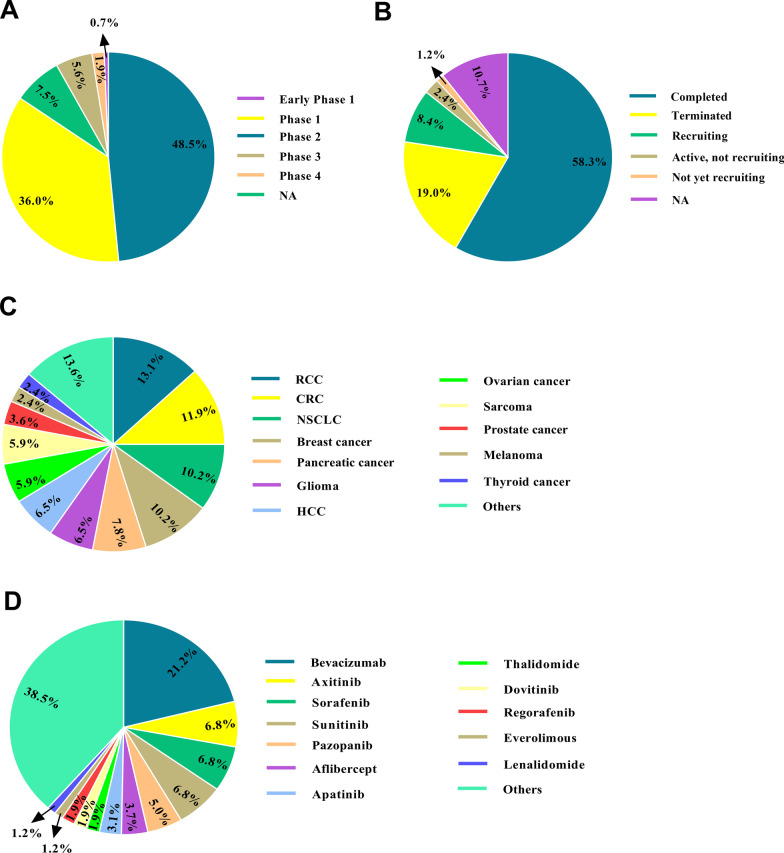
“The FDA-approved drugs for metastatic tumors are axitinib, sunitinib, everolimus, lenalidomide, Bevacizumab, ramucirumab, pazopanib, regorafenib, cabozantinib, lenvatinib, sorafenib, Ziv-aflibercept, vandetanib, and thalidomide [93].”
The prognostic value and immunological role of angiogenesis-related patterns in colon adenocarcinoma
Sun, W., Xu, Y., Zhao, B., Zhao, M., Chen, J., Chu, Y., & Peng, H. (2022) · Frontiers in Oncology · doi:10.3389/fonc.2022.1003440 · Cited by 11
MicroRNAs in Tumor Endothelial Cells: Regulation, Function and Therapeutic Applications
Gu, Y. J., Becker, M. A., Müller, L., Reuss, K., Umlauf, F., Tang, T., Menger, M. D., & Laschke, M. W. (2023) · Cells · doi:10.3390/cells12131692 · Cited by 10
“Such a promising option is the inhibition of angiogenesis, which may be performed as monotherapy or in combination with other therapeutic approaches [2,3].”
BackgroundInterleukin‐24: A Multidimensional Therapeutic for Treatment of Human Diseases
Raguraman, R., Munshi, A., & Ramesh, R. (2025) · Wiley Interdisciplinary Reviews Nanomedicine and Nanobiotechnology · doi:10.1002/wnan.70013 · Cited by 8
Radiolabeled Nanogels: From Multimodality Imaging to Combination Therapy of Cancer
Ghosh, S. P., Cai, W., & Chakravarty, R. (2025) · Small Science · doi:10.1002/smsc.202400298 · Cited by 9
Kina, S., Miyamoto, S., Kawabata-Iwakawa, R., Kina-Tanada, M., Ogawa, M., & Yokoo, S. (2024) · American Journal of Cancer Research · doi:10.62347/eynt8387 · Cited by 13
PD-1/L1 inhibitor plus chemotherapy in the treatment of sarcomas
Tian, Z., & Yao, W. (2022) · Frontiers in Immunology · doi:10.3389/fimmu.2022.898255 · Cited by 8
“Anti-angiogenesis can lead to tumor vascular degeneration, tumor necrosis, and improve antigen presentation by DC cells (48).”
BackgroundLipids and lipid derivatives for delivery of the CRISPR/Cas9 system
Madhi, Z. S., Shallan, M. A., Almaamuri, A. M., Alhussainy, A. A., AL-Salih, S. S. H., Raheem, A. K., Alwan, H. J., & Jalil, A. T. (2022) · Journal of Drug Delivery Science and Technology · doi:10.1016/j.jddst.2022.103948 · Cited by 8
Self-citationTherapeutic targeting of dormant cancer stem cells in solid tumors
Ismaeel, G. L., AbdulHussein, A. H., Qasim, H. M., Abed, N. K., Jalil, A. T., Suleiman, A. A., & Dilfy, S. H. (2022) · Gene Reports · doi:10.1016/j.genrep.2022.101717 · Cited by 10
Self-citationEvaluation of IL-17 and IL-35 in patients with giardiasis in Thi-Qar province, Iraq
Hadi, W. S., Directorate of Dhi Qar Education, M. O. E., Salman, R. S., Al-fahham, A. A., Khan, M. U., Kadir, S., Laft, M. H., Iraqi Ministry of Education, A.-Q., Saeed, B. Q., Kadhum, W. R., et al. (2022) · Journal of Medicine and Life · doi:10.25122/jml-2021-0328 · Cited by 8
Self-citationDietary Oncopharmacognosy as a Crosswalk between Precision Oncology and Precision Nutrition
Thompson, H. J., Lutsiv, T., McGinley, J. N., Hussan, H., & Playdon, M. C. (2023) · Nutrients · doi:10.3390/nu15092219 · Cited by 10
“Small-molecule drugs that inhibit VEGF are in clinical trials, notably sorafenib, axitinib, and pazopanib [77].”
BackgroundReang, J., Sharma, V., Yadav, V., Tonk, R. K., Majeed, J., Sharma, A. K., & Sharma, P. C. (2024) · Medicinal Chemistry Research · doi:10.1007/s00044-024-03252-w · Cited by 10
“Several studies have discovered that the expression of hypoxia-Table WO2008119771A2 [178] inducible factor-1 α (HIF-1 α ) escalates in reaction to therapy [144, 145].”
Jasim, S. A., Shather, A. H., Alawsi, T., Ramírez‐Coronel, A. A., Mahdi, A. B., Normatov, M., Opulencia, M. J. C., & Kamali, F. (2022) · Inorganic Chemistry Communications · doi:10.1016/j.inoche.2022.110158 · Cited by 7
mukhlif, B. A., Patra, I., Kumar, T. C. A., Sivaraman, R., saadoon, N., Obaid, N. H., Kumar, N. B., & Mustafa, Y. F. (2022) · Monatshefte für Chemie - Chemical Monthly · doi:10.1007/s00706-022-03025-4 · Cited by 7
Sabaghi, V., Rashidi-Ranjbar, P., Davar, F., & Sharif‐Paghaleh, E. (2023) · Journal of Drug Delivery Science and Technology · doi:10.1016/j.jddst.2023.104703 · Cited by 8
Moshe, D. L., Baghaie, L., Leroy, F., Skapinker, E., & Szewczuk, M. R. (2023) · Biomedicines · doi:10.3390/biomedicines11082142 · Cited by 8
“Abbreviations AFs Angiogenic growth factors, BC Breast cancer, CNS Central nervous system, CSCs Cancer stem cells, CTLs Cytotoxic T lymphocytes, DCs Dendritic cells, EGF Epidermal Growth Factor, EMT Epithelial-mesenchymal transformation, Epn1/2 Epsins 1 and 2, FGF-2 Fibroblast growth factor, FGFRs Fibroblast growth fa…”
BackgroundInfluentialAyoub, N. M., Sardiah, S., Al–Share, Q. Y., & Alkader, M. S. (2024) · PLoS ONE · doi:10.1371/journal.pone.0310557 · Cited by 8
“The strategy of the combination of angiogenesis inhibitors provides the advantage of overcoming the known variability in the patterns and characteristics of tumor vascularity and hence the variability in the response to angiogenic inhibitors [68].”
BackgroundLin, Y., Lee, Y.-C., Liao, J.-B., Yu, P.-L., Chou, C.-Y., & Yang, Y. (2025) · International Journal of Molecular Medicine · doi:10.3892/ijmm.2025.5496 · Cited by 8
Promoting vascular stability through Src inhibition and Tie2 activation: A model-based analysis
Zhang, Y., Kontos, C. D., Annex, B. H., & Popel, A. S. (2025) · iScience · doi:10.1016/j.isci.2025.112625 · Cited by 7
“The Ang-Tie signaling pathway consists of ligands Ang1–4, receptor Tie2, and co-receptor Tie1.”
Jalil, Z., & Sahib, H. B. (2022) · Asian Pacific Journal of Cancer Prevention · doi:10.31557/apjcp.2022.23.12.4185 · Cited by 7
“Angiogenesis and lymph angiogenesis, which are triggered by chemical impulses from cancer cells in a fast-growing phase, are essential for tumor development and spread (Ansari et al., 2022).”
BackgroundManiar, R., & Loehrer, P. J. (2024) · Cancers · doi:10.3390/cancers16020416 · Cited by 9
“The impact of anti-angiogenesis on the cytotoxic effects of conventional chemotherapy and immune cell trafficking has been reported across numerous preclinical and translational studies [91–93].”
BackgroundKatayama, Y., Yamada, T., Sawada, R., Kawachi, H., Morimoto, K., Watanabe, S., Watanabe, K., Takeda, T., Chihara, Y., Shiotsu, S., et al. (2024) · The Oncologist · doi:10.1093/oncolo/oyae001 · Cited by 8
Xiang, X., Lin, W., Guan, X., Zhou, B., Yuan, Y., Silva, D., & Wang, Y. (2024) · Translational Cancer Research · doi:10.21037/tcr-23-1952 · Cited by 7
Patel, V. K., Shirbhate, E., Singh, V. P., Parveen, S., Veerasamy, R., Tiwari, A. K., & Rajak, H. (2025) · Current Topics in Medicinal Chemistry · doi:10.2174/0115680266324868250123052818 · Cited by 5
The Potential Role of the T2 Ribonucleases in TME-Based Cancer Therapy
Campomenosi, P., Mortara, L., Bassani, B., Valli, R., Porta, G., Bruno, A., & Acquati, F. (2023) · Biomedicines · doi:10.3390/biomedicines11082160 · Cited by 6
A novel approach for transforming breast cancer stem cells into endothelial cells
Mao, Q.-Q., Ji, X.-C., Zhang, J., Teng, W.-F., & Zhou, S. (2023) · Experimental and Therapeutic Medicine · doi:10.3892/etm.2023.12362 · Cited by 6
Rostaminasab, S., Esmaeili, A., Moosavi-Movahedi, F., Memarkashani, S., Rezaei, H., Shourian, M., Ardestani, M. S., Moosavi‐Movahedi, A. A., & Asghari, S. M. (2024) · International Journal of Biological Macromolecules · doi:10.1016/j.ijbiomac.2024.136760 · Cited by 5
Liu, J., Zhang, J., Li, H., Song, G., Di, L., Jiang, H., Yan, Y., Wang, H., Wang, J., Liu, X., et al. (2025) · BMC Cancer · doi:10.1186/s12885-024-13403-2 · Cited by 6
Nanotherapeutic Formulations for the Delivery of Cancer Antiangiogenics
Ultimo, A., Jain, A., Gómez-González, E., Alex, T. S., Moreno-Borrallo, A., Jana, S., Ghosh, S., & Ruiz‐Hernández, E. (2025) · Molecular Pharmaceutics · doi:10.1021/acs.molpharmaceut.4c00822 · Cited by 8
Azzarito, G., Henry, M., Rotshteyn, T., Leeners, B., & Dubey, R. K. (2023) · Cells · doi:10.3390/cells12030389 · Cited by 5
“It is feasible that a multipronged approach that targets the growth of cancer cells, pro-growth secretome/TME, as well as angiogenesis and lymphatic growth/activity, may be more effective in inhibiting BC tumor growth [11].”
Javaheri, S., Attry, S., Mahani, F. S., Obaid, R. F., Abdullaha, S. A. H., Almashhadani, H. A., & Kadhim, M. M. (2022) · Inorganic Chemistry Communications · doi:10.1016/j.inoche.2022.110191 · Cited by 5
Albosultan, A. I., Ghobeh, M., & Tabrizi, M. H. (2023) · Journal of Inorganic and Organometallic Polymers and Materials · doi:10.1007/s10904-023-02541-y · Cited by 5
Circular RNA in cholangiocarcinoma: A systematic review and bibliometric analysis
Zhou, Z., Chen, C., Han, B., Wang, Y., Liu, Y., Liu, Q., Xu, X., Yin, Y., & Sun, B. (2023) · Pathology - Research and Practice · doi:10.1016/j.prp.2023.154755 · Cited by 5
Ni, X., Wan, X., Cai, B., Xie, H., Chen, L., Lin, Q., Ke, R., Huang, T., Ye, H., Shan, X., et al. (2025) · Discover Oncology · doi:10.1007/s12672-025-03448-5 · Cited by 4
“Research indicates that ANGPT2 inhibitors can reduce PD-L1 expression, thereby improving the effectiveness of PD-1 inhibitors in cancer therapy [21, 22].”
Metadata
- Authors
- Ansari, M. J., Bokov, D., Markov, A., Jalil, A. T., Shalaby, M. N., Suksatan, W., Chupradit, S., AL-Ghamdi, H. S., Shomali, N., Zamani, A., Mohammadi, A., & Dadashpour, M.
- Affiliations
- Prince Sattam Bin Abdulaziz University (SA)
- Sechenov University (RU)
- Industrial University of Tyumen (RU)
- Yanka Kupala State University of Grodno (BY)
- Suez Canal University (EG)
- Chulabhorn Royal Academy (TH)
- Chiang Mai University (TH)
- Al Baha University (SA)
- Tabriz University of Medical Sciences (IR)
- Shiraz University of Medical Sciences (IR)
- Urmia University of Medical Sciences (IR)
- Semnan University of Medical Sciences (IR)
- Corresponding author
- Dadashpour, Mehdi
- ORCID
- Venue
- Cell Communication and Signaling
- Published
- 2022-04-07
- Volume
- 20
- Issue
- 1
- Pages
- 49-49
- ISSN
- 1478-811X (ISSN-L)
- PMC
- PMC8991477
- OpenAlex
- W4223524017
- Cited by
- 197
- References
- 227
- Citations by year
- 2026: 33 · 2025: 47 · 2024: 47 · 2023: 42 · 2022: 28
- FWCI
- 4.27
- Type
- journal article
- Language
- en
- Open access
- gold
- doi.org
- Licence
- cc-by
- creativecommons.org/licenses/by/4.0 (tdm)
- creativecommons.org/licenses/by/4.0 (vor)
- Locations
- Cell Communication and Signaling (publishedVersion, cc-by)
- PubMed Central (publishedVersion, cc-by)
- PubMed (publishedVersion)
- DOAJ (DOAJ: Directory of Open Access Journals) (submittedVersion, cc-by-sa)
- Topics
- Life Sciences › Biochemistry, Genetics and Molecular Biology › Molecular Biology › Angiogenesis and VEGF in Cancer
- Health Sciences › Medicine › Oncology › Lymphatic System and Diseases
- Health Sciences › Medicine › Oncology › Cancer Immunotherapy and Biomarkers
- Keywords
- anti-angiogenic therapy, angiogenesis inhibitors, vascular endothelial growth factor, combination cancer therapy, tumor immune evasion, drug resistance, metastasis, immunotherapy, chemoradiotherapy, targeted therapy, cancer vaccines, tumor vasculature
- MeSH terms
- Humans, Immunotherapy, Neoplasms, Neovascularization, Pathologic, Angiogenesis Inhibitors
About these checks
Registry, retraction, Cites and statistics results are computed, not judged, with one exception: a printed reference that no index lists is read once by a model before it counts as a citation error. Claims are extracted by a model and kept only when their quote appears verbatim in the text; each cited source is then checked, with a model’s help, for whether it says what the claim relies on. Those verdicts can be wrong — read the claim’s quote and the cited source before relying on one.
Statistics and arithmetic are recomputed, not judged.
Confidence bands are shown only for fields calibrated on our annotated test set. None is calibrated yet, so no band is shown.
What counts as a claim ›How we measure confidence ›How we check this ›
Are you an author, or do you see a problem with this page? Request a review
Data sources
Bibliographic data: Semantic Scholar, OpenAlex, Crossref.
Contains information from the Semantic Scholar Academic Graph Datasets, made available under the ODC Attribution License (ODC-BY 1.0).
Semantic Scholar’s data is described in: Kinney, R., et al. (2023). The Semantic Scholar Open Data Platform. arXiv:2301.10140.
