

The DOI matches its Crossref record; 31 of the 31 references it cites were found in a registry or an index.
Mesenchymal stem cells and their secreted molecules predominantly ameliorate fulminant hepatic failure and chronic liver fibrosis in mice respectively
Open accessAbstract
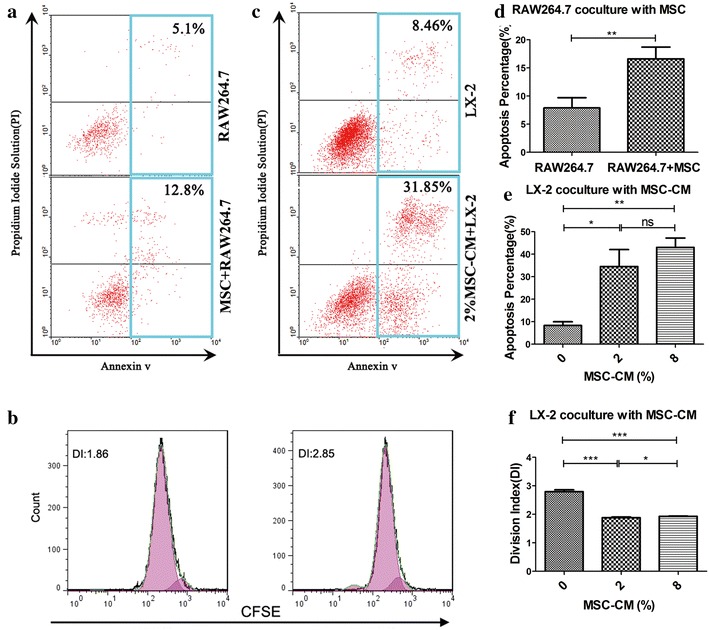
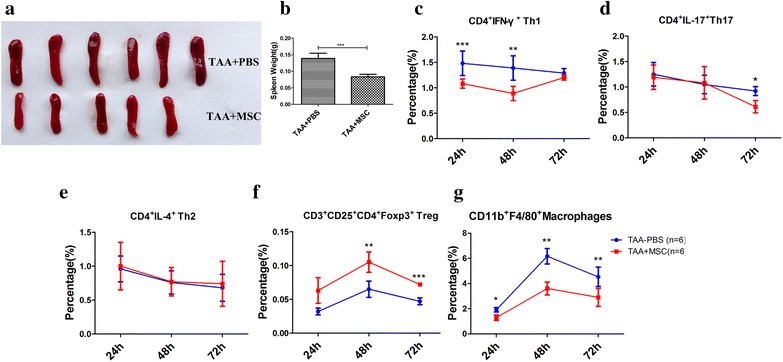
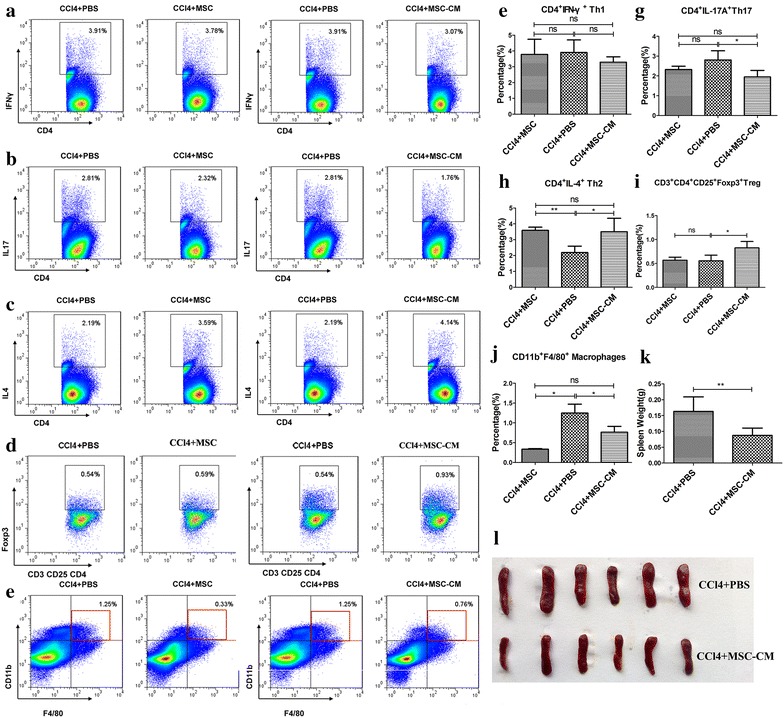
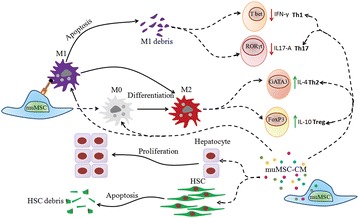
BACKGROUND: Orthotopic liver transplantation is the only effective treatment for liver failure but limited with shortage of available donor organs. Recent studies show promising results of mesenchymal stem cells (MSCs)-based therapies. METHODS: We systematically investigate the therapeutic effects of MSCs or MSC-conditioned medium (MSC-CM) in ameliorating fulminant hepatic failure (FHF) and chronic liver fibrosis in mice. In addition, extensive flow cytometry analysis of spleens from vehicle and MSC- and MSC-CM-treated mice was applied to reveal the alteration of inflammatory state. RESULTS: In FHF model, MSCs treatment reduced remarkably the death incidents; the analysis of gross histopathology showed that control livers were soft and shrunken with extensive extravasated blood, which was gradually reduced at later time points, while MSC-treated livers showed gross pathological changes, even 24 h after MSC infusion, and hematoxylin and eosin staining revealed dramatical hepatocellular death with cytoplasmic vacuolization suppressed by MSCs treatment; flow cytometry analysis of total lymphocytes showed that macrophages (F4/80) infiltrated into control livers more than MSC-treated livers; by contrast, MSC-CM partially ameliorates FHF. In chronic liver injury model, MSC and MSC-CM both suppressed fibrogenesis and necroinflammatory, and the later was better; activation of hepatic stellate cells (α-SMA) was inhibited; glycogen synthesis and storage (indicated by periodic acid-Schiff -staining) was improved; liver regeneration (Ki67) was promoted while liver apoptosis (TUNEL) was reduced. In the in vitro, MSCs promote macrophage line RAW264.7 apoptosis and MSC-CM promotes apoptosis and inhibits proliferation of HSC line LX-2. We also found that MSCs and MSC-CM could improve spleen; MSC-CM increased levels of Th2 and Treg cells, and reduced levels of Th17 cells, whereas levels of Th1 cells were unchanged; comparatively, MSC treatment did not affect Th17 and Treg cells and only slightly alters inflammatory state; MSC and MSC-CM treatment both substantially down-regulated macrophages in the spleens. CONCLUSION: Both MSCs and MSC-CM exert therapeutic effects by acting on various key cells during the pathogenesis of FHF and chronic fibrosis, stimulating hepatocyte proliferation and suppressing apoptosis, down-regulating infiltrating macrophages, converting CD4(+) T lymphocyte system into an anti-inflammatory state, and facilitating hepatic stellate cell death.
Overview
The claims and statistics of this paper haven’t been checked yet.
Run the check — free, no account needed. It reads the open-access text and checks the sources it cites.
Integrity signals
Registry
Cites
Statistics
Figures
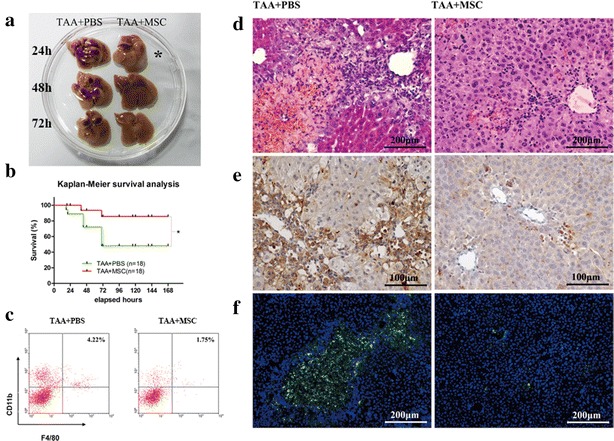
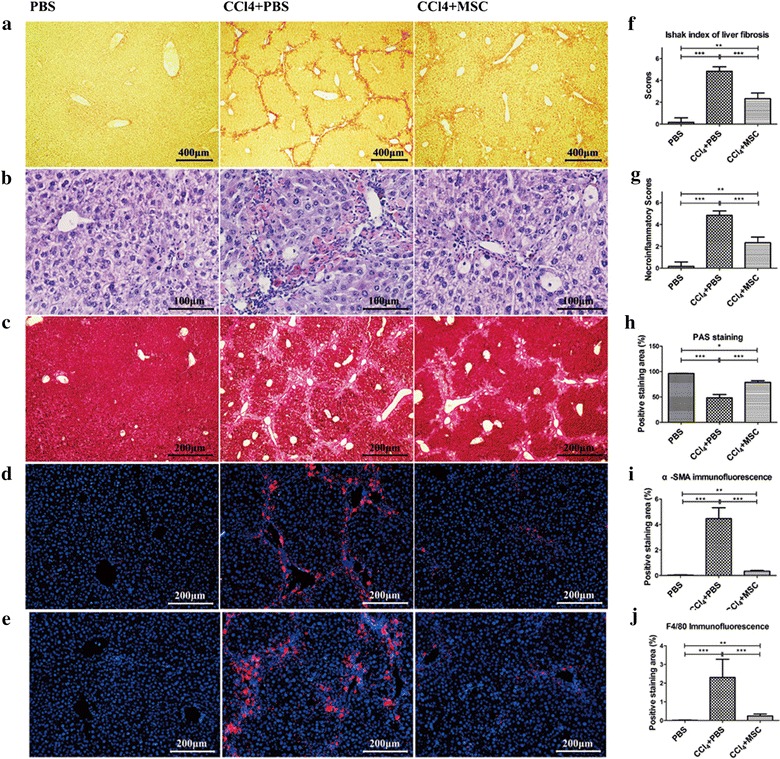
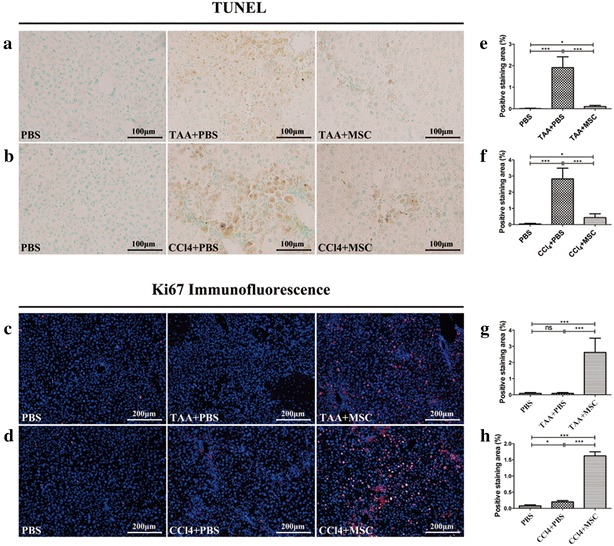
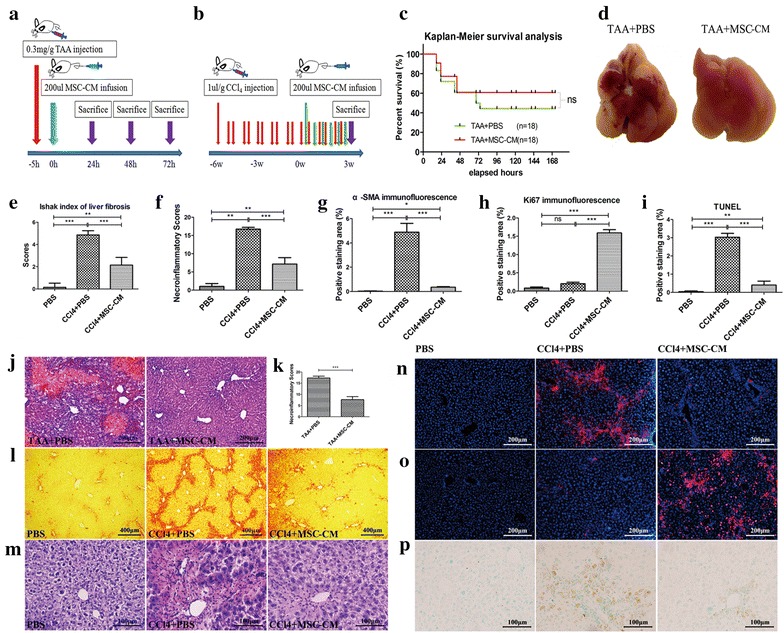
Verification
Claims the paper makes
The claims and statistics of this paper haven’t been checked yet.
Run the check — free, no account needed. It reads the open-access text and checks the sources it cites.
Claims other papers make about this one
Each is checked against this paper’s own text: does it say what the citing paper says it does?
The source backs part of the claim, not all of it — or backs it for a different population, condition or comparison.
In the citing paper
“Preclinical studies [22–25] and clinical trials [26–30] demonstrated that MSC transplantation significantly improves liver function and is safe and effective in the treatment of liver failure.”
From From signaling pathways to clinical trials: mesenchymal stem cells as multimodal regenerative architects in liver cirrhosis therapy (2025) · cites this paper as [23]
Experimental — accuracy not yet measured
Self-check
Percentages, sums and reported differences re-computed from the paper’s own numbers.
The self-check needs the paper’s full text.
Citations
Cites
The chemokine system in diverse forms of macrophage activation and polarization
MANTOVANI, A., SICA, A., SOZZANI, S., ALLAVENA, P., VECCHI, A., & LOCATI, M. (2004) · Trends in Immunology · doi:10.1016/j.it.2004.09.015 · Cited by 6,534
Histological grading and staging of chronic hepatitis.
Ishak, K., Baptista, A., Bianchi, L., Callea, F., Groote, J. D., Gudat, F., Denk, H., Desmet, V., Korb, G., Macsween, R. N., et al. (1995) · Journal of Hepatology · doi:10.1016/0168-8278(95)80226-6 · Cited by 5,290
Mesenchymal stem cells in health and disease
Uccelli, A., Moretta, L., & Pistoia, V. (2008) · Nature reviews. Immunology · doi:10.1038/nri2395 · Cited by 3,838
Bone Marrow as a Potential Source of Hepatic Oval Cells
Petersen, B. E., Bowen, W. C., Patrene, K. D., Mars, W. M., Sullivan, A. K., Murase, N., Boggs, S. S., Greenberger, J. S., & Goff, J. P. (1999) · Science · doi:10.1126/science.284.5417.1168 · Cited by 2,377
Mechanisms involved in the therapeutic properties of mesenchymal stem cells
da Silva Meirelles, L., Fontes, A. M., Covas, D. T., & Caplan, A. I. (2009) · Cytokine & Growth Factor Reviews · doi:10.1016/j.cytogfr.2009.10.002 · Cited by 1,436
Interactions Between Human Mesenchymal Stem Cells and Natural Killer Cells
Sotiropoulou, P. A., Perez, S. A., Gritzapis, A. D., Baxevanis, C. N., & Papamichail, M. (2006) · Stem Cells · doi:10.1634/stemcells.2004-0359 · Cited by 956
Gupta, N., Su, X., Popov, B. V., Lee, J. W., Serikov, V. B., & Matthay, M. A. (2007) · The Journal of Immunology · doi:10.4049/jimmunol.179.3.1855 · Cited by 933
Mesenchymal Stem/Stromal Cells (MSCs): Role as Guardians of Inflammation
Prockop, D. J., & Youn Oh, J. (2012) · Molecular Therapy · doi:10.1038/mt.2011.211 · Cited by 816 · cited 1×
“For example, MSCs mediate a switch from pro-inflammatory M1-type macrophages to anti-inflammatory M2-type macrophages [17, 18].”
Myofibroblasts revert to an inactive phenotype during regression of liver fibrosis
Kisseleva, T., Cong, M., Paik, Y., Scholten, D., Jiang, C., Benner, C., Iwaisako, K., Moore-Morris, T., Scott, B., Tsukamoto, H., et al. (2012) · Proceedings of the National Academy of Sciences · doi:10.1073/pnas.1201840109 · Cited by 805
Mesenchymal-Stem-Cell-Induced Immunoregulation Involves FAS-Ligand-/FAS-Mediated T Cell Apoptosis
Akiyama, K., Chen, C., Wang, D., Xu, X., Qu, C., Yamaza, T., Cai, T., Chen, W., Sun, L., & Shi, S. (2012) · Cell stem cell · doi:10.1016/j.stem.2012.03.007 · Cited by 707
Self-citation
Cited by
Sorted by citations
Mesenchymal stem cell-derived exosomes as a new therapeutic strategy for liver diseases
Lou, G., Chen, Z., Zheng, M., & Liu, Y. (2017) · Experimental & Molecular Medicine · doi:10.1038/emm.2017.63 · Cited by 615
Harrell, C. R., Fellabaum, C., Jovicic, N. U., Djonov, V., Arsenijević, N., & Volarević, V. (2019) · Cells · doi:10.3390/cells8050467 · Cited by 512
Rong, X., Liu, J., Yao, X., Jiang, T., Wang, Y., & Xie, F. (2019) · Stem Cell Research & Therapy · doi:10.1186/s13287-019-1204-2 · Cited by 331
Cong, M., Tan, S., Li, S., Gao, L., Huang, L., Zhang, H.-G., & Qiao, H. (2022) · Advanced Drug Delivery Reviews · doi:10.1016/j.addr.2021.114108 · Cited by 313
Self-citationMardpour, S., Ghanian, M. H., Sadeghi-abandansari, H., Mardpour, S., Nazari, A., Shekari, F., & Baharvand, H. (2019) · ACS Applied Materials & Interfaces · doi:10.1021/acsami.9b10126 · Cited by 211
Metadata
- Authors
- Huang, B., Cheng, X., Wang, H., Huang, W., la Ga hu, Z., Wang, D., Zhang, K., Zhang, H., Xue, Z., Da, Y., Zhang, N., Hu, Y., Yao, Z., Qiao, L., Gao, F., & Zhang, R.
- Affiliations
- Tianjin Medical University (CN)
- Tianjin Hospital (CN)
- The University of Sydney (AU)
- Chinese Academy of Sciences (CN)
- Corresponding author
- Gao, Fei
- Zhang, Rongxin
- ORCID
- Venue
- Journal of Translational Medicine
- Published
- 2016-02-09
- Volume
- 14
- Issue
- 1
- Pages
- 45-45
- ISSN
- 1479-5876 (ISSN-L)
- PMC
- PMC4746907
- OpenAlex
- W2254654454
- Cited by
- 183
- References
- 31
- Citations by year
- 2026: 3 · 2025: 14 · 2024: 22 · 2023: 21 · 2022: 20 · 2021: 35 · 2020: 21 · 2019: 22 · 2018: 9 · 2017: 10 · 2016: 6
- FWCI
- 11.37
- Type
- journal article
- Language
- en
- Open access
- gold
- doi.org
- Licence
- cc-by
- Locations
- Journal of Translational Medicine (publishedVersion, cc-by)
- PubMed Central (publishedVersion, cc-by)
- PubMed (publishedVersion)
- Funders
- Ministry of Science and Technology of China (2012CB932503)
- Ministry of Science and Technology of the People's Republic of China (CN) (2011CB933100)
- National Natural Science Foundation of China (CN) (91029705, 81172864, 81272317)
- Scientific Innovation Project of the Chinese Academy of Science (XDA 01040106)
- Ministry of Education (Tianjin) (TD12-5025)
- Natural Science Foundation of Tianjin City (CN) (14JCTPJC00487)
- Topics
- Life Sciences › Biochemistry, Genetics and Molecular Biology › Cell Biology › Mesenchymal stem cell research
- Health Sciences › Medicine › Hepatology › Liver physiology and pathology
- Health Sciences › Medicine › Hepatology › Liver Disease and Transplantation
- Keywords
- mesenchymal stem cells, MSC-conditioned medium, acute liver failure, chronic liver fibrosis, hepatic stellate cells, macrophage infiltration, Th17/Treg balance, hepatocyte apoptosis, liver regeneration, hepatocyte proliferation, liver fibrosis, MSC-based therapy
- MeSH terms
- RAW 264.7 Cells, Animals, Carbon Tetrachloride, Chronic Disease, Female, Inflammation, Liver, Liver Cirrhosis, Macrophages, Mice, Inbred C57BL, Mice, Inbred ICR, Regeneration, Down-Regulation, Survival Analysis, Culture Media, Conditioned, Liver Failure, Acute, Apoptosis, Mesenchymal Stem Cell Transplantation, Cell Proliferation, Mice, Hepatic Stellate Cells, Mesenchymal Stem Cells
About these checks
Registry, retraction, Cites and statistics results are computed, not judged, with one exception: a printed reference that no index lists is read once by a model before it counts as a citation error. Claims are extracted by a model and kept only when their quote appears verbatim in the text; each cited source is then checked, with a model’s help, for whether it says what the claim relies on. Those verdicts can be wrong — read the claim’s quote and the cited source before relying on one.
Statistics and arithmetic are recomputed, not judged.
Confidence bands are shown only for fields calibrated on our annotated test set. None is calibrated yet, so no band is shown.
What counts as a claim ›How we measure confidence ›How we check this ›
Are you an author, or do you see a problem with this page? Request a review
