

Role of p53/miR-155-5p/sirt1 loop in renal tubular injury of diabetic kidney disease
Open accessThe DOI matches its Crossref record; 25 of the 25 references it cites were found in a registry or an index.
Abstract
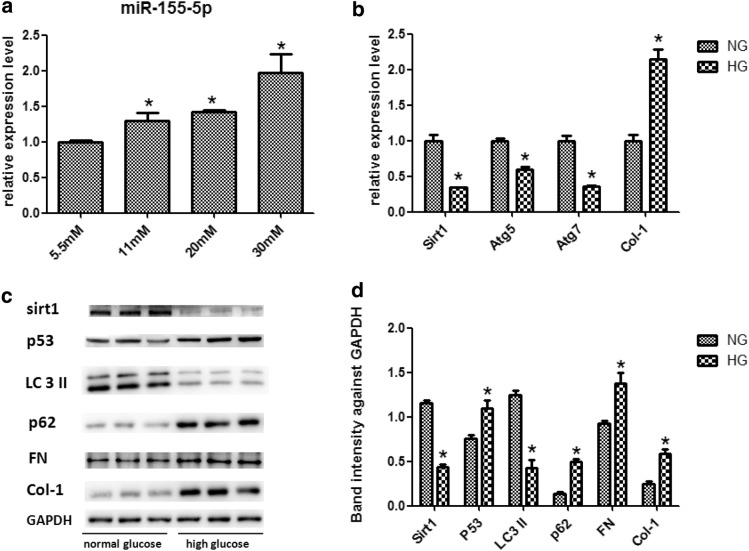
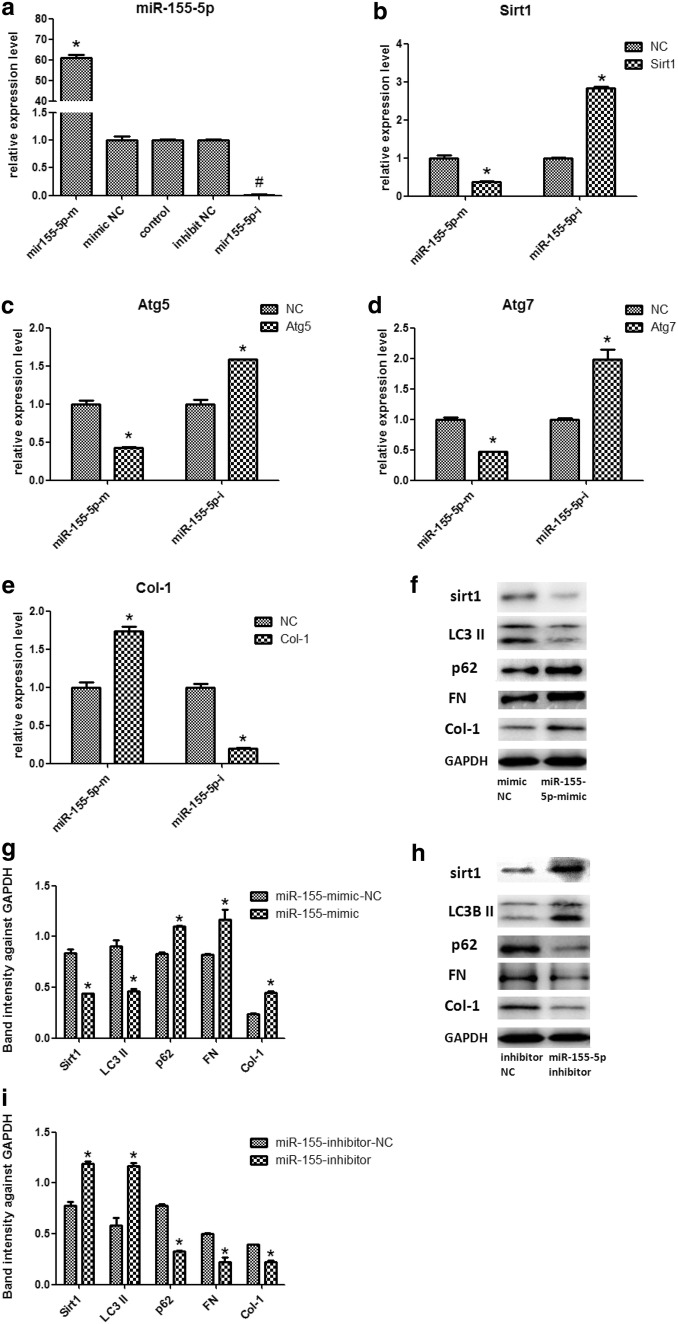
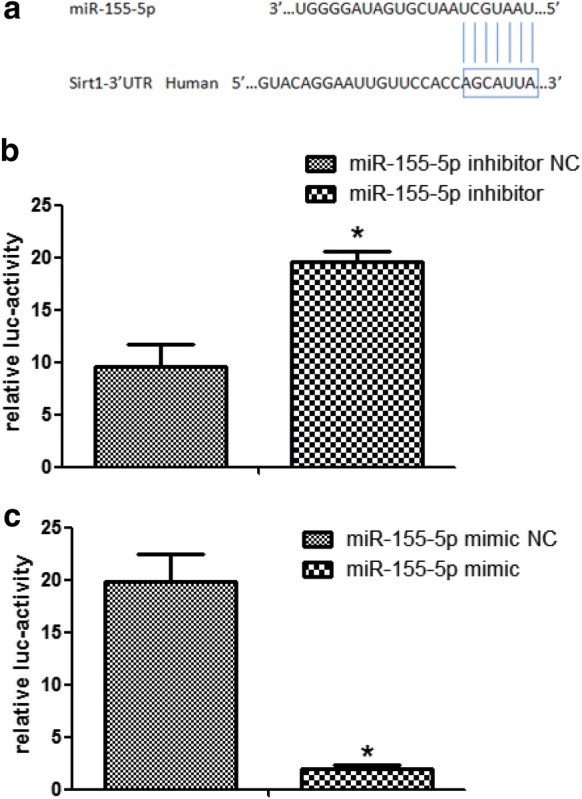
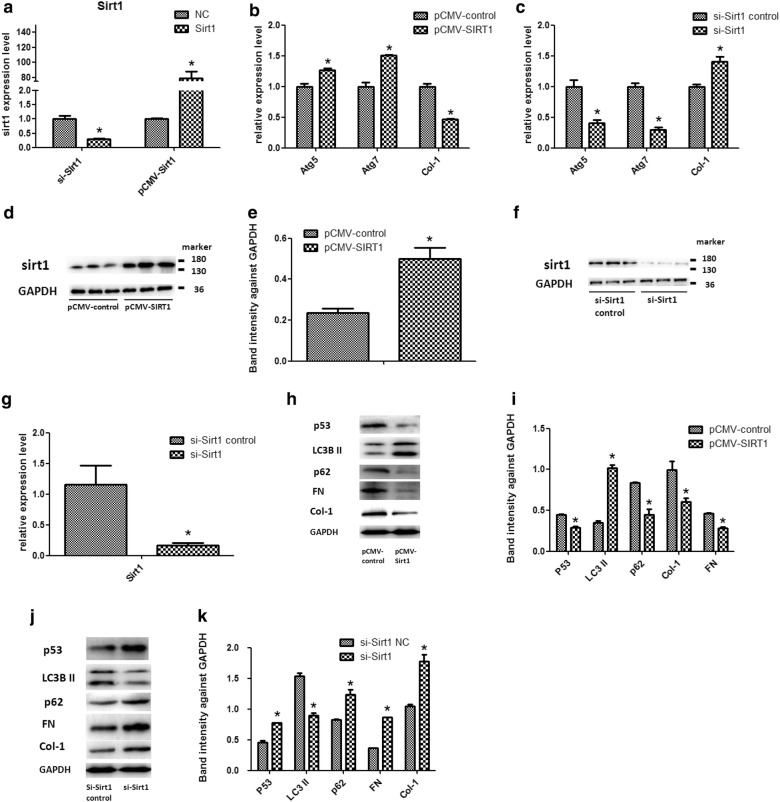
BACKGROUND: Diabetic kidney disease is a renal microvascular disease caused by diabetes, known as one of the most serious and lethal complications of diabetes. Early renal hypertrophy is the main pathological feature, which gradually leads to the deposition of glomerular extracellular matrix and tubulointerstitial fibrosis, eventually developing irreversible structural damage to the kidneys. Autophagy is a cell self-homeostatic mechanism that is activated under stress conditions and may serve as a protective response to the survival of renal fibrogenic cells. MicroRNA (miRNA) network may be involved in the regulation of fibrosis. The purpose of this study is to assess how miRNAs regulate diabetic kidney disease and autophagy and fibrosis in renal proximal tubular cells under high glucose conditions. METHODS: Human renal proximal tubular (HK-2) cells were exposed to high glucose in vitro. Bioinformatic analysis was used to select the candidate gene for potential target regulation of miR-155, Sirt1. ATG5, ATG7 is the key to autophagosome formation, regulated by Sirt1. p53 regulates miR-155 expression as a transcription factor. MiR-155 overexpression and inhibition were achieved by transfection of miR-155 mimic and inhibit to evaluate its effect on Sirt1 and autophagy and fibrosis markers. Dual luciferase reporter assays were used to confirm the direct interaction of Sirt1 with miR-155. Overexpression and inhibition of Sirt1 gene were achieved by transfection of Sirt1 plasmid and Sirt1 si to observe its effect on P53. Chip assay experiments confirmed the direct regulation of P53 on miR-155. RESULTS: Under high glucose conditions, miR-155 was detected in HK-2 cells in concentration gradient, increased expression of p53 and down-regulated expression of sirt1 and autophagy-associated proteins LC3II, ATG5 and ATG7. Dual luciferase reporter assays indicate that miR-155 can target its binding to the Sirt1 3'UTR region to reduce its expression. Under high glucose conditions, over expression of miR-155 decreased the expression of LC3-II and ATG5 in HK-2 cells, while inhibition of miR-155 reversed this effect. Using chip assay testing in HK-2 cells, we demonstrated that p53 binds directly to miR-155. CONCLUSIONS: The signaling axis of p53, miR-155-5p, and sirt1 in autophagic process might be a critical adapting mechanism for diabetic kidney injury.
Overview
The claims and statistics of this paper haven’t been checked yet.
Free: it reads the open-access text and checks the first 5 claims that cite a source we can check. Create a free account to check every claim.
Integrity signals
Registry
Cites
Statistics
Figures
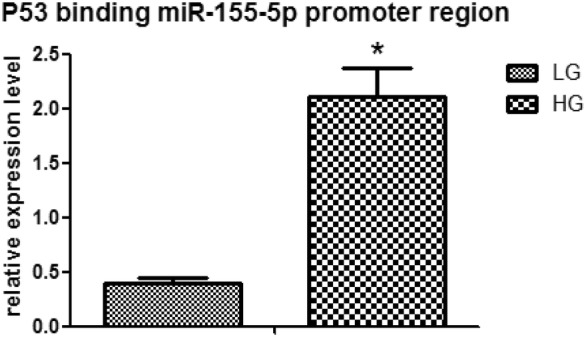
Verification
Claims the paper makes
The claims and statistics of this paper haven’t been checked yet.
Free: it reads the open-access text and checks the first 5 claims that cite a source we can check. Create a free account to check every claim.
Claims other papers make about this one
Each is checked against this paper’s own text: does it say what the citing paper says it does?
The cited source says what the claim attributes to it.
In the citing paper
“p53 was also reported to induce miR-155 to repress SIRT1 resulting in autophagy suppression during high glucose treatment of cultured PTECs142.”
From Autophagy in kidney homeostasis and disease (2020) · cites this paper as [142]
Self-check
Percentages, sums and reported differences re-computed from the paper’s own numbers.
The self-check needs the paper’s full text.
Citations
Cites
Negative Control of p53 by Sir2α Promotes Cell Survival under Stress
Luo, J., Nikolaev, A. Y., Imai, S.-I., Chen, D., Su, F., Shiloh, A., Guarente, L., & Gu, W. (2001) · Cell · doi:10.1016/s0092-8674(01)00524-4 · Cited by 2,081
Calorie restriction promotes mammalian cell survival by inducing the SIRT1 deacetylase
Cohen, H. Y., Miller, C., Bitterman, K. J., Wall, N. R., Hekking, B., Kessler, B., Howitz, K. T., Gorospe, M., de Cabo, R., & Sinclair, D. A. (2004) · Science · doi:10.1126/science.1099196 · Cited by 1,924 · cited 1×
“Cell Sirt1 expression was decreased, autophagy was impaired, tubular cell injury was induced [20], and P53 was also involved [21] as downstream regulator of sirt1 [22, 23].”
Calorie restriction, SIRT1 and metabolism: understanding longevity
Bordone, L., & Guarente, L. (2005) · Nature Reviews Molecular Cell Biology · doi:10.1038/nrm1616 · Cited by 1,020 · cited 1×
“We predicted the existence of binding sites between the miR-155-5p and Sirt1 3′UTR regions by the online bioinformatics analysis (TargetScan) [13].”
Diabetic Nephropathy: Mechanisms of Renal Disease Progression
Kanwar, Y. S., Wada, J., Sun, L., Xie, P., Wallner, E. I., Chen, S., Chugh, S., & Danesh, F. R. (2008) · Experimental Biology and Medicine · doi:10.3181/0705-mr-134 · Cited by 596 · cited 1×
“the medical profession has so far failed to solve, exploring the pathogenesis of DKD in search of new and effective prevention and treatment methods has important medical and social research value [3, 4].”
Xiao, L., Xu, X., Zhang, F., Wang, M., Xu, Y., Tang, D., Wang, J., Qin, Y., Liu, Y., Tang, C., et al. (2017) · Redox Biology · doi:10.1016/j.redox.2016.12.022 · Cited by 569 · cited 1×
“In contrast, in a mouse model of diabetes, improving tubular autophagy can reduce tubular cell oxidative stress and reverse renal tubular injury in diabetic mice [24].”
Hasegawa, K., Wakino, S., Simic, P., Sakamaki, Y., Minakuchi, H., Fujimura, K., Hosoya, K., Komatsu, M., Kaneko, Y., Kanda, T., et al. (2013) · Nature Medicine · doi:10.1038/nm.3363 · Cited by 483 · cited 1×
“We tried to find the target gene for miR-155-5p [9].”
Autophagy Protects the Proximal Tubule from Degeneration and Acute Ischemic Injury
Kimura, T., Takabatake, Y., Takahashi, A., Kaimori, J.-Y., Matsui, I., Namba, T., Kitamura, H., Niimura, F., Matsusaka, T., Soga, T., et al. (2011) · Journal of the American Society of Nephrology · doi:10.1681/asn.2010070705 · Cited by 461
The global implications of diabetes and cancer
Shi, Y., & Hu, F. B. (2014) · The Lancet · doi:10.1016/s0140-6736(14)60886-2 · Cited by 424 · cited 1×
“Background Diabetic kidney disease (DKD) is one of the most common and devastating complications of diabetes [1].”
Recent advances in understanding the biochemical and molecular mechanism of diabetic retinopathy
Wan, T.-T., Li, X.-F., Sun, Y.-M., Li, Y.-B., & Su, Y. (2015) · Biomedicine & Pharmacotherapy · doi:10.1016/j.biopha.2015.08.002 · Cited by 291
Autophagy plays a critical role in kidney tubule maintenance, aging and ischemia-reperfusion injury
Liu, S., Hartleben, B., Kretz, O., Wiech, T., Igarashi, P., Mizushima, N., Walz, G., & Huber, T. B. (2012) · Autophagy · doi:10.4161/auto.19419 · Cited by 271 · cited 1×
“injury has become an important area of DKD research in recent years, and autophagy dysfunction, especially impaired autophagy, plays an important role in renal tubular injury [18].”
Cited by
Autophagy in kidney homeostasis and disease
Tang, C., Livingston, M. J., Liu, Z., & Dong, Z. (2020) · Nature Reviews Nephrology · doi:10.1038/s41581-020-0309-2 · Cited by 496
Aging, melatonin, and the pro- and anti-inflammatory networks
Hardeland, R. (2019) · International Journal of Molecular Sciences · doi:10.3390/ijms20051223 · Cited by 337
Sun, Y., Han, J., Wang, Z., Li, X., Sun, Y., & Hu, Z. (2021) · Frontiers in Pharmacology · doi:10.3389/fphar.2020.621093 · Cited by 141
Role of sirtuin-1 in diabetic nephropathy
Wang, W., Sun, W., Cheng, Y., Xu, Z., & Cai, L. (2019) · Journal of Molecular Medicine · doi:10.1007/s00109-019-01743-7 · Cited by 145
Packer, M. (2020) · Journal of the American Society of Nephrology · doi:10.1681/asn.2020010010 · Cited by 123
ATG5: A central autophagy regulator implicated in various human diseases
Changotra, H., Kaur, S., Yadav, S. S., Gupta, G. L., Parkash, J., & Duseja, A. K. (2022) · Cell Biochemistry and Function · doi:10.1002/cbf.3740 · Cited by 128
The Cross Talk Between p53 and mTOR Pathways in Response to Physiological and Genotoxic Stresses
Cui, D., Qu, R., Liu, D., Xiong, X., Liang, T., & Zhao, Y. (2021) · Frontiers in Cell and Developmental Biology · doi:10.3389/fcell.2021.775507 · Cited by 119
“Additionally, it has been reported that under high glucose conditions, p53 directly promotes miR-155 expression as a transcription factor in human renal proximal tubule (HK-2) cells (Wang et al., 2018).”
BackgroundFunctional Role of miR-155 in the Pathogenesis of Diabetes Mellitus and Its Complications
Jankauskas, S. S., Gambardella, J., Sardu, C., Lombardi, A., & Santulli, G. (2021) · Non-Coding RNA · doi:10.3390/ncrna7030039 · Cited by 113
Bromodomain and Extraterminal Proteins as Novel Epigenetic Targets for Renal Diseases
Morgado‐Pascual, J. L., Rayego‐Mateos, S., Tejedor-Santamaria, L., Suárez-Álvarez, B., & Ruiz‐Ortega, M. (2019) · Frontiers in Pharmacology · doi:10.3389/fphar.2019.01315 · Cited by 105
Petejová, N., Martínek, A., Zadražil, J., Káňová, M., Klementa, V., Šigutová, R., Kacířová, I., Hrabovský, V., Švagera, Z., & Stejskal, D. (2020) · International Journal of Molecular Sciences · doi:10.3390/ijms21197115 · Cited by 113
“This allows participation in the regulation of cell growth, the cell cycle, differentiation and apoptosis [74].”
BackgroundMicroRNAs as major regulators of the autophagy pathway
Akkoç, Y., & Gözüaçık, D. (2020) · Biochimica et Biophysica Acta (BBA) - Molecular Cell Research · doi:10.1016/j.bbamcr.2020.118662 · Cited by 94
Cell Apoptosis and Autophagy in Renal Fibrosis
Zhao, X., Livingston, M. J., Liang, X., & Dong, Z. (2019) · Advances in experimental medicine and biology · doi:10.1007/978-981-13-8871-2_28 · Cited by 78
Update on the Mechanisms of Tubular Cell Injury in Diabetic Kidney Disease
Chang, J., Yan, J., Li, X., Liu, N., Zheng, R., & Zhong, Y. (2021) · Frontiers in Medicine · doi:10.3389/fmed.2021.661076 · Cited by 77
Autophagy and its therapeutic potential in diabetic nephropathy
Han, Y.-P., Liu, L., Yan, J.-L., Chen, M., Meng, X., Zhou, X., & Qian, L.-B. (2023) · Frontiers in Endocrinology · doi:10.3389/fendo.2023.1139444 · Cited by 74
“In addition, deacetylation of p53 by Sirt1 potently activates AMPK-dependent autophagy to ameliorate DN (12) and this protective effect of Sirt1 against DN is inhibited by several miRNAs including miR-135a-5p (122), miR-138 (65), miR-150-5p (12), miR-155-5p (123), and miR-217 (124) targeting the 3’ untranslated region…”
BackgroundZhou, Y., Ma, X., Han, J., Yang, M. H., Lv, C., Shao, Y., Wang, Y., Kang, J.-Y., & Wang, Q. (2021) · World Journal of Diabetes · doi:10.4239/wjd.v12.i1.19 · Cited by 69
Self-citationmicroRNAs in chronic kidney disease
Zhao, H., Ma, S., Shang, Y., Zhang, H.-Q., & Su, W. C. (2019) · Clinica Chimica Acta · doi:10.1016/j.cca.2019.01.008 · Cited by 68
miR-155-5p Implicates in the Pathogenesis of Renal Fibrosis via Targeting SOCS1 and SOCS6
Zhang, W., Li, X., Tang, Y., Chen, C., Jing, R., & Liu, T. (2020) · Oxidative Medicine and Cellular Longevity · doi:10.1155/2020/6263921 · Cited by 65
Wang, W. T., Jia, Y., Yang, Y.-L., Xue, M., Zheng, Z., Wang, L., & Xue, Y. (2019) · Biomedicine & Pharmacotherapy · doi:10.1016/j.biopha.2019.109411 · Cited by 58
Self-citationSIRT1: a promising therapeutic target in type 2 diabetes mellitus
Mihanfar, A., Akbarzadeh, M., Darband, S. G., Sadighparvar, S., & Majidinia, M. (2021) · Archives of Physiology and Biochemistry · doi:10.1080/13813455.2021.1956976 · Cited by 56
Yong, Z., Cui, Z., Liu, J., Chen, J., & Tang, S. (2020) · Frontiers in Physiology · doi:10.3389/fphys.2019.01621 · Cited by 54
Interactions Among Non-Coding RNAs in Diabetic Nephropathy
Loganathan, T. S., Sulaiman, S. A., Murad, N. A. A., Shah, S. A., Gafor, A. H. A., Jamal, R., & Abdullah, N. (2020) · Frontiers in Pharmacology · doi:10.3389/fphar.2020.00191 · Cited by 57
Nuclear Factor κB Signaling and Its Related Non-coding RNAs in Cancer Therapy
Liu, X., Shao, Y., Zhou, J., Qian, G., & Ma, Z. (2019) · Molecular Therapy — Nucleic Acids · doi:10.1016/j.omtn.2019.11.007 · Cited by 51
Role of renal tubular programed cell death in diabetic kidney disease
Zhou, X., Xu, C., Dong, J., & Liao, L. (2022) · Diabetes/Metabolism Research and Reviews · doi:10.1002/dmrr.3596 · Cited by 50
“reported that HG promoted miR‐155 expression in HK‐2 cells, which was accompanied by the upregulation of p53 and the downregulation of SIRT1 and autophagy‐associated proteins and suggested that p53/miR‐155/SIRT1 signalling in the autophagic process may be vital in the pathogenesis of DKD renal tubular injury.(84)”
BackgroundLv, J., Hao, Y., Wang, X., Lu, W., Xie, L., & Niu, D. (2023) · Renal Failure · doi:10.1080/0886022x.2023.2177082 · Cited by 47
Motshwari, D. D., Matshazi, D. M., Erasmus, R. T., Kengne, A. P., Matsha, T. E., & George, C. (2023) · International Journal of Molecular Sciences · doi:10.3390/ijms24021792 · Cited by 51
Huang, G., Hao, F.-G., & Hu, X. (2019) · Journal of Cellular Biochemistry · doi:10.1002/jcb.28816 · Cited by 46
“A previous study reported the role of p53/miR‐155‐5p/SIRT1 axis in renal tubular injury of diabetic kidney disease.(16) However, few studies investigated the effect of miR‐155 on the myocardial I/R injury through regulating SIRT1.”
BackgroundBala, S., Ganz, M., Babuta, M., Zhuang, Y., Csák, T., Calenda, C. D., & Szabó, G. (2021) · Laboratory Investigation · doi:10.1038/s41374-021-00626-1 · Cited by 45
“Lipid metabolism plays an essential role in NAFLD pathogenesis and miR-155 regulates various transcriptional factors involved in lipid metabolism such as PPARα, PPARγ [6], LXRα [13], SREBP-1c [14], C/EBPα (15), C/EBPβ [15], and SIRT1 [16].”
BackgroundGao, J., Liang, Z., Zhao, F., Liu, X., & Ma, N. (2022) · Bioengineered · doi:10.1080/21655979.2022.2067293 · Cited by 43
“Through literature review, we learned that the p53/miR-155-5p/SIRT axis can relieve renal tubule injury in DN [17].”
RetractedInsights on E1-like enzyme ATG7: functional regulation and relationships with aging-related diseases
Liu, J., Xiao, Y., Cao, L., Lu, S., Zhang, S., Yang, R., Wang, Y., Zhang, N., Yu, Y., Wang, X., et al. (2024) · Communications Biology · doi:10.1038/s42003-024-06080-1 · Cited by 44
“Under high-glucose conditions, the p53/ miR-155/Sirt1/ATG7 mediates autophagy and could be a potential therapeutic target for diabetic kidney injury 158 (Fig.”
BackgroundSelf-citationMiR-155 is involved in major depression disorder and antidepressant treatment via targeting SIRT1
Wang, X., Wang, B., Zhao, J., Liu, C., Qu, X., & Li, Y. (2018) · Bioscience Reports · doi:10.1042/bsr20181139 · Cited by 42
Lu, S., Liu, D., Jing, X., Gen-Yang, C., & Zhan-Zheng, Z. (2020) · Mitochondrion · doi:10.1016/j.mito.2020.03.010 · Cited by 42
Epigenetic Regulation Associated With Sirtuin 1 in Complications of Diabetes Mellitus
Wang, J., Wang, S., Wang, J., Xiao, M., Guo, Y., Tang, Y., Zhang, J., & Gu, J. (2021) · Frontiers in Endocrinology · doi:10.3389/fendo.2020.598012 · Cited by 45
Yin, Q., Zhao, Y., Ni, W., Tang, T., Wang, Y., Cao, J.-Y., Yin, D., Wen, Y., Li, Z., Zhang, Y., et al. (2022) · Theranostics · doi:10.7150/thno.72456 · Cited by 44
“Firstly, miR-155 may have different targets in different diseases [40, 41].”
BackgroundSelf-citationSIRT1–SIRT7 in Diabetic Kidney Disease: Biological Functions and Molecular Mechanisms
Qi, W., Hu, C., Zhao, D., & Li, X. (2022) · Frontiers in Endocrinology · doi:10.3389/fendo.2022.801303 · Cited by 44
“(73) Inhibition miR-155-5p Binding to the SIRT1 3'UTR region HG-induced HK-2 Promote autophagy A signaling loop p53/miR155-5p/SIRT1 (74) Silencing of”
BackgroundAutophagy and Mitophagy in Diabetic Kidney Disease—A Literature Review
Stăniguț, A. M., Tuta, L. A., Pana, C., Alexandrescu, L., Suceveanu, A. P., Blebea, N. M., & Văcăroiu, I. A. (2025) · International Journal of Molecular Sciences · doi:10.3390/ijms26020806 · Cited by 42
The role of mitochondrial dysfunction in kidney injury and disease
Jia, X., Zhu, L., Zhu, Q., & Zhang, J. (2024) · Autoimmunity Reviews · doi:10.1016/j.autrev.2024.103576 · Cited by 38
Lu, C., Chen, B., Chen, C., Li, H., Wang, D., Tan, Y., & Weng, H. (2019) · Journal of Cellular and Molecular Medicine · doi:10.1111/jcmm.14863 · Cited by 37
Zhang, Y., Cai, Y., Zhang, H., Zhang, J., Zeng, Y., Fan, C., Zou, S., Wu, C., Fang, S., Li, P., et al. (2021) · Metabolism · doi:10.1016/j.metabol.2021.154916 · Cited by 36
Silencing circular RNA hsa_circ_0004491 promotes metastasis of oral squamous cell carcinoma
Li, X., Zhang, H., Wang, Y., Sun, S., Shen, Y., & Yang, H. (2019) · Life Sciences · doi:10.1016/j.lfs.2019.116883 · Cited by 32
Self-citationThe regulatory role of miRNA and lncRNA on autophagy in diabetic nephropathy
Yu, S., Li, Y., Lu, X., Han, Z., Li, C., Yuan, X., & Guo, D. (2024) · Cellular Signalling · doi:10.1016/j.cellsig.2024.111144 · Cited by 31
Park, S., Kim, O., Lee, K., Park, I. B., Kim, N. H., Moon, S., Im, J.-B., Sharma, S. P., Oh, B., Nam, S., et al. (2022) · Genomics · doi:10.1016/j.ygeno.2022.110407 · Cited by 33
Tubular Injury in Diabetic Kidney Disease: Early Diagnosis and Intervention Strategies
Lv, Y., Ye, C., Li, Z., Ye, J., Cao, H., Zhang, C., Jiang, H., & Wang, Y. (2025) · Diabetes/Metabolism Research and Reviews · doi:10.1002/dmrr.70098 · Cited by 35
Self-citationZheng, Z., Zhang, S., Chen, J., Zou, M., Yang, Y., Lu, W., Ren, S., Wang, X., Dong, W., Zhang, Z., et al. (2022) · Clinical Science · doi:10.1042/cs20210470 · Cited by 31
Self-citationYang, N., Cheng, H., Mo, Q., Zhou, X., & Xie, M. (2020) · Molecular Medicine Reports · doi:10.3892/mmr.2020.11468 · Cited by 31
Chen, H., & Jin, G. (2021) · Bioengineered · doi:10.1080/21655979.2021.1972900 · Cited by 28
“Additionally, it is confirmed that miR-155-5p gains an obvious increase in HG-injured HK-2 cells and the renal tubules of DN patients [13,14].”
BackgroundQuercetin alleviates high-fat diet-induced inflammation in brown adipose tissue
Pei, Y., Parks, J. S., & Kang, H. W. (2021) · Journal of Functional Foods · doi:10.1016/j.jff.2021.104614 · Cited by 26
Identification of copper-related biomarkers and potential molecule mechanism in diabetic nephropathy
Ming, J., Sana, S. R. G. L., & Deng, X. (2022) · Frontiers in Endocrinology · doi:10.3389/fendo.2022.978601 · Cited by 27
Huang, Y., Wang, X., Feng, Z., Cui, H., Zhu, Z., Xia, C., Han, X., Liu, W. J., & Liu, Y. (2020) · Evidence-based Complementary and Alternative Medicine · doi:10.1155/2020/7202519 · Cited by 27
WT1 and ACE mRNAs of blood extracellular vesicle as biomarkers of diabetic nephropathy
Hashemi, E., Dehghanbanadaki, H., Baharanchi, A. A., Forouzanfar, K., Kakaei, A., Mohammadi, S. M., Zeidi, S., & Razi, F. (2021) · Journal of Translational Medicine · doi:10.1186/s12967-021-02964-6 · Cited by 24
Sirtuin Family and Diabetic Kidney Disease
Bian, C., & Ren, H. (2022) · Frontiers in Endocrinology · doi:10.3389/fendo.2022.901066 · Cited by 25
Wang, X., Gao, Y., Yi, W., Qiao, Y., Hu, H., Wang, Y., Hu, Y., Wu, S., Sun, H., & Tao-jing, Z. (2021) · Journal of Diabetes Research · doi:10.1155/2021/5597394 · Cited by 22
Self-citationQingda Granule Attenuates Angiotensin II-Induced Renal Apoptosis and Activation of the p53 Pathway
Long, L., Zhang, X., Wen, Y., Li, J., Wei, L., Cheng, Y., Liu, H., Chu, J., Fang, Y., Xie, Q., et al. (2022) · Frontiers in Pharmacology · doi:10.3389/fphar.2021.770863 · Cited by 24
Fu, Y., Shen, J., Liu, F., Zhang, H., Zheng, Y., & Jiang, X. (2022) · Oxidative Medicine and Cellular Longevity · doi:10.1155/2022/1885066 · Cited by 23
Exercise against nonalcoholic fatty liver disease: Possible role and mechanism of lipophagy
Su, P., Chen, J., & Tang, D. (2023) · Life Sciences · doi:10.1016/j.lfs.2023.121837 · Cited by 21
N6-methyladenosine methylation in kidney injury
Wang, Q., Fan, X., Sheng, Q., Yang, M., Zhou, P., Lu, S., Gao, Y., Kong, Z., Shen, N., Lv, Z., et al. (2023) · Clinical Epigenetics · doi:10.1186/s13148-023-01586-7 · Cited by 22
“Cordyceps cicadae (C. cicadae) alleviates renal hypertension damage and fibrosis by regulating Sirt1/FOXO3a pathway [78]. p53/ miR-155-5p/Sirt1 signaling axis-mediated autophagy involved in the occurrence and development of diabetic nephropathy [79].”
BackgroundAnwar, H. M., Hamad, S. R., Salem, G. E. M., Soliman, R. H. M., & Elbaz, E. M. (2022) · Applied Biochemistry and Biotechnology · doi:10.1007/s12010-022-03992-8 · Cited by 20
ATG7 promotes autophagy in sepsis‑induced acute kidney injury and is inhibited by miR‑526b
Liu, Y., Xiao, J., Sun, J.-K., Chen, W., Wang, S., Fu, R., Liu, H., & Bao, H. (2020) · Molecular Medicine Reports · doi:10.3892/mmr.2020.11001 · Cited by 22
Kim, Y., Lee, D.-H., Park, S., Jeon, T., & Jung, C. H. (2021) · Experimental & Molecular Medicine · doi:10.1038/s12276-021-00611-0 · Cited by 21
Barreiro, K. A., Dwivedi, O. P., Rannikko, A. S., Holthöfer, H., Tuomilehto, J., Groop, P., & Puhka, M. (2023) · Genes · doi:10.3390/genes14071415 · Cited by 20
Wang, Z., Chen, R., Xu, Z., Ru, W., Tian, H., Yang, F., & Chang, T. (2020) · Journal of Receptors and Signal Transduction · doi:10.1080/10799893.2020.1825491 · Cited by 18
“Recently, miRNAs are believed to participate in fibrosis regulation [23].”
BackgroundMethodInfluentialLiang, L., Zhou, Q., Feng, L., Kijlstra, A., & Yang, P. (2021) · Arthritis Research & Therapy · doi:10.1186/s13075-021-02517-8 · Cited by 18
“[16] MiR-155 can modulate the process of autophagy and participates in the development of various diseases.[17-19] In this study we show that autophagy was activated in DCs from active BD patients, but that autophagic degradation was decreased.”
BackgroundZaiou, M. (2023) · Cells · doi:10.3390/cells12081205 · Cited by 20
miRNA-483–5p Targets HDCA4 to Regulate Renal Tubular Damage in Diabetic Nephropathy
Liu, L., Chen, H., Yun, J., Song, L., Ma, X., Luo, S., & Ye-xu, S. (2021) · Hormone and Metabolic Research · doi:10.1055/a-1480-7519 · Cited by 18
Zang, L., Gao, F., Huang, A., Zhang, Y., Luo, Y., Chen, L., & Mao, N. (2021) · Journal of Pharmacological Sciences · doi:10.1016/j.jphs.2021.10.002 · Cited by 16
Non-coding RNAs regulate autophagy in kidney disease: friend or foe?
Li, Y., Ma, T., Liang, X., Jin, T., Zhao, X., Huang, J., Hao, J., Liu, H., & Wang, P. (2025) · Autophagy · doi:10.1080/15548627.2025.2551683 · Cited by 18
Khokhar, M., Roy, D., Tomo, S., Gadwal, A., Sharma, P., & Purohit, P. (2022) · JMIR Bioinformatics and Biotechnology · doi:10.2196/32437 · Cited by 16
“Likewise, the role of miR-155-5p in diabetes has been widely studied, especially as a marker in diabetic kidney disease (DKD) [55-57].”
BackgroundInfluentialThe critical role of dysregulated autophagy in the progression of diabetic kidney disease
Zhang, Z., Sun, Y., Xue, J., Jin, D., Li, X., Zhao, D., Lian, F., Qi, W., & Tong, X. (2022) · Frontiers in Pharmacology · doi:10.3389/fphar.2022.977410 · Cited by 15
Karuga, F. F., Jaromirska, J., Malicki, M., Sochal, M., Szmyd, B. M., Białasiewicz, P., Strzelecki, D., & Gabryelska, A. (2023) · Frontiers in Molecular Neuroscience · doi:10.3389/fnmol.2023.1208886 · Cited by 14
Mir155 regulates osteogenesis and bone mass phenotype via targeting S1pr1 gene
Zheng, Z., Wu, L., Li, Z., Tang, R., Li, H., Huang, Y., Wang, T., Xu, S., Cheng, H., Ye, Z., et al. (2023) · eLife · doi:10.7554/elife.77742 · Cited by 13
Self-citationLiu, H., Huang, Y., Li, L., Zhang, Y., Cong, X., Wu, L., & Xiang, R. (2020) · Archives of Oral Biology · doi:10.1016/j.archoralbio.2020.104947 · Cited by 17
Uehara, R., Yamada, E., Okada, S., Bastie, C. C., Maeshima, A., Ikeuchi, H., Horiguchi, K., & Yamada, M. (2023) · Cells · doi:10.3390/cells12081197 · Cited by 12
Gu, F., Ji, D., Ni, H., & Chen, D. (2021) · Neurochemical Research · doi:10.1007/s11064-021-03373-3 · Cited by 12
Elia, R., Piva, G., Bulighin, F., Lamberti, N., Manfredini, F., Gambaro, G., Maria, A. D., Salvagno, G. L., Carbonare, L. D., Storari, A., et al. (2024) · Biomedicines · doi:10.3390/biomedicines12020468 · Cited by 11
“Upregulation of miR-155-5p may inhibit Sirt1, activate p53 and establish a positive feedback loop [29].”
BackgroundXu, M., Qian, Z., Zhang, Y., Gao, X. Y., Ma, Z., Jin, X., & Wu, S. (2024) · International Immunopharmacology · doi:10.1016/j.intimp.2024.111893 · Cited by 11
MicroRNA ‐205‐5p: A potential therapeutic target for influenza A
Bao, Y., Shi, Y., Zhou, L., Gao, S., Yao, R., Guo, S., Geng, Z., Bao, L., Zhao, R., & Cui, X. (2022) · Journal of Cellular and Molecular Medicine · doi:10.1111/jcmm.17615 · Cited by 10
Ng, M. Y., Yu, C., Chen, S.-H., Liao, Y., & Lin, T. (2024) · International Journal of Molecular Sciences · doi:10.3390/ijms25042116 · Cited by 11
“CTBP1-AS2 Ameliorates Inflammaging in PDLFs via Regulation of miR155/SIRT1 Signaling miR-155 has been identified as a direct repressor of the histone deacetylase Sirtuin 1 ( SIRT1 ) in various pathologies including diabetic nephropathy [37,38] and diabetic osteoporosis in vitro [39].”
BackgroundXu, L., Zhang, L., Zhang, X., Li, G., Wang, Y., Dong, J., Wang, H., Hu, Z., Cao, X., Zhang, S., et al. (2021) · International Journal of Molecular Sciences · doi:10.3390/ijms221910527 · Cited by 11
Self-citationGeng, X., Sun, Y., Fu, J., Cao, L., & Li, Y. (2020) · Journal of Clinical Pharmacy and Therapeutics · doi:10.1111/jcpt.13175 · Cited by 9
Noncoding RNAs: Bridging Regulation of Circadian Rhythms and Inflammation
Hardeland, R. (2019) · Advances in Neuroimmune Biology · doi:10.3233/nib-190159 · Cited by 9
Autophagy and the pancreas: Healthy and disease states
Zhou, Z., Zhang, P., Li, J., Yao, J., Jiang, Y., Wan, M., Tang, W., & Liu, L. (2024) · Frontiers in Cell and Developmental Biology · doi:10.3389/fcell.2024.1460616 · Cited by 7
“Increasing the level of autophagy can effectively reduce oxidative stress and apoptosis in experimental diabetic animals (Zhu X. et al., 2021; Wang et al., 2018; Liu C. et al., 2022).”
BackgroundLi, X., Wang, Y., Zhou, X., Wang, H., & Xu, J. (2023) · Current Neurovascular Research · doi:10.2174/1567202620666230828092916 · Cited by 7
Self-citationMicroRNA-155, a double-blade sword regulator of innate tuberculosis immunity
Abdalla, A. E., Alanazi, A., Abosalif, K. O. A., Alameen, A. A. M., Junaid, K., Manni, E., Talha, A. A., & Ejaz, H. (2023) · Microbial Pathogenesis · doi:10.1016/j.micpath.2023.106438 · Cited by 7
Martínez-Arroyo, O., Flores-Chova, A., Mendez-Debaets, M., Garcia-Ferran, L., Escrivá, L., Forner, M. J., Redón, J., Cortés, R., & Ortega, A. (2025) · Biomolecules · doi:10.3390/biom15070995 · Cited by 6
Lu, Q., Shen, Q., Su, J., Li, X., Xia, B., & Tang, A. (2025) · Journal of Cardiothoracic Surgery · doi:10.1186/s13019-025-03366-1 · Cited by 6
Exploring Triptolide's Dual Role in Inflammation and Oxidative Stress: Responses of Organelles
Xiao, H., Liu, Y., Liu, D., Xiang, Y., & Zhang, W. (2025) · Journal of Biochemical and Molecular Toxicology · doi:10.1002/jbt.70371 · Cited by 6
“Guo et al. demonstrated that an increase in miR ‐ 155 ‐ 5p inhibited the expression of SIRT1 and suppressed oxidative stress, as evidenced by in vivo and in vitro models [128].”
He, W., Zhang, J., Yuan, S., Liang, M., Chen, W., & Jin, J. (2021) · PeerJ · doi:10.7717/peerj.12271 · Cited by 5
“Recent research has revealed that miR-155-5p can cause oxidative stress and inflammation in diabetic kidneys and renal fibrosis by attenuating the autophagic process (Guo et al., 2020; Wang et al., 2020; Wang et al., 2018).”
BackgroundYu, F., Yuan, Y., Li, D., Kou, Y., Jiang, B., & Zhang, P. (2018) · Cellular Signalling · doi:10.1016/j.cellsig.2018.09.016 · Cited by 5
Gad, F. A.-M., Emam, M. A., Eldeeb, A. A., Abdelhameed, A. A., Soliman, M. M., Alotaibi, K. S., Albattal, S. B., & Abughrien, B. M. (2024) · ACS Omega · doi:10.1021/acsomega.4c03742 · Cited by 4
Kharboush, T. G., Ahmed, I. A. E., Farag, A. A., Kharboush, T. G., Sayed, A. E. H., Abdel-Kareim, A. M., Mohaini, M. A., Attia, H., Eid, R. A., Zaki, M. S. A., et al. (2023) · Environmental Science and Pollution Research · doi:10.1007/s11356-023-31283-0 · Cited by 5
“In turn, TP53 controls the transcription of miR-155 , which regulates the cell cycle, cell proliferation, differentiation, and apoptosis (Wang et al. 2018).”
BackgroundRole of miRNAs in macrophage-mediated kidney injury
Li, J., Yan, X., Wu, Z., Shen, J., Li, Y., Zhao, Y., Du, F., Li, M., Wu, X., Chen, Y., et al. (2024) · Pediatric Nephrology · doi:10.1007/s00467-024-06414-5 · Cited by 4
“Additionally, miR-23a, miR-27a, miR-155, and miR-379 have all been implicated in the injury and repair of kidney diseases [21–23].”
Mandal, D., Akhtar, N., Shafi, S., & Gupta, J. (2024) · Planta Medica · doi:10.1055/a-2464-4354 · Cited by 6
Key profibrotic and pro-inflammatory pathways in the pathogenesis of diabetic kidney disease
Patel, D. M., Yang, Y., Shi, K., Wu, T., Cooper, M. E., & Chai, Z. (2021) · Diabetic Nephropathy · doi:10.2478/dine-2021-0005 · Cited by 4
Self-citationZhang, X., Zhang, K., Fan, Q., Sang, J., Kan, C., Pan, R., Sun, X., Hou, N., & Guo, Z. (2025) · Molecular Biology Reports · doi:10.1007/s11033-025-11015-y · Cited by 4
Luan, Y., Tian, H., Zheng, J., Xiong, Y., Zhang, B., & Hong, W. (2025) · Renal Failure · doi:10.1080/0886022x.2025.2561221 · Cited by 3
“Mir-155 is involved in kidney injury and fibrosis, where it regulates autophagy and fibrosis through the SoCS1/SoCS6/Stat3 pathway, particularly under high glucose conditions in diabetic kidney disease [13,14].”
New trends in pharmacological treatment of acute kidney injury
Abdallah, H. M. I. (2021) · Asian Pacific Journal of Tropical Biomedicine · doi:10.4103/2221-1691.317241 · Cited by 3
Safavizadeh, N., Noormohammadi, Z., Zaefizadeh, M., & Nejati‐Koshki, K. (2025) · Food Science & Nutrition · doi:10.1002/fsn3.70964 · Cited by 2
“The elevated expression of miR- 155-5p in our study may not counteract anti-aging effects but could be integral to a complex regulatory network involving SIRT1 that enhances skin cell resilience and longevity, aligning with prior molecular findings (Liu et al. 2025; Wang et al. 2018).”
Dihydromyricetin in the management of diabetes and its complications: a narrative review
Jiang, W., Ding, K., Liu, X., Hu, Z., Yue, R., & Yang, M. (2026) · Food & Function · doi:10.1039/d5fo03575a · Cited by 2
Autophagy-regulating miRNAs: potential targets for obesity and related metabolic disorders
Zhang, T., Linghu, K., Lou, R., Li, Z., Liu, J., Li, R., Qin, Z., Guo, B., & Lin, L. (2021) · Drug Discovery Today · doi:10.1016/j.drudis.2021.01.033 · Cited by 2
MicroRNA: Potential biomarkers in chronic kidney disease
Stojiljković, V., STEFANOVIĆ, N. Z., Vukelić-Nikolić, M. Đ., Đorđević, B., Bašić, J., Kocic, G. M., & Cvetković, T. (2022) · AFMN Biomedicine · doi:10.5937/afmnai40-39805 · Cited by 1
Rahimi, A., Nikooei, S., Roozbehi, K., Semirani-Nezhad, D., Larki, R. A., Arya, A., Gholami, D., & Alipoor, B. (2025) · Biochemical Genetics · doi:10.1007/s10528-025-11176-2 · Cited by 1
Metadata
- Authors
- Wang, Y., Zheng, Z.-J., Jia, Y.-J., Yang, Y.-L., & Xue, Y.-M.
- Affiliations
- Nanfang Hospital (CN)
- Venue
- Journal of Translational Medicine
- Published
- 2018-05-30
- Volume
- 16
- Issue
- 1
- Pages
- 146-146
- ISSN
- 1479-5876 (ISSN-L)
- PMC
- PMC5975703
- OpenAlex
- W2805115670
- Cited by
- 115
- References
- 25
- Citations by year
- 2026: 5 · 2025: 12 · 2024: 10 · 2023: 14 · 2022: 18 · 2021: 27 · 2020: 16 · 2019: 11 · 2018: 2
- FWCI
- 11.48
- Type
- journal article
- Language
- en
- Open access
- gold
- doi.org
- Licence
- cc-by
- creativecommons.org/licenses/by/4.0/ (tdm)
- Locations
- Journal of Translational Medicine (publishedVersion, cc-by)
- PubMed Central (publishedVersion, cc-by)
- PubMed (publishedVersion)
- DOAJ (DOAJ: Directory of Open Access Journals) (submittedVersion)
- Funders
- National Natural Science Foundation of China (81700730, 81628004, 81570724)
- Natural Science Foundation of Guangdong Province (81628004, 81570724)
- Topics
- Health Sciences › Medicine › Nephrology › Chronic Kidney Disease and Diabetes
- Life Sciences › Biochemistry, Genetics and Molecular Biology › Cancer Research › MicroRNA in disease regulation
- Life Sciences › Biochemistry, Genetics and Molecular Biology › Cell Biology › Autophagy in Disease and Therapy
- Keywords
- diabetic nephropathy, miR-155, p53, SIRT1, autophagy, renal tubular injury, proximal tubular epithelial cells, high glucose, tubulointerstitial fibrosis, LC3-II, ATG5, ATG7, microRNA regulation, 3' UTR binding, HK-2 cells, renal hypertrophy, extracellular matrix
- MeSH terms
- Base Sequence, Cell Line, Diabetic Nephropathies, Gene Expression Regulation, Glucose, Humans, Kidney Tubules, Protein Binding, Tumor Suppressor Protein p53, 3' Untranslated Regions, MicroRNAs, Sirtuin 1
About these checks
Registry, retraction, Cites and statistics results are computed, not judged, with one exception: a printed reference that no index lists is read once by a model before it counts as a citation error. Claims are extracted by a model and kept only when their quote appears verbatim in the text; each cited source is then checked, with a model’s help, for whether it says what the claim relies on. Those verdicts can be wrong — read the claim’s quote and the cited source before relying on one.
Statistics and arithmetic are recomputed, not judged.
Confidence bands are shown only for fields calibrated on our annotated test set. None is calibrated yet, so no band is shown.
What counts as a claim ›How we measure confidence ›How we check this ›
Are you an author, or do you see a problem with this page? Request a review
Data sources
Bibliographic data: Semantic Scholar, OpenAlex, Crossref.
Contains information from the Semantic Scholar Academic Graph Datasets, made available under the ODC Attribution License (ODC-BY 1.0).
Semantic Scholar’s data is described in: Kinney, R., et al. (2023). The Semantic Scholar Open Data Platform. arXiv:2301.10140.
