

Maternal morbidity measurement tool pilot: study protocol
Open accessThe DOI matches its Crossref record; 10 of the 11 references it cites were found in a registry or an index.
Abstract
BACKGROUND: While it is estimated that for every maternal death, 20-30 women suffer morbidity, these estimates are not based on standardized methods and measures. Lack of an agreed-upon definition, identification criteria, standardized assessment tools, and indicators has limited valid, routine, and comparable measurements of maternal morbidity. The World Health Organization (WHO) convened the Maternal Morbidity Working Group (MMWG) to develop standardized methods to improve estimates of maternal morbidity. To date, the MMWG has developed a definition and provided input into the development of a set of measurement tools. This protocol outlines the pilot test for measuring maternal morbidity in antenatal and postnatal clinical populations using these new tools. METHODS: In each setting, the tools will be piloted on approximately 250 women receiving antenatal care (ANC) (at least 28 weeks pregnant) and 250 women receiving postpartum care (PPC) (at least 6 weeks postpartum). The tools will be administered by trained health care workers. Each tool has three modules as follows: 1. personal history - socio-economic information, and risk-factors (such as violence and substance abuse) 2. patient symptoms - WHO Disability Assessment Schedule (WHODAS) 12-item, and mental health questionnaires, General Anxiety Disorder, 7-item (GAD-7) and Personal Health Questionnaire, 9-item (PHQ-9) 3. physical examination - signs, laboratory tests and results. DISCUSSION: This pilot (planned for Jamaica, Kenya and Malawi) will allow for comparing the types of morbidities women experience between and across settings, and determine the feasibility, acceptability and utility of using a modified, streamlined tool for routine measurement and summary estimates of morbidity to inform resource allocation and service provision. As part of the post-2015 Sustainable Development Goals (SDGs) estimating and measuring maternal morbidity will be essential to ensure appropriate resources are allocated to address its impact and improve well-being.
Overview
The claims and statistics of this paper haven’t been checked yet.
Free: it reads the open-access text and checks the first 5 claims that cite a source we can check. Create a free account to check every claim.
Integrity signals
Registry
Cites
Statistics
Figures
Verification
Claims the paper makes
The claims and statistics of this paper haven’t been checked yet.
Free: it reads the open-access text and checks the first 5 claims that cite a source we can check. Create a free account to check every claim.
Self-check
Percentages, sums and reported differences re-computed from the paper’s own numbers.
The self-check needs the paper’s full text.
Citations
Cites
The PHQ-9: Validity of a brief depression severity measure
Kroenke, K., Spitzer, R. L., & Williams, J. B. W. (2001) · Journal of General Internal Medicine · doi:10.1046/j.1525-1497.2001.016009606.x · Cited by 44,910
A Brief Measure for Assessing Generalized Anxiety Disorder: The GAD-7
Spitzer, R. L., Kroenke, K., Williams, J. B. W., & Löwe, B. (2006) · Archives of Internal Medicine · doi:10.1001/archinte.166.10.1092 · Cited by 31,765 · cited 1×
“Wherever possible, previously validated scales were used such as the WHODAS 12-item for functioning, the 7-item Generalized Anxiety Disorder (GAD-7) scale and the 9-item Patient Health Questionnaire (PHQ-9) diagnostic instruments for anxiety and depression, respectively [10–12].”
MethodMaternal mortality: who, when, where, and why
Ronsmans, C., & Graham, W. J. (2006) · The Lancet · doi:10.1016/s0140-6736(06)69380-x · Cited by 1,801
Maternal near miss – towards a standard tool for monitoring quality of maternal health care
Say, L., Souza, J. P., & Pattinson, R. C. (2009) · Best Practice & Research Clinical Obstetrics & Gynaecology · doi:10.1016/j.bpobgyn.2009.01.007 · Cited by 961 · cited 2×
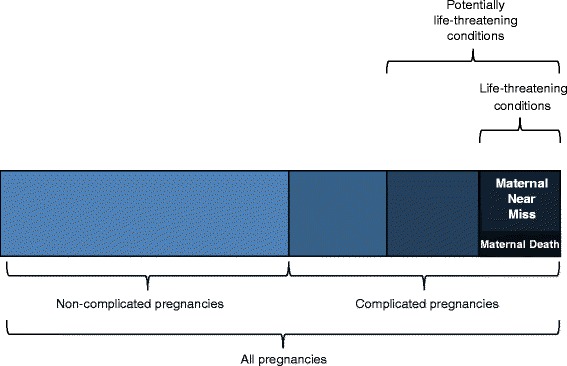
“1 Maternal morbidity and disability spectrum [6] Say et al.”
BackgroundSelf-citationSuzuki, E., Mathers, C. D., Moller, A., Alkema, L., Say, L., Gemmill, A., Mills, S. L., Chou, D., & Hogan, D. R. (2014) · Cited by 680
Self-citationMeasuring maternal health: focus on maternal morbidity
Firoz, T., Chou, D., von Dadelszen, P., Agrawal, P., Vanderkruik, R., Tunçalp, O., Magee, L. A., van Den Broek, N., Say, L., & for the Maternal Morbidity Working Group (2013) · Bulletin of the World Health Organization · doi:10.2471/blt.13.117564 · Cited by 286
Self-citationGold, L. H. (2014) · PubMed · Cited by 179
on behalf of the Maternal Morbidity Working Group, Chou, D., Tunçalp, Ö., Firoz, T., Barreix, M., Filippi, V., von Dadelszen, P., van den Broek, N., Cecatti, J. G., & Say, L. (2016) · BMC Pregnancy and Childbirth · doi:10.1186/s12884-015-0789-4 · Cited by 156 · cited 1×
“The detailed methodology of the group’s work is documented elsewhere [7].”
MethodSelf-citationFraming maternal morbidity: WHO scoping exercise
Vanderkruik, R. C., Tunçalp, Ö., Chou, D., & Say, L. (2013) · BMC Pregnancy and Childbirth · doi:10.1186/1471-2393-13-213 · Cited by 57 · cited 6×
“Geneva: The WHO Application of ICD-10 to deaths during pregnancy, childbirth and the puerperium: ICD-MM; 2012.”
BackgroundMethodInfluentialSelf-citationMaternal survival 1 maternal mortality : who, when, where, and why
Ronsmans, C., & Graham, W. J. (2006) · The Lancet · Cited by 37
Research works printed but not linked: 1
- World Health Organization Evaluating the quality of care for severe pregnancy complications: the WHO near-miss approach for maternal health 2011 Geneva WHO
Cited by
The global prevalence of postpartum psychosis: a systematic review
on behalf of the Maternal Morbidity Working Group, VanderKruik, R., Barreix, M., Chou, D., Allen, T., Say, L., & Cohen, L. S. (2017) · BMC Psychiatry · doi:10.1186/s12888-017-1427-7 · Cited by 238
“To address this gap, the World Health Organization’s (WHO) Department of Reproductive Health and Research (RHR) introduced an initiative, led by a Maternal Morbidity Working Group (MMWG), composed of technical experts in maternal and women’s health, epidemiology, public health (including researchers and clinicians), p…”
MethodSelf-citationMayrink, J., Souza, R. T., Silveira, C., Guida, J. P. D. S., Costa, M. L., Parpinelli, M. Â., Pacagnella, R. C., Ferreira, E. C., Sousa, M. H., Say, L., et al. (2018) · International Journal of Gynecology & Obstetrics · doi:10.1002/ijgo.12466 · Cited by 81
Self-citationMoura, B. L. A., Alencar, G. P., da Silva, Z. P., & de Almeida, M. F. (2018) · Cadernos de Saúde Pública · doi:10.1590/0102-311x00188016 · Cited by 76
Lattof, S. R., Tunçalp, Ö., Moran, A. C., Bucagu, M., Chou, D., Diaz, T., & Gülmezoglu, A. M. (2019) · BMJ Open · doi:10.1136/bmjopen-2018-024130 · Cited by 81
“New tools currently under development by the WHO-convened Maternal Morbidity Working Group recognise the importance of women’s experiences in measuring maternal morbidity and improving the healthcare of pregnant women.(37) 38 In addition to creating better tools to evaluate quality ANC as experienced by girls and wome…”
MethodSelf-citationStandardizing the measurement of maternal morbidity: Pilot study results
Barreix, M., Barbour, K. D., McCaw‐Binns, A., Chou, D., Petzold, M., Gichuhi, G. N., Gadama, L. A., Taulo, F., Tunçalp, Ö., Say, L., et al. (2018) · International Journal of Gynecology & Obstetrics · doi:10.1002/ijgo.12464 · Cited by 59
Self-citationExtreme heat, pregnancy and women’s well-being in Burkina Faso: an ethnographical study
Kadio, K., Filippi, V., Congo, M., Scorgie, F., Roos, N., Lusambili, A. M., Nakstad, B., Kovats, S. R., & Kouanda, S. (2024) · BMJ Global Health · doi:10.1136/bmjgh-2023-014230 · Cited by 54
“22 A woman’s well-being 13 can be defined as her quality of life in relation to health; in other words, it is the state of health felt or perceived in correspondence with the woman’s expectations.”
BackgroundSilveira, C., Souza, R. T., Costa, M. L., Parpinelli, M. Â., Pacagnella, R. C., Ferreira, E. C., Mayrink, J., Guida, J. P. D. S., Sousa, M. H., Say, L., et al. (2018) · International Journal of Gynecology & Obstetrics · doi:10.1002/ijgo.12465 · Cited by 46
Self-citationthe PRECISE Network, von Dadelszen, P., Flint-O’Kane, M., Lucilla, P., Craik, R., Russell, D., Tribe, R. M., D’Alessandro, U., Roca, A., Jah, H., et al. (2020) · Reproductive Health · doi:10.1186/s12978-020-0872-9 · Cited by 37
Cresswell, J. A., Barbour, K. D., Chou, D., McCaw‐Binns, A., Filippi, V., Cecatti, J. G., Barreix, M., Petzold, M., Kostanjsek, N. F. I., Cottler-Casanova, S., et al. (2020) · BMC Pregnancy and Childbirth · doi:10.1186/s12884-020-03216-z · Cited by 29
Self-citationda Silva, J. M. D. P., Fonseca, S. C., Dias, M. A. B., Izzo, A. S., Teixeira, G. P., & Belfort, P. P. (2018) · Revista Brasileira de Saúde Materno Infantil · doi:10.1590/1806-93042018000100002 · Cited by 28
Malaju, M. T., Alene, G. D., & Azale, T. (2022) · BMJ Global Health · doi:10.1136/bmjgh-2021-007483 · Cited by 24
Serruya, S. J., Mucio, B. D., Martínez, G., Mainero, L., de Francisco, A., Say, L., Sousa, M. H., Souza, R. T., Costa, M. L., Mayrink, J., et al. (2017) · BioMed Research International · doi:10.1155/2017/8271042 · Cited by 23
Self-citationMalaju, M. T., Alene, G. D., & Azale, T. (2022) · BMJ Open · doi:10.1136/bmjopen-2021-057012 · Cited by 18
Lamus, M. N., Pabón, S., MPoca, C., Guida, J. P. D. S., Parpinelli, M. Â., Cecatti, J. G., Vidarte, M. F. E., Say, L., Chou, D., & Costa, M. L. (2021) · BMC Pregnancy and Childbirth · doi:10.1186/s12884-021-03727-3 · Cited by 16
“The relevance of such definition is the innovation in capturing broadly the entire spectrum of morbidity, not excluding the well-known severe maternal morbidity conditions, but also including the non-severe morbidity as well [3].”
BackgroundMethodSelf-citationOverall Maternal Morbidity during Pregnancy Identified with the WHO‐WOICE Instrument
Pabón, S., Parpinelli, M. Â., Lamus, M. N., Charles, C. M., Guida, J. P. D. S., Escobar, M. F., Cecatti, J. G., & Costa, M. L. (2020) · BioMed Research International · doi:10.1155/2020/9740232 · Cited by 13
“The WOICE instrument was previously used in a pilot study [4, 10].”
BackgroundMethodInfluentialPrevalência do uso de substâncias psicoativas em gestantes e puérperas
Lopes, K. B., Ribeiro, J. P., Dilélio, A. S., Tavares, A. D. R., Franchini, B., & Hartmann, M. (2021) · Revista de Enfermagem da UFSM · doi:10.5902/2179769254544 · Cited by 11
Measurement of maternal morbidity during postpartum with the WHO-WOICE tools in Morocco
Hababa, H., & Assarag, B. (2023) · BMC Pregnancy and Childbirth · doi:10.1186/s12884-023-05615-4 · Cited by 13
“The standard criteria for the identification of potentially lifethreatening conditions (PLTC) and Maternal Near Miss (MNM) have helped in improving the understanding of severe maternal morbidity (SMM), but it is now recognized that a broader approach is needed to fully understand maternal morbidity, including nonsever…”
BackgroundMethodInfluentialBorde, M. T., Loha, E., & Lindtjørn, B. (2020) · PLoS ONE · doi:10.1371/journal.pone.0237852 · Cited by 9
“For example, the tool used in our study could be used by health extension workers during their scheduled home visits to identify and assess illnesses among postpartum women and their neonates [33].”
MethodMcBain, R. K., Mwale, O., Ruderman, T., Kayira, W., Connolly, E., Chalamanda, M., Kachimanga, C., Khongo, B. D., Wilson, J., Wroe, E. B., et al. (2021) · Trials · doi:10.1186/s13063-021-05601-1 · Cited by 9
“The WHODAS has been validated in a diverse range of sub-Saharan African contexts, including Malawi [63, 64], and covers topics like completing household chores, concentrating,”
BackgroundGarcia Vilaplana, E., Petignat, P., Benski, A.-C., Soaroby, A., Sormani, J., Vassilakos, P., & Schmidt, N. C. (2020) · International Journal of Women's Health · doi:10.2147/ijwh.s260894 · Cited by 7
Fraga, S. D., Khan, I. N., Sharma, T. A., & Lawrence, E. R. (2024) · BMC Public Health · doi:10.1186/s12889-024-19935-3 · Cited by 6
Shannon, C. S., Hurt, C. N., Soremekun, S., Edmond, K. M., Newton, S., Amenga‐Etego, S., Tawiah‐Agyemang, C., Hill, Z. E., Manu, A. A., Weobong, B., et al. (2022) · Emerging Themes in Epidemiology · doi:10.1186/s12982-021-00109-0 · Cited by 6
“Information on maternal and neonatal morbidity (which are known to be poorly recalled and recognized by women, [22, 23]) were also confirmed using these sources.”
BackgroundAbdulai, M. A., Adhikary, P., Baumann, S. G., Ejaz, M., Priya, J. O., Spelke, M. B., Akelo, V., Asante, K. P., Berhane, B. M., Bisht, S., et al. (2025) · PLOS Global Public Health · doi:10.1371/journal.pgph.0004229 · Cited by 5
“For example, certain complications in pregnancy increase the risk of preterm deliveries, and postpartum complications limit women’s ability to breastfeed, care for, or interact with their infants: all of which can hinder infant development [12,13].”
Ansiedade e Depressão na Morbidade Materna Grave e Near Miss
Silveira, M. S., Galvão, L. P. L., Gurgel, R. Q., Barreto, Í. D. D. C., & Vargas, M. M. (2019) · Psicologia Teoria e Pesquisa · doi:10.1590/0102.3772e35442 · Cited by 11
Overall maternal morbidity during pregnancy using the WHO-WOICE tools
Hababa, H., & Assarag, B. (2023) · PLoS ONE · doi:10.1371/journal.pone.0275882 · Cited by 4
Conceitos e características da morbidade materna e near miss: revisão bibliográfica
Cantalixto, V. F., & de Farias, F. N. (2021) · Revista Eletrônica Acervo Saúde · doi:10.25248/reas.e5752.2021 · Cited by 3
Intimate Partner Violence During Pregnancy and Maternal Morbidity in South Ethiopia: A Cohort Study
Utaile, M. M., Ahmed, A., & Worku, A. (2023) · Journal of Multidisciplinary Healthcare · doi:10.2147/jmdh.s421208 · Cited by 3
“Studies conducted in developed countries have indicated that IPV during pregnancy is associated with adverse maternal health outcomes.(6,17) The proposed mechanism that links IPV during pregnancy and maternal morbidity may include direct physical, mental, and behavioral pathways.”
BackgroundPossibilities of predicting purulent-inflammatory complications after cesarean section
Куценко, И. И., Олегович, Б. И., Галустян, М. В., Сергеевич, М. А., & Borovikova, O. I. (2023) · Medical Herald of the South of Russia · doi:10.21886/2219-8075-2022-13-4-73-87 · Cited by 2
Prevention of severe obstetric complications in a megalopolis
Olenev, A. S., Songolova, E. N., Новикова, В. А., Георгиевич, К. А., & Radzinsky, V. E. (2018) · Russian Bulletin of Obstetrician-Gynecologist · doi:10.17116/rosakush2018180619 · Cited by 3
Alves, A. C., Cecatti, J. G., Mayrink, J., Galvão, R. B., Costa, M. L., Feitosa, F. E. D. L., Filho, E. A. R., Leite, D. F. B., Tedesco, R. P., Santana, D. S., et al. (2021) · International Journal of Gynecology & Obstetrics · doi:10.1002/ijgo.14072 · Cited by 2
Dong, S., Zhang, C., Chen, M., Wang, X., Lan, S., Sun, L. L., Xu, Q., & Gu, C. (2025) · BMJ Open · doi:10.1136/bmjopen-2024-098624 · Cited by 1
Souza, R. T., Pereira, G. M., Takayama, M. Y. K., Morvillo, M., Fein, J. M., Munezero, A., Nhauche, M. P., Alves, A. C., Mayrink, J., Galvão, R. B., et al. (2025) · Journal of Psychosomatic Obstetrics & Gynecology · doi:10.1080/0167482x.2025.2606355 · Cited by 1
Low-dose Intravenous Magnesium Sulfate: Efficacy and Safety in Eclamptic Indian Women
Singh, S., Agarwal, M., & Ara, A. (2019) · Journal of South Asian Federation of Obstetrics and Gynaecology · doi:10.5005/jp-journals-10006-1661 · Cited by 1
Overview of maternal morbidity in Morocco Marrakech-Safi regionPreprint
Hababa, H., & Assarag, B. (2022) · medRxiv · doi:10.1101/2022.09.27.22280423 · Cited by 1
“Currently, there are an estimated 27 million episodes of direct complications that occur each year [1].”
BackgroundMethodInfluentialMoura, B. L. A. (2017) · Digital Library of Theses and Dissertations (Universidade de São Paulo) · doi:10.11606/t.6.2017.tde-23052017-164937 · Cited by 4
Intercorrências durante o Primeiro Trimestre Gestacional: um estudo de coorte prospectivo
de Aragão, N. S. C., Cirqueira, G. C., Santana, J. D. M., Lisboa, C. S., & dos Santos, D. B. (2018) · Revista Brasileira de Saúde Funcional · doi:10.25194/rebrasf.v6i3.1007
Prevalence of postpartum morbidities in a tertiary care center in Northern Nigeria
Adamou, N., Mohammed, F. L., & Umar, U. A. (2019) · Sub-Saharan African Journal of Medicine · doi:10.4103/ssajm.ssajm_27_19
Giving women WOICE postpartum: prevalence of maternal morbidity using the WHO-WOICE instrumentPreprint
Lamus, M. N., Lozano, S., Charles, C. M., Guida, J. P., Parpinelli, M., Cecatti, J. G., Vidarte, M., Say, L., Chou, D., & Costa, M. L. (2019) · doi:10.21203/rs.2.12663/v1
“The questionnaire has three sections: 1) woman's background, 2) current symptoms, and 3) physical examination with medical chart review (3).”
BackgroundSelf-citationIntervenções para tratamento da depressão perinatal
Charles, C. M. (2020) · doi:10.47749/t/unicamp.2020.1162228
Ravindrakumar, N. S., Saini, S., Shaheen, R., Arun, A., & Gehlot, N. (2024) · Asian Journal of Medical Sciences · doi:10.71152/ajms.v15i12.4289
Rathwa, J. H., Patel, P. K., & Soni, N. K. (2026) · International Journal of Reproduction Contraception Obstetrics and Gynecology · doi:10.18203/2320-1770.ijrcog20261280
Senkyire, E. K., Asiedua, E., Senkyire, G., Ohaja, M., Lamptey, E., Manson, M., & Ameyaw, J. K. (2026) · International Journal of Africa Nursing Sciences · doi:10.1016/j.ijans.2026.101109
Bodunde, E., Khashan, A. S., McCarthy, F. P., O’Connor, K., & Matvienko‐Sikar, K. (2026) · Women and Birth · doi:10.1016/j.wombi.2026.102234
Soko, R. N., Stewart, R. C., Malava, J., Myaba, J., Msiska, M. M., Makhalira, M., Mthepheya, T., Matchado, A., Mkandawire, J., Nkosi-Gondwe, T., et al. (2026) · medRxiv · doi:10.64898/2026.07.21.26358551
Aldawsari, A. A., Alzomia, S., Alanizi, N. F., Thomas, S., Paras, B., Alnasser, L. A., Alghamdi, A., Dagestani, H. F., Moller, A., & Hussain‐Alkhateeb, L. (2026) · BMJ Open · doi:10.1136/bmjopen-2025-114754
Liu, Z., Long, Z., Nartey, S., Li, T., Saab, S. T., Partridge, T., Salafia, C. M., Peng, Z., Jiang, Y., Ma, T., et al. (2026) · EBioMedicine · doi:10.1016/j.ebiom.2026.106517
Millimouno, T. M., Beňová, L., Meessen, B., SANGARE, M., Kourouma, A., Ngueste, E. E. K., Délamou, A., & Ku, G. M. (2026) · SSM - Health Systems · doi:10.1016/j.ssmhs.2026.100332
Metadata
- Authors
- Say, L., Barreix, M., Chou, D., Tunçalp, Ö., Cottler, S., McCaw-Binns, A., Gichuhi, G. N., Taulo, F., & Hindin, M.
- Affiliations
- World Health Organization (CH)
- Jhpiego (US)
- University of Malawi (MW)
- Corresponding author
- Say, Lale
- Venue
- Reproductive Health
- Published
- 2016-06-09
- Volume
- 13
- Issue
- 1
- Pages
- 69-69
- ISSN
- 1742-4755 (ISSN-L)
- PMC
- PMC4899915
- OpenAlex
- W2419393097
- Cited by
- 47
- References
- 11
- Citations by year
- 2026: 6 · 2025: 4 · 2024: 2 · 2023: 4 · 2022: 4 · 2021: 6 · 2020: 6 · 2019: 5 · 2018: 7 · 2017: 3
- FWCI
- 5.82
- Type
- journal article
- Language
- en
- Open access
- gold
- doi.org
- Licence
- cc-by
- creativecommons.org/licenses/by/4.0/ (tdm)
- creativecommons.org/licenses/by/4.0/ (vor)
- Locations
- Reproductive Health (publishedVersion, cc-by)
- PubMed Central (publishedVersion, cc-by)
- PubMed (publishedVersion)
- Funders
- Bill and Melinda Gates Foundation (OPP1033805)
- Topics
- Health Sciences › Medicine › Pediatrics, Perinatology and Child Health › Global Maternal and Child Health
- Health Sciences › Medicine › Pediatrics, Perinatology and Child Health › Maternal and fetal healthcare
- Health Sciences › Medicine › Pediatrics, Perinatology and Child Health › Maternal and Neonatal Healthcare
- Keywords
- maternal morbidity, measurement instruments, prenatal care, postpartum care, WHO Disability Assessment Schedule, WHODAS, anxiety, depression, mental health, physical examination, risk factors, violence against women, substance abuse, feasibility, Sustainable Development Goals
- MeSH terms
- Maternal Health, Female, Humans, Jamaica, Kenya, Malawi, Maternal Health Services, Pilot Projects, Pregnancy, Pregnancy Complications, World Health Organization, Practice Guidelines as Topic
About these checks
Registry, retraction, Cites and statistics results are computed, not judged, with one exception: a printed reference that no index lists is read once by a model before it counts as a citation error. Claims are extracted by a model and kept only when their quote appears verbatim in the text; each cited source is then checked, with a model’s help, for whether it says what the claim relies on. Those verdicts can be wrong — read the claim’s quote and the cited source before relying on one.
Statistics and arithmetic are recomputed, not judged.
Confidence bands are shown only for fields calibrated on our annotated test set. None is calibrated yet, so no band is shown.
What counts as a claim ›How we measure confidence ›How we check this ›
Are you an author, or do you see a problem with this page? Request a review
Data sources
Bibliographic data: Semantic Scholar, OpenAlex, Crossref.
Contains information from the Semantic Scholar Academic Graph Datasets, made available under the ODC Attribution License (ODC-BY 1.0).
Semantic Scholar’s data is described in: Kinney, R., et al. (2023). The Semantic Scholar Open Data Platform. arXiv:2301.10140.
