

The DOI matches its Crossref record.
Mushroom hunting and consumption in twenty-first century post-industrial Sweden
Open accessAbstract
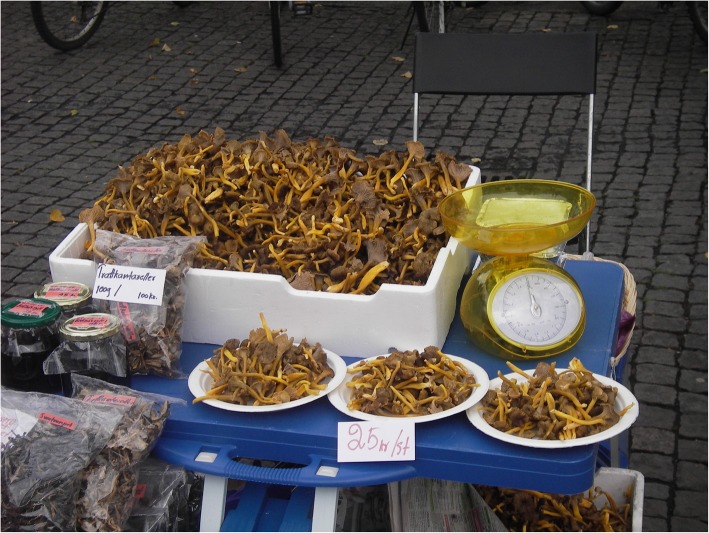
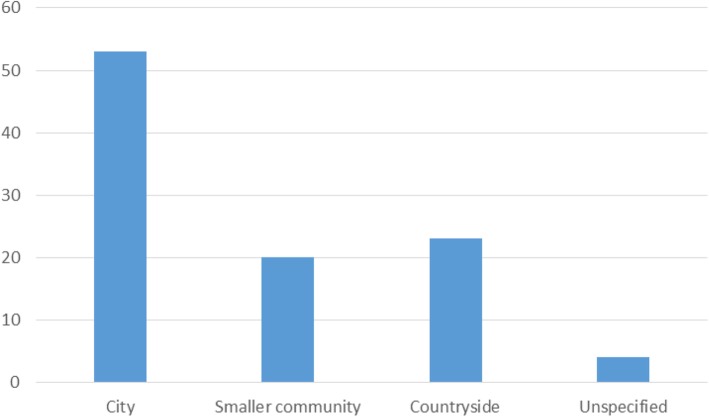
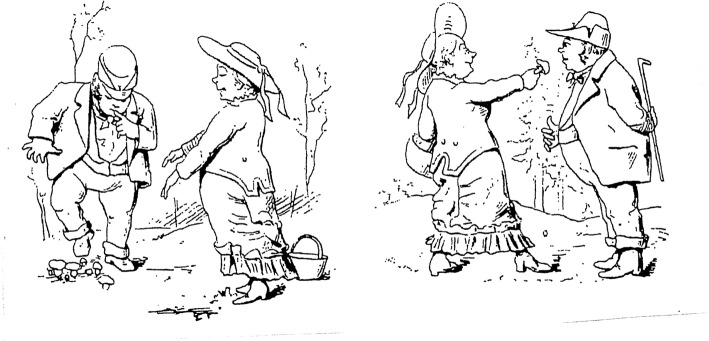
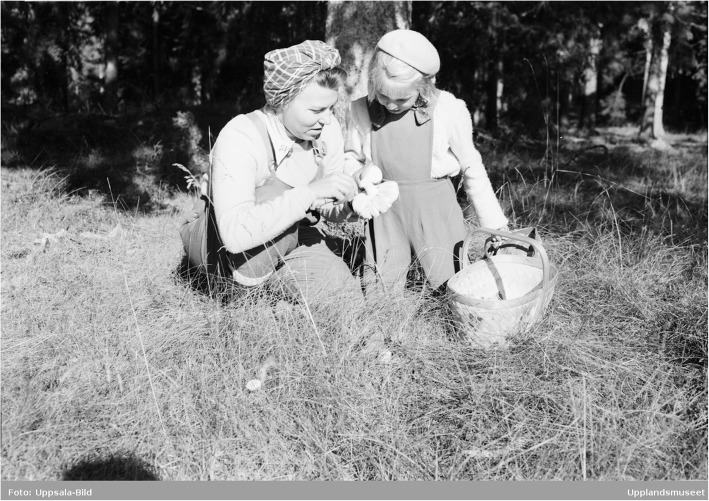
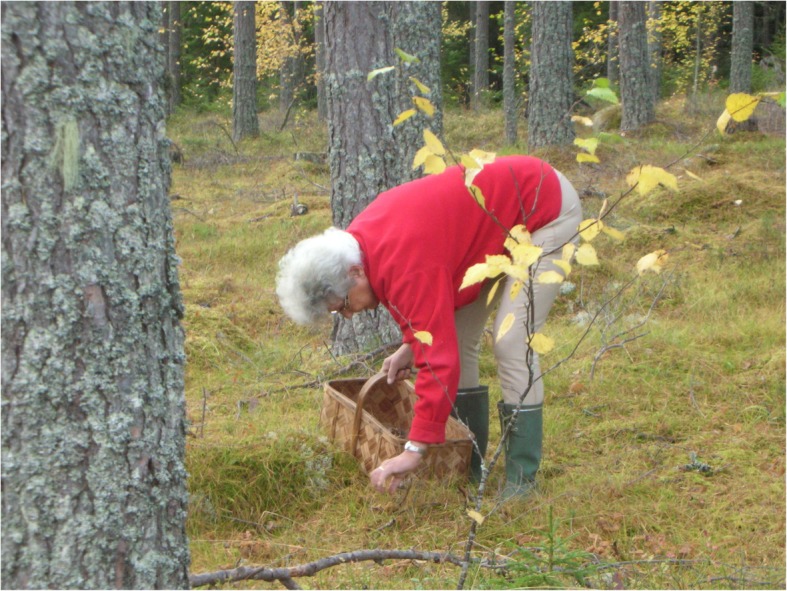
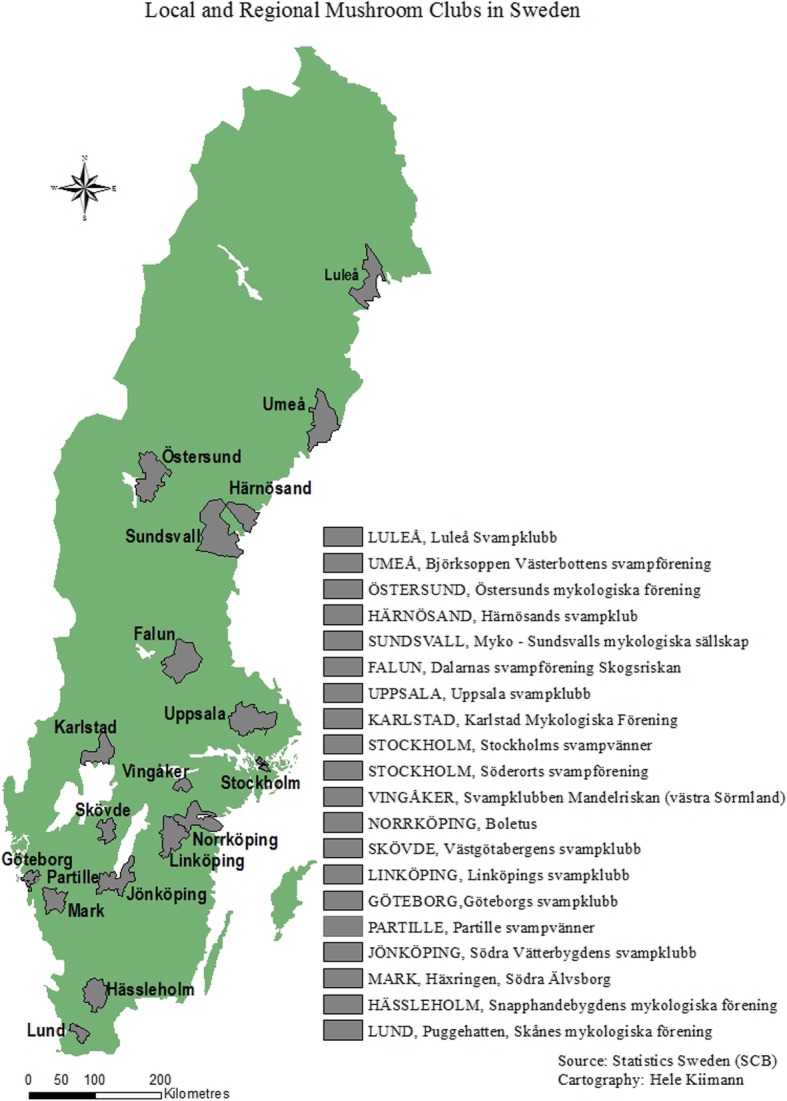
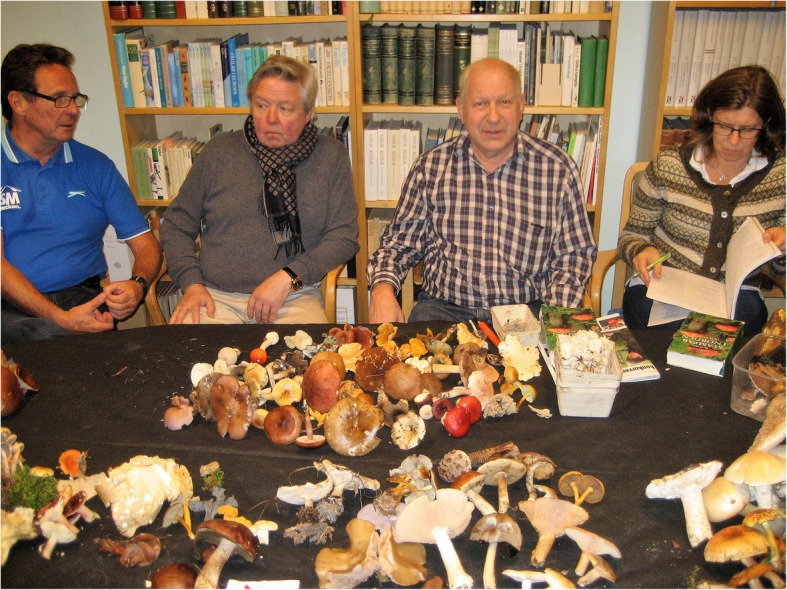
BACKGROUND: The pre-industrial diet of the Swedish peasantry did not include mushrooms. In the 1830s, some academic mycologists started information campaigns to teach people about edible mushrooms. This propaganda met with sturdy resistance from rural people. Even at the beginning of the last century, mushrooms were still only being occasionally eaten, and mostly by the gentry. During the twentieth century, the Swedish urban middle class accepted mushrooms as food and were closely followed by the working-class people. A few individuals became connoisseurs, but most people limited themselves to one or two taxa. The chanterelle, Cantharellus cibarius Fr., was (and still is) the most popular species. It was easy to recognize, and if it was a good mushroom season and the mushroomer was industrious, considerable amounts could be harvested and preserved or, from the late 1950s, put in the freezer. The aim of this study is to review the historical background of the changes in attitude towards edible mushrooms and to record today's thriving interest in mushrooming in Sweden. METHODS: A questionnaire was sent in October and November 2017 to record contemporary interest in and consumption of mushrooms in Sweden. In total, 100 questionnaires were returned. The qualitative analysis includes data extracted from participant and non-participant observations, including observations on activities related to mushroom foraging posted on social media platforms, revealed through open-ended interviews and in written sources. With the help of historical sources, including earlier studies and ethnographical data collections, a diachronic analysis is given to describe the changes over time. RESULTS AND DISCUSSION: During the last 100 to 140 years, Sweden has changed from a mycophobic to a mycophilic society with a passionate interest in the utilization of wild mushrooms. In the late twentieth century, various social institutions connected with mushroom hunting evolved. Evening classes, study circles, clubs, exhibitions, consultants, and a wide array of handbooks promoted this interest. In the early twenty-first century, mushrooming has become widely accepted, especially among the middle class, but also among Swedes in general. The so-called hipster-generation, born in the 1990s, harvests mushrooms due to their interest in producing their own food. This group often uses social media to identify edible species. Most people who go mushrooming gather only a few species. There are, however, some dedicated individuals who have become hobby specialists and who know a wide diversity of taxa. A few study participants reported that they were afraid of not being able to distinguish between poisonous fungi species and edible ones and therefore refrain from picking any wild mushrooms at all. However, they still consume cultivated mushrooms, such as Agaricus bisporus (J.E. Lange) Imbach, bought in grocery stores or served in cafes and restaurants. CONCLUSION: Swedish society has changed rapidly during the last decades and so has the interest in mushrooming among its members. Throughout the second part of the twentieth century, the flow of information about mushrooms has continued through lecturers, courses, media, exhibitions, and even associations. Walking in forestland is also an important leisure activity for many urban Swedes, and in the early twenty-first century, mushrooming has also become a thriving pastime among people with an urban lifestyle.
Overview
The claims and statistics of this paper haven’t been checked yet.
Run the check — free, no account needed. It reads the open-access text and checks the sources it cites.
Integrity signals
Registry
Cites
Statistics
Figures
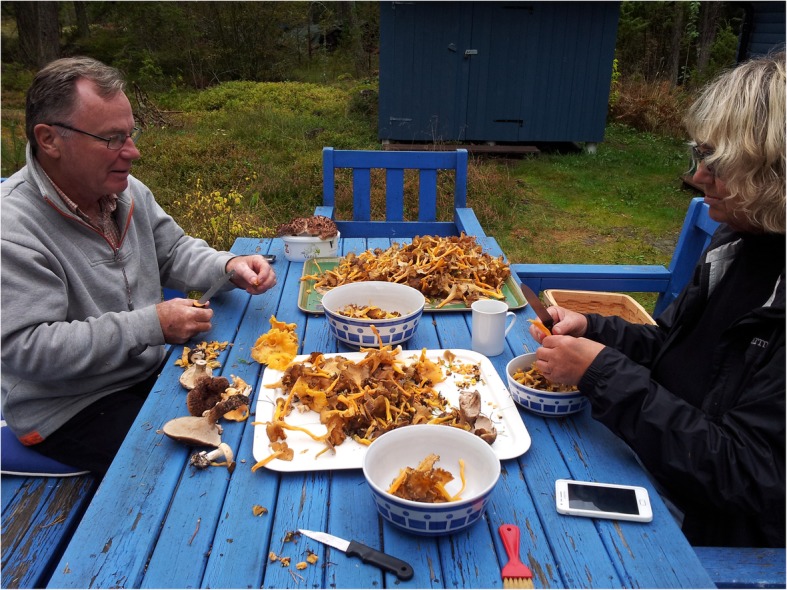
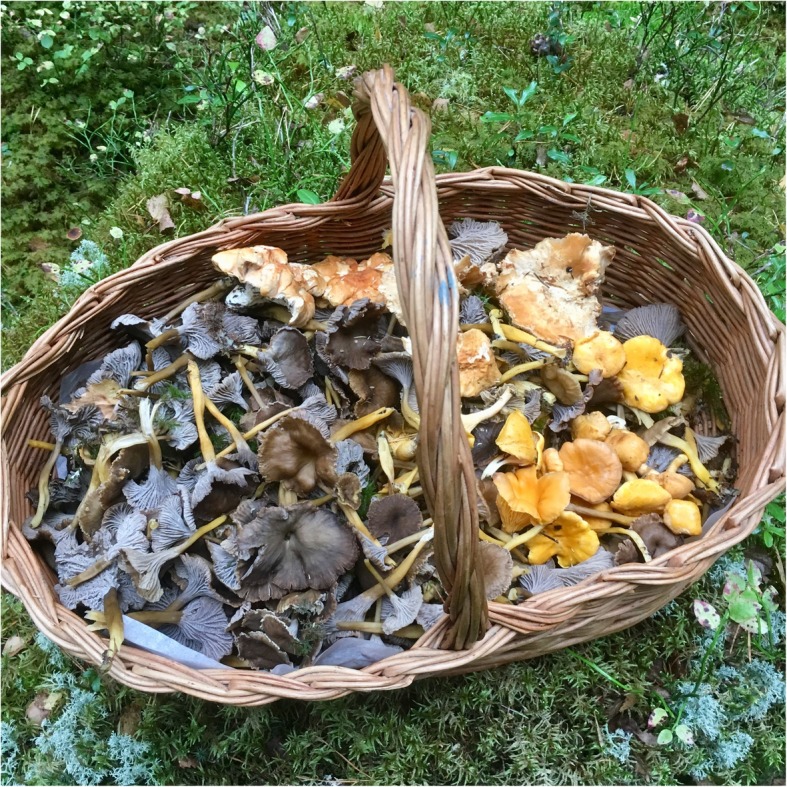
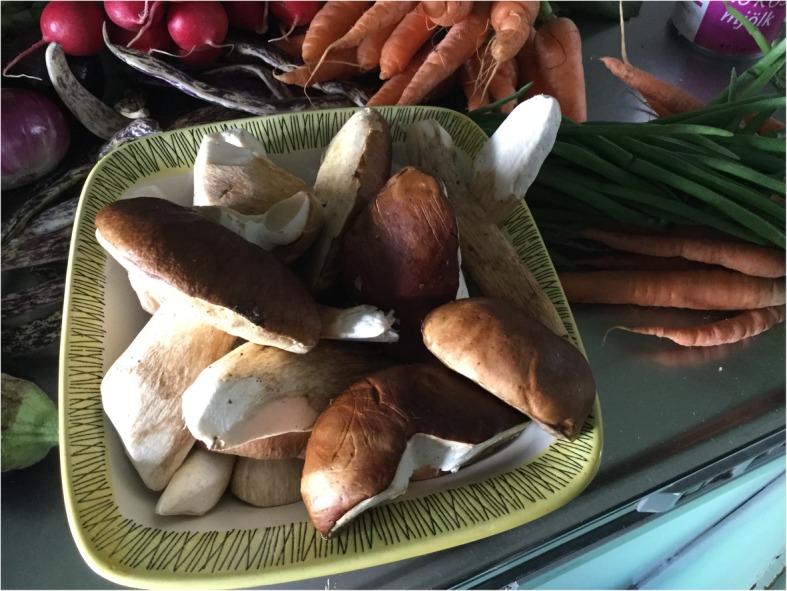
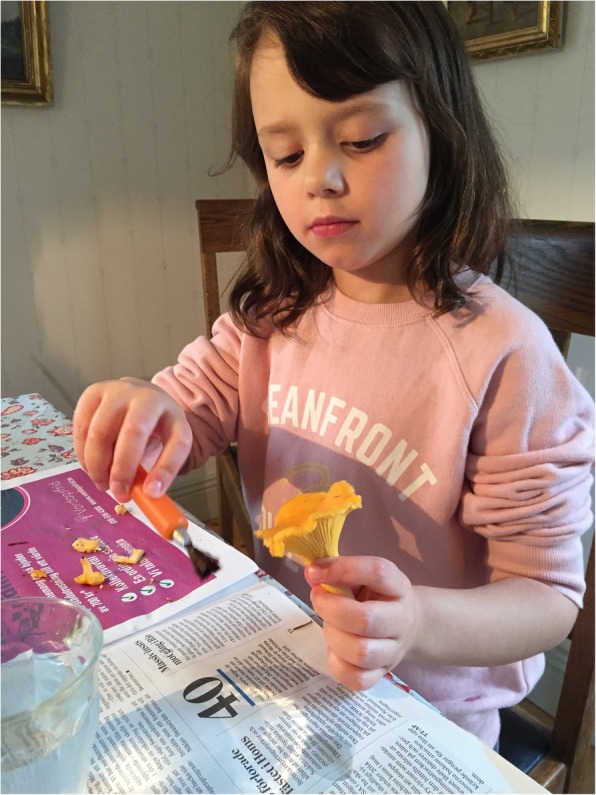
Verification
Claims the paper makes
The claims and statistics of this paper haven’t been checked yet.
Run the check — free, no account needed. It reads the open-access text and checks the sources it cites.
Claims other papers make about this one
Each is checked against this paper’s own text: does it say what the citing paper says it does?
The cited source says what the claim attributes to it.
In the citing paper
“While mushroom picking may not be prominent in all cultures, it is an integral part of cultural heritage in many European countries.”
From Effects of Explainable Artificial Intelligence on trust and human behavior in a high-risk decision task (2023) · cites this paper as Svanberg & Lindh, 2019
Self-check
Percentages, sums and reported differences re-computed from the paper’s own numbers.
The self-check needs the paper’s full text.
Citations
Cites
No references could be resolved yet.
Research works printed but not linked: 93
- Svanberg I. The use of wild plants as food in pre-industrial Sweden. Acta Soc Bot Pol. 2012;81:317–27. https://doi.org/10.5586/asbp.2012.039 . · DOI
- Egardt B. Svenskarna och svampmaten. Rig. 1954;37:33–44.
- Høeg OA. Sopper. In: Granlund J, editor. Kulturhistorisk lexikon för nordisk medeltid, vol. 16. Malmö: Allhem; 1971. p. 434–7.
- Brøndegaard VJ. Folk og flora: dansk etnobotanik, vol. 1. København: Rosenkilde og Bagger; 1978.
- Härkönen M. Uses of mushrooms by Finns and Karelians. Int J Circumpolar Health. 1998;57:40–55.
- Arntzen MW. Mushrooms in Norwegian folk culture, 1900–1960. In: Lysagh P, editor. Food from nature: attitudes, strategies and culinary practices. Uppsala: The Royal Gustavus Adolphus Academy for Swedish Folk Culture; 2000. p. 73–80.
- Erixon S. Surviving primitive gathering in the Nordic countries. Folk-Liv: Acta Ethnologica et Folkloristica Europaea. 1951;14-15:95–102.
- Eidlitz K. Food and emergency food in the circumpolar area. Uppsala: Almqvist & Wiksells; 1969.
- Svanberg I, Nelson MC. Bone meal porridge, lichen soup, or mushroom bread: acceptance or rejection of food propaganda 1867–1868. In: Häkkinen AJ, editor. Just a Sack of Potatoes? Crisis Experiences in Past and Present Societies. Helsinki: Societas Historica Finlandiae; 1992. p. 119–47.
- Keyland N. Svensk allmogekost. Bidrag till den svenska folkhushållningens historia vol. 1. Vegetabilisk allmogekost. Stockholm: Sv. Eknologföreningen; 1919.
- Wasson V, Wasson RG. Mushroom, Russia and History, vol. 2. New York: Pantheon Books; 1957.
- Lévi-Strauss C. Les champignons dans la culture. L’Homme. 1970;10:5–16.
- Yamin-Pasternak S. A means of survival, a market of feasts: mushrooms in the Russian Far East. Ethnology. 2008;47:95–107.
- Svanberg I. Ethnomycological notes on Haploporus odorus and other polypores in Northern Fennoscandia. J Northern Stud. 2018;12(1):73–92. · DOI
- Persson O. On Flugsvamp and other old Swedish names for fungi. In: Odenstedt B, Persson G, editors. Instead of flowers: papers in honour of Mats Rydén on the occasion of his sixtieth birthday, August 27, 1989. Stockholm: Almqvist & Wiksell; 1989. p. 189–95.
- Klintberg B. Kuttrasju: folkloristiska och kulturhistoriska essäer. Stockholm: Norstedts; 1998.
- Linnaeus C. Flora svecica. Stockholm: Laurentii Salvii; 1755.
- Högberg O. Flugsvampen och människan. Stockholm: Carlsson; 2003.
- Svanberg I. Folklig botanik. Stockholm: Dialogos; 2011.
- Lumpert M. Catching flies with Amanita muscoria: traditional recipes from Slovenia and their efficacy in the extraction of ibotenic acid. J Ethnopharmacol. 2016;187:1–8. https://doi.org/10.1016/j.jep.2016.04.009 . · DOI
- Fries T. Svenska växtnamn 1. Under medeltiden. Arkiv för botanik. 1904;3(14):1–60.
- Fries E. Botaniska utflygter vol. 3. Stockholm: Hæggström; 1864.
- Henriksson H. Popular hunting and trapping in Norrland. Stockholm: Kungl. Vitterhets Historie och Antikvitets Akademien; 1978.
- Ekman S. Norrlands jakt och fiske. Uppsala: Almqvist & Wiksell; 1910.
- Linnaeus C. Iter Lapponicum, Lappländska resan 1732. Umeå: Skytteanska samfundet; 2003.
- Nordholm A. Jämtelands djur-fänge. Under Herr Professor Anders Berchs Inseende. Diss. Upsala: Upsala universitet; 1749.
- Danell K, Mattsson L, Bergström R. Jakt och fångst. In: Danell K, Bergström R, Mattsson L, Sörlin S, editors. Jaktens historia i Sverige: vilt – människa – samhälle – kultur. Stockholm: Liber; 2016. p. 35–63.
- Brøndegaard VJ. Lycoperdon und Bovista in der Volksmedizin. Pharm Ztg. 1971;16:1065–70.
- Svanberg I. The use of wild plants in the Faroe Islands 1590–1990: a contribution to Scandinavian ethnobotany. Yearbook of the Swedish Linnaeus Society. 1998;1997-1988:81–130.
- Brøndegaard VJ. Die Hirschtrüffel. Beiträge zur Ethnomedizin. 1985;6:231–7.
- Linnaeus C. Flora lapponica. Amstelædami: Salomonem Schouten; 1737.
- Svanberg I. Folkbotaniska uppgifter från Borgsjö socken i Medelpad: Gullik Gullikssons anteckningar från 1955. Uppsala: Maral Production; 2004.
- Medelius H. Mat och måltid på Öland. Stockholm: Carlssons; 2017.
- Bringéus NA. Man, food and milieu: a Swedish approach to food ethnology. East Linton: Tuckswoll Press; 2001.
- Peintner U, Schwarz S, Mešić A, Morea P-A, Morena G, Saviuc P. Mycophilic or mycophobic? Legistlation and guidelines on wild mushroor commerce reveal different consumption behavious in European countries. PlosOne. 8(5):e63926. https://doi.org/10.1371/journal.pone.0063926 . · DOI
- Gry J, Andersson C, Krüger L, Lyrån B, Jensvoll L, Matilainen N. Handelssvamp: Nordiskt frågeformulär, inklusive rådgivande listor över ätlig svamp som är lämplig eller olämplig att marknadsföra, TemaNord 2012:540. København: Nordiska ministerrådet; 2012.
- Wyndham FS, Lepofsky D, Tiffany S. Taking stock in ethnobiology: where do we come from? What are we? Where are we going? J Ethnobiol. 2011;31(1):110–27. https://doi.org/10.2993/0278-0771-31.1.110 . · DOI
- Svanberg I, Łuczaj Ł, Pardo-de-Santayana M, Pieroni A. History and current trends of ethnobiological research in Europe. In: Anderson EN, Adams K, Pearsall D, Hunn E, Turner NJ, editors. Ethnobiology. Hoboken: Wiley-Blackwell; 2011. p. 191–212.
- Svanberg I. Jättesliden och rönnbärsbitter: postmodern etnobiologi om konst, matglädje och prepping. Svensk botanisk tidskrift. 2017;111:29–45.
- Yamin-Pasternak S. Ethnomycology: fungi and mushrooms in cultural entanglements. In: Anderson EN, Adams K, Pearsall D, Hunn E, Turner NJ, editors. Ethnobiology. Hoboken: Wiley-Blackwell; 2011. p. 213–30. · DOI
- Łuczaj Ł, Nieroda Z. Collecting and learning to identify edible fungi in Southeastern Poland: age and gender differences. Ecol Food Nutr. 2011;50(3):19–336. https://doi.org/10.1080/03670244.2011.586314 . · DOI
- Kasper-Pakosz R, Pietras M, Łuczaj Ł. Wild and native plants and mushrooms sold in the open-air markets of south-eastern Poland Wild and native plants and mushrooms sold in the open-air markets of south-eastern Poland Wild and native plants and mushrooms sold in the open-air markets of south-eastern Poland. J Ethnobiol Ethnomed. 2016;12(45):1–17. https://doi.org/10.1186/s13002-016-0117-8 . · DOI
- Kardell L. Forest berries and mushrooms: an endangered resource? Ambio. 1980;9:241–7.
- Statistiska Centralbyrån Rapport 1993. 3. Skogsräkenskaper – en delstudie avseende fysiska räkenskaper. Stockholm: SCB; 1993.
- Svanberg I, Łucsaj Ł. Activity context and biocultural domains: European studies of folk biology. In: Łucsaj Ł, Svanberg I, editors. Pioneers in European Ethnobiology. Uppsala: Uppsala University; 2014. p. 9–26.
- Nelson MC. Bitter bread: the famine in Norrbotten 1867-1868. Uppsala: Almqvist & Wiksell Internationl; 1987.
- Svanberg I. Fattigmanskost. In: Broberg G, Lindell G, editors. Till livs med Linné: om mat hälsa och levnadskonst. Stockholm: Atlantis; 2007. p. 185–95.
- Historical Statistics of Sweden vol. 1. Population 1720–1967. Stockholm: Allmänna förlaget; 1969.
- Hoppe G, Langton J. Peasantry to Capitalism: Western Östergötland in the Nineteenth Century. Cambridge: Cambridge University Press; 2006.
- Svanberg I. Cultural and language pluralism in contemporary Nordic countries. In: Fossum Grønn J, editor. Nordic Voices: Literature from the Nordic countries. Oslo: Nordbok; 2005. p. 8–17.
- Bringéus NA. The red gold of the forest. In: Lysaght P, editor. Food from nature: attitudes, strategies and culinary practices. Uppsala: The Royal Gustavus Adolphus Academy for Swedish Folk Culture; 2000. p. 225–39.
- Martin G. Ethnobotany: a methods manual. London: Chapman and Hall; 1995. · DOI
- Etkin NL, Ticktin T, McMillen HL. Ethnoecological approaches to integrating theory and method in ethnomedical research. In: Anderson EN, Adams K, Pearsall D, Hunn E, Turner NJ, editors. Ethnobiology. Hoboken: Wiley-Blackwell; 2011. p. 231–47. · DOI
- Albuquerque UP, Ramos MA, Lucena RFP, Alencar, NL. Methods and techniques used to collect ethnobiological data. In Albuquerque, UP, Cruz da Cunha LVF, Lucena R.F.P, Alves RRN, editors, Methods and techniques in ethnobiology and ethoecology. New York: Springer; 2014, p. 15-37. · DOI
- Eklund L. Att arbeta med frågelistor: en introduktion. In: Hagström C, Marander-Marander-Eklund, editors. Frågelistan som källa och metod. Lund: Studentlitteratur; 2005. p. 9–29.
- Edqvist B. Har du sett herr Kantarell: Bär- och svampplockning, skattjakt eller barnarbete? In: Midholm L, Saltzman K, editors. Naturen för mig: nutida röster och kulturella perspektiv. Göteborg: Institutet för språk och folkminnen; 2014. p. 339–43.
- Hammersley M. Observation, participant, and non-participant. In: Ritzer G, editor. The Blackwell encyclopedia of sociology. Malden: Blackwell; 2007. p. 3236–40.
- Blomqvist H. Mat och dryck i Sverige. Litteraturöversikt. Stockholm: LTs förlag; 1980.
- Hirell A. Den svenska matsvampens historia: Nedslag och utvikningar från 1600-talet och nutid. Stockholm: Carlsson; 2012.
- Linnaeus C. Öländska och Gothländska Resa på Riksens Högloflige Ständers befallning förrättad Åhr 1741. Med Anmärkningar uti Oeconomien, Natural-Historien, Antiquiteter &c. Stockholm: Gottfried Kiesewetter; 1745.
- Warg C. Hjelpreda i hushållningen för unga fruentimber. Stockholm: Ludv. Grefing; 1755.
- Liljeblad S. Utkast til en Svensk flora; eller Afhandling om svenska växternas väsendteliga kännetecken och nytta. Upsala: Joh. Edmans enka; 1792.
- Danell E. Om svensk svampexport år 1820. Opera Mycologica. 2007;1:52–6.
- Andersson NJ. Våra bästa mat-svampar, eller kortfattad anvisning till de i vårt land förekommande mest matnyttiga svamparnas igenkännande och användning. Stockholm: Kongl. Patriotiska Sällskapet; 1867.
- Smitt JW. Skandinaviens förnämsta ätliga och giftiga svampar. Stockholm: Eget förlag; 1863.
- Fries E. Anteckningar öfver de i Sverige växande ätliga svampar. Uppsala: Akademisk Avhandling; 1836.
- Nelson MC, Svanberg I. Lichens as food: historical perspectives of food propaganda. Yearbook of the Swedish Linnaeus Society. 1987;1986-1987:7–52.
- Berglund J. Växter som läkemedel och i folkliga arbetsmetoder i Ångermanland. Ångermanland-Medelpad: Årsbok för Västernorrlands Läns Hembygdsförbund. 1935;3:42–56.
- Tillhagen CH. Food and drink among Swedish Kalderasha Gypsies. J Gypsy Lore Society 3rd Ser. 1957;34:25–52.
- Tellström R. Hunger och törst : svensk måltidshistoria från överlevnad till statusmarkör. Stockholm: Forum; 2015.
- Pettersson B. Nötter, bär och svamp. In: Pettersson B, Svanberg I, Tunón H, editors. Människan och naturen. Etnobiologi i Sverige vol. 1. Stockholm: Wahlström & Widstrand; 2001. p. 147–50.
- Suber N. Svampintresse och svampböcker i Sverige under mer än 200 år. Fauna och flora. 1980;75:113–6.
- Svanberg I. Människor och växter: Svensk folklig botanik från “ag” till “örtbad”. Stockholm: Arena förlag; 1998.
- Edelman I. Tradition, kultur och kunskapsöverföring: en studie om användningen och betydelsen av skogens ätliga resurser bland personer med polsk bakgrund boende i Stockholmsregionen. Stockholm: Institutionen för naturgeografi och kvartärsgeologi; 2013.
- Holmberg P, Hallbert BM. Svenska landskapssvampar. Stockholm: Rabén & Sjögren; 1992.
- Smith ML, Taylor HW, Sharma HD. Comparison of the post-Chernobyl 137Cs contamination of mushrooms from eastern Europe, Sweden, and North America. Appl Environ Microbiol. 1993;59(1):134–9. · DOI
- Stryamets N, Elbakidze M, Ceuterick M, Angelstam P, Axelsson R. From economic survival to recreation: contemporary uses of wild food and medicine in rural Sweden, Ukraine and NW Russia. J Ethnobiol Ethnomed. 2015;11(53):1–18. https://doi.org/10.1186/s13002-015-0036-0 . · DOI
- Mildh U. The organization for collecting forest mushrooms in Finland. Karstenia. 1978;18(Suppl):106–7. · DOI
- Plum PM. Denmark: non-wood forestry in a densely populated temperate country. In H.G. Lund, B. Pajari & M. Korhonen, eds. Sustainable development of non-wood goods and benefits from boreal and cold temperate forests,. Proceedings of the International Workshop, Joensuu, Finland, 18–22 January 1998. EFI Proceedings. 1998; 23.p. 125-130
- Jönsson H. Den ätbara naturen. In: Midholm L, Saltzman K, editors. Naturen för mig: nutida röster och kulturella perspektiv. Göteborg: Institutet för språk och folkminnen; 2014. p. 331–8.
- Andersson M. Svamp och D-vitamin – en solskenshistoria. Svensk Mykologisk Tidskrift. 2007;28(3):70–6.
- Persson H, Karlson-Stiber C. Svampförgiftning: klinisk och behandling. Läkartidningen. 1993;90:2857–64.
- Cortin B. Svampplockarens handbok. Stockholm: Saxon & Lindström; 1942.
- Karlson-Stiber C, Persson H. Cytotoxic fungi: an overview. Toxicon. 2003;42(4):339–49. https://doi.org/10.1016/S0041-0101(03)00238-1 . · DOI
- Holmberg P, Marklund H. Nya svampboken. Stockholm: Nordstedt; 2014.
- Holmgren EB, Forsgren M. Epidemiology of tick-borne encephalitis in Sweden 1956–1989: a study of 1116 cases. Scand J Infect Dis. 1990;22(3):287–95. https://doi.org/10.3109/00365549009027050 . · DOI
- Nordberg M. Tick-Borne infections in humans: aspects of immunopathogenesis, diagnosis and co-infections with Borrelia burgdorferi and Anaplasma phagocytophilum. Linköping: Linköping University Electronic Press; 2012.
- Wedén C. Black truffles of Sweden. Systematic, population studies, ecology and cultivation of Tuber aestivus syn. T. unicum. Uppsala: Acta Universitatis Upsaliensis; 2004.
- Strid Å. Med Sveriges Mykologiska Förening under 30 år. Svensk Mykologisk Tidskrift. 2009;30(2):57–91.
- Strid Å. Något om svampaktiviteter i Stockholm under Stockholms svampvänners första sekel, 1879-1979. Jordstjärnan. 1997;21(2):11–32.
- Svanberg I. Swedish dye plants 1700-2000. In: Kazansky NN, editor. Acta Linguistica Petropolitana. Transactions of the Institute for Linguistic Studies. vol. 13, part, vol. 2. St. Petersburg: Nauka; 2017. p. 153–63.
- Stryamets N. Non-wood forest products for livelihoods. Bosque. 2012;33(3):329–32.
- Kotowski MA, Pietras M, Łuczaj Ł. Extreme levels of mycophilia documented in Mazovia, a region of Polland. J Ethnobiol Ethnomed. 2019;15(12):1–19. https://doi.org/10.1186/s13002-019-0291-6 . · DOI
Cited by
Leichtmann, B., Humer, C., Hinterreiter, A., Streit, M., & Mara, M. (2023) · Computers in Human Behavior · doi:10.1016/j.chb.2022.107539 · Cited by 200
Metadata
- Authors
- Svanberg, I., & Lindh, H.
- Affiliations
- Uppsala University (SE)
- Corresponding author
- Svanberg, Ingvar
- ORCID
- Svanberg, Ingvar
- Venue
- Journal of Ethnobiology and Ethnomedicine
- Published
- 2019-08-19
- Volume
- 15
- Issue
- 1
- Pages
- 42-42
- ISSN
- 1746-4269 (ISSN-L)
- PMC
- PMC6700795
- OpenAlex
- W2967544943
- Cited by
- 61
- References
- 0
- Citations by year
- 2026: 2 · 2025: 9 · 2024: 9 · 2023: 11 · 2022: 8 · 2021: 11 · 2020: 5
- FWCI
- 0.54
- Type
- journal article
- Language
- en
- Open access
- gold
- doi.org
- Locations
- Journal of Ethnobiology and Ethnomedicine (publishedVersion, cc-by)
- PubMed Central (publishedVersion, cc-by)
- PubMed (publishedVersion)
- KTH Publication Database DiVA (KTH Royal Institute of Technology) (submittedVersion, other-oa)
- DOAJ (DOAJ: Directory of Open Access Journals) (submittedVersion, cc-by-sa)
- Funders
- Uppsala Universitet
- Topics
- Social Sciences › Anthropology › Food, Nutrition, and Cultural Practices
- Social Sciences › Business, Management and Accounting › Tourism, Leisure and Hospitality Management › Culinary Culture and Tourism
- Life Sciences › Agricultural and Biological Sciences › Plant Science › Plant Names and Ethnobotany
- Keywords
- mushroom hunting, edible mushrooms, chanterelles, Cantharellus cibarius, middle class, social media, poisonous fungi, food self-sufficiency, Sweden, post-industrial society, food culture change, ethnobotany
- MeSH terms
- Agaricales, Child, Eating, Female, Humans, Male, Recreation, Sweden, Intergenerational Relations, History, 19th Century, History, 20th Century, History, 21st Century
About these checks
Registry, retraction, Cites and statistics results are computed, not judged, with one exception: a printed reference that no index lists is read once by a model before it counts as a citation error. Claims are extracted by a model and kept only when their quote appears verbatim in the text; each cited source is then checked, with a model’s help, for whether it says what the claim relies on. Those verdicts can be wrong — read the claim’s quote and the cited source before relying on one.
Statistics and arithmetic are recomputed, not judged.
Confidence bands are shown only for fields calibrated on our annotated test set. None is calibrated yet, so no band is shown.
What counts as a claim ›How we measure confidence ›How we check this ›
Are you an author, or do you see a problem with this page? Request a review
Data sources
Bibliographic data: Semantic Scholar, OpenAlex, Crossref.
Contains information from the Semantic Scholar Academic Graph Datasets, made available under the ODC Attribution License (ODC-BY 1.0).
Semantic Scholar’s data is described in: Kinney, R., et al. (2023). The Semantic Scholar Open Data Platform. arXiv:2301.10140.
