

Heavy drinking and contextual risk factors among adults in South Africa: findings from the International Alcohol Control study
Open accessThe DOI matches its Crossref record; 37 of the 37 references it cites were found in a registry or an index.
Abstract
BACKGROUND: There is limited information about the potential individual-level and contextual drivers of heavy drinking in South Africa. This study aimed to identify risk factors for heavy drinking in Tshwane, South Africa. METHODS: A household survey using a multi-stage stratified cluster random sampling design. Complete consumption and income data were available on 713 adults. Heavy drinking was defined as consuming ≥120 ml (96 g) of absolute alcohol (AA) for men and ≥ 90 ml (72 g) AA for women at any location at least monthly. RESULTS: 53% of the sample were heavy drinkers. Bivariate analyses revealed that heavy drinking differed by marital status, primary drinking location, and container size. Using simple logistic regression, only cider consumption was found to lower the odds of heavy drinking. Persons who primarily drank in someone else's home, nightclubs, and sports clubs had increased odds of heavy drinking. Using multiple logistic regression and adjusting for marital status and primary container size, single persons were found to have substantially higher odds of heavy drinking. Persons who drank their primary beverage from above average-sized containers at their primary location had 7.9 times the odds of heavy drinking as compared to persons who drank from average-sized containers. Some significant associations between heavy drinking and age, race, and income were found for certain beverages. CONCLUSION: Rates of heavy drinking were higher than expected giving impetus to various alcohol policy reforms under consideration in South Africa. Better labeling of the alcohol content of different containers is needed together with limiting production, marketing and serving of alcohol in large containers.
Overview
The claims and statistics of this paper haven’t been checked yet.
Free: it reads the open-access text and checks the first 5 claims that cite a source we can check. Create a free account to check every claim.
Integrity signals
Registry
Cites
Statistics
Figures
Verification
Claims the paper makes
The claims and statistics of this paper haven’t been checked yet.
Free: it reads the open-access text and checks the first 5 claims that cite a source we can check. Create a free account to check every claim.
Claims other papers make about this one
Each is checked against this paper’s own text: does it say what the citing paper says it does?
The source backs part of the claim, not all of it — or backs it for a different population, condition or comparison.
In the citing paper
“Although most studies define HED for women as either 40 g or 60 g of absolute alcohol on a single occasion [7, 30], we chose the higher threshold (60 g of absolute alcohol amounts to ≥ five standard drinks) as this is more commonly used in South Africa [6].”
From Associations Between Patterns of Alcohol Use and Viral Load Suppression Amongst Women Living with HIV in South Africa (2021) · cites this paper as [6]
Experimental — accuracy not yet measuredIn the citing paper
“Although a substantial proportion (> 50%) of the adult population abstain from using alcohol, heavy episodic drinking (HED) is the normative pattern of alcohol use amongst people who drink [6, 7].”
From Associations Between Patterns of Alcohol Use and Viral Load Suppression Amongst Women Living with HIV in South Africa (2021) · cites this paper as [6]
Self-check
Percentages, sums and reported differences re-computed from the paper’s own numbers.
The self-check needs the paper’s full text.
Citations
Cites
Forouzanfar, M. H., Afshin, A., Alexander, L. T., Anderson, H. R., Bhutta, Z. A., Biryukov, S., Brauer, M., Burnett, R., Cercy, K., Charlson, F. J., et al. (2016) · The Lancet · doi:10.1016/s0140-6736(16)31679-8 · Cited by 7,698
Alcohol: No Ordinary Commodity. Research and public policy
Babor, T. F., Caetano, R., Casswell, S., Edwards, G., Giesbrecht, N., Graham, K., Grube, J. W., Hill, L., Holder, H. D., Homel, R. J., et al. (2003) · Cited by 1,718
Introduction to Variance Estimation.
King, B. F., & Wolter, K. M. (1987) · Journal of the American Statistical Association · doi:10.2307/2289497 · Cited by 1,377
Alcohol: No Ordinary Commodity
Babor, T. F., Caetano, R., Casswell, S., Edwards, G., Giesbrecht, N., Graham, K., Grube, J. W., Hill, L., Holder, H., Homel, R., et al. (2010) · Oxford University Press eBooks · doi:10.1093/acprof:oso/9780199551149.001.0001 · Cited by 1,239
The relationship between different dimensions of alcohol use and the burden of disease—an update
Rehm, J., Gmel, G. E., Gmel, G., Hasan, O. S. M., Imtiaz, S., Popova, S., Probst, C., Roerecke, M., Room, R., Samokhvalov, A. V., et al. (2017) · Addiction · doi:10.1111/add.13757 · Cited by 1,204
The relation between different dimensions of alcohol consumption and burden of disease: an overview
Rehm, J., Baliunas, D., Borges, G. L. G., Graham, K., Irving, H., Kehoe, T., Parry, C. D., Patra, J., Popova, S., Poznyak, V., et al. (2010) · Addiction · doi:10.1111/j.1360-0443.2010.02899.x · Cited by 1,174
Self-citationMortality and population drinking: a review of the literature
NORSTRÖM, T., & RAMSTEDT, M. (2005) · Drug and Alcohol Review · doi:10.1080/09595230500293845 · Cited by 228
Measuring Quantity, Frequency, and Volume of Drinking
Rehm, J. (1998) · Alcoholism: Clinical and Experimental Research · doi:10.1111/j.1530-0277.1998.tb04368.x · Cited by 211
Estimating the burden of disease attributable to alcohol use in South Africa in 2000.
Schneider, M. M., Norman, R. E., Parry, C. D. H., Bradshaw, D., & Plüddemann, A. (2007) · PubMed · Cited by 201
Self-citationAlcohol use in South Africa: findings from the first Demographic and Health Survey (1998).
Parry, C. D. H., Plüddemann, A., Steyn, K., Bradshaw, D., Norman, R., & Laubscher, R. (2005) · Journal of Studies on Alcohol · doi:10.15288/jsa.2005.66.91 · Cited by 194 · cited 1×
“06), but other studies conducted among drinkers in South Africa, have similar levels of risky drinking at weekends among male and female drinkers [29].”
ResultSelf-citation
Research works printed but not linked: 4
- World Health Organization Global status report on alcohol and health 2014 Geneva World Health Organization
- StataCorp Stata statistical software: release 14 2015 College Station StataCorp LP
- Short R Magni S Adonis K Evaluating the economic, health, and social impacts of the proposed liquor amendment bill, 2017 2017 Pretoria Genesis Analytics
- Euromonitor International Beer in South Africa: Executive Summary 2017
Cited by
Morojele, N. K., Dumbili, E. W., Obot, I. S., & Parry, C. D. H. (2021) · Drug and Alcohol Review · doi:10.1111/dar.13247 · Cited by 119
Self-citationNon-communicable diseases – a catastrophe for South Africa
Samodien, E., Abrahams, Y., Muller, C. J. F., Louw, J., & Chellan, N. (2021) · South African Journal of Science · doi:10.17159/sajs.2021/8638 · Cited by 56
Myers, B., Lombard, C., Joska, J. A., Abdullah, F., Naledi, T., Lund, C., Petersen Williams, P., Stein, D. J., & Sorsdahl, K. R. (2021) · AIDS and Behavior · doi:10.1007/s10461-021-03263-3 · Cited by 47
“Although most studies define HED for women as either 40 g or 60 g of absolute alcohol on a single occasion [7, 30], we chose the higher threshold (60 g of absolute alcohol amounts to ≥ five standard drinks) as this is more commonly used in South Africa [6].”
BackgroundMethodSelf-citationTindimwebwa, L. K., Ajayi, A. I., & Adeniyi, O. V. (2021) · International Journal of Environmental Research and Public Health · doi:10.3390/ijerph18105428 · Cited by 38
“The Dop System of Alcohol Distribution is Dead, but It’s Legacy Lives On….”
May, P. A., Marais, A., de Vries, M. M., Hasken, J. M., Stegall, J. M., Hedrick, D. M., Snell, C. L., Seedat, S., & Parry, C. D. H. (2019) · International Journal of Environmental Research and Public Health · doi:10.3390/ijerph16193701 · Cited by 37
“Therefore, we must point out that other factors, such as those found in studies conducted in other parts of South Africa, and elsewhere, are also likely to play a role in driving heavy drinking and its subsequent impacts on health, including on the developing fetus of pregnant women who drink.”
BackgroundResultInfluentialSelf-citationDemographic and socio-economic risk factors associated with self-reported TB
Kapwata, T., Breetzke, G. D., Wright, C. Y., Marcus, T. S., & Eales, O. O. (2021) · The International Journal of Tuberculosis and Lung Disease · doi:10.5588/ijtld.21.0247 · Cited by 29
Theron, M., Swart, R., Londani, M., Parry, C. D. H., Williams, P. P., & Harker, N. (2022) · International Journal of Environmental Research and Public Health · doi:10.3390/ijerph19042422 · Cited by 26
“This is similar to a recent study conducted in Tshwane, South Africa, which reported 53% of adults as being heavy episodic drinkers [23].”
ResultSelf-citationModjadji, P., & Pitso, M. (2021) · Children · doi:10.3390/children8020133 · Cited by 27
“In South Africa, use of tobacco and alcohol among women of reproductive age has been documented with varying rates between the provinces and different racial groups [4,14], reflecting the differences in sociocultural and demographic determinants [5,15,16].”
BackgroundBacke, E. L., Bosire, E. N., & Mendenhall, E. (2021) · Violence Against Women · doi:10.1177/10778012211034206 · Cited by 27
Ribeiro, L. S., Damacena, G. N., & Szwarcwald, C. L. (2021) · Revista Brasileira de Epidemiologia · doi:10.1590/1980-549720210042 · Cited by 25
Space and Place in Alcohol Research
Mair, C., Frankeberger, J., Gruenewald, P. J., Morrison, C. N., & Freisthler, B. (2019) · Current Epidemiology Reports · doi:10.1007/s40471-019-00215-3 · Cited by 23
THE IMPACT OF SUBSTANCE ABUSE IN SOUTH AFRICA: A CASE OF INFORMAL SETTLEMENT COMMUNITIES
Mbandlwa, Z., & Dorasamy, N. (2020) · DUT Open Scholar (Durban University of Technology) · doi:10.31838/jcr.07.19.170 · Cited by 23
Peprah, E. K., MYERS, B. J., Kengne, A. P., Peer, N., Shahawy, O. E., Ojo, T., Mukasa, B., Ezechi, O., Iwelunmor, J., Ryan, N., et al. (2022) · International Journal of Environmental Research and Public Health · doi:10.3390/ijerph19031097 · Cited by 20
“More specifically, HED is the most common pattern of alcohol use among people who drink [32,40].”
BackgroundParry, C. D. H., Trangenstein, P. J., Lombard, C. J., Jernigan, D. H., & Morojele, N. K. (2017) · Drug and Alcohol Review · doi:10.1111/dar.12554 · Cited by 19
Self-citationSinger, S. E., Wechsberg, W. M., Kline, T., Browne, F. A., Howard, B. N., Carney, T., MYERS, B. J., Bonner, C. P., & Chin‐Quee, D. S. (2023) · BMC Public Health · doi:10.1186/s12889-023-17188-0 · Cited by 17
Gizachew, K. D., MYERS, B. J., Mihretu, A., & Teferra, S. (2024) · BMJ Open · doi:10.1136/bmjopen-2023-080657 · Cited by 17
Mathews, C., Lombard, C. J., Puren, A. J., Cheyip, M., Ayalew, K., Jonas, K., Kuo, C., LoVette, A., Beauclair, R., Cawood, C., et al. (2020) · Cited by 18
Self-citationMyers, B., Parry, C. D. H., Morojele, N. K., Nkosi, S., Shuper, P. A., Kekwaletswe, C. T., & Sorsdahl, K. R. (2020) · International Journal of Environmental Research and Public Health · doi:10.3390/ijerph17165706 · Cited by 16
“Given that hazardous drinking is normative among those who drink in many parts of South Africa, including Tshwane [10], this modification may be necessary to help participants sustain the initial reductions that they made to their alcohol use.”
BackgroundSelf-citationDua, D., Stubbs, O., Urasa, S. J., Rogathe, J., Duinmaijer, A., Howlett, W. P., Dekker, M. C. J., Kisoli, A., Mukaetova-Ladinska, E. B., Gray, W. K., et al. (2023) · Journal of NeuroVirology · doi:10.1007/s13365-023-01140-4 · Cited by 16
The Impact of Drugs and Substance Abuse on Viral Pathogenesis—A South African Perspective
Ratshisusu, L., Simani, O. E., Blackard, J. T., & Selabe, S. G. (2024) · Viruses · doi:10.3390/v16060971 · Cited by 14
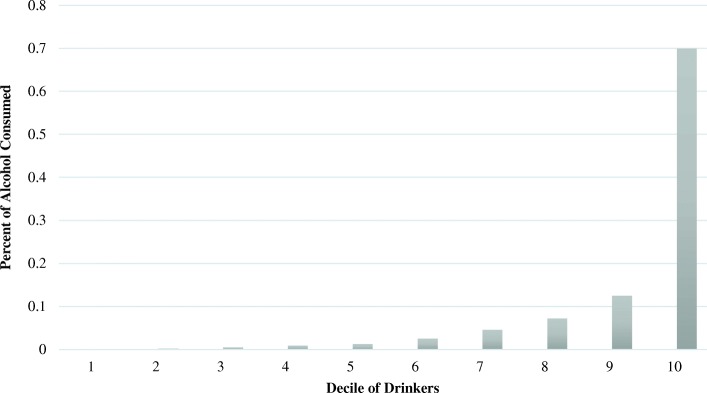
“A study conducted in Tshwane Metropole in South Africa established that 53% of individuals heavily consume alcohol (70% men and 30% women) [145].”
BackgroundFerreira, M., Cronjé, H. T., van Zyl, T., Bondonno, N. P., & Pieters, M. (2021) · Public Health Nutrition · doi:10.1017/s136898002100505x · Cited by 13
“Africans have, on the other hand, been reported to preferentially consume beer, including homebrewed rather than wine(32).”
BackgroundKane, J. C., Murray, S. M., Vinikoor, M. J., Greene, M. C., Fine, S. L., Paul, R., & Murray, L. K. (2019) · Alcoholism Clinical and Experimental Research · doi:10.1111/acer.14205 · Cited by 9
“In Zambia, as in other countries in SSA (Thakarar et al., 2016; Trangenstein et al., 2018), consumption of homebrewed alcohol is common, which may contribute to inaccurate reporting.”
BackgroundMatjila, K., Ameyibor, L. E. K., & Saini, Y. K. (2021) · Young Consumers Insight and Ideas for Responsible Marketers · doi:10.1108/yc-10-2020-1216 · Cited by 8
Owembabazi, E., Nkomozepi, P., & Mbajiorgu, E. F. (2023) · Toxicological Research · doi:10.1007/s43188-023-00200-5 · Cited by 8
“Diabetes and combination antiretroviral therapy (cART) regimen due to HIV infection are a huge public health concern [39], and alcohol abuse as a lifestyle is also prevalent in society [40].”
BackgroundOwembabazi, E., Nkomozepi, P., Calvey, T., & Mbajiorgu, E. F. (2023) · Anatomy & Cell Biology · doi:10.5115/acb.22.229 · Cited by 8
“org alcohol per capita (APC) almost doubles the global average APC [5, 6].”
BackgroundInfluentialJoubert, N., Adams, L., Hattendorf, J., Degen, J., Dolley, D., Gresse, A., Müller, I., Nqweniso, S., Probst-Hensch, N. M., Seelig, H., et al. (2025) · PLOS Global Public Health · doi:10.1371/journal.pgph.0004681 · Cited by 7
“%) of teachers in our sample reported any alcohol use [53].”
“Now We Are Told That We Can Mix”: Messages and Beliefs Around Simultaneous Use of Alcohol and ART
Satinsky, E. N., Myers, B., Andersen, L. S., Kagee, A., Joska, J., & Magidson, J. F. (2020) · AIDS and Behavior · doi:10.1007/s10461-020-02825-1 · Cited by 6
Socio-economic determinants of alcohol consumption for South Africa
Rashied, N. (2023) · The International Journal of Alcohol and Drug Research · doi:10.7895/ijadr.427 · Cited by 6
Bondarchuk, C. P., Magidson, J. F., Mellins, C. A., Lemon, T., Rousseau, E., Sindelo, S., Medina‐Marino, A., Sibanda, P., Butler, L., Bekker, L., et al. (2025) · AIDS and Behavior · doi:10.1007/s10461-025-04849-x · Cited by 5
“Heavy episodic drinking (HED), often taking place on weekends, is the normative pattern of alcohol use among South Africans who drink [21–24].”
The Association between Sociocultural Factors and Substance Use among Haramaya University Students
Feyisa, Z. T. (2021) · Substance Abuse Research and Treatment · doi:10.1177/11782218211004522 · Cited by 5
Haragirimana, E., Mitchell, G., & Uny, I. (2024) · The International Journal of Alcohol and Drug Research · doi:10.7895/ijadr.467 · Cited by 5
“…than those in the Global North high income countries (HICs), due to differences in economic wealth, higher mortality rates overall, and the complex interaction of other risk factors (Manthey et al., 2019; Rekve et al., 2019; Trangenstein et al., 2018; World Health Organization [WHO], 2018a).”
BackgroundUny, I., Magalasi, D., Orgill, M., Namanda, C., Mitchell, G., Tumwesigye, N. M., Bauld, L., Parry, C. D. H., Fitzgerald, N., & Kaneka, B. (2025) · International Journal of Drug Policy · doi:10.1016/j.drugpo.2025.104979 · Cited by 4
“Small and large packaging of alcohol have been linked to heavier drinking and risky sexual behaviours in Africa (Arasi & Ajuwon, 2020; Bonnevie et al., 2020; McLoughlin et al., 2013; Trangenstein et al., 2018).”
Self-citationStanton, A. M., Hornstein, B. D., Musinguzi, N., Dolotina, B., Orrell, C., Amanyire, G., Asiimwe, S. B., Cross, A., Psaros, C., Bangsberg, D. R., et al. (2023) · Journal of the International Association of Providers of AIDS Care (JIAPAC) · doi:10.1177/23259582231161029 · Cited by 4
Kwinana, N., Masilela, C. M., & Adeniyi, O. V. (2025) · BMJ Open · doi:10.1136/bmjopen-2024-093363 · Cited by 3
Cancer mortality distribution in South Africa, 1997–2016
Nhleko, M. L., Edoka, I., & Musenge, E. (2023) · Frontiers in Epidemiology · doi:10.3389/fepid.2023.1094271 · Cited by 3
“This suggests that women live longer than men; hence men are highly likely to involve themselves in risky behavioral patterns such as heavy drinking (30), which may contribute to cancer morbidity and mortality.”
BackgroundAlcohol Abuse and Addiction in Older People
Religa, D., Tsevis, T., & Wahlund, L. (2024) · Practical issues in geriatrics · doi:10.1007/978-3-031-58488-6_3 · Cited by 4
Parry, C. D. H. (2025) · The International Journal of Alcohol and Drug Research · doi:10.7895/ijadr.543 · Cited by 3
Self-citationThe alcohol industry ‘smart affordability’ strategy is to reach the poor
Pantani, D. S., Sanchez, Z. M., Greene, C., & Pinsky, I. (2020) · Drug and Alcohol Review · doi:10.1111/dar.13195 · Cited by 3
MYERS, B. J., Parry, C. D. H., Morojele, N. K., Nkosi, S., Shuper, P. A., Kekwaletswe, C. T., & Sorsdahl, K. R. (2020) · doi:10.21203/rs.3.rs-15423/v1 · Cited by 3
“Given that hazardous drinking is normative among those who drink in many parts of South Africa, including Tshwane [7], this modification may be necessary to help participants sustain initial reductions to their alcohol use.”
BackgroundSelf-citationKiselev, N., Hany, L., Epiney, F., Anton, R., Imhof, M., Amsler, S., Hurni, T., Bigler, H., Dedial, S., Schaub, M. P., et al. (2025) · Sports Psychiatry · doi:10.1024/2674-0052/a000105 · Cited by 2
Matlala, S. (2022) · Journal of Student Affairs in Africa · doi:10.24085/jsaa.v10i2.2207 · Cited by 2
Padmanabhanunni, A., & McKenzie, S. (2025) · South African Journal of Psychology · doi:10.1177/00812463251322554 · Cited by 2
“There exists a significant knowledge base on alcohol misuse and hazardous drinking in South Africa (Glantz et al., 2020; Parry et al., 2002; Peltzer & Pengpid, 2018; Trangenstein et al., 2018; van Walbeek & Vellios, 2018).”
Ramsoomar, L., Willan, S., Paile, C., Mtimkulu, M., Ketelo, A., Zembe, A., Machisa, M., Pass, D., Nöthling, J., Abrahams, N., et al. (2025) · The International Journal of Alcohol and Drug Research · doi:10.7895/ijadr.553 · Cited by 2
Carney, T., Mpisane, N., Magidson, J. F., Drainoni, M., Wolhuter, N. N., Weber, S., Meade, C. S., Jacobson, K. R., & MYERS, B. J. (2026) · Stigma and Health · doi:10.1037/sah0000670 · Cited by 1
Chen, W. C., Bradshaw, D., Ramaliba, T. M., de Villiers, C. B., Newton, R., Waterboer, T., Mathew, C. G., Muchengeti, M. M., & Sitas, F. (2026) · JCO Global Oncology · doi:10.1200/go-25-00669 · Cited by 1
Ramsoomar, L., Maker-Diedericks, A., Mtimkulu, M., Morris, N., Seocharan, I., & Chirwa, E. D. (2026) · The International Journal of Alcohol and Drug Research · doi:10.7895/ijadr.653 · Cited by 1
Pengpid, S., & Peltzer, K. (2021) · Journal of Psychology in Africa · doi:10.1080/14330237.2021.1978671
Heavy drinking in men and women in Honduras: a secondary analysis of the Endesa 2019
Cárcamo-Zepeda, E., Valdés-Méndez, J. A., Torres-Guffanti, A., Valencia, P. D., Cruz-Caraguay, M., & Rivera-Cazaño, C. V. (2024) · Salud Pública de México · doi:10.21149/14868
Alcohol and Disability Sports: Insights from Swiss Coaches
Kiselev, N., Epiney, F., Hany, L., Imhof, M., Anton, R., Amsler, S., Hurni, T., Vallan, S., Dedial, S., Schaub, M. P., et al. (2025) · Substance Abuse and Rehabilitation · doi:10.2147/sar.s528608
Exploring skeletal asymmetry and indicators of developmental stress in a South African sample
(2022) · UpSpace Institutional Repository (University of Pretoria) · doi:10.25403/upresearchdata.22012796
Allie, S. (2025) · Open University of Cape Town (University of Cape Town)
Govera, H. (2021) · UWC Research Repository (University of the Western Cape)
Tlali, M., Davies, M.-A., Lombard, C. J., Mathews, C., & Parry, C. D. (2026) · South African Medical Journal · doi:10.7196/samj.2026.v116i4.3164
Self-citationMbonye, M. K., Seeley, J., Fox, J. M., Webb, E. L., Medina‐Marino, A., Ruzagira, E., Manyaapelo, T., & Ngcobo, S. E. (2026) · Journal of Migration and Health · doi:10.1016/j.jmh.2026.100414
“Alcohol consumption, which many men blamed for their condomless sex, is high among similar populations in Uganda and South Africa, and presents additional risks to men ’ s health beyond the acquisition of HIV (Kasujja and Kalema, 2018; Mbonye et al., 2014; Rashied, 2023; Trangenstein et al., 2018).”
An alternative alcohol use disorder screening tool in South Africa within set criteria
Hollington, M., Ramesar, D. S., & Nsiki, E. (2026) · South African Journal of Science · doi:10.17159/sajs.2026/20622
Uny, I., Odoi, P., Namanda, C., Burton, R., Magalasi, D., Orgill, M., Parry, C. D. H., Kaneka, B., & Tumwesigye, N. M. (2026) · Research Square · doi:10.21203/rs.3.rs-10344725/v1
Self-citationKootbodien, T., Street, R. A., Mkunyana, Y., Haman, T., Naicker, N., & Mathee, A. (2026) · Exposure and Health · doi:10.1007/s12403-026-00807-7
“Heavy episodic drinking is common among South African drinkers, with approximately 53% of adult drinkers in Tshwane reported engaging in heavy drinking (Trangenstein et al. 2018).”
du Preez, R. (2025) · University of the Witwatersrand, Johannesburg Institutional Repository on DSpace (University of the Witwatersrand, Johannesburg)
Understanding South African University Students’ Experiences of Drinking and Driving
Mabaso, B. (2025) · University of the Witwatersrand, Johannesburg Institutional Repository on DSpace (University of the Witwatersrand, Johannesburg)
ALCOHOL USE AMONG YOUTH DURING COVID 19 LOCKDOWN: A CASE STUDY OF GOLF COURSE TOWNSHIP, ALICE.
Goduka, A. (2023) · Nelson Mandela University Research Repository
Madondo, P. (2021) · Nelson Mandela University Research Repository
Mathobela, T. V. (2026) · Nelson Mandela University Research Repository
Metadata
- Authors
- Trangenstein, P. J., Morojele, N. K., Lombard, C., Jernigan, D. H., & Parry, C. D. H.
- Affiliations
- Boston University (US)
- South African Medical Research Council (ZA)
- Corresponding author
- Parry, Charles D. H.
- Venue
- Substance Abuse Treatment, Prevention, and Policy
- Published
- 2018-12
- Volume
- 13
- Issue
- 1
- Pages
- 43-43
- ISSN
- 1747-597X (ISSN-L)
- PMC
- PMC6280515
- OpenAlex
- W2903296630
- Semantic Scholar
- 6d95a8bfb5a6c7b3ca5a0a65bc2599c75714936f
- Cited by
- 46
- References
- 37
- Citations by year
- 2026: 3 · 2025: 7 · 2024: 5 · 2023: 7 · 2022: 3 · 2021: 12 · 2020: 5 · 2019: 3
- FWCI
- 3.90
- Type
- journal article
- Language
- en
- Open access
- gold
- doi.org
- Licence
- cc-by
- creativecommons.org/licenses/by/4.0/ (tdm)
- Locations
- Substance Abuse Treatment Prevention and Policy (publishedVersion, cc-by)
- Europe PMC (PubMed Central) (publishedVersion, other-oa)
- PubMed Central (publishedVersion, cc-by)
- PubMed (publishedVersion)
- DOAJ (DOAJ: Directory of Open Access Journals) (submittedVersion, cc-by-sa)
- Open University of Cape Town (University of Cape Town) (submittedVersion)
- SUNScholar (Stellenbosch University) (submittedVersion)
- Funders
- International Development Research Centre (107198-001)
- Topics
- Health Sciences › Medicine › Epidemiology › Substance Abuse Treatment and Outcomes
- Health Sciences › Medicine › Pathology and Forensic Medicine › Alcohol Consumption and Health Effects
- Health Sciences › Medicine › Public Health, Environmental and Occupational Health › Global Public Health Policies and Epidemiology
- Keywords
- heavy drinking, alcohol consumption, contextual risk factors, drinking location, marital status, alcohol policy, alcohol labeling, South Africa, Tshwane
- MeSH terms
- Adolescent, Adult, Age Factors, Aged, Alcohol Drinking, Female, Humans, Income, Leisure Activities, Male, Middle Aged, Risk Factors, South Africa, Marital Status, Product Packaging, Racial Groups, Young Adult
About these checks
Registry, retraction, Cites and statistics results are computed, not judged, with one exception: a printed reference that no index lists is read once by a model before it counts as a citation error. Claims are extracted by a model and kept only when their quote appears verbatim in the text; each cited source is then checked, with a model’s help, for whether it says what the claim relies on. Those verdicts can be wrong — read the claim’s quote and the cited source before relying on one.
Statistics and arithmetic are recomputed, not judged.
Confidence bands are shown only for fields calibrated on our annotated test set. None is calibrated yet, so no band is shown.
What counts as a claim ›How we measure confidence ›How we check this ›
Are you an author, or do you see a problem with this page? Request a review
Data sources
Bibliographic data: Semantic Scholar, OpenAlex, Crossref.
Contains information from the Semantic Scholar Academic Graph Datasets, made available under the ODC Attribution License (ODC-BY 1.0).
Semantic Scholar’s data is described in: Kinney, R., et al. (2023). The Semantic Scholar Open Data Platform. arXiv:2301.10140.
