

Surgery in COVID-19 patients: operational directives
Open accessThe DOI matches its Crossref record; 9 of the 9 references it cites were found in a registry or an index.
Abstract
The current COVID-19 pandemic underlines the importance of a mindful utilization of financial and human resources. Preserving resources and manpower is paramount in healthcare. It is important to ensure the ability of surgeons and specialized professionals to function through the pandemic. A conscious effort should be made to minimize infection in this sector. A high mortality rate within this group would be detrimental. This manuscript is the result of a collaboration between the major Italian surgical and anesthesiologic societies: ACOI, SIC, SICUT, SICO, SICG, SIFIPAC, SICE, and SIAARTI. We aim to describe recommended clinical pathways for COVID-19-positive patients requiring acute non-deferrable surgical care. All hospitals should organize dedicated protocols and workforce training as part of the effort to face the current pandemic.
Overview
The claims and statistics of this paper haven’t been checked yet.
Free: it reads the open-access text and checks the first 5 claims that cite a source we can check. Create a free account to check every claim.
Integrity signals
Registry
Cites
Statistics
Figures
Verification
Claims the paper makes
The claims and statistics of this paper haven’t been checked yet.
Free: it reads the open-access text and checks the first 5 claims that cite a source we can check. Create a free account to check every claim.
Claims other papers make about this one
Each is checked against this paper’s own text: does it say what the citing paper says it does?
The check wasn’t confident either way, so it gives no verdict — never disputed.
In the citing paper
“Before the SARS-CoV-2 pandemic, high-quality, multinational observational studies established overall baseline rates of postoperative pulmonary complications (up to 10%) and subsequent mortality (up to 3%) after surgery.5, 6, 7”
From Mortality and pulmonary complications in patients undergoing surgery with perioperative SARS-CoV-2 infection: an international cohort study (2020) · cites this paper as [7]
Experimental — accuracy not yet measured
Self-check
Percentages, sums and reported differences re-computed from the paper’s own numbers.
The self-check needs the paper’s full text.
Citations
Cites
Wang, D., Hu, B., Hu, C., Zhu, F., Liu, X., Zhang, J., Wang, B., Xiang, H., Cheng, Z., Xiong, Y., et al. (2020) · JAMA · doi:10.1001/jama.2020.1585 · Cited by 20,148
La certeza de lo impredecible: Cultura Educación y Sociedad en tiempos de COVID19
Martínez González, M. (2020) · DSPACE System - Metalibrary (University of the Coast) · Cited by 18,463
Martínez–González, M. B. (2020) · DSPACE System - Metalibrary (University of the Coast) · Cited by 18,294
Aerosol and surface stability of SARS-CoV-2 as compared with SARS-CoV-1
van Doremalen, N., Bushmaker, T., Morris, D. H., Holbrook, M. G., Gamble, A., Williamson, B. N., Tamin, A., Harcourt, J. L., Thornburg, N. J., Gerber, S. I., et al. (2020) · New England Journal of Medicine · doi:10.1056/nejmc2004973 · Cited by 9,951 · cited 1×
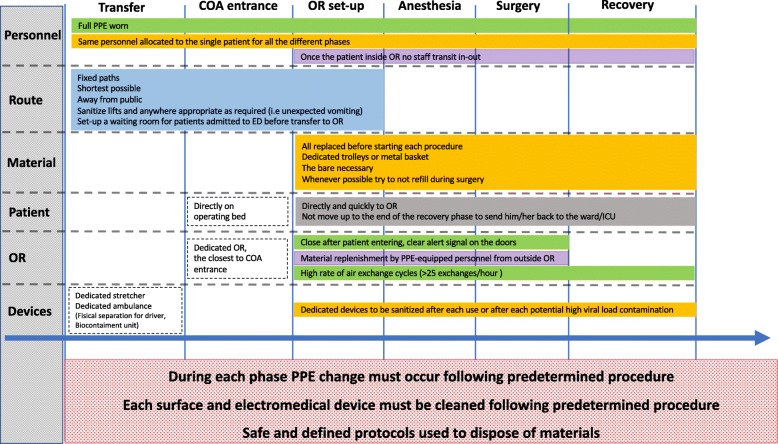
“Electromedical equipment (i.e., ventilator, radiological equipment) must be cleaned with chloro-derivate solution, rinsed and dried, and then disinfected with chloroderivate solution in a concentration ≥ 0.1% or 1000 ppm (parts per million) with contact time superior to 1 min [8, 9] (Table 2) .”
MethodInfluentialPersistence of coronaviruses on inanimate surfaces and their inactivation with biocidal agents.
Kampf, G., Todt, D., Pfaender, S., & Steinmann, E. (2020) · Journal of Hospital Infection · doi:10.1016/j.jhin.2020.01.022 · Cited by 3,796 · cited 1×
“Electromedical equipment (i.e., ventilator, radiological equipment) must be cleaned with chloro-derivate solution, rinsed and dried, and then disinfected with chloroderivate solution in a concentration ≥ 0.1% or 1000 ppm (parts per million) with contact time superior to 1 min [8, 9] (Table 2) .”
MethodInfluentialWong, J., Goh, Q. Y., Tan, Z., Lie, S. A., Tay, Y. C., Ng, S. Y., & Soh, C. R. (2020) · Canadian Journal of Anesthesia/Journal canadien d'anesthésie · doi:10.1007/s12630-020-01620-9 · Cited by 695 · cited 6×
“Negative pressure ORs would be ideal to minimize infection risk [3, 4].”
BackgroundInfluentialWhat we do when a COVID-19 patient needs an operation: operating room preparation and guidance
Ti, L. K., Ang, L. S., Foong, T. W., & Ng, B. S. W. (2020) · Canadian Journal of Anesthesia/Journal canadien d'anesthésie · doi:10.1007/s12630-020-01617-4 · Cited by 500 · cited 4×
“Intubations techniques with the highest chance of first-time success should be preferred to avoid repeated airway instrumentation [4, 5].”
BackgroundInfluentialOutbreak of a new coronavirus: what anaesthetists should know
Peng, P. W. H., Ho, P.-L., & Hota, S. S. (2020) · British Journal of Anaesthesia · doi:10.1016/j.bja.2020.02.008 · Cited by 363 · cited 5×
“Intubations techniques with the highest chance of first-time success should be preferred to avoid repeated airway instrumentation [4, 5].”
BackgroundInfluentialTompkins, B. M., & Kerchberger, J. P. (2010) · Anesthesia & Analgesia · doi:10.1213/ane.0b013e3181e780f8 · Cited by 67
Research works printed but not linked: 1
- Goodwin J NAEMT National Survey on EMS preparedness for disaster and mass casualty incident response 2017
Cited by
Items 101–200 of 428
Somashekhar, S. P., Acharya, R. P., Saklani, A. P., Parikh, D. G., Jagdishwar Goud, G., Dixit, J., Gopinath, K. S., Vijayakumar, M., Bhojwani, R., Nayak, S. P., et al. (2020) · Indian Journal of Surgical Oncology · doi:10.1007/s13193-020-01254-9 · Cited by 13
“Extubation should follow the same precautions as intubation [17, 18].”
BackgroundTejedor, P., Simó, V., Arredondo, J., López-Rojo, I., Baixauli, J., Jiménez, L. M., Gómez-Ruiz, M., & Pastor, C. (2020) · Revista Española de Enfermedades Digestivas · doi:10.17235/reed.2020.7460/2020 · Cited by 16
Can single-use bronchoscopes help prevent nosocomial COVID-19 infections?
Barron, S., & Kennedy, M. P. (2021) · Expert Review of Medical Devices · doi:10.1080/17434440.2021.1920924 · Cited by 14
“and the use of personal protective equipment (PPE) when caring for infectious patients and during high-risk procedures in patients regardless of their infectious status [5,6,7].”
BackgroundFigueiredo, L. B., Araújo, S. C. S., Martins, G. H., Costa, S. M., Amaral, M. B. F., & Silveira, R. L. (2020) · Journal of Craniofacial Surgery · doi:10.1097/scs.0000000000007054 · Cited by 13
“41%, however considering the high virulence of the pathogen and the expressive subnotification, it is still too early to assess the mortality.(8) It is well known that the SARS-CoV-2 virus is continuously viable before inactivation on surfaces, and for that reason it is possible to get infected by touching surfaces or…”
BackgroundBorghi, F., Pellegrino, L., Pruiti, V., Donati, D., & Giraudo, G. (2020) · Updates in Surgery · doi:10.1007/s13304-020-00827-1 · Cited by 12
Enteral stoma care during the COVID‐19 pandemic: practical advice
Pata, F., Bondurri, A. A., Ferrara, F., Parini, D., Rizzo, G., & the Multidisciplinary Italian Study group for STOmas (MISSTO) (2020) · Colorectal Disease · doi:10.1111/codi.15279 · Cited by 12
Zhao, N., Wu, L., Cheng, Y., Zheng, H., Hu, P. F., Hu, C., Chen, D., Xu, P., Chen, Q., Cheng, P., et al. (2020) · Aging · doi:10.18632/aging.103839 · Cited by 14
“%) patients tested positive for SARS-CoV-2 by RT-PCR, and one patient tested positive for IgM-IgG antibodies; however, typical CT imaging manifestations of COVID-19 pneumonia were found in all six patients.”
BackgroundInfluentialBest Practices for Endoscopic Procedures in Covid-19 Pandemic
Pate, B. S., Yeola, M., Gawande, A. A., Singh, A., & Tayade, H. A. (2020) · Journal of Evolution of Medical and Dental Sciences · doi:10.14260/jemds/2020/825 · Cited by 11
Impact of COVID-19 on a Neurosurgical Service: Lessons from the University of California San Diego
Wali, A. R., Ryba, B. E., Kang, K. M., Santiago-Dieppa, D. R., Steinberg, J. A., Diaz-Aguilar, L. D., Stone, L. E., Brandel, M. G., Longhurst, C., Taylor, W., et al. (2020) · World Neurosurgery · doi:10.1016/j.wneu.2020.12.103 · Cited by 12
“Surgical services in particular have needed to adapt to navigate the safety hazards posed by the COVID-19 pandemic while continuing to meet the undiminished surgical needs of the populations they serve.(11-17) Multiple academic studies have attempted to outline appropriate and effective safety procedures to be impleme…”
BackgroundMethodInfluentialSet up of a dedicated COVID-19 surgical pathway and operating room for surgical emergencies
Fransvea, P., Sganga, G., Cozza, V., Grezia, M. D., Fico, V., Tirelli, F., Pepe, G., & Greca, A. L. (2020) · The Journal of Trauma: Injury, Infection, and Critical Care · doi:10.1097/ta.0000000000002852 · Cited by 11
“Moreover, it exerted a deep impact on emergency and trauma surgery centers: acute care surgeons have been often shifted to COVID-19 patients care teams and had to change their standard activity, especially to reduce the risk of spreading the infection among operators and patients.(4,5) In Italy, the central national g…”
BackgroundKamal, A. F., Widodo, W., Kuncoro, M. W., Karda, I. W. A. M., Prabowo, Y., Singh, G., Liastuti, L. D., Trimartani, Hutagalung, E. U., Saleh, I., et al. (2020) · Annals of Medicine and Surgery · doi:10.1016/j.amsu.2020.10.015 · Cited by 11
Increased tracheostomy rates in head and neck cancer surgery during the COVID-19 pandemic
Batra, T. K., Tilak, M., PAI, E. F., Verma, N., Gupta, B. K., Yadav, G. A. K., Dubey, R. K., Francis, N. J., & Pandey, M. (2020) · International Journal of Oral and Maxillofacial Surgery · doi:10.1016/j.ijom.2020.12.002 · Cited by 11
Korolkov, A. Y., Михайлович, Т. В., Александрович, З. Д., Андреевна, Ц. Е., & Nikitina, T. O. (2021) · Grekov s Bulletin of Surgery · doi:10.24884/0042-4625-2020-179-5-11-15 · Cited by 11
Alelyani, R. H., Al-Ghamdi, A., Mahrous, S. M., Alamri, B. M., Alhiniah, M. H., Abduh, M. S., & Aldaqal, S. M. (2022) · International Journal of Environmental Research and Public Health · doi:10.3390/ijerph192315660 · Cited by 16
Aygün, N., İşcan, Y., Özdemir, M., Soylu, S., Aydın, O. U., Sormaz, İ. C., Dural, A. C., Şahbaz, N. A., Teksöz, S., Makay, Ö., et al. (2020) · SiSli Etfal Hastanesi Tip Bulteni / The Medical Bulletin of Sisli Hospital · doi:10.14744/semb.2020.65902 · Cited by 16
“The entire pneumoperitoneum should be aspirated before removing the trocars and specimen.[50, 64, 70]”
BackgroundThe impact of the COVID-19 pandemic on emergency general surgery: a retrospective study
Tarım, İ. A., Derebey, M., Özbalcı, G. S., Özşay, O., Yüksek, M. A., Büyükakıncak, S., Bircan, R., Güngör, B. B., & Başoğlu, M. (2021) · Sao Paulo Medical Journal · doi:10.1590/1516-3180.2020.0554.r1.30102020 · Cited by 11
Terahertz Spectroscopy Applied to Diagnostics in Public Health: A Review
de Almeida, M. B., Schiavo, L., Esmanhoto, E., Lenz, C. A., Rocha, J. L. L., Loureiro, M. D. P., Kmetiuk, L. B., Biondo, A. W., & Filho, I. R. D. B. (2021) · Brazilian Archives of Biology and Technology · doi:10.1590/1678-4324-75years-2021200770 · Cited by 11
Prieto, M., Ielpo, B., Fuertes, M. J., Sánchez, M. D. C. G., Antona, E. M., Balibrea, J. M., & Aranda-Narváez, J. M. (2021) · Cirugía Española (English Edition) · doi:10.1016/j.cireng.2021.05.009 · Cited by 11
“In the absence of evidence, the preoperative diagnostic guidelines have varied depending on the region, the setting where the treatment was carried out, and even among hospitals within each geographical area, although there seems to be general agreement in considering all patients as suspicious of infection.(14) This…”
BackgroundAkdur, A., Karakaya, E., Soy, E. H. A., Karakayali, F. Y., Yıldırım, S., Torgay, A., Sayın, B., Coşkun, M., Moray, G., & Haberal, M. A. (2020) · Experimental and Clinical Transplantation · doi:10.6002/ect.2020.0388 · Cited by 10
How we prepared our operating theatre for patients with SARS-CoV-2 virus.
Rymarowicz, J., Pędziwiatr, M., Major, P., & Nowakowski, M. (2020) · Videosurgery and Other Miniinvasive Techniques · doi:10.5114/wiitm.2020.95090 · Cited by 10
“However, the pressure gradient between the OR and the surrounding area was reduced and the air exchange cycle rate was increased [10].”
BackgroundBattiato, C., Berdini, M., Luciani, P., & Gigante, A. P. (2020) · Injury · doi:10.1016/j.injury.2020.09.044 · Cited by 10
Giwangkancana, G. W., Rahmi, A., Indriasari, I., & Hidayat, N. N. (2021) · Perioperative Care and Operating Room Management · doi:10.1016/j.pcorm.2021.100198 · Cited by 10
“other three operating rooms could be modified into a negative-pressure room by attaching exhaust fans with high-efficiency particulate air filters to windows leading to the outside.(13-18) Room 301 as the operating room was monitored using two CCTV cameras connected to a nurses’ station’s control desk.”
BackgroundMethodThe Management of a Breast Unit During the COVID-19 Emergency: A Local Experience
Tari, D. U., Santarsiere, A., Palermo, F., Morelli, C. D., & Pinto, F. (2021) · Future Oncology · doi:10.2217/fon-2021-0243 · Cited by 10
Grieco, M., Galiffa, G., Marcellinaro, R., Santoro, E., Persiani, R., Mancini, S., Paola, M. D., Santoro, R., Stipa, F., Crucitti, A., et al. (2022) · World Journal of Surgery · doi:10.1007/s00268-022-06694-8 · Cited by 10
“Moreover, during the pandemic, international recommendations for laparoscopy were published, suggesting safety measures such as the presence of CO2 filters, smoke evacuation systems and negative pressure rooms [27], so this required the reorganization of the operating theatres.”
BackgroundSelf-citationPrieto, M., Ielpo, B., Fuertes, M. J., Sánchez, C. G., Antona, E. M., Balibrea, J. M., & Aranda-Narváez, J. M. (2020) · Cirugía Española · doi:10.1016/j.ciresp.2020.06.018 · Cited by 13
Medical care for spinal diseases during the COVID-19 pandemic
Silva, R. T. E., Cristante, A. F., Marcon, R. M., & Filho, T. E. P. D. B. (2020) · Clinics · doi:10.6061/clinics/2020/e1954 · Cited by 12
“To minimize these adverse consequences and guarantee adequate treatment for patients with other conditions, it is necessary to develop balanced strategies (1).”
InfluentialHani, D. B., Altal, O. F., Aleshawi, A. J., Alhowary, A. A., & Obeidat, B. R. (2020) · Patient Safety in Surgery · doi:10.1186/s13037-020-00251-9 · Cited by 9
“They recommended that the designated COVID-19 operating areas must be allocated to the operating room closest to the entrance of the theater block entrance [2].”
BackgroundJaly, I., Iyengar, K. P., Bahl, S., Jain, V. K., & Vaishya, R. (2021) · Journal of Industrial Integration and Management · doi:10.1142/s2424862221500093 · Cited by 9
Senturk, M. N., Tahan, M. R. E., Shelley, B., Szegedi, L. L., Piccioni, F., Licker, M. J., Karzai, W., Granell, M., Nešković, V., Vanpeteghem, C. M., et al. (2021) · Journal of Cardiothoracic and Vascular Anesthesia · doi:10.1053/j.jvca.2021.07.027 · Cited by 9
Arora, S., Arora, G., Talathi, A., Kandhari, R., Joshi, V., Langar, S., Nagpal, S., Shetty, V. H., Nair, R. V., Sharma, D., et al. (2020) · Indian Dermatology Online Journal · doi:10.4103/idoj.idoj_328_20 · Cited by 9
“A double pair of gloves should be worn by the doctor and healthcare staff.[20] 2.”
BackgroundInfluentialSăftoiu, A., Tomulescu, V., Tantau, M. V., Gheorghe, C., Dumitru, E., Mateescu, B. R., Negreanu, L. M., Jinga, M., Seicean, A., Ciocîrlan, M., et al. (2020) · Chirurgia · doi:10.21614/chirurgia.115.3.289 · Cited by 10
“or in the faeces (14) and even in the peritoneal fluid (15).”
BackgroundSudhan, M. D., Singh, R. K., Yadav, R., Sivasankar, R., Mathai, S. S., Shankaran, R., Kulkarni, S. N., Shanthanu, C. P., Sandhya, L. M., & Shaikh, A. (2021) · World Neurosurgery · doi:10.1016/j.wneu.2021.07.082 · Cited by 9
“These protocols were initially derived from guidelines of reputed organizations and societies, which we adapted to suit our requirements and subsequently modified based on our experience.(9,10,15,17,19-22) The neurosurgical operation suite is a potential high-risk environment for the transmission of SARS-CoV-2 virus d…”
Kwon, C. (2023) · International Journal of Environmental Research and Public Health · doi:10.3390/ijerph20053807 · Cited by 12
“The clinical topic of one study [34] was considered not directly related to mindfulness because it was about operational directives.”
BackgroundEmergency Hand and Reconstructive Microsurgery in the COVID-19–Positive Patient
De, S. D., Liang, Z. C., Cheah, A. E.-J., Puhaindran, M. E., Lee, E. Y., Lim, A. Y. T., & Chong, A. K. S. (2020) · The Journal Of Hand Surgery · doi:10.1016/j.jhsa.2020.07.013 · Cited by 9
Romanzi, A., Dragani, T. A., Adorni, A., Colombo, M., Farro, A., Maspero, M., Zamburlini, B., & Vannelli, A. (2023) · Updates in Surgery · doi:10.1007/s13304-023-01554-z · Cited by 9
Mohammed, H., Kennedy, L., Whitehead, D. E. J., Ahmad, N. A. R. B., & Banerjee, A. (2021) · The Journal of Laryngology & Otology · doi:10.1017/s0022215121000190 · Cited by 8
Chhibber, A., Kharat, A. A., Kneale, D., Welch, V. A., Bangpan, M., & Chaiyakunapruk, N. (2021) · BMC Public Health · doi:10.1186/s12889-021-11688-7 · Cited by 10
“Coccolini Federico [73] Surgery in COVID-19 patients: operational directives Italy HIC Institutional Healthcare Workers”
BackgroundSpine Surgery: Precautions and Strategies to Minimize Perioperative Risks Amid COVID-19 Outbreak
Wang, T.-J. V., & Ito, M. (2020) · Spine Surgery and Related Research · doi:10.22603/ssrr.2020-0076 · Cited by 8
Somashekhar, S. P., Acharya, R. P., Manjiri, S., Talwar, S., Ashwin, K., & Rohit Kumar, C. (2020) · Surgical Innovation · doi:10.1177/1553350620964323 · Cited by 8
“Containers should be closed and sealed before transferring to the collection unit.(16) There should be a gap of minimum of 1 hour between 2 surgical procedures.”
Backgroundde DONATO, G., Pasqui, E., Alba, G., Leil, M. A., & Palasciano, G. (2021) · Annals of Vascular Surgery · doi:10.1016/j.avsg.2021.02.003 · Cited by 8
Operative Shutdown and Recovery: Restructuring Surgical Operations During the SARS-CoV-2 Pandemic
McClelland, P. H.-T., Cheng, O. T., Hu, J., Hunter, J. G., Winkler, A. C., Lee, R., & Zenilman, M. E. (2021) · Journal of Surgical Research · doi:10.1016/j.jss.2021.06.009 · Cited by 8
Auswirkung von COVID-19 auf die elektive und notfallmäßige Kolorektalchirurgie
Lock, J. F., Köhler, F., Germer, C., Flemming, S., & Wiegering, A. (2021) · Der Chirurg · doi:10.1007/s00104-021-01464-z · Cited by 9
Directives of general surgical practice during the COVID-19 pandemic: A systematic review
Omer, A. A. A. (2021) · Journal of Education and Health Promotion · doi:10.4103/jehp.jehp_233_21 · Cited by 8
“[36] Patients should be transferred to the OR with dedicated porters through the shortest route that is clear and labeled, avoiding traffic and right away to the OR.”
BackgroundInfluentialNoll, J., Reichert, M., Dietrich, M., Riedel, J. G., Hecker, M., Padberg, W. M., Weigand, M. A., & Hecker, A. (2022) · Langenbeck s Archives of Surgery · doi:10.1007/s00423-022-02495-8 · Cited by 8
The COVID ‐19 pandemic and its impact on esthetic dermatology
Aryanian, Z., Ehsani, A. H., Razavi, Z., Hamzelou, S., Afshar, Z. M., & Hatami, P. (2022) · Journal of Cosmetic Dermatology · doi:10.1111/jocd.15386 · Cited by 8
Agrawal, V., Yadav, S. K., Agarwal, P., & Sharma, D. (2021) · Indian Journal of Surgery · doi:10.1007/s12262-020-02713-x · Cited by 8
Usefulness of PCR Screening in the Initial Triage of Trauma Patients During COVID-19 Pandemic
Porcel-Vázquez, J. A., Andrés-Peiró, J. V., Garcia‐Sanchez, Y., Guerra-Farfán, E., Mestre-Torres, J., Minguell, J., Molero-García, V., Selga, J., Tomàs-Hernández, J., Villar-Casares, M. D. M., et al. (2020) · Journal of Orthopaedic Trauma · doi:10.1097/bot.0000000000001903 · Cited by 7
Aggarwal, S., Mahawar, K. K., Khaitan, M., Raj, P., Wadhawan, R., Dukkipati, N., Kular, K. S., Prasad, A., Bhasker, A. G., Soni, V., et al. (2020) · Obesity Surgery · doi:10.1007/s11695-020-04940-3 · Cited by 7
“Although it is desirable to consider changing the pressure inside the OR from positive to negative [16], a suitable alternative is to switch off the positive pressure 30 min before induction and start 30 min after sanitization at the end of the surgery since positive pressure is a feature in most ORs [17].”
BackgroundJafree, S. R., Momina, A. U., Malik, N., Naqi, S. A., & Fischer, F. (2021) · Science Progress · doi:10.1177/00368504211023282 · Cited by 7
“Though surgical guidelines were quick to be developed, there have been major constraints due to a lack of recognition that directives are dependent on the hospital culture and administrative policy.(61) This is why more region-specific and local research is needed to highlight specific problems and need for policy ref…”
BackgroundThe Impact of COVID-19 Disease on Urology Practice
Moussa, M., Chakra, M. A., Papatsoris, A., & Dellis, A. (2021) · The Surgery Journal · doi:10.1055/s-0041-1725155 · Cited by 9
Appendicitis and cholecystitis during the COVID-19 outbreak: a multicentre experience
Farinha, H. T., Gilgien, J., Mare, L. D., Fournier, P., Ksontini, R., Munday, A., Scarpa, C. R., & Demartines, N. (2021) · Swiss Medical Weekly · doi:10.4414/smw.2021.w30017 · Cited by 7
“Zangrillo A , Beretta L , Silvani P , Colombo S , Scandroglio AM , Dell’Acqua A , et al. Fast reshaping of intensive care unit facilities in a large metropolitan hospital in Milan, Italy: facing the COVID-19 pandemic emergency.”
BackgroundInfluentialProst, S., Carissimi, M., McCausland, A. M., Tropiano, P., Argenson, J., & Blondel, B. (2021) · Orthopaedics & Traumatology Surgery & Research · doi:10.1016/j.otsr.2021.103143 · Cited by 7
Plastic surgery practices amidst global COVID-19 pandemic: Indian consensus
Agarwal, R., Singhal, M., Shankhdhar, V. K., Chittoria, R. K., Sahu, R. K., Singh, V. K., & Chandra, R. (2020) · Journal of Plastic Reconstructive & Aesthetic Surgery · doi:10.1016/j.bjps.2020.08.003 · Cited by 7
Trisolino, G., Origo, C., de Sanctis, N., Dibello, D., Farsetti, P., Gigante, C., Guida, P., Marengo, L., Panuccio, E., Toniolo, R. M., et al. (2020) · The Italian Journal of Pediatrics/Italian journal of pediatrics · doi:10.1186/s13052-020-00911-7 · Cited by 7
Longhitano, G. A., Candido, G., Machado, L. M. R., Neto, P. I., de Oliveira, M. F., Noritomi, P. Y., Mais, F. G., Souza, V. L. D. P., & da Silva, J. V. L. (2020) · Journal of 3D Printing in Medicine · doi:10.2217/3dp-2020-0017 · Cited by 7
Pitts, C. C., Levitt, E. B., Patch, D. A., Mihas, A. K., Terrero, A., Haendel, M. A., Chute, C. G., Ponce, B. A., Theiss, S. M., Spitler, C. A., et al. (2022) · Foot & Ankle Orthopaedics · doi:10.1177/24730114221077282 · Cited by 7
Preventing exposure to COVID-19 in the operation theatre and intensive care unit
Setlur, R., Jaiswal, A., & Jahan, N. (2020) · Journal of Anaesthesiology Clinical Pharmacology · doi:10.4103/joacp.joacp_213_20 · Cited by 7
“[2] The transfer route should be clearly demarcated and be as short as possible.[19] All personnel should have donned and checked personal protective equipment before the patient enters.”
BackgroundRomanzi, A., Moroni, R., Rongoni, E., Scolaro, R., Regina, D. L., Mongelli, F., Putortì, A., Rossi, F., Zanardo, M., & Vannelli, A. (2020) · Minerva Chirurgica · doi:10.23736/s0026-4733.20.08466-7 · Cited by 7
Rimini, E., Atzori, G., & Viotti, A. (2020) · doi:10.21203/rs.3.rs-28579/v1 · Cited by 7
“Guidelines have been quickly introduced by most international surgical societies, to give the most consistent instructions while facing surgical cases in patients at-risk or frankly positive for COVID–19, particularly in an emergency setting.(1) We believe that this report might give important additional information o…”
BackgroundSurgical Care in Poland after COVID19 Outbreak: A National Survey.Preprint
Stefura, T., Rymarowicz, J., Wysocki, M., Szeliga, J., Wallner, G. T., Pędziwiatr, M., Nowakowski, M., & Major, P. (2020) · doi:10.21203/rs.3.rs-41119/v1 · Cited by 8
“Hospitals and wards, including surgical departments are being reorganized globally to face the current pandemic and better prepare for potential future crisis [5].”
BackgroundResuming arthroplasty: A well aligned and a balanced approach in the COVID-19 era
Sadigale, O. S., Bagaria, V. B., & Vaishya, R. (2020) · Journal of Clinical Orthopaedics and Trauma · doi:10.1016/j.jcot.2020.06.024 · Cited by 6
Emergency Surgery in A Tertiary Hospital: The Covid-19 Experience
Perrone, G., Giuffrida, M., Bonati, E., RIO, P. D., Pattonieri, V., Tarasconi, A., Coccolini, F., Sartelli, M., Ansaloni, L., & Catena, F. (2020) · Bangladesh Journal of Medical Science · doi:10.3329/bjms.v19i0.48168 · Cited by 8
Self-citationIntra‐articular injections in people with haemophilia in the COVID‐19 era
la Corte‐Rodríguez, H. D., Rodriguez-Merchan, E. C., Román, M. T. Á., & Jiménez‐Yuste, V. (2020) · Haemophilia · doi:10.1111/hae.14070 · Cited by 6
“Patients who present a clear risk (with symptoms or 109 epidemiological contacts) and in whom the tests cannot be performed should be treated 110 with the same level of protection as a COVID-19 patient [6,9].”
BackgroundInfluentialAn overview of the situation of hand surgery in Spain during the peak of COVID-19 pandemic
Martin-Playa, P., Calzacorta-Muñoz, P., Elizalde, L. A., Carrera-Casal, O., & Gutiérrez, J. J. G. (2020) · Hand surgery & rehabilitation · doi:10.1016/j.hansur.2020.06.002 · Cited by 6
“Emergency surgery and surgery that cannot be delayed should only proceed with adequate staffing and personal protective equipment (PPE) [7], as used by most hand surgeons.”
InfluentialGuidelines for Surgery of Confirmed or Suspected COVID-19 Patients
Lee, J. S., Yum, H.-K., Si, H. J., Han, S. H., Park, S. Y., Peck, K. R., Eom, J. S., & Korean Society of Infectious Diseases (KSID) (2020) · Infection and Chemotherapy · doi:10.3947/ic.2020.52.3.453 · Cited by 6
“INTRAOPERATIVE ANESTHESIA MANAGEMENT [2-4]”
BackgroundThe impact of COVID-19 on surgical practice in Jordan during the second outbreak: A survey
Ennab, R. M., & Ibdah, R. (2021) · Annals of Medicine and Surgery · doi:10.1016/j.amsu.2021.01.047 · Cited by 6
Impact of the COVID-19 pandemic on surgical practice, training, and research in Nigeria
Tolani, M. A., Fidelis, L., Oyelowo, N., Mustapha, A., Adebayo, W., Okeke, C. J., Alioke, I. I., Abdulsalam, K. I., Aruna, A. A., Okonji, N. I. O., et al. (2021) · Pan African Medical Journal · doi:10.11604/pamj.2021.39.59.23678 · Cited by 6
Khalefa, M. A., Khadabadi, N., Moores, T. S., & Hossain, F. S. (2021) · Annals of The Royal College of Surgeons of England · doi:10.1308/rcsann.2020.7007 · Cited by 6
Silecchia, G., Boru, C. E., Marinari, G. M., Gentileschi, P., Morino, M., Olmi, S., Foletto, M., Bernante, P., Morganti, R., Tascini, C., et al. (2021) · Diabetes Research and Clinical Practice · doi:10.1016/j.diabres.2021.108919 · Cited by 8
“[20] Coccolini F, Perrone G, Chiarugi M, et al.”
Kim, M. J., Yang, K. M., & Lim, H. (2021) · Journal of Trauma and Injury · doi:10.20408/jti.2021.0098 · Cited by 6
“Surgical activity declined due to infection control measures implemented during the pandemic [17-19].”
BackgroundKantarevic, J., Chami, N., Vinden, C., Nadolski, J., Adamson, M., Li, Y., Weir, S., Wright, J. G., McClure, J. A., & Hill, S. J. (2022) · Canadian Journal of Surgery · doi:10.1503/cjs.011521 · Cited by 6
Letter to the Editor Management of Neurosurgical Patients During the COVID-19 Pandemic
Spina, A., Boari, N., Gagliardi, F., Bailo, M., Calvanese, F., & Mortini, P. (2020) · World Neurosurgery · doi:10.1016/j.wneu.2020.04.161 · Cited by 6
“In the absence of clinical information or a swab test, those needing emergent neurosurgical procedures should be considered as Group 1e2 patients and require the same perioperative management as well.(3)”
Restarting LDLT During COVID-19: Early Results After Restructuring
Jha, S. K., Jamir, I., Sisodia, K., Kumar, N., Sood, G., Shanker, N., Anand, S., Dubey, G., Choudhary, V., Lohia, P., et al. (2020) · Transplantation Proceedings · doi:10.1016/j.transproceed.2020.10.049 · Cited by 5
“There is published literature pertaining to restarting surgical services [10,13,14,16]; however, we found no guidelines or published series with regard to how to restructure LDLT programs during the COVID-19 pandemic.”
InfluentialJayasinghe, R., Jayarajah, U., & Seneviratne, S. A. (2020) · Sri Lanka Journal of Surgery/Sri Lanka journal of surgery · doi:10.4038/sljs.v38i2.8738 · Cited by 6
Tasa, D., Eslami, P., Dashti, H., Toosi, M. N., Zarghami, S. Y., Zarghami, S. Y., & Jafarian, A. (2020) · Acta bio-medica dell'Ateneo parmense/Acta biomedica · doi:10.23750/abm.v91i3.9997 · Cited by 5
“Moreover, the ICU and wards should be frequently sensitized carefully (16, 17).”
BackgroundD’Ambrosi, R., Biazzo, A., Masia, F., Izzo, V., Confalonieri, N., Ursino, N., & Verde, F. (2020) · HSS Journal® The Musculoskeletal Journal of Hospital for Special Surgery · doi:10.1007/s11420-020-09809-w · Cited by 5
“& Clean probe covers with hydrogen peroxide at the end of each procedure (no chlorhexidine [2]).”
BackgroundSafe provision of elective endocrine surgery operations amid the COVID-19 crisis
Christakis, I. A., Parsons, S. L., & Chadwick, D. (2022) · Annals of The Royal College of Surgeons of England · doi:10.1308/rcsann.2021.0220 · Cited by 5
McLean, J., Clark, C., McKee, A., Legue, S., Cocking, J., Lamarche, A., Heerschap, C., Morris, S., Fletcher, T., McKee, C., et al. (2022) · Journal of Multidisciplinary Healthcare · doi:10.2147/jmdh.s361896 · Cited by 5
Stitkitti, N., Amphansap, T., & Therdyothin, A. (2023) · Osteoporosis and Sarcopenia · doi:10.1016/j.afos.2023.03.001 · Cited by 5
“According to guidelines, fragility hip fracture should be managed by operative treatment unless the patient was unfit for surgery or they denied surgery [5,6].”
Park, K., Oh, C., Kim, J., Lee, H., & Kim, H.-J. (2023) · Injury · doi:10.1016/j.injury.2023.110915 · Cited by 5
Tsagkaris, C., Saeed, H., Laubscher, L., Eleftheriades, A., Stavros, S., Drakaki, Ε., Potiris, A., Panagiotopoulos, D., Sioutis, D., Panagopoulos, P., et al. (2023) · Diseases · doi:10.3390/diseases11040157 · Cited by 5
“In addition, surgical teams have also been required to operate on COVID-19-positive patients or patients without a confirmed COVID-19 test result in a wide range of emergencies, particularly in acute trauma, obstetrics and gynecology [5].”
BackgroundFantola, G., Nagliati, C., Foletto, M., Balani, A., & Moroni, R. (2020) · Obesity Surgery · doi:10.1007/s11695-020-04676-0 · Cited by 6
Tosun, Y., & Çetin, K. (2020) · Turkish Journal of Trauma and Emergency Surgery · doi:10.14744/tjtes.2020.80025 · Cited by 6
“In that period, guidelines were published to describe the procedures that surgeons should follow from the time they meet patients with possible or confirmed COVID-19 diagnosis to their discharge from the hospital.[4,9] In all guidelines, it was stated that each patient should be treated as possible COVID-19 patient, s…”
BackgroundNahid, M. A. K., Rahman, S., & Shah, A. (2021) · Journal of Patient Experience · doi:10.1177/2374373521997735 · Cited by 5
“To respond effectively to the COVID-19 pandemic, hospitals and the healthcare system should have anticipatory plans for acute surgical services (18,20).”
BackgroundPractice changes in Italian Gynaecologic Units during the COVID-19 pandemic: a survey study
Uccella, S., Garzon, S., Lanzo, G., Cromi, A., Zorzato, P. C., Casarin, J., Bosco, M., Porcari, I., Ciccarone, F., Malzoni, M., et al. (2021) · Journal of Obstetrics and Gynaecology · doi:10.1080/01443615.2021.1954149 · Cited by 5
Wundavalli, L., Satpathy, S., Satapathy, S. S., Singh, S., Singh, A. R., Chadda, R. K., Tiwari, S. K., & Barre, V. P. (2022) · Journal of Patient Experience · doi:10.1177/23743735221086762 · Cited by 6
Pou, N., Peix, T., Trias, S., Trilla, A., Varela, P., Martínez, G. J., & Castells, A. (2021) · Journal of Healthcare Quality Research · doi:10.1016/j.jhqr.2021.01.002 · Cited by 7
Pudszuhn, A., Vögeler, S., Berger, C., Treskatsch, S., Angermair, S., Hansen, S., & Hofmann, V. M. (2020) · HNO · doi:10.1007/s00106-020-00917-x · Cited by 4
Imani, B., Mostafayi, M., & Zandi, S. (2024) · Perioperative Medicine · doi:10.1186/s13741-024-00383-x · Cited by 5
“Even a positive COVID-19 patient should be transferred to the operating room for surgery in emer-gencies (Coccolini et al. 2020).”
BackgroundAcute Limb Ischaemia in the COVID-19 Era: a Clinical and Organisational Challenge
Pena, G. N., & Fitridge, R. (2021) · European Journal of Vascular and Endovascular Surgery · doi:10.1016/j.ejvs.2021.09.001 · Cited by 4
Kuitunen, I., Jokihaara, J., Ponkilainen, V., Reito, A. R., Paloneva, J., Mattila, V. M., & Launonen, A. P. (2022) · PLoS ONE · doi:10.1371/journal.pone.0263435 · Cited by 4
“Although surgical societies have provided guidelines on how to treat and operate surgical patients with COVID-19 [3,4], the effects of social restrictions on the demand for surgical care is not well understood.”
BackgroundInfluentialVianna, F. S. L., Neves, L. L., Testa, R. S., Nassar, A. P., Peres, J. H. F., da Silva, R. Á. J., Sales, F. D. P., Raglione, D., Madureira, B. D. B., Dalfior, L., et al. (2024) · Annals of Surgical Oncology · doi:10.1245/s10434-024-15152-9 · Cited by 4
Case, T. R., Kricfalusi, M., Ruckle, D., Razzouk, J. A., Dahan, A., Elsissy, J. G., & Schneiderman, B. A. (2024) · JAAOS Global Research and Reviews · doi:10.5435/jaaosglobal-d-24-00178 · Cited by 4
Cuenca-Pardo, J., Vélez-Benítez, E., Morales-Olivera, M., Iribarren-Moreno, R., Contreras-Bulnes, L., & Bucio-Duarte, J. (2020) · Cirugía Plástica · doi:10.35366/94374 · Cited by 6
Kambhampati, S. B. S., Vaishya, R., Paleti, S. T., & Khanduja, V. (2020) · Indian Journal of Medical Sciences · doi:10.25259/ijms_206_2020 · Cited by 4
“[15] Emerg Med Australas Informing emergency care for COVID-19 patients: The COVID-19 Emergency Department Quality Improvement Project protocol Coccolini et al.[16] World J Emerg Surg Surgery in COVID-19 patients: Operational directives Bajwa et al.”
BackgroundPost COVID-19 return to “new normal” in surgical care: joining the dots
Sandhu, H., Rai, A., Huda, F., Ravi, B., Basu, S., & Mammen, K. J. (2020) · International Journal of Surgery Global Health · doi:10.1097/gh9.0000000000000045 · Cited by 4
“lation of elective surgical procedures([20,21]).”
Surgery in Covid 19 Times: A Comprehensive Review
Bains, L., Mishra, A. K., Gupta, L. K., Singh, A., & Lal, P. (2020) · MAMC Journal of Medical Sciences · doi:10.4103/mamcjms.mamcjms_83_20 · Cited by 4
The working of the urology department during the COVID-19 epidemic
Kulchavenya, E. V., Kholtobin, D. P., & NEYMARK, A. I. (2020) · Urology reports (St - Petersburg) · doi:10.17816/uroved52792 · Cited by 4
De, C., Kainth, N., Harbham, P., Brooks, M., & Agarwal, S. (2021) · Journal of Clinical Orthopaedics and Trauma · doi:10.1016/j.jcot.2021.04.018 · Cited by 4
“Guidelines have been published for the management of surgical patients during the COVID-19 pandemic 6,7, .”
Adam, A., Lawrentschuk, N., Bhattu, A. S., & Nagdee, J. (2021) · ANZ Journal of Surgery · doi:10.1111/ans.16962 · Cited by 4
“5 GBP in total per patient,(20) while the additional processes, staff usage and costs in taking a COVID-19 positive patient to theatre, includes special attention to the transfer, theatre waiting area, anaesthesia considerations, the surgical procedure and recovery area.(21) This ambulatory service will be applicable…”
Background
Metadata
- Authors
- Coccolini, F., Perrone, G., Chiarugi, M., Di Marzo, F., Ansaloni, L., Scandroglio, I., Marini, P., Zago, M., De Paolis, P., Forfori, F., Agresta, F., Puzziello, A., D’Ugo, D., Bignami, E., Bellini, V., Vitali, P., Petrini, F., Pifferi, B., Corradi, F., Tarasconi, A., Pattonieri, V., Bonati, E., Tritapepe, L., Agnoletti, V., Corbella, D., Sartelli, M., & Catena, F.
- Affiliations
- Azienda Ospedaliera Universitaria Pisana (IT)
- Ospedale di Parma (IT)
- Ospedale “M. Bufalini” di Cesena (IT)
- Ospedale di Circolo di Busto Arsizio (IT)
- Azienda Ospedaliera San Camillo-Forlanini (IT)
- Alessandro Manzoni Hospital (IT)
- Agostino Gemelli University Polyclinic (IT)
- University of Chieti-Pescara (IT)
- Ospedale Papa Giovanni XXIII (IT)
- Ospedale di Macerata (IT)
- Corresponding author
- Coccolini, Federico
- ORCID
- Coccolini, Federico
- Perrone, Gennaro
- Chiarugi, Massimo
- Ansaloni, Luca
- Marini, Pierluigi
- Zago, Mauro
- Forfori, Francesco
- Agresta, Ferdinando
- Puzziello, Alessandro
- D’Ugo, Domenico
- Bignami, Elena
- Bellini, Valentina
- Petrini, Flavia
- Corradi, Francesco
- Tarasconi, Antonio
- Bonati, Elena
- Tritapepe, Luigi
- Agnoletti, Vanni
- Sartelli, Massimo
- Catena, Fausto
- Venue
- World Journal of Emergency Surgery
- Published
- 2020-04-07
- Volume
- 15
- Issue
- 1
- Pages
- 25-25
- ISSN
- 1749-7922 (ISSN-L)
- PMC
- PMC7137852
- OpenAlex
- W3014391128
- Cited by
- 411
- References
- 8
- Citations by year
- 2026: 2 · 2025: 8 · 2024: 14 · 2023: 31 · 2022: 44 · 2021: 114 · 2020: 198
- FWCI
- 34.95
- Type
- journal article
- Language
- en
- Open access
- gold
- doi.org
- Licence
- cc-by
- creativecommons.org/licenses/by/4.0/ (tdm)
- creativecommons.org/licenses/by/4.0/ (vor)
- Locations
- World Journal of Emergency Surgery (publishedVersion, cc-by)
- PubMed Central (publishedVersion, cc-by)
- PubMed (publishedVersion)
- IRIS Research product catalog (Sapienza University of Rome) (submittedVersion, cc-by-nc-sa)
- CINECA IRIS Institutial research information system (University of Pisa) (submittedVersion)
- Archivio istituzionale della ricerca (Alma Mater Studiorum Università di Bologna) (submittedVersion, cc-by)
- DOAJ (DOAJ: Directory of Open Access Journals) (submittedVersion, cc-by-sa)
- Informationszentrum Lebenswissenschaften (ZB MED) (submittedVersion, cc-by)
- PubliCatt (Università Cattolica del Sacro Cuore) (submittedVersion, other-oa)
- Topics
- Health Sciences › Medicine › Oncology › COVID-19 and healthcare impacts
- Health Sciences › Medicine › Pulmonary and Respiratory Medicine › Infection Control and Ventilation
- Health Sciences › Medicine › Infectious Diseases › COVID-19 Clinical Research Studies
- Keywords
- COVID-19 pandemic, surgical care, care pathways, infection control, healthcare resource allocation, hospital protocols, postoperative mortality
- MeSH terms
- Betacoronavirus, COVID-19, SARS-CoV-2, Humans, Italy, Pneumonia, Viral, Surgical Procedures, Operative, Infection Control, Infectious Disease Transmission, Patient-to-Professional, Coronavirus Infections, Pandemics, Surgeons
About these checks
Registry, retraction, Cites and statistics results are computed, not judged, with one exception: a printed reference that no index lists is read once by a model before it counts as a citation error. Claims are extracted by a model and kept only when their quote appears verbatim in the text; each cited source is then checked, with a model’s help, for whether it says what the claim relies on. Those verdicts can be wrong — read the claim’s quote and the cited source before relying on one.
Statistics and arithmetic are recomputed, not judged.
Confidence bands are shown only for fields calibrated on our annotated test set. None is calibrated yet, so no band is shown.
What counts as a claim ›How we measure confidence ›How we check this ›
Are you an author, or do you see a problem with this page? Request a review
Data sources
Bibliographic data: Semantic Scholar, OpenAlex, Crossref.
Contains information from the Semantic Scholar Academic Graph Datasets, made available under the ODC Attribution License (ODC-BY 1.0).
Semantic Scholar’s data is described in: Kinney, R., et al. (2023). The Semantic Scholar Open Data Platform. arXiv:2301.10140.
