

The DOI matches its Crossref record; 56 of the 56 references it cites were found in a registry or an index.
Relationships of gut microbiota, short-chain fatty acids, inflammation, and the gut barrier in Parkinson’s disease
Open accessPublished version of a preprint
Abstract
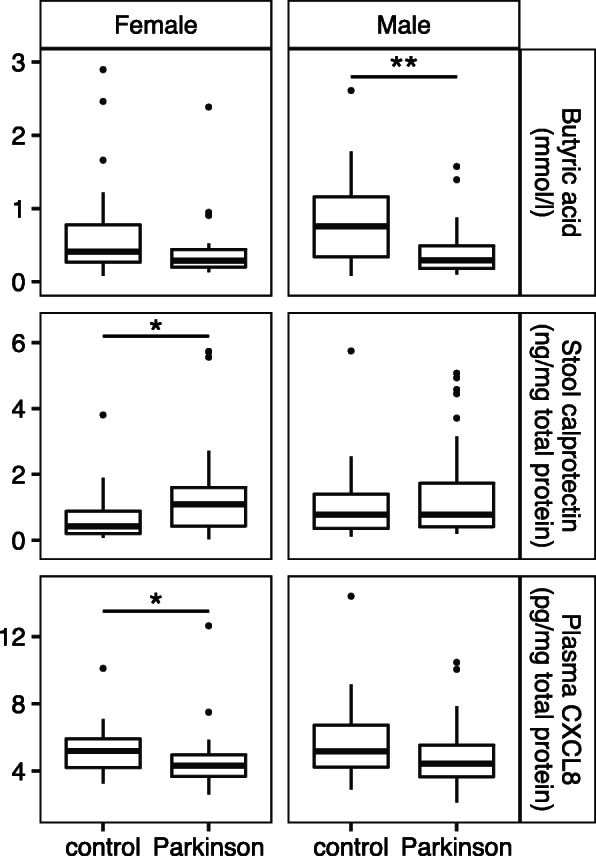
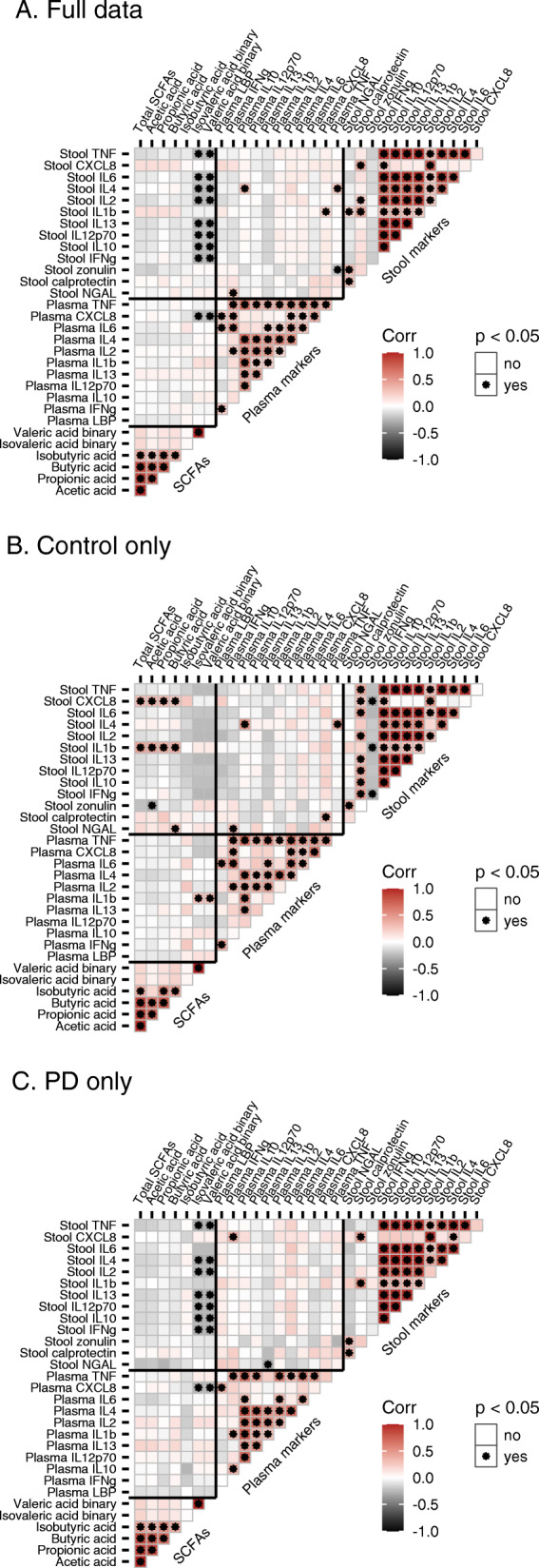
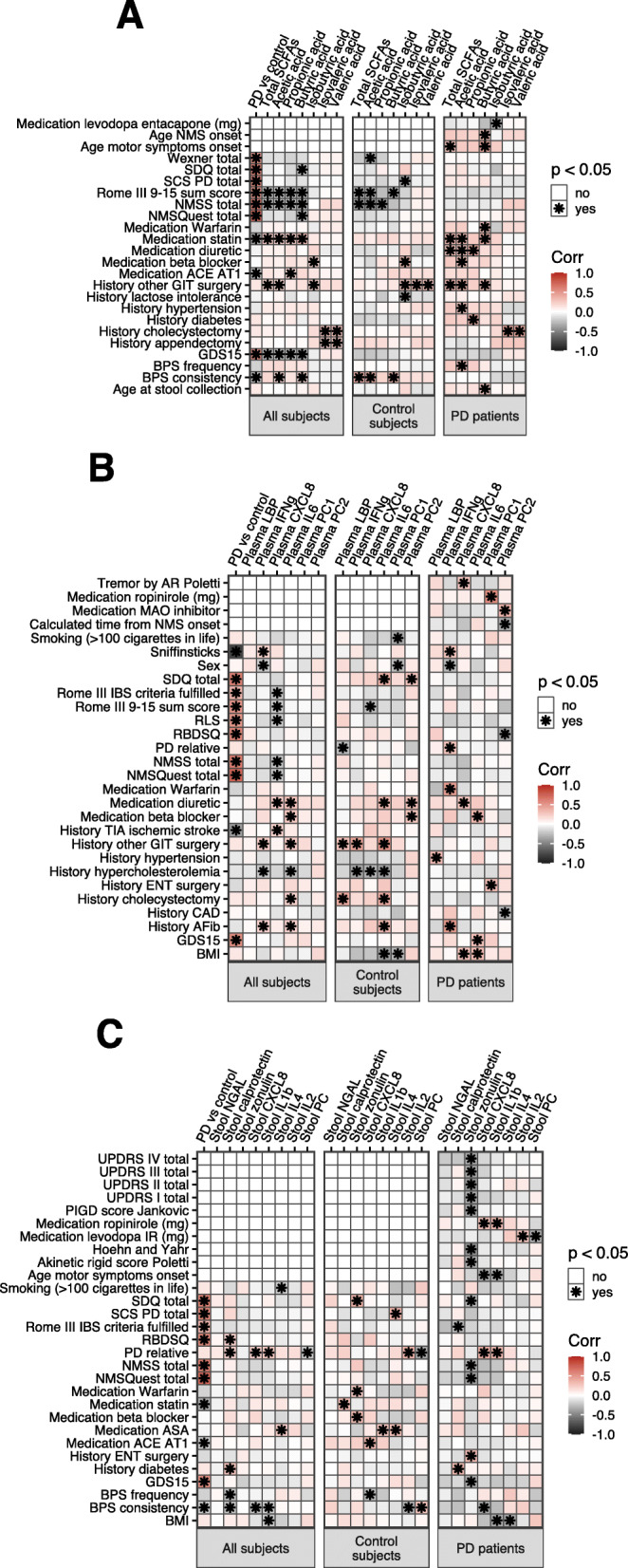
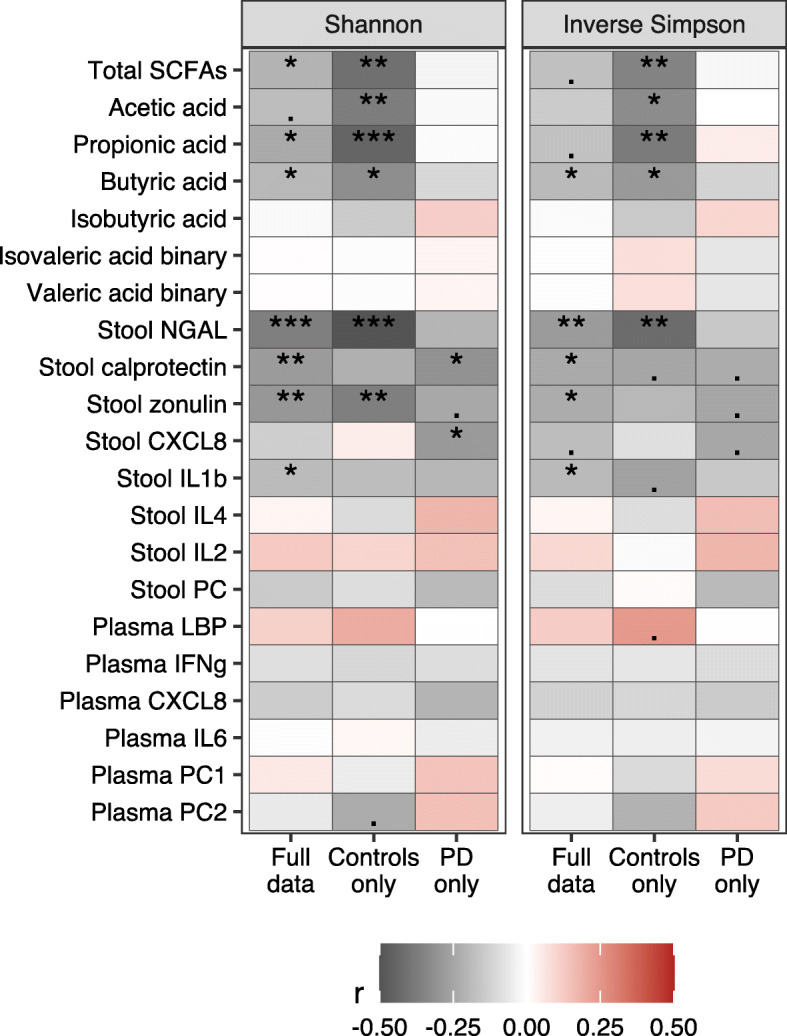
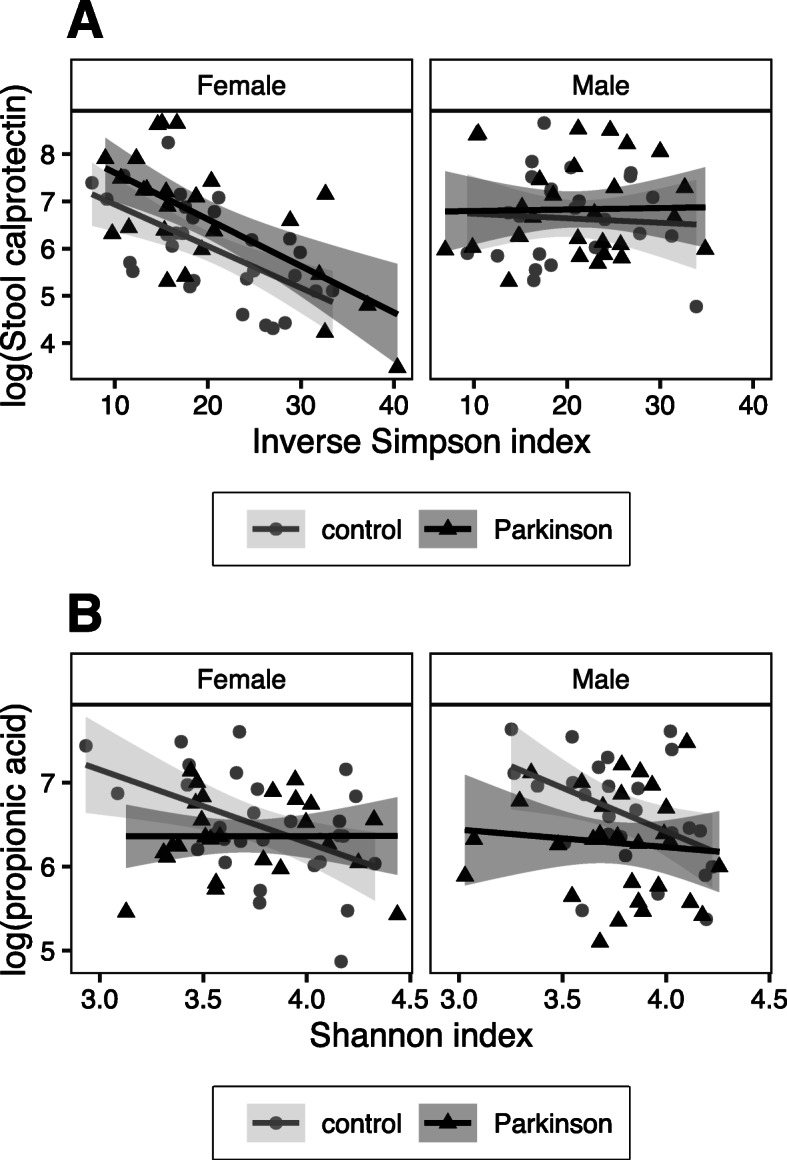
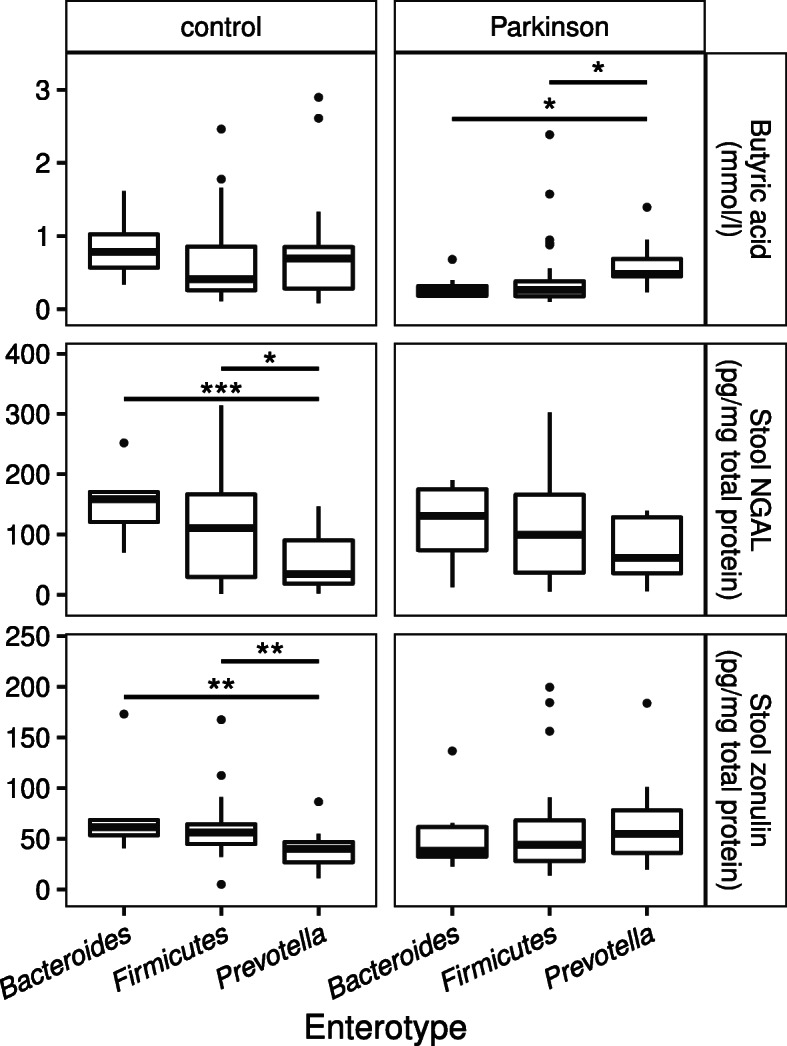
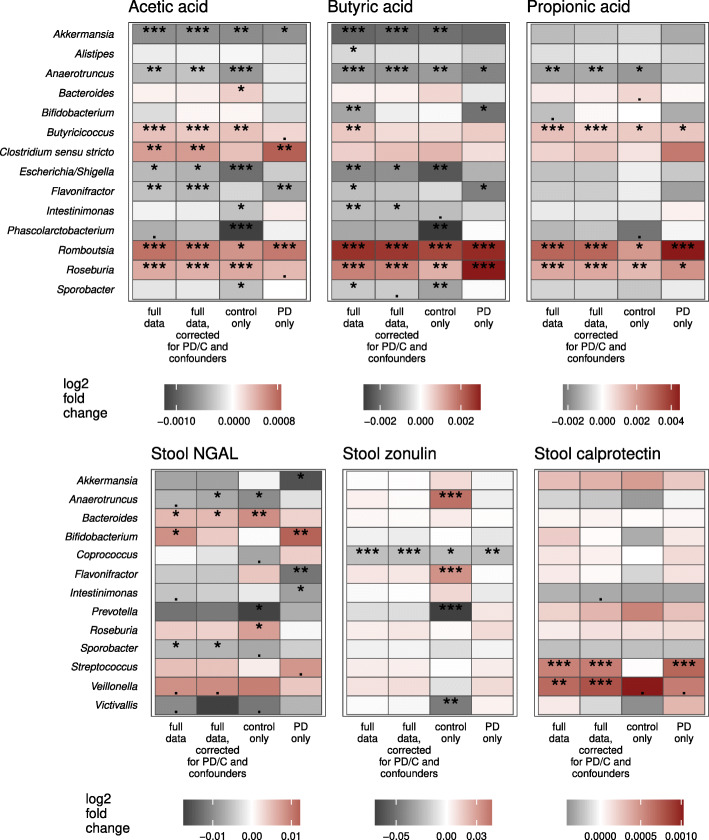
Background: Previous studies have reported that gut microbiota, permeability, short-chain fatty acids (SCFAs), and inflammation are altered in Parkinson’s disease (PD), but how these factors are linked and how they contribute to disease processes and symptoms remains uncertain. This study sought to compare and identify associations among these factors in PD patients and controls to elucidate their interrelations and links to clinical manifestations of PD. Methods: Stool and plasma samples and clinical data were collected from 55 PD patients and 56 controls. Levels of stool SCFAs and stool and plasma inflammatory and permeability markers were compared between patients and controls and related to one another and to the gut microbiota. Results: Calprotectin was increased and SCFAs decreased in stool in PD in a sex-dependent manner. Inflammatory markers in plasma and stool were neither intercorrelated nor strongly associated with SCFA levels. Age at PD onset was positively correlated with SCFAs and negatively correlated with CXCL8 and IL-1β in stool. Fecal zonulin correlated positively with fecal NGAL and negatively with PD motor and non-motor symptoms. Microbiota diversity and composition were linked to levels of SCFAs, inflammatory factors, and zonulin in stool. Certain relationships differed between patients and controls and by sex. Conclusions: Intestinal inflammatory responses and reductions in fecal SCFAs occur in PD, are related to the microbiota and to disease onset, and are not reflected in plasma inflammatory profiles. Some of these relationships are distinct in PD and are sex-dependent. This study revealed potential alterations in microbiota-host interactions and links between earlier PD onset and intestinal inflammatory responses and reduced SCFA levels, highlighting candidate molecules and pathways which may contribute to PD pathogenesis and clinical presentation and which warrant further investigation.
Overview
The claims and statistics of this paper haven’t been checked yet.
Run the check — free, no account needed. It reads the open-access text and checks the sources it cites.
Integrity signals
Registry
Cites
Statistics
Figures
Verification
Claims the paper makes
The claims and statistics of this paper haven’t been checked yet.
Run the check — free, no account needed. It reads the open-access text and checks the sources it cites.
Claims other papers make about this one
Each is checked against this paper’s own text: does it say what the citing paper says it does?
In the citing paper
“These findings are in concordance with a substantial body of literature that consistently reports diminished SCFAs-producing species and SCFA levels in prodromal stage of PD and PD patients compared to healthy controls, which may be correlated with the clinical severity of PD.52,322–331”
From Microbiota–gut–brain axis and its therapeutic applications in neurodegenerative diseases (2024) · cites this paper as [327]
In the citing paper
“a decrease in short-chain fatty acids (SCFAs) in feces has been implicated in the development of PD [66]”
From Healthy Human Fecal Microbiota Transplantation into Mice Attenuates MPTP-Induced Neurotoxicity via AMPK/SOD2 Pathway (2023) · cites this paper as [66]
Self-check
Percentages, sums and reported differences re-computed from the paper’s own numbers.
The self-check needs the paper’s full text.
Citations
Cites
Moderated estimation of fold change and dispersion for RNA-seq data with DESeq2
Love, M. I., Huber, W., & Anders, S. (2014) · Genome Biology · doi:10.1186/s13059-014-0550-8 · Cited by 95,106
vegan: Community Ecology Package
Oksanen, J., Simpson, G. L., Blanchet, F. G., Kindt, R., Legendre, P., Minchin, P. R., O’Hara, R. B., Sólymos, P., Stevens, M. H. H., Szöcs, E., et al. (2001) · doi:10.32614/cran.package.vegan · Cited by 27,099
phyloseq: An R Package for Reproducible Interactive Analysis and Graphics of Microbiome Census Data
McMurdie, P. J., & Holmes, S. (2013) · PLoS ONE · doi:10.1371/journal.pone.0061217 · Cited by 21,942
Schloss, P. D., Westcott, S. L., Ryabin, T., Hall, J. R., Hartmann, M., Hollister, E. B., Lesniewski, R. A., Oakley, B. B., Parks, D. H., Robinson, C. J., et al. (2009) · Applied and Environmental Microbiology · doi:10.1128/aem.01541-09 · Cited by 19,549
Kozich, J. J., Westcott, S. L., Baxter, N. T., Highlander, S. K., & Schloss, P. D. (2013) · Applied and Environmental Microbiology · doi:10.1128/aem.01043-13 · Cited by 7,246
The role of short-chain fatty acids in microbiota–gut–brain communication
Dalile, B., Van Oudenhove, L., Vervliet, B., & Verbeke, K. (2019) · Nature Reviews Gastroenterology & Hepatology · doi:10.1038/s41575-019-0157-3 · Cited by 3,357
Short chain fatty acids in human large intestine, portal, hepatic and venous blood
Cummings, J. H., Pomare, E. W., Branch, W. J., Naylor, C. P., & Macfarlane, G. T. (1987) · Gut · doi:10.1136/gut.28.10.1221 · Cited by 3,119
Gut microbiota are related to Parkinson's disease and clinical phenotype
Scheperjans, F., Aho, V., Pereira, P. A. B., Koskinen, K., Paulin, L., Pekkonen, E., Haapaniemi, E., Kaakkola, S., Eerola‐Rautio, J., Pohja, M., et al. (2015) · Movement Disorders · doi:10.1002/mds.26069 · Cited by 1,968
Self-citationRivière, A., Selak, M., Lantin, D., Leroy, F., & Vuyst, L. D. (2016) · Frontiers in Microbiology · doi:10.3389/fmicb.2016.00979 · Cited by 1,810
Kelly, C. J., Zheng, L., Campbell, E. L., Saeedi, B., Scholz, C. C., Bayless, A. J., Wilson, K. E., Glover, L. E., Kominsky, D. J., Magnuson, A., et al. (2015) · Cell Host & Microbe · doi:10.1016/j.chom.2015.03.005 · Cited by 1,716
Cited by
Sorted by citations
Short-chain fatty acids: Linking diet, the microbiome and immunity
Mann, E. R., Lam, Y. K., & Uhlig, H. H. (2024) · Nature reviews. Immunology · doi:10.1038/s41577-024-01014-8 · Cited by 1,595
Inflammation and immune dysfunction in Parkinson disease
Tansey, M. G., Wallings, R. L., Houser, M. C., Herrick, M. K., Keating, C. E., & Joers, V. (2022) · Nature Reviews Immunology · doi:10.1038/s41577-022-00684-6 · Cited by 1,382
Self-citationMicrobiota–gut–brain axis and its therapeutic applications in neurodegenerative diseases
Loh, J. S., Mak, W. Q., Tan, L. K. S., Ng, C. X., Chan, H. H., Yeow, S. H., Foo, J. B., Ong, Y. S., How, C. W., & Khaw, K. Y. (2024) · Signal Transduction and Targeted Therapy · doi:10.1038/s41392-024-01743-1 · Cited by 1,193
Short-chain fatty acids in diseases
Zhang, D., Jian, Y., Zhang, Y., Li, Y., Gu, L.-T., Sun, H.-H., Liu, M., Zhou, H., Wang, Y., & Xu, Z. (2023) · Cell Communication and Signaling · doi:10.1186/s12964-023-01219-9 · Cited by 813
The microbiome–gut–brain axis in Parkinson disease — from basic research to the clinic
Tan, A. H., Lim, S. Y., & Lang, A. E. (2022) · Nature Reviews Neurology · doi:10.1038/s41582-022-00681-2 · Cited by 392
Metadata
- Authors
- Aho, V. T. E., Houser, M. C., Pereira, P. A. B., Chang, J., Rudi, K., Paulin, L., Hertzberg, V., Auvinen, P., Tansey, M. G., & Scheperjans, F.
- Affiliations
- University of Helsinki (FI)
- Emory University (US)
- Norwegian University of Life Sciences (NO)
- Corresponding author
- Tansey, Malú G.
- Scheperjans, Filip
- ORCID
- Venue
- Molecular Neurodegeneration
- Published
- 2021-02-08
- Volume
- 16
- Issue
- 1
- Pages
- 6-6
- ISSN
- 1750-1326 (ISSN-L)
- PMC
- PMC7869249
- OpenAlex
- W3127379712
- Cited by
- 435
- References
- 56
- Citations by year
- 2026: 58 · 2025: 96 · 2024: 93 · 2023: 86 · 2022: 81 · 2021: 20
- FWCI
- 21.86
- Type
- journal article
- Language
- en
- Open access
- gold
- doi.org
- Locations
- Molecular Neurodegeneration (publishedVersion, cc-by)
- medRxiv (acceptedVersion)
- Research Square (acceptedVersion, cc-by)
- Europe PMC (PubMed Central) (publishedVersion, other-oa)
- PubMed Central (publishedVersion, cc-by)
- PubMed (publishedVersion)
- DOAJ (DOAJ: Directory of Open Access Journals) (submittedVersion, cc-by-sa)
- Työväentutkimus Vuosikirja (submittedVersion)
- Funders
- National Institute of Neurological Disorders and Stroke (1R01NS092122)
- Michael J. Fox Foundation for Parkinson's Research (LRRK2 in immunity)
- Academy of Finland (295724, 310835)
- Suomen Lääketieteen Säätiö
- Helsingin Yliopisto (UAK1014004, UAK1014005, TYH2018224)
- Topics
- Life Sciences › Biochemistry, Genetics and Molecular Biology › Molecular Biology › Gut microbiota and health
- Health Sciences › Medicine › Clinical Neurology › Parkinson's Disease Mechanisms and Treatments
- Health Sciences › Medicine › Gastroenterology › Gastrointestinal motility and disorders
- Keywords
- Parkinson's disease, gut microbiota, short-chain fatty acids, intestinal permeability, intestinal barrier, inflammation, calprotectin, zonulin, neutrophil gelatinase-associated lipocalin, interleukin-8, IL-1β, sex differences, age of onset, motor and non-motor symptoms, microbiota-host interactions
- MeSH terms
- Gastrointestinal Microbiome, Aged, Fatty Acids, Volatile, Female, Haptoglobins, Humans, Inflammation, Male, Middle Aged, Parkinson Disease, Protein Precursors, Biomarkers
About these checks
Registry, retraction, Cites and statistics results are computed, not judged, with one exception: a printed reference that no index lists is read once by a model before it counts as a citation error. Claims are extracted by a model and kept only when their quote appears verbatim in the text; each cited source is then checked, with a model’s help, for whether it says what the claim relies on. Those verdicts can be wrong — read the claim’s quote and the cited source before relying on one.
Statistics and arithmetic are recomputed, not judged.
Confidence bands are shown only for fields calibrated on our annotated test set. None is calibrated yet, so no band is shown.
What counts as a claim ›How we measure confidence ›How we check this ›
Are you an author, or do you see a problem with this page? Request a review
