

Accumulation of alpha-synuclein within the liver, potential role in the clearance of brain pathology associated with Parkinson’s disease
Open accessThe DOI matches its Crossref record; 74 of the 74 references it cites were found in a registry or an index.
Abstract
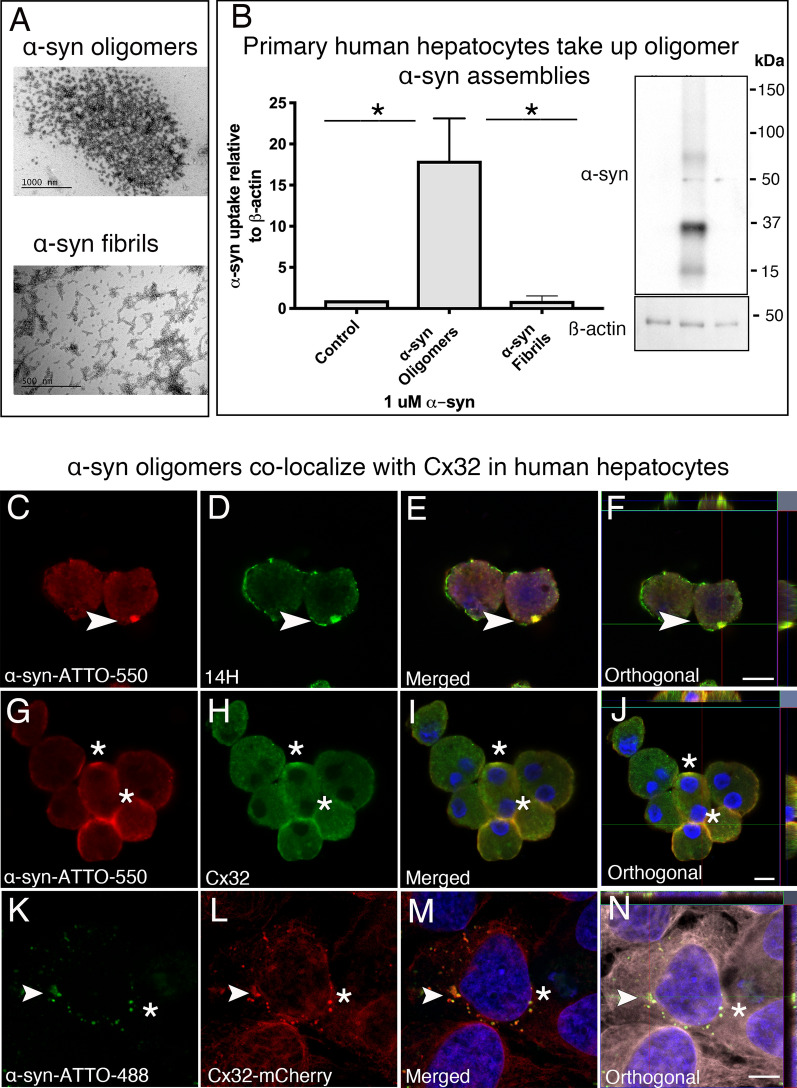
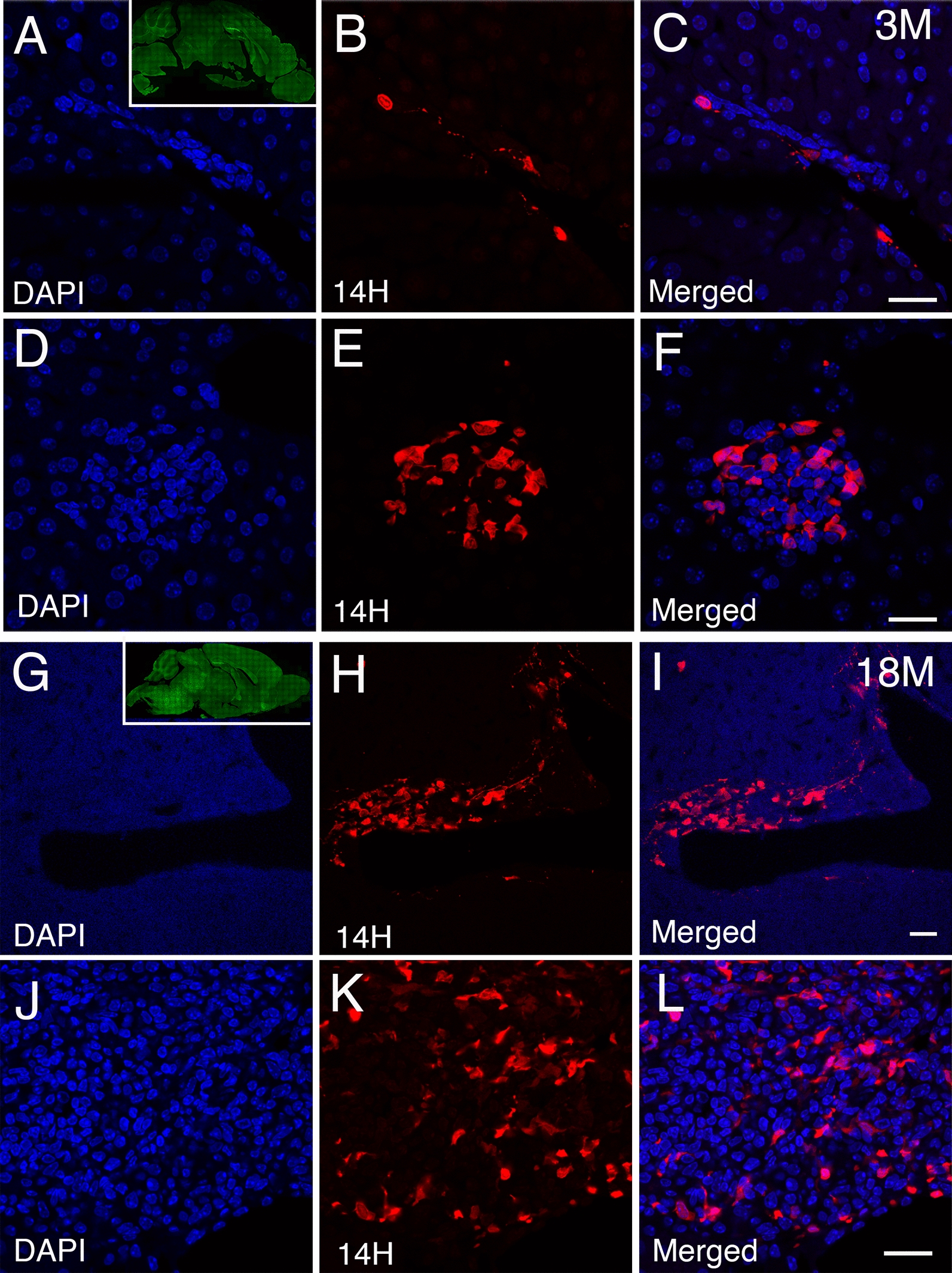
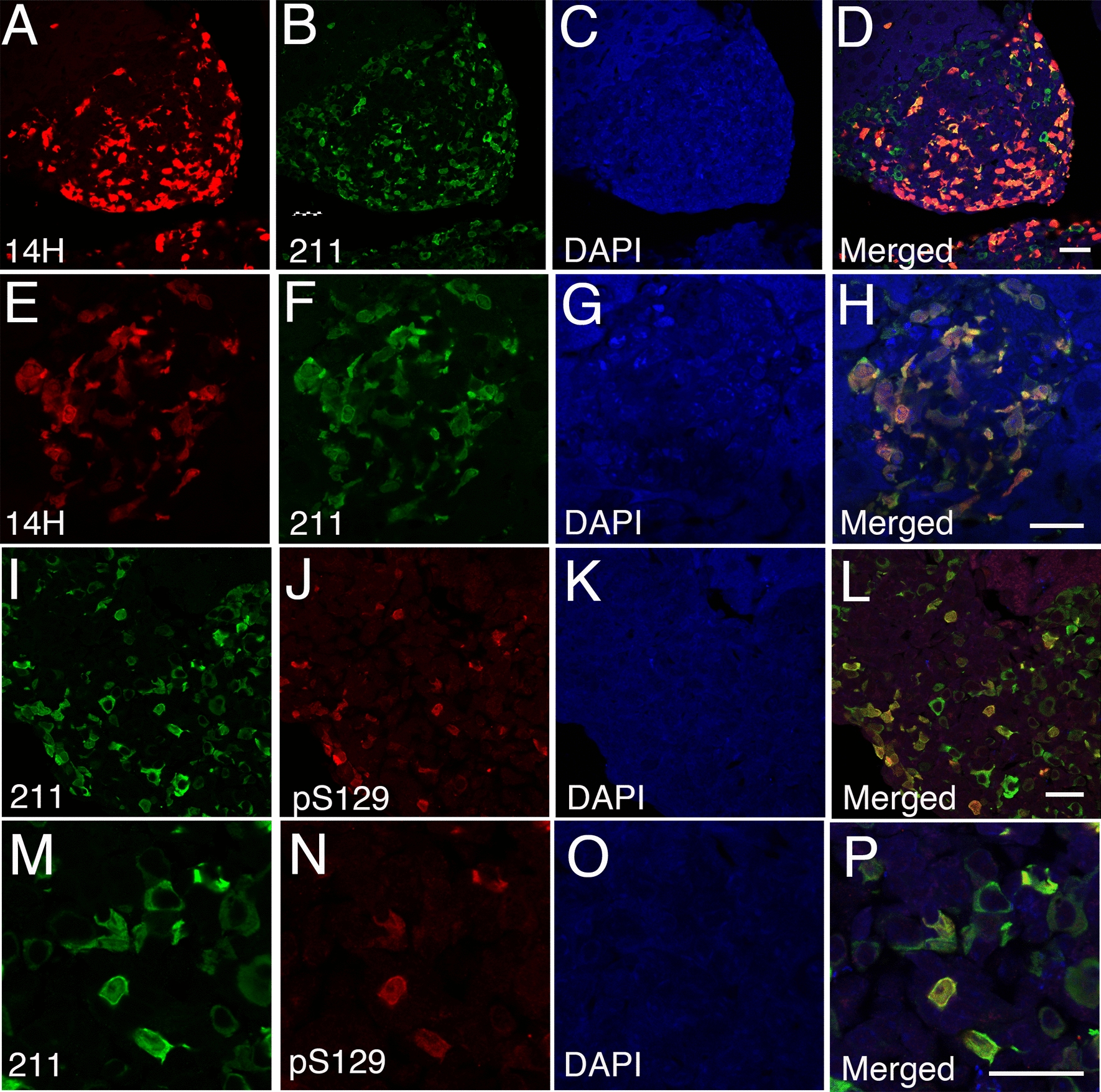
Alpha-synuclein (α-syn) aggregation is the hallmark pathological lesion in brains of patients with Parkinson’s disease (PD) and related neurological disorders characterized as synucleinopathies. Accumulating evidence now indicates that α-syn deposition is also present within the gut and other peripheral organs outside the central nervous system (CNS). In the current study, we demonstrate for the first time that α-syn pathology also accumulates within the liver, the main organ responsible for substance clearance and detoxification. We further demonstrate that cultured human hepatocytes readily internalize oligomeric α-syn assemblies mediated, at least in part, by the gap junction protein connexin-32 (Cx32). Moreover, we identified a time-dependent accumulation of α-syn within the liver of three different transgenic (tg) mouse models expressing human α-syn under CNS-specific promoters, despite the lack of α-syn mRNA expression within the liver. Such a brain-to-liver transmission route could be further corroborated by detection of α-syn pathology within the liver of wild type mice one month after a single striatal α-syn injection. In contrast to the synucleinopathy models, aged mice modeling AD rarely show any amyloid-beta (Aß) deposition within the liver. In human post-mortem liver tissue, we identified cases with neuropathologically confirmed α-syn pathology containing α-syn within hepatocellular structures to a higher degree (75%) than control subjects without α-syn accumulation in the brain (57%). Our results reveal that α-syn accumulates within the liver and may be derived from the brain or other peripheral sources. Collectively, our findings indicate that the liver may play a role in the clearance and detoxification of pathological proteins in PD and related synucleinopathies.
Overview
The claims and statistics of this paper haven’t been checked yet.
Free: it reads the open-access text and checks the first 5 claims that cite a source we can check. Create a free account to check every claim.
Integrity signals
Registry
Cites
Statistics
Figures
Verification
Claims the paper makes
The claims and statistics of this paper haven’t been checked yet.
Free: it reads the open-access text and checks the first 5 claims that cite a source we can check. Create a free account to check every claim.
Claims other papers make about this one
Each is checked against this paper’s own text: does it say what the citing paper says it does?
In the citing paper
“In PD, brain-derived α-syn accumulates in the livers of both mice and humans; thus, the liver may participate in the clearance and detoxification of α-syn,231”
From Antiageing strategy for neurodegenerative diseases: from mechanisms to clinical advances (2025) · cites this paper as [231]
Self-check
Percentages, sums and reported differences re-computed from the paper’s own numbers.
The self-check needs the paper’s full text.
Citations
Cites
Mechanisms of hepatic stellate cell activation
Tsuchida, T., & Friedman, S. L. (2017) · Nature Reviews Gastroenterology & Hepatology · doi:10.1038/nrgastro.2017.38 · Cited by 2,909 · cited 1×
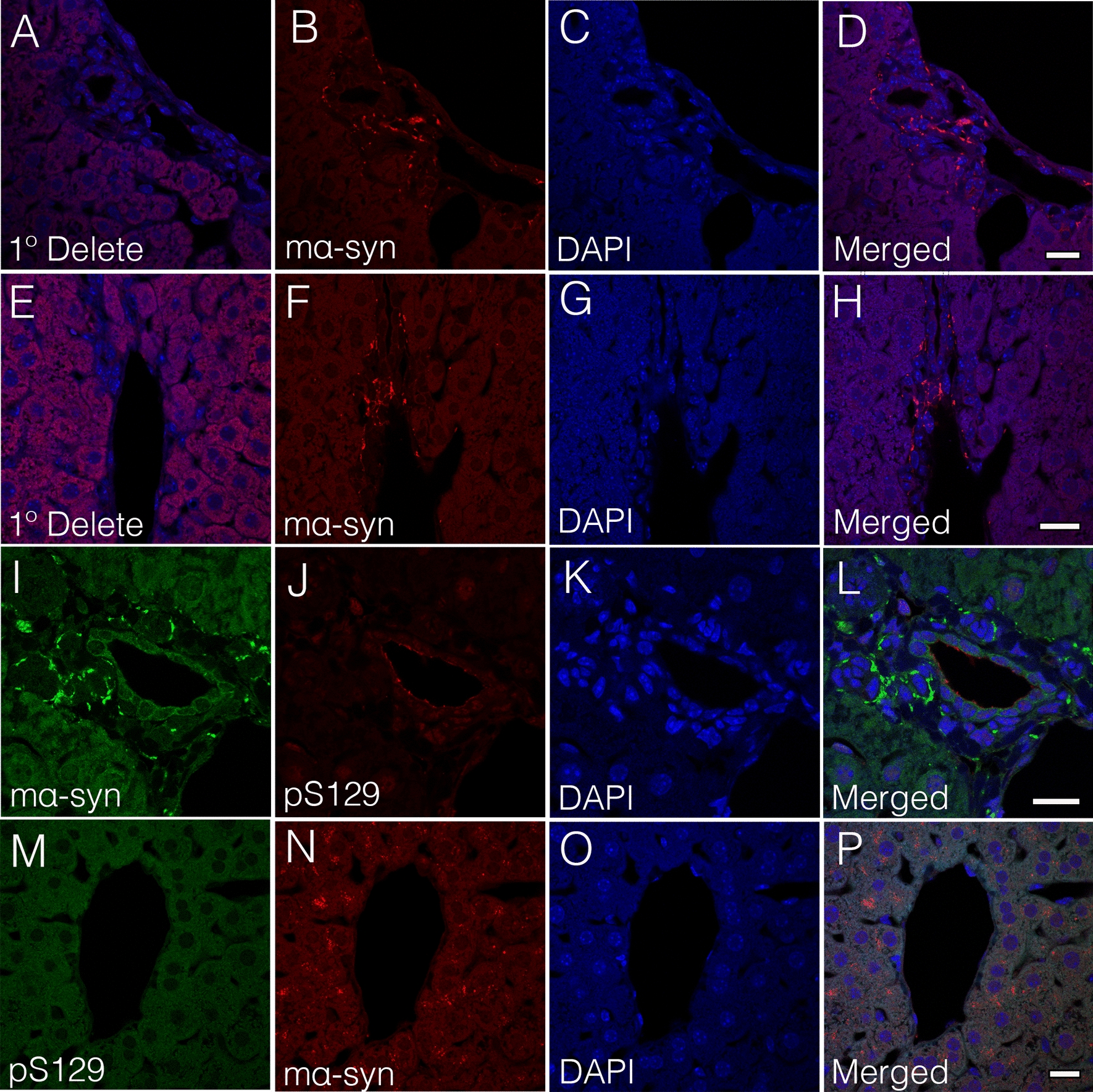
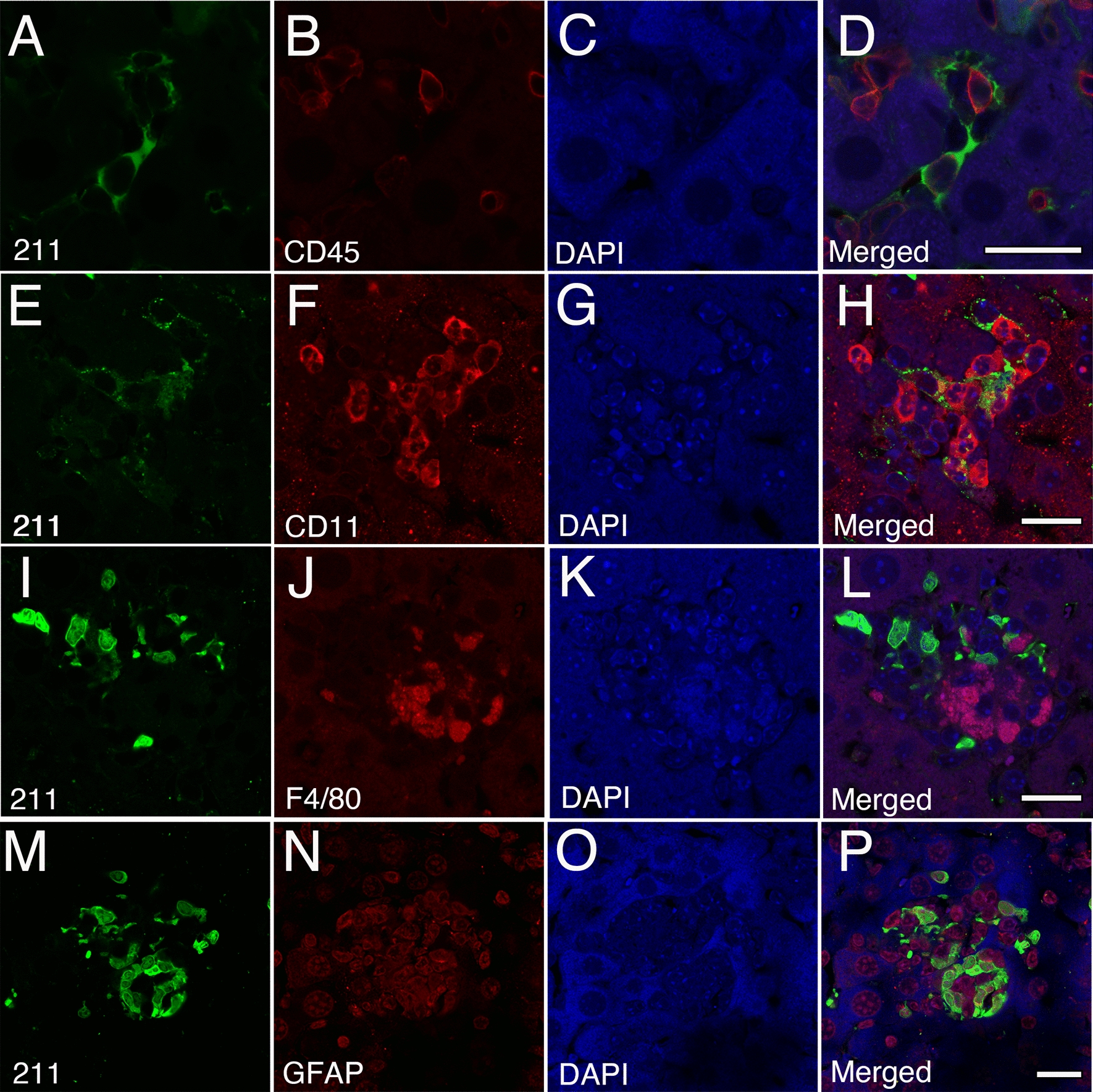
“7M–P), specialized liver cells involved in fibrosis following liver injury [59], thus suggesting that in addition to inflammation, α-syn may promote liver toxicity.”
BackgroundLuk, K. C., Kehm, V., Carroll, J., Zhang, B., O’Brien, P., Trojanowski, J. Q., & Lee, V. M.-Y. (2012) · Science · doi:10.1126/science.1227157 · Cited by 2,563 · cited 1×
“in WT mice To further explore whether α-syn is transported from the brain to the liver, we took advantage of a widely established mouse model of PD involving α-syn injections in the brain leading to α-syn self-assembly and accumulation that is detected within the brain approximately within 20–30 days post-protein inje…”
BackgroundKim, S., Kwon, S.-H., Kam, T.-I., Panicker, N., Karuppagounder, S. S., Lee, S., Lee, J. H., Kim, W. R., Kook, M., Foss, C. A., et al. (2019) · Neuron · doi:10.1016/j.neuron.2019.05.035 · Cited by 1,397 · cited 2×
“Furthermore, multiple studies have shown the presence and progressive accumulation of α-syn within the vagal nerve leading to the dorsal motor nucleus of the vague following injections in the gut [27].”
BackgroundInfluentialSingle App knock-in mouse models of Alzheimer’s disease
Saito, T., Matsuba, Y., Mihira, N., Takano, J., Nilsson, P., Itohara, S., Iwata, N., & Saido, T. C. (2014) · Nature Neuroscience · doi:10.1038/nn.3697 · Cited by 1,366
Self-citationWang, E.-S., Yao, H.-B., Chen, Y.-H., Wang, G., Gao, W.-W., Sun, Y.-R., Guo, J.-G., Hu, J.-W., Jiang, C.-C., & Hu, J. (2013) · Cellular Physiology and Biochemistry · doi:10.1159/000350082 · Cited by 1,176
Luk, K. C., Kehm, V. M., Zhang, B., O’Brien, P., Trojanowski, J. Q., & Lee, V. M. Y. (2012) · Journal of Experimental Medicine · doi:10.1084/jem.20112457 · Cited by 1,100
Parkinson's disease: a dual‐hit hypothesis
Hawkes, C. H., Del Tredici, K., & Braak, H. (2007) · Neuropathology and Applied Neurobiology · doi:10.1111/j.1365-2990.2007.00874.x · Cited by 1,021 · cited 1×
“Accumulating evidence suggesting that α-syn pathology can spread from the brain to the periphery or from the gut to the brain has provided support for the ‘dual hit’ hypothesis in PD [17].”
ResultFrequency of Bowel Movements and the Future Risk of Parkinson’s Disease
Abbott, R. D., Petrovitch, H., White, L. R., Masaki, K. H., Tanner, C. M., Curb, J. D., Grandinetti, A., Blanchette, P. L., Popper, J. S., & Ross, G. W. (2001) · Neurology · doi:10.1212/wnl.57.3.456 · Cited by 839 · cited 1×
“The existence of a gut to brain route is strongly supported by early gastrointestinal symptoms which appear many years prior to neurodegeneration [22, 23].”
BackgroundBrain-first versus body-first Parkinson’s disease: a multimodal imaging case-control study
Horsager, J., Andersen, K. B., Knudsen, K., Skjærbæk, C., Fedorova, T. D., Okkels, N., Schaeffer, E., Bonkat, S. K., Geday, J., Otto, M., et al. (2020) · Brain · doi:10.1093/brain/awaa238 · Cited by 782
El‐Agnaf, O. M. A., Salem, S. A., Paleologou, K. E., Curran, M. D., Gibson, M. J., Court, J. A., Schlossmacher, M. G., & Allsop, D. (2006) · The FASEB Journal · doi:10.1096/fj.03-1449com · Cited by 715
Cited by
Amyloid-type Protein Aggregation and Prion-like Properties of Amyloids
Willbold, D., Strodel, B., Schröder, G. F., Hoyer, W., & Heise, H. (2021) · Chemical Reviews · doi:10.1021/acs.chemrev.1c00196 · Cited by 221
Antiageing strategy for neurodegenerative diseases: from mechanisms to clinical advances
Jiang, Q., Liu, J., Huang, S., Wang, X.-Y., Chen, X., Liu, G.-H., Ye, K., Song, W., Masters, C. L., Wang, J., et al. (2025) · Signal Transduction and Targeted Therapy · doi:10.1038/s41392-025-02145-7 · Cited by 165
“230 In PD, brain-derived α - syn accumulates in the livers of both mice and humans; thus, the liver may participate in the clearance and detoxi fi cation of α -syn, 231 suggesting that a decrease in aged liver function increases α -syn deposition in the brain.”
Propagation of pathologic α-synuclein from kidney to brain may contribute to Parkinson’s disease
Yuan, X., Nie, S., Yang, Y., Liu, C., Xia, D., Meng, L., Xia, Y., Su, H., Zhang, C., Bu, L., et al. (2025) · Nature Neuroscience · doi:10.1038/s41593-024-01866-2 · Cited by 92
Xiang, J., Tang, J., Kang, F., Ye, J., Cui, Y., Zhang, Z., Wang, J., Wu, S., & Ye, K. (2024) · Neuron · doi:10.1016/j.neuron.2024.08.003 · Cited by 91
Alpha-Synuclein Contribution to Neuronal and Glial Damage in Parkinson’s Disease
Saramowicz, K., Siwecka, N., Galita, G., Kucharska-Lusina, A., Rozpędek‐Kamińska, W., & Majsterek, I. (2023) · International Journal of Molecular Sciences · doi:10.3390/ijms25010360 · Cited by 88
“These findings not only reinforced the view that PD is a systemic disorder but also pointed to the possibility of using peripheral, readily obtainable α Syn as a potential biomarker of PD [12–14].”
Bridging systemic metabolic dysfunction and Alzheimer’s disease: the liver interface
Song, D., Yang, L., Yang, L.-L., Luo, Y., & Yao, X. (2025) · Molecular Neurodegeneration · doi:10.1186/s13024-025-00849-6 · Cited by 61
“Similar to tau, α-syn exhibits a bidirectional transport dynamic across the BBB [57].”
Maintaining the Balance of Intestinal Flora through the Diet: Effective Prevention of Illness
Zhang, L., Zhang, Z., Xu, L., & Zhang, X. (2021) · Foods · doi:10.3390/foods10102312 · Cited by 49
“The results suggest that SCFAs may activate central nervous system microglia, trigger a neuroinflammatory response, and lead to neuronal damage and even death [61].”
BackgroundThe Role of Immune Dysfunction in Parkinson’s Disease Development
Cossu, D., Hatano, T., & Hattori, N. (2023) · International Journal of Molecular Sciences · doi:10.3390/ijms242316766 · Cited by 37
“Recent research has hinted at the possibility that α -syn pathology may originate outside the CNS, implying an intricate interaction between brain-resident immune cells and the peripheral immune system [9].”
BackgroundPeripheral proteinopathy in neurodegenerative diseases
Xu, B., Lei, X., Yang, Y., Yu, J., Chen, J., Xu, Z., Ye, K., & Zhang, J. (2025) · Translational Neurodegeneration · doi:10.1186/s40035-024-00461-6 · Cited by 37
Beyond the Brain: Exploring the multi-organ axes in Parkinson’s disease pathogenesis
Liu, T., Wu, H., & Wei, J. (2025) · Journal of Advanced Research · doi:10.1016/j.jare.2025.05.034 · Cited by 36
“…-synuclein) may potentially spread to the liver through prion-like propagation mechanisms or blood circulation, depositing in the liver or affecting protein metabolism and degradation processes within hepatocytes, thereby damaging the liver, further linking PD pathology to hepatic dysfunction [82].”
α-Synuclein pathology from the body to the brain: so many seeds so close to the central soil
Yang, Y., & Zhang, Z. (2023) · Neural Regeneration Research · doi:10.4103/1673-5374.387967 · Cited by 33
“Studies have indicated that the liver may help to clear pathological α-Syn, while overexpression of α-Syn in the perivascular nerve fiber lowered norepinephrin-induced contraction of the mouse aorta (Marrachelli et al., 2010; Reyes et al., 2021).”
BackgroundAutonomic dysfunction in neurodegenerative disease
Mather, M. (2025) · Nature reviews. Neuroscience · doi:10.1038/s41583-025-00911-8 · Cited by 32
“Although ALS primarily affects somatic motor neurons that regulate activity of muscles, it also impacts visceral motor neurons involved in the autonomic nervous”
Alshahrani, S. M., Al-Kuraishy, H. M., Al-Gareeb, A. I., Albuhadily, A. K., Shokr, M. M., Kadasah, S. F., Alexiou, A. T., Papadakis, M., & Batiha, G. E. (2025) · European Journal of Pharmacology · doi:10.1016/j.ejphar.2025.177830 · Cited by 29
Vastegani, S. M., Khoshnam, S. E., Ghafouri, S., Bakhtiari, N., Farbood, Y., & Sarkaki, A. (2023) · PLoS ONE · doi:10.1371/journal.pone.0294612 · Cited by 22
“Parkinson’s disease (PD) is a highly prevalent neurodegenerative disease characterized by degeneration of dopaminergic neurons in the substantia nigra pars compacta (SNpc) and intracytoplasmic accumulation of Alpha-synuclein ( α -syn) in insoluble structures called Lewy bodies (LBs) [1].”
BackgroundAlpha-synuclein interacts with regulators of ATP homeostasis in mitochondria
Serdiuk, T., Fleischmann, Y., Ghosh, D., Delparente, A., Reber, V., Frey, L., Rhyner, D., Gerez, J., Volkmar, N., Kralickova, L., et al. (2025) · Nature Communications · doi:10.1038/s41467-025-62895-4 · Cited by 21
“Notably, α Syn has been found to accumulate in liver and hepatocytes 64,65 .”
Parkinson's disease: pathogenesis and therapeutic strategies
Zhang, S., Wang, T., Peng, Y., Wang, Q., Zhang, Z., Shifeng, C. H. U., Huang, H., & Chen, N. (2026) · Molecular Biomedicine · doi:10.1186/s43556-026-00445-0 · Cited by 22
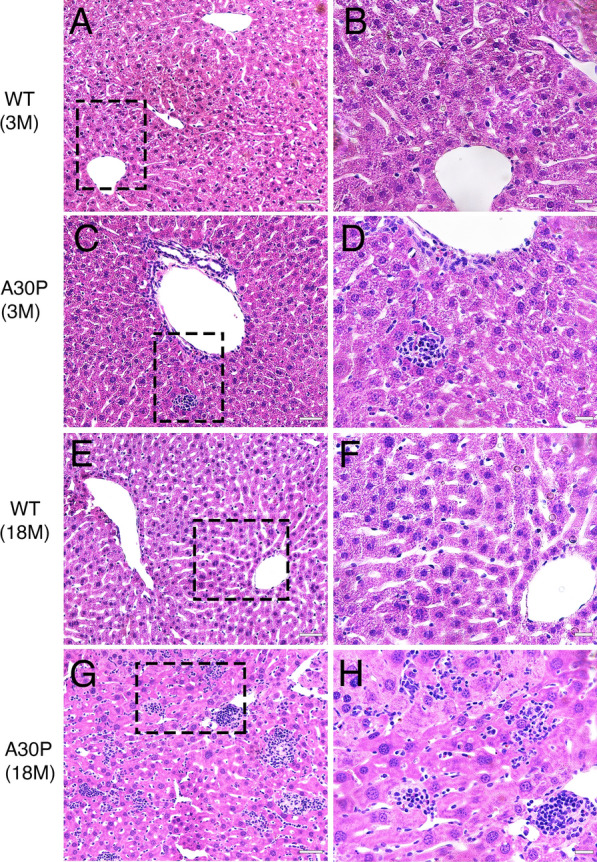
“These findings indicate that the livers of PD mouse models are affected by α-syn aggregation, and α-syn may propagate from the brain to the liver, subsequently inducing hepatic inflammation [42].”
InfluentialMercado, G., Käufer, C., Richter, F., & Peelaerts, W. (2024) · Journal of Parkinson s Disease · doi:10.3233/jpd-240195 · Cited by 20
Tandra, G., Yoone, A., Mathew, R., Wang, M., Hales, C. M., & Mitchell, C. S. (2023) · International Journal of Molecular Sciences · doi:10.3390/ijms241512339 · Cited by 20
“Growing evidence suggests that the prevalence of liver disease history among PD patients is connected to the inability of the liver to clear the blood of neurotoxins like α-syn and manganese (Mn), which can then accumulate in the liver [51,52].”
BackgroundSobek, J., Li, J., Combes, B. F., Gerez, J., Nilsson, K. P. R., Henrich, M. T., Geibl, F. F., Shi, K., Rominger, A., Oertel, W. H., et al. (2024) · European Journal of Nuclear Medicine and Molecular Imaging · doi:10.1007/s00259-024-06806-7 · Cited by 16
Self-citationAlshammari, F. F., Al-Kuraishy, H. M., Shokr, M. M., Papadakis, M., Alexiou, A. T., & Batiha, G. E. (2025) · Inflammopharmacology · doi:10.1007/s10787-025-01940-6 · Cited by 15
“( Reyes et al. 2021) .”
The Intricate Interplay: Microbial Metabolites and the Gut‐Liver‐Brain Axis in Parkinson's Disease
Kishanchand, D. K., A., A. K. K., Chandrababu, K., Philips, C. A., Sivan, U., & Chakrapani, P. S. B. (2025) · Journal of Neuroscience Research · doi:10.1002/jnr.70016 · Cited by 15
“This indicates that α-syn originating from the brain or other peripheral organs, such as the gut, accumulates within the liver (Reyes et al. 2021).”
Neurodegeneration as Ecosystem Failure: A New Paradigm for Prevention and Treatment
Velikic, G. S., Šupić, G., Marić, D., Puletić, M., Kos, M. O., Vojvodić, D., & Maric, D. M. (2025) · International Journal of Molecular Sciences · doi:10.3390/ijms262211207 · Cited by 14
“Liver-derived EVs enriched in misfolded proteins and inflammatory mediators cross into the circulation, priming the CNS proteostasis collapse [136].”
Vivacqua, G., Mancinelli, R., Leone, S., Vaccaro, R., Garro, L., Carotti, S., Ceci, L., Onori, P., Pannarale, L., Franchitto, A., et al. (2024) · Neurogastroenterology & Motility · doi:10.1111/nmo.14780 · Cited by 14
“188,189 Although very few studies have explored the role of the liver in neurodegenerative disorders, it is important to underline that α - syn accumulates in the liver in course of PD, resulting in inflammatory infiltration and hepatocytes reorganization.”
BackgroundRealization of Amyloid-like Aggregation as a Common Cause for Pathogenesis in Diseases
Naskar, S., & Gour, N. (2023) · Life · doi:10.3390/life13071523 · Cited by 13
Sanluca, C., Spagnolo, P., Mancinelli, R., Bartolo, M. I. D., Fava, M., Maccarrone, M., Carotti, S., Gaudio, E., Leuti, A., & Vivacqua, G. (2024) · Metabolites · doi:10.3390/metabo14070352 · Cited by 11
Lee, M., Jan, J., Thomas, J. L., Shih, Y.-P., Li, J.-A., Lin, C.-Y., Ooya, T., Barna, L., Mészáros, M., Harazin, A., et al. (2022) · Cells · doi:10.3390/cells11162584 · Cited by 11
“In addition, a recent study has suggested a role for the liver in the clearance of SNCA in Parkinson’s disease brain pathology [35].”
BackgroundCerebrospinal fluid protein biomarkers in Parkinson's disease
Faizan, M., Sachan, N., Verma, O., Sarkar, A., Rawat, N., & Singh, M. P. (2024) · Clinica Chimica Acta · doi:10.1016/j.cca.2024.117848 · Cited by 10
From blood vessels to brain cells: Connecting the circulatory system and Parkinson's disease
Olaoye, O. J., Farrow, S. L., Nyaga, D. M., Cooper, A. A., & O'Sullivan, J. M. (2025) · Journal of Parkinson s Disease · doi:10.1177/1877718x241308168 · Cited by 10
“114 Given the liver ’ s high density of nerves and blood vessels, 115 both scenarios are plausible, but further research is needed to clarify the exact mechanisms.”
InfluentialKakimoto, T., Hosokawa, M., Ichimura‐Shimizu, M., Ogawa, H., Miyakami, Y., Sumida, S., & Tsuneyama, K. (2023) · Pathology - Research and Practice · doi:10.1016/j.prp.2023.154525 · Cited by 9
Liu, T., Ma, Y., Zhang, M., & Wei, J. (2026) · Research · doi:10.34133/research.1084 · Cited by 8
“…α -syn-positive particles were also detected in peripheral vagal ganglia, indicating that ammonia may simultaneously promote α -syn pathological changes in the central and peripheral nervous systems, which provides a basis for the transmission of α -syn mediated by the gut–liver–brain axis [ 43 ].”
Hamdalla, R. H., Bhaskar, V. B., & Tian, C. (2026) · Frontiers in Cell and Developmental Biology · doi:10.3389/fcell.2025.1710150 · Cited by 8
Gervasoni, J., Maio, A. D., Serra, M., Cicchinelli, M., Santucci, L., Ciasca, G., Nuzzo, T., (36669), Q. L., Thiolat, M.-L., Morelli, M., et al. (2026) · npj Parkinson's Disease · doi:10.1038/s41531-026-01306-x · Cited by 7
“Importantly, from a multi-organperspective, these amino acid alterations may provide criticalinsights into disease progression by revealing metabolic dysregulation in peripheral organs — such as the kidneys and liver — in patients with PD 31,32 .”
Hallbeck, M., Ekmark‐Lewén, S., Kahle, P. J., Ingelsson, M., & Reyes, J. F. (2024) · iScience · doi:10.1016/j.isci.2024.111448 · Cited by 7
Self-citationChen, Y., Ma, M., Zhang, R., Guo, C., Ding, X., Wang, J., Qin, C., Feng, R., Meng, H., Wu, H., et al. (2025) · npj Parkinson's Disease · doi:10.1038/s41531-025-01211-9 · Cited by 6
“PD patients carrying GBA1 L444P mutation exhibit hepatic p α - syn pathology Postmortemanalyseshavecon fi rmedthepresenceofhepatic α -syndeposits in PD patients 28 , yet the temporal onset of this peripheral pathology during disease progression remains unknown.”
Pham, T., Schelling, R. E., & Loh, K. H. (2025) · Advances in genetics · doi:10.1016/bs.adgen.2025.02.001 · Cited by 6
Changes in Liver Lipidomic Profile in G2019S-LRRK2 Mouse Model of Parkinson’s Disease
Nieto, Y. C., Yakhine-Diop, S. M. S., Moreno-Cruz, P., García, L. M., Pereira, A. G., Morales-Garcia, J. A., Niso‐Santano, M., González‐Polo, R. A., Uribe-Carretero, E., Durand, S., et al. (2023) · Cells · doi:10.3390/cells12050806 · Cited by 5
“Considering that modulations in the physiological fluidity of the membrane may promote the accumulation of insoluble materials associated with PD [53], and that the liver is involved in the clearance of pathological protein aggregates [7], it can be hypothesized that this decrease in PC and PE in the liver could have…”
BackgroundGokuladhas, S., Miller, C., Cooper, A. A., & O'Sullivan, J. M. (2025) · Molecular Neurobiology · doi:10.1007/s12035-025-05101-2 · Cited by 4
“This pathological spread of αSyn beyond the CNS into peripheral tissues such as the liver, gastrointestinal (GI) tract, skin, and heart[10, 11] is thought to underlie many of the non-motor symptoms observed in PD.”
Multifaceted performances of α-synuclein in health and neurological diseases
Wang, M., Xu, Y., Wang, S., Liang, J., Cui, X., Zhang, C., Yang, J., Sun, L., & Jin, M. (2026) · Neuroscience · doi:10.1016/j.neuroscience.2026.02.031 · Cited by 4
Chakraborty, J., Pakrashi, S., & Bandyopadhyay, J. (2024) · Journal of Trace Elements in Medicine and Biology · doi:10.1016/j.jtemb.2024.127508 · Cited by 4
Kim, H., Vasquez, F. J. A., Bello, A. B., & Lee, S.-H. (2026) · Tissue and Cell · doi:10.1016/j.tice.2026.103401 · Cited by 3
The Performance of Biomarkers for the Diagnosis of Parkinson Disease: A Systematic Review
Lim, J., & Ay, Y. A. (2025) · The American Journal of Medicine · doi:10.1016/j.amjmed.2025.05.047 · Cited by 2
Biological aging predicts mortality in Parkinson’s patients: evidence from UK Biobank
Duan, Q., Su, W., Yin, K., He, S.-Y., Liu, R.-Y., Wen, X.-J., Gu, X., Chen, T., Cao, B., & Chen, Y. (2026) · npj Parkinson s Disease · doi:10.1038/s41531-026-01268-0 · Cited by 2
“Emerging research suggests that α -synuclein ( α -syn), a characteristic pathological protein in PD, can accumulate in the liver 25 .”
Neuronal vulnerability in Parkinson’s disease: insights from murine α-synuclein pathology models
Asadpoordezaki, Z., & Prehn, J. H. M. (2026) · Neuroscience · doi:10.1016/j.neuroscience.2026.04.007 · Cited by 2
Deloncle, R. (2026) · Experimental Neurology · doi:10.1016/j.expneurol.2026.115812 · Cited by 2
Targeting TLR4 in Parkinson's disease: mechanisms and therapeutic prospects
Dong, S., Lu, J., Wu, L., Wang, S., 宫玉波, Hu, J., Liu, Y., & Chen, X. (2026) · International Immunopharmacology · doi:10.1016/j.intimp.2026.116780 · Cited by 2
Ti, K., Zhao, Y., Tan, E., & Ma, D. (2026) · International Journal of Molecular Sciences · doi:10.3390/ijms27146254 · Cited by 2
“Low-density lipoprotein receptor-related protein 1 (LRP1), a multifunctional endocytic receptor expressed on abluminal brain endothelial cells [84], has been shown to facilitate uptake of α -Syn species [85].”
Tracking the Importance of Enteric a-syn Pathology in Parkinson’s Disease
Casini, A., Vaccaro, R., Vivacqua, G., Onori, P., Gaudio, E., & Mancinelli, R. (2022) · Asian Journal of Complementary and Alternative Medicine · doi:10.53043/2347-3894.acam90034 · Cited by 2
Alcohol consumers with liver pathology rarely display α-synuclein pathology
Libard, S., Tamsen, F., & Alafuzoff, I. I. (2024) · Acta Neuropathologica · doi:10.1007/s00401-024-02772-4 · Cited by 2
“Furthermore, it is not clear how severe LP might change livers role in the suggested clearance of αS [47].”
BackgroundSelf-citationBhattacharjee, A., Purohit, P., & Roy, P. K. (2024) · Psychiatry Research Neuroimaging · doi:10.1016/j.pscychresns.2024.111890 · Cited by 1
“Indeed, PD pathophysiology parallels AD, as a similar toxic protein (synuclein) actuates PD and is metabolized by liver, like AD (Reyes et al., 2021; Vegas-Su ´ arez et al., 2022).”
Cornillet, M., Båve, A. L., Sun, D., Nouaïria, G., Villard, C., Grigoriadis, A., von Seth, E., Jansson, H., Álvez, M. B., Bergström, S., et al. (2025) · JHEP Reports · doi:10.1016/j.jhepr.2025.101719 · Cited by 1
Self-citationStevenson, T. J., Vinnell, L., McCullough, S. J., Flyger, D. X., Highet, B., Wiseman, J. A., Watkin, B., Romero, K. H., Low, V. F., Smith, A. M., et al. (2026) · The Journal of Experimental Medicine · doi:10.1084/jem.20251245 · Cited by 1
“While α-syn pathology has been extensively studied in the brain parenchyma, α-syn aggregates have also been detected in peripheral compartments including the gut (Anis et al., 2022), blood (Sui et al., 2014), and liver (Reyes et al., 2021).”
Hepatic function is associated with cognitive function in patients with stable schizophrenia
Han, J., Li, X., Feng, Y., Guo, Y., Wang, B., & Wang, Y. (2025) · BMC Psychiatry · doi:10.1186/s12888-025-07448-1
“In addition to acute syndromes, impaired hepatic clearance of neurotoxic proteins (e.g., α-synuclein in Parkinson’s disease, and Aβ in Alzheimer’s disease) and systemic metabolic dysregulation further increase neurodegenerative progression [12, 13].”
Hallbeck, M., Ntzouni, M. P., Ingelsson, M., & Reyes, J. F. (2025) · STAR Protocols · doi:10.1016/j.xpro.2025.104158
“For instance, diffuse inclusions and small punctate are observed in the A30P, L61 and MS29 mouse models, 1,6 whereas small punctate are observed in non-transgenic mice following seeded with recombinant mouse preformed fibrils (PFFs).”
Self-citationEshkaftaki, Z. M., Emadi, S., & Meratan, A. A. (2025) · ACS Chemical Neuroscience · doi:10.1021/acschemneuro.5c00793
Shtanova, L. Y., Veselsky, S. P., Yanchuk, P. I., Rozhnova, R. A., Moskvina, V. S., Shablykina, O. V., Reshetnik, E. M., Kravchenko, О. V., & Khilya, V. P. (2025) · Fìzìologìčnij žurnal · doi:10.15407/fz71.04.029
Brain banking for research: can we achieve efficient banking?
Alafuzoff, I., Ersson, B., & Libard, S. (2026) · Frontiers in Neurology · doi:10.3389/fneur.2026.1771564
Self-citationTreatment of Parkinson’s Disease with Traditional Chinese Medicine and Western Medicine
Huang, Z., Lin, X., & Duan, W. (2026) · Neuropharmacology and Therapy · doi:10.15212/npt-2025-0006
Ferroptosis links α-synuclein pathology across brain and skeletal muscle in Parkinson’s diseasePreprint
Bisht, K. S., Sharma, J., Kharbanda, N., Biswas, A., Saha, S., Mathew, S. J., & Maiti, T. K. (2026) · bioRxiv (Cold Spring Harbor Laboratory) · doi:10.64898/2026.04.08.717156 · Cited by 1
Öz, T., Fraile-Ramos, J., Kujawski, R., Wojciechowska, O., Karaźniewicz‐Łada, M., Mikołajczak, P. Ł., Giménez‐Llort, L., & Kujawska, M. (2026) · Molecular Biology Reports · doi:10.1007/s11033-026-12195-x
Hu, R., Wu, J., Song, Y., Tao, Y., Tan, L., Ma, X.-Y., Xia, Y.-M., Nie, X., Li, T., Li, M.-A., et al. (2026) · Experimental Neurology · doi:10.1016/j.expneurol.2026.115965
Alpha-synuclein pathobiology and therapeutic targeting in Parkinson’s disease: Review paper
Reyhani, S., Alipour, M., Verdom, B. H., & Abdolmaleki, P. (2026) · ADMET & DMPK · doi:10.5599/admet.3679
Metadata
- Authors
- Reyes, J. F., Ekmark-Léwen, S., Perdiki, M., Klingstedt, T., Hoffmann, A., Wiechec, E., Nilsson, P., Nilsson, K. P. R., Alafuzoff, I., Ingelsson, M., & Hallbeck, M.
- Affiliations
- Linköping University (SE)
- Friedrich-Alexander-Universität Erlangen-Nürnberg (DE)
- Karolinska Institutet (SE)
- Uppsala University Hospital (SE)
- Uppsala University (SE)
- Corresponding author
- Reyes, Juan F.
- ORCID
- Venue
- Acta Neuropathologica Communications
- Published
- 2021-03-20
- Volume
- 9
- Issue
- 1
- Pages
- 46-46
- ISSN
- 2051-5960 (ISSN-L)
- PMC
- PMC7980682
- OpenAlex
- W3137660980
- Cited by
- 59
- References
- 74
- Citations by year
- 2026: 15 · 2025: 22 · 2024: 9 · 2023: 9 · 2022: 2 · 2021: 2
- FWCI
- 2.63
- Type
- journal article
- Language
- en
- Open access
- gold
- doi.org
- Licence
- cc-by
- creativecommons.org/licenses/by/4.0/ (tdm)
- creativecommons.org/licenses/by/4.0/ (vor)
- Locations
- Acta Neuropathologica Communications (publishedVersion, cc-by)
- PubMed Central (publishedVersion, cc-by)
- PubMed (publishedVersion)
- DiVA (Linkoping University) (submittedVersion, other-oa)
- KTH Publication Database DiVA (KTH Royal Institute of Technology) (submittedVersion, other-oa)
- DOAJ (DOAJ: Directory of Open Access Journals) (submittedVersion, cc-by-sa)
- OPUS FAU (Kooperativer Bibliotheksverbund Berlin-Brandenburg (KOBV), on behalf of the Universitätsbibliothek Erlangen-Nürnberg) (submittedVersion, cc-by)
- Funders
- Vetenskapsrådet (2019-01016)
- Linköping University
- Topics
- Health Sciences › Medicine › Clinical Neurology › Parkinson's Disease Mechanisms and Treatments
- Life Sciences › Neuroscience › Cellular and Molecular Neuroscience › Alzheimer's disease research and treatments
- Life Sciences › Neuroscience › Neurology › Neuroinflammation and Neurodegeneration Mechanisms
- Keywords
- alpha-synuclein, Parkinson's disease, synucleinopathies, liver, hepatocytes, connexin 32, gap junctions, protein clearance, transgenic mouse model, amyloid-beta, protein oligomers
- MeSH terms
- Synucleinopathies, Aged, Aged, 80 and over, Animals, Brain, Disease Models, Animal, Female, Humans, Liver, Male, Mice, Transgenic, Parkinson Disease, Lewy Body Disease, Microscopy, Electron, Transmission, Mice, alpha-Synuclein
About these checks
Registry, retraction, Cites and statistics results are computed, not judged, with one exception: a printed reference that no index lists is read once by a model before it counts as a citation error. Claims are extracted by a model and kept only when their quote appears verbatim in the text; each cited source is then checked, with a model’s help, for whether it says what the claim relies on. Those verdicts can be wrong — read the claim’s quote and the cited source before relying on one.
Statistics and arithmetic are recomputed, not judged.
Confidence bands are shown only for fields calibrated on our annotated test set. None is calibrated yet, so no band is shown.
What counts as a claim ›How we measure confidence ›How we check this ›
Are you an author, or do you see a problem with this page? Request a review
Data sources
Bibliographic data: Semantic Scholar, OpenAlex, Crossref.
Contains information from the Semantic Scholar Academic Graph Datasets, made available under the ODC Attribution License (ODC-BY 1.0).
Semantic Scholar’s data is described in: Kinney, R., et al. (2023). The Semantic Scholar Open Data Platform. arXiv:2301.10140.
