

Meneco, a Topology-Based Gap-Filling Tool Applicable to Degraded Genome-Wide Metabolic Networks
Open accessThe DOI matches its Crossref record; 59 of the 59 references it cites were found in a registry or an index.
Abstract
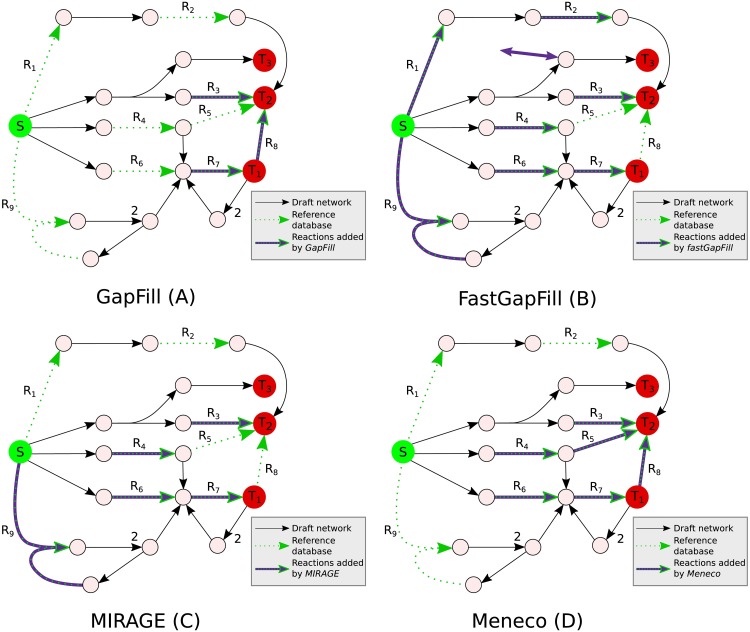
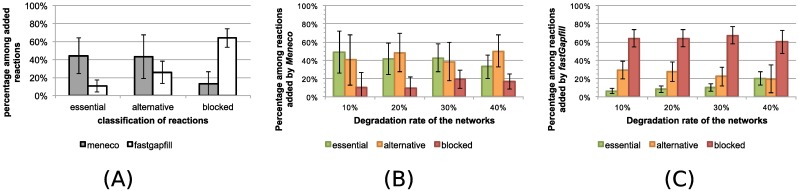
Increasing amounts of sequence data are becoming available for a wide range of non-model organisms. Investigating and modelling the metabolic behaviour of those organisms is highly relevant to understand their biology and ecology. As sequences are often incomplete and poorly annotated, draft networks of their metabolism largely suffer from incompleteness. Appropriate gap-filling methods to identify and add missing reactions are therefore required to address this issue. However, current tools rely on phenotypic or taxonomic information, or are very sensitive to the stoichiometric balance of metabolic reactions, especially concerning the co-factors. This type of information is often not available or at least prone to errors for newly-explored organisms. Here we introduce Meneco, a tool dedicated to the topological gap-filling of genome-scale draft metabolic networks. Meneco reformulates gap-filling as a qualitative combinatorial optimization problem, omitting constraints raised by the stoichiometry of a metabolic network considered in other methods, and solves this problem using Answer Set Programming. Run on several artificial test sets gathering 10,800 degraded Escherichia coli networks Meneco was able to efficiently identify essential reactions missing in networks at high degradation rates, outperforming the stoichiometry-based tools in scalability. To demonstrate the utility of Meneco we applied it to two case studies. Its application to recent metabolic networks reconstructed for the brown algal model Ectocarpus siliculosus and an associated bacterium Candidatus Phaeomarinobacter ectocarpi revealed several candidate metabolic pathways for algal-bacterial interactions. Then Meneco was used to reconstruct, from transcriptomic and metabolomic data, the first metabolic network for the microalga Euglena mutabilis. These two case studies show that Meneco is a versatile tool to complete draft genome-scale metabolic networks produced from heterogeneous data, and to suggest relevant reactions that explain the metabolic capacity of a biological system.
Overview
The claims and statistics of this paper haven’t been checked yet.
Free: it reads the open-access text and checks the first 5 claims that cite a source we can check. Create a free account to check every claim.
Integrity signals
Registry
Cites
Statistics
Figures
Verification
Claims the paper makes
The claims and statistics of this paper haven’t been checked yet.
Free: it reads the open-access text and checks the first 5 claims that cite a source we can check. Create a free account to check every claim.
Claims other papers make about this one
Each is checked against this paper’s own text: does it say what the citing paper says it does?
The source backs part of the claim, not all of it — or backs it for a different population, condition or comparison.
In the citing paper
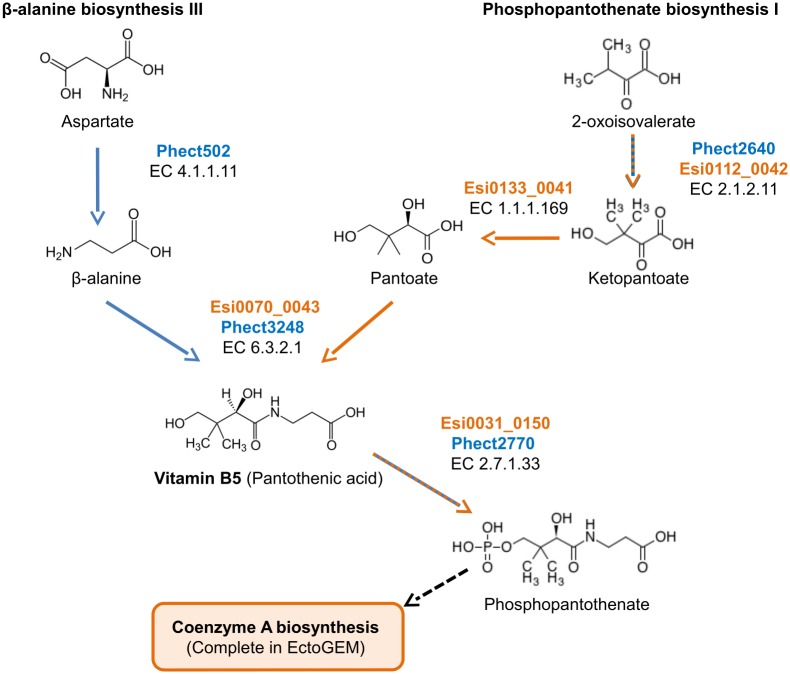
“the pathway involved in its synthesis from aspartate was identified in an obligatory symbiont of E. siliculosus algal wall: Candidatus Phaeomarinobacter ectocarpi [23], whereas the PWY-3981 pathway was not evidenced in this brown alga to date [57].”
From Traceability, reproducibility and wiki-exploration for “à-la-carte” reconstructions of genome-scale metabolic models (2018) · cites this paper as [57]
Experimental — accuracy not yet measured
Self-check
Percentages, sums and reported differences re-computed from the paper’s own numbers.
The self-check needs the paper’s full text.
Citations
Cites
What is flux balance analysis?
Orth, J. D., Thiele, I., & Palsson, B. Ø. (2010) · Nature Biotechnology · doi:10.1038/nbt.1614 · Cited by 3,903 · cited 1×
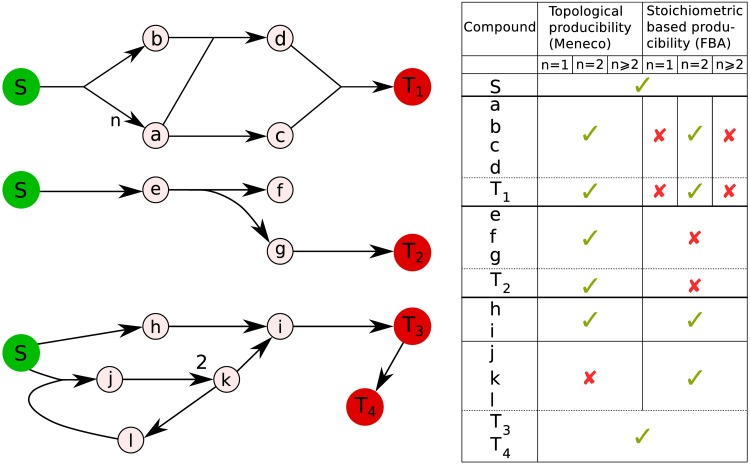
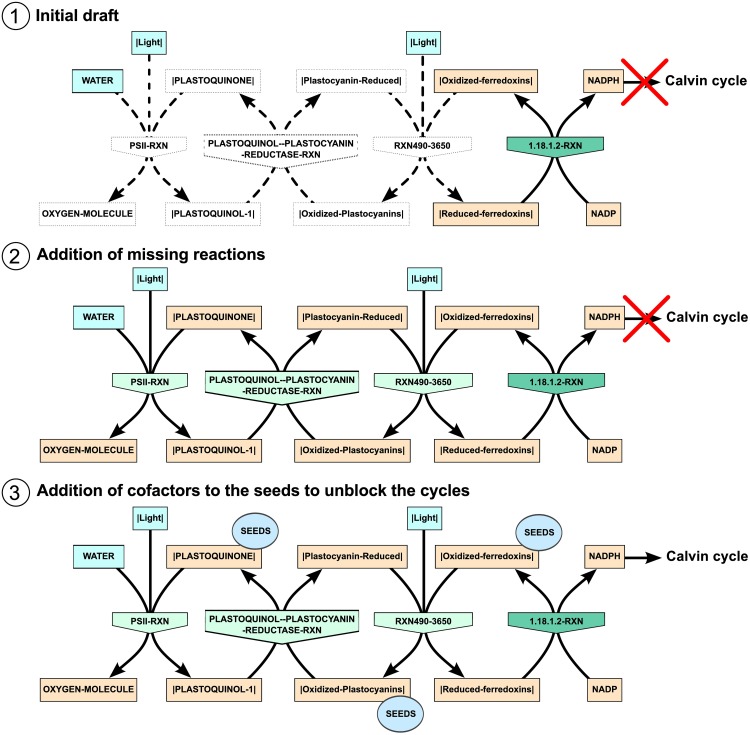
“As described in the third part of Fig 2, this definition excludes the self-production of a compound via cycles as it is allowed in mass-balanced stoichiometric frameworks: Meneco requires the independent production of all inputs in the cycle to “initiate” the reactions [28].”
Caspi, R., Billington, R., Ferrer, L., Foerster, H., Fulcher, C. A., Keseler, I. M., Kothari, A., Krummenacker, M., Latendresse, M., Mueller, L. A., et al. (2016) · Nucleic Acids Research · doi:10.1093/nar/gkv1164 · Cited by 3,395 · cited 3×
“For instance, when comparing the number of reactions in the BioCyc repository [17] version 19.5, we noticed that the 7,296 automatically reconstructed bacterial networks (Tier 3) contained on average 8% fewer reactions than the 27 curated bacterial metabolic networks contained in the manually…”
InfluentialA protocol for generating a high-quality genome-scale metabolic reconstruction
Thiele, I., & Palsson, B. Ø. (2010) · Nature Protocols · doi:10.1038/nprot.2009.203 · Cited by 1,789 · cited 4×
“In this sense, we promote Meneco as a tool to be used as an intermediary step within a workflow consisting of (i) producing a draft GEM [5, 38], (ii) parsimonious gapfilling based on metabolite profiles or RNA-seq datasets with Meneco, (iii) refinement of the model with stoichiometric-based approaches relying on addit…”
InfluentialFeist, A. M., Henry, C. S., Reed, J. L., Krummenacker, M., Joyce, A. R., Karp, P. D., Broadbelt, L. J., Hatzimanikatis, V., & Palsson, B. Ø. (2007) · Molecular Systems Biology · doi:10.1038/msb4100155 · Cited by 1,383 · cited 3×
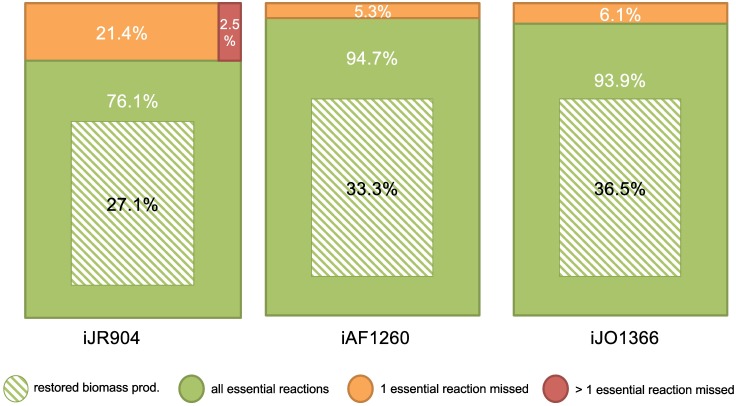
“Ninety biomass functions for the iJR 904 E. coli GEM [32] were randomly generated.”
COBRApy: COnstraints-Based Reconstruction and Analysis for Python
Ebrahim, A., Lerman, J. A., Palsson, B. O., & Hyduke, D. R. (2013) · BMC Systems Biology · doi:10.1186/1752-0509-7-74 · Cited by 1,378 · cited 1×
“The Flux Balance Analyses studies were performed using the python-based toolbox COBRApy (version 0.3.2) [47] and the GLPK solver.”
InfluentialCaspi, R., Altman, T., Billington, R., Dreher, K., Foerster, H., Fulcher, C. A., Holland, T. A., Keseler, I. M., Kothari, A., Kubo, A., et al. (2014) · Nucleic Acids Research · doi:10.1093/nar/gkt1103 · Cited by 1,204
High-throughput generation, optimization and analysis of genome-scale metabolic models
Henry, C. S., DeJongh, M., Best, A. A., Frybarger, P. M., Linsay, B., & Stevens, R. L. (2010) · Nature Biotechnology · doi:10.1038/nbt.1672 · Cited by 1,090 · cited 3×
“Identifying these missing reactions constitutes the so-called gap-filling problem ( n.b. considering the diversity of compound producibility and network consistency definitions, we here refer to a family of gap-filling problems rather than a single one) [2].”
Genome-Scale Reconstruction of the Saccharomyces cerevisiae Metabolic Network
Förster, J., Famili, I., Fu, P., Palsson, B. Ø., & Nielsen, J. (2003) · Genome Research · doi:10.1101/gr.234503 · Cited by 1,069
A comprehensive genome-scale reconstruction of Escherichia coli metabolism—2011
Orth, J. D., Conrad, T. M., Na, J., Lerman, J. A., Nam, H., Feist, A. M., & Palsson, B. Ø. (2011) · Molecular Systems Biology · doi:10.1038/msb.2011.65 · Cited by 1,006 · cited 2×
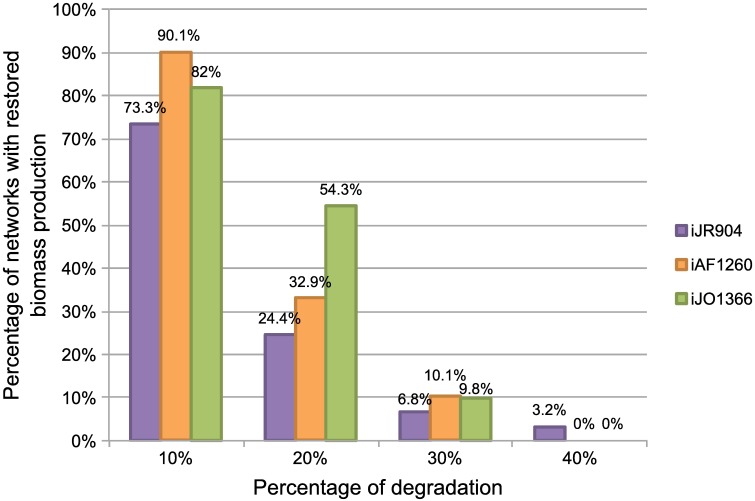
“3,600) additional degraded GEMs of the iAF 1260 [32] and iJO 1366 [33] E. coli networks.”
An expanded genome-scale model of Escherichia coli K-12 (iJR904 GSM/GPR)
Reed, J. L., Vo, T. D., Schilling, C. H., & Palsson, B. O. (2003) · Genome Biology · doi:10.1186/gb-2003-4-9-r54 · Cited by 999 · cited 1×
“We analyzed the following GEMs of E. coli : iJR 904 [44], iAF 1260 [32] and iJO 1366 [33].”
Research works printed but not linked: 1
- Loira N, Zhukova A, Sherman DJ. Pantograph: A template-based method for genome-scale metabolic model reconstruction. Journal of Bioinformatics and Computational Biology. 2015; 13(02): 1550006 Available from: http://www.worldscientific.com/doi/abs/10.1142/S0219720015500067. 25572717 · DOI
Cited by
Zimmermann, J., Kaleta, C., & Waschina, S. (2021) · Genome Biology · doi:10.1186/s13059-021-02295-1 · Cited by 311
From Theory to Practice: Translating Whole-Genome Sequencing (WGS) into the Clinic
Balloux, F., Brønstad Brynildsrud, O., van Dorp, L., Shaw, L. P., Chen, H., Harris, K. A., Wang, H., & Eldholm, V. (2018) · Trends in Microbiology · doi:10.1016/j.tim.2018.08.004 · Cited by 174
Aite, M., Chevallier, M., Frioux, C., Trottier, C., Got, J., Cortés, M. P., Mendoza, S. N., Carrier, G., Dameron, O., Guillaudeux, N., et al. (2018) · PLOS Computational Biology · doi:10.1371/journal.pcbi.1006146 · Cited by 137
“siliculosus algal wall: Candidatus Phaeomarinobacter ectocarpi [23], whereas the PWY-3981 pathway was not evidenced in this brown alga to date [57].”
MetExplore: collaborative edition and exploration of metabolic networks
Cottret, L., Frainay, C., Chazalviel, M., Cabanettes, F., Gloaguen, Y., Camenen, E., Merlet, B., Heux, S., Portais, J.-C., Poupin, N., et al. (2018) · Nucleic Acids Research · doi:10.1093/nar/gky301 · Cited by 134
“Automatic reconstruction tools from genomes (5,18,19) and semi-automatic gap-filling methods (20,21) produce draft reconstructions which need intensive manual curation by several experts (6).”
BackgroundFrioux, C., Singh, D., Korcsmáros, T., & Hildebrand, F. (2020) · Computational and Structural Biotechnology Journal · doi:10.1016/j.csbj.2020.06.028 · Cited by 120
Metage2Metabo, microbiota-scale metabolic complementarity for the identification of key species
Belcour, A., Frioux, C., Aïte, M., Bretaudeau, A., Hildebrand, F., & Siegel, A. (2020) · eLife · doi:10.7554/elife.61968 · Cited by 120
“Network expansion has been widely used to analyse and refine metabolic networks (Matthäus et al., 2008; Laniau et al., 2017; Christian et al., 2009; Prigent et al., 2017), including for microbiota analysis (Christian et al.”
BackgroundMethodPan, S., & Reed, J. L. (2017) · Current Opinion in Biotechnology · doi:10.1016/j.copbio.2017.12.012 · Cited by 95
Burgunter‐Delamare, B., KleinJan, H., Frioux, C., Fremy, E., Wagner, M., Corre, E., Salver, A. L., Leroux, C., Leblanc, C., Boyen, C., et al. (2020) · Frontiers in Marine Science · doi:10.3389/fmars.2020.00085 · Cited by 73
“…complementarity between Ectocarpus and another associated bacterium, Candidatus Phaeomarinobacter ectocarpii, (Dittami, Barbeyron, et al. 2014; Prigent et al. 2017), newly producible compounds predicted in this study were largely similar, notably regarding polyamines, histidine, beta-alanine,…”
BackgroundResultInfluentialTeasing out missing reactions in genome-scale metabolic networks through hypergraph learning
Chen, C., Liao, C., & Liu, Y. (2023) · Nature Communications · doi:10.1038/s41467-023-38110-7 · Cited by 92
Microbial Systems Ecology to Understand Cross-Feeding in Microbiomes
Mataigne, A., Vannier, N., Vandenkoornhuyse, P., & Hacquard, S. (2021) · Frontiers in Microbiology · doi:10.3389/fmicb.2021.780469 · Cited by 72
Genome‐scale model of Rhodotorula toruloides metabolism
Tiukova, I., Prigent, S., Nielsen, J., Sandgren, M. O. J., & Kerkhoven, E. J. (2019) · Biotechnology and Bioengineering · doi:10.1002/bit.27162 · Cited by 62
Self-citationLoira, N., Mendoza, S., Paz Cortés, M., Rojas, N., Travisany, D., Genova, A. D., Gajardo, N., Ehrenfeld, N., & Maass, A. (2017) · BMC Systems Biology · doi:10.1186/s12918-017-0441-1 · Cited by 59
“In order to generate a functional model, we used meneco [63, 64] to look for BiGG reactions that could fill gaps in the model.”
MethodScalable and exhaustive screening of metabolic functions carried out by microbial consortia
Frioux, C., Fremy, E., Trottier, C., & Siegel, A. (2018) · Bioinformatics · doi:10.1093/bioinformatics/bty588 · Cited by 70
Machine learning for the advancement of genome-scale metabolic modeling
Kundu, P., Beura, S., Mondal, S., Das, A. K., & Ghosh, A. (2024) · Biotechnology Advances · doi:10.1016/j.biotechadv.2024.108400 · Cited by 57
Vijayakumar, S., Conway, M., Lió, P., & Angione, C. (2017) · Briefings in Bioinformatics · doi:10.1093/bib/bbx053 · Cited by 56
“Depending on the quality of the reconstruction, processes of manual curation and gap-filling may also be required [6].”
BackgroundThe genome of Ectocarpus subulatus – A highly stress-tolerant brown alga
Dittami, S. M., Corre, E., Brillet-Guéguen, L., Lipinska, A. P., Pontoizeau, N., Aïte, M., Avia, K., Caron, C., Cho, C. H., Collén, J., et al. (2020) · Marine Genomics · doi:10.1016/j.margen.2020.100740 · Cited by 43
Daval, S., Belcour, A., Gazengel, K., Legrand, L., Gouzy, J., Cottret, L., Lebreton, L., Aigu, Y., Mougel, C., & Manzanares-Dauleux, M. J. (2018) · Genomics · doi:10.1016/j.ygeno.2018.11.013 · Cited by 38
Ofaim, S., Sulheim, S., Almaas, E., Sher, D., & Segrè, D. (2021) · Frontiers in Genetics · doi:10.3389/fgene.2021.586293 · Cited by 37
Esvap, E., & Ülgen, K. Ö. (2021) · ACS Synthetic Biology · doi:10.1021/acssynbio.1c00140 · Cited by 39
Euglena Central Metabolic Pathways and Their Subcellular Locations
Inwongwan, S., Kruger, N. J., Ratcliffe, R. G., & O’Neill, E. C. (2019) · Metabolites · doi:10.3390/metabo9060115 · Cited by 39
“The metabolic network of Euglena mutabilis has been reconstructed using assembled transcript sequences and topology gap filling [19].”
BackgroundMethodExchange or Eliminate: The Secrets of Algal-Bacterial Relationships
Burgunter‐Delamare, B., Shetty, P., Vuong, T. T., & Mittag, M. (2024) · Plants · doi:10.3390/plants13060829 · Cited by 42
Nègre, D., Aïte, M., Belcour, A., Frioux, C., Brillet-Guéguen, L., Liu, X., Bordron, P., Godfroy, O., Lipinska, A. P., Leblanc, C., et al. (2019) · Antioxidants · doi:10.3390/antiox8110564 · Cited by 34
Computational modelling of genome-scale metabolic networks and its application to CHO cell cultures
Rejc, Ž. B., Magdevska, L., Tršelič, T., Osolin, T., Vodopivec, R., Mraz, J., Pavliha, E., Zimic, N., Tomaš, T. C., Rozman, D., et al. (2017) · Computers in Biology and Medicine · doi:10.1016/j.compbiomed.2017.07.005 · Cited by 28
Jenior, M. L., Glass, E. M., & Papin, J. A. (2023) · Bioinformatics · doi:10.1093/bioinformatics/btad367 · Cited by 29
“Several gap-filling methods exist (Pan and Reed 2018), many of which use parsimony as a guiding principle in which a minimum number of reactions are added to satisfy criteria like growth in defined media (Prigent et al. 2017, King et al. 2018, Zimmermann et al. 2021).”
Backgroundvan Steijn, L., Verbeek, F. J., Spaink, H. P., & Merks, R. M. H. (2019) · Zebrafish · doi:10.1089/zeb.2018.1712 · Cited by 26
“Such gap-filling can, in part, be automated by finding the minimal set of addition to the network, or using novel topology-based methods that can pinpoint missing essential reactions.(69) Such automized gap-filling should be done with care, because the gaps often require reactions that have no or little literature tha…”
Prigent, S., Nielsen, J. C. F., Frisvad, J. C., & Nielsen, J. (2018) · Biotechnology and Bioengineering · doi:10.1002/bit.26739 · Cited by 24
“Once the merging was done, the resulting metabolic networks were gap‐filled using the gap‐filling tool Meneco (Prigent et al., 2017).”
MethodSelf-citationFakih, I., Got, J., Robles-Rodríguez, C. E., Siegel, A., Forano, É., & Muñoz‐Tamayo, R. (2023) · mSystems · doi:10.1128/msystems.01027-22 · Cited by 27
“It uses (i) the outputs of the Pathway Tools software (36, 37) to perform annotation-based reconstruction, (ii) the OrthoFinder method (38, 39) to perform orthology-based reconstructions and (iii) the Meneco tool (40) to perform a gap-filling procedure.”
BackgroundMethodInfluentialInferring Biochemical Reactions and Metabolite Structures to Understand Metabolic Pathway Drift
Belcour, A., Girard, J., Aïte, M., Delage, L., Trottier, C., Marteau, C., Leroux, C., Dittami, S. M., Sauleau, P., Corre, E., et al. (2020) · iScience · doi:10.1016/j.isci.2020.100849 · Cited by 25
Evaluation of reaction gap-filling accuracy by randomization
Latendresse, M., & Karp, P. D. (2018) · BMC Bioinformatics · doi:10.1186/s12859-018-2050-4 · Cited by 19
“A recent paper by Prigent [16] is most similar to our work.”
ResultGenome-scale metabolic model of oleaginous yeast Papiliotrema laurentii
Ventorim, R. Z., Ferreira, M. A. D. M., de Almeida, E. L. M., Kerkhoven, E. J., & da Silveira, W. B. (2022) · Biochemical Engineering Journal · doi:10.1016/j.bej.2022.108353 · Cited by 17
ReCodLiver0.9: Overcoming Challenges in Genome-Scale Metabolic Reconstruction of a Non-model Species
Hanna, E. M., Zhang, X., Eide, M., Fallahi, S., Furmanek, T., Yadetie, F., Zielinski, D. C., Goksøyr, A., & Jonassen, I. (2020) · Frontiers in Molecular Biosciences · doi:10.3389/fmolb.2020.591406 · Cited by 17
Kruse, C. P. S., Calhoun, S., Kamel, B., Edmundson, S. J., Holguin, O., Mach, P. M., McKie-Krisberg, Z. M., Baumgart, L. A., Blaby, I. K., Bowen, B. P., et al. (2025) · Communications Biology · doi:10.1038/s42003-025-09016-5 · Cited by 20
de Almeida, E. L. M., Kerkhoven, E. J., & da Silveira, W. B. (2024) · Biotechnology and Bioprocess Engineering · doi:10.1007/s12257-024-00009-5 · Cited by 19
“The model gap-filling was conducted using Meneco [72] to avoid self-producing loops and stoichiometric inconsistencies with Yeast 8.2.0 as the standard.”
InfluentialCortés, M. P., Mendoza, S. N., Travisany, D., Gaete, A., Siegel, A., Cambiazo, V., & Maass, A. (2017) · Frontiers in Microbiology · doi:10.3389/fmicb.2017.02462 · Cited by 17
“…gene-reaction associations from transport reactions were re-evaluated based on gene annotations and BLAST searches against the Transport Classification Database TCDB. Network gap-filling was done using the meneco tool (Prigent et al., 2017) and the BiGG database as a source for additional reactions.”
Calhoun, S., Kamel, B., Bell, T. A. S., Kruse, C. P. S., Riley, R. W., Singan, V. R., Kunde, Y. A., Gleasner, C. D., Chovatia, M., Sandor, L., et al. (2022) · Algal Research · doi:10.1016/j.algal.2022.102794 · Cited by 16
Improving genome-scale metabolic models of incomplete genomes with deep learning
Boer, M. D., Melkonian, C., Zafeiropoulos, H., Haas, A. F., Garza, D. R., & Dutilh, B. E. (2024) · iScience · doi:10.1016/j.isci.2024.111349 · Cited by 16
Laniau, J., Frioux, C., Nicolas, J., Baroukh, C., Cortés, M., Got, J., Trottier, C., Eveillard, D., & Siegel, A. (2017) · PeerJ · doi:10.7717/peerj.3860 · Cited by 15
“They have also also been used in the reconstruction of metabolic networks for non-model organisms ( Romero & Karp, 2001 ; Handorf, Ebenhoh & Heinrich, 2005 ; Prigent et al., 2017 ; Frioux et al., 2017 ).”
MethodHybrid metabolic network completion
Frioux, C., Schaub, T. H., Schellhorn, S., Siegel, A., & Wanko, P. (2018) · Theory and Practice of Logic Programming · doi:10.1017/s1471068418000455 · Cited by 18
Saadat, N. P., van Aalst, M., Brand, A., Ebenhöh, O., Tissier, A. F., & Matuszyńska, A. (2023) · The Plant Journal · doi:10.1111/tpj.16352 · Cited by 10
Cruz, F., Capela, J., Ferreira, E. C., Rocha, M., & Dias, Ó. (2024) · IEEE Transactions on Computational Biology and Bioinformatics · doi:10.1109/tcbb.2023.3339972 · Cited by 12
“Regarding gap-fill, all available tools require a dataset of metabolic reactions, usually retrieved from a biochemical database (e.g., KEGG [13], BiGG [14], or MetaCyc [15]), to resolve metabolic gaps [6], [7], [8], [9], [11], [12],.”
BackgroundMethodInfluentialHybrid Metabolic Network Completion
Frioux, C., Schaub, T. H., Schellhorn, S., Siegel, A., & Wanko, P. (2017) · Lecture notes in computer science · doi:10.1007/978-3-319-61660-5_28 · Cited by 14
Vijayakumar, S., & Angione, C. (2021) · STAR Protocols · doi:10.1016/j.xpro.2021.100837 · Cited by 14
Expanding Metabolic Capabilities Using Novel Pathway Designs: Computational Tools and Case Studies
Saa, P. A., Cortés, M. P., López, J., Bustos, D., Maass, A., & Agosin, E. E. (2019) · Biotechnology Journal · doi:10.1002/biot.201800734 · Cited by 11
Kulyashov, M. A., Kolmykov, S. K., Khlebodarova, T. M., & Akberdin, I. R. (2023) · Microorganisms · doi:10.3390/microorganisms11122987 · Cited by 13
“Unlike most other tools, it uses a topological gap-filling algorithm [85], which is a crucial step at the process of GSM models reconstruction.”
MethodNègre, D., Larhlimi, A., & Bertrand, S. (2023) · PLoS ONE · doi:10.1371/journal.pone.0289757 · Cited by 9
“0.0) [111] This topological gap-filling tool seeks to make accessible from a given list of seeds a set of targets.”
InfluentialNetwork Reconstruction and Modelling Made Reproducible with moped
Saadat, N. P., van Aalst, M., & Ebenhöh, O. (2022) · Metabolites · doi:10.3390/metabo12040275 · Cited by 8
“In this sense, these approaches are sensitive to self-producing or energy-generating cycles [18].”
BackgroundMethodMetabolic network reconstruction of Euglena gracilis: Current state, challenges, and applications
Inwongwan, S., Pekkoh, J., Pumas, C., & Sattayawat, P. (2023) · Frontiers in Microbiology · doi:10.3389/fmicb.2023.1143770 · Cited by 7
“mutabilis in the dark (Prigent et al., 2017), despite the capacity of this species to do so.”
BackgroundMACAW: a method for semi-automatic detection of errors in genome-scale metabolic models
Moyer, D. C., Reimertz, J. M., Segrè, D., & Bass, J. I. F. (2025) · Genome biology · doi:10.1186/s13059-025-03533-6 · Cited by 7
“Many existing tools for automatically detecting and correcting errors in GSMMs, such as Meneco [40], fastGapFill [41], and BioISO [42] primarily focus on reactions that are incapable of sustaining steady-state fluxes due to the presence of dead-end or “blocked” metabolites that can only be produced…”
Euglena mutabilis exists in a FAB consortium with microbes that enhance cadmium tolerance
Kaszecki, E., Palberg, D., Grant, M., Griffin, S., Dhanjal, C., Capperauld, M. J., Emery, R. J. N., & Saville, B. J. (2024) · International Microbiology · doi:10.1007/s10123-023-00474-7 · Cited by 7
“The difficulty in obtaining axenic E. mutabilis cultures was also noted during subsequent isolation attempts from toxic environments (Nakatsu and Hutchinson 1988; Prigent et al. 2017).”
BackgroundPlant genome-scale metabolic networks
Gerlin, L., Frainay, C., Jourdan, F., Baroukh, C., & Prigent, S. (2020) · Advances in botanical research · doi:10.1016/bs.abr.2020.09.021 · Cited by 14
Self-citationHuang, W., Yang, F., Zhang, Q., & Liu, J. (2024) · Briefings in Bioinformatics · doi:10.1093/bib/bbae383 · Cited by 5
“Meneco [17] defines gap-filling as a qualitative combinatorial optimization problem that is then solved by using Answer Set Programming.”
MethodFrioux, C., Dittami, S. M., & Siegel, A. (2020) · Biochemical Society Transactions · doi:10.1042/bst20190667 · Cited by 7
Belcour, A., Frioux, C., Aïte, M., Bretaudeau, A., & Siegel, A. (2019) · bioRxiv (Cold Spring Harbor Laboratory) · doi:10.1101/803056 · Cited by 5
Moyer, D. C., Pacheco, A. R., Bernstein, D. B., & Segrè, D. (2021) · Journal of Molecular Evolution · doi:10.1007/s00239-021-10018-0 · Cited by 5
Water kefir as a paradigm for multi-omics and genome-scale metabolic modelling in fermented food
Khan, A., Breselge, S., O’Mahony, A. K., O’Sullivan, Ó., Cotter, P. D., McCarthy, S. N., Mahony, J., & Kenny, J. G. (2026) · npj Biofilms and Microbiomes · doi:10.1038/s41522-026-00985-x · Cited by 6
“Gap-fi lling algorithms are applied to both bottom-up and top-down draft GEMs to address missing reactions and dead-end metabolites 107 , such as MENECO 108 , fastGapFill 109 , and DNNGIOR 110 .”
The genome of Ectocarpus subulatus – a highly stress-tolerant brown algaPreprint
Dittami, S. M., Corre, E., Brillet-Guéguen, L., Lipinska, A. P., Pontoizeau, N., Aïte, M., Avia, K., Caron, C., Cho, C. H., Collén, J., et al. (2018) · bioRxiv (Cold Spring Harbor Laboratory) · doi:10.1101/307165 · Cited by 5
Evaluating and deploying genome-scale metabolic models for microbial cell factories
Pham, N. (2021) · doi:10.18174/537210 · Cited by 3
A multi-way SMILES-based hypergraph inference network for metabolic model reconstruction
Zhao, Y., Chen, Y., Yu, Y., Liu, X., Du, J., Wen, J., Liao, C., Sun, Q., Wang, R., & Chen, C. (2026) · Communications Biology · doi:10.1038/s42003-026-09761-1 · Cited by 5
Biometabolomics of Crucifer’s Host-Pathosystem
Saharan, G. S., Mehta, N. K., & Meena, P. D. (2023) · Springer eBooks · doi:10.1007/978-981-19-3812-2_6 · Cited by 2
Gower, A. H., Korovin, K., Brunnsåker, D., Tiukova, I., & King, R. D. (2023) · Lecture notes in computer science · doi:10.1007/978-3-031-45275-8_42 · Cited by 9
“Other approaches to metabolic network gap-filling have exploited answer-set programming, the most complete of which is MENECO which is designed to efficiently identify candidate additions to draft network models[23].”
Hybrid Metabolic Network CompletionPreprint
Frioux, C., Schaub, T. H., Schellhorn, S., Siegel, A., & Wanko, P. (2018) · arXiv (Cornell University) · doi:10.48550/arxiv.1808.04149 · Cited by 2
Chen, C., Liao, C., & Liu, Y. (2022) · bioRxiv (Cold Spring Harbor Laboratory) · doi:10.1101/2022.06.27.497720 · Cited by 2
Deep Learning Meets Synthetic Biology: Applications Across Molecular, Cellular, and Metabolic Scales
Zhao, Y., Yang, C., Xue, B., Liu, H., Wang, S., & Su, H. (2026) · Green Carbon · doi:10.1016/j.greenca.2025.11.003 · Cited by 3
g2f as a Novel Tool to Find and Fill Gaps in Metabolic Networks
Osorio, D., Botero, K., Velasco, A. M. P., Mejía, N. M., Rojas-Rodríguez, F., Barreto, G. E., & González, J. (2021) · The R Journal · doi:10.32614/rj-2021-064 · Cited by 1
“A wide variety of open source, paid-software and webtools have been developed to fill the gaps in automated or manual metabolic reconstructions (Karp et al., 2018; Machado et al., 2018; Prigent et al., 2017).”
BackgroundStoichiometric modeling of artificial string chemistriesPreprint
Moyer, D. C., Pacheco, A. R., Bernstein, D. B., & Segrè, D. (2020) · bioRxiv (Cold Spring Harbor Laboratory) · doi:10.1101/2020.09.16.300491 · Cited by 1
Semi-Automatic Detection of Errors in Genome-Scale Metabolic ModelsPreprint
Moyer, D. C., Reimertz, J. M., Segrè, D., & Bass, J. I. F. (2024) · bioRxiv (Cold Spring Harbor Laboratory) · doi:10.1101/2024.06.24.600481 · Cited by 1
Biochemistry of Host–Pathogen Interaction
Saharan, G. S., Mehta, N. K., & Meena, P. D. (2021) · Springer eBooks · doi:10.1007/978-981-16-2133-8_10
Problèmes d’optimisation combinatoire pour l’étude du métabolisme
Frioux, C., & Siegel, A. (2022) · doi:10.51926/iste.9029.ch2
On the computation of the minimum set of reactions for optimal growth in constraint-based models
Oarga, A., & Júlvez, J. (2022) · IEEE Conference on Decision and Control (CDC) · doi:10.1109/cdc51059.2022.9992422
“In areas such as gap-filling cost-effective alternatives also exist such as approximations [5] and topology based methods [6].”
BackgroundSaharan, G. S., Mehta, N. K., & Meena, P. D. (2023) · Springer eBooks · doi:10.1007/978-981-19-3812-2_2 · Cited by 2
Improving genome-scale metabolic models of incomplete genomes with deep learningPreprint
Boer, M. D., Melkonian, C., Zafeiropoulos, H., Haas, A. F., Garza, D. R., & Dutilh, B. E. (2023) · bioRxiv (Cold Spring Harbor Laboratory) · doi:10.1101/2023.07.10.548314
“As most gap-filling algorithms allow us to weigh reactions individually according to their likelihood of being in the model (10,22,26), several attempts have been made to find weights based on genomics (28), proteomics (29), topology (26,30) or reaction type (8).”
BackgroundCombinatorial Optimization Problems for Studying Metabolism
Frioux, C., & Siegel, A. (2023) · Wiley eBooks · doi:10.1002/9781394229086.ch2
lista -GEM: the genome-scale metabolic reconstruction of Lipomyces starkeyiPreprint
de Almeida, E. L. M., Ferreira, M. A. D. M., & da Silveira, W. B. (2023) · bioRxiv (Cold Spring Harbor Laboratory) · doi:10.1101/2023.09.25.559328
Kaszecki, E., Palberg, D., Grant, M., Griffin, S., Dhanjal, C., Capperauld, M. J., Emery, R. J. N., & Saville, B. J. (2023) · Research Square · doi:10.21203/rs.3.rs-3428948/v1
lista-GEM: the genome-scale metabolic reconstruction of Lipomyces starkeyiPreprint
de Almeida, E. L. M., Ferreira, M. A. D. M., & da Silveira, W. B. (2024) · Research Square · doi:10.21203/rs.3.rs-4784404/v1
Seed Inference in Interacting Microbial Communities Using Combinatorial Optimization
Nedjad, C. G., Mendoza, S. N., Frioux, C., & Paulevé, L. (2025) · Lecture notes in computer science · doi:10.1007/978-3-032-01436-8_20 · Cited by 1
“Reasoning-based approaches have been previously used to tackle such problems [30, 17], motivating a similar strategy for seed and transfer inference.”
Zimmermann, J., Kaleta, C., & Waschina, S. (2021) · Figshare · doi:10.6084/m9.figshare.14196837
Zimmermann, J., Kaleta, C., & Waschina, S. (2021) · Figshare · doi:10.6084/m9.figshare.14196843
Logique paracohérente pour l’annotation fonctionnelle des génomes au travers de réseaux biologiques
Mercier, J. (2017) · theses.fr (ABES) · doi:10.70675/39334dc6z7ebfz4391z8bafzfa3d5a921dbd · Cited by 1
KleinJan, H. (2018) · theses.fr (ABES) · doi:10.70675/a3a5e28bzaea4z4241z8d09z1ff2cce4bcd4
Investigating host-microbiota cooperation with gap-filling optimization problems
Frioux, C. (2018) · theses.fr (ABES) · doi:10.70675/f9429cbcz9bc2z404czbaf8ze0c29e60f145 · Cited by 2
Études des interactions hôte-microbiote chez l’algue brune Saccharina latissima
Burgunter‐Delamare, B. (2022) · theses.fr (ABES) · doi:10.70675/909e1b53z8cb8z4f76za09bzf56145e0ad1f · Cited by 2
Gerlin, L. (2021) · theses.fr (ABES) · doi:10.70675/0d3025afz66c2z4fe0zad06z5f742ae5cabd · Cited by 1
Generalist method to reconstruct metabolic networks from multi-omics data at large-scalePreprint
Pavan Kumar, S., Sridhar, S., Alsmadi, N., Mahadevan, R., & Bhatt, N. (2026) · bioRxiv (Cold Spring Harbor Laboratory) · doi:10.64898/2026.04.02.716249 · Cited by 2
Qu, J., & Wang, K. (2026) · Metabolites · doi:10.3390/metabo16040258
“Meneco [20] addresses gap-filling problems by utilizing answer set programming (ASP), which can identify missing reactions and achieve gap-fillings in draft GEMs at high degradation rates.”
Wang, K., Qu, J., Liu, F. M., Luan, X., & Zhou, J. (2026) · Briefings in Bioinformatics · doi:10.1093/bib/bbag314 · Cited by 1
“Moreover, there are some classical topology-based gap-filling tools without the need of phenotypic data, such as FASTGAPFILL [ 23], Meneco [ 24], etc.”
Inferring Minimal Culture Media Using Biologically Constrained Combinatorial Optimization
Aulagner, M., Blanquart, S., & Siegel, A. (2026) · Lecture notes in computer science · doi:10.1007/978-3-032-30870-2_9
Metadata
- Authors
- Prigent, S., Frioux, C., Dittami, S. M., Thiele, S., Larhlimi, A., Collet, G., Gutknecht, F., Got, J., Eveillard, D., Bourdon, J., Plewniak, F., Tonon, T., & Siegel, A.
- Affiliations
- Centre National de la Recherche Scientifique (FR)
- Institut national de recherche en sciences et technologies du numérique (FR)
- Laboratoire d'informatique de Nantes Atlantique (FR)
- Génétique Moléculaire Génomique Microbiologie (FR)
- Corresponding author
- Prigent, Sylvain
- Siegel, Anne
- ORCID
- Venue
- PLoS Computational Biology
- Publisher
- Public Library of Science (PLoS)
- Published
- 2017-01-27
- Volume
- 13
- Issue
- 1
- Pages
- e1005276
- ISSN
- 1553-734X (ISSN-L)
- 1553-7358
- PMC
- PMC5302834
- OpenAlex
- W2580505401
- Cited by
- 88
- References
- 58
- Citations by year
- 2026: 7 · 2025: 3 · 2024: 9 · 2023: 14 · 2022: 8 · 2021: 12 · 2020: 9 · 2019: 6 · 2018: 12 · 2017: 8
- FWCI
- 3.91
- Type
- journal article
- Language
- en
- Update notices
- new_version (2017-02-10)
- Open access
- gold
- doi.org
- Licence
- Locations
- PLoS Computational Biology (publishedVersion, cc-by)
- PubMed Central (publishedVersion, cc-by)
- PubMed (publishedVersion)
- White Rose Research Online (University of Leeds, The University of Sheffield, University of York) (acceptedVersion)
- HAL (submittedVersion, cc-by)
- HAL (submittedVersion)
- DOAJ (DOAJ: Directory of Open Access Journals) (submittedVersion, cc-by-sa)
- Figshare (submittedVersion, cc-by)
- Chalmers Publication Library (Chalmers University of Technology) (submittedVersion)
- MPG.PuRe (Max Planck Society) (submittedVersion, other-oa)
- Chalmers Research (Chalmers University of Technology) (submittedVersion)
- Funders
- Agence Nationale de la Recherche (IDEALG ANR-10-BTBR-04)
- Topics
- Life Sciences › Biochemistry, Genetics and Molecular Biology › Molecular Biology › Microbial Metabolic Engineering and Bioproduction
- Life Sciences › Biochemistry, Genetics and Molecular Biology › Molecular Biology › Bioinformatics and Genomic Networks
- Life Sciences › Biochemistry, Genetics and Molecular Biology › Molecular Biology › Gene Regulatory Network Analysis
- Keywords
- genome-scale metabolic networks, non-model organisms, combinatorial optimization, answer set programming, Ectocarpus siliculosus, algal-bacterial interactions, Euglena mutabilis, metabolic network reconstruction
- MeSH terms
- Algorithms, Escherichia coli, Software, Genome, Genomics, Databases, Genetic, Metabolic Networks and Pathways, Metabolome, Transcriptome
About these checks
Registry, retraction, Cites and statistics results are computed, not judged, with one exception: a printed reference that no index lists is read once by a model before it counts as a citation error. Claims are extracted by a model and kept only when their quote appears verbatim in the text; each cited source is then checked, with a model’s help, for whether it says what the claim relies on. Those verdicts can be wrong — read the claim’s quote and the cited source before relying on one.
Statistics and arithmetic are recomputed, not judged.
Confidence bands are shown only for fields calibrated on our annotated test set. None is calibrated yet, so no band is shown.
What counts as a claim ›How we measure confidence ›How we check this ›
Are you an author, or do you see a problem with this page? Request a review
Data sources
Bibliographic data: Semantic Scholar, OpenAlex, Crossref.
Contains information from the Semantic Scholar Academic Graph Datasets, made available under the ODC Attribution License (ODC-BY 1.0).
Semantic Scholar’s data is described in: Kinney, R., et al. (2023). The Semantic Scholar Open Data Platform. arXiv:2301.10140.
