

Access To Essential Maternal Health Interventions and Human Rights Violations among Vulnerable Communities in Eastern Burma
Open accessThe DOI matches its Crossref record; 22 of the 24 references it cites were found in a registry or an index.
Abstract
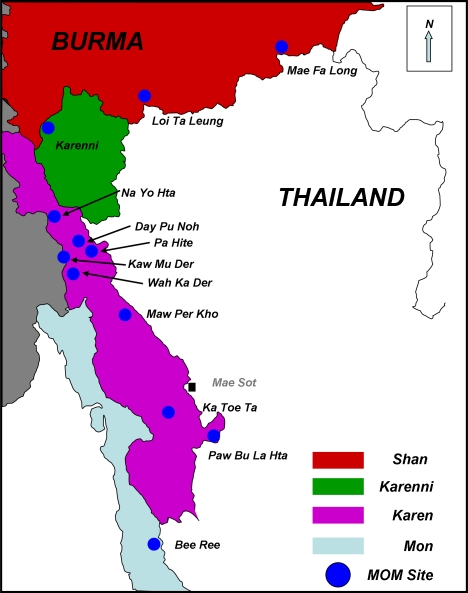
BACKGROUND: Health indicators are poor and human rights violations are widespread in eastern Burma. Reproductive and maternal health indicators have not been measured in this setting but are necessary as part of an evaluation of a multi-ethnic pilot project exploring strategies to increase access to essential maternal health interventions. The goal of this study is to estimate coverage of maternal health services prior to this project and associations between exposure to human rights violations and access to such services. METHODS AND FINDINGS: Selected communities in the Shan, Mon, Karen, and Karenni regions of eastern Burma that were accessible to community-based organizations operating from Thailand were surveyed to estimate coverage of reproductive, maternal, and family planning services, and to assess exposure to household-level human rights violations within the pilot-project target population. Two-stage cluster sampling surveys among ever-married women of reproductive age (15-45 y) documented access to essential antenatal care interventions, skilled attendance at birth, postnatal care, and family planning services. Mid-upper arm circumference, hemoglobin by color scale, and Plasmodium falciparum parasitemia by rapid diagnostic dipstick were measured. Exposure to human rights violations in the prior 12 mo was recorded. Between September 2006 and January 2007, 2,914 surveys were conducted. Eighty-eight percent of women reported a home delivery for their last pregnancy (within previous 5 y). Skilled attendance at birth (5.1%), any (39.3%) or > or = 4 (16.7%) antenatal visits, use of an insecticide-treated bed net (21.6%), and receipt of iron supplements (11.8%) were low. At the time of the survey, more than 60% of women had hemoglobin level estimates < or = 11.0 g/dl and 7.2% were Pf positive. Unmet need for contraceptives exceeded 60%. Violations of rights were widely reported: 32.1% of Karenni households reported forced labor and 10% of Karen households had been forced to move. Among Karen households, odds of anemia were 1.51 (95% confidence interval [CI] 0.95-2.40) times higher among women reporting forced displacement, and 7.47 (95% CI 2.21-25.3) higher among those exposed to food security violations. The odds of receiving no antenatal care services were 5.94 (95% CI 2.23-15.8) times higher among those forcibly displaced. CONCLUSIONS: Coverage of basic maternal health interventions is woefully inadequate in these selected populations and substantially lower than even the national estimates for Burma, among the lowest in the region. Considerable political, financial, and human resources are necessary to improve access to maternal health care in these communities.
Overview
The claims and statistics of this paper haven’t been checked yet.
Free: it reads the open-access text and checks the first 5 claims that cite a source we can check. Create a free account to check every claim.
Integrity signals
Registry
Cites
Statistics
Figures
Verification
Claims the paper makes
The claims and statistics of this paper haven’t been checked yet.
Free: it reads the open-access text and checks the first 5 claims that cite a source we can check. Create a free account to check every claim.
Claims other papers make about this one
Each is checked against this paper’s own text: does it say what the citing paper says it does?
The source backs part of the claim, not all of it — or backs it for a different population, condition or comparison.
In the citing paper
“Most of the published data on these populations come from refugee and migrant populations resettled in high-income countries (21,22) .”
From Nutrition in transition: historical cohort analysis summarising trends in under- and over-nutrition among pregnant women in a marginalised population along the Thailand–Myanmar border from 1986 to 2016 (2019) · cites this paper as [21]
Experimental — accuracy not yet measuredThe check wasn’t confident either way, so it gives no verdict — never disputed.
In the citing paper
“Although the nutrition transition is well underway in LMIC settings, there remains a paucity of data documenting trends in nutritional status of marginalised populations in these contexts, particularly for pregnant refugee and migrant women.”
From Nutrition in transition: historical cohort analysis summarising trends in under- and over-nutrition among pregnant women in a marginalised population along the Thailand–Myanmar border from 1986 to 2016 (2019) · cites this paper as [21]
Experimental — accuracy not yet measured
Self-check
Percentages, sums and reported differences re-computed from the paper’s own numbers.
The self-check needs the paper’s full text.
Citations
Cites
The world health report 2000 - Health systems: improving performance
Reinhardt, U. E., & Cheng, T.-M. (2000) · Europe PMC (PubMed Central) · doi:10.1590/s0042-96862000000800020 · Cited by 3,467
Epidemiology and burden of malaria in pregnancy
Desai, M., ter Kuile, F. O., Nosten, F., McGready, R., Asamoa, K., Brabin, B., & Newman, R. D. (2007) · The Lancet Infectious Diseases · doi:10.1016/s1473-3099(07)70021-x · Cited by 1,432
The World Health Report 2005 - make every mother and child count
Lerberghe, W. V., Manuel, A., Matthews, Z., & Wolfheim, C. (2005) · ePrints Soton (University of Southampton) · Cited by 1,015
Brown, L. R., Wolf, E. C., & Bell, R. E. (1996) · Cited by 928
A simplified general method for cluster-sample surveys of health in developing countries.
Bennett, S., Woods, T., Liyanage, W. M., & Smith, D. L. (1991) · PubMed · Cited by 862
4. International Covenant on Civil and Political Rights
(2009) · Essential Texts on Human Rights for the Police · doi:10.1163/ej.9789004164819.i-0.23 · Cited by 496
Reproductive Health of War-Affected Populations: What Do We Know?
McGinn, T. (2000) · International Family Planning Perspectives · doi:10.2307/2648255 · Cited by 182
Coleman, R. E., Maneechai, N., Rachaphaew, N., Kumpitak, C., Miller, R. S., Soyseng, V., Thimasarn, K., & Sattabongkot, J. (2002) · The American journal of tropical medicine and hygiene · doi:10.4269/ajtmh.2002.67.141 · Cited by 157
Carrara, V. I., Sirilak, S., Thonglairuam, J., Rojanawatsirivet, C., Proux, S., Gilbos, V., Brockman, A., Ashley, E. A., McGready, R., Krudsood, S., et al. (2006) · PLoS Medicine · doi:10.1371/journal.pmed.0030183 · Cited by 146 · cited 1×
“migrant populations in eastern Thailand [32,33] The communities included in this survey were selected for participation in the MOM project on the basis of some already existing CBO health services and access of health”
Background5. Geneva Convention Relative to the Protection of Civilian Persons in Time of War
(1993) · De Gruyter eBooks · doi:10.1515/9783110874815-022 · Cited by 118
Research works printed but not linked: 1
- Levy PS Lemeshow S 1999 Systematic Sampling Levy PS Lemeshow S Sampling of Populations: Methods and Applications. 3rd Edition New York John Wiley & Sons 81 120
Cited by
Food insecurity and HIV/AIDS: Current knowledge, gaps, and research priorities
Anema, A., Vogenthaler, N., Frongillo, E. A., Kadiyala, S., & Weiser, S. D. (2009) · Current HIV/AIDS Reports · doi:10.1007/s11904-009-0030-z · Cited by 325
“Women in households experiencing violations related to food insecurity exhibited decreased access to antenatal interventions [ 47 ].”
BackgroundDarmstadt, G. L., Lee, A. C., Cousens, S., Sibley, L., Bhutta, Z. A., Donnay, F., Osrin, D., Bang, A., Kumar, V., Wall, S. N., et al. (2009) · International Journal of Gynecology & Obstetrics · doi:10.1016/j.ijgo.2009.07.010 · Cited by 264
“Some experience with community-based BEmOC in Burma [45] is further discussed in the second paper in this series.”
BackgroundLanglois, É. V., Miszkurka, M., Zunzunegui, M. V., Ghaffar, A., Ziegler, D., & Karp, I. (2015) · Bulletin of the World Health Organization · doi:10.2471/blt.14.140996 · Cited by 227
“…. .) 270CBull World Health Organ 2015;93:259–270G| doi: http://dx.doi.org/10.2471/BLT.14.140996 Study Country, year Design n Qualitya Setting Mullany et al. (2008)59 Myanmar, 2006–2007 Cross-sectional population-based sample with two-stage cluster sampling 2 252 Low At the time of the…”
BackgroundInfluentialObstetric care in low-resource settings: what, who, and how to overcome challenges to scale up?
Hofmeyr, G. J., Haws, R. A., Bergström, S., Lee, A. C., Okong, P., Darmstadt, G. L., Mullany, L. C., Oo, E. K. S., & Lawn, J. E. (2009) · International Journal of Gynecology & Obstetrics · doi:10.1016/j.ijgo.2009.07.017 · Cited by 224
Self-citationFrom Nudging to Budging: Using Behavioural Economics to Inform Public Sector Policy
OLIVER, A. (2013) · Journal of Social Policy · doi:10.1017/s0047279413000299 · Cited by 205
Reducing intrapartum-related deaths and disability: Can the health system deliver?
Lawn, J. E., Kinney, M., Lee, A. C., Chopra, M., Donnay, F., Paul, V. K., Bhutta, Z. A., Bateman, M., & Darmstadt, G. L. (2009) · International Journal of Gynecology & Obstetrics · doi:10.1016/j.ijgo.2009.07.021 · Cited by 195
Public goods and government action
Anomaly, J. (2013) · Politics Philosophy & Economics · doi:10.1177/1470594x13505414 · Cited by 187
Abeje, G., Azage, M., & Mengistu, T. S. (2014) · Reproductive Health · doi:10.1186/1742-4755-11-22 · Cited by 117
“For example, 42.0% of women in Malawi [12], 69% in Nepal [13], 70% in Zaria (Northern Nigeria) [14], 74% in Pakistan [15] and 87.6% in Eastern Burma [16] gave birth at home.”
BackgroundResultInfluentialThet, M. M., Khaing, E. E., Diamond‐Smith, N., Sudhinaraset, M., Oo, S., & Aung, T. T. (2015) · Appetite · doi:10.1016/j.appet.2015.08.044 · Cited by 136
Chukwuma, A., & Ekhator-Mobayode, U. E. (2019) · Social Science & Medicine · doi:10.1016/j.socscimed.2019.02.055 · Cited by 116
Alibhai, K. M., Ziegler, B. R., Meddings, L., Batung, E., & Luginaah, I. (2022) · Conflict and Health · doi:10.1186/s13031-022-00459-9 · Cited by 94
“machinery and providers), quality of care, and infrastructure, which in turn further decreased ANC utilization [48, 68, 69].”
BackgroundMullany, L. C., Lee, T. J., Yone, L., Lee, C. I., Teela, K. C., Paw, P., Shwe Oo, E. K., Maung, C., Kuiper, H., Masenior, N. F., et al. (2010) · PLoS Medicine · doi:10.1371/journal.pmed.1000317 · Cited by 92
“In addition, recently delivered women who reported household exposures to human rights violations such as forced displacement or food security issues were at higher risk of anemia, had greater unmet need for contraception, and were substantially less likely to have preprogram access to core antenatal services [11].”
BackgroundMethodInfluentialSelf-citationDelivering maternal and neonatal health interventions in conflict settings: a systematic review
Munyuzangabo, M., Gaffey, M. F., Khalifa, D. S., Als, D., Ataullahjan, A., Kamali, M., Jain, R. P., Meteke, S., Radhakrishnan, A., Shah, S., et al. (2021) · BMJ Global Health · doi:10.1136/bmjgh-2020-003750 · Cited by 91
Human Rights Research and Ethics Review: Protecting Individuals or Protecting the State?
Amon, J. J., Baral, S., Beyrer, C., & KASS, N. E. (2012) · PLoS Medicine · doi:10.1371/journal.pmed.1001325 · Cited by 98
“This group has now had several years of experience functioning as an REC and reviewing proposals, and their authority has been accepted by RECs at US institutions [40–42].”
BackgroundSelf-citationPrice, J. I., & Bohara, A. K. (2012) · Health Policy and Planning · doi:10.1093/heapol/czs062 · Cited by 88
“The findings presented in this paper extend those of Mullany et al .”
ResultFoster, A. M., Arnott, G., & Hobstetter, M. (2017) · Contraception · doi:10.1016/j.contraception.2017.06.006 · Cited by 74
“significant consequences for sexual and reproductive health outcomes [1].”
BackgroundParmar, P. K., Barina, C. C., Low, S., Tun, K. T., Otterness, C., Mhote, P. P., Htoo, S. N., Kyaw, S. W., Lwin, N. A., Maung, C., et al. (2015) · PLOS ONE · doi:10.1371/journal.pone.0121212 · Cited by 71
“For example, forced labor has been previously associated with unmet need for contraception [5], child malnutrition and increased infant, child and crude mortality [4, 6].”
Self-citationMaternal health among Venezuelan women migrants at the border of Brazil
Bahamondes, L., Laporte, M., Margatho, D., de Amorim, H. S. F., Brasil, C., Charles, C. M., Becerra, A., & Hidalgo, M. M. (2020) · BMC Public Health · doi:10.1186/s12889-020-09912-x · Cited by 62
The Cost, Quality of Life Impact, and Cost–Utility of Bariatric Surgery in a Managed Care Population
McEwen, L. N., Coelho, R. B., Baumann, L. M., Bilik, D., Nota-Kirby, B., & Herman, W. H. (2010) · Obesity Surgery · doi:10.1007/s11695-010-0169-0 · Cited by 55
Is Obesity a Public Health Problem?
Anomaly, J. (2012) · Public Health Ethics · doi:10.1093/phe/phs028 · Cited by 53
Prevalence of Anemia and Its Risk Factors Among Lactating Mothers in Myanmar
Zhao, A., Zhang, Y., Li, B., Wang, P., Li, J., Xue, Y., & Gao, H. (2014) · American Journal of Tropical Medicine and Hygiene · doi:10.4269/ajtmh.13-0660 · Cited by 52
“Anemia is still widespread in Myanmar, and there is also a high risk of maternal mortality.(4)”
BackgroundInfluentialAssessing and Treating Alcohol Relapse Risk in Liver Transplantation Candidates
Dom, G., Wojnar, M., Crunelle, C. L., Thon, N., Bobes, J., Preuss, U. W., Addolorato, G., Seitz, H. K., & Wurst, F. (2015) · Alcohol and Alcoholism · doi:10.1093/alcalc/agu096 · Cited by 44
Hashmi, A. H., Solomon, N., Lee, S. J., Min, A. M., Gilder, M. E., Wiladphaingern, J., Tun, N. W., Plugge, E., Wickramasinghe, K., Angkurawaranon, C., et al. (2019) · British Journal of Nutrition · doi:10.1017/s0007114519000758 · Cited by 28
“Migrants have limited access to health services within Thailand (23,31 – 33) .”
Cook, T. L., Shannon, P. J., Vinson, G. A., Letts, J., & Dwee, E. (2015) · BMC International Health and Human Rights · doi:10.1186/s12914-015-0046-y · Cited by 48
“This report, and Mullany and colleagues’ finding that forced portering was more prevalent in ceasefire regions than in non-ceasefire regions, support the importance of continued monitoring of human rights violations in Burma during times of ceasefires [22].”
BackgroundResultUnderstanding Barriers and Facilitators of Maternal Health Care Utilization in Central Myanmar.
Milkowska-Shibata, M. A., Aye, T. T., Yi, S. M., Oo, K. T., Khaing, K., Than, M., Win, T., Myo, S. Y., Toe, S. Y., West, H. S., et al. (2020) · International Journal of Environmental Research and Public Health · doi:10.3390/ijerph17051464 · Cited by 35
“To date, there are a limited number of studies addressing challenges in access to maternal health services in Myanmar, particularly in rural areas [11], within ethnically diverse regions [12] and for migrant populations [13,14].”
BackgroundHashmi, A., Nyein, P. B., Pilaseng, K., Paw, M. K., Darakamon, M. C., Min, A. M., Charunwatthana, P., Nosten, F. H., McGready, R. M., & Carrara, V. I. (2019) · BMC Public Health · doi:10.1186/s12889-019-7825-7 · Cited by 37
Munezero, E., & Manoukian, S. (2021) · Medicine Conflict & Survival · doi:10.1080/13623699.2021.1971824 · Cited by 43
Displaced Mothers: Birth and Resettlement, Gratitude and Complaint
Niner, S. L., Kokanović, R., & Cuthbert, D. (2013) · Medical Anthropology · doi:10.1080/01459740.2013.769103 · Cited by 38
“The maternal mortality rate in Burma is around 380 maternal deaths per 100,000 live births (World Health Organization 2007), although in the conflict zones maternal mortality is estimated at 1000 per 100,000 live births (Mullany et al. 2008:1690).”
BackgroundInfluentialWomen’s sexual and reproductive health in war and conflict: are we seeing the full picture?
Hedström, J., & Herder, T. (2023) · Global Health Action · doi:10.1080/16549716.2023.2188689 · Cited by 37
Footer, K. H. A., Meyer, S. R., Sherman, S. G., & Rubenstein, L. (2014) · Social Science & Medicine · doi:10.1016/j.socscimed.2014.02.019 · Cited by 35
Falb, K., McCormick, M. C., Hemenway, D., Anfinson, K., & Silverman, J. G. (2014) · Maternal and Child Health Journal · doi:10.1007/s10995-013-1230-0 · Cited by 33
Sollom, R., Richards, A., Parmar, P. K., Mullany, L. C., Lian, S. B., Iacopino, V., & Beyrer, C. (2011) · PLoS Medicine · doi:10.1371/journal.pmed.1001007 · Cited by 28
“9%, are exceptionally high, even for Burma [14,15].”
BackgroundSelf-citationTousaw, E., La, R. K., Arnott, G., Chinthakanan, O., & Foster, A. M. (2017) · Reproductive Health Matters · doi:10.1080/09688080.2017.1392220 · Cited by 33
Hobstetter, M., Sietstra, C., Walsh, M., Leigh, J., & Foster, A. M. (2015) · International Journal of Gynecology & Obstetrics · doi:10.1016/j.ijgo.2015.05.008 · Cited by 25
Health and Human Rights in Karen State, Eastern Myanmar
Davis, W. W., Mullany, L. C., Oo, E. K. S., Richards, A., Iacopino, V., & Beyrer, C. (2015) · PLoS ONE · doi:10.1371/journal.pone.0133822 · Cited by 30
“[5] The results of our survey indicate that human rights abuses continued to be systematic and widespread in Karen state in 2011.”
BackgroundSelf-citationHashmi, A., Paw, M. K., Nosten, S., Darakamon, M. C., Gilder, M. E., Charunwatthana, P., Carrara, V. I., Wickramasinghe, K. K., Angkurawaranon, C., Plugge, E., et al. (2018) · Global Health Action · doi:10.1080/16549716.2018.1473104 · Cited by 30
“However, the reach of clinic-based care during pregnancy is far from comprehensive in this border region, with limitations in clinic-based programming for maternal nutrition [24,54,55].”
BackgroundDiamond‐Smith, N., Raj, A., Prata, N., & Weiser, S. D. (2017) · PLoS ONE · doi:10.1371/journal.pone.0176127 · Cited by 28
2. Debating Democratization in Myanmar
Wilson, T. (2014) · ISEAS Publishing eBooks · doi:10.1355/9789814519151-008 · Cited by 23
Washington, C. H., Tyler, F. J., Davis, J., Shapiro, D., Richards, A., Richard, M. G., Lee, T. J., Colton, T. L., Berk, L. J., Rauch, L., et al. (2014) · International Journal of Emergency Medicine · doi:10.1186/s12245-014-0046-z · Cited by 23
“In these regions there is a lack of health infrastructure, resources, providers, and an abundance of internally displaced persons (IDPs; an estimated 429,000 people in 2013) [2,3,9,10].”
BackgroundSelf-citationParmar, P. K., Benjamin‐Chung, J., Smith, L. S., Htoo, S. N., Laeng, S., Lwin, A. A., Mahn, M., Maung, C., Reh, D., Oo, E. K. S., et al. (2014) · BMC International Health and Human Rights · doi:10.1186/1472-698x-14-15 · Cited by 26
“Causal pathways for the impact of HRVs on health have been discussed by other authors [5], and similar associations in Myanmar have been described by other authors in multiple studies [5-9], contributing to the plausibility of these findings.”
Self-citationGedeon, J., Hsue, S. N., Walsh, M., Sietstra, C., MarSan, H., & Foster, A. M. (2015) · Conflict and Health · doi:10.1186/s13031-015-0034-9 · Cited by 18
Stevens, A., Gilder, M. E., Moo, P., Hashmi, A., Toe, S., Doh, B. B., Nosten, S., Chotivanich, K., Somerset, S. M., & McGready, R. M. (2018) · Public Health · doi:10.1016/j.puhe.2018.04.009 · Cited by 18
“Health facilities in Myanmar are prohibitive in cost and have variable standards of care, though positive changes are occurring.(17) Maternal and child healthcare services provided at SMRU's clinics focus on free provision of early antenatal care, skilled attendance at birth, neonatal care and follow-up in infancy.”
BackgroundTanabe, M., Robinson, K., Lee, C. I., Leigh, J. A., Htoo, E. M., Integer, N., & Krause, S. K. (2013) · Conflict and Health · doi:10.1186/1752-1505-7-12 · Cited by 22
“As a result, communities experience low health indicators, including for reproductive health (RH) [25].”
BackgroundSelf-citationKalid, M., Flacking, R., Sulaiman, M., & Osman, F. (2022) · International Journal of Environmental Research and Public Health · doi:10.3390/ijerph192013441 · Cited by 21
Foster, A. M., Arnott, G., Hobstetter, M., Zaw, H., Maung, C., Sietstra, C., & Walsh, M. (2016) · International Perspectives on Sexual and Reproductive Health · doi:10.1363/42e1516 · Cited by 14
Self-citationSheehy, G., Aung, Y., Sietstra, C., & Foster, A. M. (2016) · Global Journal of Health Science · doi:10.5539/gjhs.v8n11p194 · Cited by 14
“However, the military remains powerful and the country’s long history of violence, forced labor, displacement and imprisonment is recent, continues to affect population health, and remains ongoing in parts of the country (Sietstra, 2012; Mullany et al., 2008).”
BackgroundDisrupted Service Delivery? The Impact of Conflict on Antenatal Care Quality in Kenya
Chukwuma, A., Wong, K. L., & Ekhator-Mobayode, U. E. (2021) · Frontiers in Global Women s Health · doi:10.3389/fgwh.2021.599731 · Cited by 11
“Reductions in ANC, SBA, and other maternal health care have also been demonstrated in Lebanon, Eastern Burma, and Uganda (20–22).”
BackgroundKhan, M. S., Khilji, S. U. S., Yoong, J., Tun, Z. M., Watson, S. K., & Coker, R. J. (2017) · Health Policy and Planning · doi:10.1093/heapol/czx062 · Cited by 12
“…rural areas, internally displaced persons, and minority groups that are not yet recognized by the state (Lee et al. 2006, 2009; Beyrer et al. 2007; Mullany et al. 2007, 2008a,b, 2010; Mahn et al. 2008; Teela et al. 2009; Brown et al. 2012; Pedersen et al. 2012; Carrara et al. 2013; Saw et al.…”
BackgroundSuwanvanichkij, V., Murakami, N., Lee, C. I., Leigh, J. A., Wirtz, A. L., Daniels, B., Mahn, M., Maung, C., & Beyrer, C. (2010) · Conflict and Health · doi:10.1186/1752-1505-4-8 · Cited by 9
Self-citationDavis, W. W., Mullany, L. C., Schissler, M., Albert, S., & Beyrer, C. (2015) · Conflict and Health · doi:10.1186/s13031-015-0059-0 · Cited by 9
“During 60 years of conflict in south eastern Myanmar, human rights violations have had detrimental effects on health, including direct injury, loss of food supplies, malnutrition, inability to access healthcare and loss of capital used to produce health [2–6].”
BackgroundSelf-citationPhysical Correlates of Torture Exposure in Karen Refugees
Hoffman, S. J., Robertson, C. L., Shannon, P. J., Cook, T. L., Letts, J., & Mathiason, M. A. (2016) · Journal of Loss and Trauma · doi:10.1080/15325024.2016.1212609 · Cited by 8
“…International, 2008; Checchi et al., 2003; Cook, Shannon, Vinson, Letts, & Dwee, 2015; Human Rights Watch and Karen Human Rights Group [KHRG], 2010; KHRG, 2006; Karen Women’s Organization, 2004, 2007; Mullany et al., 2008, 2007; Parmar et al., 2014; Schweitzer, Brough, Vromans, & Asic-Kobe, 2011).”
Gedeon, J., Hsue, S. N., & Foster, A. M. (2024) · International Journal of Population Studies · doi:10.18063/ijps.2016.01.002 · Cited by 8
Baynes, C. D., Steyn, P. S., Soi, C., Dinis, A., Tembe, S., Mehrtash, H., Narasimhan, M., Kiarie, J. N., & Sherr, K. (2022) · Frontiers in Global Women s Health · doi:10.3389/fgwh.2022.1038297 · Cited by 10
Lee, S. J., Hashmi, A. H., Min, A. M., Gilder, M. E., Tun, N. W., Wah, L. L., Wah, M., Win, E., Ner, M., Charunwatthana, P., et al. (2021) · BMJ Global Health · doi:10.1136/bmjgh-2020-004325 · Cited by 6
Lynn, Z., & Chuemchit, M. (2024) · BMJ Open · doi:10.1136/bmjopen-2024-084609 · Cited by 12
Accessing Maternal Health Services in Eastern Burma
Douoguih, M. (2008) · PLoS Medicine · doi:10.1371/journal.pmed.0050250 · Cited by 6
“This study lays the foundation for an innovative community-based mobile health system that could greatly enhance the health of communities in eastern Burma.”
BackgroundInfluentialObesity, Health, and Physical Activity: Discourses From the United States
Zieff, S. G., & Veri, M. J. (2009) · Quest · doi:10.1080/00336297.2009.10483608 · Cited by 5
Editors, T. P. M. (2009) · PLoS Medicine · doi:10.1371/journal.pmed.1000119 · Cited by 5
“Second, they may provide crucial data against which the effects of ongoing events can be monitored—for example, the effect on displaced populations of access to maternal health care [2].”
BackgroundHashmi, A., Darakamon, M. C., Aung, K. K., Mu, M., Misa, P., Jittamala, P., Chu, C., Phyo, A. P., Turner, C., Nosten, F., et al. (2023) · Frontiers in Public Health · doi:10.3389/fpubh.2023.1144642 · Cited by 4
“This narrative contextualizes this study’s findings, contrasting a refugee yet reachable population with a mobile, migrant one—both constrained by overlapping and nuanced externalities (40, 41, 52, 54, 75) that inform the adaptation, maintenance, and improvement of evidence-based provision of newborn care (12, 21, 25,…”
BackgroundFisher, J. E., Guithues-Amrhein, D., & Publishing, N. J. (2014) · Journal of Business Ethics Education · doi:10.5840/jbee20141117 · Cited by 4
Gedeon, J., Hkum, J., Hsue, S. N., Walsh, M., & Foster, A. M. (2016) · Global Journal of Health Science · doi:10.5539/gjhs.v8n11p270 · Cited by 6
“Lack of access to comprehensive, medically accurate, and affordable healthcare including family planning services, abortion care, skilled birth attendants, and sexually transmitted infection (STI) prevention and treatment contributes significantly to heightened maternal mortality and morbidity in the Thailand-Burma bo…”
BackgroundCommunity-based efforts in health promotion in indigenous villages on the Thailand-Myanmar border
Suk, A. (2016) · Reviews on Environmental Health · doi:10.1515/reveh-2015-0063 · Cited by 5
McGinnis, K. (2012) · Digital Commons - University of South Florida (University of South Florida) · Cited by 6
Gebrselassie, A. A., Alemayehu, M., Gebrehiwot, H., Ayele, B. G., Gebretnsae, H., Hailemariam, F., Wellay, T., Ayalew, A., Medhanyie, A. A., Kahsay, Z. H., et al. (2025) · PLoS ONE · doi:10.1371/journal.pone.0328802 · Cited by 3
Tun, Z. M., Ring, Z., & Tam, C. C. (2022) · Vaccine · doi:10.1016/j.vaccine.2022.01.018 · Cited by 3
Hashmi, A., Aung, K. K., Wai, N. S., Misa, P., Thwin, M. M., Paw, K., Nosten, S., Jitham, M. W., Pateekhum, C., pimpasorn, W., et al. (2026) · Frontiers in Global Women s Health · doi:10.3389/fgwh.2026.1637785 · Cited by 2
“…( 13–20), a lack of community and/or health infrastructure (15, 19–25), the stigmatization and marginalization of the migrant poor (14, 19, 20, 23–30), and sociocultural and language barriers that lead to low health literacy and awareness of reproductive health needs in migrant communities…”
Dellar, R. C., & Karim, Q. A. (2015) · Wageningen Academic Publishers eBooks · doi:10.3920/978-90-8686-806-3_31 · Cited by 4
Hofmeyr, G. J., Haws, R. A., Bergström, S., Lee, A. C., Okong, P., Darmstadt, G. L., Mullany, L. C., Oo, E. K. S., Oo, S., & Lawn, J. E. (2009) · Cited by 1
Self-citationAranka, A. (2012) · cIRcle (University of British Columbia) · doi:10.14288/1.0071858
“Women in households experiencing violations related to food insecurity exhibited decreased access to antenatal interventions (150).”
BackgroundAssessing the Experiences of IUD Users Along the Thailand-Burma Border
Gedeon, J. (2014) · uO Research (University of Ottawa) · doi:10.20381/ruor-5038
“The military regime surrounded villages with landmines, forced slave labour among villagers, sexually assaulted women, and burned existing crops [1, 2].”
BackgroundInfluentialFeeding an infant in a foreign land: the experiences of refugee mothers from Vietnam and Myanmar
Joseph, J. (2018) · The University of Queensland · doi:10.14264/uql.2018.625 · Cited by 2
Additional file 1 of Maternal health among Venezuelan women migrants at the border of Brazil
Bahamondes, L. G., Laporte, M., Margatho, D., de Amorim, H. S. F., Brasil, C., Charles, C. M., Becerra, A., & Hidalgo, M. M. (2020) · Figshare · doi:10.6084/m9.figshare.13279563
Alibhai, K. M., Ziegler, B. R., Meddings, L., Batung, E. S., & Luginaah, I. (2022) · Figshare · doi:10.6084/m9.figshare.20056634
Molelekoa, T. C., & Oyekale, A. S. (2026) · International Journal of Environmental Research and Public Health · doi:10.3390/ijerph23091218
Gilmore, S., & Moffett, L. (2026) · International Journal of Gynecology & Obstetrics · doi:10.1002/ijgo.71404
(2014) · PubMed Central · Cited by 12
Metadata
- Authors
- Mullany, L. C., Lee, C. I., Yone, L., Paw, P., Oo, E. K. S., Maung, C., Lee, T. J., & Beyrer, C.
- Affiliations
- Johns Hopkins University (US)
- Mae Tao Clinic (TH)
- Corresponding author
- Mullany, Luke C
- Venue
- PLoS Medicine
- Publisher
- Public Library of Science (PLoS)
- Published
- 2008-12-23
- Volume
- 5
- Issue
- 12
- Pages
- e242
- ISSN
- 1549-1277 (ISSN-L)
- 1549-1676
- PMC
- PMC2605890
- OpenAlex
- W2126589338
- Cited by
- 77
- References
- 24
- Citations by year
- 2026: 3 · 2025: 1 · 2024: 1 · 2023: 2 · 2022: 5 · 2021: 4 · 2020: 3 · 2019: 3 · 2018: 3 · 2017: 5 · 2016: 5 · 2015: 10 · 2014: 10 · 2013: 5 · 2012: 5
- FWCI
- 3.59
- Type
- journal article
- Language
- en
- Open access
- gold
- doi.org
- Locations
- PLoS Medicine (publishedVersion, cc-by)
- PubMed Central (publishedVersion, cc-by)
- PubMed (publishedVersion)
- DOAJ (DOAJ: Directory of Open Access Journals) (submittedVersion, cc-by-sa)
- Funders
- Johns Hopkins University
- Bill and Melinda Gates Institute for Population and Reproductive Health
- Johns Hopkins Bloomberg School of Public Health
- Topics
- Health Sciences › Medicine › Pediatrics, Perinatology and Child Health › Global Maternal and Child Health
- Health Sciences › Medicine › Public Health, Environmental and Occupational Health › Reproductive Health and Contraception
- Health Sciences › Health Professions › General Health Professions › Health and Conflict Studies
- Keywords
- access to maternal health services, human rights violations, forced labor, forced displacement, anemia, iron supplementation, prenatal care, skilled birth attendance, family planning, unmet need for contraception, forced sterilization, forced conscription, ethnic minority women
- MeSH terms
- Myanmar, Ethnicity, Female, Food Supply, Health Services Accessibility, Health Status Indicators, Humans, Maternal Health Services, Pregnancy, Residence Characteristics, Vulnerable Populations, Human Rights Abuses
About these checks
Registry, retraction, Cites and statistics results are computed, not judged, with one exception: a printed reference that no index lists is read once by a model before it counts as a citation error. Claims are extracted by a model and kept only when their quote appears verbatim in the text; each cited source is then checked, with a model’s help, for whether it says what the claim relies on. Those verdicts can be wrong — read the claim’s quote and the cited source before relying on one.
Statistics and arithmetic are recomputed, not judged.
Confidence bands are shown only for fields calibrated on our annotated test set. None is calibrated yet, so no band is shown.
What counts as a claim ›How we measure confidence ›How we check this ›
Are you an author, or do you see a problem with this page? Request a review
Data sources
Bibliographic data: Semantic Scholar, OpenAlex, Crossref.
Contains information from the Semantic Scholar Academic Graph Datasets, made available under the ODC Attribution License (ODC-BY 1.0).
Semantic Scholar’s data is described in: Kinney, R., et al. (2023). The Semantic Scholar Open Data Platform. arXiv:2301.10140.
